

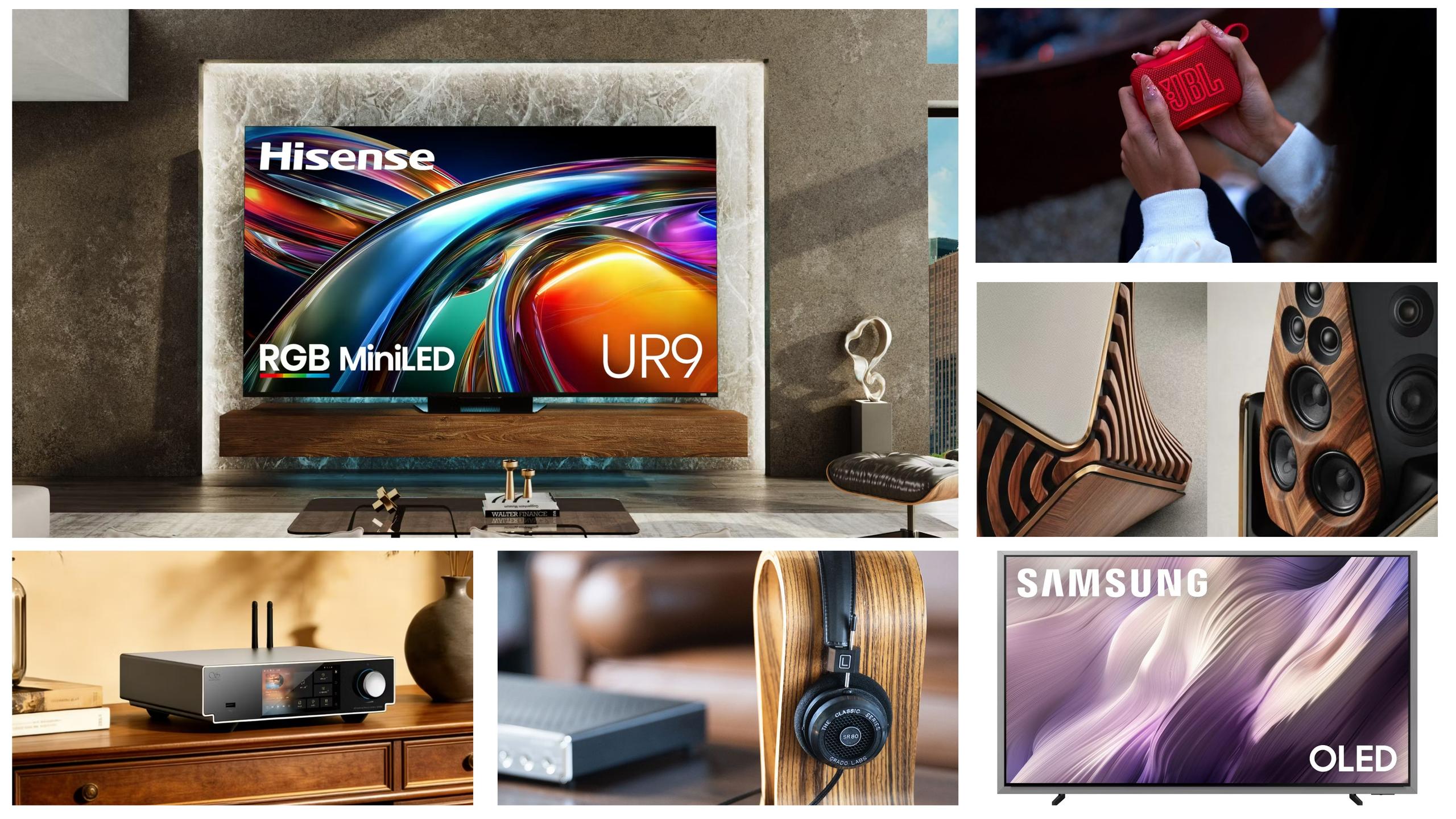
Some weeks in tech feel like noise, too many launches, too little substance. Last week wasn’t one of them.
What stood out to me wasn’t just the volume of new gear, but how much of it felt grounded in real-world use. Instead of chasing specs or gimmicks, a lot of these products are clearly trying to fix everyday frustrations: glare on TVs, messy system setups, underpowered portable audio, or streamers that still act like your TV and music live in completely separate worlds.
That made this one of those rare weeks where the new gear felt genuinely worth paying attention to.
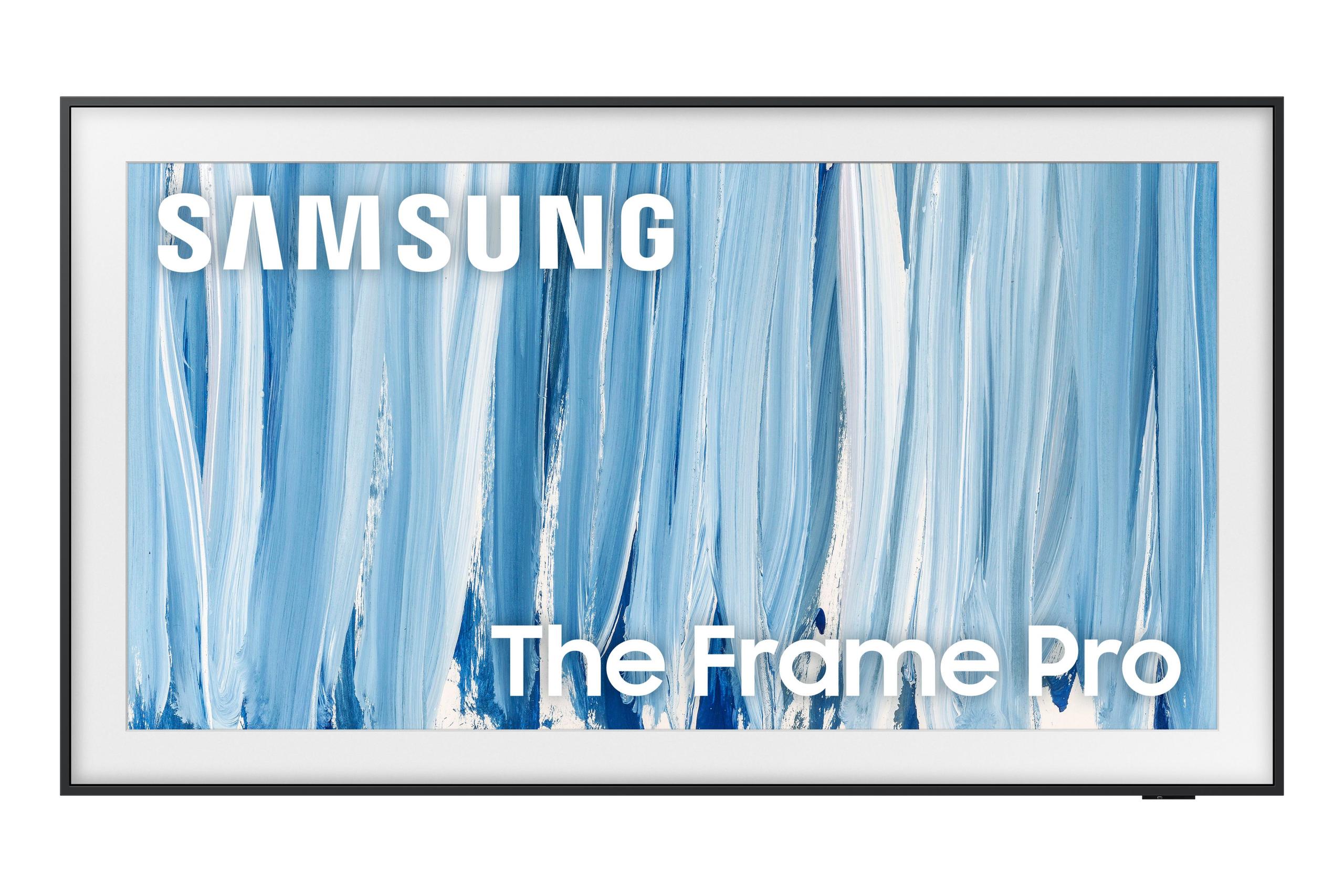
Samsung’s 2026 Frame lineup is still built around the same core idea: make a TV look like something you actually want on your wall when it is not in use. The difference this year is that Samsung seems more focused on removing the little things that break the illusion.
Better Glare Free tech, Pantone-validated art color, easier cable access, and a cleaner install story all feel more useful than a flashy reinvention would have. The Frame Pro also adds micro HDMI with eARC, while a new 55-inch Frame Pro is on the way.
That is why I think this update makes sense. The Frame was never supposed to win a spec war against flagship OLEDs. It was supposed to make living with a TV feel less like compromising your room. Samsung seems to understand that, and the pricing on the Frame Pro keeps it positioned as the premium version of that concept, with current prices starting at $1,999.99 for 65 inches and reaching $3,999.99 for 85 inches. Read more.
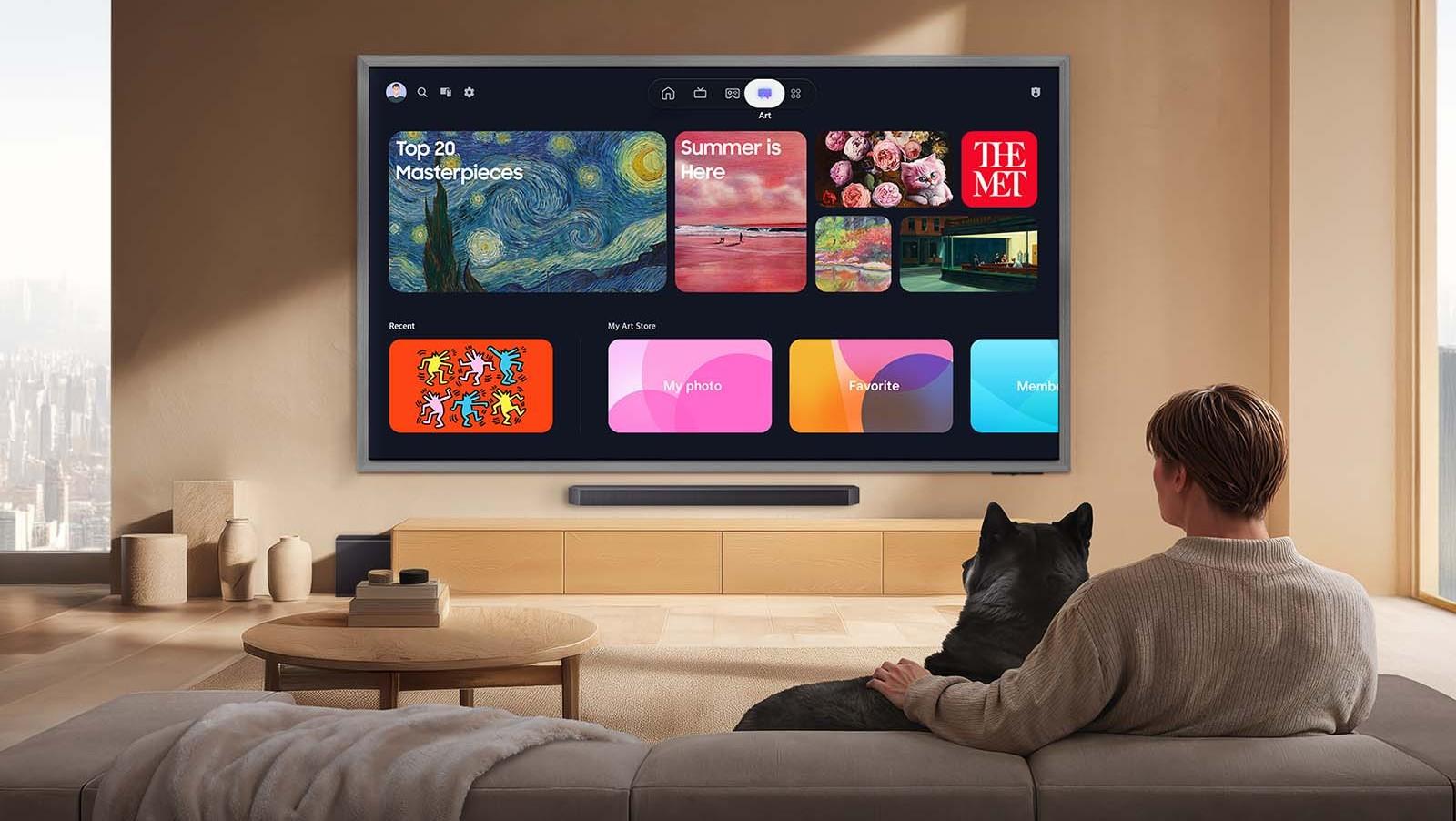
Samsung’s OLED story last week was less about style and more about fixing one of OLED’s most frustrating weaknesses: how these TVs behave in brighter rooms. The big move is expanded Glare Free technology, now appearing on both the S95H and S90H, alongside VDE-verified Real Black and Real Color claims.
Samsung is also leaning hard into gaming again, with Motion Xcelerator 165Hz, NVIDIA G-SYNC, and FreeSync Premium Pro on the upper-tier models.
What I find interesting is that Samsung is also trying to make the flagship S95H feel less like a black slab when it is off. It gets the new FloatLayer design and, for the first time on an OLED model, access to Samsung’s Art Store with more than 5,000 works from more than 800 artists and institutions. That makes the OLED line feel like it is borrowing a little of The Frame’s room-friendly identity, which is a smart move in 2026. Read more.
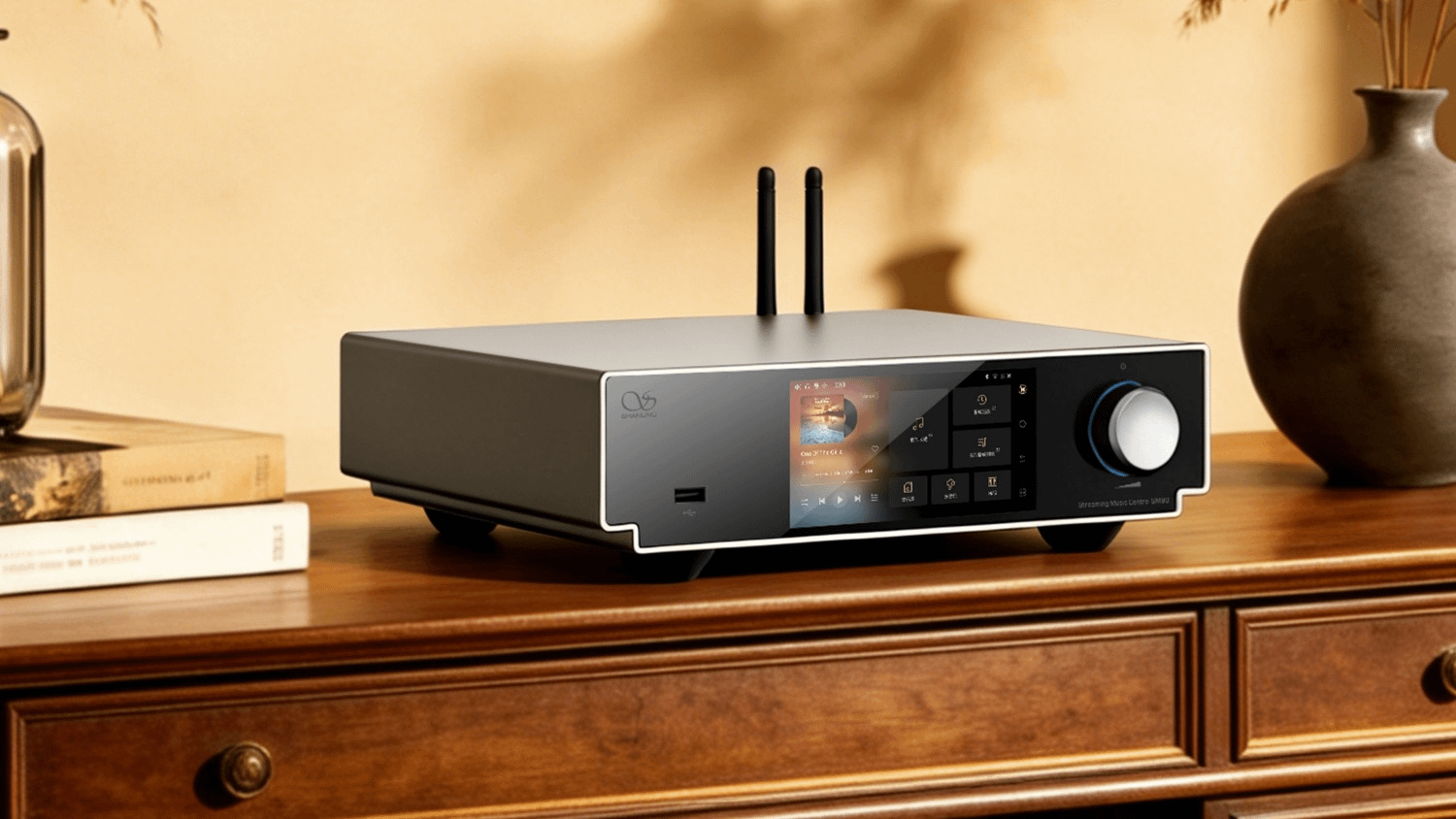
The Shanling SM90 might be one of the most practical launches of the week. At $969, it is not just another network streamer trying to win people over with DAC-chip name drops. What makes it stand out is HDMI ARC.
That single addition lets it pull TV audio into a traditional stereo system, which feels much more in tune with how people actually use gear now. More buyers want one system for music and television, not two separate stacks fighting for space.
Beyond that, the SM90 checks a lot of boxes: dual AKM AK4493S DACs, Android 12, a 4.96-inch touchscreen, Wi-Fi 6, Bluetooth 5.2, AirPlay 2, Qobuz Connect, TIDAL Connect, and balanced XLR outputs. Roon Ready certification is still pending, so it is not a perfect story yet, but on paper this looks like Shanling’s clearest attempt at building a true system hub rather than a niche streamer. Read more.

Bang & Olufsen’s new Beolab 90 variants are the kind of launch that nobody needs and plenty of people will still obsess over. Only 10 pairs of each edition will be made, which tells you immediately that this is more about design, materials, and exclusivity than broad appeal.
The underlying Beolab 90 platform remains the same towering 18-driver active speaker with Beam Width Control, Beam Direction Control, Active Room Compensation, and built-in amplification.
So the real change is visual. The Monarch Edition, in particular, leans into rosewood lamellas and aluminum detailing to make the speaker feel more like high-end furniture or sculpture. That is a very Bang & Olufsen move. I do appreciate that the design still leaves enough of the drivers visible to remind you that this thing is not just decor. It is still an absurdly serious loudspeaker underneath the luxury finish. Read more.
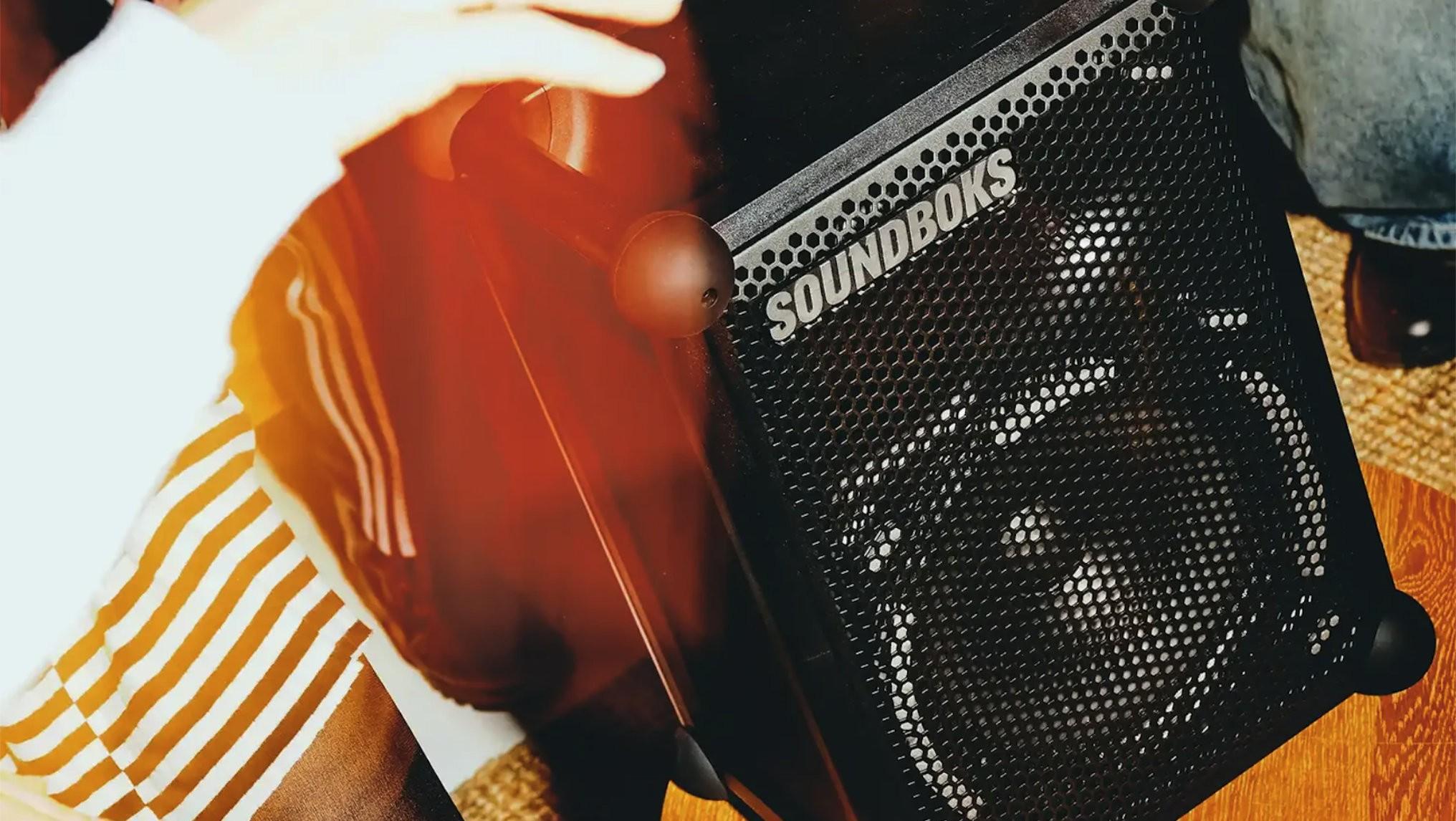
Soundboks has always been better than most brands at understanding that “portable” and “party” should not automatically mean cheap-looking and gimmicky. The new Soundboks Mix continues that approach.
At $799, it is positioned as the more accessible and easier-to-carry option in the lineup, aimed at tailgates, beach hangs, backyard gatherings, and the kind of outdoor use where normal Bluetooth speakers run out of steam fast.
What makes it interesting is that Soundboks is not trying to hide what it is. This is still a rugged, battery-powered box built for output, with a 10-inch woofer, 0.5-inch tweeter, dual 72-watt Class D amps, and a claimed maximum of 121 dB. That is a lot of speaker for something you can still move around without turning the whole event into a logistics problem. Read more.
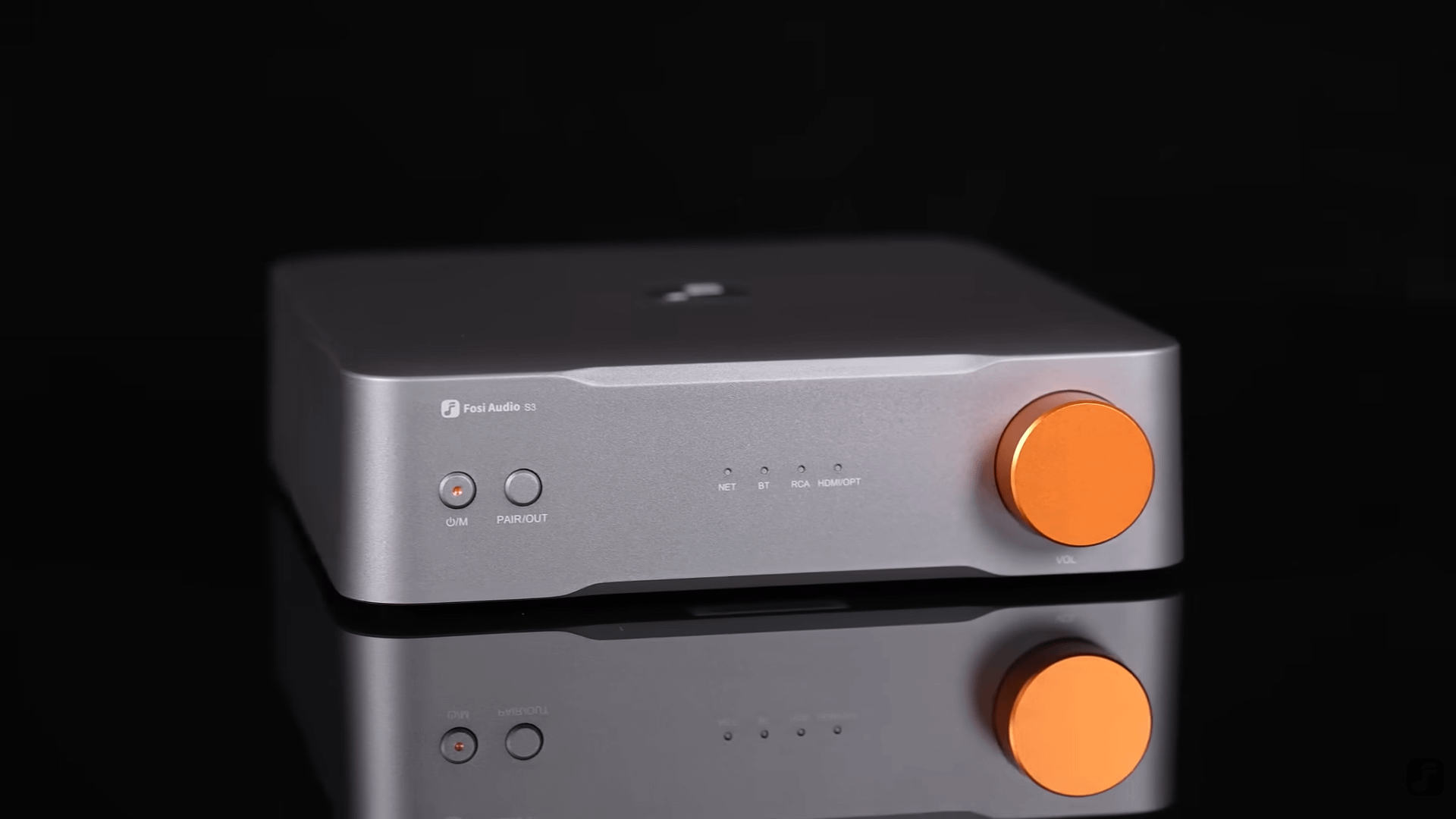
The Fosi Audio S3 feels like a very 2026 product: affordable, flexible, ambitious, and just a little unfinished. At $259, it combines streamer, DAC, preamp, and digital transport duties into one box, with HDMI eARC, RCA outputs, balanced XLR outputs, optical input, and a subwoofer output. For someone building a first real stereo or 2.1 system, that is a compelling amount of functionality for the money.
The catch is that the omissions matter. It launches without Qobuz Connect, and Bluetooth is limited to SBC and AAC, with no LDAC or aptX HD.
So while it checks many mainstream boxes, it does not hit every expectation enthusiasts now bring to streamer shopping. That does not kill the product, but it does make the S3 feel like a promising first swing rather than an instant category leader. Read more.
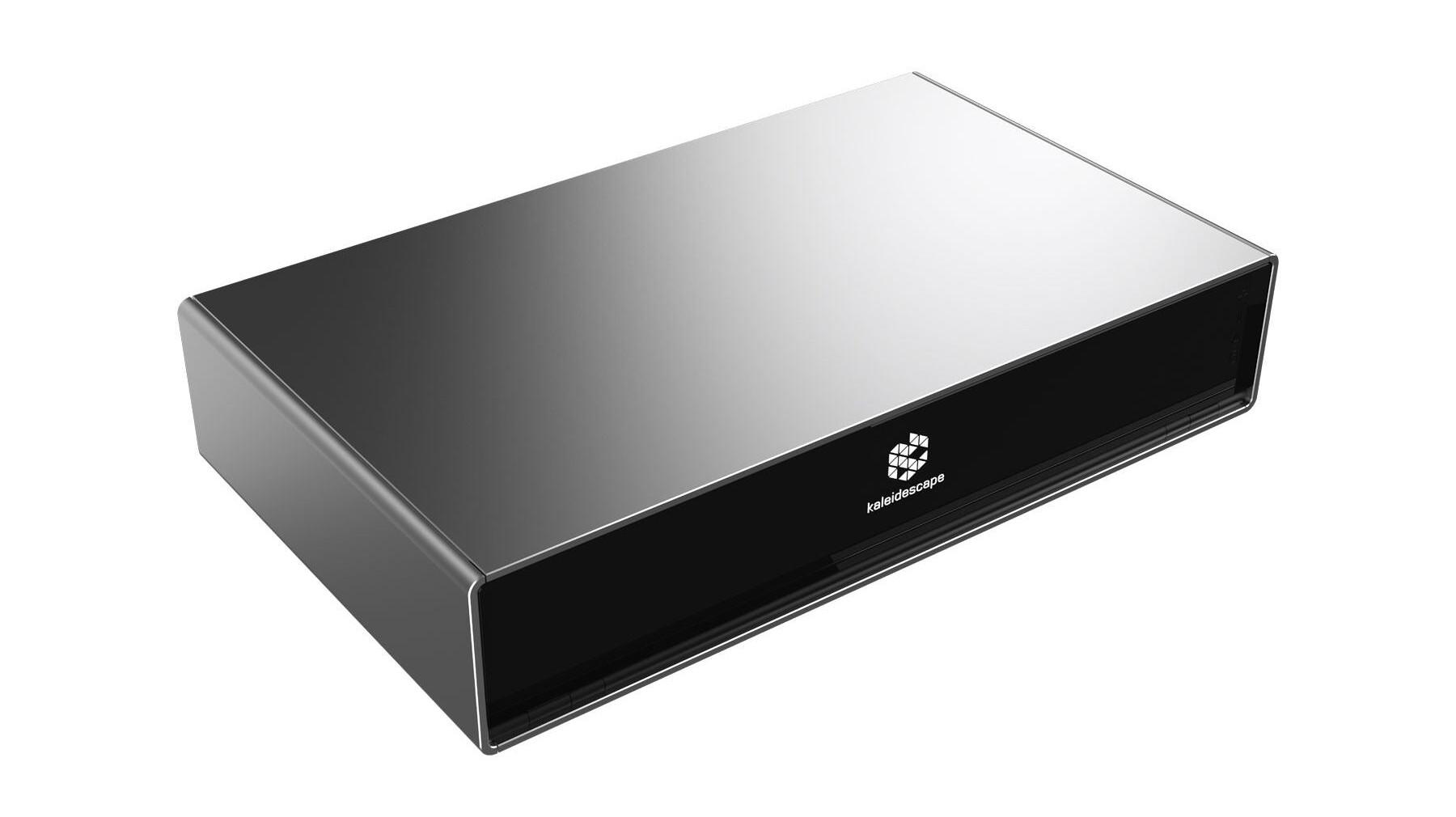
Some products are easier to describe once you stop pretending they are for everyone. The Terra Prime 120TB is one of those products. At $34,995, this is not a gadget. It is home theater infrastructure. Kaleidescape says it can store up to 2,000 4K movies, stream up to 10 simultaneous 4K streams across a home, and deliver full-bitrate video with lossless formats like Dolby Atmos and DTS:X.
What I like about Kaleidescape is that it never really tries to dress this up as normal streaming. The entire pitch is local storage, instant access, no buffering, and no bitrate compromises. That is wildly overkill for most people, but for serious custom-install theaters, that is exactly the point. Read more.

The Hisense UR9 may have the most intriguing TV-tech pitch of the week. Instead of relying on the usual white or blue-based backlight approach, it uses RGB MiniLED backlighting with red, green, and blue light generated directly at the source.
Hisense says that should lead to wider color performance, better accuracy, and more precise brightness and contrast control. The company is even claiming 100% BT.2020 color gamut coverage.
That is a big promise, but the broader point is what really matters: Hisense is trying to make RGB MiniLED feel mainstream rather than experimental. The UR9 lineup runs from 65 to 100 inches, starts at $3,499.99, goes on wider sale April 23, and even comes with a free 55-inch CanvasTV for qualifying pre-orders placed through April 22. It is an aggressive move, and honestly, that has become part of Hisense’s identity. Read more.
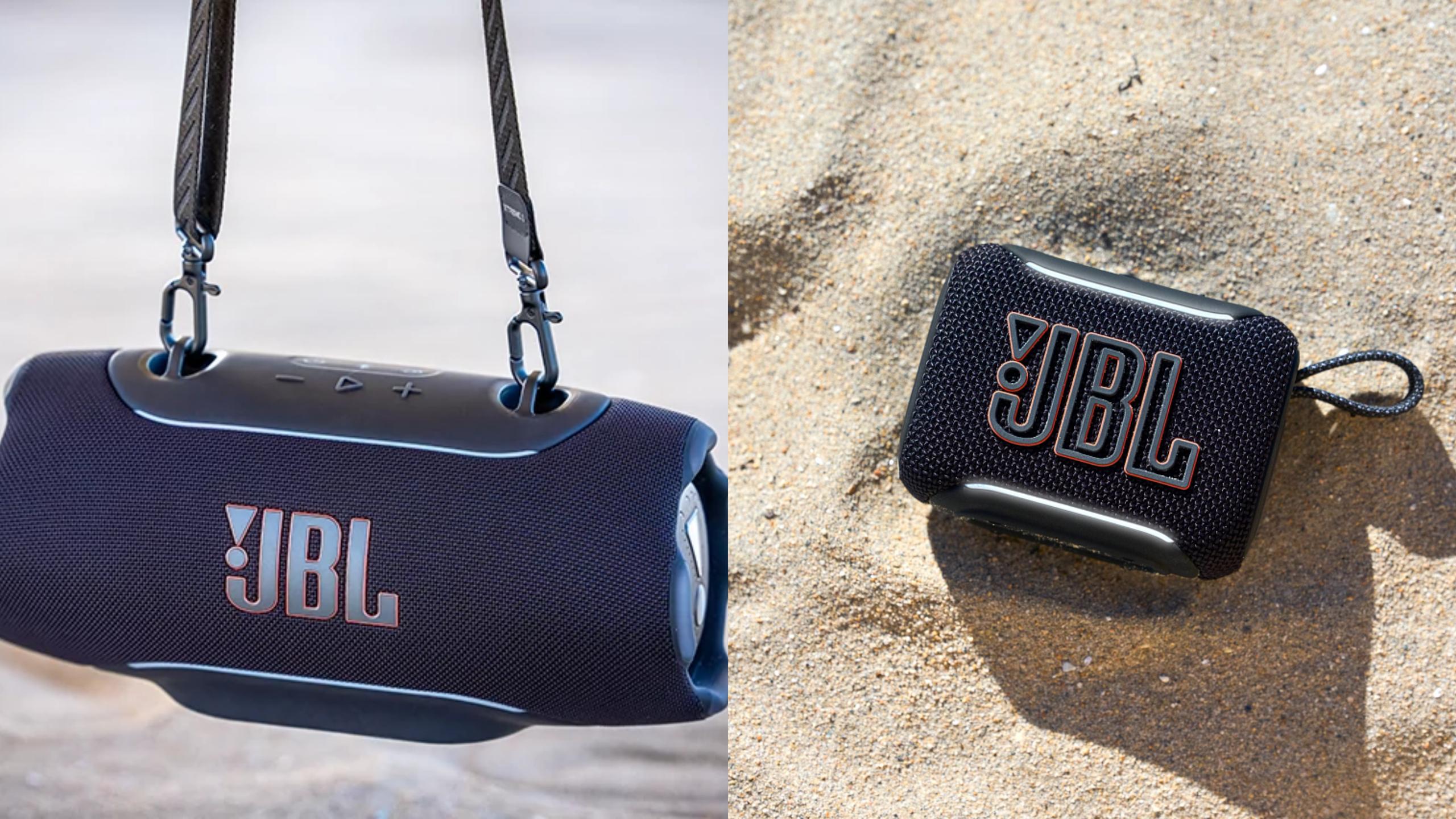
JBL’s new Xtreme 5 and Go 5 are not radical launches, but they make a lot of sense. The Xtreme 5 gets 10 percent deeper bass and higher output than the previous version, along with AI Sound Boost, SmartEQ Mode, lossless USB audio, Auracast support, IP68 protection, and up to 24 hours of battery life plus 4 extra hours with Playtime Boost. The Go 5 stays tiny and cheap, but JBL says it is now 10 percent louder with deeper bass.
This is exactly the kind of update I like seeing in portable speakers. Instead of pretending everything has been reinvented, JBL is improving the parts people actually notice: distortion at higher volume, battery life, portability, and everyday usefulness. The Xtreme 5 is priced at $399.95, while the palm-sized Go 5 comes in at $54.95. Read more.

Grado’s new Classic Series is the quietest launch here, but maybe one of the most on-brand. The company has reorganized seven of its best-known wired open-back headphones under one banner and updated the entire lineup with its X2 driver platform. The goal sounds less like reinvention and more like refinement: better consistency, better control, and the same unmistakably direct Grado presentation.
The lineup runs from the $125 Classic SR60 to the $1,995 Classic GS3000, with new cable assemblies, refined headbands, and updated build components across the range. Grado is also sticking with hard-wired cables instead of detachable ones, which will please traditionalists and annoy everyone else. That tension is basically Grado in a nutshell, and part of why the brand still stands out. Read more.





Privacy Policy
Terms and Conditions - Affiliate Policy
Home Security
© Copyright 2008-2026.
11816 Inwood Rd #1211, Dallas, TX 75244