

Samsung has taken the wraps off its 2026 OLED TV lineup, and the message is pretty clear: refine the premium stuff, spread more of it across the range, and make the TVs easier to live with in real-world rooms.
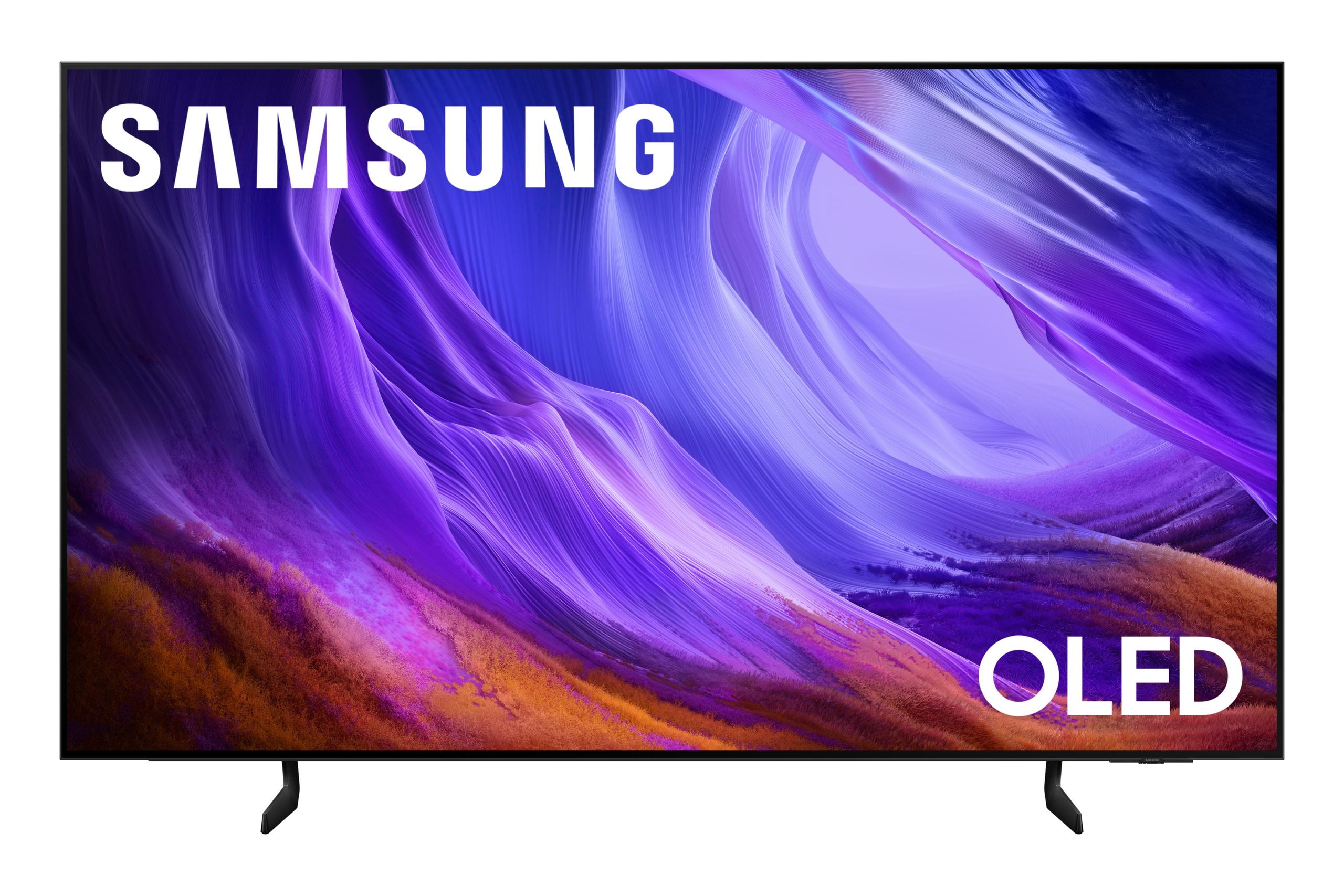
The new lineup includes three series, S95H, S90H, and S85H, with screen sizes reaching up to 83 inches. While Samsung is still leaning hard into picture quality and gaming, this year’s update also puts more emphasis on design, glare reduction, built-in art features, and AI-based tools that try to make the TV feel a little more adaptive without forcing users to dig through endless menus.
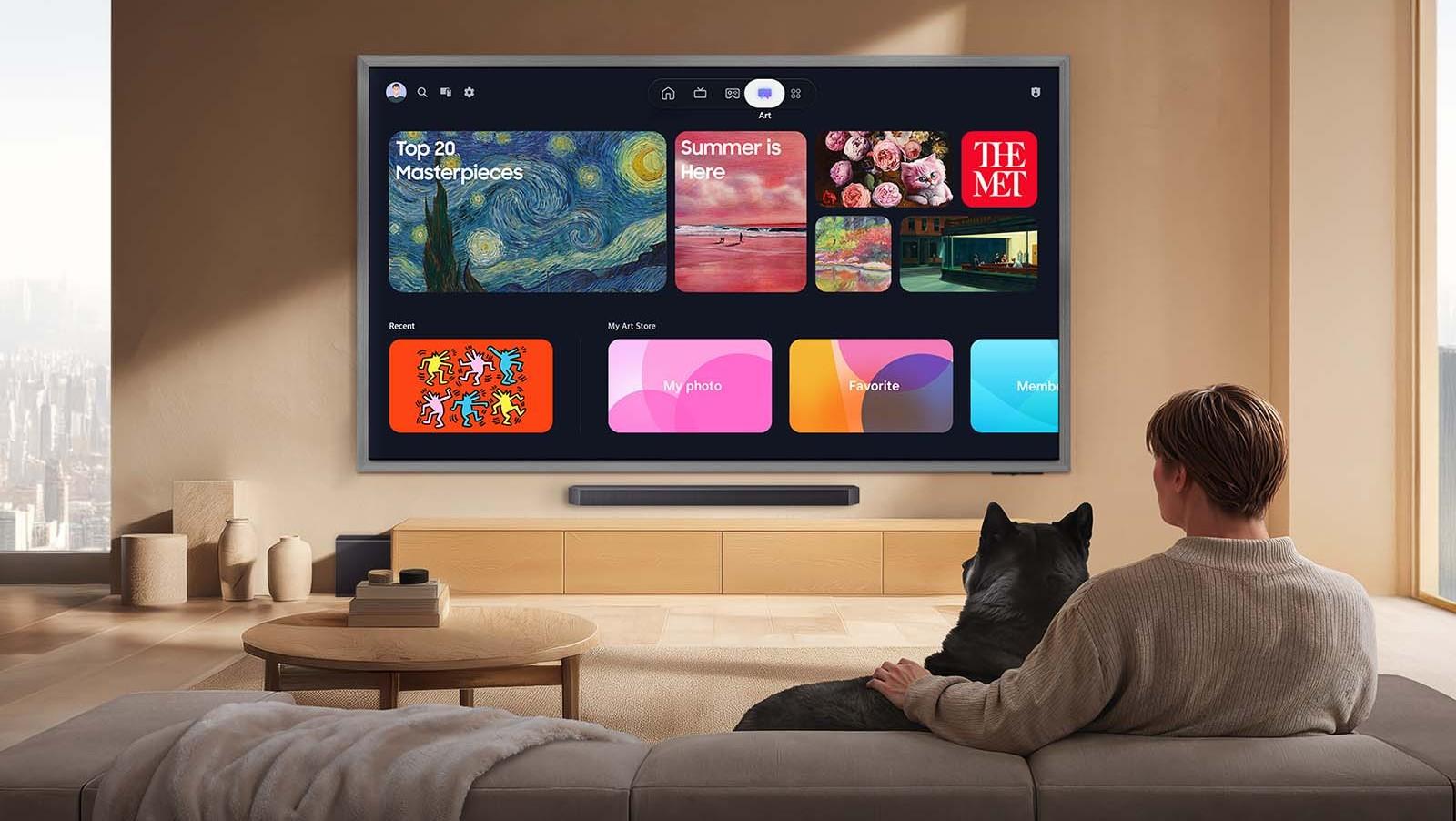
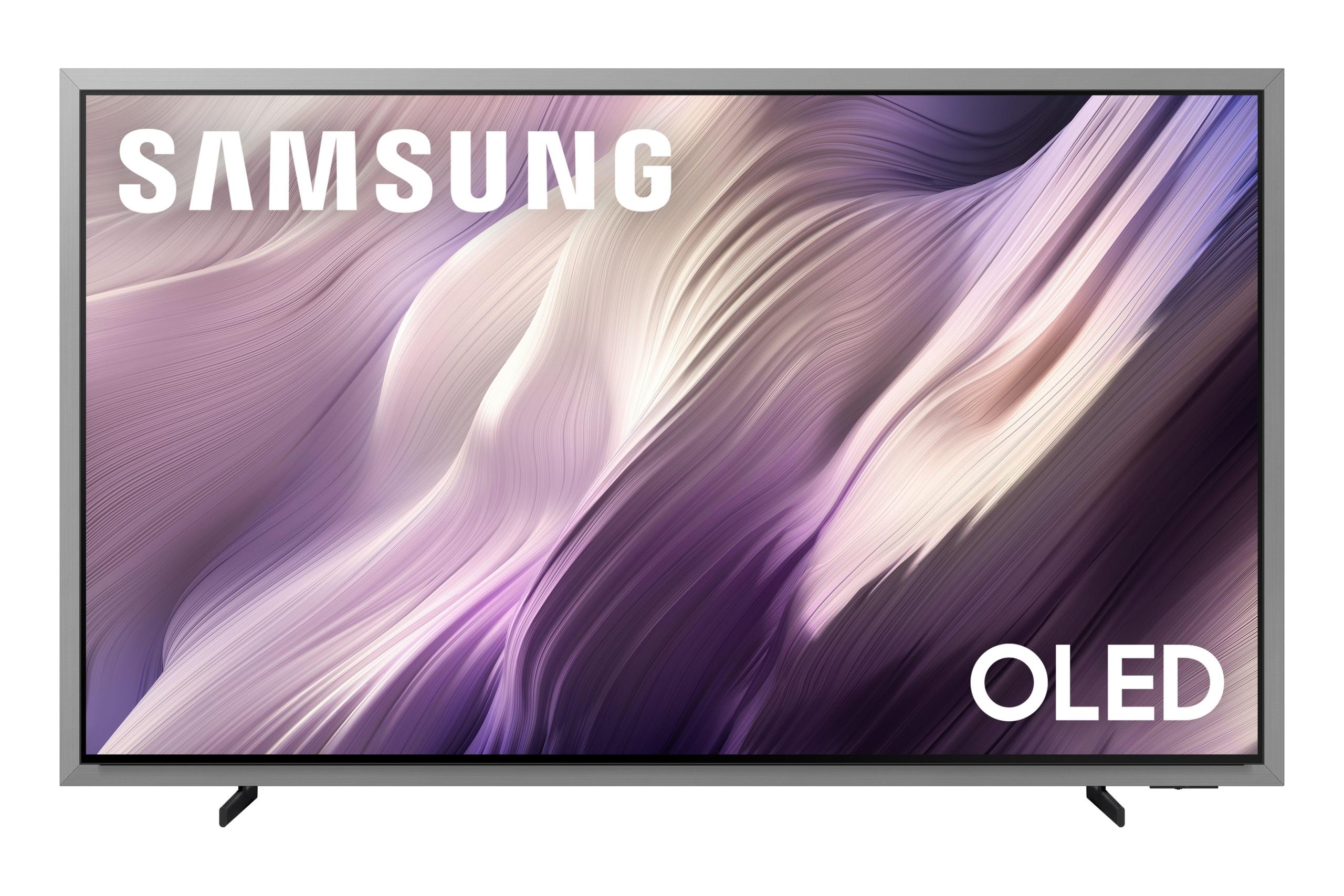
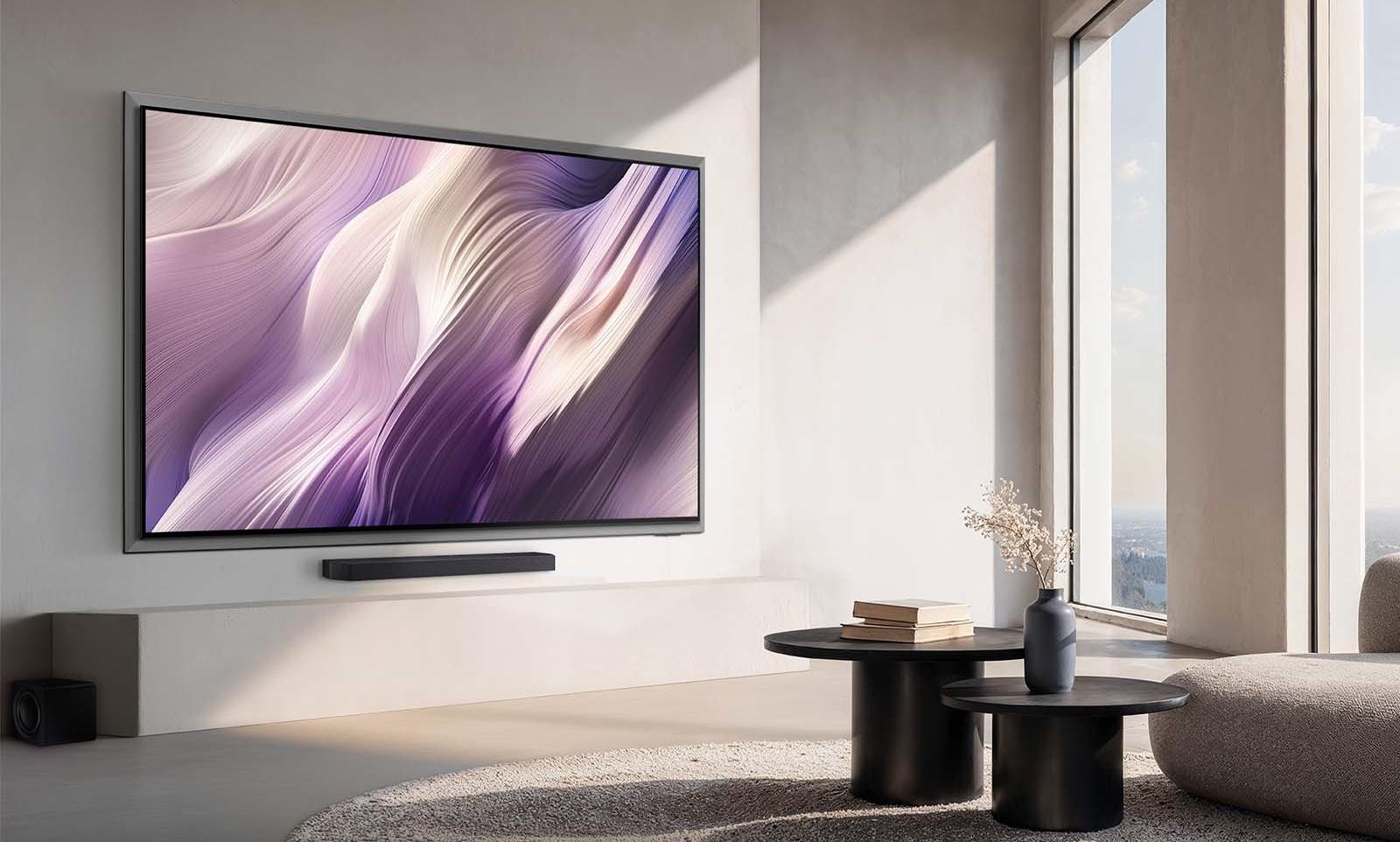
At the top of the range is the S95H, which gets a new “FloatLayer” design. Samsung says the set is built to sit flush against the wall while creating a floating visual effect, with a metal bezel meant to give it more of a gallery-style look. That ties directly into one of the more notable additions this year: Samsung Art Store is now available on an OLED model for the first time.
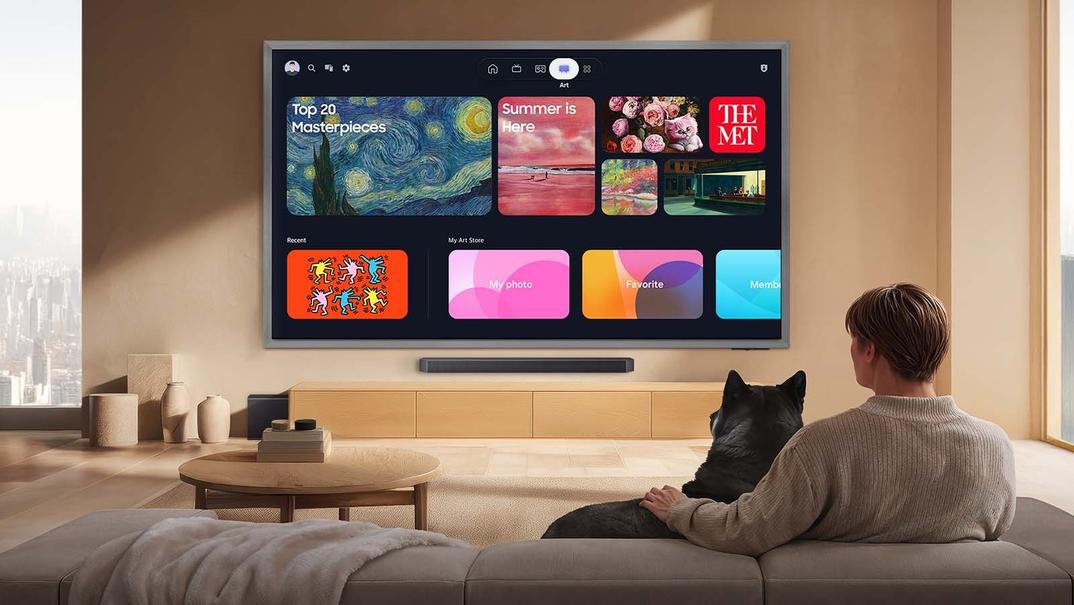
That means S95H owners can subscribe to a catalog of more than 5,000 works from over 800 artists and institutions, including collections tied to names like MoMA, Art Basel, and the Art Institute of Chicago. There’s also a free rotating selection through Art Store Streams, which offers 30 artworks each month. Whether that matters to you probably depends on whether you actually use your TV as a display when it is off, but Samsung is clearly trying to make the flagship OLED feel more like part of the room and less like a giant black rectangle.
Another practical feature on the S95H is Wireless One Connect Ready. That means Samsung is giving buyers more flexibility with cable management. You can connect devices directly to the TV, hide cables farther away with the optional Wireless One Connect Box, or use a mix of both.
For picture performance, the big talking point is that Samsung has expanded its Glare Free technology. Last year, glare control was a major differentiator in Samsung’s OLED pitch, and now it appears on both the S95H and S90H. Samsung is also highlighting VDE-verified Real Black and Real Color, which is its way of saying these sets are designed to maintain strong black levels and color performance even in brighter rooms.
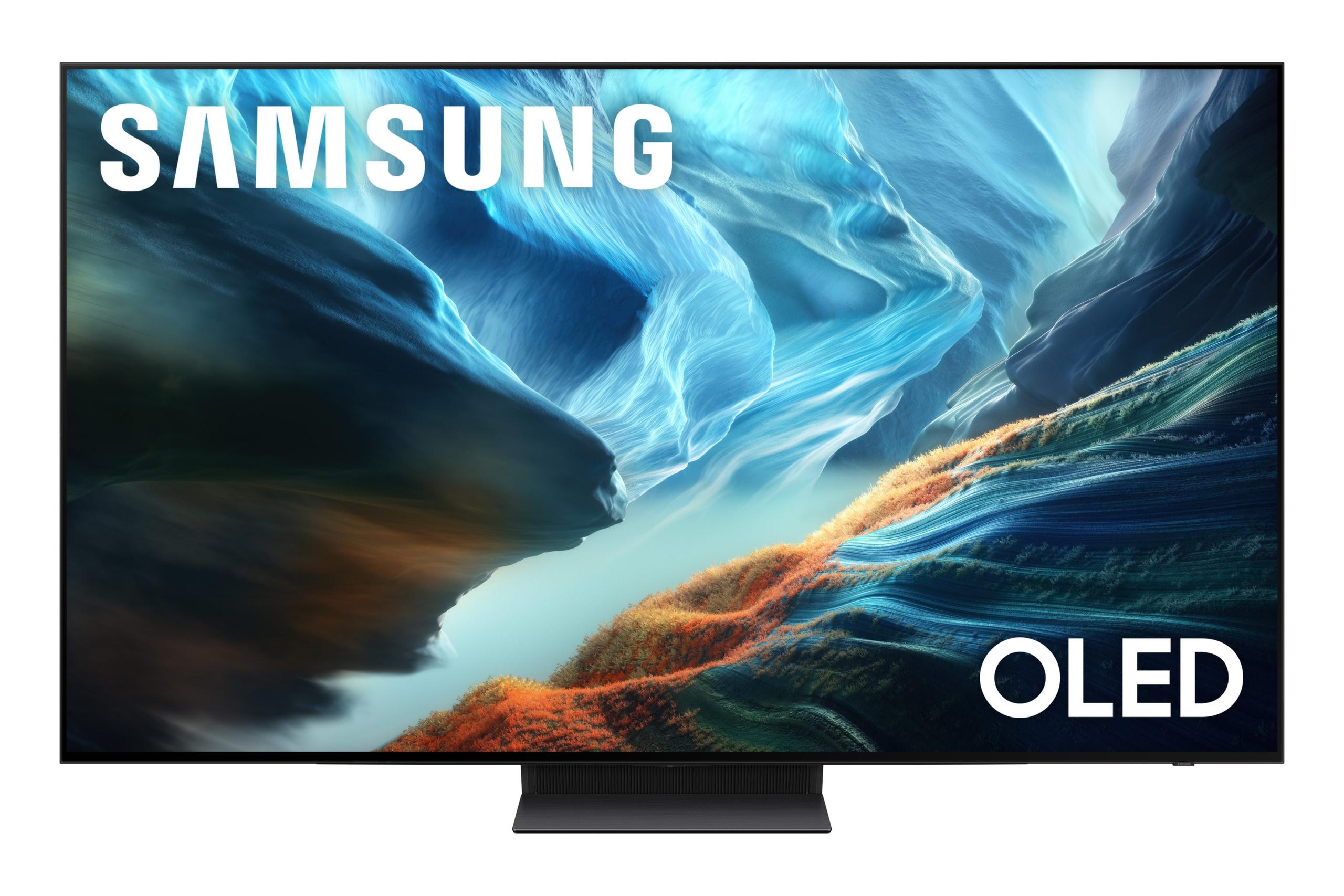
Here’s the quick breakdown of what separates the upper-tier models:
Samsung is also continuing to chase gamers pretty aggressively. The S95H and S90H get what the company calls its Ultimate Gaming Pack, which includes Motion Xcelerator 165Hz, NVIDIA G-SYNC compatibility, and FreeSync Premium Pro. That combination is aimed at reducing tearing and stutter while keeping motion smoother for people gaming on high-refresh-rate PCs or current-gen consoles.
Both models also use Samsung’s NQ4 AI Gen3 Processor, which handles a long list of software-driven enhancements. Some of these are the usual 2026 TV buzzwords, but the functions themselves are familiar enough:
Some viewers will appreciate that kind of automation, while others will probably turn half of it off and stick with a calibrated preset. Still, Samsung is trying to reduce the amount of manual tweaking needed for everyday watching.
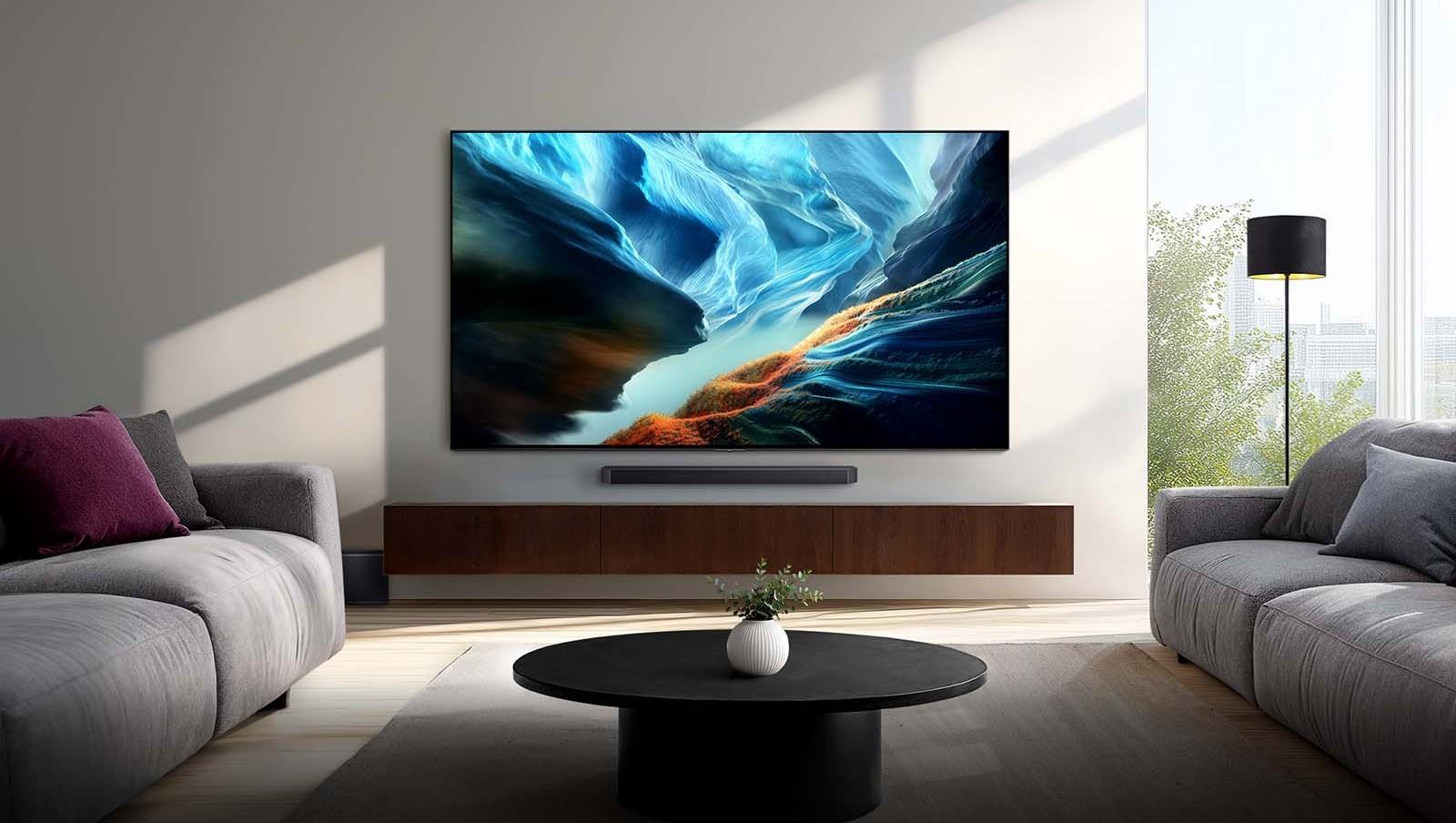
Audio gets its own batch of upgrades too, although as always, TV sound has limits no matter how much processing gets layered on top. Samsung says the lineup supports Dolby Atmos, Adaptive Sound Pro, Active Voice Amplifier Pro, and Object Tracking Sound+. There is also continued support for Q-Symphony, which allows the TV speakers to work with compatible Samsung audio gear, including the company’s upcoming 2026 Q-Series soundbars and Music Studio speakers.
On the smart TV side, Samsung is folding more AI tools into its One UI Tizen platform. The company says users can interact with enhanced Bixby or use apps for Microsoft Copilot and Perplexity for everything from recommendations to general questions. Other additions include AI Sound Controller Pro, which lets users independently adjust voices, music, and effects, and AI Soccer Mode, which tunes picture and sound specifically for soccer broadcasts.
Samsung is also promising up to seven years of OS updates, which matters more than it used to. Smart TV software tends to age badly, and longer support could help these sets stay useful beyond the usual upgrade cycle.
The 2026 Samsung OLED lineup is rolling out now, with pricing as follows:
The bigger story here is not that Samsung reinvented OLED for 2026. It did not. What it did do is spread more premium features deeper into the lineup, give the flagship a more lifestyle-focused design angle, and continue shaping its OLED TVs around three familiar selling points: better bright-room performance, stronger gaming support, and a smarter software experience. For buyers trying to decide where to spend premium TV money this year, that is where Samsung wants the conversation to start.
Related Reading:






Privacy Policy
Terms and Conditions - Affiliate Policy
Home Security
© Copyright 2008-2026.
11816 Inwood Rd #1211, Dallas, TX 75244