



Grado Labs has introduced a new Classic Series, a lineup that brings seven of the company’s best-known wired open-back headphones under one label while adding updated drivers, revised cables, and changes to the headband design. For a brand like Grado, which has spent decades building a loyal following around a very specific kind of headphone sound and look, this is less about starting over and more about organizing and updating what was already there.
The new Classic Series sits alongside Grado’s Signature Line and Wireless Series, giving the Brooklyn company a more clearly defined product structure. In practical terms, it means longtime models such as the SR60, SR80, SR325, RS1, Hemp, GS1000, and GS3000 are now grouped together as part of one family instead of feeling like separate entries spread across the catalog.
That matters because these are the headphones many people associate most closely with the Grado name. For a lot of listeners, especially those getting into wired hi-fi for the first time, the SR60 or SR80 was the entry point. Higher up the range, models like the RS1 and GS1000 helped define Grado’s place in the enthusiast headphone world. The Classic Series keeps that familiar ladder in place, but adds a few changes meant to make the lineup feel more consistent and easier to understand.
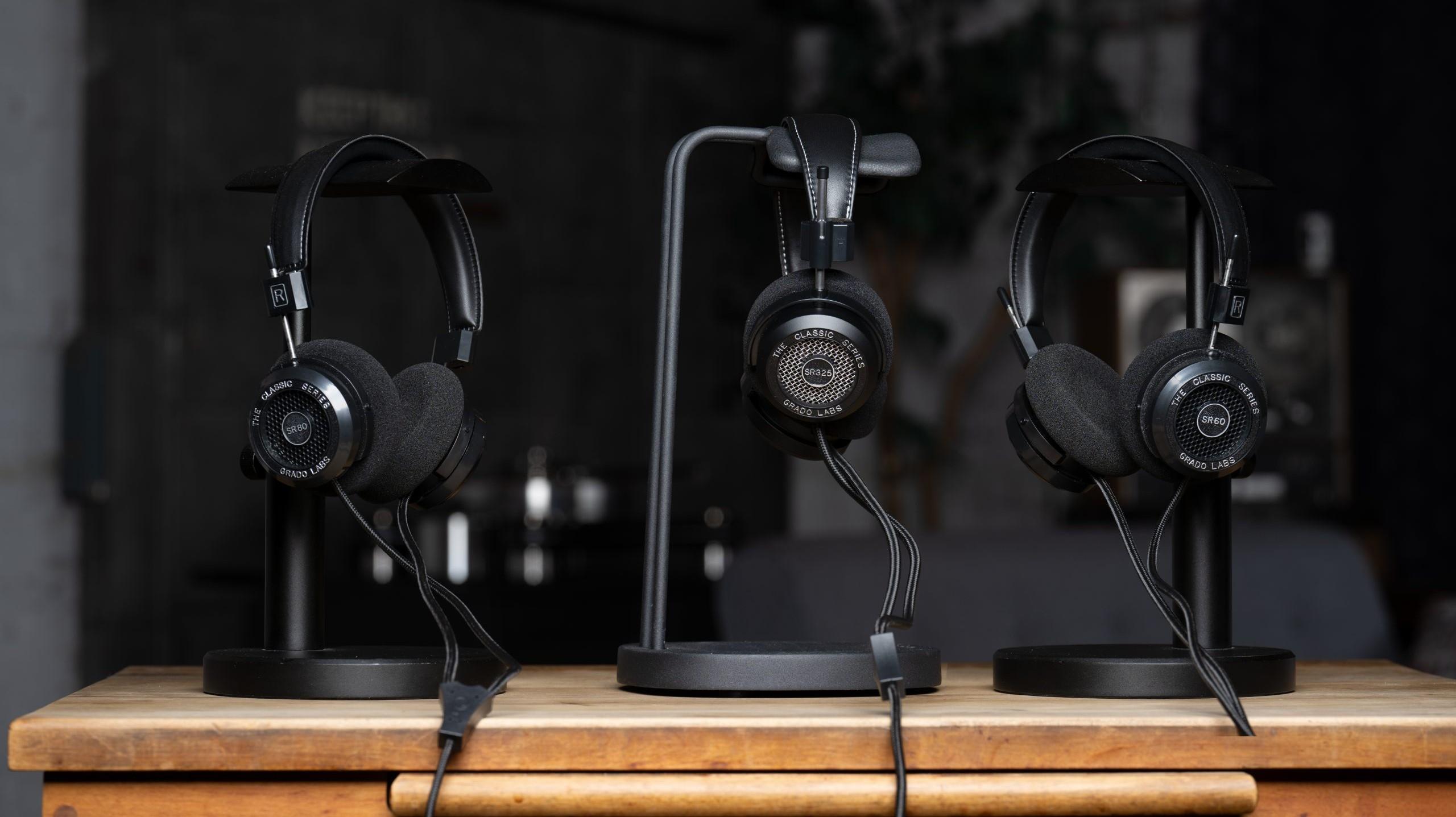
So, what's actually new? The headline update is Grado’s X2 driver platform, which now runs across the Classic Series. According to Grado, the X2 platform is designed to improve consistency, control, and overall balance while keeping the open, immediate presentation Grado headphones are known for.
This does not sound like a complete overhaul of the company’s sound philosophy. The bigger story here is refinement rather than reinvention. Grado is still leaning into the traits that have made its headphones instantly recognizable over the years: open-back design, wired listening, a direct presentation, and tuning that is adjusted to match each model’s housing.
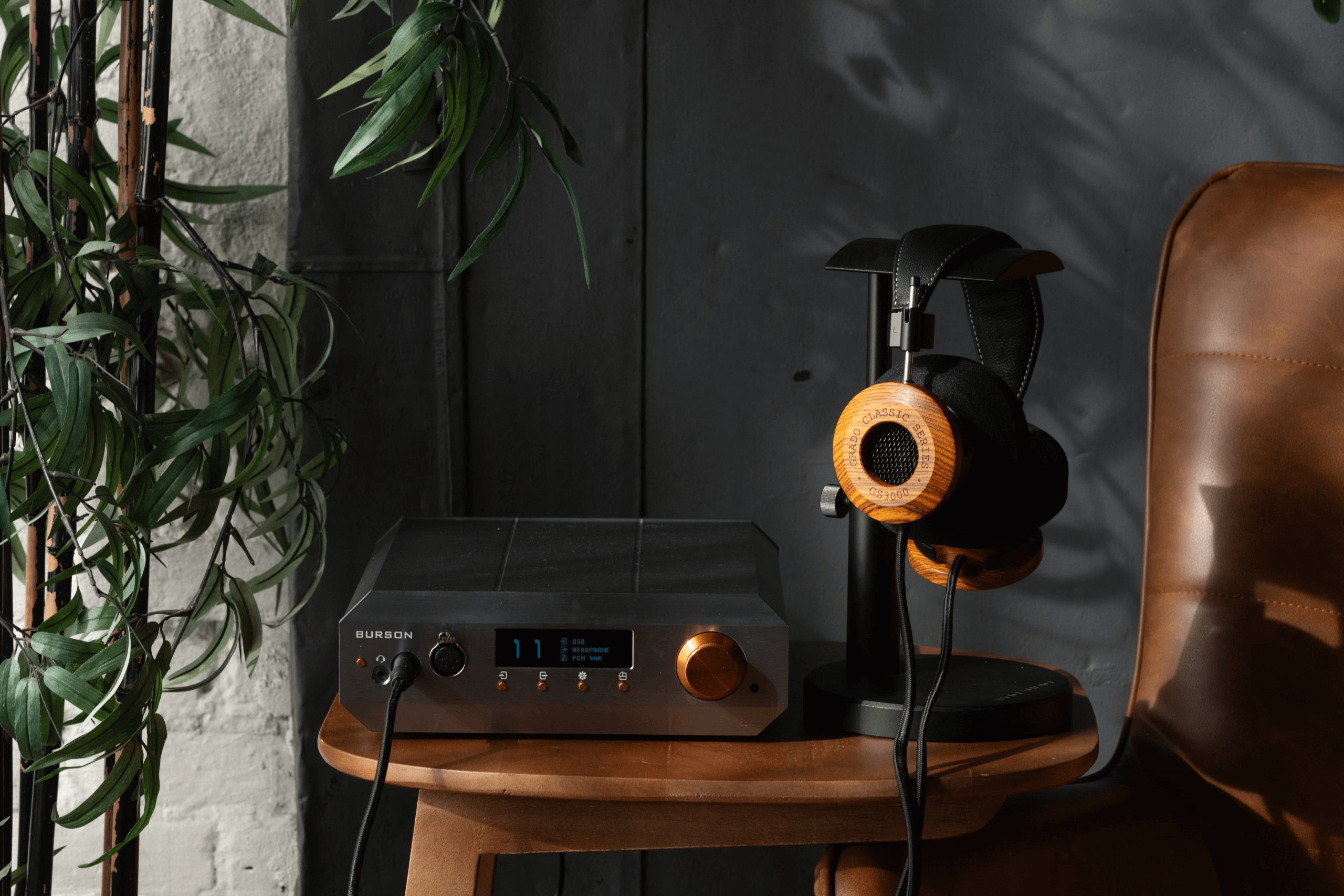
The Classic Series also gets a few practical updates beyond the drivers:
That last point is worth noting. Grado is drawing a clear line between the Classic Series and the Signature Line. Anyone hoping detachable cables would appear here will not get them. The Classic Series sticks with the company’s long-running fixed-cable approach, which will feel familiar to existing fans but may still divide buyers who prefer easier cable replacement or more portable flexibility.

The Classic Series includes seven models, ranging from Grado’s affordable entry-level sets to premium open-back designs that push close to the $2,000 mark. The pricing breaks down like this:
That spread tells you a lot about what Grado is trying to do. This is not a narrow product refresh built around one price point. It is a broad cleanup of the company’s core wired headphone lineup, covering the same audience it has served for years, from curious first-time buyers to experienced listeners looking at the upper end of the catalog.
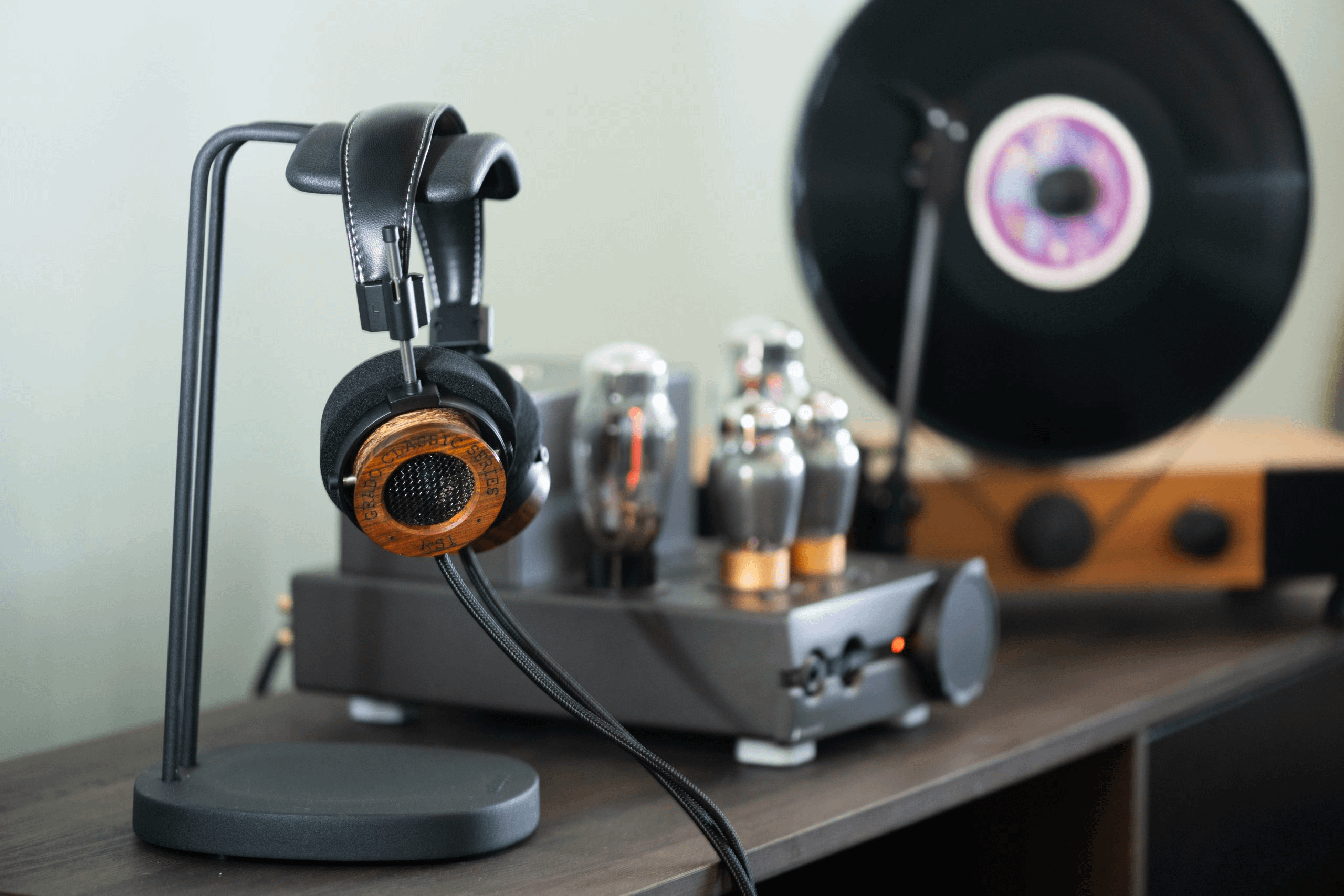
The SR60 remains the most affordable way into the Grado sound, while the SR80 continues to occupy that familiar middle ground for buyers wanting a bit more energy and detail without spending much more. The SR325 keeps its place as the metal-bodied option in the lower half of the range, while the Hemp remains the lineup’s material outlier with its hemp-and-maple housing.
Above those models, the RS1, GS1000, and GS3000 continue to represent the more premium side of the brand, where larger housings, upgraded assemblies, and more ambitious tuning goals come into play.
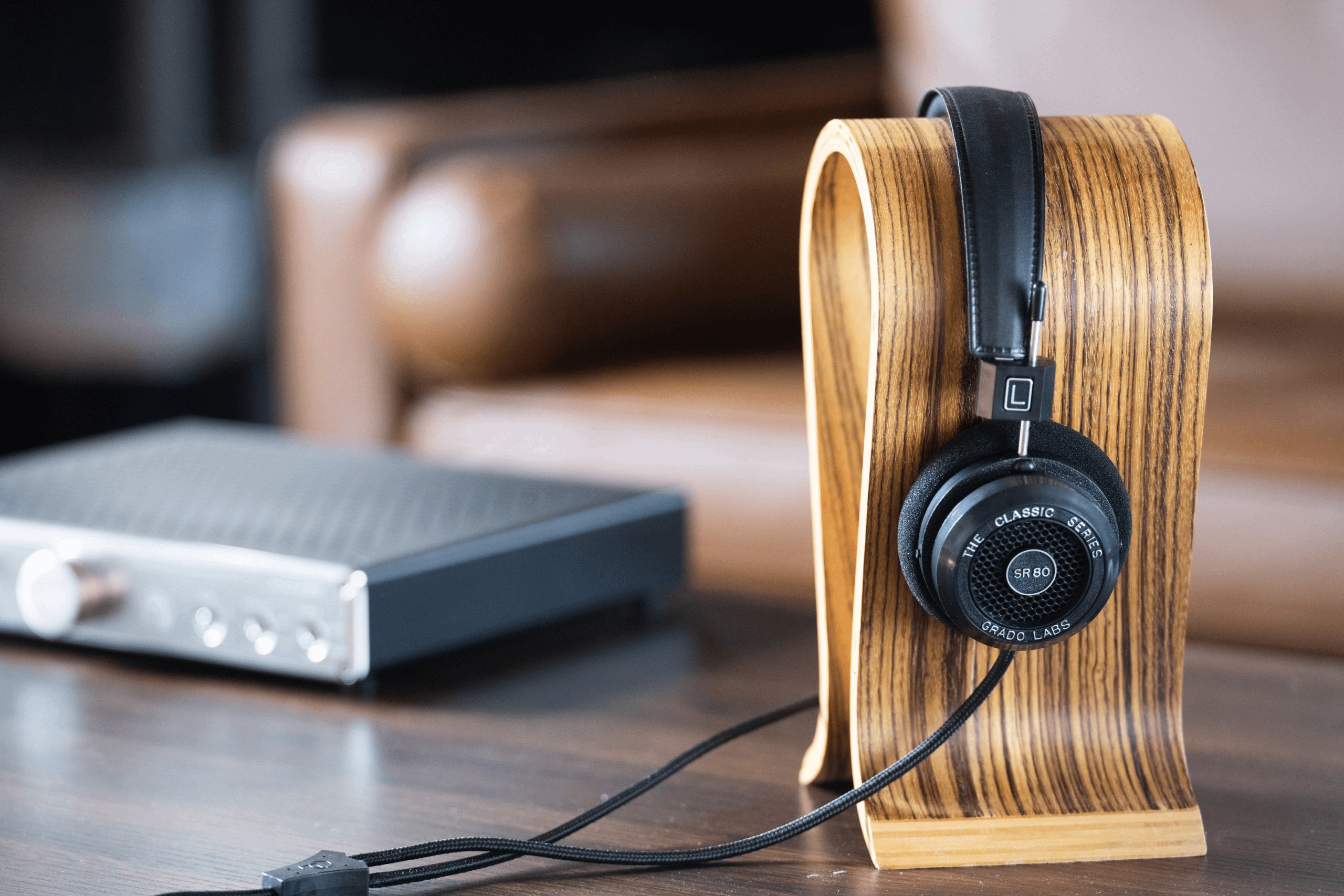
What makes this announcement interesting is that Grado is not chasing the same feature list many modern headphone brands are focused on. There is no active noise canceling here, no wireless mode, no app ecosystem, and no attempt to turn these into lifestyle products. The Classic Series stays firmly in the world of traditional wired, open-back listening.
That approach will naturally narrow the audience, but it also makes the purpose of the lineup easy to understand. These headphones are aimed at people who want a straightforward home listening experience and are more interested in sound tuning, comfort, and build updates than in extra features.
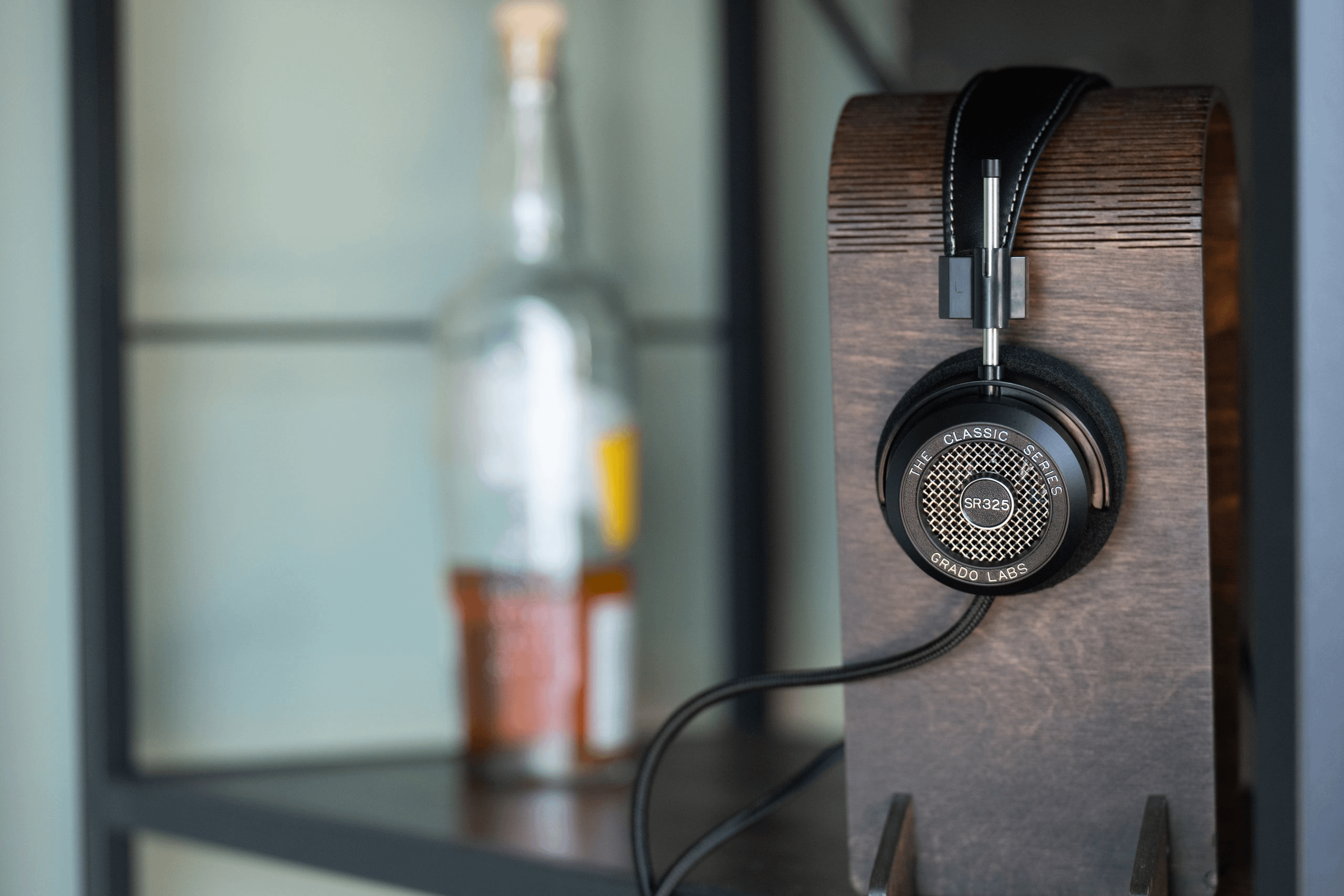
Grado says the Classic Series will begin shipping in late March. For existing fans, the biggest question will be how much the X2 driver platform changes the listening experience from the older “x” versions these models replace.
For everyone else, the launch is a reminder that even in a market crowded with wireless headphones and app-driven features, there is still room for a company to update its core wired products without changing what made them popular in the first place.
Related Reading:






Privacy Policy
Terms and Conditions - Affiliate Policy
Home Security
© Copyright 2008-2026.
11816 Inwood Rd #1211, Dallas, TX 75244