

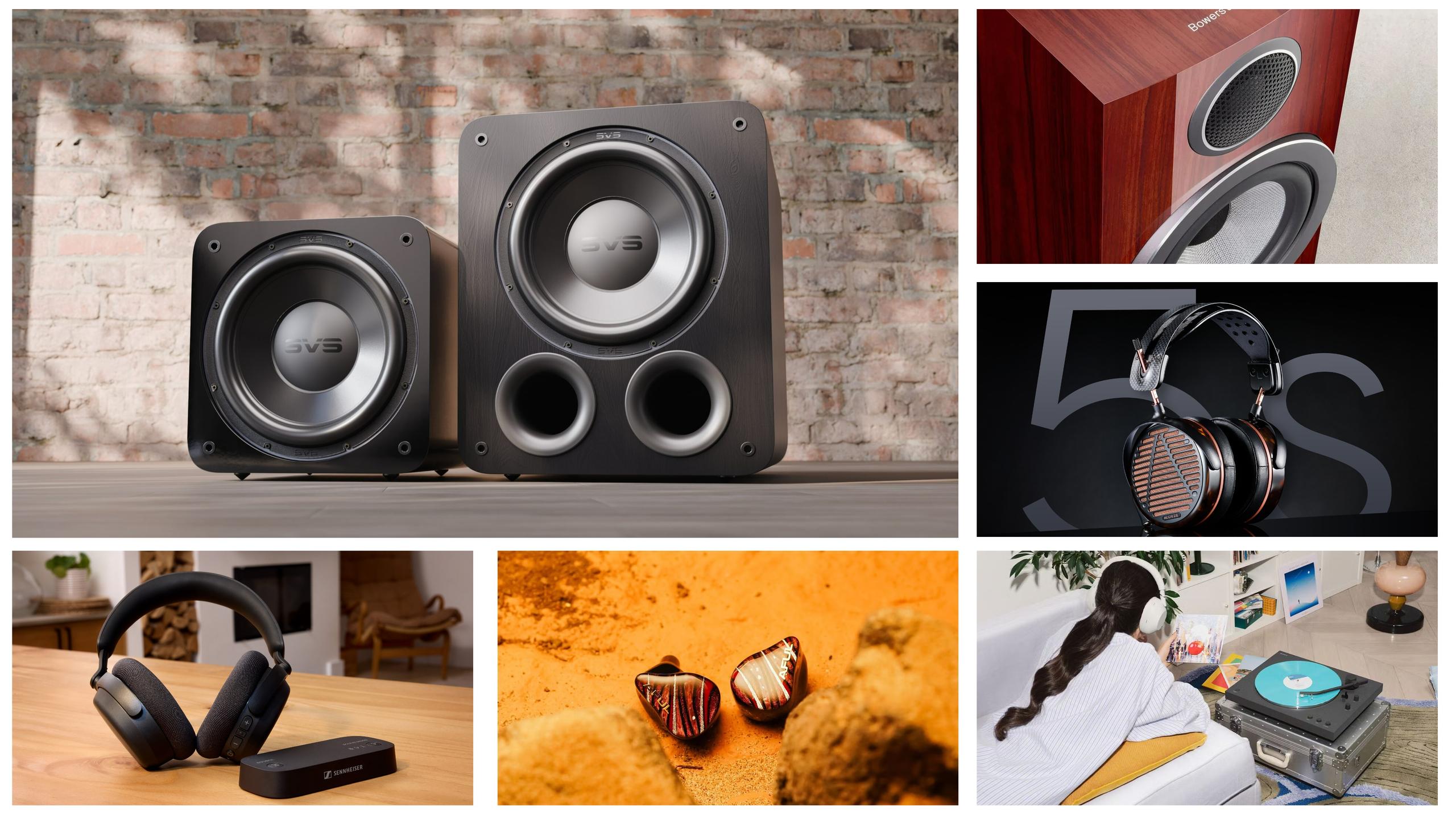
If your “save for later” list is already out of control, I’m about to make it worse, in the best way. Over the past week, we’ve seen a nice spread of launches across headphones, vinyl, projection, streaming, and home theater bass. Some of it is genuinely new hardware, some is a smart refresh, and a couple of these are the kind of “why didn’t they do this sooner?” products that feel like they were designed specifically to solve everyday annoyances.
Here’s my rundown of the most interesting new gear that landed on HomeTheaterReview in the past week, what it is, what’s different, and who it’s really for.
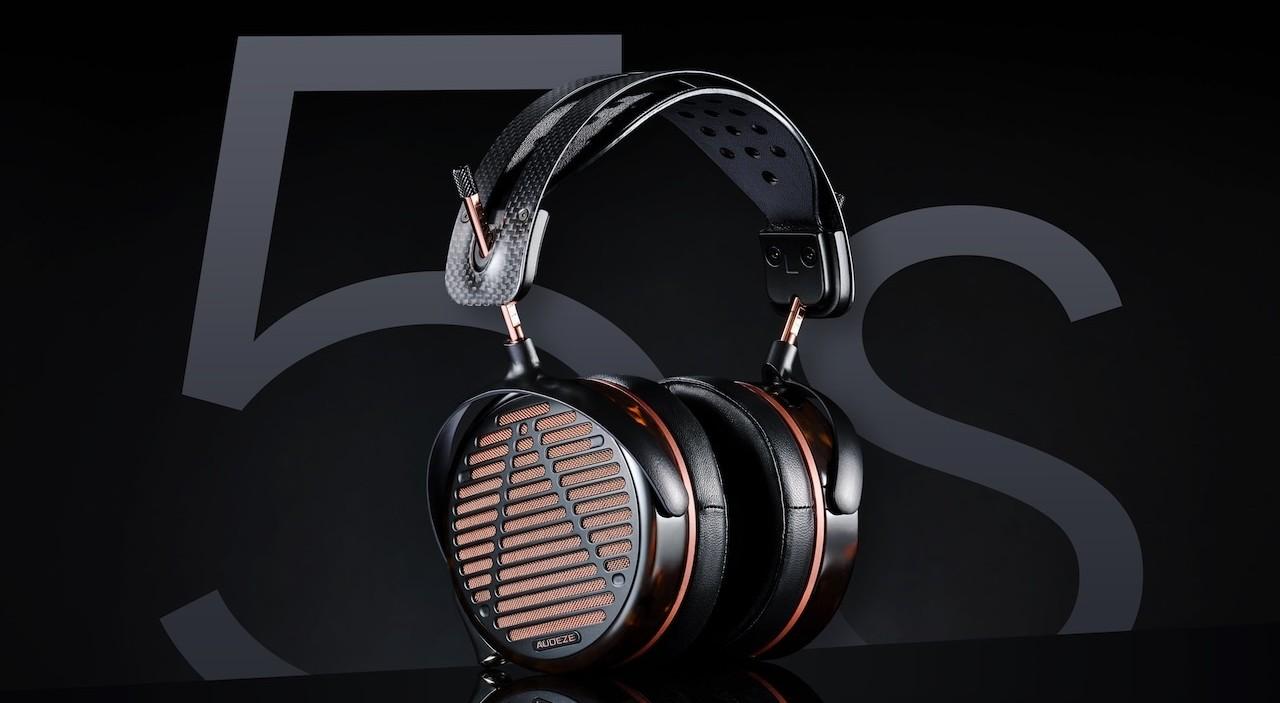
Audeze is doing something smart with the LCD-5s: it doesn’t try to reinvent the flagship formula—it tweaks it in a way a lot of listeners have quietly wanted for years. The big update is SLAM (Symmetric Linear Acoustic Modulator) technology, which is essentially about controlling airflow and low-frequency behavior so the bass hits with more authority, without turning the headphone into a bloated “fun tuning” experiment.
That matters because the LCD-5 already has a reputation for detail and precision, but it isn’t always the first pick for people who want more physical slam. The LCD-5s is Audeze’s way of saying, “You can have both.” It’s still very much a premium, sit-down-and-listen headphone—and the price makes that obvious: $4,995. Read more.
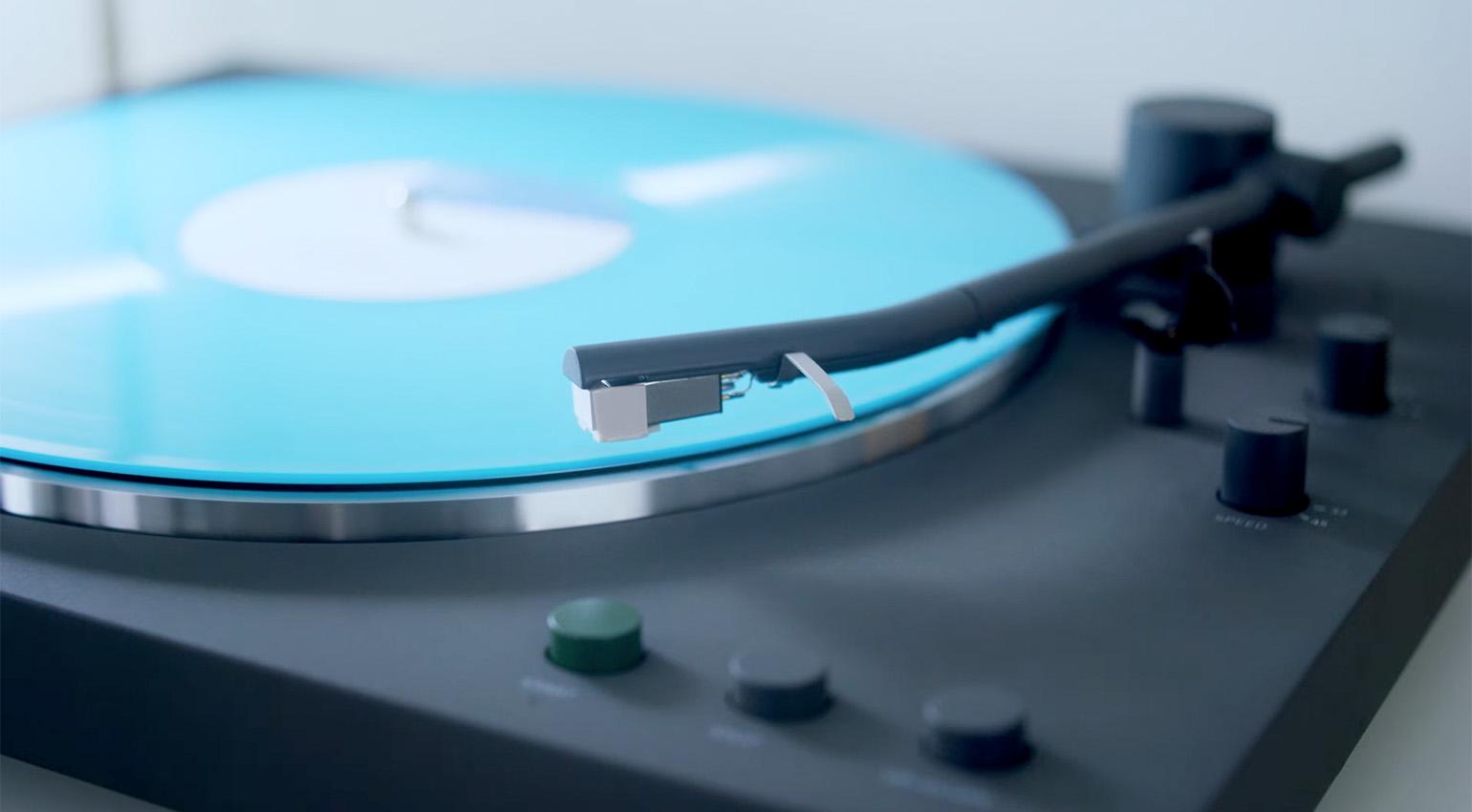
Sony launching turntables again is one of those “wait… Sony didn’t already have something here?” moments. The company’s back with two new models: the PS-LX3BT ($399.99 at Amazon) and PS-LX5BT ($499.99), both designed to be easy for beginners without feeling like throwaway starter decks.
Both models are fully automatic, with one-button playback that starts the record, handles tonearm lift and return, and stops at the end. Both include a switchable built-in phono EQ (so you can run phono or line-level output), plus USB for digitizing records. But the PS-LX5BT has the feature that’s going to matter to vinyl people immediately: detachable RCA cables.
That sounds small until you’ve lived with a turntable that has fixed cables. Detachable RCAs mean easier upgrades, easier replacement if you get noise or damage, and fewer headaches if you’re trying to keep your setup clean. Read more.
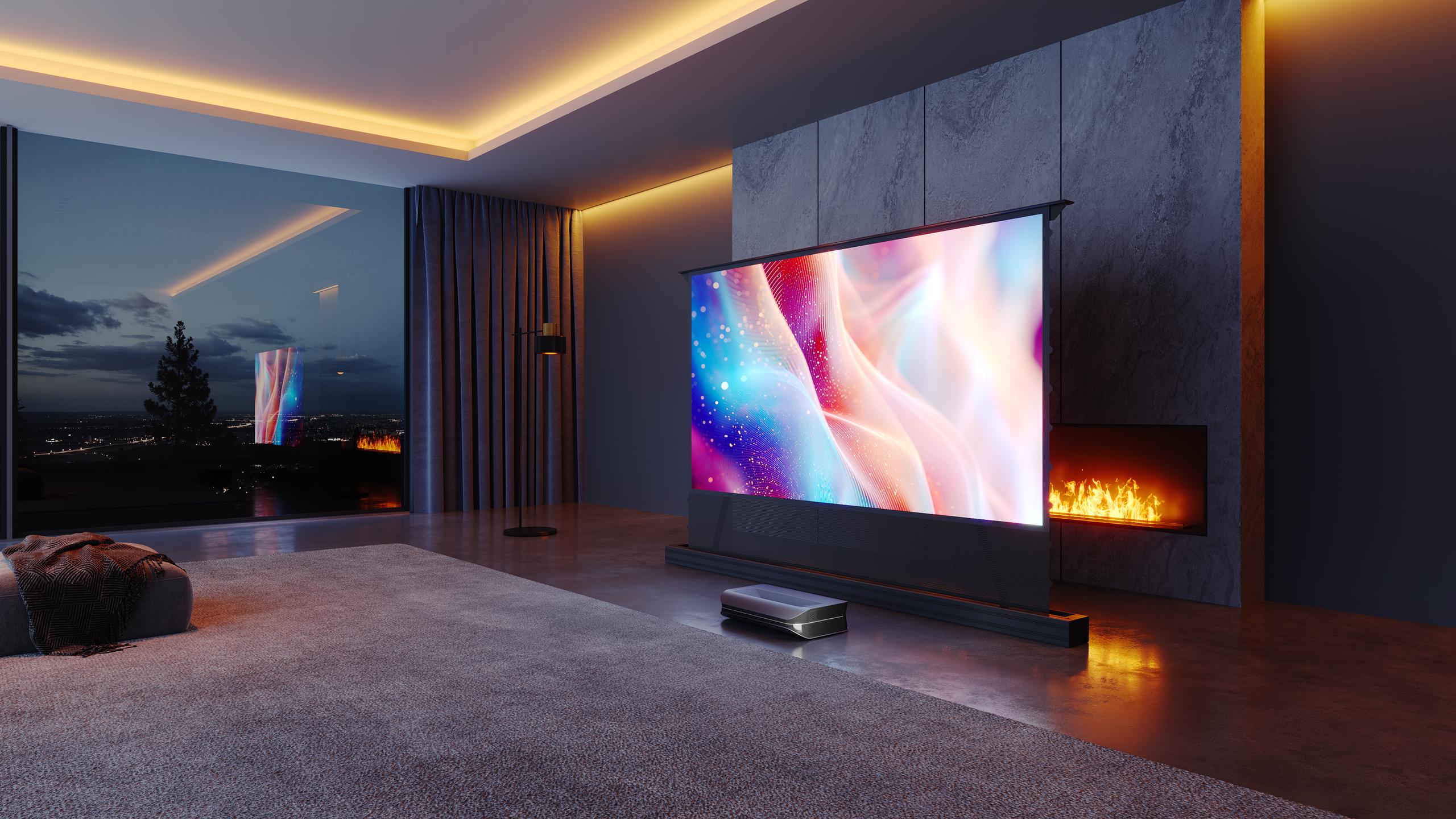
Projection screens are one of those purchases you don’t think about until you start shopping, and then you realize how quickly pricing can spiral. NothingProjector’s new Classic Screens line is basically trying to calm that down a bit.
The lineup includes a Motorized Floor-Rising Screen starting at $799 for an 84-inch size, and a Fixed-Frame Screen starting at $532 for a 100-inch model. The more interesting part is the brand’s Classic ALR option for ultra-short-throw projectors. It uses a black-grid physical structure designed to reject ambient light while reflecting more of the projector’s light toward your eyes (the article cites roughly 86% reflection to the viewer and up to 85% ambient absorption).
If you’ve been tempted by ALR but put off by premium pricing, this kind of “more realistic” product line is exactly what the screen market needs. Read more.
This one is for anyone who’s ever tried to watch TV late at night and realized the volume slider is basically a relationship test.
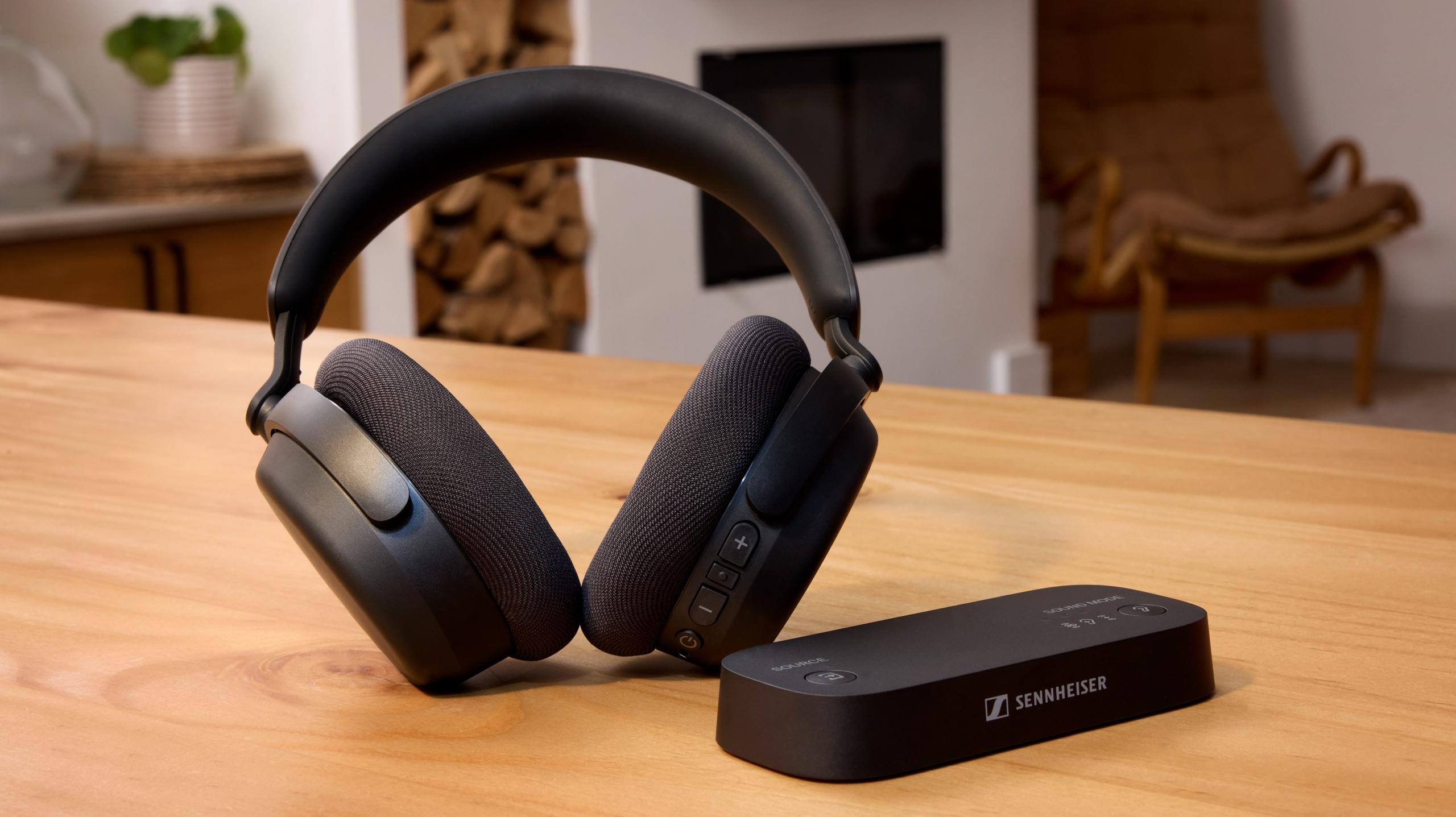
The Sennheiser RS 275 bundle pairs the HDR 275 headphones with the compact BTA1 transmitter, and the headline feature is Auracast, which is meant to make wireless TV audio simpler and more stable—especially in multi-device environments. The bundle also leans into convenience: on-headphone controls, personalization options, and connection flexibility for different setups.
In other words, it’s not trying to be “the most audiophile TV headphone ever.” It’s trying to be the easiest way to get clear, private TV sound without bothering anyone, and honestly, that’s the right goal. Read more.
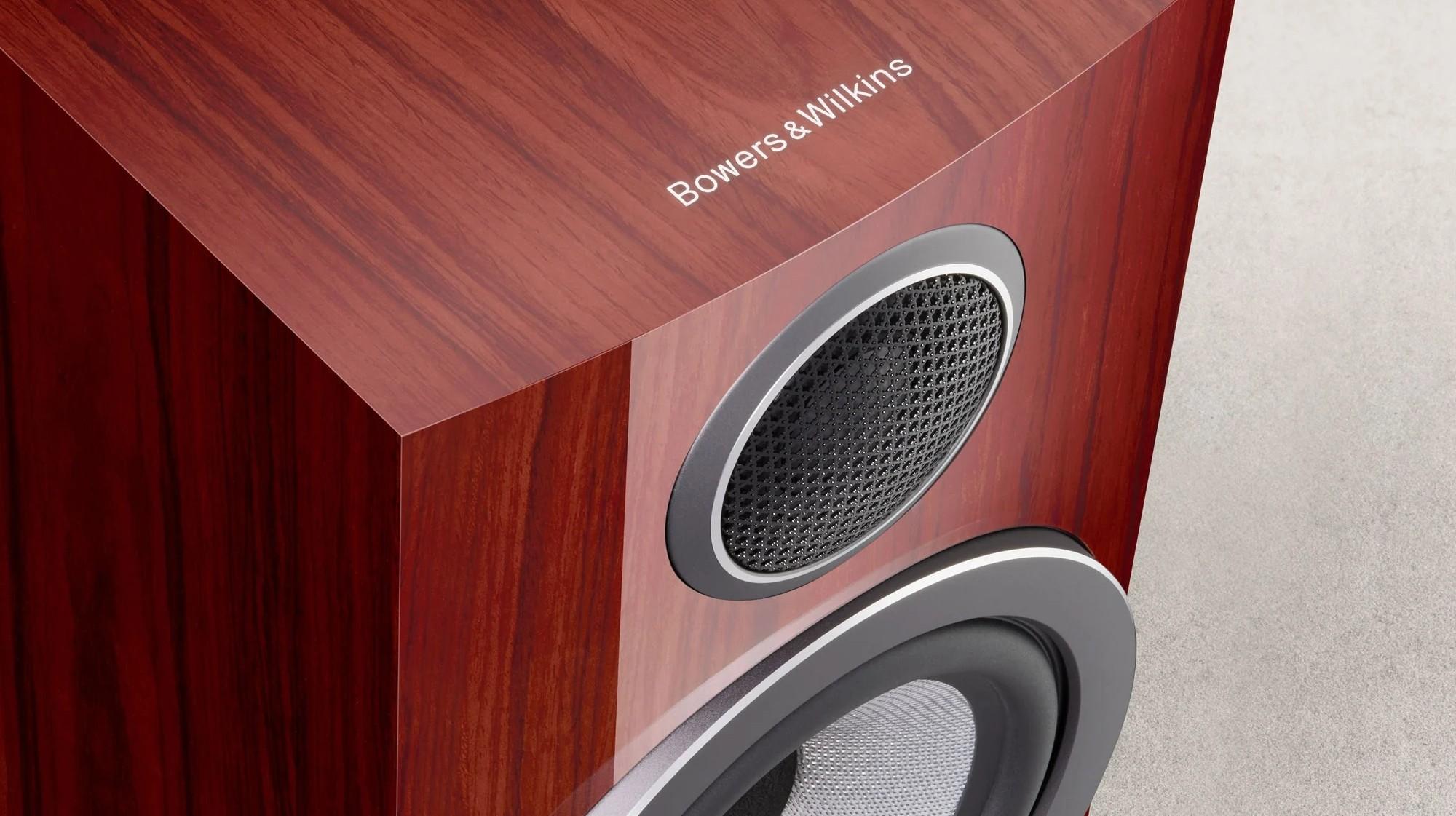
Bowers & Wilkins calling the 707 S3 “entry-level” is always a little funny, because it’s still a serious speaker. But the new 707 S3 Prestige Edition is clearly aimed at buyers who want that 700 Series sound with a more “special” fit and finish, and a few key internal upgrades.
The Prestige Edition adds upgraded crossover components, a revised terminal plate, and a premium finish package meant to move it closer in feel to B&W’s higher-end models. It’s priced at $2,500 per pair, which is a bump over the standard version, but the target audience is obvious: people already in the market for a “nice” bookshelf speaker who care about both performance and presentation. Read more.
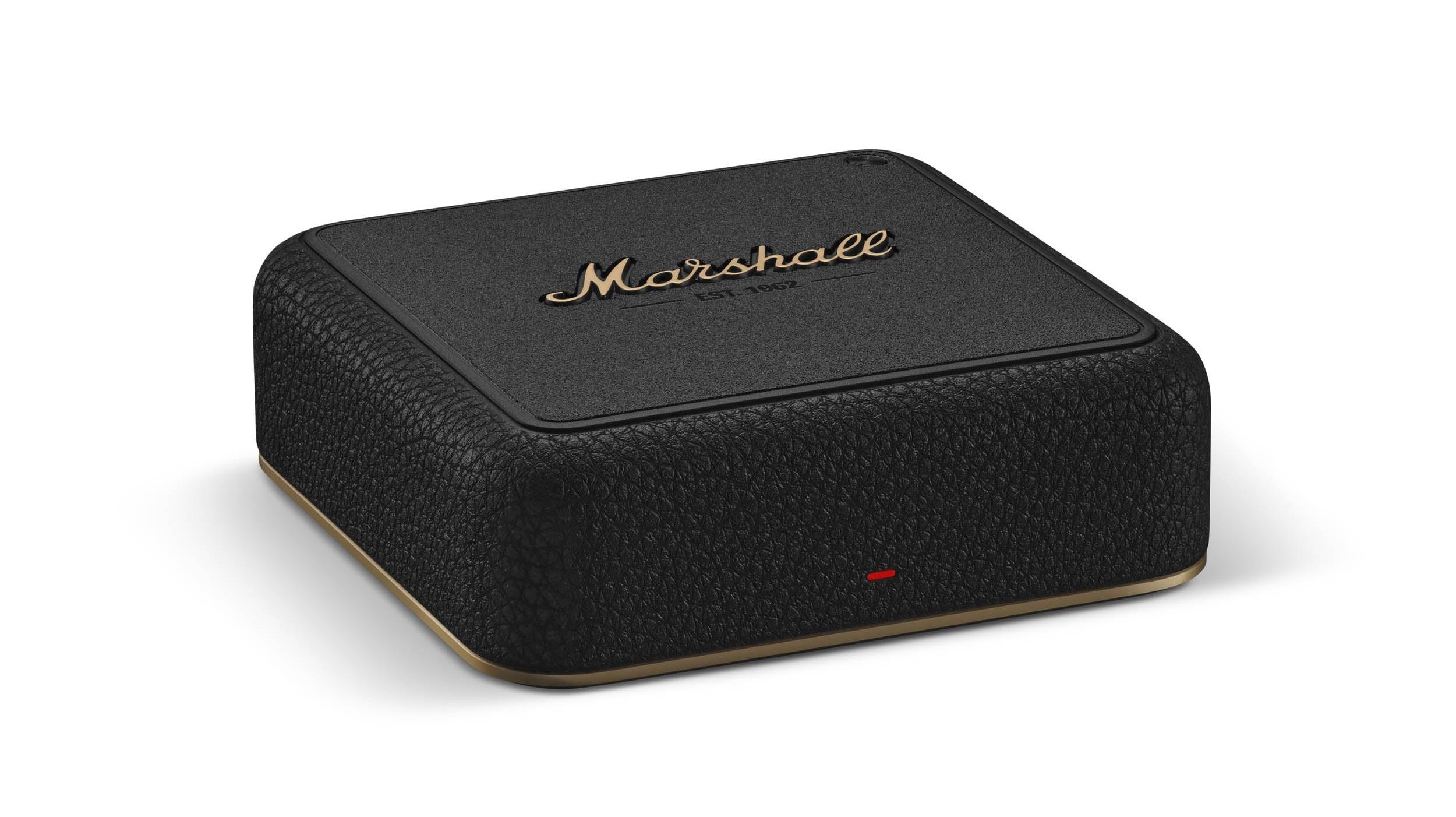
Marshall’s Heddon is a genuinely clever idea because it doesn’t force you to replace your speakers to get multiroom audio. Instead, it acts like a hub that brings synchronized, room-to-room playback to compatible Marshall Bluetooth speakers, plus a few other devices.
It supports major streaming platforms and standards like Spotify Connect, TIDAL, AirPlay, and Google Cast, and it’s built around Marshall’s app for setup and control. But the feature that makes it feel more “real home audio” than “smart speaker accessory” is the phono input—yes, vinyl can be part of the whole-home setup.
There’s also an RCA output so older Marshall speakers can join in (wired), which makes this feel like Marshall’s answer to Sonos, without demanding you buy an entirely new ecosystem. Read more.
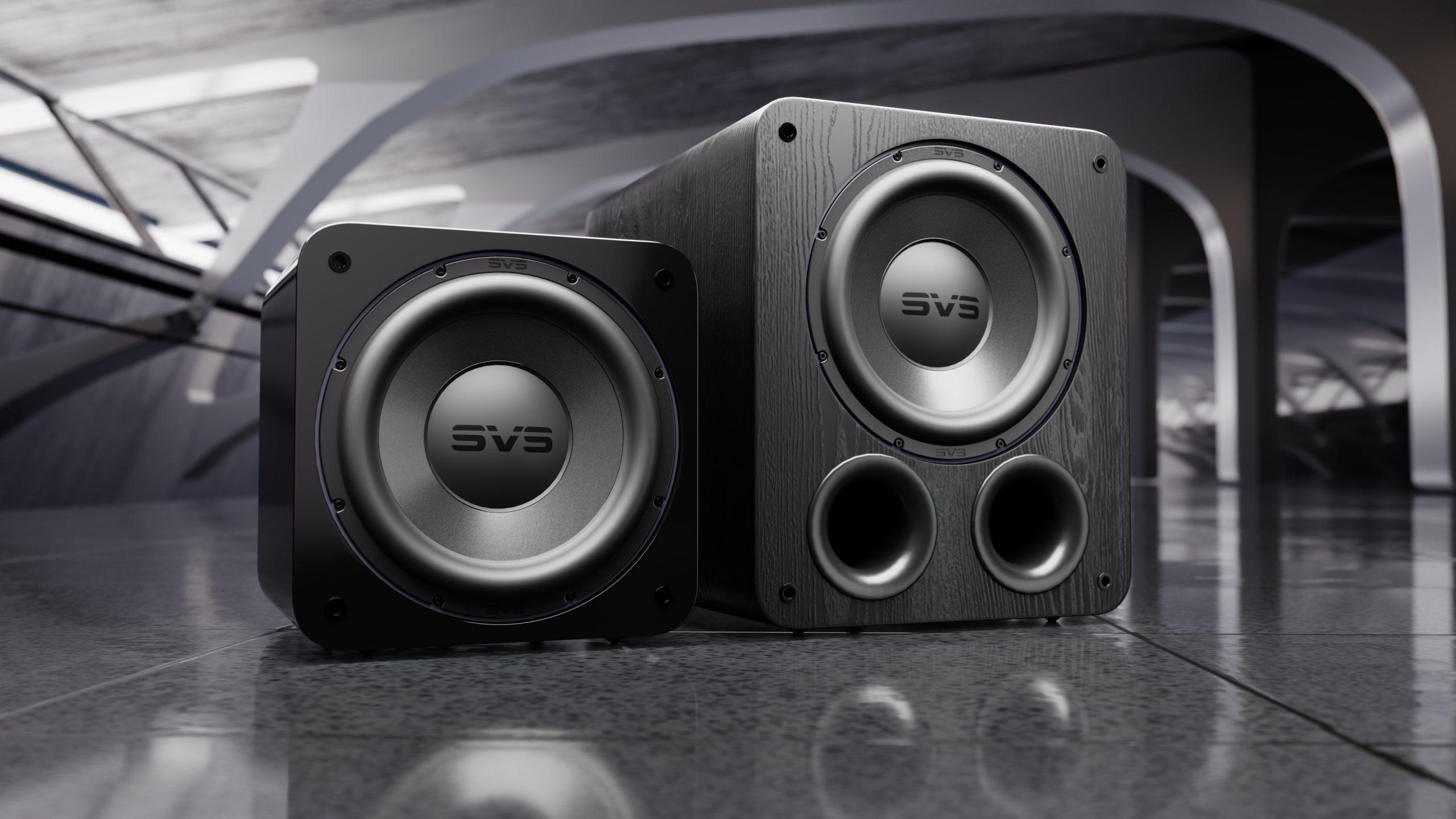
SVS debuted the 3000 R|Evolution Series at CES 2026 (alongside its first soundbar), and now both subs are officially available: the sealed SB-3000 R|Evolution and the ported PB-3000 R|Evolution.
Both models share a newly developed 13-inch high-excursion driver, app control, and built-in parametric EQ with presets. SVS is also promising an Auto EQ feature via firmware update that will use your phone’s microphone for room correction, which, if it works well, is the sort of thing that makes subwoofer setup less intimidating for normal people.
Pricing lands at $1,299.99 for the SB model and $1,799.99 for the PB. Rated extension is down to 17Hz for the sealed version and 16Hz (ports open) for the ported one. If you want deep bass without leaping into ultra-flagship territory, this is SVS coming in strong. Read more.

Some IEM launches are basically “new color, new cable.” The AFUL Performer 8S is not that.
This is a nine-driver per ear setup: 1 dynamic driver, 6 balanced armatures, 1 micro planar driver, and—here’s the oddball—1 passive radiator. Passive radiators are common in speakers and portable Bluetooth gear, but they’re still rare in IEMs, and AFUL is using it as part of a physical tuning system.
The Performer 8S includes a dual-mode bass configuration where a small plug determines whether the passive radiator is active (Open) or sealed (Closed). It ships with a silver-plated cable and your choice of 3.5mm or 4.4mm termination, and it’s priced at $399.99 at Amazon, right in that mid-fi zone where “value” gets really competitive. Read more.
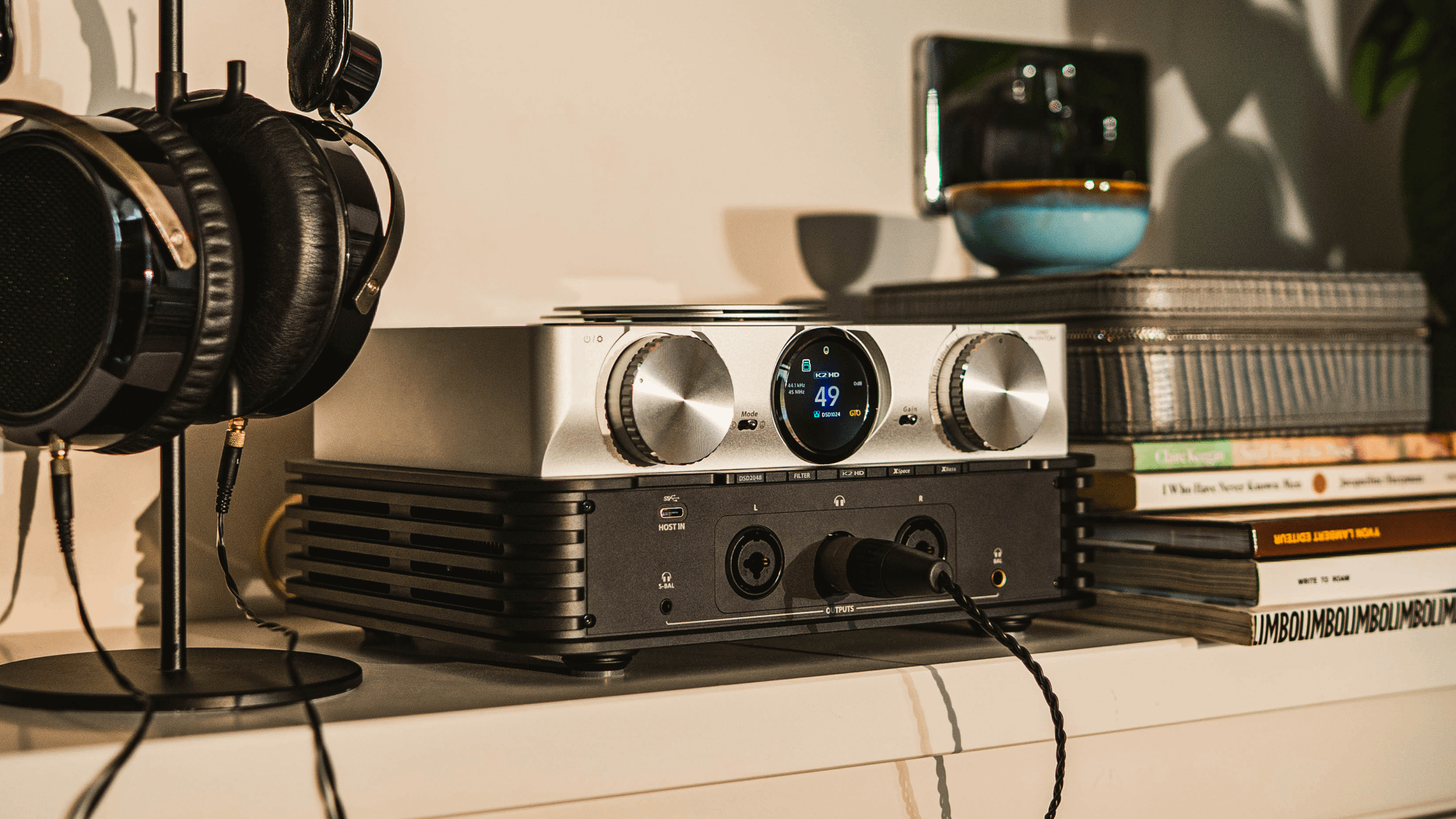
The iFi iDSD Phantom is the “do you really need three boxes?” product of the week. It’s positioned as a flagship device that combines a DAC, a network streamer, and a headphone amp into one component—aimed at people who want a simpler setup without giving up capability.
Specs are bold: PCM up to 768kHz, DSD up to DSD2048, K2HD processing, selectable tube/solid-state output modes, and a headline power claim of up to 5,000mW for headphones depending on load and mode. Streaming support includes modern essentials like Spotify Connect, TIDAL, Qobuz, and AirPlay 2.
Price is equally flagship at $3,799 in the U.S., but that’s the whole point: it’s meant to replace multiple components rather than compete with midrange single-purpose gear. Read more.
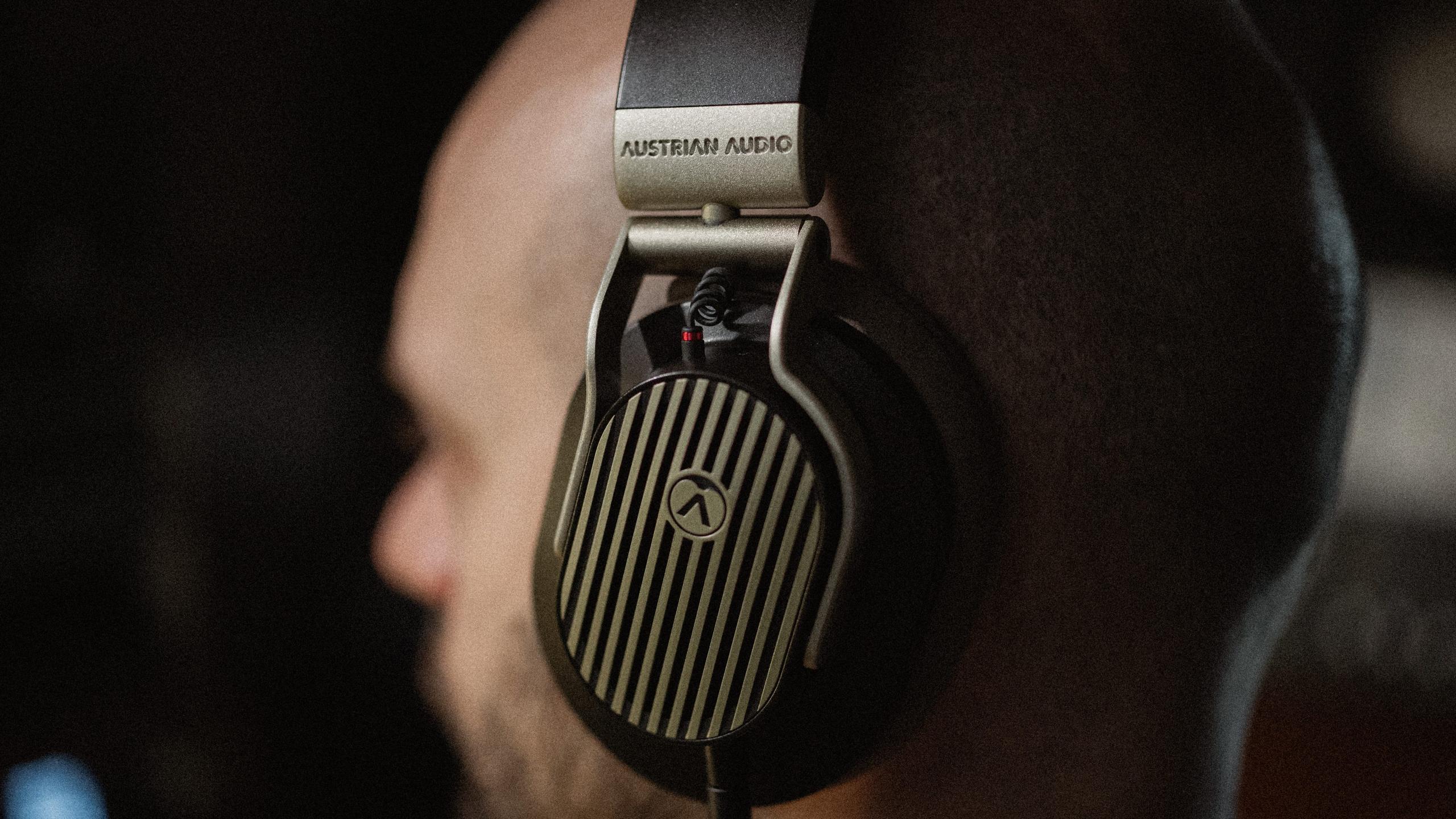
Austrian Audio is aiming The Arranger directly at one of the most crowded price tiers in hi-fi headphones—the space where buyers want “serious open-back listening” without committing to true flagship pricing.
It uses a newly developed 44mm dynamic driver with a DLC-coated diaphragm, a low 25-ohm impedance, and sensitivity rated at 110 dB SPL/V, so it’s easier to drive than many competitors. Practical touches include detachable cables and optional balanced options.
U.S. pricing is listed at $1,099, with availability beginning in February 2026. If you’ve been looking at the usual suspects in this tier, The Arranger is clearly meant to be part of that conversation. Read more.
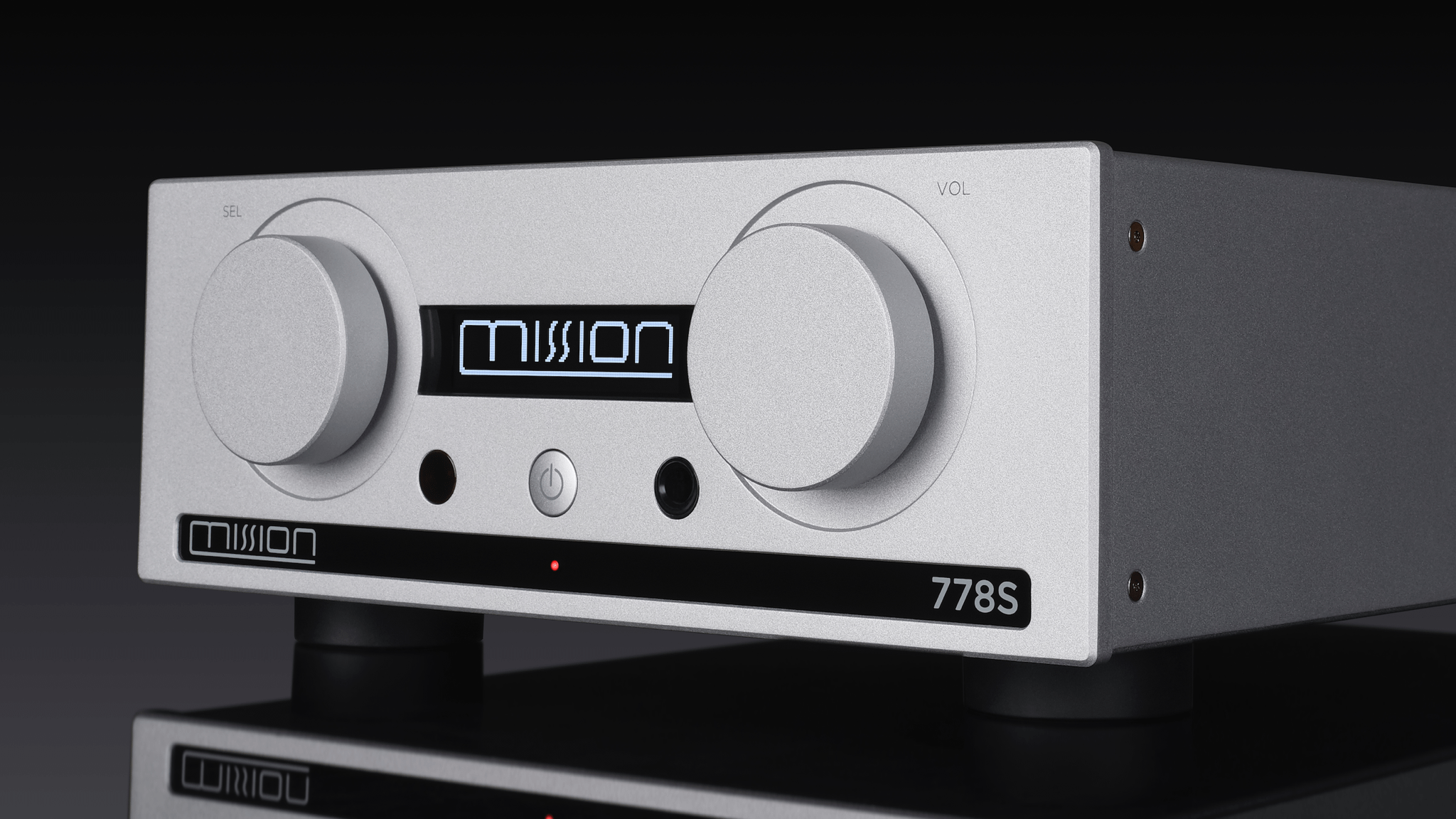
The Mission 778S feels like it was built for people who want a modern streamer that still looks and behaves like a traditional hi-fi component. It shares the same compact half-width chassis style as Mission’s 778X amplifier ($899 at Amazon) and keeps things simple with an OLED display and no “tablet bolted to a box” design language.
Streaming support covers most bases: TIDAL, Qobuz, Spotify Connect, TuneIn, AirPlay 2, and Roon Ready. But it notably skips Bluetooth and Chromecast, which will either feel refreshingly purist or mildly annoying depending on how you actually listen.
On the connection side, it’s well equipped: balanced XLR and RCA outputs, multiple digital outputs, Ethernet/Wi-Fi, and a full-size 6.35mm headphone jack with its own built-in amp. Pricing is $1,699 in the U.S., with availability noted as late January 2026. Read more.





Privacy Policy
Terms and Conditions - Affiliate Policy
Home Security
© Copyright 2008-2026.
11816 Inwood Rd #1211, Dallas, TX 75244