

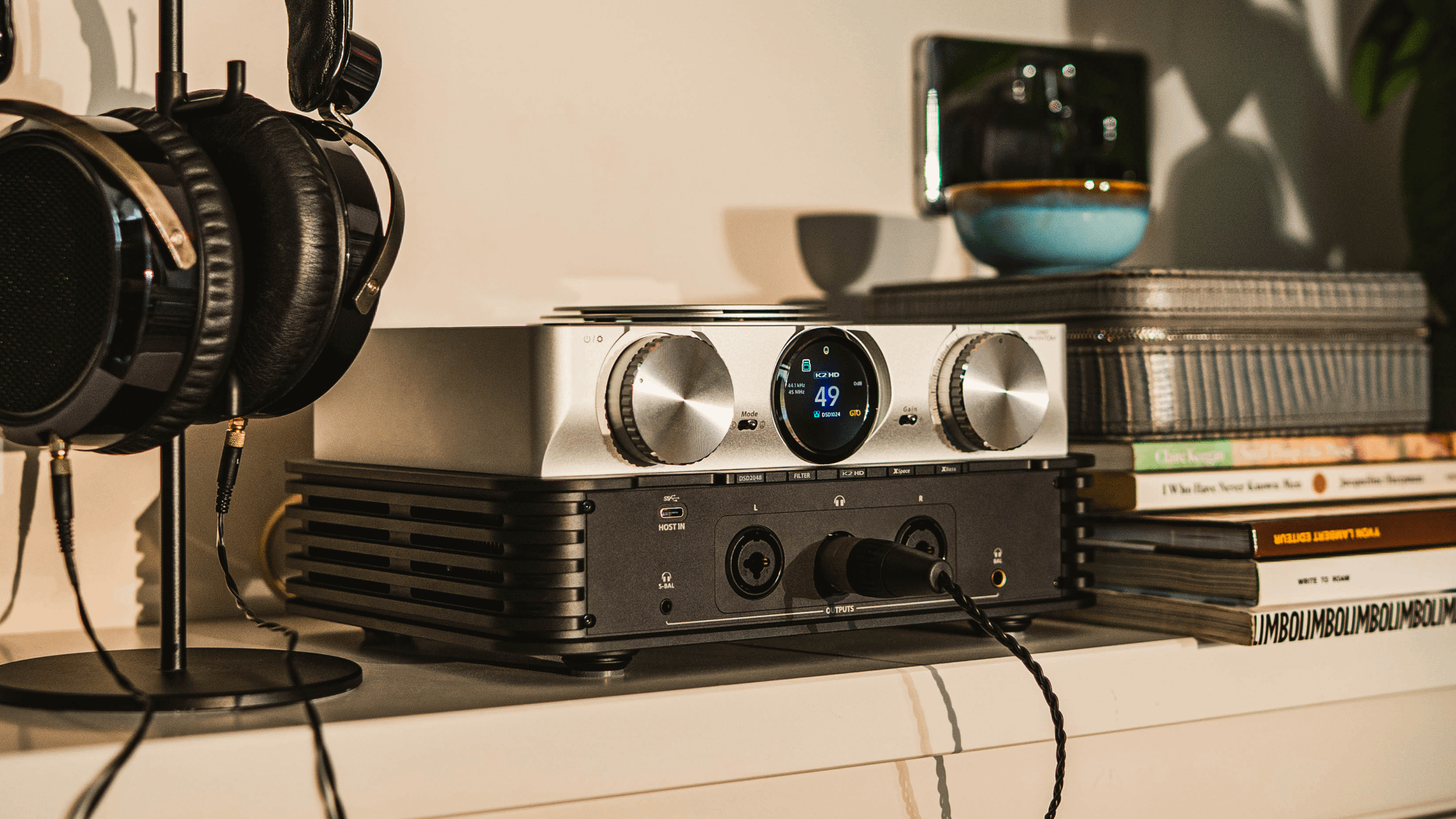
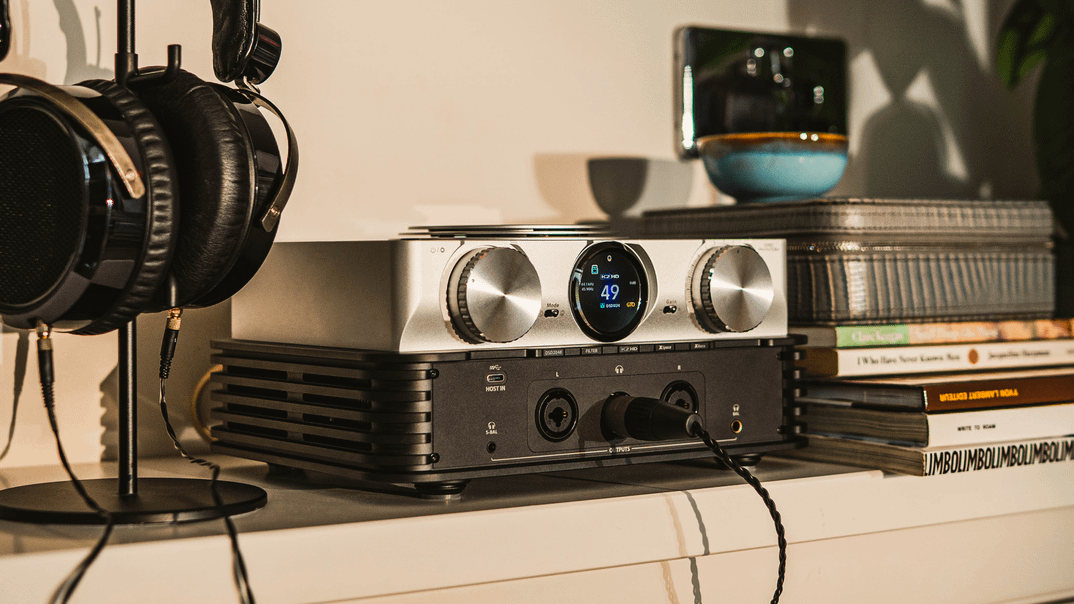
If your audio setup revolves around headphones and you’ve been looking to simplify without giving up performance, the new iFi iDSD Phantom might catch your attention. This flagship device rolls a DAC, network streamer, and headphone amplifier into one compact chassis, and it’s not just a small upgrade over iFi’s previous Pro iDSD ($3,249 at Amazon). It’s a full overhaul, designed to replace multiple components with something more streamlined.
At $4,499 / £4,499 / €4,695, it’s not aimed at casual listeners. But if you're already eyeing separates in this price range, the Phantom offers a way to bring high-performance digital audio together under one roof.
At the core of the Phantom is iFi’s newest streaming engine, which now supports Qobuz Connect, Tidal Connect, Spotify Connect, and AirPlay 2. It’s built to handle high-resolution files, up to 768kHz PCM and DSD512, and plays nicely with music stored on local drives or a NAS. In other words, you can tap into your entire digital library and your favorite streaming platforms from one place.
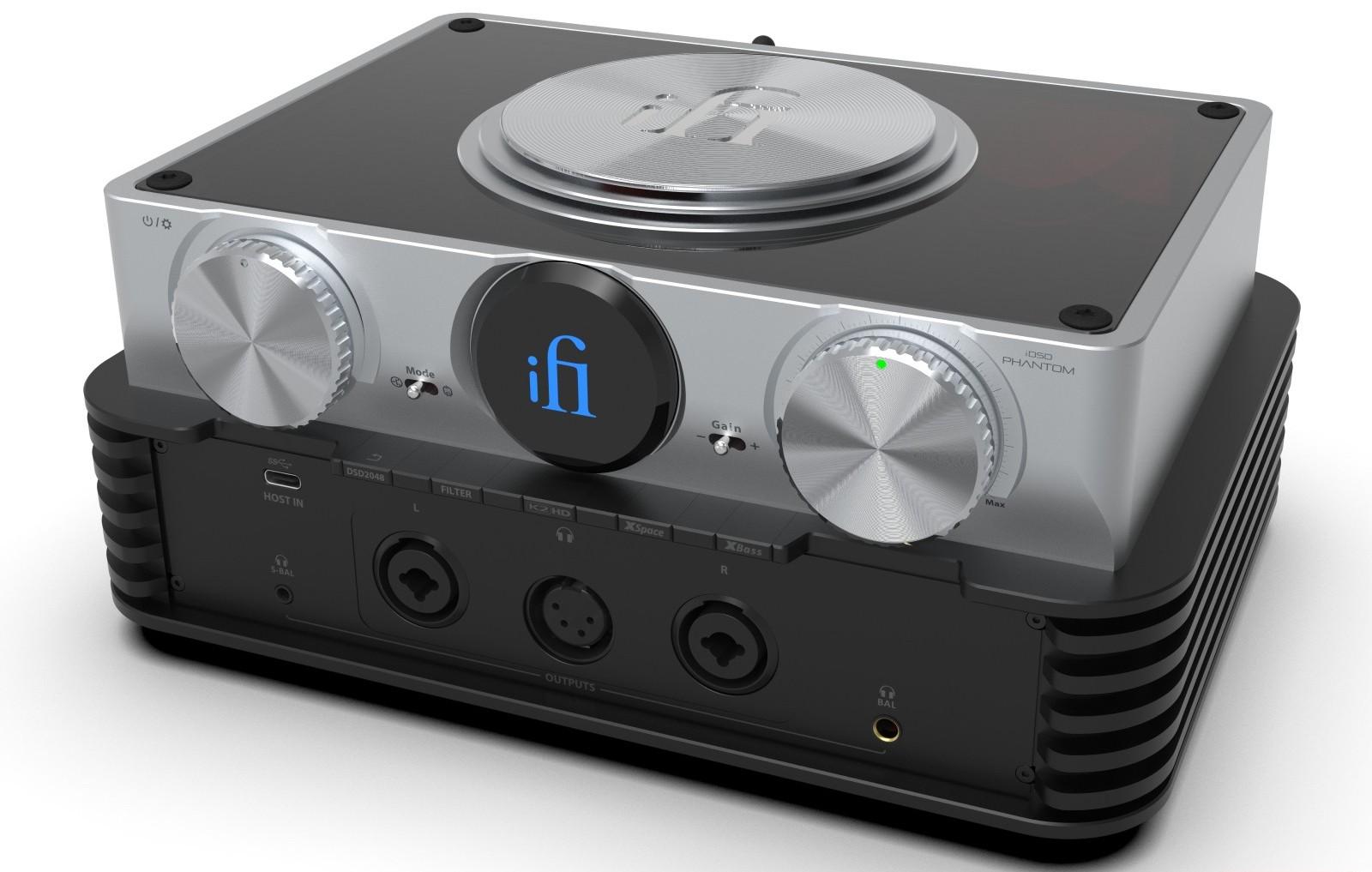
What really makes the Phantom stand out, though, is its handling of DSD. iFi has upgraded its FPGA-based remastering engine to allow upsampling all the way to DSD2048. That’s a massive number, about 90 million samples per second, and while not everyone needs it, it offers serious headroom for those who want the cleanest possible conversion path. No digital filters or digital volume control touch the signal; instead, analog volume takes over to preserve as much of the original as possible.
Most devices lock you into either solid-state or tube output. The Phantom gives you three options and lets you switch between them instantly:
These aren’t DSP simulations, they’re actual changes in circuitry. Whether you're listening with analytical headphones or something warmer and slower, you can match the output to your gear or your mood. And with 7,747mW of Class A output on tap, it can drive just about any headphone out there, aside from electrostatics, which still need their own specialized amps.
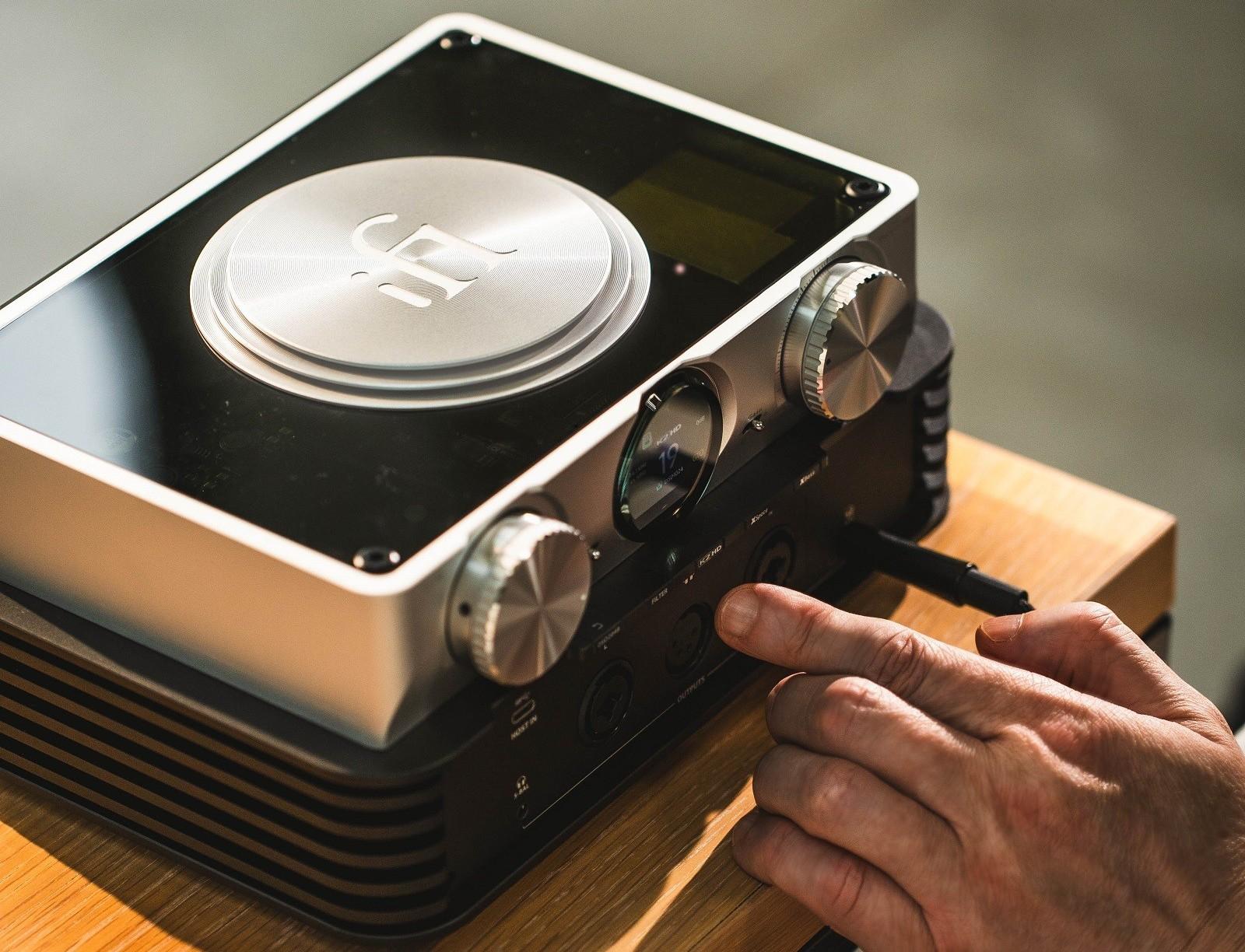
iFi has also teamed up with JVCKENWOOD to include K2HD processing. This feature is meant to bring back some of the harmonic information that can get lost during mastering or compression, especially in digital formats.
There are two K2 modes: one that preserves your track’s original resolution, and another that upsamples to 192kHz/24-bit. The processing isn’t just about boosting treble or adding fake warmth, as it’s focused on restoring subtle details in timing and harmonics, which can make recordings sound more natural.
Anyone who’s used open-back headphones knows they can sound spacious but sometimes thin on bass. iFi tackles this with XBass Pro, a fully analog EQ that lets you boost low-end response at 10Hz, 20Hz, or 40Hz. It’s not just a bass boost, it’s designed to bring back impact without messing with your mids.
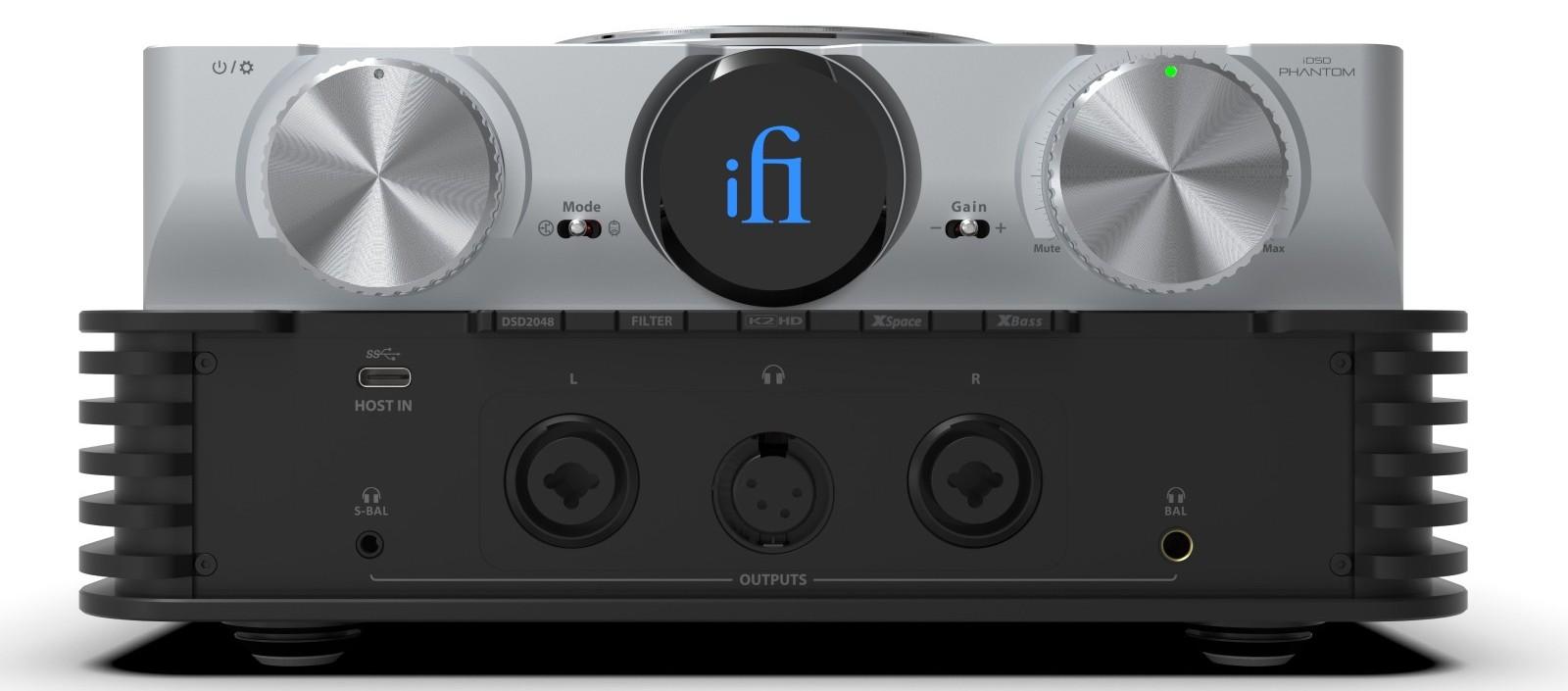
Then there’s XSpace Pro, which aims to open up your soundstage by emulating how music would sound through speakers. With 30°, 60°, and 90° options, you can choose how much of that room-like feel you want, giving you more control over how your headphones "disappear" on your head.
These tools aren’t just tacked on. They’re wired into the analog path in a way that maintains low noise and stable performance, even when activated.
For those who like to fine-tune their playback even further, the Phantom includes several digital filter options:
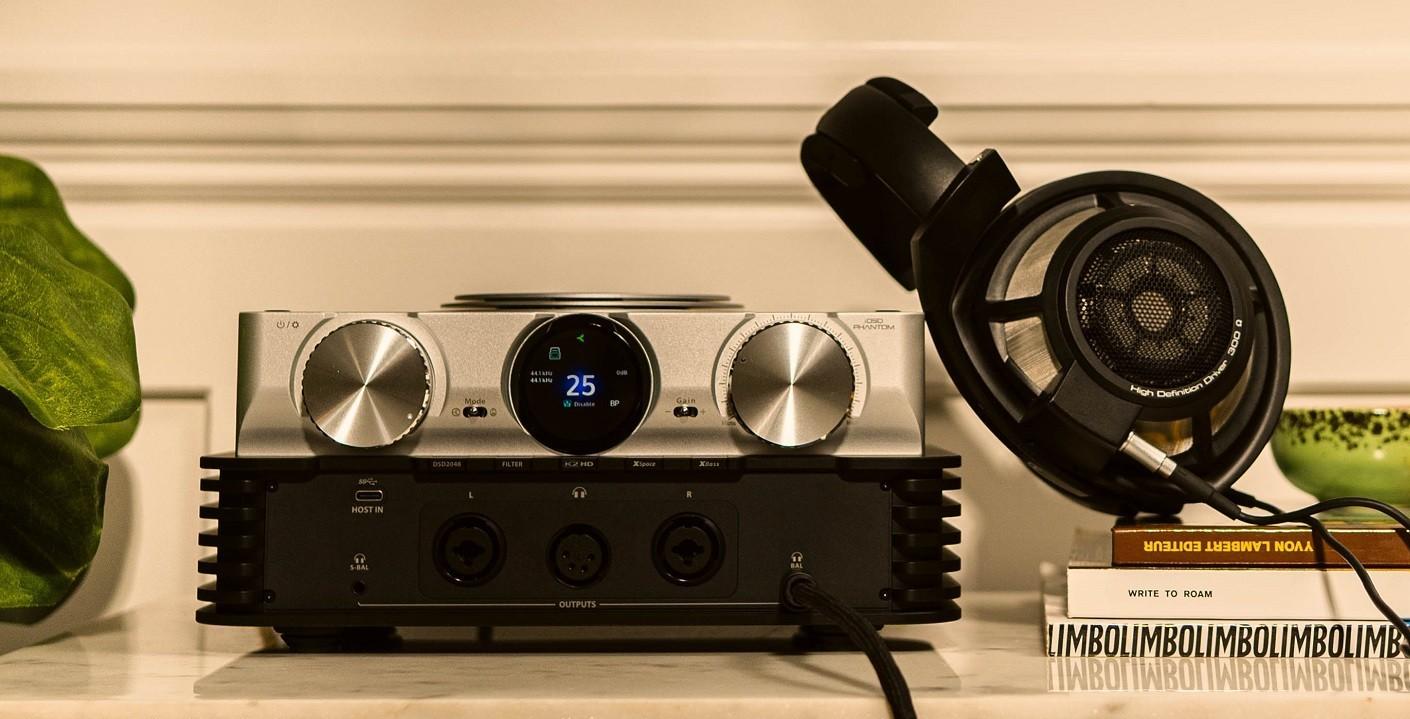
Meanwhile, galvanic isolation is built into all major inputs, Ethernet, S/PDIF, and AES/EBU, to reduce electrical noise from connected gear. iFi also includes “Exclusive Modes,” which automatically shut off background processes during streaming to keep things running cleanly.
Controlling all this hardware is iFi’s updated Nexis app, now with Wi-Fi pairing support. It’s designed to make it easier to set up and manage your Phantom across the house, whether you’re streaming music from your phone, browsing your network library, or adjusting settings.
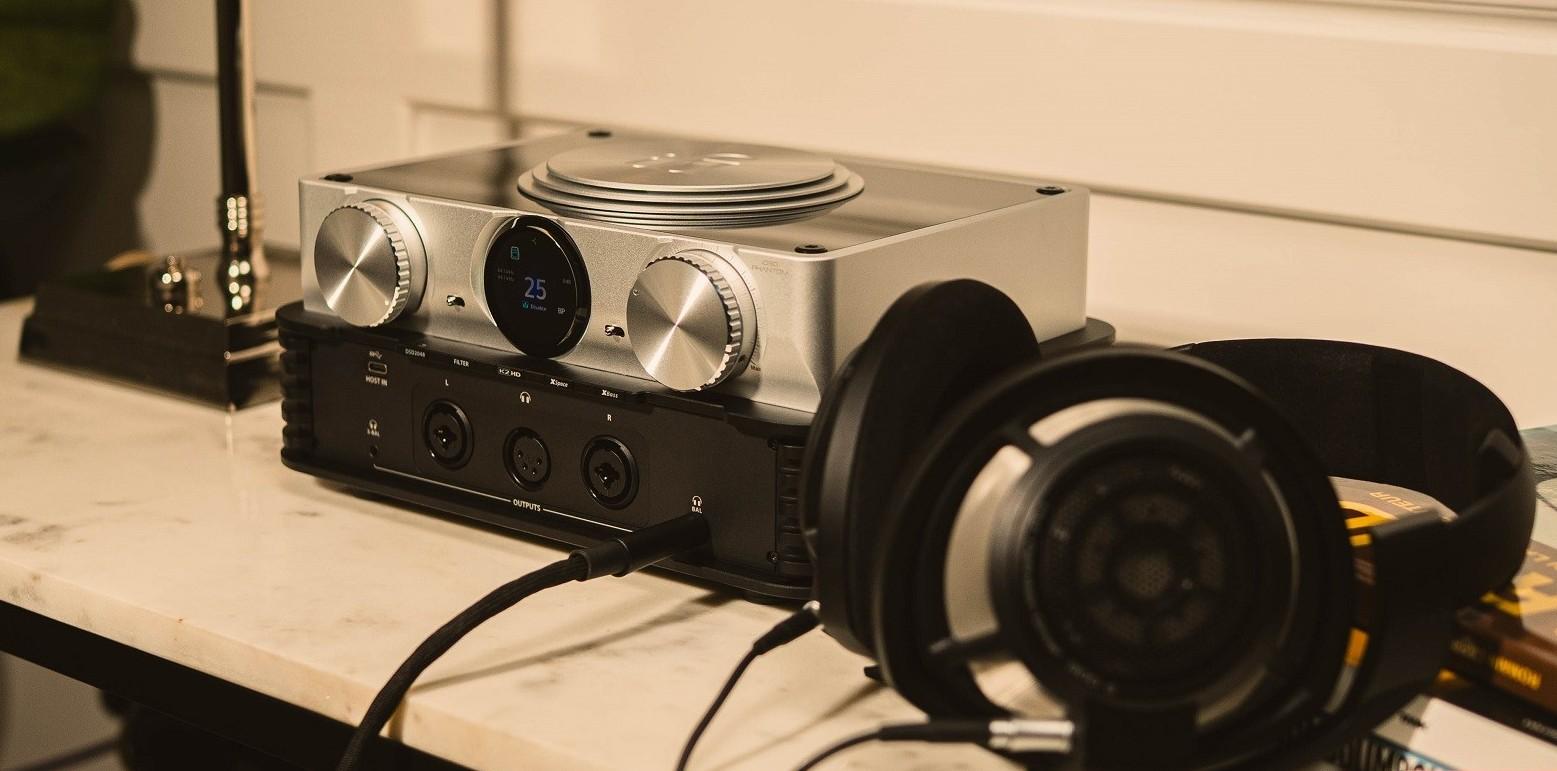
The iDSD Phantom clearly isn’t a casual purchase, but it’s not trying to be. It’s for listeners who want a no-compromise, headphone-first setup and would rather have everything in one box than juggle multiple components. Whether you’re diving deep into DSD, managing a huge FLAC collection, or just want to control your headphone system with more flexibility, the Phantom gives you options without the usual trade-offs.
You’ll still need to bring your own headphones, and maybe even an external amp if you're running electrostats. But if you want your DAC, amp, and streamer to work together out of the box, and sound great doing it, this might be one of the most flexible all-in-one solutions on the market right now.
Related Reading:






Privacy Policy
Terms and Conditions - Affiliate Policy
Home Security
© Copyright 2008-2026.
11816 Inwood Rd #1211, Dallas, TX 75244