

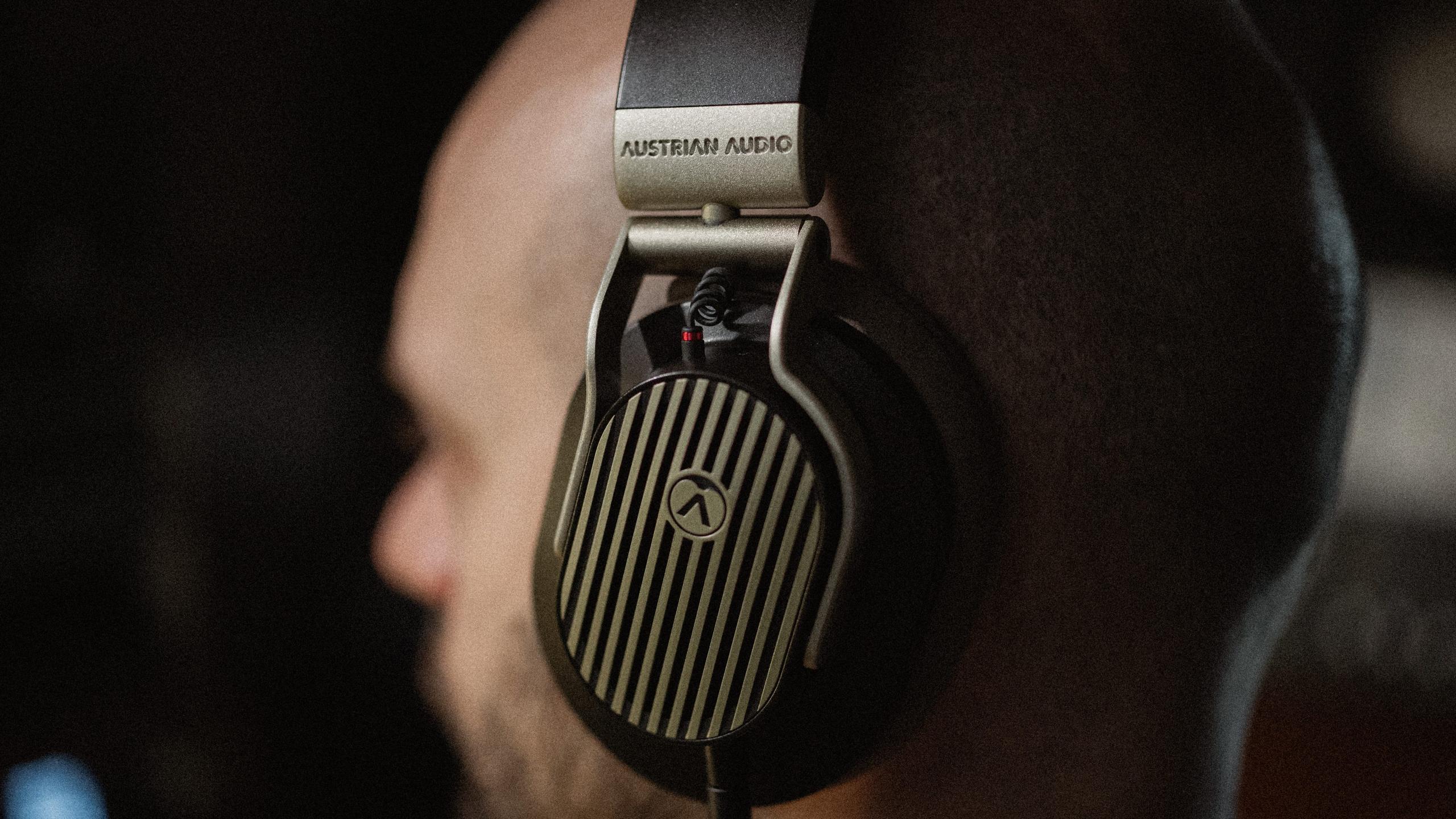
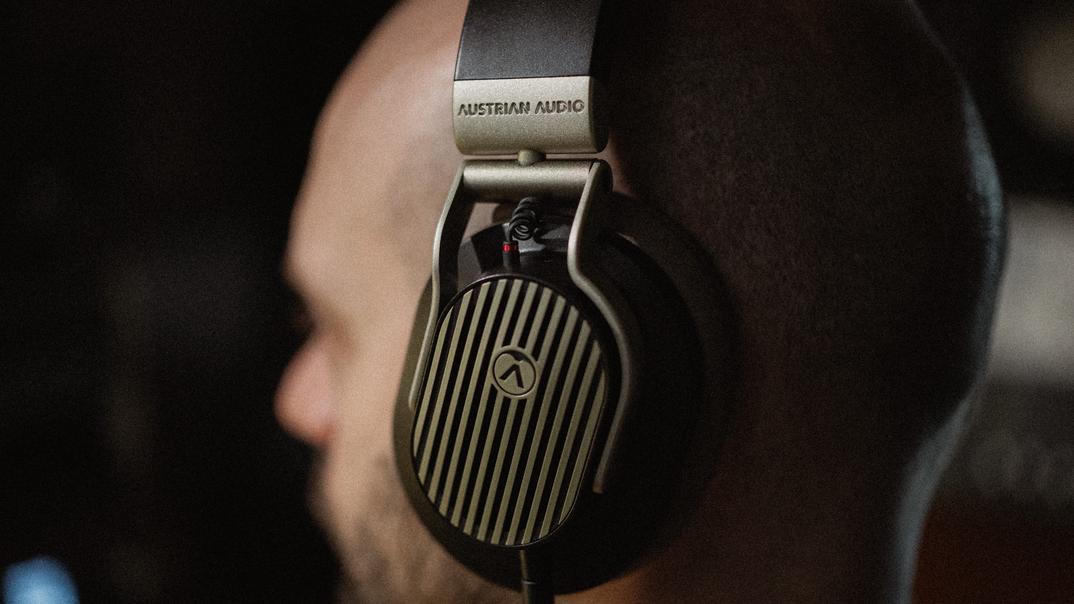
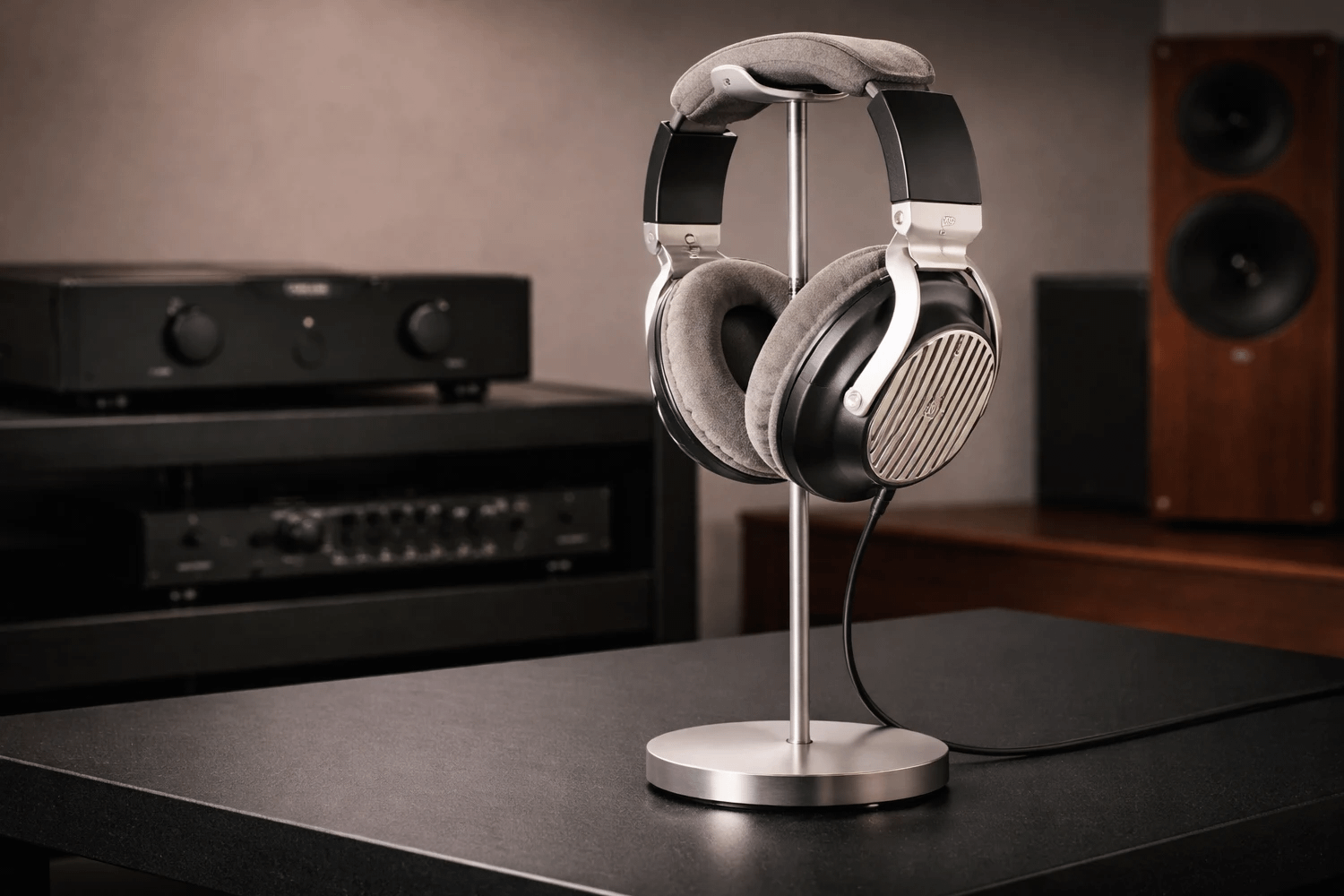
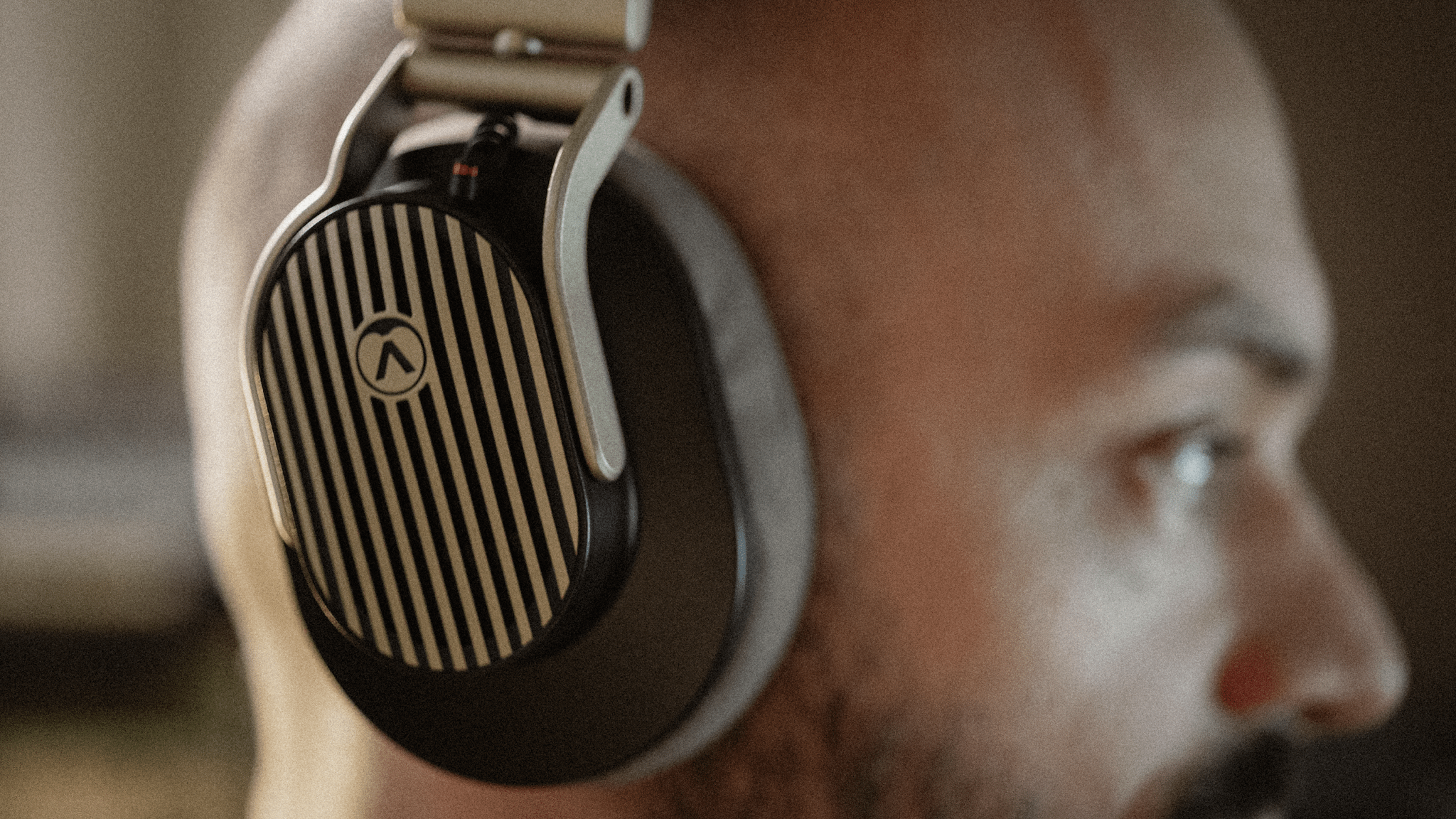
Austrian Audio’s latest release, The Arranger, is designed for people who want high-quality sound without going all the way to flagship pricing. It fills a space between the company’s more budget-friendly Hi-X series and its top-tier Composer headphones. If you're someone who enjoys sitting down and actually listening, whether to your favorite albums or reference tracks, The Arranger is built with that kind of experience in mind.
Launching in February 2026 at $1,099 in the U.S. (£899 in the UK / €999 in Europe), The Arranger steps into a very competitive price range, going up against options from Sennheiser, Meze, beyerdynamic, Audeze, and Focal. Austrian Audio is hoping to stand out by doing what it knows best: solid engineering, a focus on long-term use, and a sound profile geared toward clarity and balance instead of flash.
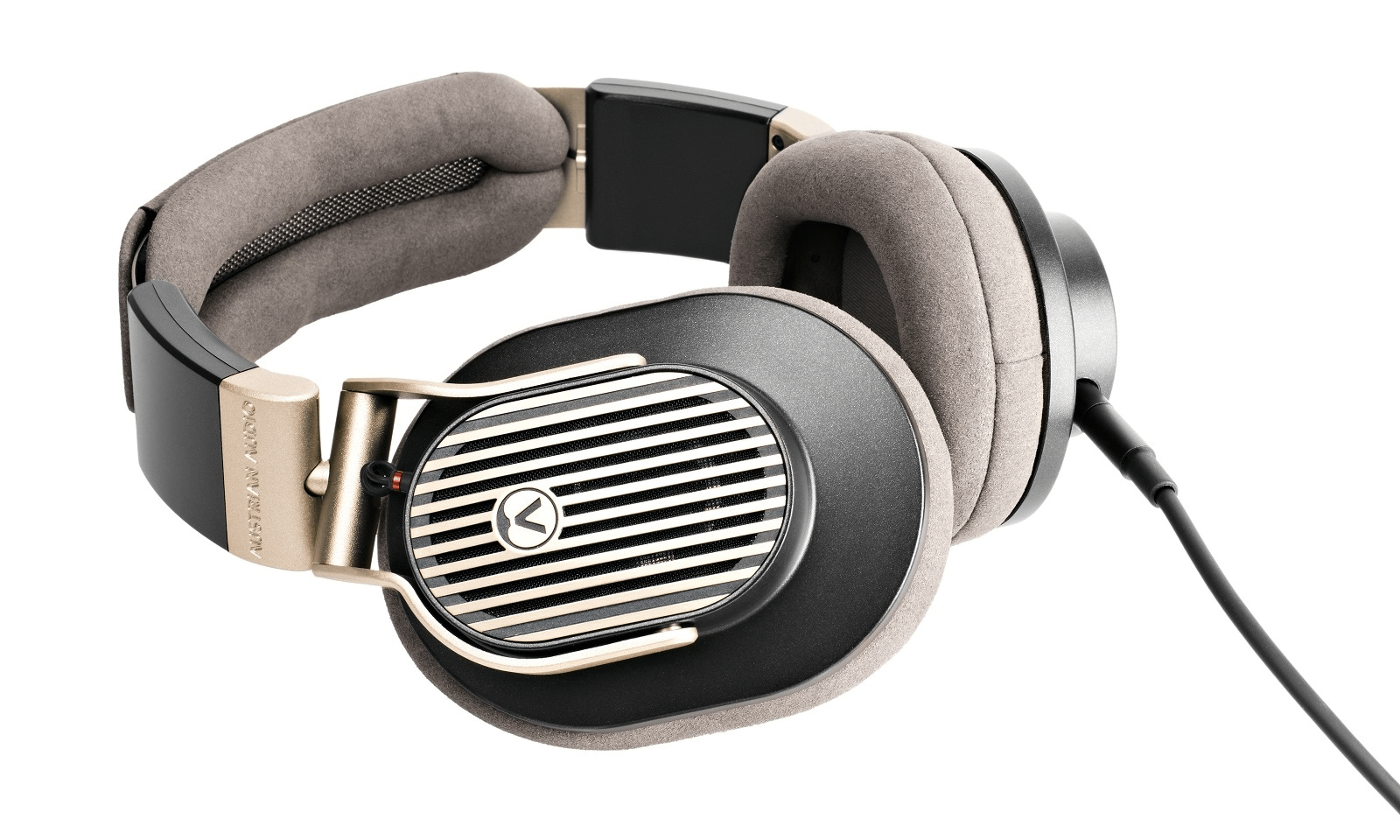
At the core of The Arranger is a newly developed 44mm dynamic driver, designed and built in-house in Vienna. The diaphragm is coated with diamond-like carbon (often shortened to DLC), which gives it extra rigidity without adding too much weight. That’s paired with a custom ring magnet system, which is all about keeping distortion low and response consistent across different frequencies.
The result? A headphone that’s meant to handle fast transients, deliver clean bass, and avoid artificial boosts that can make some music sound more “exciting” but less accurate. The official frequency range is 5 Hz to 30 kHz, plenty of headroom, even if most people aren’t going to hear those extremes.
Another practical bonus: The Arranger has a low 25-ohm impedance and a sensitivity of 110 dB SPL/V. That makes it easier to drive than a lot of other open-back reference headphones, meaning you don’t need a big, expensive amp just to make them sound decent. Of course, pairing them with a good DAC or amp will help, but you’ve got options.
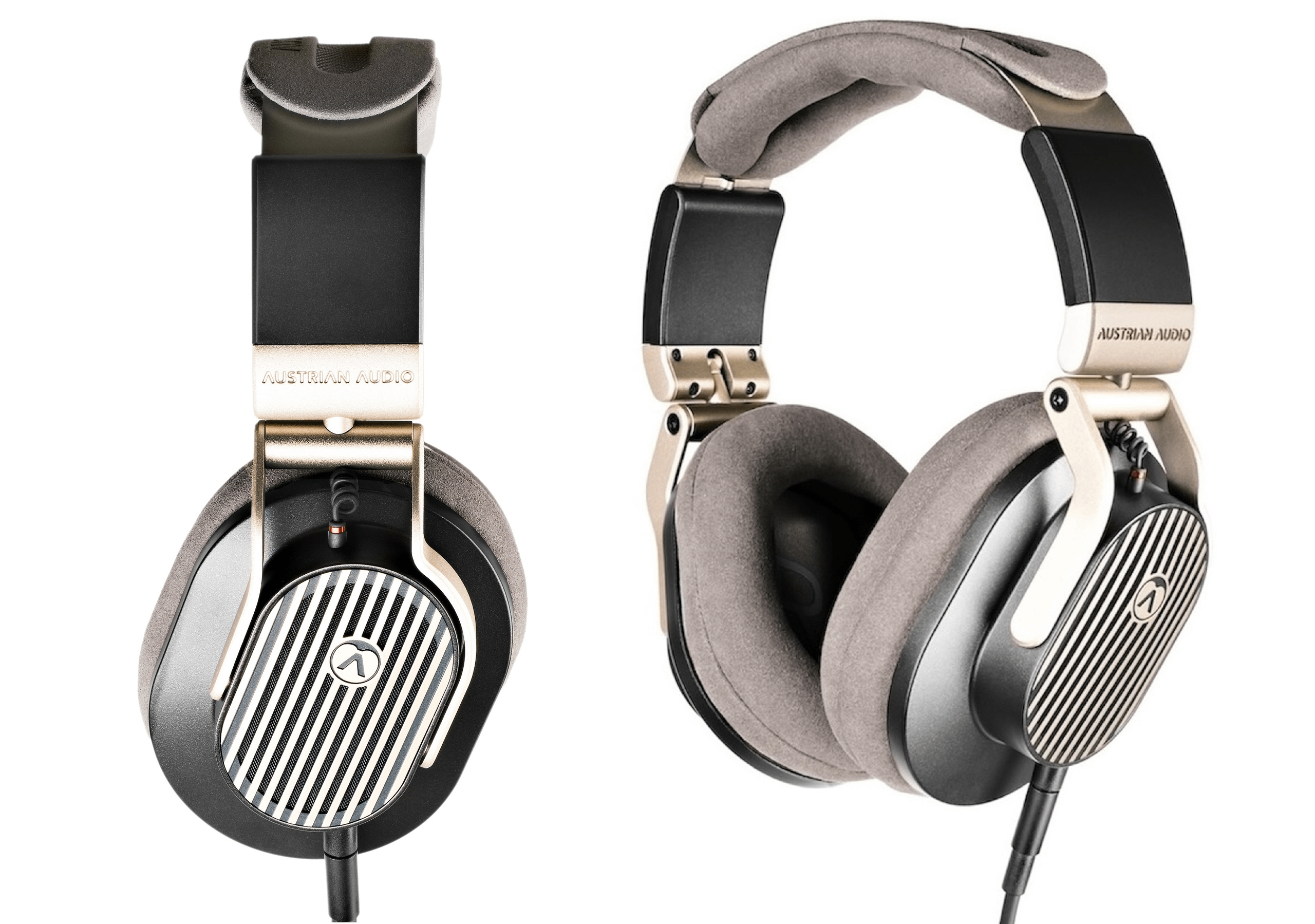
Like most open-back headphones, The Arranger is built for home or studio listening. You’ll want to use it in quiet spaces, because the design lets air and sound move in and out freely. This not only helps create a more natural and wide soundstage but also means you’ll still hear some of your surroundings, and other people might hear your music, too.
In practical terms, this design is meant to give vocals and instruments a sense of space. Instead of everything sounding like it’s happening right inside your head, the sound feels more spread out, more like you're in the room with the music.
The build quality leans heavily on metal, but Austrian Audio has kept the weight down to about 310 grams (without the cable), which helps reduce fatigue during longer sessions. The ear pads are made of soft suede-style leatherette, and the headband is padded as well. All the main wear parts, the ear pads and the headband, can be replaced when needed, which is a nice touch for people who don’t want to buy a whole new pair after a few years of use.

And while open-back headphones are usually not something you’d travel with, The Arranger’s foldable design adds a bit of flexibility. It doesn’t mean you’ll be tossing them in a backpack every day, but it does make storage and occasional transport easier.
The Arranger uses a 4-pin symmetrical socket for its detachable cable, and it ships with a 3-meter TRS cable (3.5mm plug), plus a 6.3mm adapter for standard headphone amps. If you want to run it balanced, there are optional cables available, including 4.4mm Pentaconn and 5-pin XLR, for setups that support that kind of output.
The specs suggest it can handle a good amount of input power (155 mW) and keep distortion low (less than 0.1% at 1 kHz), so it should perform well with a wide variety of gear, from compact desktop DAC/amp combos to more serious listening rigs.
Technical Specifications:
At $1,099, the Austrian Audio Arranger lands in a price bracket where a lot of popular “serious listening” open-backs overlap, even when they’re built around very different design philosophies. If you’re cross-shopping, these four models are the most likely alternatives to come up in the same conversation.
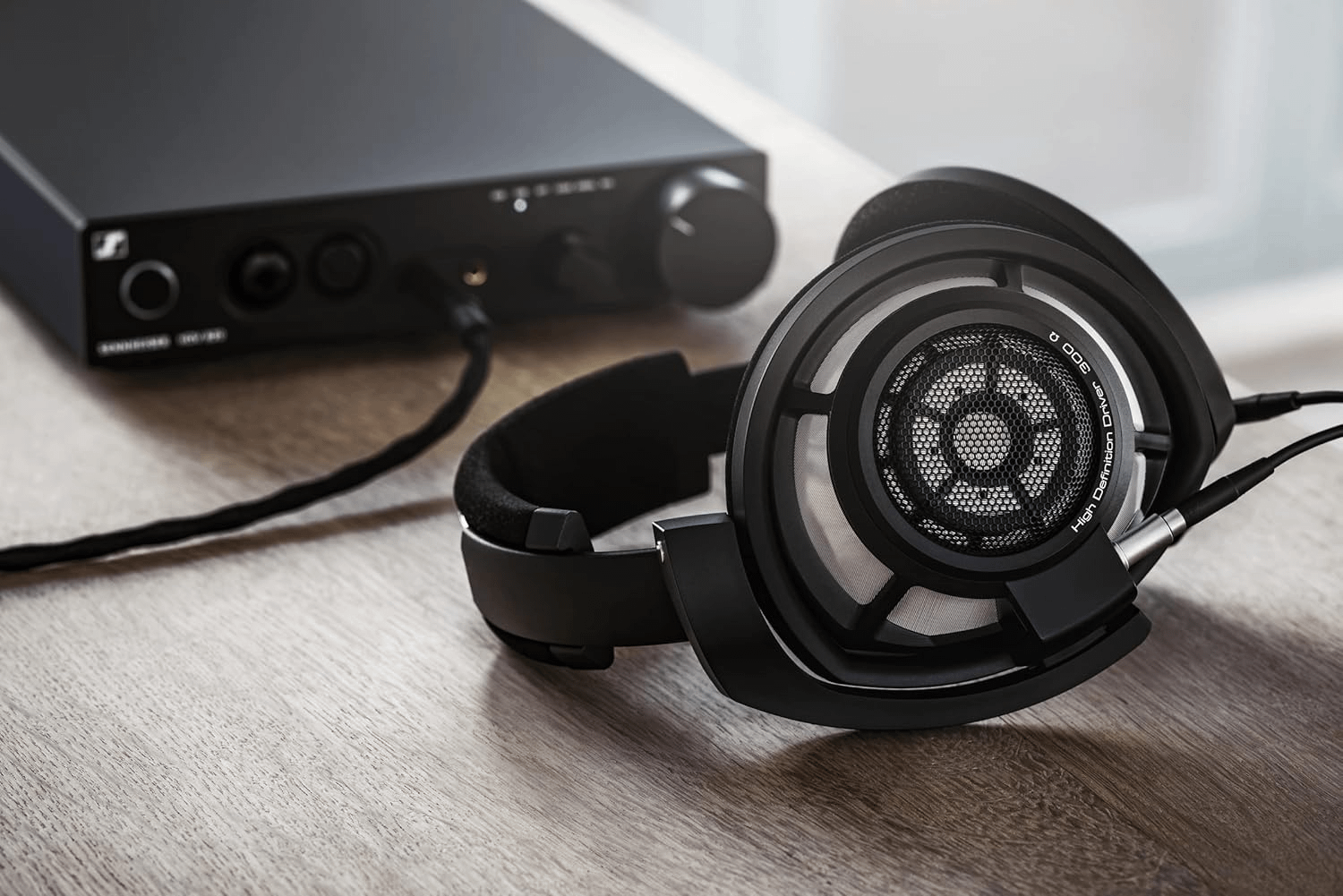
Sennheiser HD 800 S ($1,799 at Amazon) is the outlier here on price, but it’s also one of the most common reference points for open-back staging. The HD 800 S is often picked by listeners who prioritize a big, airy soundstage and precise left-to-right placement.
By comparison, the Arranger’s pitch is less about “largest stage possible” and more about a natural, balanced presentation from a dynamic driver that’s easier to drive (25 ohms) and built around a practical, serviceable chassis. If the HD 800 S is the choice for people chasing maximum spatial scale, the Arranger reads more like the option for people who want strong imaging and clarity without needing a flagship-priced ecosystem around it.
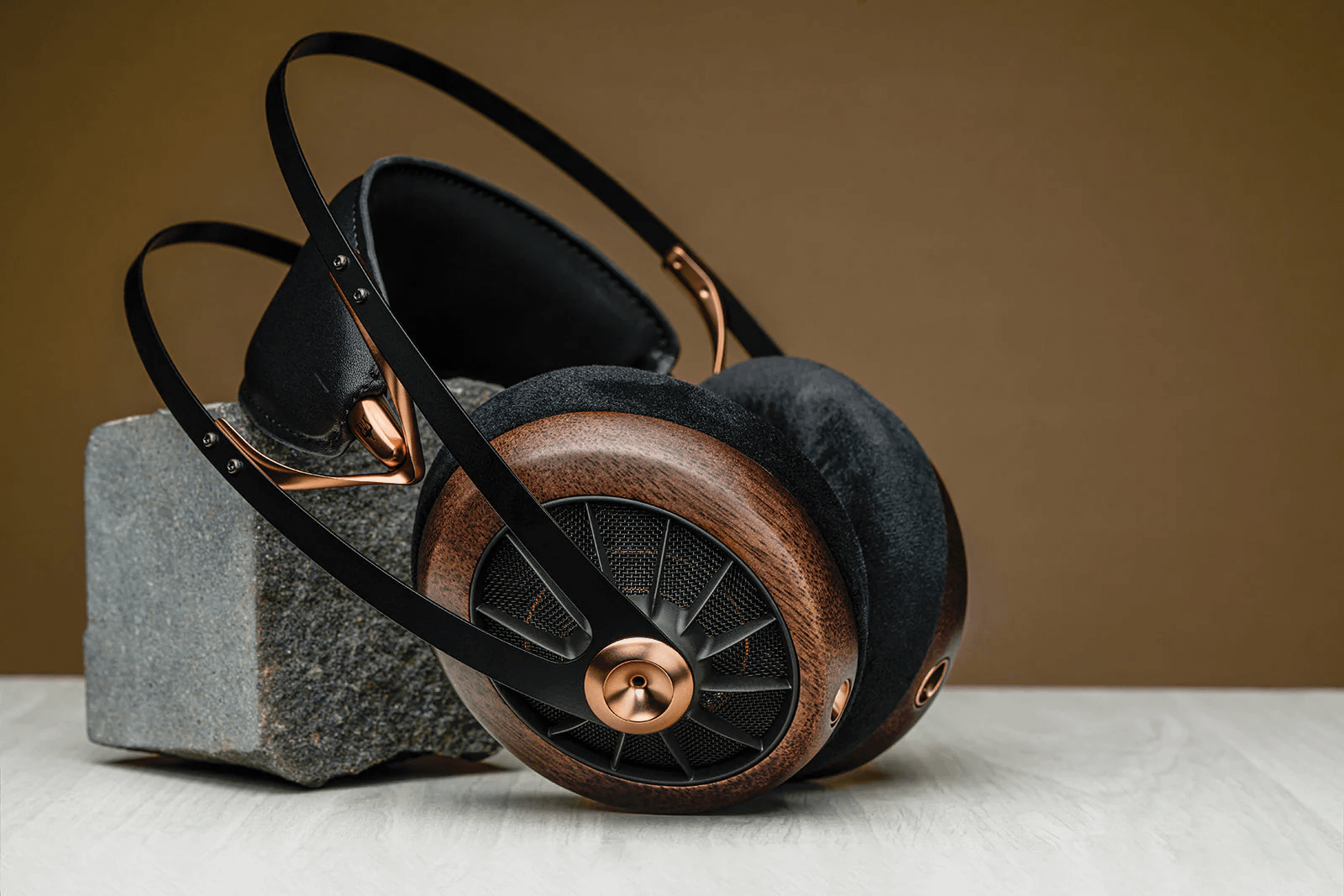
Meze Audio 109 Pro ($799 at Amazon) sits lower on price and typically appeals to listeners who want an open-back that’s comfortable, easy to live with, and enjoyable across long sessions. It’s also a dynamic design, so it’s a closer apples-to-apples comparison than a planar.
Where the Arranger differentiates itself is in its “reference-minded” positioning: Austrian Audio leans into low distortion, fast transient behavior, and a tuned, controlled low end rather than a “fun-first” house sound. If the 109 Pro is the “everyday open-back” pick, the Arranger is trying to be the more technically focused step up—still practical, but aimed at more critical listening.
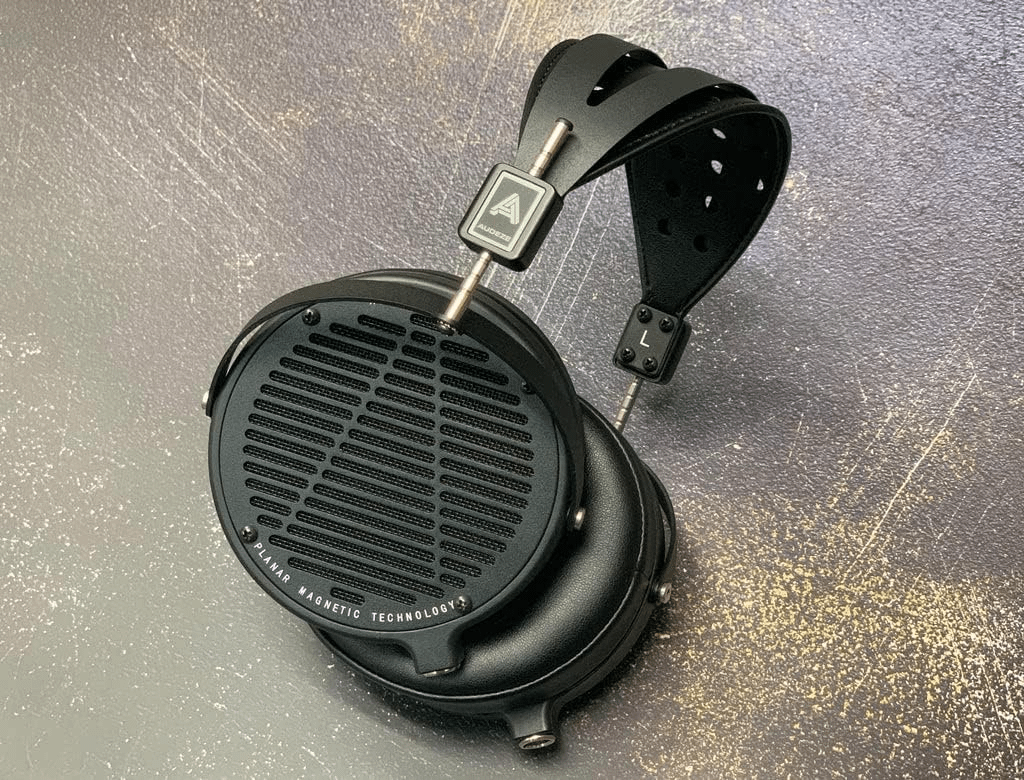
Audeze LCD-2 Classic ($799 at Amazon) brings a different driver technology entirely: planar magnetic. In real-world terms, that often means a different sense of weight and texture through the low end and lower mids, plus a presentation that can feel more dense and “wall-of-sound” than a typical dynamic open-back.
The Arranger, as a dynamic model, is positioned around speed, control, and spaciousness via its open-back design and DLC-coated diaphragm. This is the classic fork in the road: if you’re deciding between the Arranger and LCD-2 Classic, you’re likely deciding whether you prefer the character of planar drivers or the punch and immediacy many people associate with well-tuned dynamics.

Focal Clear MG ($1,499 at Amazon) is another dynamic open-back, but one that usually competes on immediacy, punch, and an upfront sense of detail. It’s also priced notably higher than the Arranger, which makes the comparison useful for readers trying to decide whether the jump is worth it.
The Arranger’s advantage on paper is practicality: low impedance for easier pairing with a wider range of gear, a foldable design, and user-replaceable wear parts that are clearly meant to keep the headphones in service for the long haul. The Clear MG’s appeal is typically about that “high-end dynamic” presentation and build finish, while the Arranger is framed more as an engineering-forward option that aims to deliver reference-style listening without pushing buyers toward the top of the price ladder. You can read our full review here:
If you’re shopping in this range, the Arranger makes the most sense for listeners who want an open-back headphone built for home listening that balances technical performance with practical ownership, easy drivability, serviceable parts, and flexible cabling, while the alternatives each lean harder into a specific priority (maximum soundstage, comfort-first tuning, planar weight, or a more premium-priced dynamic presentation).
Austrian Audio isn’t trying to replace its Hi-X series or challenge its own Composer flagship here. The Arranger is a new middle ground: a reference-style headphone for listeners who care about detail and accuracy, but don’t necessarily need ultra-premium gear to get there.
What stands out most is the overall practicality: it’s relatively easy to drive, built from durable materials, has replaceable parts, and doesn’t try to over-style itself. If you're the type of person who values performance and comfort over luxury materials or flashy branding, this could be worth a look.
The Arranger will be available starting February 2026 at $1,099 in the U.S., £899 in the UK, and €999 in Europe.
Related Reading:



Privacy Policy
Terms and Conditions - Affiliate Policy
Home Security
© Copyright 2008-2026.
11816 Inwood Rd #1211, Dallas, TX 75244