

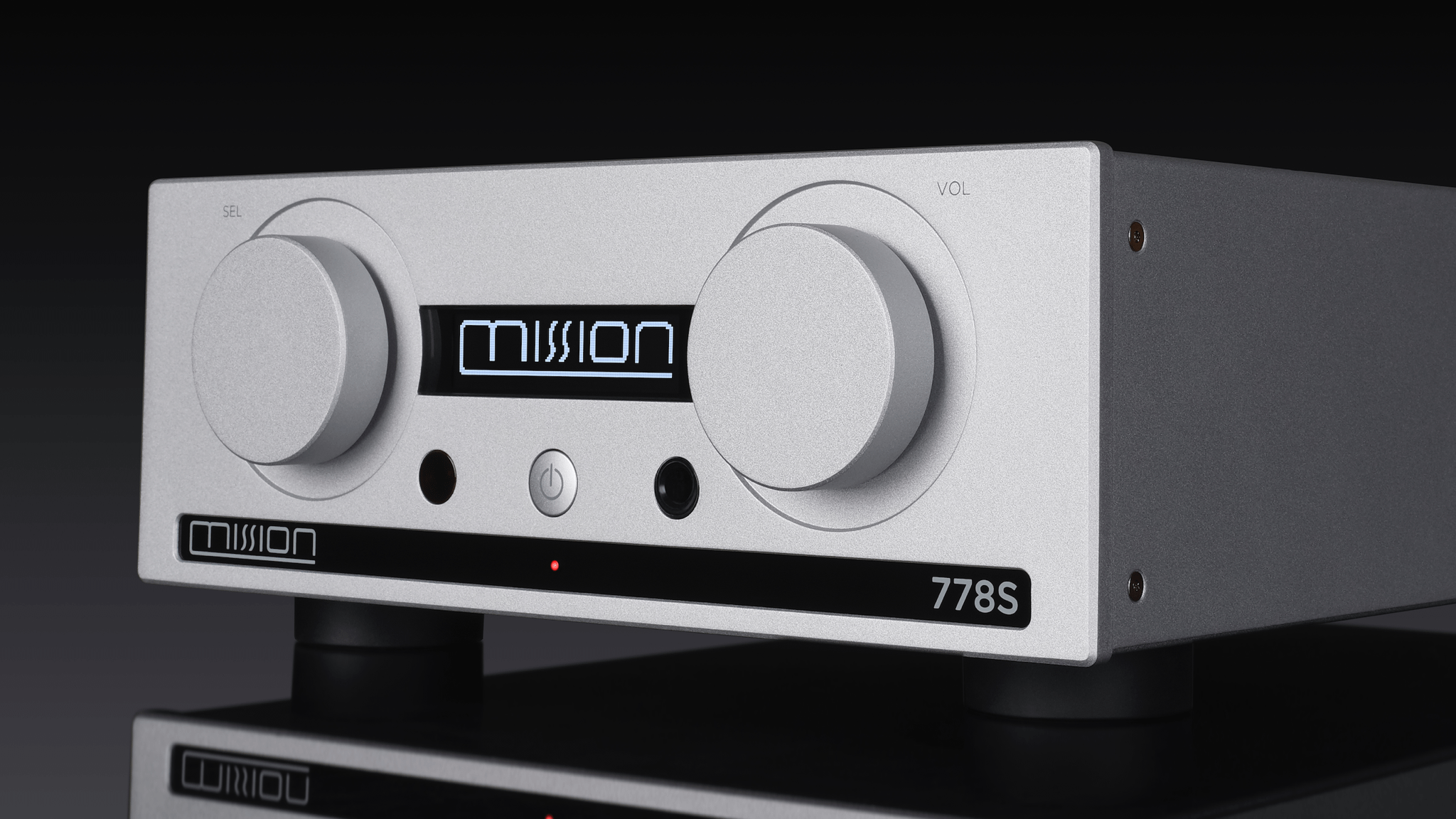
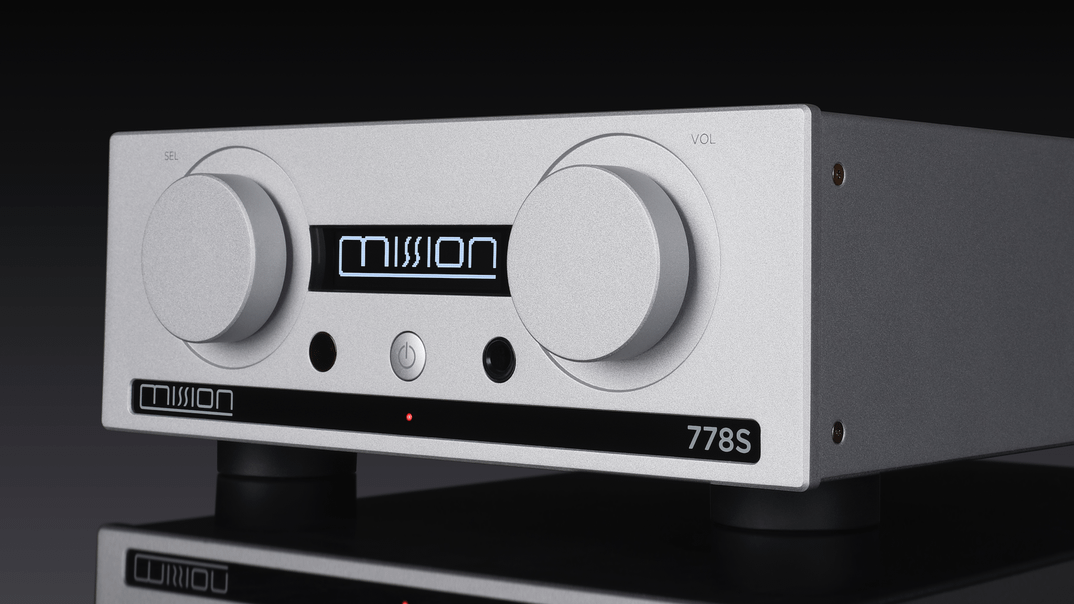
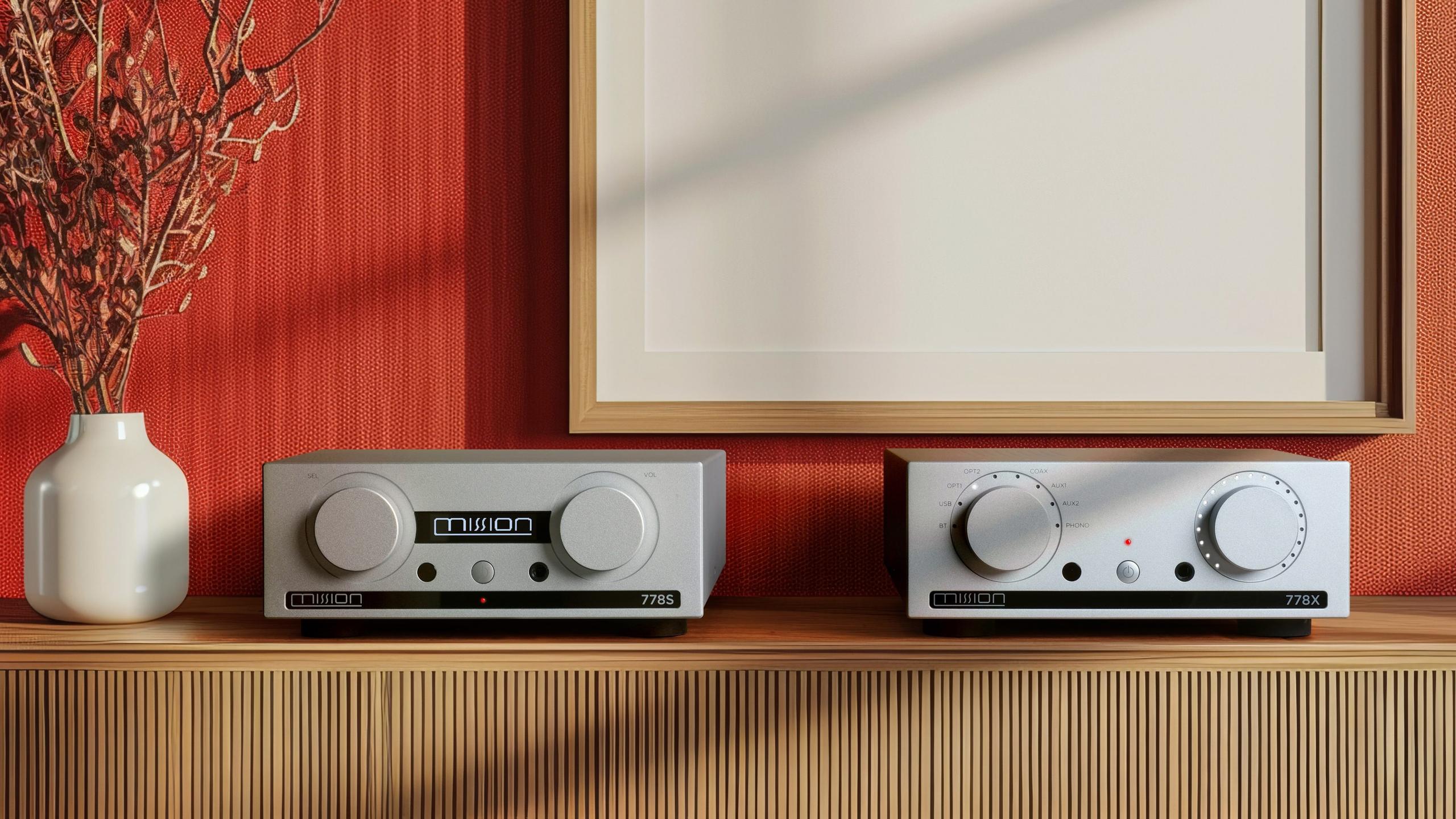
Mission, the British audio brand best known for its speakers, is stepping further into modern digital hi-fi with the launch of the 778S. This is the company’s first-ever music streamer, and it’s built to sit neatly alongside the 778X amplifier ($899 at Amazon) it released in 2022. If you’ve already got the amp, or you’re just after a network streamer that keeps things straightforward, this could be one to check out.
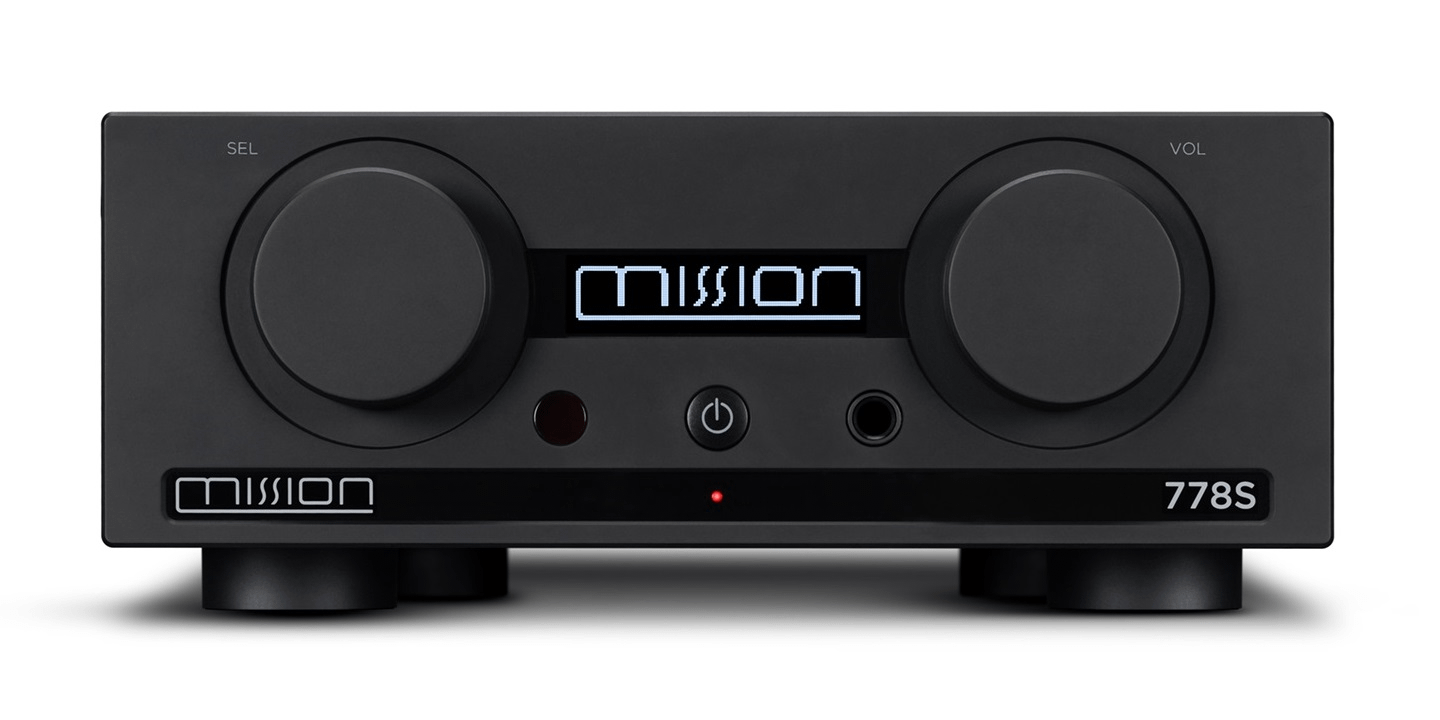
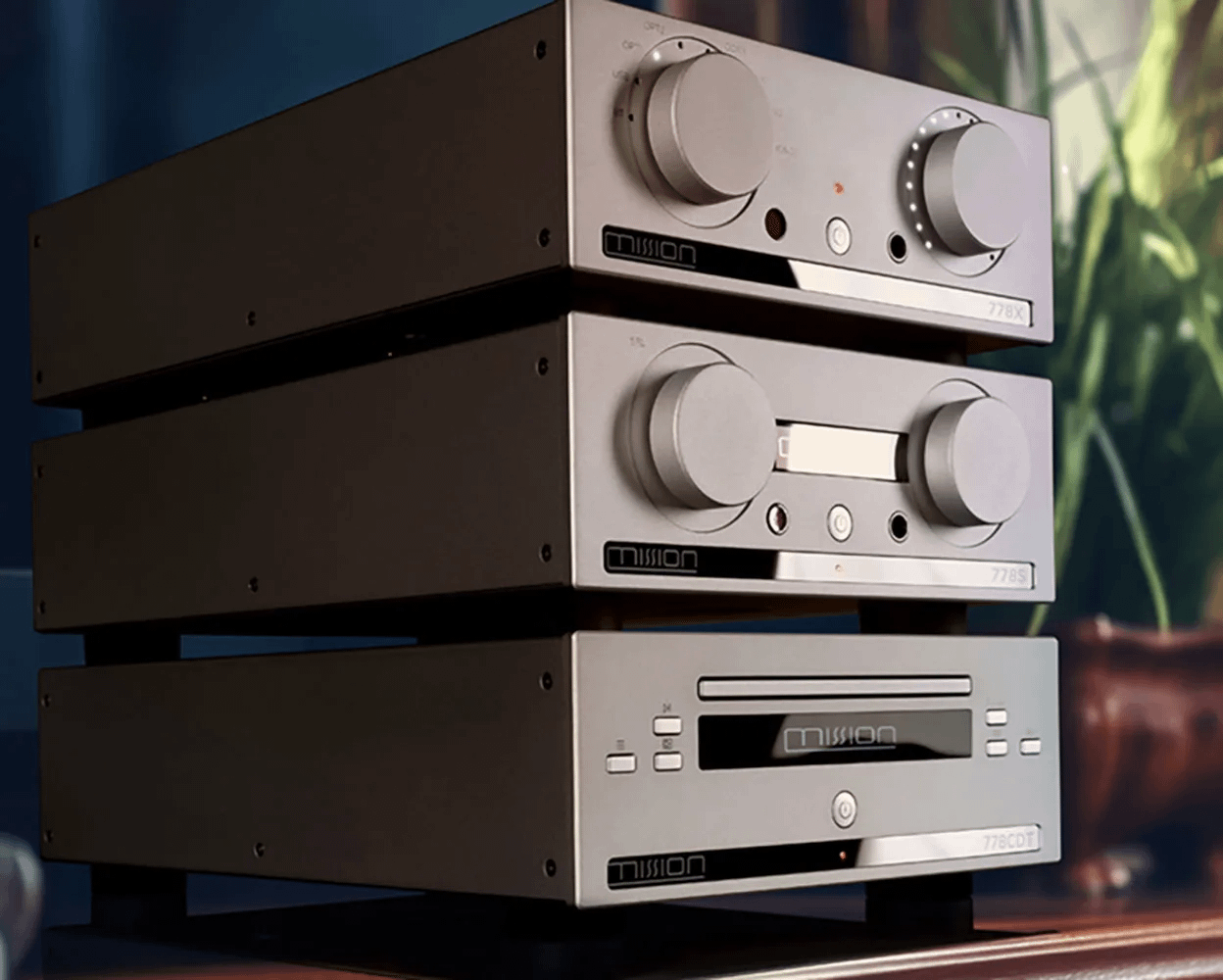
The 778S carries over the same compact, half-width design as the 778X, with a brushed aluminum finish available in black or silver. It’s intentionally minimalist, and while it doesn’t scream for attention, it does fit nicely into more traditional hi-fi setups. Stack it with Mission’s matching CD transport and amp, and you’ve got a system that looks cohesive without taking up much space.
At its core, the 778S is built for high-quality streaming. Mission worked with Silent Angel, a company that’s been developing network audio platforms since 2014, to build the streaming engine that powers this unit. If you’re used to fiddling with apps and worrying about compatibility, this should be a breath of fresh air, as it supports the major services out of the box.
You’ll find native support for Tidal Connect, Qobuz Connect, Spotify Connect, and TuneIn Radio, so no need to route audio through another device. It also supports Apple AirPlay 2, meaning you can stream directly from your iPhone, Mac, or iPad. And for those running a Roon-based setup, the 778S is fully Roon Ready.
However, there’s no Bluetooth or Chromecast here. That might be a dealbreaker for some casual listeners, but Mission clearly sees this as a component for networked, high-fidelity listening rather than an all-in-one convenience box.
The DAC inside the 778S is the ESS Sabre ES9038Q2M, a 32-bit chip that’s often found in more expensive gear. It’s capable of handling PCM files up to 32-bit/768kHz and DSD512, which covers just about every high-res format you’d want to throw at it.
Mission didn’t just drop in the chip and call it a day. They designed custom clocking and power circuitry around it, and added a Class A analog filter stage that’s meant to reduce noise and keep the signal clean. There’s also optional PCM upsampling, and you can push your streams up to 352.8kHz or 384kHz to help shift digital artifacts out of the audible range. Or, if you’d rather fine-tune things yourself, there are five different digital filter modes to play with.
So yeah, there’s a lot going on behind the scenes, even if the front of the unit doesn’t look very flashy.
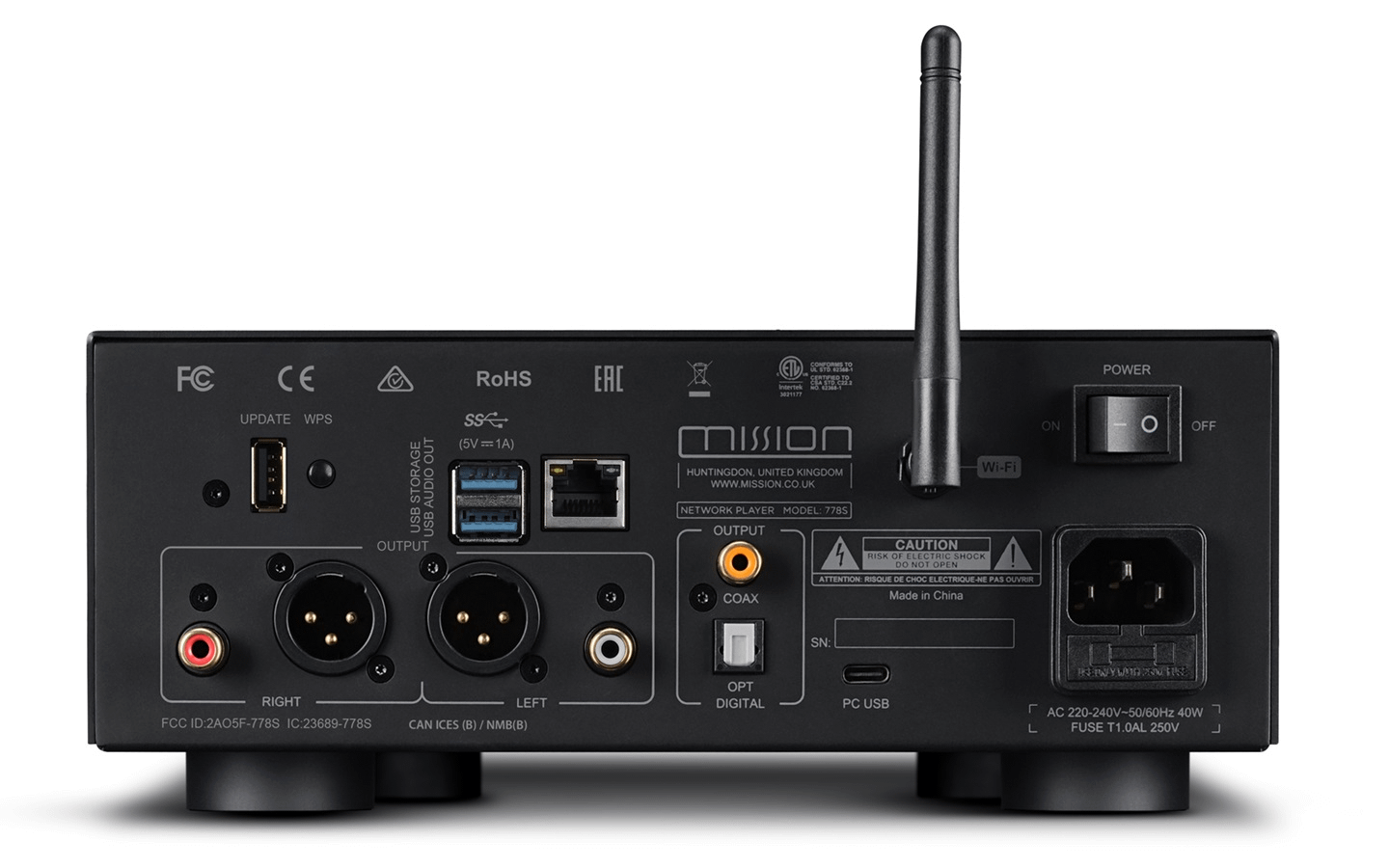
The 778S might be compact, but it’s not short on connections. On the back, you’ve got:
That headphone output is more than just an afterthought. It has a current-feedback amplifier design with a high slew rate, which basically means it can handle a wide range of headphones without breaking a sweat.
Whether you’re streaming to your main system or just listening at your desk with headphones, the 778S has you covered.
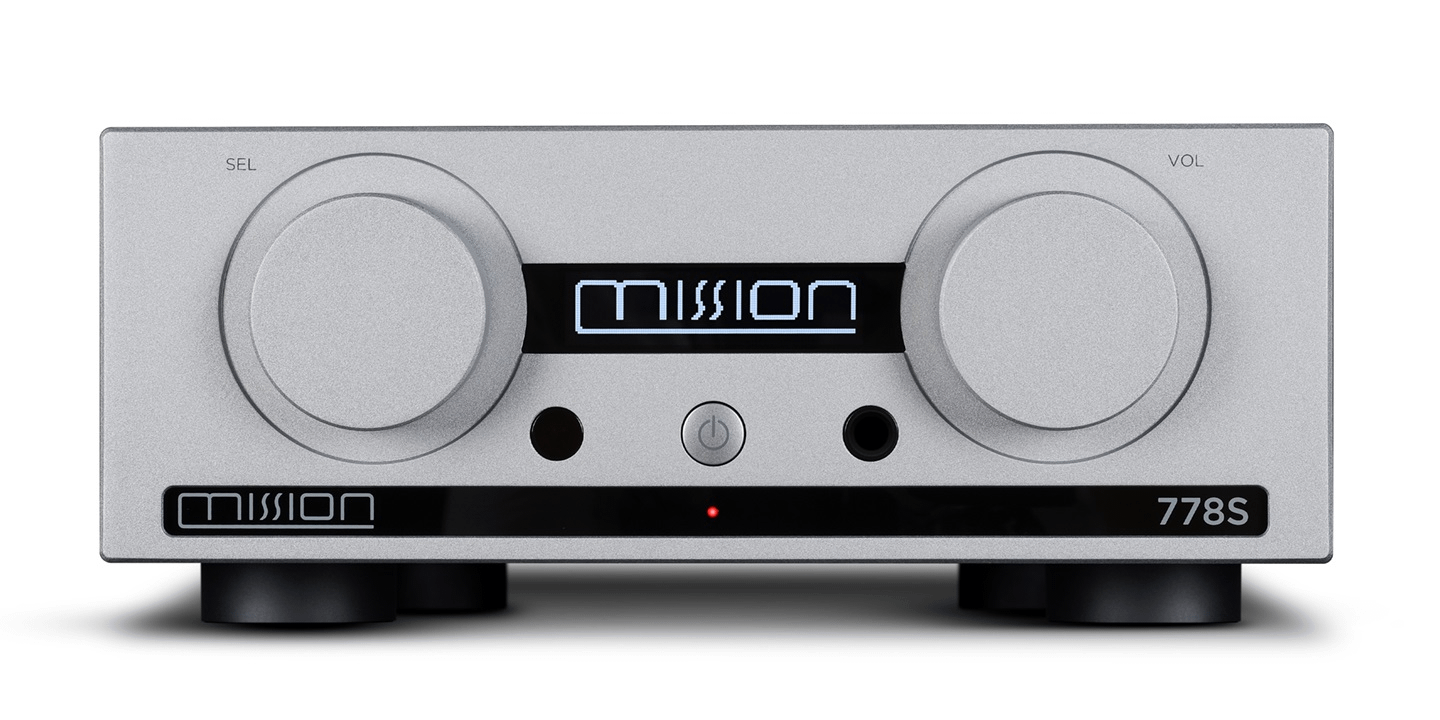
If you’re expecting a glossy color screen with cover art and animations, the 778S skips all that. Instead, you get a dimmable OLED display that shows basic text info, source, track name, volume level, that kind of thing.
The front layout is simple: two large, symmetrical dials for volume and input selection. That’s it. No touch panels, no unnecessary menus. This might not appeal to everyone, but for people who want a no-nonsense user experience, it makes sense.
The Mission 778S will be available starting in late January 2026, with a price of $1,699 in the U.S., £799 in the U.K., and €949 in Europe. That pricing makes it land in a crowded part of the market, where a few well-known streamers already cover most of the same core jobs: get music from your network (or streaming services) into your system cleanly, reliably, and without drama. Where they differ is in ecosystem polish, feature priorities, and how much emphasis they place on analog output stages versus “convenience” features.
Here’s a quick look at how the 778S compares with four popular alternatives in roughly the same conversation.
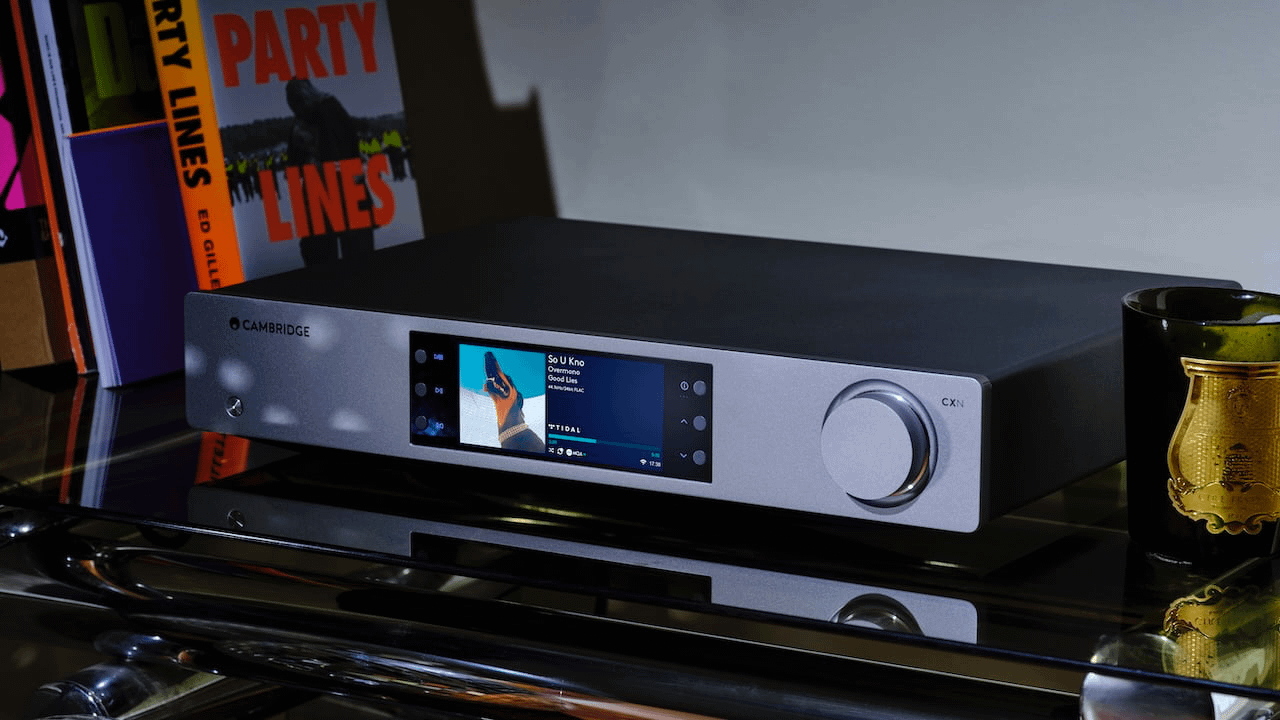
Cambridge Audio CXN100 ($1,099 at Crutchfield): If you want a streamer that feels like a “classic hi-fi” component but behaves like a modern platform, the CXN100 is a common reference point. In the same general price class, it tends to appeal to buyers who care about a mature user experience, a clean interface, and a well-established feature set.
Compared to the 778S, the practical difference is that the CXN100 is often viewed as the safer all-around pick for people who want a mainstream, well-supported streaming product at a lower U.S. price. The Mission counters with a more compact half-width form factor, balanced XLR outputs, and its Silent Angel-based streaming platform, but it also skips Bluetooth and Chromecast, two convenience features some shoppers expect at this level.
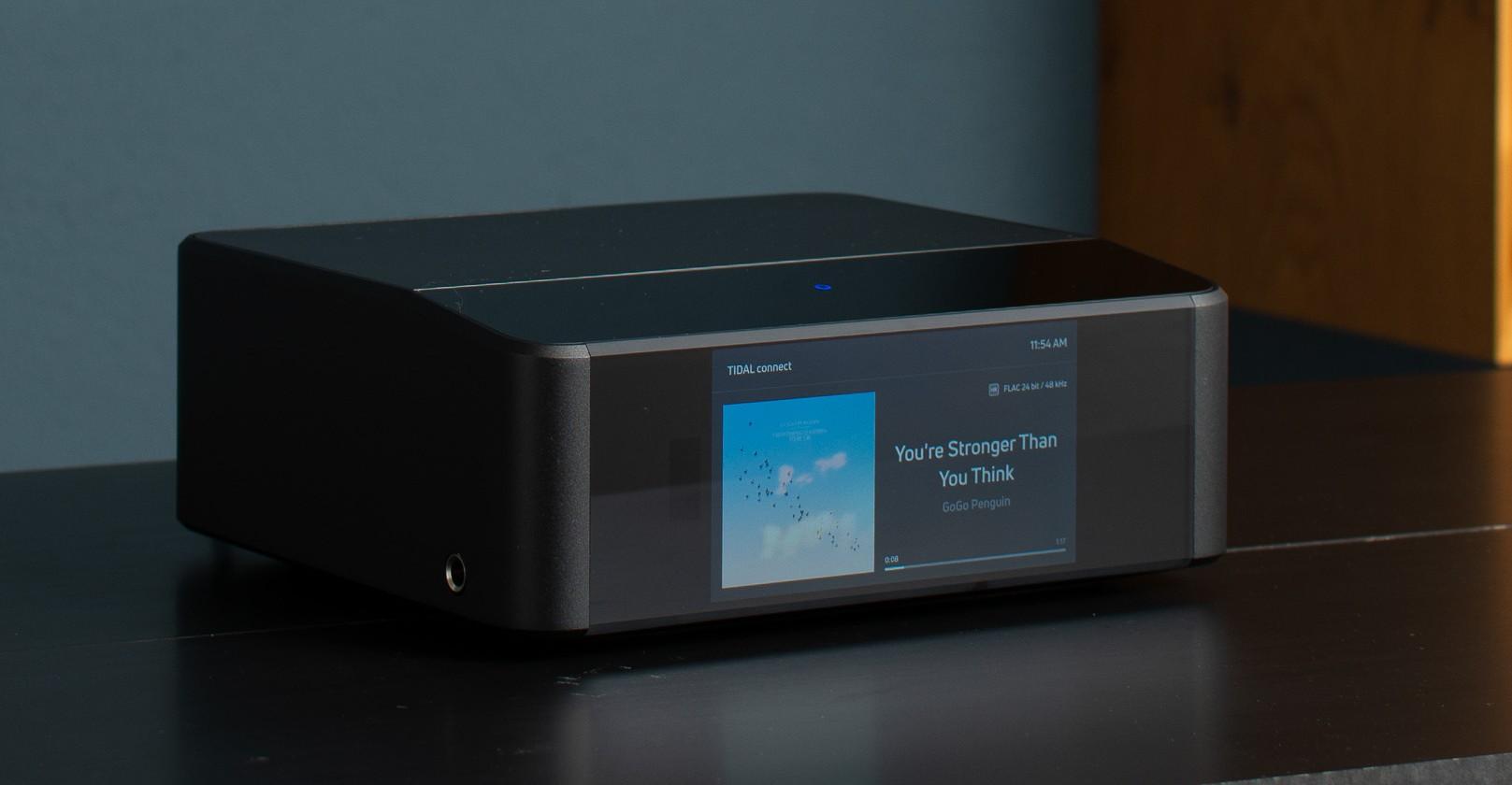
Bluesound NODE ICON ($1,199 at Amazon): Bluesound’s strength is the platform. People buy into Bluesound because they want an ecosystem that’s easy to live with: broad streaming support, multiroom capability, and an interface that’s been refined over multiple generations. The NODE ICON also sits lower than the 778S in U.S. pricing, which matters because the 778S is asking buyers to pay more for a more specialized approach.
If the 778S is built around the idea of a compact, serious network front-end with careful DAC and analog output implementation, the NODE ICON is more about everyday usability and “it just works” streaming. For buyers who value ecosystem maturity and multiroom simplicity, Bluesound has a natural advantage. For buyers who are building a small, stackable traditional hi-fi system around the 778X, Mission’s form factor and matching design may be the bigger draw.
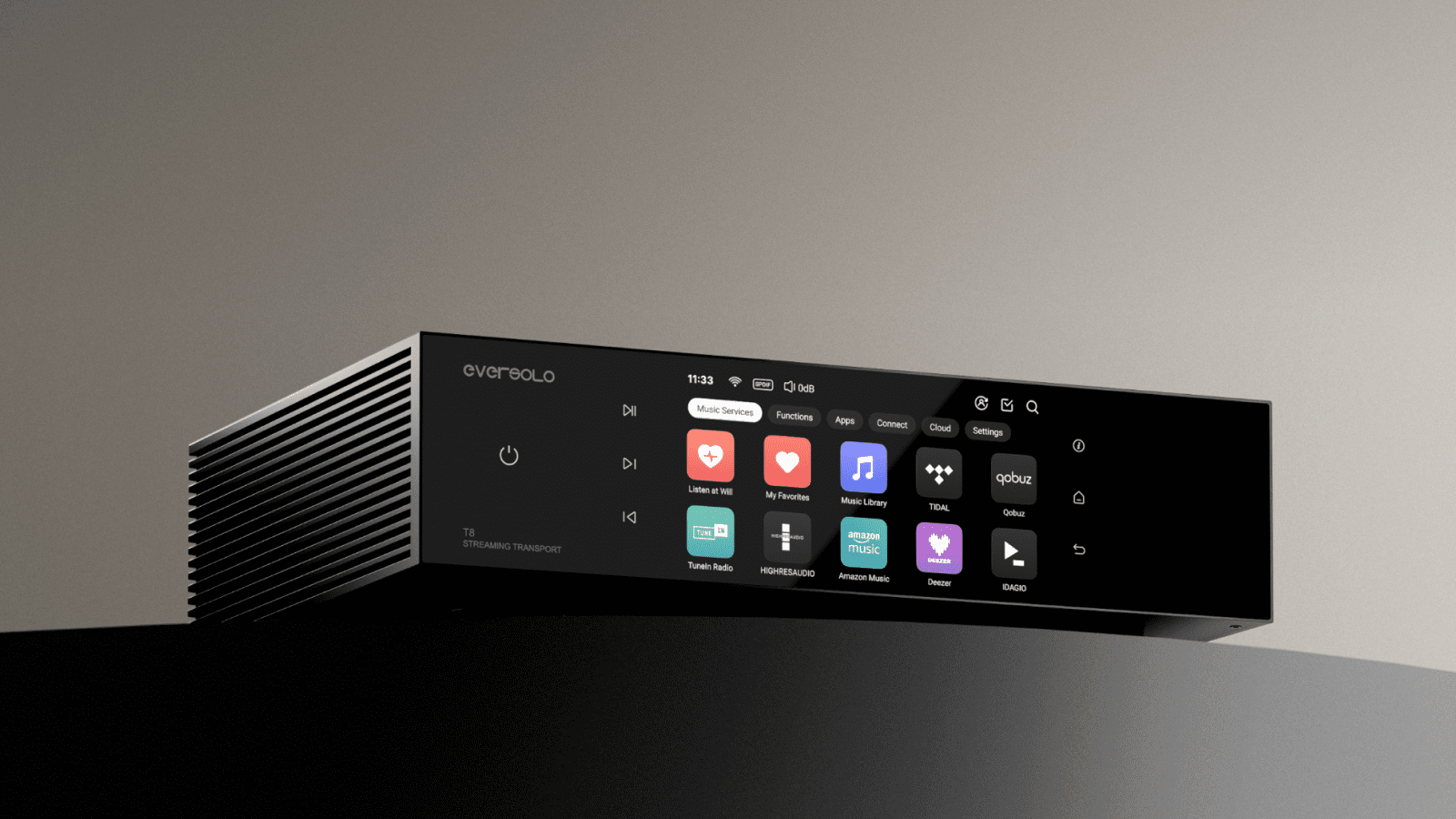
Eversolo T8 ($1,380 at Amazon): Eversolo has been aggressive about offering a lot of digital functionality and format flexibility for the money, and it tends to attract shoppers who want a modern streamer that feels more like a “feature hub.” The T8 also lands closer to the 778S in price, which makes it one of the more direct comparisons for someone shopping in the $1,300–$1,700 range.
The core question here is what you prioritize: the Mission 778S leans into a traditional hi-fi presentation with restrained UI, a compact chassis, balanced outputs, and a Silent Angel-based engine. Eversolo tends to sell itself on breadth and modern usability. If your goal is maximum features per dollar and a contemporary streamer experience, the T8 will look appealing. If your goal is a minimal, stackable network player meant to integrate cleanly with a conventional stereo rig, the 778S has a clearer “system component” identity.
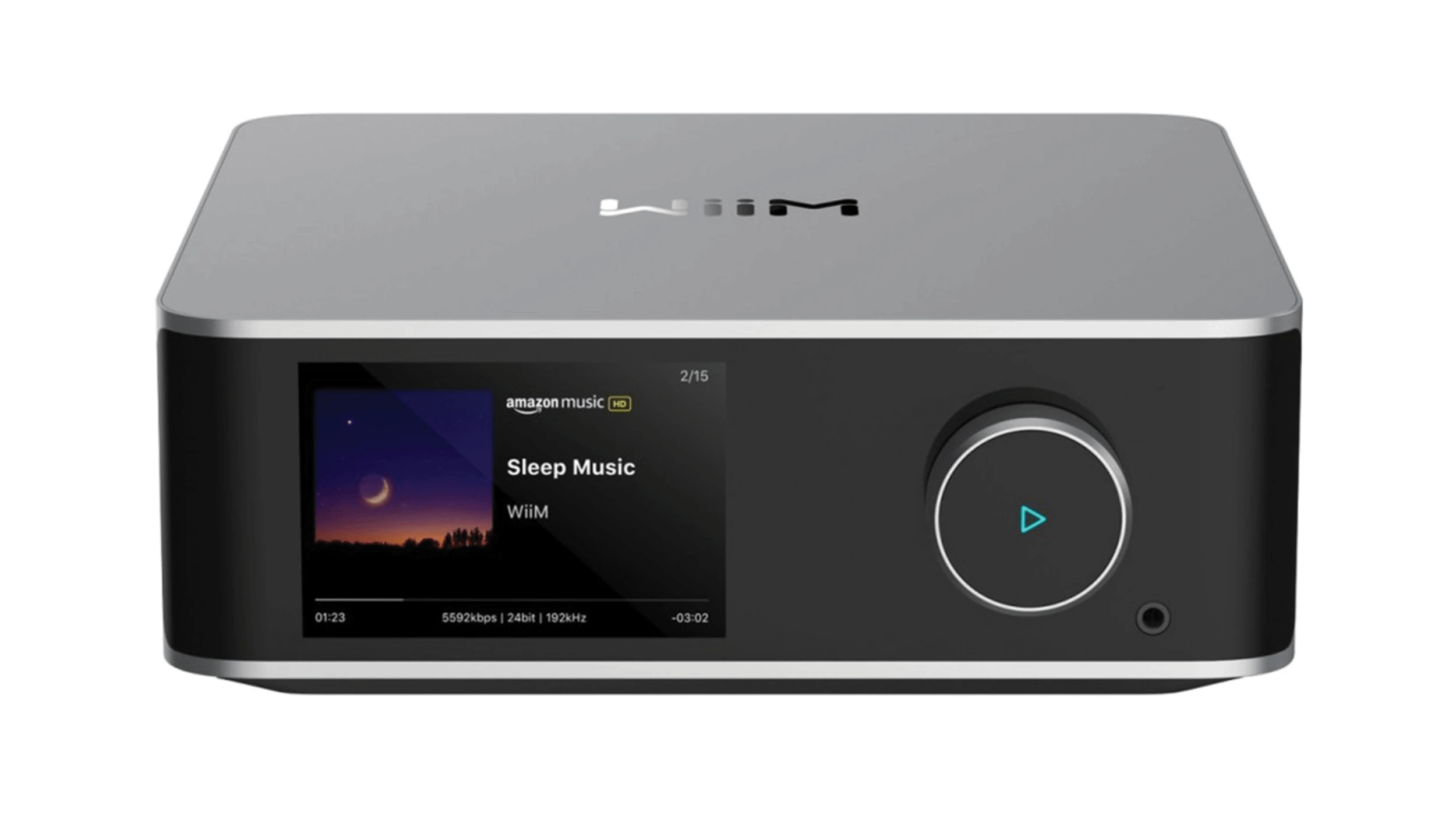
WiiM Ultra Music Streamer ($329 at Amazon): This is the value outlier, and it’s why the 778S has a tougher pitch in the U.S. market. WiiM’s appeal is straightforward: a low price, wide compatibility, and a platform that keeps improving. For many listeners, a product like the WiiM Ultra gets them 80–90% of what they want from streaming for a fraction of the cost.
Where the Mission 778S tries to justify its higher price is on the “component-level” side of the build: balanced XLR outputs, a high-spec ESS DAC with Mission’s power/analog design choices, and a more traditional hi-fi approach to signal path and output stage design. For some systems, those differences matter. For others, especially if you’re feeding a DAC digitally or just want a reliable streaming front end, the WiiM Ultra’s value proposition is hard to ignore.
If you’re choosing between these models, it helps to decide what matters more:
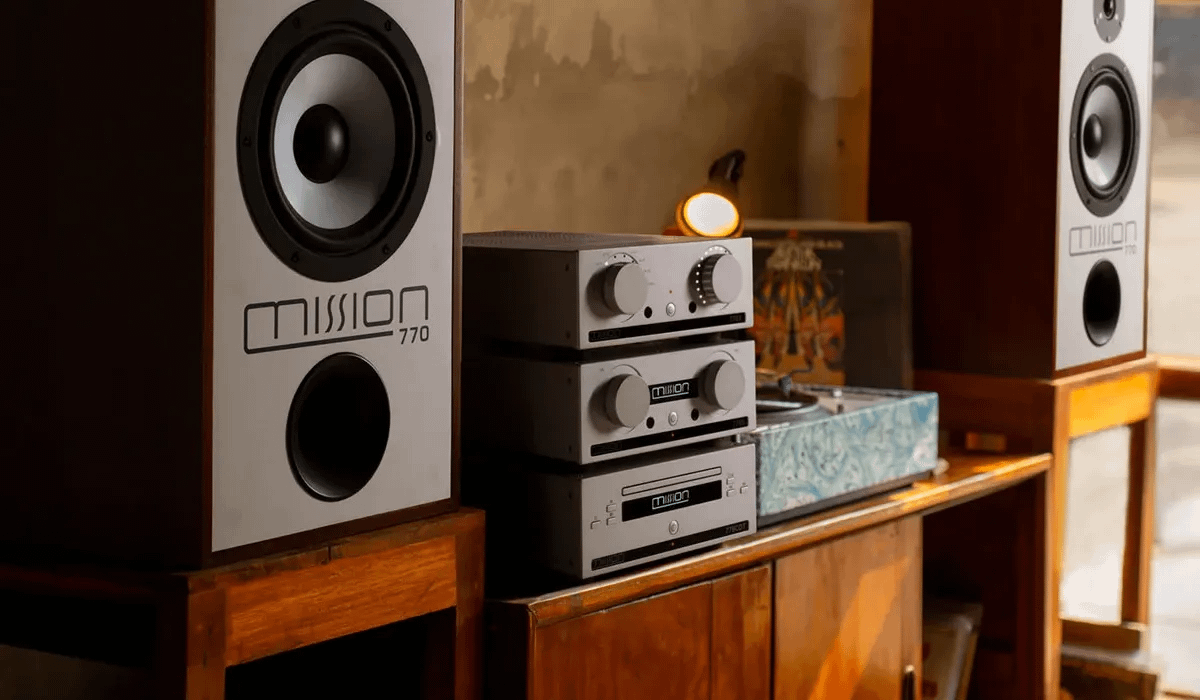
If you’re after a full-featured streaming solution with a flashy app, touchscreen controls, and wireless everything, the 778S probably won’t be your first choice.
But if you’re building a clean, compact stereo setup, maybe already using Mission’s 778X amplifier or CD transport, the 778S offers a nice, tailored addition. It’s aimed at people who care more about signal integrity, format support, and analog output quality than loading up on smart features they might never use.
It’s a classic approach to a modern problem: how to bring high-resolution streaming into a system without making everything feel like a gadget. And while it doesn’t try to be everything to everyone, it fills a niche that still matters in hi-fi circles.
Related Reading:





Privacy Policy
Terms and Conditions - Affiliate Policy
Home Security
© Copyright 2008-2026.
11816 Inwood Rd #1211, Dallas, TX 75244