

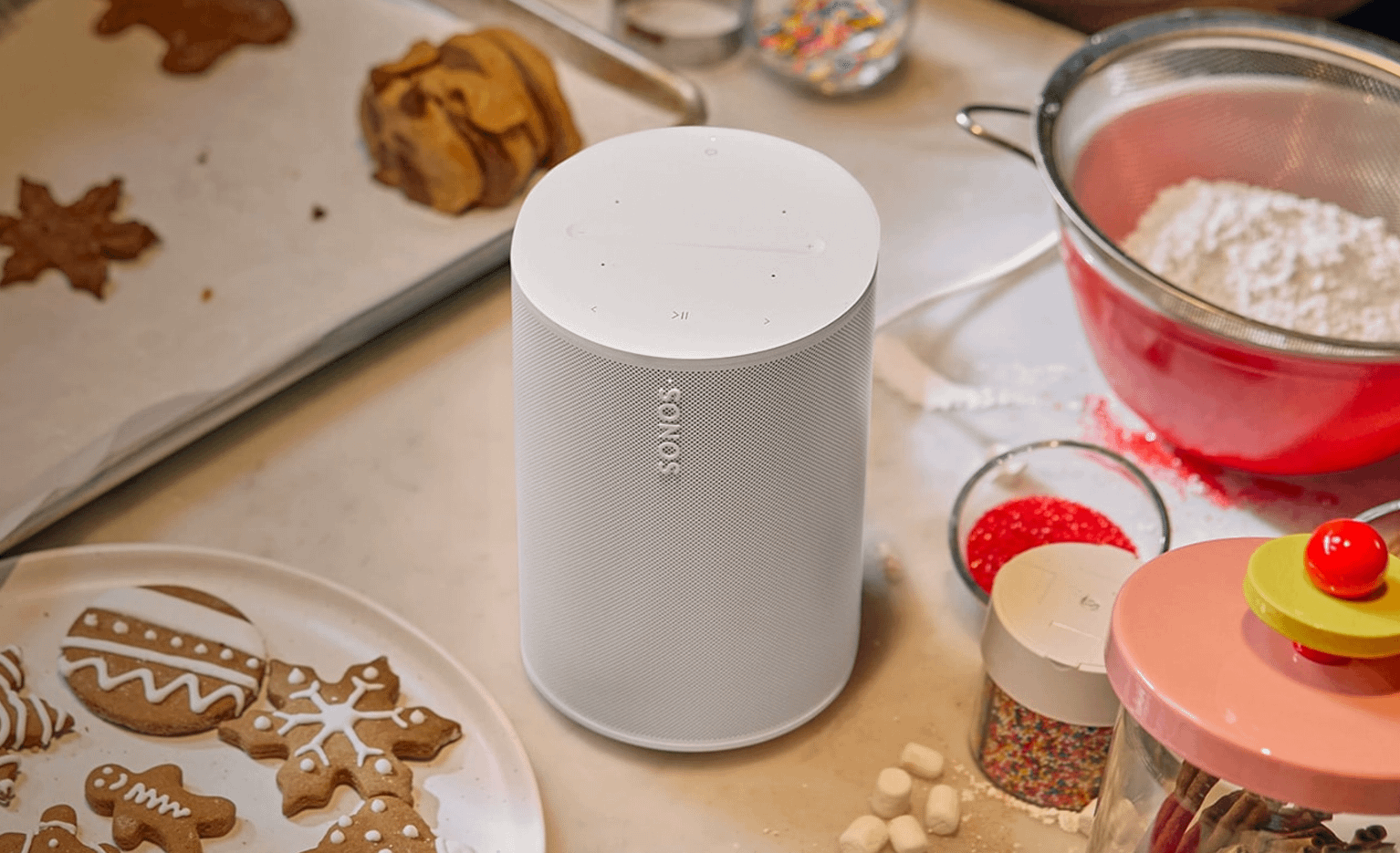
You can’t open YouTube, scroll Instagram, or watch a football game right now without seeing a shiny Sonos ad telling you how effortless, seamless, and “premium” your home audio life will be if you just buy into their ecosystem.
It’s slick. It’s everywhere. And it’s starting to feel like a magician waving one hand around so you don’t see what the other hand is doing.
Because behind the glossy campaigns and lifestyle videos, Sonos still hasn’t solved the one thing that actually matters to people who already own their gear:
Reliability.
The dream Sonos sold everyone for years — “Just works. Stays working.” — is wobbling. In some homes, it’s collapsing completely.
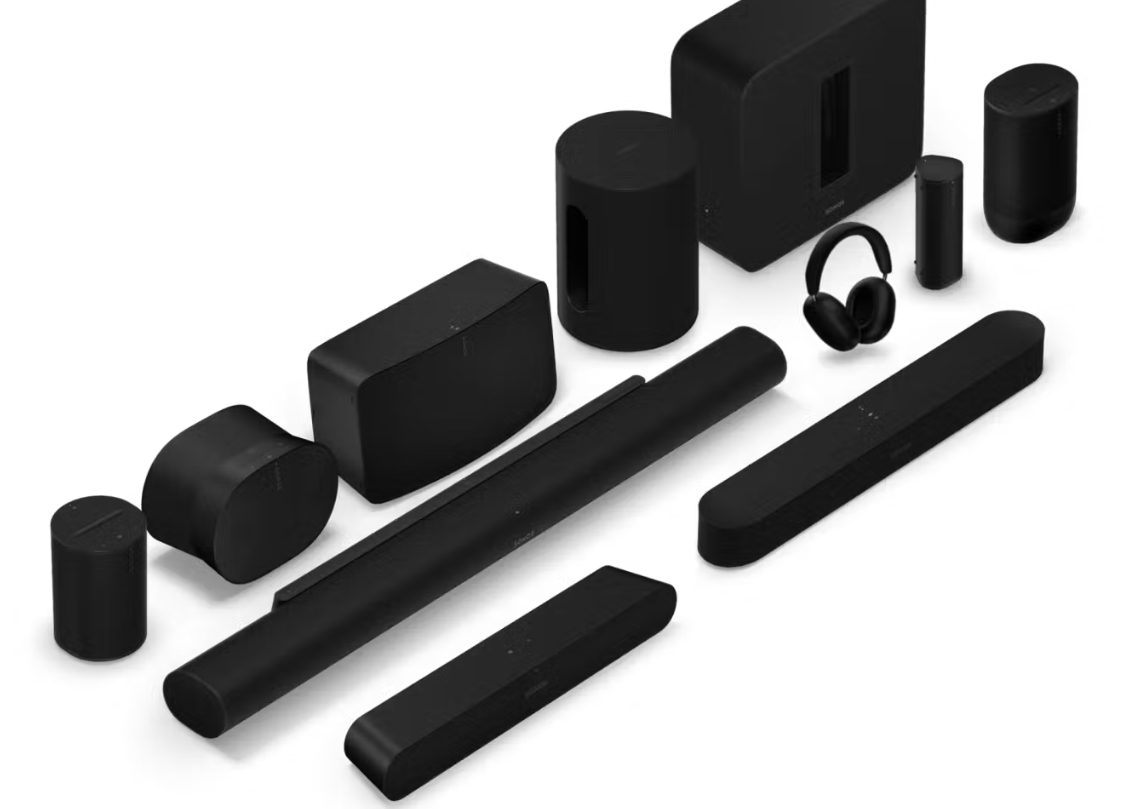
And it’s wild watching a company spend millions on advertising while the foundation beneath the brand is still cracked.
Sonos made their name by being the grown-up in the room.
The stable one.
The plug-it-in-and-forget-about-it one.
They weren’t the cheapest.
They weren’t the flashiest.
But they worked. Every day. For years.
Then came the giant app overhaul — the redesign that was supposed to be the modern Sonos Control Center for the next decade.
Instead, it broke things. Core things.
Some people lucked out and barely felt it. But thousands didn’t. And when people spend $2,500+ for a home audio system that “just works,” glitches don’t feel like glitches — they feel like betrayal.
Sonos says they’re fixing it, rebuilding, adding features back, improving stability.
But the experience still swings wildly depending on which devices you own, how old they are, and how complex your setup is.
That doesn’t scream “solved.”
Because Sonos has a math problem.
When existing users lose trust, the only way to grow is to find new ones.
Marketing fills the gap that engineering left behind.
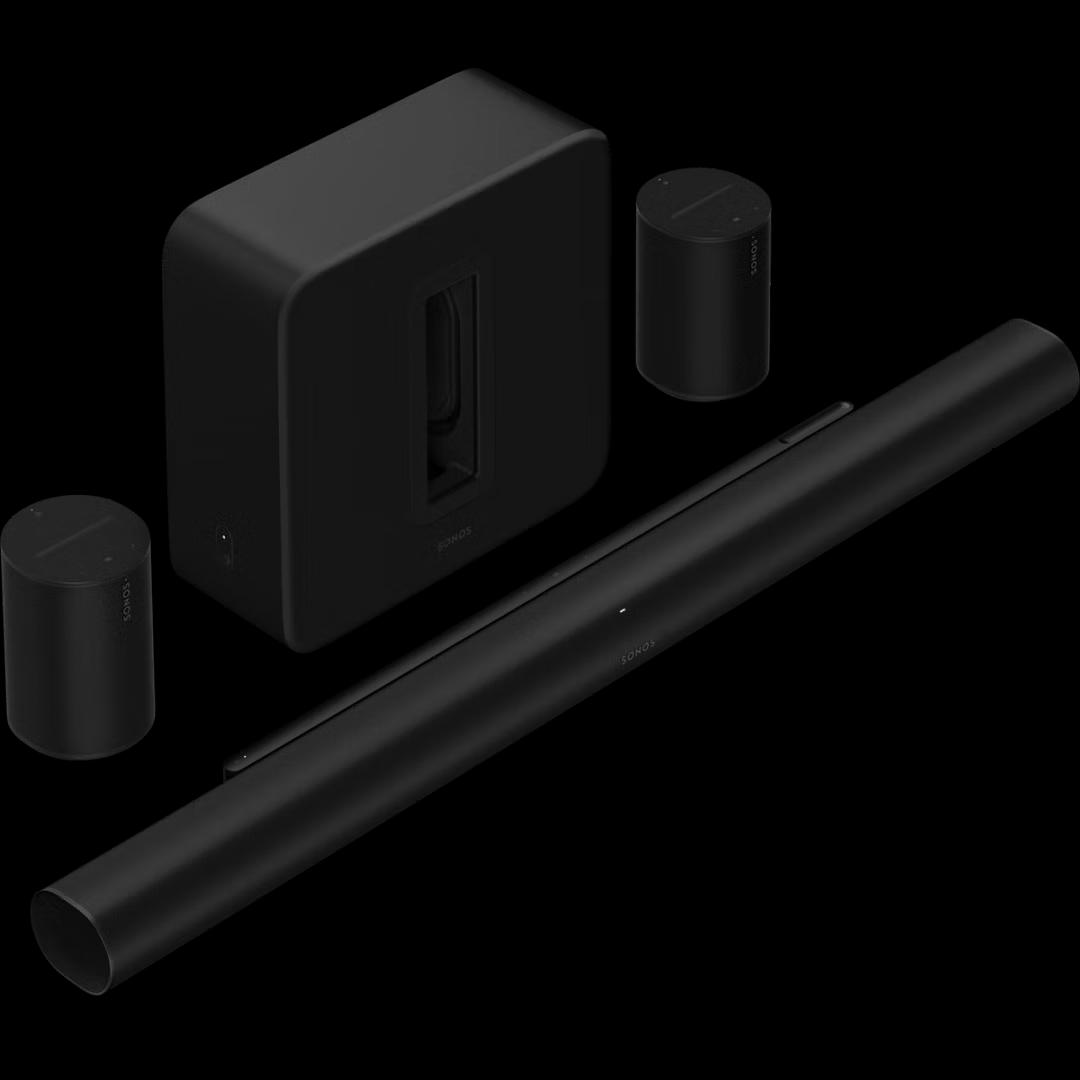
If you can’t fully win back the people who already bought your system…
…you advertise harder to the people who don’t know how shaky things have been.
From a business perspective? Strategic.
From a consumer perspective? Sketchy.
Watch a Sonos commercial right now and you’ll see:
Meanwhile, real users are out here trying to figure out why their Arc disappears every third day or why Spotify Connect randomly gives up mid-song.
It’s the classic tech-brand disconnect:
Instead of fixing the story, they’re trying to out-advertise it.
There’s a word for that.
It’s not innovation.
Here’s the truth no ad is going to say out loud:
Sonos built its empire on hardware designed for an older software model.
When they tried to drag everything into the cloud era — modern APIs, new UI frameworks, faster features — the older speakers simply weren’t built for the load.
So now Sonos is caught in a brutal tug-of-war:
That’s an impossible balance.
Almost every glitch, dropout, and “why did this stop working?” moment traces back to this tension.
And until they resolve it — either technologically or philosophically — Sonos is going to keep tripping over its own success.
Advertising doesn’t fix that.
The hardware is still excellent.
The acoustic tuning is still world-class.
The ecosystem could be the Apple of home audio again.
But not until Sonos does something uncomfortable:
Admit that the problems weren’t just bugs — they were decisions.
Decisions to modernize too aggressively.
To ship too early.
To trust marketing to smooth over engineering cracks.
And if they don’t rebalance that equation soon, the brand that once defined reliability is going to be defined by something else:
Hype.
If you’re going to plaster the internet with ads about the “future of sound,” maybe fix the present first.
People will forgive a mistake.
They won’t forgive feeling ignored.
For advertising please contact the editor at [email protected]






Privacy Policy
Terms and Conditions - Affiliate Policy
Home Security
© Copyright 2008-2026.
11816 Inwood Rd #1211, Dallas, TX 75244