

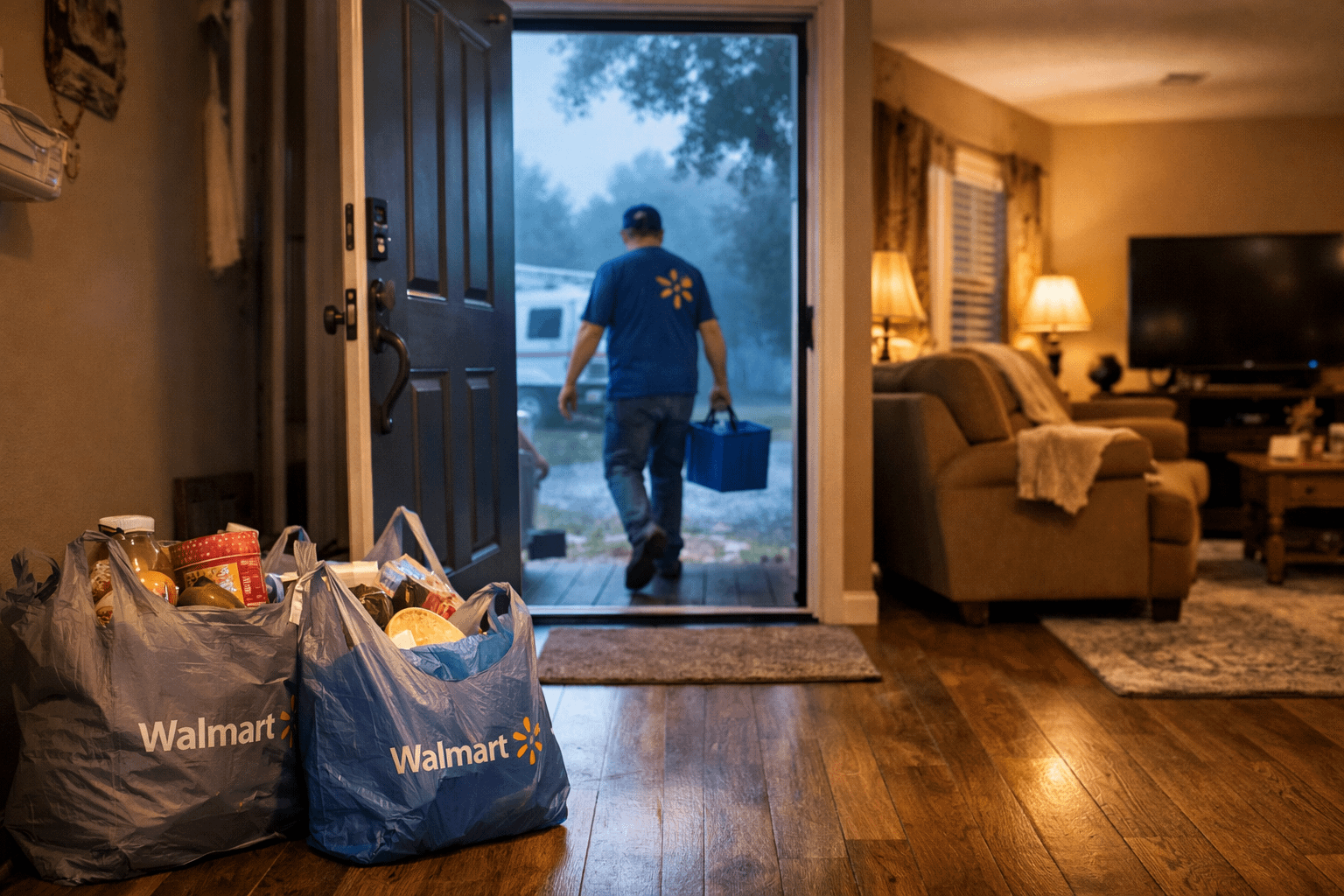
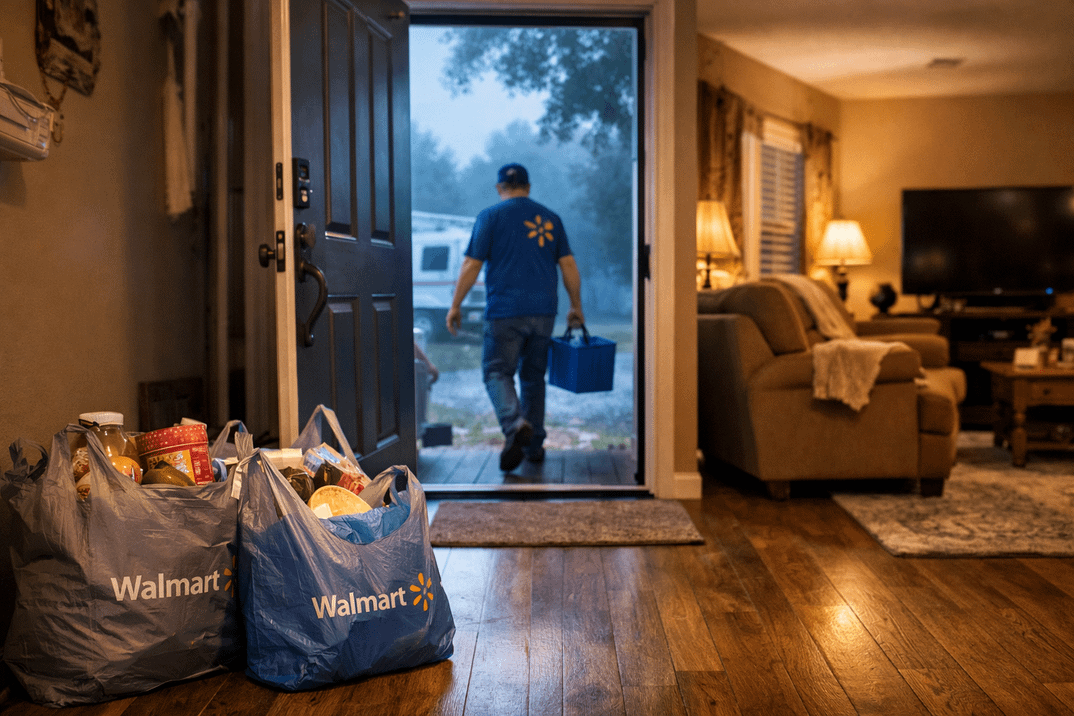
Modern delivery technology runs on one promise: frictionless convenience. Tap a screen, groceries appear. No human interaction required. It’s useful technology, and I live in rural Central Florida, where getting groceries isn’t a quick task. I rely on delivery services to get stuff and save me time.
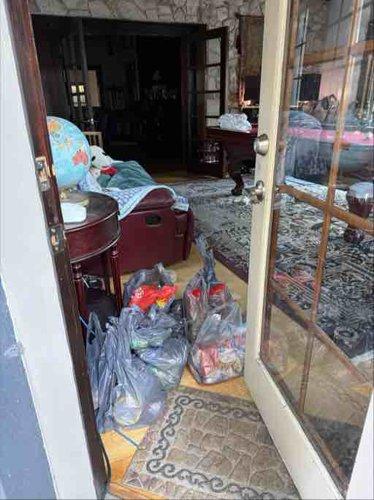
But when convenience systems lose their sense of boundaries, they don't just fail — they can overreach. A recent Walmart delivery confirmation photo documented something that has no place in a modern delivery ecosystem: Early one morning, a driver entered my private home, placed groceries inside, and left the front door wide open. No authorization. No opt-in. No ambiguity about whether this was acceptable. The photo exists because the system allowed it to be logged as a successful delivery. That's the problem.
Here are my actual delivery instructions in the app, unedited.
"Go through gate (it will be open)
Deliver next to RV steps or Garage Doors
Do NOT leave items by main house or Gate!"
The delivery photo the driver took and uploaded to the app shows the door left wide open and it was in the 40s that morning in Florida. Below is the actual, unedited photo from the delivery driver in the app. This is exactly how I found my door.
A Technology Failure, Not Just a Personnel Issue
This was a standard Walmart delivery — not their InHome service, which requires explicit customer opt-in, smart-lock access, and specially trained personnel. I would never approve that. None of that infrastructure was in place here. In fact, the written delivery instructions were specific as noted above: enter through a gate, leave items near the RV or garage, do not come to the main house.
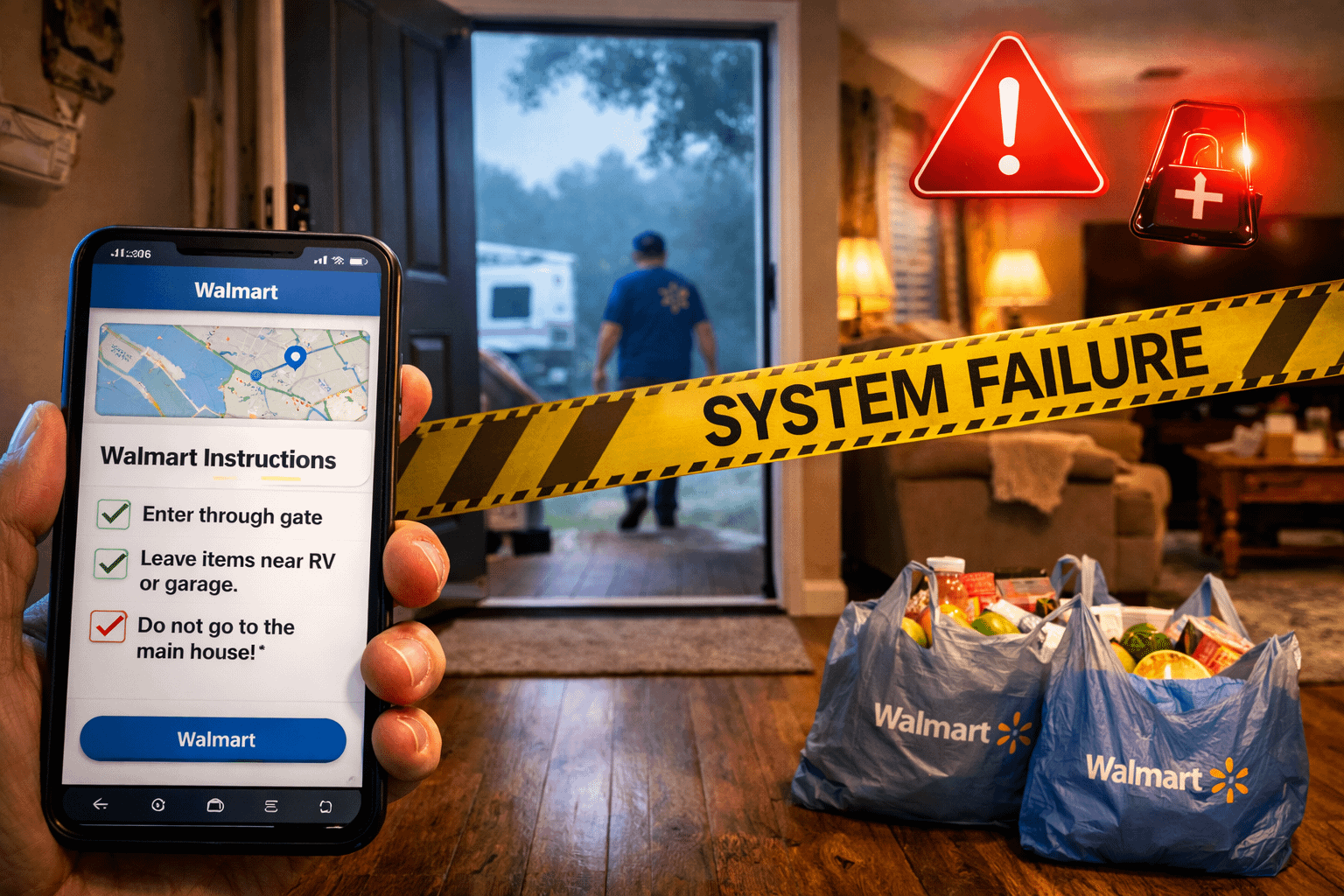
Those instructions were documented. They existed in the system. The outcome: the home was entered, items were placed inside, the door was left unsecured, and a confirmation photo was taken that validated the entire sequence as complete. That could be a rogue driver problem in isolation. But it's also a boundary enforcement failure at the system level. I definitely found it frightening that morning, realizing someone had been inside my house and left the door wide open.
Automation Without Guardrails
Delivery platforms are built around route optimization, photo verification, time-pressure metrics, and minimal human oversight. The app becomes the authority. The photo becomes the proof. The flaw in that model: the system verified completion without verifying appropriateness.
A confirmation photo showing the interior of a private residence should trigger an exception workflow — not a successful delivery status. Lack of training on the delivery driver's part? Maybe. Instead, the system processed it as a job done right. That's a design problem, and it's one that scales.
When "Helpful" Becomes a Liability
Platforms often build cultures that reward drivers for going the extra step. Sometimes literally. But a residential threshold isn't a gray area. It's a hard boundary — one that carries real consequences. Homes contain security systems, children, pets, valuables, and in many states, legal exposure that attaches the moment someone enters without consent or authorization. Normalizing boundary-crossing at the system level, even with good intentions, introduces risk that convenience doesn't justify.
Walmart as a Case Study
To their credit, once the issue was escalated, Walmart handled it appropriately. Although I did have to spend 40min on the phone, instead of eating breakfast that morning. A supervisor reviewed the photo and delivery instructions, acknowledged the failure, and issued a credit.
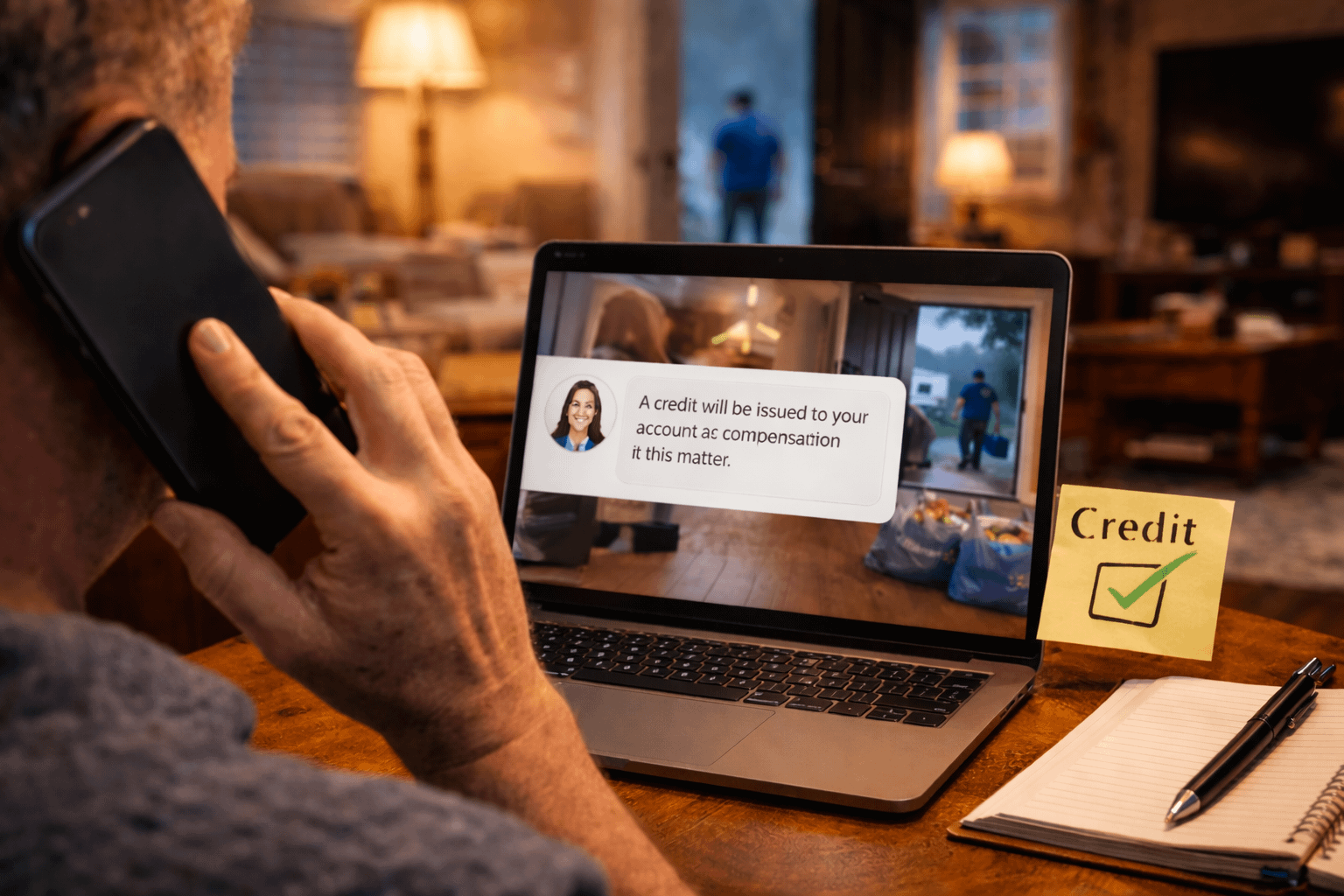
That response matters, and it's worth saying so plainly. But the incident happening at all points to a structural problem that isn't unique to Walmart — it's visible across the delivery industry. These platforms are optimized for completion. Consent is an afterthought, if it's considered at all.
Where the Line Is
Contactless delivery is not a consent mechanism. An unlocked door is not an invitation. A delivery photo should document what happened, while it did, it should not normalize a successful delivery.
As these platforms become more embedded in daily life, they need to enforce physical boundaries with the same rigor they apply to payment processing, fraud prevention, and route efficiency. Convenience ends at the door. Anything past it requires explicit, verified authorization.
That's not an anti-technology position. That’s responsible engineering — and safety should come first for the customer.
Editors note: The delivery confirmation photo and written delivery instructions referenced in this piece are retained for documentation.
For advertising please contact the editor at [email protected]






Privacy Policy
Terms and Conditions - Affiliate Policy
Home Security
© Copyright 2008-2026.
11816 Inwood Rd #1211, Dallas, TX 75244