

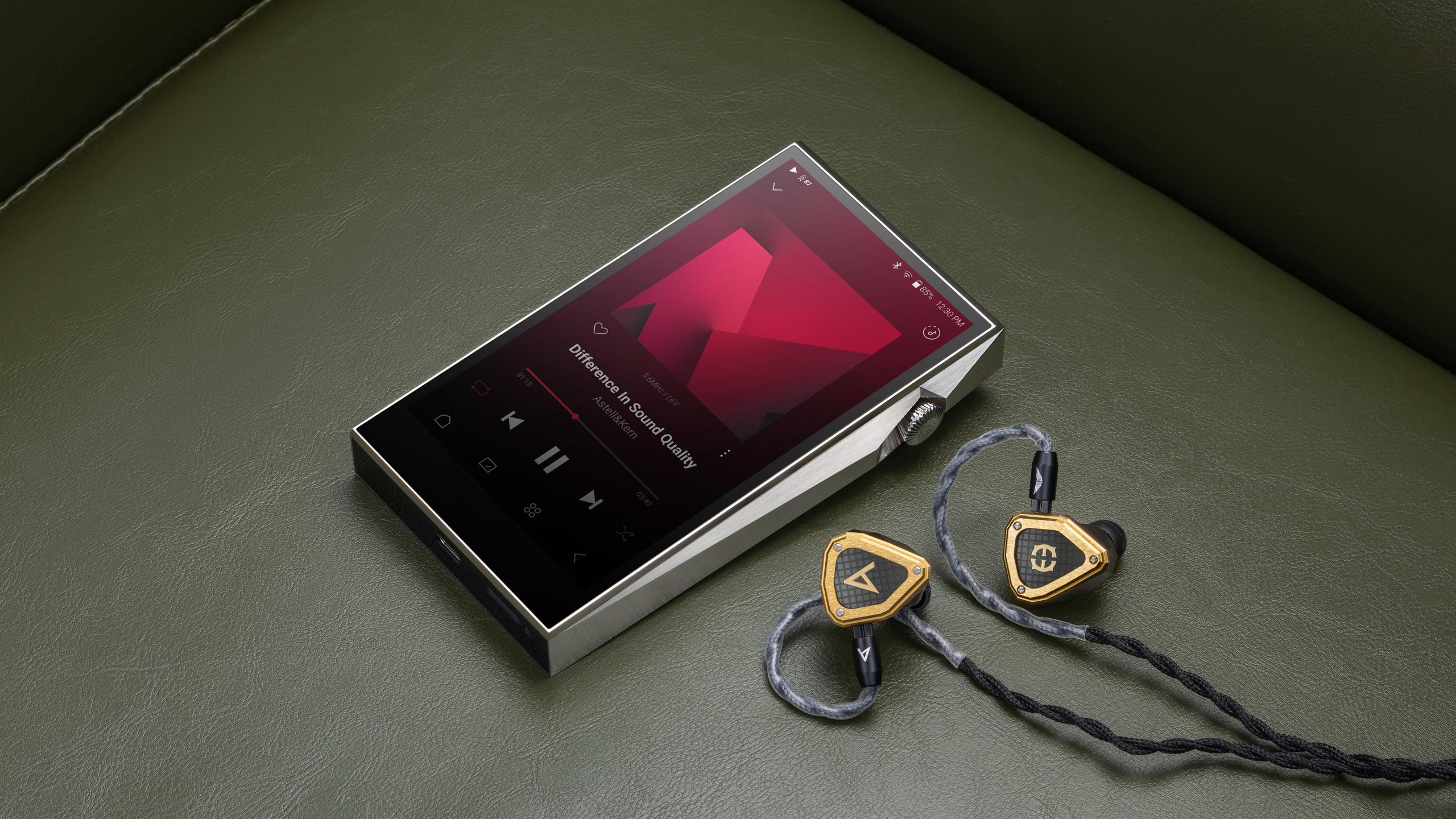
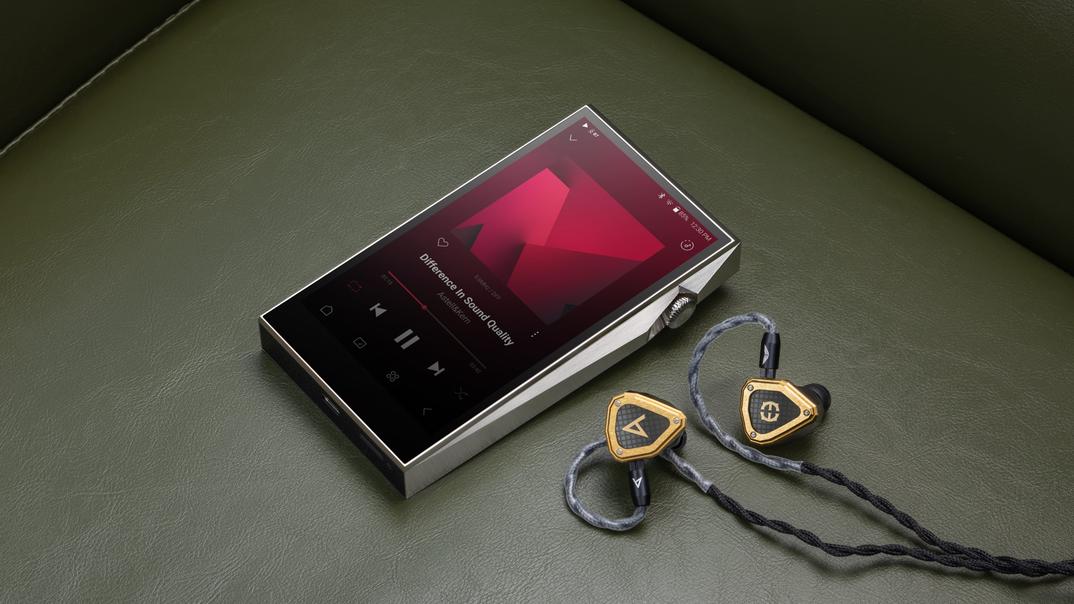
If you’d told me five years ago that I’d be trying to convince people to buy another portable device on top of their smartphone, I probably would’ve laughed. But here we are in 2026, and I’m carrying a phone and a digital audio player (DAP) pretty much every day, and I’m happier for it.
If you love music even a little more than the average person, a DAP isn’t some quirky nostalgia trip. It’s a very real quality-of-life upgrade. Not just for sound, but for how you experience listening.
Let’s talk about why.
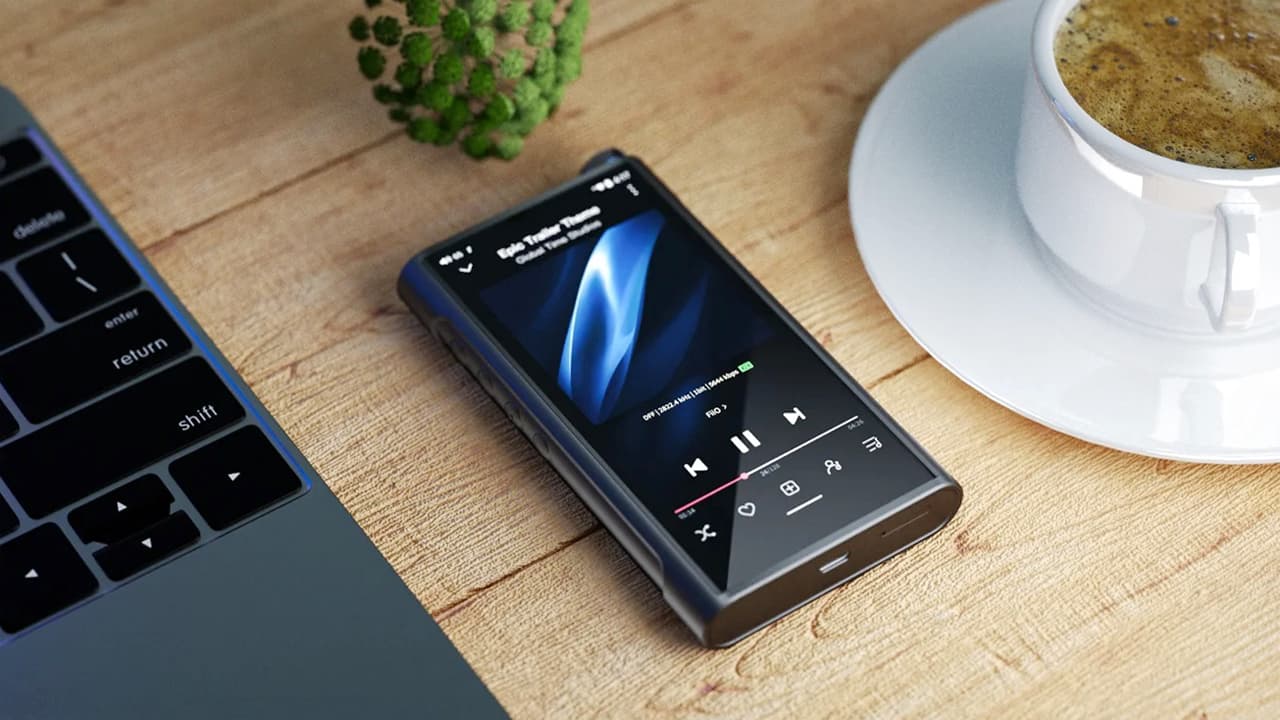
Short version: a digital audio player is a dedicated device for playing music files (and often streaming), with better audio hardware than your phone and usually more output power, more format support, and more storage options. Think “modern iPod for nerds,” in the best possible way.
In 2026, most serious DAPs are:
And unlike your phone, they exist for one thing: playing music well.
Let’s tackle the obvious question first: why bother carrying a DAP when your phone can already stream Spotify just fine?
There are a few big reasons, and if more than one of these resonates with you, you’re exactly the kind of person who might fall in love with a DAP.
Most phones today:
If you’re using serious IEMs or full-size headphones, that’s a problem. A DAP, on the other hand, is built around proper amplification.
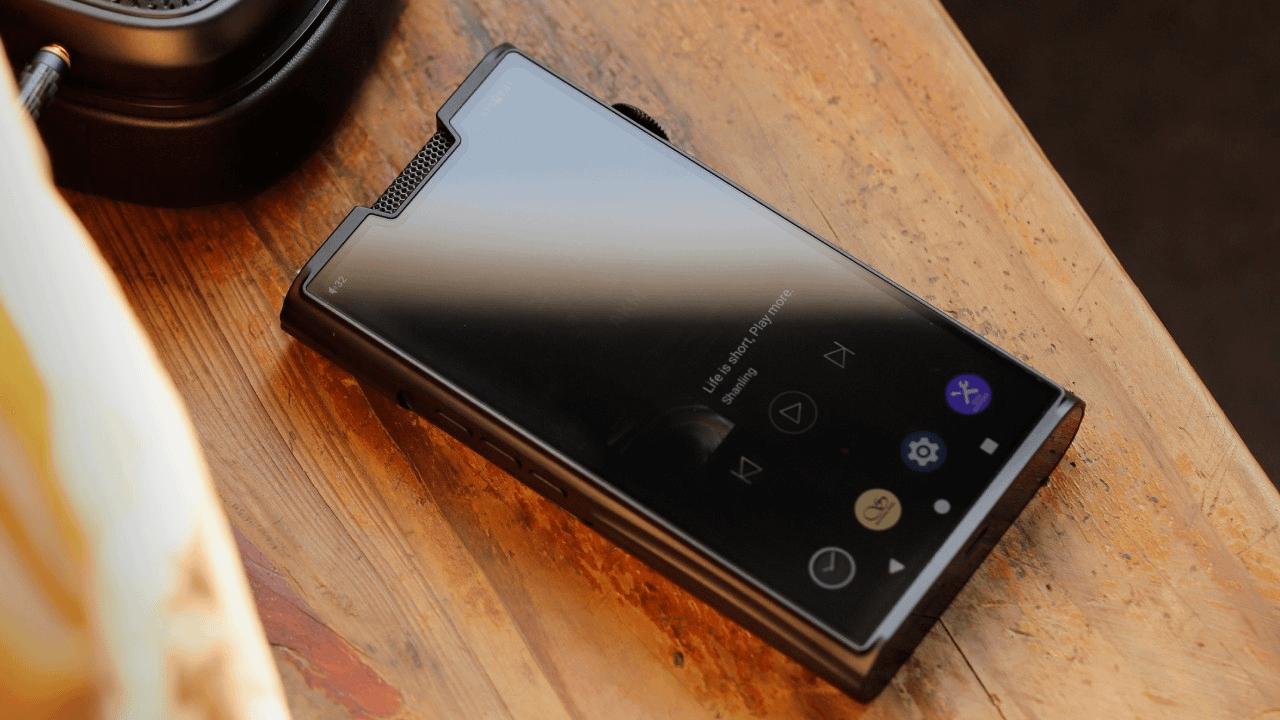
Take these examples:
More power doesn’t just mean “louder.” It means better bass control, cleaner dynamics when the music gets busy, and less distortion even at normal listening levels. If you’ve ever noticed your headphones sounding a bit thin or flat straight out of your phone, but suddenly fuller and more alive when plugged into a proper amp, that’s the difference real amplification makes. A good DAP gives you that “proper amp” experience in a portable package, so your headphones perform the way they were actually designed to.
A good DAP is basically a tiny hi-fi system:
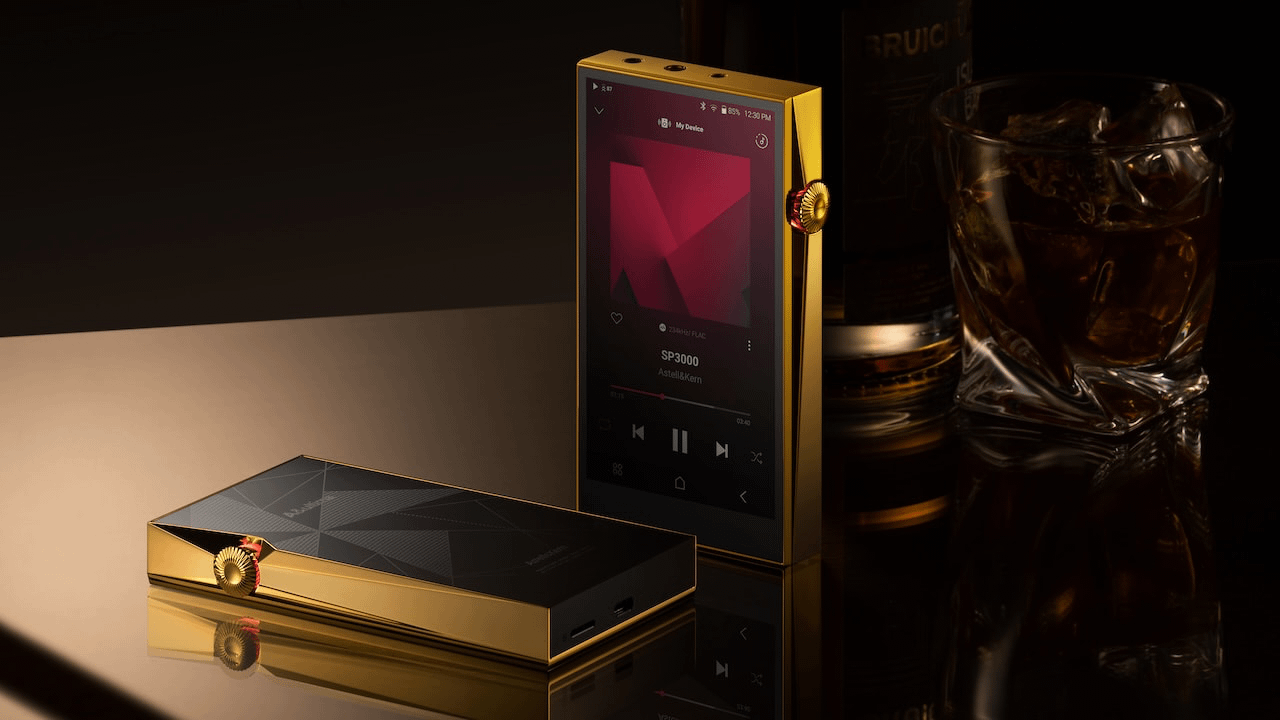
A few highlights:
With a phone, you’re lucky if the audio path hasn’t been quietly resampled and mangled before it reaches your ears. With a good DAP, the whole device is built around preserving and delivering that signal cleanly.
Yes, you can absolutely squeeze great sound out of a phone with a good dongle DAC/amp, I do it too. But let’s be honest about the trade-offs. You end up with cables hanging everywhere, your phone’s port constantly getting stressed, and one more thing to unplug every time a call comes in. And then there’s the battery drain: long listening sessions can turn your phone into a low-power warning machine way faster than you’d like.
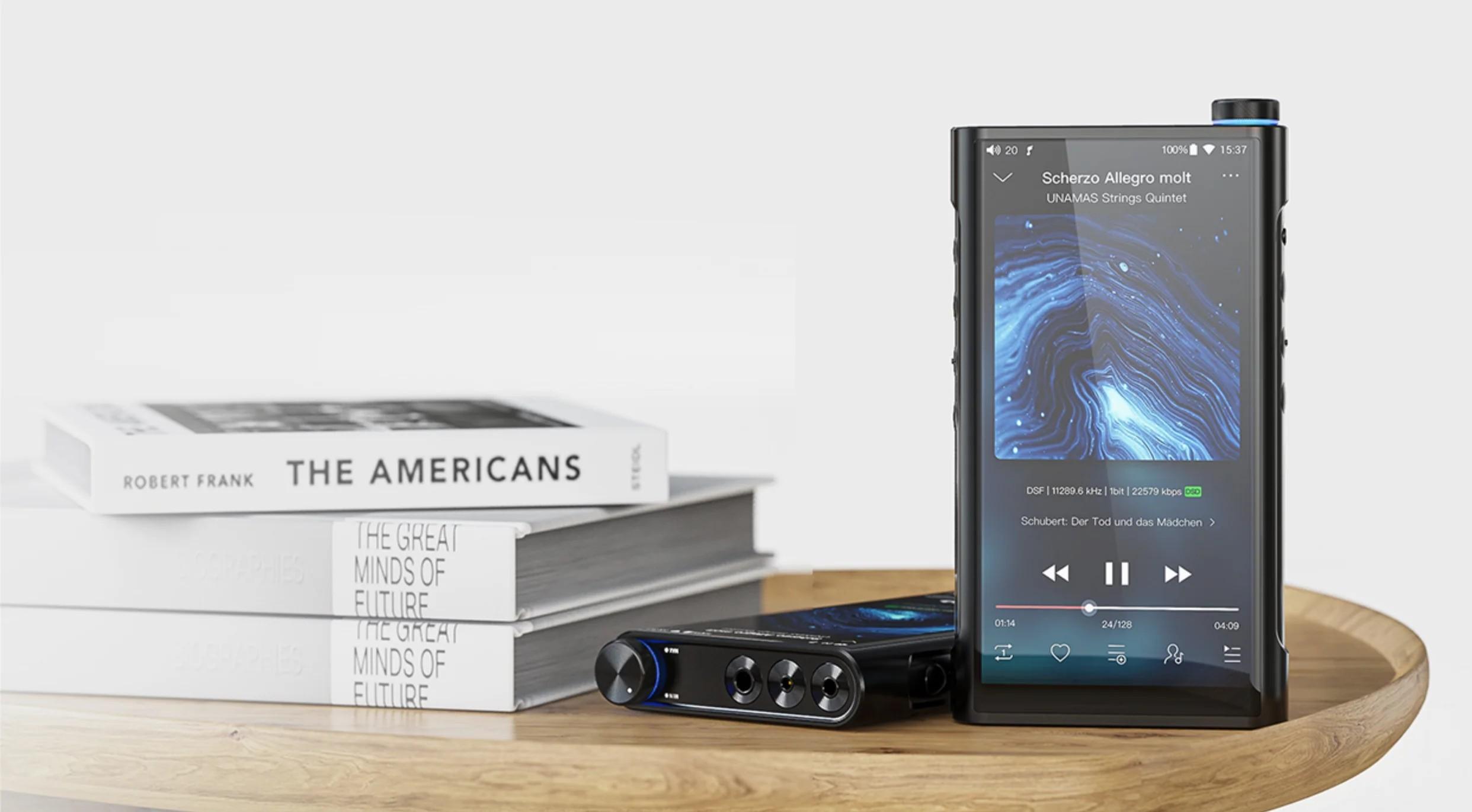
A DAP simplifies all of that. It becomes the device that handles audio, cleanly and purposefully, while your phone goes back to being just a phone. No extra cables dangling. No constant plugging and unplugging. No watching your battery percentage plummet because you wanted to enjoy an album on your commute.
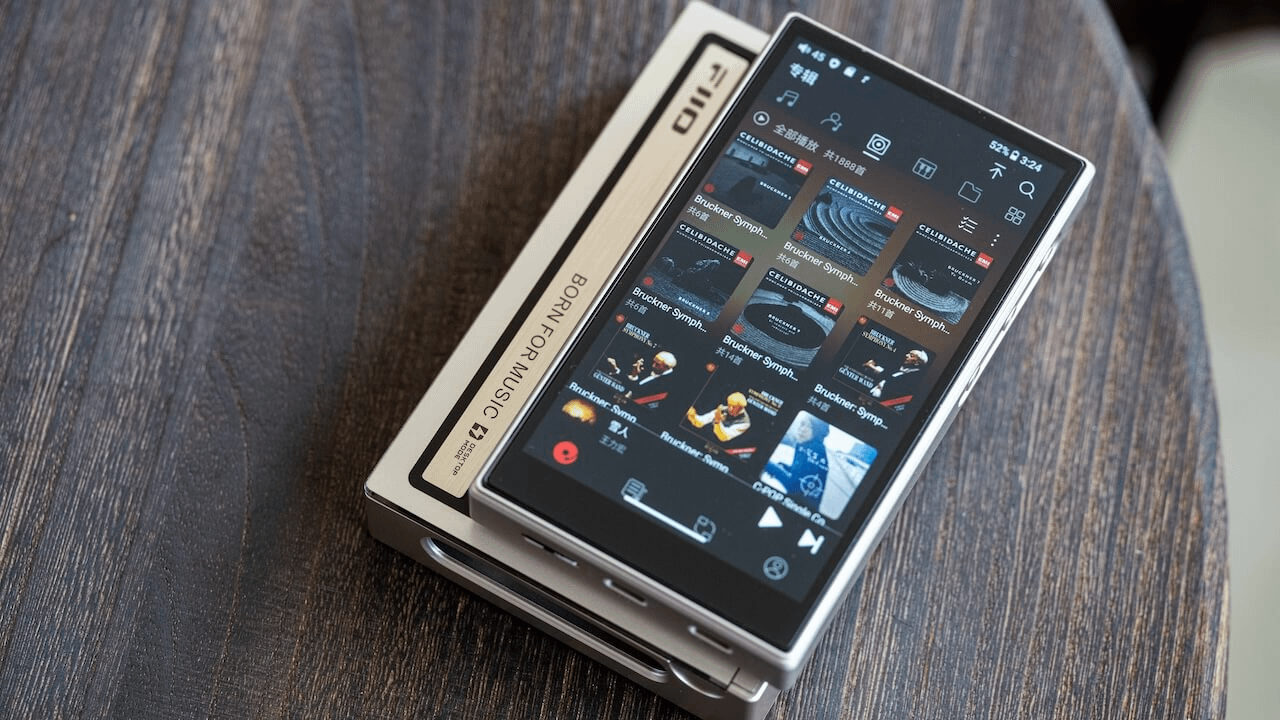
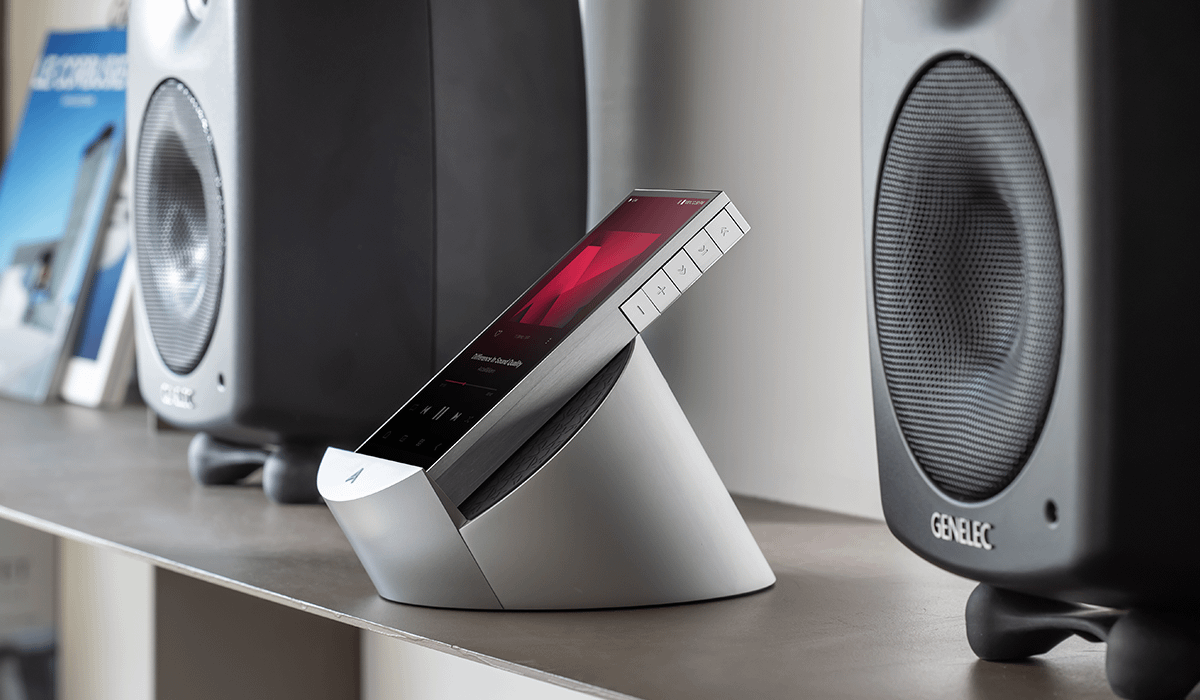
Some players even lean into this dual-role flexibility. The FiiO M15S ($1,099) offers a “desktop mode,” so when you plug it into external power at your desk, it behaves like a compact desktop DAC/amp. The Astell & Kern PD10 ($2,410) takes it even further: dock it at home and it becomes a full-blown streamer/DAC feeding your hi-fi system, then undock it and you’re back to portable listening. Instead of turning your phone into a Franken-stack of dongles, you let a purpose-built device handle the grown-up audio work, and everything just feels cleaner.
High-resolution files take up a lot of space. Phone storage isn’t cheap, and streaming isn’t always reliable or permanent.
Most DAPs give you:
That means you can:
If you still like owning music, not just renting it from streaming services, a DAP is basically a modern portable music library that you control.
This might actually be my favorite part of using a DAP. On my phone, “I’ll just put some music on” almost always turns into something else. I check one notification. Then I reply to a DM. Then I glance at email. Before I know it, the album I meant to enjoy has become background noise while I scroll through something I won’t even remember tomorrow.
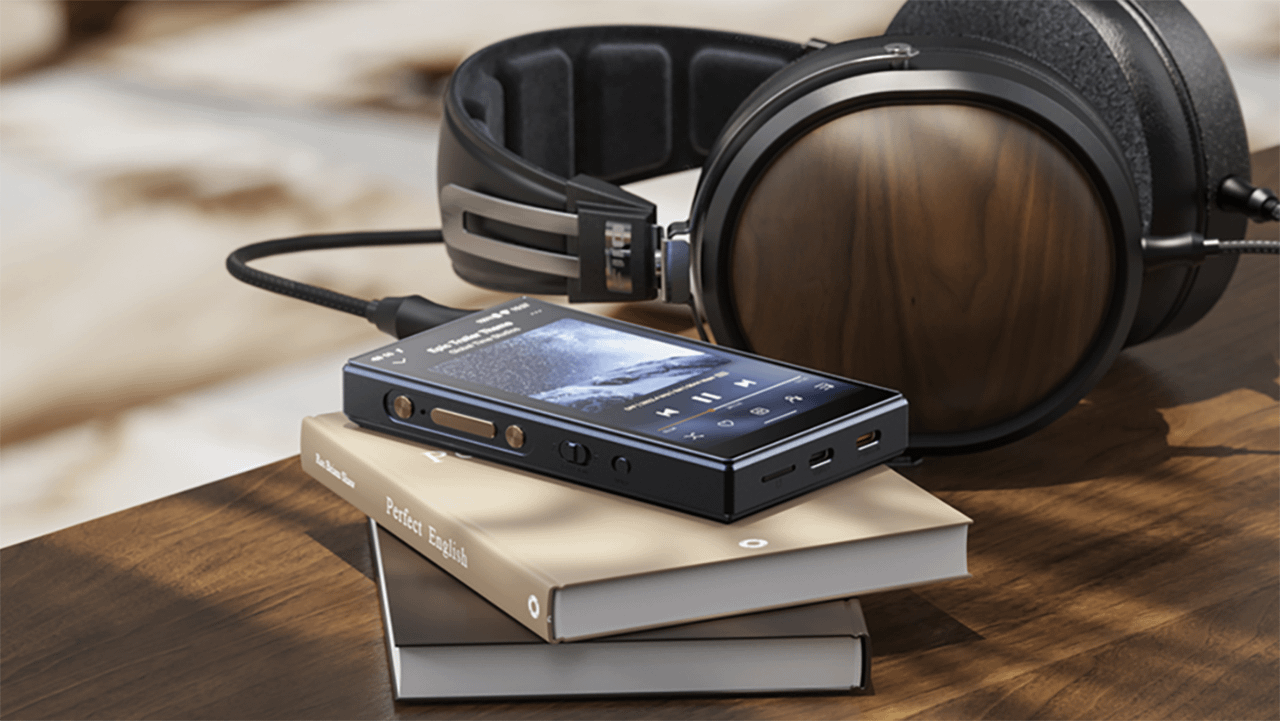
On a DAP, that loop disappears. There’s no Slack ping, no email badge, no endless feed waiting one swipe away. It becomes a music-only zone. You turn it on, pick an album, and that’s the activity.
I’ve noticed that with a DAP, I listen to full albums again. I pay attention to small details in the mix. I treat listening as something intentional instead of something that happens while I multitask. If music is how you decompress, a DAP is surprisingly good for your brain, as it gently forces you to separate listening from everything else, and that separation feels refreshing.
Another underrated DAP perk: real buttons and wheels.
Most decent players give you:
Being able to pause or skip tracks by feel, without waking a screen, sounds small. It isn’t. Once you get used to it, touch-screen-only controls feel clumsy and fussy.
Modern DAPs are surprisingly versatile:
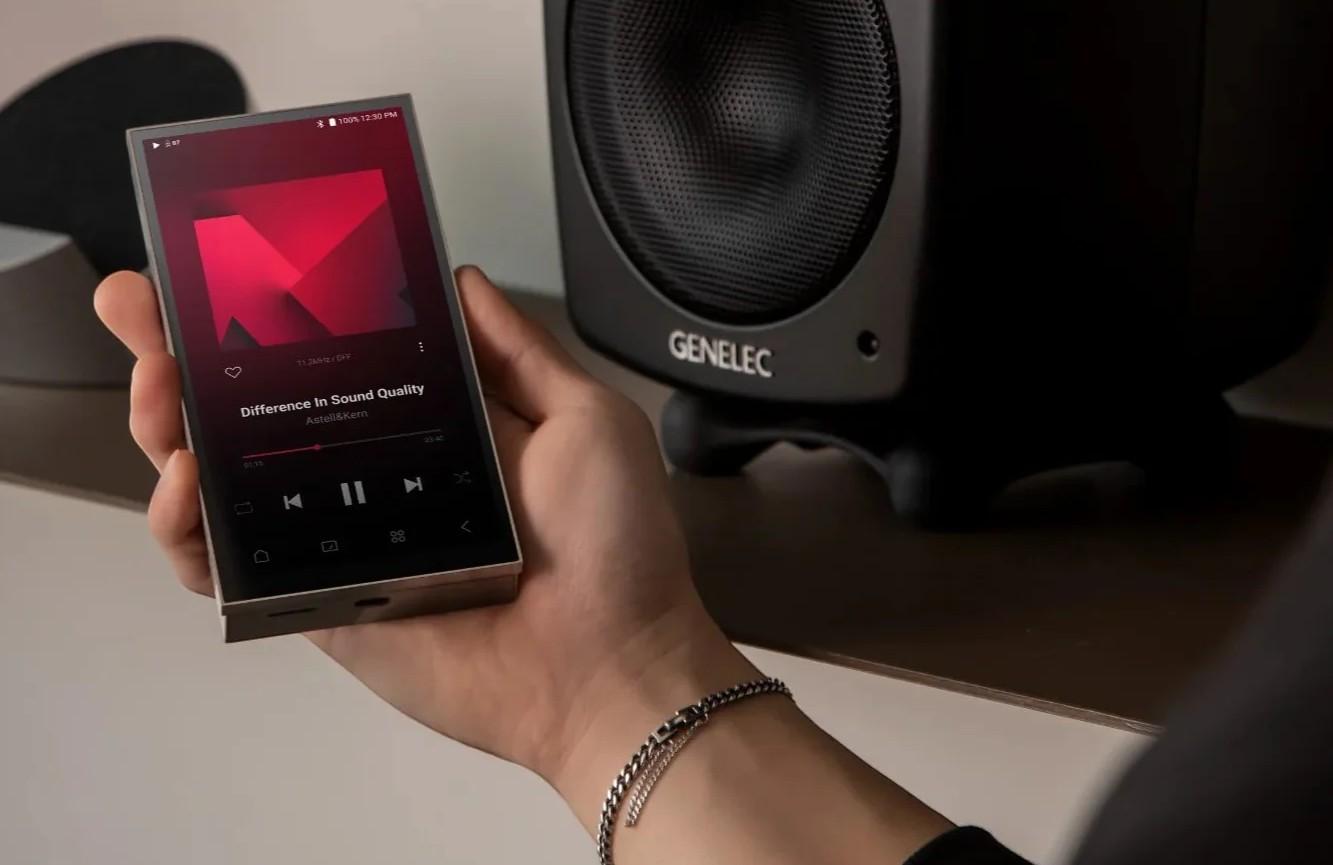
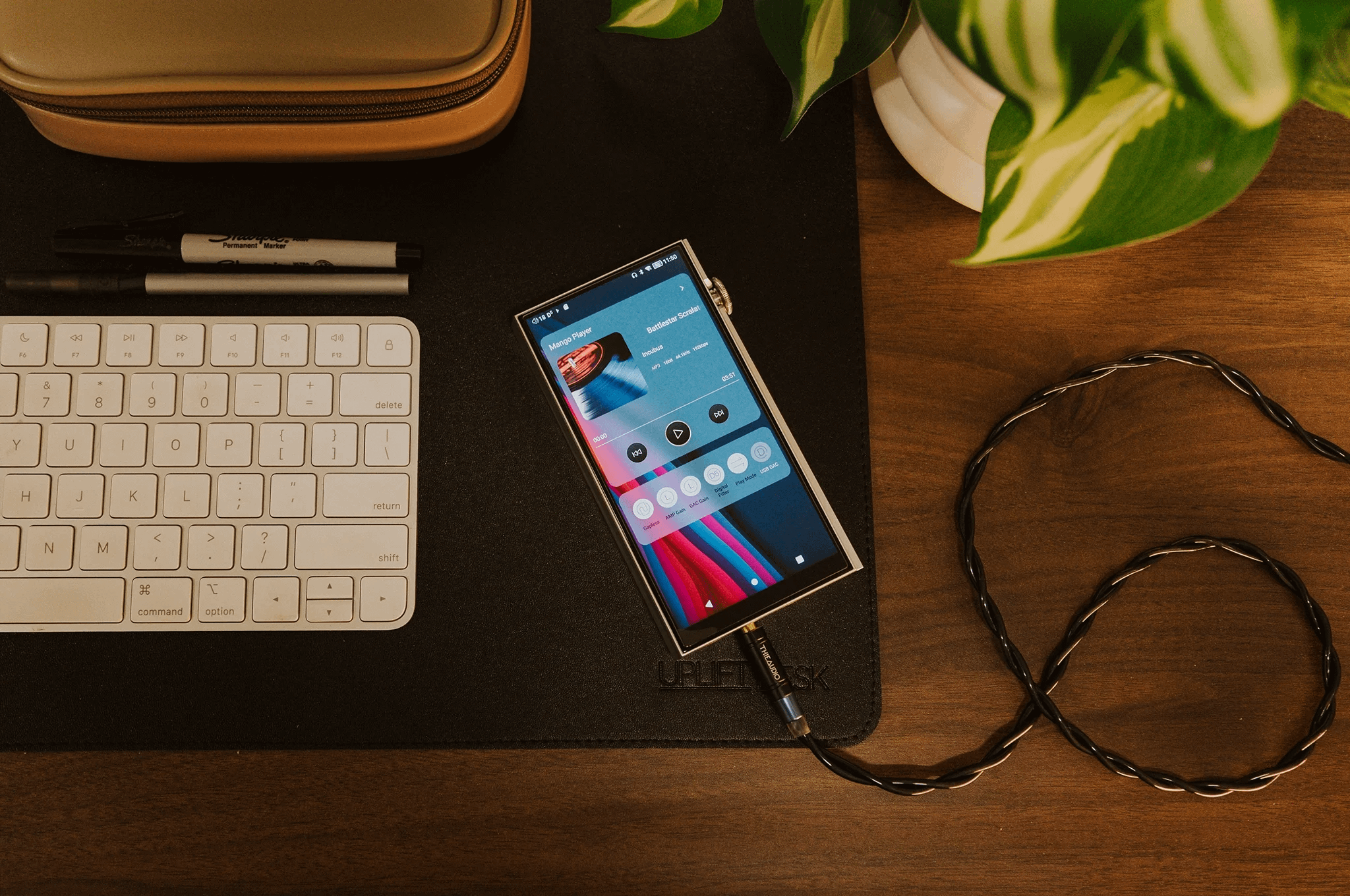
The Shanling Onix XM10 ($899 at Amazon) is a good example of this new breed. It’s slim, runs open Android 13, has strong Wi-Fi and Bluetooth support, and with its adapter, it can push serious power via its balanced output. Whether you’re using it as a portable player or as a home DAC, it’s comfortable in both roles.
The Astell & Kern PD10 ($2,410) takes the hybrid idea even further: it feels like a portable streamer/DAC that just happens to be handheld. Drop it into its dock, connect it to your speakers or amp, and it becomes the heart of a home system.
Now that we’ve covered the “why,” let’s plug the “what” into that picture. All of the following are genuinely viable options in 2026; it just depends on your budget, your headphones, and how obsessed you are.
I’ll loosely group them from more affordable to “okay, this is my main hobby now.”
These are perfect if you’re curious about DAPs but not ready to remortgage the house for one.
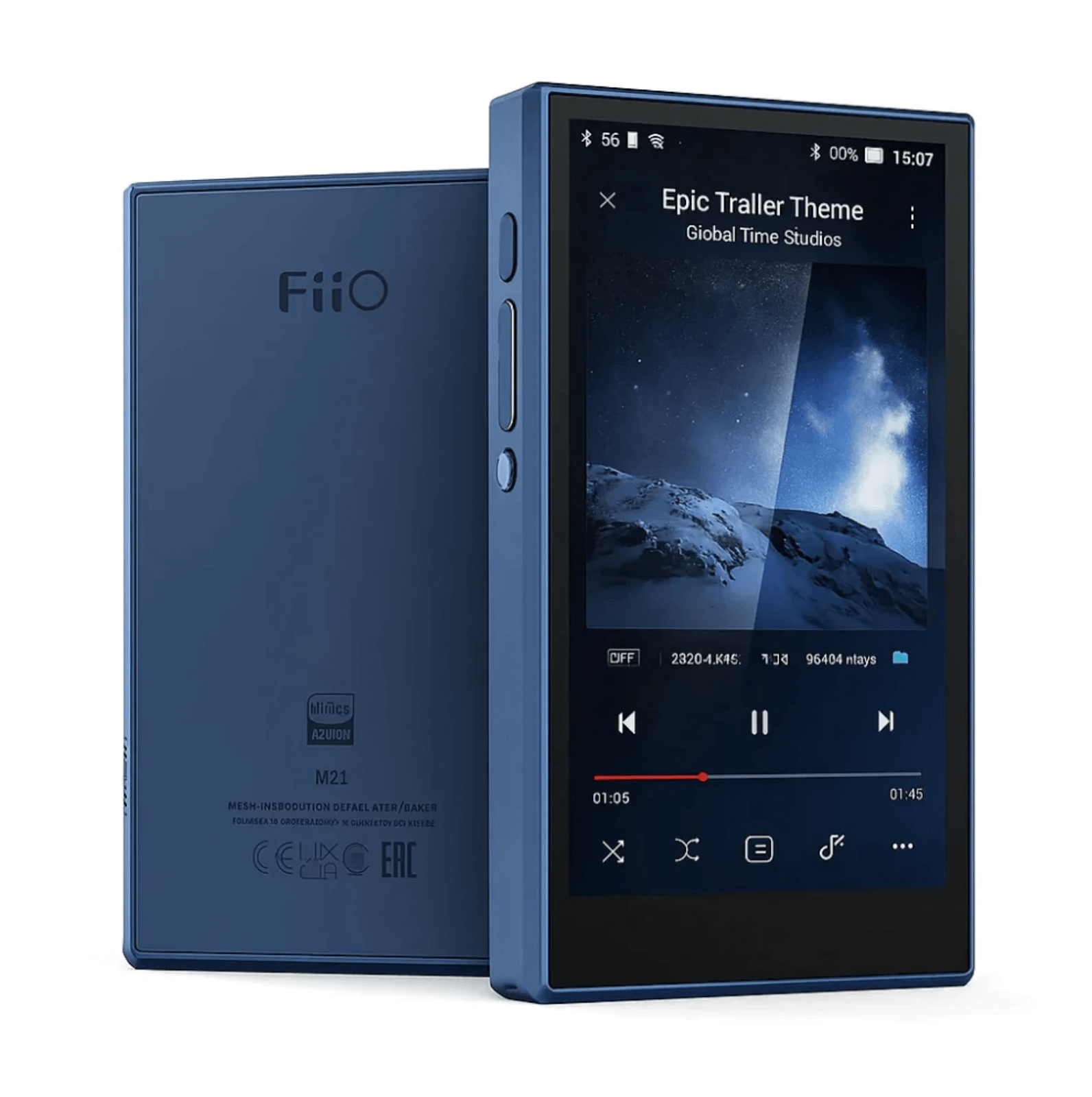
The FiiO M21 is a classic example of why FiiO has such a good reputation in this space. It gives you:
If you’ve never owned a DAP before, the M21 is an excellent way to find out whether carrying a dedicated player fits your life.
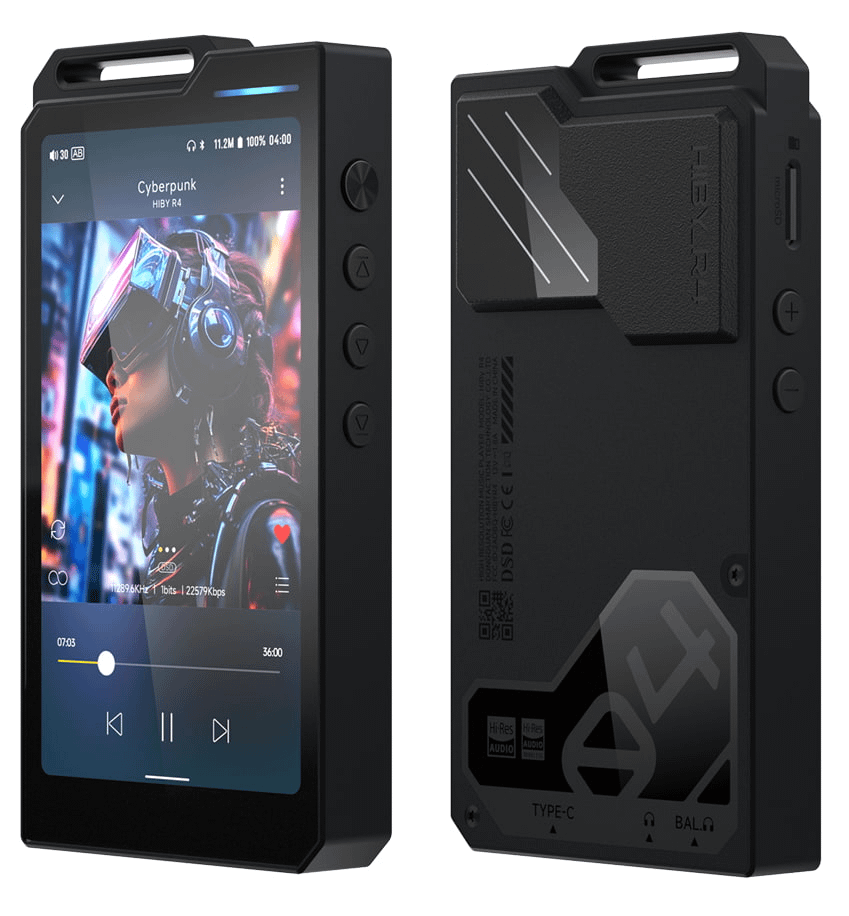
The HiBy R4 is tiny, affordable, and way more powerful than it looks. Highlights:
If your main gear is IEMs and you want something you can toss into a small bag or even a jacket pocket, the R4 is a neat little “music brick” that doesn’t feel compromised.
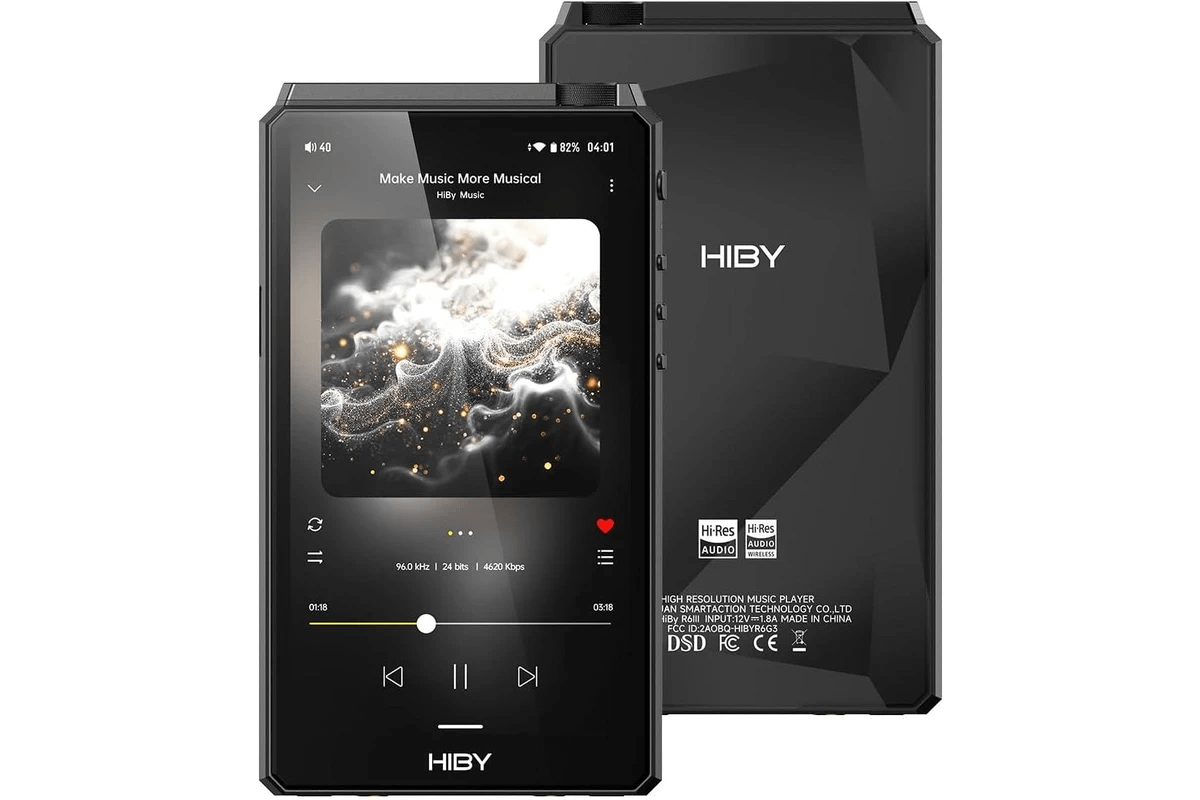
The HiBy R6III is a nice step up if you want something more serious without leaving the sub-$500 bracket:
It’s a good pick if you already know you like the idea of a DAP but you want something you can grow into a bit.
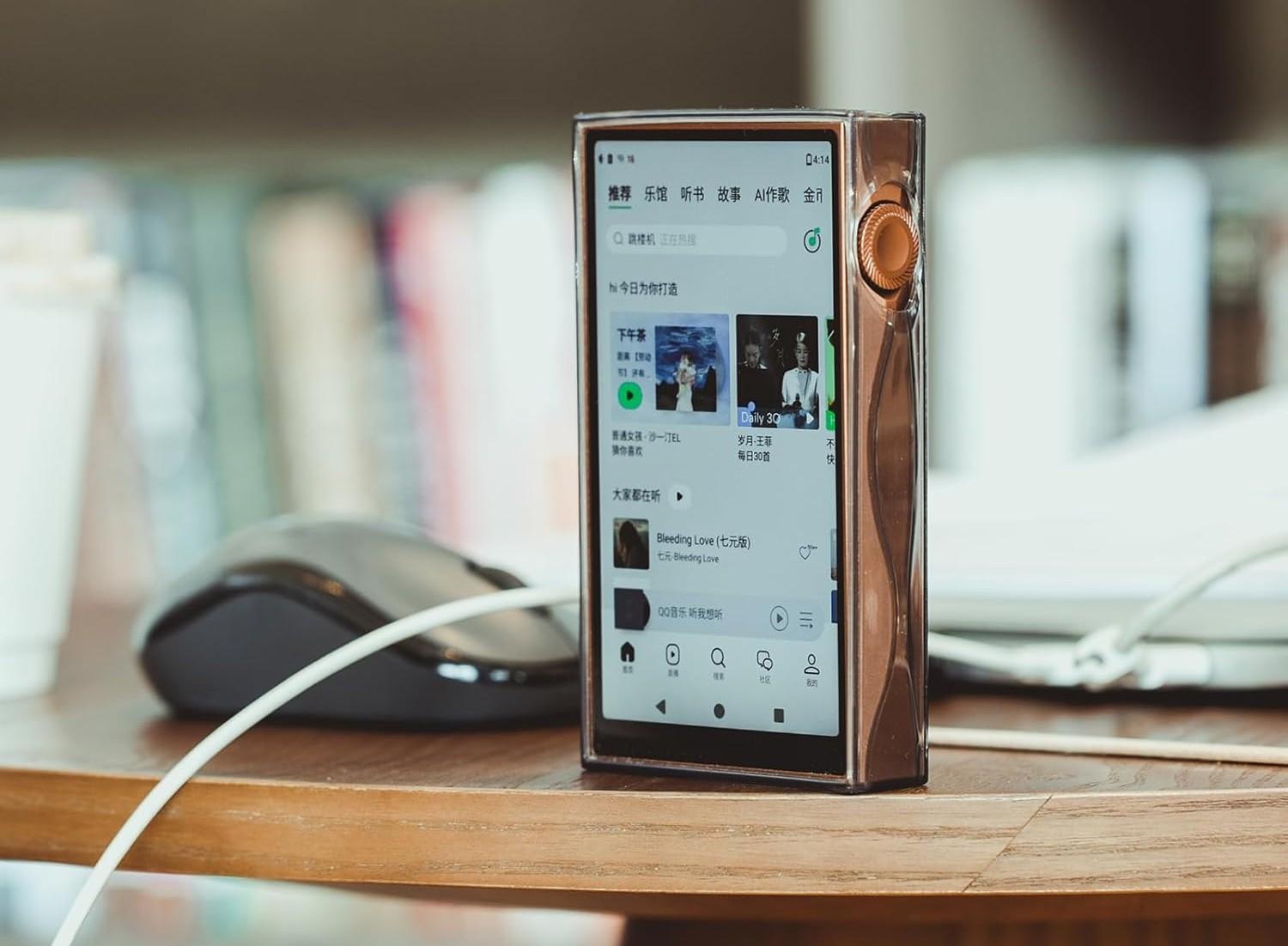
The Shanling M3 Plus is one of the best examples of how far midrange DAPs have come:
If someone asked me for “one DAP I can use for years without feeling like I immediately need to upgrade,” the M3 Plus would be near the top of the list in this price range.
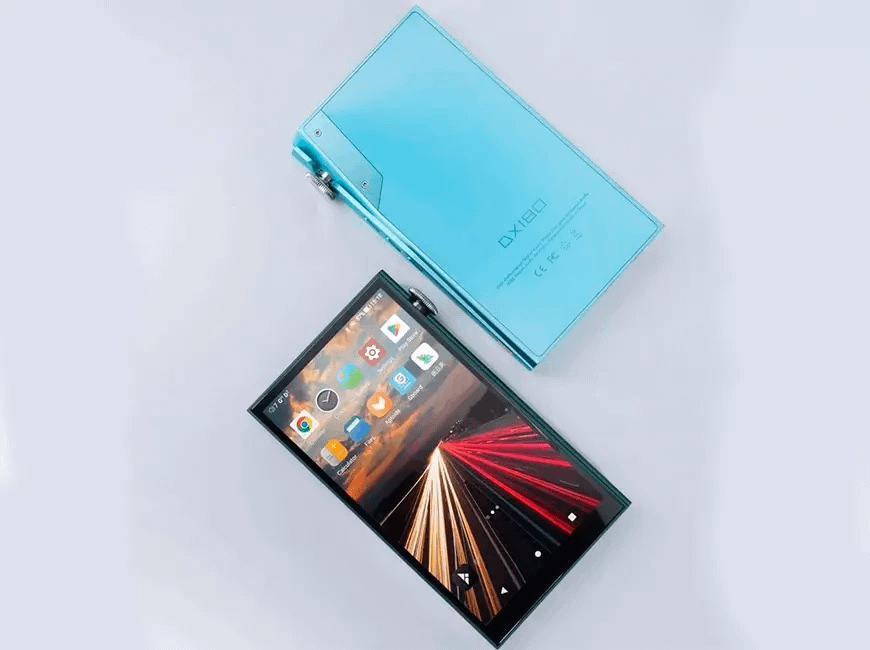
The iBasso DX180 is a great “I’m serious, but not too serious” option. It runs modern Android with full app support, so streaming feels current and smooth rather than clunky. Under the hood you get a quad-DAC design and a sensible amount of power, tuned for a natural, slightly relaxed presentation that plays nicely with a wide range of IEMs and portable headphones.
What makes the DX180 especially appealing is that it feels like a proper mid-tier hi-fi device, not a toy. You get both 3.5mm and 4.4mm outputs, plenty of hi-res support, expandable storage, and a form factor that still feels very portable. If you already know you enjoy wired listening and want your first “real” DAP that you won’t immediately outgrow, the DX180 is a very smart choice.
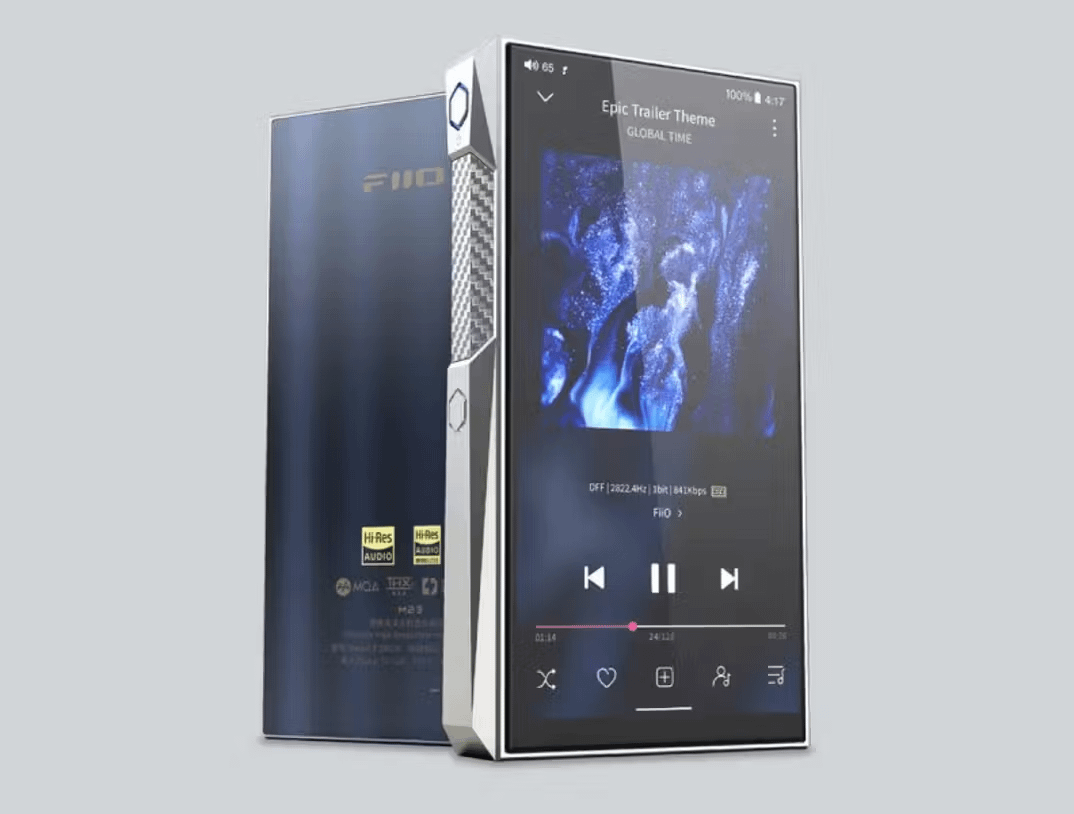
The FiiO M23 lives in that “I’m serious about this now” space:
The M23 is exactly the kind of player you buy when you’ve tried cheaper DAPs or dongles, liked what they did, and want something that feels more like a long-term companion.
These are the DAPs for people who are all-in on good sound, but still have a faint concept of “budget.”
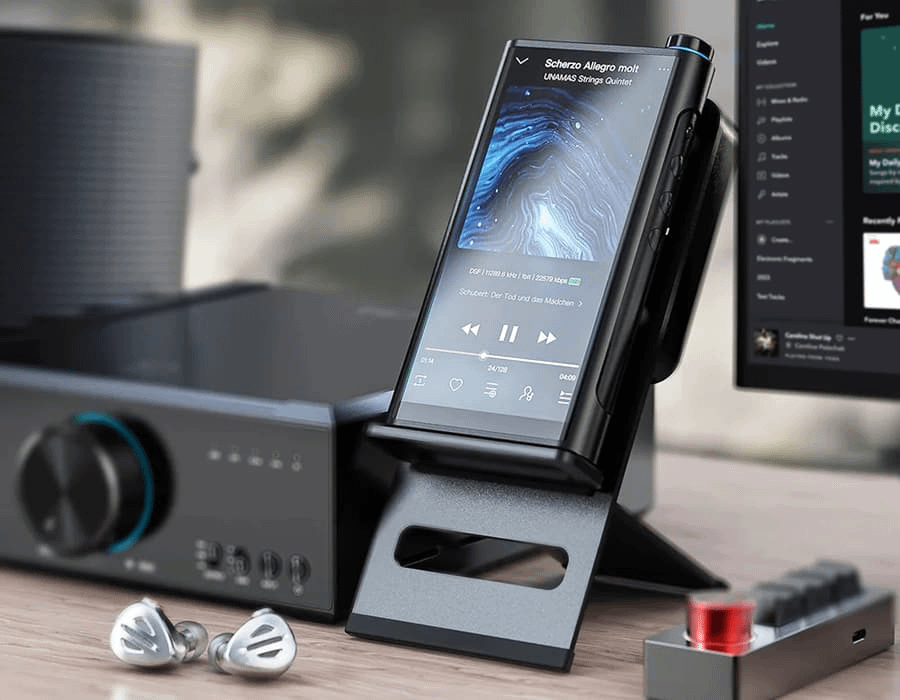
The FiiO M15S is designed for people who want one device to do almost everything:
If you like the idea of having one main device that can hop between your desk and your commute, the M15S is a very strong candidate.
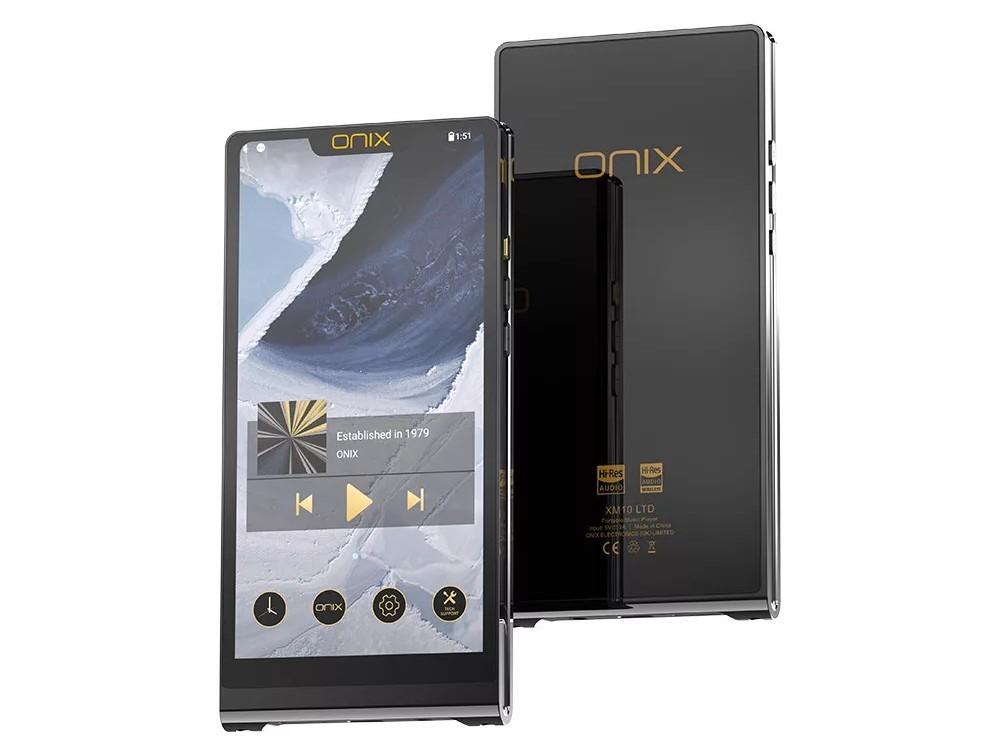
The Shanling Onix XM10 is kind of a stealth high-end device:
It’s a great fit if you want something that looks sleek and modern, but you don’t want to compromise on the underlying audio hardware.
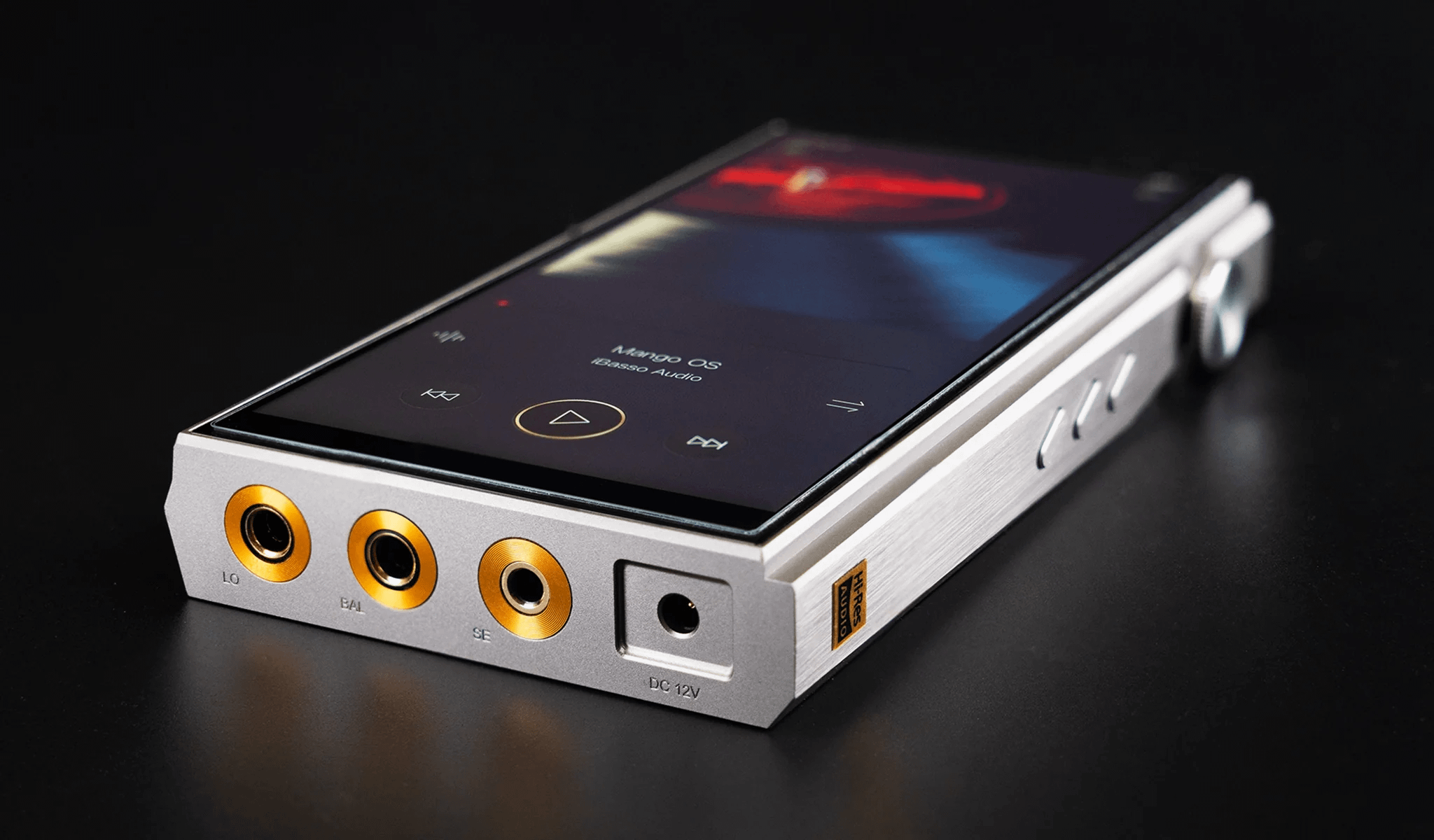
The iBasso DX270 R2R Ultra is for people who want a slightly different flavor of sound. Its R2R-style DAC architecture aims for a more organic, textured presentation than a typical delta-sigma design, while still keeping things quiet and controlled. In practice, it leans toward rich and natural rather than hyper-clinical.
You can run full Android with all your streaming apps, or switch into iBasso’s audio-only mode when you want a more focused experience. With 3.5mm and 4.4mm outputs, USB DAC functionality, and enough power for serious IEMs and many full-size headphones, the DX270 R2R Ultra feels like a very “audiophile” DAP in the best sense, configurable, characterful, and clearly built for people who care as much about the DAC stage as the amp.
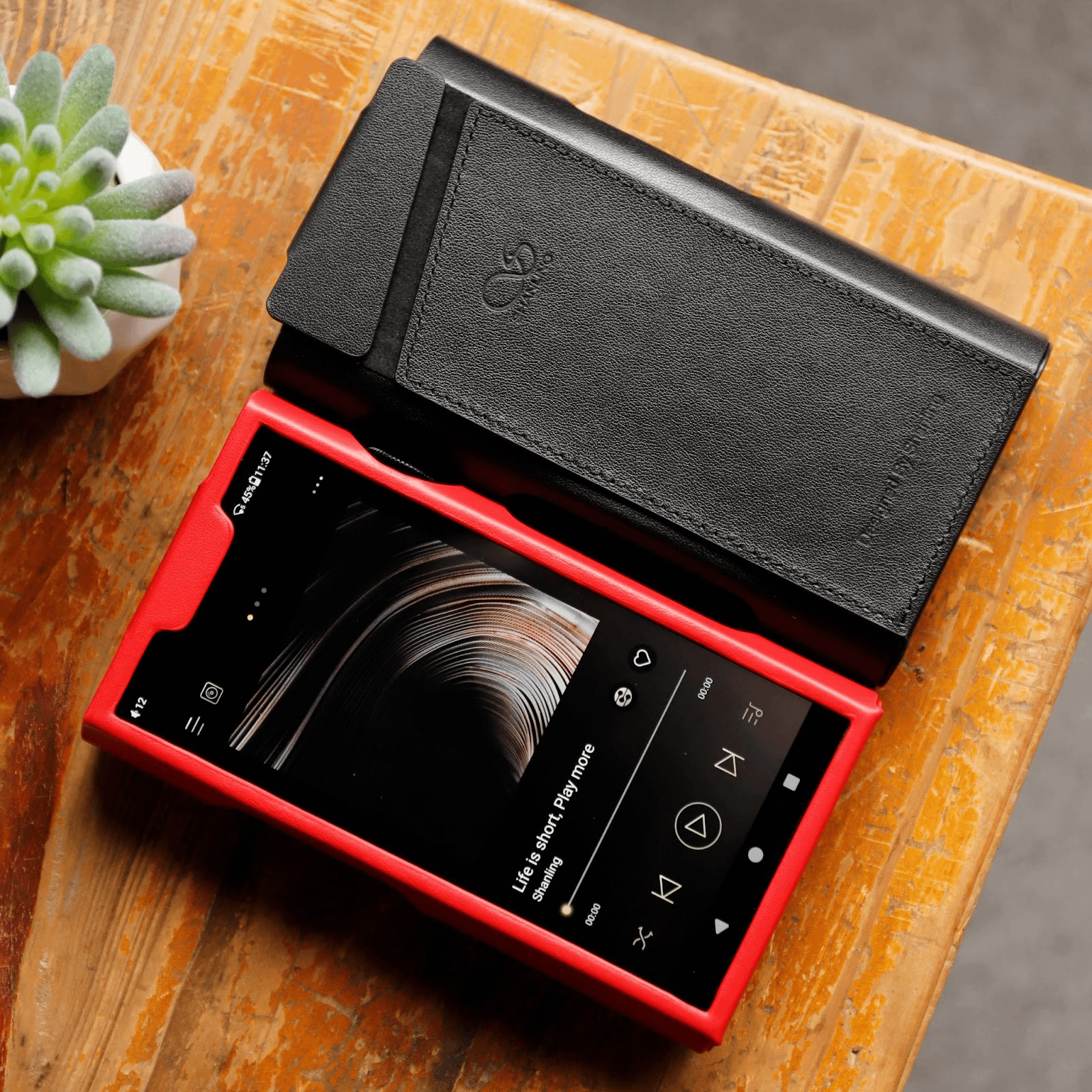
The Shanling M8T is where things get spicy:
This is for listeners who want that tube flavor without giving up portability. If you like playing with different sonic “moods,” the M8T is genuinely fun.
Now we’re into the zone where a DAP costs as much as a high-end TV or a nice holiday. This is not about logic. This is about passion and obsession.
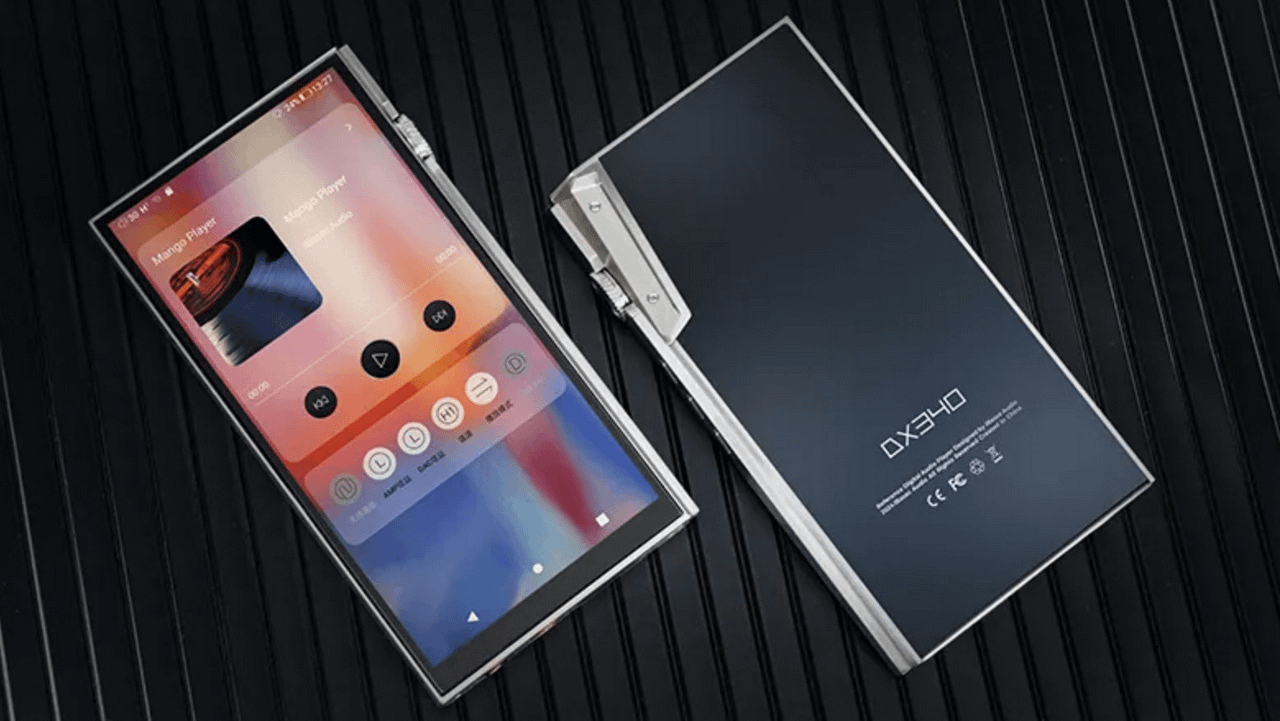
The iBasso DX340 is a full-blown flagship for people who want reference-grade performance without necessarily going the Astell&Kern route. It’s a big, serious Android DAP with generous RAM and storage, a fast UI, and a DAC/amp section tuned for strong dynamics, detail, and a big soundstage.
One of its standout tricks is the modular amp-card system. You can swap different amp modules to tune output power and sonic character without replacing the whole device. With the right module and a good set of headphones or IEMs, the DX340 can easily anchor both a travel setup and a more stationary rig. It feels less like a gadget and more like a portable front end for a serious system.
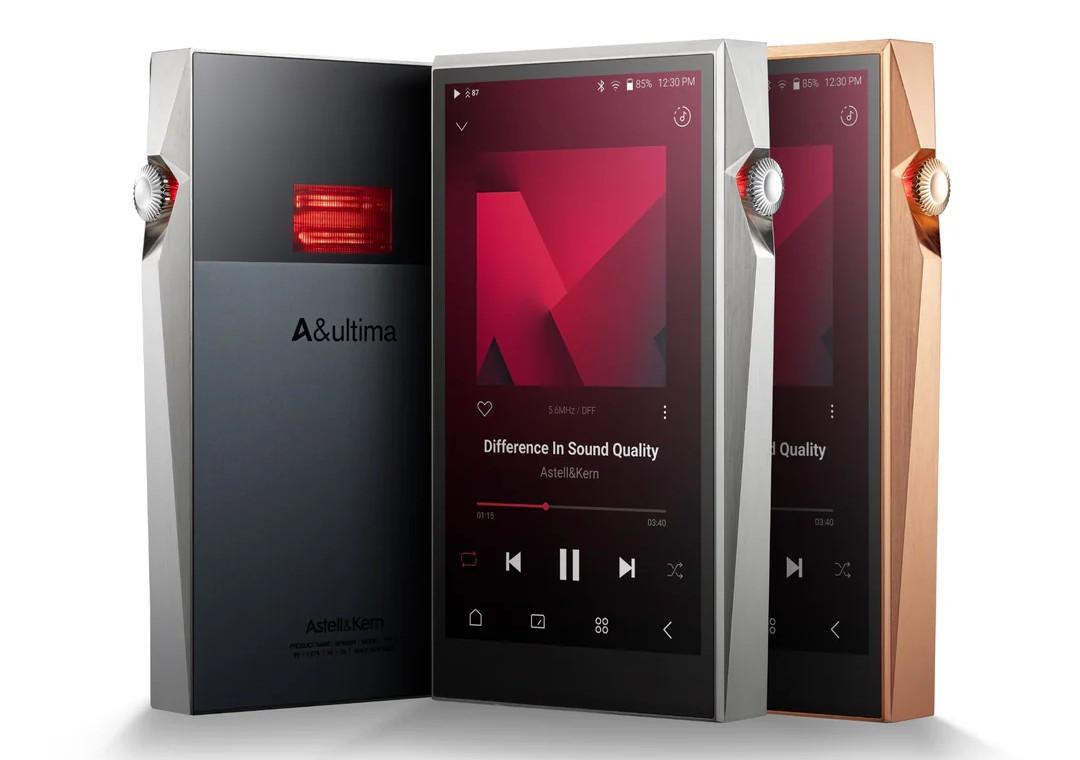
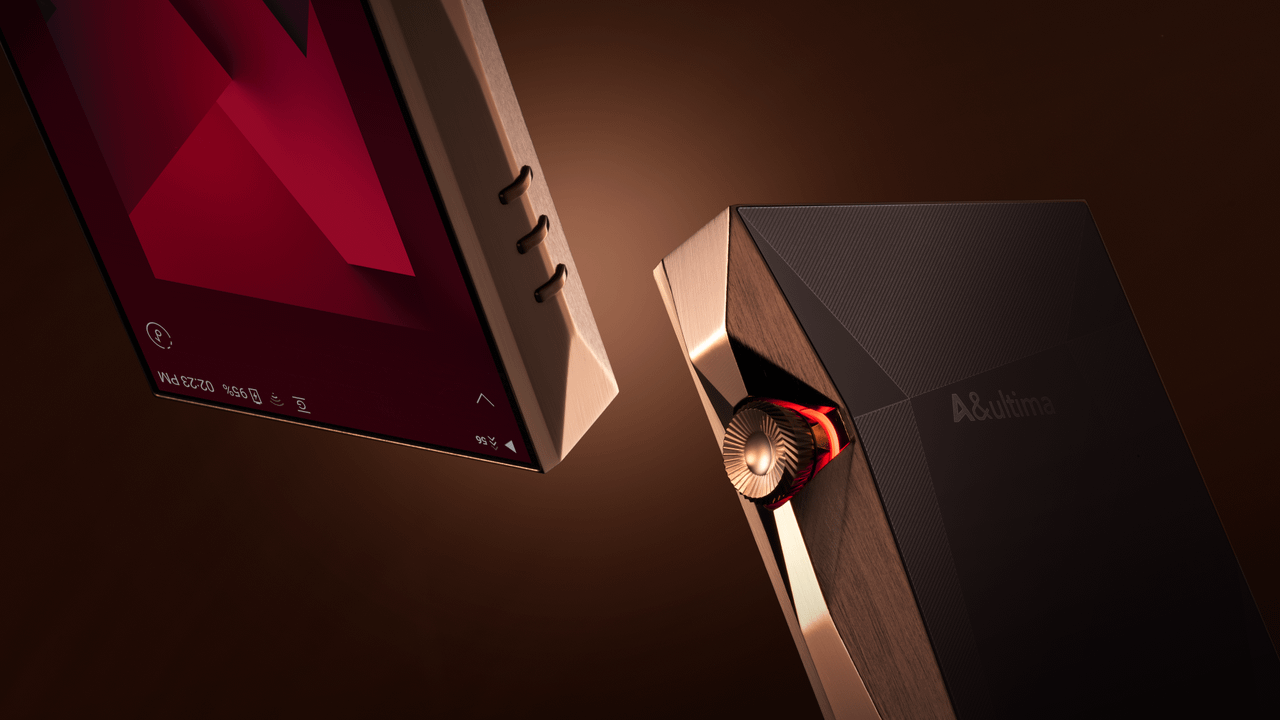
The Astell & Kern A&ultima SP3000T is basically a “portable reference system” built around that hybrid tube/solid-state concept:
You fine-tune the character of your sound at the hardware level, not just with EQ. If you enjoy swapping cables and playing with synergy, this thing is like a playground.
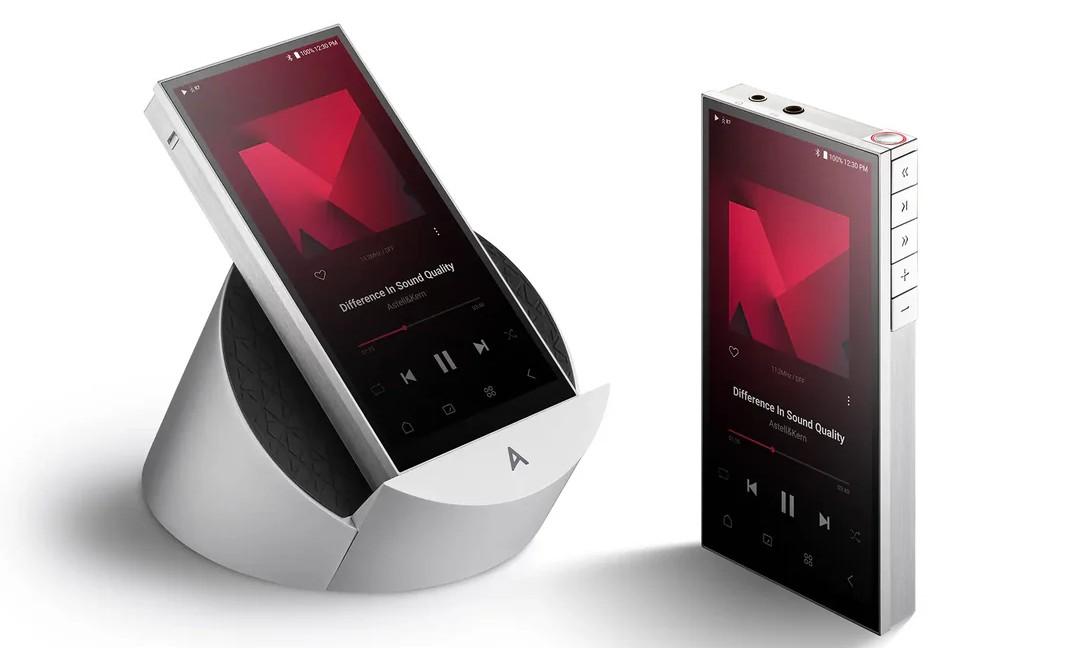
The Astell & Kern PD10 Digital Audio Player is a very different kind of high-end DAP:
If you split your time evenly between desk/speaker listening and headphones on the go, the PD10 gives you one “brain” for both worlds.
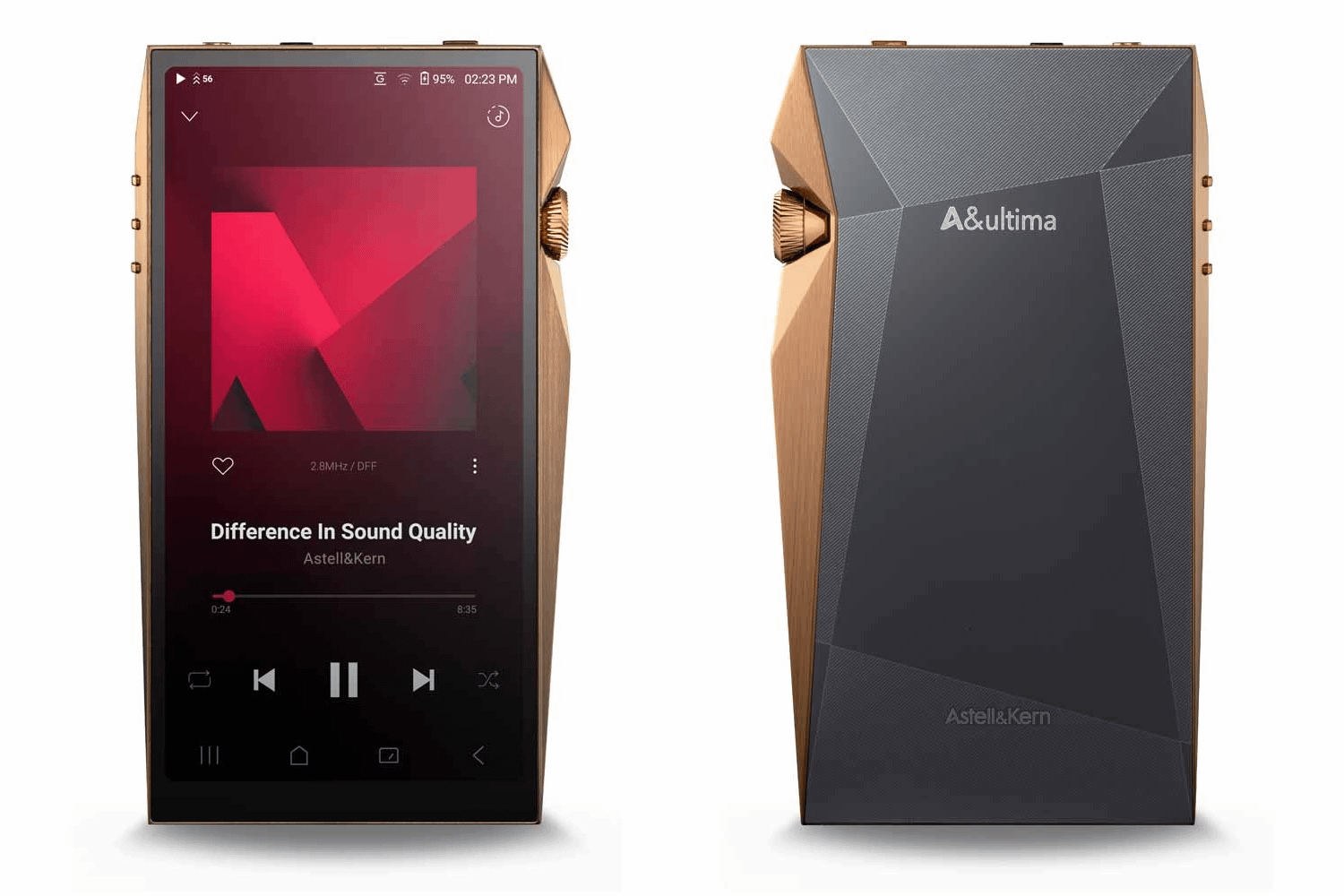
Finally, there’s the Astell & Kern SP4000T High-Resolution Music Player (Copper).
This is the top of the mountain:
It’s not a rational purchase. It’s the “I want the best portable music experience I can get, and I’m willing to pay for it” purchase.
If that sentence makes you nod instead of flinch, you’re exactly the target audience.
Here’s my honest view after juggling phones, dongles, DAPs, Bluetooth bricks, and way too many headphones and IEMs.
If that sounds like you, then:
In that case, your money is probably better spent on:
If I were starting from zero in 2026, here’s how I’d do it:
Because at the end of the day, this isn’t just about specs. It’s about giving your music its own space in your life.
A DAP separates listening from everything else your phone is yelling at you about. It turns putting on an album, whether it’s in Astell&Kern luxury or on a modest FiiO or Shanling player, into a small ritual again.
And if that idea feels even a little bit appealing, 2026 is a pretty great time to jump in.
Related Reading:




Privacy Policy
Terms and Conditions - Affiliate Policy
Home Security
© Copyright 2008-2026.
11816 Inwood Rd #1211, Dallas, TX 75244