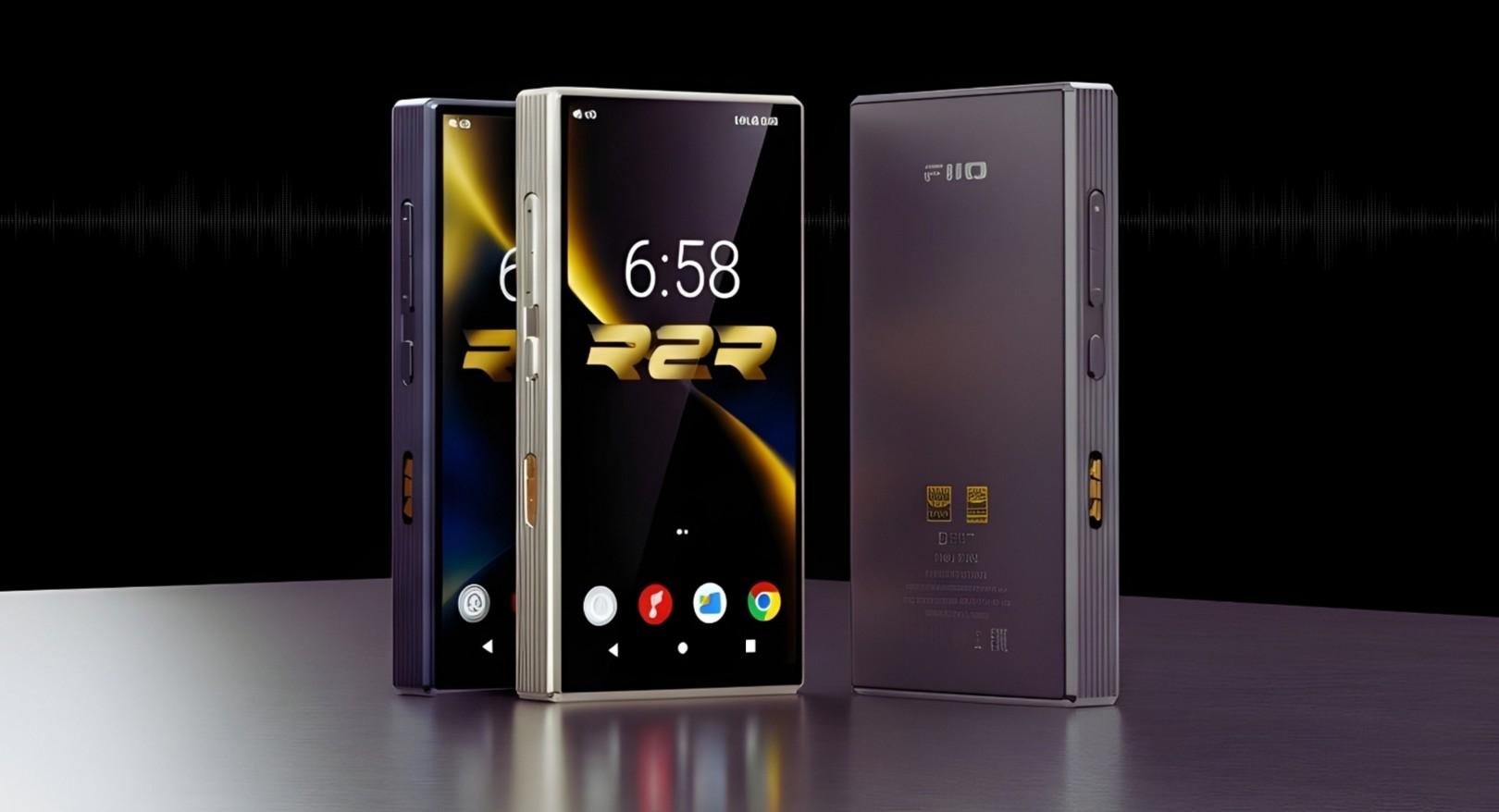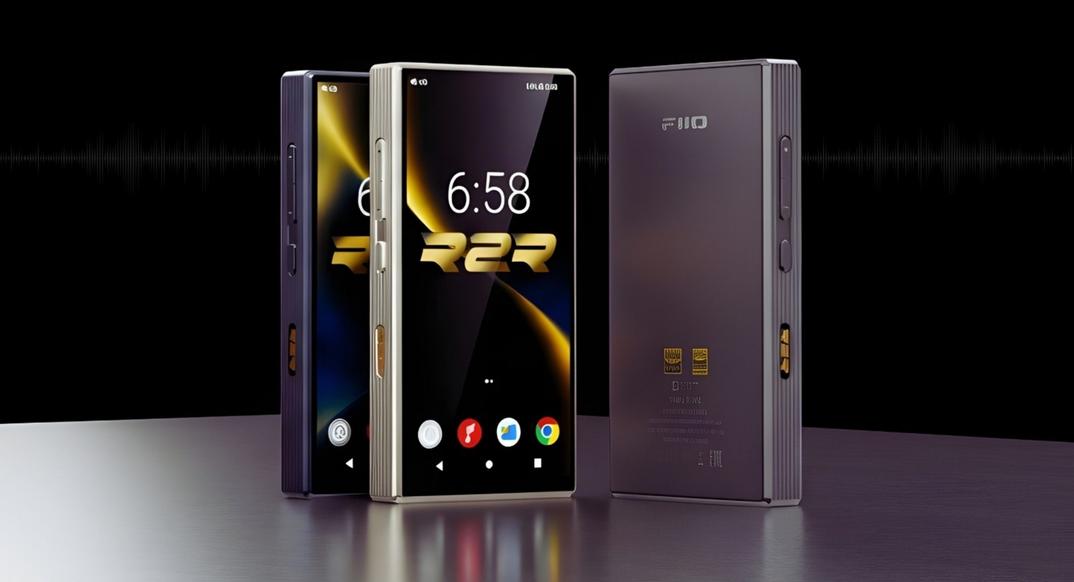
FiiO has kicked off 2026 with yet another entry into its ever-growing lineup of digital audio players (DAPs), and this one’s drawing attention for good reason. The new M33 R2R brings a type of audio technology—R2R resistor ladder DACs—that’s usually found in pricey, desktop-only gear, and shrinks it down into something you can slip into your pocket.
Priced at around $600, the M33 R2R sits right in the middle of FiiO’s DAP lineup. It’s meant for listeners who want more than just another Android-based music streamer. Instead of going with the same tried-and-true Delta-Sigma DAC chips that most digital players use, FiiO built the M33 around a fully differential R2R DAC, hoping to give users a sound that’s more natural, smooth, and “analog-like.”
But what does that actually mean in everyday use? And how does this new player stack up against FiiO’s other DAPs, like the M21 and M23? Let’s break it down.
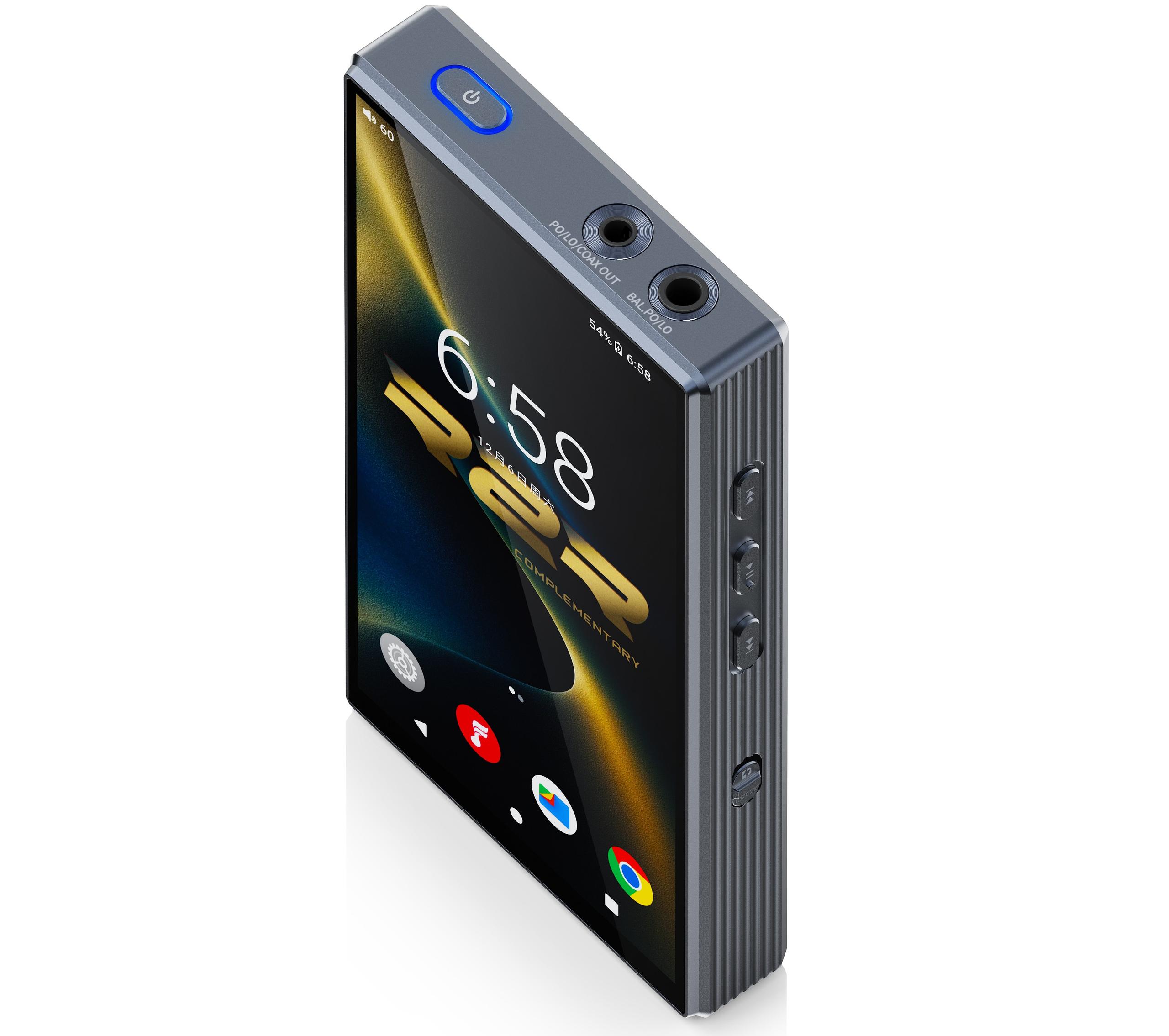
Let’s start with the headline feature: the R2R DAC architecture. In plain terms, this is a type of digital-to-analog conversion that uses a physical network of resistors to process audio signals. While most modern devices use highly integrated Delta-Sigma DAC chips (which are smaller and more efficient), R2R decoding is often praised for delivering a warmer, more fluid sound, especially for acoustic and vocal-heavy music.
FiiO has implemented a 24-bit, fully differential R2R DAC, paired with a Texas Instruments multi-stage amplifier, which is meant to keep the audio clean and powerful across a wide range of headphones. The output is rated at 1100mW per channel, which is quite a bit of power for a portable device. That means the M33 R2R can drive everything from small, efficient in-ear monitors to large, power-hungry over-ear headphones.
And for those who are really pushing their headphones, FiiO includes a feature called Desktop Mode. Plug the M33 into a higher-wattage power source and it unlocks extra power, essentially turning this portable device into a compact desktop amp.
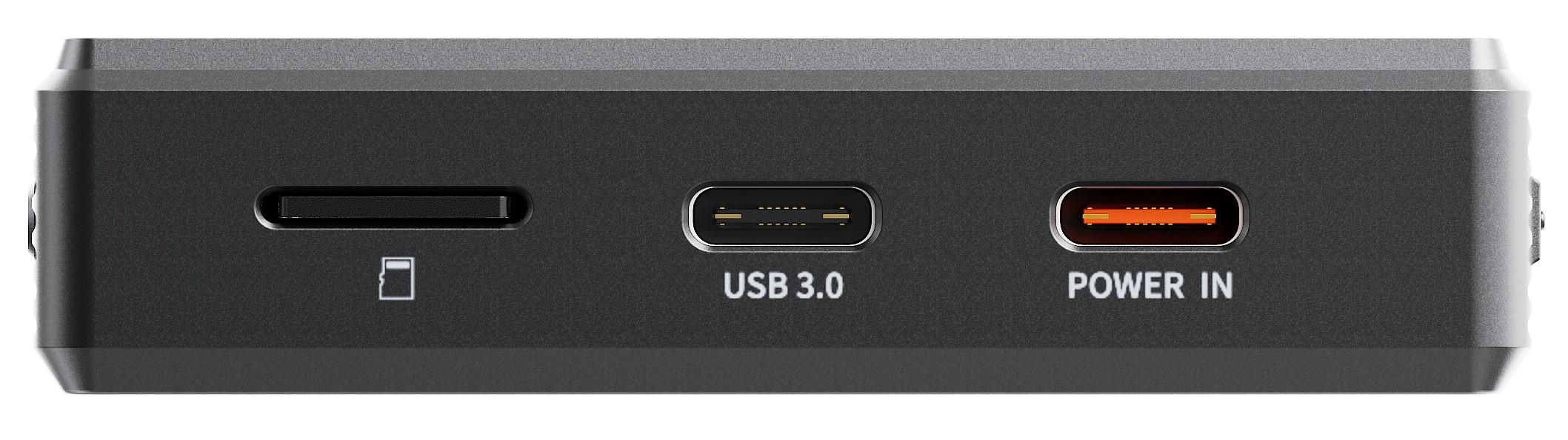
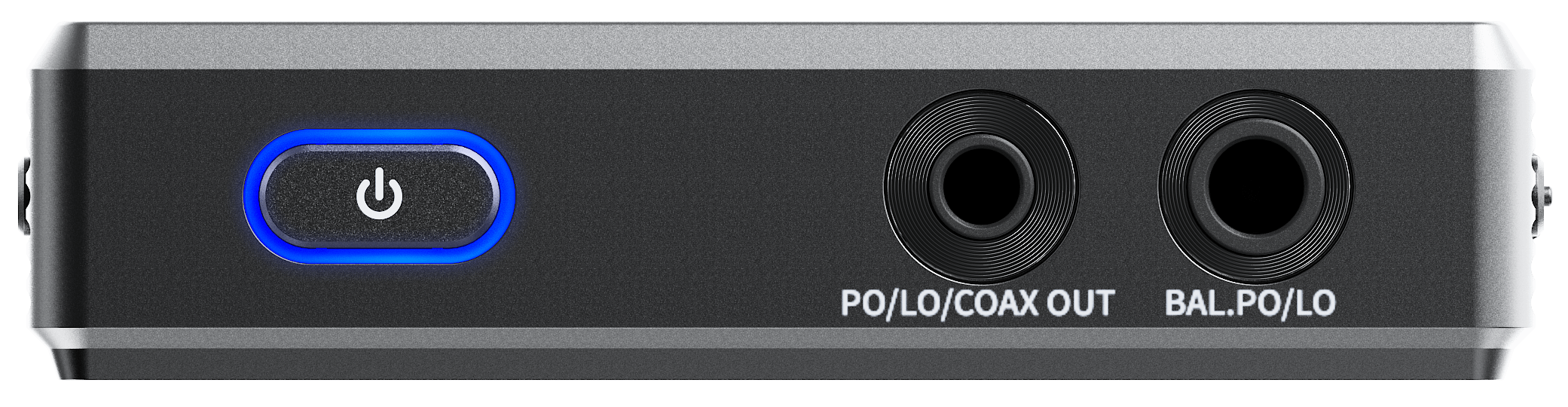
Under the hood, the M33 R2R runs on the Snapdragon 680 processor, with 8GB of RAM and 128GB of internal storage—plus a microSD card slot for even more space. That’s the same chip used in many mid-range smartphones and tablets, so Android 13 runs smoothly whether you’re streaming on Tidal, navigating your library, or toggling between EQ settings.
Speaking of EQ, FiiO includes a 10-band parametric equalizer with AUTO EQ support, which lets you tune the sound for specific headphones or listening preferences. This is useful if you want to tweak the bass, lift the vocals, or fix any quirks in your gear—without needing third-party apps.
A 5.5-inch HD display gives you smartphone-style navigation, and battery life is rated at up to 14 hours—a pretty good number considering the amount of power this player can deliver.
The M33 also includes USB-C power input, USB 3.0 for fast transfers, and both 3.5mm single-ended and 4.4mm balanced headphone outputs. FiiO hasn’t fully detailed Bluetooth codec support yet (such as LDAC or aptX), which could matter if you use wireless headphones, but wired performance is clearly the priority here.
FiiO’s current lineup of Android-based digital audio players gives buyers several strong options at different price points, which also makes choosing the “right” one a bit tricky. The M33 R2R sits squarely between the more affordable M21 and the higher-priced M23, but it takes a noticeably different approach to sound and design than either sibling.
Here’s how the three compare.
| Feature | FiiO M21 | FiiO M33 R2R | FiiO M23 |
|---|---|---|---|
| Price | $329.99 | ~$600.00 | $719.99 |
| DAC Type | Quad Cirrus Logic CS43198 | 24-bit R2R ladder | Dual AKM (AK4191 + AK4499EX) |
| Output Power (Balanced) | Up to ~950mW (Desktop Mode) | 1100mW per channel | Up to ~1000mW (Desktop Mode) |
| OS / Processor | Android 13 / Snapdragon 680 | Android 13 / Snapdragon 680 | Android 10 / Snapdragon 660 |
| RAM / Storage | 4GB / 64GB | 8GB / 128GB | 4–8GB / 64–128GB |
| Display | 4.7-inch | 5.5-inch | 5.5-inch |
| Desktop Mode | Yes | Yes | Yes |
| Balanced Output | 4.4mm | 4.4mm | 4.4mm |
| Bluetooth Codecs | LDAC, aptX HD, LHDC, AAC | Not yet confirmed | LDAC, aptX HD (region-dependent) |
The M21 ($329.99 at Amazon) is FiiO’s most affordable full-featured Android DAP, and it sets a surprisingly high baseline for what an entry-level player can do. It runs Android 13 on a Snapdragon 680 processor and uses a quad Cirrus Logic CS43198 DAC configuration in a balanced design.
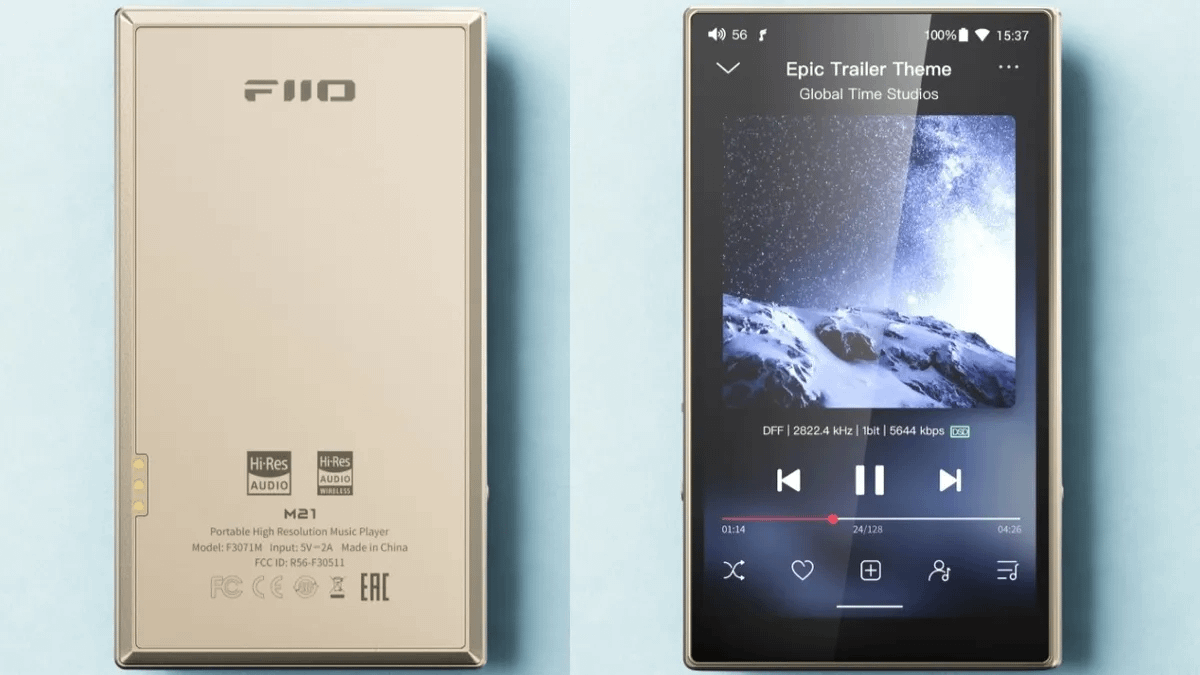
In everyday use, the M21 feels more like a dedicated streaming device than a stripped-down audio player. It supports a wide range of Bluetooth codecs, including LDAC, aptX HD, LHDC, SBC, and AAC, and it handles music apps smoothly thanks to its modern OS and hardware.
Power output is also stronger than the price might suggest. In normal portable use, the M21 delivers moderate output, but when plugged in and switched to Desktop Mode, it can reach close to 950mW per channel from the balanced output, making it capable of driving many full-size headphones.
That said, the M21 sticks with conventional delta-sigma DAC technology and prioritizes efficiency and flexibility over more specialized audio architectures. It’s a great starting point if you want an Android DAP that “just works,” but it isn’t aimed at listeners chasing a specific DAC sound philosophy.
The M33 R2R moves the conversation in a different direction. While it shares some platform similarities with the M21—such as Android 13, a Snapdragon 680, and a familiar Android app experience—the internal audio design is where things diverge.
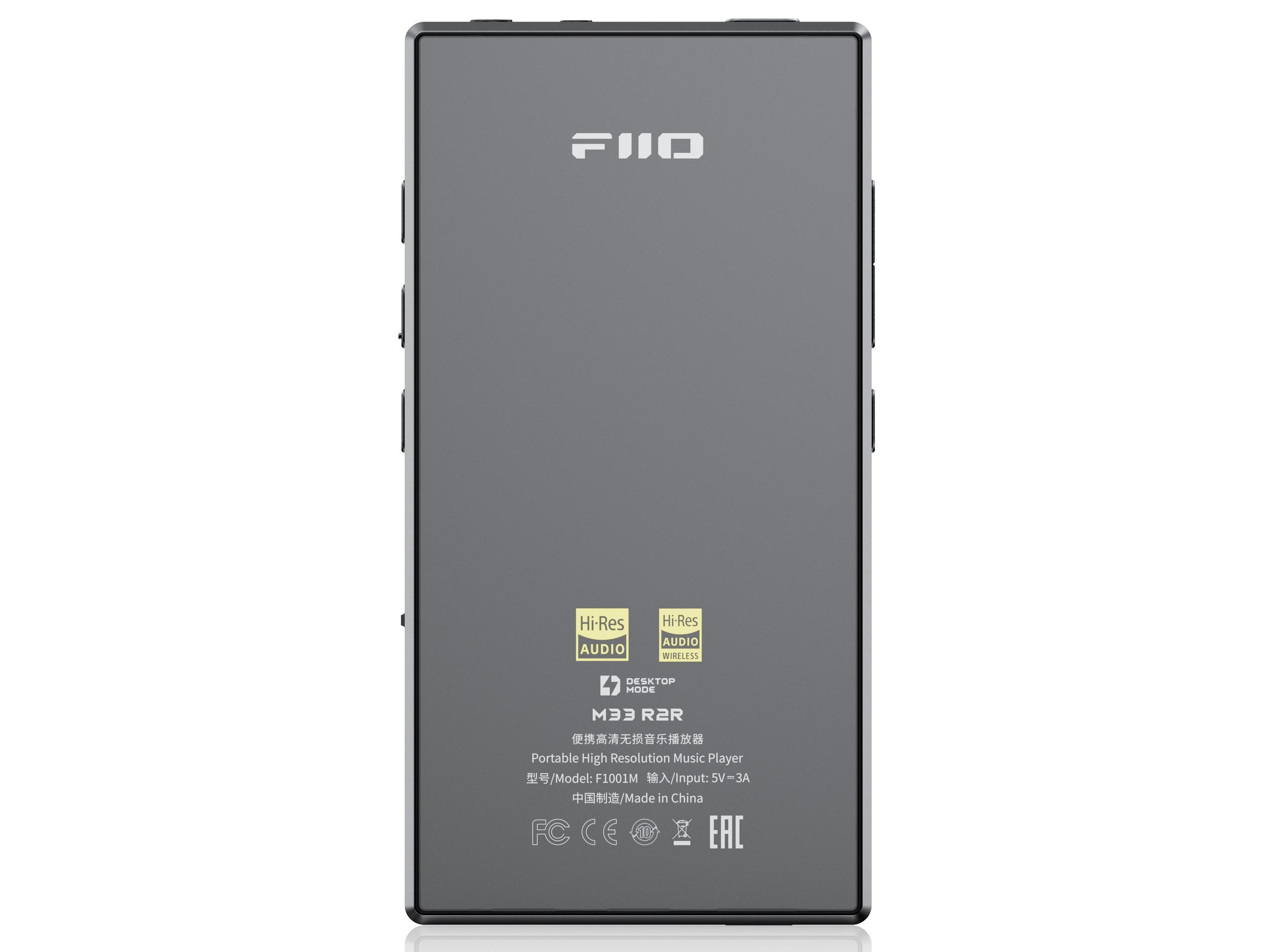
Instead of delta-sigma DAC chips, the M33 R2R uses a fully differential 24-bit R2R resistor ladder DAC, paired with a Texas Instruments multi-stage amplifier. Output power is rated at 1100mW per channel, giving it more headroom than the M21 even before Desktop Mode comes into play.
The M33 R2R also doubles the system memory and storage compared to the M21, with 8GB of RAM and 128GB of internal storage, which helps when juggling streaming apps, local libraries, and EQ profiles. Like the M21, it includes Desktop Mode, allowing it to function as a compact desktop DAC/amp when connected to an external power source.
Bluetooth codec support hasn’t been fully detailed yet, which suggests that wired listening is the primary focus. In short, the M33 R2R isn’t trying to replace the M21—it’s aimed at listeners who want a more purist signal path, higher output power, and R2R decoding without jumping to flagship pricing.
The M23 ($719.99 at Amazon) sits above the M33 R2R in FiiO’s lineup and takes yet another approach. It runs on a Snapdragon 660 and ships with Android 10, which is older than what you’ll find on the M21 and M33, but still stable for music playback.
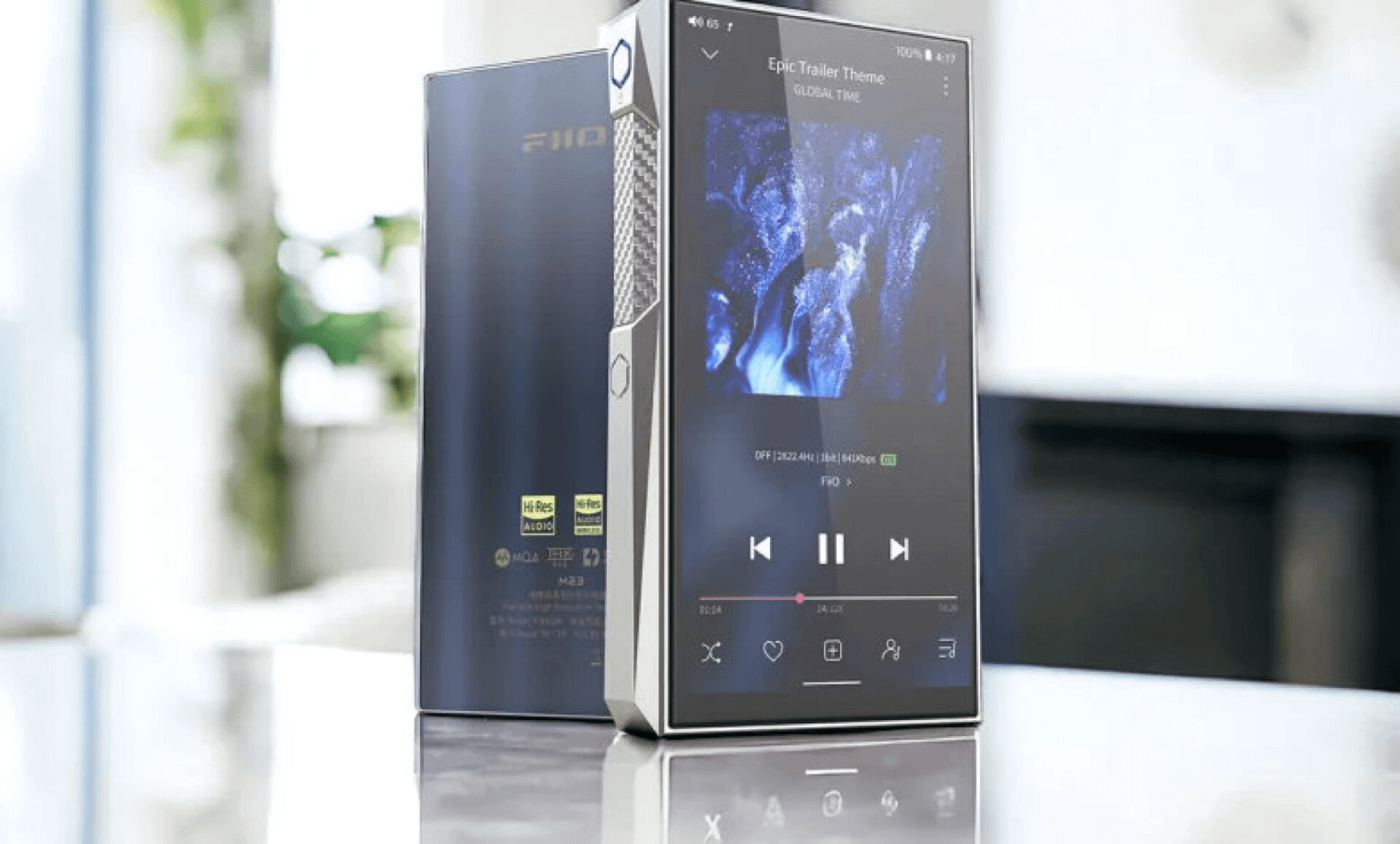
Instead of R2R decoding, the M23 uses dual AKM DACs (AK4191EQ + AK4499EX)—a more traditional high-end DAC configuration that emphasizes resolution and precision. Output power varies depending on mode: in standard operation it sits below the M33 R2R, but in Desktop / Super High Gain Mode, it can reach around 1000mW per channel from the balanced output.
The M23 is also the most connectivity-focused of the three. It includes dual USB-C ports, strong Bluetooth support, multiple gain modes, and a design that works well as both a portable player and a semi-permanent desktop source.
If you rely heavily on wireless audio, external DAC use, or want maximum flexibility across setups, the M23 may be the most versatile option. However, it doesn’t offer the R2R ladder architecture that defines the M33 R2R’s identity.

The M33 R2R seems tailor-made for people who like to listen closely—not just casually stream a playlist in the background. If you're someone who appreciates subtle differences between DAC types, or you're trying to build a portable setup that mimics the feel of a home hi-fi system, this player should be on your radar.
It’s also aimed at people who want portability without compromises. The Desktop Mode is a great example of that—giving users the option to use the M33 as a near full-fledged amp at home, then unplug and hit the road without switching devices.
The FiiO M33 R2R is a bit of a niche product—but in a good way. It brings an uncommon decoding approach (R2R) to a category that’s mostly dominated by one-size-fits-all solutions. It’s not a flagship, but it borrows tricks from the top-end M27. And it’s not cheap, but it undercuts many “audiophile” players that go well past $1,000.
If you're looking for a portable music player that feels tailored to headphone-first listening, offers real output power, and takes audio decoding seriously, the M33 R2R brings a lot to the table. Whether or not it’s the right fit will depend on your listening style—but for anyone curious about R2R sound in a modern Android player, it’s one of the most accessible options yet.
The FiiO M33 R2R is expected to ship in Q1 2026 and will retail for around $600 in the U.S. or £449 in the UK.
Related Reading:






Privacy Policy
Terms and Conditions - Affiliate Policy
Home Security
© Copyright 2008-2026.
11816 Inwood Rd #1211, Dallas, TX 75244