

Robot vacuum and mop combos have transformed from novelty gadgets into essential smart home appliances. These sophisticated machines promise to eliminate the daily chore of floor cleaning through powerful suction, intelligent mopping, and fully automated maintenance systems. But with premium models now costing as much as traditional upright vacuums, choosing the right one requires understanding the technology behind the marketing claims.
The robot vacuum market has exploded since 2020, with manufacturers racing to add features like obstacle avoidance cameras, hot water mop washing, and self-emptying bases. Today's flagship models bear little resemblance to the simple disc-shaped cleaners that randomly bounced around rooms just a few years ago. They're now equipped with laser navigation, AI-powered object recognition, and base stations that rival small appliances in complexity.
Two standout models capture this evolution perfectly: the Dreame X40 Ultra represents the pinnacle of proven performance and value, while the Roborock Saros Z70 pushes boundaries with experimental features like a robotic arm. Released in 2024 and 2025 respectively, these robots showcase different philosophies about what premium home cleaning should deliver.
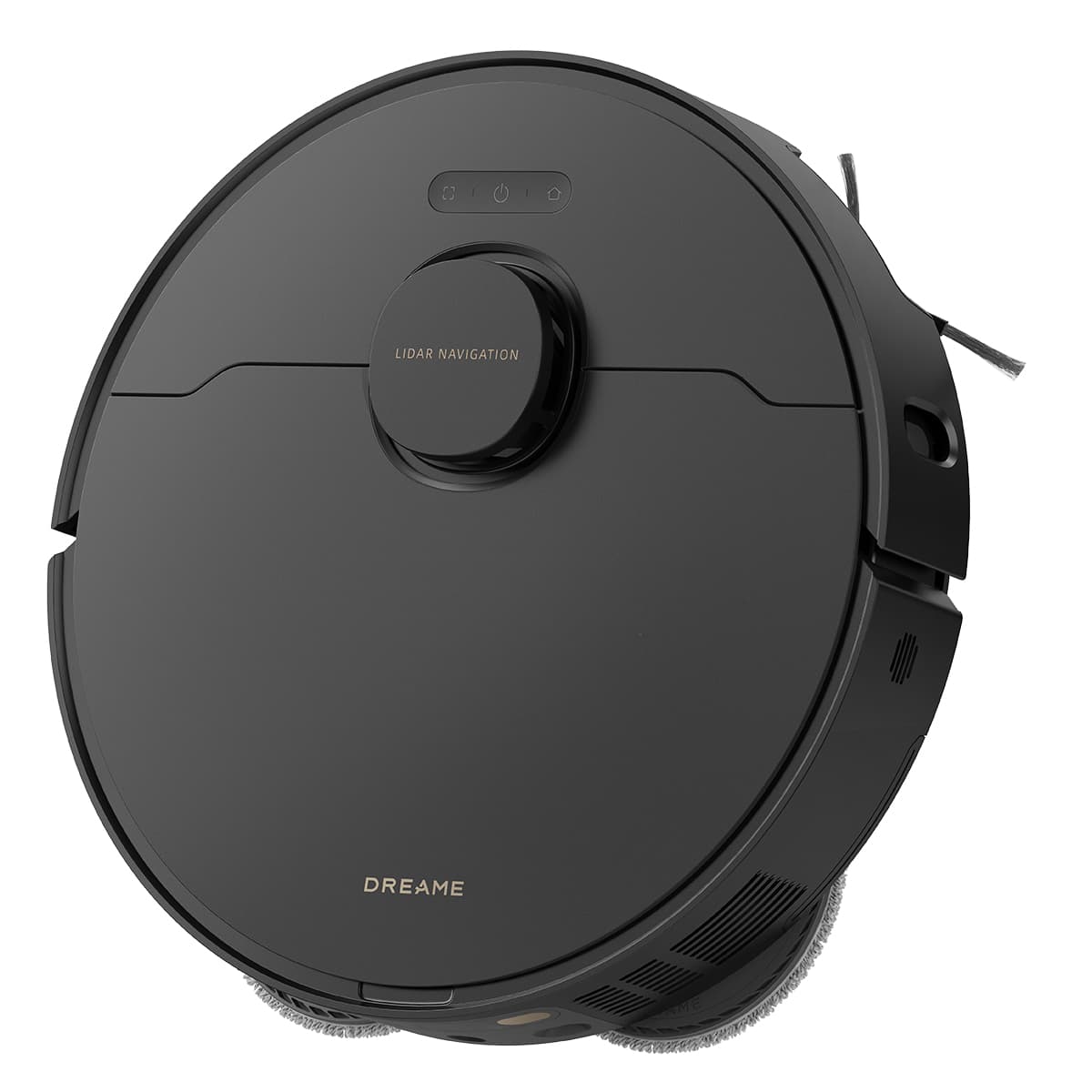
Modern robot vacuums rely on three core technologies that determine their effectiveness. Navigation systems use spinning LiDAR sensors (Light Detection and Ranging) to map rooms by measuring distances with laser pulses, creating detailed floor plans that enable systematic cleaning patterns rather than random wandering. Obstacle avoidance cameras and structured light sensors help robots identify and navigate around furniture, cables, and pet waste without getting stuck or causing damage.
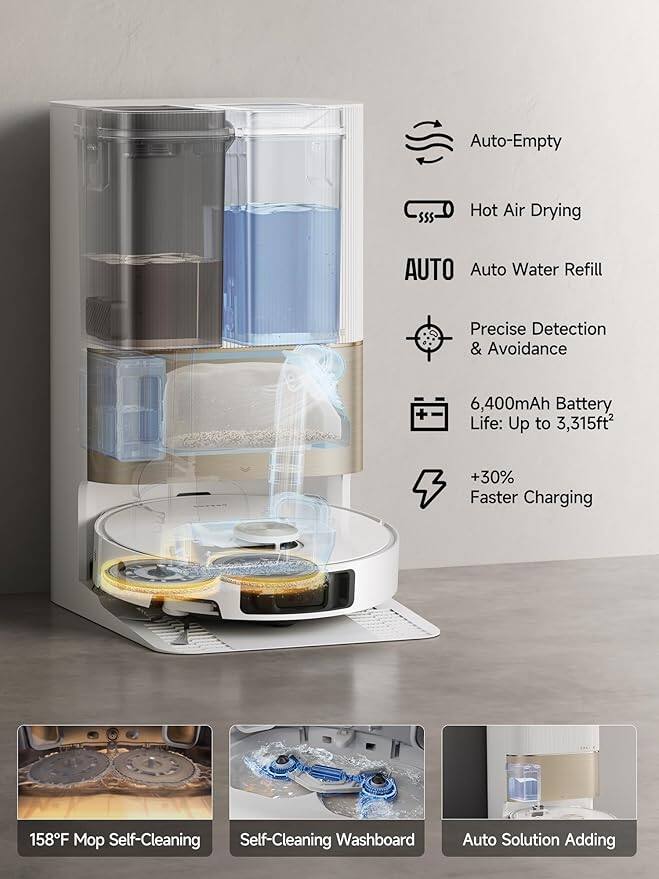
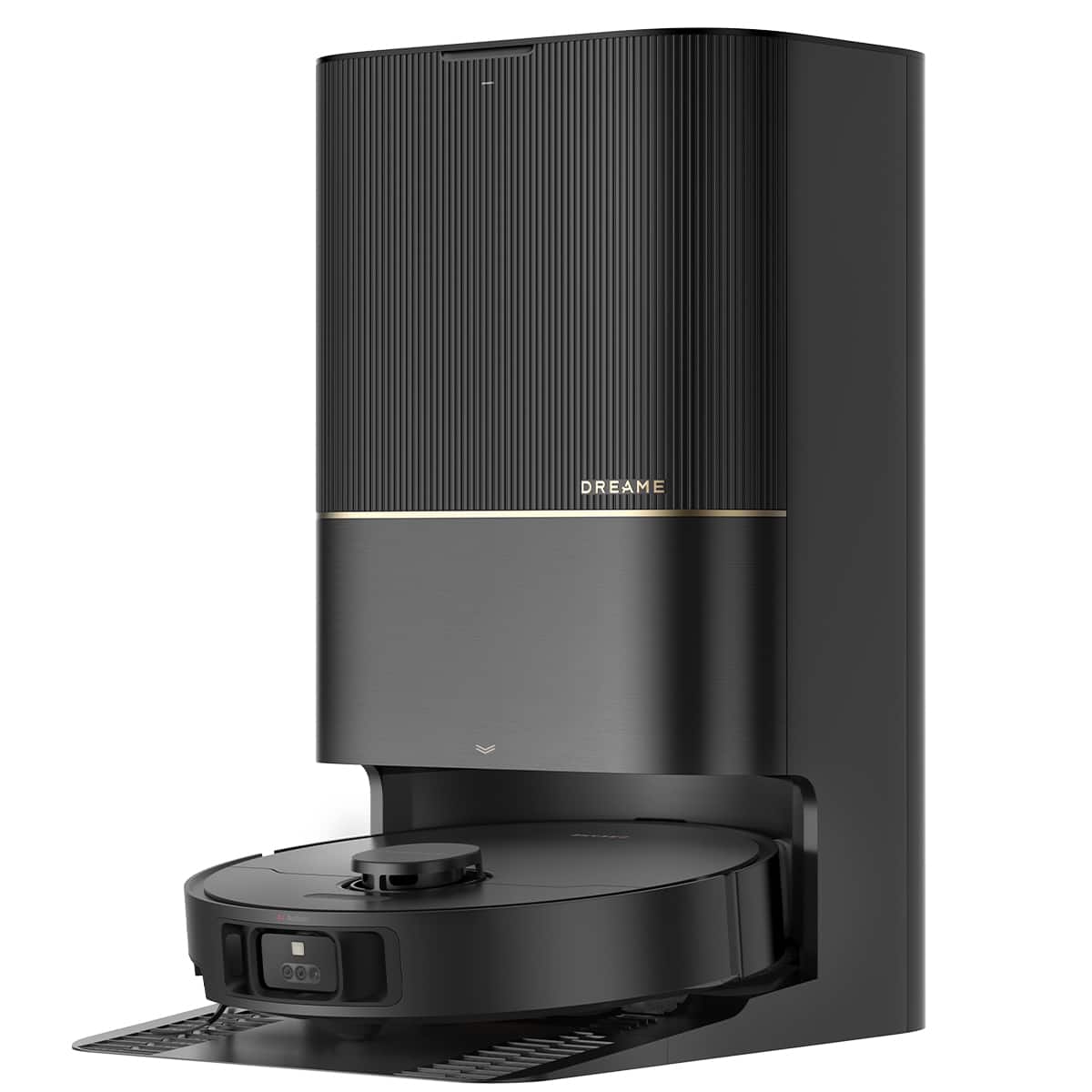
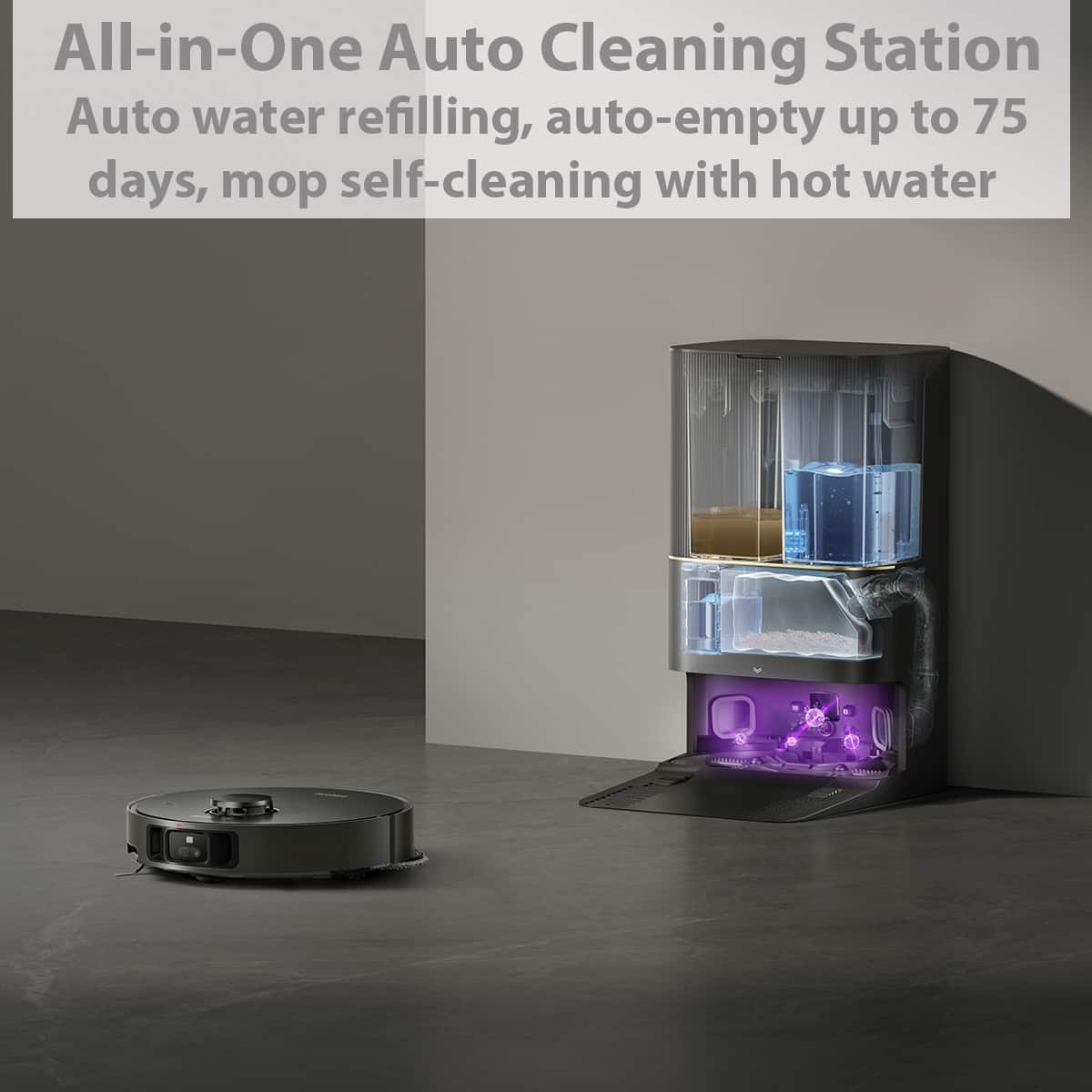
The third critical component is the base station, which has evolved from simple charging docks into sophisticated cleaning centers. These automated hubs empty dust bins, wash and dry mop pads with hot water, refill water tanks, and even dispense cleaning solution—transforming robot vacuums from gadgets requiring daily maintenance into truly hands-free cleaning systems.
When evaluating robot vacuums, the most important performance metrics are debris pickup efficiency (measured as percentage of particles collected), obstacle avoidance success rates, mopping effectiveness on dried stains, and battery runtime under real-world conditions. Suction power ratings, while heavily marketed, matter less than airflow design and brush efficiency—a lesson learned from testing numerous models that promised high suction but delivered poor results.
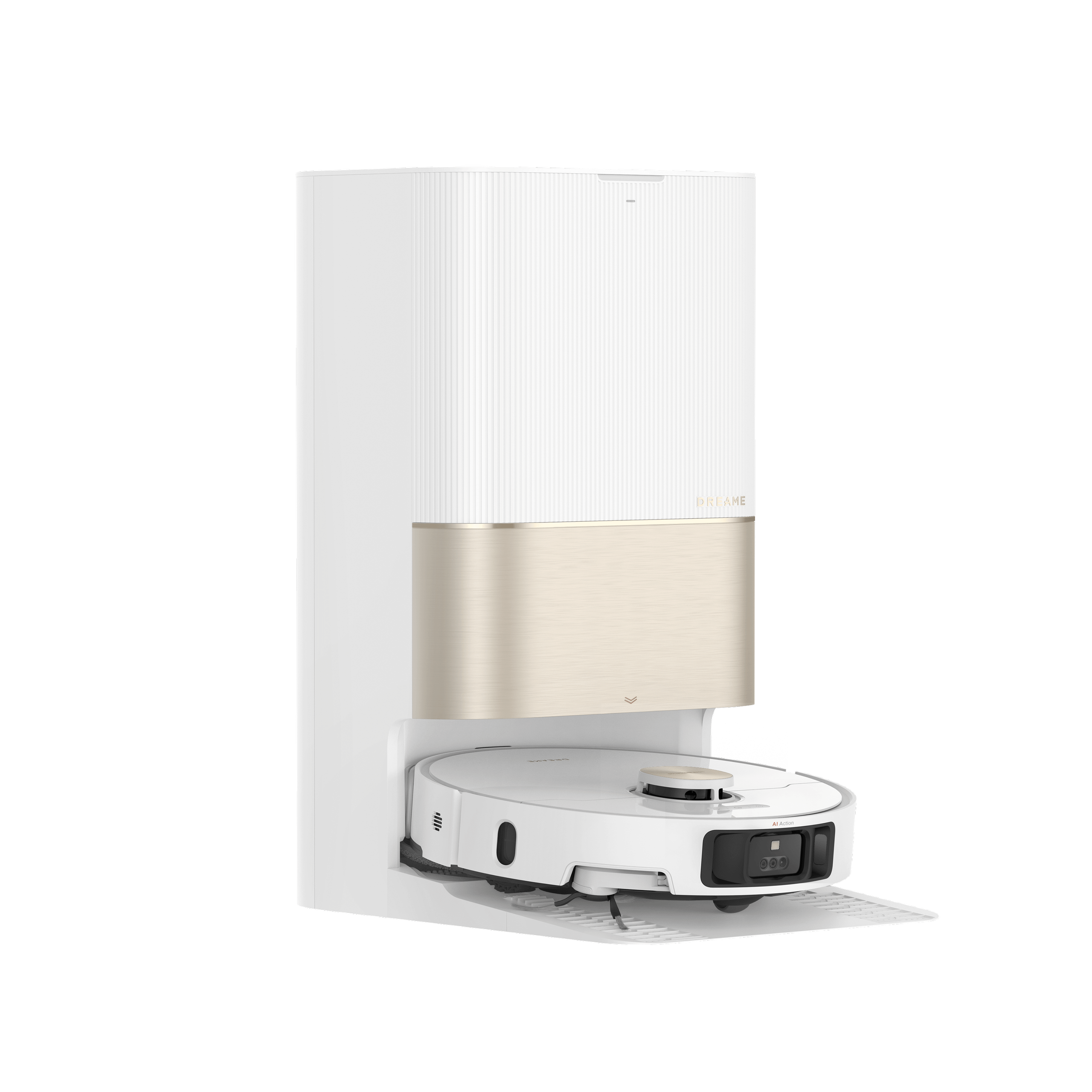
The Dreame X40 Ultra launched in 2024 as Dreame's flagship response to escalating competition in the premium robot vacuum segment. Rather than chase experimental features, Dreame focused on perfecting established technologies to deliver exceptional cleaning performance at a competitive price point.
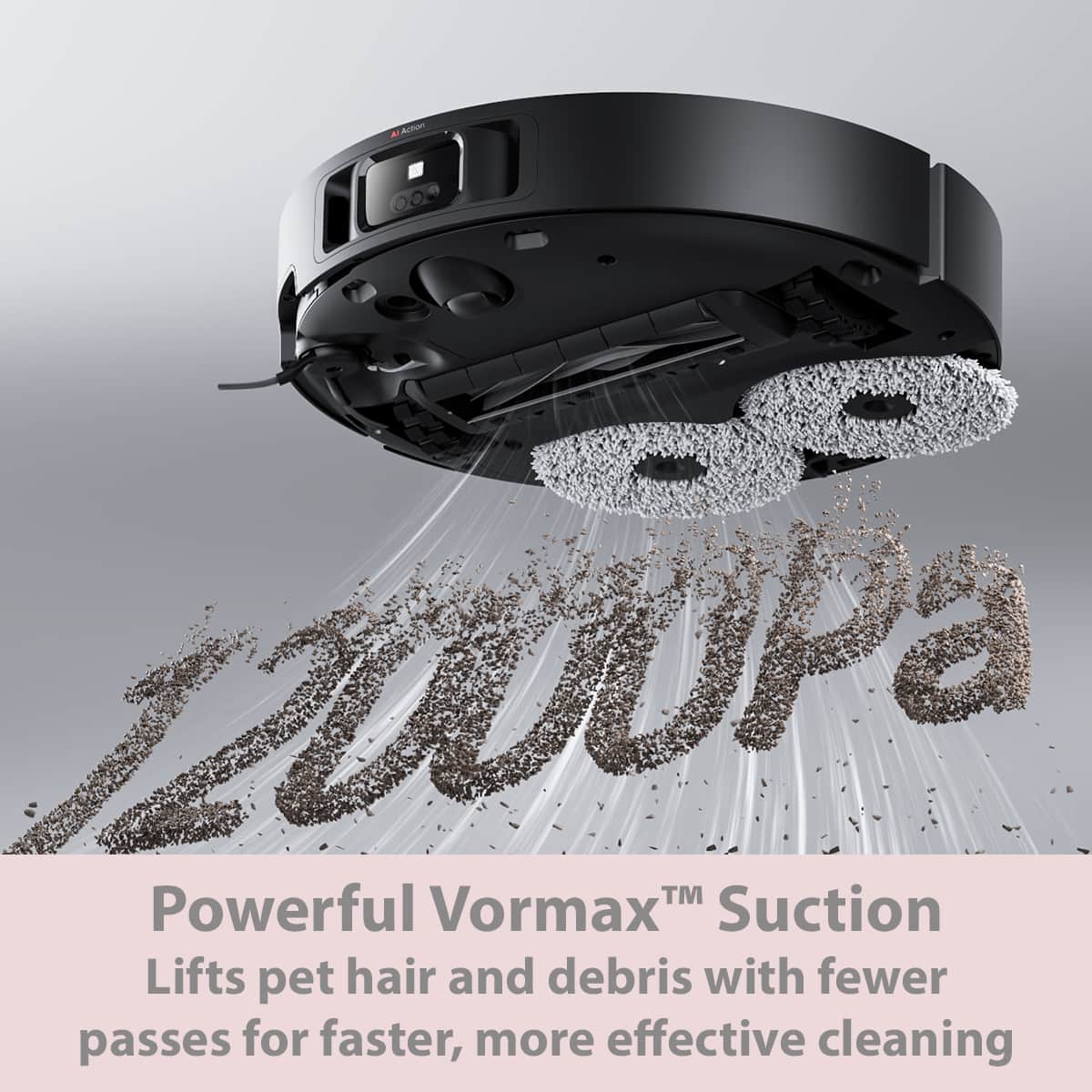
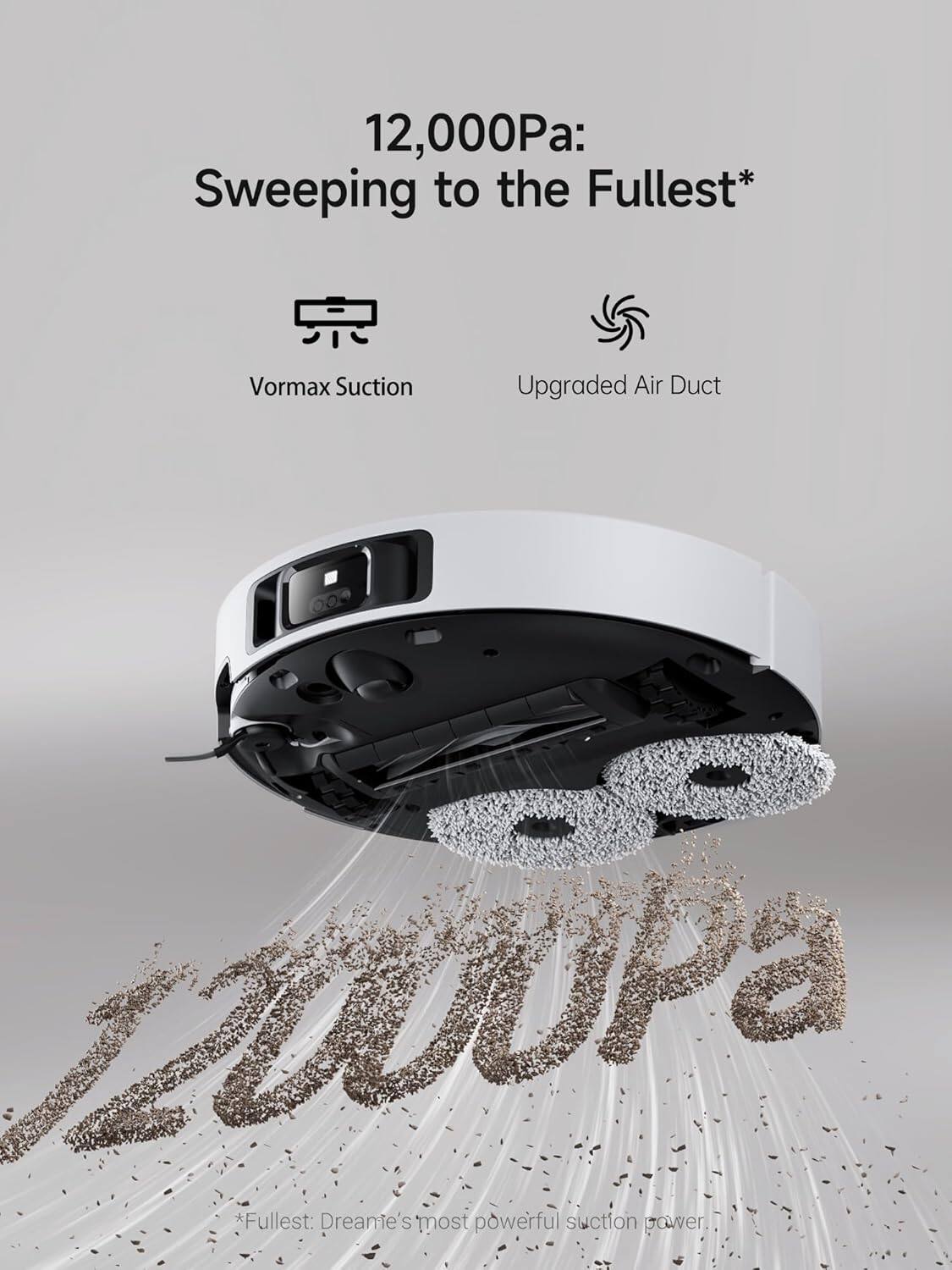
The standout feature of the Dreame X40 Ultra is its 12,000Pa Vormax suction system, which consistently delivers on its promises. In comprehensive testing, this robot achieved 97.2% overall debris pickup—a remarkable result that translates to genuinely clean floors rather than just moved-around dust. The secret lies not just in raw suction power, but in optimized airflow design that maintains consistent performance throughout the dustbin.
What makes this impressive is how the Dreame X40 Ultra handles different surfaces. Perfect scores on hardwood floors (100% pickup) combine with strong carpet performance (96% on low pile, 95.8% on high pile) to create a robot that genuinely works across mixed flooring homes. This consistency matters more than peak performance on any single surface type.
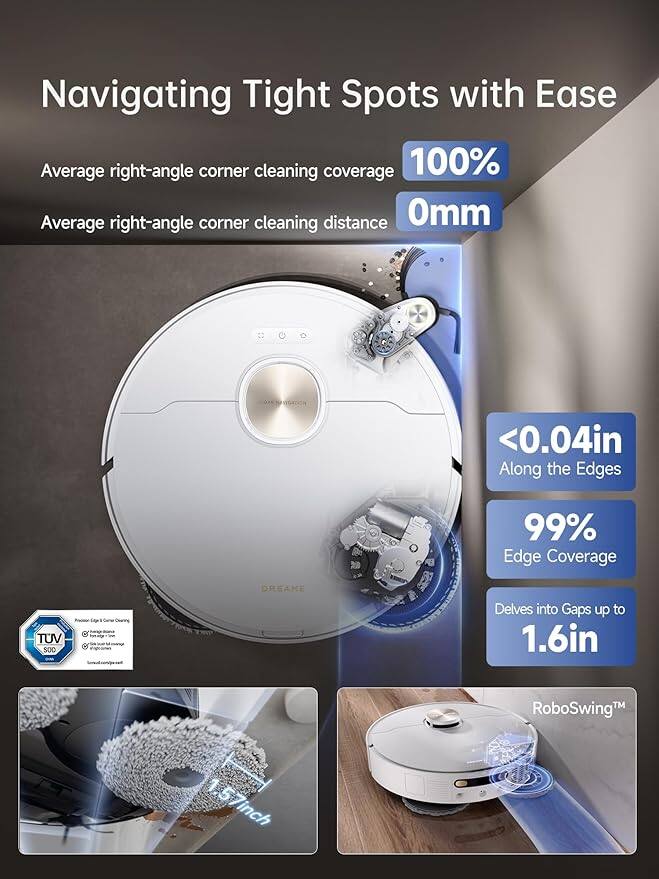
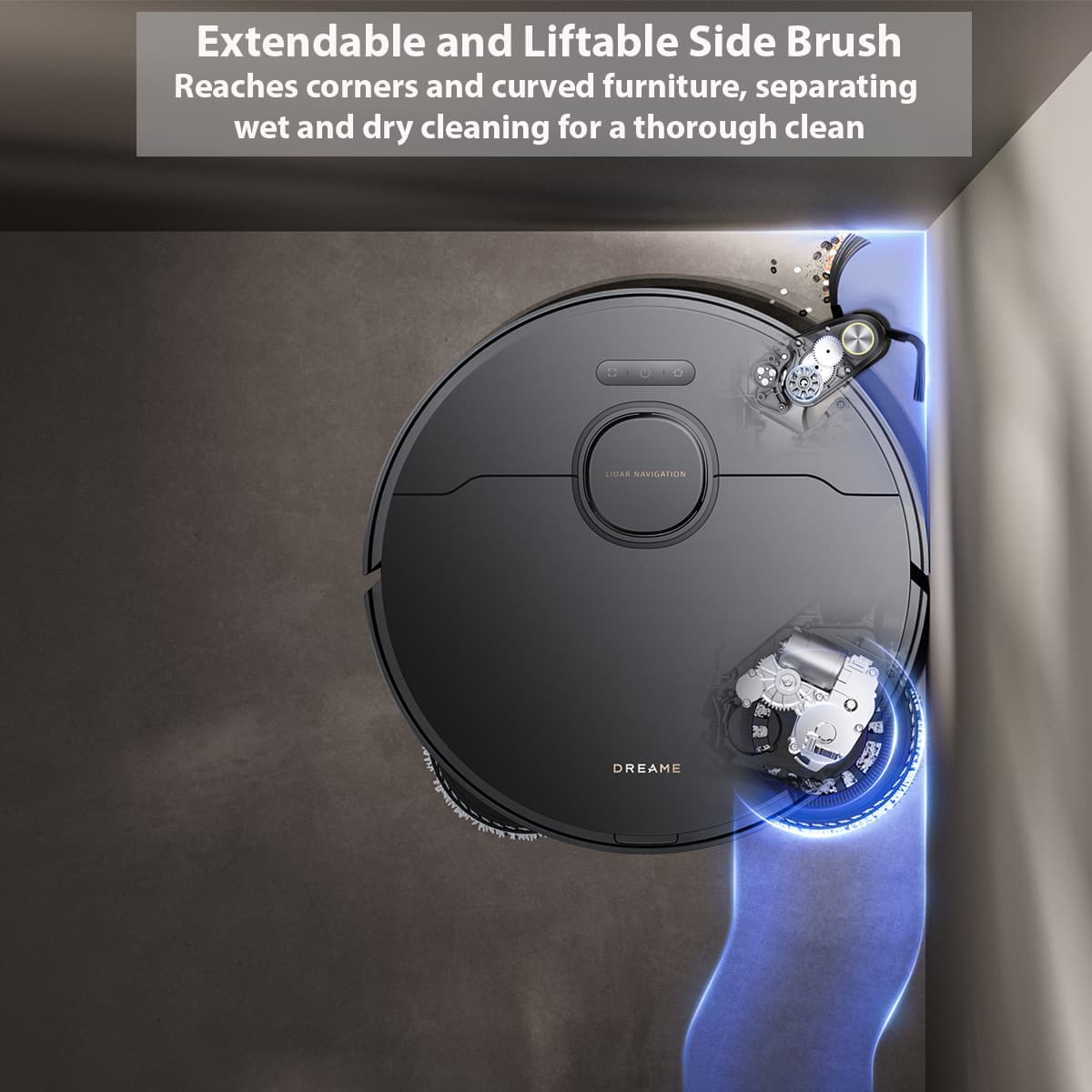
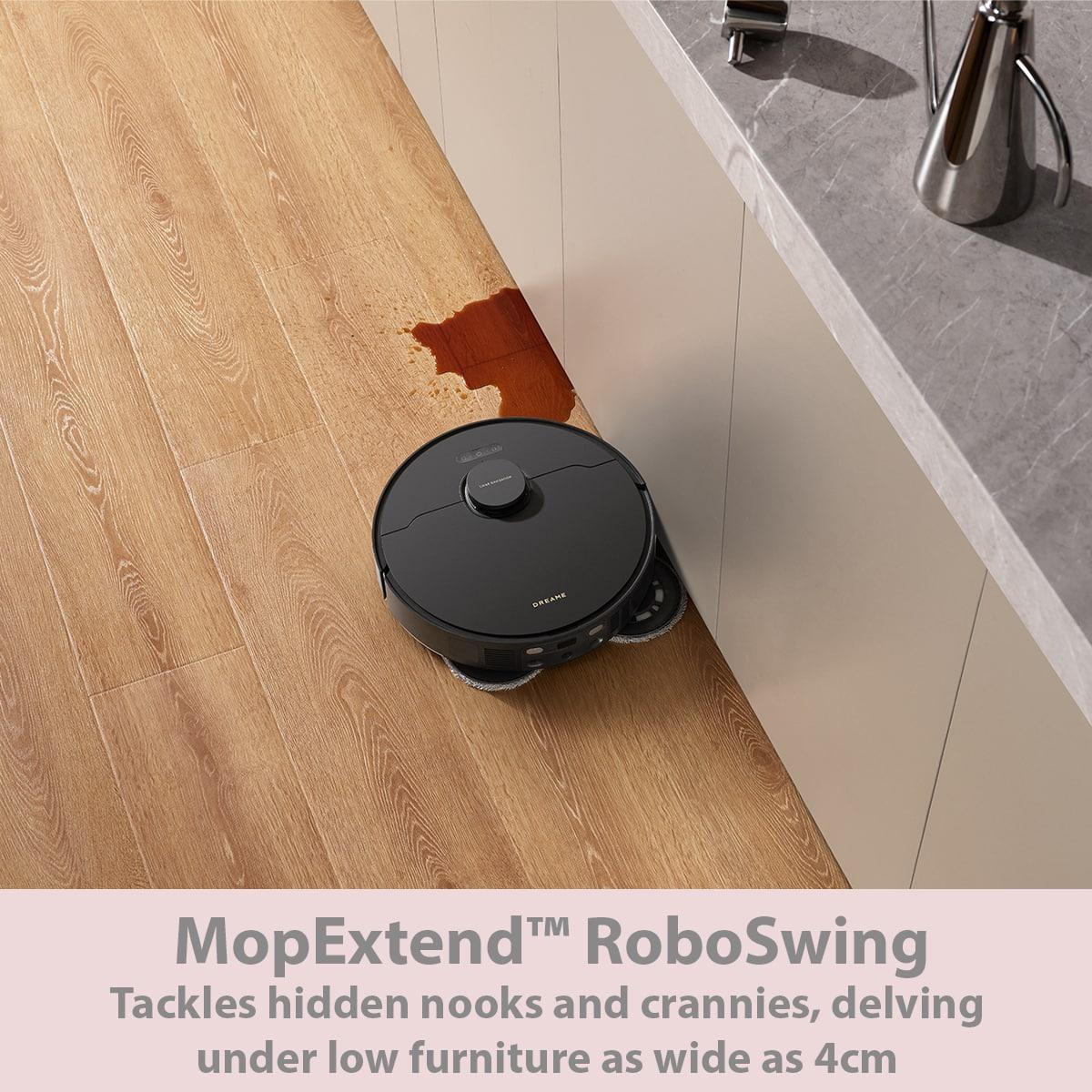
The robot's MopExtend RoboSwing technology addresses one of the biggest weaknesses in robot cleaning: edges and corners. Traditional round robots struggle to clean rectangular rooms effectively, leaving dirt along baseboards and in corners. The Dreame X40 Ultra solves this by swinging its mop pads outward to reach areas that would otherwise require manual cleaning—a practical innovation that makes a noticeable difference in daily use.
The Dreame X40 Ultra incorporates OmniDirt Detection technology, which uses color sensors to identify heavily soiled areas and automatically increase cleaning intensity. This isn't just marketing fluff—the system genuinely recognizes dried spills, pet messes, and high-traffic dirt, then re-mops those spots until they're clean. For households with kids or pets, this adaptive cleaning makes the difference between a robot that maintains already-clean floors and one that actually tackles real messes.
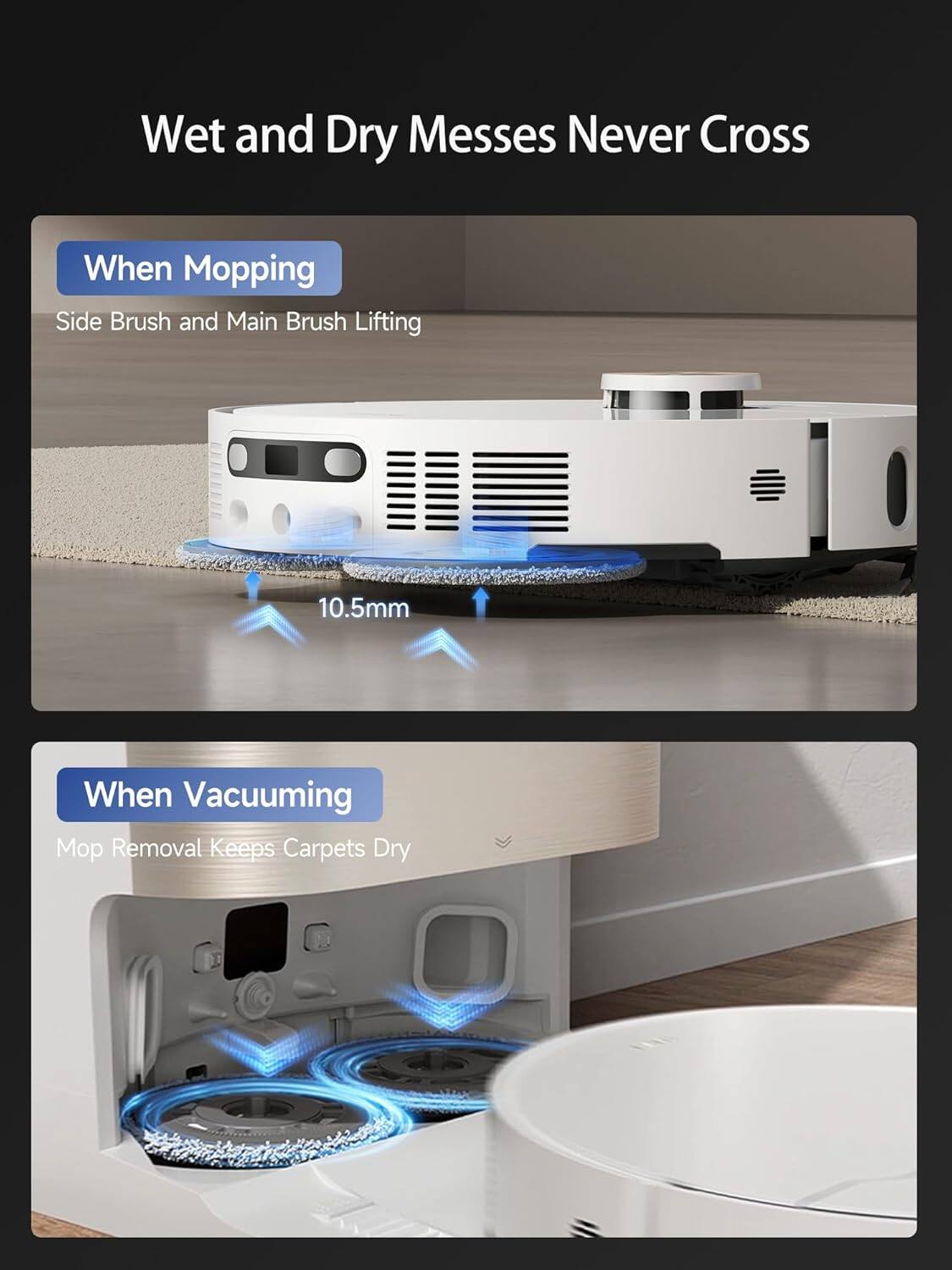
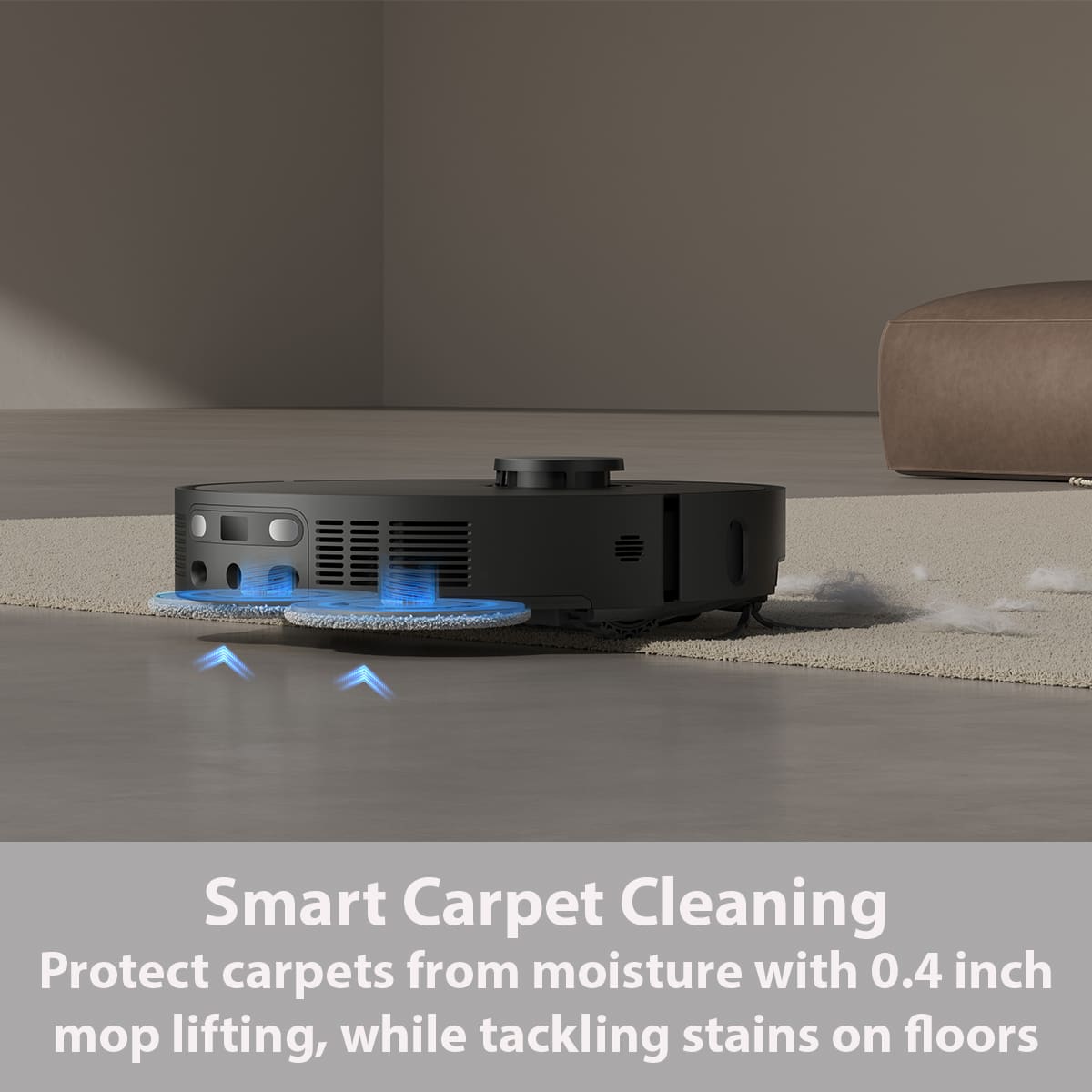
The magnetic mop pad system represents another thoughtful engineering solution. When the robot detects carpet, it returns to base to drop off its mop pads, then resumes cleaning without risking wet carpets. This level of automation eliminates the manual intervention that makes many robot-mop combos feel like sophisticated toys rather than practical appliances.
Obstacle avoidance on the Dreame X40 Ultra uses AI RGB cameras combined with 3D structured light to recognize over 120 object types. In testing scenarios, this system achieved perfect avoidance scores—meaning the robot successfully navigated around every obstacle without getting stuck, tangled, or causing damage. This reliability is crucial for truly hands-free operation.
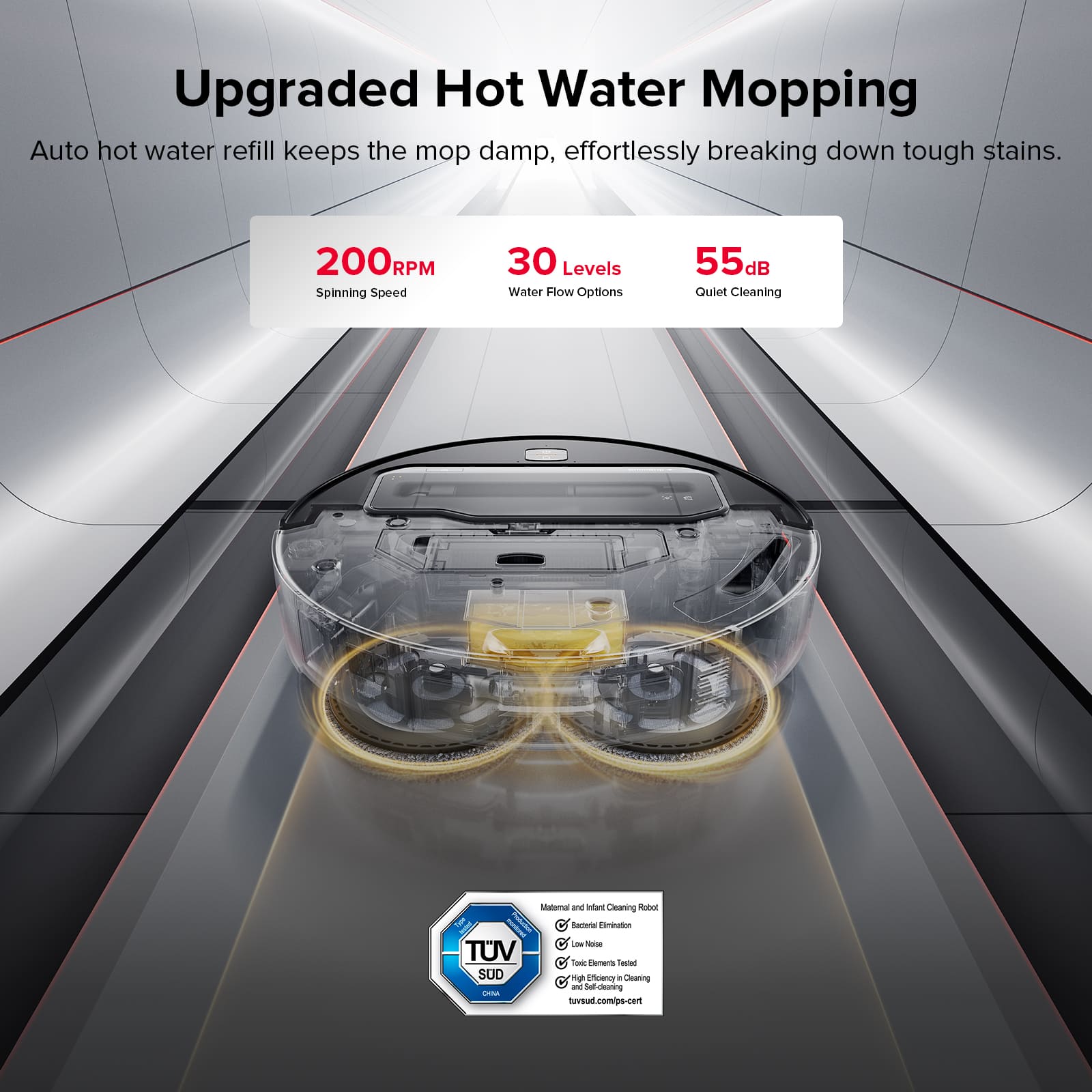
The automated base station handles nearly every maintenance task. Hot water washing at 158°F (70°C) keeps mop pads genuinely clean rather than just rinsed, while hot air drying prevents the mildew odors that plague many robot mops. The 3.2-liter disposable dust bag provides up to seven weeks of automated emptying for typical households.
The base station's self-cleaning washboard is a detail that matters more than it might seem. Many robot mops develop odors over time as their cleaning systems become contaminated with dirty water and debris. By automatically cleaning its own components, the Dreame X40 Ultra maintains hygiene standards that make it suitable for kitchens and living areas rather than relegated to basements.
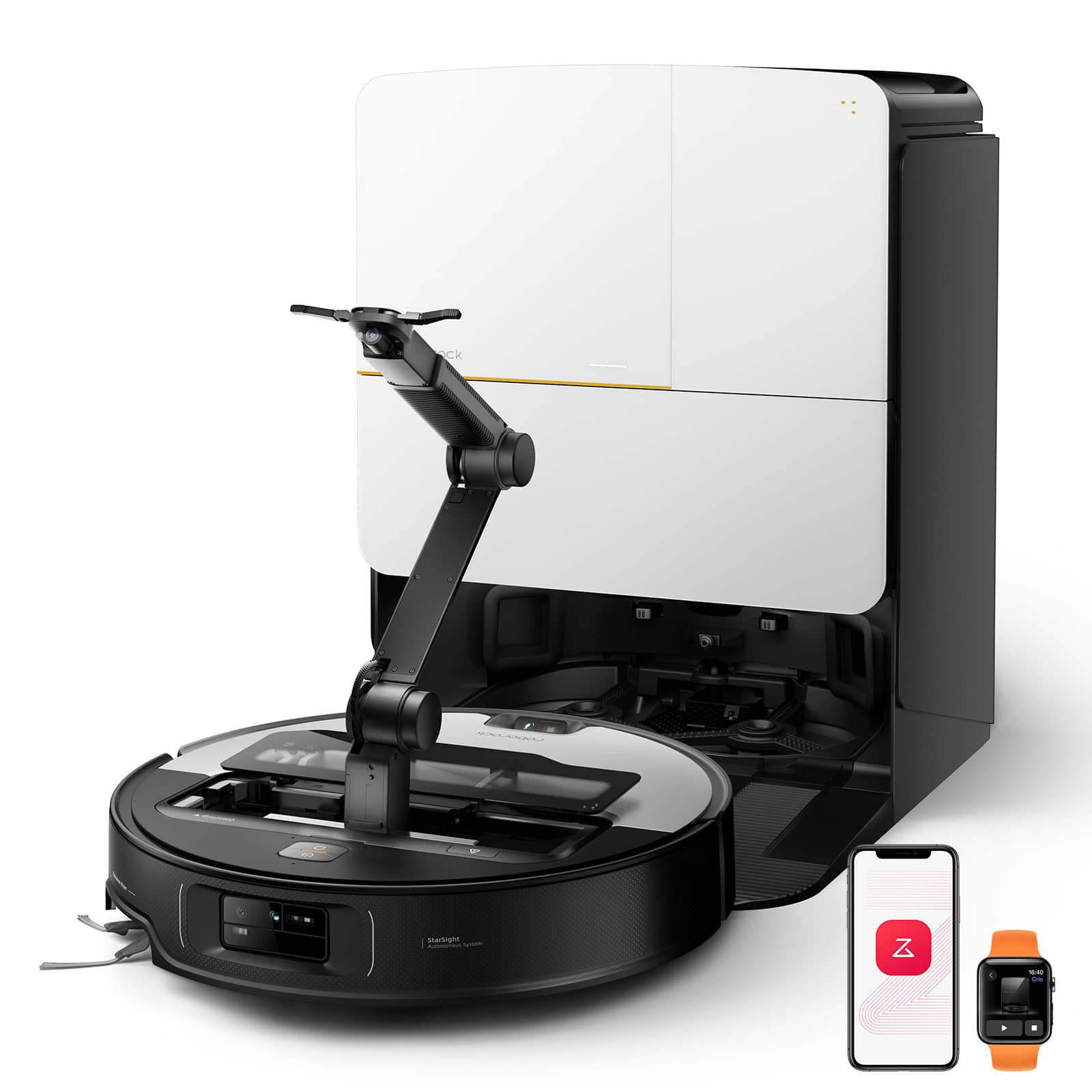
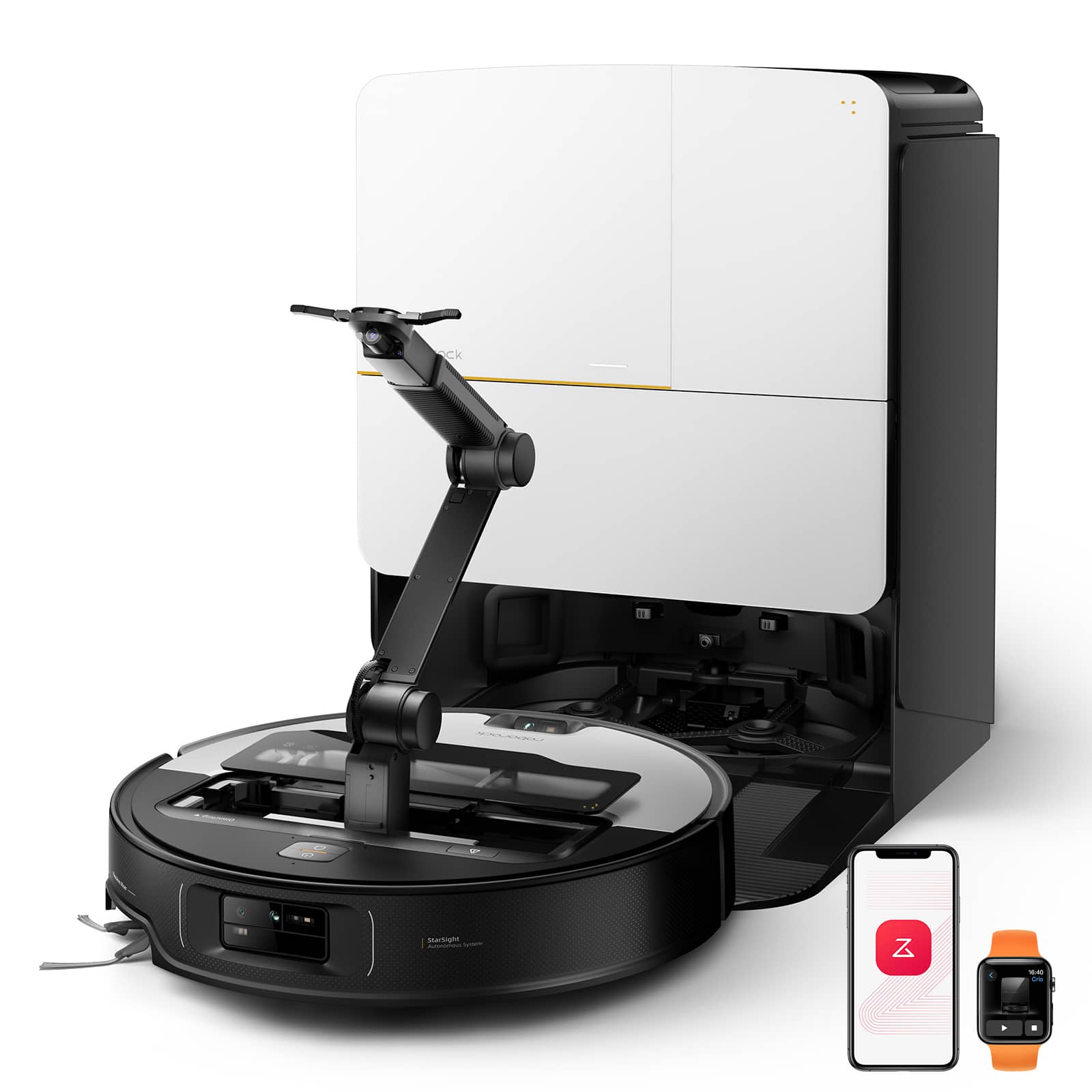
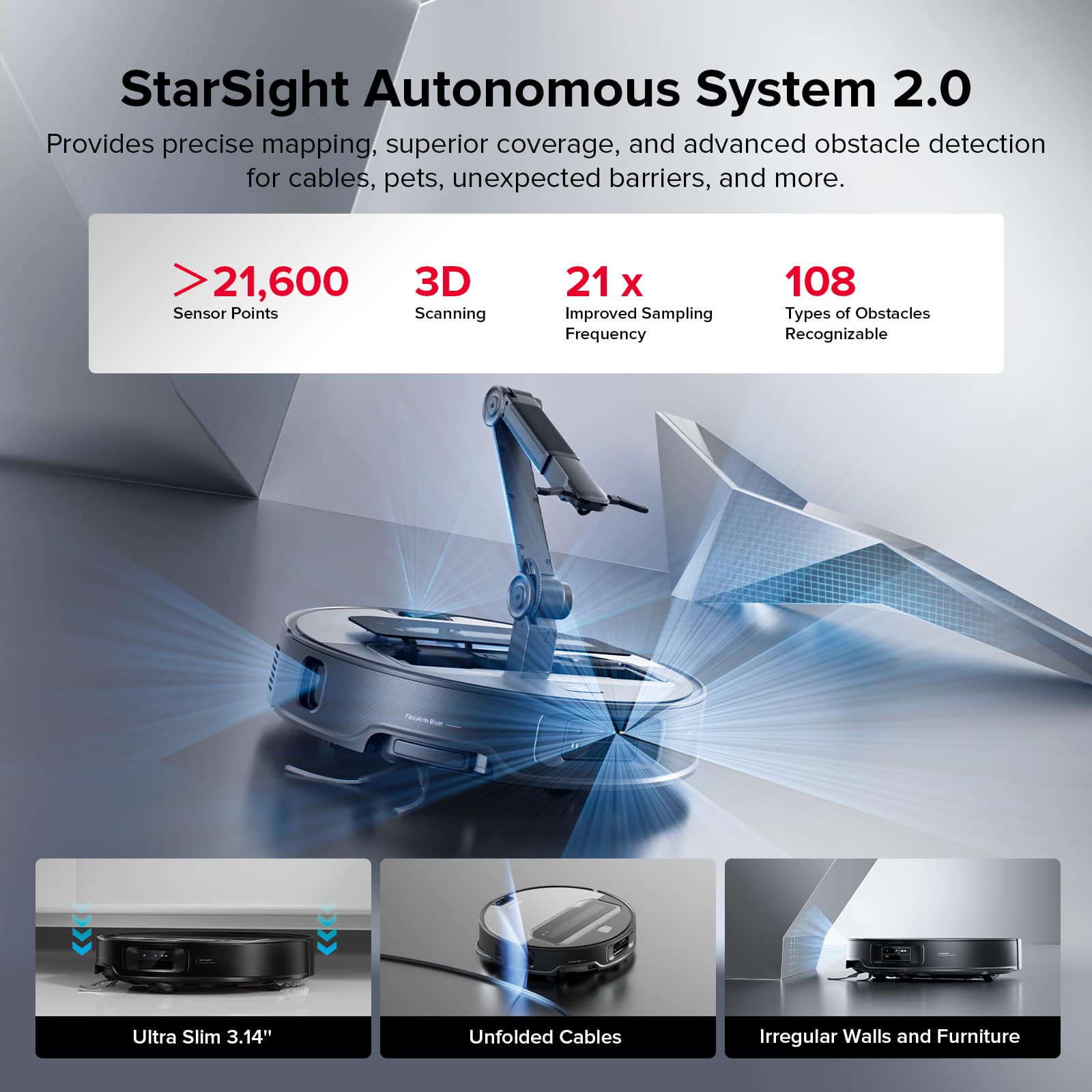
The Roborock Saros Z70 arrived in 2025 as the world's first mass-produced robot vacuum with a robotic arm, representing Roborock's ambitious vision of robots that don't just clean around obstacles—they move them out of the way first. This level of automation represents a genuine leap forward in robotic capability, even if the execution remains imperfect.
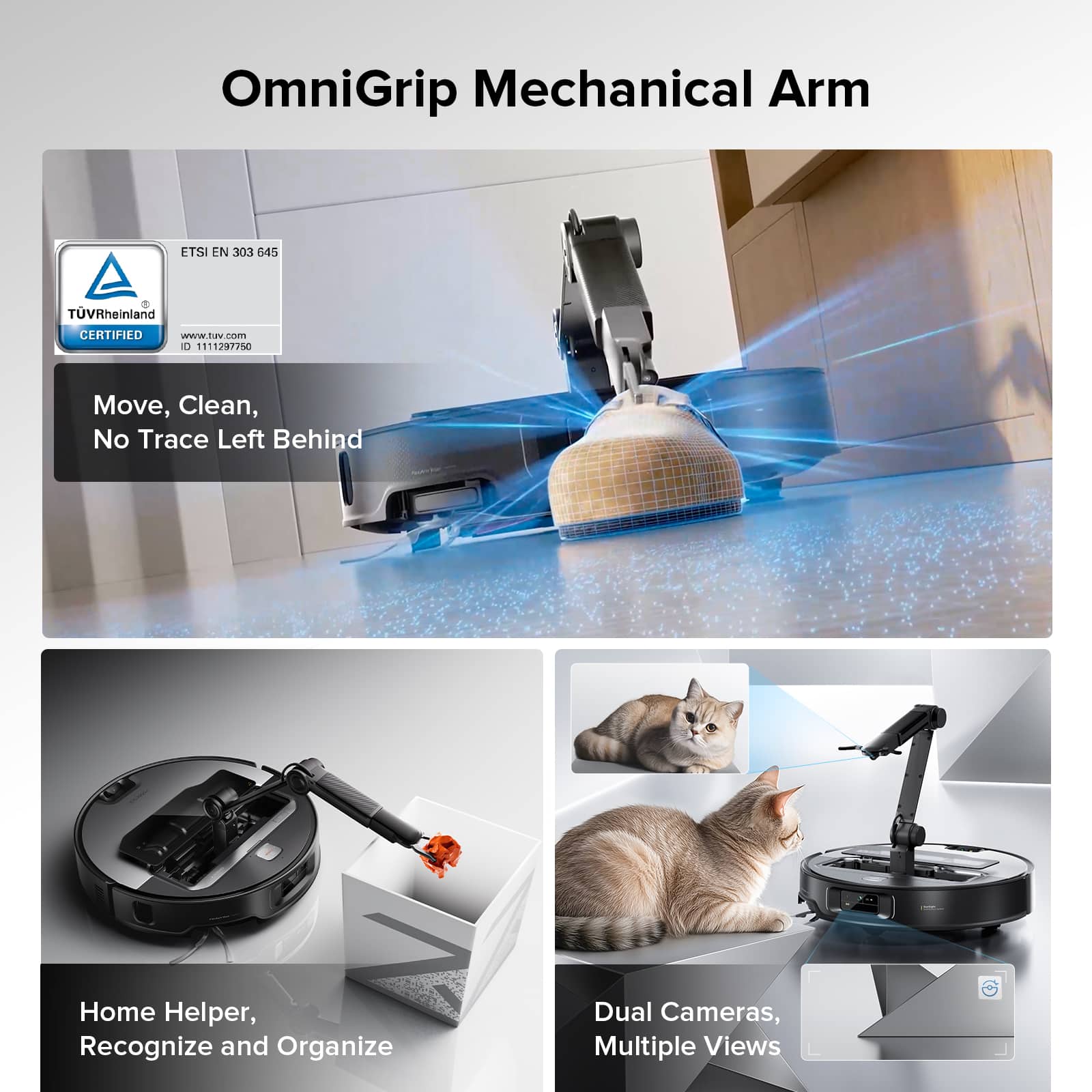
The OmniGrip five-axis mechanical arm is undeniably the Roborock Saros Z70's headline feature. This sophisticated appendage can identify, grasp, and relocate lightweight objects under 300 grams—socks, tissues, small toys, and sandals. The arm uses internal cameras, pressure sensors, and AI-driven computer vision to assess objects without damaging them, learning over time what items it can safely move and where they belong.
In practice, the arm works about half the time according to extensive real-world testing. When it functions correctly, the experience feels genuinely futuristic—watching a robot autonomously clear a cluttered floor before cleaning is remarkably impressive. However, the inconsistent performance and limited object recognition mean this feature feels more like a preview of future technology than a reliable current solution.
The arm's development required significant engineering compromises. Most notably, the Roborock Saros Z70 has the smallest dustbin ever seen on a premium robot vacuum—just 180ml compared to the Dreame X40 Ultra's 300ml capacity. This reduction impacts practical usability, requiring more frequent base station visits in larger homes or high-debris environments.
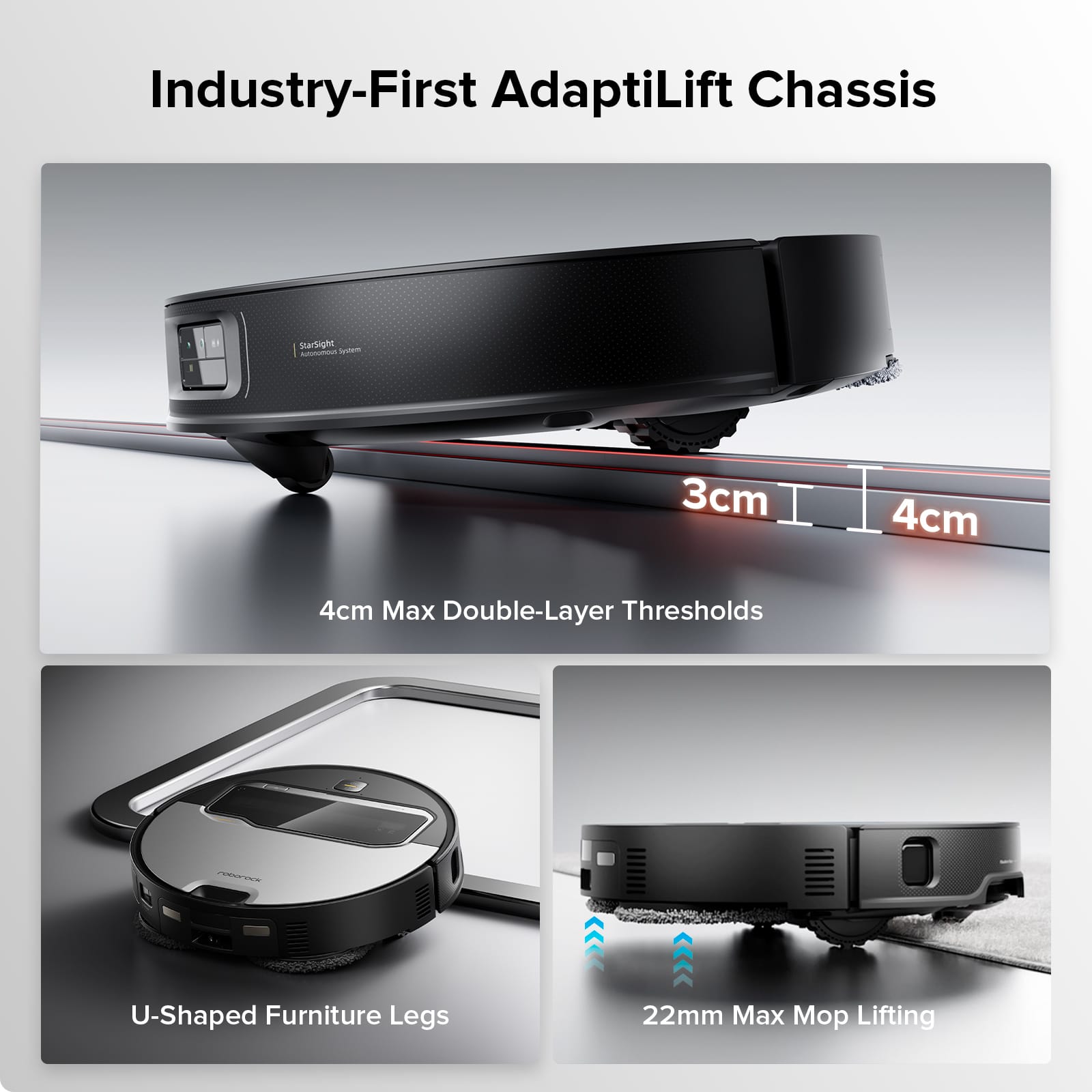
Beyond the attention-grabbing arm, the Roborock Saros Z70 excels in areas that matter for daily cleaning. Its 7.98cm (3.14-inch) height makes it the slimmest Roborock model ever, enabling access under furniture that blocks taller robots. This seemingly minor specification difference can dramatically improve cleaning coverage in homes with low-clearance sofas, beds, or entertainment centers.
The AdaptiLift chassis technology allows the Roborock Saros Z70 to cross thresholds up to 40mm high—significantly better than most competitors. Homes with transitions between rooms, sliding door tracks, or thick rugs benefit substantially from this capability. It's the kind of practical feature that eliminates the manual intervention that undermines robot vacuum convenience.
StarSight 2.0 navigation system generates 21,600 data points for detailed mapping, combined with VertiBeam lateral structured-light technology for precise edge cleaning. This system scored 22 out of 24 in professional obstacle avoidance testing—well above the average score of 16.6. The Roborock Saros Z70 can detect and navigate around objects as small as 2cm, making it exceptionally reliable in cluttered environments.
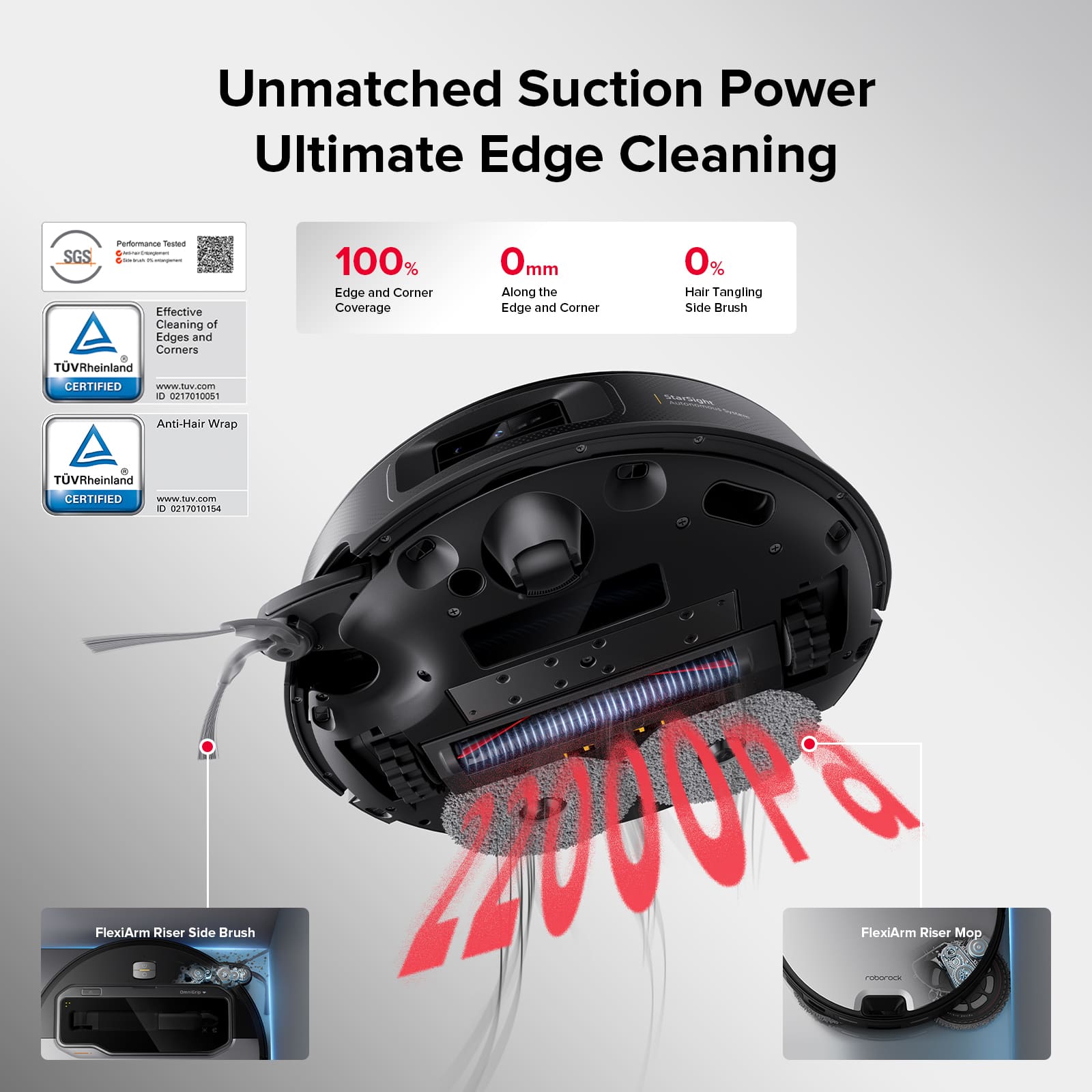
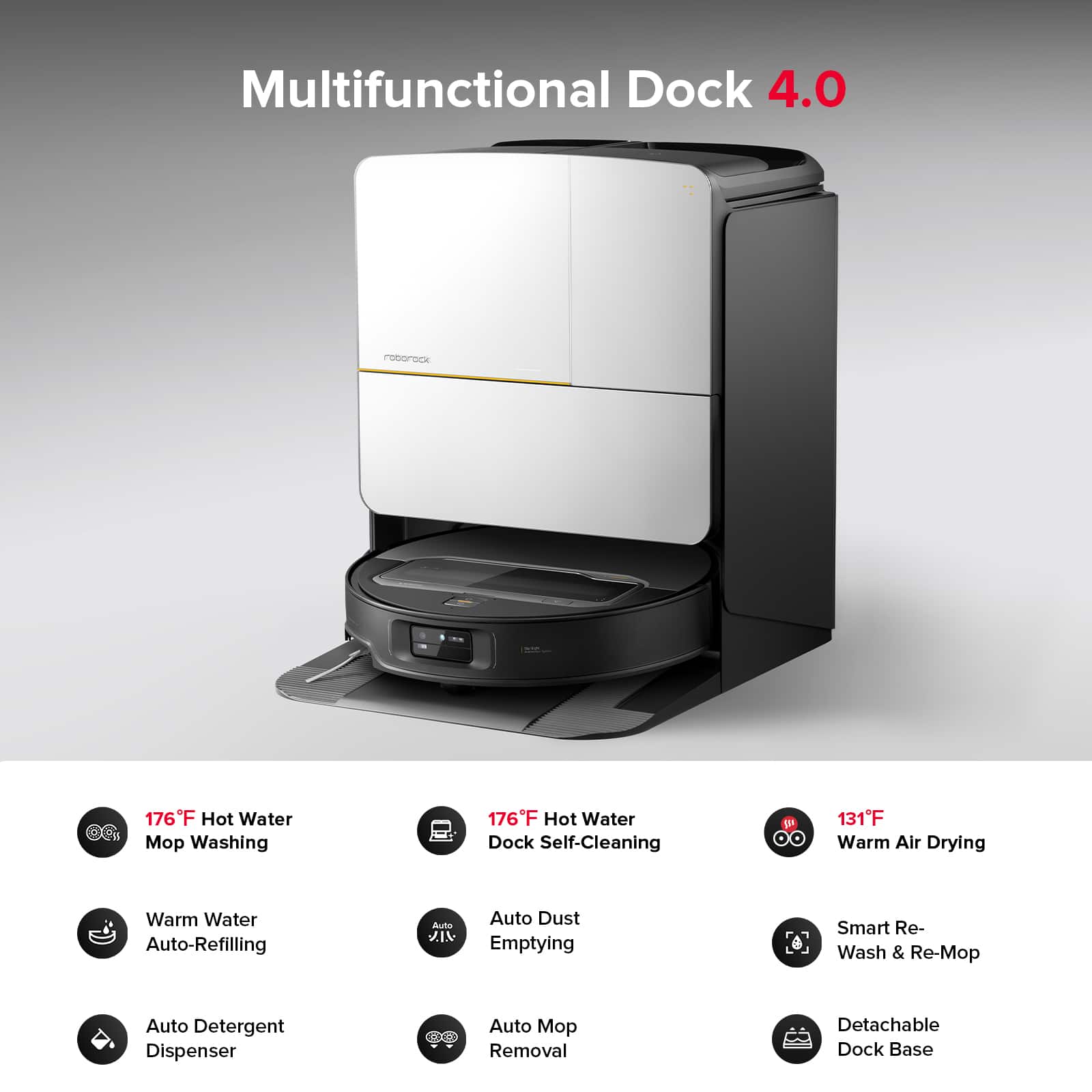
The mopping performance achieved the second-highest score ever recorded in professional dried-stain testing. The dual spinning mop pads with 22mm lift capability and extending heads for edge cleaning represent the current pinnacle of robot mopping technology. Hot water washing at 176°F (80°C) combined with heated air drying at 131°F ensures genuinely hygienic mop maintenance.
For homes with primarily hard floors, the Roborock Saros Z70 delivers mopping results that genuinely rival manual cleaning. The extending mop heads reach into corners and along edges with precision that addresses the geometric limitations of round robots cleaning rectangular spaces.
Despite claiming 22,000Pa suction—nearly double the Dreame X40 Ultra's specification—measured airflow performance tells a different story. Real-world testing shows below-average intake performance that struggles with carpet deep cleaning and embedded debris pickup. The ultra-slim design appears to compromise airflow efficiency, prioritizing form over suction function.
This limitation makes the Roborock Saros Z70 less suitable for homes with significant carpeted areas or households with heavy shedding pets. While it excels on hard floors, the carpet cleaning performance falls short of expectations given the premium pricing.
At the time of writing, the Roborock Saros Z70 commands a significant premium over the Dreame X40 Ultra—roughly 45% higher pricing that's difficult to justify based on practical performance alone. The price difference primarily reflects the experimental robotic arm technology rather than superior cleaning capability.
The Dreame X40 Ultra delivers exceptional value by focusing on proven technologies that work reliably. Its combination of powerful suction, effective mopping, and comprehensive automation provides premium performance without experimental compromises. The larger dust capacity and consistent debris pickup make it more practical for daily use across diverse home environments.
The Roborock Saros Z70 appeals to early adopters willing to pay for cutting-edge innovation, even with current limitations. Its ultra-slim profile, superior threshold crossing, and industry-leading mopping justify the premium for specific home layouts and use cases. However, the inconsistent robotic arm performance and compromised dust capacity impact overall value proposition.
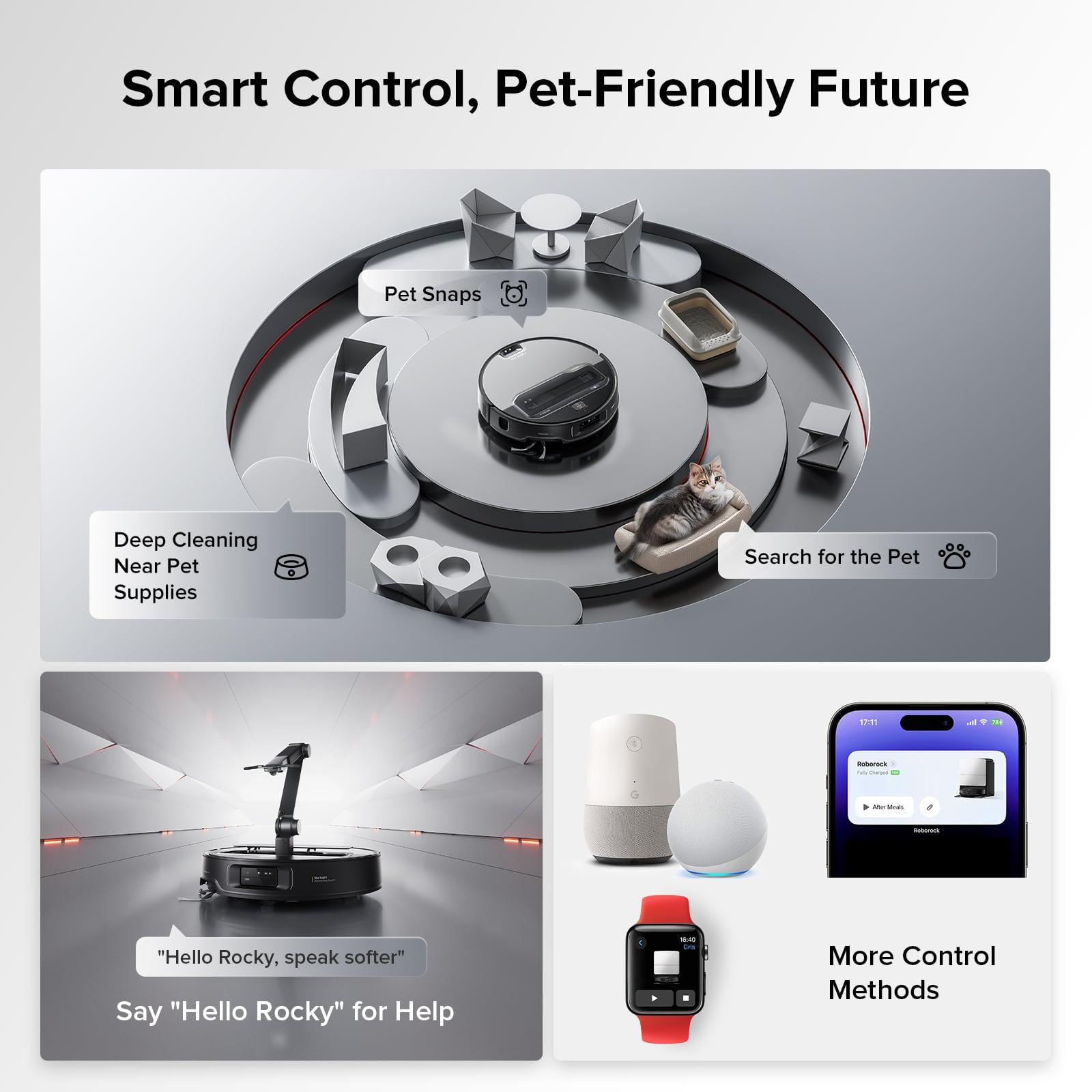
Both robots offer features particularly relevant for home theater environments. The Dreame X40 Ultra operates at 70dB, while the Roborock Saros Z70 offers ultra-quiet mode as low as 50dB—quiet enough for cleaning during movies or gaming sessions. The obstacle avoidance systems on both models navigate reliably around AV equipment, cables, and furniture without requiring extensive preparation.
The Roborock Saros Z70's ultra-slim profile provides advantages in entertainment centers with low-clearance media consoles or equipment racks. Its extended battery life (up to 300 minutes) enables comprehensive cleaning of large media rooms in single sessions.
For theater rooms with mixed seating and hard floors, the Roborock Saros Z70's superior mopping and edge cleaning excel at maintaining the pristine floors that complement premium audio-visual setups. The Dreame X40 Ultra offers better carpet cleaning for theaters with extensive carpeting or area rugs.
Choose the Dreame X40 Ultra if you prioritize proven performance, practical value, and reliable daily cleaning. Its exceptional debris pickup, larger dust capacity, and consistent automation make it ideal for families with mixed flooring, pet owners, and anyone wanting premium robot vacuum capability without experimental compromises.
The Roborock Saros Z70 suits early adopters with primarily hard floors who value innovation over pure value. Its ultra-slim design, superior threshold crossing, and industry-leading mopping justify the premium for specific home layouts. However, view the robotic arm as a potential bonus rather than a purchase justification—the proven features like navigation, mopping, and slim profile provide the real value.
Both robots represent the current pinnacle of automated home cleaning, but they serve different priorities. The Dreame X40 Ultra perfects established technology for maximum reliability and value, while the Roborock Saros Z70 pushes boundaries with mixed results. Your choice depends on whether you prefer proven excellence or cutting-edge innovation—both approaches have merit, but one clearly offers better value for most households.
| Dreame X40 Ultra | Roborock Saros Z70 |
|---|---|
| Suction Power - Critical for carpet cleaning and embedded debris | |
| 12,000Pa with proven airflow design | 22,000Pa claimed but below-average measured performance |
| Debris Pickup Performance - What actually matters for clean floors | |
| 97.2% overall pickup (perfect on hardwood, 96% on carpet) | Strong on hard floors, struggles with carpet deep cleaning |
| Dustbin Capacity - Affects how often you need to empty | |
| 300mL (standard size, less frequent emptying) | 180mL (smallest in class due to robotic arm design) |
| Mopping Performance - Key for hard floor maintenance | |
| Strong with adaptive dirt detection and hot water washing | Industry-leading performance, second-highest test scores |
| Obstacle Avoidance - Prevents getting stuck and damage | |
| Perfect avoidance scores, recognizes 120+ objects | Excellent 22/24 score, recognizes 108 objects |
| Profile Height - Determines furniture clearance | |
| 9.7cm (standard height, good general access) | 7.98cm (ultra-slim, excellent under low furniture) |
| Threshold Crossing - Important for room transitions | |
| 22mm (handles most standard thresholds) | 40mm (exceptional for challenging floor transitions) |
| Battery Life - Coverage area per cleaning session | |
| Up to 194 minutes tested runtime | Up to 300 minutes with better power efficiency |
| Edge Cleaning Technology - Reaches corners and baseboards | |
| MopExtend RoboSwing swings pads outward | VertiBeam precision with extending mop heads |
| Base Station Automation - Reduces manual maintenance | |
| Hot water wash (70°C), 3.2L dust bag, solution dispensing | Hot water wash (80°C), 2.7L dust bag, heated air drying |
| Unique Innovation - Signature feature differentiation | |
| Proven MopExtend and OmniDirt detection systems | OmniGrip robotic arm (works ~50% of time in testing) |
| Noise Level - Important for daytime cleaning | |
| 70dB standard operation | 50dB ultra-quiet mode available |
| Value Proposition - Performance per dollar spent | |
| Exceptional value with proven reliable performance | Premium pricing for experimental features with mixed results |
The Dreame X40 Ultra delivers superior real-world suction performance with its 12,000Pa system, achieving 97.2% debris pickup in testing. While the Roborock Saros Z70 claims 22,000Pa, measured airflow performance is below average due to its ultra-slim design compromising internal airflow.
The Roborock Saros Z70 excels at mopping with industry-leading performance, achieving the second-highest test scores for dried stain removal. The Dreame X40 Ultra offers strong mopping with adaptive dirt detection that automatically re-cleans heavily soiled areas, making it better for households with frequent spills.
The Dreame X40 Ultra is significantly better for carpet cleaning, with 96% pickup on low pile and 95.8% on high pile carpets. The Roborock Saros Z70 struggles with carpet deep cleaning despite its higher claimed suction, making it better suited for homes with primarily hard floors.
Both offer comprehensive automation, but the Dreame X40 Ultra has a larger 3.2L dust bag versus the Roborock Saros Z70's 2.7L capacity. The Roborock Saros Z70 uses slightly hotter water (80°C vs 70°C) and includes heated air drying, while the Dreame X40 Ultra features automatic solution dispensing.
The Roborock Saros Z70 is superior for low-clearance areas with its ultra-slim 7.98cm profile compared to the Dreame X40 Ultra's 9.7cm height. This makes the Roborock Saros Z70 ideal for homes with low sofas, beds, or entertainment centers.
Both excel at obstacle avoidance, with the Dreame X40 Ultra achieving perfect avoidance scores and recognizing 120+ objects. The Roborock Saros Z70 scored 22 out of 24 in testing and recognizes 108 objects, both performing well above average for reliable navigation.
The Roborock Saros Z70 offers superior battery performance with up to 300 minutes of runtime and coverage of 1,115 square feet per charge. The Dreame X40 Ultra provides up to 194 minutes of tested runtime, which is sufficient for most homes but less than the Roborock Saros Z70.
The Roborock Saros Z70 significantly outperforms with 40mm threshold crossing capability using AdaptiLift technology. The Dreame X40 Ultra handles 22mm thresholds, which covers most standard transitions but may struggle with thick rugs or sliding door tracks.
The Roborock Saros Z70 features the world's first OmniGrip five-axis mechanical arm that can move lightweight objects under 300 grams. However, real-world testing shows it works only about 50% of the time, making it more of an experimental feature than a reliable cleaning enhancement compared to the proven technologies in the Dreame X40 Ultra.
The Dreame X40 Ultra provides exceptional value with proven performance across all cleaning tasks at a competitive price point. The Roborock Saros Z70 commands a significant premium primarily for its experimental robotic arm, making it better suited for early adopters willing to pay more for cutting-edge features.
Both work well in entertainment areas, but the Roborock Saros Z70 offers advantages with 50dB ultra-quiet mode and ultra-slim profile for navigating around AV equipment. The Dreame X40 Ultra operates at 70dB and provides better carpet cleaning for theater rooms with extensive carpeting.
Choose the Dreame X40 Ultra if you want proven performance, strong carpet cleaning, and excellent value across mixed flooring homes. Select the Roborock Saros Z70 if you have primarily hard floors, need ultra-slim clearance, require high threshold crossing, and are willing to pay a premium for innovative features despite their current limitations.
We've done our best to create useful and informative comparisons to help you decide what product to buy. Our research uses advanced automated methods to create this comparison and perfection is not possible - please contact us for corrections or questions. These are the sites we've researched in the creation of this article: vacuumwars.com - vacuumwars.com - techradar.com - techgearlab.com - moderncastle.com - youtube.com - youtube.com - youtube.com - walmart.com - versus.com - youtube.com - youtube.com - robotobzor.com - aboutclean.com - dreame.sg - youtube.com - youtube.com - dreametech.com - dreametech.com - dreametech.com - versus.com - techradar.com - youtube.com - bikmantech.com - rtings.com - vacuumwars.com - vacuumwars.com - youtube.com - techradar.com - youtube.com - youtube.com - rtings.com - youtube.com - versus.com - youtube.com - us.roborock.com - roborockstore.com.au - vacuumwars.com - bestbuy.com - robocleaners.com - us.roborock.com - us.roborock.com - prnewswire.com - youtube.com - vacuumwars.com

Privacy Policy
Terms and Conditions - Affiliate Policy
Home Security
© Copyright 2008-2026.
11816 Inwood Rd #1211, Dallas, TX 75244