

Robot vacuums have come a long way from those early circular discs that bounced around randomly, occasionally finding their way under the couch. Today's models are sophisticated cleaning systems that can map your home, avoid obstacles with precision, and handle both vacuuming and mopping duties. The category has split into distinct camps: premium flagships pushing technological boundaries and practical workhorses focused on reliable performance.
When evaluating these machines, the key considerations go beyond basic cleaning. Modern robot vacuums need strong suction across different floor types, intelligent navigation that won't get stuck on furniture legs, effective obstacle avoidance (especially important if you have pets), and increasingly, self-maintenance features that minimize your involvement. The best models also integrate seamlessly with smart home systems and adapt to your household's specific needs.
Two models that perfectly illustrate this category's evolution are the Roborock Saros Z70 and bObsweep UltraVision PET24-7-913. Released in 2025 and 2024 respectively, these robots represent fundamentally different approaches to home cleaning automation.
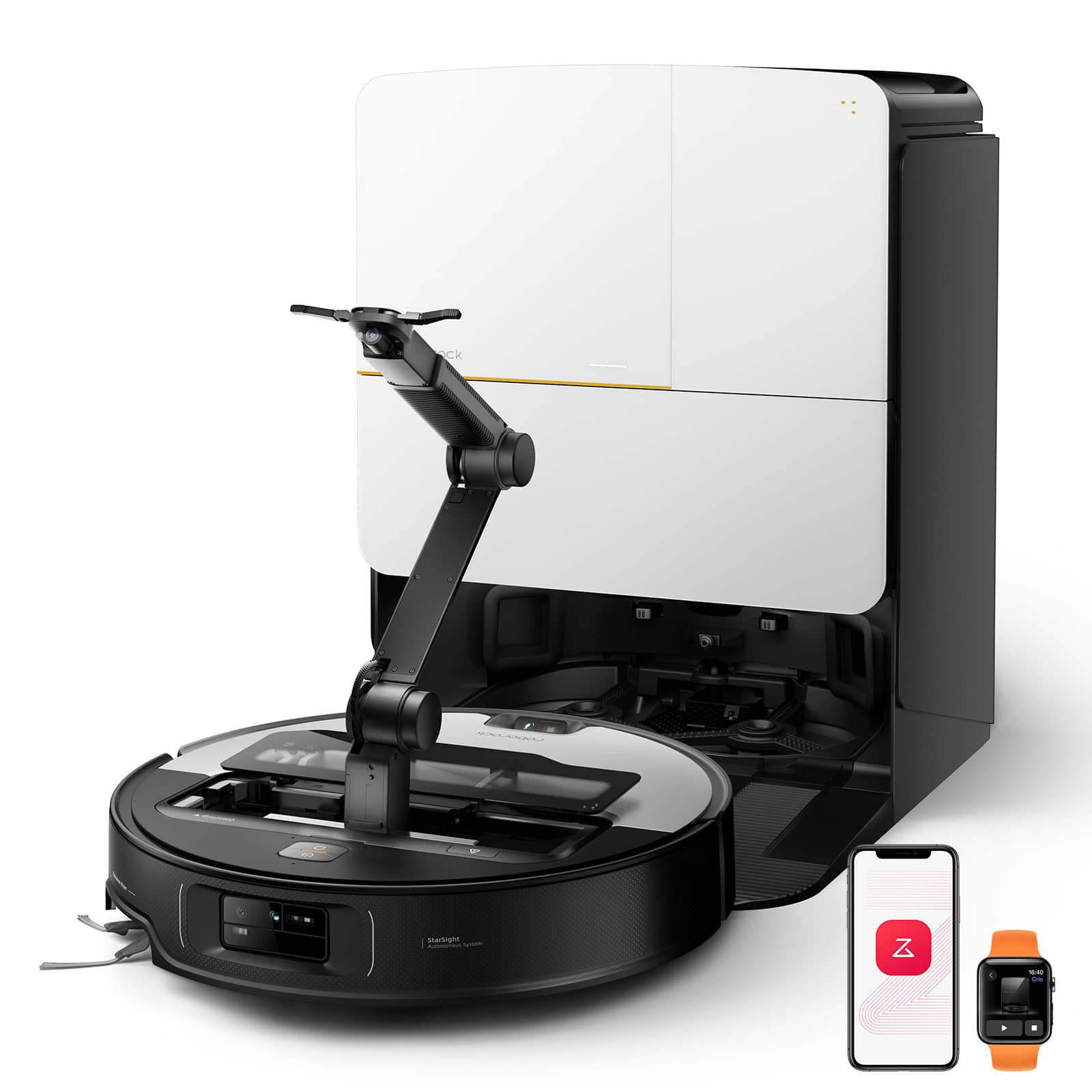
The Roborock Saros Z70 arrived in 2025 as the world's first mass-produced robot vacuum with a mechanical arm—a genuine breakthrough in home robotics. This premium model costs roughly twice as much as most high-end competitors at the time of writing, positioning itself as the Tesla of robot vacuums. It's designed for early adopters who want cutting-edge technology and don't mind paying a premium for features that might still be perfecting themselves.
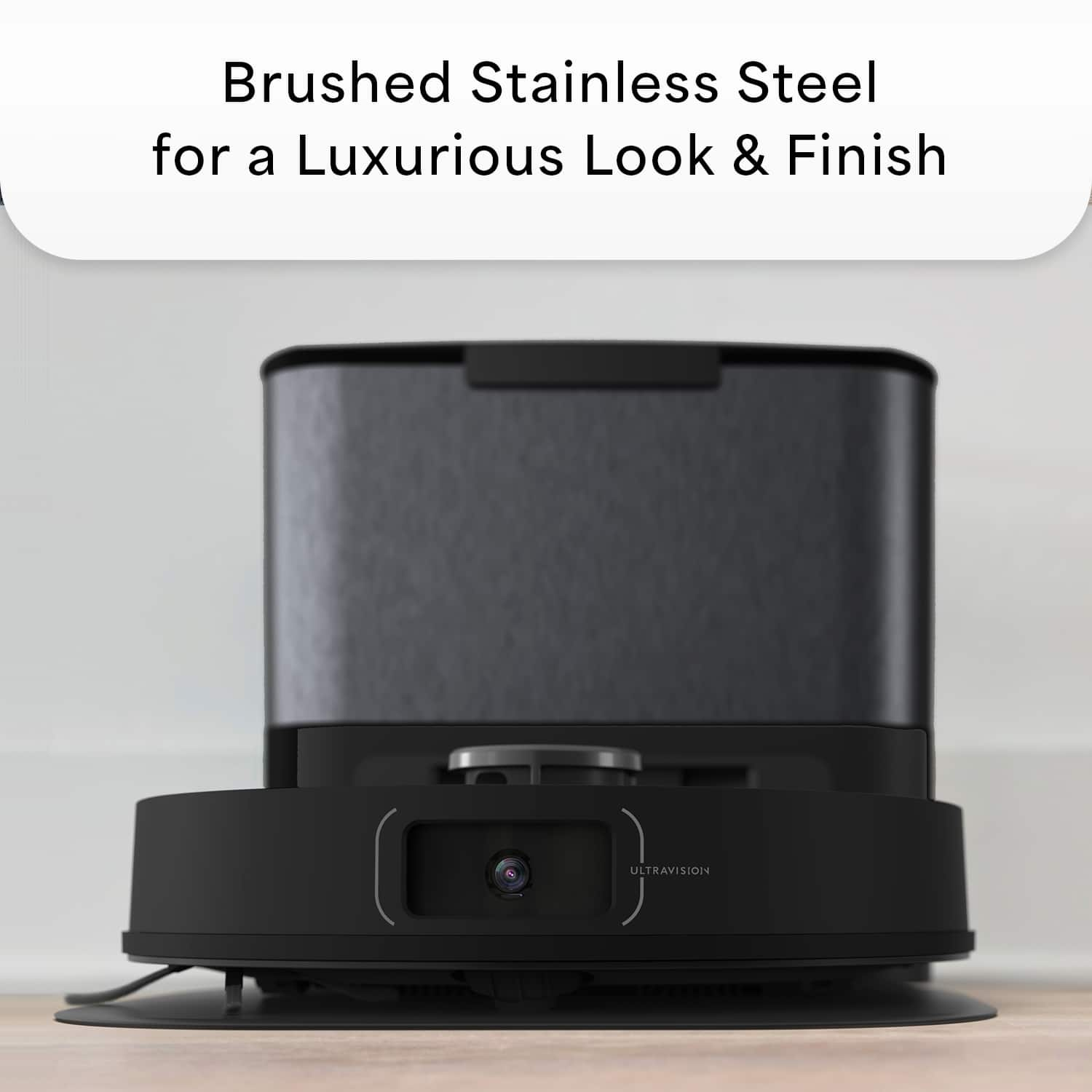
In contrast, the bObsweep UltraVision launched in 2024 with a focus on delivering flagship performance at a more accessible price point. Rather than chasing experimental features, it concentrates on perfecting the fundamentals: powerful suction, extensive self-emptying capacity, and features specifically tailored for pet owners. At roughly half the price of the Saros Z70 at launch, it represents exceptional value in the premium robot vacuum space.
The philosophical difference is clear. Roborock is betting on revolutionary automation features, while bObsweep is refining proven technology to deliver maximum practical benefit. Your preference between these approaches will likely determine which robot suits your needs better.
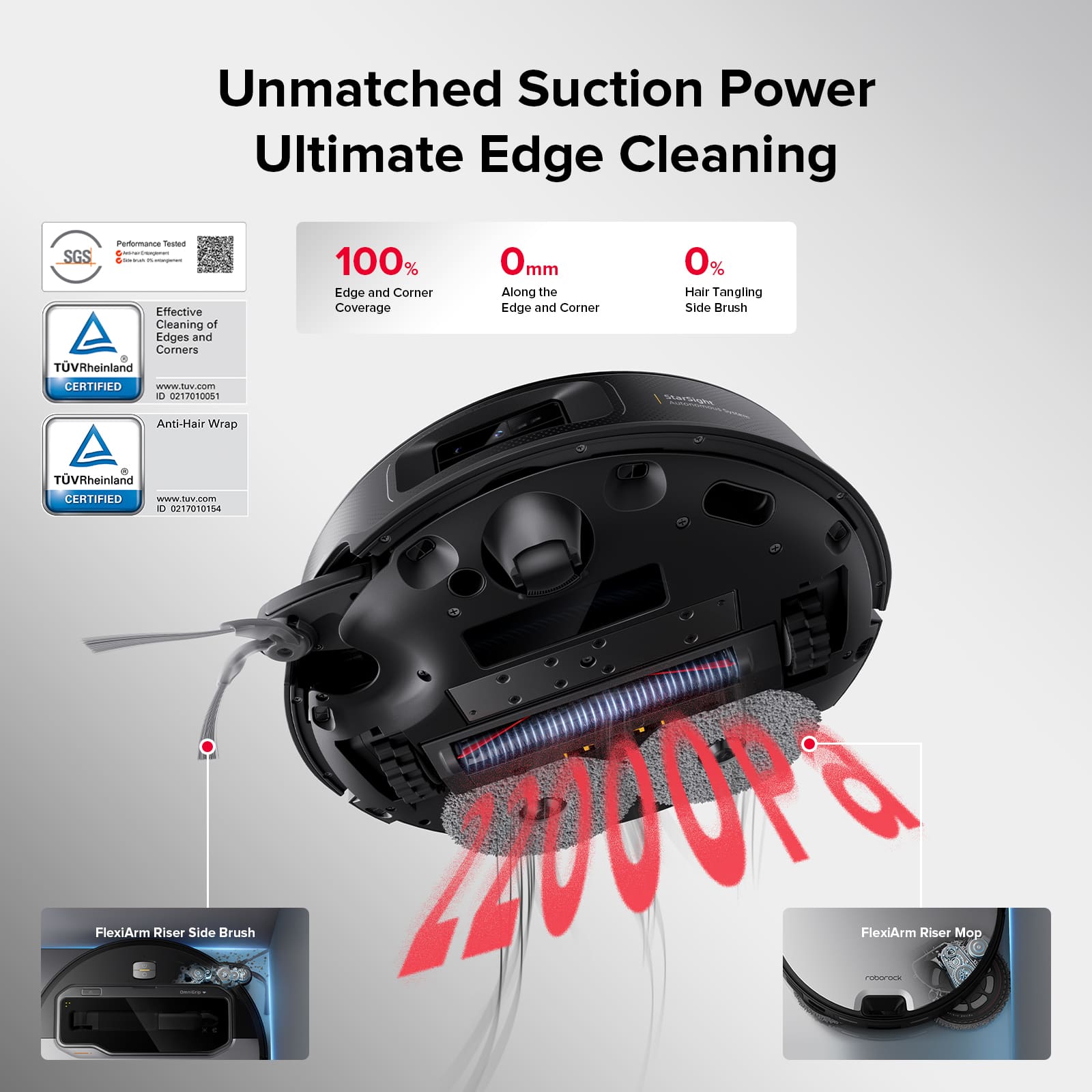
When it comes to cleaning performance, the specifications tell only part of the story. The Roborock Saros Z70 boasts an impressive 22,000 Pa of HyperForce suction—among the highest ratings in the industry. However, our research into professional testing reveals a significant gap between advertised power and real-world performance. The measured intake suction was notably below average at 0.3 kPa compared to the industry average of 0.8 kPa.
This discrepancy highlights an important lesson in robot vacuum evaluation: high Pa ratings don't always translate to better cleaning. The Saros Z70's airflow design, optimized to accommodate its mechanical arm, appears to compromise actual suction effectiveness despite the impressive numbers.
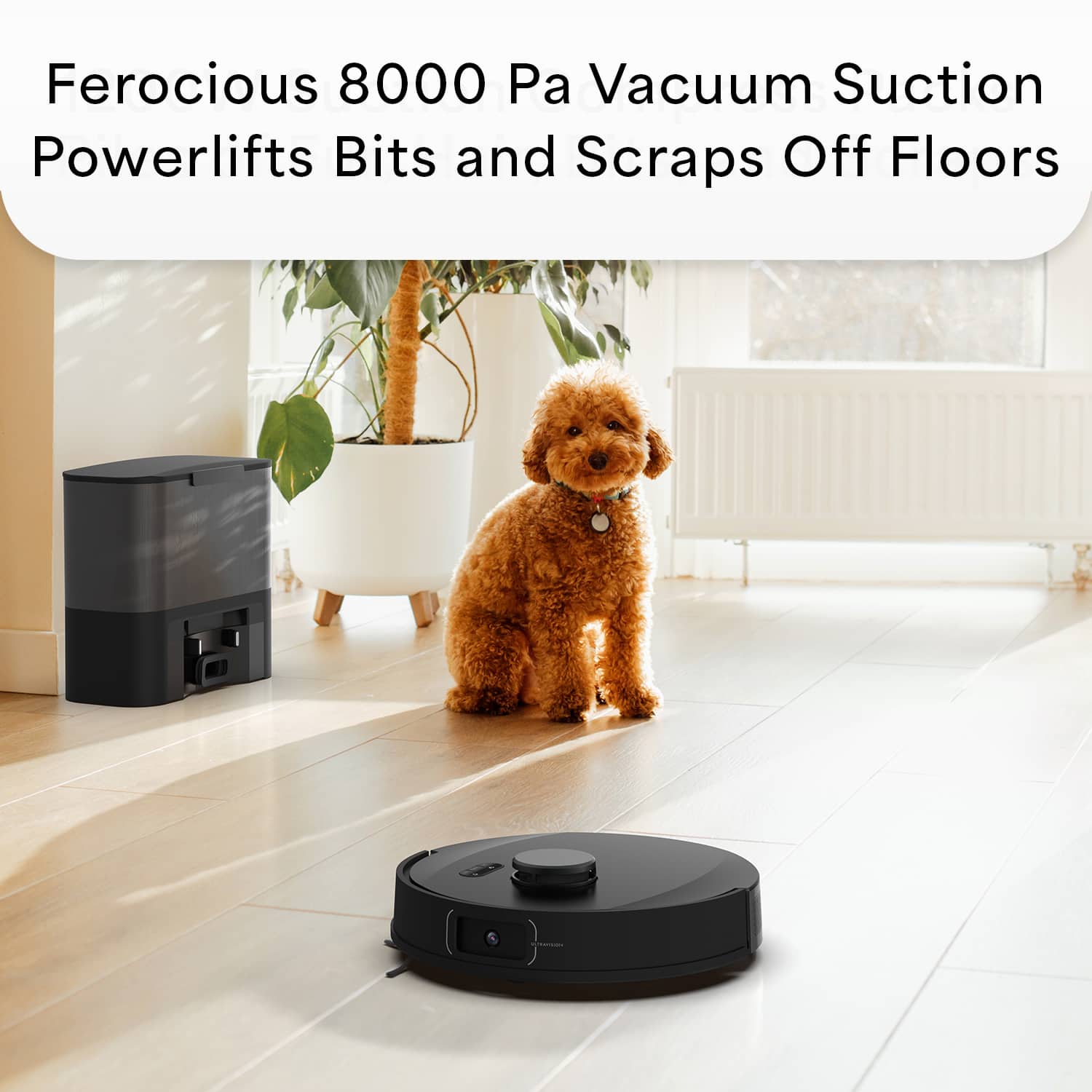
The bObsweep UltraVision, with its 8,000 Pa rating, delivers more consistent real-world performance. Its suction system is designed without the spatial constraints of a mechanical arm, allowing for more effective airflow and debris pickup. Professional reviews consistently praised its ability to maintain strong suction across different surface types.
For hard floors, both robots perform well, but the differences become stark on carpeting. The Saros Z70 struggles significantly with carpet deep cleaning, particularly for embedded debris and pet hair, scoring 83% compared to the 92% industry average. The UltraVision, by contrast, was specifically engineered for consistent performance across all floor types, including effective pet hair removal from carpets.
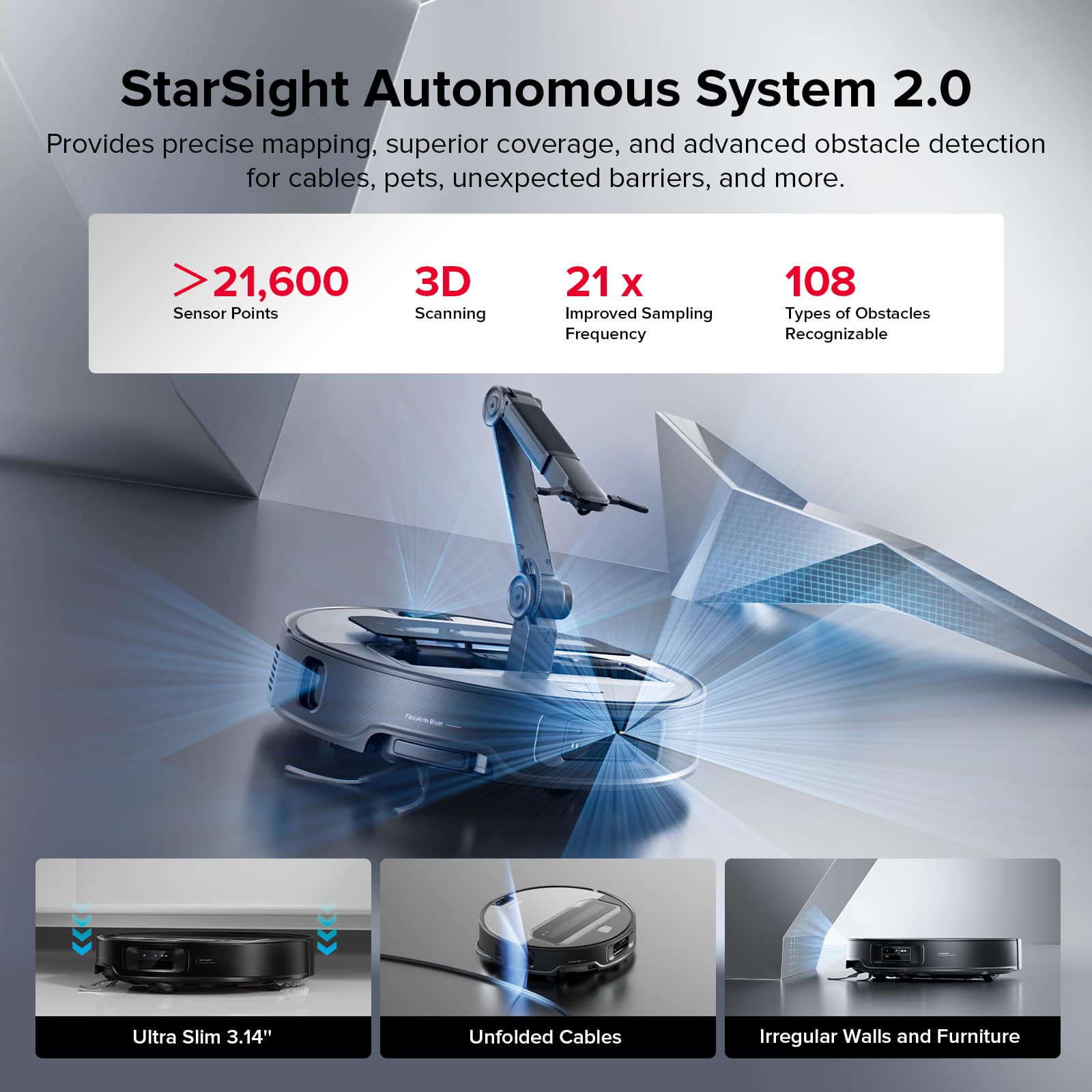
Modern robot vacuum navigation has evolved from simple bump-and-go systems to sophisticated mapping technologies. The Roborock Saros Z70 features StarSight 2.0, an advanced system combining 3D Time-of-Flight (ToF) sensors with LiDAR mapping. ToF sensors work like miniature radar systems, bouncing infrared light off objects to create detailed 3D maps in real-time.
This system's obstacle avoidance capabilities are genuinely impressive, scoring 22 out of 24 in professional testing compared to the industry average of 16.6. The robot can recognize 108 different object types and even learn up to 50 new ones through app updates. It can identify and navigate around items as small as 2cm in any direction—useful for avoiding pet toys, charging cables, or dropped socks.
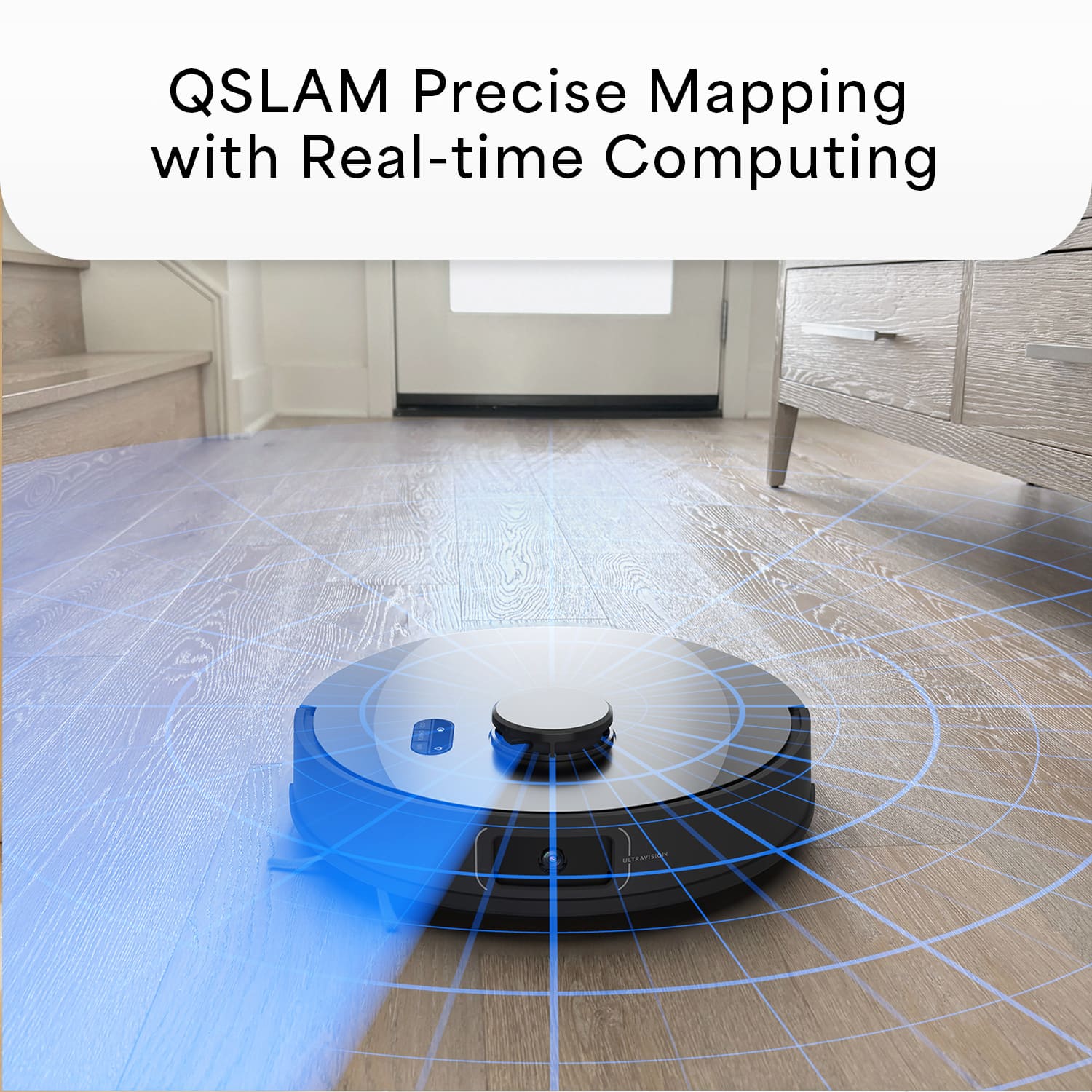
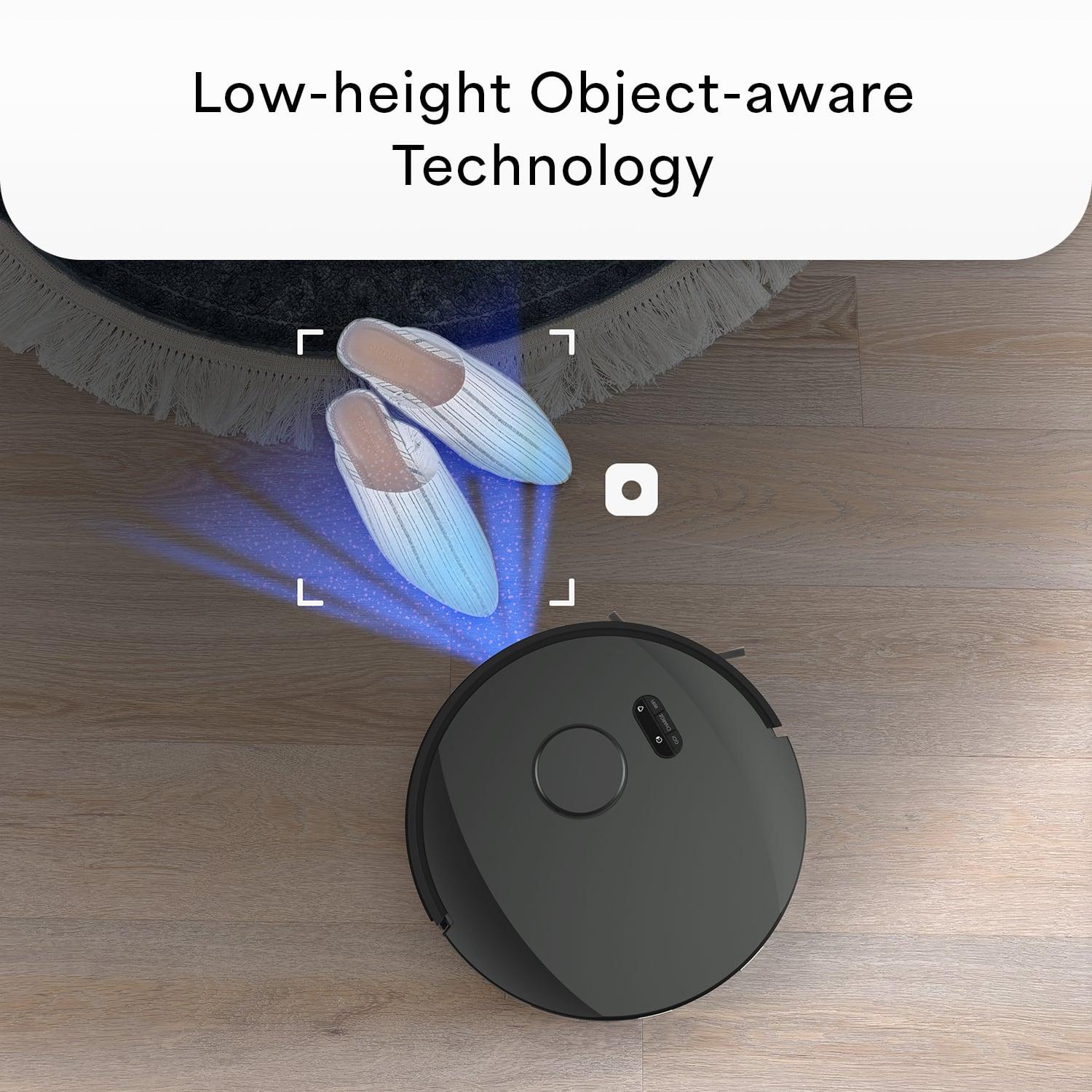
The bObsweep UltraVision uses Quantum SLAM (Simultaneous Localization and Mapping) technology combined with LiDAR sensors. SLAM systems create maps while simultaneously tracking the robot's position within that map—think of it as the robot building a mental picture of your home while remembering where it's been. The UltraVision's Low-height Object-aware Technology (LOT) is particularly effective at detecting small obstacles that could cause problems.
While the Saros Z70's obstacle avoidance is more sophisticated on paper, both systems navigate efficiently in practice. The UltraVision's approach prioritizes reliability over advanced recognition, which translates to fewer instances of getting stuck or confused by unusual objects.
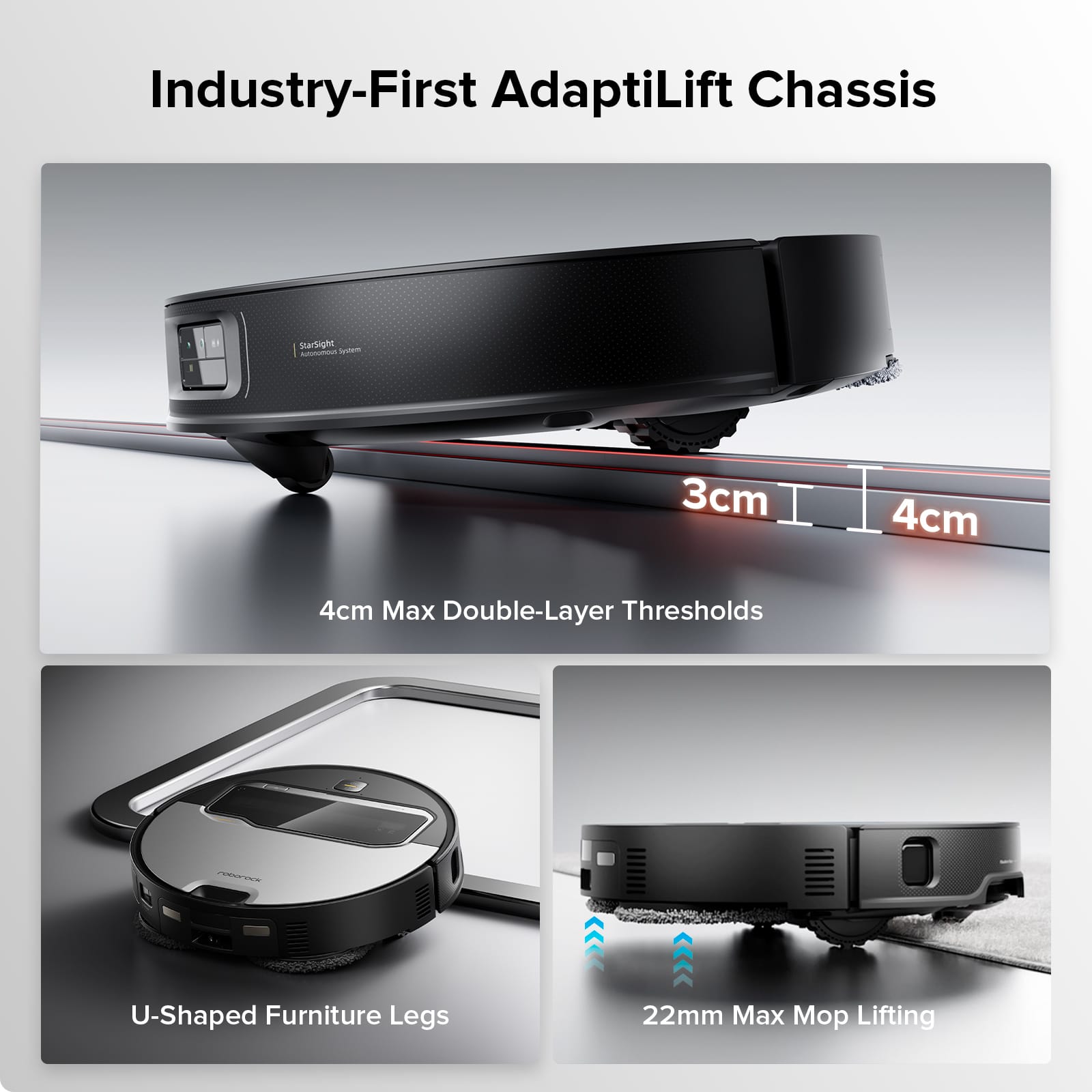
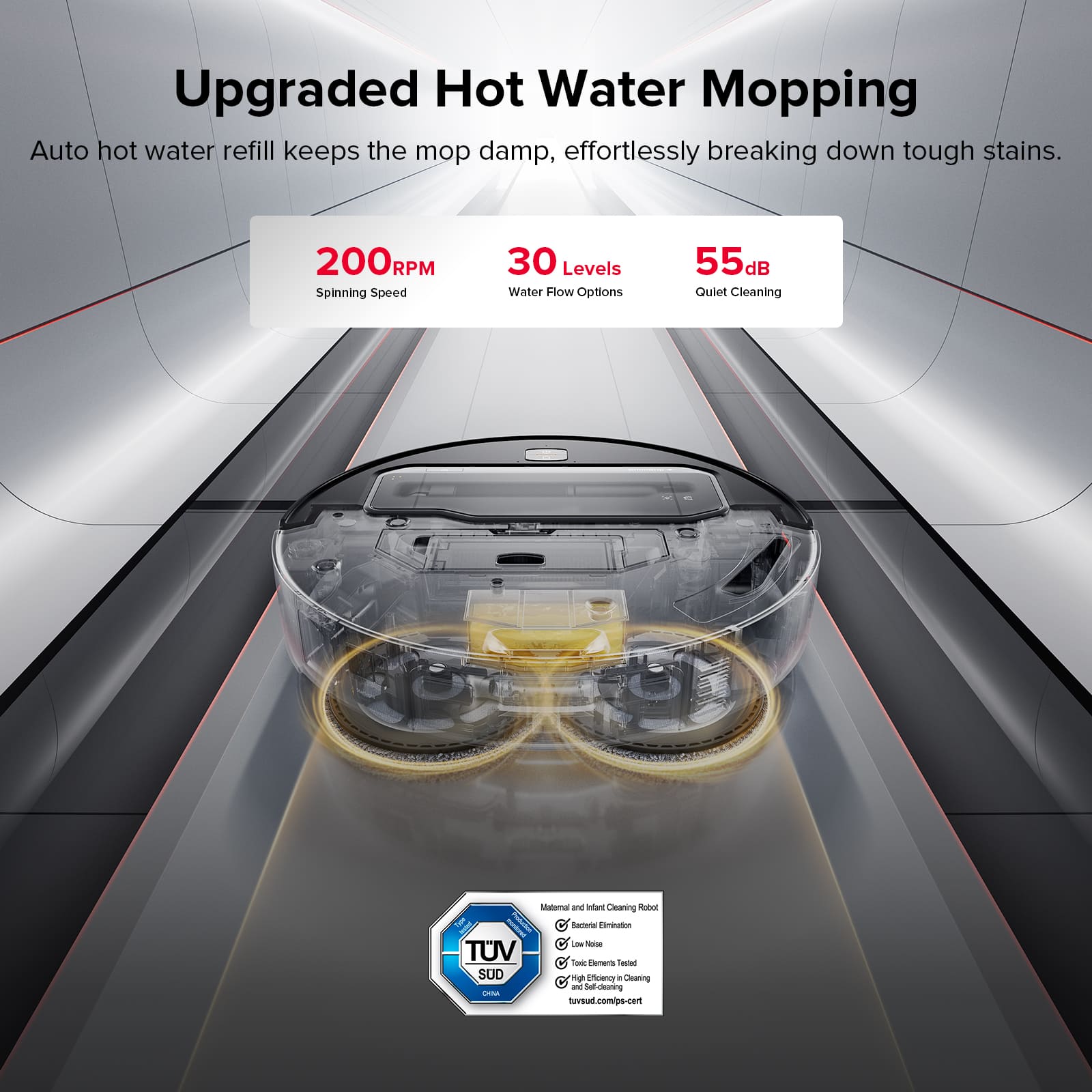
The mopping capabilities of these robots showcase their different design philosophies perfectly. The Roborock Saros Z70 achieved the second-highest mopping score ever recorded in professional testing, earning 269 points through its advanced dual spinning mop pad system. The mops automatically lift 22mm when encountering carpets and extend outward for better edge cleaning—a genuinely impressive engineering achievement.
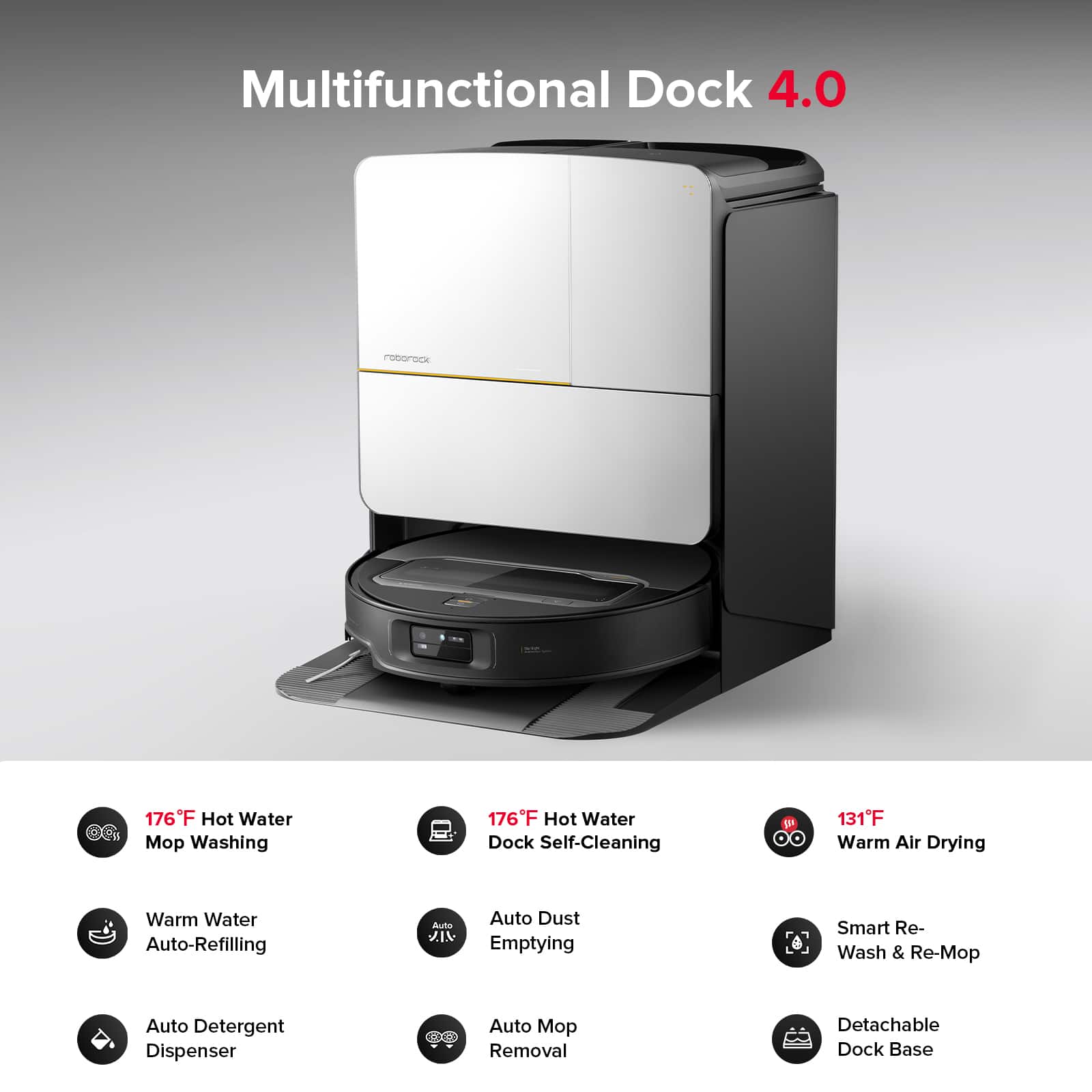
The system's maintenance is equally advanced. After each cleaning session, the dock washes the mop pads with 176°F water, applies detergent from an onboard reservoir, and dries them with heated air at 131°F. This level of automation means you can essentially forget about mop maintenance for weeks at a time.
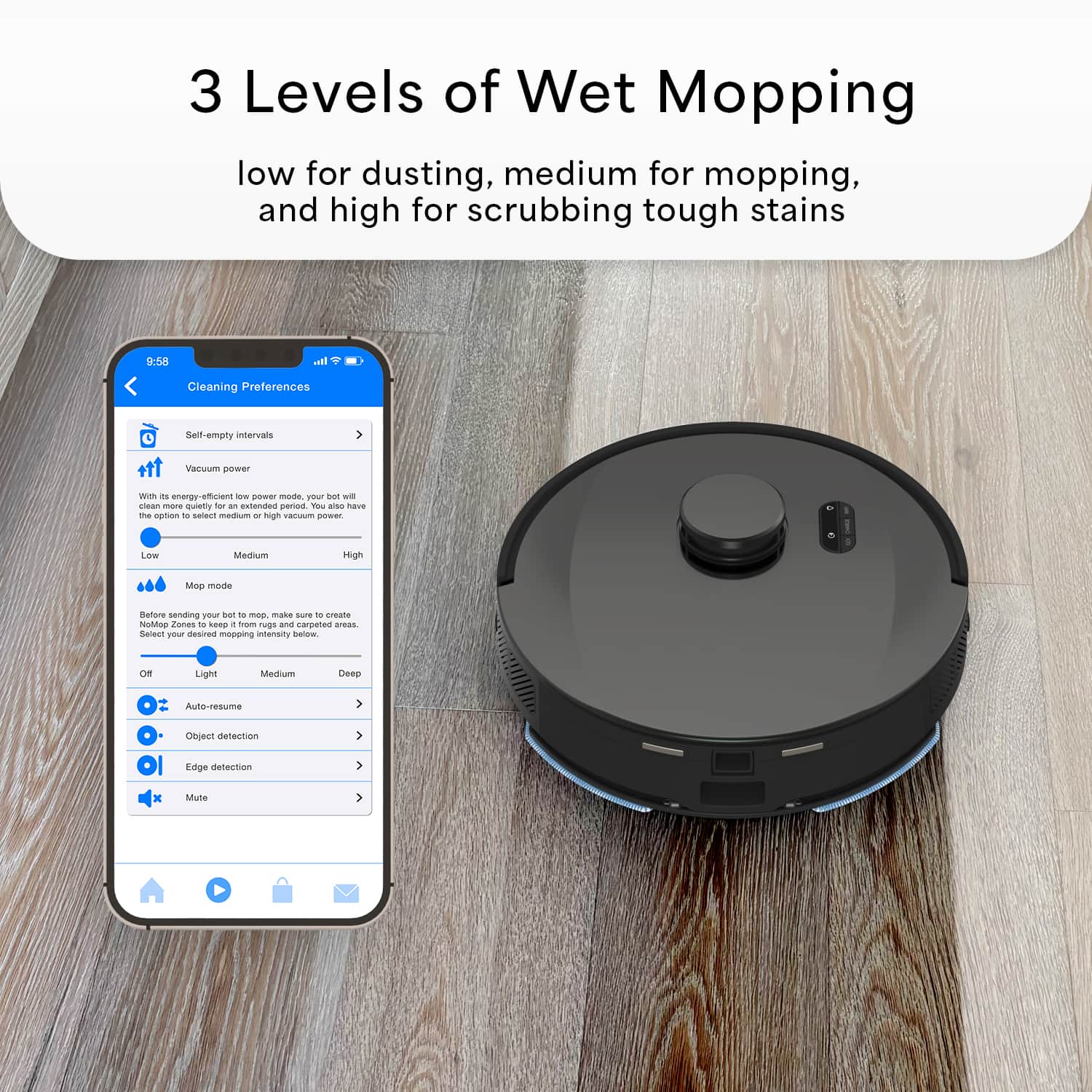
The UltraVision's mopping approach is more traditional but effective for daily maintenance. It uses microfiber pads that drag across surfaces, effectively removing light stains and adding shine to hard floors. While lacking the scrubbing action of spinning pads, it's reliable and requires minimal setup. However, you'll need to manually refill the water tank and replace pads when they become too soiled.
For most households, the Saros Z70's mopping system is overkill unless you frequently deal with sticky spills or have large expanses of hard flooring that need regular deep mopping. The UltraVision's simpler system handles routine maintenance effectively while being much easier to troubleshoot if issues arise.
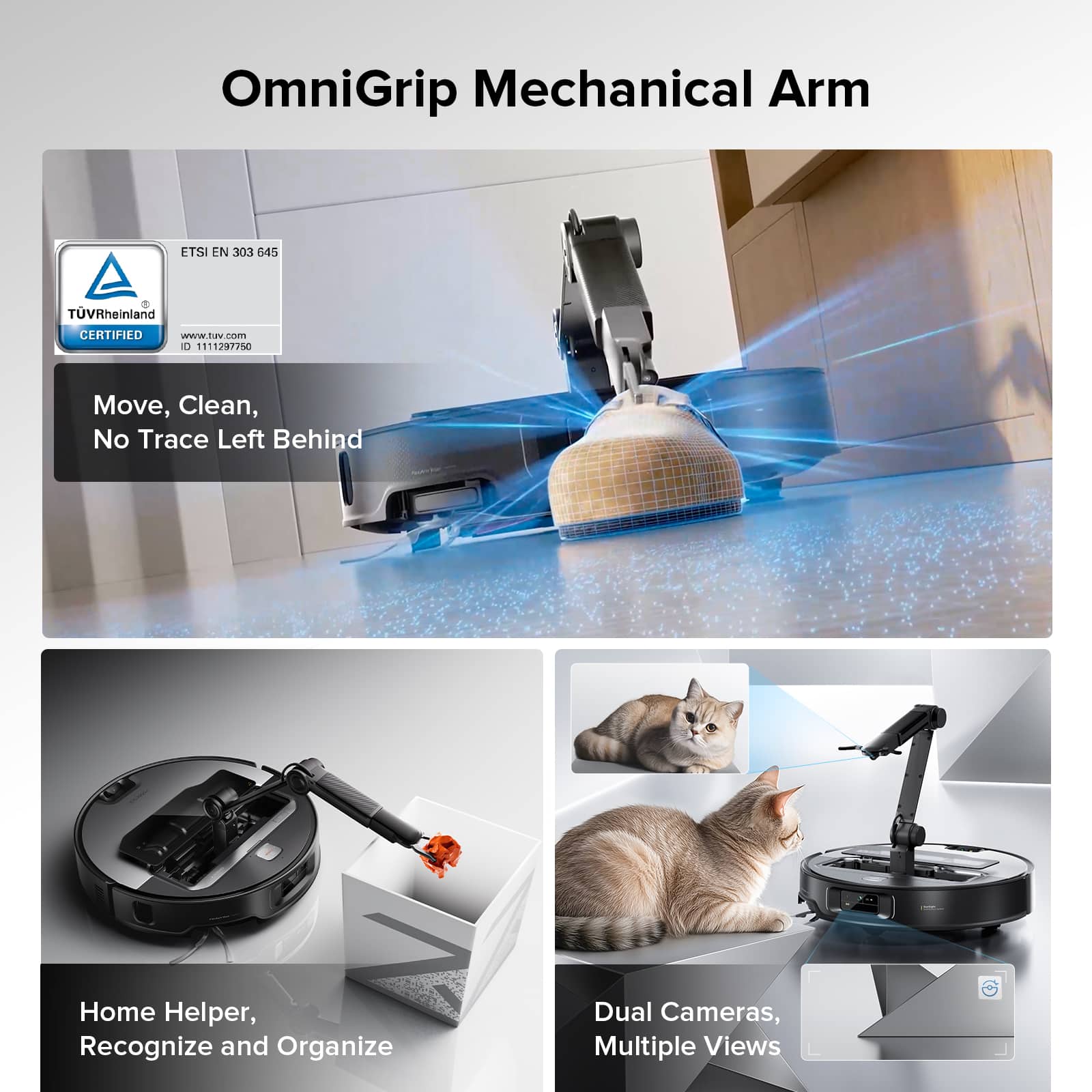
The Saros Z70's marquee feature is its OmniGrip mechanical arm—a five-axis robotic appendage that can pick up and relocate small objects. In theory, this solves one of robot vacuums' biggest limitations: getting stuck on obstacles or cleaning around them ineffectively.
The arm can handle objects under 300 grams, including socks, sandals, tissues, and small towels. It's programmed to recognize these items and move them to user-defined locations—perhaps a laundry basket or storage bin. The concept is genuinely innovative and represents a significant step toward truly autonomous home maintenance.
However, real-world performance tells a more nuanced story. Professional testing revealed the arm functions successfully roughly 50% of the time under ideal conditions. Object recognition is limited to a specific list of items, and performance degrades significantly in cluttered environments or with objects that don't match its trained parameters.
The arm's presence also creates practical compromises. It reduces the internal dustbin capacity to just 180mL—the smallest in its class—because of space constraints. This means more frequent emptying cycles, somewhat defeating the purpose of increased automation.
From our research into user experiences, the arm works best in homes with minimal clutter where objects are clearly defined and easily accessible. It's less effective in households with children's toys scattered around or homes where objects don't fit its recognition parameters.
Both robots feature self-emptying docks, but with notably different approaches. The Saros Z70 empties into 2.7-liter disposable bags designed to last up to seven weeks. The dock's automation extends beyond emptying to include mop washing, drying, and detergent dispensing—essentially creating a fully automated cleaning station.
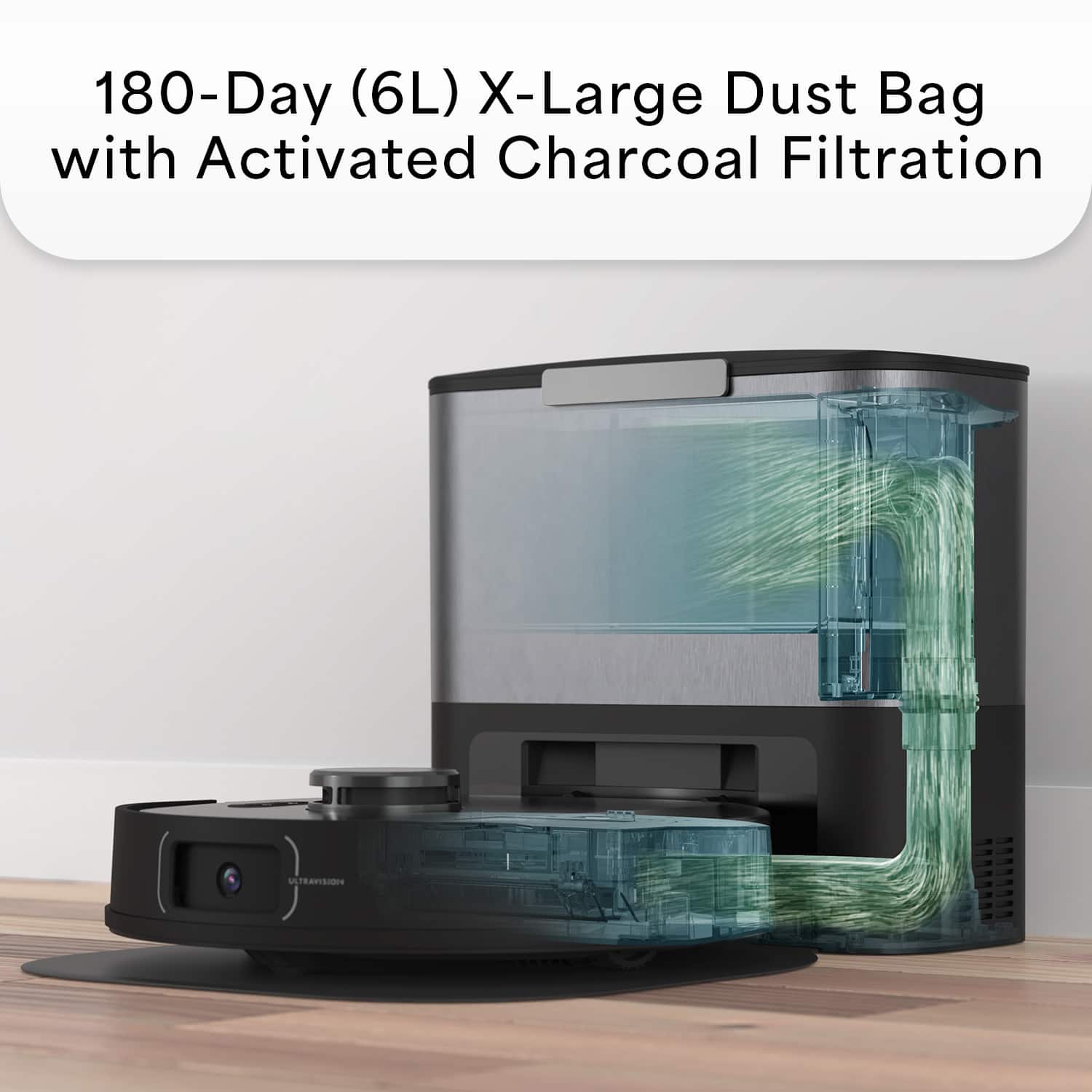
The UltraVision takes a different approach with its massive 6-liter dust collector capacity—one of the largest available in consumer robot vacuums. The bags are reinforced and lined with activated charcoal for odor filtration, designed to handle up to 180 days of debris collection. This is particularly beneficial for pet owners dealing with constant hair and dander accumulation.
The capacity difference is significant in practice. While the Saros Z70 offers more comprehensive automation, the UltraVision's extended capacity means fewer bag changes and lower ongoing costs. For pet households, this translates to genuine convenience and cost savings over time.
The UltraVision also includes a lifetime customer service promise and stores all user data on US-based servers, never sending images or mapping information to external servers. This privacy focus is increasingly important as smart home devices become more prevalent and data security concerns grow.
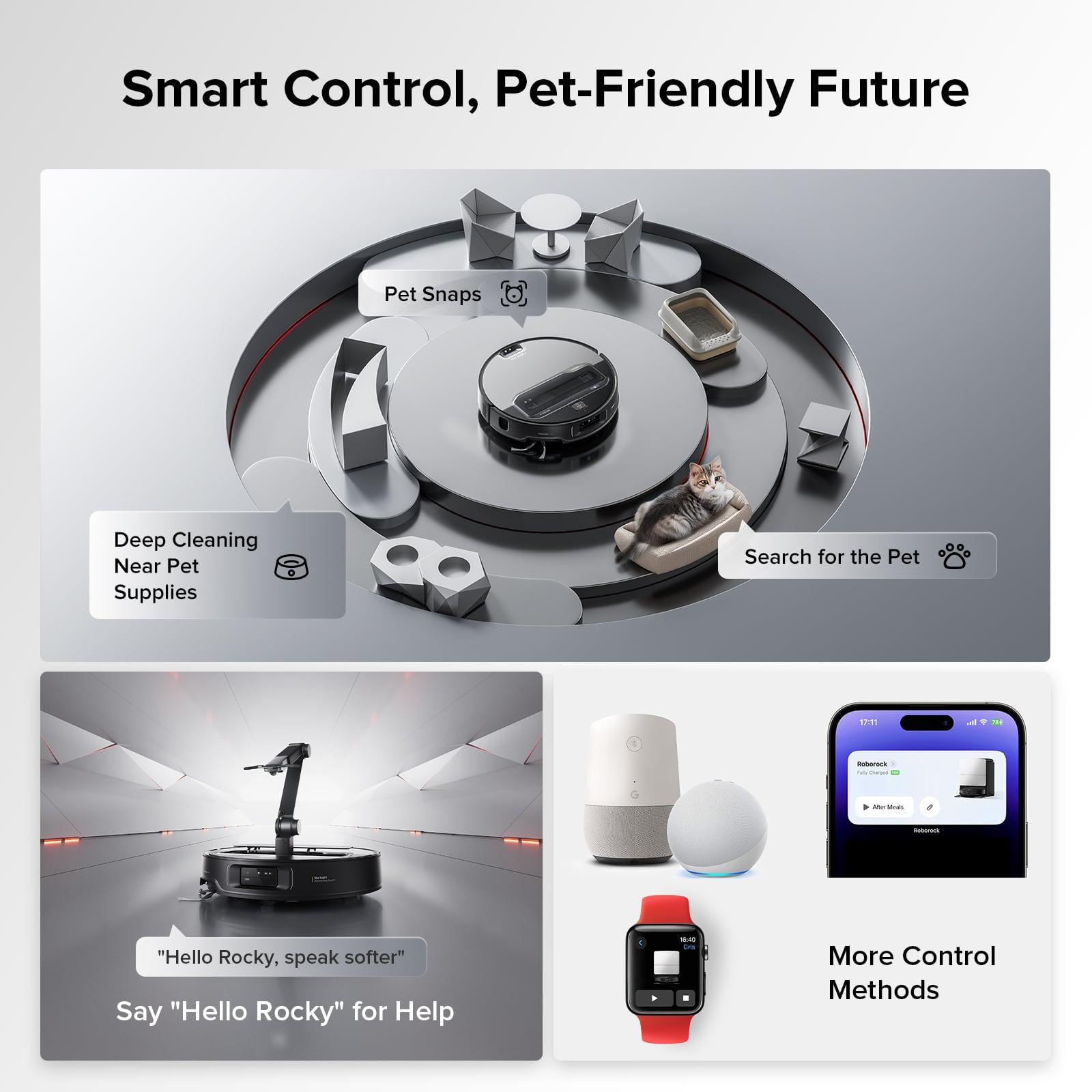
Modern robot vacuums serve as more than cleaning tools—they're smart home devices that integrate into broader automation systems. The Saros Z70 supports Matter compatibility, including future Apple HomeKit integration, making it compatible with virtually any smart home ecosystem. Its app provides extensive customization options, adaptive scheduling that learns from your habits, and even pet monitoring features including live video calls.
The robot's pet features are genuinely useful for animal owners. The "Cruise" mode allows you to remotely check on pets during the day, while its advanced obstacle avoidance prevents unfortunate encounters with pet waste—a common problem with less sophisticated robots.
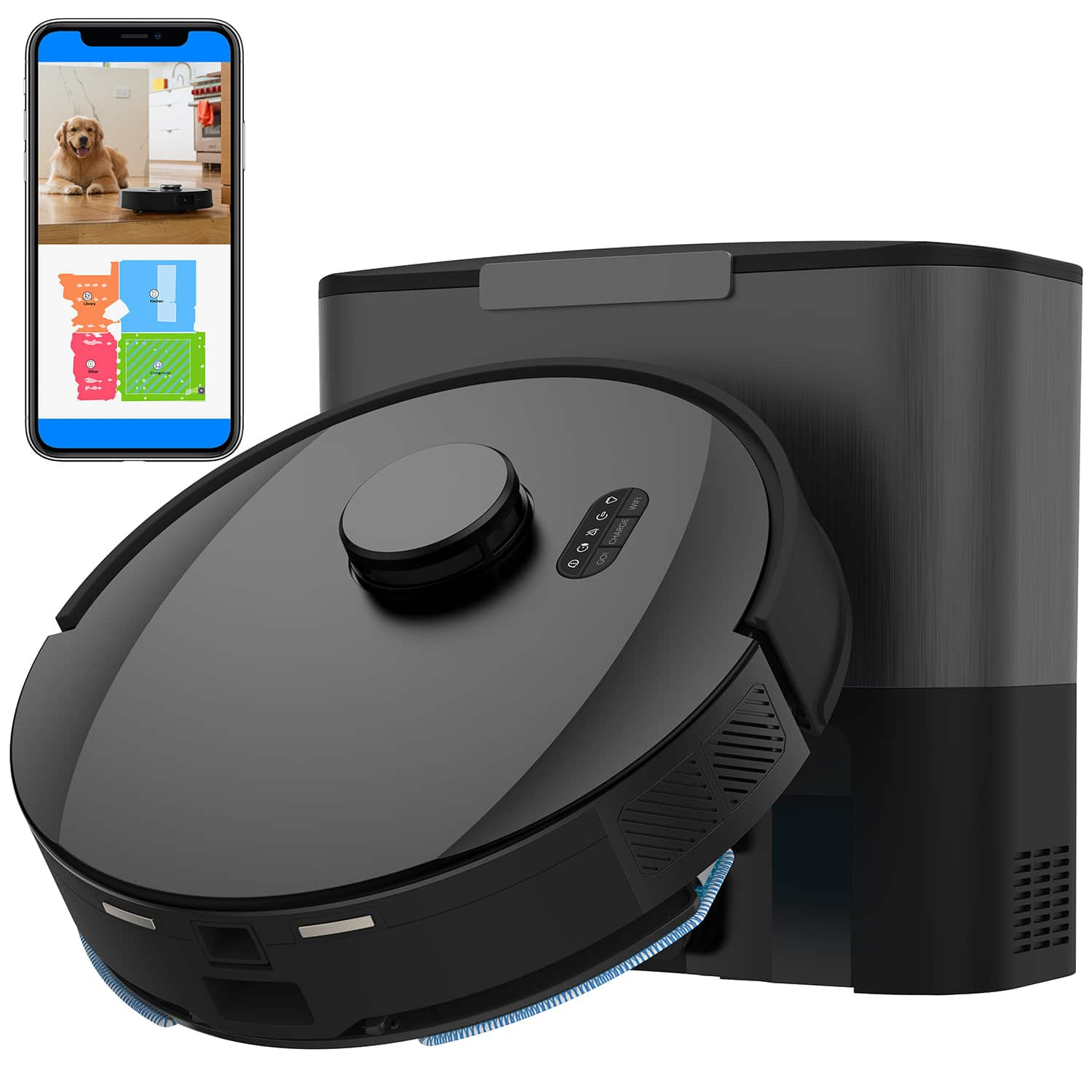
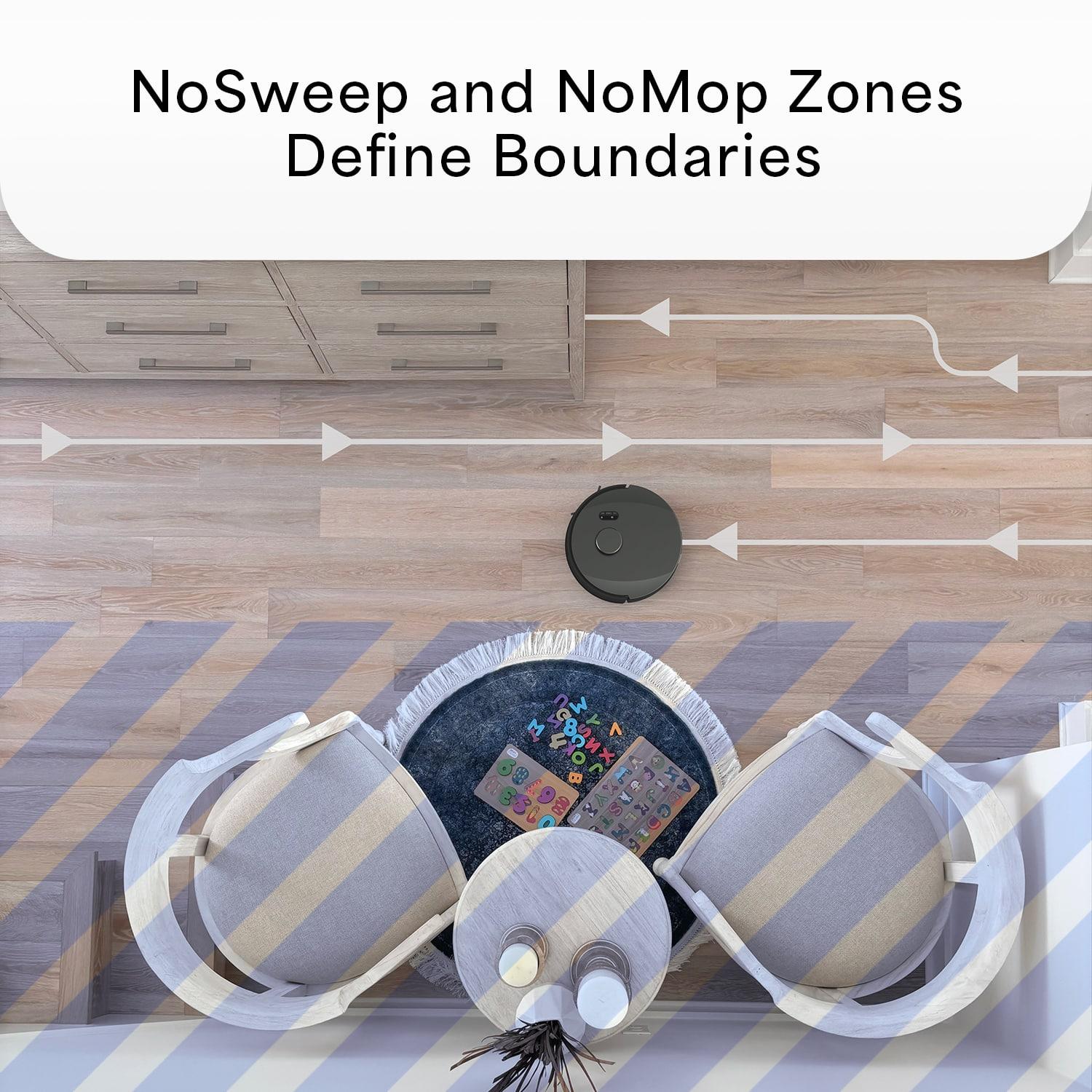
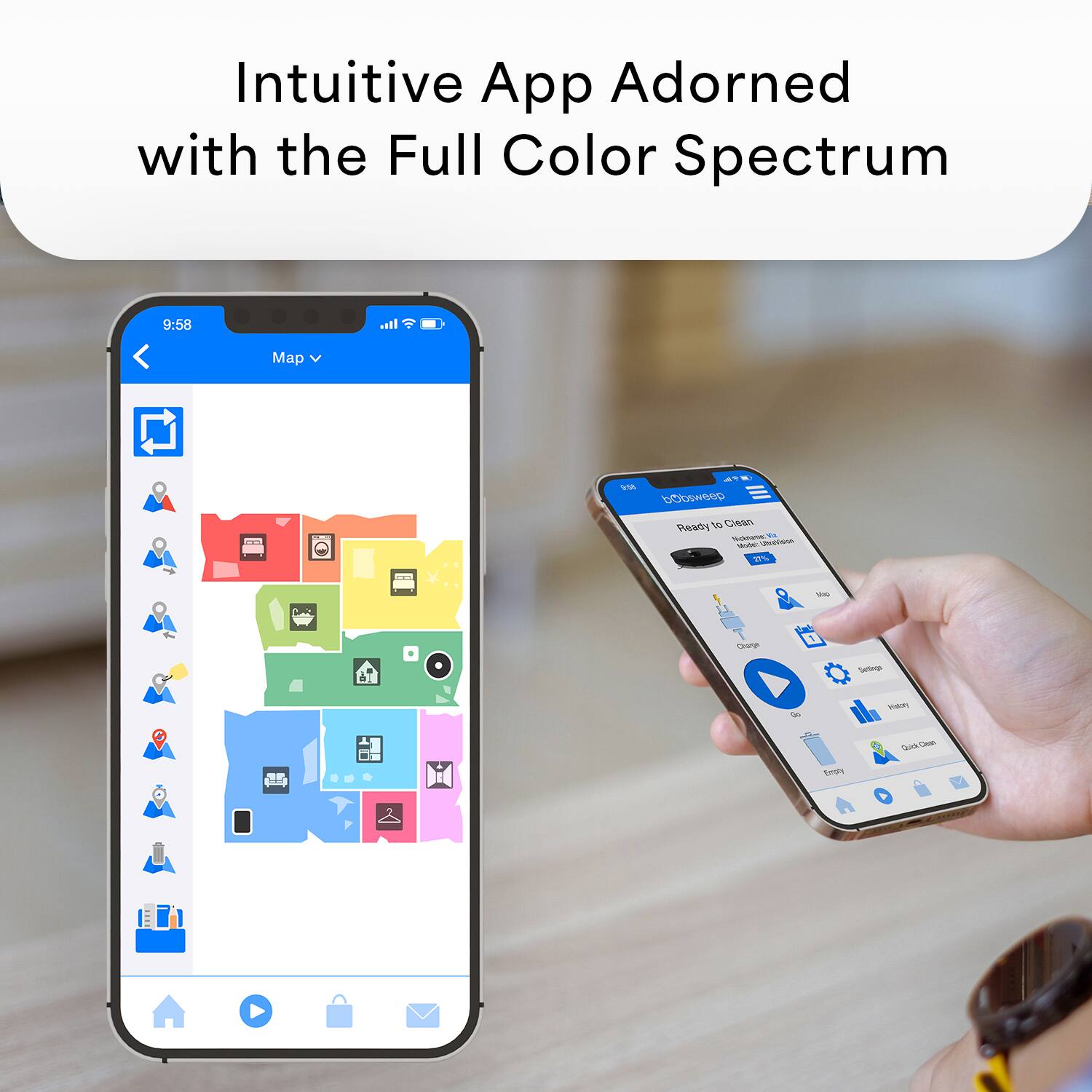
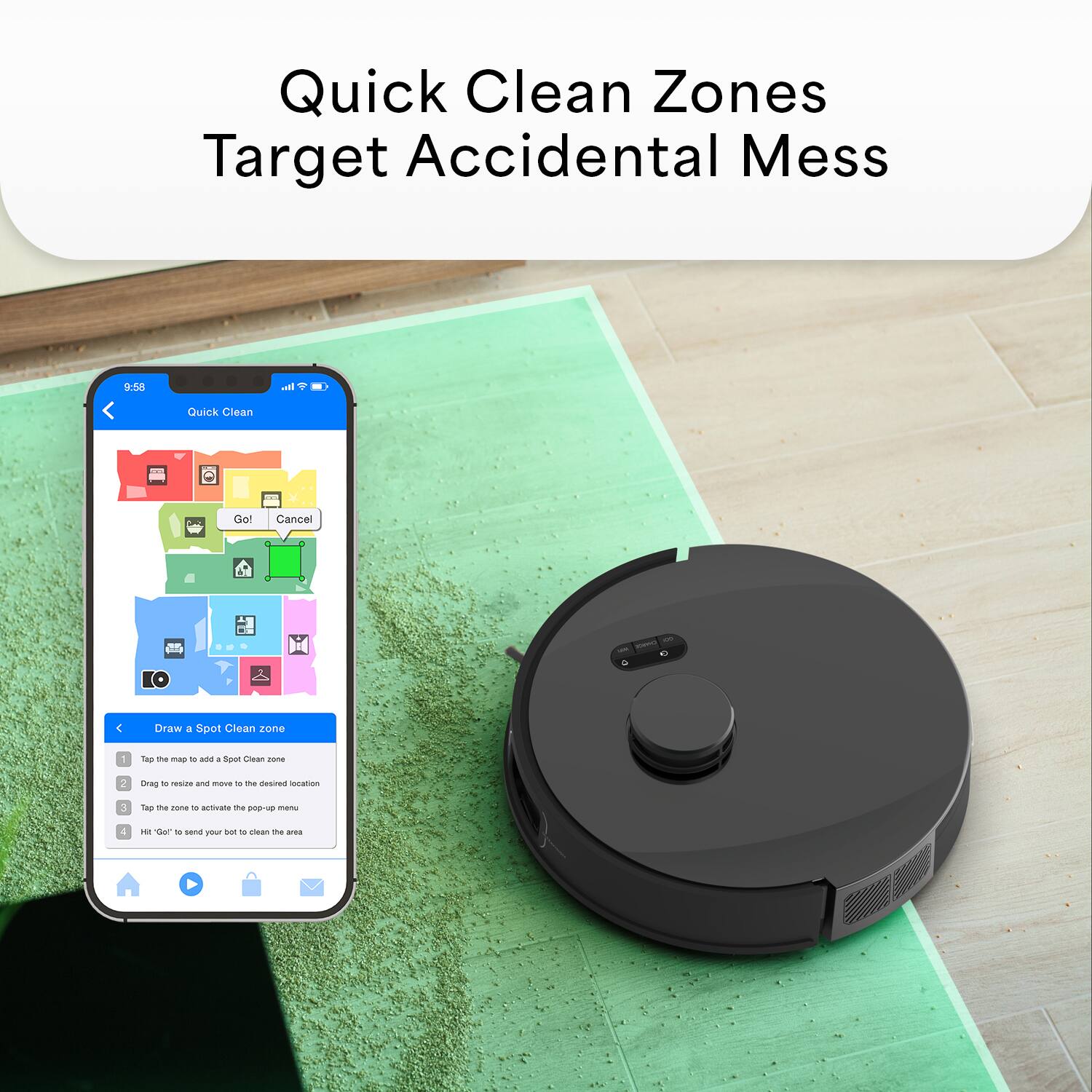
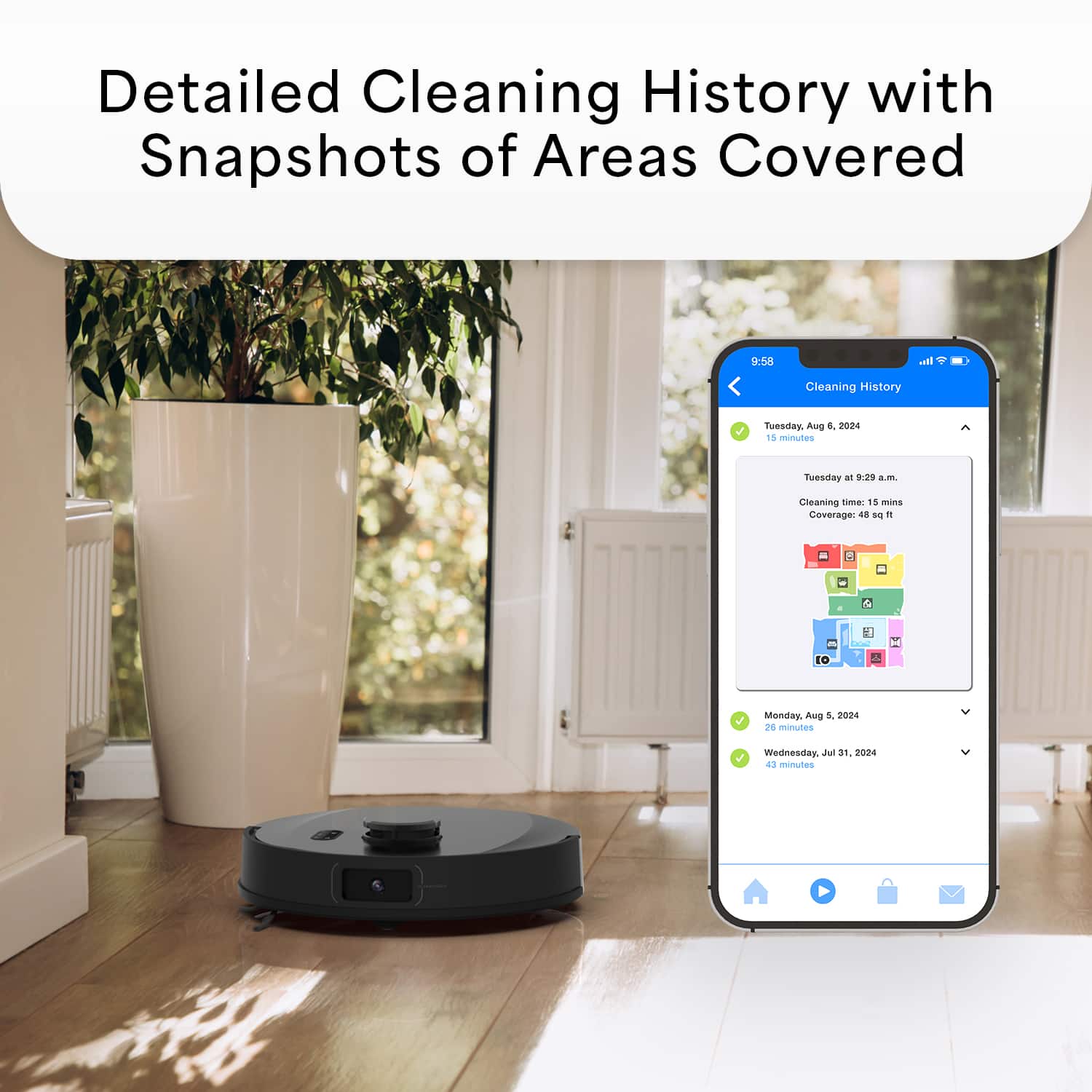
The UltraVision focuses on practical smart home integration with support for Alexa and Google Assistant. Its app provides essential features like scheduling, zone cleaning, and multi-floor mapping without overwhelming users with options. The emphasis on privacy means your home's layout and cleaning patterns stay local rather than being processed in the cloud.
The decision between these robots ultimately depends on your priorities, budget, and home environment. The Roborock Saros Z70 makes sense for tech enthusiasts with primarily hard floors who want cutting-edge features and don't mind paying premium prices for innovation. Its mopping capabilities are genuinely impressive, and the mechanical arm, while imperfect, represents the future of home robotics.
However, the UltraVision delivers superior value for most households, particularly those with pets or significant carpet coverage. Its reliable performance across all surface types, massive dust collection capacity, and privacy-focused approach make it an excellent choice for practical users who want flagship features without experimental technology.
For homes with mixed flooring, the UltraVision is the clear winner due to its superior carpet cleaning performance. Pet owners will appreciate its hair pickup capabilities and extended maintenance intervals. The significant price difference makes it an easy recommendation for budget-conscious buyers who still want premium features.
The Saros Z70 is best suited for early adopters who prioritize innovation over proven performance, have primarily hard floors, and want the most advanced smart home integration available. Its limitations on carpet and the mechanical arm's reliability issues make it a harder sell for general consumers.
Both robots represent the current state of the art in their respective approaches. The UltraVision proves that focusing on fundamentals can deliver exceptional value, while the Saros Z70 pushes technological boundaries even if the execution isn't perfect yet. Your choice between them says as much about your technology adoption philosophy as your cleaning needs.
In the rapidly evolving robot vacuum market, both approaches have merit. The question isn't which robot is objectively better, but which one aligns with your household's specific needs, floor types, and tolerance for cutting-edge technology versus proven performance.
| Roborock Saros Z70 Robot Vacuum and Mop | bObsweep UltraVision PET24-7-913 Robot Vacuum and Mop |
|---|---|
| Release Year - Shows technology generation and feature maturity | |
| 2025 (latest flagship with experimental features) | 2024 (refined technology with proven performance) |
| Suction Power - Higher numbers don't always mean better real-world cleaning | |
| 22,000 Pa (impressive rating but below-average measured performance) | 8,000 Pa (lower rating but more effective real-world suction) |
| Mechanical Arm - Revolutionary feature but with practical limitations | |
| OmniGrip™ 5-axis arm (50% success rate, moves objects under 300g) | None (traditional obstacle navigation) |
| Navigation System - Determines cleaning efficiency and obstacle avoidance | |
| StarSight™ 2.0 with 3D ToF sensors (22/24 obstacle test score) | Quantum SLAM with LiDAR (reliable but less advanced recognition) |
| Object Recognition - Helps avoid getting stuck on household items | |
| 108 object types recognized, learns 50 new ones | Low-height Object-aware Technology (effective for common obstacles) |
| Dustbin Capacity - Affects how often you need to empty | |
| 180mL (smallest in class due to arm space requirements) | 300mL robot + 6L auto-empty station (180-day capacity) |
| Mopping Performance - Important for hard floor maintenance | |
| Industry-leading dual spinning pads with auto-wash/dry | Effective microfiber pad system (manual maintenance) |
| Carpet Deep Cleaning - Critical for homes with significant carpeting | |
| Poor performance (83% vs 92% average, struggles with pet hair) | Strong across all carpet types (optimized for pet hair pickup) |
| Height Profile - Affects ability to clean under furniture | |
| 7.98cm ultra-slim (excellent for low clearance areas) | 8.89cm standard height (good clearance for most furniture) |
| Self-Empty Station Features - Reduces hands-on maintenance | |
| Washes/dries mops, dispenses detergent, empties debris | Large capacity dust collection with odor-filtering charcoal bags |
| Smart Home Integration - Compatibility with home automation systems | |
| Matter support, Apple Home compatibility, advanced app features | Alexa/Google Assistant, privacy-focused with US data storage |
| Pet-Specific Features - Important for animal owners | |
| Live video monitoring, pet check-up, cruise mode | Optimized suction for pet hair, 180-day capacity, odor filtration |
| Battery Life - Determines cleaning area coverage per charge | |
| 6,400mAh up to 300 minutes (covers ~1,115 sq ft) | Up to 180 minutes runtime (adequate for most homes) |
| Price Category - Significant factor in value proposition | |
| Premium flagship pricing (roughly 2x competitors) | Upper mid-range pricing (about half the cost of premium flagships) |
| Warranty & Support - Long-term ownership protection | |
| 1-year standard warranty | 2-year warranty, lifetime customer service, 5-year subsidized repairs |
| Privacy Protection - Data security for smart home users | |
| Standard cloud connectivity with smart home integration | Never sends images/maps externally, US-based data storage only |
The bObsweep UltraVision PET24-7-913 is specifically designed for pet owners and performs significantly better for pet hair pickup, especially on carpets. It features optimized suction for pet hair removal, a massive 6-liter dust collector that can handle 180 days of pet hair and dander, and activated charcoal filtration for odor control. While the Roborock Saros Z70 has pet monitoring features like live video calls, it struggles with pet hair pickup on carpets and has a much smaller dustbin capacity.
The Roborock Saros Z70 features the world's first mechanical arm that can move small objects like socks and toys, representing cutting-edge innovation in home robotics. The bObsweep UltraVision focuses on proven, reliable cleaning performance with exceptional suction power and extended self-emptying capacity. The Saros Z70 is about innovation and automation, while the UltraVision prioritizes practical cleaning effectiveness.
The bObsweep UltraVision significantly outperforms the Roborock Saros Z70 on carpets. Despite the Saros Z70's higher suction rating (22,000 Pa vs 8,000 Pa), it scored only 83% in carpet deep cleaning tests compared to the 92% industry average. The UltraVision was specifically engineered for consistent performance across all floor types, including effective debris and pet hair removal from carpeting.
Both robots offer self-emptying, but with different strengths. The bObsweep UltraVision has a massive 6-liter dust collector capacity designed for 180 days of hands-free operation, making it ideal for pet owners or busy households. The Roborock Saros Z70 has a smaller 2.7-liter capacity but offers more comprehensive automation, including automatic mop washing, drying, and detergent dispensing. The UltraVision wins for capacity, while the Saros Z70 offers more complete maintenance automation.
The Roborock Saros Z70 has superior obstacle avoidance technology, scoring 22 out of 24 in professional tests compared to the industry average of 16.6. It can recognize 108 different object types and navigate around items as small as 2cm. The bObsweep UltraVision has effective obstacle detection but focuses on reliability rather than advanced recognition. For homes with many small objects or complex layouts, the Saros Z70's StarSight 2.0 system provides better navigation.
The mechanical arm on the Roborock Saros Z70 is innovative but has practical limitations. Professional testing shows it works successfully about 50% of the time under ideal conditions. It can move objects under 300 grams like socks, sandals, and tissues to designated locations, but performance varies significantly with object type and positioning. The feature is impressive when it works but shouldn't be the primary reason for choosing this robot vacuum.
The bObsweep UltraVision offers significantly better value, costing roughly half the price of the Roborock Saros Z70 while delivering superior cleaning performance on carpets and larger self-emptying capacity. The Saros Z70's premium price reflects its innovative mechanical arm and advanced features, but many buyers will find the UltraVision's proven performance and practical features more valuable for everyday cleaning needs.
The Roborock Saros Z70 has exceptional mopping capabilities with dual spinning mop pads that automatically lift to avoid carpets and extend for edge cleaning. It achieved the second-highest mopping score in professional testing and features automatic mop washing and drying. The bObsweep UltraVision offers basic but effective mopping with microfiber pads suitable for daily maintenance. For serious mopping needs, the Saros Z70 is superior, but the UltraVision handles routine hard floor cleaning adequately.
Both robots operate at relatively quiet levels, with the Roborock Saros Z70 achieving noise levels as low as 50 dB in ultra-quiet mode. The bObsweep UltraVision operates at around 60 dB, which is still quiet enough for daytime use without disrupting normal household activities. The difference is minimal in practice, and both are suitable for homes where noise is a concern.
The bObsweep UltraVision offers superior privacy protection, never sending images or mapping data to external servers and storing all personal information on US-based servers. The Roborock Saros Z70 uses standard cloud connectivity for its advanced smart home features, which some users may prefer for convenience but others might find concerning for privacy. For privacy-conscious buyers, the UltraVision's local data storage is a significant advantage.
The bObsweep UltraVision requires less frequent maintenance with its 180-day dust collection capacity and simpler design. The Roborock Saros Z70 needs more frequent attention due to its smaller 180mL dustbin (the smallest in its class) and more complex mechanical systems. However, the Saros Z70's automated mop maintenance reduces daily intervention. For truly hands-off operation, the UltraVision's extended capacity wins, but the Saros Z70 offers more comprehensive automation when maintenance is needed.
Choose the bObsweep UltraVision if you have pets, significant carpet coverage, want reliable performance at a better price point, or prioritize privacy protection. Choose the Roborock Saros Z70 if you have primarily hard floors, want cutting-edge technology, prioritize advanced mopping capabilities, or don't mind paying premium prices for innovation. The UltraVision offers better practical value, while the Saros Z70 provides more advanced automation features.
We've done our best to create useful and informative comparisons to help you decide what product to buy. Our research uses advanced automated methods to create this comparison and perfection is not possible - please contact us for corrections or questions. These are the sites we've researched in the creation of this article: rtings.com - vacuumwars.com - vacuumwars.com - youtube.com - techradar.com - youtube.com - youtube.com - rtings.com - youtube.com - versus.com - youtube.com - us.roborock.com - roborockstore.com.au - vacuumwars.com - bestbuy.com - robocleaners.com - us.roborock.com - us.roborock.com - prnewswire.com - youtube.com - vacuumwars.com - bestbuy.com - bobsweep.com - rtings.com - bestbuy.com - bobsweep.com - bobsweep.com - youtube.com - bestbuy.com - youtube.com - samsclub.com - bobsweep.com - accio.com - homedepot.com - ebay.com - bobsweep.com - walmart.com - youtube.com - target.com - walmart.com - consumerreports.org - homedepot.com - layawayland.com - ebay.com - manuals.plus - ebay.com - business.walmart.com

Privacy Policy
Terms and Conditions - Affiliate Policy
Home Security
© Copyright 2008-2026.
11816 Inwood Rd #1211, Dallas, TX 75244