



Robot vacuums have transformed from clumsy bump-and-go machines into sophisticated home cleaning systems. Today's models can map your entire house, dodge pet toys with camera-like precision, and even wash their own mop pads. But with this evolution comes a wide range of prices and capabilities that can leave buyers scratching their heads.
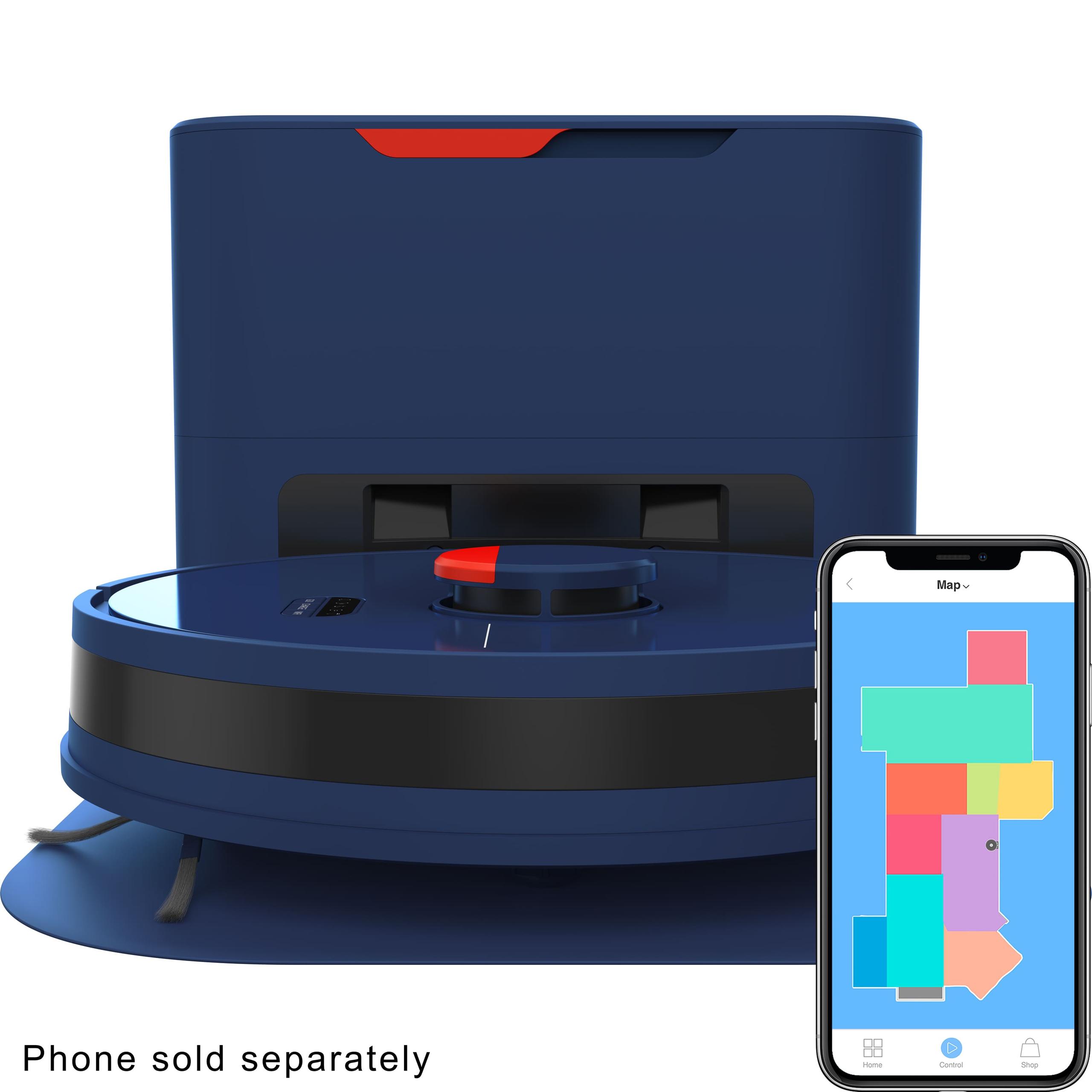
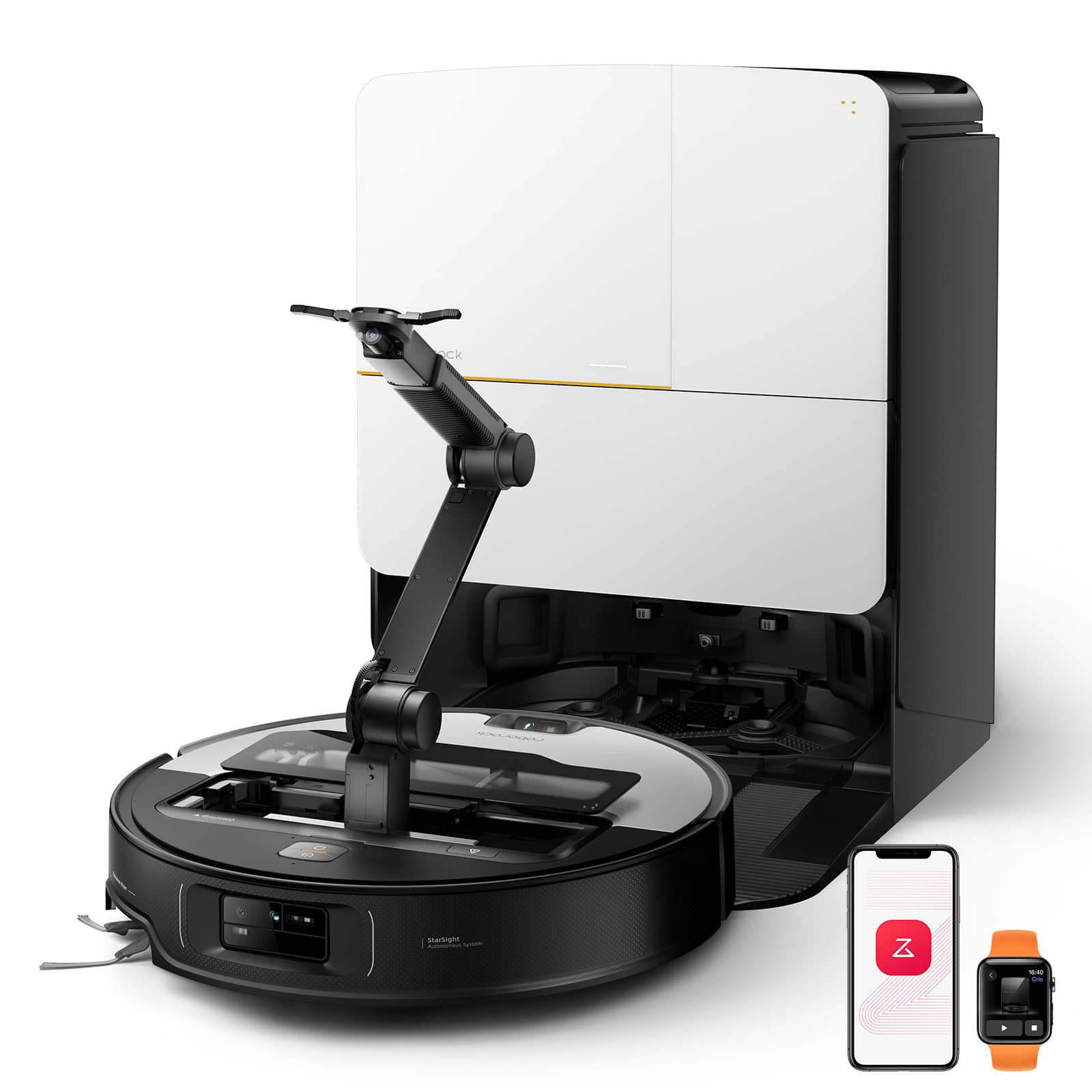
Two models released in 2025 represent vastly different approaches to automated cleaning: the bObsweep Dustin PET24-7-213 and the Roborock Saros Z70. At the time of writing, these products sit in completely different price brackets—the Dustin costs roughly what you'd pay for a decent mid-range vacuum, while the Saros Z70 commands premium pricing that rivals high-end appliances. The question isn't just which one cleans better, but which approach makes sense for your home and budget.
Before diving into specifics, it's worth understanding what separates today's robot vacuums from their predecessors. The biggest game-changer has been navigation technology. Early models used "bump sensors"—essentially bouncing around randomly until they covered most of your floor. Modern robots use LIDAR (Light Detection and Ranging), the same technology found in self-driving cars, to create detailed maps of your home.
SLAM (Simultaneous Localization and Mapping) is another crucial technology. This allows robots to build maps while cleaning, remembering where they've been and planning efficient paths. Think of it like having GPS in your car versus driving around aimlessly hoping to reach your destination.
The mopping function in combo units ranges from basic to sophisticated. Passive mopping simply drags a damp pad across the floor, while active systems use spinning pads, vibration, or pressure to actually scrub surfaces. The difference is like comparing wiping down a counter with a paper towel versus actually scrubbing it clean.
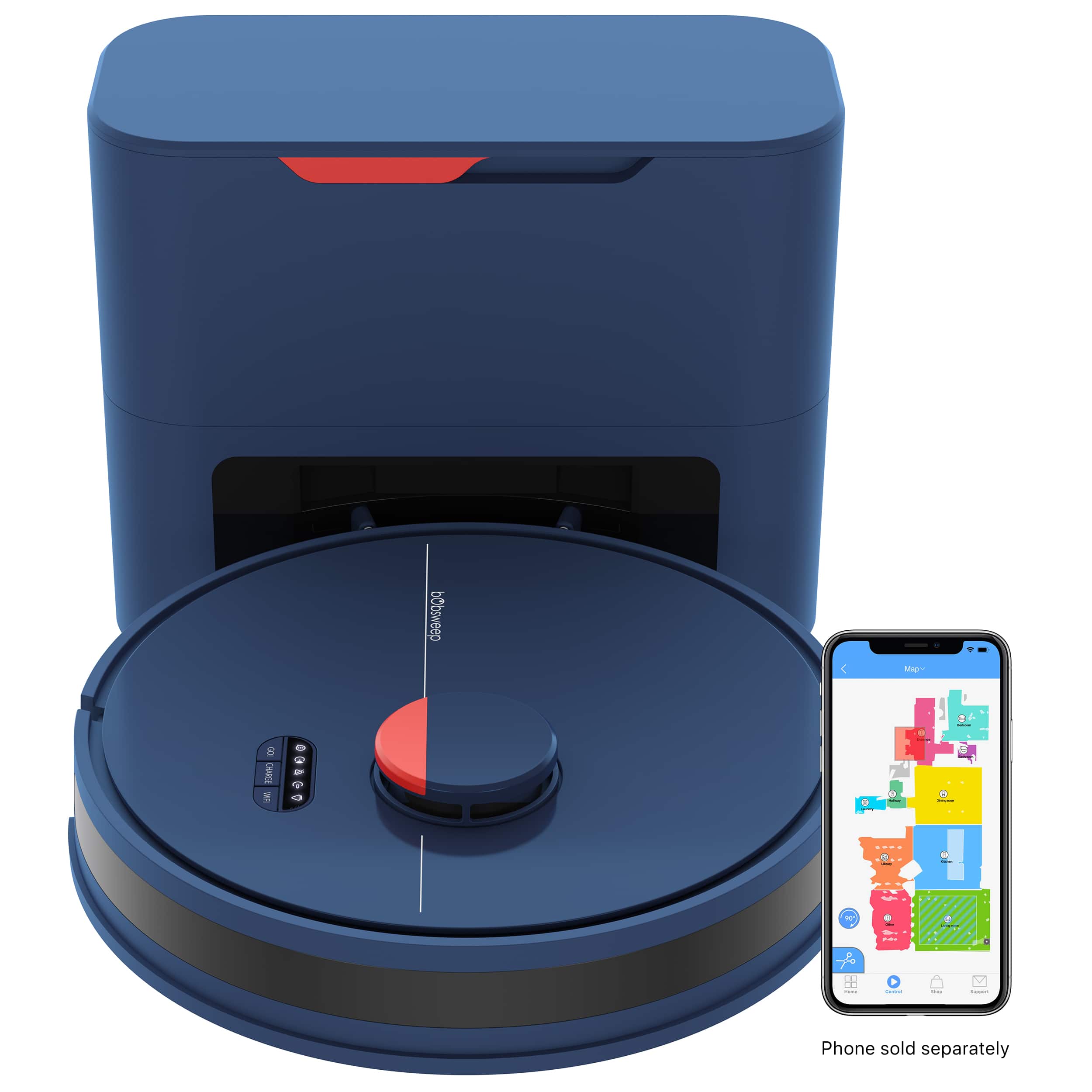
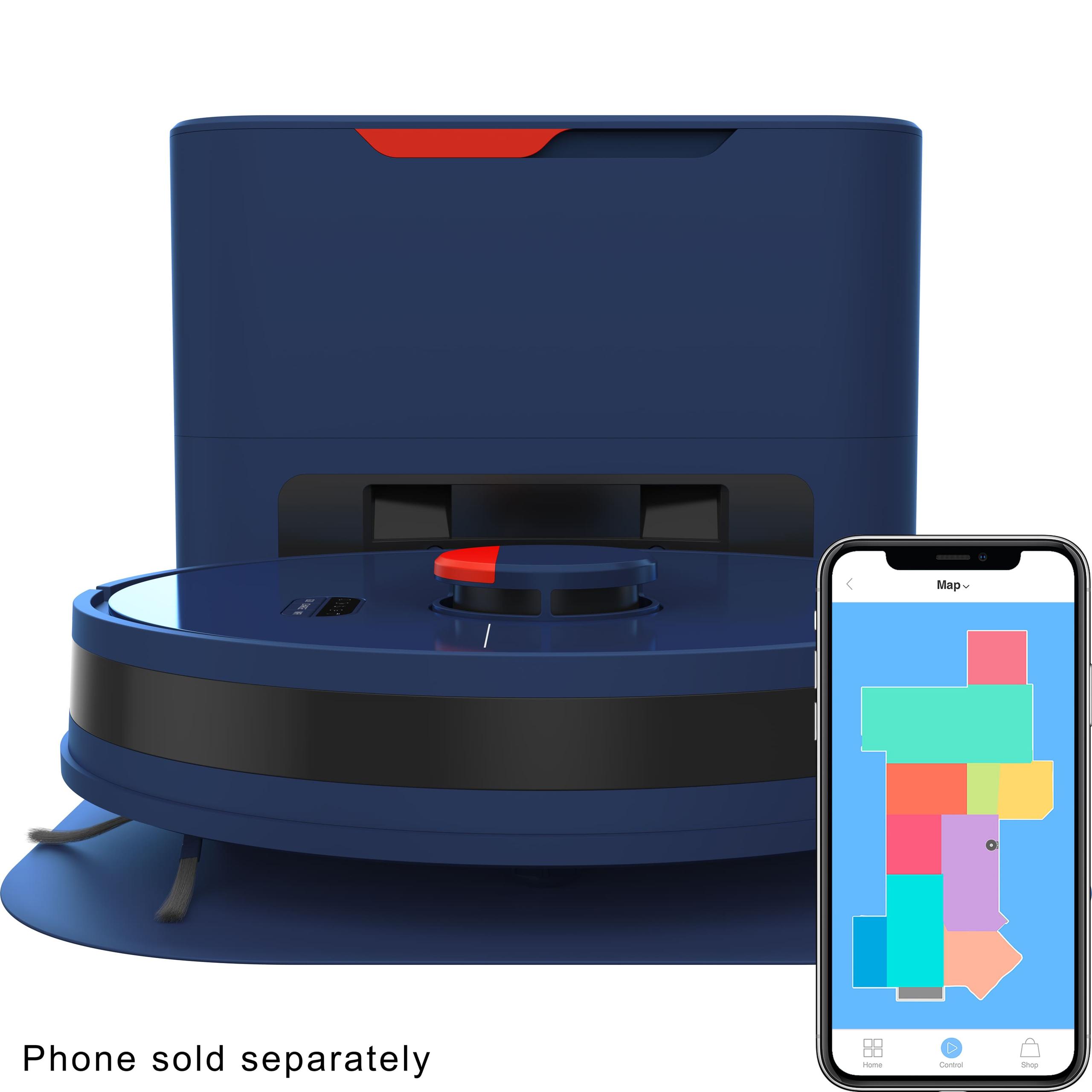
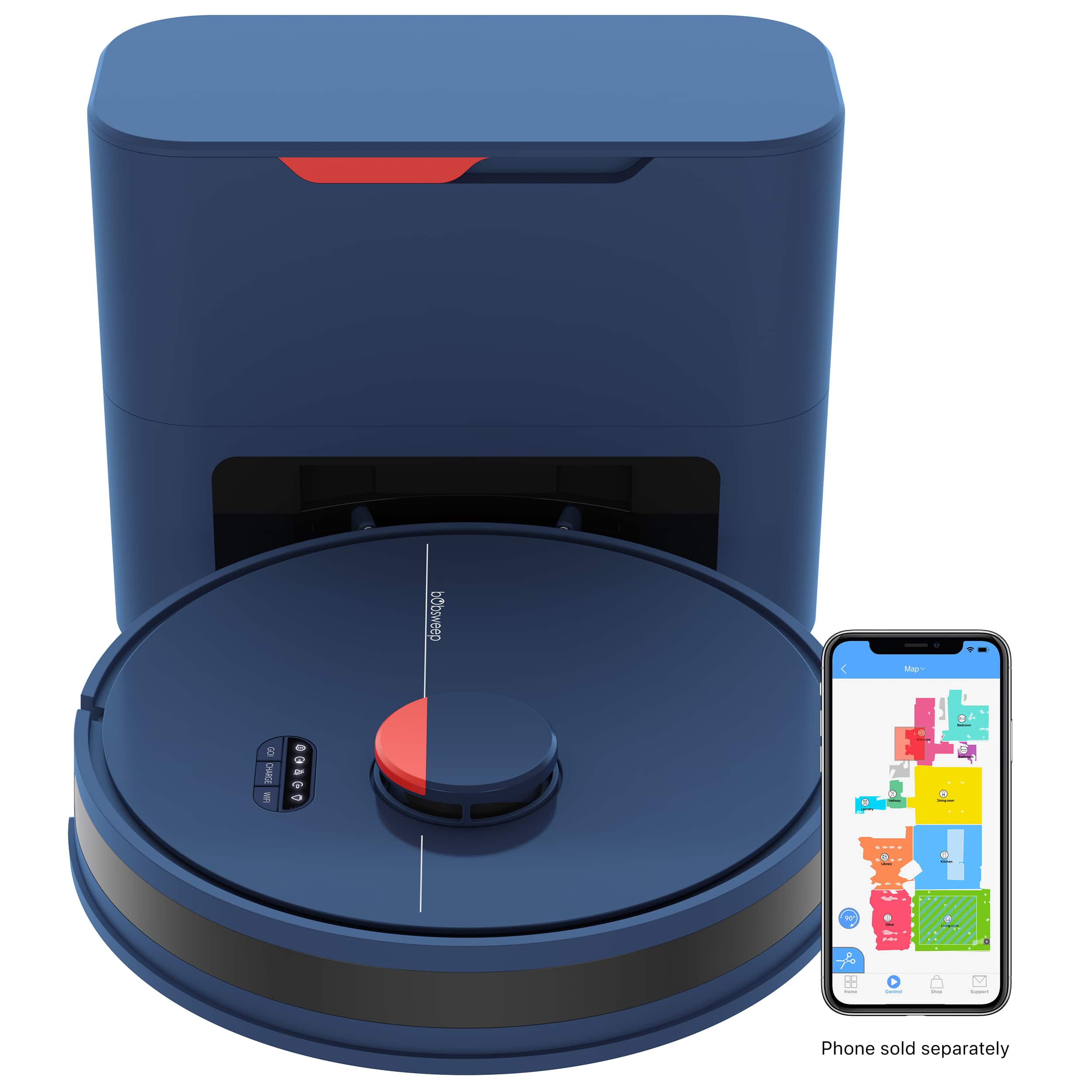
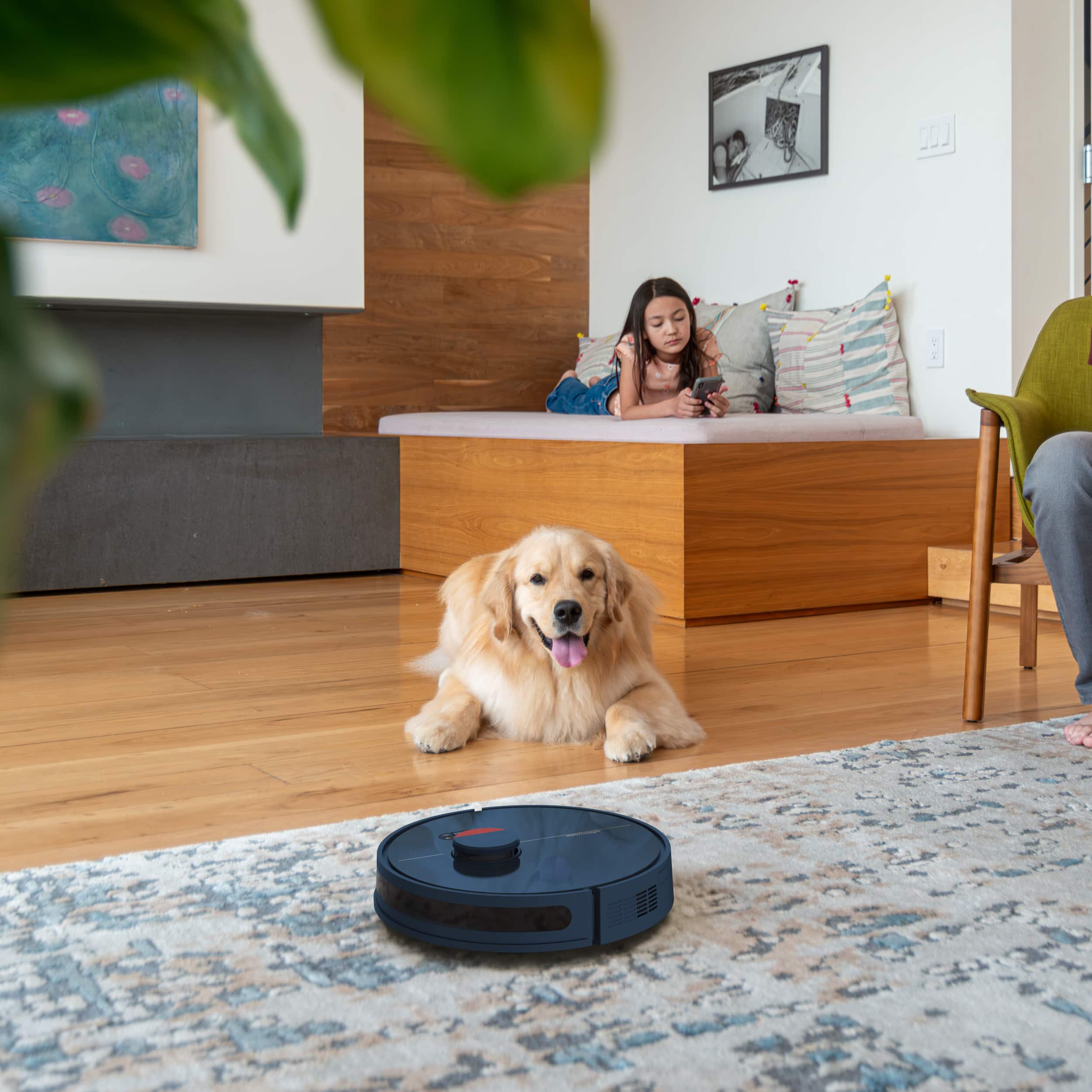
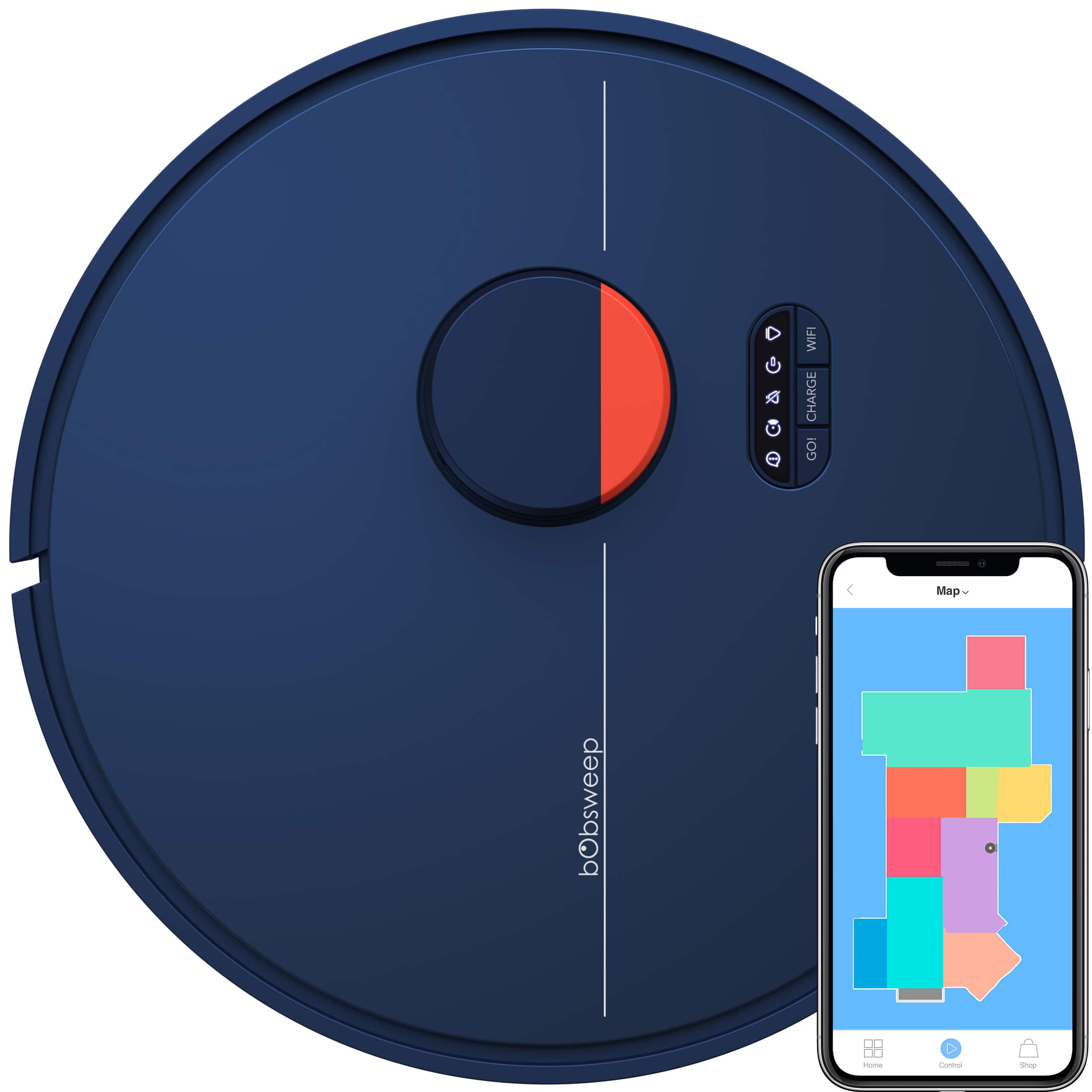
The bObsweep Dustin takes a straightforward approach to robot cleaning. Released in 2025, it focuses on delivering self-emptying convenience without the complexity of premium features. The company emphasizes privacy and simplicity—your floor plans never leave their US-based servers, and the interface prioritizes basic functionality over bells and whistles.
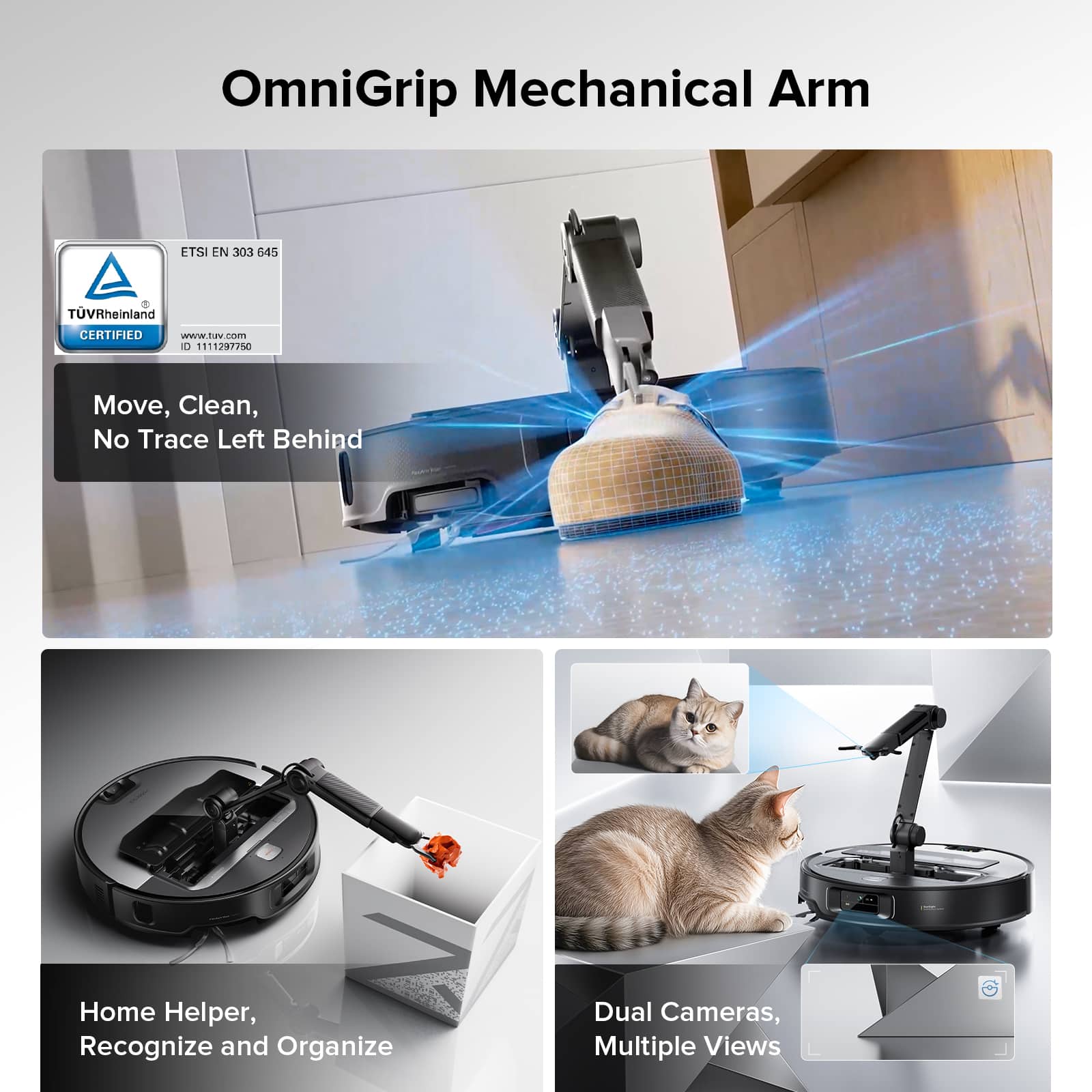
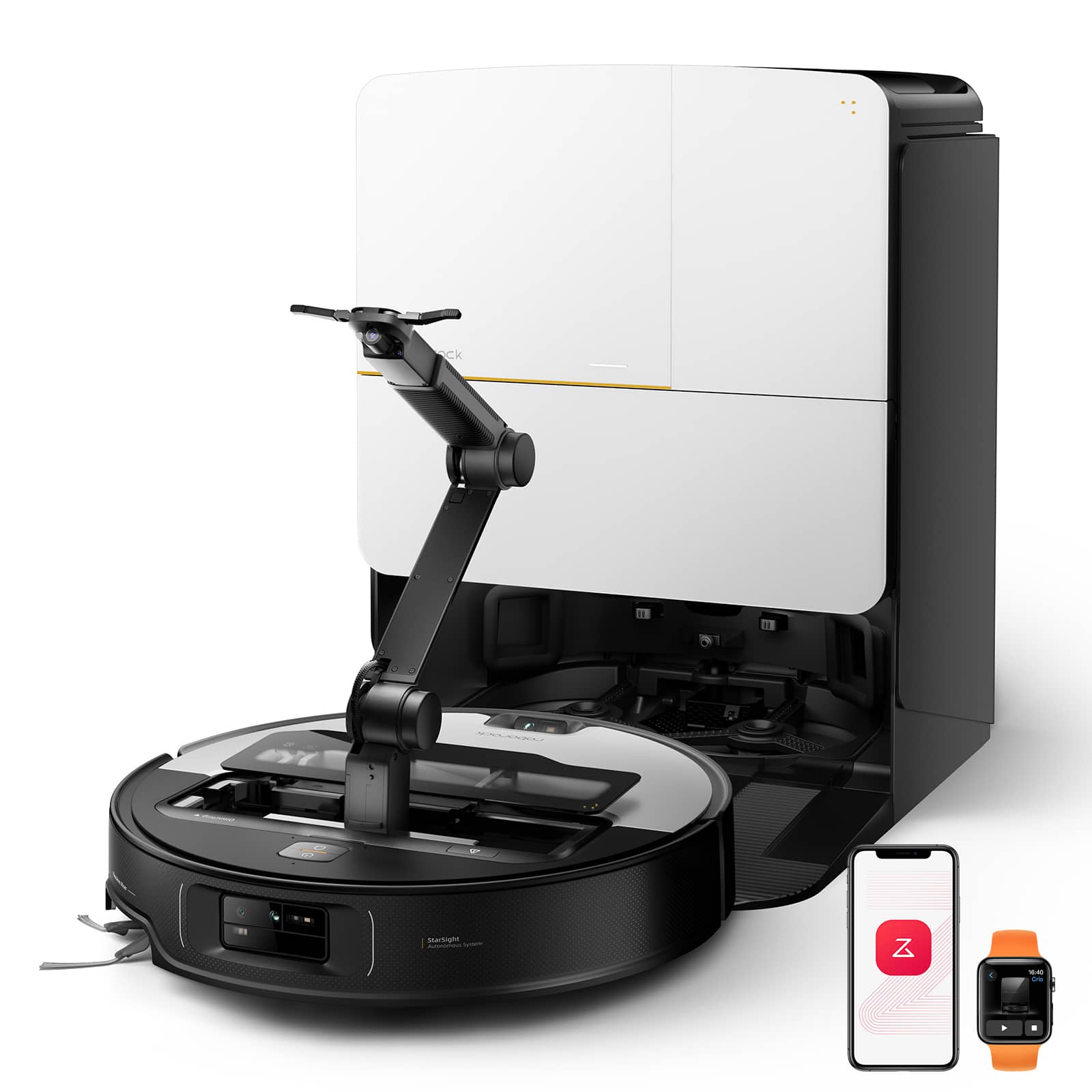
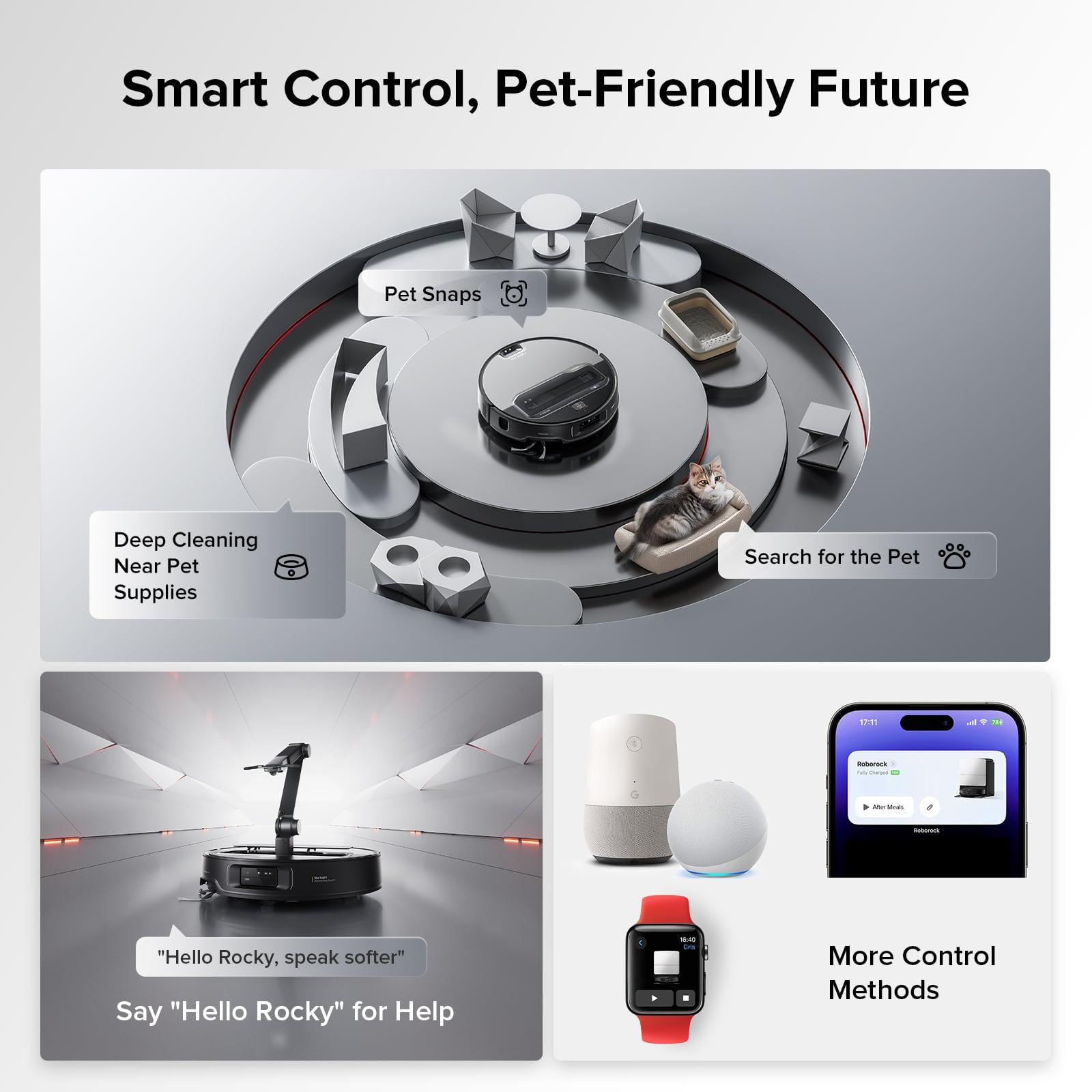
In contrast, the Roborock Saros Z70 represents the bleeding edge of home robotics. Also launching in 2025, it's the world's first mass-produced robot vacuum with a mechanical arm. This isn't just marketing hype—the five-axis OmniGrip arm can actually pick up small objects like socks and tissues, moving them out of the way before cleaning. It's the kind of feature that sounds like science fiction but actually works (most of the time).
The philosophical difference is clear: Dustin aims to be a reliable workhorse that gets the job done without fuss, while the Saros Z70 pushes boundaries to see what's possible when you throw cutting-edge technology at household chores.
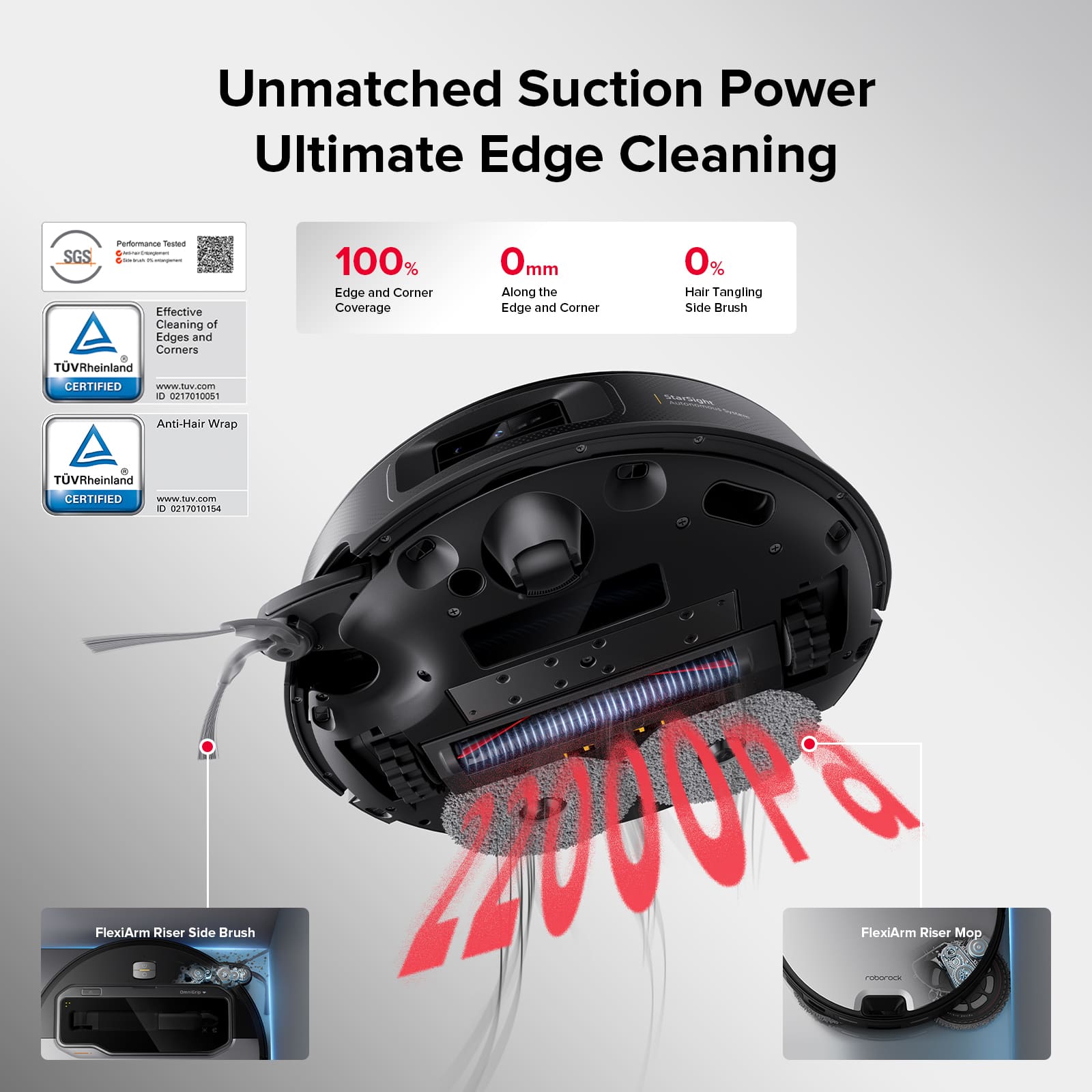
When evaluating robot vacuums, suction power gets the most attention, but it's not the whole story. The Roborock Saros Z70 boasts an impressive 22,000 Pa of suction—that's Pascal units measuring air pressure, and higher numbers generally mean more powerful pickup. For comparison, most budget models sit around 2,000-3,000 Pa.
However, our research into professional testing reveals something interesting: measured suction at the intake tells a different story than advertised numbers. The Saros Z70 actually shows below-average airflow at the brush head, despite its high rating. This suggests the impressive number reflects peak performance under ideal conditions, not necessarily what you'll see on your carpets.
Hard floor performance shows the biggest gap between these models. The Saros Z70 achieves near-perfect scores picking up fine debris like sand and rice—the kind of test that separates good robots from great ones. The Dustin, meanwhile, struggles with these materials. Its side brush tends to scatter lightweight particles rather than collecting them, a common issue with lower-end navigation systems that can't optimize brush speed based on debris type.
Carpet cleaning presents challenges for both models, though for different reasons. The Dustin lacks automatic carpet detection, so it doesn't boost suction when moving from hard floors to rugs. You'd need to manually adjust settings for different areas—hardly convenient for automated cleaning. The Saros Z70 has the sensors to detect carpet but still struggles with embedded debris and pet hair, despite its powerful suction rating.
This carpet performance gap matters more than you might think. Fine debris like tracked-in sand or pet dander requires different brush action than larger particles. The best robot vacuums adjust their approach automatically, but both models here have limitations that become apparent on anything beyond low-pile rugs.
The mopping capabilities of these robots couldn't be more different. The bObsweep Dustin uses what's called passive mopping—essentially dragging a damp microfiber pad across your floors. It's the equivalent of a light wipe-down rather than actual cleaning. Professional testing shows it's almost useless against dried-on stains or sticky spills.
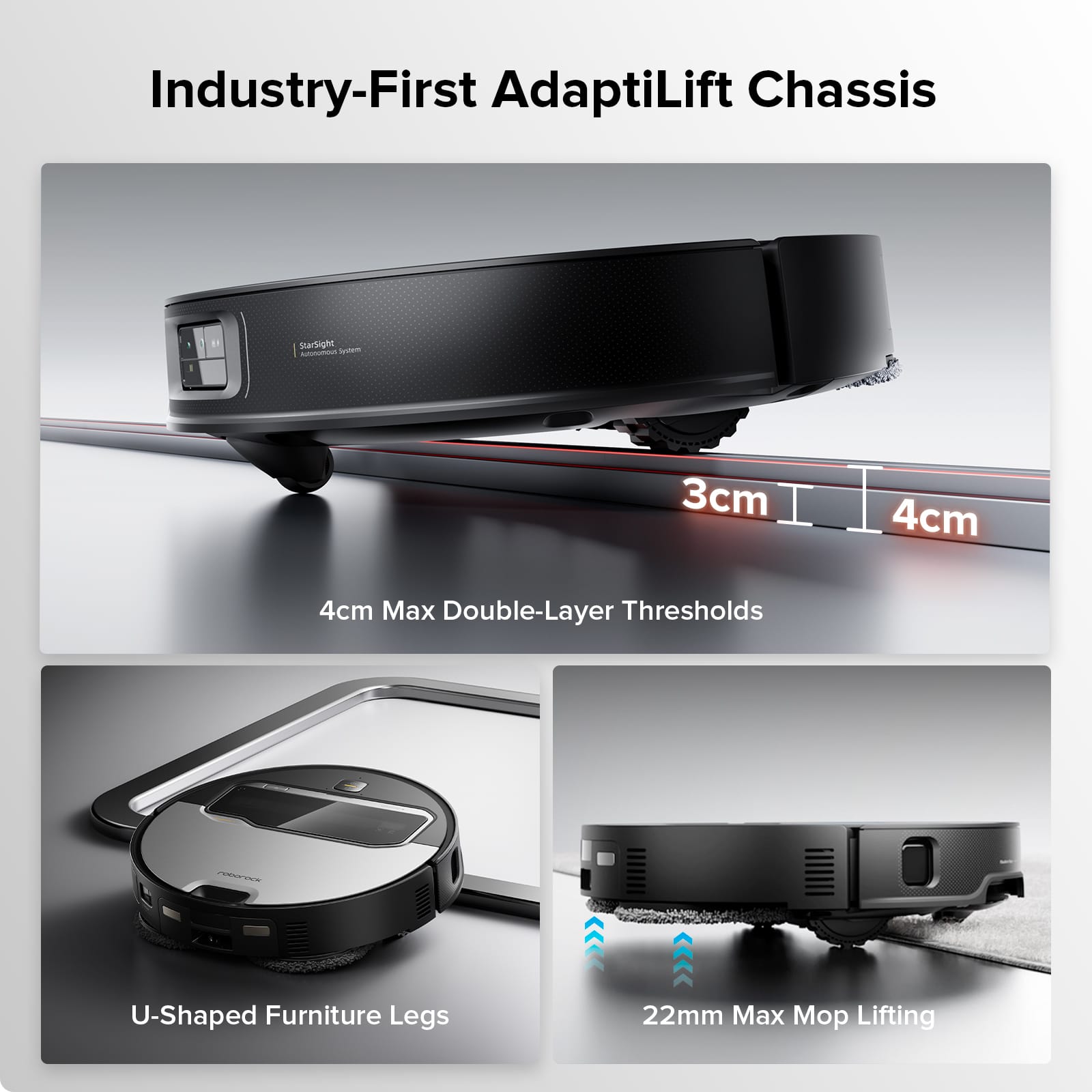
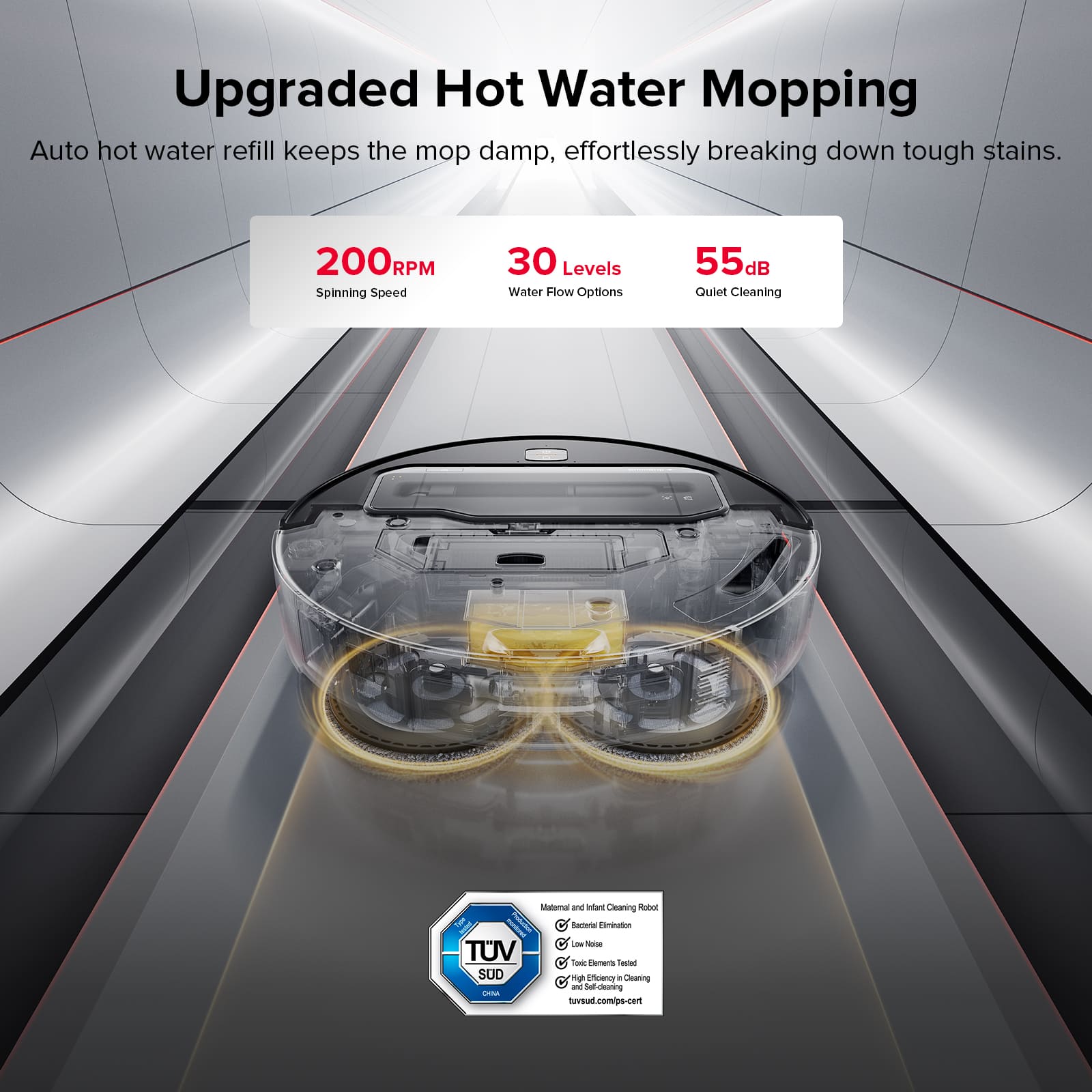
The Roborock Saros Z70 takes mopping seriously with dual spinning mop pads that actually scrub surfaces. The system earned one of the highest mopping scores in professional testing, making it genuinely useful for maintaining hard floors. The mop pads automatically lift 22mm when the robot detects carpet, preventing wet fabric from soaking your rugs—a detail that shows thoughtful engineering.
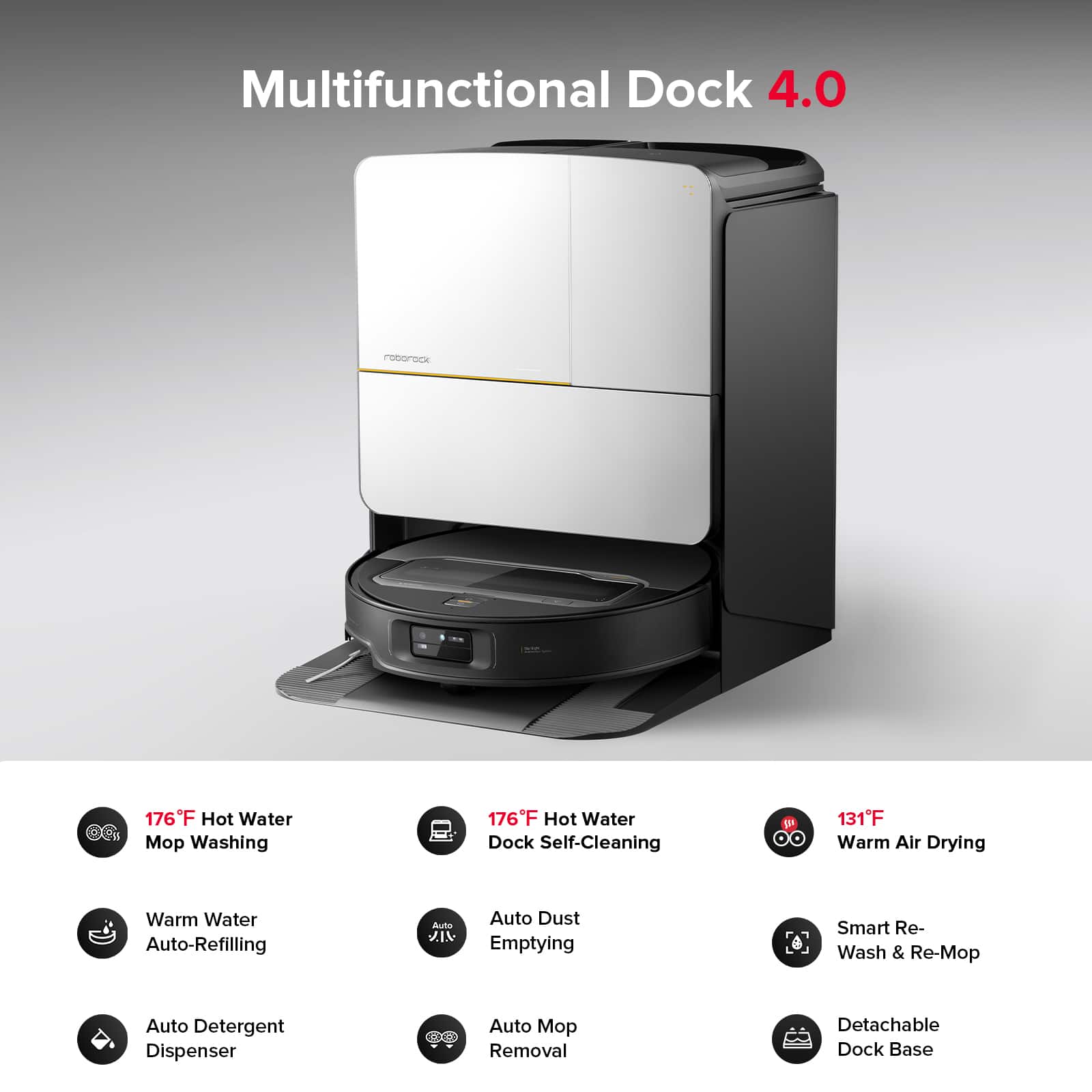
Even more impressive is the dock system. While the Dustin requires manual mop maintenance, the Saros Z70's dock washes the mop pads with 176°F water and dries them with heated air. It even dispenses detergent automatically. This level of automation transforms mopping from a maintenance task into a truly hands-off operation.
For homes with significant hard flooring—think modern open-plan layouts with tile or hardwood—this mopping difference could be decisive. The Saros Z70 can maintain floors that would otherwise require weekly manual mopping, while the Dustin provides little more than a token wipe-down.
Navigation technology separates modern robots from their primitive ancestors, and the gap between these models is substantial. The bObsweep Dustin uses traditional LIDAR mapping with SLAM technology. While this sounds advanced, our research shows inconsistent performance—the robot frequently bumps into furniture and gets stuck on common obstacles like rug tassels or furniture legs.
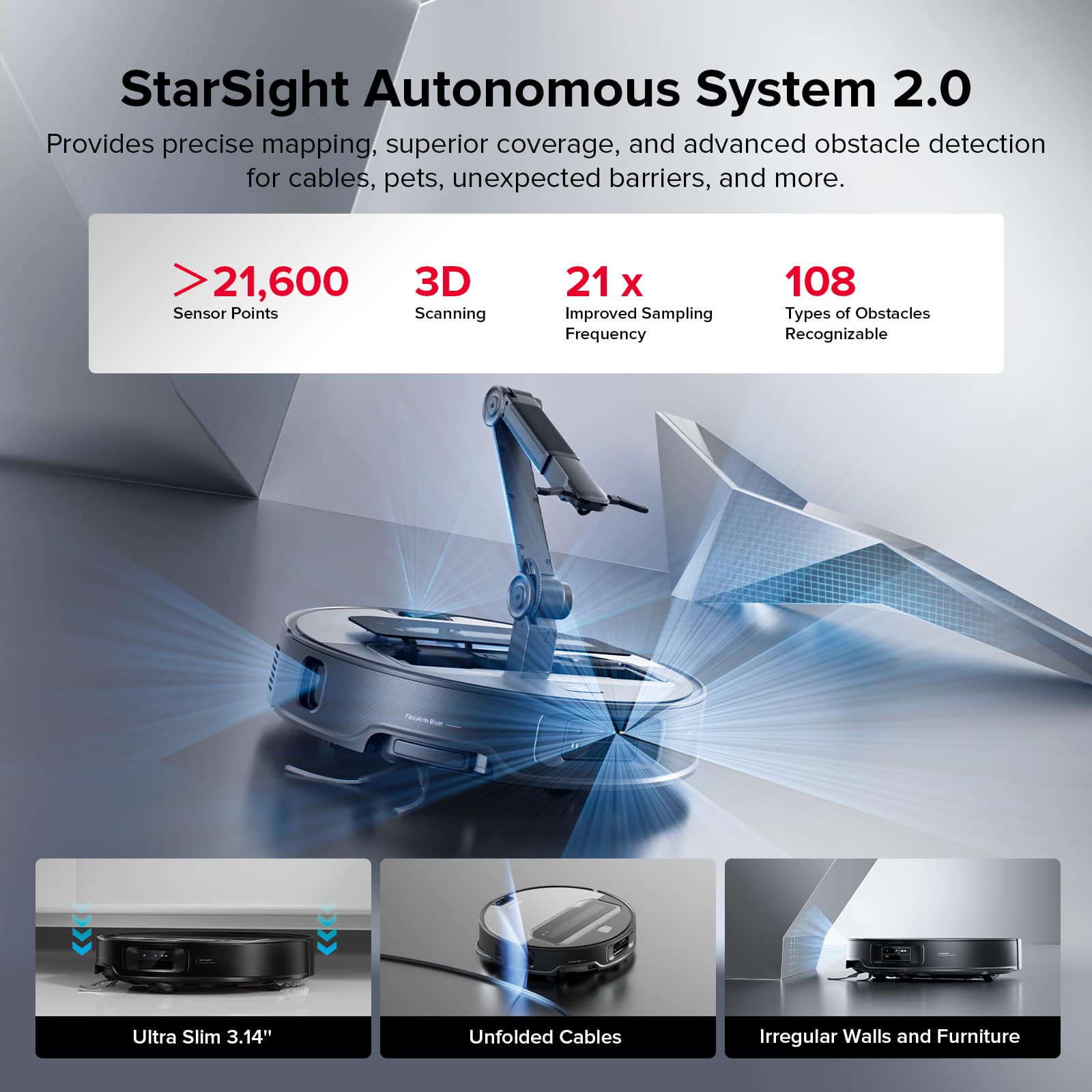
The Roborock Saros Z70 employs StarSight 2.0 navigation, combining multiple sensor types including 3D Time-of-Flight cameras. Think of ToF sensors as giving the robot depth perception—they measure how long light takes to bounce back from objects, creating a three-dimensional understanding of the environment. This translates to outstanding obstacle avoidance, scoring 22 out of 24 points in professional testing compared to an industry average of 16.6.
But here's where the Saros Z70 gets genuinely interesting: that mechanical arm. The OmniGrip system can identify and move small obstacles like socks, shoes, or crumpled tissues. Currently, it recognizes a limited list of objects and works roughly half the time in real-world conditions. However, firmware updates continue expanding its capabilities—a robot that learns new tricks over time.
This obstacle manipulation represents a fundamental shift in robot vacuum philosophy. Instead of working around clutter, the Saros Z70 actively tidies as it goes. When it works, the effect feels almost magical—your robot doesn't just clean the accessible areas but actually improves room organization.
Physical dimensions matter more than you might expect. The Saros Z70 measures just 79.8mm tall—roughly 3.1 inches—making it among the slimmest robots available. This allows cleaning under furniture that blocks taller models. The Dustin, at approximately 3.8 inches, fits the typical range but sacrifices some under-furniture access.
Noise levels significantly impact daily use, especially in home theater environments where even moderate sound can disrupt movie watching. The Saros Z70 operates as quietly as 50 decibels on its quietest setting—roughly equivalent to rainfall outside your window. The Dustin runs somewhat louder but still remains reasonable for most households.
The maintenance story reveals a crucial trade-off. The Dustin features a massive 4.6-liter dust collection system that can handle weeks of cleaning without intervention. The Saros Z70 sacrifices internal storage for its mechanical arm, resulting in the smallest dustbin capacity we've seen—just 180ml. For larger homes, this means frequent emptying despite the automated dock.
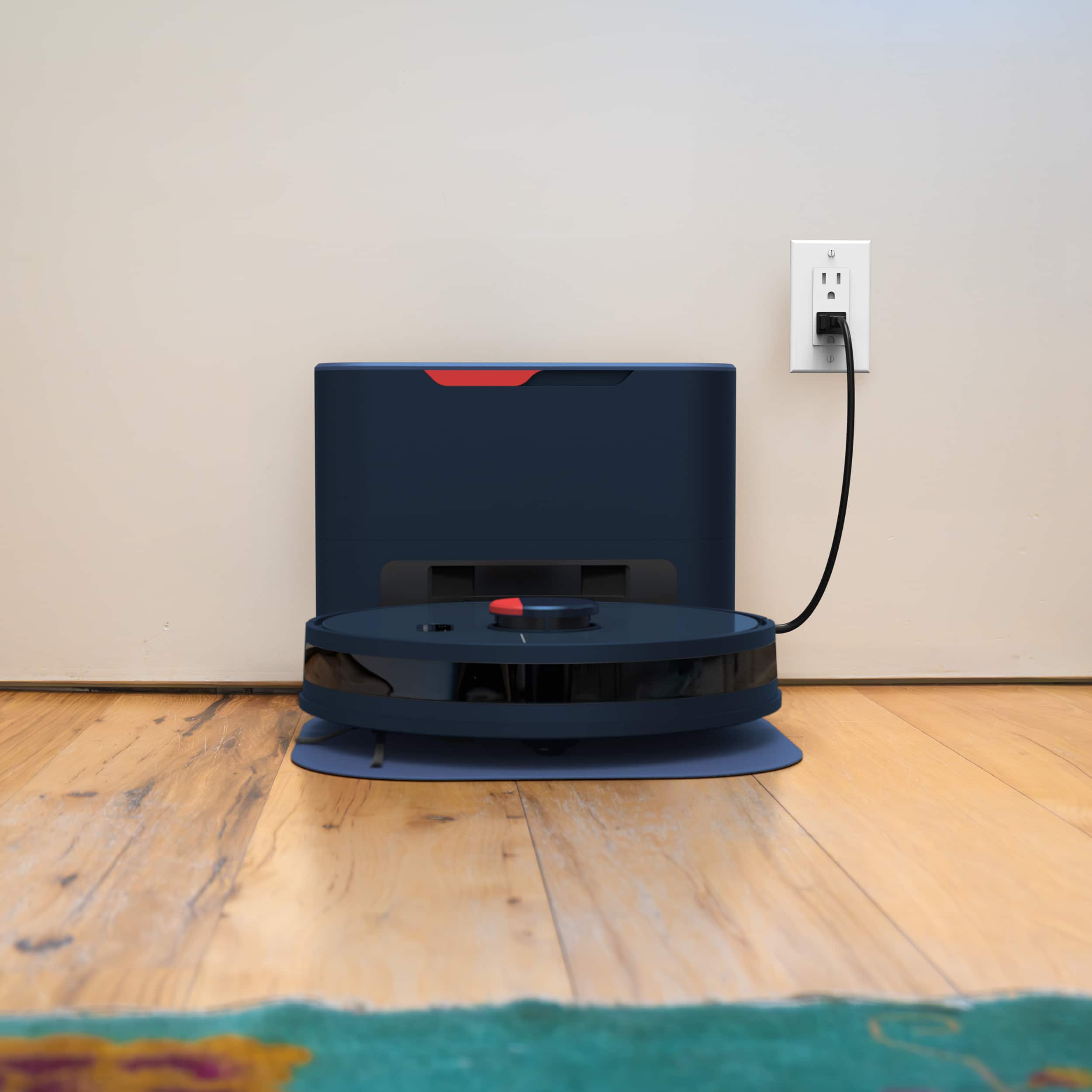
Both robots offer self-emptying bases, but the implementations differ. The Dustin uses disposable bags in its base station—more hygienic but with ongoing costs. The Saros Z70 also uses disposable bags but adds mop maintenance automation that transforms the user experience.
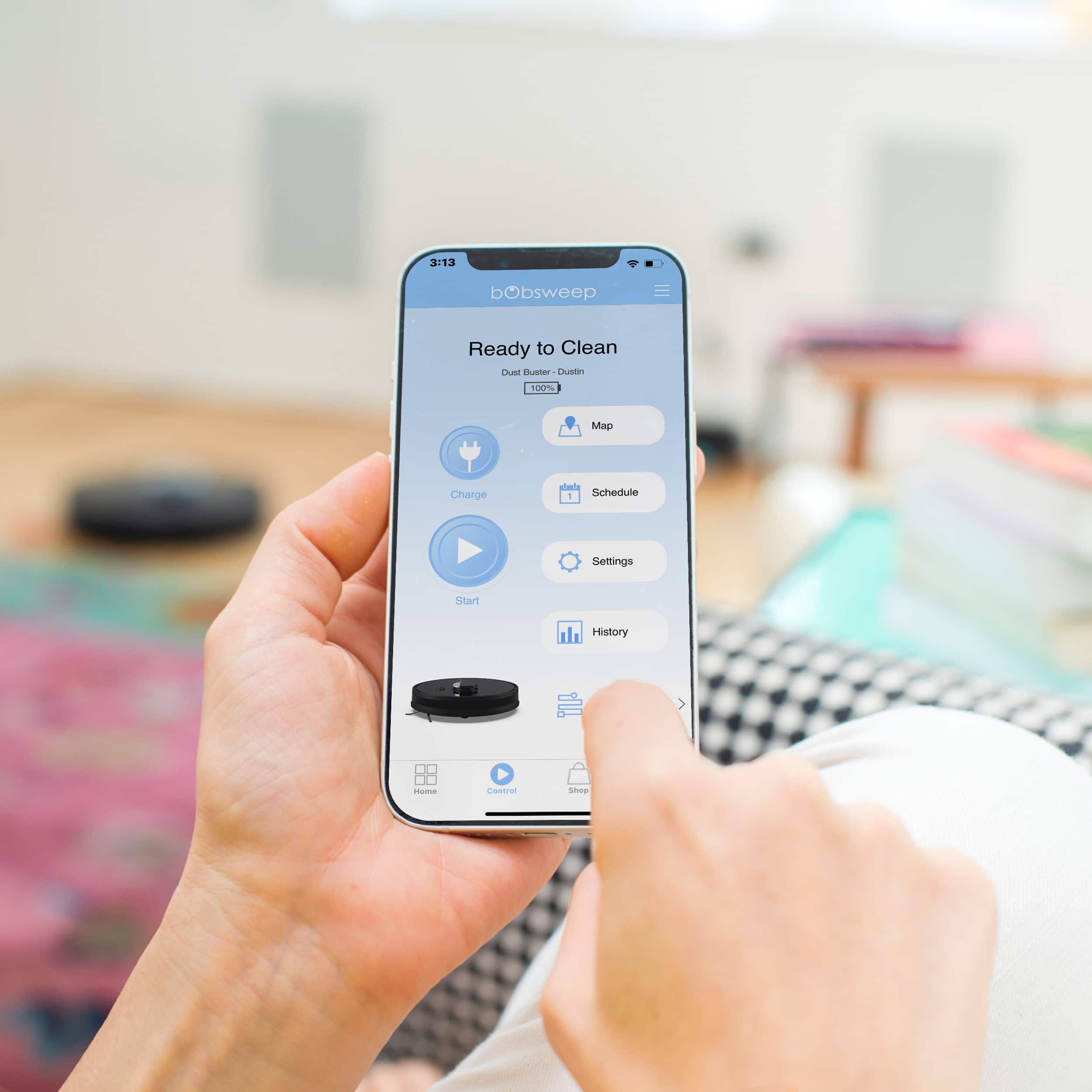
App control has become essential for modern robot vacuums, and both models offer scheduling, mapping, and remote control. However, the sophistication varies dramatically. The Dustin provides basic functionality through a straightforward interface that prioritizes simplicity over advanced features.
The Saros Z70 offers a comprehensive smart home experience with multi-floor mapping, customizable cleaning zones, and integration with Alexa, Google Assistant, and Apple HomeKit. The app can schedule specific rooms for cleaning, adjust suction and mopping intensity by area, and even provide pet monitoring features through the robot's cameras.
For home theater enthusiasts, smart scheduling becomes particularly valuable. You can program cleaning to occur during specific times when the room isn't in use, or create "movie mode" schedules that avoid the entertainment area during evening hours. The Saros Z70's precise room mapping makes this level of control practical and reliable.
At the time of writing, these robots occupy completely different price segments, making direct value comparison complex. The bObsweep Dustin positions itself as an affordable entry into self-emptying robot vacuums, while the Saros Z70 commands premium pricing that reflects its cutting-edge features.
From a pure performance standpoint, neither robot dominates across all categories. The Dustin struggles with fundamental cleaning tasks despite its pet-focused marketing. Professional testing shows poor debris pickup and inconsistent navigation—issues that undermine its core purpose regardless of price.
The Saros Z70 excels at mopping and obstacle avoidance but has significant carpet cleaning limitations despite its premium positioning. The mechanical arm, while innovative, currently works inconsistently enough to feel more like a tech demo than a reliable feature.
This creates an interesting value proposition. The Dustin offers questionable value even at its lower price point because it doesn't perform its basic functions well. The Saros Z70 provides genuinely useful innovations but at a cost that may exceed its practical benefits for most households.
The decision between these robots depends heavily on your specific circumstances and priorities. Choose the Roborock Saros Z70 if you have primarily hard floors where its superior mopping capabilities shine, you value cutting-edge technology and don't mind paying for innovation, and you have smaller spaces where the tiny dustbin won't become problematic.
The robot's outstanding obstacle avoidance makes it ideal for households with pets or children who leave toys scattered around. Its ultra-slim profile excels in homes with low-clearance furniture, while the comprehensive app control suits tech-savvy users who want granular cleaning customization.
Consider the bObsweep Dustin if budget constraints are paramount and you need basic self-emptying functionality, privacy and data security are important considerations, you prefer simple operation without complex features, and you don't rely heavily on mopping capabilities.
However, our research suggests both robots have fundamental limitations that prospective buyers should understand. If you have significant carpeted areas, neither model provides strong performance despite their marketing claims. For homes where pet hair removal is critical, both robots underperform compared to specialized alternatives.
For many buyers, the sweet spot might lie elsewhere in the market. Models like the Roborock Saros 10R offer similar core capabilities to the Z70 without the mechanical arm complications and premium pricing. Meanwhile, buyers seeking reliable basic cleaning might find better value in proven models from established brands rather than the Dustin's inconsistent performance.
The robot vacuum market continues evolving rapidly, with meaningful improvements appearing yearly. Both models represent 2025 technology that pushes boundaries in different ways—the Dustin through privacy-focused simplicity, the Saros Z70 through mechanical innovation. Whether these approaches succeed depends on execution quality and real-world performance, areas where both robots show room for improvement.
Ultimately, the best robot vacuum remains the one that reliably cleans your specific floors without requiring constant intervention. Neither model here achieves that goal consistently, making careful consideration of alternatives worthwhile before committing to either approach.
| bObsweep Dustin PET24-7-213 | Roborock Saros Z70 |
|---|---|
| Suction Power - Higher numbers don't always mean better real-world performance | |
| 4,100-5,000 Pa (struggles with fine debris despite rating) | 22,000 Pa (impressive rating but below-average measured airflow) |
| Navigation Technology - Determines cleaning coverage and efficiency | |
| Quantum SLAM with LIDAR (inconsistent performance, frequent bumping) | StarSight 2.0 with 3D Time-of-Flight sensors (22/24 obstacle avoidance score) |
| Mopping System - Critical difference for hard floor maintenance | |
| Passive drag-pad system (minimal cleaning effectiveness) | Dual spinning pads with 22mm lift and hot water dock washing |
| Dustbin Capacity - Affects maintenance frequency | |
| 4.6L base station capacity (up to 70 days between bag changes) | 180mL internal bin (smallest ever tested, frequent emptying needed) |
| Height Profile - Determines under-furniture cleaning ability | |
| ~3.8 inches (standard height, limited furniture clearance) | 79.8mm/3.14 inches (ultra-slim design for better access) |
| Unique Innovation - Standout feature that differentiates each model | |
| Privacy-focused US data storage and simple operation | World's first mechanical arm for obstacle manipulation |
| Hard Floor Performance - Most important for daily debris pickup | |
| Poor fine debris pickup, side brush scatters particles | Perfect scores on professional fine debris tests |
| Carpet Performance - Critical for homes with rugs and carpeting | |
| No automatic carpet boost, struggles significantly | Embedded debris issues despite high suction rating |
| Self-Emptying Base Features - Automation level affects user experience | |
| Dust collection only, manual mop maintenance required | Full automation: emptying, mop washing, drying, detergent dispensing |
| Battery Life - Runtime affects cleaning area coverage | |
| Up to 150 minutes (inefficient navigation reduces effective coverage) | Up to 300 minutes (covers ~1,115 sq ft efficiently per charge) |
| Noise Level - Important for home theater and family use | |
| Under 60 dB default setting (moderate noise level) | As low as 50 dB ultra-quiet mode (whisper-quiet operation) |
| Warranty Coverage - Long-term protection and support confidence | |
| 2-year limited warranty plus 5-year subsidized repair plan | 1-year standard warranty (typical for premium models) |
The Roborock Saros Z70 delivers superior cleaning performance on hard floors, achieving perfect scores in professional fine debris tests. However, both robots struggle with carpet cleaning - the bObsweep Dustin lacks automatic carpet boost features, while the Saros Z70 has issues with embedded debris despite its high suction rating.
The biggest difference is innovation level. The Roborock Saros Z70 features the world's first mechanical arm that can move small obstacles like socks and shoes, plus advanced 3D navigation. The bObsweep Dustin focuses on simplicity with basic LIDAR navigation and privacy-focused operation with US-based data storage.
Neither robot excels at pet hair removal despite marketing claims. The bObsweep Dustin is marketed as "PET24-7" but performs poorly on carpets where it may smear pet hair. The Saros Z70 also struggles with pet hair pickup tests, making both less than ideal for heavy pet hair situations.
The Roborock Saros Z70 has significantly better mopping with dual spinning pads, automatic carpet avoidance, and a dock that washes mops with hot water. The bObsweep Dustin uses basic passive mopping that simply drags a damp pad - it's almost ineffective against dried stains.
The bObsweep Dustin has a massive 4.6L dust capacity allowing up to 70 days between bag changes, but requires manual mop maintenance. The Saros Z70 automates everything including mop washing and drying, but has the smallest dustbin capacity ever tested at just 180mL.
Both can work in home theaters with proper scheduling. The Roborock Saros Z70 is better suited with its 50dB ultra-quiet mode and precise room mapping for avoiding entertainment areas during movie time. The Dustin runs louder and has less reliable navigation around delicate equipment.
The Roborock Saros Z70 has superior navigation with StarSight 2.0 technology, scoring 22/24 in obstacle avoidance tests. The bObsweep Dustin uses basic LIDAR with inconsistent performance - it frequently bumps furniture and gets stuck on common obstacles.
Both robots offer self-emptying bases with disposable bags. The bObsweep Dustin provides dust collection only with a large 4.6L capacity. The Saros Z70 adds mop washing, drying, and detergent dispensing but has a much smaller internal dustbin requiring frequent emptying.
Value depends on your needs. The bObsweep Dustin offers lower pricing but poor cleaning performance undermines its value proposition. The Roborock Saros Z70 provides innovative features and superior mopping but commands premium pricing that may exceed practical benefits for most users.
The Roborock Saros Z70 excels here with its ultra-slim 79.8mm profile, allowing access under most furniture. The bObsweep Dustin at roughly 3.8 inches is more typical but limits under-furniture cleaning compared to the slimmer Saros Z70.
The bObsweep Dustin offers better warranty protection with 2-year coverage plus a 5-year subsidized repair plan. The Roborock Saros Z70 has standard 1-year warranty but comes from a more established robotics company with proven reliability in previous models.
Choose the Roborock Saros Z70 if you have mostly hard floors, want cutting-edge features, and don't mind premium pricing. Pick the bObsweep Dustin if budget is paramount and you need basic self-emptying, though both have significant cleaning performance limitations that may warrant considering other alternatives.
We've done our best to create useful and informative comparisons to help you decide what product to buy. Our research uses advanced automated methods to create this comparison and perfection is not possible - please contact us for corrections or questions. These are the sites we've researched in the creation of this article: walmart.com - manuals.plus - rtings.com - bobsweep.com - bestbuy.com - bestbuy.com - bestbuy.com - owners.bobsweep.com - homedepot.com - homedepot.com - youtube.com - ebay.com - samsclub.com - homedepot.com - youtube.com - youtube.com - bobsweep.com - target.com - bobsweep.com - bobsweep.com - youtube.com - rtings.com - vacuumwars.com - vacuumwars.com - youtube.com - techradar.com - youtube.com - youtube.com - rtings.com - youtube.com - versus.com - youtube.com - us.roborock.com - roborockstore.com.au - vacuumwars.com - bestbuy.com - robocleaners.com - us.roborock.com - us.roborock.com - prnewswire.com - youtube.com - vacuumwars.com

Privacy Policy
Terms and Conditions - Affiliate Policy
Home Security
© Copyright 2008-2026.
11816 Inwood Rd #1211, Dallas, TX 75244