


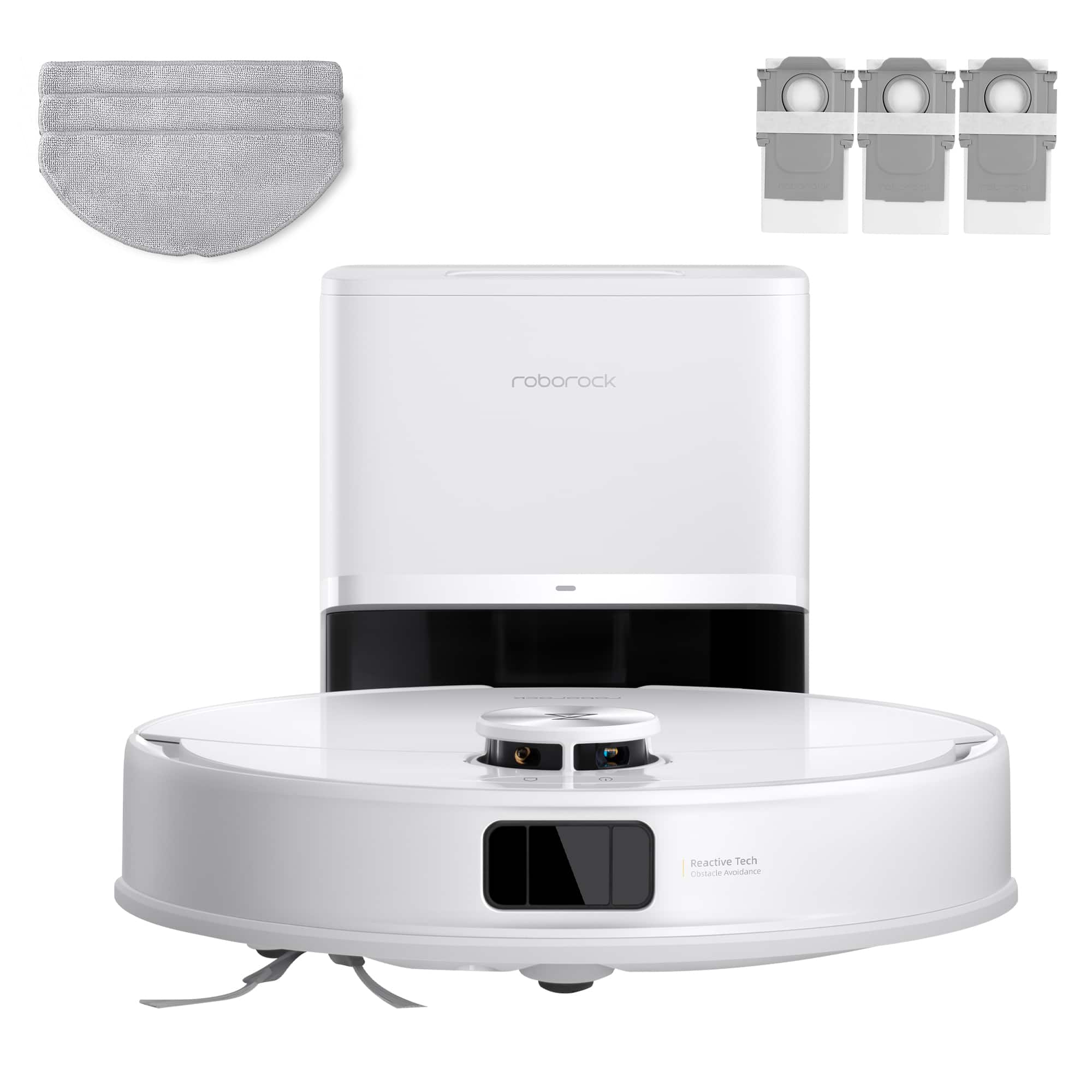
Robot vacuums have come a long way since the early Roomba days of bumping around randomly. Today's premium models like the Roborock QR 798 and Q10 VF+ represent sophisticated cleaning systems that can handle both vacuuming and mopping with impressive autonomy. But with a significant price gap between these two models, choosing the right one requires understanding what you're actually paying for and whether those features matter for your specific situation.
Both robots launched in 2024, representing Roborock's latest thinking on home cleaning automation. The QR 798 positions itself as a premium "set-and-forget" solution, while the Q10 VF+ delivers flagship-level cleaning performance at a more accessible price point. The key question isn't which one cleans better—they're remarkably similar in that regard—but rather how much convenience automation is worth to you.
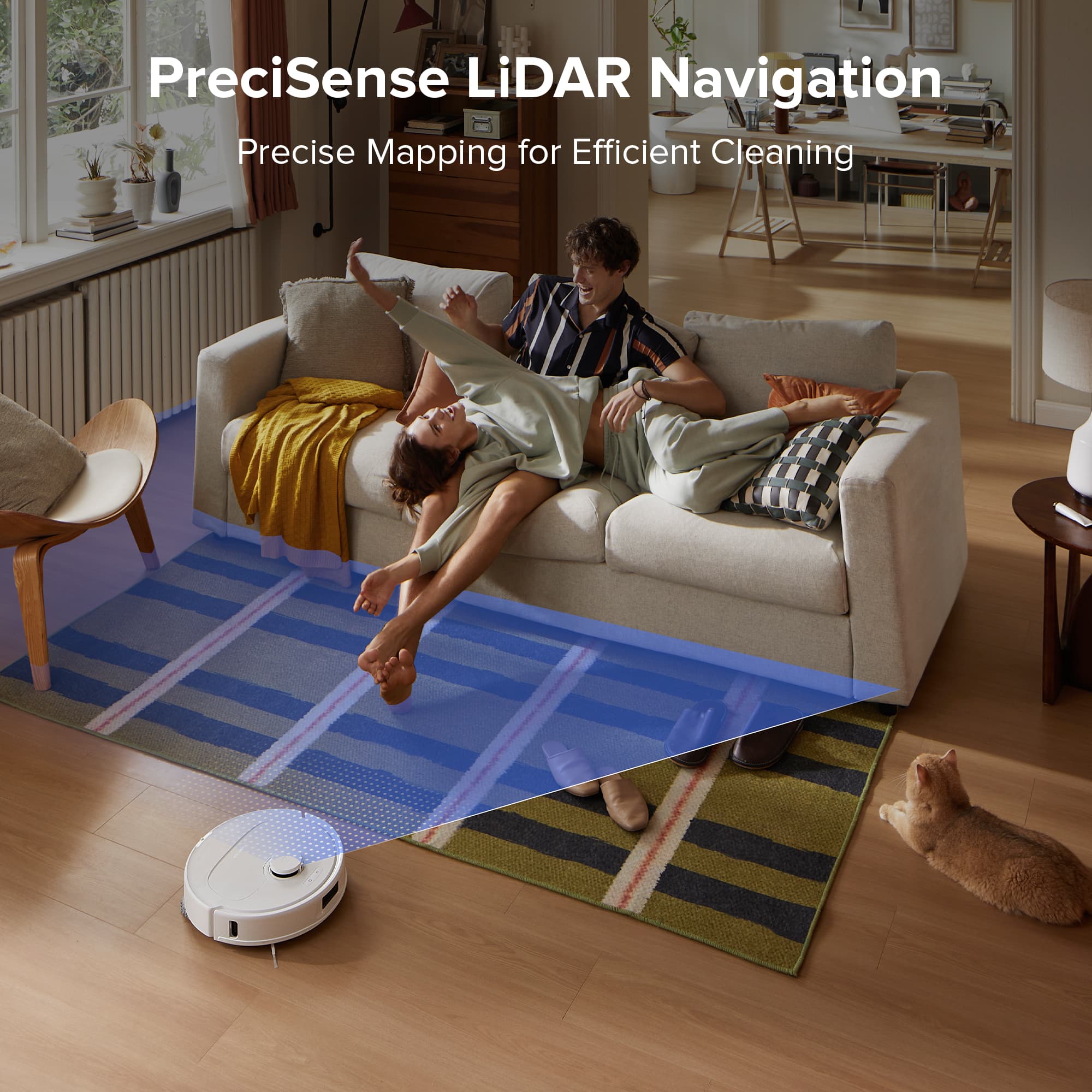
Before diving into specifics, it's helpful to understand what makes current-generation robot vacuums so much more capable than earlier models. Both the QR 798 and Q10 VF+ use LiDAR navigation (Light Detection and Ranging), which creates detailed maps of your home using laser sensors. This is a massive improvement over older camera-based or random navigation systems because it works in complete darkness and creates incredibly precise floor plans.
The automation level is where these products really diverge from basic robot vacuums. Traditional models required you to empty dust bins, wash mop pads, and refill water tanks regularly. Modern premium models like these attempt to minimize or eliminate many of these maintenance tasks through sophisticated docking stations that handle various chores automatically.
When evaluating robot vacuum and mop combos, the most critical considerations are cleaning performance (how well they actually clean), automation level (how much work they save you), and value proposition (whether the features justify the cost). Let's examine how these two models stack up in each area.
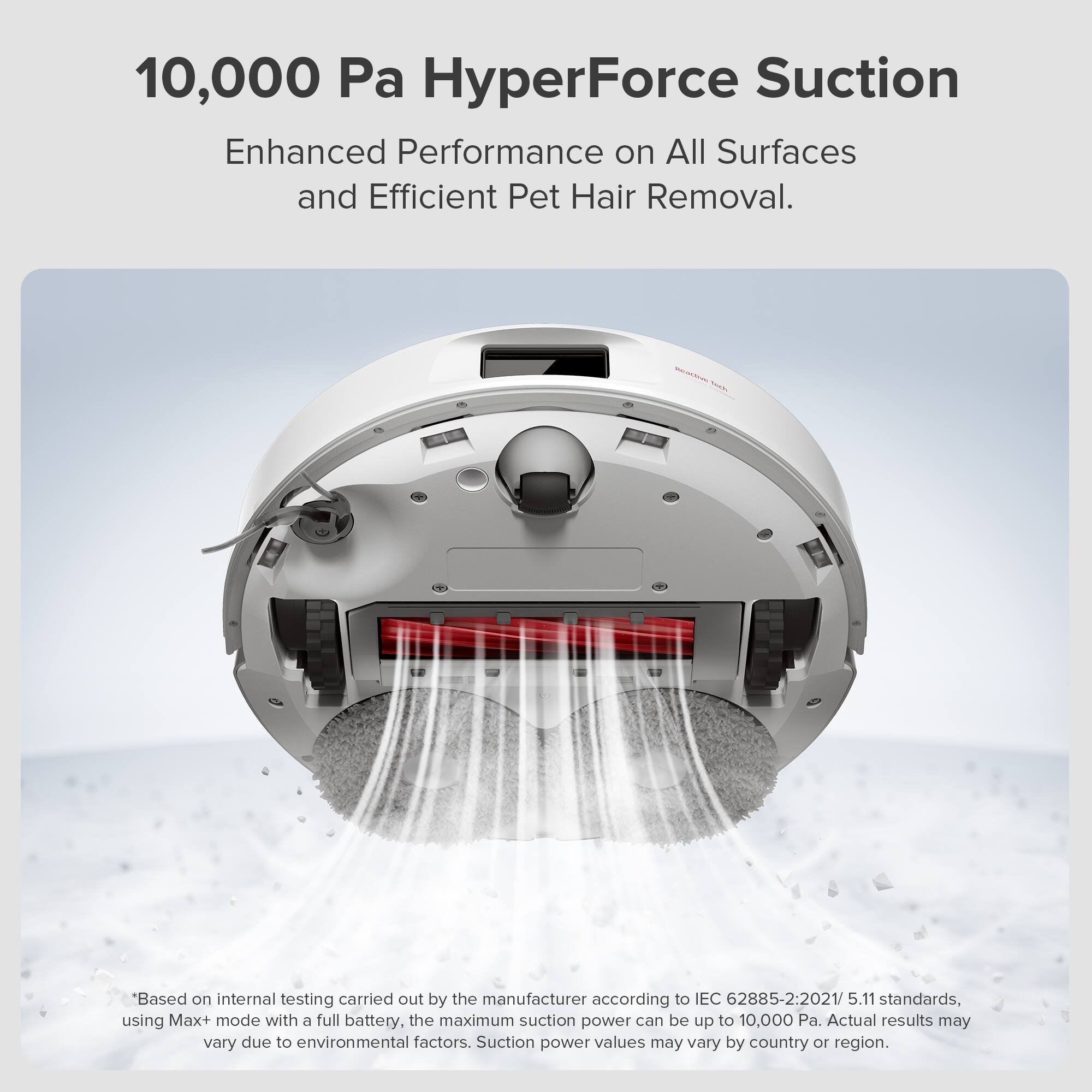
Both the QR 798 and Q10 VF+ feature identical 10,000 Pa HyperForce suction, which puts them among the most powerful robot vacuums available at the time of writing. To put this in perspective, many budget robot vacuums offer around 2,000-3,000 Pa, while premium models typically range from 5,000-8,000 Pa. This high suction power translates to excellent performance on both hard floors and carpets.
In our research of expert testing, the Q10 VF+ achieved a remarkable 96% sand removal from deep carpets, which ties for the highest score ever recorded in comprehensive robot vacuum testing. This level of performance typically requires much more expensive models, making it exceptional value for the money. The QR 798, sharing the same suction motor, delivers comparable performance.
Both models excel at pet hair pickup, scoring well above average in independent testing. However, they handle hair management differently during operation, which matters for daily maintenance.
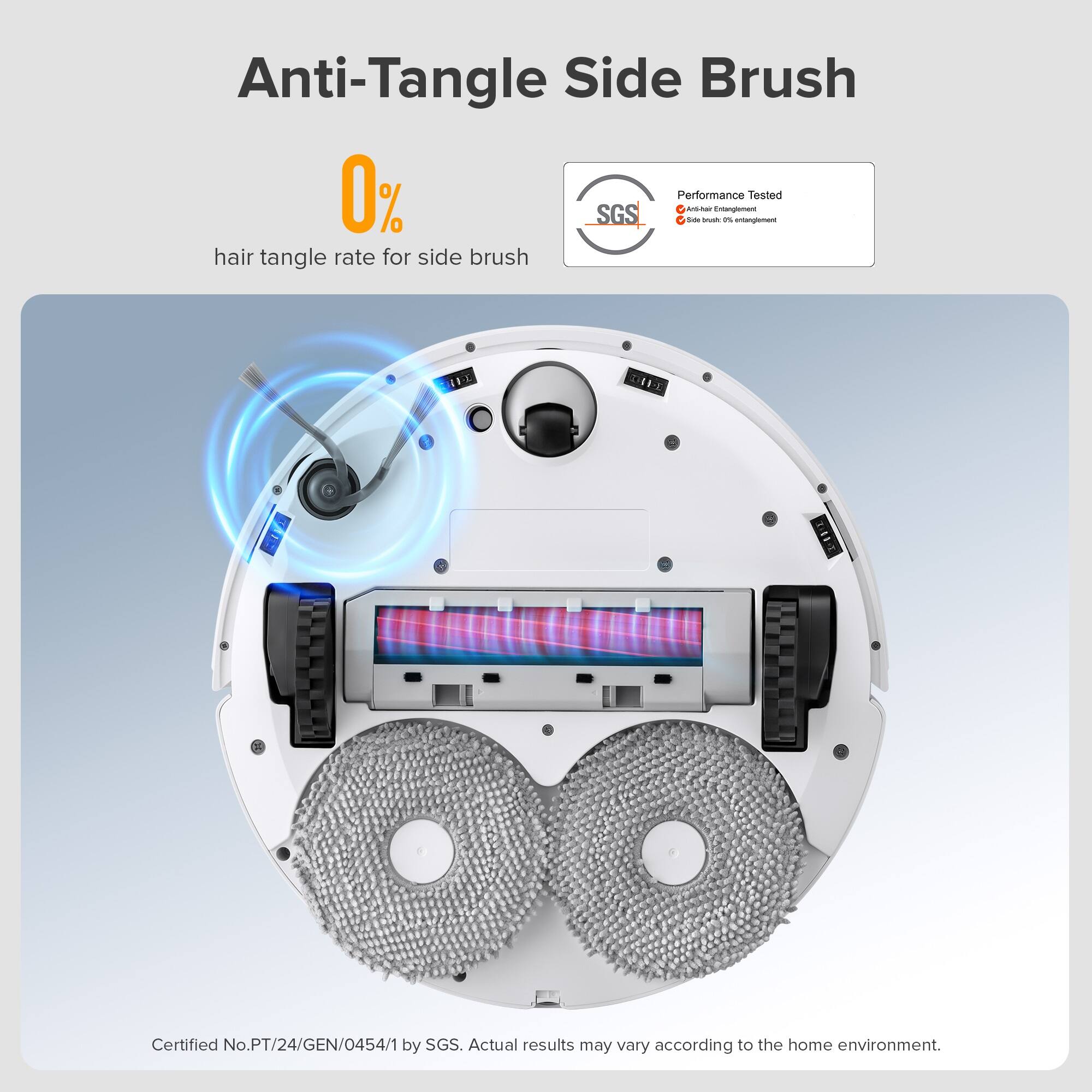
Here's where the first significant difference emerges. The Q10 VF+ includes what Roborock calls a "dual anti-tangle system" with jaw scraper technology. This means it has special combs that actively pull hair off the main brush as it spins, preventing the hair wrapping that plagues many robot vacuums. This is particularly important if you have pets or family members with long hair.
The QR 798 uses a more traditional anti-tangle brush design, relying more on its dock-based maintenance to handle hair buildup. While both approaches work well, the Q10 VF+ has a slight edge for homes with heavy hair accumulation since it clears hair continuously during cleaning rather than just during dock maintenance.
The mopping capabilities represent fundamentally different approaches to floor cleaning, and this is where your personal preferences and home layout become crucial factors.
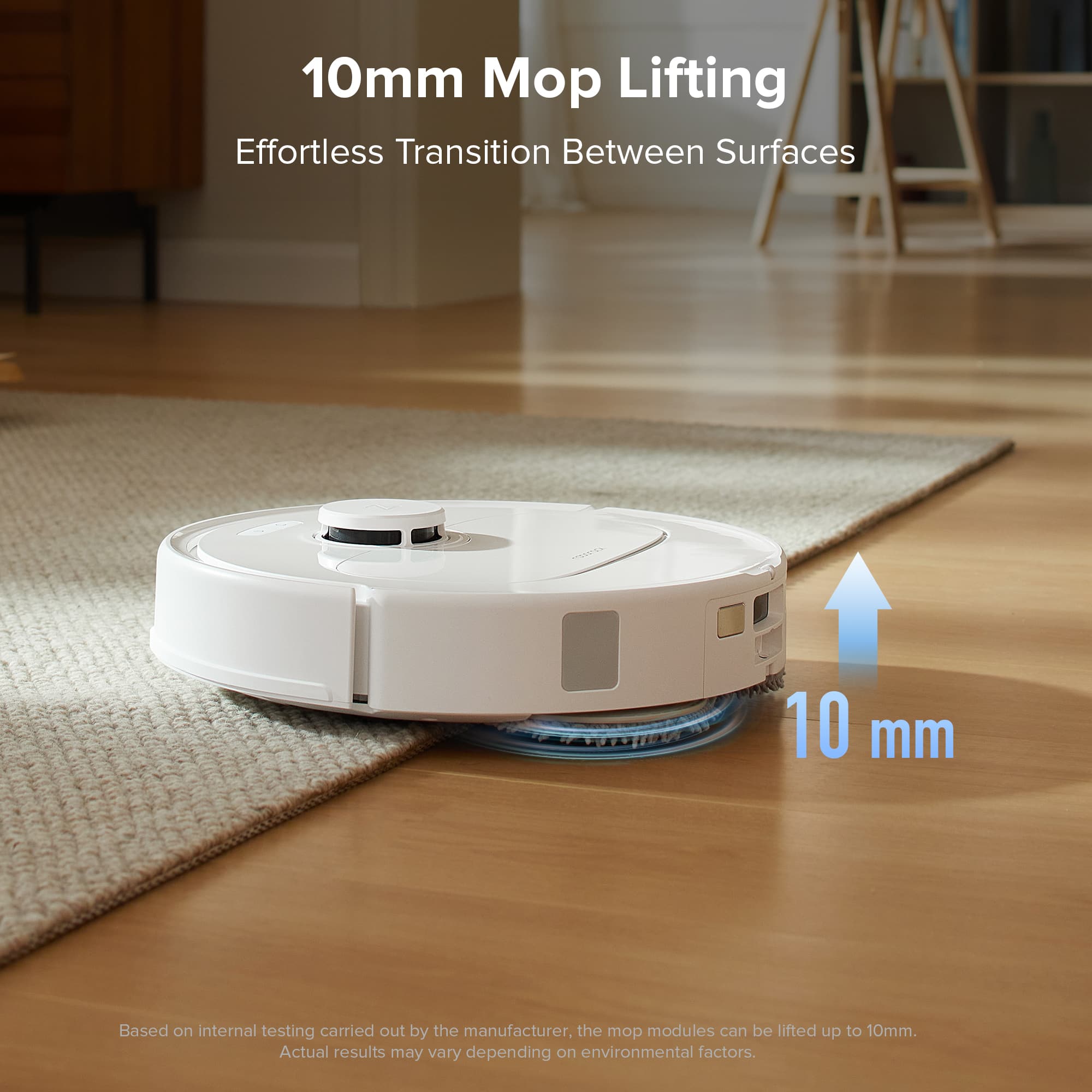
The QR 798 uses dual spinning mop pads that rotate at 200 RPM with 10mm lift capability. When the robot detects carpet through ultrasonic sensing (high-frequency sound waves that can distinguish surface types), the entire mop module retracts automatically. This creates seamless transitions between hard floors and carpets without any wet spots on rugs. The water flow is adjustable across 30 different levels, allowing precise control over how much moisture is applied to different floor types.
The Q10 VF+ employs VibraRise 2.0 technology, which combines dual spinning mops with sonic vibrations at 3,000 Hz. This creates a more aggressive scrubbing action that's particularly effective against stubborn, dried-on stains. The mop pads can lift 8-10mm when carpets are detected, though the lifting mechanism is slightly less sophisticated than the QR 798's system.
From a pure cleaning effectiveness standpoint, the Q10 VF+'s vibrating action tends to be more thorough on tough stains, while the QR 798's system provides more seamless operation across mixed flooring. If you frequently deal with sticky spills or dried food, the vibrating action of the Q10 VF+ might be more effective. For general maintenance cleaning, both perform admirably.
This is where the models diverge most dramatically and where your decision largely comes down to how much convenience is worth to you.
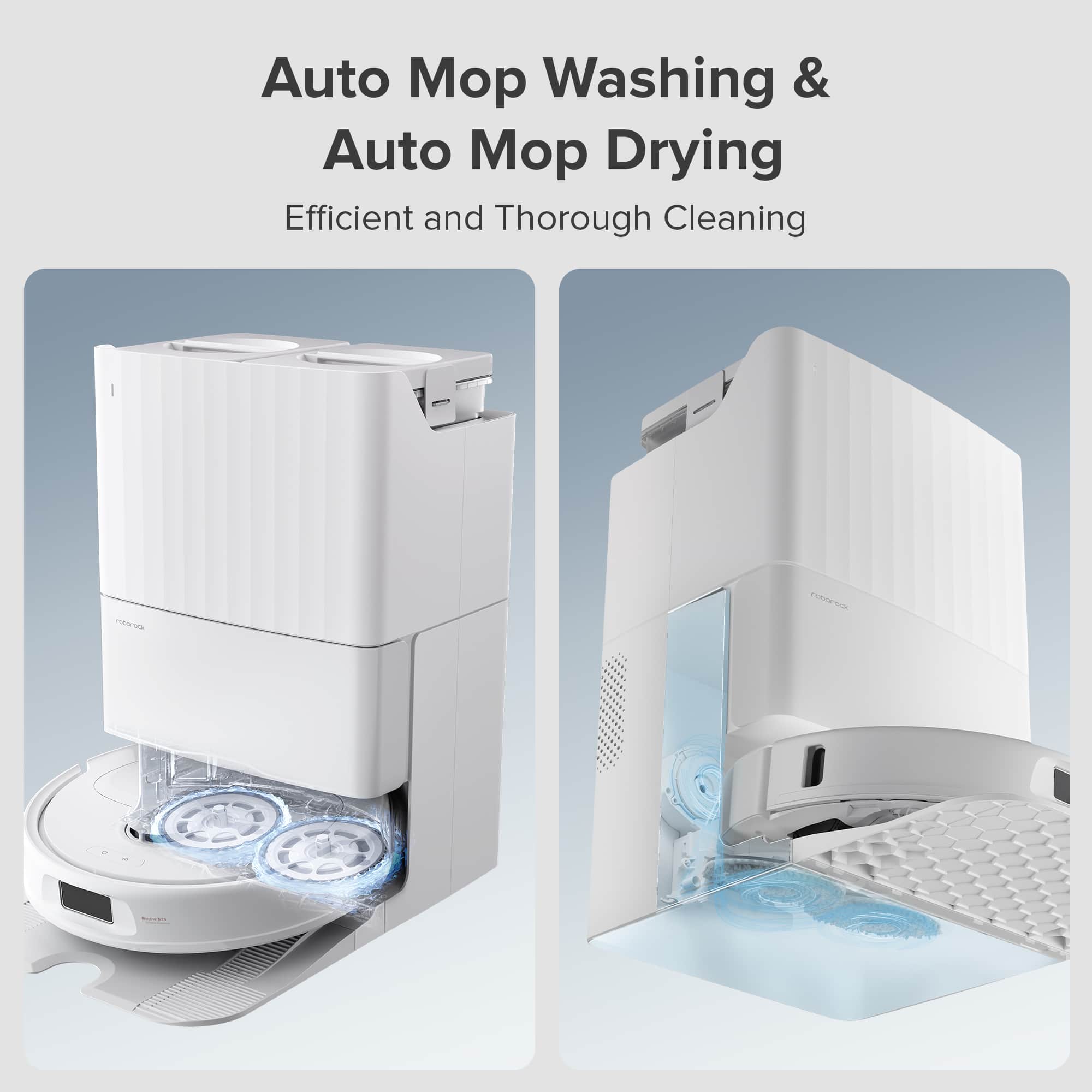
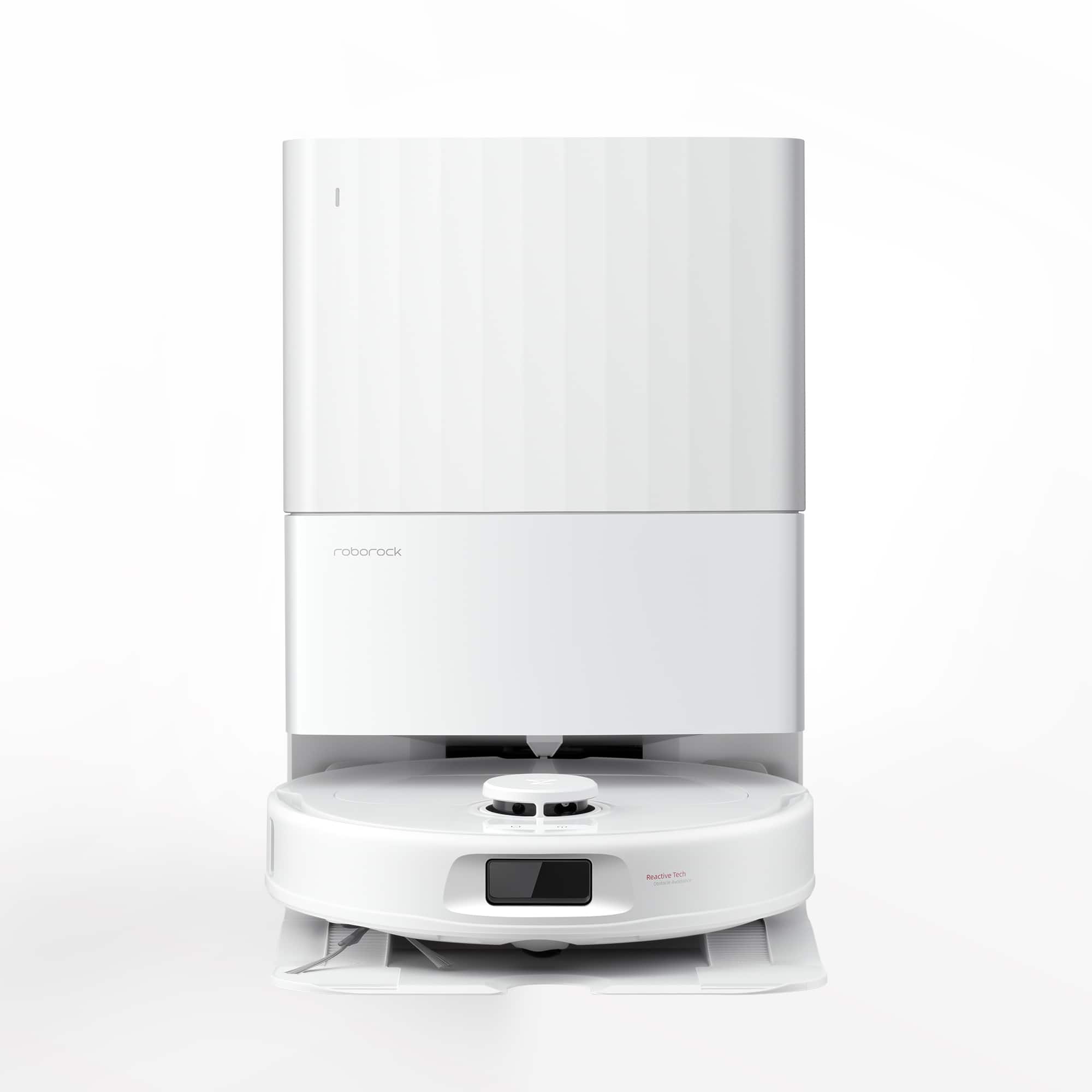
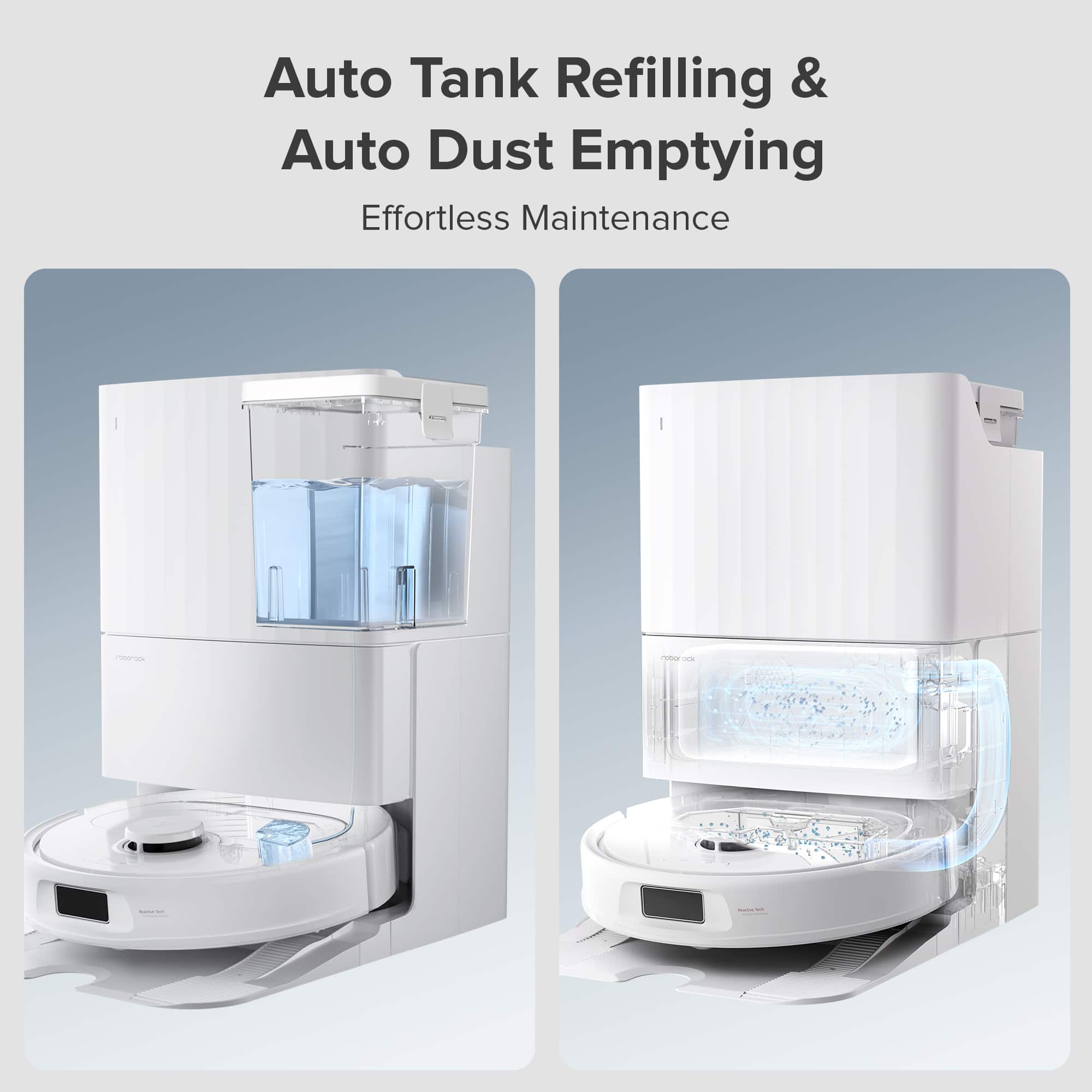
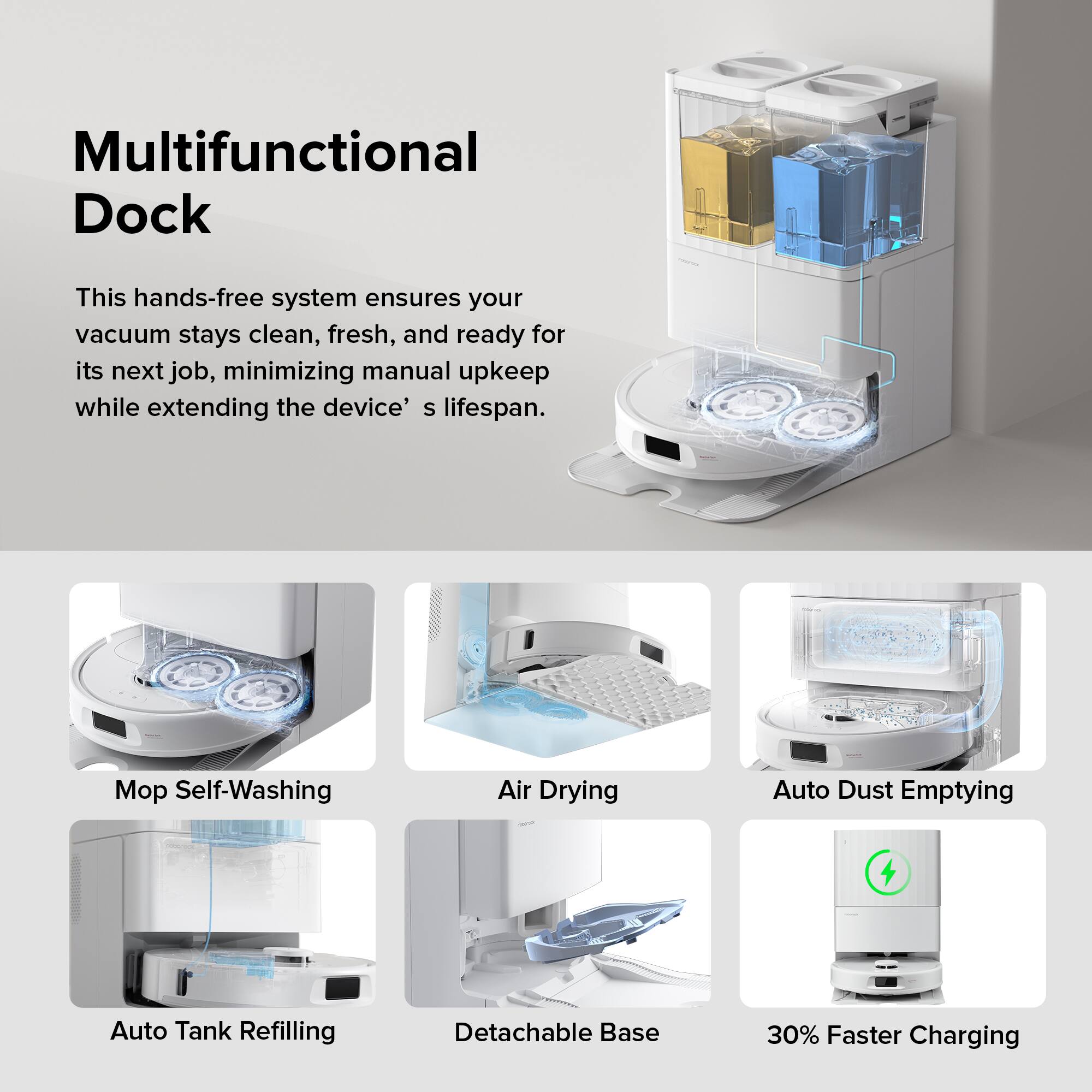
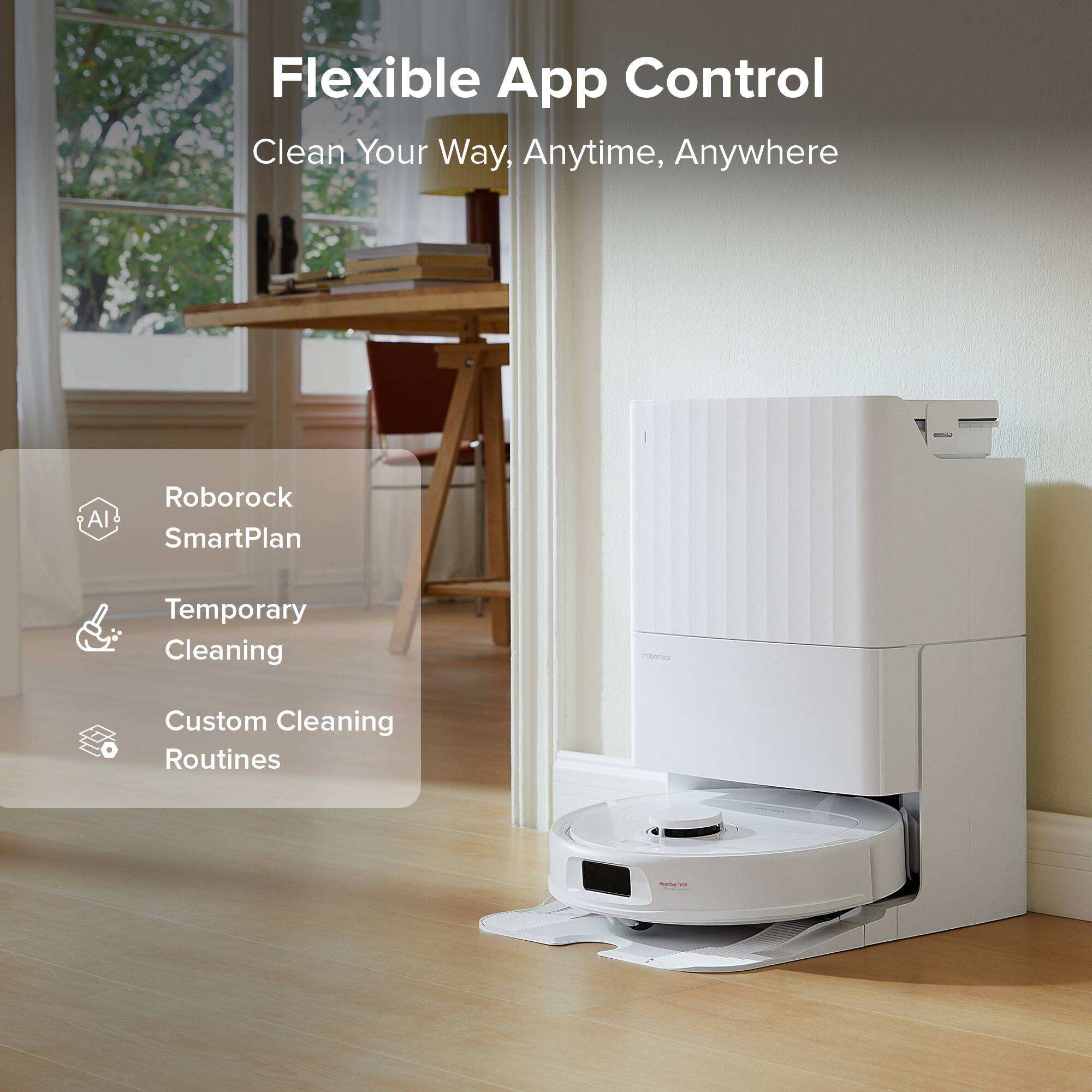
The QR 798's dock is essentially a mini cleaning station for your robot. It automatically washes the mop pads with room temperature water, dries them with ambient air to prevent mold and odors, empties the robot's dustbin into a 2.7-liter dust bag, and refills the water tank from large reservoirs (4 liters for clean water, 3.5 liters for dirty water).
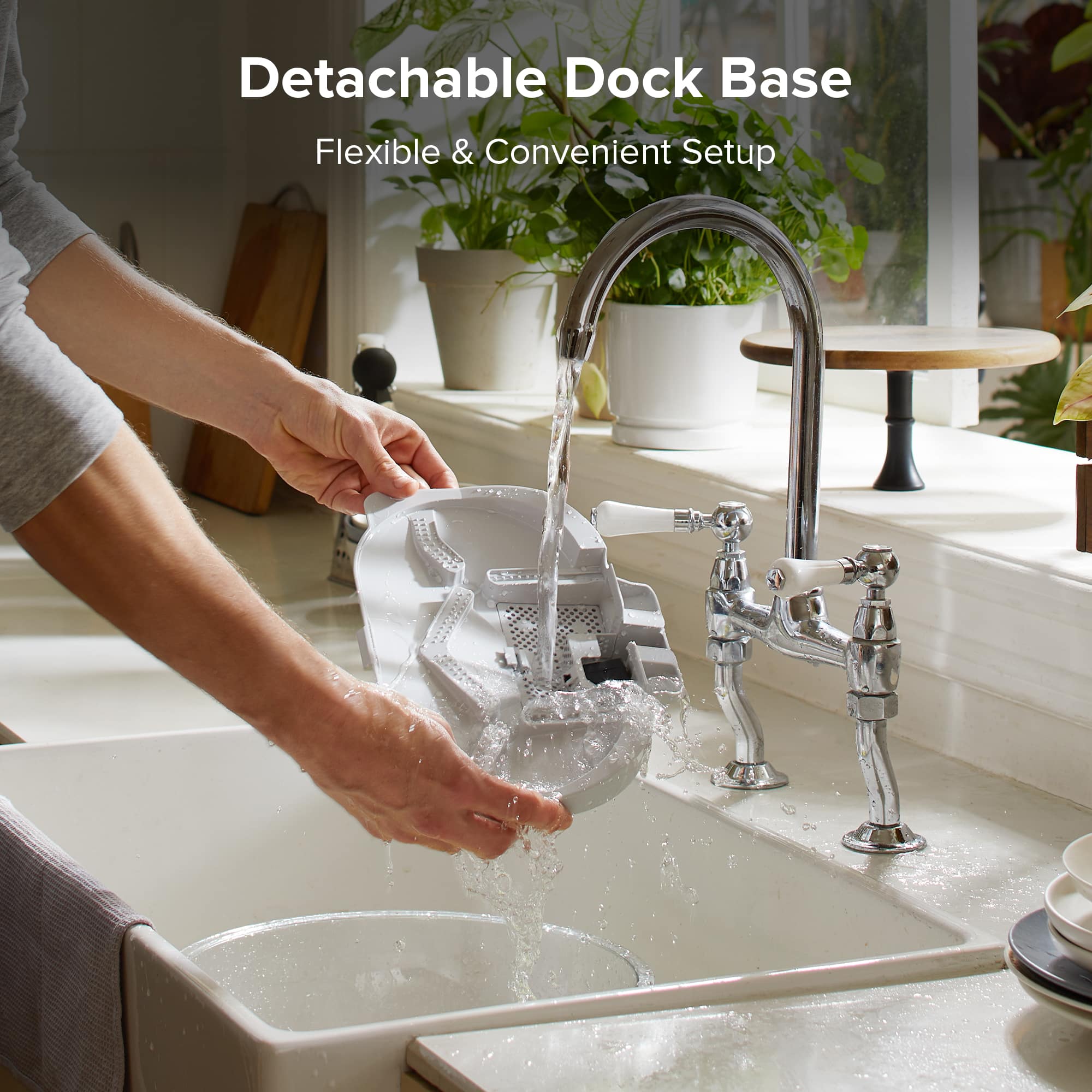
What this means practically is that you can go weeks without touching the robot except to occasionally refill the dock's water tanks and replace dust bags. The dock even has a detachable base, making it easier to clean the dock itself when needed. The noise level during mop drying stays reasonable at 45-55 decibels—about as loud as a quiet conversation.
For busy households or those who simply want minimal involvement in floor cleaning, this level of automation is genuinely transformative. You set cleaning schedules through the app and essentially forget about floor maintenance until the app notifies you that water tanks need refilling.
The Q10 VF+ includes a self-emptying dock that automatically empties the robot's dustbin into a 2.7-liter dust bag, providing up to seven weeks of hands-free vacuuming. However, mop pad washing, water tank filling, and water tank emptying remain manual tasks.
This means you'll need to remove and wash the mop pads regularly (how often depends on your cleaning frequency and how dirty your floors get), manually fill the robot's water tank before mopping sessions, and empty dirty water after use. These aren't particularly onerous tasks—washing a mop pad takes a minute or two—but they do require regular attention.
The advantage of this approach is significant cost savings while still eliminating the most frequent maintenance task: emptying the dustbin. For many users, this strikes an excellent balance between convenience and value.
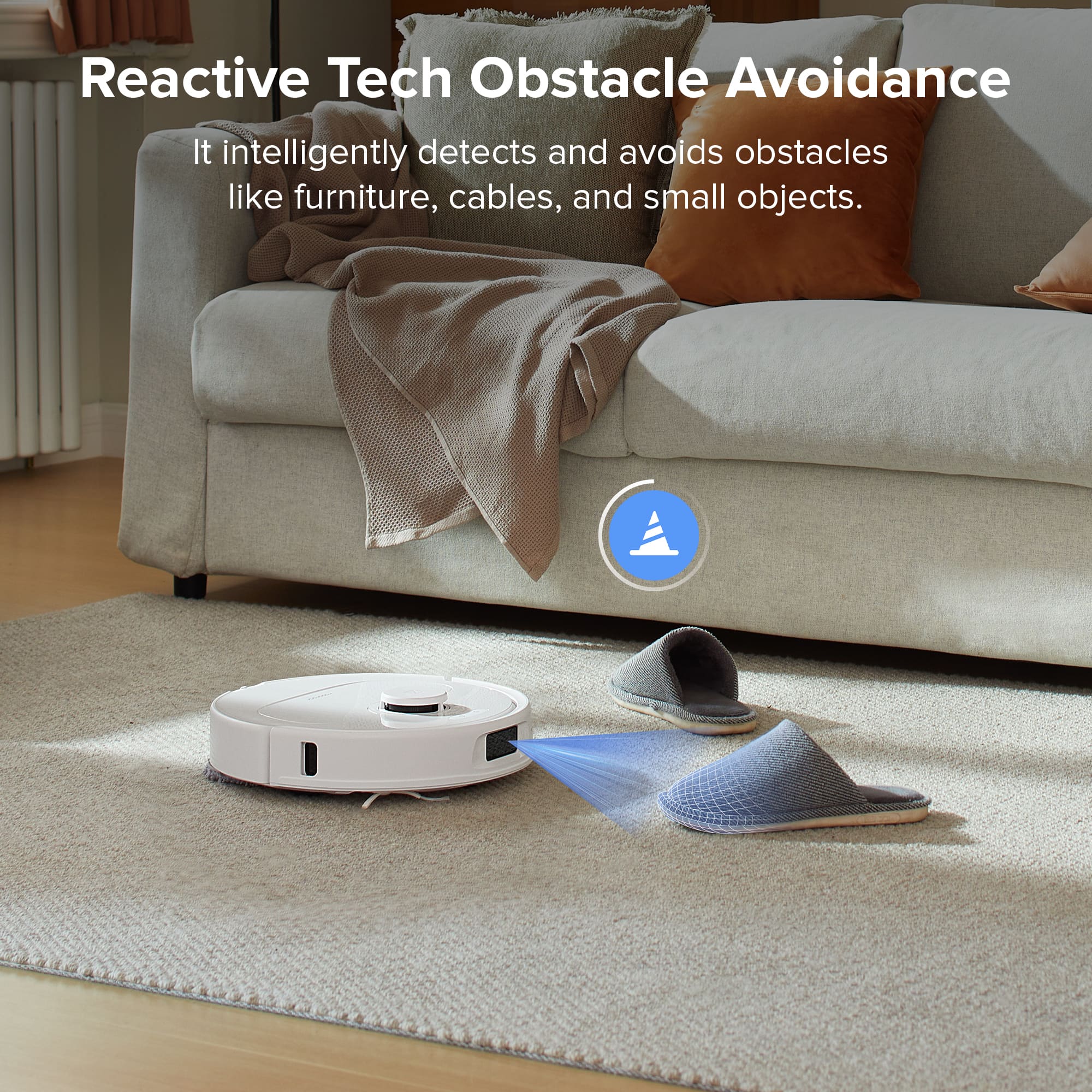
Both robots use advanced LiDAR navigation with similar capabilities. They create detailed maps of your home, support multi-level mapping for different floors, and offer comprehensive app control with features like no-go zones, room-specific cleaning, and custom schedules.
The apps are functionally equivalent, offering real-time cleaning monitoring, customizable suction levels, water flow control, and integration with voice assistants like Alexa and Google Assistant. Both robots can return to specific rooms for spot cleaning and handle recharge-and-resume for larger homes.
One notable feature both models share is intelligent carpet detection. When moving from hard floors to carpets, they automatically increase suction power and lift their mop pads (or retract them entirely on the QR 798) to prevent carpet damage.
At the time of writing, the QR 798 commands a significant premium over the Q10 VF+—roughly double the price. This price difference specifically pays for the automated mop washing and drying system, automated water management, and reduced manual maintenance requirements.
Whether this premium is justified depends largely on your personal situation and preferences. If you value your time highly, have a busy household, or simply prefer appliances that require minimal interaction, the QR 798's automation features genuinely deliver on their promise. Users consistently report that the convenience of not washing mop pads or managing water tanks makes the premium worthwhile for their lifestyle.
However, if budget is a primary concern or you don't mind occasional manual maintenance, the Q10 VF+ delivers remarkable value. You get the same exceptional suction power, effective mopping, and smart navigation at roughly half the cost. The manual tasks aren't particularly time-consuming or difficult—they just require remembering to do them.
Both models excel in homes with pets, but they handle pet hair differently. The Q10 VF+'s jaw scraper technology actively removes hair during cleaning, which is particularly valuable for heavy-shedding breeds. Multiple users with German Shepherds, Golden Retrievers, and other high-shedding dogs report excellent results with daily cleaning sessions.
The QR 798 handles pet hair well through its anti-tangle brush design and relies more on dock maintenance. For most pet owners, either approach works effectively, but the Q10 VF+ might have a slight edge for homes with multiple heavy-shedding pets.
Both robots support multi-level mapping, but practical considerations differ. The QR 798's all-in-one dock is quite large and typically stays on one floor, making it less convenient for multi-floor cleaning. The Q10 VF+'s simpler dock setup makes it more practical to move between floors when needed.
Both models operate at reasonable noise levels during normal cleaning—around 55-65 decibels, comparable to a normal conversation. The QR 798 is particularly quiet during mop drying at 45-55 decibels. Neither would be disruptive during movie watching at normal volumes, though you might pause cleaning during critical listening sessions.
The smart scheduling features let you avoid cleaning during specific hours, making both suitable for homes with dedicated entertainment spaces.
The choice between the QR 798 and Q10 VF+ ultimately comes down to how you value convenience versus cost savings.
Choose the QR 798 if you want maximum automation and minimal involvement in floor cleaning. It's ideal for busy professionals, families with young children, or anyone who simply prefers appliances that handle their own maintenance. The premium price pays for genuine time savings and convenience that users consistently praise.
Choose the Q10 VF+ if you want flagship-level cleaning performance at a more accessible price point. It's perfect for budget-conscious buyers who don't mind occasional manual maintenance tasks. You're not sacrificing cleaning quality—just some convenience features.
Both represent excellent values within their respective price segments. The Q10 VF+ is arguably one of the best robot vacuum values available at the time of writing, delivering premium performance at a mid-range price. The QR 798 justifies its premium through meaningful automation that genuinely reduces the work required to maintain clean floors.
Consider your budget, cleaning frequency, home layout, and personal preference for appliance automation. Either choice will significantly upgrade your floor cleaning routine compared to manual methods or basic robot vacuums. The question is whether the additional convenience features of the QR 798 are worth the premium for your specific situation.
| Roborock QR 798 | Roborock Q10 VF+ |
|---|---|
| Suction Power - Core cleaning performance for carpets and debris | |
| 10,000 Pa HyperForce (flagship-level suction) | 10,000 Pa HyperForce (identical performance) |
| Dock Automation - How much manual maintenance is required | |
| All-in-one dock: auto mop washing, drying, dust emptying, water refilling | Self-empty dock only: manual mop washing and water management required |
| Mopping System - Effectiveness on stubborn stains and floor transitions | |
| Dual spinning mops (200 RPM) with 10mm retraction for seamless carpet transitions | VibraRise 2.0 with sonic vibrations (3,000 Hz) for aggressive scrubbing, 8-10mm lift |
| Anti-Tangle Technology - Critical for pet hair and long hair households | |
| Standard anti-tangle brush with dock-based maintenance | Dual anti-tangle system with jaw scraper technology for active hair removal |
| Water Management - Convenience for regular mopping | |
| 4L clean + 3.5L dirty water tanks in dock, 80ml robot tank | Manual filling/emptying of robot's integrated water tank |
| Dust Capacity - How often you need to empty or replace bags | |
| 2.7L dust bag (weeks of cleaning), 270ml robot dustbin | 2.7L dust bag (7 weeks of cleaning), robot dustbin auto-empties |
| Navigation & Mapping - Movement efficiency and smart features | |
| PreciSense LiDAR with multi-level mapping, no-go zones, room-specific cleaning | PreciSense LiDAR with multi-level mapping, no-go zones, room-specific cleaning |
| Runtime & Coverage - Suitable home size | |
| Up to 180 minutes, covers 300+ m² with auto water refilling | Up to 180 minutes, similar coverage but requires manual water management |
| Target User - Who gets the best value | |
| Premium buyers wanting maximum automation and minimal maintenance | Budget-conscious users comfortable with some manual tasks for flagship performance |
| Key Advantage - What this model does best | |
| Complete hands-off operation with automated mop care | Exceptional cleaning performance with active hair management at accessible pricing |
Both the Roborock QR 798 and Roborock Q10 VF+ feature identical 10,000 Pa HyperForce suction, making them equally powerful for carpet cleaning and debris removal. This puts both models among the most powerful robot vacuums available, so your choice should be based on other features rather than suction strength.
The primary difference is dock automation. The Roborock QR 798 features an all-in-one dock that automatically washes and dries mop pads, refills water tanks, and empties dust, while the Roborock Q10 VF+ only auto-empties dust and requires manual mop pad washing and water management.
The Roborock Q10 VF+ has a slight advantage for heavy pet hair due to its dual anti-tangle system with jaw scraper technology that actively removes hair during cleaning. The QR 798 handles pet hair well but relies more on dock-based maintenance for hair removal.
Yes, both the Roborock QR 798 and Q10 VF+ can vacuum and mop simultaneously. Both automatically lift their mop pads when transitioning to carpets, with the QR 798 offering complete mop retraction for seamless carpet cleaning.
The Roborock QR 798 requires significantly less maintenance due to its automated mop washing, drying, and water management systems. The Q10 VF+ still needs manual mop pad washing and water tank filling, though it does auto-empty its dustbin.
The Roborock Q10 VF+ uses VibraRise 2.0 with sonic vibrations at 3,000 Hz for more aggressive stain scrubbing, while the QR 798 uses dual spinning mops with automated washing and drying. Both are effective, but the Q10 VF+ may handle stubborn stains better.
The Roborock Q10 VF+ offers exceptional value by delivering flagship-level cleaning performance at a lower price point. The QR 798 provides better value for users who prioritize maximum automation and minimal maintenance over cost savings.
Yes, both the Roborock QR 798 and Q10 VF+ support multi-level mapping and can clean multiple floors. However, the Q10 VF+ may be more practical for multi-floor use due to its simpler dock setup that's easier to move between levels.
Both models offer up to 180 minutes of runtime per charge with 5200mAh batteries. The Roborock QR 798 can cover larger areas continuously due to automated water refilling, while the Q10 VF+ may need manual water tank refills for extended cleaning sessions.
Both the Roborock QR 798 and Q10 VF+ operate at similar noise levels (around 55-65 dB) during cleaning. The QR 798 is particularly quiet during mop drying at 45-55 dB, making both suitable for homes with quiet spaces or home theaters.
Yes, both the Roborock QR 798 and Q10 VF+ are compatible with Amazon Alexa, Google Assistant, and Apple Siri for voice control. They also feature comprehensive app control with scheduling, mapping, and customization options.
Choose the Roborock QR 798 if you want maximum automation and don't mind paying more for hands-off operation. Select the Q10 VF+ if you want excellent cleaning performance at a lower cost and don't mind occasional manual maintenance tasks like washing mop pads.
We've done our best to create useful and informative comparisons to help you decide what product to buy. Our research uses advanced automated methods to create this comparison and perfection is not possible - please contact us for corrections or questions. These are the sites we've researched in the creation of this article: bestbuy.com - youtube.com - bestbuy.com - youtube.com - youtube.com - my.roborock.com - rtings.com - us.roborock.com - vacuumwars.com - youtube.com - youtube.com - ebay.com - bestbuy.ca - roborock.sg - clubitc.eu - macys.com - my.roborock.com - itmediaexport.com - support.roborock.com - manualpdf.in - bestbuy.com - sg.roborock.com - fortress.com.hk - roborockindia.com - financemycart.com - vacuumwars.com - youtube.com - bestbuy.com - youtube.com - eftm.com - youtube.com - youtube.com - youtube.com - youtube.com - homedepot.com - youtube.com - roborockstore.com.au - youtube.com - us.roborock.com - youtube.com - global.roborock.com - us.roborock.com - youtube.com - bestbuy.com - coolblue.de - manuals.plus - roborock.sg - multitronic.fi - homedepot.com

Privacy Policy
Terms and Conditions - Affiliate Policy
Home Security
© Copyright 2008-2026.
11816 Inwood Rd #1211, Dallas, TX 75244