



The robot vacuum and mop market has transformed dramatically over the past few years, evolving from simple disc-shaped cleaners that bumped around randomly to sophisticated home automation systems that can think, adapt, and maintain themselves. If you're shopping for a premium 2-in-1 robot vacuum and mop in 2024, you're facing an exciting but complex decision between established excellence and innovative newcomers.
Today we're comparing two flagship models that represent different philosophies in robot cleaning: the Roborock QR 798, which prioritizes raw performance and proven reliability, versus the Shark PowerDetect ThermaCharged RV2920XE, which introduces heated mop sanitization and intelligent cleaning detection. Both launched in 2024, bringing cutting-edge technology to tackle the eternal challenge of keeping floors clean without lifting a finger.
Before diving into specifics, it's worth understanding what separates today's premium robot vacuums from the basic models you might find for a few hundred dollars. The key differentiators fall into several categories: suction power (measured in Pascals or Pa), navigation intelligence, obstacle avoidance, mop effectiveness, and maintenance automation.
Suction power has skyrocketed in recent years. Where older robots might have offered 1,000-2,000 Pa, premium models now exceed 10,000 Pa—that's enough force to pull stubborn debris from deep carpet fibers. Navigation has evolved from random bumping patterns to precise laser-guided mapping that can remember multiple floors of your home. Most importantly, the mopping function has transformed from a simple wet pad dragged behind the vacuum to actively scrubbing systems with heated cleaning and automatic maintenance.
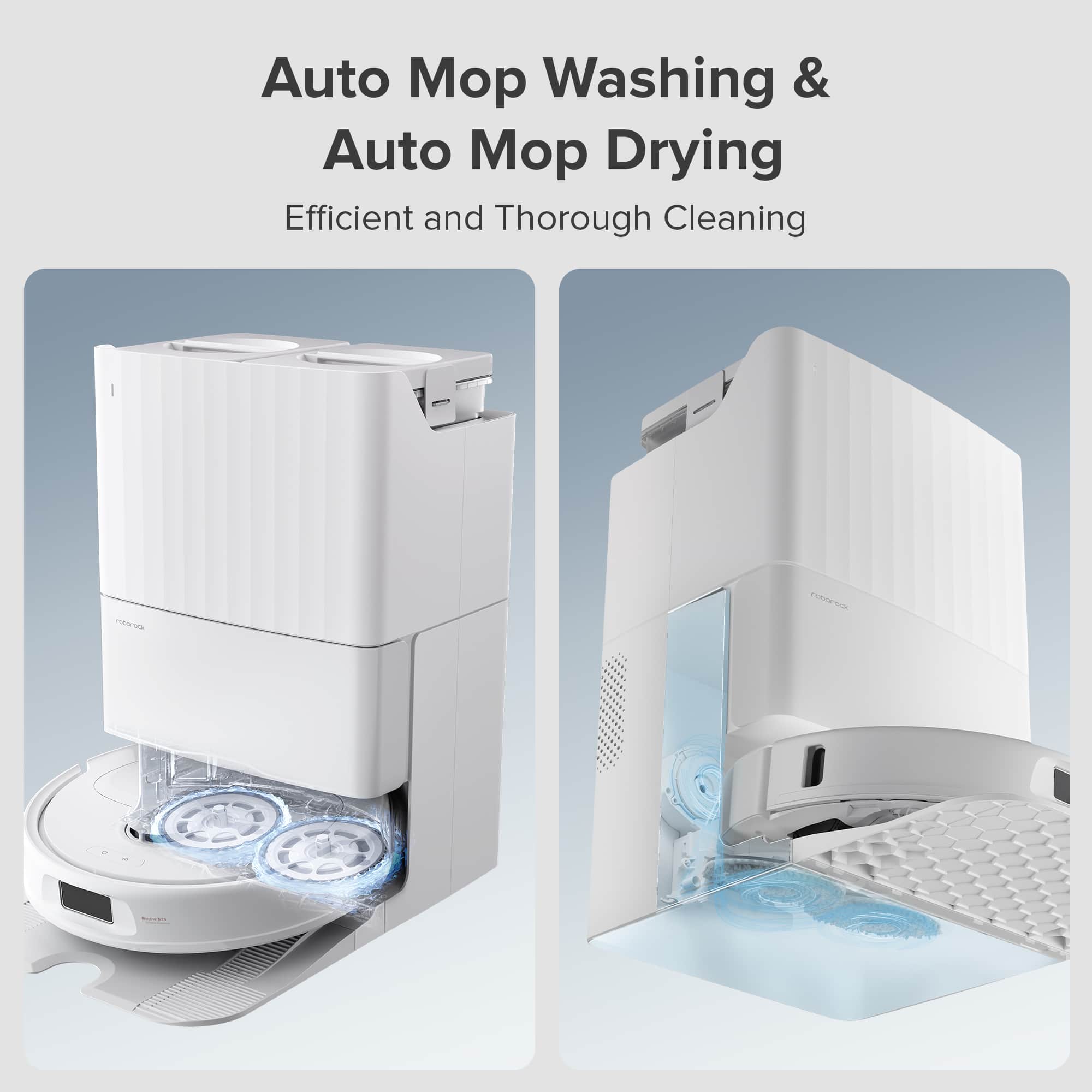
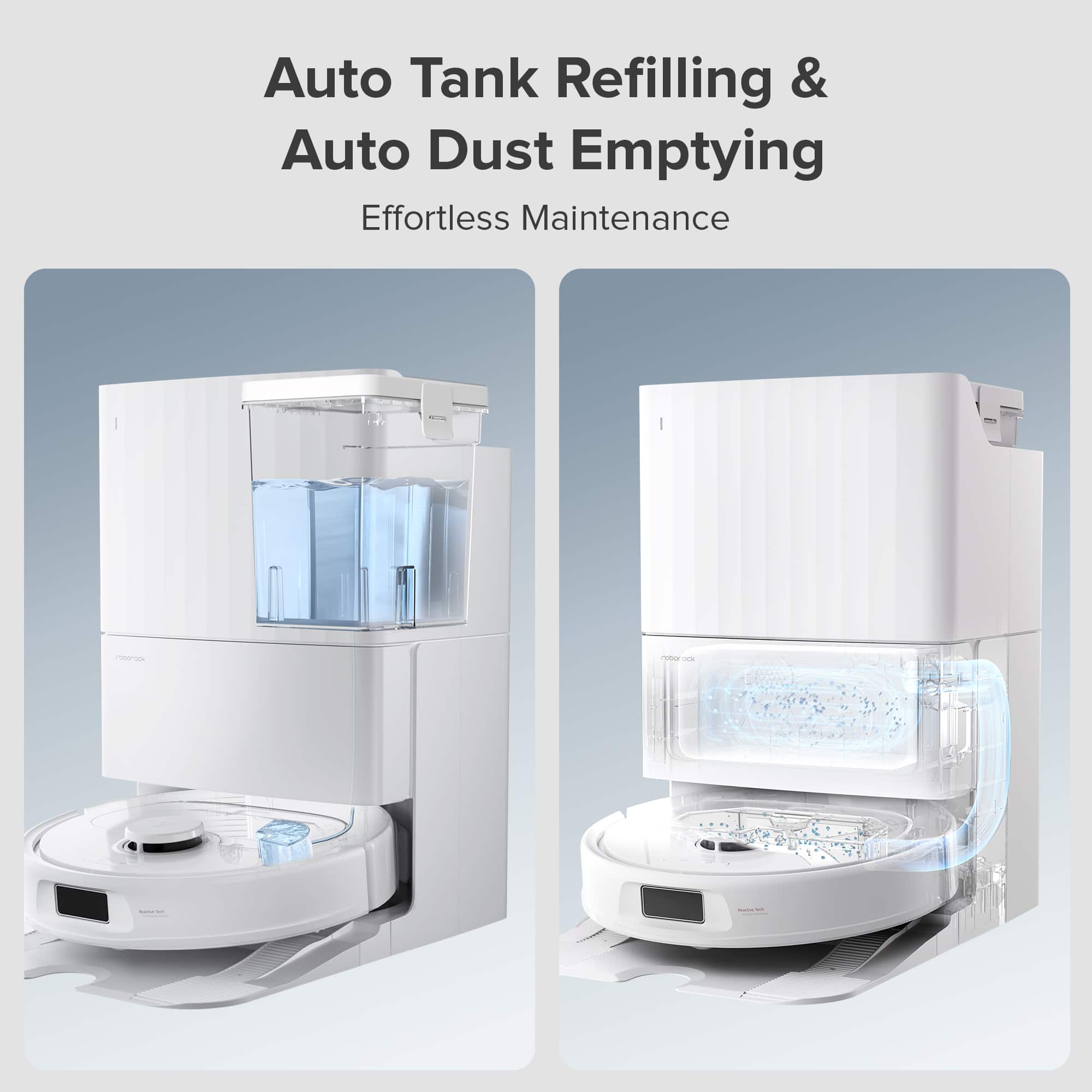
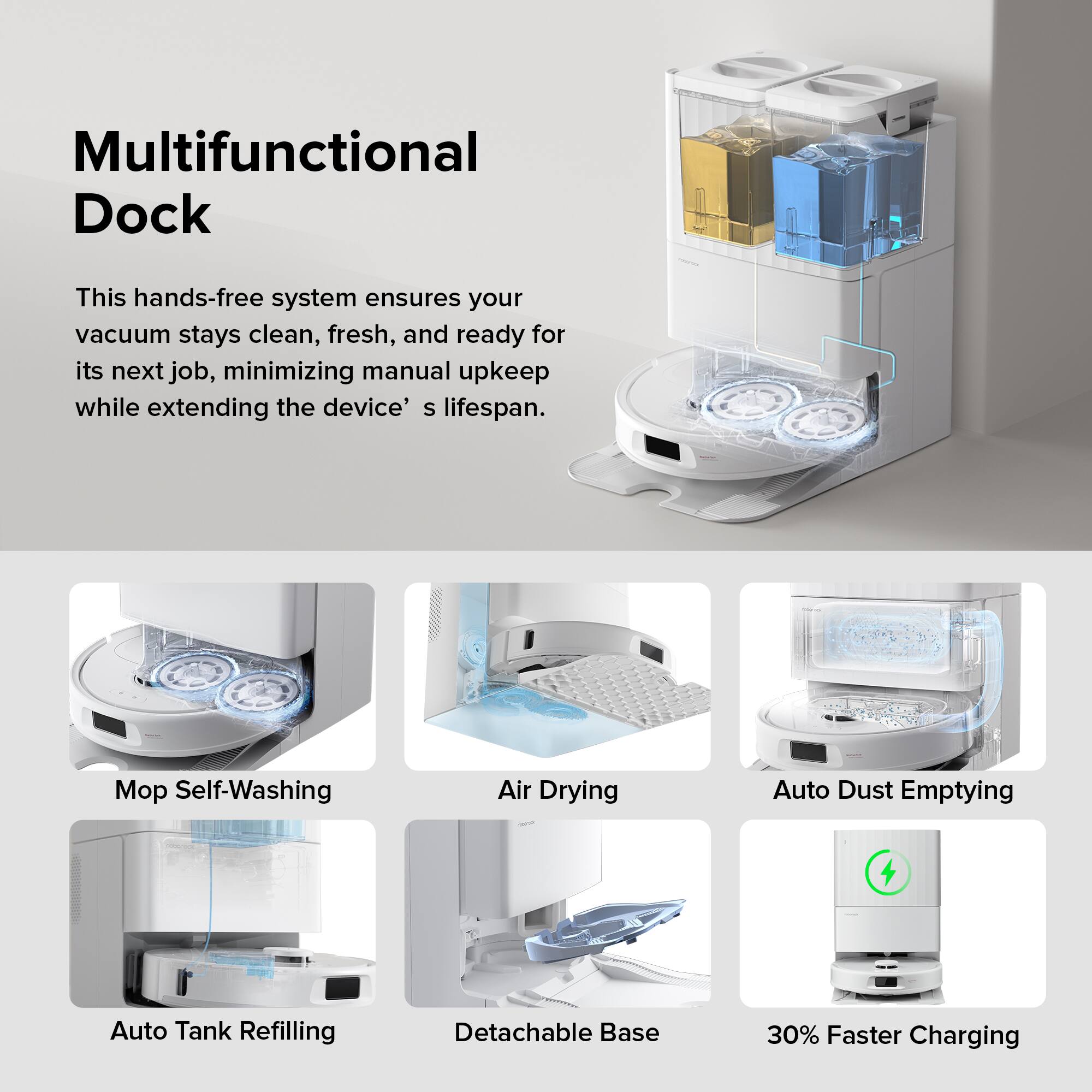
The maintenance automation aspect is perhaps the biggest game-changer. Traditional robot vacuums required daily emptying and constant mop washing. Today's premium models can go weeks or even months between interventions, handling everything from emptying their own dustbins to washing and drying their mops with heated water and air.
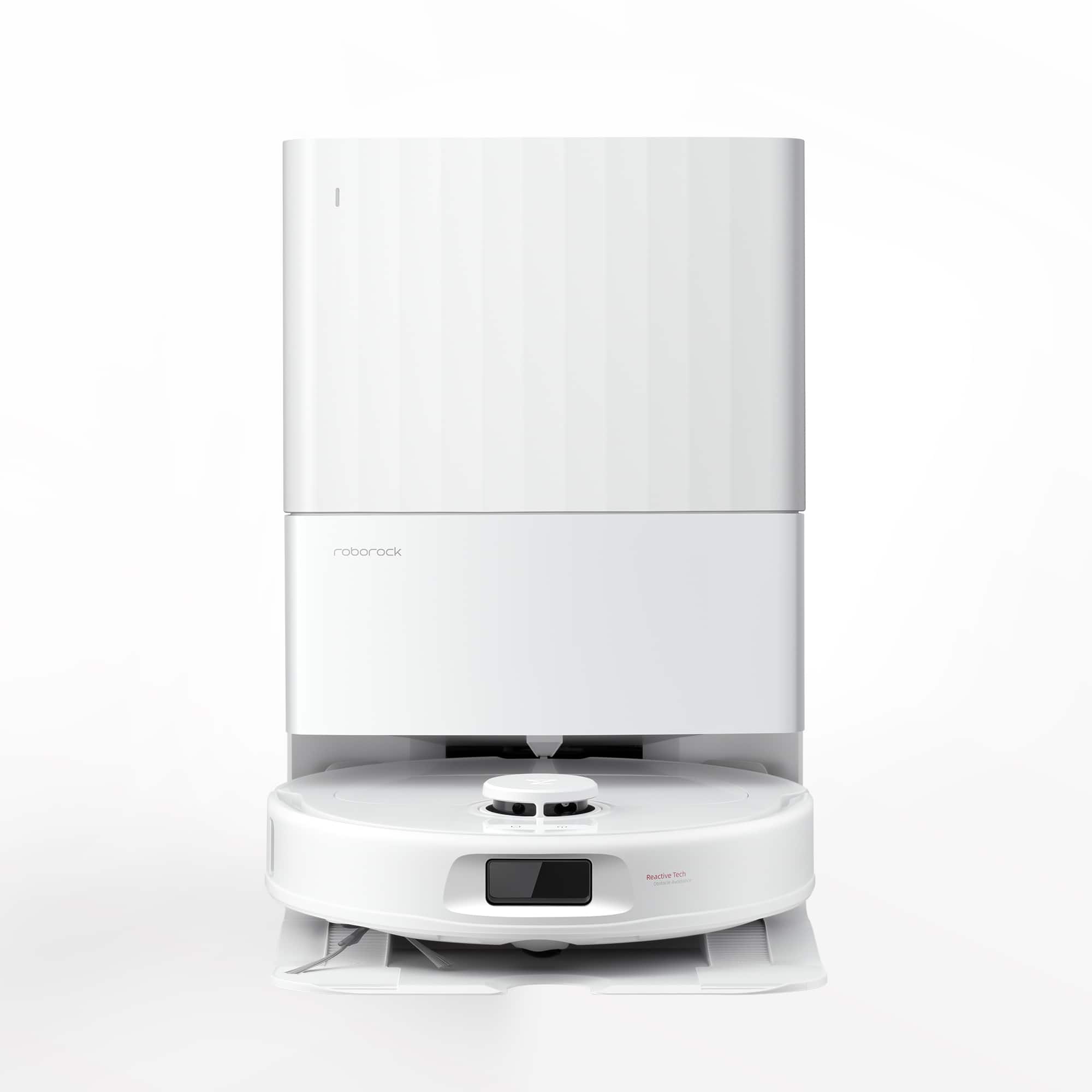
The Roborock QR 798 represents Roborock's 2024 flagship, building on nearly a decade of robot vacuum expertise. Released as part of their premium Qrevo series, this model pushes the boundaries of what's possible in automated floor cleaning.
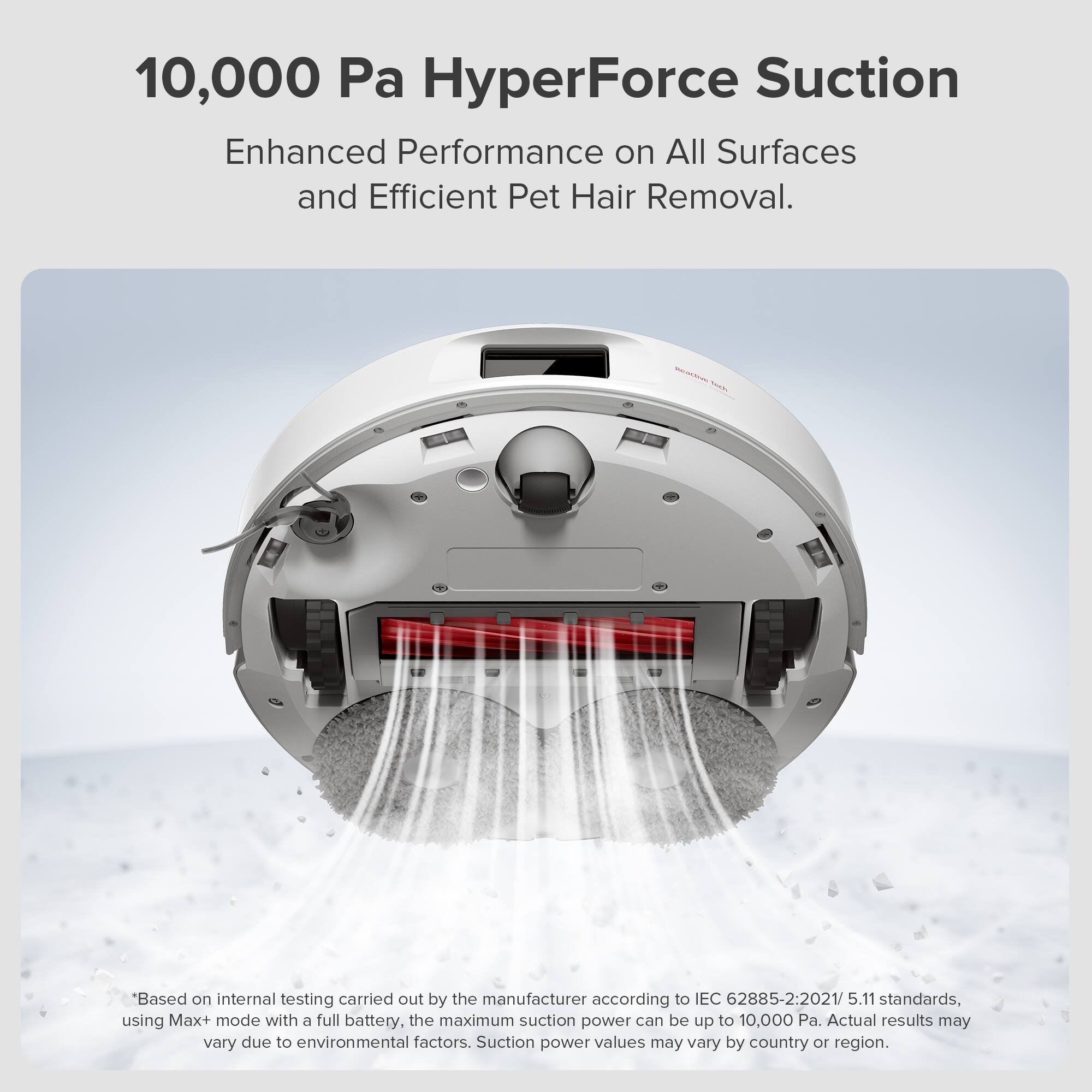
The standout feature is the massive 10,000 Pa HyperForce suction—among the highest available in any consumer robot vacuum. To put this in perspective, that's enough suction to lift a smartphone off a table. This power translates directly to better deep-cleaning performance, especially on carpets where embedded dirt and pet hair can be challenging to extract.
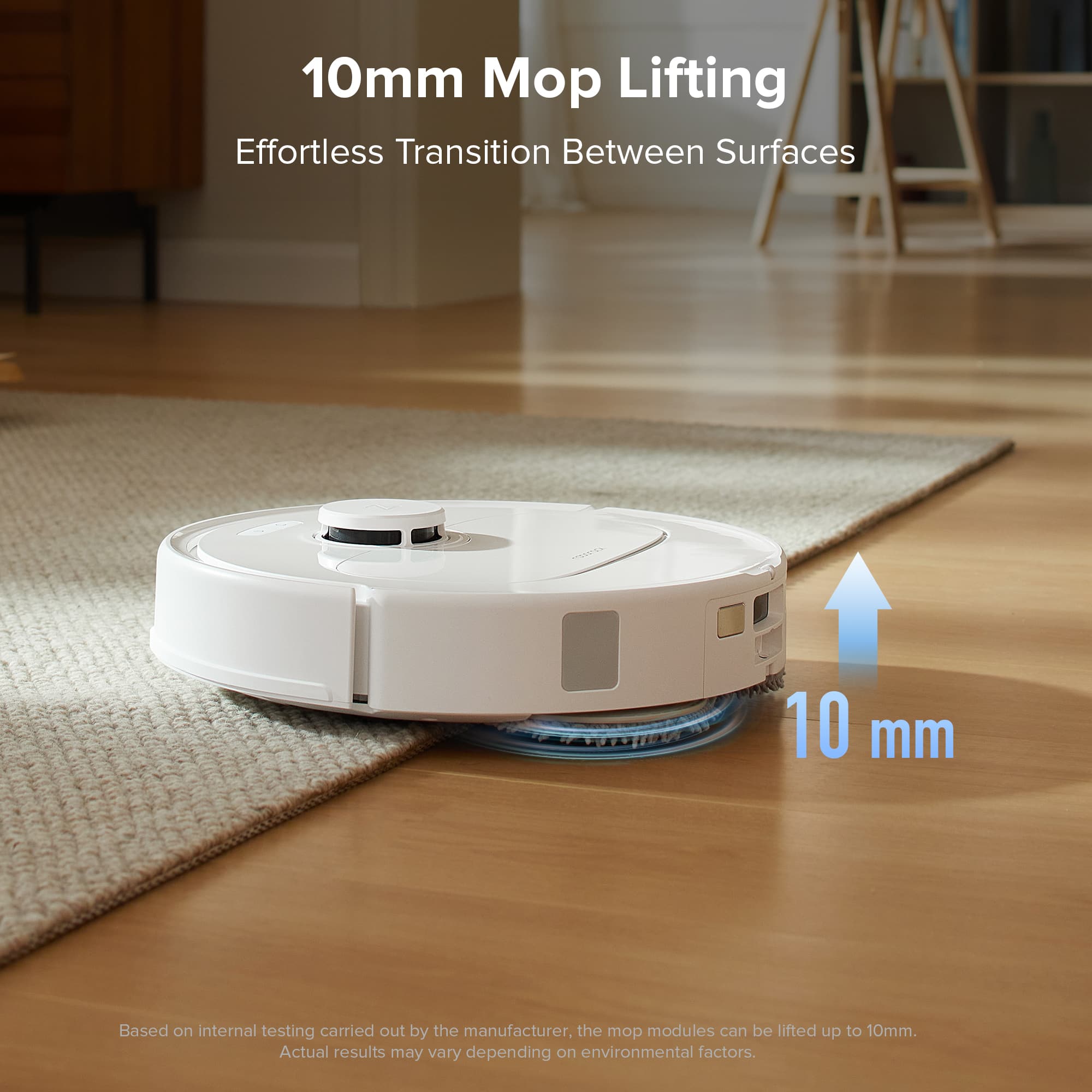
The QR 798's dual spinning mop system operates at 200 RPM (revolutions per minute), meaning each mop pad completes 200 full rotations every sixty seconds. This aggressive scrubbing action, combined with 30 different water flow levels, allows for precise control over how much moisture hits your floors. The mop lifting system raises the entire mop assembly 10mm when carpets are detected—high enough to prevent any dampness from reaching carpet fibers.
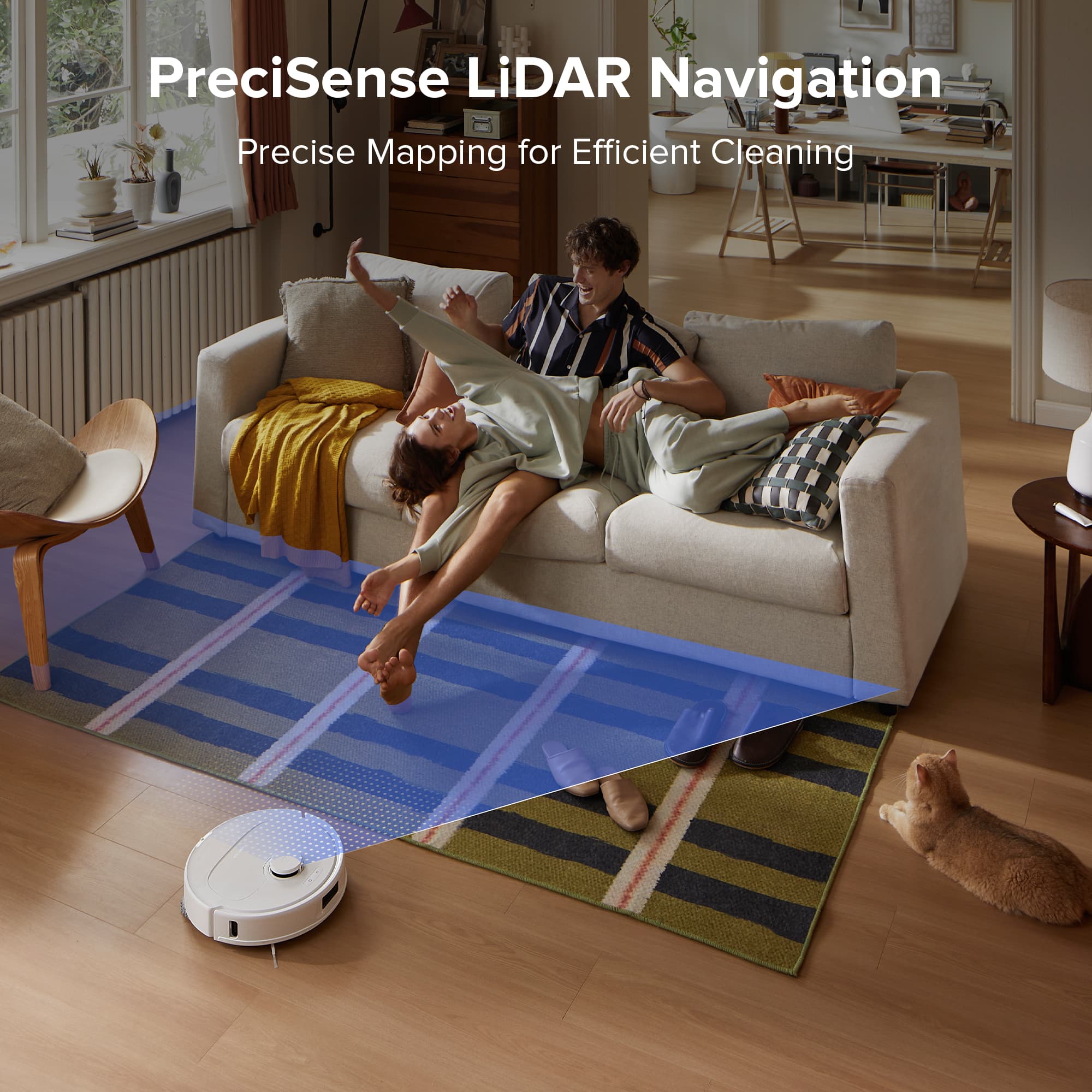
Navigation relies on PreciSense LiDAR technology, which uses laser pulses to create detailed 3D maps of your home. Unlike cheaper models that might struggle with dark furniture or glass surfaces, LiDAR provides consistent mapping regardless of lighting conditions or surface materials. The QR 798 can store up to four different floor maps, making it ideal for multi-story homes or users who want to move the robot between different locations.
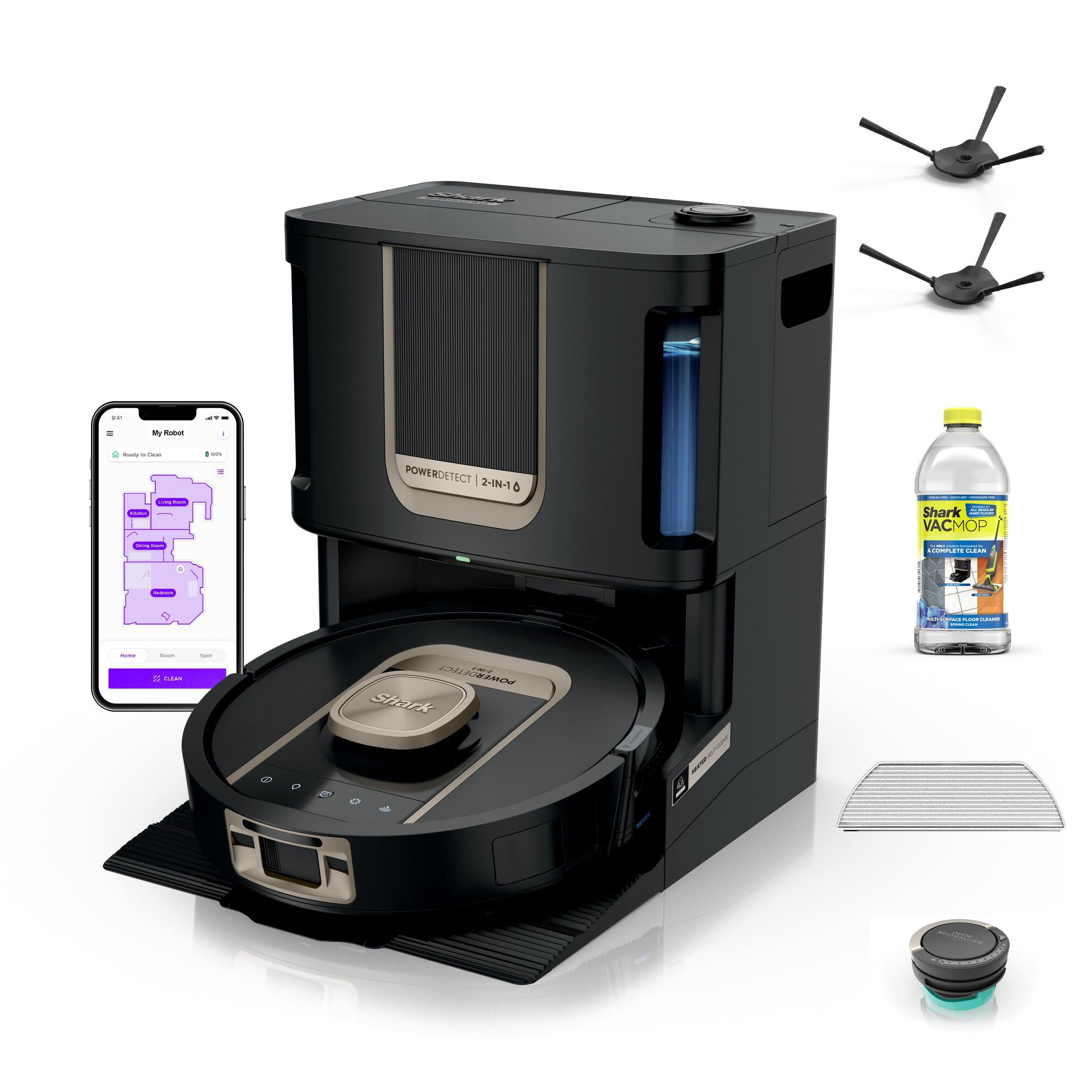
The Shark PowerDetect ThermaCharged RV2920XE takes a fundamentally different approach, prioritizing mop cleanliness and intelligent cleaning adaptation. Released in 2024 as Shark's most advanced robot vacuum, it introduces several technologies not found in competing models.
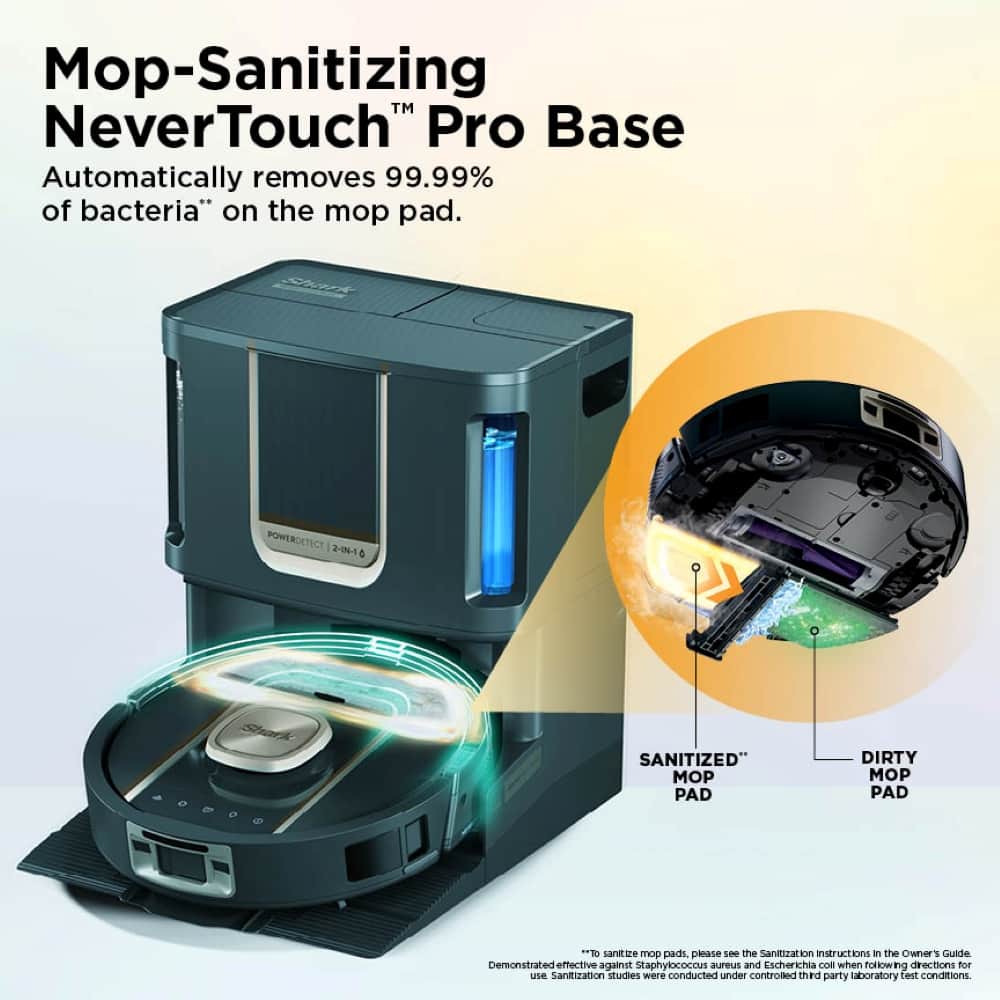
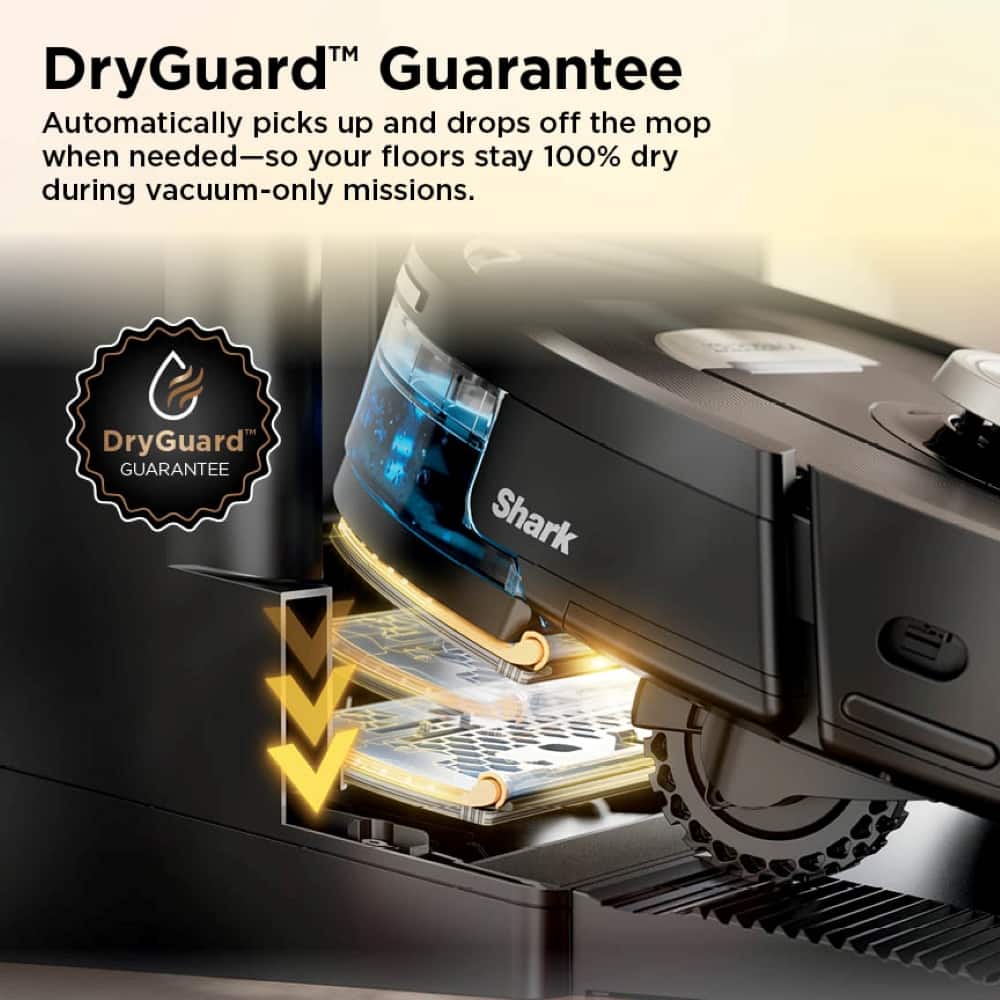
The headline feature is the ThermaCharged system, which washes the mop pad with 185°F water and dries it with 175°F heated air. Most robot vacuums wash mops with room temperature water, which can leave bacteria and odors behind. The Shark's heated approach provides genuine sanitization—comparable to what you'd achieve with a dishwasher's sanitize cycle.
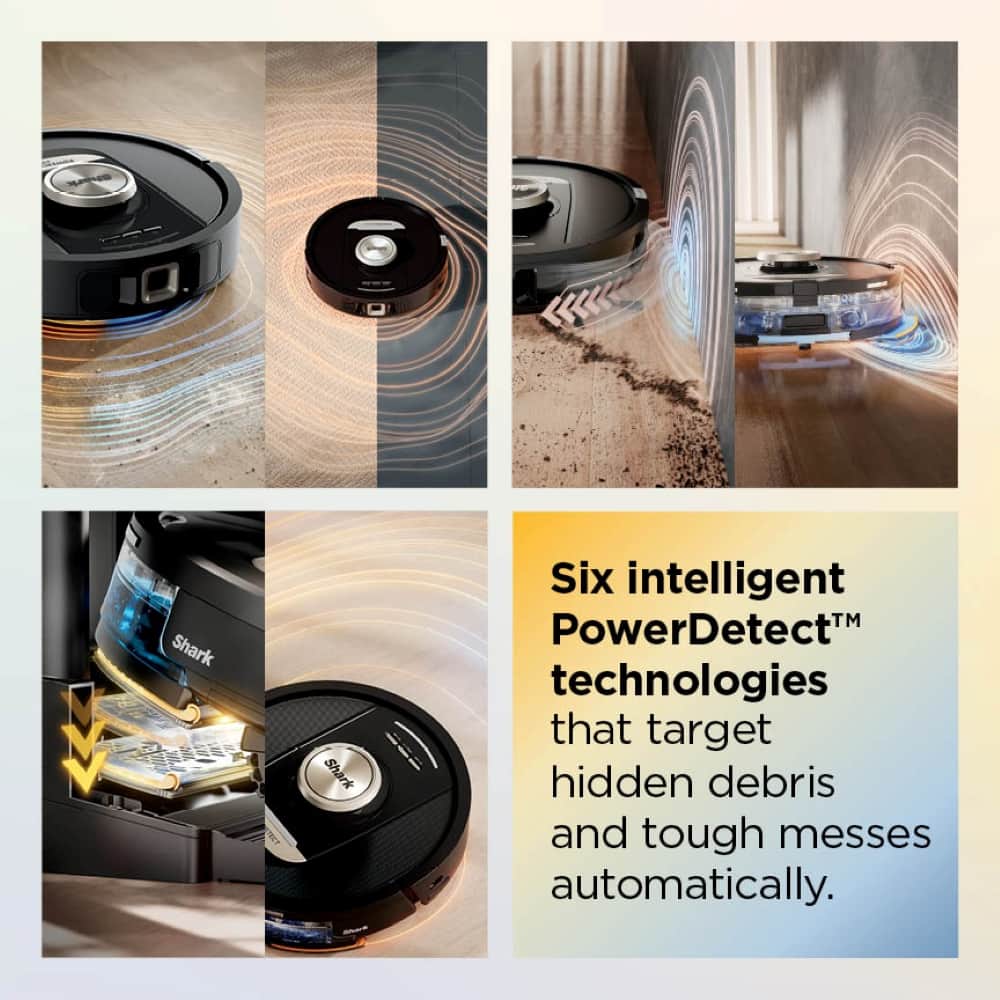
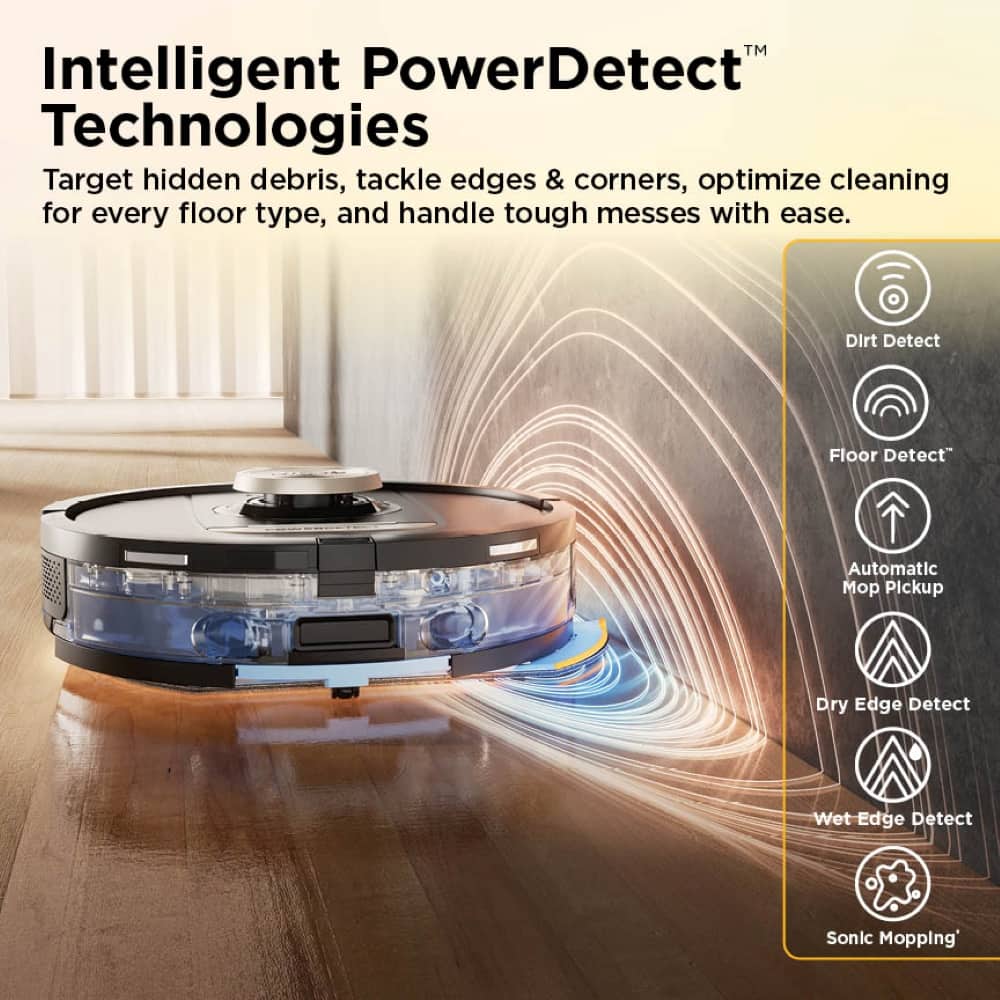
The PowerDetect sensor suite represents another innovation. DirtDetect sensors can identify areas with heavier debris and automatically increase suction power and cleaning passes. FloorDetect recognizes different surface types and adjusts cleaning behavior accordingly. EdgeDetect uses air blasts to dislodge dirt from corners and baseboards—areas where traditional robot vacuums often struggle.
The sonic mopping system vibrates the mop pad 100 times per minute, providing consistent scrubbing pressure across all floor surfaces. While this is slower than the Roborock's spinning action, the consistent vibration combined with the EdgeDetect extension allows the mop to reach closer to walls and furniture legs.
In terms of raw cleaning performance, the Roborock QR 798 holds a clear advantage. The 10,000 Pa suction specification isn't just a marketing number—it translates to noticeably better performance on carpets and in picking up fine dust particles that lesser vacuums leave behind.
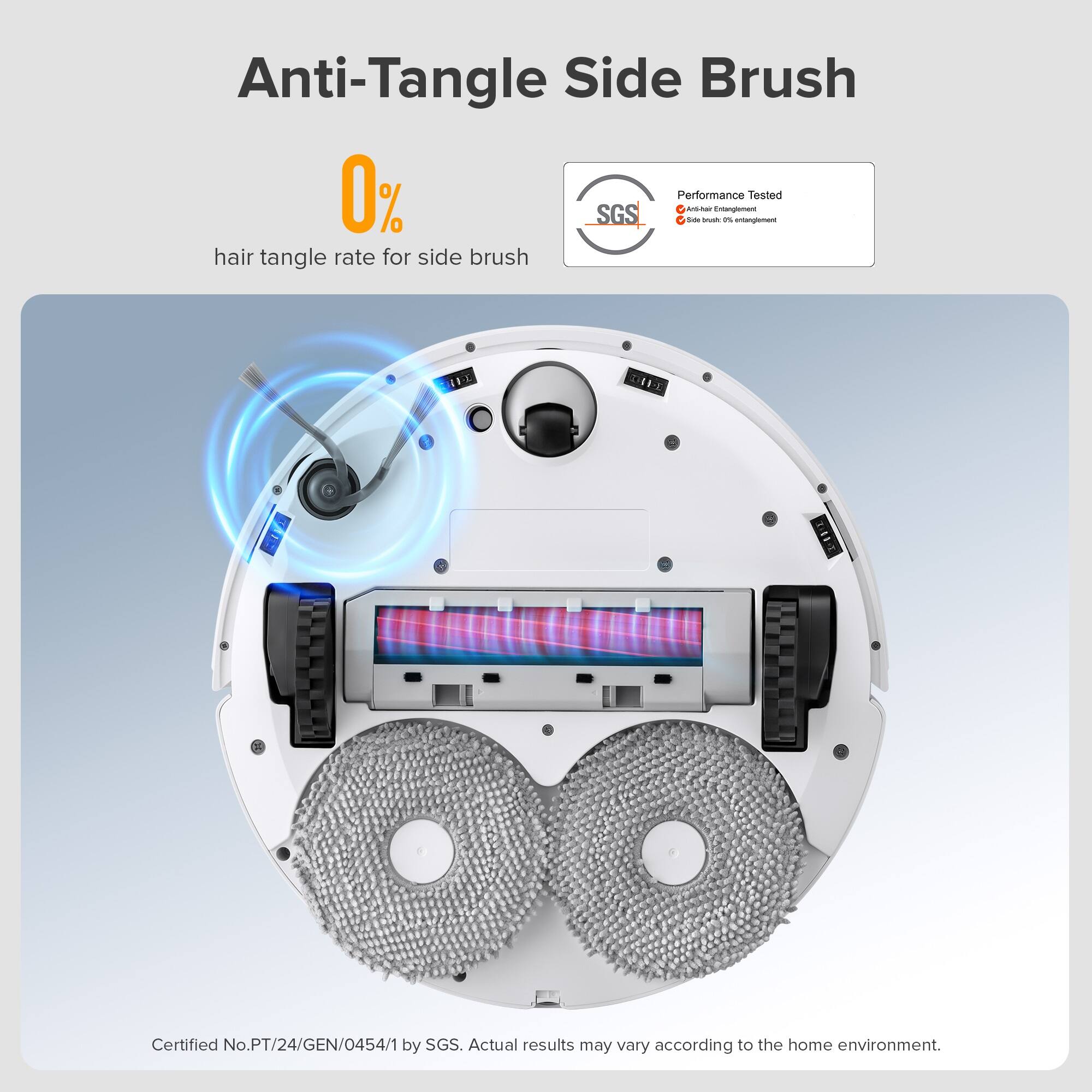
From our research into user experiences, the difference is most apparent in homes with pets or high-traffic carpeted areas. The QR 798's anti-tangle rubber brush system works in conjunction with the high suction to prevent hair wrapping while maintaining consistent airflow. Users consistently report that pet hair pickup improved significantly when upgrading from lower-powered robots.
The Shark RV2920XE doesn't publish specific suction figures, which typically indicates power levels in the 3,000-5,000 Pa range—respectable for most cleaning tasks but noticeably less aggressive on carpets. However, the DirtDetect system helps compensate by automatically boosting suction when sensors detect concentrated debris.
For hard floors, both systems perform excellently, with the difference in suction power being less critical than mop effectiveness and edge cleaning capability.
Mopping presents an interesting trade-off between the two systems. The Roborock QR 798 offers superior mechanical cleaning action with its dual 200 RPM spinning mops. This aggressive scrubbing can handle dried spills and sticky residues that gentle vibration might miss. The 30-level water flow control also allows fine-tuning for different floor types—more water for tile grout, less for sealed hardwood.
However, the Shark's ThermaCharged system addresses a fundamental hygiene issue that most robot vacuums ignore. Traditional mop washing uses room temperature water, which can't kill bacteria or eliminate odors. After a few cleaning cycles, the mop itself can become a source of unpleasant smells. The Shark's 185°F washing temperature provides genuine sanitization, followed by 175°F heated drying that prevents mold and mildew growth.
From a practical standpoint, the heated cleaning system makes a noticeable difference in homes with pets, small children, or anyone concerned about floor hygiene. Users report that the mops stay fresher longer and don't develop the musty odor common with room-temperature cleaning systems.
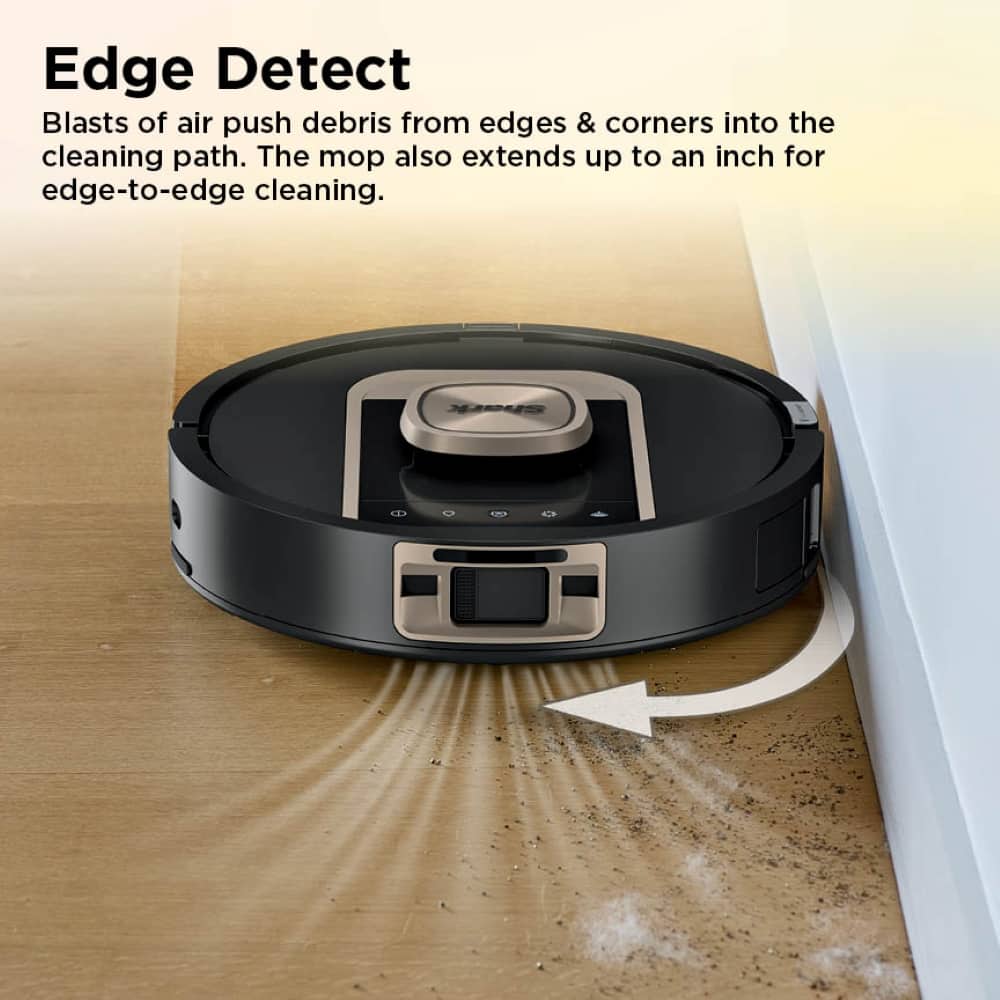
Traditional robot vacuums struggle with edges and corners due to their round shape and the physics of airflow. The Shark RV2920XE addresses this limitation more directly with its EdgeDetect system, which uses targeted air blasts to dislodge debris from corners before the vacuum passes over. The Wet EdgeDetect feature extends the mop pad to reach closer to walls during mopping cycles.
The Roborock QR 798 relies on its anti-tangle side brush and precise navigation to tackle edges, which works well but isn't as specialized as Shark's approach. In practical terms, both systems will clean edges better than budget robots, but the Shark has a slight advantage in corner debris removal.
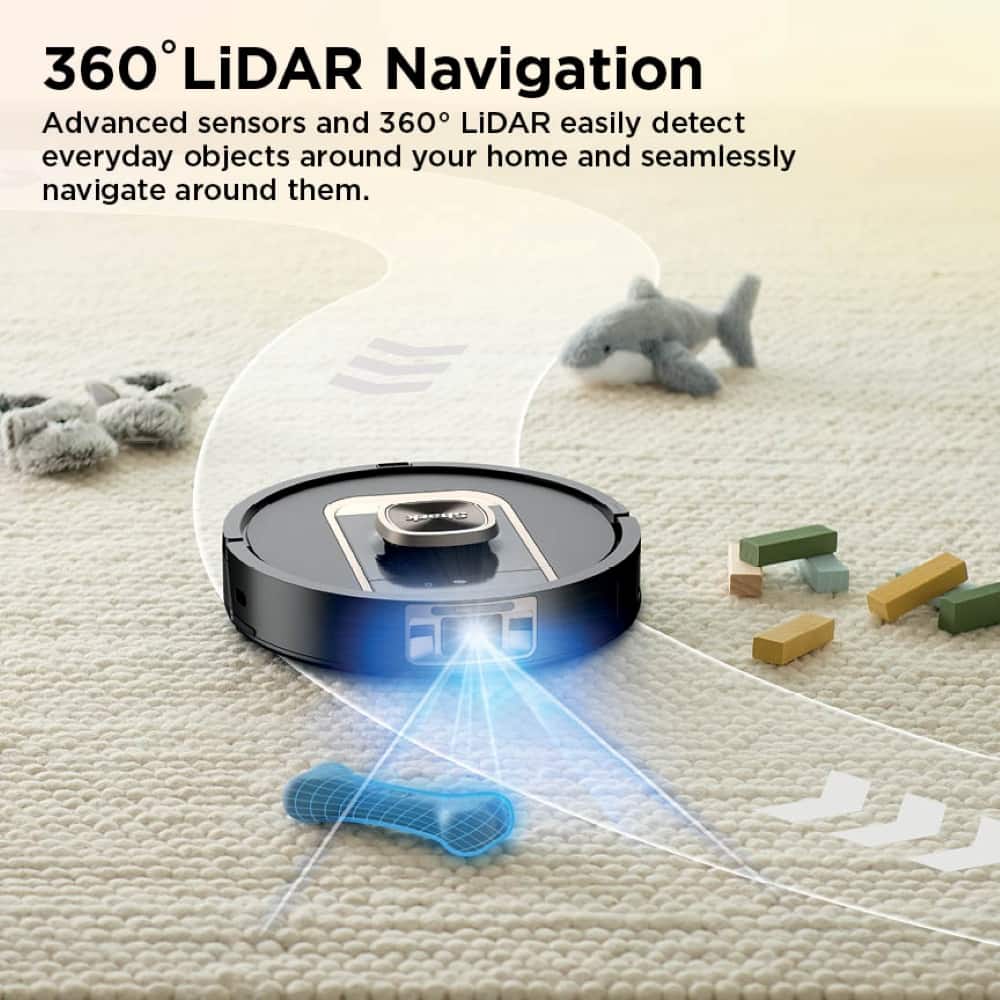
Both robots use advanced LiDAR navigation, but with different strengths. The Roborock QR 798 excels in multi-floor capability, storing detailed maps for up to four different levels. This is particularly valuable in multi-story homes where you want the robot to remember room layouts, furniture positions, and cleaning preferences for each floor.
The Shark RV2920XE focuses more on adaptive cleaning intelligence. While it lacks multi-floor mapping, the PowerDetect sensors continuously analyze cleaning conditions and adjust behavior automatically. This means less manual setup and scheduling, but less precise control over cleaning patterns.
For users who prefer "set it and forget it" operation, the Shark's adaptive approach works well. For those who want detailed control over cleaning schedules and room-specific settings, the Roborock's comprehensive mapping provides more flexibility.
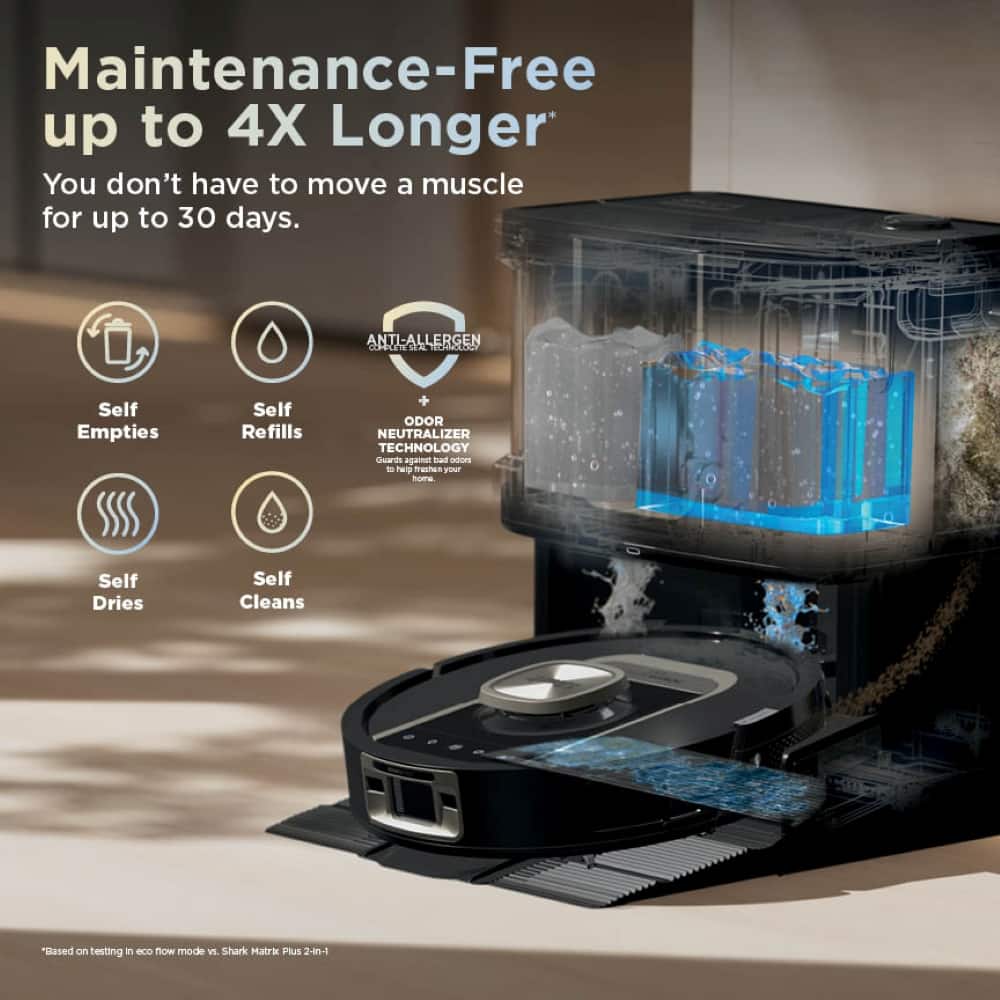
Both robots excel in reducing manual maintenance, but with different approaches. The Roborock QR 798 offers comprehensive automation including mop washing, air drying, dust emptying, and water tank refilling. The detachable dock base makes cleaning the station itself easier—an often-overlooked aspect of robot vacuum ownership.
The Shark RV2920XE provides similar automation but adds the heated cleaning element. The 60-day debris capacity and 30-day water capacity match or exceed the Roborock's capabilities, though the heated system requires more complex maintenance when issues arise.
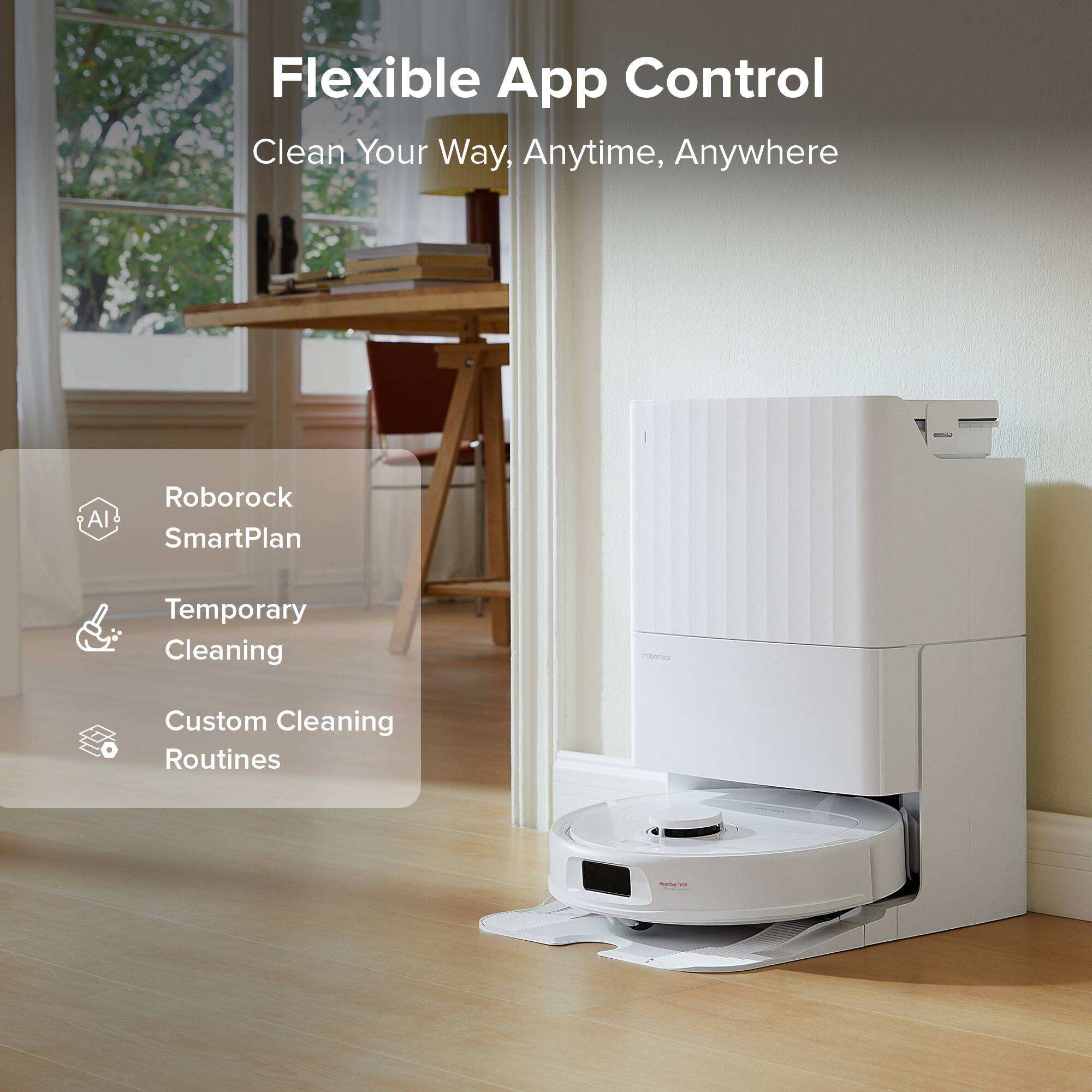
This is where the Roborock QR 798 shows its maturity advantage. Roborock has been refining their app for nearly a decade, resulting in comprehensive features including detailed room editing, precise scheduling, and extensive customization options. Users can adjust suction power and water flow for individual rooms, create complex cleaning routines, and monitor detailed cleaning statistics.
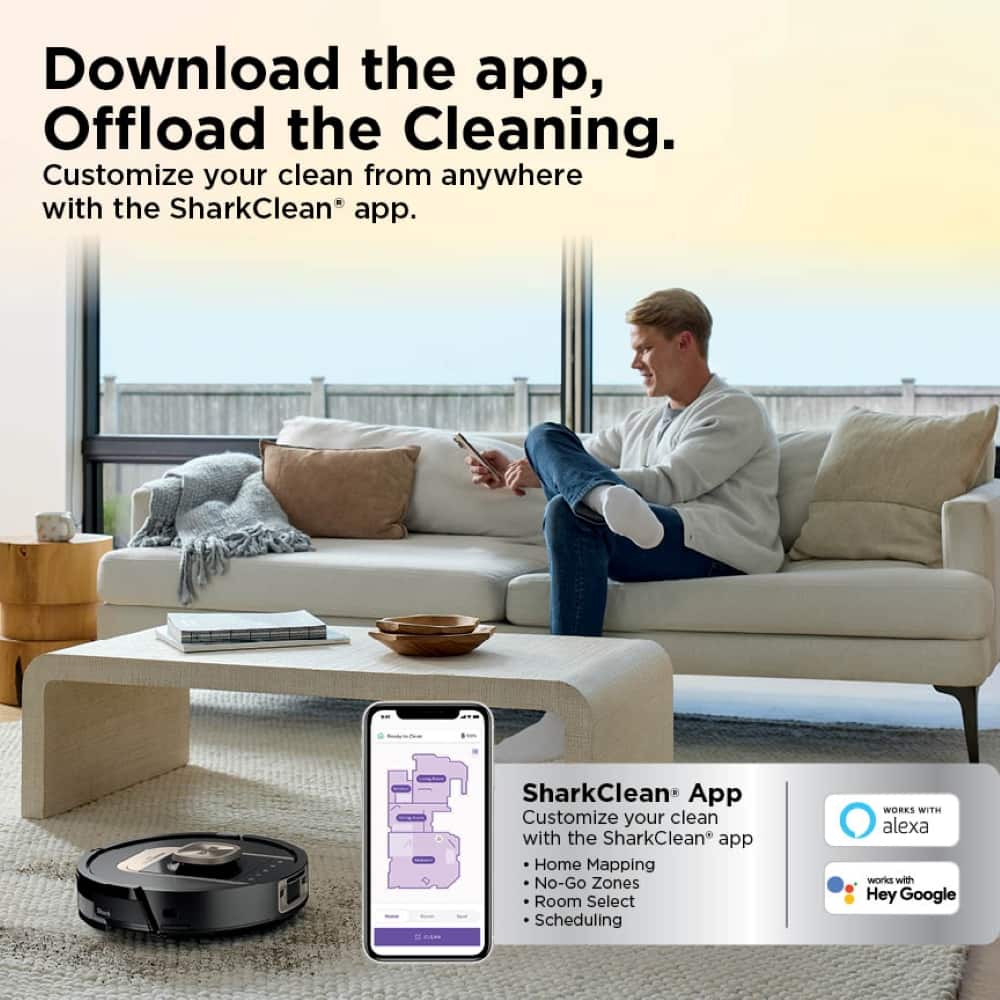
The Shark app, while functional, lacks some advanced features that have become standard in premium robot vacuums. Multi-floor mapping, adjustable water levels, and detailed progress tracking are missing or limited compared to more established competitors.
At the time of writing, both robots command premium pricing reflecting their flagship status within their respective brand lineups. The Roborock QR 798 typically carries a higher price point, justified by its superior suction power, multi-floor mapping, and proven reliability track record.
The Shark RV2920XE generally positions itself as a more accessible entry into premium robot vacuum territory, though still at a significant investment level. The unique ThermaCharged technology and PowerDetect sensors provide differentiation that may justify the cost for users prioritizing these specific features.
From a long-term value perspective, Roborock's established track record suggests better software support and replacement part availability over the robot's lifespan. Shark's newer entry into the premium market means less proven long-term reliability, though their traditional vacuum expertise provides confidence in build quality.
You prioritize maximum cleaning performance and have carpeted areas that need deep cleaning. The 10,000 Pa suction makes a meaningful difference in homes with pets or high-traffic carpet areas. The multi-floor mapping capability is essential if you plan to use the robot on multiple levels or want detailed control over cleaning schedules and room-specific settings.
The QR 798 also makes sense for users who value proven reliability and comprehensive app features. If you're the type of person who likes to customize and optimize your smart home devices, Roborock's mature ecosystem provides more flexibility and control.
Mop hygiene is a priority in your household. The heated washing and drying system provides genuine sanitization benefits that are particularly valuable in homes with pets, young children, or anyone with hygiene concerns. The automatic cleaning adjustments also appeal to users who prefer minimal setup and intervention.
The Shark RV2920XE works well for single-floor homes where multi-floor mapping isn't necessary. The PowerDetect sensors handle cleaning optimization automatically, making it ideal for users who want advanced performance without manual fine-tuning.
For home theater environments, both robots operate quietly enough for use during non-critical listening periods, though the QR 798 tends to run slightly quieter during normal operation. The heated drying cycle on the Shark adds some additional noise during dock operations.
Pet owners should carefully consider the suction power difference. While both handle pet hair effectively, the Roborock's higher suction provides noticeably better deep cleaning for embedded fur in carpets and upholstery.
Both robots represent excellent examples of modern cleaning technology, but they serve slightly different needs. The Roborock QR 798 delivers maximum performance and flexibility for users who want the most capable cleaning system available. The Shark PowerDetect ThermaCharged RV2920XE introduces innovative hygiene features and intelligent adaptation for users who prioritize these specific advances.
Your choice ultimately depends on whether you value raw cleaning performance and proven reliability (Roborock) or innovative hygiene technology and automatic optimization (Shark). Both will clean your floors far better than manual methods, but understanding these differences ensures you choose the system that best fits your specific needs and preferences.
| Roborock QR 798 Robot Vacuum and Mop | Shark PowerDetect ThermaCharged 2-in-1 Robot Vacuum Mop RV2920XE |
|---|---|
| Suction Power - Critical for deep cleaning carpets and pet hair removal | |
| 10,000 Pa HyperForce suction (exceptional carpet cleaning) | Not specified (typically 3,000-5,000 Pa range) |
| Mopping System - Determines scrubbing effectiveness and cleaning quality | |
| Dual spinning mops at 200 RPM with 10mm lift | Sonic mopping at 100 vibrations/min with heated pad washing |
| Mop Maintenance - Affects hygiene and long-term cleanliness | |
| Room temperature washing with air drying | ThermaCharged: 185°F washing, 175°F heated drying |
| Navigation & Mapping - Essential for efficient cleaning and multi-floor homes | |
| PreciSense LiDAR with up to 4 multi-floor maps | 360° LiDAR with 3D structured light (single floor) |
| Water Flow Control - Important for different floor types and spill handling | |
| 30 adjustable water flow levels | Fixed water flow with FloorDetect auto-adjustment |
| Edge Cleaning Technology - Determines corner and baseboard cleaning effectiveness | |
| Traditional side brush system | EdgeDetect air blasts + Wet EdgeDetect mop extension |
| Self-Maintenance Capacity - Reduces hands-on maintenance frequency | |
| 60+ days debris, 4L clean water tank | 60 days debris, 30 days water capacity |
| Runtime & Coverage - Affects cleaning area without recharging | |
| 180 minutes (up to 300-330 m²) | 180 minutes (similar coverage area) |
| Smart Detection Features - Automatic cleaning optimization | |
| Ultrasonic carpet sensing, SmartPlan AI | PowerDetect suite: DirtDetect, FloorDetect, EdgeDetect |
| App Sophistication - Controls customization and scheduling flexibility | |
| Comprehensive Roborock app with detailed mapping | Basic SharkClean app (lacks multi-floor mapping) |
| Brush System - Affects pet hair handling and maintenance needs | |
| All-rubber anti-tangle main brush | Anti-hair wrap brushroll with side brushes |
| Obstacle Avoidance - Prevents getting stuck and damage to furniture | |
| Reactive Tech obstacle avoidance | 3D structured light sensors with NeverStuck mobility |
| Threshold Crossing - Important for moving between rooms and floor types | |
| Standard threshold crossing | Up to 38mm threshold climbing capability |
The Roborock QR 798 has significantly more powerful suction at 10,000 Pa compared to the Shark PowerDetect ThermaCharged, which doesn't specify its suction power but likely operates in the 3,000-5,000 Pa range. This makes the Roborock QR 798 much better for deep carpet cleaning and pet hair removal.
Yes, both the Roborock QR 798 and Shark PowerDetect ThermaCharged are true 2-in-1 systems that can vacuum and mop simultaneously. However, the Roborock uses dual spinning mops at 200 RPM for more aggressive scrubbing, while the Shark uses sonic mopping with 100 vibrations per minute plus heated mop sanitization.
The Shark PowerDetect ThermaCharged has a clear advantage for edge cleaning with its specialized EdgeDetect technology that uses air blasts to dislodge debris from corners, plus Wet EdgeDetect that extends the mop pad to reach closer to walls. The Roborock QR 798 relies on traditional side brushes, which are effective but not as specialized.
The Roborock QR 798 can store maps for up to 4 different floors, making it ideal for multi-story homes. The Shark PowerDetect ThermaCharged lacks multi-floor mapping capability and works best on single-floor layouts.
Both the Roborock QR 798 and Shark PowerDetect ThermaCharged offer 180 minutes (3 hours) of runtime per charge, which is sufficient to clean most homes in a single session.
Both robots offer extensive self-maintenance, but the Shark PowerDetect ThermaCharged has an advantage in mop hygiene with its heated 185°F mop washing and 175°F drying system that kills bacteria and prevents odors. The Roborock QR 798 offers more comprehensive overall maintenance with its detachable dock base for easier cleaning.
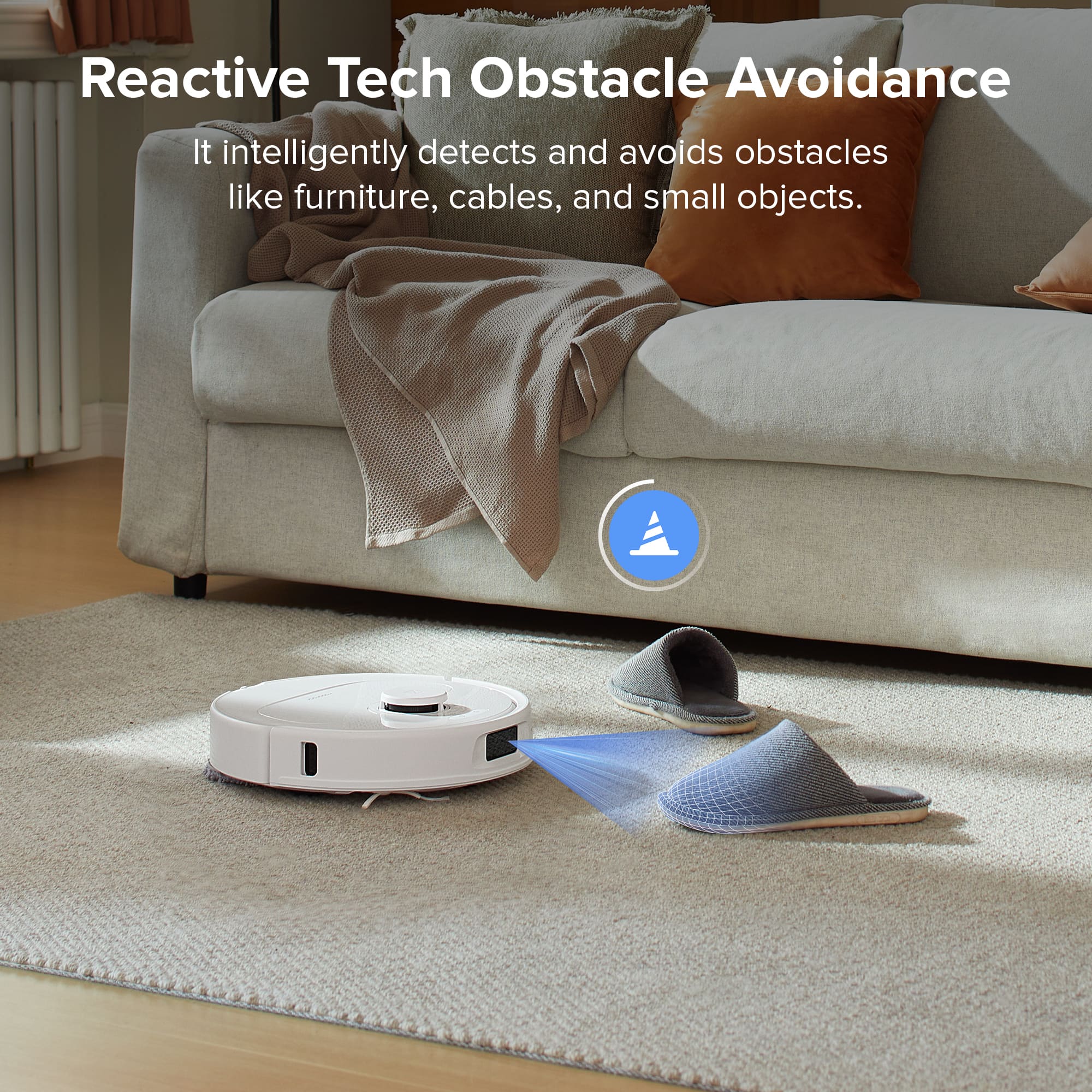
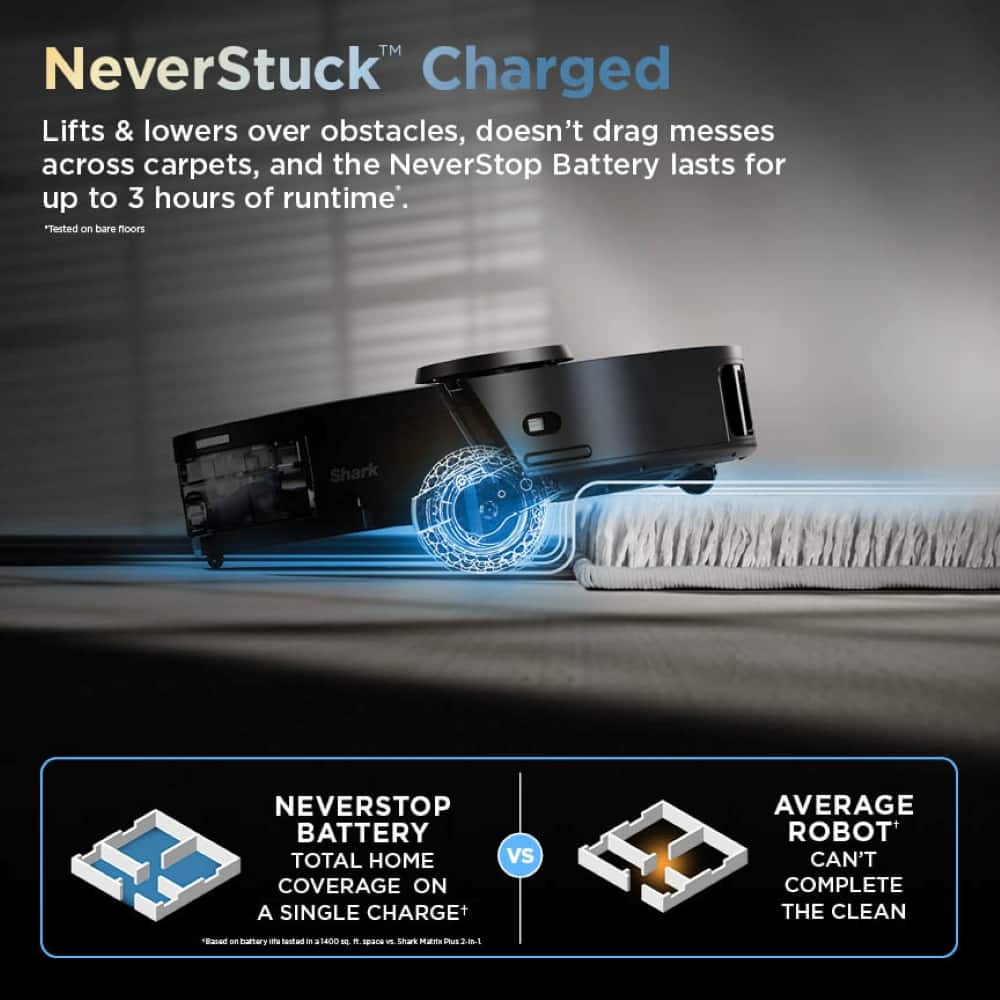
Both robots feature advanced obstacle avoidance, but the Shark PowerDetect ThermaCharged has NeverStuck mobility technology that can lift the robot to cross thresholds up to 38mm high. The Roborock QR 798 uses Reactive Tech obstacle avoidance for furniture and cable detection.
The Roborock QR 798 has a more advanced app with comprehensive mapping features, detailed room editing, and extensive customization options. The Shark PowerDetect ThermaCharged app is more basic and lacks features like multi-floor mapping and adjustable water levels.
The Roborock QR 798 is better for pet owners due to its 10,000 Pa suction power and all-rubber anti-tangle brush system that handles pet hair more effectively. Both the Roborock and Shark feature anti-hair wrap technology, but the higher suction makes a significant difference for embedded pet hair in carpets.
The Roborock QR 798 provides more aggressive mechanical cleaning with dual spinning mops and 30 water flow levels for precise control. The Shark PowerDetect ThermaCharged focuses on hygiene with heated mop washing and drying that sanitizes the mops between uses, preventing bacterial growth and odors.
Both robots operate relatively quietly, but the Roborock QR 798 tends to run slightly quieter during normal cleaning cycles. The Shark PowerDetect ThermaCharged adds some noise during its heated drying cycle at the dock, though both are suitable for use in most home environments.
The Roborock QR 798 typically commands a higher price but offers superior cleaning performance, multi-floor mapping, and proven long-term reliability. The Shark PowerDetect ThermaCharged provides innovative heated mop sanitization and automatic cleaning adjustments at a potentially more accessible premium price point, making the best choice dependent on your specific priorities and budget.
We've done our best to create useful and informative comparisons to help you decide what product to buy. Our research uses advanced automated methods to create this comparison and perfection is not possible - please contact us for corrections or questions. These are the sites we've researched in the creation of this article: bestbuy.com - youtube.com - bestbuy.com - youtube.com - youtube.com - my.roborock.com - rtings.com - us.roborock.com - vacuumwars.com - youtube.com - youtube.com - ebay.com - bestbuy.ca - roborock.sg - clubitc.eu - macys.com - my.roborock.com - itmediaexport.com - support.roborock.com - manualpdf.in - bestbuy.com - sg.roborock.com - fortress.com.hk - roborockindia.com - financemycart.com - youtube.com - vacuumwars.com - vacuumwars.com - youtube.com - reviewed.com - sharkninja.com - reviewed.com - youtube.com - sharkninja.com - brandclub.com - ebay.com - costco.com - sharkninja.com - bestbuy.com - youtube.com - support.sharkninja.ca - camelcamelcamel.com

Privacy Policy
Terms and Conditions - Affiliate Policy
Home Security
© Copyright 2008-2026.
11816 Inwood Rd #1211, Dallas, TX 75244