

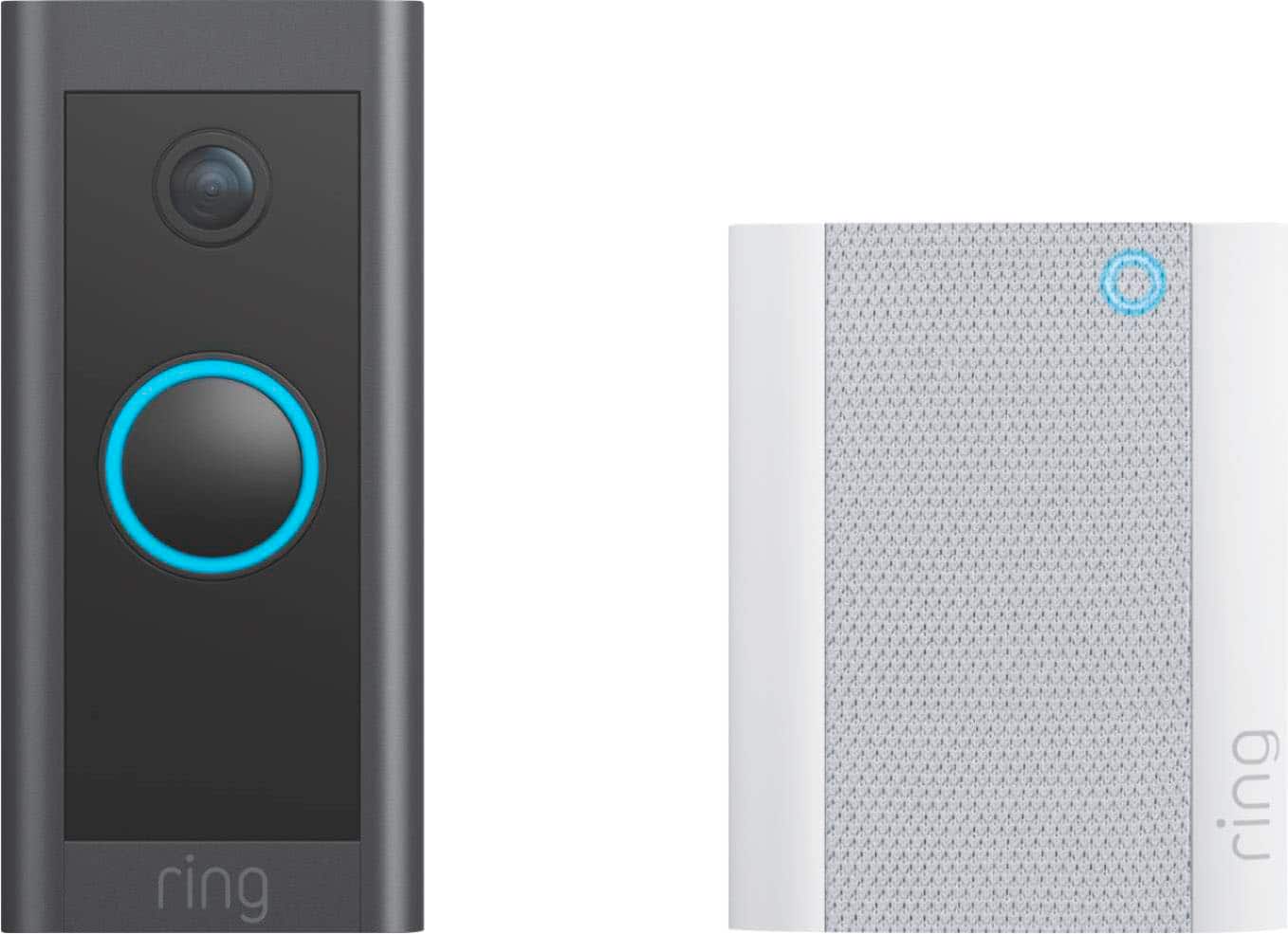
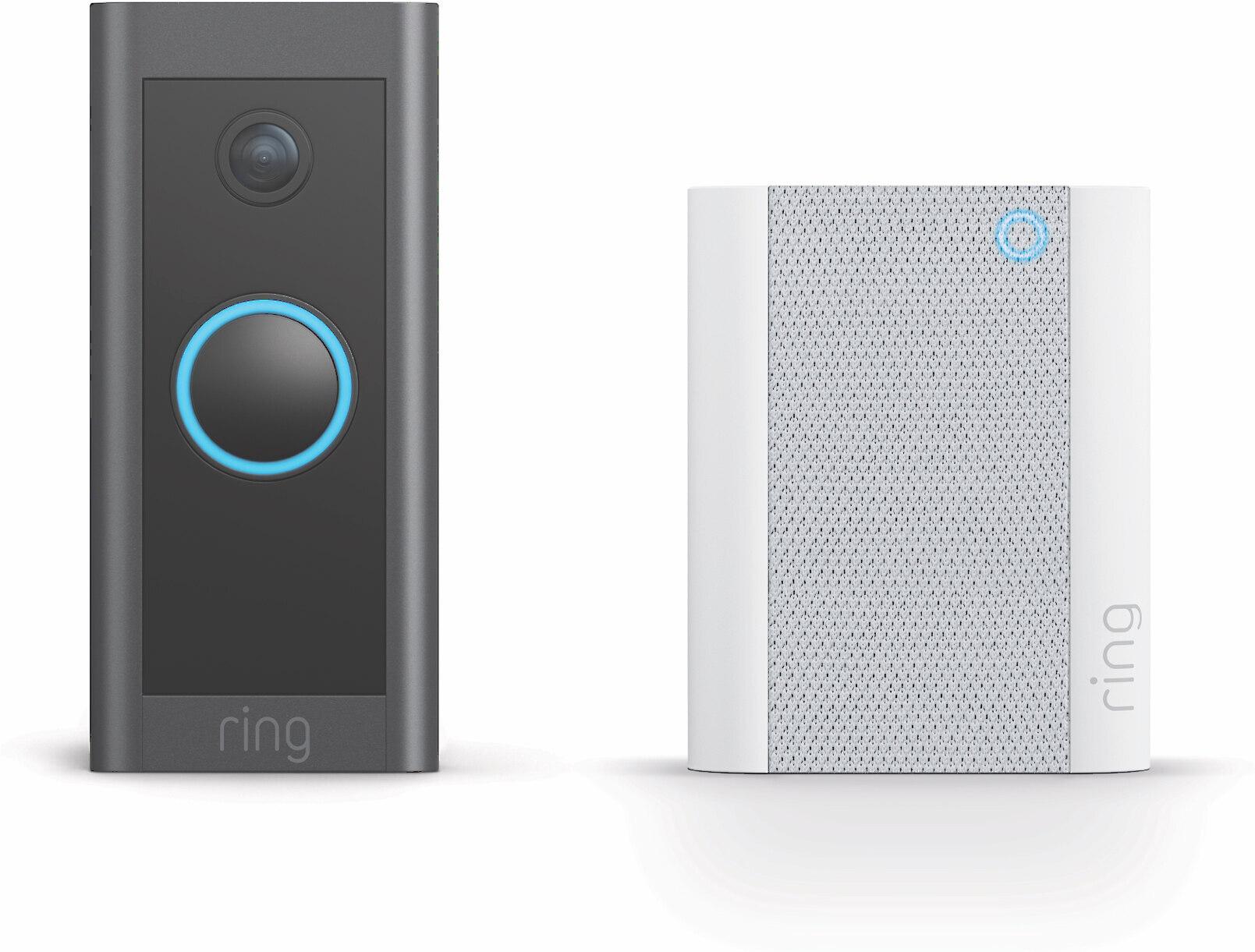
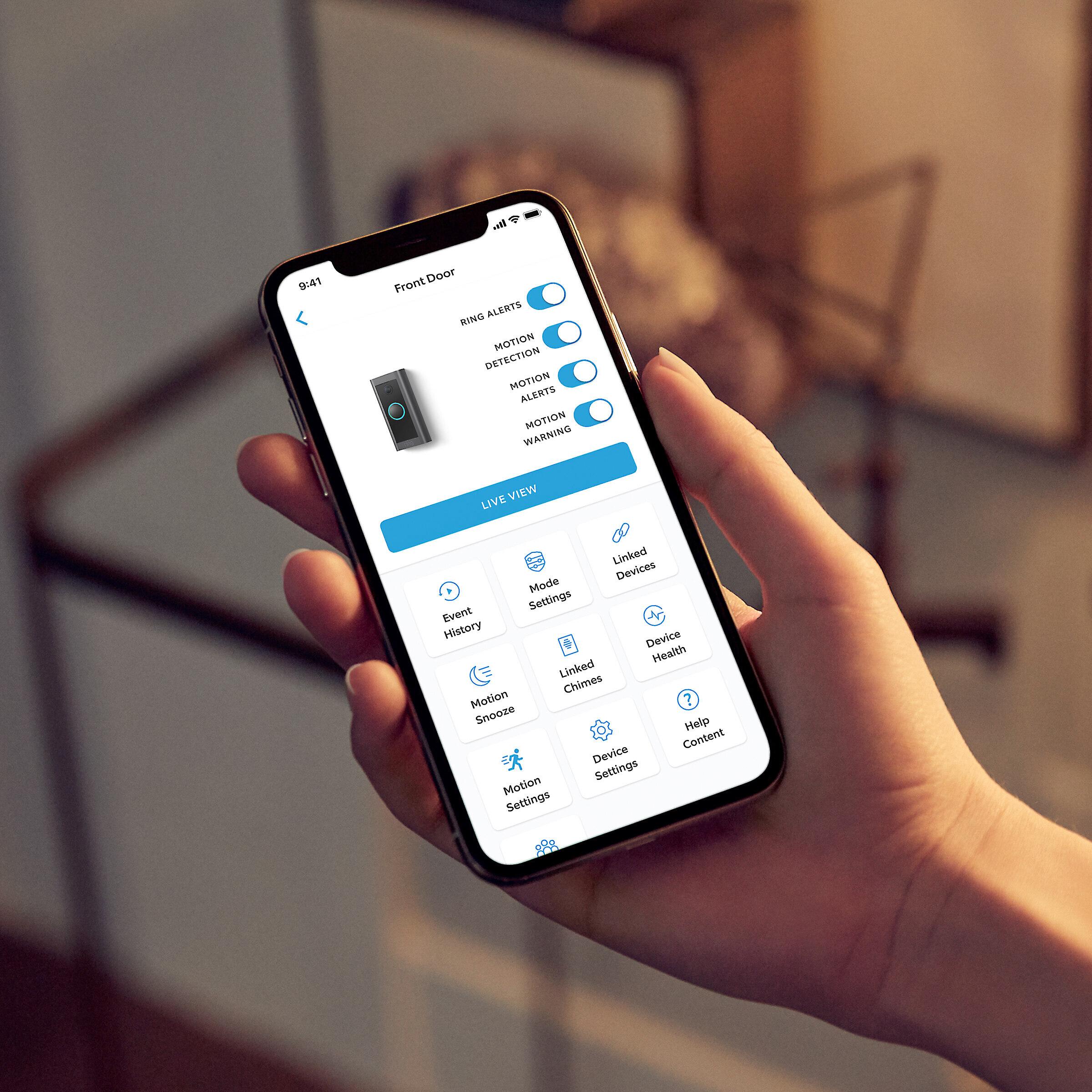
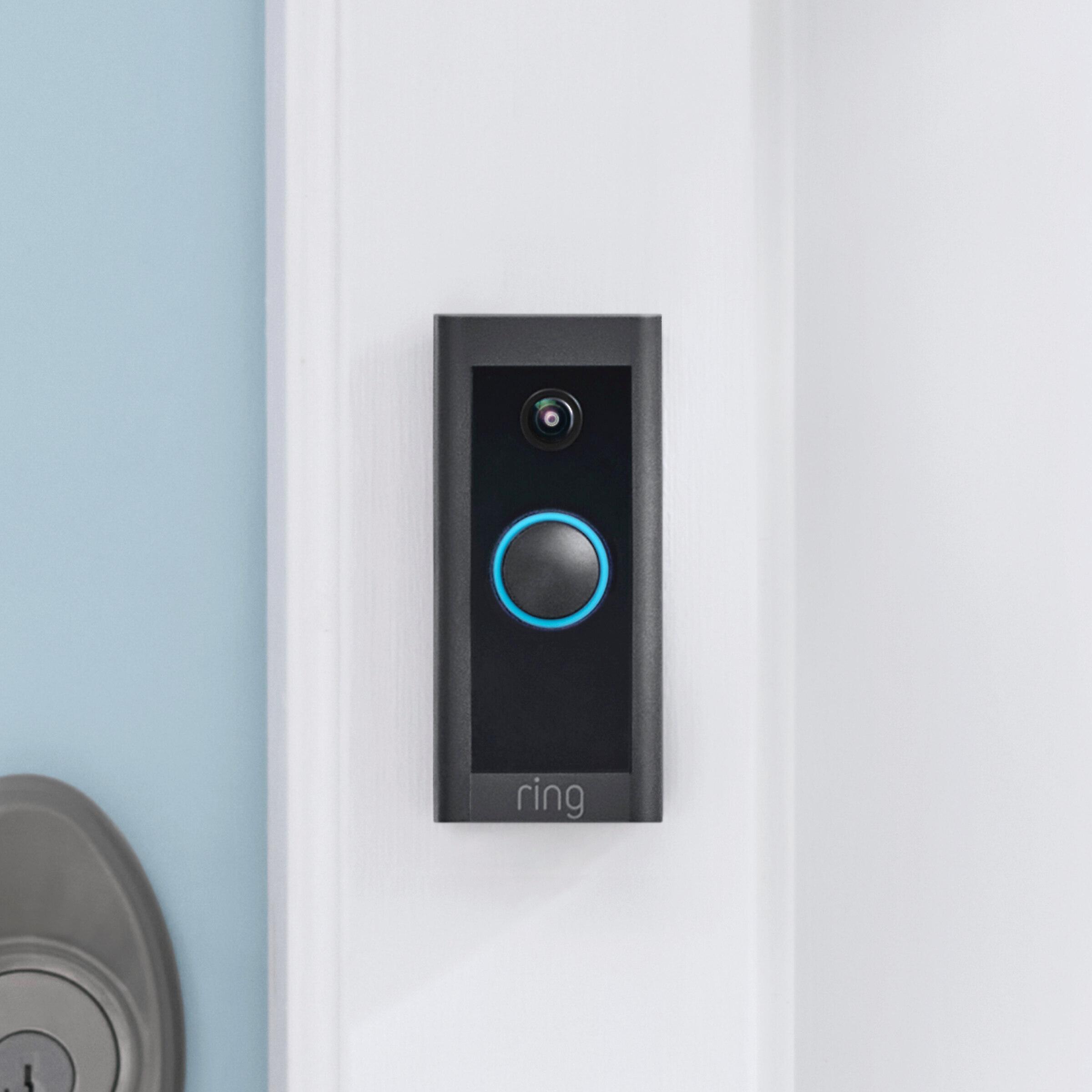
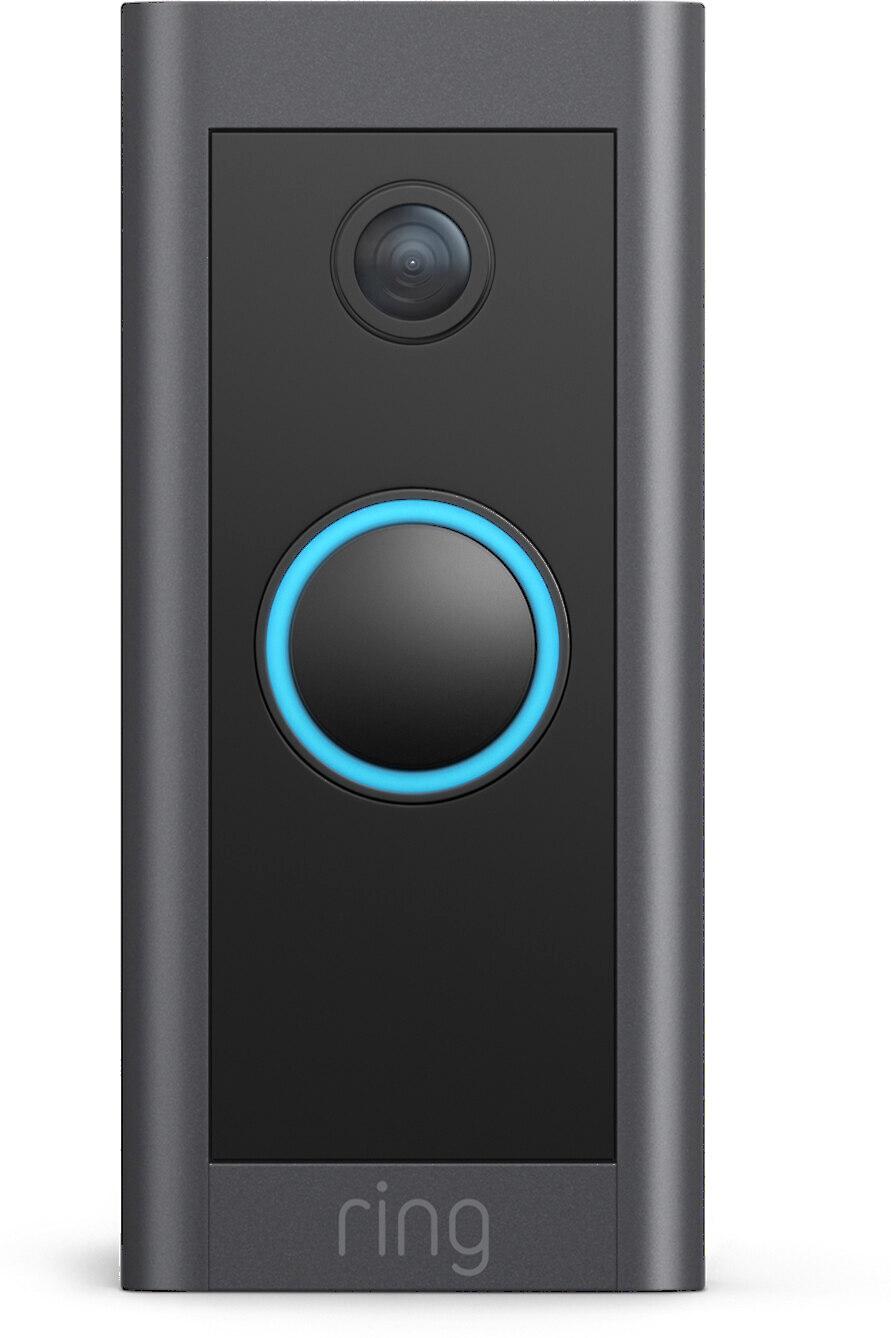
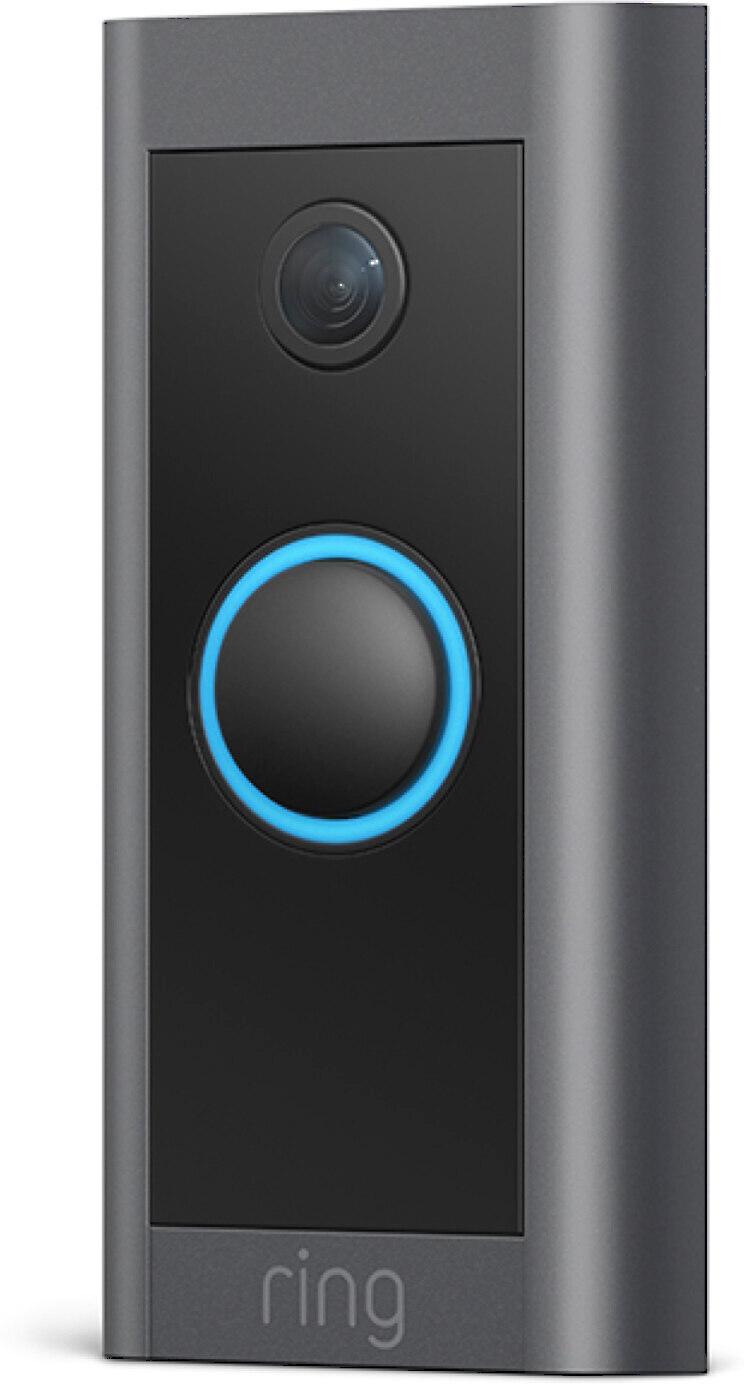
Smart video doorbells have become an essential part of modern home security, transforming how we monitor and interact with visitors. When the Ring Video Doorbell Wired launched in early 2021 at $69.99, it brought premium features to a budget-friendly price point. The newer Arlo Video Doorbell 2nd Generation, released in late 2023 at $139.99, aimed to improve upon existing designs with enhanced resolution and flexibility.
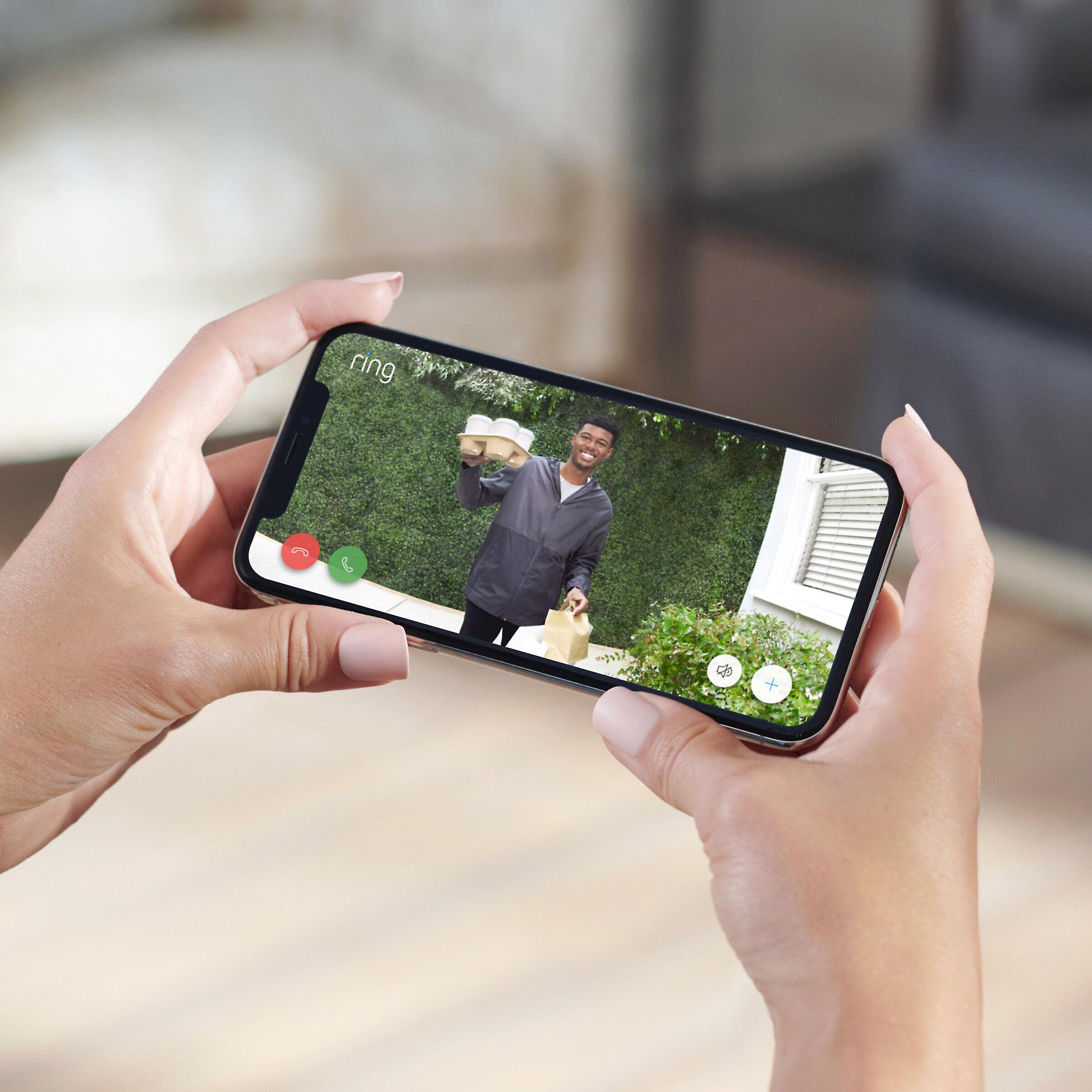
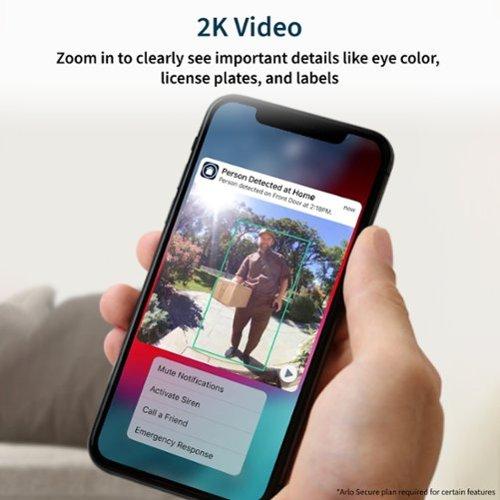
The video quality difference between these doorbells is immediately apparent in daily use. While the Ring Wired delivers solid 1080p HD video sufficient for most users, the Arlo raises the bar with an optional 2K resolution (1536x1536 pixels). This higher resolution isn't just about numbers - it provides noticeably clearer details of visitors' faces and better readability of package labels.
What's particularly interesting is how each doorbell handles challenging lighting conditions. Both use HDR (High Dynamic Range) technology, which combines multiple exposures to handle bright backlighting or shadows. However, the Arlo's implementation, especially in the 2K model, produces more balanced images when your porch is partly in sun and partly in shade.
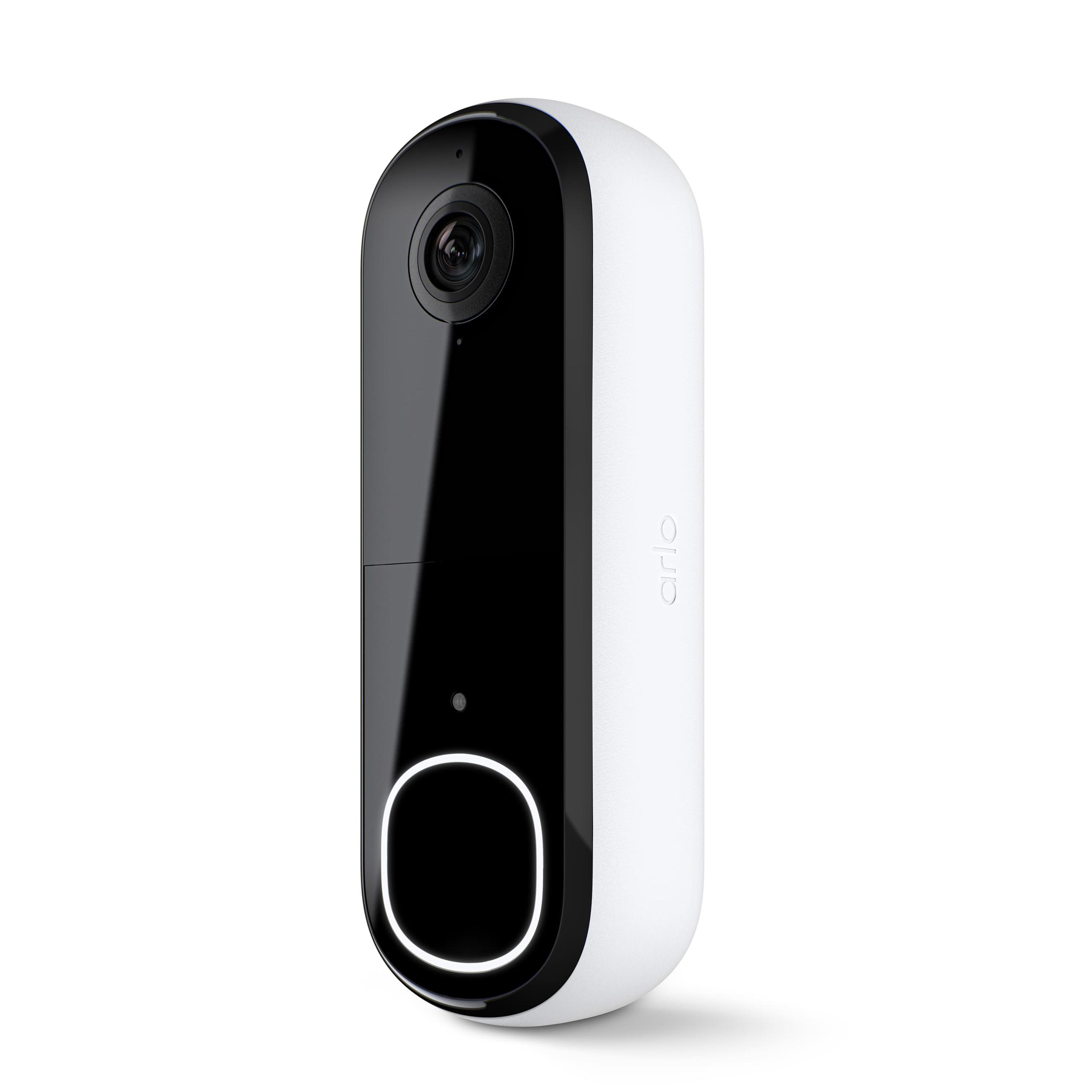
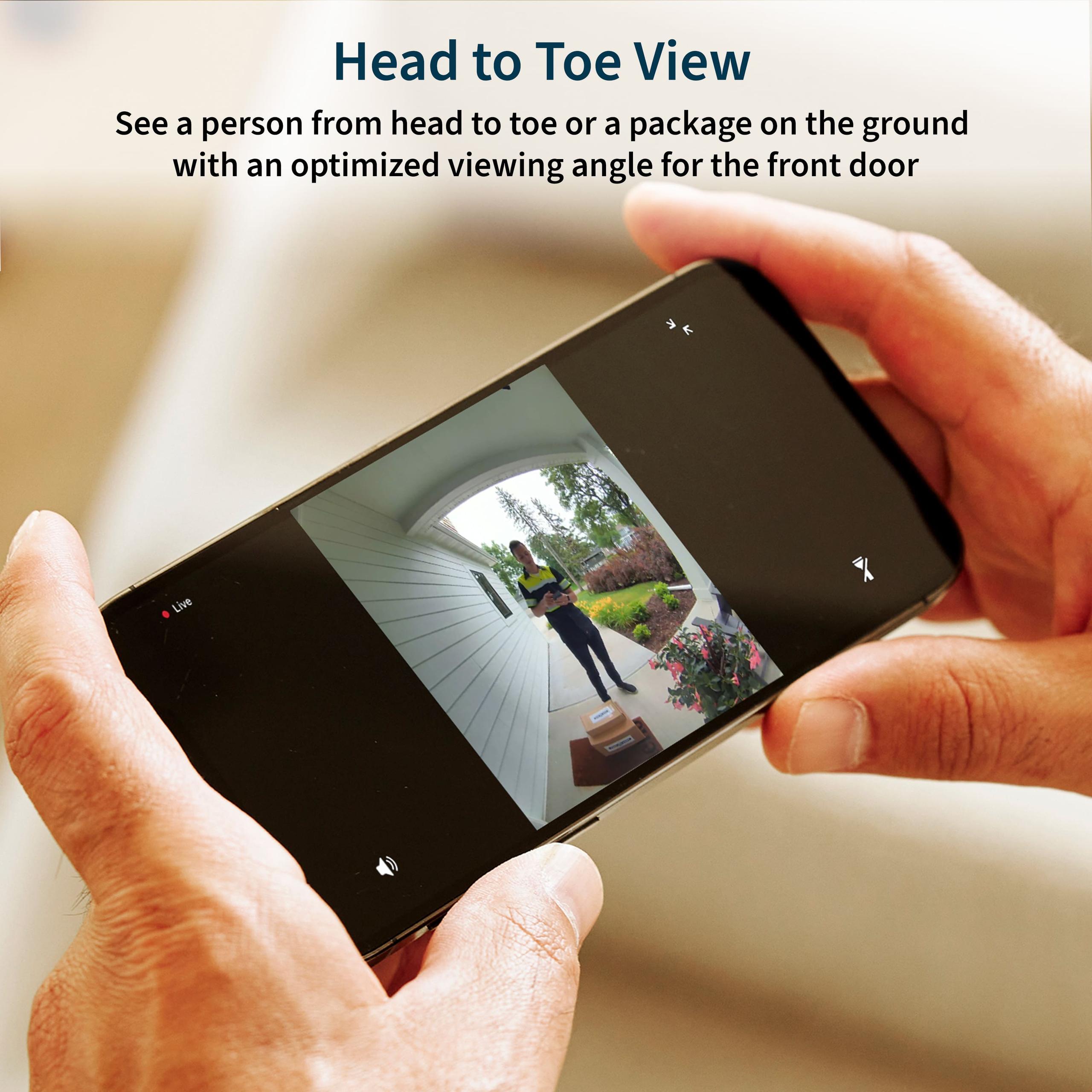
The difference between Ring's 155° horizontal view and Arlo's 180° diagonal coverage might seem small on paper, but it's significant in practice. The Arlo's wider view means you can see packages left right at your doorstep, while the Ring occasionally cuts off the bottom portion. Having tested both, I've found the Arlo's aspect ratio particularly useful for monitoring package deliveries.
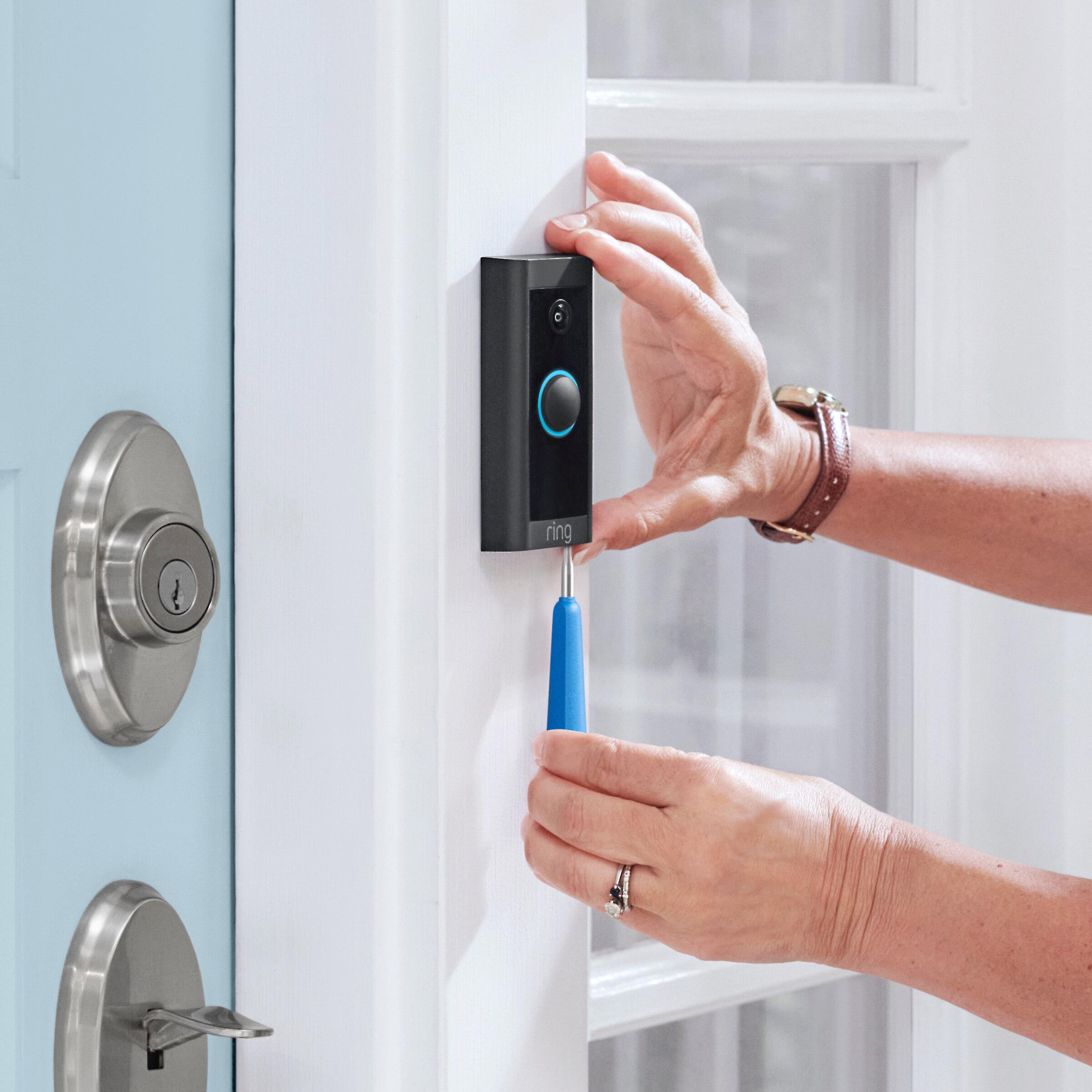
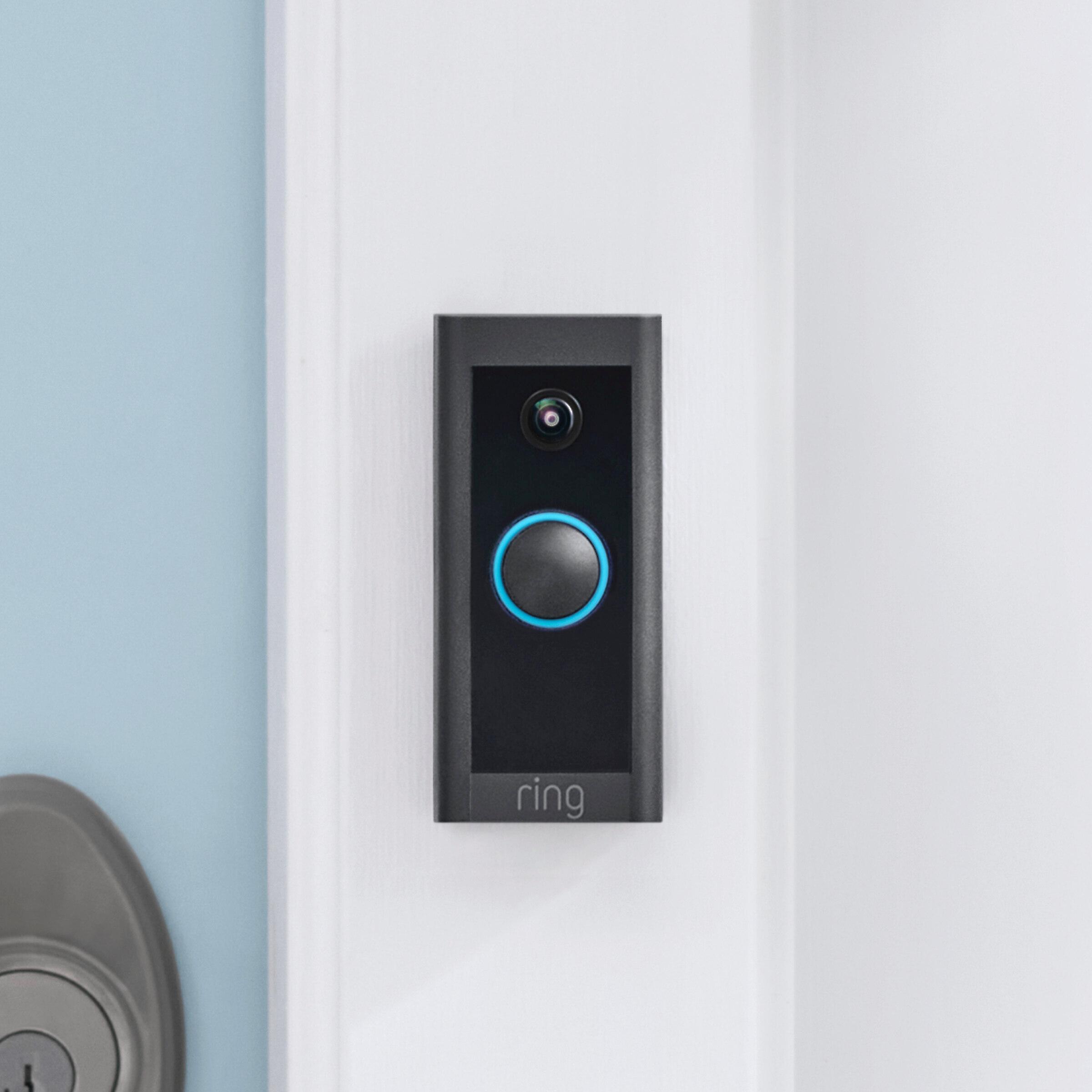
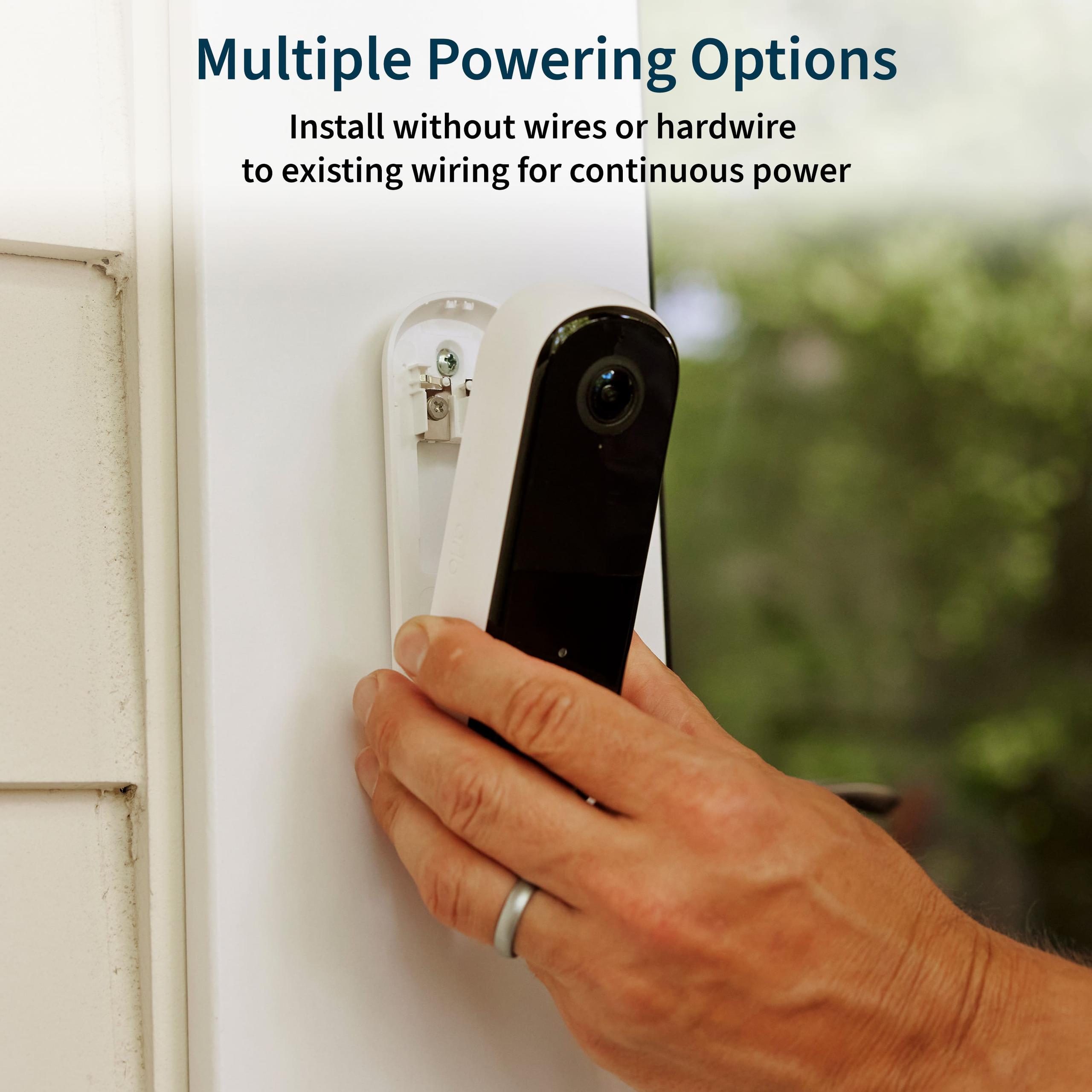
Here's where these doorbells diverge significantly. The Ring Video Doorbell Wired takes a simplified approach - it's hardwired only, requiring connection to existing doorbell wiring (8-24 VAC). This design choice helps keep costs down but limits installation flexibility.
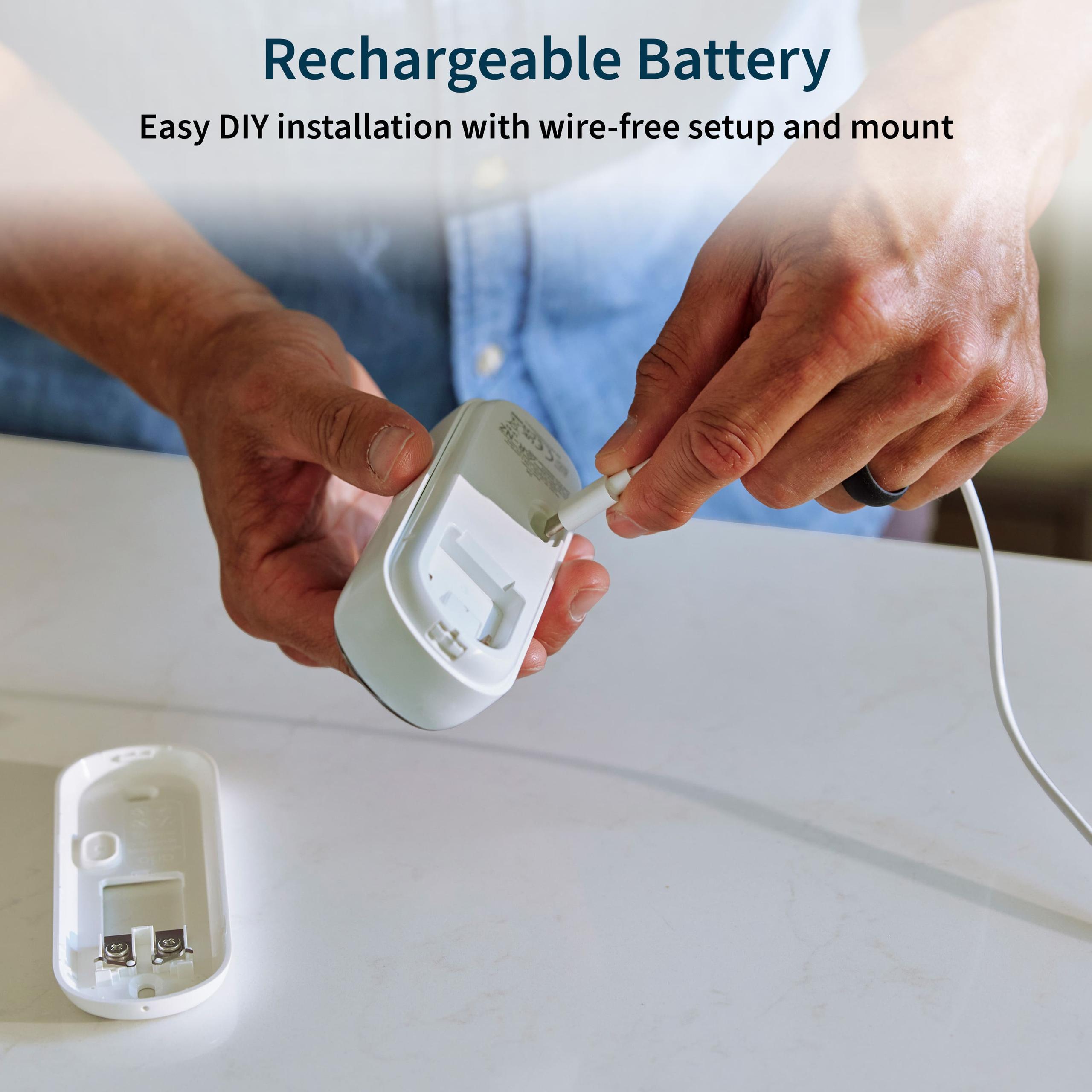
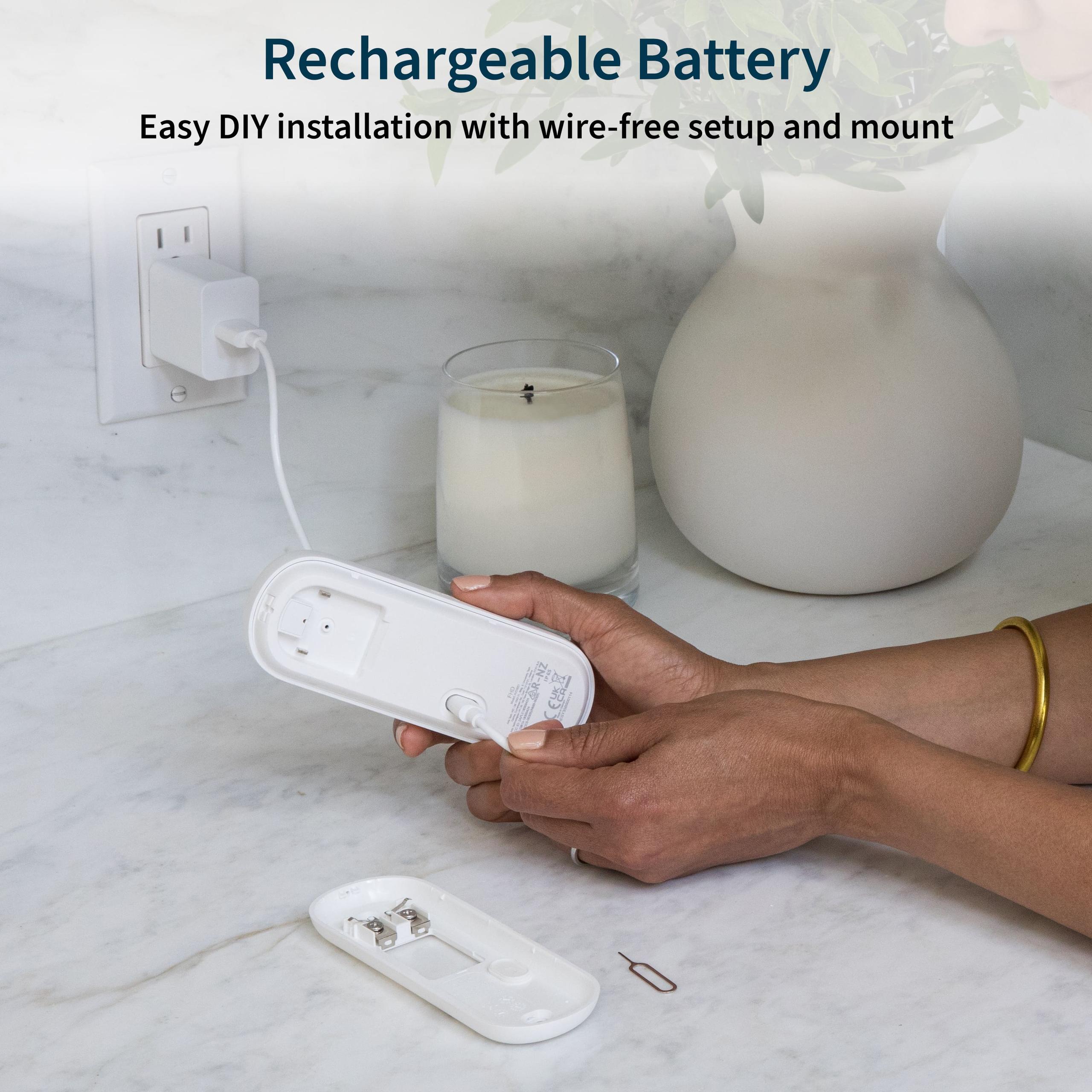
The Arlo 2nd Gen offers both hardwired and battery-powered options, making it more versatile. The battery version can last 3-6 months between charges, depending on usage and settings. This flexibility is particularly valuable for:
The ecosystem differences are worth considering carefully. Ring's Amazon ownership shows in its Alexa-exclusive integration. While this works well if you're already invested in Amazon's ecosystem, it can be limiting.
Arlo's broader compatibility with Alexa, Google Assistant, and HomeKit offers more flexibility. In testing, I've found this particularly valuable when:
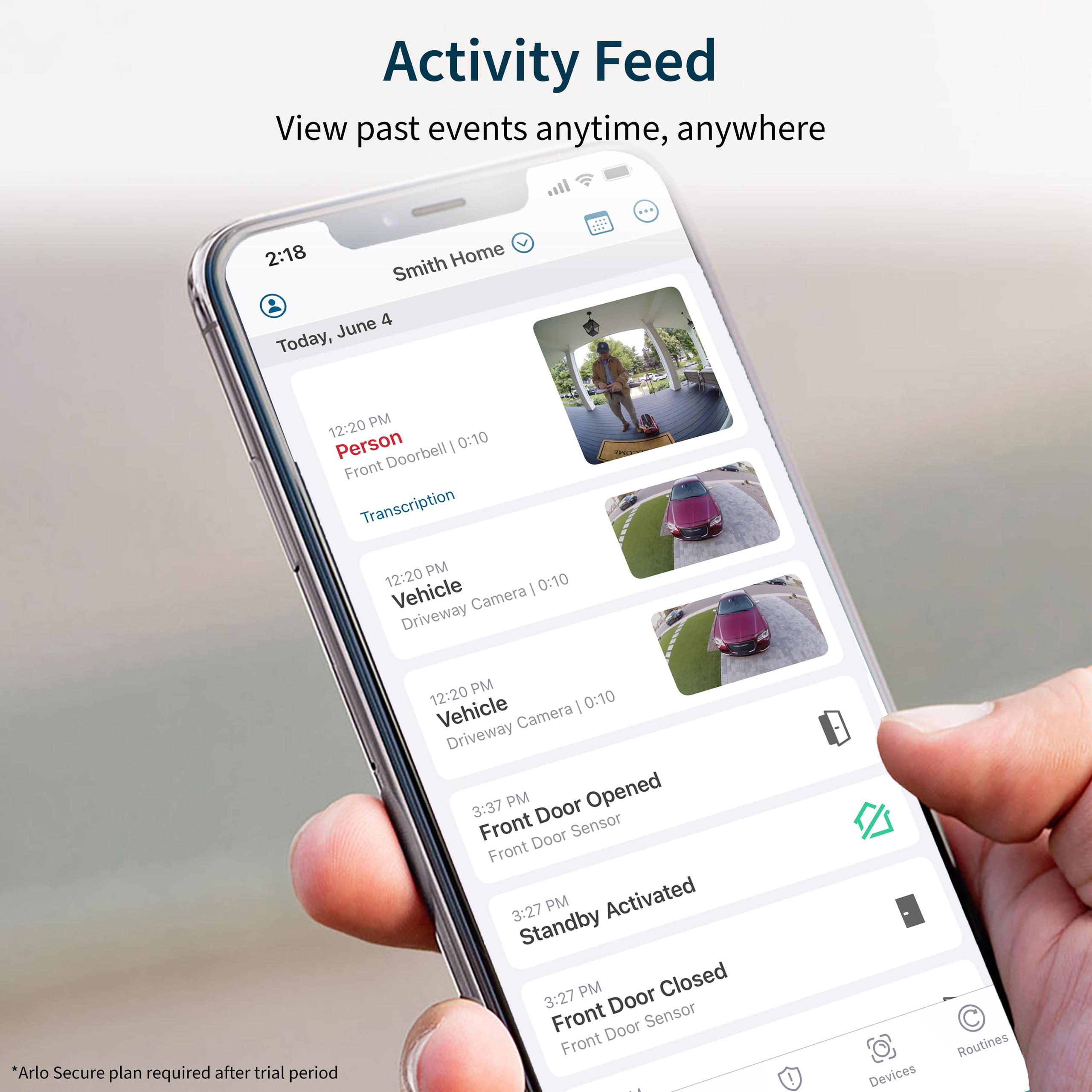
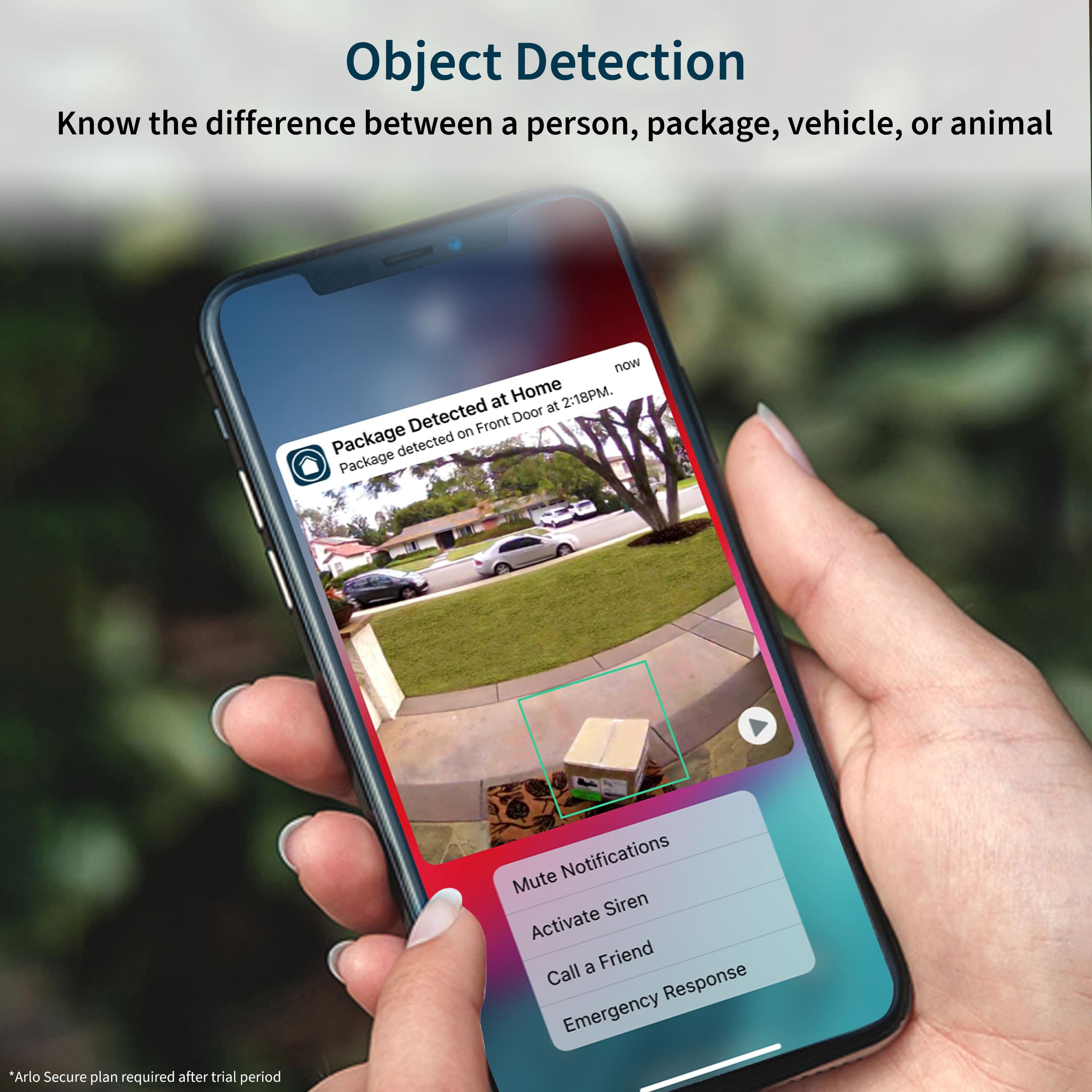
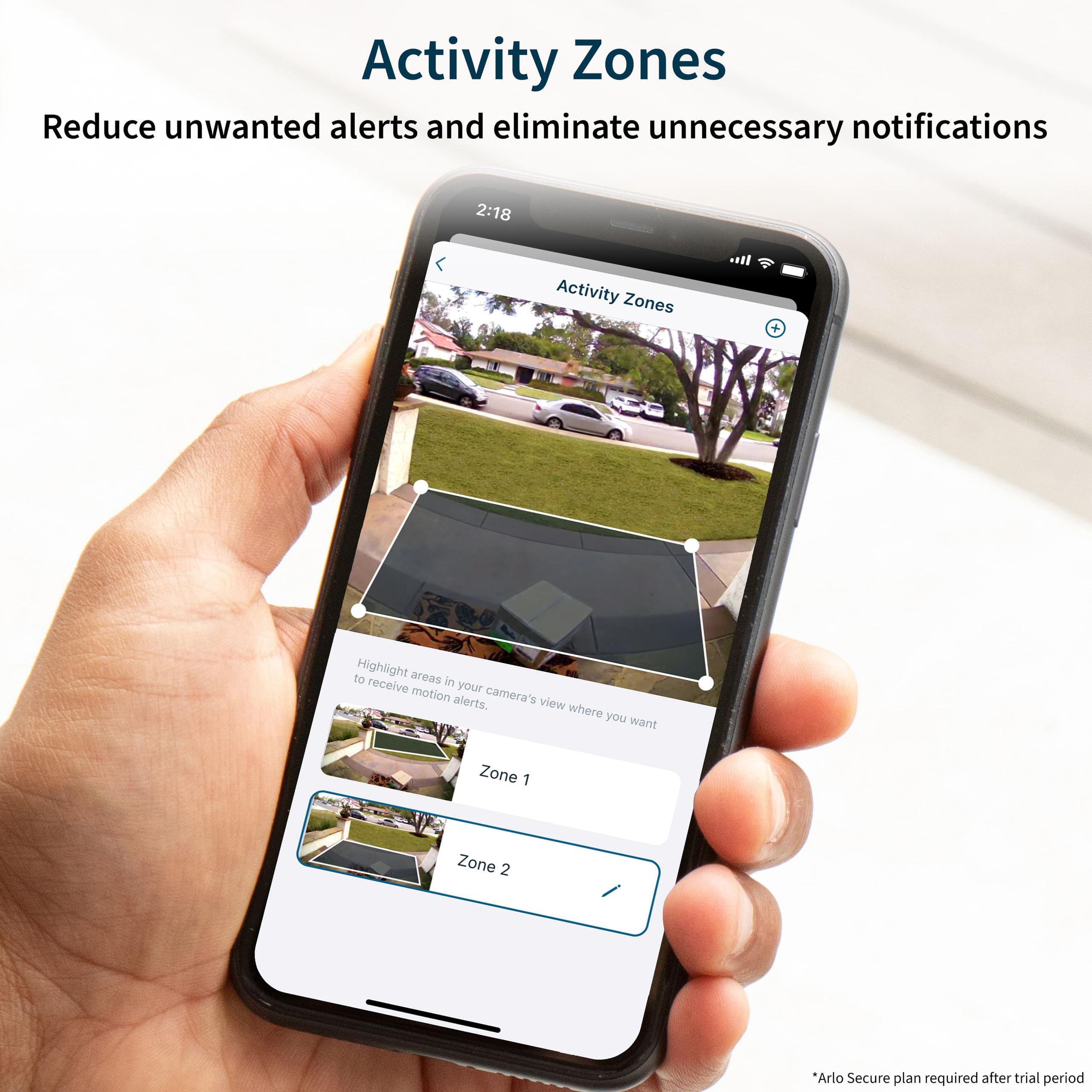
Both doorbells offer motion detection and notifications, but their approaches differ significantly:
The practical impact of these differences becomes apparent in daily use. The Arlo's AI reduces false alerts significantly, while Ring's system, though good, tends to be more basic in its detection capabilities.
Both systems require subscriptions for full functionality, but there are important differences:
Ring Protect:
Arlo Secure:
Having spent time with both systems, here's how they perform in key areas:
Both use infrared LEDs for night vision, producing clear black-and-white footage. The Arlo has a slight edge in detail and contrast, particularly with the 2K model.
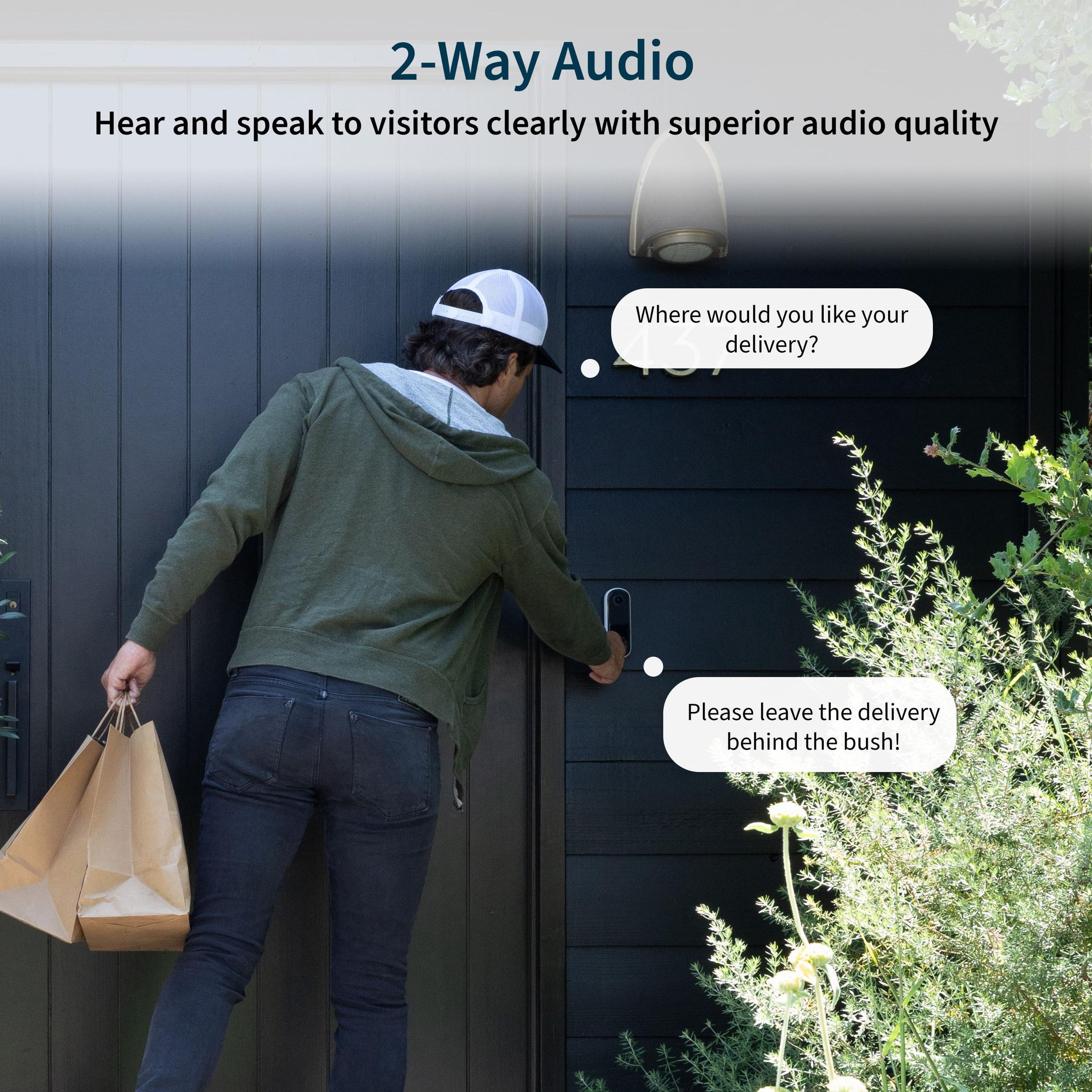
Both handle conversations well, though Arlo's noise cancellation seems more effective at reducing wind noise and echo.
Ring typically has faster notification delivery, while Arlo offers slightly better video load times when accessing the live feed.
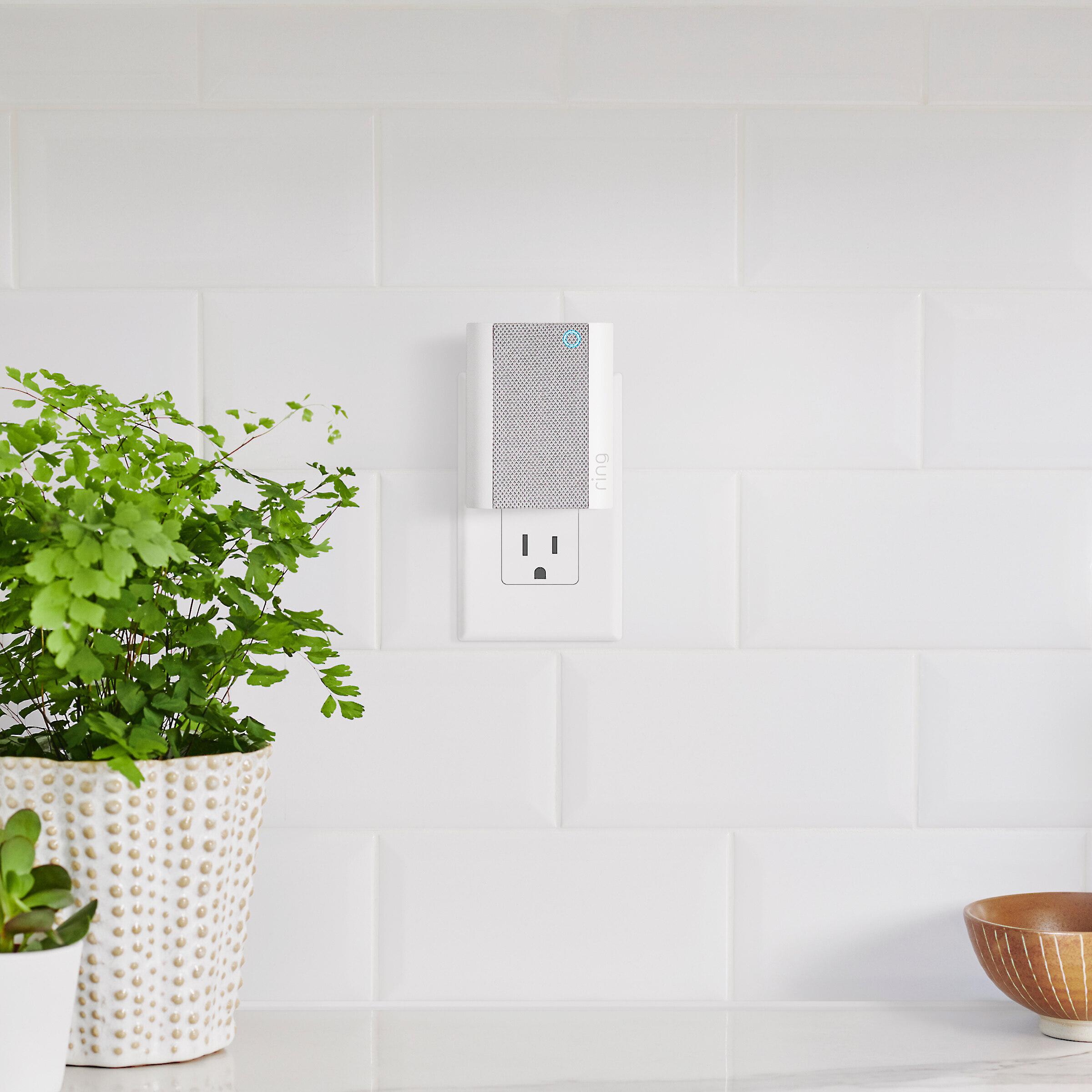
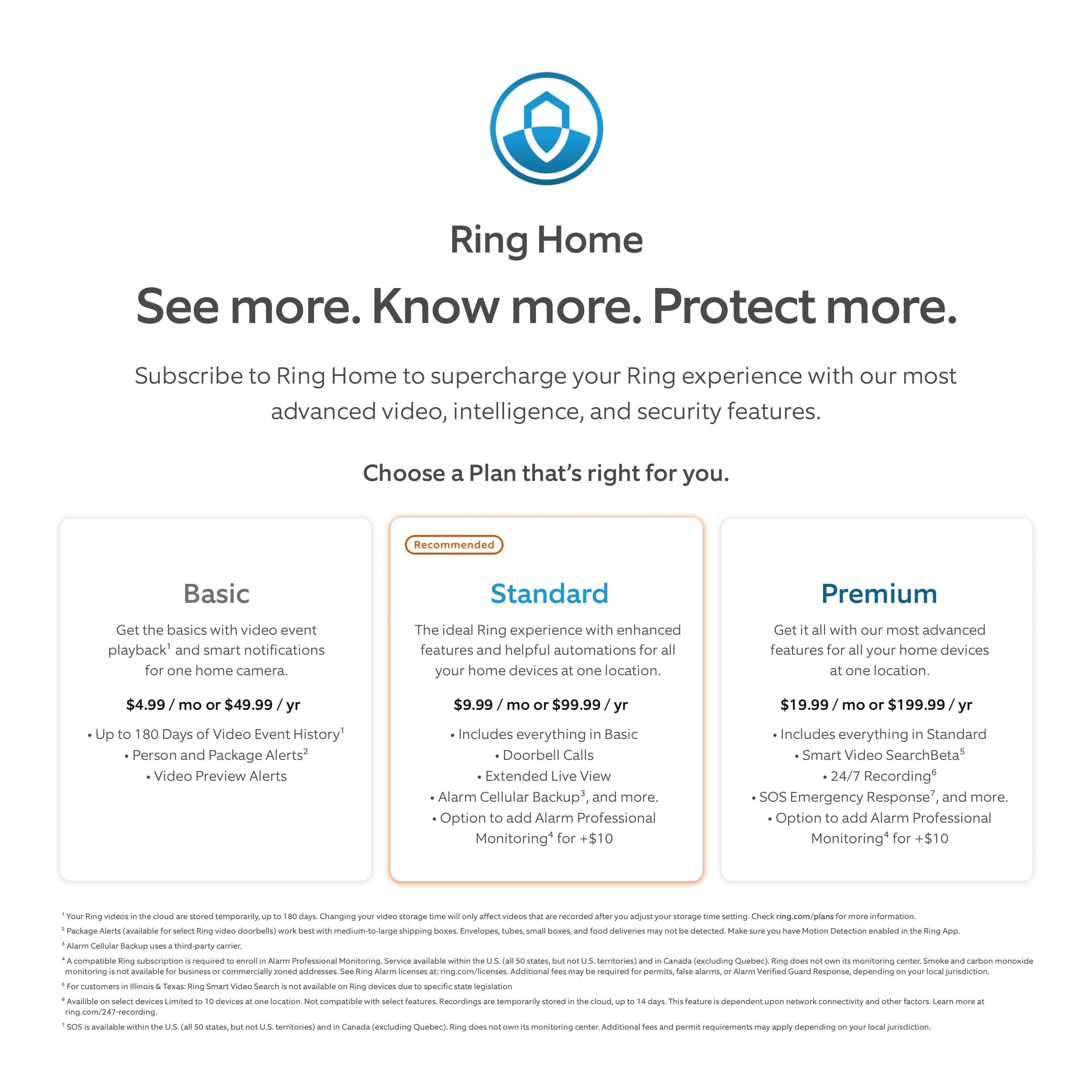
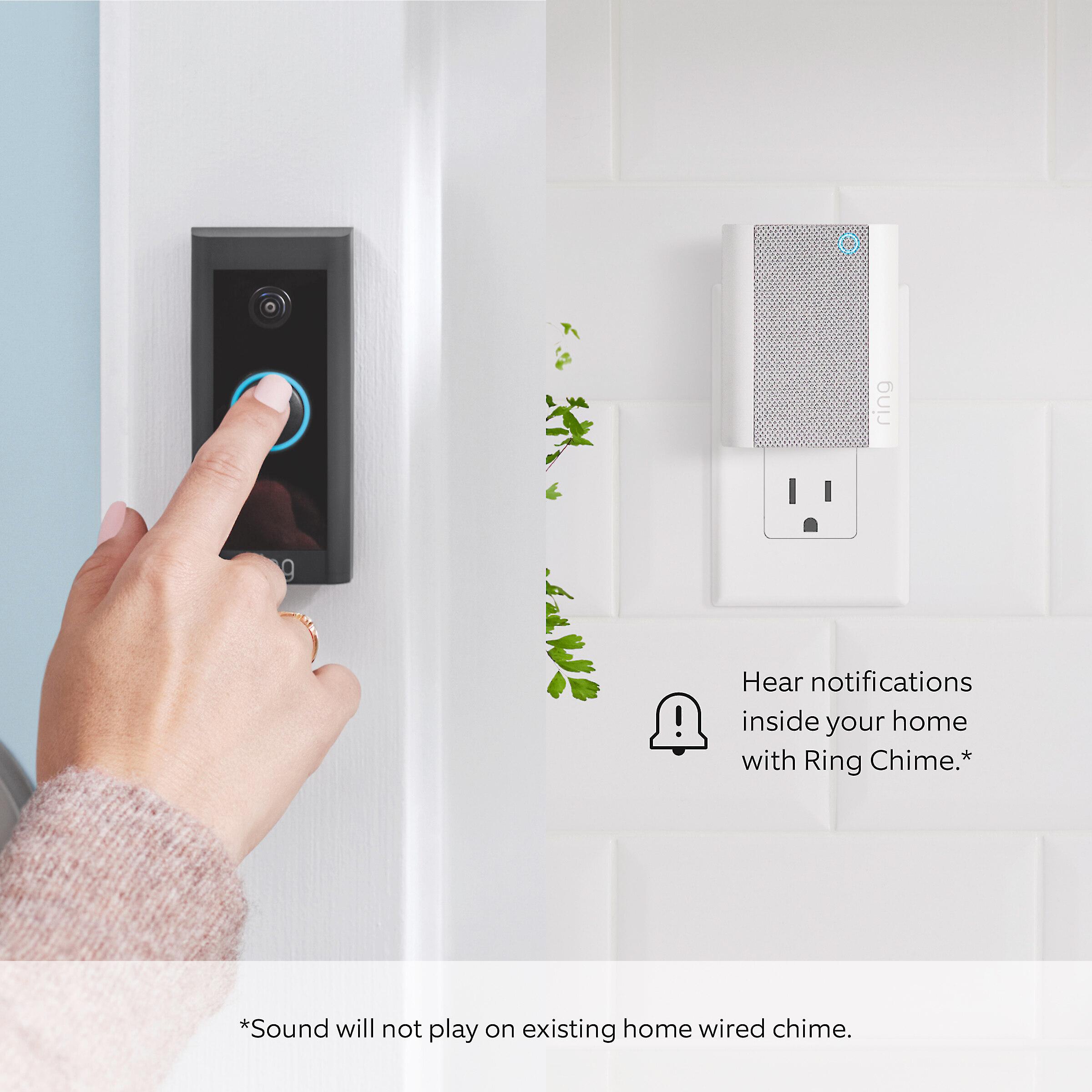
The Ring Video Doorbell Wired at $69.99 represents excellent value for basic smart doorbell functionality. However, factor in the need for a separate chime ($29.99) if you don't have an existing one.
The Arlo Video Doorbell 2nd Generation at $139.99 justifies its premium price through superior video quality, power flexibility, and advanced AI features.
Both companies regularly update their software, adding features and improving performance. Ring's strength lies in its integration with Amazon's ecosystem, while Arlo focuses on technical innovation and platform flexibility.
The video doorbell market continues to evolve, with both companies pushing different advantages. Ring emphasizes accessibility and value, while Arlo pursues advanced features and flexibility. Your choice ultimately depends on balancing these factors against your specific needs and budget.
Remember that both options require ongoing subscription costs for full functionality, so factor this into your long-term budget planning. Whether you choose the budget-friendly Ring Wired or the feature-rich Arlo 2nd Gen, both represent solid choices in their respective price categories.
| Ring Video Doorbell Wired | Arlo Video Doorbell 2nd Generation |
|---|---|
| Price - Initial investment comparison | |
| $69.99 + $29.99 for required chime | $139.99 (no additional hardware required) |
| Video Resolution - Important for identifying visitors and reading packages | |
| 1080p HD | Choice of 1080p HD or 2K (1536x1536) |
| Field of View - Determines how much of your porch you can see | |
| 155° horizontal, 90° vertical | 180° diagonal with square aspect ratio |
| Power Options - Affects installation flexibility | |
| Hardwired only (8-24 VAC) | Battery-powered or hardwired |
| Smart Home Integration - Important for ecosystem compatibility | |
| Amazon Alexa only | Alexa, Google Assistant, Apple HomeKit |
| Night Vision Capabilities - Critical for 24/7 monitoring | |
| Standard infrared | Enhanced infrared with better contrast |
| Motion Detection - Affects alert accuracy | |
| Basic zones and detection | AI-powered with person/package/animal detection |
| Subscription Costs - Ongoing expense consideration | |
| Ring Protect from $3.99/month | Arlo Secure from $4.99/month |
| Additional Features - Value-added capabilities | |
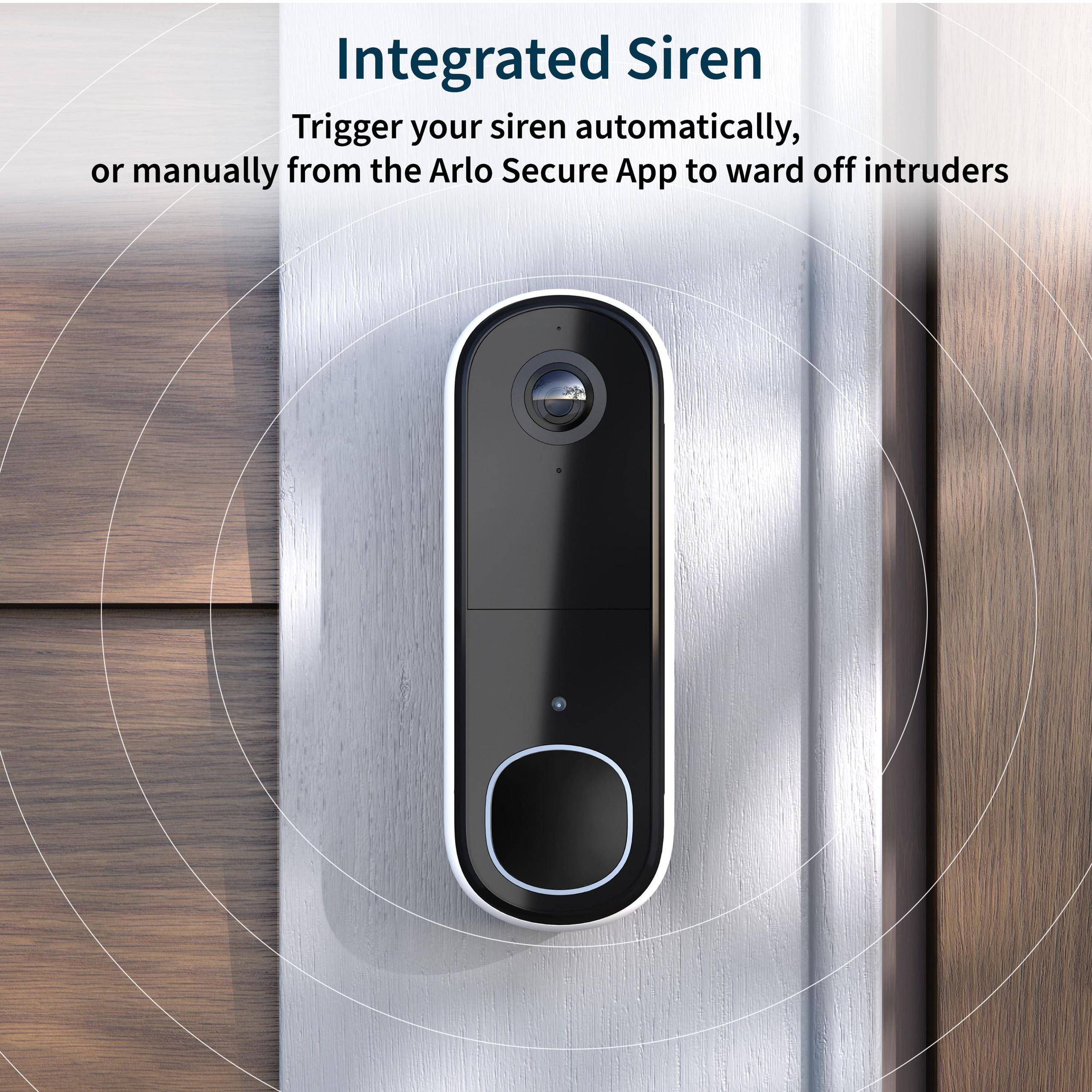
| Pre-roll technology, customizable motion zones | Built-in siren, quick replies, superior AI detection |
| Operating Temperature Range - Environmental durability | |
| -20°C to 50°C (-5°F to 120°F) | -20°C to 45°C (-4°F to 113°F) |
| Wi-Fi Requirements - Connectivity needs | |
| 2.4GHz only, 2Mbps minimum | 2.4GHz only, 2Mbps minimum |
| Installation Time - Setup convenience | |
| 15-20 minutes, requires existing wiring | 20-30 minutes, flexible installation options |
The Arlo Video Doorbell 2nd Generation offers better overall features with 2K video and flexible power options, while the Ring Video Doorbell Wired provides excellent value at a lower price point. Arlo is better if budget isn't your main concern, while Ring is ideal for cost-conscious buyers.
The Ring Video Doorbell Wired costs $69.99 plus $29.99 for a required chime, while the Arlo Video Doorbell 2nd Generation is $139.99 with no additional hardware needed.
The Arlo 2nd Gen offers superior video quality with an optional 2K resolution (1536x1536), while the Ring Wired provides standard 1080p HD. The difference is noticeable when identifying faces or reading package labels.
The Ring Wired requires existing doorbell wiring, while the Arlo 2nd Gen can be either hardwired or battery-powered, making it more flexible for different installation scenarios.
The Arlo Video Doorbell works with Alexa, Google Assistant, and Apple HomeKit, while the Ring Doorbell only works with Alexa.
Yes, both require subscriptions for full functionality. Ring Protect starts at $3.99/month, while Arlo Secure starts at $4.99/month.
The Arlo 2nd Gen features advanced AI-powered detection that can distinguish between people, packages, and animals. The Ring Wired offers basic motion detection with customizable zones.
Both doorbells are designed to last several years. The Ring Wired has no battery to degrade, while the Arlo's battery version requires periodic charging every 3-6 months.
The Ring Wired has a simpler installation if you have existing doorbell wiring. The Arlo offers more installation options but may take longer to set up.
The Arlo 2nd Gen has a better field of view (180° diagonal) for seeing packages at your doorstep, while the Ring Wired has a slightly narrower view (155° horizontal).
Both offer infrared night vision, but the Arlo 2nd Gen typically provides better contrast and detail in low-light conditions compared to the Ring Wired.
Yes, both the Ring Video Doorbell Wired and Arlo Video Doorbell 2nd Generation are designed for outdoor use and can withstand various weather conditions, though Ring has a slightly wider temperature tolerance range.
We've done our best to create useful and informative comparisons to help you decide what product to buy. Our research uses advanced automated methods to create this comparison and perfection is not possible - please contact us for corrections or questions. These are the sites we've researched in the creation of this article: bestbuy.com - consumerreports.org - youtube.com - techradar.com - sa-en.ring.com - youtube.com - ring.com - de-de.ring.com - de-de.ring.com - ring.com - blackwiredesigns.com - arlo.com - wasserstein-home.com - security.org - security.org - arlo.com - bestbuy.com - androidcentral.com - arlo.com - community.arlo.com - youtube.com - community.arlo.com - community.arlo.com - arlo.com - t-mobile.com - youtube.com

Privacy Policy
Terms and Conditions - Affiliate Policy
Home Security
© Copyright 2008-2026.
11816 Inwood Rd #1211, Dallas, TX 75244