

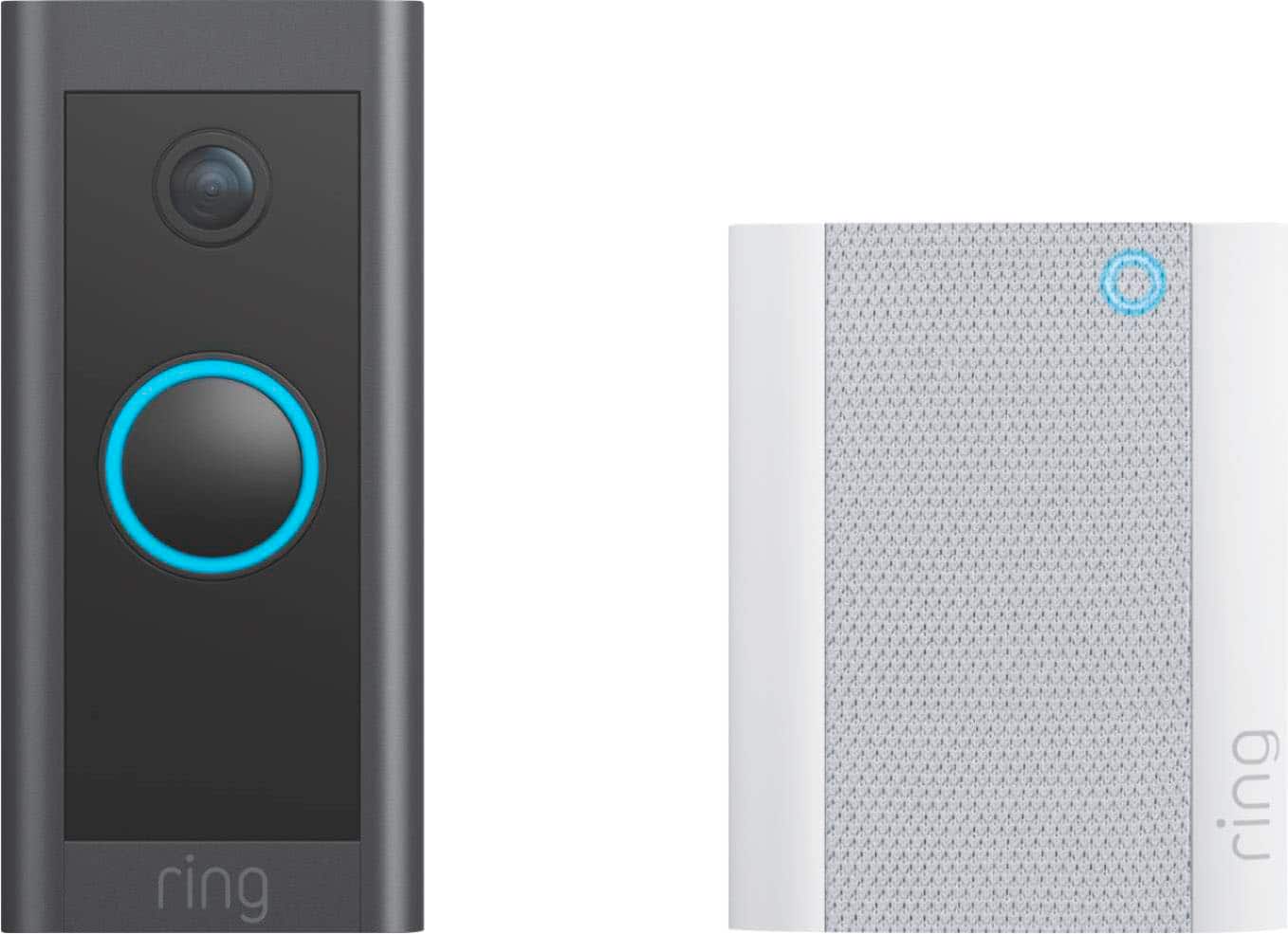
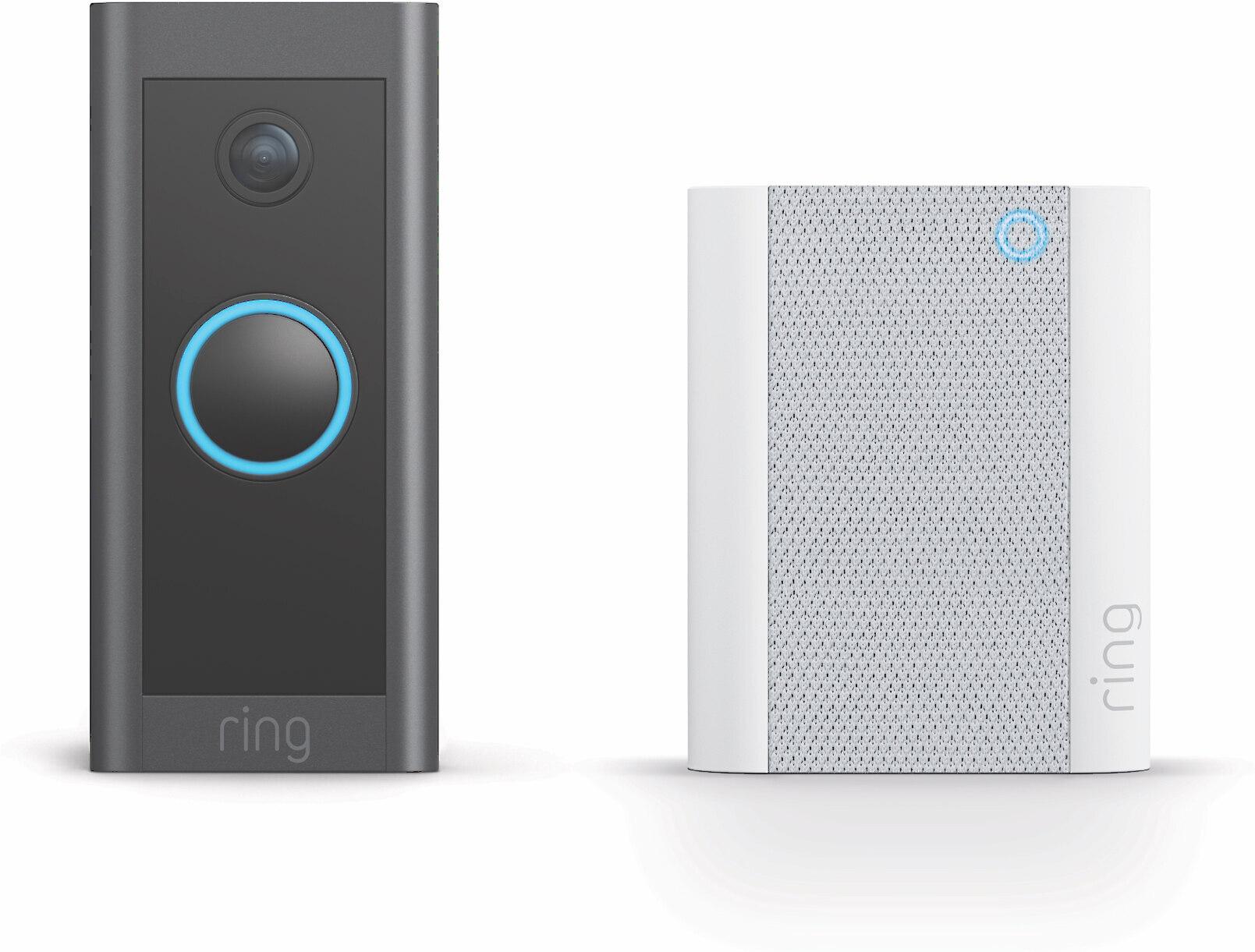
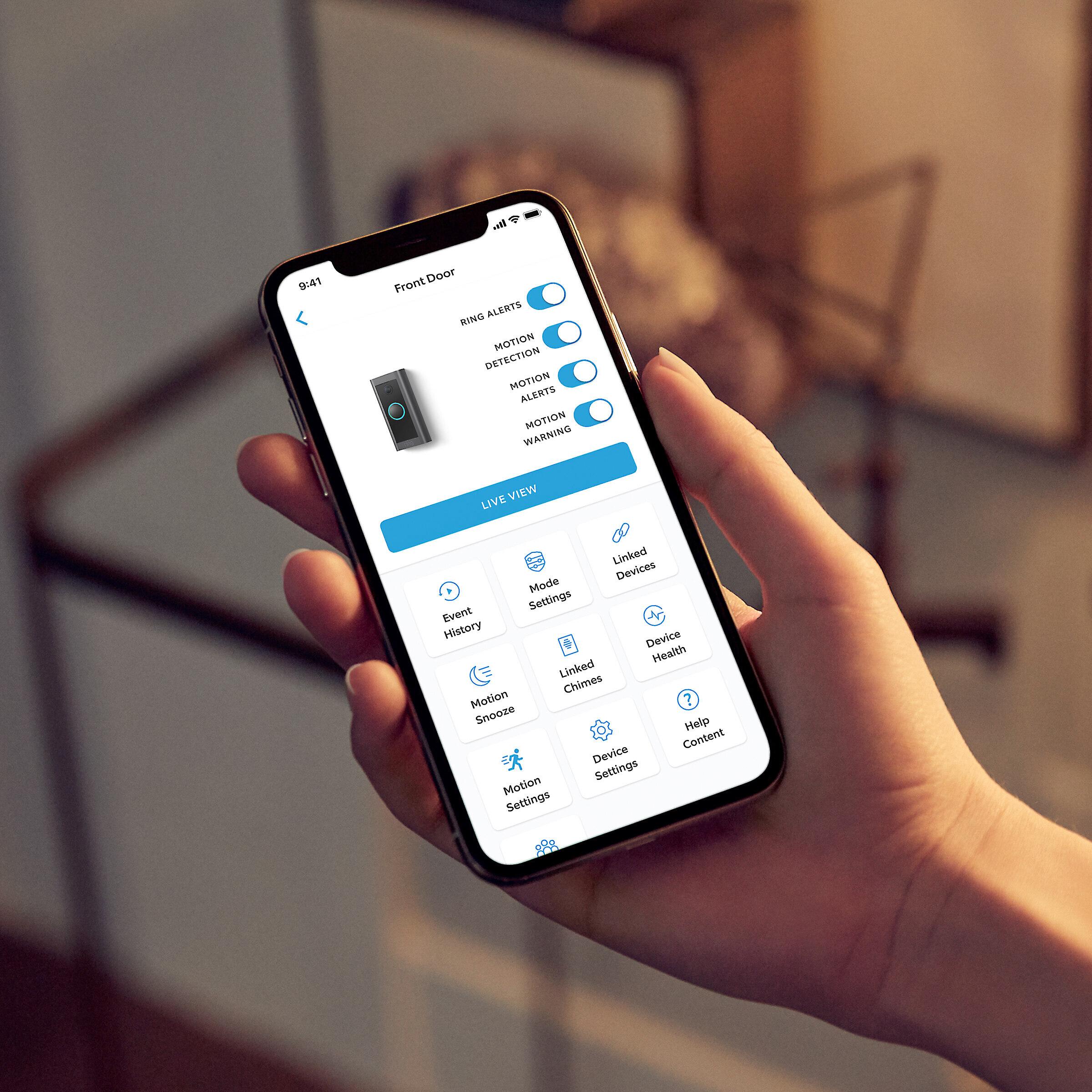
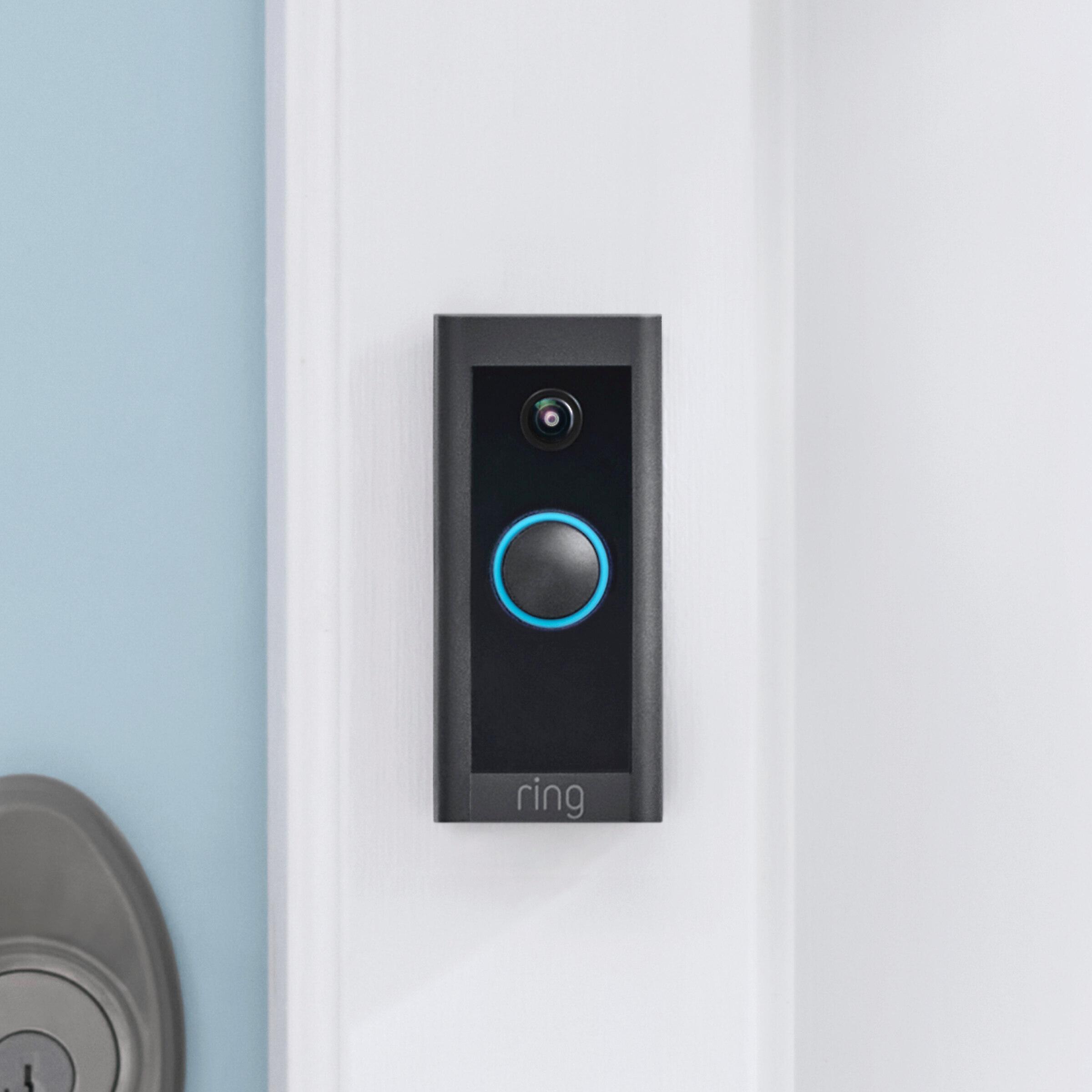


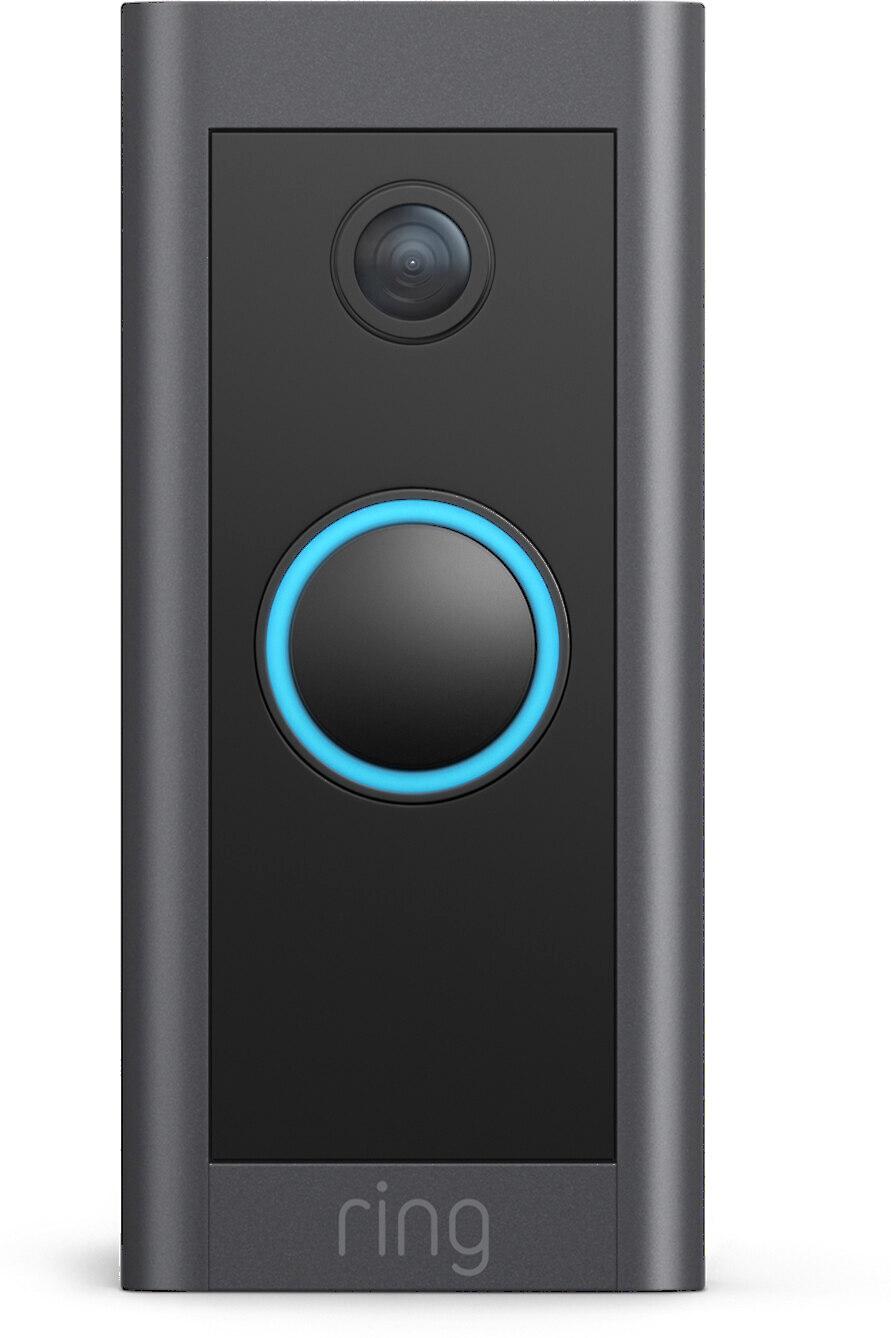
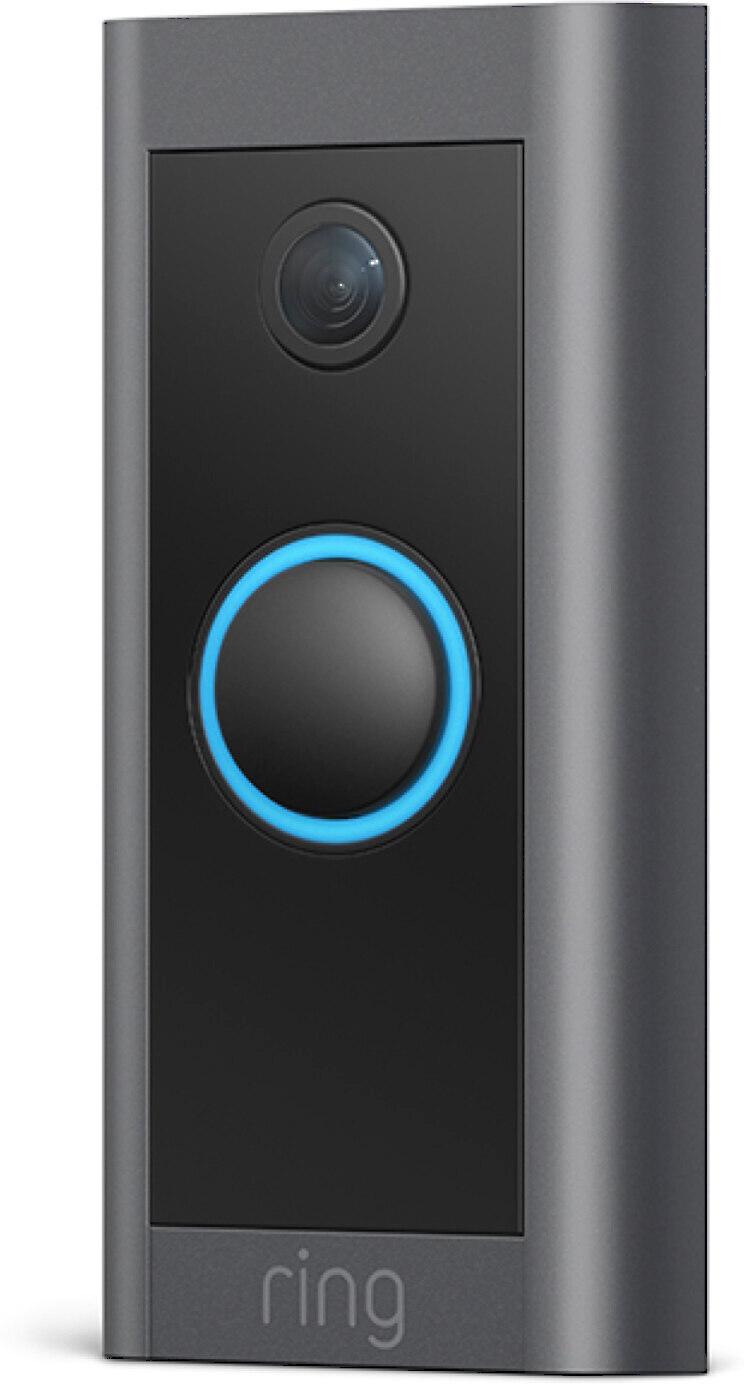
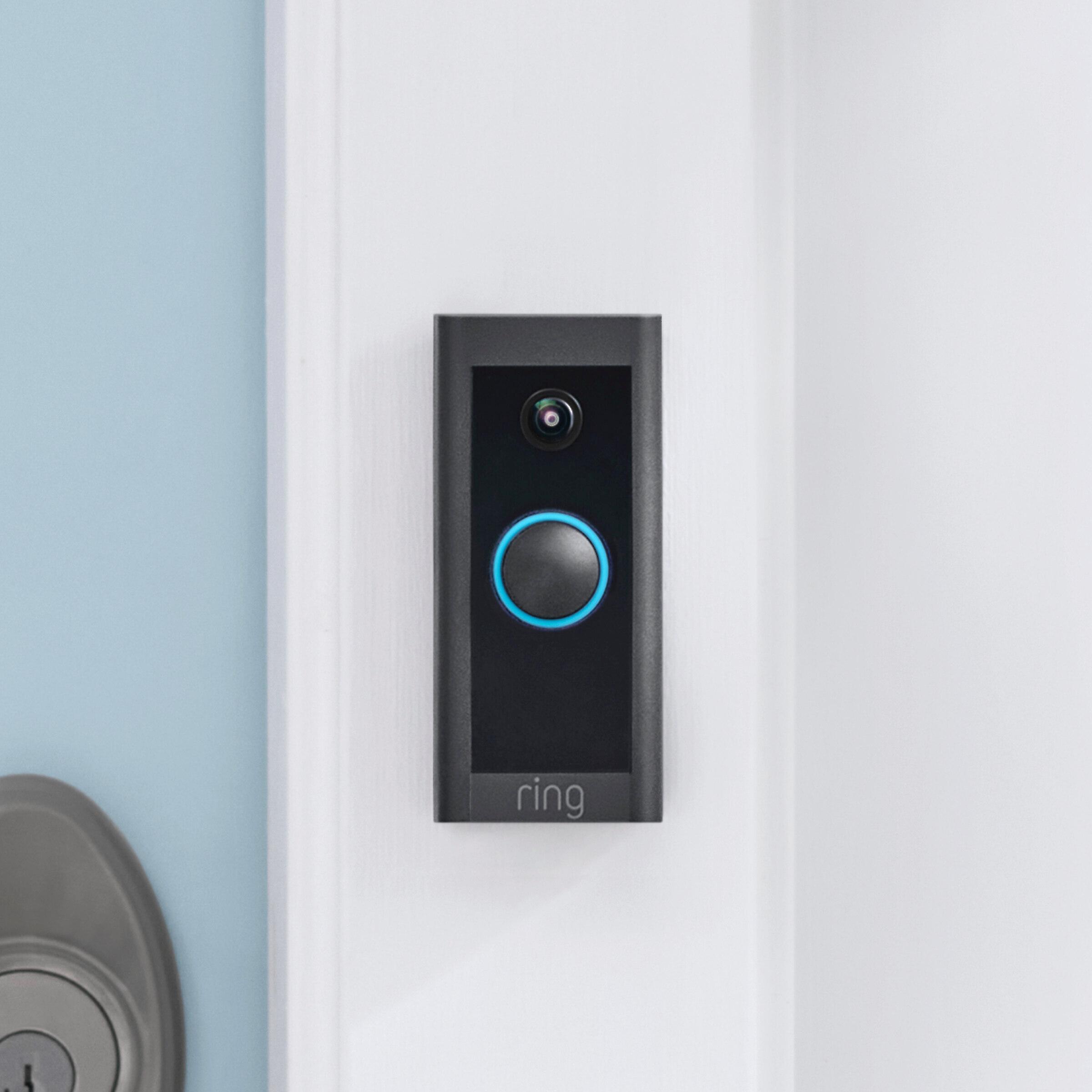
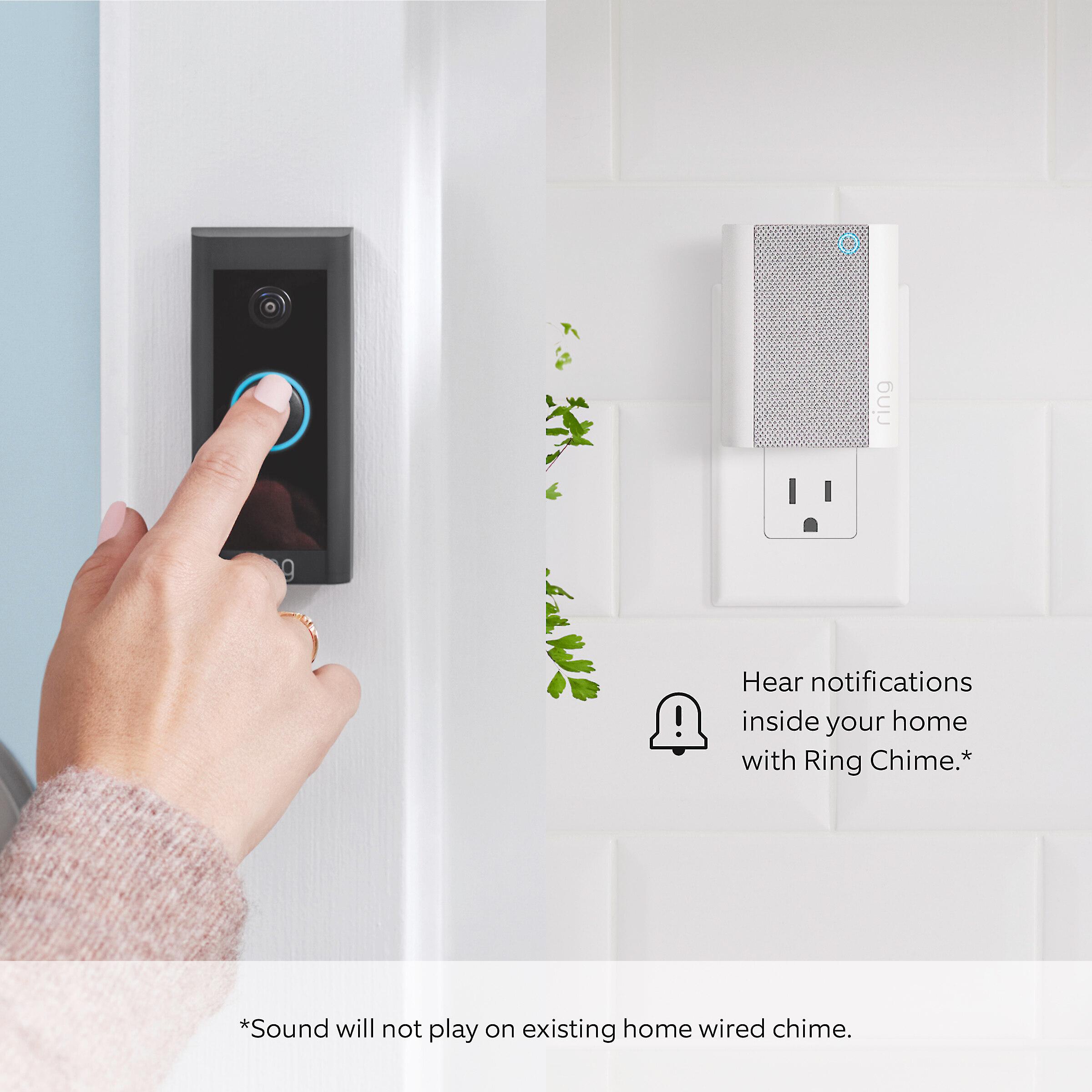
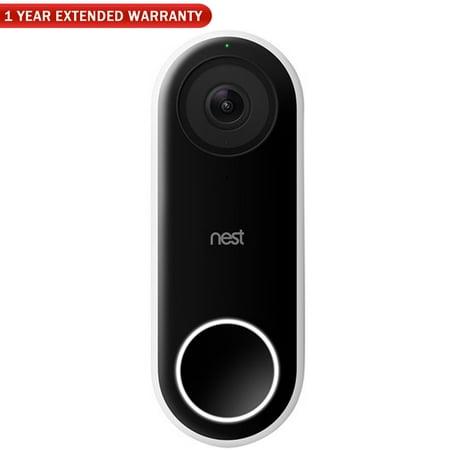
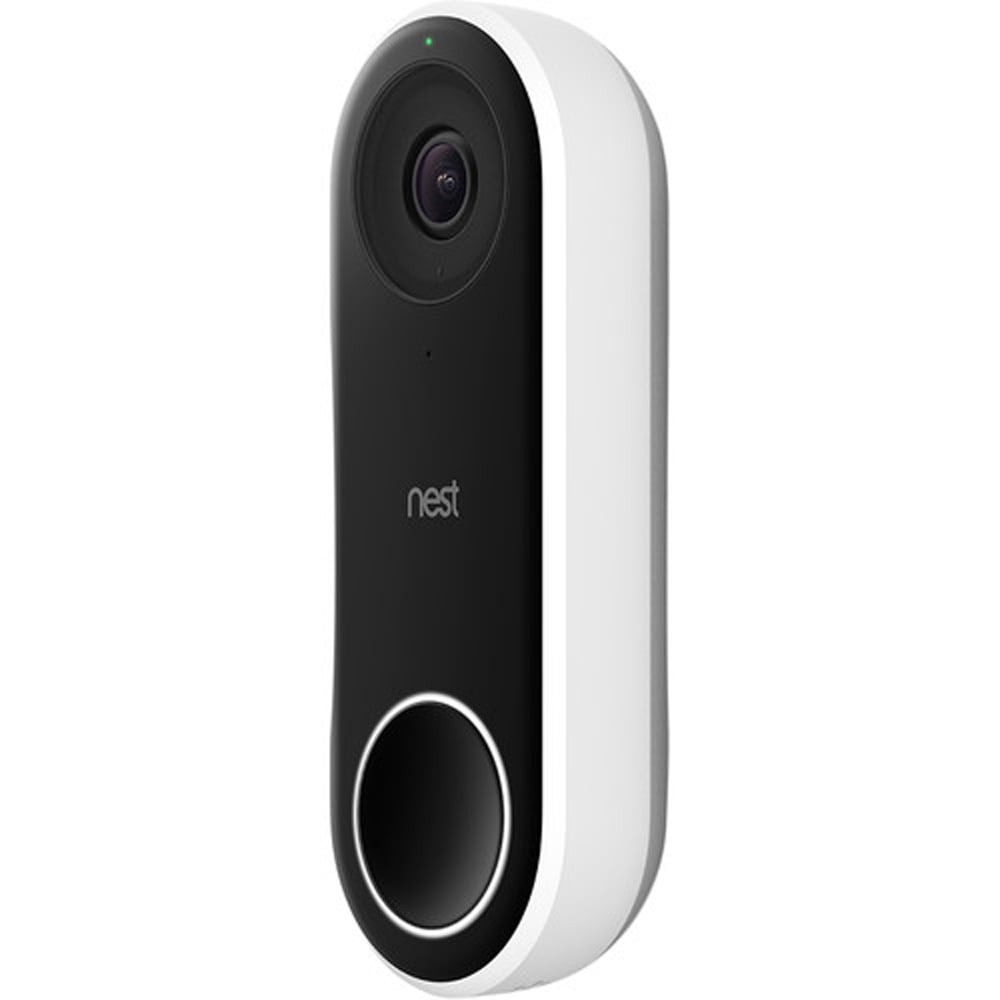
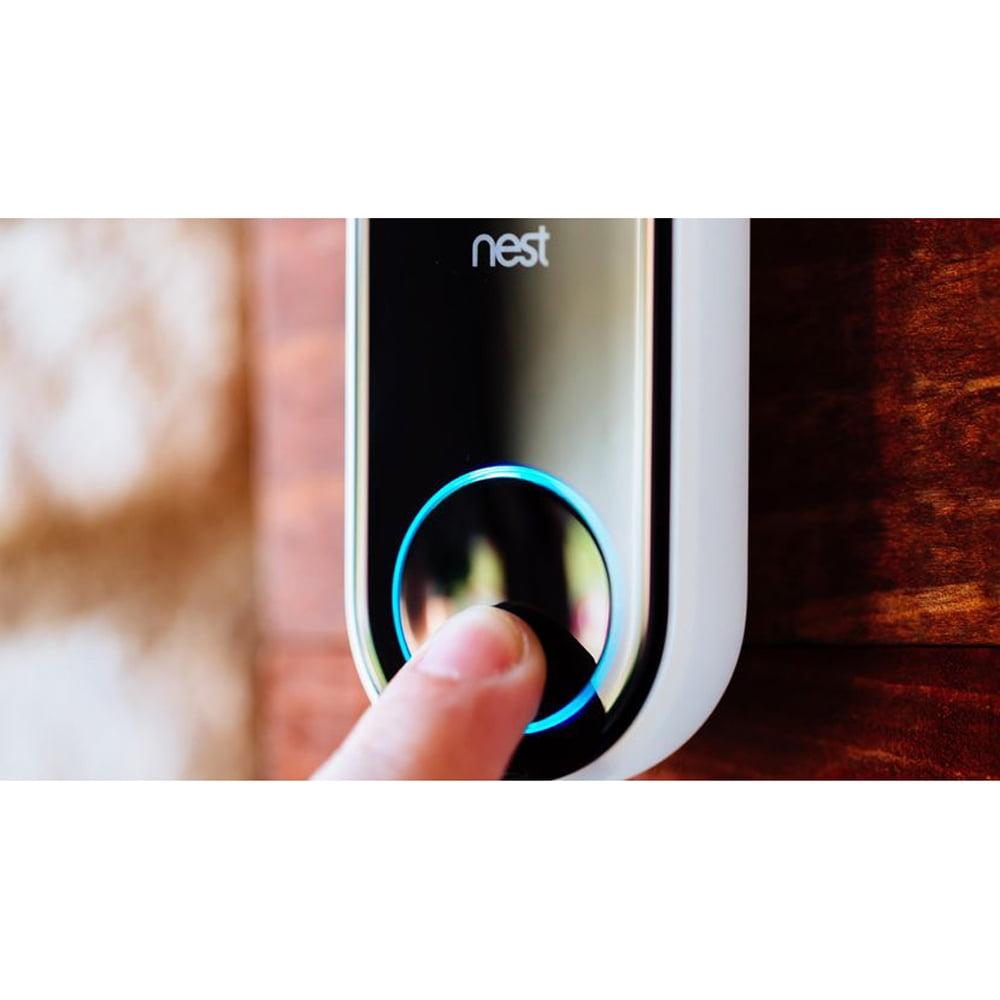
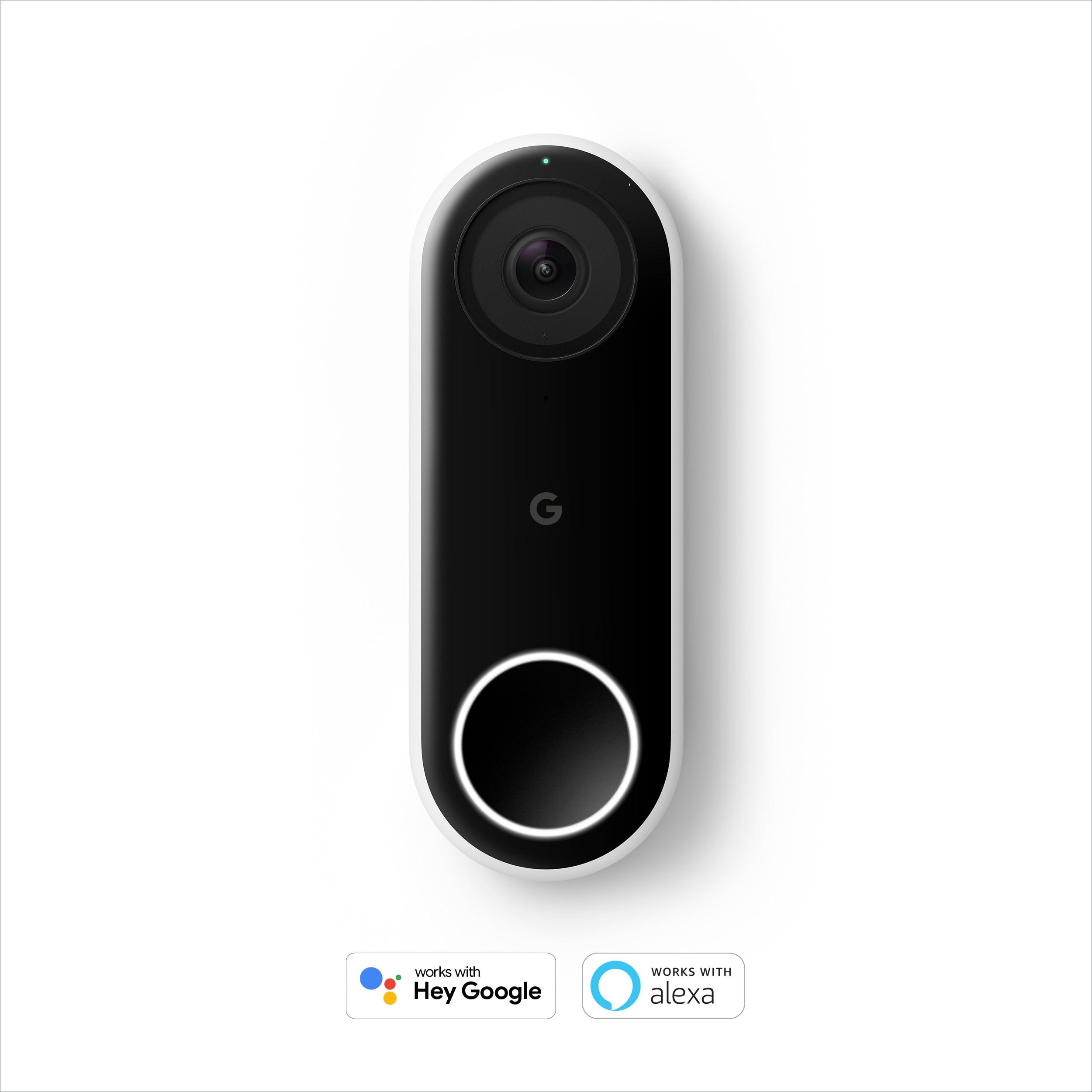
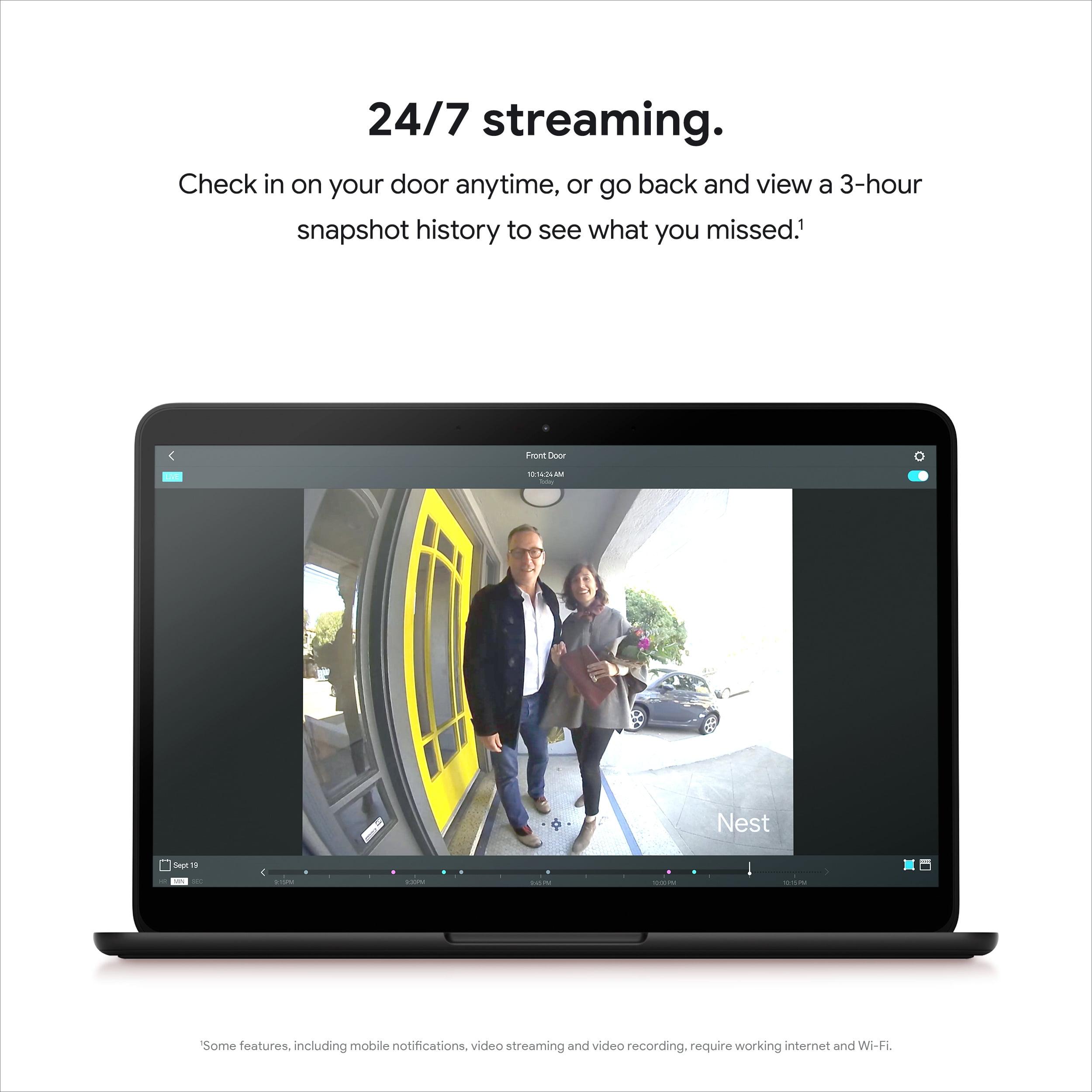
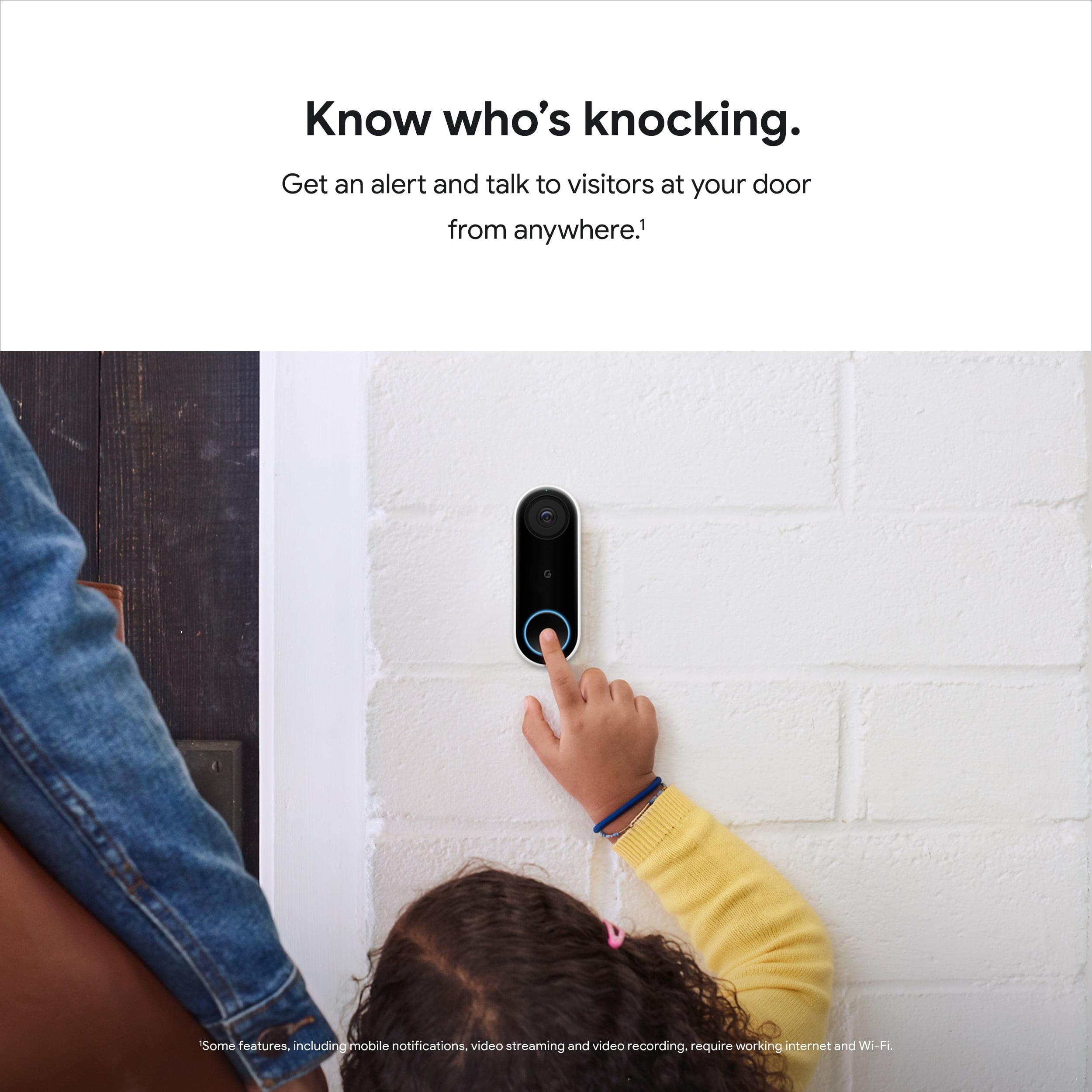
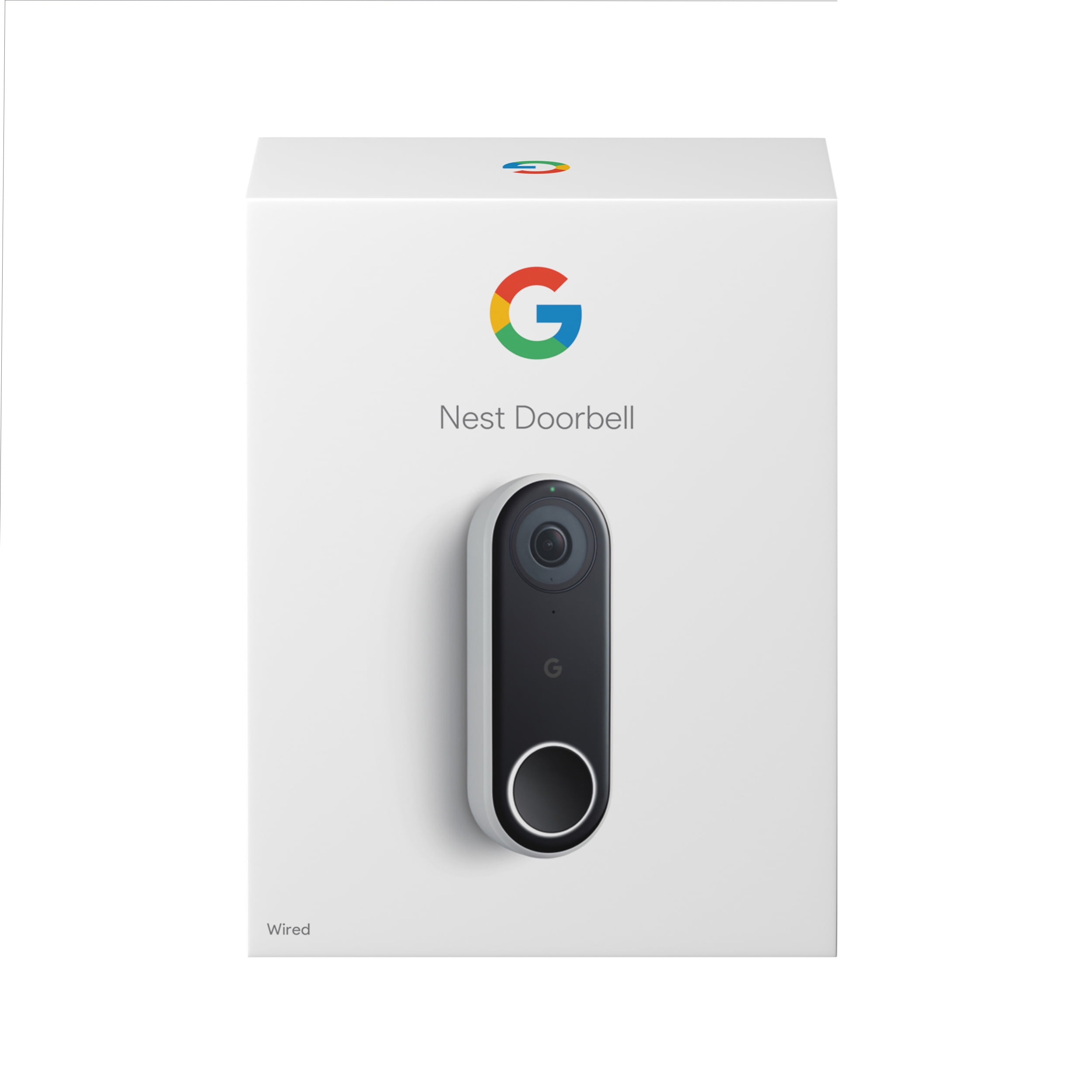
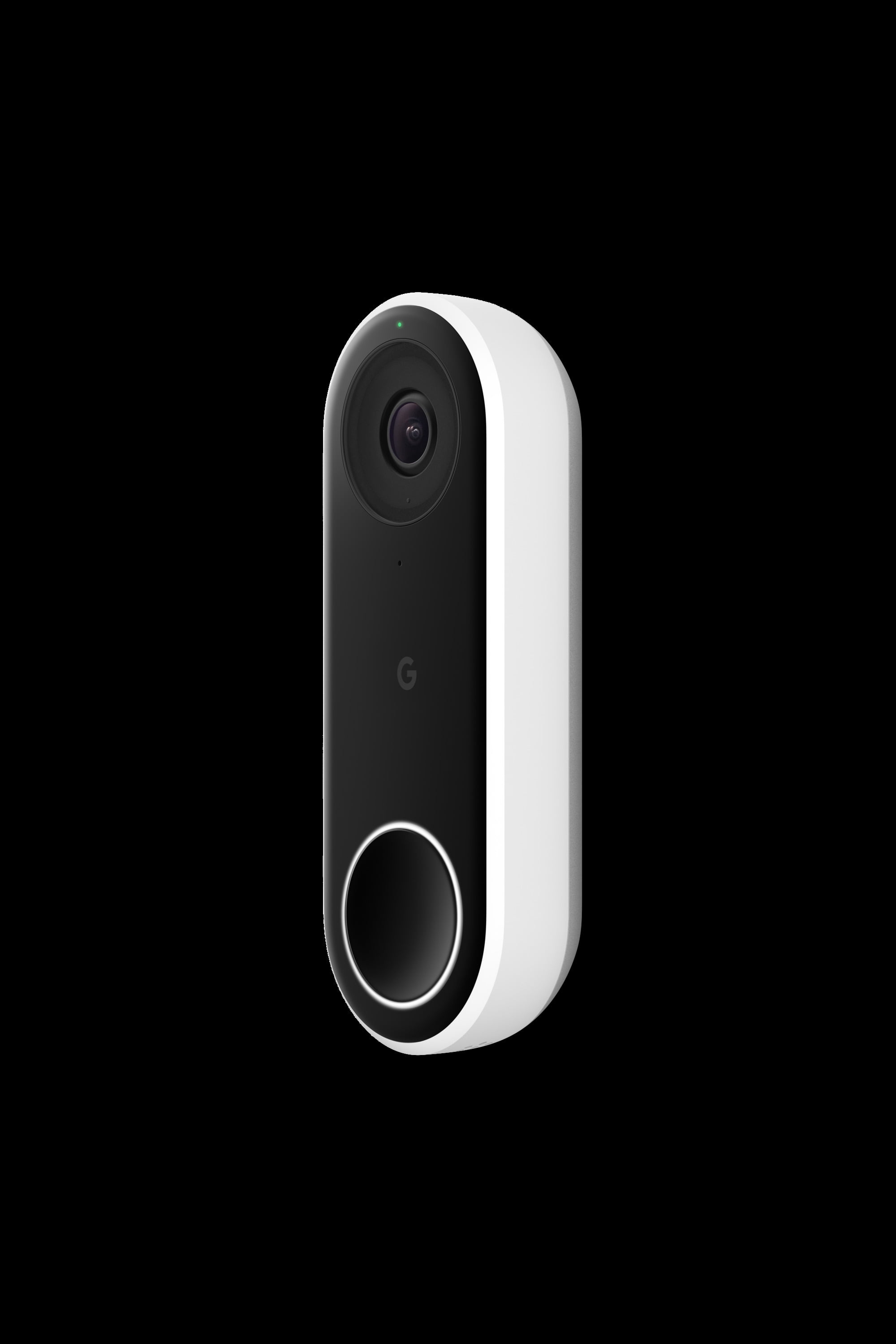

In just a few years, video doorbells have transformed from novelty gadgets into essential smart home devices. Today's options offer impressive capabilities like AI-powered person detection, package monitoring, and integration with broader home security systems. Let's dive into two popular choices: the budget-friendly Ring Video Doorbell Wired ($70) and the feature-rich Google Nest Hello Smart Video Doorbell ($120-230).
When Ring launched their first video doorbell in 2014, it revolutionized home security. Google entered the market in 2018 with the Nest Hello, raising the bar for video quality and AI features. The Ring Video Doorbell Wired arrived in 2021 as an affordable hardwired option, while the Nest Hello has maintained its premium position despite newer competitors.
Both doorbells capture HD video, but there are notable differences. The Ring delivers 1080p resolution, which provides clear images for most situations. The Nest Hello steps up to 1600x1200 with HDR (High Dynamic Range), offering superior performance in challenging lighting conditions. HDR combines multiple exposures to show details in both bright and dark areas simultaneously - think of seeing both a visitor's face and the shadowy porch clearly in the same frame.
Ring offers a 155° horizontal view, which is quite wide and covers most entryways effectively. Nest's 160° diagonal field provides similar coverage but with slightly different proportions. In practical use, both capture enough area to see visitors and packages clearly, though Ring's horizontal emphasis might better suit wider porches.
This is where the technical differences become quite apparent. While both use infrared LED illumination for night vision, Nest's implementation produces noticeably clearer images after dark. The Nest Hello uses more sophisticated IR sensors and processing, resulting in better contrast and detail in low-light conditions.
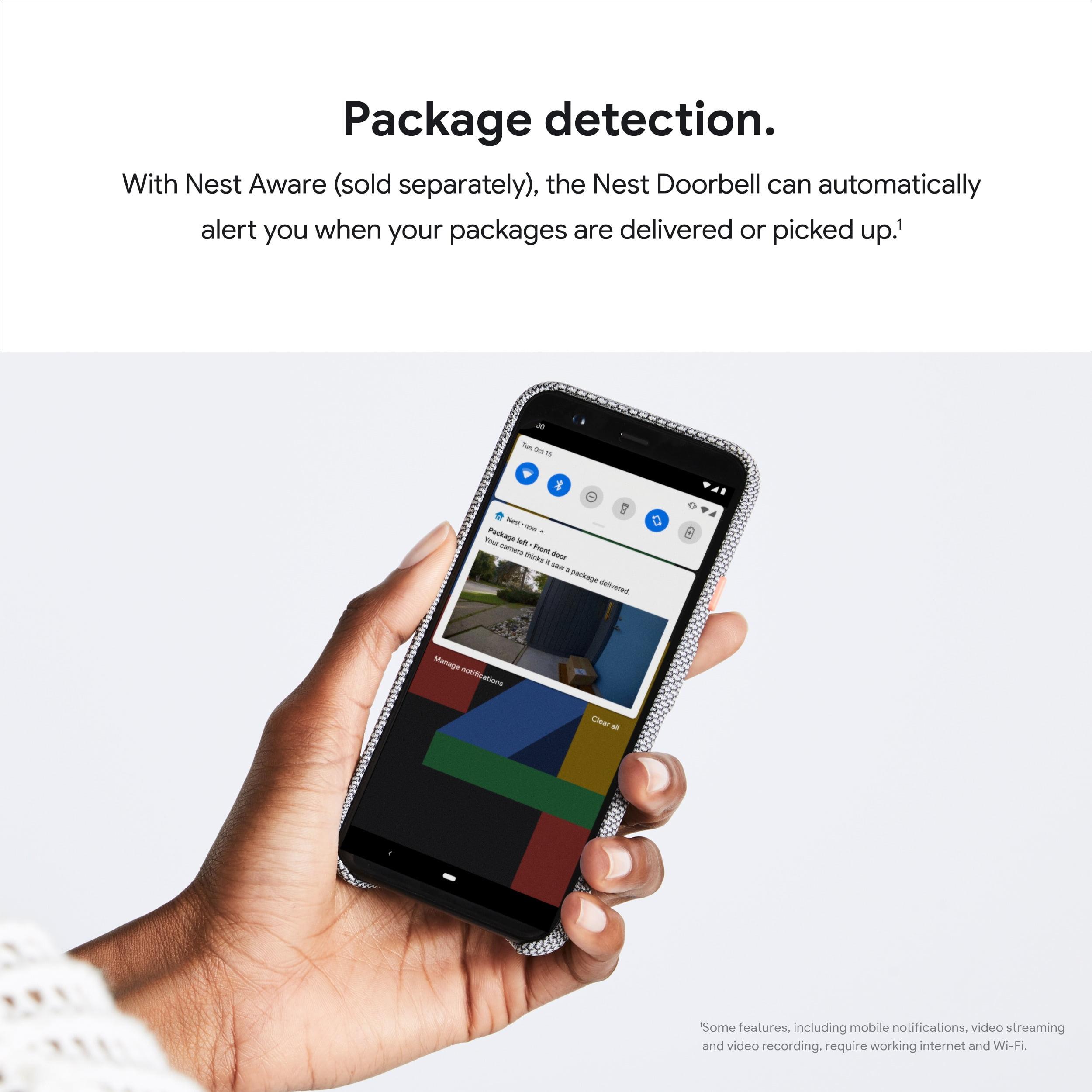
Ring's basic motion detection works well, with customizable zones to reduce false alerts. The Nest Hello takes this further with more sophisticated AI that can distinguish between people, packages, and vehicles. It can even recognize familiar faces and announce visitors by name through Google Home speakers - a feature that feels like living in the future.
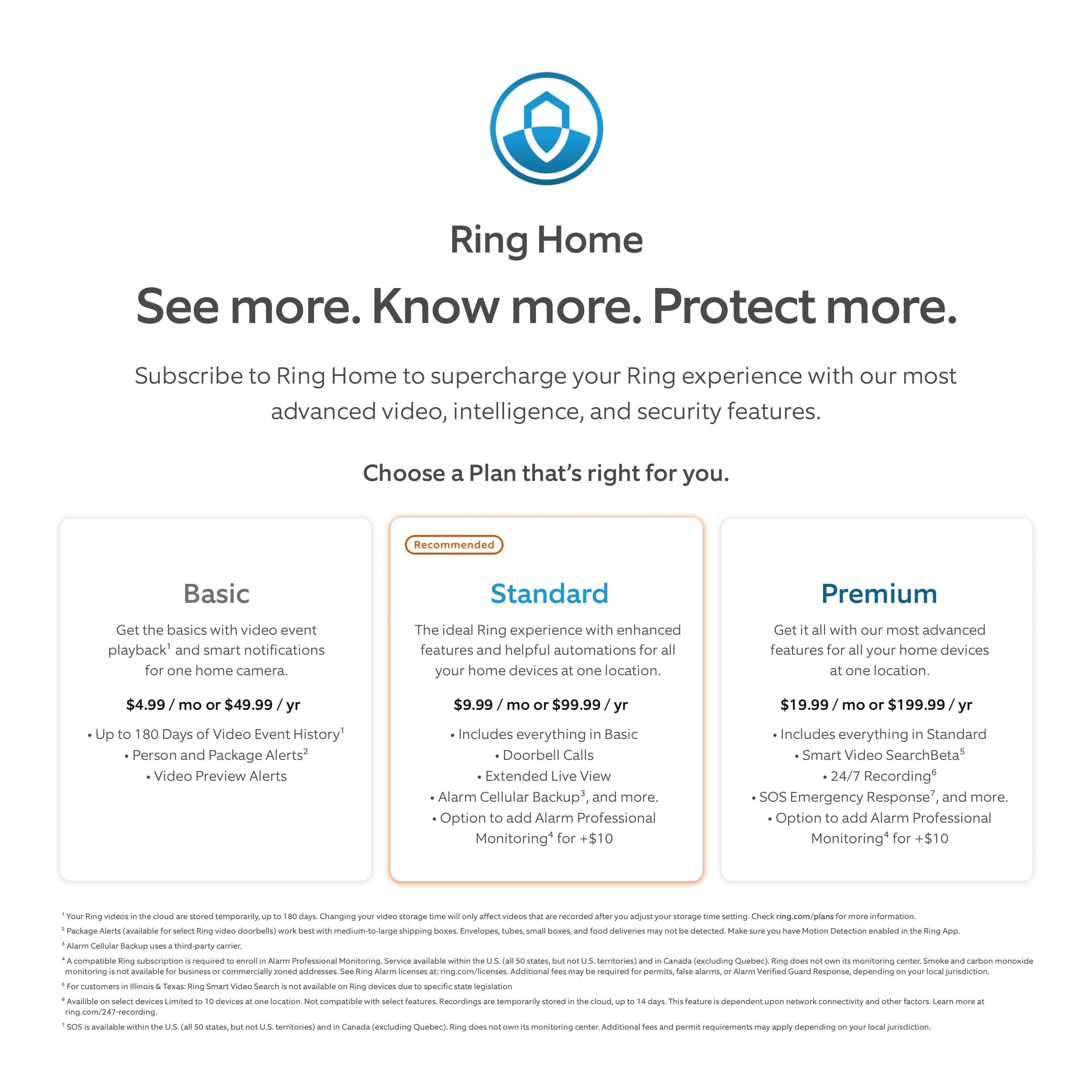
Both systems require subscriptions for video recording:
Nest's continuous recording means you never miss an event, while Ring only records when motion is detected or someone rings the bell. This difference can be crucial for security monitoring.
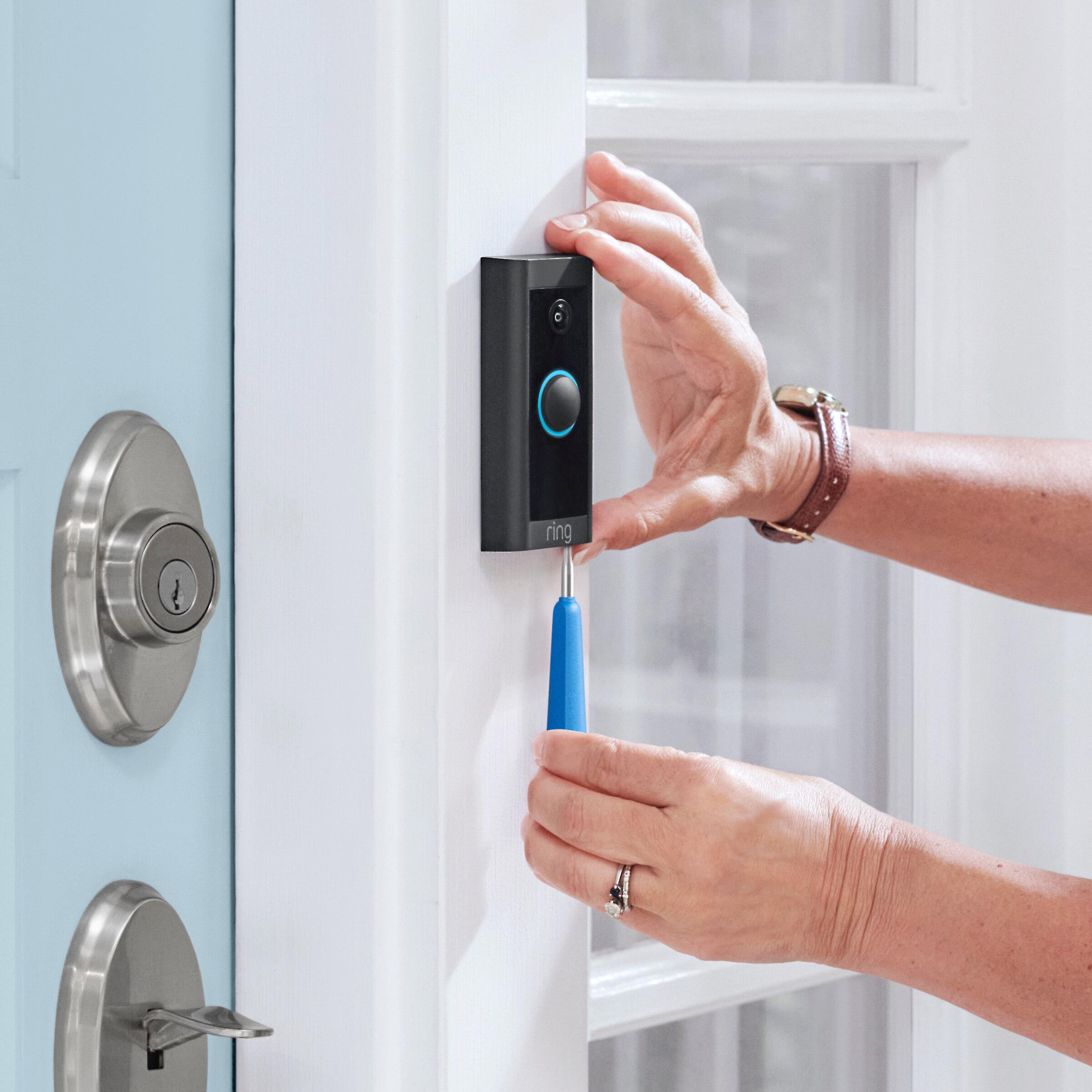
Both doorbells require hardwiring to existing doorbell systems (16-24 VAC), but Ring's installation process is generally more straightforward. The Ring Video Doorbell Wired includes helpful mounting brackets and clear instructions that most DIY-ers can handle confidently.
Nest's installation can be more complex due to its power requirements and wiring configuration. Many users opt for professional installation, adding $100-200 to the total cost.
Ring works seamlessly with Amazon Alexa devices, while Nest naturally integrates with Google Home. Cross-platform support exists but is limited. Consider your existing smart home setup when choosing - if you're already invested in one ecosystem, staying within it will provide the best experience.
Having tested both systems extensively, I've found the Nest Hello's superior video quality and AI features genuinely useful. The ability to recognize familiar faces and detect packages has practically eliminated false alerts. However, Ring's simpler approach works reliably and costs significantly less.
First year costs (including subscription):
The price difference is significant, especially when factoring in potential professional installation for the Nest.
The Ring Video Doorbell Wired offers excellent value for most users, providing core features at an attractive price point. The Nest Hello justifies its premium price with superior video quality and advanced AI capabilities, but these features may exceed many users' needs.
Consider your specific requirements, existing smart home ecosystem, and budget when choosing. Both devices will serve their primary purpose well, but their differences in features and performance make them suited to different types of users.
| Ring Video Doorbell Wired ($70) | Google Nest Hello ($120-230) |
|---|---|
| Video Resolution - Determines how clearly you can identify visitors and read packages | |
| 1080p HD (good for most situations) | 1600x1200 HD with HDR (superior in challenging lighting) |
| Field of View - Affects how much of your entryway you can see | |
| 155° horizontal, 90° vertical (wide coverage) | 160° diagonal (similar coverage, different proportions) |
| Night Vision - Critical for visitor and activity identification after dark | |
| Basic IR LED illumination (adequate) | Enhanced IR with better contrast (clearer night viewing) |
| AI Features - Determines accuracy of alerts and reduced false notifications | |
| Basic person detection with subscription | Advanced facial recognition, package detection, familiar face alerts |
| Installation Requirements - Impacts total cost and setup complexity | |
| DIY-friendly, requires existing doorbell wiring | More complex, professional installation recommended |
| Power Requirements - Affects reliability and compatibility | |
| 8-24 VAC, hardwired only | 16-24 VAC, hardwired only (more sensitive to power quality) |
| Smart Home Integration - Important for ecosystem compatibility | |
| Works best with Alexa, limited Google support | Works best with Google Home, limited Alexa support |
| Storage Options - Determines how much history you can access | |
| Event-based recording with subscription | 24/7 continuous recording with subscription |
| Subscription Cost - Ongoing expense for full features | |
| $3/month Ring Protect (60 days storage) | $6/month Nest Aware (30 days continuous) |
| Two-Way Audio - Quality of communication with visitors | |
| Basic noise cancellation | Advanced noise reduction and echo cancellation |
| Weather Resistance - Durability in outdoor conditions | |
| -20°C to 50°C operating range | -30°C to 50°C operating range |
| Mobile App Features - Ease of use and control | |
| Basic interface, customizable motion zones | Advanced interface, more AI features, better notification control |
| Package Detection - Important for delivery monitoring | |
| Basic motion detection only | Dedicated package detection with specific alerts |
The Google Nest Hello offers superior video quality and AI features, while the Ring Video Doorbell Wired provides better value at nearly half the price. Nest Hello is better if you want premium features, while Ring is ideal for budget-conscious buyers needing basic functionality.
The Ring Video Doorbell Wired costs $70, while the Nest Hello ranges from $120-230. Monthly subscriptions are $3 for Ring Protect and $6 for Nest Aware.
Both require hardwired installation to existing doorbell systems. The Ring Doorbell Wired needs 8-24 VAC, while Nest Hello requires 16-24 VAC power.
The Nest Hello offers superior 1600x1200 HDR video compared to the Ring Wired's 1080p resolution. Nest's HDR provides better performance in challenging lighting conditions.
The Ring Video Doorbell Wired is designed for DIY installation with clear instructions. The Nest Hello often requires professional installation due to more complex wiring requirements.
The Nest Hello provides clearer night vision with better contrast and detail compared to the Ring Wired, which offers basic but adequate night vision.
Yes, both require subscriptions for video recording. The Ring Protect plan ($3/month) offers 60 days of event-based recording, while Nest Aware ($6/month) provides 30 days of continuous recording.
The Ring Video Doorbell Wired works best with Amazon Alexa, while the Nest Hello integrates seamlessly with Google Home. Cross-platform support is limited for both.
The Nest Hello features dedicated package detection with specific alerts, while the Ring Wired only offers basic motion detection.
The Nest Hello offers advanced AI with facial recognition and specific object detection, while the Ring Wired provides basic motion detection with customizable zones.
With subscriptions, the Ring Video Doorbell Wired stores 60 days of event-based recordings, while the Nest Hello offers 30 days of continuous 24/7 recording.
The Nest Hello offers a more advanced interface with AI features and better notification control, while the Ring Wired provides a basic but functional interface with customizable motion zones.
We've done our best to create useful and informative comparisons to help you decide what product to buy. Our research uses advanced automated methods to create this comparison and perfection is not possible - please contact us for corrections or questions. These are the sites we've researched in the creation of this article: bestbuy.com - consumerreports.org - youtube.com - techradar.com - sa-en.ring.com - youtube.com - ring.com - de-de.ring.com - de-de.ring.com - ring.com - blackwiredesigns.com - arlo.com - wasserstein-home.com - security.org - tomsguide.com - youtube.com - techradar.com - cnet.com - safewise.com - support.google.com - drivenbydecor.com - youtube.com - safehome.org - cdn.hibuwebsites.com - beachcamera.com - security.org - youtube.com - acerenttoown.com

Privacy Policy
Terms and Conditions - Affiliate Policy
Home Security
© Copyright 2008-2026.
11816 Inwood Rd #1211, Dallas, TX 75244