

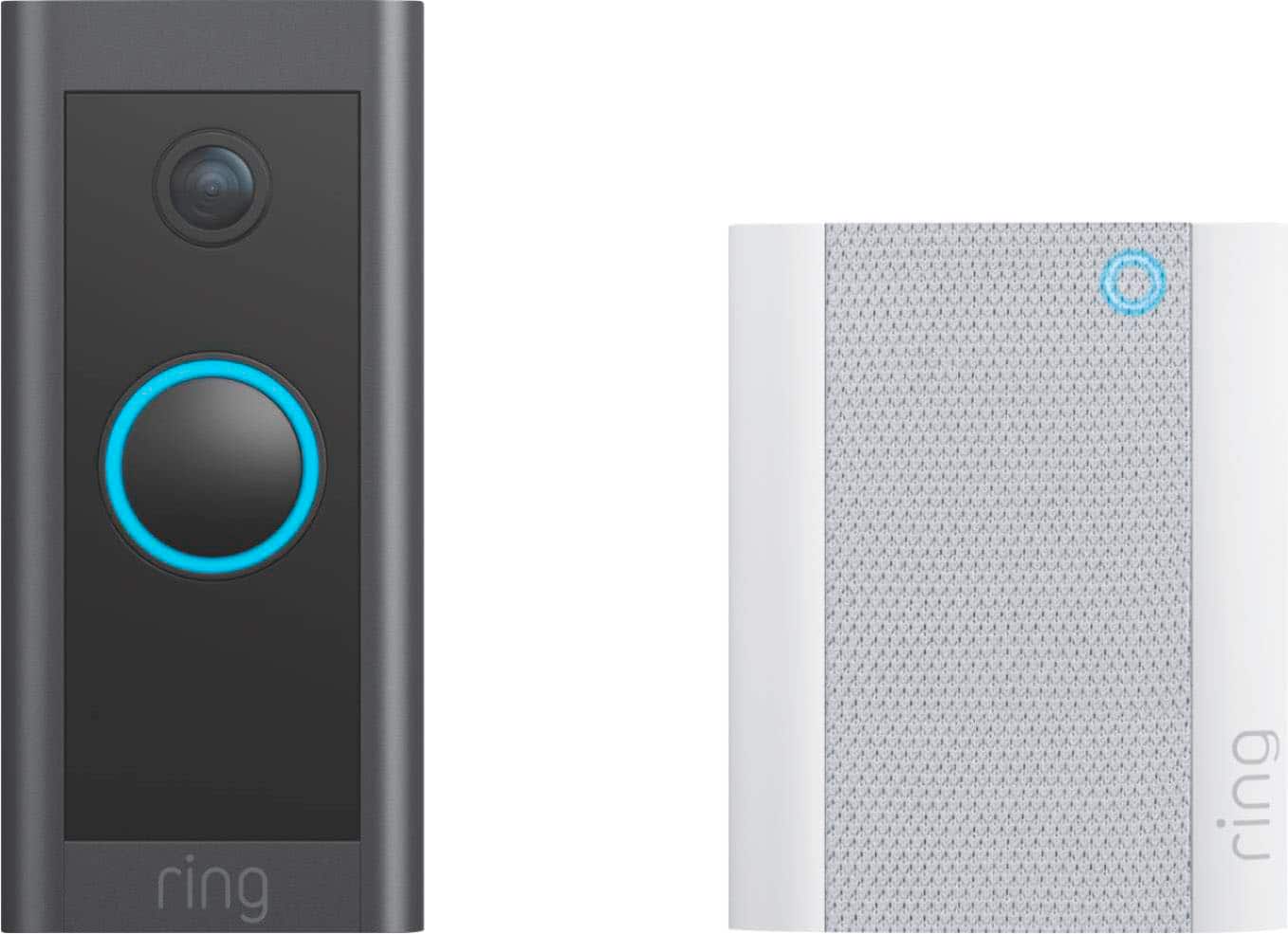
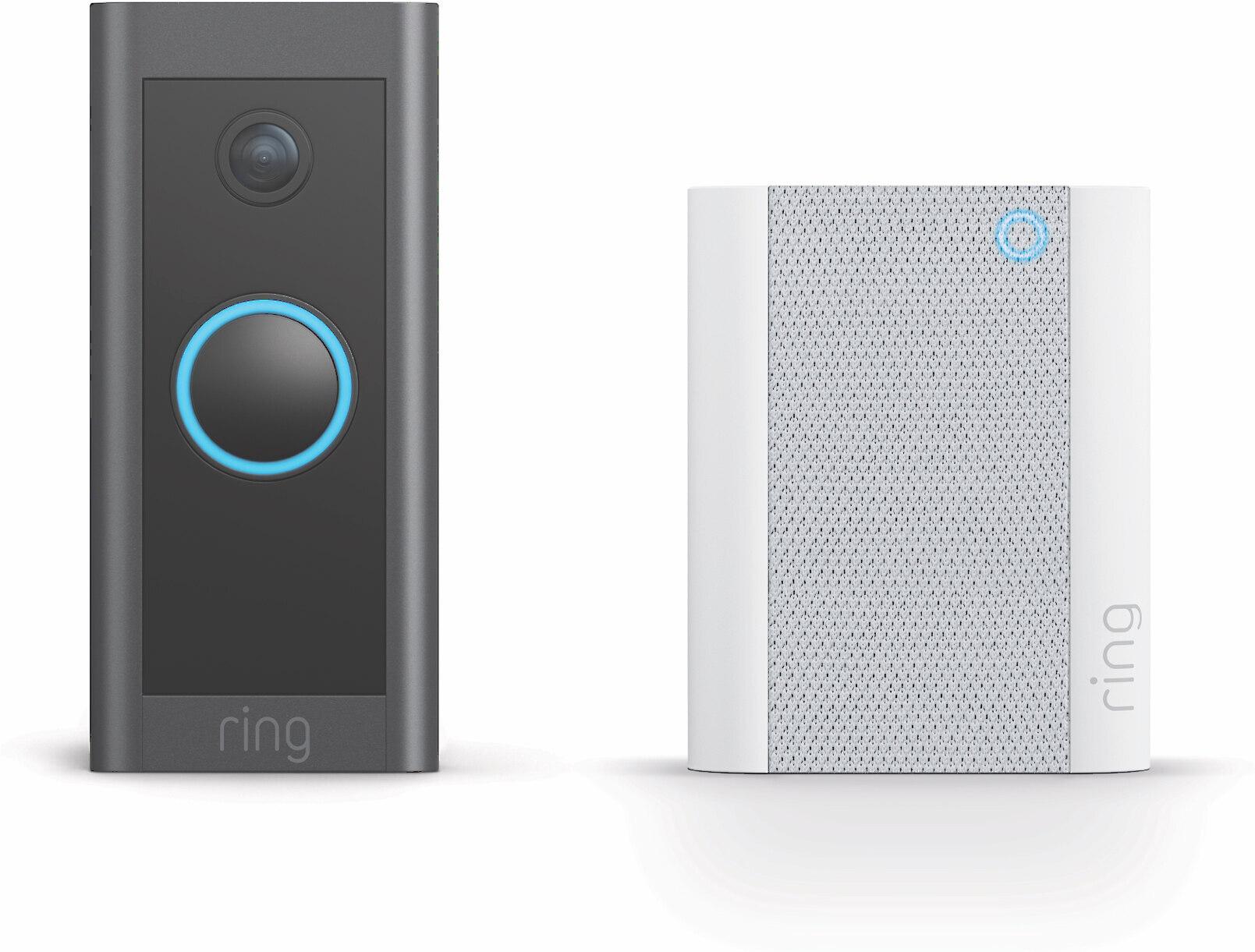


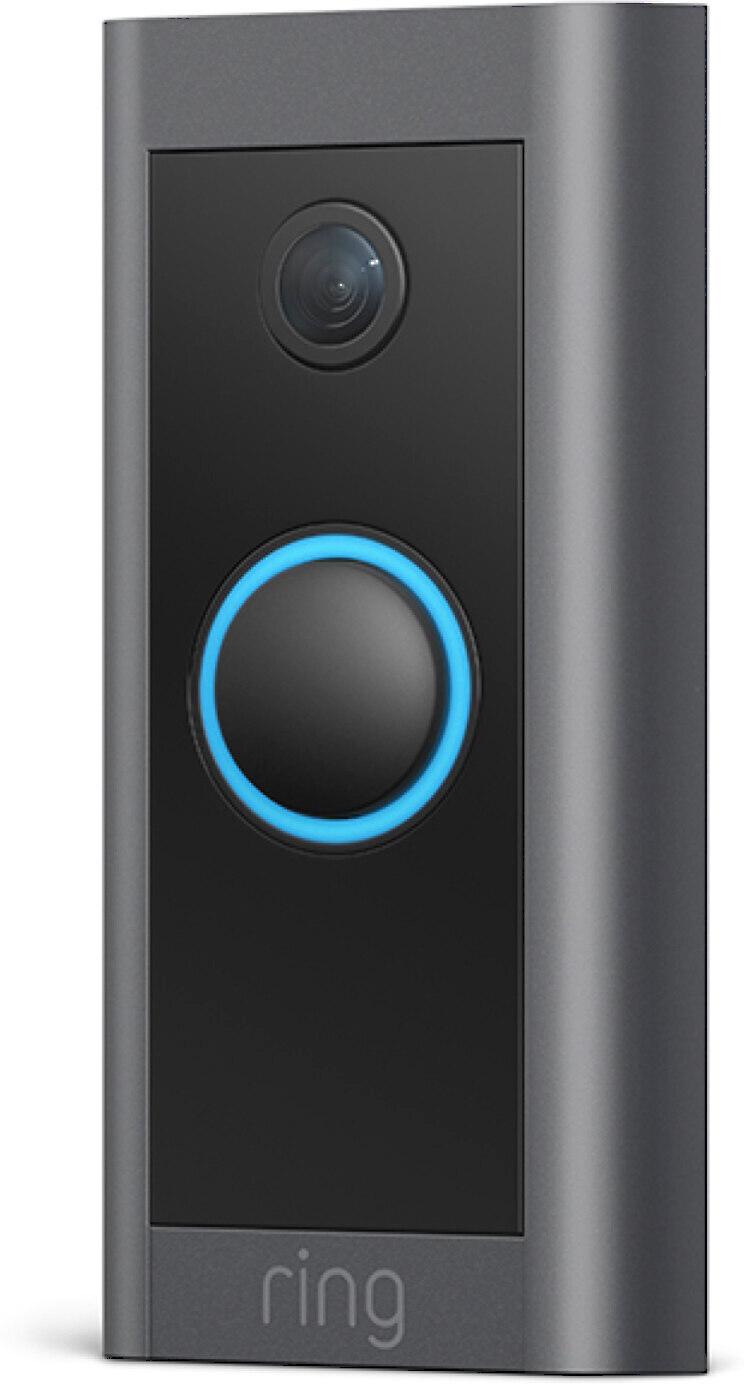
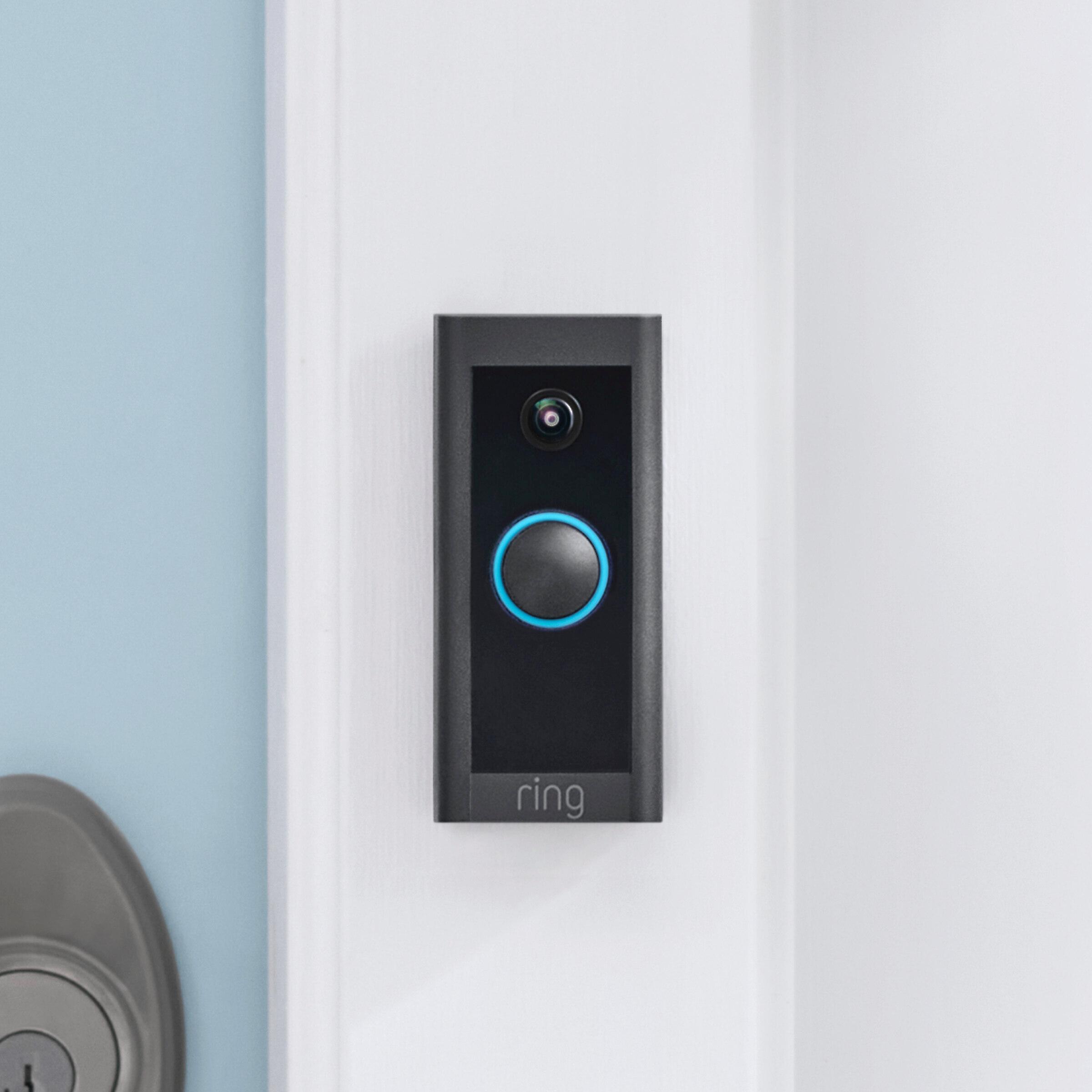
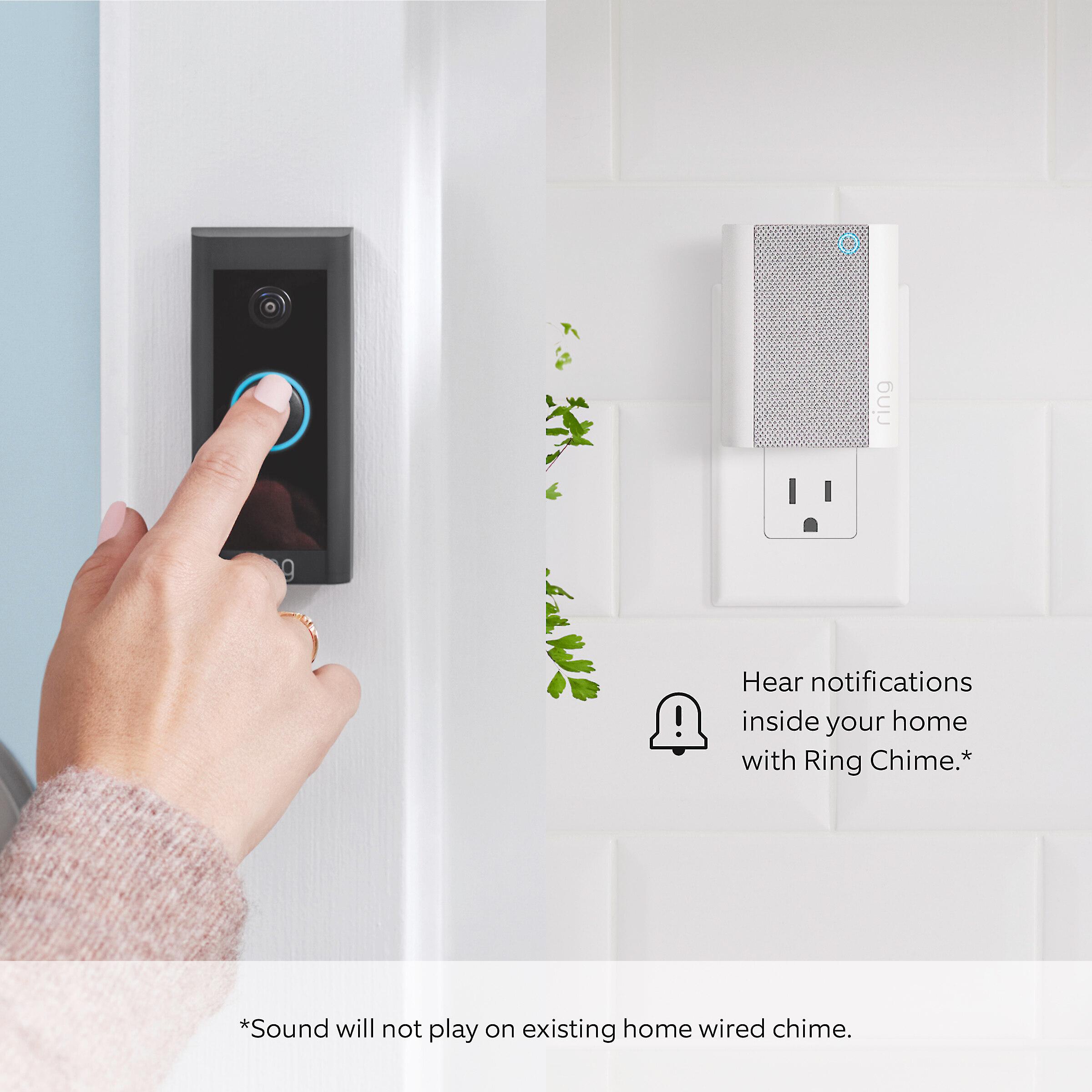
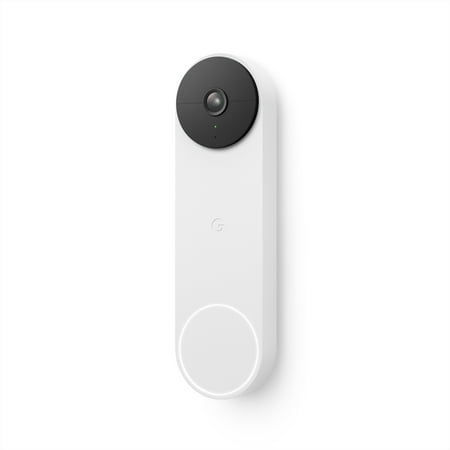




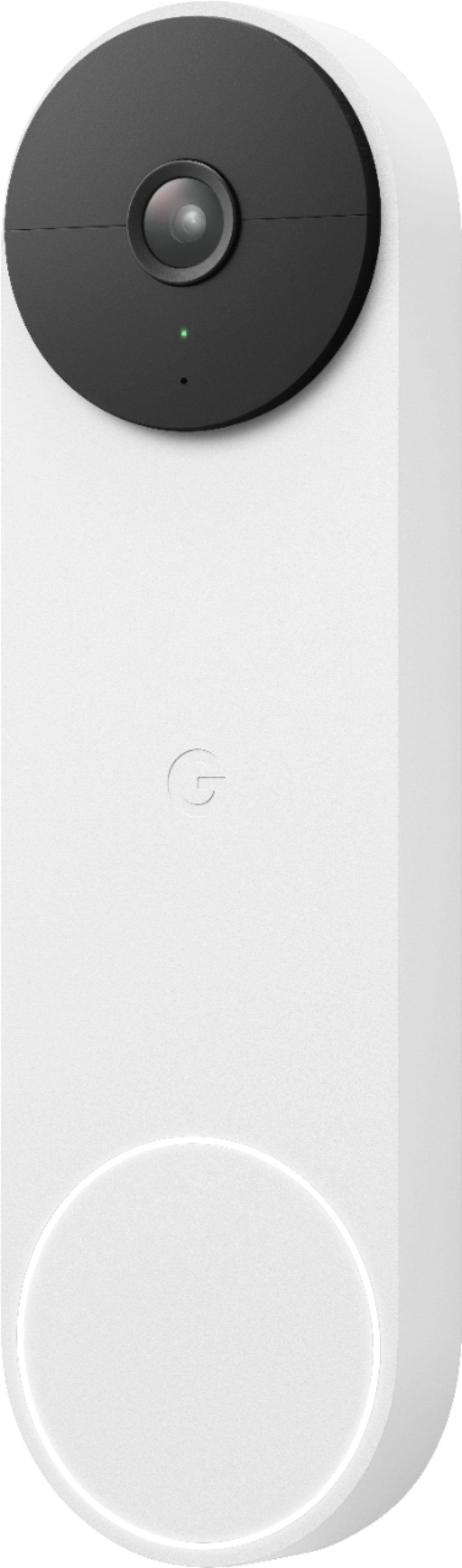
In the rapidly evolving world of smart home security, video doorbells have become essential tools for home monitoring and convenience. Today, we're comparing two popular options: the Ring Video Doorbell Wired and the Google Nest Doorbell Battery, analyzing how they stack up in real-world use and what they offer for different types of users.
Video doorbells have transformed from simple chime replacements to sophisticated security devices that let you monitor your front door, interact with visitors, and track packages. Since these devices launched - Ring Wired in February 2021 and Nest Battery in August 2021 - both have received numerous software updates enhancing their capabilities.
The core technology hasn't changed dramatically, but the AI features and app experiences have improved significantly. Ring has enhanced its motion detection algorithms, while Nest has optimized its on-device machine learning for faster alerts.
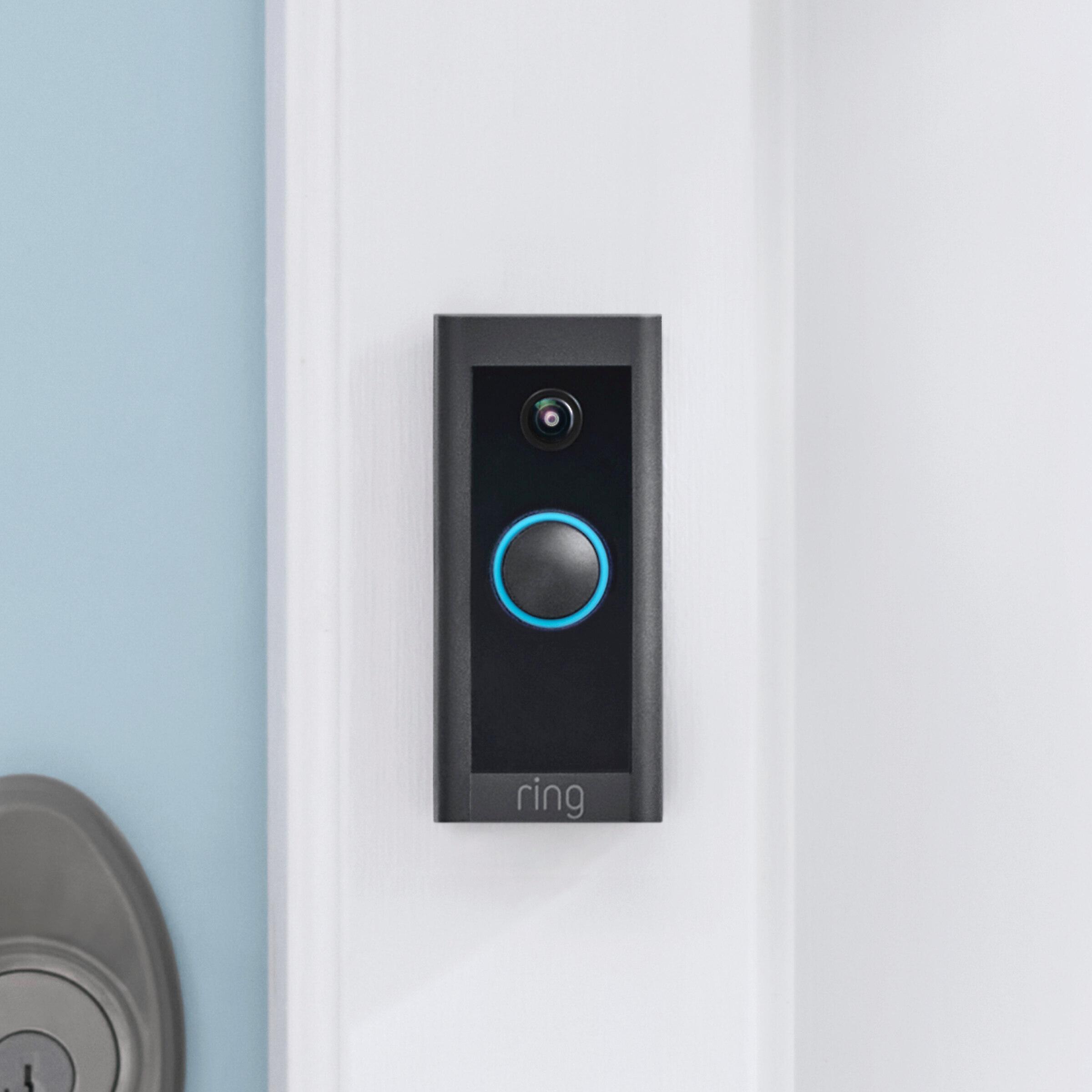
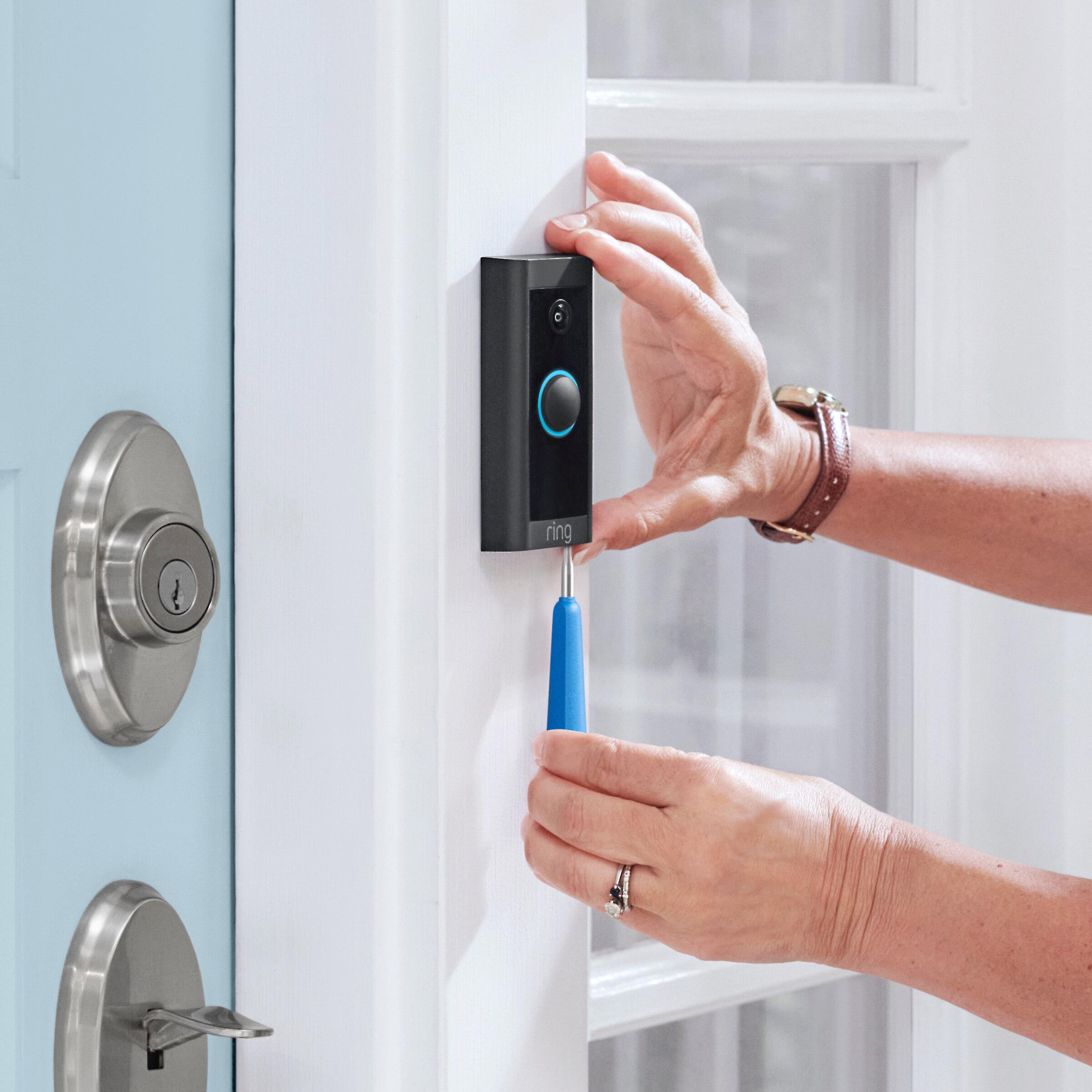
The Ring Video Doorbell Wired requires existing doorbell wiring (8-24 VAC), making it a more permanent solution. If you don't have doorbell wiring, you're looking at professional installation costs of $100-200. However, the wired connection provides consistent power and reliability - no charging needed.
The Nest Doorbell Battery offers impressive flexibility. You can install it anywhere without wiring, and its battery typically lasts 2-3 months with normal use. In cold climates (below 32°F/0°C), battery life decreases significantly - sometimes lasting only 2-3 weeks. You can also hardwire it like the Ring for constant power.
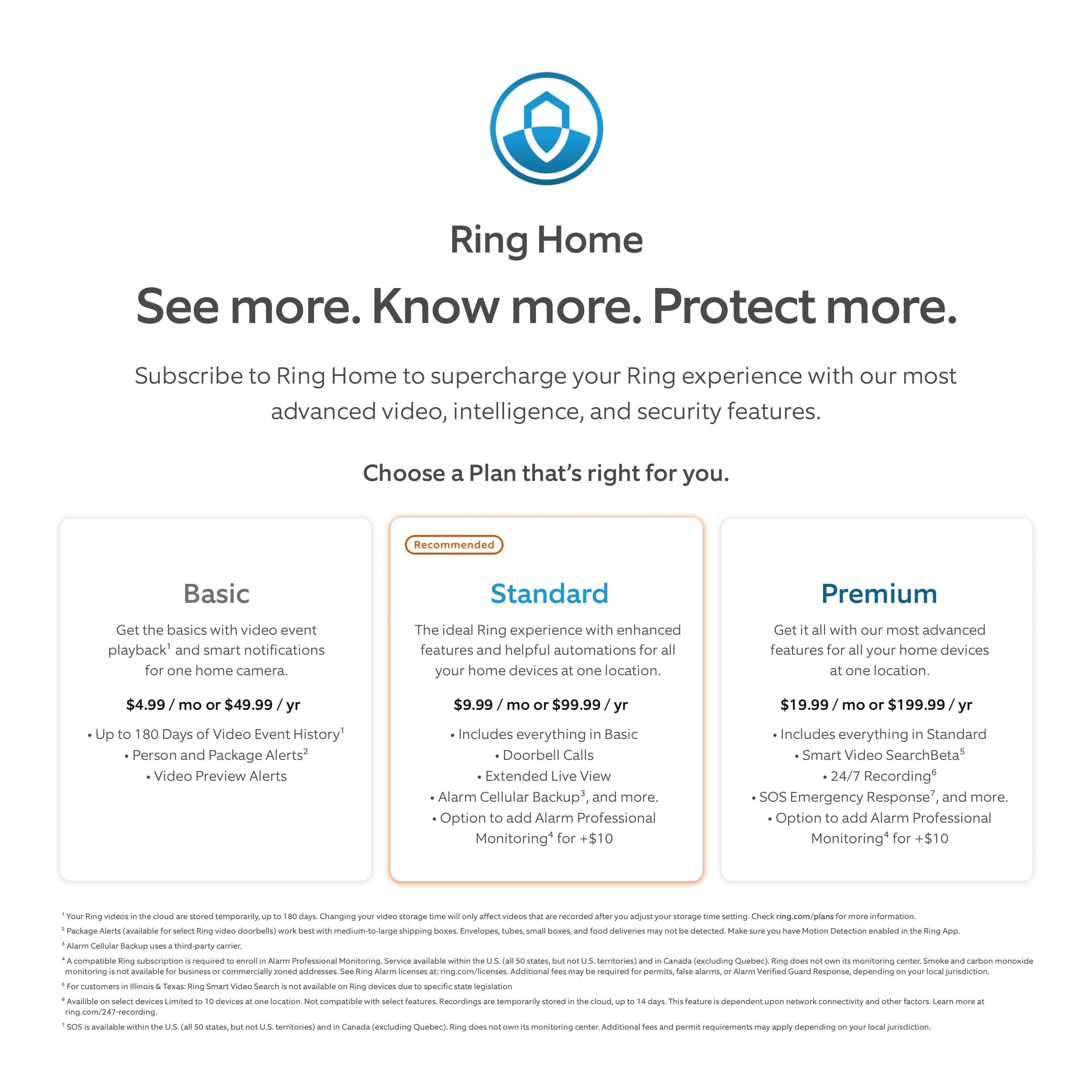
Ring requires a subscription ($3-10 monthly) for video recording and smart features. Without it, you only get basic live viewing and notifications. Nest includes 3 hours of event history and intelligent alerts free, with optional Nest Aware subscription ($6-12 monthly) for extended history.
Three-year cost comparison:
Both doorbells deliver good video quality, but with different approaches:
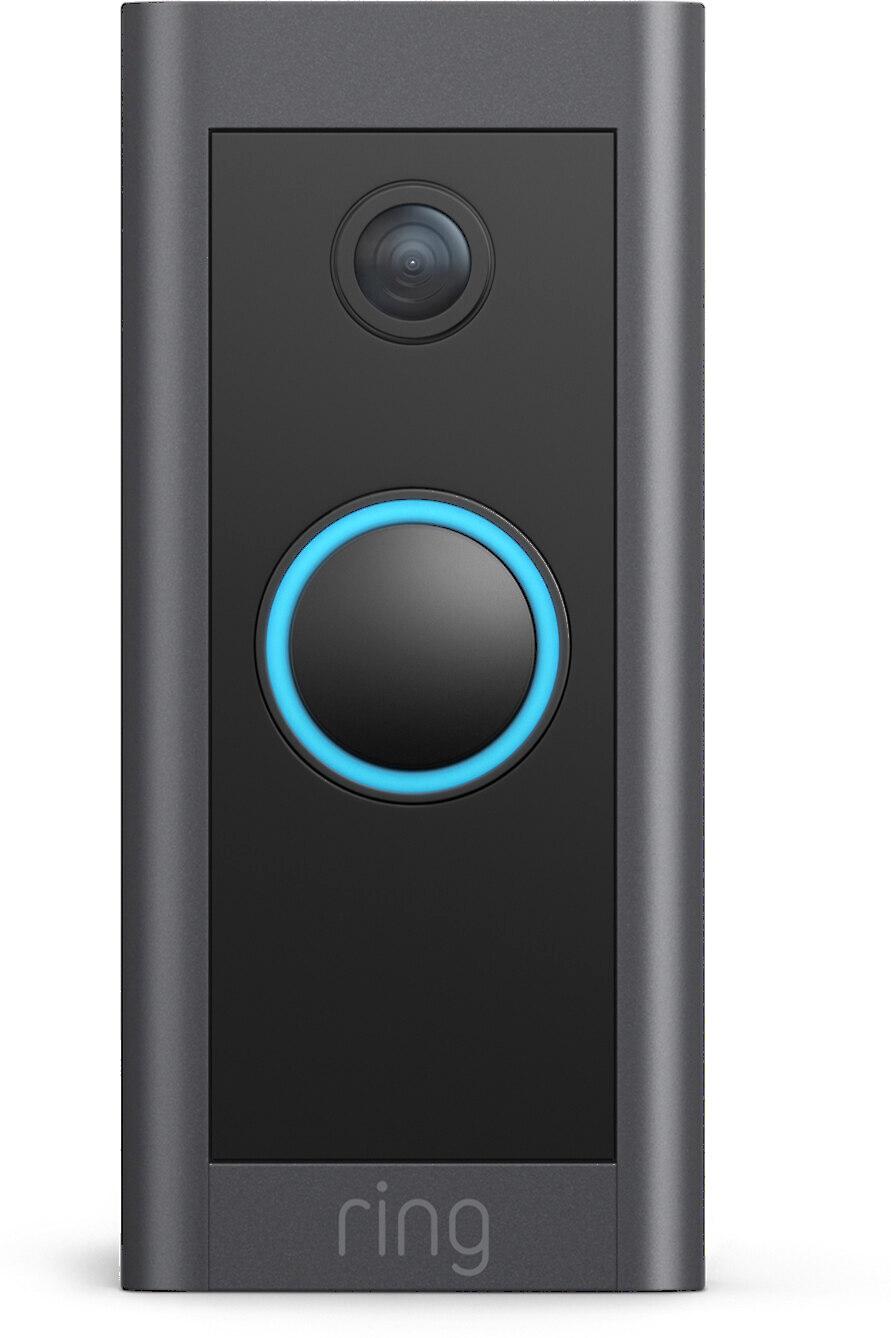
Ring Wired provides 1080p HD video with a 155° horizontal field of view. The wider aspect ratio is great for seeing visitors but can miss packages directly below. Night vision is clear thanks to infrared LEDs, though limited to black and white.
Nest Battery uses a unique 960x1280 resolution with 3:4 aspect ratio. While technically lower resolution, the taller view better captures packages and full-length visitors. HDR support helps with bright backlighting, and night vision provides good detail up to 10 feet.
Nest shines with free intelligent alerts, distinguishing between people, packages, animals, and vehicles without subscription. The on-device processing means faster notifications and better privacy.
Ring requires a subscription for most smart features, but offers excellent customizable motion zones and "privacy zones" where the camera won't record. Both devices support two-way audio with noise cancellation.
In testing, the Ring Wired maintains more stable connections thanks to its hardwired power and dedicated 2.4GHz Wi-Fi. The Nest can use both 2.4GHz and 5GHz networks but occasionally disconnects when battery-powered.
Both cameras handle rain and extreme temperatures well (Ring: -5°F to 120°F, Nest: -4°F to 104°F).
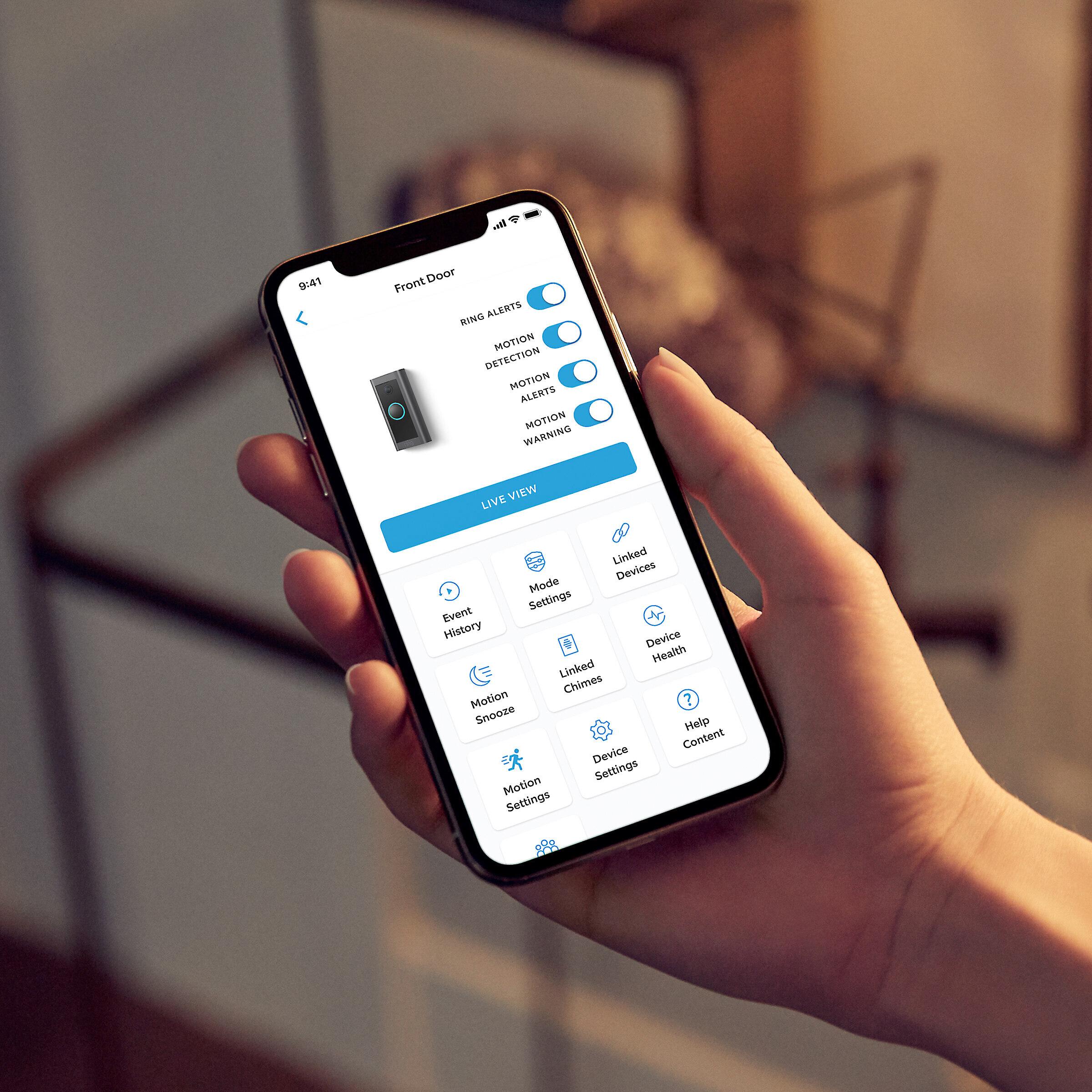
Ring works seamlessly with Alexa devices, displaying doorbell feeds on Echo Shows and Fire TVs. The Ring app is mature and user-friendly, though some settings are buried in menus.
Nest naturally integrates with Google Home, showing feeds on Nest Hubs and Chromecasts. The Google Home app has improved significantly but still feels less focused than Ring's dedicated app.
In daily use, both doorbells excel at their core functions but with different strengths:
Ring Wired:
Nest Battery:
Choose the Ring Video Doorbell Wired if:
Choose the Google Nest Doorbell Battery if:
Both devices represent solid choices in the video doorbell market, with the final decision often coming down to your existing smart home ecosystem and installation preferences. Ring offers a more budget-friendly entry point but higher long-term costs, while Nest provides more flexibility and included features at a higher upfront price.
Remember that both companies regularly update their software, so features continue to improve over time. Consider your specific needs, installation capabilities, and preferred ecosystem when making your choice.
| Ring Video Doorbell Wired | Google Nest Doorbell Battery |
|---|---|
| Price - Initial investment and ongoing costs | |
| $69.99 + required subscription ($3-10/month) | $129.99, no subscription required for basic features |
| Power Source - Impacts installation flexibility and maintenance | |
| Hardwired only (8-24 VAC required) | Battery-powered (2-3 months per charge) or hardwired |
| Video Resolution - Affects ability to identify visitors and read packages | |
| 1080p HD (1920 x 1080), clearer overall image | 960 x 1280 HD, optimized for vertical viewing |
| Field of View - Determines how much you can see | |
| 155° horizontal, 90° vertical | 145° diagonal, 3:4 aspect ratio |
| Smart Features - Available without subscription | |
| Basic live view and notifications only | Person, package, animal detection, 3-hour video history |
| Night Vision - Critical for evening monitoring | |
| Infrared LED, black and white only | HDR-enhanced night vision, better contrast range |
| Storage Options - How much history you can access | |
| Cloud only, requires subscription | 3 hours free cloud storage, subscription for more |
| Operating Temperature - Affects reliability in extreme weather | |
| -5°F to 120°F (-20.5°C to 48.5°C) | -4°F to 104°F (-20°C to 40°C) |
| Smart Home Integration - Ecosystem compatibility | |
| Works with Alexa, limited other platforms | Works with Google Home, limited other platforms |
| Installation Requirements - Consider setup costs | |
| Professional installation needed if no existing wiring | DIY-friendly, no wiring required |
| Size - Affects appearance on doorframe | |
| 3.98 x 1.8 x 0.88 inches (compact) | 6.3 x 1.8 x 0.95 inches (larger) |
| Wi-Fi Requirements - Network compatibility | |
| 2.4 GHz only | 2.4 GHz and 5 GHz support |
The Ring Video Doorbell Wired is cheaper initially at $69.99, compared to the Google Nest Doorbell Battery at $129.99. However, Ring requires a subscription ($3-10/month), while Nest includes basic features free.
The Ring Video Doorbell Wired requires existing doorbell wiring. The Google Nest Doorbell Battery can be installed anywhere with its battery power option or can be hardwired like the Ring.
Ring offers 1080p HD resolution, while Nest uses 960x1280 HD. Ring provides slightly clearer overall image quality, but Nest's 3:4 aspect ratio is better for seeing packages and full-length visitors.
Both perform well in darkness. The Ring uses standard infrared night vision, while the Nest features HDR-enhanced night vision for better contrast. Both provide clear black-and-white footage at night.
The Google Nest Doorbell Battery typically lasts 2-3 months per charge under normal use. Battery life decreases in cold weather, sometimes lasting only 2-3 weeks below freezing.
The Google Nest Doorbell Battery includes free person, package, and animal detection. The Ring Video Doorbell Wired requires a subscription for similar smart features.
The Ring Video Doorbell works natively with Alexa devices. The Nest Doorbell primarily works with Google Home but has limited Alexa compatibility through third-party services.
The Nest Doorbell performs better at package detection with its free AI features and vertical viewing angle. Ring requires a subscription for package alerts.
The Google Nest Doorbell Battery includes 3 hours of free video history. The Ring Video Doorbell Wired requires a subscription for any video recording.
The Nest Battery is easier to install since it doesn't require wiring. The Ring Wired needs existing doorbell wiring or professional installation.
Both handle weather well. Ring operates from -5°F to 120°F, while Nest works from -4°F to 104°F. Both are weather-resistant for rain and snow.
Ring's dedicated app is more focused and user-friendly. Google Home's app (used for Nest) is more comprehensive but can be more complex to navigate.
We've done our best to create useful and informative comparisons to help you decide what product to buy. Our research uses advanced automated methods to create this comparison and perfection is not possible - please contact us for corrections or questions. These are the sites we've researched in the creation of this article: bestbuy.com - consumerreports.org - youtube.com - techradar.com - sa-en.ring.com - youtube.com - ring.com - de-de.ring.com - de-de.ring.com - ring.com - blackwiredesigns.com - arlo.com - wasserstein-home.com - security.org - youtube.com - build.com - safehome.org - bestbuy.com - security.org - aesindianamarketplace.com - googlenestcommunity.com - abt.com - ny.home.myorustore.com - support.google.com - target.com

Privacy Policy
Terms and Conditions - Affiliate Policy
Home Security
© Copyright 2008-2026.
11816 Inwood Rd #1211, Dallas, TX 75244