

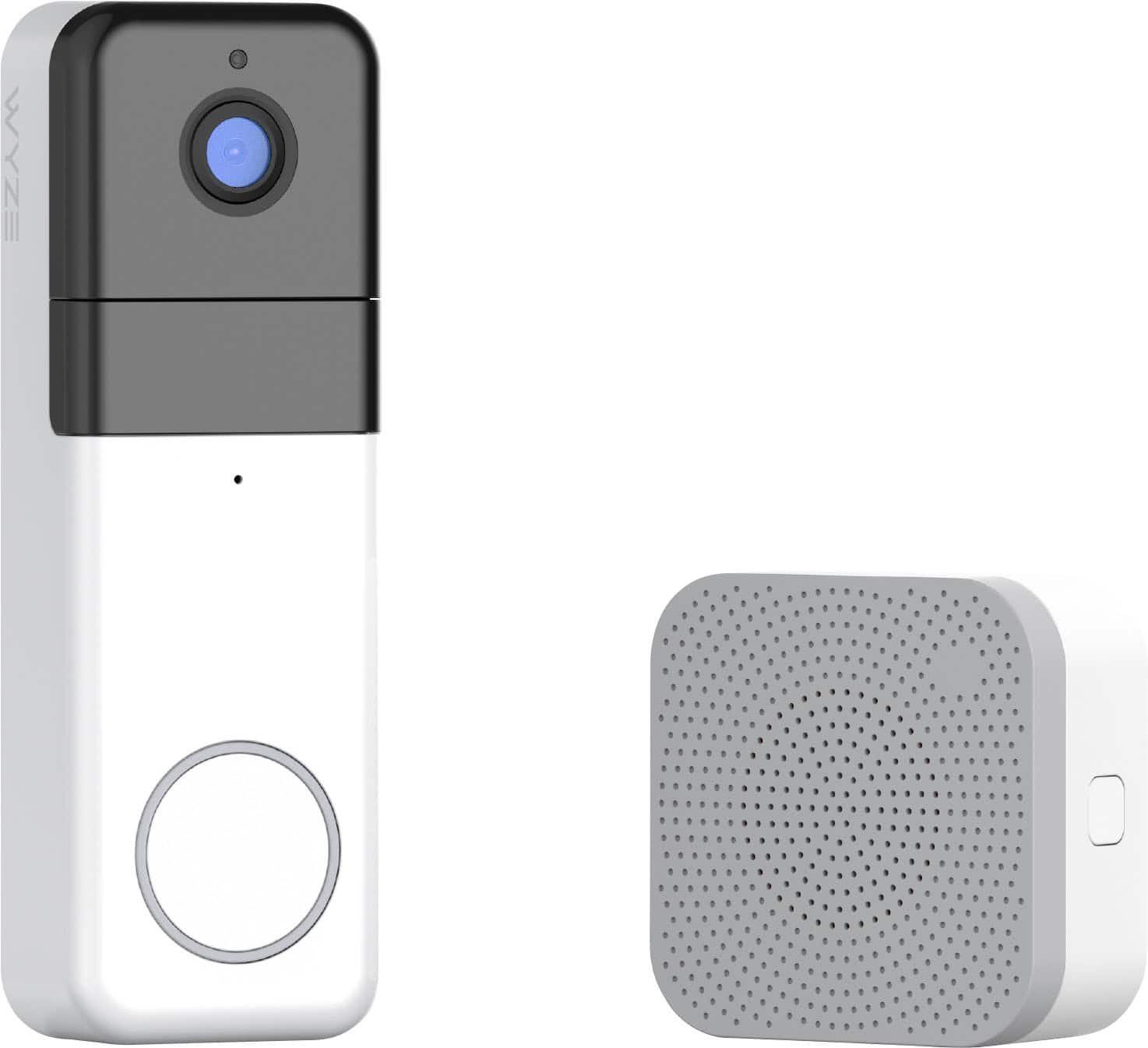
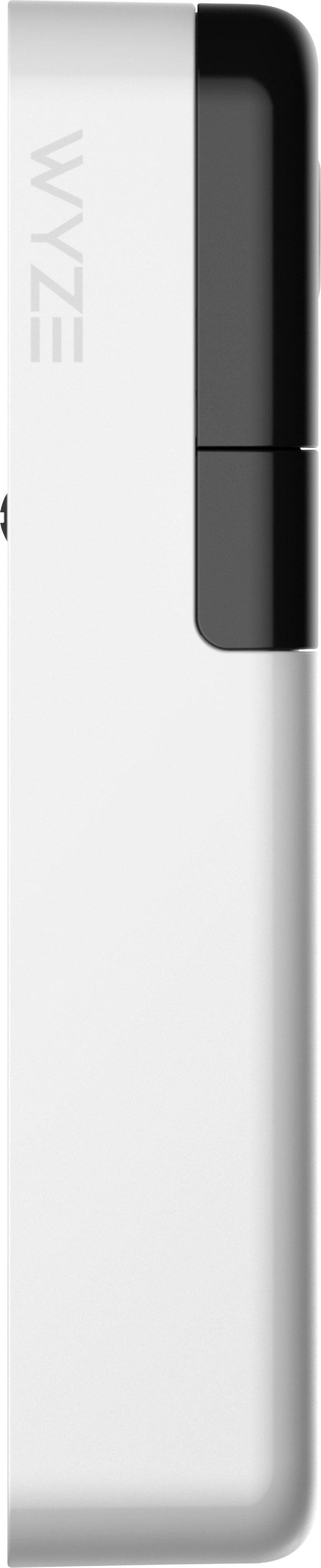
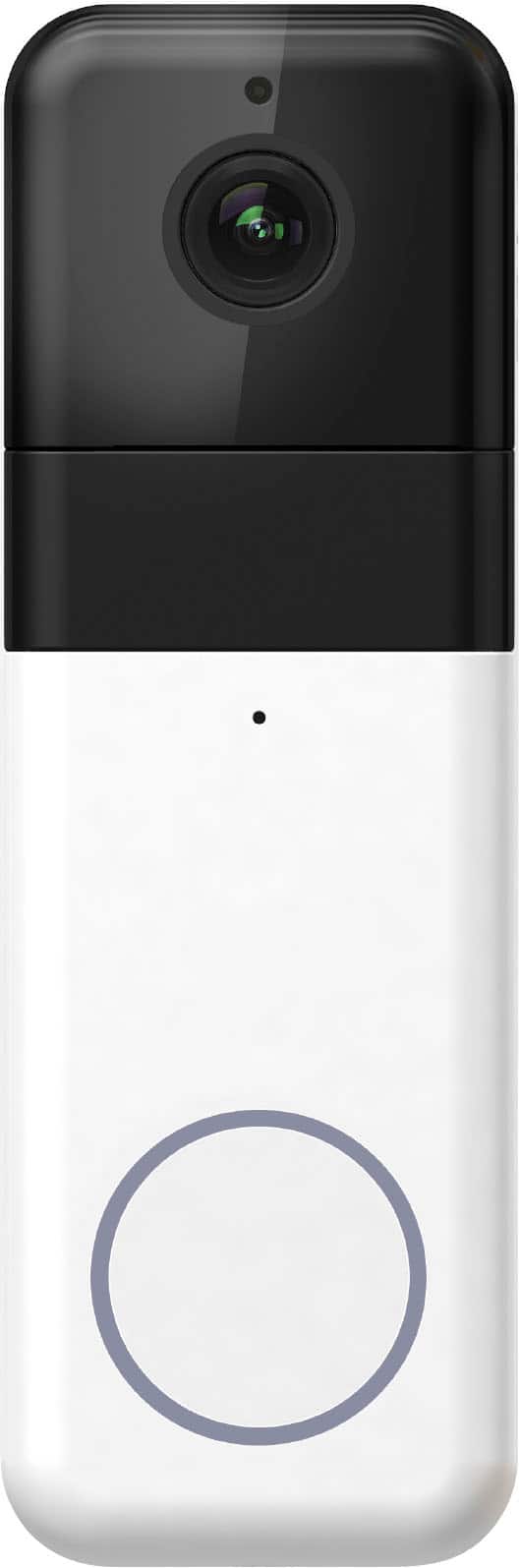


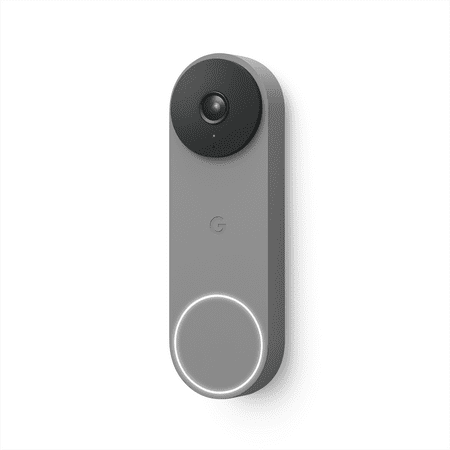
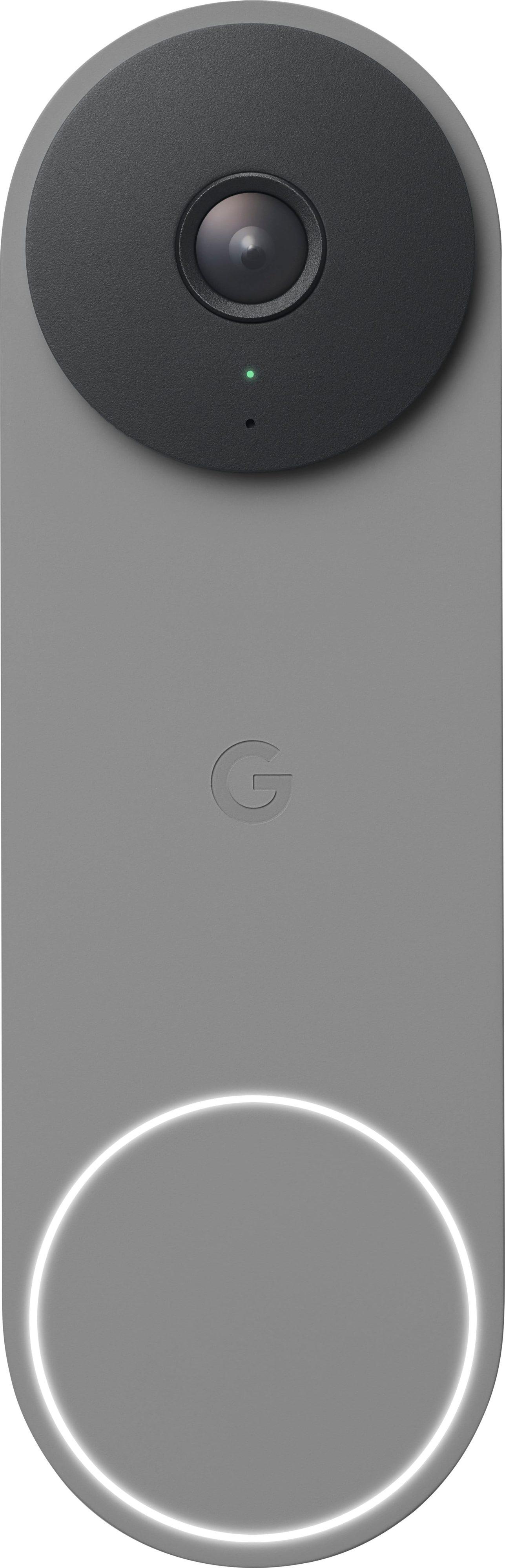

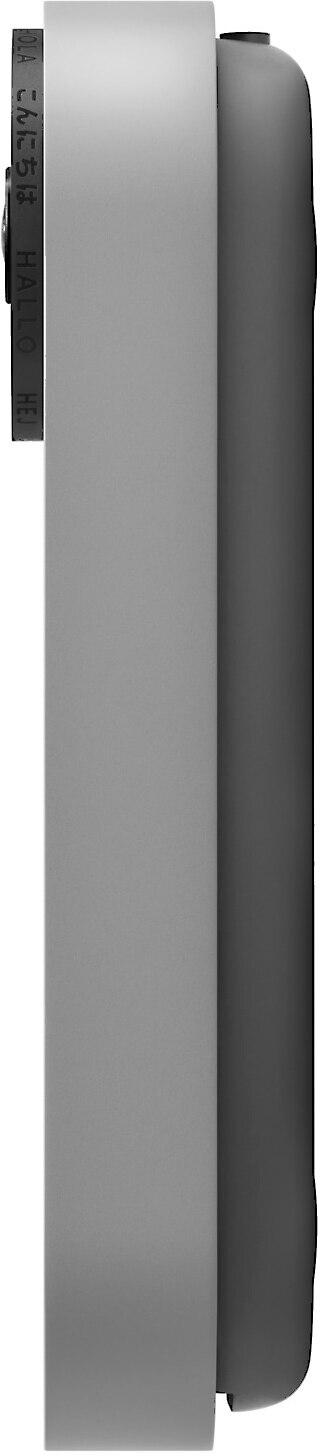
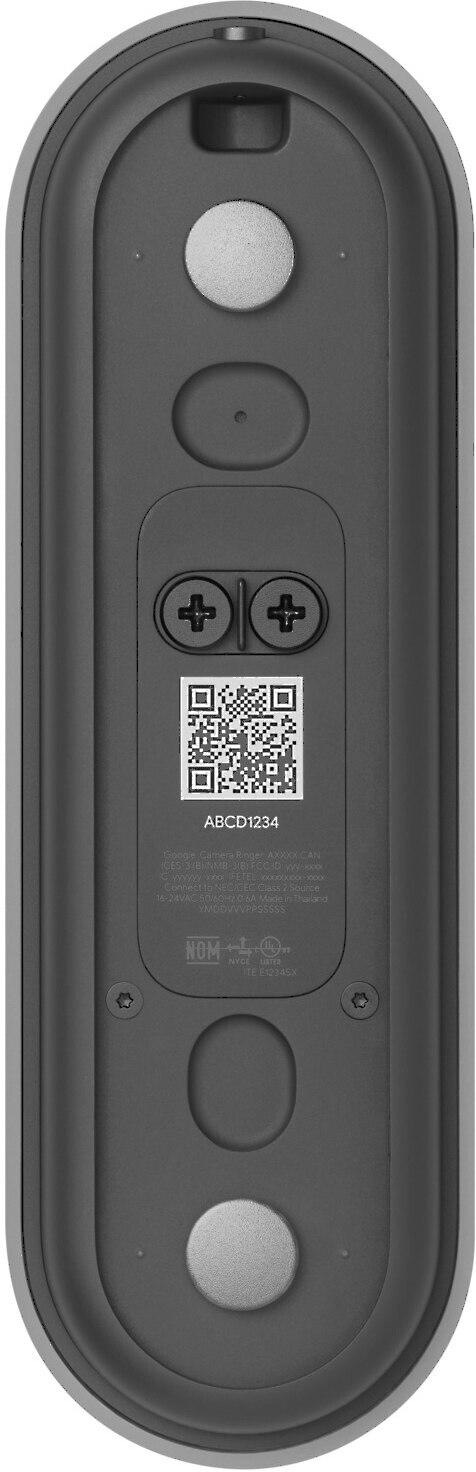
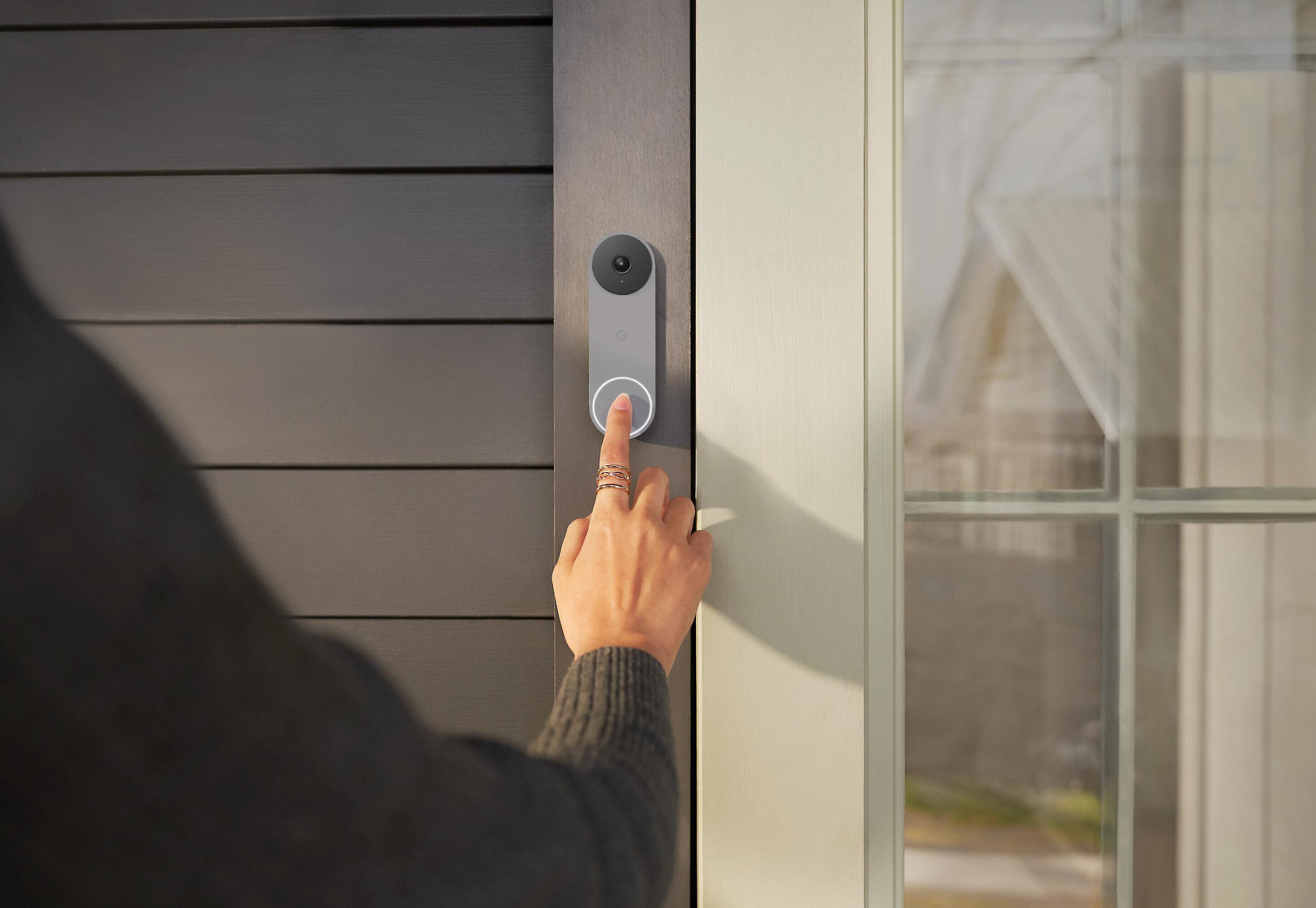

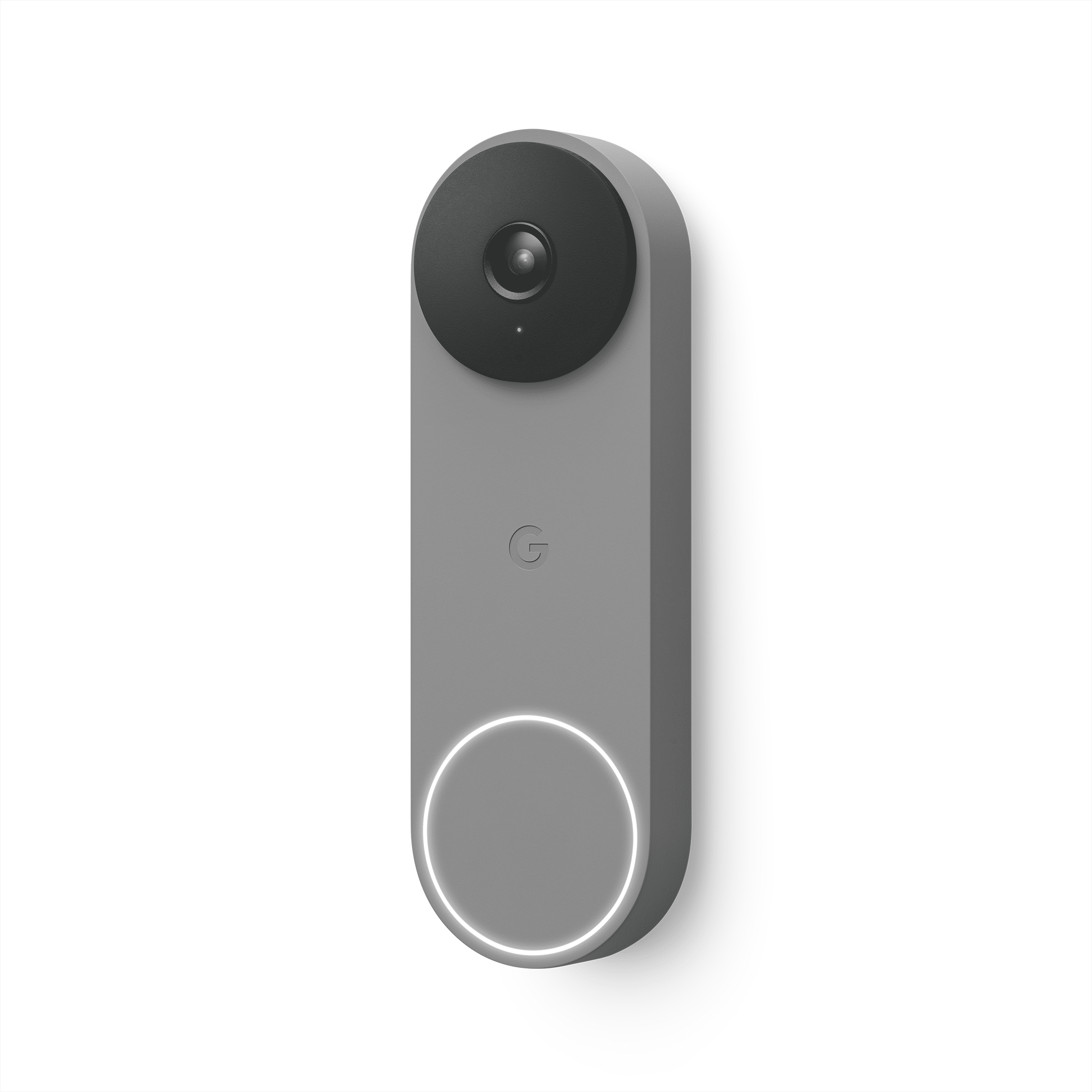
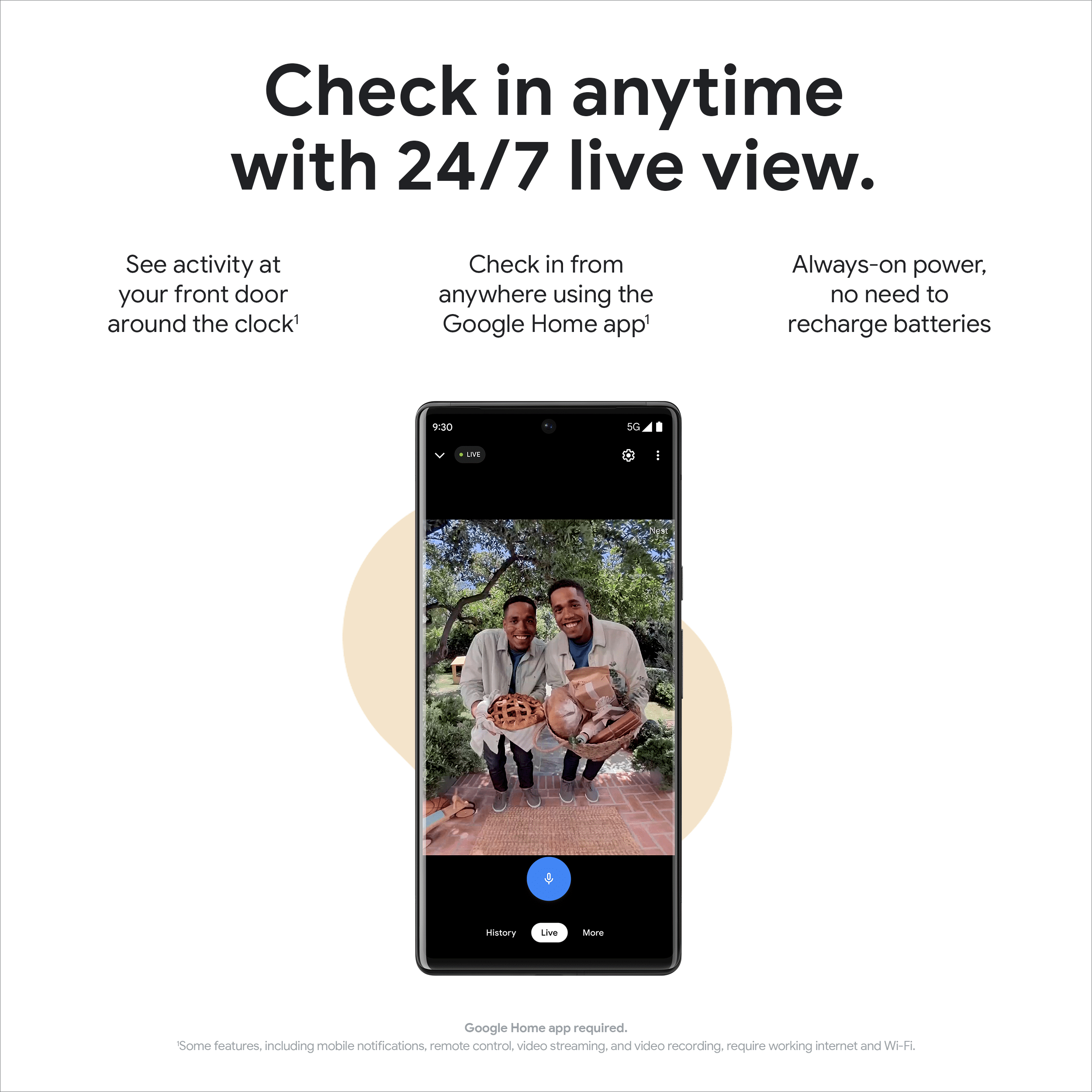


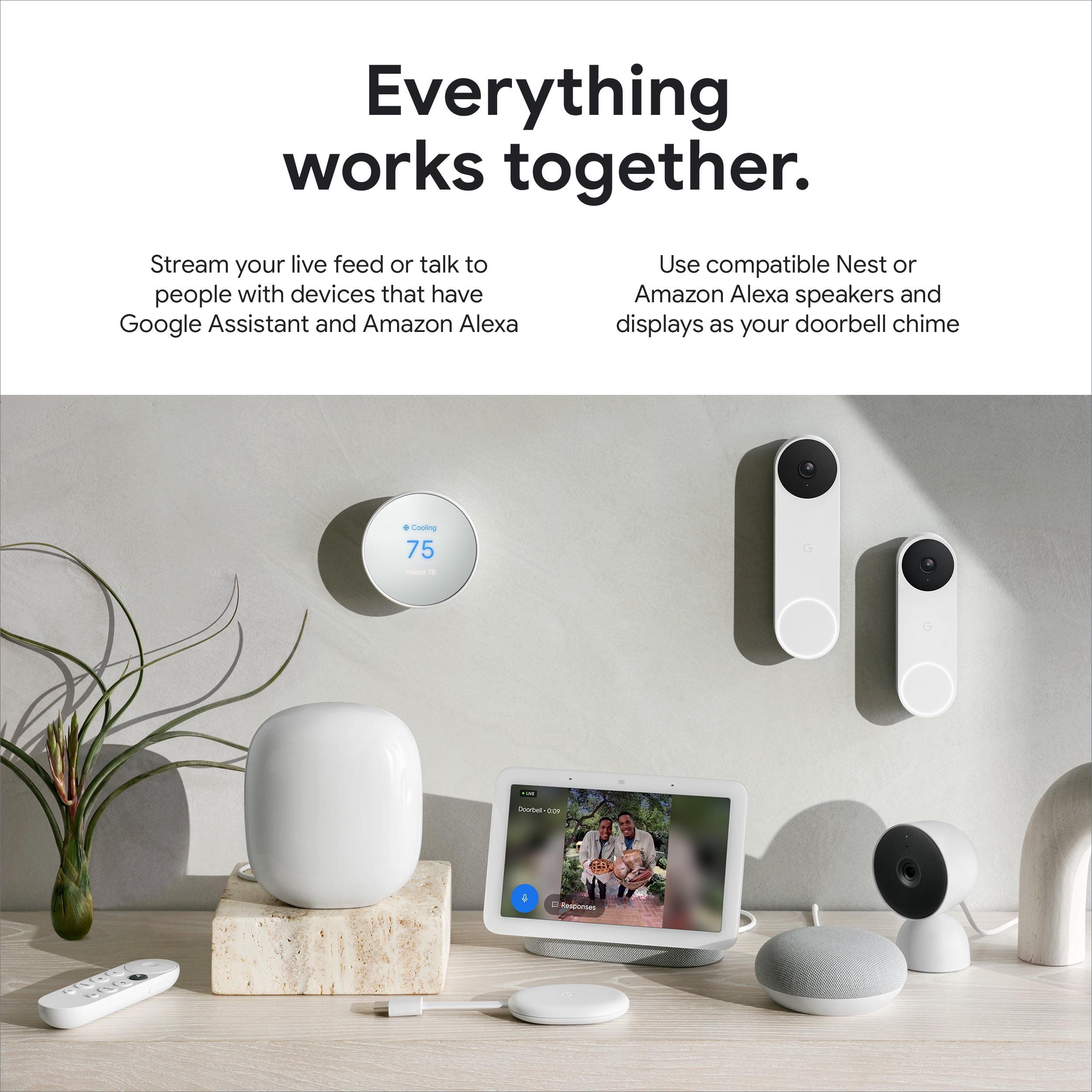
Over the past few years, video doorbells have become an essential part of the modern smart home. As someone who's tested numerous models, I'll help you understand the key differences between the Wyze Video Doorbell Pro and Google Nest Doorbell (Wired, 2nd Gen), two popular options that take different approaches to home security.
When the original video doorbells appeared, they were fairly simple devices that streamed video to your phone. Today's models, including the Wyze Pro (released late 2021) and Nest 2nd Gen (released 2022), pack impressive tech into relatively compact packages. They've evolved from simple video intercoms into AI-powered security devices that can distinguish between people, packages, and pets.
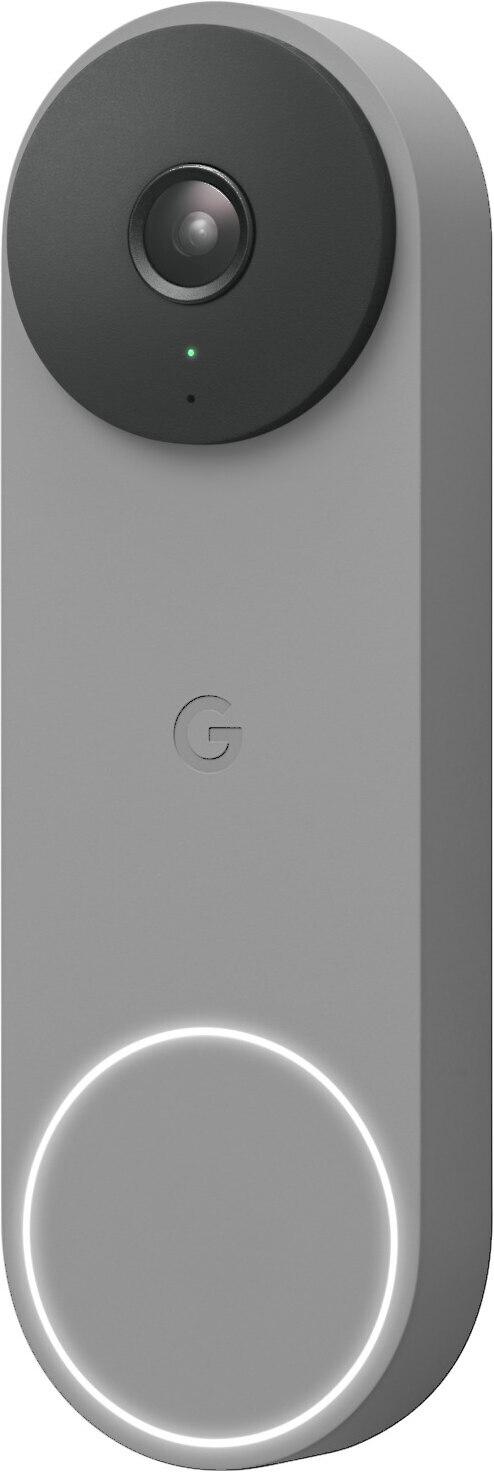
The most immediate difference between these doorbells is their power requirements. The Wyze Pro offers remarkable flexibility - you can either hardwire it to your existing doorbell wiring (16-24V AC) or use its built-in 6500mAh battery. This battery typically lasts 3-6 months, depending on usage and settings. In contrast, the Nest requires permanent wiring, which provides consistent power but limits installation options.
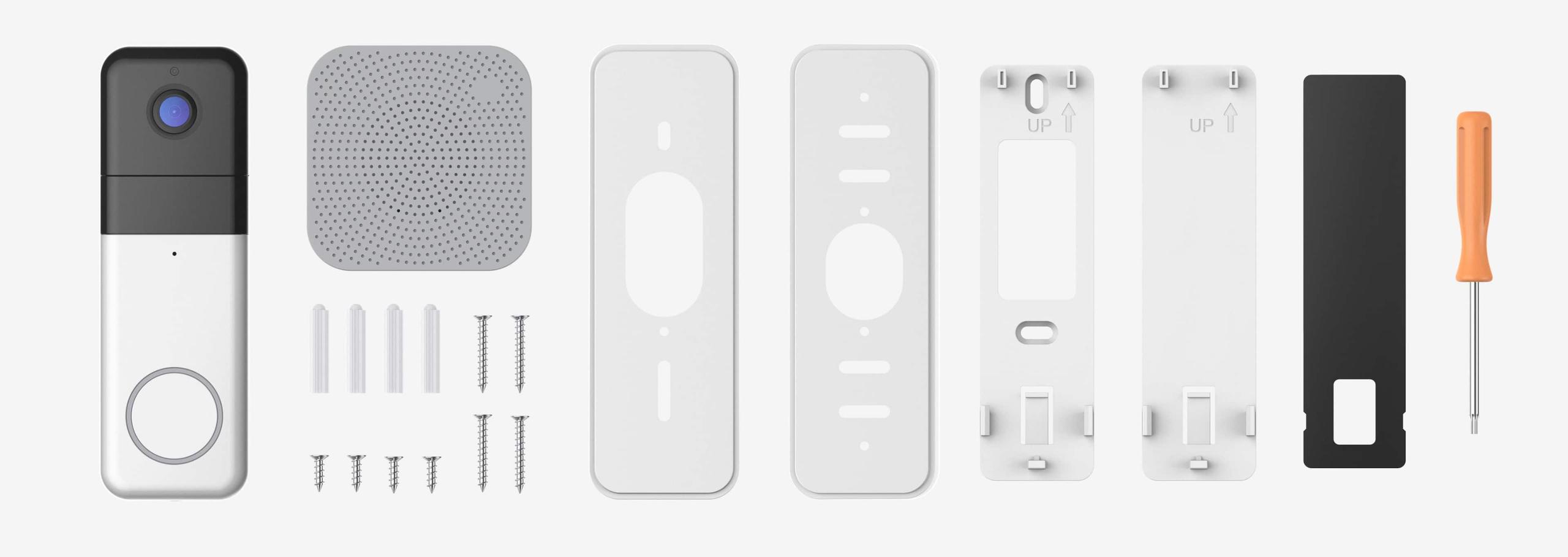
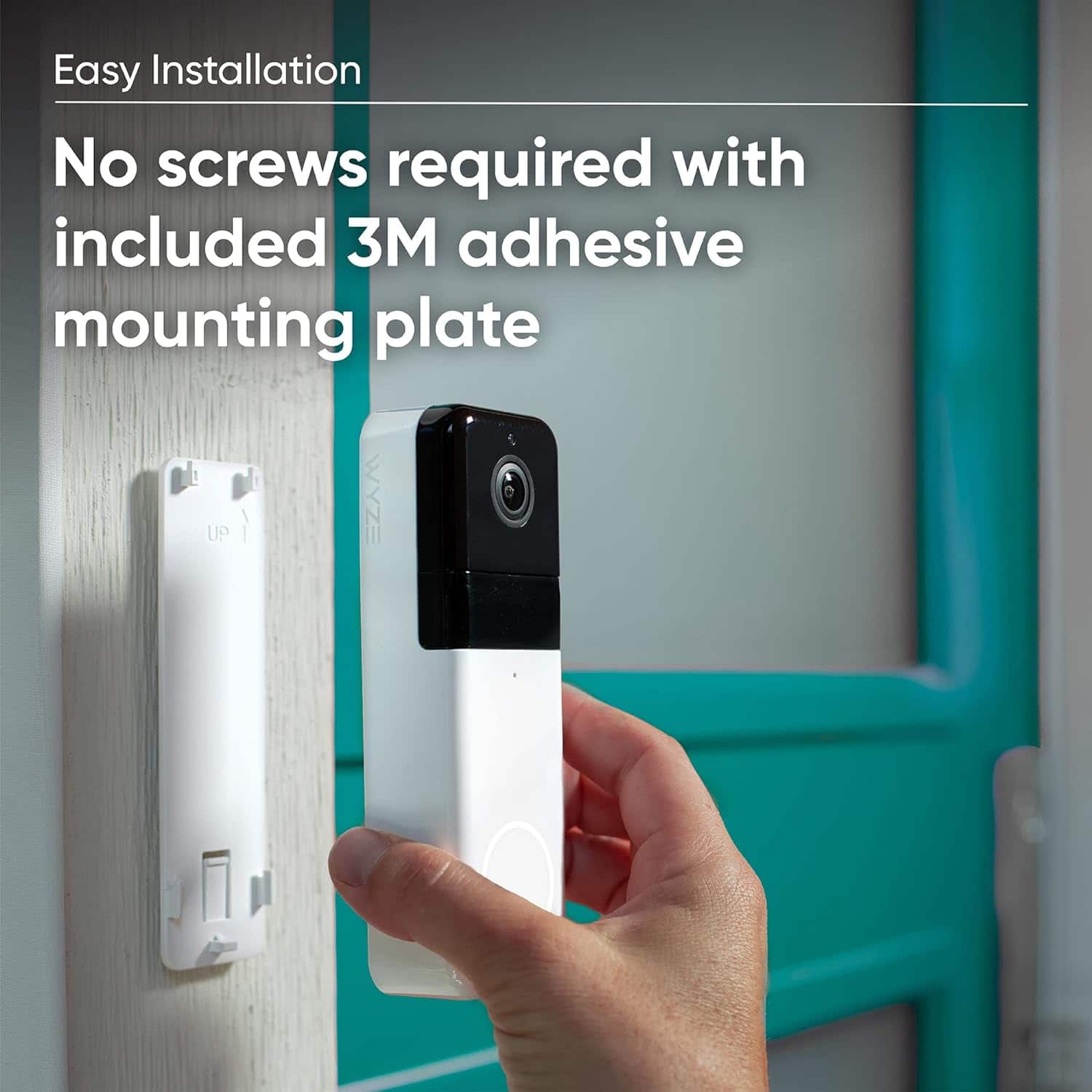
For renters or homes without existing doorbell wiring, the Wyze's battery option is a game-changer. You can mount it using either screws or the included adhesive plate, making it truly commitment-free. However, if you already have doorbell wiring and don't mind a slightly more involved installation, the Nest's constant power supply means you'll never worry about recharging.
Both doorbells offer impressive video quality, but there are notable differences:
The Wyze Pro delivers:
The Nest features:
While the Wyze wins on paper with higher resolution, the Nest's HDR (High Dynamic Range) processing often produces more useful footage. HDR helps balance bright and dark areas in the same frame - particularly important when your front door has both sunny and shaded areas.
Night vision performance is crucial for a video doorbell. The Wyze uses six infrared LEDs for night vision, while the Nest employs advanced low-light processing with its HDR sensor. In testing, the Nest generally produces clearer nighttime footage, despite its lower resolution. This is particularly noticeable when viewing faces or reading package labels in low light.
The Nest doorbell really shines with its AI features:
The Wyze Pro offers:
The Nest's AI is noticeably more sophisticated, regularly distinguishing between delivery people, neighbors, and family members. However, most of these advanced features require a Nest Aware subscription ($6/month).
Integration with other smart home devices can greatly enhance functionality:
Nest:
Wyze:
Storage options significantly impact both cost and usability:
The Wyze offers:
The Nest provides:
At $99.98, the Wyze Pro delivers exceptional value, especially considering its flexible installation options and higher resolution. The Nest at $153.38 costs more but justifies its premium with superior AI features and better integration with Google Home devices.
In daily use, both doorbells perform reliably, but they excel in different areas:
Wyze strengths:
Nest advantages:
Choose the Wyze Video Doorbell Pro if:
Go with the Nest Doorbell if:
Both devices represent significant improvements over their predecessors, but they serve slightly different needs. The Wyze offers tremendous value and flexibility, while the Nest provides a more premium, integrated experience at a higher cost.
Remember that either choice will provide reliable video monitoring and basic smart features - the decision often comes down to your specific installation requirements and whether you value hardware flexibility or software sophistication more highly.
| Wyze Video Doorbell Pro | Google Nest Doorbell Wired 2nd Gen |
|---|---|
| Price - Base investment before subscriptions | |
| $99.98 (excellent value for features) | $153.38 (premium pricing) |
| Video Resolution - Determines detail and clarity | |
| 1440p (2K) with sharper daytime detail | 1080p with HDR (better in challenging lighting) |
| Field of View - How much area you can monitor | |
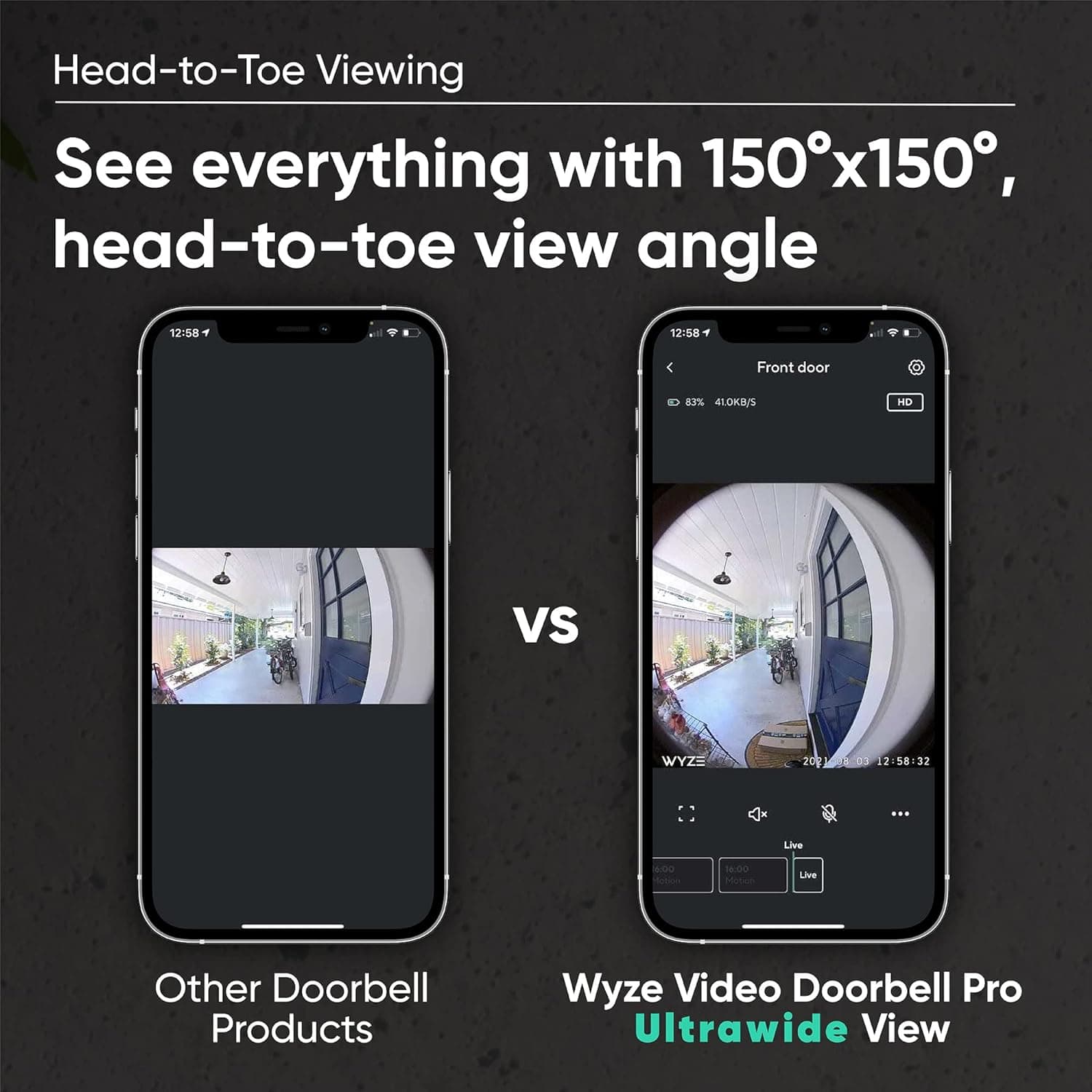
| 150° horizontal and vertical (wider coverage) | 145° diagonal (slightly less coverage) |
| Power Options - Affects installation flexibility | |
| Battery (6 months) or wired (16-24V AC) | Wired only (16-24V AC required) |
| Night Vision Capability - Critical for security | |
| 6 IR LEDs (good but basic) | Enhanced HDR processing (superior low-light performance) |
| Storage Options - Impacts ongoing costs | |
| Local storage + cloud options available | Cloud only (3-hour free history) |
| AI Detection Features - Affects alert accuracy | |
| Basic person/package detection with subscription | Advanced AI with facial recognition and superior accuracy |
| Weather Resistance - Durability rating | |
| IP65 (better dust and water protection) | IP54 (adequate for most conditions) |
| Smart Home Integration - Ecosystem compatibility | |
| Limited Alexa/Google support, IFTTT | Deep Google Home integration, superior automation |
| Subscription Costs - Monthly operating expense | |
| $1.99/month for advanced features | $6/month for Nest Aware (required for key features) |
| Installation Method - Setup complexity | |
| DIY-friendly, multiple mounting options | Professional installation recommended |
| Wi-Fi Connectivity - Network reliability | |
| Dual-band 2.4GHz/5GHz | Dual-band 2.4GHz/5GHz |
The Wyze Video Doorbell Pro is significantly cheaper at $99.98, compared to the Google Nest Doorbell at $153.38. However, consider monthly subscription costs - Wyze is $1.99/month while Nest Aware is $6/month.
The Wyze Pro can work with either battery power or existing wiring, making it more flexible. The Nest Doorbell requires hardwiring to 16-24V AC power.
The Wyze Video Doorbell Pro offers higher 1440p resolution, while the Nest has 1080p with HDR. Though Wyze has higher resolution, Nest's HDR processing often produces better results in challenging lighting conditions.
The Wyze Pro is designed for DIY installation with multiple mounting options. The Nest Doorbell requires hardwiring and professional installation is recommended.
Despite lower resolution, the Nest Doorbell generally provides better night vision through advanced HDR processing. The Wyze Pro uses standard IR LEDs which work well but aren't as sophisticated.
The Nest Doorbell works seamlessly with Google Home but not Alexa. The Wyze Pro offers basic compatibility with both Alexa and Google Assistant.
The Wyze Video Doorbell Pro battery lasts 3-6 months between charges. The Nest Doorbell doesn't have a battery option - it requires constant power.
The Wyze Pro offers local storage options alongside cloud storage. The Nest Doorbell only stores footage in the cloud.
The Wyze Video Doorbell Pro has better weather resistance with an IP65 rating, while the Nest has an IP54 rating. Both are suitable for outdoor use but Wyze offers better protection.
We've done our best to create useful and informative comparisons to help you decide what product to buy. Our research uses advanced automated methods to create this comparison and perfection is not possible - please contact us for corrections or questions. These are the sites we've researched in the creation of this article: bestbuy.com - global.wyze.com - forums.wyze.com - cnet.com - tomsguide.com - wyze.com - why.wyze.com - youtube.com - wasserstein-home.com - youtube.com - reviewed.com - aboutamazon.com - wasserstein-home.com - bestbuy.com - consumerreports.org - youtube.com - the5krunner.com - camelcamelcamel.com - support.google.com - security.org - youtube.com - bestbuy.com - wasserstein-home.com - googlenestcommunity.com - googlenestcommunity.com - support.google.com

Privacy Policy
Terms and Conditions - Affiliate Policy
Home Security
© Copyright 2008-2026.
11816 Inwood Rd #1211, Dallas, TX 75244