

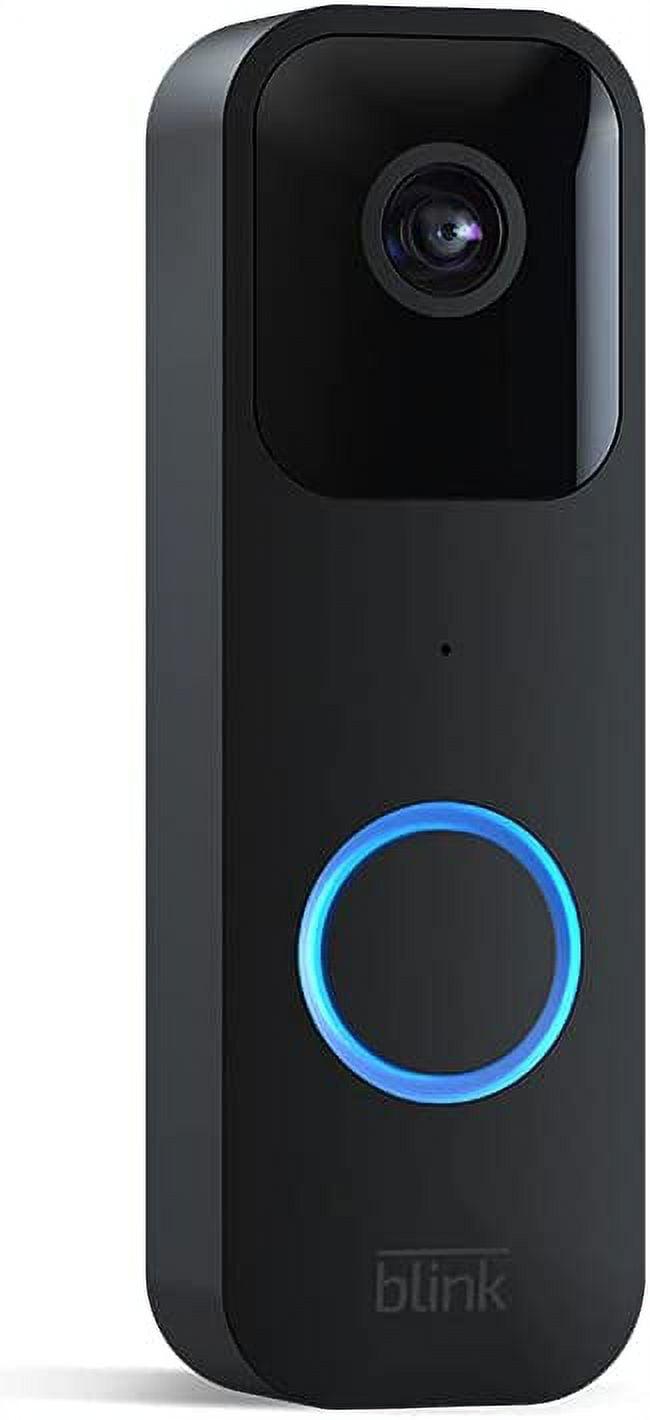
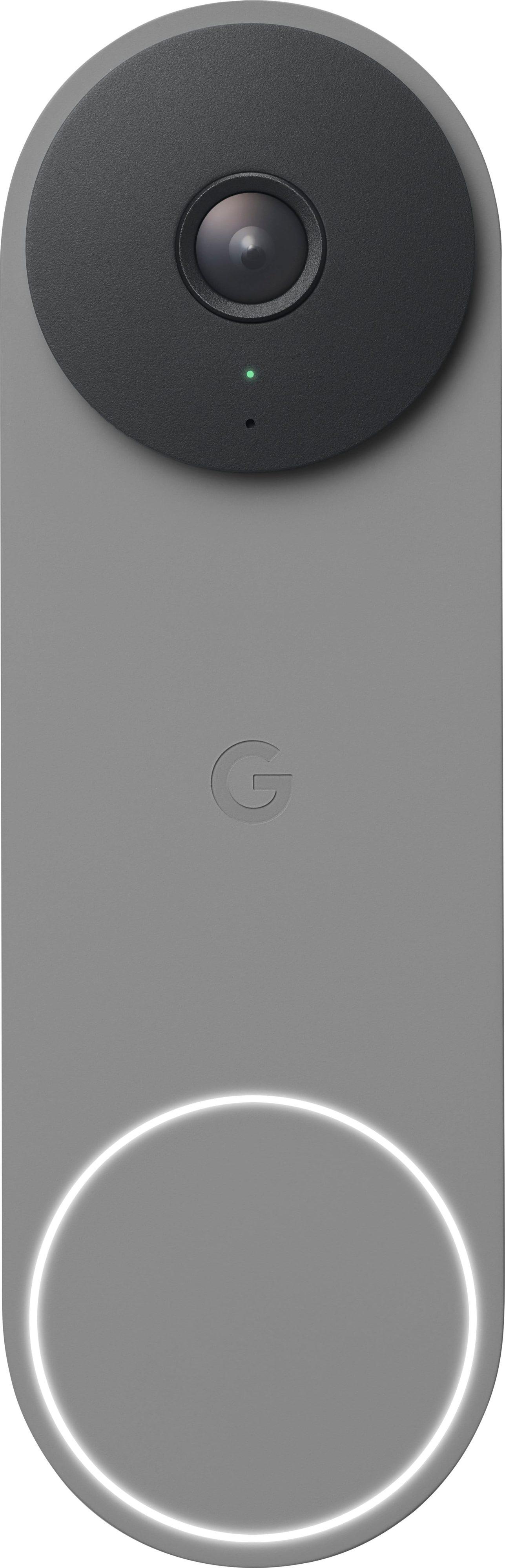

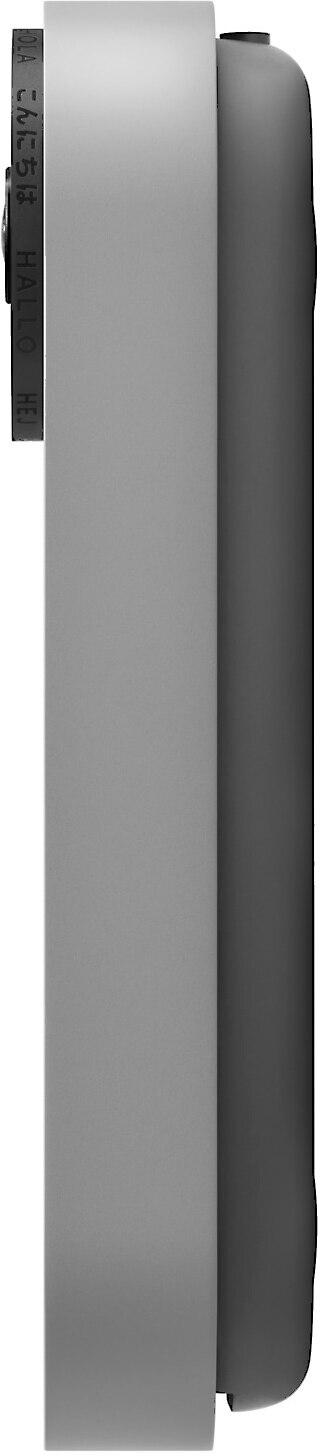
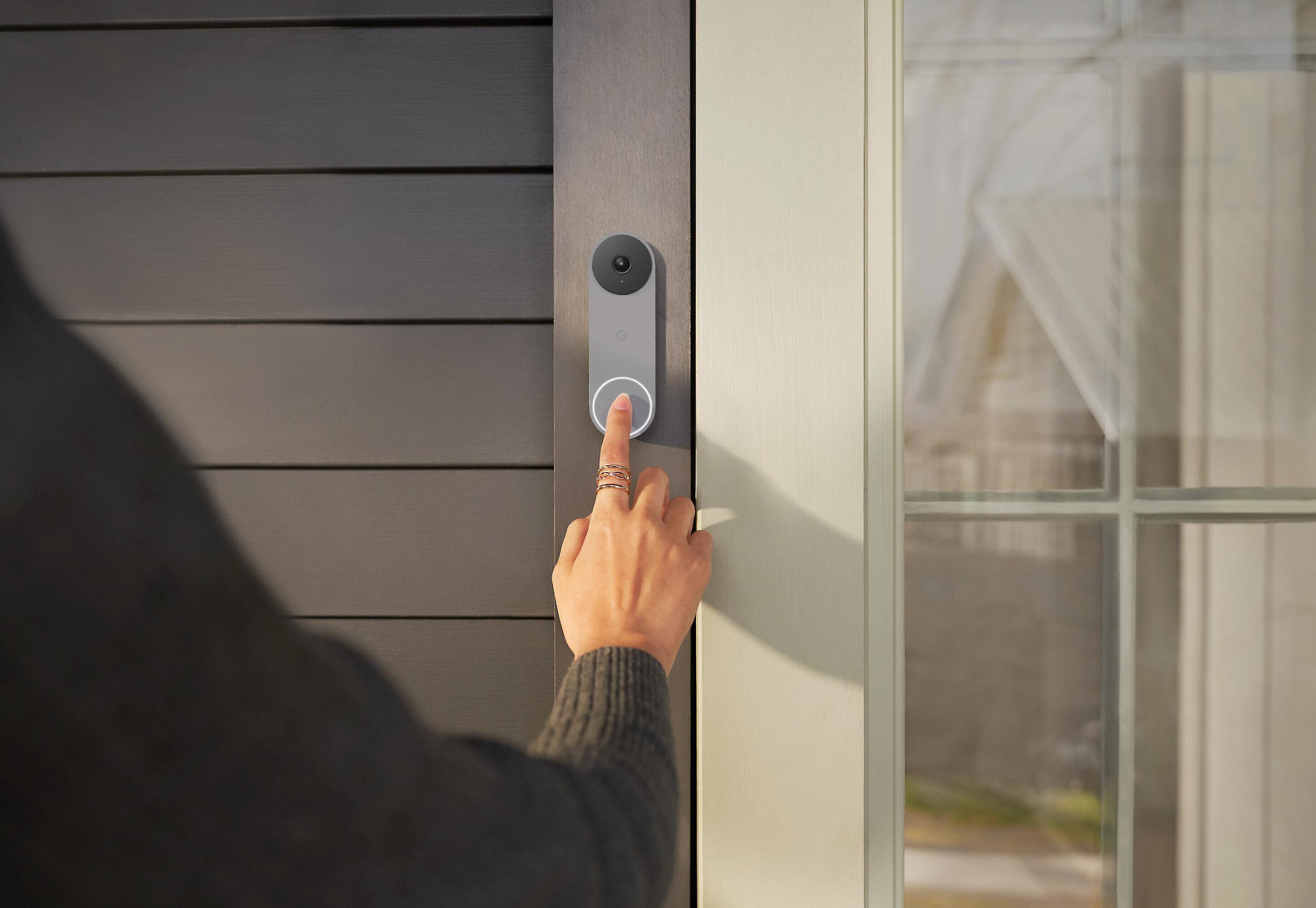

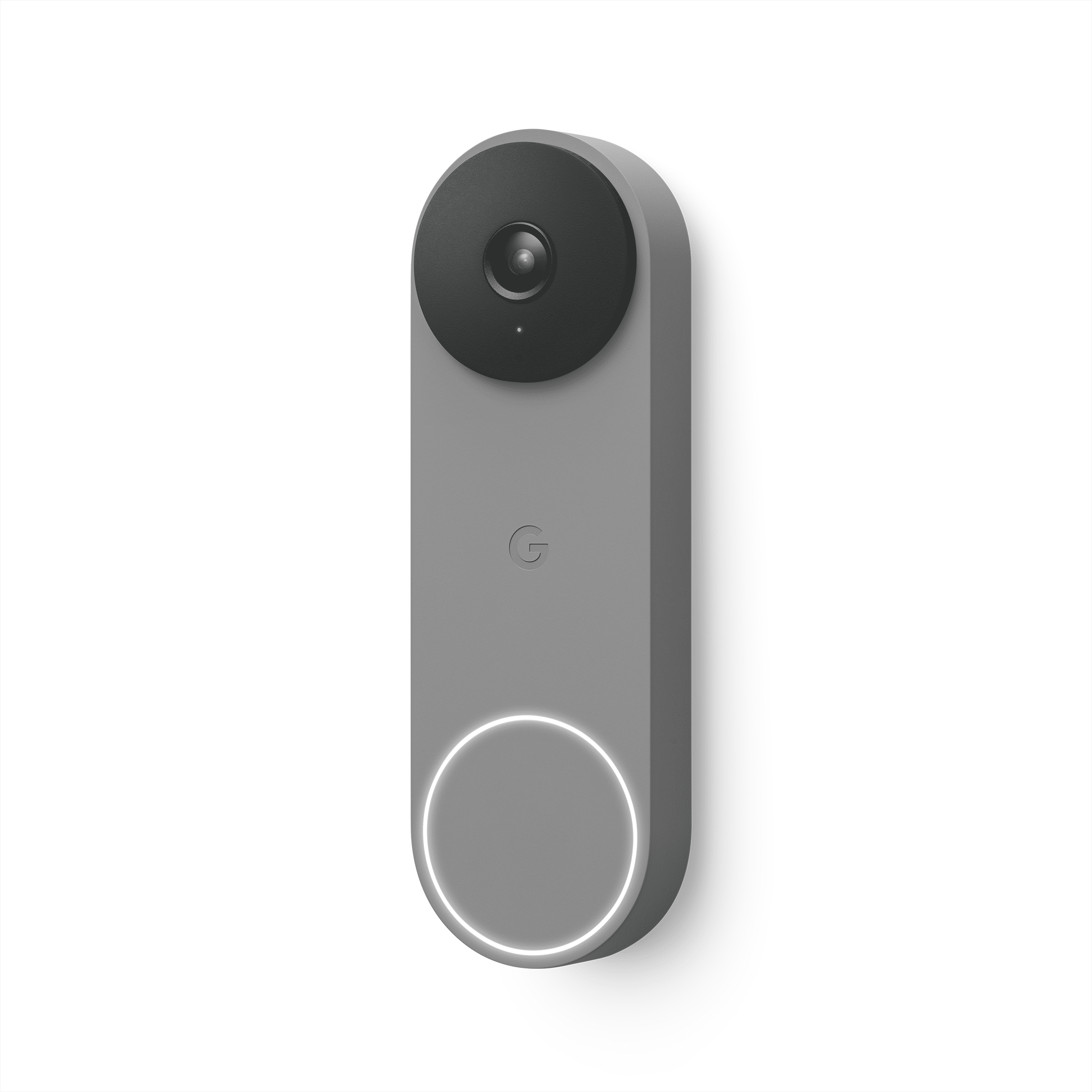
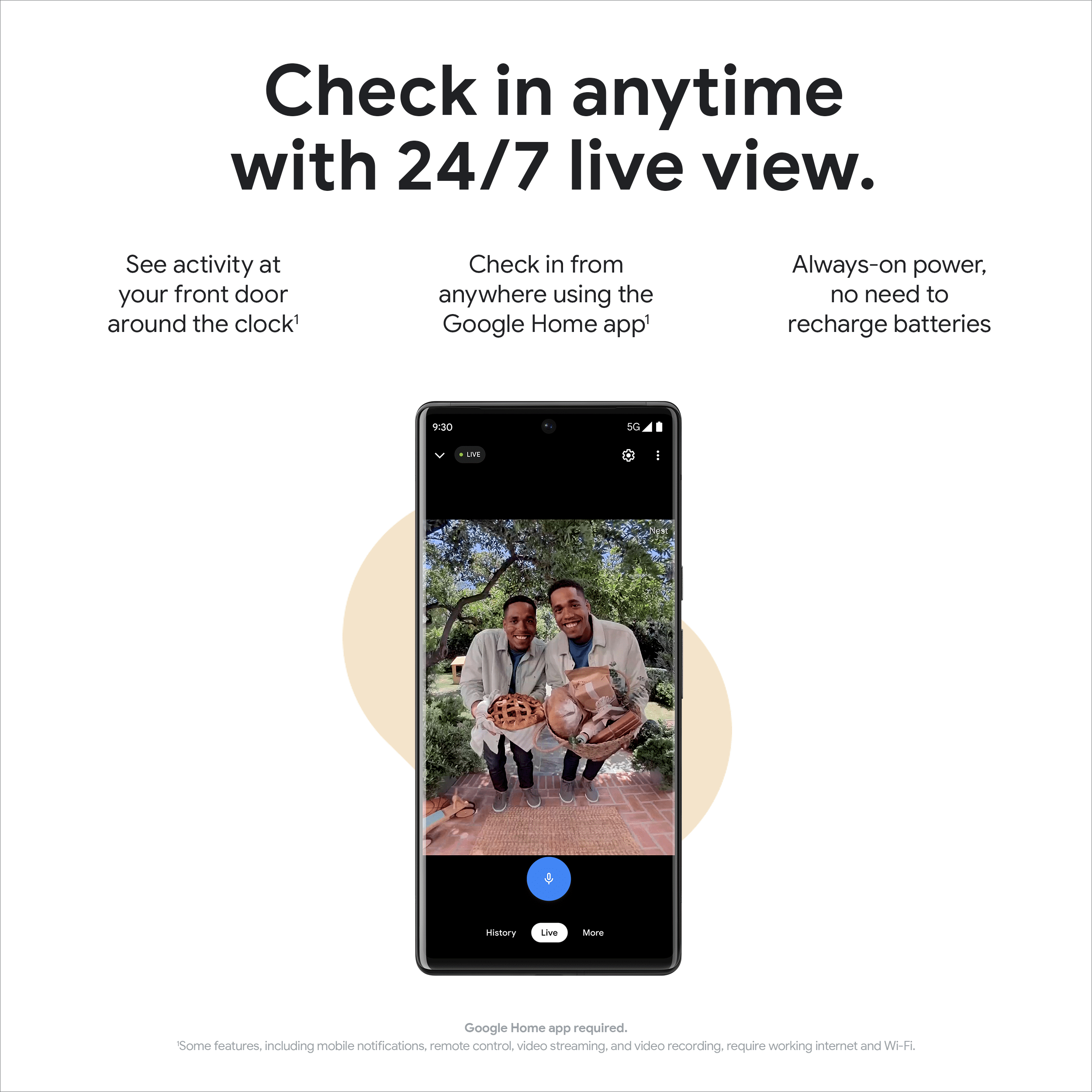

In recent years, video doorbells have transformed from simple novelties into essential smart home devices. When the Blink Video Doorbell launched in late 2021 at $49.99, it shook up the market with an affordable, flexible solution. The Google Nest Doorbell (Wired, 2nd Gen) arrived a year later in October 2022 at $179.99, building on Google's established doorbell technology with enhanced AI features.
Before diving into specifics, let's clarify what makes a video doorbell truly useful. The core functions are seeing visitors clearly, reliable notifications, and easy two-way communication. However, the implementation of these features varies significantly between models.
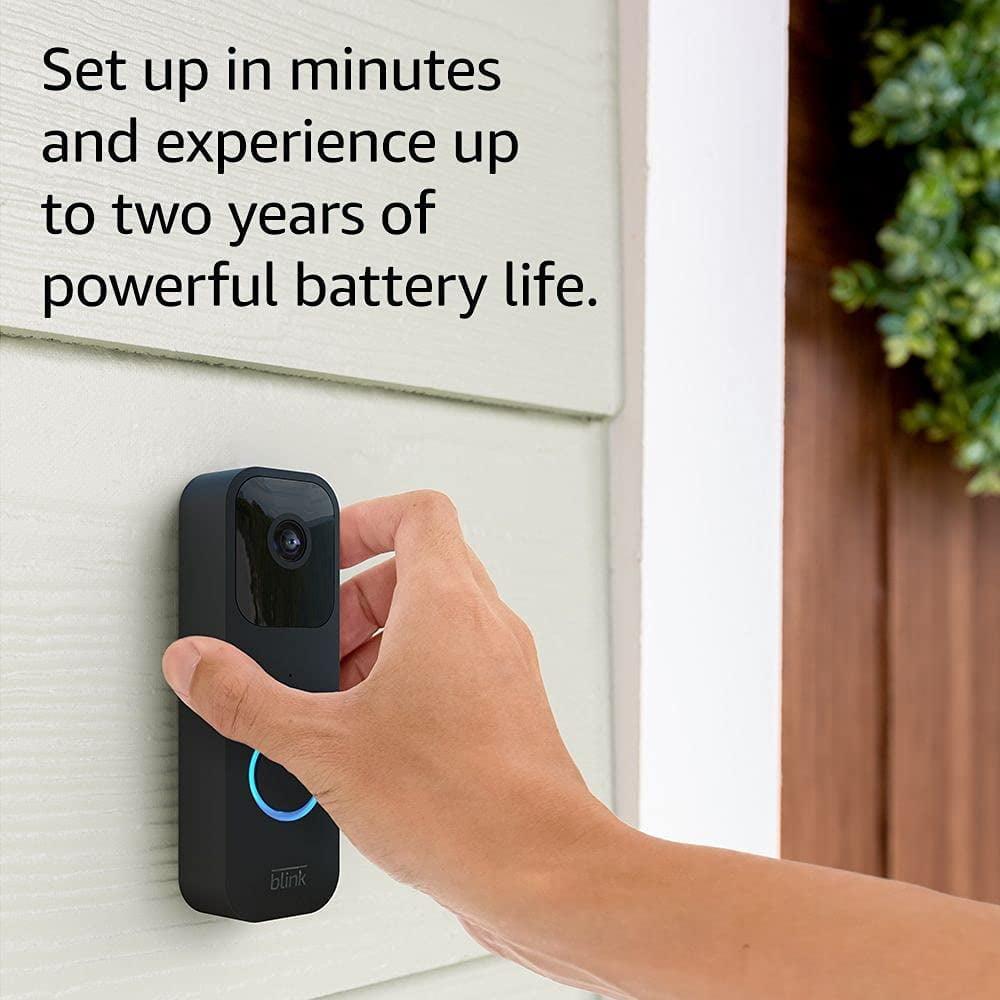
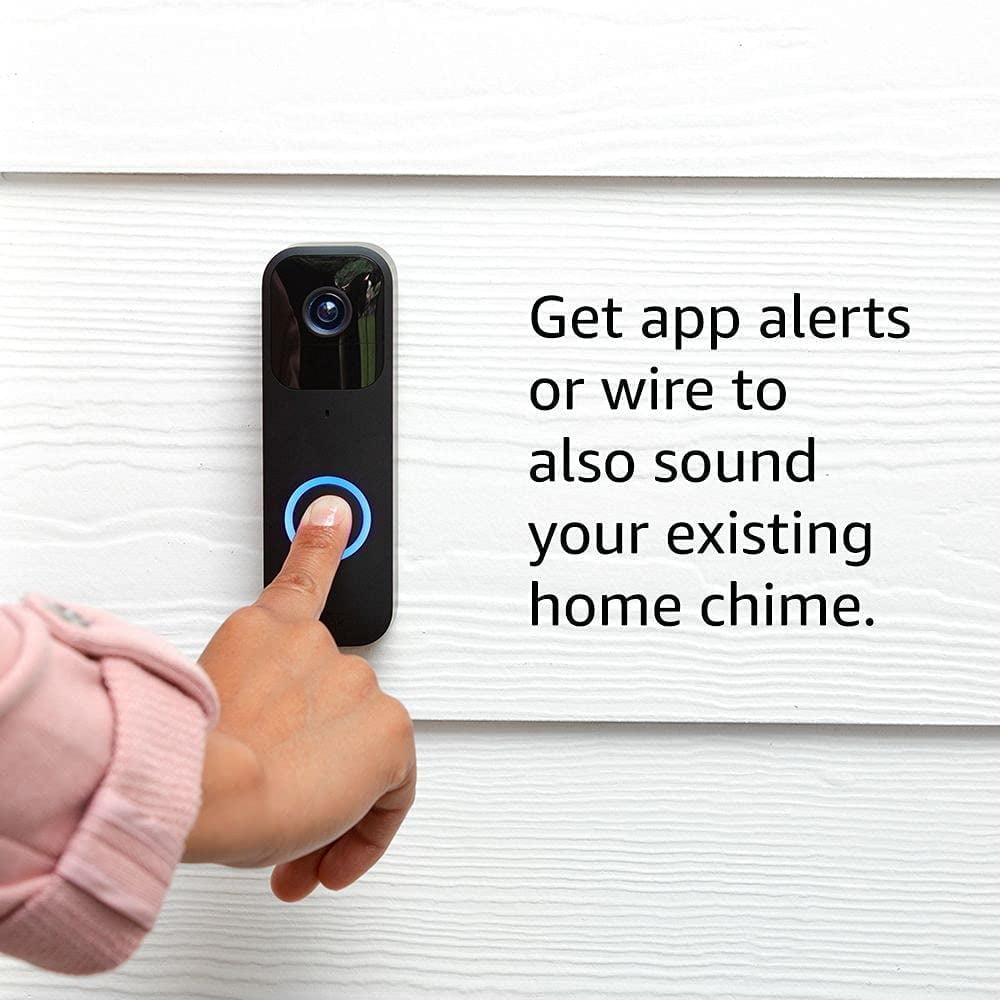
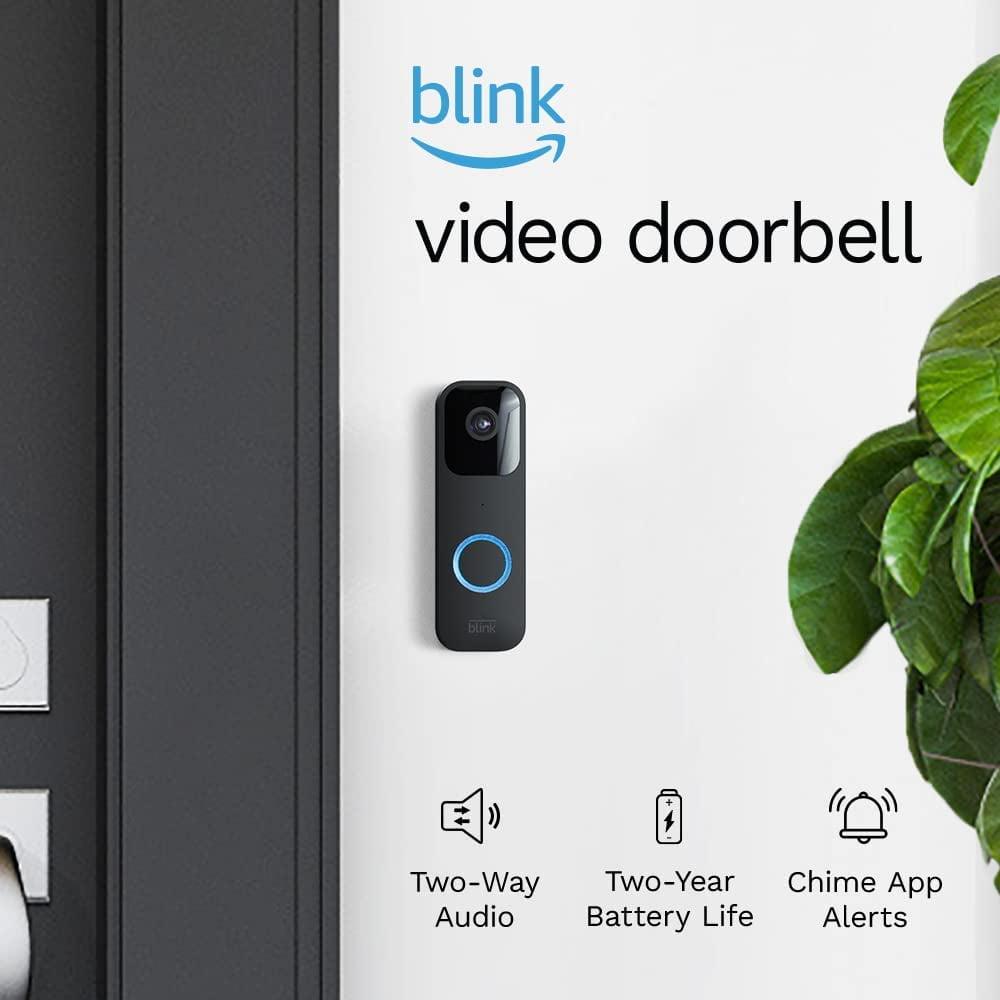
The Blink doorbell offers remarkable flexibility with both wired and battery-powered options. The battery life extends up to two years using two AA lithium batteries - a significant advantage over rechargeable competitors that need charging every few months. If you have existing doorbell wiring (16-24V AC), you can also hardwire it for continuous power.
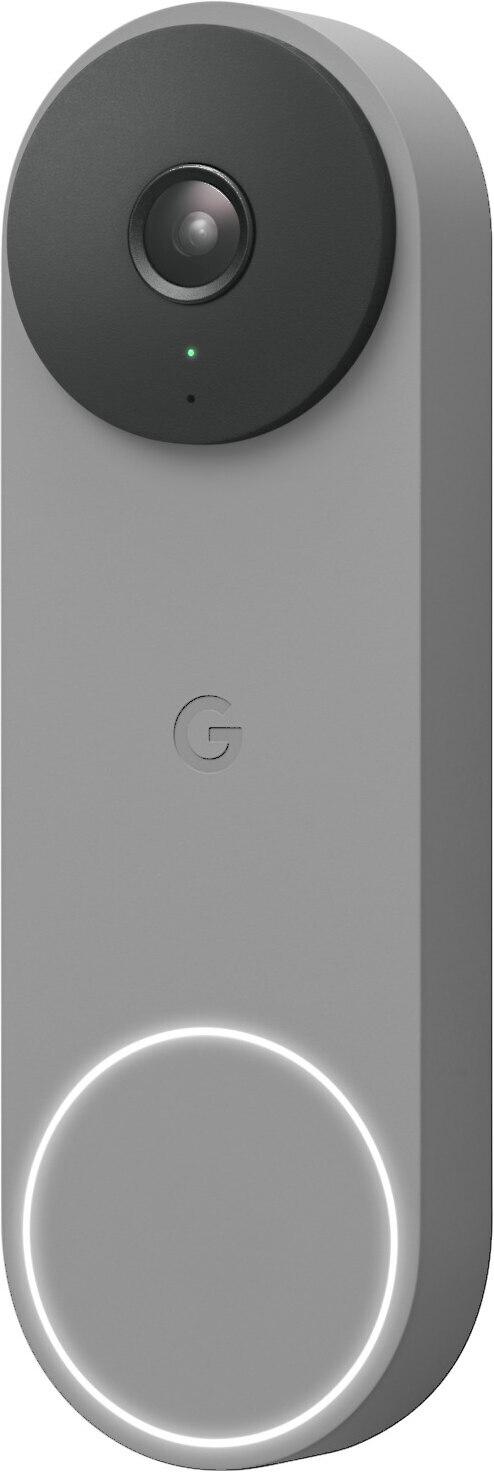
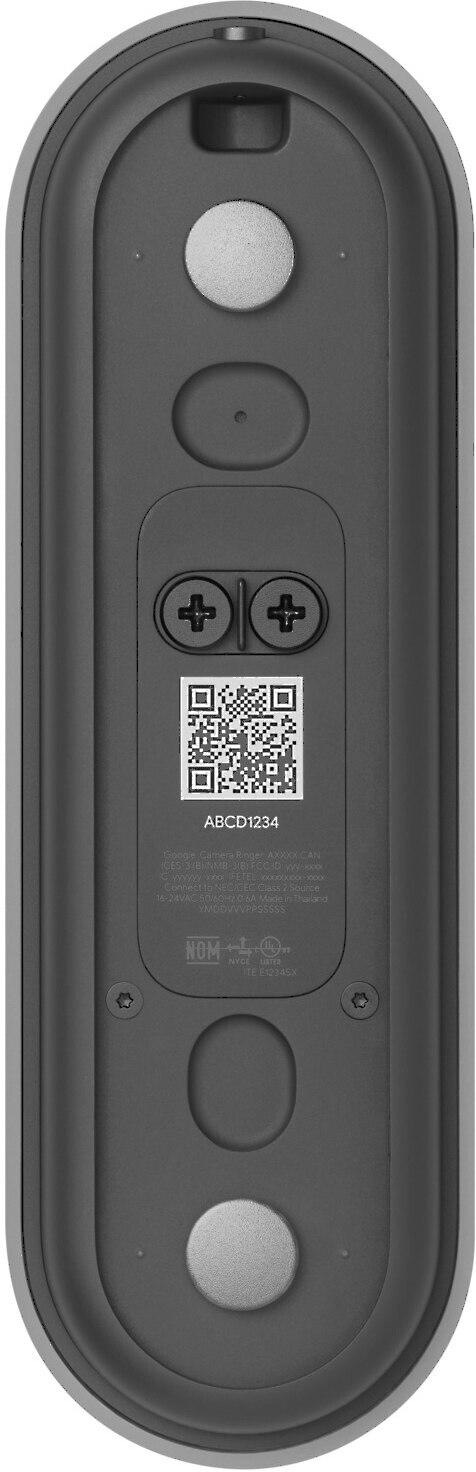
In contrast, the Nest doorbell requires professional installation if you don't already have compatible doorbell wiring. While this might seem limiting, the consistent power supply enables advanced features and eliminates battery maintenance concerns.
Both doorbells offer HD resolution, but there are important differences in their implementation:
The Blink provides 1080p video (1920x1080 pixels) with a 135° diagonal field of view. The video stream adjusts between 15-30 frames per second depending on lighting and motion. In real-world use, this provides clear daytime footage, though fast motion can sometimes appear slightly blurred at lower frame rates.
The Nest takes a different approach with its 960x1280 resolution and 145° field of view. While technically fewer pixels, the 3:4 aspect ratio provides better vertical coverage - crucial for seeing packages on your doorstep or getting full-height views of visitors. More importantly, it incorporates HDR (High Dynamic Range) technology, which dramatically improves image quality in challenging lighting conditions, like bright backlighting or deep shadows.
This is where the price difference becomes apparent. The Blink offers basic motion detection using frame-to-frame image comparison. While functional, it can't distinguish between a person, animal, or swaying tree branch.
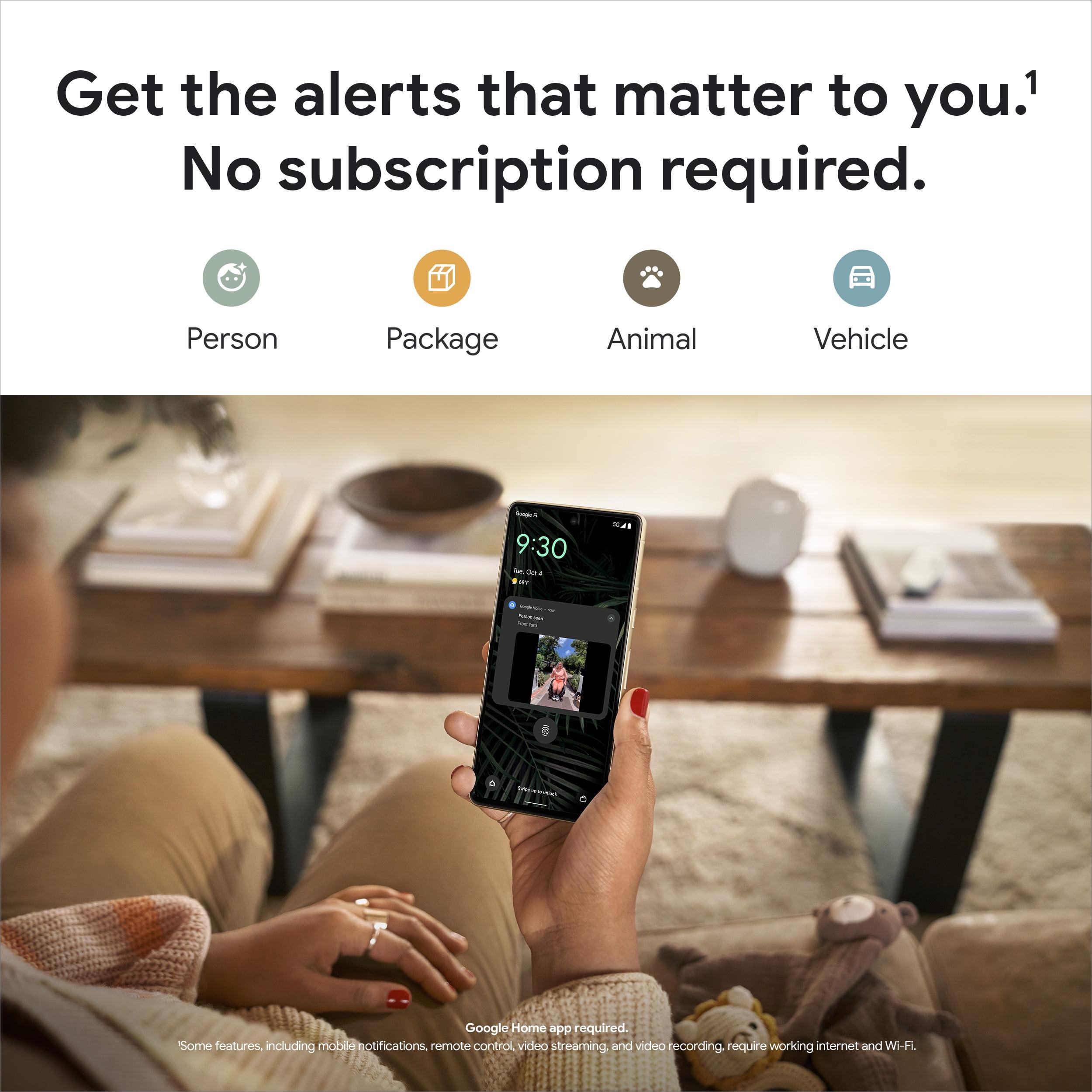
The Nest leverages on-device machine learning to provide:
These AI features dramatically reduce false alerts and provide more meaningful notifications. Instead of "Motion detected," you'll get specific alerts like "Package delivered" or "Known person spotted."
Storage approaches differ significantly:
Blink:
Nest:
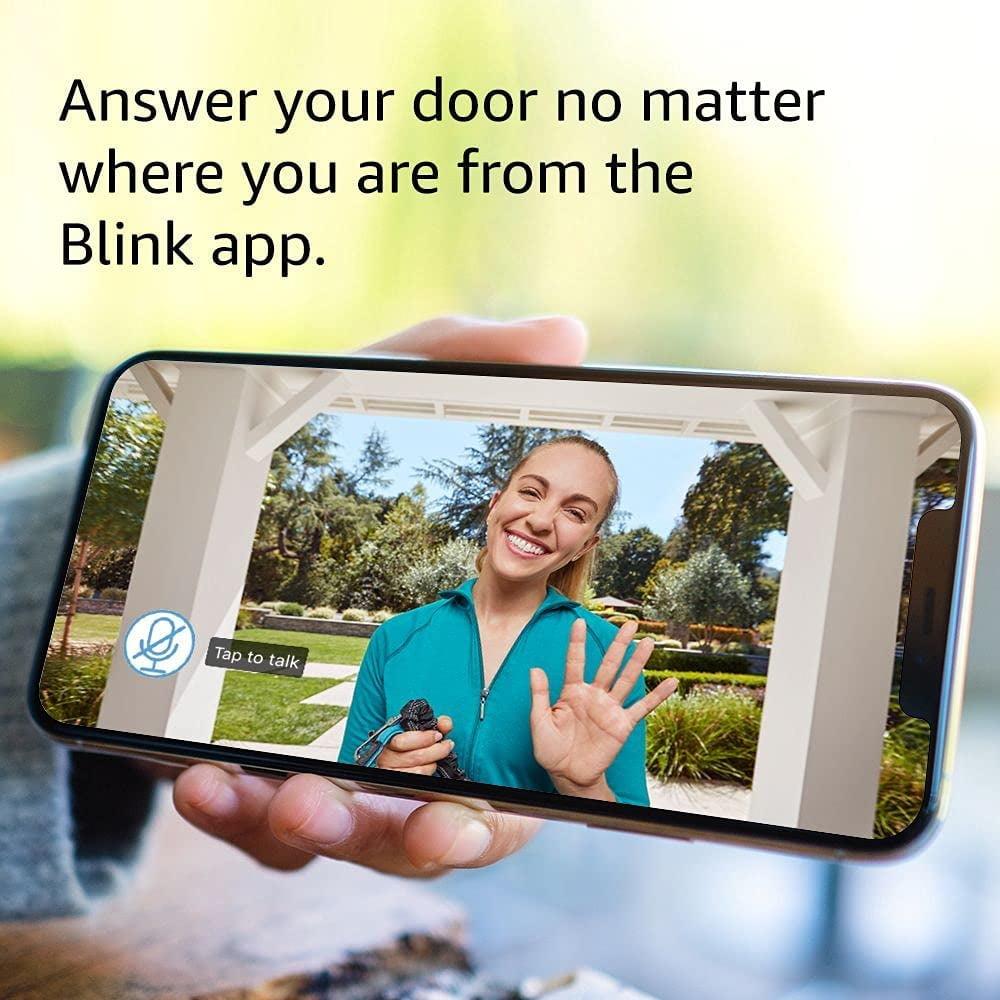
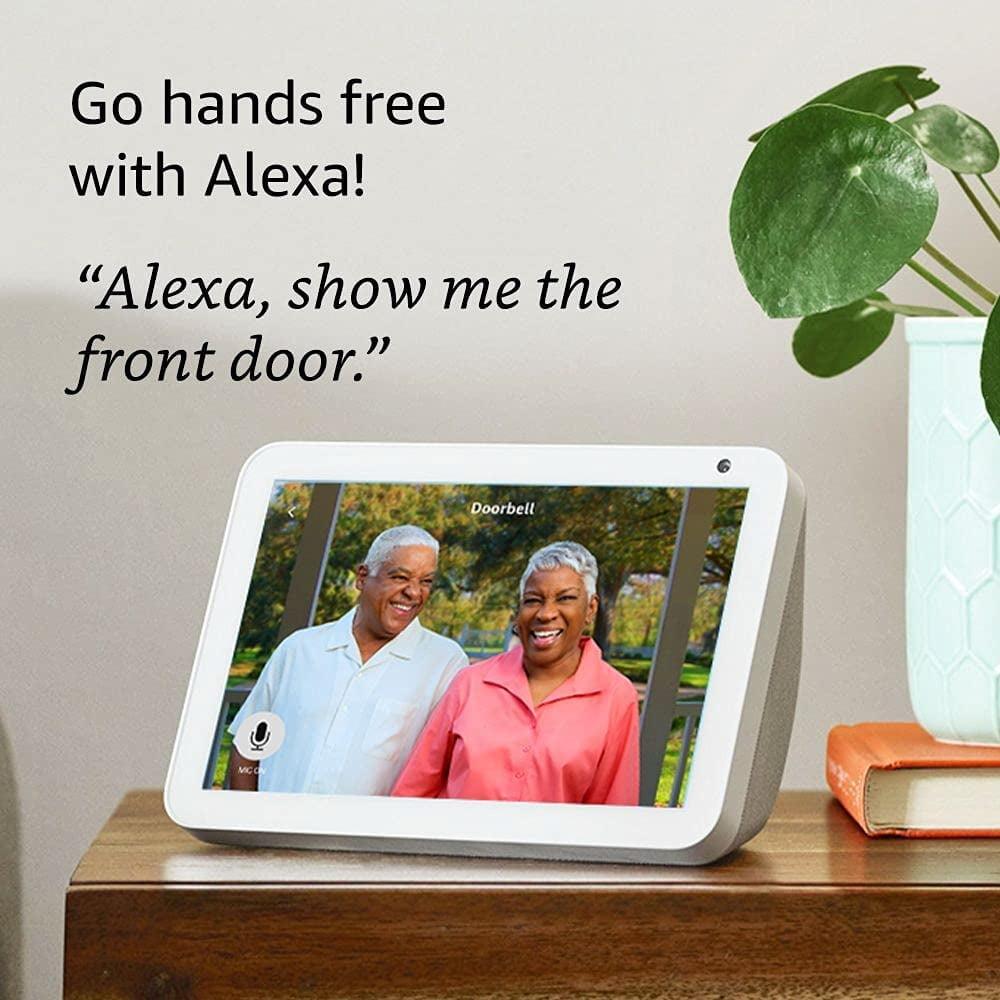
The Blink integrates seamlessly with Amazon's Alexa ecosystem. You can view the doorbell feed on Echo Show devices and receive notifications through Alexa. However, integration with other platforms is limited.
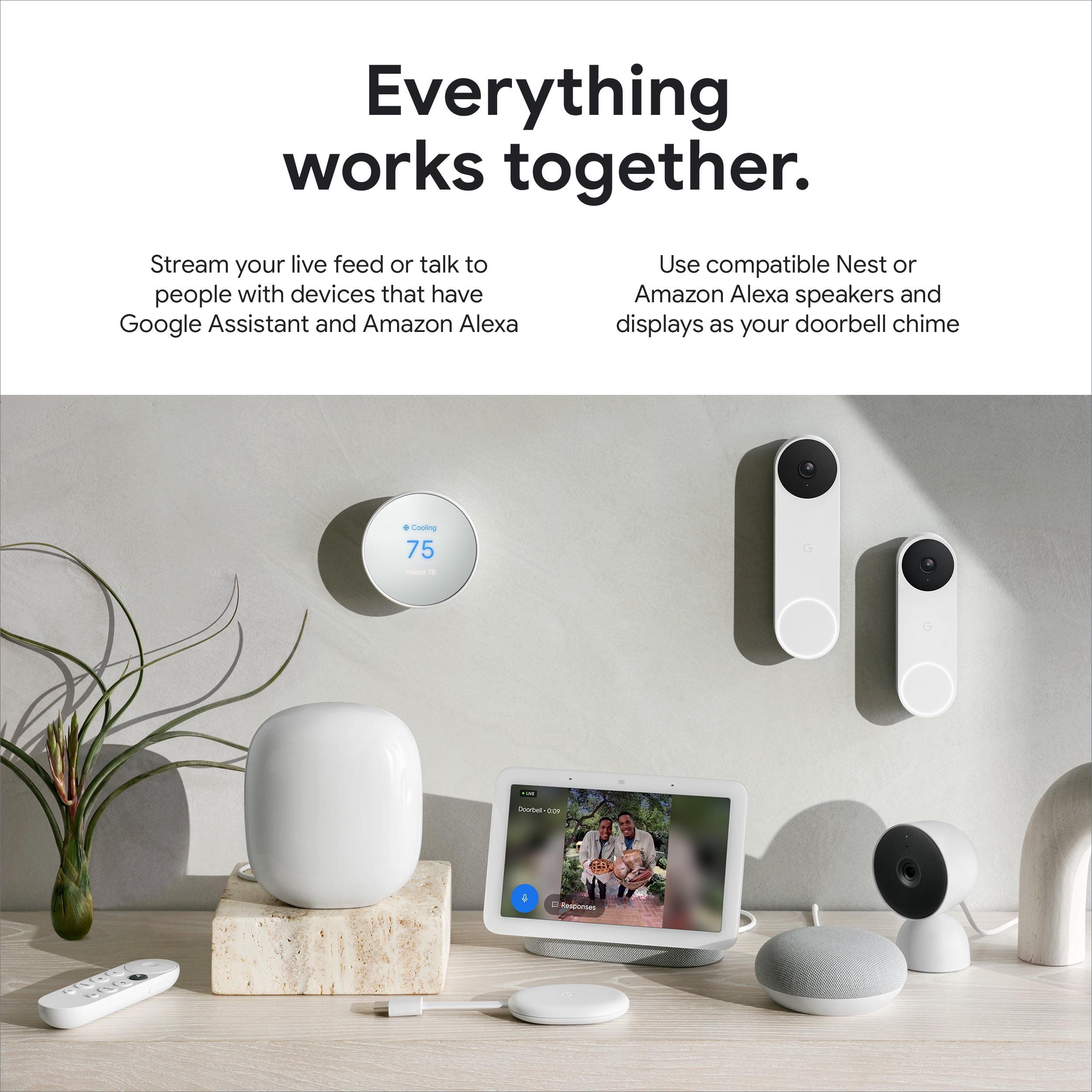
The Nest doorbell works exclusively with Google Home, offering deep integration with Google Assistant and Nest smart displays. Voice commands like "Hey Google, show me the front door" provide instant access to live video feeds.
Both doorbells use infrared LEDs for night vision, but implementation differs:
The Blink uses 850nm infrared illumination, providing black-and-white night vision up to 23 feet when mounted at standard height. The image quality is acceptable but can appear somewhat grainy in complete darkness.
The Nest combines its HDR capabilities with advanced infrared sensors, resulting in clearer night vision with better contrast and detail. The taller aspect ratio also helps capture more of the scene in low-light conditions.
Using these doorbells reveals practical differences beyond specs. The Blink excels at simplicity and reliability. Its battery life claims hold up in regular use, and the basic features work consistently without requiring a subscription.
The Nest delivers a more refined experience. The HDR video makes a noticeable difference during sunrise/sunset hours when other cameras struggle. The AI detection is remarkably accurate, and package detection has proven particularly useful for monitoring deliveries.
At $44.90, the Blink represents exceptional value for basic video doorbell functionality. Even adding the Sync Module 2 for local storage keeps the total cost under $80.
The Nest's $153.38 price tag requires more justification. The advanced features and superior video quality make it a premium option, but the required subscription for advanced features adds to long-term costs.
Choose the Blink if:
Choose the Nest if:
Both devices represent different approaches to video doorbells, each with distinct advantages. The Blink prioritizes accessibility and value, while the Nest focuses on advanced features and premium performance. Your choice should align with your specific needs, budget, and existing smart home ecosystem.
| Blink Video Doorbell | Google Nest Doorbell Wired 2nd Gen |
|---|---|
| Price - Initial investment cost | |
| $44.90 (excellent value) | $153.38 (premium pricing) |
| Power Options - Impacts installation flexibility | |
| Wired or battery-powered (2-year battery life) | Wired only (requires 16-24V AC) |
| Video Resolution - Affects image clarity and detail | |
| 1080p HD (1920x1080), 135° field of view | HD (960x1280), 145° field of view with HDR |
| Smart Detection - Determines notification accuracy | |
| Basic motion detection only | AI-powered person, package, vehicle, and animal detection |
| Storage Options - Affects ongoing costs | |
| Local (with Sync Module) or cloud storage | Cloud only, 3-hour event history included |
| Subscription Costs - Long-term ownership costs | |
| Optional ($3/month), basic features work without | Required for advanced features ($6-12/month) |
| Night Vision - Important for security | |
| Standard IR night vision, up to 23ft range | Enhanced IR with HDR, superior low-light performance |
| Smart Home Integration - Ecosystem compatibility | |
| Works with Alexa | Works with Google Home/Assistant |
| Weather Resistance - Durability factor | |
| IP54 rated (-4° to 113°F) | IPx4 rated (-4° to 104°F) |
| Installation Requirements - Setup complexity | |
| DIY-friendly, flexible mounting options | Professional installation recommended if no existing wiring |
| Video Aspect Ratio - Affects viewing coverage | |
| 16:9 (wider horizontal view) | 3:4 (better vertical coverage for packages) |
| Additional Features - Extra functionality | |
| Two-way audio, customizable alerts | Two-way audio, familiar face detection, custom activity zones |
The Blink Video Doorbell is significantly cheaper at $44.90, while the Google Nest Doorbell costs $153.38. However, consider ongoing subscription costs - Blink's is optional at $3/month, while Nest requires a subscription for advanced features.
The Blink Video Doorbell can be installed with or without wiring thanks to its battery option. The Nest Doorbell requires existing doorbell wiring (16-24V AC) for installation.
While both offer HD video, the Nest Doorbell provides superior image quality with HDR technology and better low-light performance. The Blink doorbell offers standard 1080p resolution which is still clear but lacks HDR enhancement.
The Nest Doorbell features advanced AI that can specifically detect and alert you about packages. The Blink Video Doorbell only offers basic motion detection without package recognition.
The Blink Video Doorbell works seamlessly with Alexa devices. The Nest Doorbell only works with Google Home ecosystem devices.
Both doorbells feature infrared night vision, but the Nest Doorbell typically performs better in low light due to its HDR capabilities. The Blink doorbell provides adequate night vision up to 23 feet.
The Blink Video Doorbell can last up to two years on two AA lithium batteries. The Nest Doorbell is wired-only and doesn't use batteries.
The Blink doorbell offers free basic cloud storage and local storage options with the Sync Module 2. The Nest Doorbell includes 3 hours of event history but requires a subscription for extended storage.
The Nest Doorbell is superior for delivery monitoring with its package detection and 3:4 aspect ratio that better shows your doorstep. The Blink doorbell can still show deliveries but lacks specific package detection.
Yes, both the Blink Video Doorbell and Nest Doorbell offer two-way audio communication with visitors.
The Blink Video Doorbell is easier to install, especially in battery mode, requiring no wiring. The Nest Doorbell may require professional installation if you don't have existing doorbell wiring.
The Nest Doorbell app offers more advanced features and better integration with other Google products. The Blink doorbell app is simpler but provides all essential functions for basic monitoring and control.
We've done our best to create useful and informative comparisons to help you decide what product to buy. Our research uses advanced automated methods to create this comparison and perfection is not possible - please contact us for corrections or questions. These are the sites we've researched in the creation of this article: cnet.com - livingetc.com - cnet.com - support.blinkforhome.com - safehome.org - support.blinkforhome.com - youtube.com - arlo.com - blinkforhome.com - wasserstein-home.com - press.aboutamazon.com - blinkforhome.com - bestbuy.com - consumerreports.org - youtube.com - the5krunner.com - camelcamelcamel.com - support.google.com - security.org - youtube.com - bestbuy.com - wasserstein-home.com - googlenestcommunity.com - googlenestcommunity.com - support.google.com

Privacy Policy
Terms and Conditions - Affiliate Policy
Home Security
© Copyright 2008-2026.
11816 Inwood Rd #1211, Dallas, TX 75244