

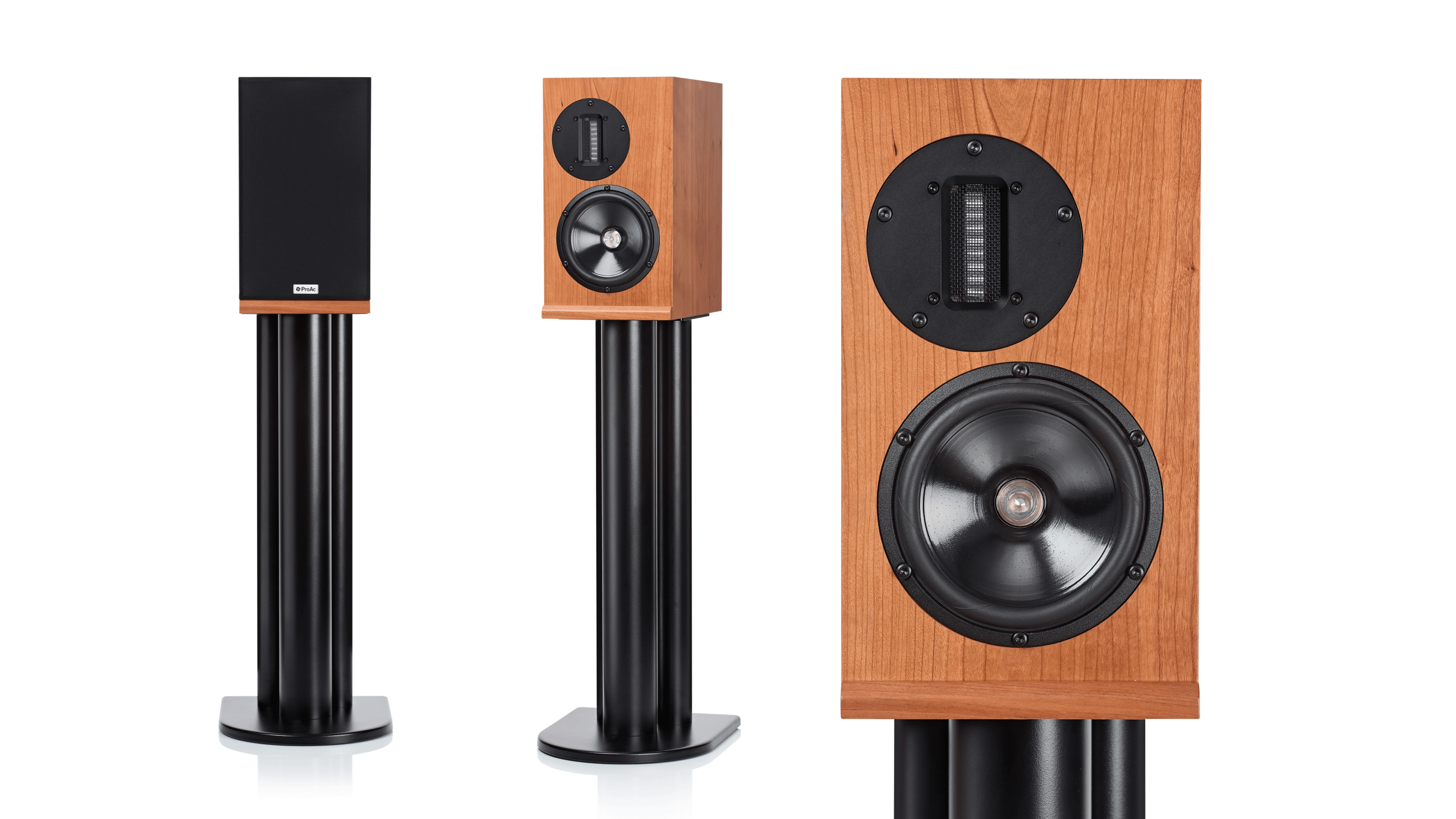
You’ve probably looked at your listening room at some point and thought, “I really don’t have space for big floorstanders… but I still want serious sound.” That’s exactly the scenario ProAc is aiming at with its latest speaker.
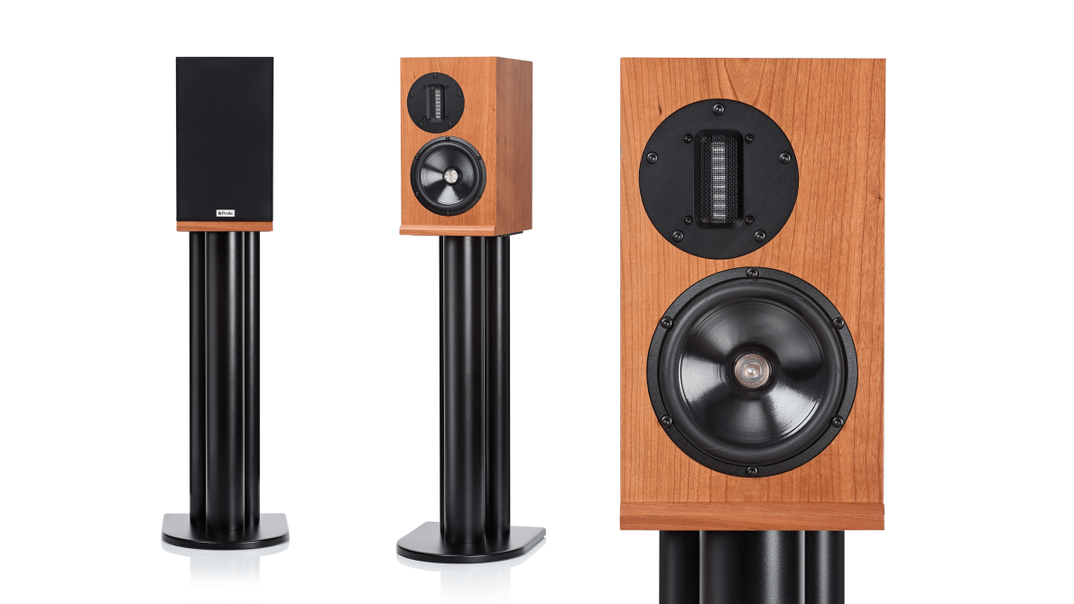
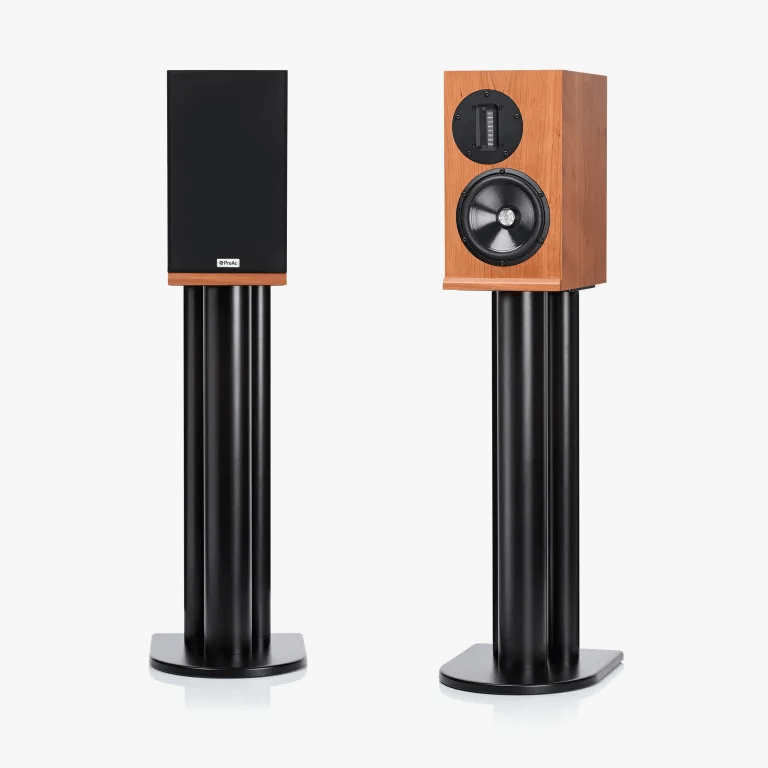
The British brand has updated one of its most popular compact models, the Response DB1, with a new version called the Response DB1R, the “R” standing for ribbon tweeter. On paper, it’s a small change: same cabinet, same mid/bass driver, same rear port. But the high-frequency driver is completely different, and that’s where the story really starts.
ProAc's director, Zoe Tyler-Mardle, said: “The launch of the DB1R is the first step in developing our long-term plans while continuing to honour [founder] Stewart Tyler’s designs and the legacy he left behind. As a team, we want to take everything he taught us over the last 30 years and build upon it. Music is at the heart of our family and central to ProAc’s ‘perfectly natural’ sound – something we are fully committed to preserving.”
ProAc has been around since the 1970s, emerging from founder Stewart Tyler’s earlier Celef Audio work and settling into a clear niche: compact, carefully voiced loudspeakers that perform well above what their size suggests. The Response range sits at the top of the lineup, and the original Response DB1 became a go-to standmount for people who wanted that “big speaker” sense of scale from a small box.
The new DB1R doesn’t try to rewrite that formula. Physically, it’s essentially the same size as the DB1, built as a compact standmount speaker with a rear-firing port and a 5-inch mid/bass driver. ProAc’s goal is to keep the DB1’s overall tonal character, the way it balances bass, midrange, and treble, intact.
What changes is how the top end is handled.
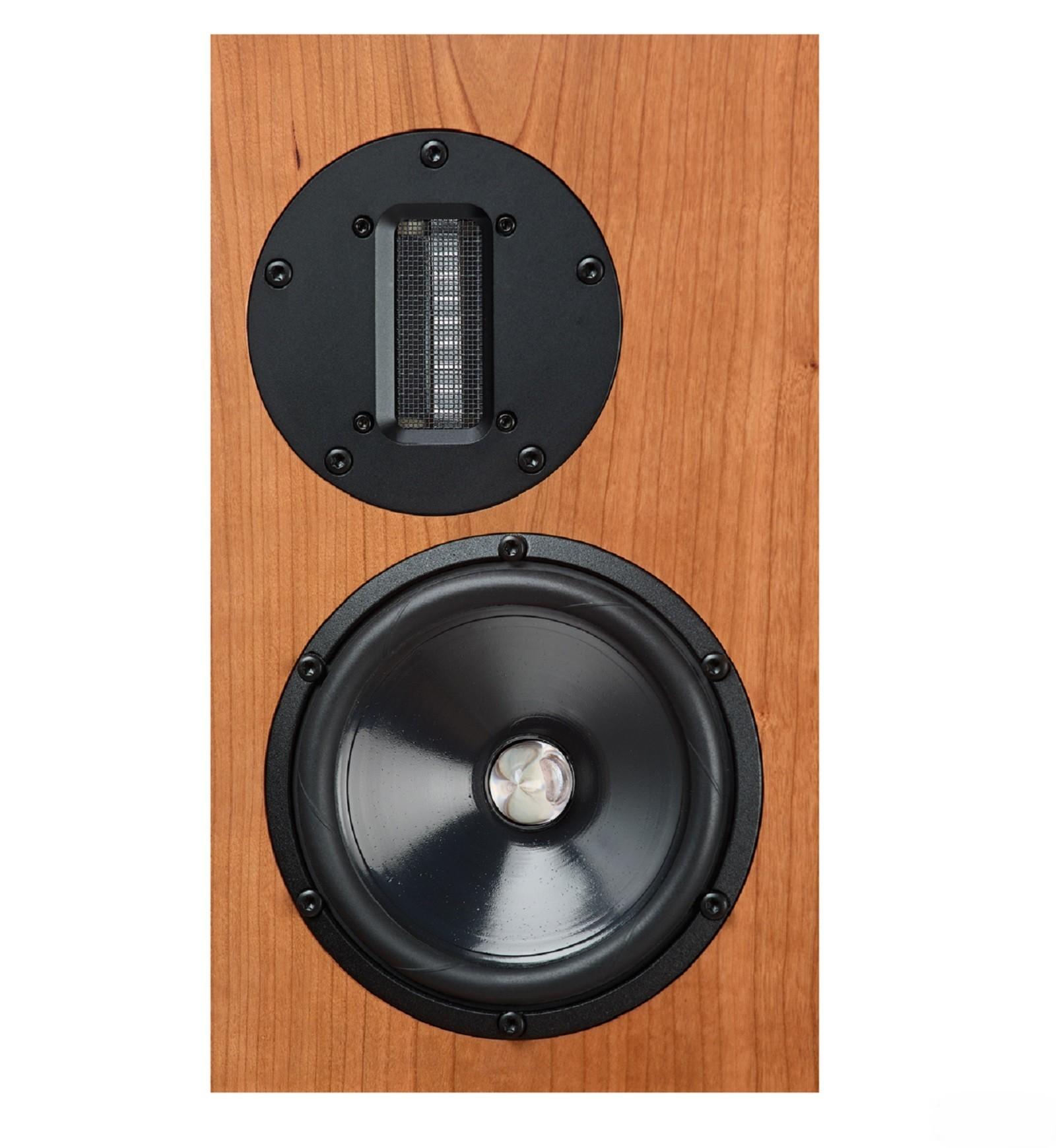
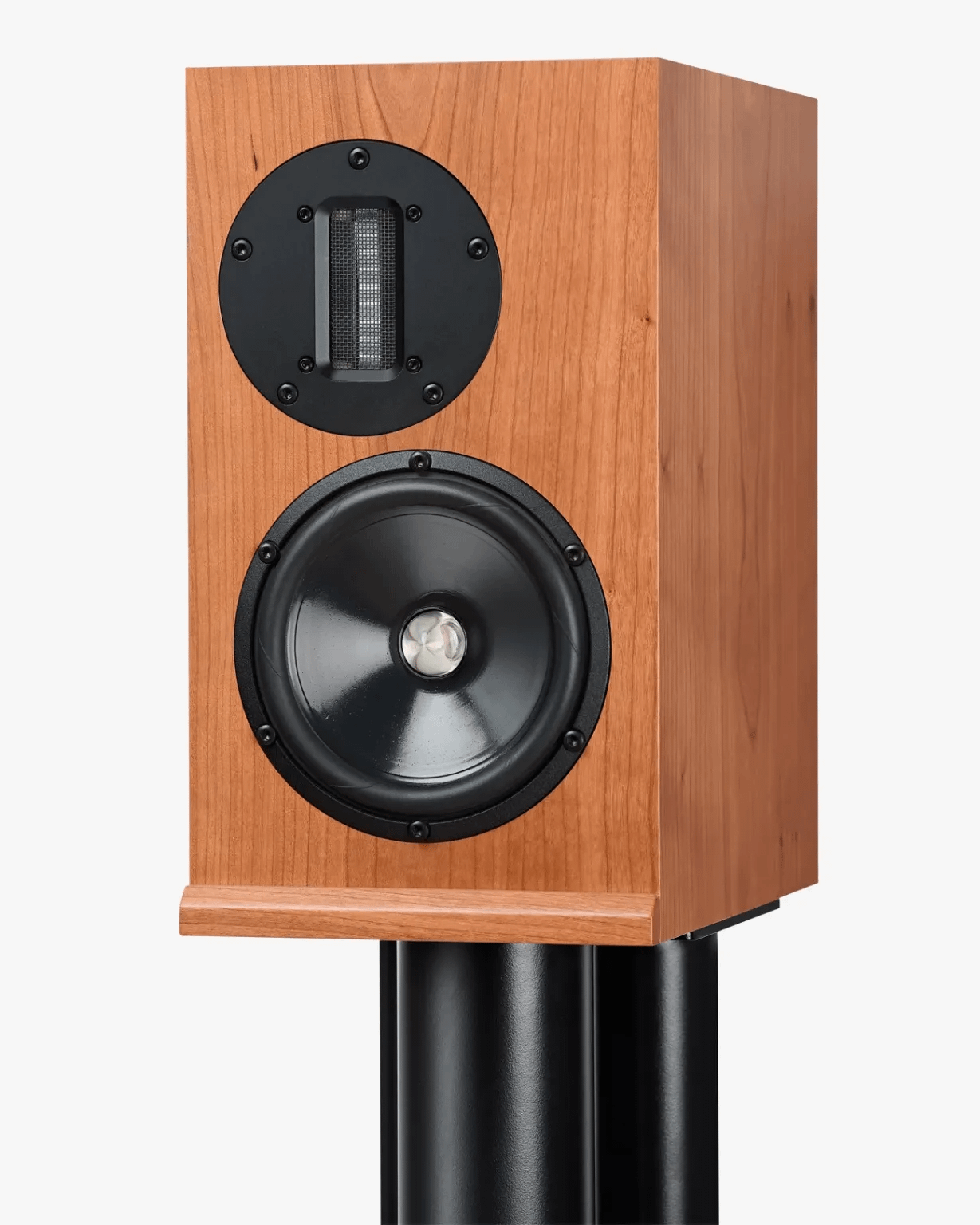
Instead of the silk dome tweeter used in the original DB1, the DB1R uses ProAc’s in-house ribbon tweeter, previously seen in larger Response models like the D2R. This is also the smallest loudspeaker in the ProAc lineup to feature that ribbon, which is part of why this launch is getting attention.
So what’s the big deal with a ribbon tweeter?
In simple terms, a ribbon tweeter uses an ultra-thin metal diaphragm suspended in a magnetic field, rather than a dome-shaped diaphragm attached to a voice coil. In the DB1R, ProAc says that diaphragm is lighter than a human hair. The tweeter also incorporates:
The company’s claim is that this design improves high-frequency detail, speed, and transparency — in other words, how clearly you hear things like cymbal texture, room ambience on recordings, and subtle vocal air.
Importantly, the DB1R isn’t meant to sound like a completely different speaker from the DB1. ProAc’s stated aim is to keep the same basic voicing and just extend what the tweeter can do at the top end.
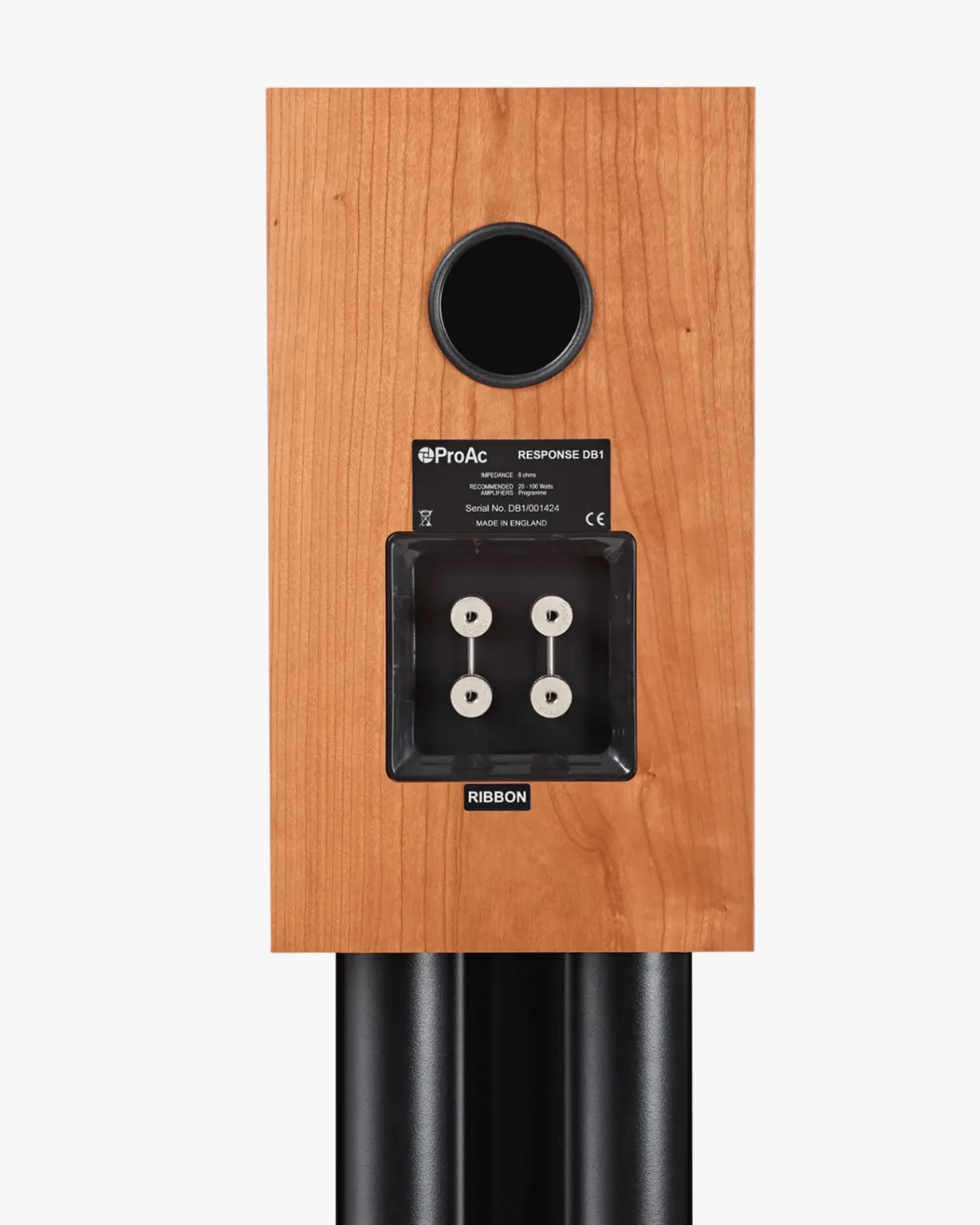
While the tweeter grabs the headlines, the rest of the design is doing a lot of heavy lifting to make a small box behave like a larger one.
The 5-inch mid/bass driver is a long-throw unit with:
The cabinet is built from varying thickness HDF panels with bituminous damping applied, which is a fancy way of saying they’ve tried to keep the box itself from singing along with the music. That, combined with the rear port, is meant to give the DB1R:
Specifications back up the “serious small speaker” positioning: ProAc quotes 87.5 dB sensitivity (1W/1m), a nominal 8-ohm impedance, and a claimed frequency range of 35 Hz to 30 kHz. That 35 Hz figure doesn’t mean subwoofer territory, but it suggests usable bass for music in a smaller to medium-sized room, especially with thoughtful placement.
From how ProAc describes it, the DB1R is aimed squarely at listeners who:
The original DB1 was already designed to deliver “bigger speaker” sound from a small enclosure. The DB1R tries to keep that personality while adding extra refinement at the top via the ribbon. If you’re listening in a smaller room or nearfield setup and value imaging, soundstage, and subtle detail, that’s the use case ProAc seems to have in mind.
This also isn’t a speaker chasing mass-market appeal or flashy features. There’s no wireless streaming, no app, no DSP. It’s a straightforward passive loudspeaker meant to be partnered with a good amplifier and source in a more traditional hi-fi system.
On the practical side, ProAc has confirmed UK pricing: £2,945 in standard finishes and £3,465 in premium finishes. Standard finishes are expected to include Black Ash, Walnut, Cherry, Mahogany, Natural Oak, and Silk White. Premium options, based on the existing DB1 lineup, are likely to include Liquidambar, Rosewood, and Ebony at the higher price point.
Production is scheduled to start in May 2026, with availability through ProAc’s authorized dealers. US pricing hasn’t been announced yet, but given that the non-ribbon DB1 has typically ranged from roughly $3,200 to $4,800 per pair depending on finish, it’s reasonable to expect the DB1R to land above that.
At that level, the Response DB1R won’t be short of competition. It’s likely to sit in the same broad price bracket as standmounts like the Sonus faber Sonetto II G2 ($3,500 per pair at Crutchfield), the Bowers & Wilkins 705 S3 ($3,800 per pair), and the Monitor Audio Gold 100 6G ($4,599 per pair). All of these are compact speakers aimed at listeners who are prepared to invest in a serious two-channel setup but don’t necessarily want large floorstanders in the room.
Those rivals each lean on distinct design philosophies, from Sonus faber’s larger, more sculpted cabinets to Bowers & Wilkins’ tweeter-on-top approach and Monitor Audio’s metal-cone drivers. The DB1R enters that same arena as a smaller standmount that pairs a long-throw mid/bass driver with a ribbon tweeter, giving shoppers in this price range another option if they’re looking for a compact box that emphasizes tonal balance and high-frequency clarity over sheer size.
Before any of that plays out in showrooms, the Bristol Hi-Fi Show 2026 will be the first real chance for the public to hear the DB1R. ProAc is demoing the speakers there from February 20–22, giving showgoers an early listen before production ramps up later in the year.
Related Reading:





Privacy Policy
Terms and Conditions - Affiliate Policy
Home Security
© Copyright 2008-2026.
11816 Inwood Rd #1211, Dallas, TX 75244