Sony and TCL have now moved past the rumor stage and signed definitive agreements for what is shaping up to be one of the most significant shifts in the TV business in years. What started in January as an early framework is now official: TCL will hold a 51 percent stake in a new joint venture that will take over Sony’s home entertainment business, while Sony will keep 49 percent, the Japanese company confirmed in its press release today.
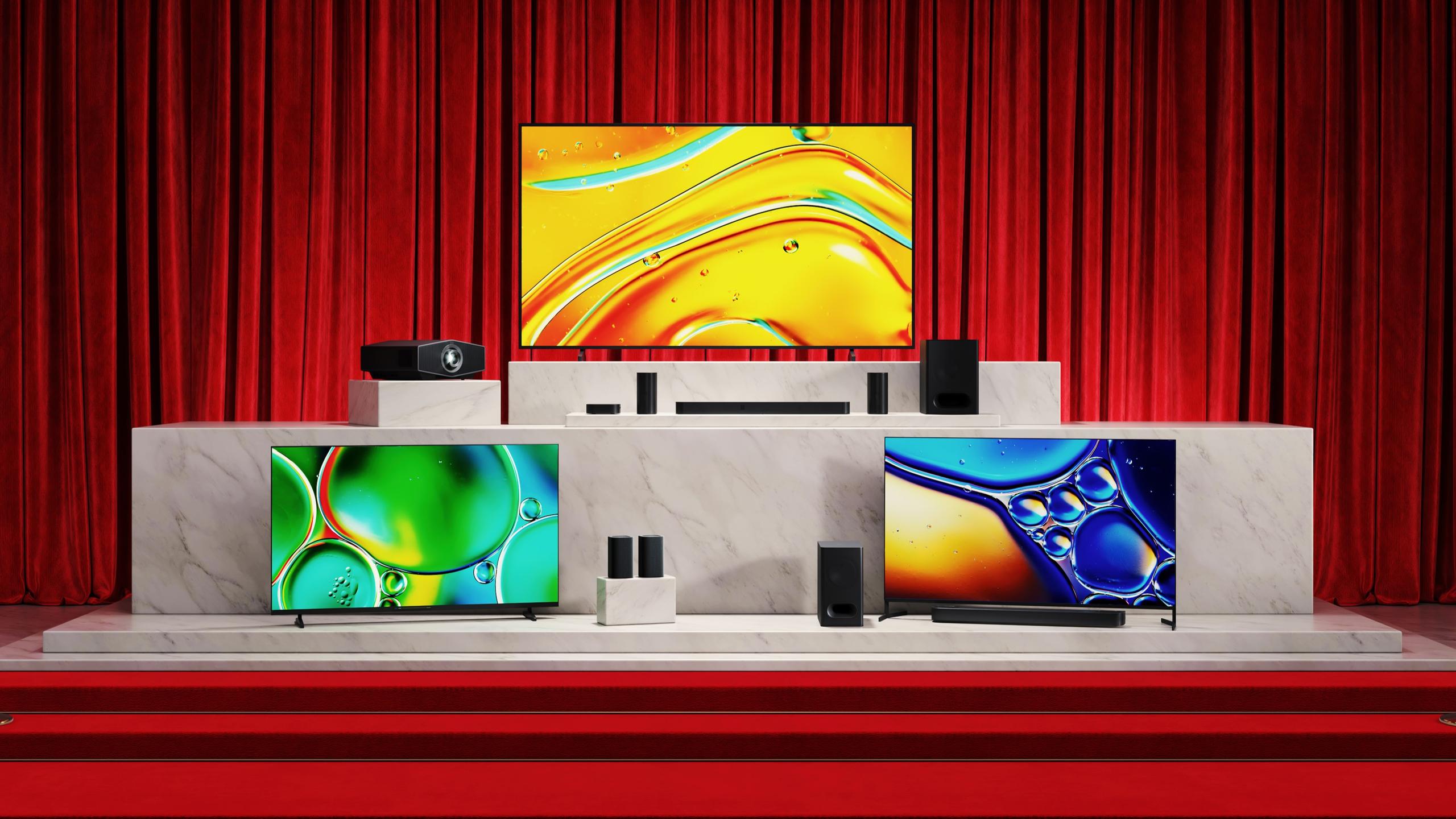
That new company is expected to begin operating in April 2027, and it won’t just cover Sony’s consumer TVs. It will also take over a much bigger chunk of Sony’s home entertainment operation, including projectors, business displays, home theater systems, audio components, sales, logistics, manufacturing, and customer service.
I already raised both my concerns and my hopes back in January when the first news broke, and those questions still matter now. You can read that earlier piece here: Sony Trusted TCL With BRAVIA — Here’s Why That Makes Me Nervous.
What’s changed since then is that this is no longer a tentative plan. It’s real, it’s signed, and it comes with a lot more detail.
Under the deal, Sony will first carve out its home entertainment division into a separate subsidiary. TCL will then buy into that new business, creating a joint venture that will effectively run Sony’s TV and home entertainment operation going forward. TCL will be the majority owner. Sony will remain deeply involved, but it will no longer be fully in charge.
The business moving into this new company includes:
Sony’s manufacturing arm in Malaysia is also set to transfer fully to TCL, while discussions are still ongoing around Sony’s manufacturing-related business in Shanghai.
The name of the new venture matters too. According to the announcement, the business will operate as Bravia, Inc., while its products are still expected to carry the Sony and BRAVIA branding.
So yes, people shopping for a Sony TV in the future may still see a Sony badge on the box, even though the business behind that TV will be controlled by a Sony-TCL partnership led by TCL.
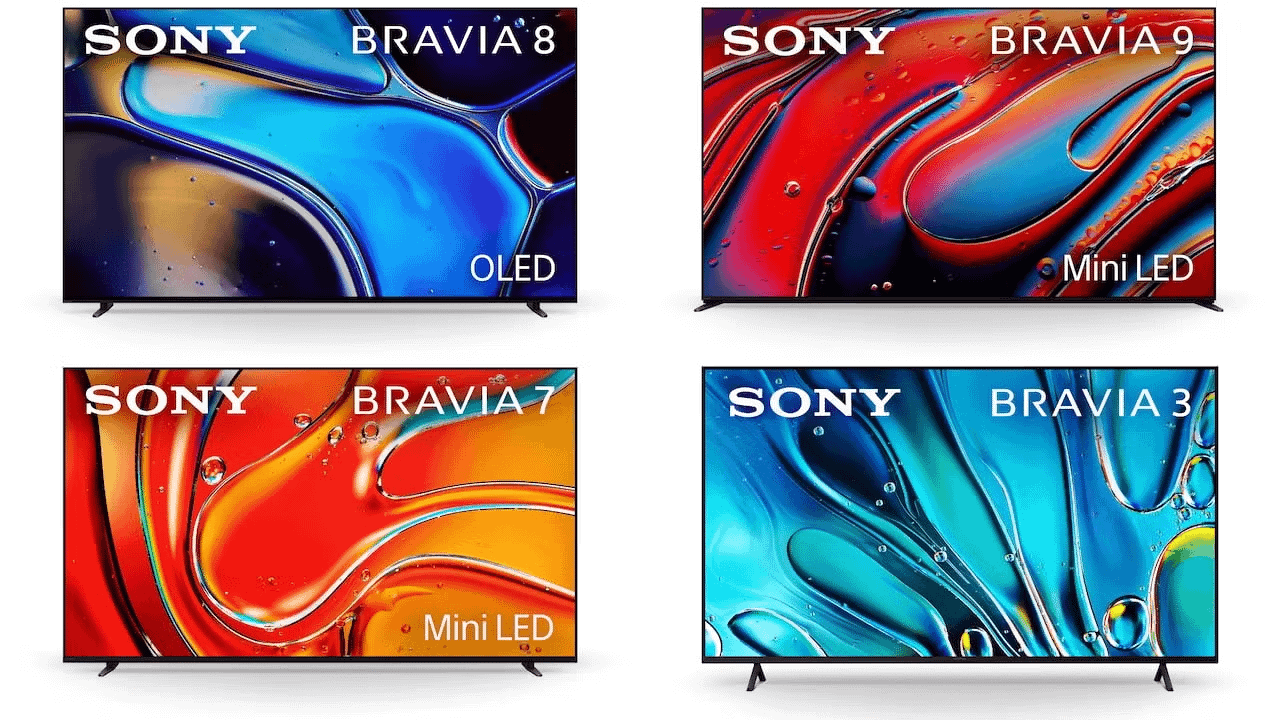
Why is this such a big deal? Sony isn’t just another TV brand. For a lot of home theater enthusiasts, BRAVIA stands for strong image processing, careful tuning, and a particular approach to picture quality that has helped Sony stay relevant even when its TVs were often more expensive than the competition.
TCL, on the other hand, brings something very different to the table:
From a business angle, the logic is easy to understand. Sony gets access to TCL’s scale and hardware pipeline. TCL gets partial control over one of the most recognizable premium TV brands in the world.
That sounds efficient on paper. The harder question is what happens to the identity of Sony’s TVs once that efficiency starts shaping product decisions.
The biggest question: what about OLED? This is where things get uncomfortable.
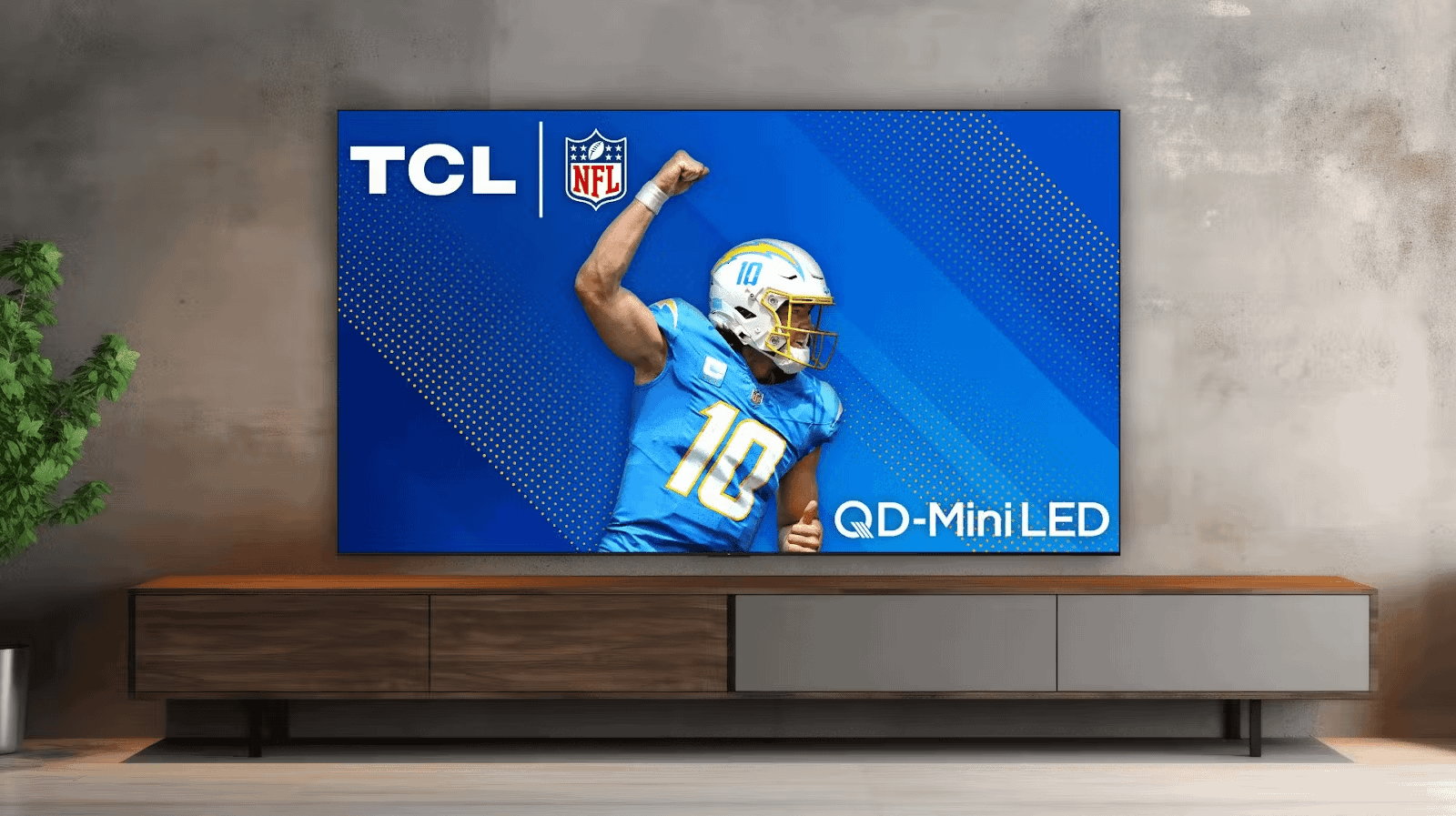
TCL has made it pretty clear through its own product strategy that it sees its future in Mini-LED and related backlight tech, not OLED. Sony, meanwhile, has built some of its strongest recent TV credibility on OLED sets that are popular with enthusiasts who care about film-focused picture quality and processing.
That creates a real tension inside Bravia, Inc.
Could Sony continue to make OLED TVs under this new structure? Sure. Nothing announced so far says OLED is dead. But nothing here makes OLED feel especially secure either. TCL’s strength is in advanced LED display technology, manufacturing scale, and panel economics. OLED does not naturally fit that story, especially if it means relying on outside suppliers for expensive panels.
That leaves a few obvious questions hanging in the air:
Those are not small questions. They go right to the heart of why many people buy Sony TVs in the first place.
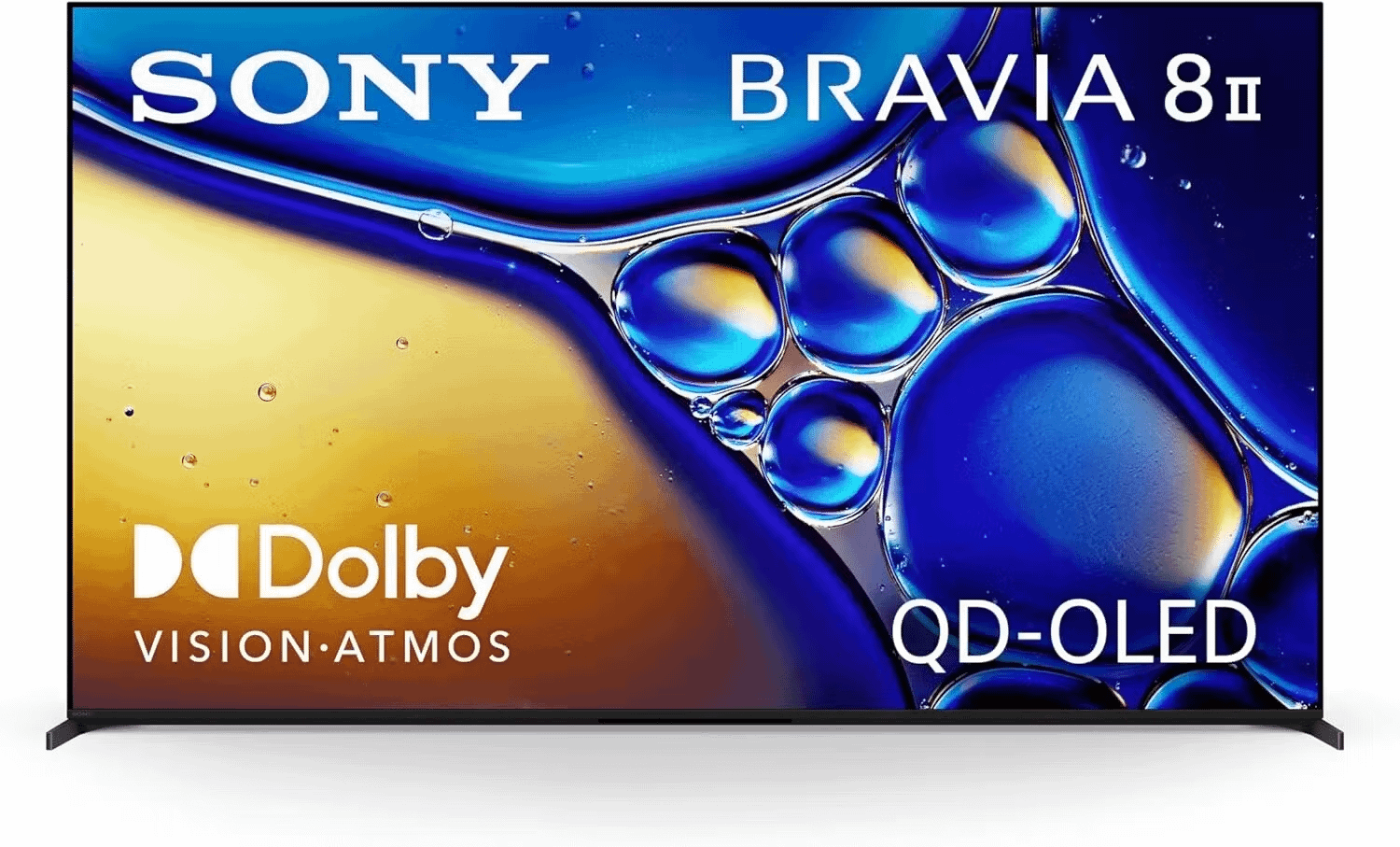
Sony fans will probably find some comfort in the structure of the new company. Bravia, Inc. is expected to be headquartered at Sony’s Tokyo office, and its CEO will reportedly be Sony veteran Kazuo Kii. The board will have four members, split evenly between Sony and TCL.
That suggests Sony is not simply walking away and licensing out the brand. But it also does not erase the ownership split. TCL holds 51 percent. That matters.
For now, the most realistic expectation may be this: the biggest near-term changes could show up first in Sony’s more affordable TVs, where TCL’s cost structure and panel expertise could have the most immediate impact. The high end may take longer to change, or at least longer to reveal how much has really changed behind the scenes.
Either way, Sony’s TV business is entering a very different era. The branding may stay familiar. The structure behind it won’t. And for anyone who cares about what BRAVIA has represented up to this point, that’s where the real story begins.
Related Reading:





Privacy Policy
Terms and Conditions - Affiliate Policy
Home Security
© Copyright 2008-2026.
11816 Inwood Rd #1211, Dallas, TX 75244