

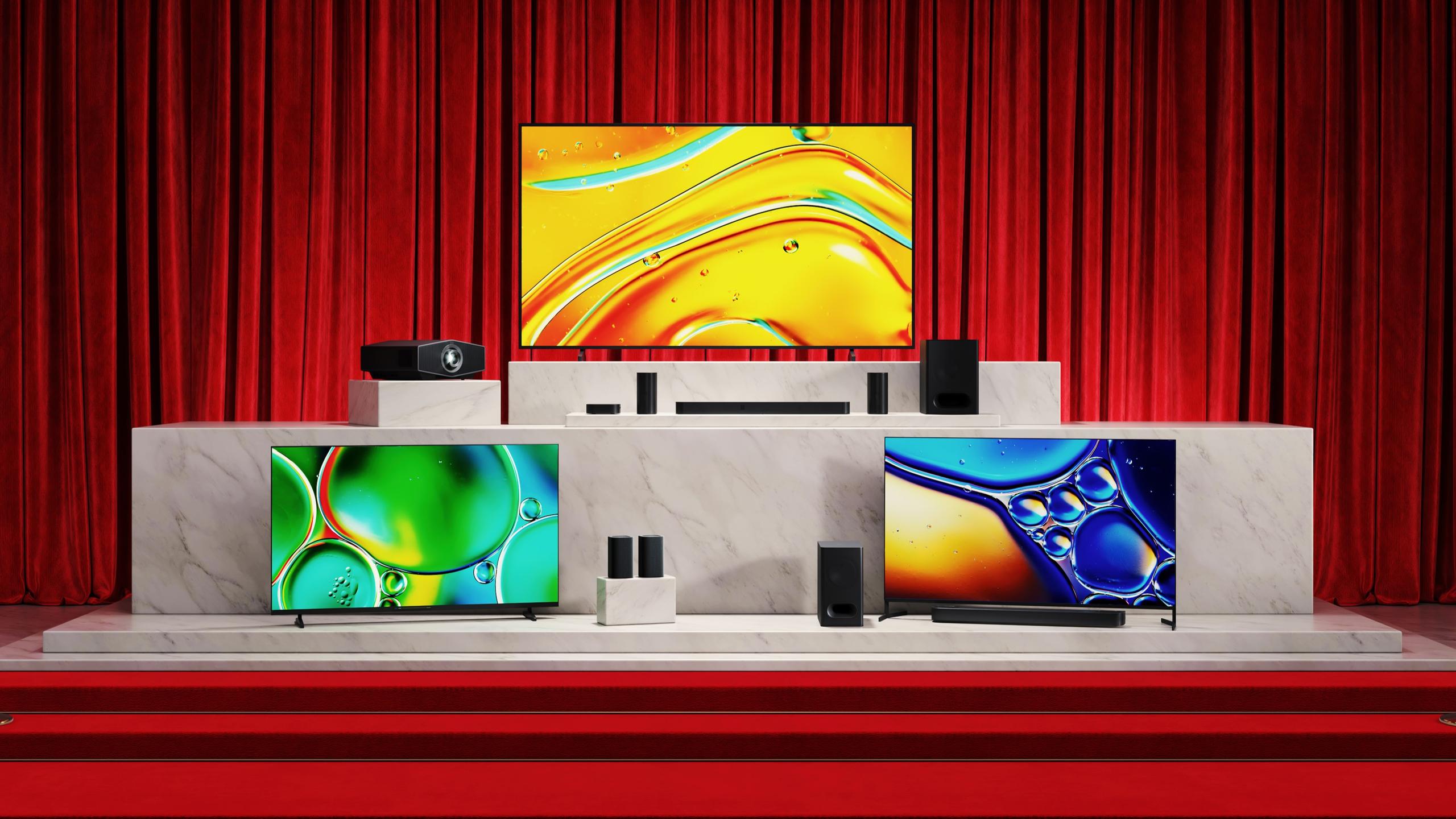
When I read today that Sony is spinning off its TV and home audio hardware business into a new joint venture where TCL will hold the controlling stake (51%) and Sony will keep 49%, my gut reaction was… wait, what? Not because Sony and TCL have never crossed paths (they absolutely have), but because Sony TVs have always felt like the “grown-up” choice, the brand you bought when you cared about the last 10% of picture realism.
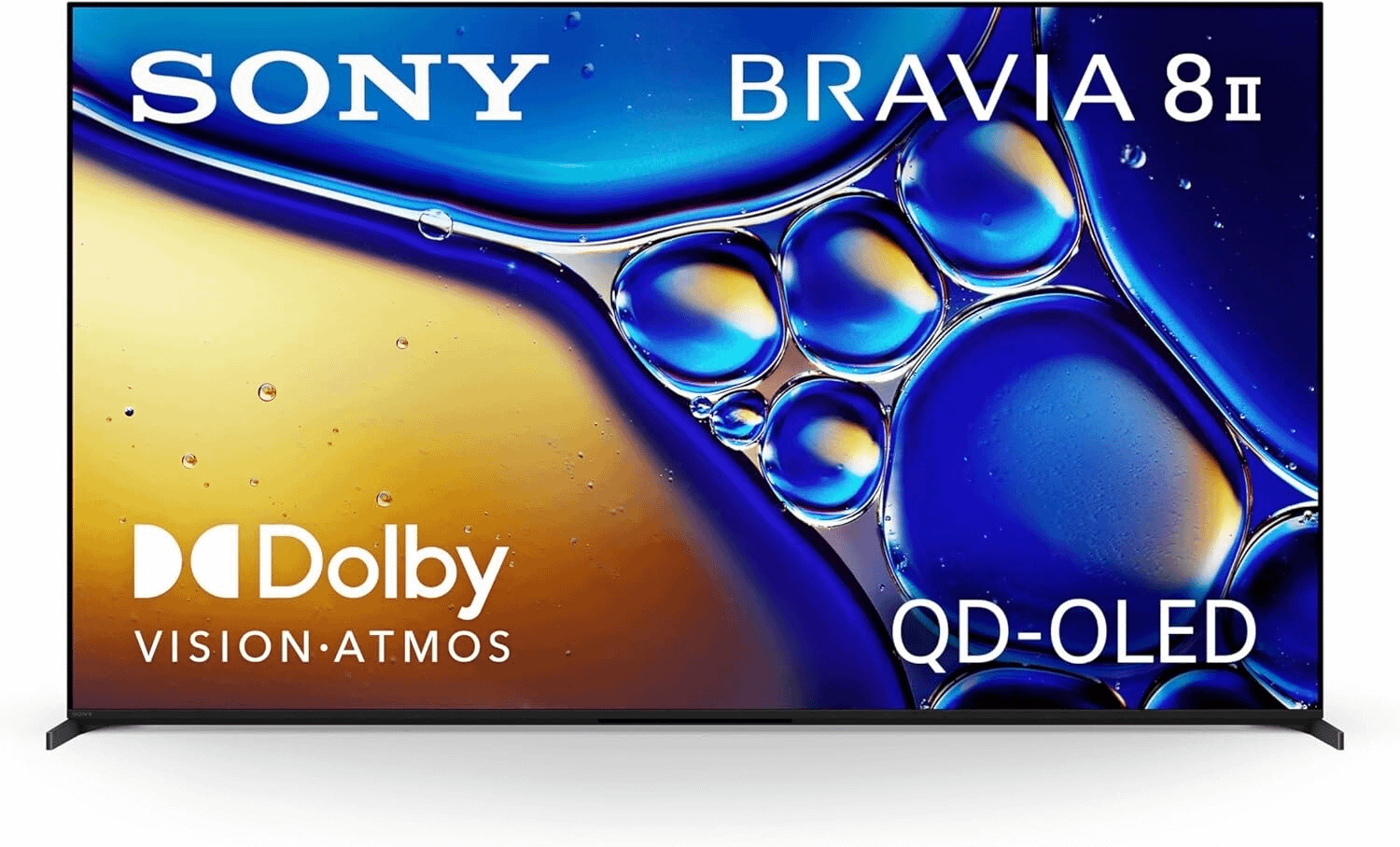
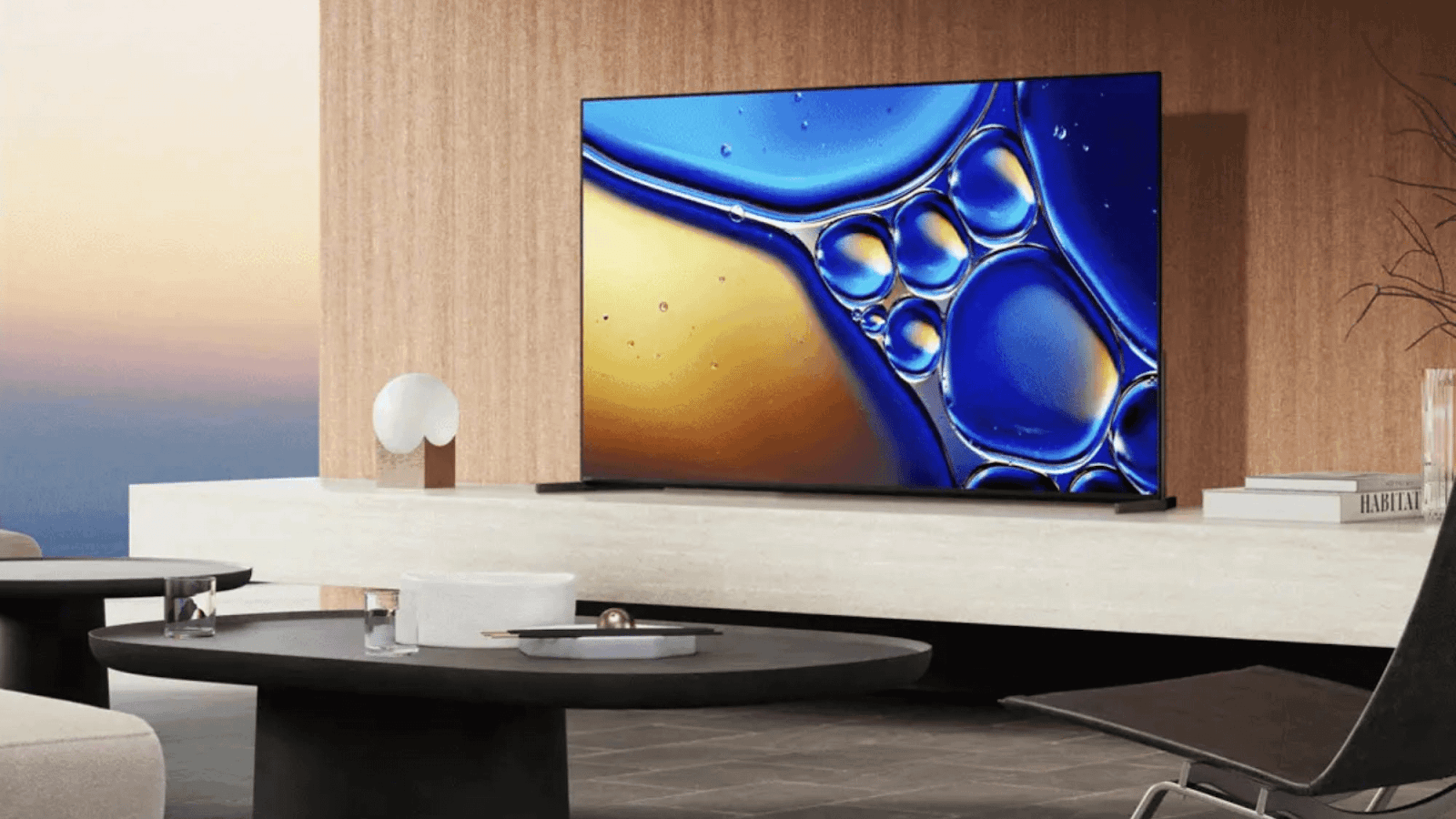
And yeah, I’ll say it: for years I’ve thought of Sony as the pinnacle of mainstream TVs. In 2025, the Sony Bravia 8 II QD-OLED ($2,398 at Amazon) was one of those sets that made you stop doomscrolling and just watch the screen. It didn’t just look good in a demo loop; it made real streaming content look cleaner, more natural, and more “filmic.” It also didn’t hurt that it racked up serious bragging rights, including being crowned “King of TV” at Value Electronics’ 2025 TV Shootout.
The Bravia 8 II also swept our own awards last year, taking home both Product of the Year and Editor’s Choice honors. You can read the full review here:
So the obvious question is: if TCL is now “in charge,” are we about to get cheaper Bravia TVs… or a slow-motion identity crisis?
This isn’t TCL buying “Sony” or replacing Sony overnight. Sony and TCL have signed a memorandum of understanding to form a joint venture that would assume Sony’s television and home audio equipment business and that new company would handle the whole pipeline: product development, design, manufacturing, sales, logistics, and customer service.
Two timeline details matter a lot for buyers:
So if you’re shopping for a Sony TV right now, this news shouldn’t suddenly make your 2026 purchase turn into a pumpkin. The “TCL era of Bravia” is a 2027-and-beyond storyline.
Sony’s official framing is pretty clear: keep the Sony/Bravia brand, keep Sony’s picture-and-audio know-how, and use TCL’s scale and end-to-end cost efficiencies to reach more people.
Translated into normal-person language: cheaper Bravias are absolutely on the table.
Sony has often been “expensive for a reason,” but also… expensive, period. TCL’s whole modern playbook is being vertically integrated and ruthless about value, especially in big-screen Mini LED. If TCL can push panel cost, manufacturing cost, and supply chain cost down, Sony-branded sets could become more competitive in the price tiers where Samsung, LG, and Hisense do a lot of damage.
The most realistic “best case” scenario looks like this:
And if that happens? Buyers win.
Sony’s TV reputation isn’t built on panels alone. It’s built on the whole experience: processing, motion handling, near-black control, calibration-friendly modes, and the general sense that someone inside Sony still cares how movies look.
The worry with any controlling-stake partnership is that the priorities shift:
That doesn’t automatically happen, but it’s the risk. If Sony’s role becomes “brand + processing IP,” while TCL drives the operational machine, the quality bar will depend on how hard Sony fights to keep the Bravia identity intact.
This is the spiciest part of the whole thing.
Sony has been a major OLED prestige brand in the home. The Bravia 8 II itself is a QD-OLED set and part of that lineage. Meanwhile, TCL has repeatedly positioned Mini LED as superior to OLED, and some outlets are already flagging TCL’s relative lack of consumer OLED focus as a potential conflict with what Sony has been doing at the high end.
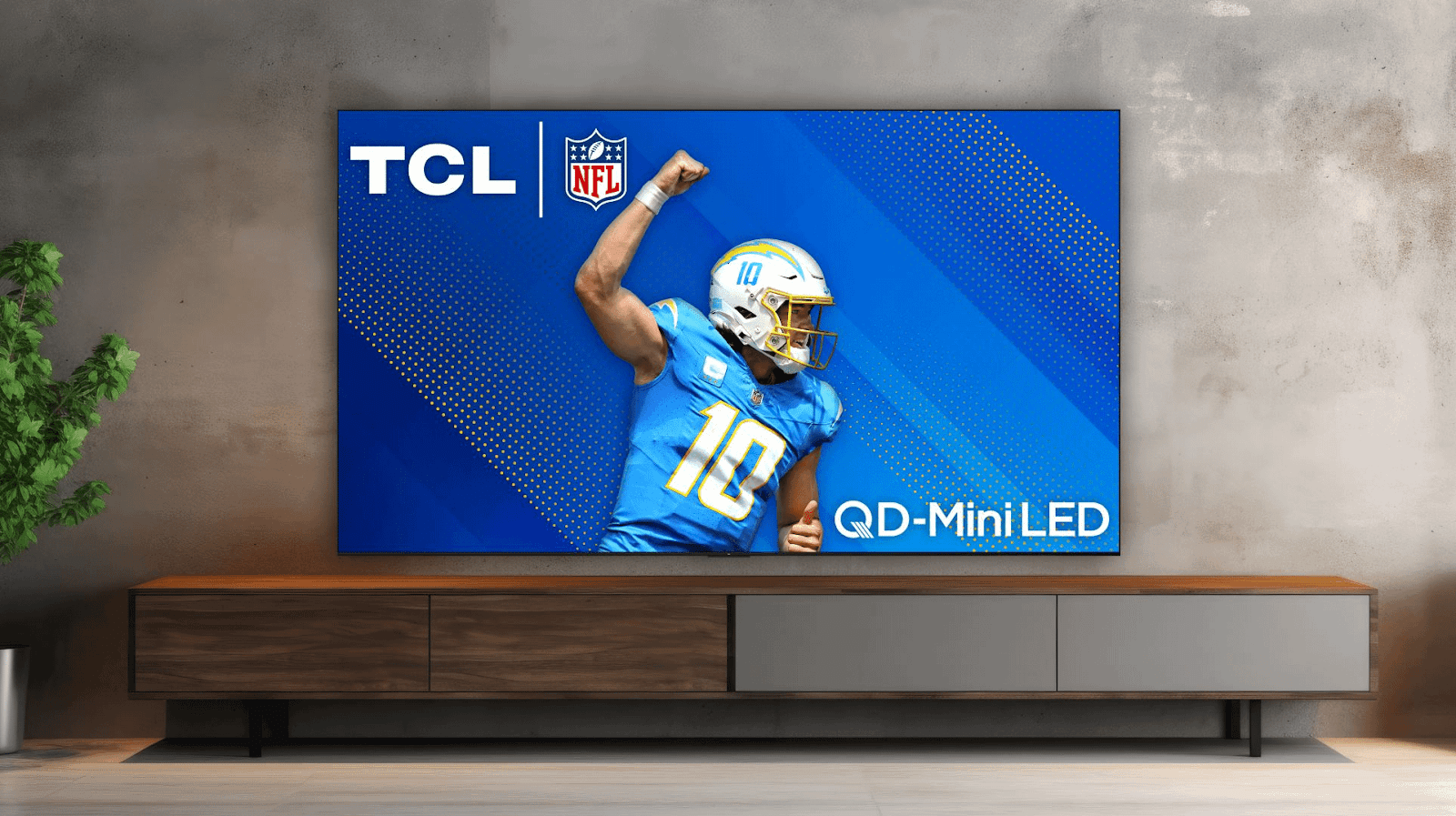
If I’m Sony, I don’t want Bravia to become “just another Mini LED brand.” Because Sony’s premium identity has been tied to doing OLED the Sony way—natural color, great gradation, excellent processing, and that calm, confident image that doesn’t look like it’s trying to impress you with a flashlight.
But here’s the nuance: TCL’s display arm (CSOT) is not anti-OLED in R&D. CSOT has been investing in inkjet-printed OLED approaches aimed at lowering OLED production cost.
So the real question isn’t “Does TCL hate OLED?” It’s more like:
Will TCL choose OLED for Sony-branded flagships when Mini LED is the technology TCL pushes hardest in its own lineup?
If the answer is “yes,” Bravia can stay Bravia.
If the answer is “no,” then Sony’s premium TV identity changes, period.
One reason this joint venture makes strategic sense is that TCL isn’t just a TV brand, it’s also a display manufacturing giant through TCL CSOT. CSOT already supplies LCD panels to other companies, and reporting says CSOT has supplied panels for Sony sets, including models like the Bravia 9.
That matters because Sony historically hasn’t owned the whole “panel-to-TV” chain the way some rivals do. A closer pipeline can mean better availability, tighter cost control, and faster iteration. It can also mean Sony becomes more dependent on TCL’s panel roadmap.
Sony’s announcement is broad: it explicitly includes “home audio equipment” alongside televisions, and coverage points to products like soundbars as part of that scope.
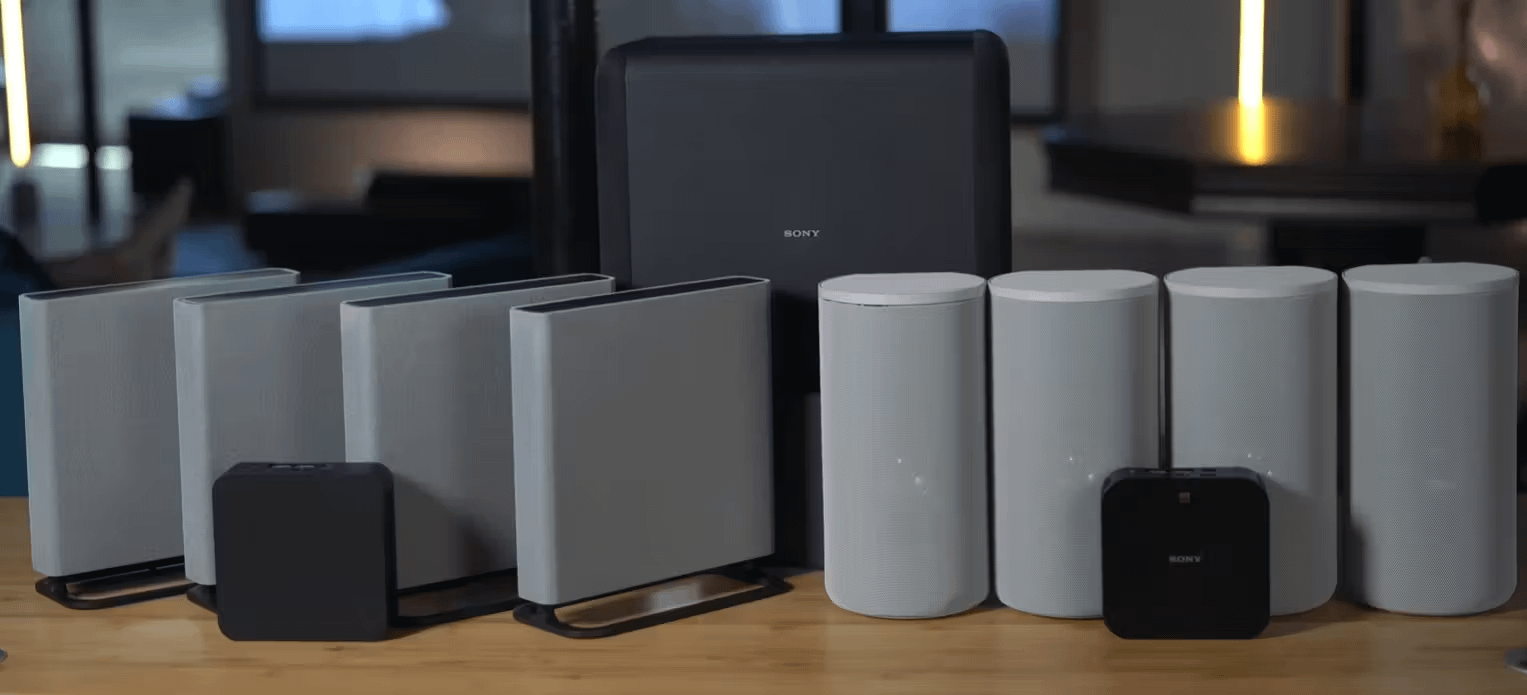
Sony hasn’t published a clean list of exactly which SKUs move under the joint venture umbrella, so I wouldn’t jump to “everything with speakers.” But in practical terms, this likely covers the stuff most people pair with a Bravia:
What I wouldn’t assume is included (unless Sony clarifies) is Sony’s broader audio universe, headphones, Walkman-style gear, pro audio, etc. The language is “home entertainment business” focused on TVs and home audio equipment, not all audio.
Not “panic,” but… they should pay attention.
A TCL-led operation with Sony’s brand value and picture processing could land like a hammer in the exact space where buyers are most confused and price-sensitive: the $1,000–$3,000 tier where people want premium performance but don’t want to pay flagship money.
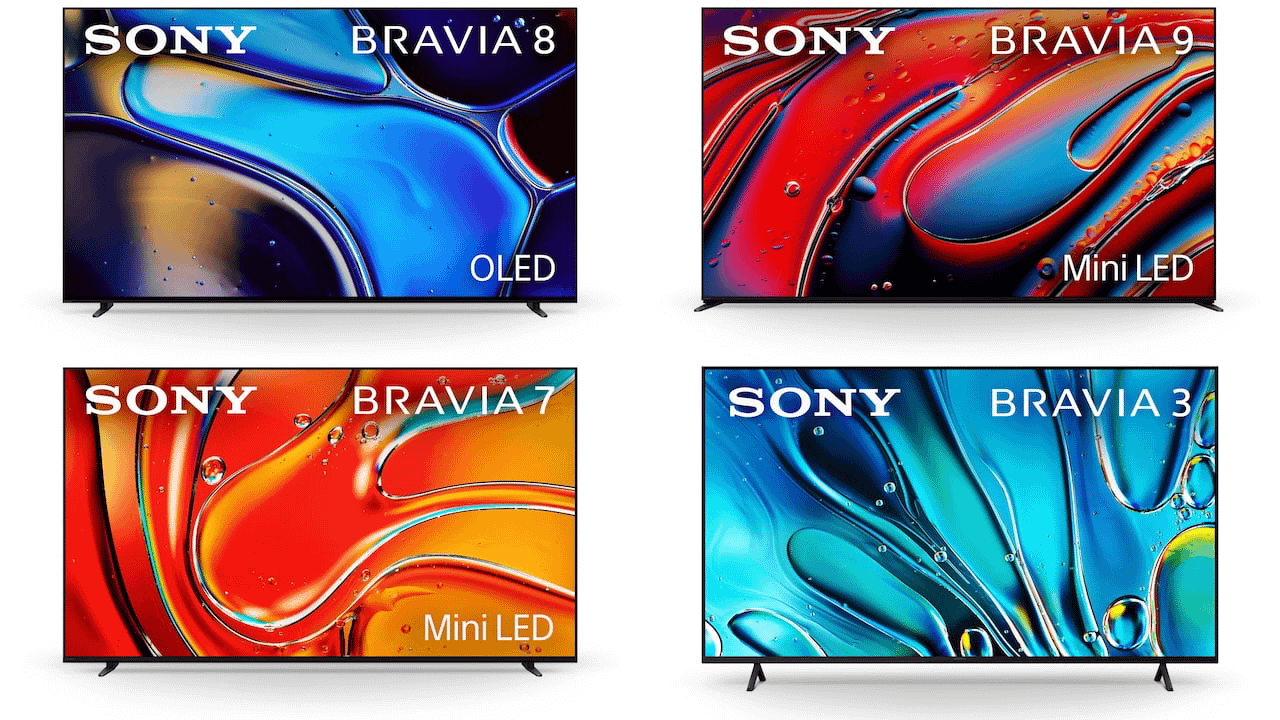
Here’s how the competitive pressure could show up:
The catch is timing: this is mainly a 2027 story, not a “next month” story.
It could, if Sony lets it.
Sony’s TV reputation has always been a kind of trust contract: “We’ll charge more, but you’re buying taste, tuning, and real-world performance.” If the joint venture produces Bravia TVs that feel more like rebadged value sets with a fancy logo, people will notice, and Sony’s brand takes the hit, not TCL’s.
But if Sony uses this to do something I’ve wanted for a long time, make Bravia more attainable without losing the ‘Sony look’, then this could be a rare corporate shake-up that actually helps buyers.
My personal hope?
Keep OLED alive at the top. Use TCL’s scale to make the midrange Bravia lineup scary competitive. And don’t mess with the thing that made Sony feel like the pinnacle in the first place: the picture.
Related Reading:


Privacy Policy
Terms and Conditions - Affiliate Policy
Home Security
© Copyright 2008-2026.
11816 Inwood Rd #1211, Dallas, TX 75244