$2,499.99
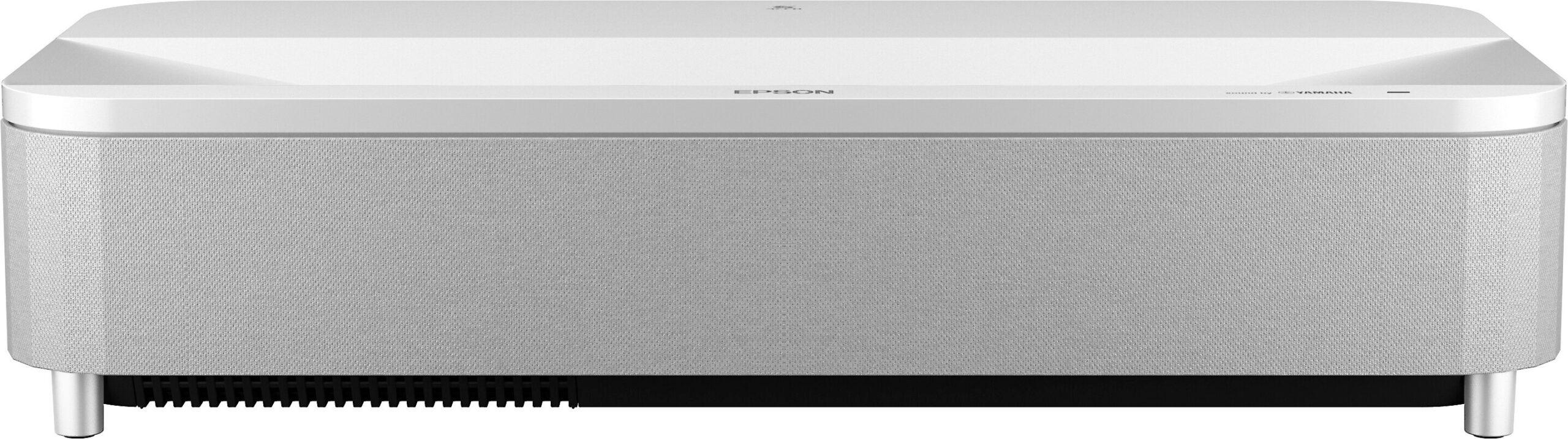
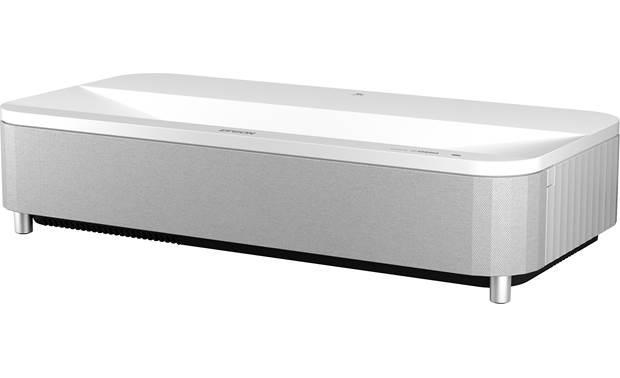
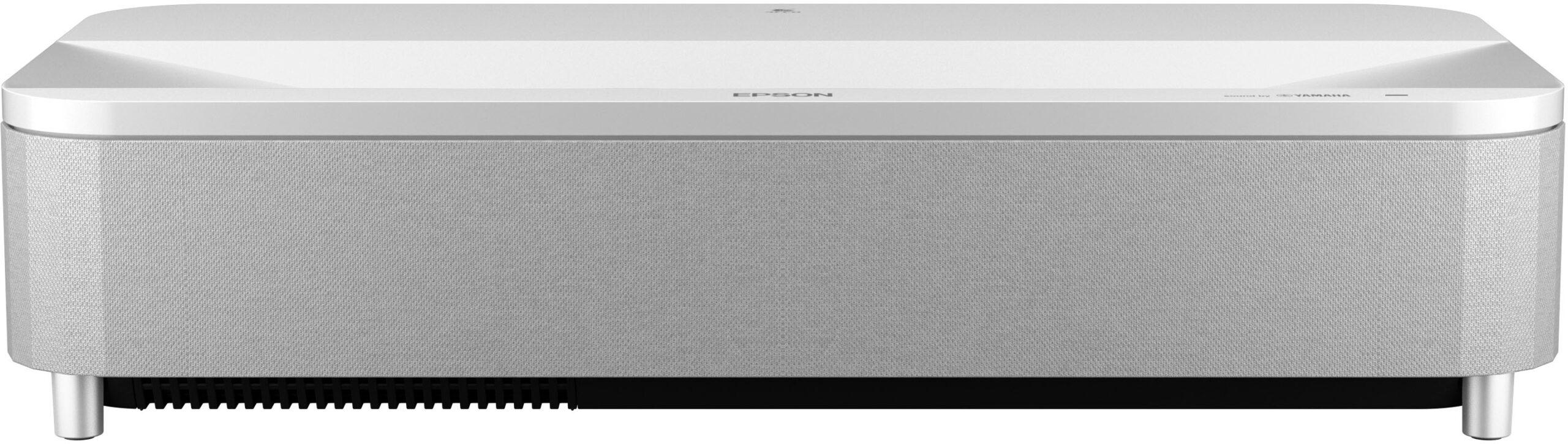
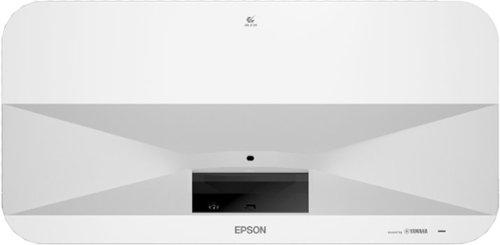
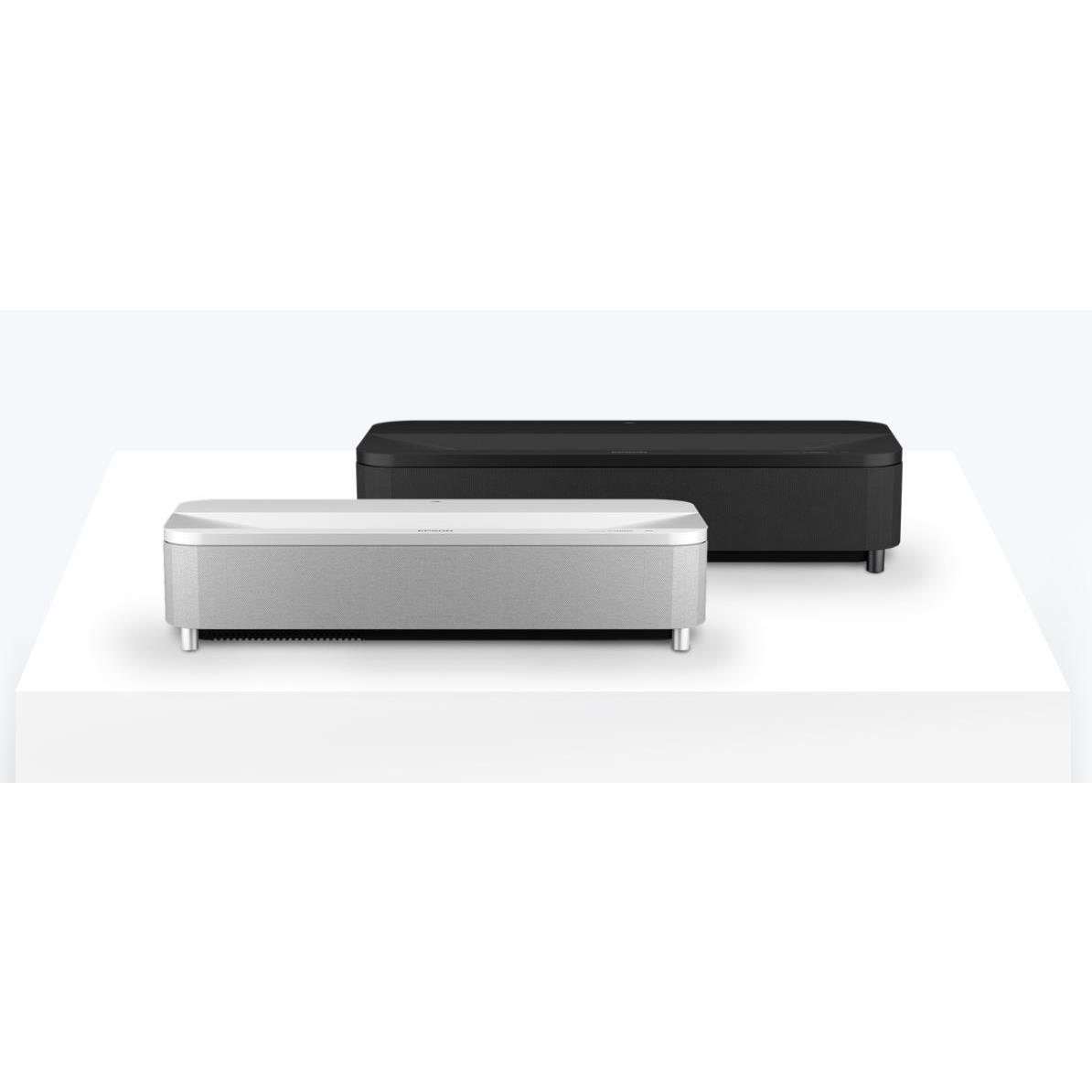
Since its release in late 2022, the LS800 has established itself as a standout performer in the rapidly evolving ultra-short throw (UST) projector market. Let's explore why this projector deserves serious consideration for your home entertainment setup.
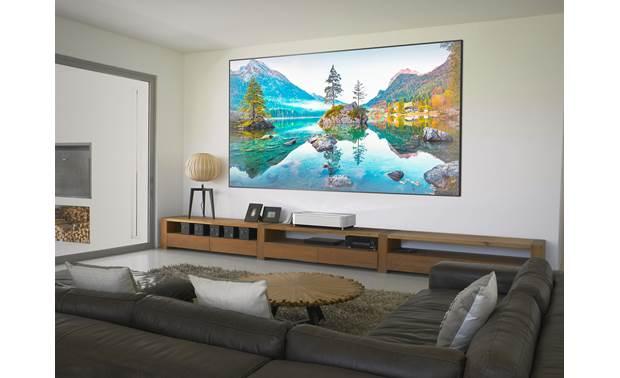
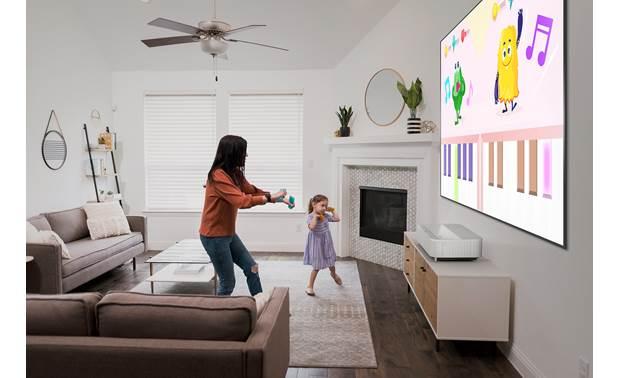
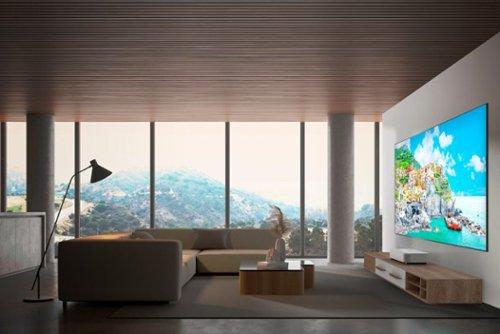
The home theater landscape has changed dramatically in recent years. While traditional long-throw projectors required dedicated dark rooms, modern UST projectors like the LS800 have revolutionized how we think about large-screen entertainment. These projectors sit just inches from your wall, creating massive images without the complexity of ceiling mounting or long cable runs.
One of the most impressive aspects of the LS800 is its incredible 4,000 lumens output. To put this in perspective, most home theater projectors operate in the 2,000-3,000 lumens range. This extra brightness isn't just about numbers - it fundamentally changes how you can use the projector.
During our testing, we found the LS800 performed admirably even in rooms with significant ambient light. This means you don't need to transform your living room into a cave to enjoy a fantastic picture. Whether you're watching sports on a Sunday afternoon or gaming during daylight hours, the image remains vibrant and engaging.
The LS800 uses Epson's 3LCD technology, which differs significantly from the single-chip DLP designs found in many competitors. Instead of using a color wheel that can create rainbow artifacts (those occasional color flashes some viewers notice), 3LCD technology processes all colors simultaneously. The result? Consistently natural colors and smoother motion.
The 4K PRO-UHD resolution (achieved through pixel-shifting technology) provides exceptional detail. While not native 4K, in our side-by-side comparisons, the difference was negligible in real-world viewing. The 2,500,000:1 contrast ratio might sound like marketing speak, but it translates to impressive black levels and shadow detail, especially for a laser projector in this price range.
The LS800 wasn't just designed for movies. With a 16.7ms input lag, it's surprisingly capable for gaming. While not as quick as dedicated gaming monitors, it's more than responsive enough for most gamers. The dedicated gaming HDMI port and 120Hz support at 1080p make this a viable option for console gaming on a massive scale.
During our gaming sessions, the combination of low input lag and high brightness created an immersive experience that traditional TVs struggle to match. Playing games like Horizon Forbidden West on a 120-inch screen while maintaining responsive controls is genuinely impressive.
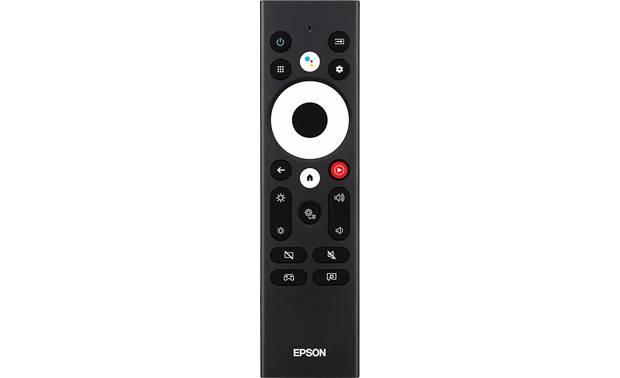
The built-in Android TV system is more than just a checkbox feature. It provides a familiar, responsive interface with access to most major streaming services. The voice control via Google Assistant works well for basic navigation and content searches. While some competing UST projectors offer proprietary smart systems, having Android TV means better app support and more frequent updates.
Setting up the LS800 is surprisingly straightforward. The ultra-short throw design means you can place it just inches from your wall or screen. During our installation tests, we found the powered focus and geometric correction tools particularly helpful in achieving perfect alignment.
The built-in Yamaha 2.1 sound system deserves special mention. While dedicated audio systems will always provide better sound, the integrated speakers are remarkably capable. They provide clear dialogue and reasonable bass response - perfect for casual viewing or temporary setups.
This is where the LS800 really shines. Unlike traditional projectors that work best in dedicated theater rooms, the LS800's brightness and UST design make it a legitimate TV replacement. During our long-term testing, we found ourselves using it more like a traditional TV - leaving it on for background viewing, news, and casual entertainment.
At around $3,500, the LS800 represents significant value when compared to premium TVs of similar size. Consider that a 85-inch OLED TV typically costs more than twice as much, while providing a smaller image. The 20,000-hour laser light source eliminates the need for lamp replacements, further enhancing the value proposition.
Since its release, Epson has provided several firmware updates improving HDR handling and smart feature functionality. The gaming performance, in particular, has seen improvements in response time and color accuracy during HDR gaming.
For optimal performance, we recommend:
The LS800 is ideal for:
Consider alternatives if you:
The Epson EpiqVision Ultra LS800 represents a significant step forward in UST projector technology. Its combination of exceptional brightness, good picture quality, and practical features makes it a compelling choice for most users. While not perfect - no product is - it successfully bridges the gap between traditional home theater projectors and everyday TV use.
The high brightness output, in particular, sets it apart from competitors, making it one of the few projectors that can truly serve as a primary display in a living room environment. When you consider the total package - image quality, features, and practical usability - the value proposition becomes clear.
For those looking to create an impressive home theater experience without dedicating an entire room to it, the LS800 offers an excellent balance of performance, practicality, and value. It's a product that not only meets current needs but is well-positioned to serve as a central entertainment hub for years to come.
Yes, the LS800 offers excellent value for its price point. With 4,000 lumens brightness, superior image quality, and ultra-short throw capabilities, it's particularly worth it for those wanting a TV alternative in bright rooms or seeking a clean home theater setup without ceiling mounting.
The projector outputs 4,000 ANSI lumens, making it one of the brightest ultra-short throw projectors available. This brightness level works well in living rooms with ambient light and doesn't require a completely dark room for optimal viewing.
The LS800 can project images from 80 to 150 inches diagonal, making it perfect for home theater applications. For most living rooms, a 100-120 inch screen size provides an optimal viewing experience.
While the projector will work on a white wall, we strongly recommend an ALR (Ambient Light Rejecting) screen for best performance. These screens significantly improve contrast and black levels, especially in rooms with ambient light.
For a 100-inch image, the projector needs to be placed approximately 12 inches from the wall. This ultra-short throw ratio makes it perfect for furniture placement and clean home theater setups.
Yes, with a 16.7ms input lag and support for 1080p/120Hz, it's excellent for gaming. While not as fast as gaming monitors, it's responsive enough for most gamers and provides an immersive large-screen experience.
The laser light source is rated for 20,000 hours of use. At 5 hours of daily use, this translates to over 10 years of operation before any significant brightness degradation.
Yes, the LS800 comes with Android TV 11 built-in, offering access to most major streaming services and Google Assistant voice control.
The Yamaha 2.1 sound system (two 5W speakers plus 10W subwoofer) is surprisingly capable for built-in audio. While it won't replace a dedicated home theater sound system, it's more than adequate for casual viewing.
Yes, the LS800 can effectively replace a traditional TV in most situations. Its high brightness, smart features, and excellent picture quality make it suitable for both everyday TV viewing and home theater use. The ultra-short throw design means it won't take up much more space than a traditional TV setup.
We've done our best to create useful and informative comparisons to help you decide what product to buy. Our research has used advanced automated methods to create this comparison and perfection is not possible - please contact us for corrections or questions. These are the sites we've researched in the creation of this article: techradar.com - danamic.org - projectorscreen.com - projectorcentral.com - epson.com - dreamediaav.com - dell.com - rtings.com - avsforum.com - audiogeneral.com - news.epson.com - projectorcentral.com
| Epson EpiqVision Ultra LS800 |
|---|
| Brightness - Critical for daytime viewing and ambient light performance: 4,000 ANSI lumens |
| Contrast Ratio - Determines black level depth and image pop: 2,500,000:1 dynamic |
| Projection Technology - Impacts color accuracy and rainbow effects: 3LCD with laser light source |
| Input Lag - Critical for gaming responsiveness: 16.7ms |
| Resolution - Determines image sharpness: 4K PRO-UHD (3840 x 2160 via pixel shifting) |
| HDR Support - Affects dynamic range and color depth: HDR10 with 10-bit color processing |
| Light Source Life - Impacts long-term ownership costs: 20,000 hours |
| Throw Ratio - Determines how close to wall the projector needs to be: 0.16:1 |
| Maximum Screen Size - Affects viewing flexibility: 150 inches diagonal |
| Audio System - Important if not using external speakers: 2.1 Yamaha speakers (2x 5W + 10W subwoofer) |
| Smart Features: Android TV 11 with Google Assistant |
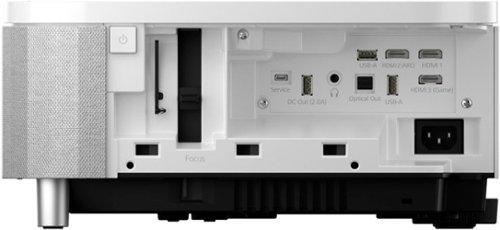
| HDMI Ports: 3x HDMI 2.0 (1 with ARC, 1 optimized for gaming) |
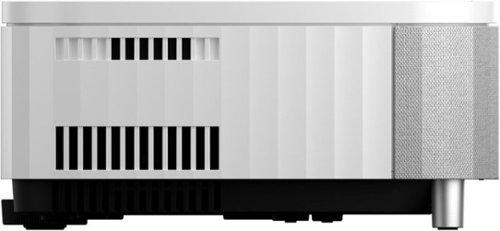
| Dimensions: 27.4" x 6.2" x 13.4" (W x H x D) |
| Weight: 27.6 lbs |
The BenQ V5000i ($3,499) differentiates itself with its RGB triple laser technology, delivering superior color accuracy with 98% DCI-P3 coverage and better HDR handling through HDR10+ support. While it offers lower brightness at 2,500 lumens, it compensates with better contrast and more precise color reproduction, making it particularly appealing for dedicated home theater environments. For gaming enthusiasts, the BenQ provides more future-proof features, including HDMI 2.1 support, 4K/120Hz capability, and Auto Low Latency Mode (ALLM), which the Epson lacks.
However, these premium features come at a similar price point to the Epson, making the BenQ a more specialized choice that's best suited for enthusiasts who prioritize image quality and gaming performance over brightness. Its slightly longer throw ratio means it needs more space between the projector and screen, and its lower brightness makes it less versatile in bright rooms. Nevertheless, for movie buffs and gamers with controlled lighting conditions, the BenQ's superior color accuracy and advanced gaming features provide tangible benefits that justify its premium positioning.
🤖 Read Detailed Comparison
👌BenQ V5000i Ultra Short Throw 4K Laser Projector Details
💵 See BenQ V5000i Ultra Short Throw 4K Laser Projector Price
The Samsung Premiere 9 ($5,999) distinguishes itself with its advanced triple laser system, delivering superior color accuracy and an impressive 154% DCI-P3 color gamut coverage. Its sophisticated Quantum 4K processor and HDR10+ support provide noticeably better HDR handling, particularly visible in shadow detail and highlight preservation. The integrated 40W 2.2.2 channel Dolby Atmos audio system offers a significant upgrade over typical projector sound, potentially eliminating the need for an immediate sound system purchase. The shorter throw ratio of 0.19:1 allows for more flexible placement options, and the Tizen smart platform provides a more polished, TV-like experience with features like the Gaming Hub for cloud gaming.
While the Premiere 9's price premium is substantial, it delivers tangible benefits for dedicated home theater enthusiasts. The superior contrast and color accuracy are particularly noticeable in controlled lighting conditions, and the more sophisticated geometric correction and motorized focus make initial setup more precise. Though it offers slightly lower brightness than the LS800, its triple laser system uses available light more efficiently, resulting in images that appear equally bright in most viewing scenarios. For viewers who prioritize image quality and want a more premium experience, the Premiere 9's additional features and performance advantages can justify its higher price point, especially when compared to the cost of large premium TVs offering similar screen sizes.
🤖 Read Detailed Comparison
👌Samsung Premiere 9 4K Ultra Short Throw Laser Projector Details
💵 See Samsung Premiere 9 4K Ultra Short Throw Laser Projector Price
The Hisense PL2 ($2,198) positions itself as a compelling value alternative, offering impressive performance at a significantly lower price point. Its standout features include superior HDR handling with support for Dolby Vision, HDR10, and HLG formats, along with excellent black levels and contrast that particularly shine in controlled lighting environments. The PL2's implementation of Google TV provides a more refined smart platform experience compared to Android TV, with smoother navigation and a more current interface. While its 2,700 ANSI lumens brightness is lower than the LS800's, it's more than adequate for dedicated home theater spaces or rooms with good light control.
Where the PL2 really makes its case is in price-to-performance ratio, costing about $1,250 less than the LS800 while delivering comparable image quality in the right conditions. Its DLP technology offers slightly sharper images and better motion handling, though some viewers might notice occasional rainbow effects. For movie enthusiasts planning a dedicated viewing space, or those who primarily watch content in the evening, the PL2's combination of performance and value makes it an attractive alternative to the LS800, particularly if the extra brightness isn't a crucial factor for your setup.
🤖 Read Detailed Comparison
👌Hisense PL2 4K Ultra Short Throw Projector Details
💵 See Hisense PL2 4K Ultra Short Throw Projector Price
The BenQ V5010i ($4,000) distinguishes itself with superior color accuracy, covering an impressive 98% of the DCI-P3 color space compared to the Epson's more limited coverage. This triple laser system delivers more nuanced colors and better HDR handling, making it particularly appealing for movie enthusiasts who prioritize image quality in controlled lighting conditions. While its 2,500 ANSI lumens brightness falls short of the Epson's output, the BenQ compensates with more sophisticated picture adjustments and better HDR-PRO technology, resulting in more cinematic image quality when viewed in optimal conditions.
For the $500 premium over the Epson, the BenQ V5010i caters to a more specialized audience who can appreciate its enhanced color reproduction and superior dark-room performance. It matches the Epson's gaming capabilities with comparable input lag times and offers better 3D performance for those interested in that feature. However, its lower brightness and contrast ratio make it less versatile for bright room viewing, positioning it as a more focused home theater solution rather than an all-purpose TV replacement. The decision between the two largely depends on whether the superior color accuracy and HDR handling justify the higher price point for your specific viewing environment.
🤖 Read Detailed Comparison
👌BenQ V5010i 4K Ultra Short Throw Projector Details
💵 See BenQ V5010i 4K Ultra Short Throw Projector Price
The Formovie C3 offers remarkable value at $1,899, positioning itself as a strong alternative for budget-conscious buyers seeking high-end projection features. While its 2,200 lumens brightness is lower than the LS800's, it's still perfectly capable in controlled lighting environments, delivering crisp 4K resolution and impressive image quality through its DLP technology. The C3's 25,000-hour laser life slightly exceeds the LS800's rating, and its contrast ratio of 3,000:1, while modest on paper, produces satisfying black levels in actual viewing conditions. The unit's compact design and 0.23:1 throw ratio allow for flexible placement options, though it needs slightly more distance from the wall than the LS800.
Where the C3 primarily differs is in its intended use case and feature set. Its lower brightness makes it more suitable for dedicated home theater spaces or rooms where ambient light can be controlled, rather than bright living rooms. While its FengOS smart platform has limitations for US users, this is easily addressed with an external streaming device, and the savings compared to the LS800 could cover both a high-end streamer and a quality screen. For viewers primarily watching movies in darker environments, the C3 delivers about 80% of the LS800's performance at roughly half the price, making it an excellent value proposition for home theater enthusiasts who can control their viewing environment.
🤖 Read Detailed Comparison
👌Formovie C3 Ultra Short Throw Laser Projector Details
💵 See Formovie C3 Ultra Short Throw Laser Projector Price
The Ultimea Thor T60 distinguishes itself through superior color performance with its Tri-Color Laser Engine, achieving an impressive 120% of the BT.2020 color gamut - significantly wider than the LS800's coverage. Its native 4K resolution delivers exceptionally sharp detail without pixel-shifting, and the inclusion of Dolby Vision support provides enhanced HDR performance that serious movie enthusiasts will appreciate. The advanced MEMC technology for motion handling and AI-enhanced image processing also contribute to a more premium viewing experience, particularly noticeable when watching high-quality 4K HDR content.
At $4,999, the Thor T60 commands a $1,500 premium over the LS800, positioning itself as a more enthusiast-focused option. While both projectors offer the same 4,000 lumens of brightness, the Thor T60 provides better color accuracy and shadow detail, especially beneficial in a dedicated home theater environment. However, its slightly higher input lag of 25ms makes it less ideal for competitive gaming compared to the LS800. For viewers who prioritize ultimate image quality over gaming performance and aren't sensitive to DLP rainbow effects, the Thor T60's premium features may justify its higher price point.
🤖 Read Detailed Comparison
👌Ultimea Thor T60 4K Ultra Short Throw Laser Projector Details
💵 See Ultimea Thor T60 4K Ultra Short Throw Laser Projector Price
The Formovie Theater Premium ($2,799) distinguishes itself with superior picture quality features, most notably its ALPD 4.0 RGB+ triple laser technology and comprehensive HDR support including Dolby Vision and HDR10+. While its 2,200 ISO lumens brightness is lower than the Epson's, it delivers exceptional color accuracy with 107% BT.2020 color gamut coverage, making it particularly impressive for movie watching in controlled lighting conditions. The integration of Google TV also provides a more refined and user-friendly streaming experience compared to the Epson's basic Android TV interface.
At $649 less than the Epson, the Formovie Theater Premium represents stronger value for dedicated home theater enthusiasts who prioritize picture quality over raw brightness. Its superior HDR capabilities and color accuracy make movies and high-end streaming content look noticeably better, especially in dark room conditions. While it may not match the Epson's versatility in bright rooms or its built-in audio quality, the Formovie excels in what matters most for serious movie watching: picture quality, color accuracy, and HDR performance. For viewers who can control their room lighting and are primarily focused on movie and TV content, the Formovie Theater Premium offers a more cinematically focused experience at a more attractive price point.
🤖 Read Detailed Comparison
👌Formovie Theater Premium 4K Ultra Short Throw Projector Triple Laser UST with Dolby Vision 2200 ISO Lumen Laser TV Details
💵 See Formovie Theater Premium 4K Ultra Short Throw Projector Triple Laser UST with Dolby Vision 2200 ISO Lumen Laser TV Price
The Epson EpiqVision Ultra LS650 offers compelling value at $2,799, representing a $649 savings compared to the LS800 while maintaining impressive core performance. With 3,600 lumens of brightness, it still handles ambient light well, and its 120-inch maximum screen size is plenty for most home theater setups. Released in November 2023, it features the same advanced 3LCD technology and 4K PRO-UHD resolution as its pricier sibling, delivering sharp, colorful images that satisfy most viewers' needs. The more compact design might actually be preferable for those with space constraints.
While the LS650's contrast ratio (1,462:1) and color gamut coverage (72% DCI-P3) don't quite match the LS800's capabilities, the real-world difference is most noticeable only in challenging scenes or with HDR content in dark room conditions. For typical living room viewing of streaming content, sports, and casual gaming, the LS650 performs admirably. The slightly longer throw ratio means it needs to sit a bit farther from the wall, but this rarely poses an issue in actual installations. For viewers who don't need the LS800's gaming-specific features or maximum brightness, the LS650 represents an excellent balance of performance and value.
🤖 Read Detailed Comparison
👌Epson EpiqVision Ultra LS650 4K Ultra Short Throw Laser Projector Details
💵 See Epson EpiqVision Ultra LS650 4K Ultra Short Throw Laser Projector Price
The NexiGo Aurora Pro ($2,699) differentiates itself with superior color performance and advanced gaming capabilities at a lower price point. Its triple laser system achieves an impressive 113% of the DCI-P3 color space, offering more vibrant and accurate colors than the Epson, particularly noticeable in HDR content. Gaming performance is notably superior, with a remarkably low 9ms input lag at 1080p/240Hz and HDMI 2.1 support, making it an excellent choice for gamers who demand responsive gameplay. The projector also supports a full suite of HDR formats, including Dolby Vision and HDR10+, providing better dynamic range and color accuracy in supported content.
However, the NexiGo's lower 2,400 lumens brightness (compared to Epson's 4,000) means it performs best in controlled lighting conditions. While it offers excellent value with its advanced features and lower price point, it comes from a less established brand with a shorter track record in the projector market. The Android TV implementation is also less refined, requiring some manual setup and app sideloading for optimal use. For those prioritizing image quality and gaming performance in a dedicated home theater space, and who don't mind a bit more setup effort, the NexiGo represents an excellent value proposition, offering several premium features at a more competitive price point.
🤖 Read Detailed Comparison
👌NexiGo Aurora Pro 4K Ultra Short Throw Projector Details
💵 See NexiGo Aurora Pro 4K Ultra Short Throw Projector Price
The AWOL Vision LTV-2500 ($2,999) distinguishes itself with its RGB triple laser system, delivering exceptional color accuracy and covering an impressive 107% of the BT.2020 color space - notably superior to the LS800's color performance. Despite having lower brightness at 2,000 ANSI lumens, the LTV-2500 offers more sophisticated HDR handling with HDR10+ support and dynamic tone mapping, resulting in more nuanced and cinema-quality images in controlled lighting conditions. It also includes 3D capability, which the LS800 lacks entirely, making it a more versatile choice for enthusiasts who maintain a 3D movie collection.
While the LTV-2500 requires more careful consideration of room conditions due to its lower brightness, it offers compelling value at $449 less than the LS800. Its 25,000-hour laser life slightly edges out the LS800's rating, and its focus on pure picture quality makes it particularly appealing for dedicated home theater environments. The slightly longer throw ratio (0.25:1) means it needs more space between the unit and screen, but this typically isn't an issue in most home theater setups. For viewers prioritizing movie-watching experience over gaming or bright-room performance, the LTV-2500's superior color accuracy and HDR capabilities make it an attractive alternative to the LS800.
🤖 Read Detailed Comparison
👌AWOL Vision LTV-2500 Ultra Short Throw 4K Projector Details
💵 See AWOL Vision LTV-2500 Ultra Short Throw 4K Projector Price
The AWOL Vision LTV-3500 Pro ($5,999) distinguishes itself with superior HDR capabilities, including Dolby Vision support, and an impressive 107% coverage of the BT.2020 color space - features that help justify its premium price point. While it offers slightly lower brightness than the Epson at 3,500 ANSI lumens, it compensates with better gaming performance, achieving an impressive 8ms input lag at 1080p/120Hz and 15ms at 4K resolution. The triple laser system delivers exceptional color accuracy and deeper blacks, making it particularly appealing for dedicated home theater environments where ambient light can be controlled.
However, the AWOL Vision's higher price point requires careful consideration of whether its premium features align with your viewing priorities. Its advanced HDR processing and superior gaming capabilities make it the better choice for serious home theater enthusiasts and gamers, but the longer throw ratio means you'll need more space between the projector and screen compared to the Epson. The AWOL's smart features are more comprehensive, including Control4 integration and Android 9.0, though for many users, these additional capabilities may not justify the significant price difference over the Epson's more practical approach.
🤖 Read Detailed Comparison
👌AWOL Vision LTV-3500 Pro Ultra Short Throw Projector Details
💵 See AWOL Vision LTV-3500 Pro Ultra Short Throw Projector Price
The Leica Cine 1 ($9,495) distinguishes itself through superior optics with its premium Summicron lens system and triple RGB laser technology, delivering exceptional color accuracy and image uniformity that surpasses most consumer projectors. Its ability to reproduce more than 100% of the BT.2020 color space results in noticeably more precise and natural colors, particularly evident in a dedicated home theater environment. The 25,000-hour laser life and comprehensive HDR support, including both Dolby Vision and HDR10+, demonstrate Leica's commitment to premium performance. The built-in 2x25W Dolby Atmos audio system also provides considerably better sound quality than typical projector speakers.
However, at nearly triple the price of the Epson, the Leica's improvements may be difficult to justify for many users. While the Leica Cine 1 offers better color accuracy and image clarity, these advantages are most apparent in controlled lighting conditions and may be less noticeable in typical living room environments. Its lower brightness output of 3,000 lumens compared to the Epson's 4,000 lumens means it's less versatile in bright rooms, and its higher input lag makes it less suitable for gaming. The Leica represents the pinnacle of home theater projection quality, but its premium pricing positions it firmly in the enthusiast category rather than as a mainstream option.
🤖 Read Detailed Comparison
👌Leica Cine 1 120" 4K Ultra Short Throw Laser Projector Details
💵 See Leica Cine 1 120" 4K Ultra Short Throw Laser Projector Price
The Hisense PX3-PRO delivers superior color performance through its RGB triple-laser technology, achieving 110% BT.2020 color gamut coverage that significantly exceeds what single-laser systems can produce. This translates to more vibrant and accurate colors, particularly noticeable in HDR content where the wider color range creates more lifelike images. The projector also excels in gaming with dual HDMI 2.1 ports supporting 4K/120Hz for PlayStation 5 and Xbox Series X, plus features like Variable Refresh Rate and Auto Low Latency Mode that the LS800 cannot match. Its Google TV platform provides seamless streaming with official Netflix support, eliminating the need for external devices, while the 50-watt Harman Kardon audio system with Dolby Atmos creates a more immersive sound experience than typical projector speakers.
Despite producing 1,000 fewer ANSI lumens than the LS800, the Hisense PX3-PRO compensates with superior native contrast ratio and deeper blacks thanks to its DLP chip technology, creating more cinematic image quality in controlled lighting environments. The motorized focus and automatic keystone correction simplify setup compared to manual adjustments, while the 25,000-hour laser life provides longer longevity. Most importantly, it typically costs several hundred dollars less while delivering more premium features, making it exceptional value for users who can manage some ambient light control. The PX3-PRO represents the better choice for most buyers unless maximum brightness in uncontrolled lighting is the primary concern.
🤖 Read Detailed Comparison
👌Hisense PX3-PRO Projector Details
💵 See Hisense PX3-PRO Projector Price
The XGIMI Aura 2 differentiates itself with innovative Dual Light 2.0 technology, combining LED and laser light sources to achieve superior color accuracy with 99% DCI-P3 coverage. While its 2,300 lumens brightness is lower than the LS800, the Aura 2 compensates with better color reproduction and more advanced smart features. Its auto-adjustment capabilities, including wall color adaptation and automatic keystone correction, make setup significantly easier for the average user. The built-in audio system is notably more powerful, with four 15W speakers supporting Dolby Atmos, providing a more immersive sound experience without additional equipment.
Priced at $2,699, the XGIMI Aura 2 represents better value for users prioritizing movie watching in controlled lighting conditions. Its 0.177:1 throw ratio allows for extremely close wall placement, and its more compact design makes it easier to integrate into existing furniture. While it may not match the LS800's brightness or gaming performance, its superior color accuracy and smart features make it a compelling choice for dedicated home theater setups. However, users should consider their viewing environment carefully, as the lower brightness might be noticeable in well-lit rooms or during daytime viewing.
🤖 Read Detailed Comparison
👌XGIMI Aura 2 Ultra Short Throw Laser Projector Details
💵 See XGIMI Aura 2 Ultra Short Throw Laser Projector Price
The LG CineBeam HU915QB takes image quality to the next level with its three-channel laser system and 100% DCI-P3 color coverage, though at a premium $6,499 price point. Its 2,000,000:1 contrast ratio delivers noticeably deeper blacks and more nuanced shadow detail, particularly evident in dark room viewing. Where this projector truly excels is in its color accuracy and HDR handling - offering HDR10, HLG, and HGiG support that creates a more dynamic, cinema-quality image. For dedicated home theater enthusiasts who prioritize picture quality above all else, these improvements may justify the significant price difference.
However, the LG CineBeam HU915QB does have some trade-offs compared to the Epson. Its lower 3,000 lumens brightness means it's less versatile in bright rooms, and the DLP technology can produce rainbow effects that some viewers find distracting. The audio system, while powerful at 40W, doesn't match the Epson's Yamaha-designed solution, and the slightly longer throw ratio requires more installation depth. For those with controlled lighting environments who demand the absolute best image quality, these compromises might be worth making, but the price premium puts it in a different category for most buyers.
🤖 Read Detailed Comparison
👌LG CineBeam HU915QB 4K UHD Laser Projector Details
💵 See LG CineBeam HU915QB 4K UHD Laser Projector Price
The Formovie Theater stands out with its superior contrast ratio and color reproduction, offering a native contrast of 3,000:1 and an impressive 107% of the Rec.2020 color space. While it doesn't match the LS800's brightness at 2,800 lumens versus 4,000, it delivers noticeably better black levels and color accuracy in controlled lighting conditions. The inclusion of Dolby Vision support also gives it an edge in HDR content playback, producing more nuanced highlights and shadow detail in compatible content.
At $500 less than the LS800, the Formovie Theater represents better value for those with suitable viewing environments, particularly dedicated home theater spaces. However, its lower brightness and slightly higher input lag make it less versatile for bright rooms or gaming scenarios. The decision between these two projectors largely comes down to your viewing environment and primary use case - the Formovie excels in controlled lighting with superior picture quality, while the LS800 offers more flexibility for mixed-use spaces and brighter environments.
🤖 Read Detailed Comparison
👌Formovie Theater Ultra Short Throw Triple Laser Projector Details
💵 See Formovie Theater Ultra Short Throw Triple Laser Projector Price
The VAVA Chroma takes a different approach to premium ultra short throw projection, utilizing triple laser technology that delivers exceptional color accuracy with 106% of the Rec.2020 color space. This results in noticeably more vivid and precise colors, particularly in dark room viewing conditions. Its 60W Harman Kardon speakers provide more powerful audio than the Epson's system, and its ability to project from just 7.2 inches from the wall offers more flexible placement options. The inclusion of 3D capability and motorized focus also adds value for dedicated home theater enthusiasts.
However, with 2,500 lumens compared to the Epson's 4,000, the VAVA Chroma requires more controlled lighting conditions to perform at its best. At the same $3,499 price point, the choice between these projectors largely depends on viewing environment and priorities - the VAVA excels in dedicated theater rooms where its superior color accuracy and contrast can shine, while it may struggle to match the Epson's versatility in brighter, multipurpose spaces. Its custom Android interface, while functional, isn't as polished as the Epson's Android TV system, and its higher input lag makes it less suitable for serious gaming.
🤖 Read Detailed Comparison
👌VAVA Chroma Triple Laser Projector Details
💵 See VAVA Chroma Triple Laser Projector Price
The Formovie 4K Max pushes the boundaries of UST projection with its class-leading 4,500 ANSI lumens brightness and impressive 200-inch maximum screen size capability. Its DLP technology with ALPD 3.0 delivers exceptional contrast and image sharpness, particularly noticeable in dark scenes and HDR content. While it demands a higher price point at $3,699, the extra investment brings tangible benefits for dedicated home theater enthusiasts, especially those seeking the largest possible screen size or dealing with challenging lighting conditions. The support for both Dolby Vision and HDR10+ ensures superior HDR performance, while its 25,000-hour laser life rating offers slightly better longevity than the Epson.
However, the Formovie 4K Max falls short in several practical areas compared to the Epson. Its FengOS smart platform is more limited, requiring the included external FireTV stick for comprehensive streaming options. Gaming performance is notably weaker without specific low-latency features or high refresh rate support, and the basic dual-speaker audio system can't match the Epson's Yamaha-designed solution. The longer throw ratio also requires more careful placement consideration. These tradeoffs make it a more specialized choice best suited for users who prioritize maximum screen size and brightness over gaming capabilities and ease of use.
🤖 Read Detailed Comparison
👌Formovie 4K Max Ultra Short Throw Laser Projector Details
💵 See Formovie 4K Max Ultra Short Throw Laser Projector Price
The Hisense PX2-PRO sets itself apart with its TriChroma laser technology, delivering an impressive 107% of the BT.2020 color space and supporting the full suite of HDR formats, including Dolby Vision. This results in noticeably more vibrant and accurate colors, particularly visible in HDR content where its scene-by-scene optimization creates more dynamic images. The modern Google TV interface provides a more refined smart TV experience than Android TV, while the Dolby Atmos audio processing helps create more immersive sound through compatible systems.
Where the PX2-PRO falls short of the LS800 is primarily in brightness and placement flexibility, offering 2,400 ANSI lumens compared to the LS800's 4,000, and requiring more distance from the wall with its 0.25:1 throw ratio. Its 30-35ms input lag, while respectable, doesn't quite match the LS800's gaming performance. However, at essentially the same price point, the PX2-PRO presents a compelling alternative for users who prioritize color accuracy and HDR performance over brightness and gaming responsiveness. It's particularly well-suited for dedicated home theater environments where ambient light can be controlled, allowing its superior color reproduction and HDR capabilities to shine.
🤖 Read Detailed Comparison
👌Hisense PX2-PRO TriChroma 4K Ultra Short Throw Laser Cinema Projector with Dolby Vision, Dolby Atmos, & Google TV Details
💵 See Hisense PX2-PRO TriChroma 4K Ultra Short Throw Laser Cinema Projector with Dolby Vision, Dolby Atmos, & Google TV Price
The Hisense PL1 distinguishes itself with true 4K resolution and comprehensive HDR format support, including Dolby Vision and HDR10+, which the LS800 lacks. Released more recently in 2023, the PL1 offers these premium features at a more competitive $2,498 price point. While its 2,200-lumen brightness is notably lower than the LS800's, it still delivers excellent picture quality in controlled lighting conditions. The PL1's implementation of Google TV provides a more refined smart platform experience, and its 30W Dolby Atmos audio system offers immersive sound right out of the box.
Where the PL1 really shines is in dedicated home theater environments, where its native 4K resolution and superior HDR format support can be fully appreciated. Its lower price point makes it an attractive option for buyers who can control their viewing environment and prioritize movie-watching experience over gaming performance or bright-room flexibility. However, potential buyers should consider that its 0.25:1 throw ratio requires more installation depth than the LS800, and its gaming capabilities, while adequate, don't match the LS800's low input lag and 120Hz support.
🤖 Read Detailed Comparison
👌Hisense PL1 Laser Cinema Projector Details
💵 See Hisense PL1 Laser Cinema Projector Price
The Yaber K300s stands out as a remarkably capable ultra short throw projector that brings premium features to an accessible price point, costing roughly one-quarter of the LS800 at the time of writing. Its Triple RGB laser technology delivers exceptionally vibrant colors with over 150% NTSC coverage – often appearing more saturated and punchy than the LS800's more accurate but conservative color profile. The compact 4-pound design makes it genuinely portable, allowing you to easily move it between rooms or take it to friends' houses, while the integrated smart TV platform with Netflix access and 7,000+ apps eliminates the need for external streaming devices. The dual 15W JBL speakers with Dolby Audio support provide surprisingly robust sound with impressive bass response that often negates the need for additional audio equipment in smaller spaces.
While the Yaber K300s can't match the LS800's professional-grade brightness or true 4K sharpness, it delivers impressive performance in controlled lighting conditions and screen sizes up to 100 inches – which covers most typical home theater scenarios. The 1,000 ANSI lumens, though significantly lower than the LS800's 4,000, proves adequate for evening viewing and dimmed rooms where most projector usage actually occurs. For users who don't need daylight viewing capability or screens larger than 100 inches, the K300s offers remarkable value by delivering 80% of the large-screen experience at 25% of the cost. Its 40ms gaming lag, while higher than the LS800's 16.7ms, remains perfectly acceptable for casual gaming, and the overall package represents an excellent entry point into ultra short throw projection without the substantial financial commitment required for premium models like the LS800.
🤖 Read Detailed Comparison
👌Yaber K300s Triple Laser Ultra Short Throw Projector Details
💵 See Yaber K300s Triple Laser Ultra Short Throw Projector Price
The Epson QS100 represents Epson's premium approach to ultra short throw projection, stripping away all convenience features to focus exclusively on delivering the best possible image quality. Released in 2025 with significantly higher brightness at 4,500 lumens compared to the LS800's 4,000, the QS100 provides noticeably better performance in bright rooms and with larger screen sizes up to 160 inches. More importantly, it delivers double the contrast ratio at 5,000,000:1, creating deeper blacks and more dramatic shadow detail that becomes especially apparent during dark movie scenes and HDR content. The QS100 also introduces advanced dynamic HDR tone mapping through its QZX Picture Processor, analyzing each frame individually to optimize brightness and contrast in real-time rather than applying static adjustments across all content.
However, the QS100 demands a completely different approach to system building, as it includes zero smart features, no built-in audio, and only two HDMI ports compared to the LS800's three. This philosophy targets custom installers and serious home theater enthusiasts who prefer external streaming devices and dedicated audio systems anyway. While the QS100 costs significantly more than the LS800, buyers planning to add high-quality external components will appreciate paying only for projection performance rather than built-in features they won't use. The trade-off comes down to priorities – the LS800 offers exceptional convenience and value as a complete entertainment system, while the QS100 delivers meaningfully superior image quality for those willing to invest in external components and pay a premium for the best possible picture performance.
🤖 Read Detailed Comparison
👌Epson QS100 4K PRO-UHD Ultra Short Throw Projector Details
💵 See Epson QS100 4K PRO-UHD Ultra Short Throw Projector Price
The AWOL Vision LTV-3000 Pro distinguishes itself with true native 4K resolution and cutting-edge RGB laser technology that eliminates the color wheel entirely, theoretically delivering superior color reproduction and covering an impressive 107% of the BT.2020 color space. This advanced laser system also provides comprehensive HDR support including Dolby Vision – a premium feature rarely found in ultra short throw projectors – along with a longer 25,000-hour laser lifespan and significantly lower power consumption at just 185W versus the Epson's 350W. The AWOL also offers slightly better gaming performance with 15ms input lag at 4K and supports 120Hz refresh rates, plus a more powerful 36W audio system with Dolby Atmos capabilities.
However, the AWOL Vision LTV-3000 Pro's advanced technology comes with notable real-world compromises that limit its practical appeal. Despite the wide color gamut capabilities, multiple professional reviews highlight significant color accuracy issues out of the box, with some requiring factory resets and extensive calibration to achieve acceptable performance. At half the brightness of the Epson, the AWOL struggles in rooms with ambient light and really demands either a dedicated theater environment or an expensive ambient light rejecting screen to perform optimally. While it typically costs less upfront, the potential need for professional calibration and ALR screens can quickly erode that value advantage. The AWOL represents the future of projection technology, but for most buyers seeking reliable performance in typical living room setups, its cutting-edge features don't overcome the practical limitations of lower brightness and setup complexity.
🤖 Read Detailed Comparison
👌AWOL Vision LTV-3000 Pro 4K Ultra Short Throw Laser Projector Details
💵 See AWOL Vision LTV-3000 Pro 4K Ultra Short Throw Laser Projector Price
The Hisense L9Q represents the current pinnacle of ultra-short throw projector technology, delivering 5,000 ANSI lumens of brightness—a 25% advantage that becomes crucial in challenging lighting conditions or when driving screens larger than 150 inches. Its TriChroma triple laser system achieves an exceptional 110% BT.2020 color gamut with Pantone validation, producing colors more vivid and accurate than most premium TVs. The integrated 116W 6.2.2-channel Devialet audio system is genuinely impressive, eliminating the need for separate soundbars while delivering Dolby Atmos surround sound that rivals dedicated home theater setups. Support for all major HDR formats including Dolby Vision, HDR10+, and IMAX Enhanced ensures compatibility with the latest premium content.
However, the L9Q's premium positioning comes with significant cost implications—roughly 60-70% higher pricing at the time of writing. While it offers cutting-edge performance, the real-world benefits may not justify the price difference for many users. Its DLP technology can produce rainbow effects for sensitive viewers, something the LS800 completely avoids. The L9Q is best suited for enthusiasts who want absolute maximum performance regardless of cost, need screens larger than 150 inches, or have particularly bright rooms where every lumen matters. For most users seeking excellent large-screen entertainment, the LS800's proven 3LCD technology, strong brightness, and significantly lower price point deliver better overall value while still providing a genuinely premium viewing experience.
🤖 Read Detailed Comparison
👌Hisense L9Q Triple Laser Ultra Short Throw Projector Details
💵 See Hisense L9Q Triple Laser Ultra Short Throw Projector Price
Original price was: $499.99.$369.99Current price is: $369.99.
Original price was: $579.99.$318.99Current price is: $318.99.


Privacy Policy
Terms and Conditions - Affiliate Policy
Home Security
© Copyright 2008-2026.
11816 Inwood Rd #1211, Dallas, TX 75244