

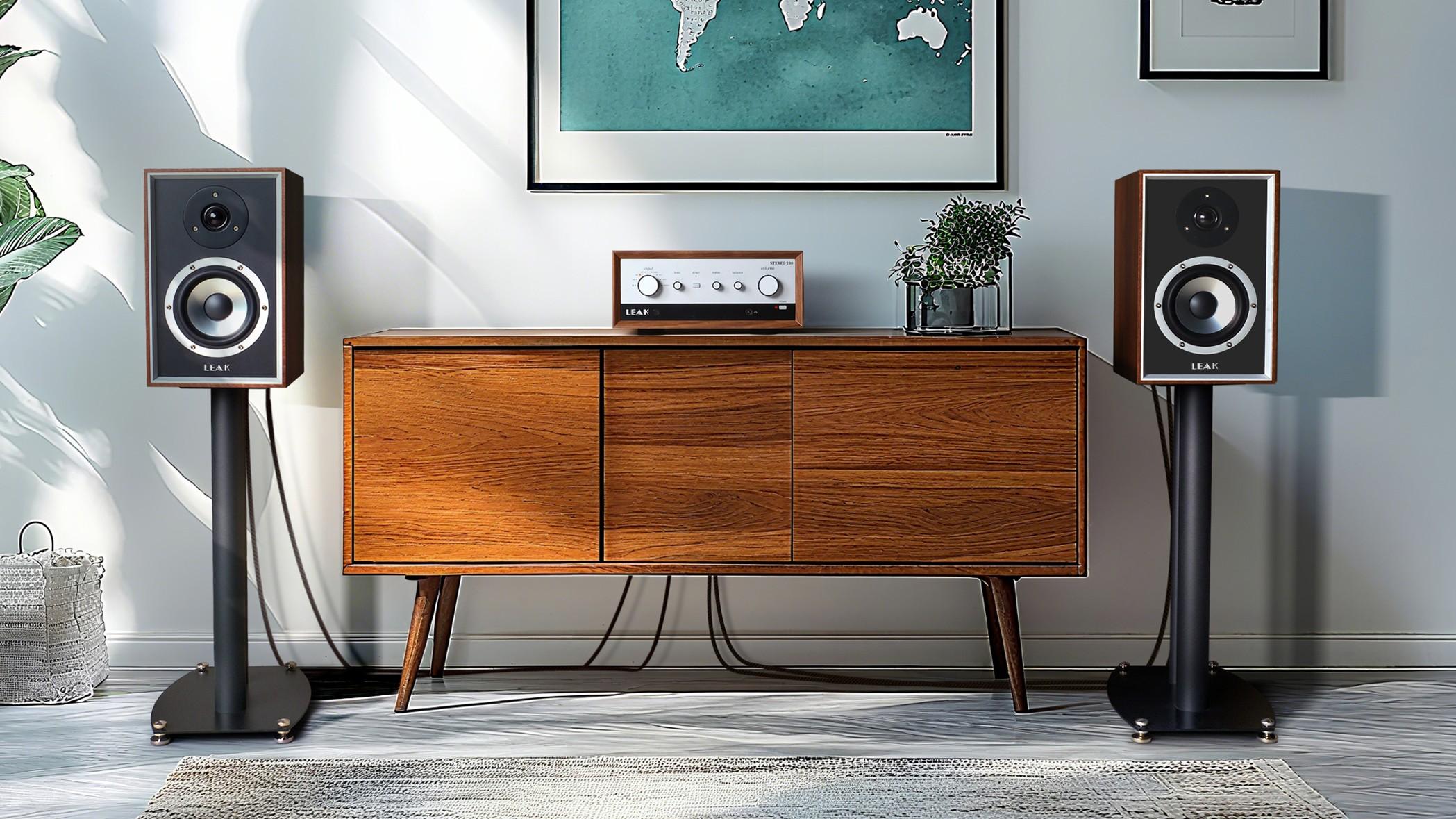
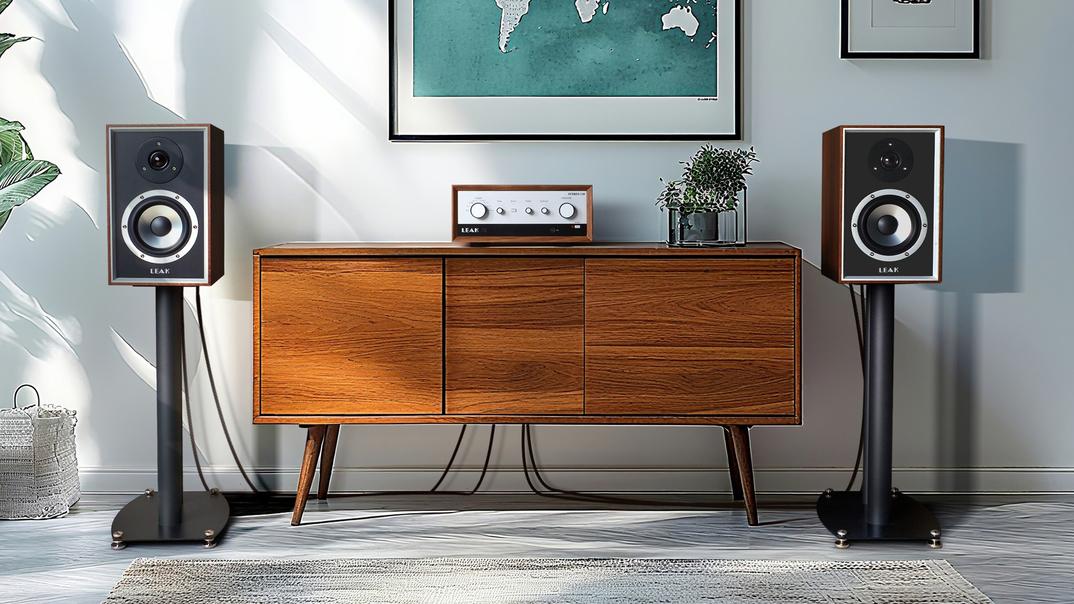
Leak is expanding its revived Sandwich speaker line with a smaller and more affordable model aimed at listeners who want the brand’s retro look and old-school driver tech without stepping up to the larger Sandwich 150 or 250. The new Leak Sandwich 100 is a compact standmount speaker that keeps the same basic design language as its bigger siblings, but packages it in a bookshelf-friendly enclosure and at a lower price.
That matters because Leak’s current comeback has largely been about reconnecting with its past. The British brand, originally founded in 1934 and dormant for decades after the 1970s, has been slowly rebuilding its product lineup since returning in 2020. The Sandwich series plays directly into that heritage, borrowing its name and core driver idea from a classic Leak speaker design first seen in the 1960s.
With the Sandwich 100, Leak is trying to make that formula easier to reach.
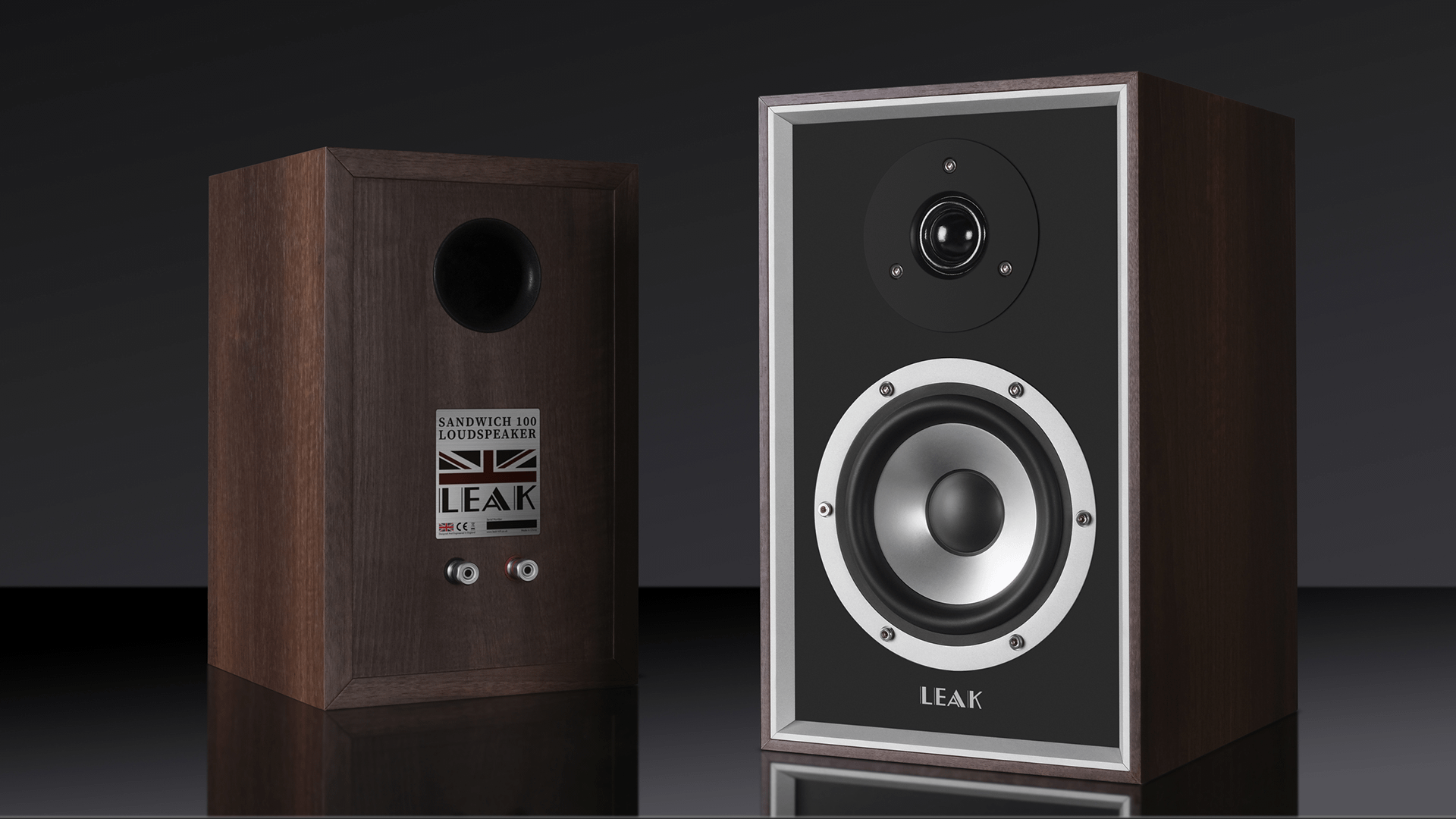
The Sandwich 100 joins the existing Sandwich 150 and Sandwich 250 as the most compact and least expensive speaker in the line. It is a two-way standmount design built around a 30mm textile dome tweeter and a 150mm mid/bass driver.
The mid/bass unit is the real story here. Like the larger models in the range, it uses Leak’s “Sandwich” cone concept, which is built around layered materials designed to combine low weight with high stiffness. In this case, the cone uses a lightweight foam core placed between aluminum skins, a structure meant to help the driver resist flexing while staying responsive.
In simpler terms, Leak is chasing the same goal speaker designers have always chased: a cone that stays rigid when it should, moves quickly when it needs to, and adds as little distortion as possible along the way.

Here’s the short version of what Leak is emphasizing with the Sandwich 100:
That power requirement also suggests the Sandwich 100 should be a relatively easy match for a wide range of integrated amps and stereo receivers, which is important for the kind of buyer likely to consider a speaker at this level.
Based on the design details, Leak appears to be aiming for a speaker that balances clarity with a less aggressive presentation. The company says the larger tweeter helps with power handling and is intended to deliver open, detailed highs, while the mid/bass driver has been tuned to keep vocals and upper bass clean and controlled.
The crossover network also gets some attention here. Leak says it is using parts such as polypropylene capacitors, air-core inductors, and low-loss resistors to help integrate the drivers cleanly and reduce unwanted phase issues and signal loss.
That kind of language is common in speaker launches, but the practical takeaway is easier to understand: Leak wants the handoff between woofer and tweeter to sound smooth rather than obvious.
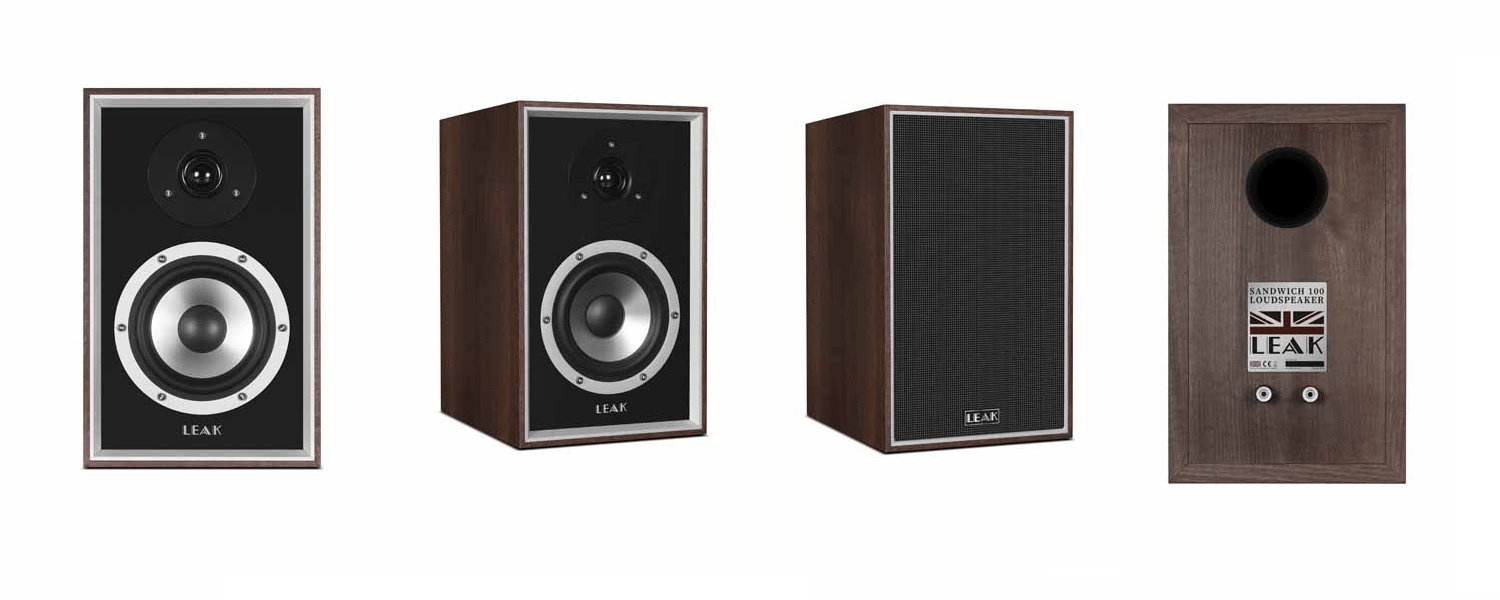
The cabinet construction is also part of that effort. The enclosure uses layered wall construction with MDF on the outside and high-density particle board on the inside, bonded with a damping adhesive. The idea is to better control cabinet resonance and reduce vibration that could color the sound.
For a speaker in this price range, that’s one of the more interesting parts of the design. Compact speakers often live or die by how well the cabinet stays out of the way.
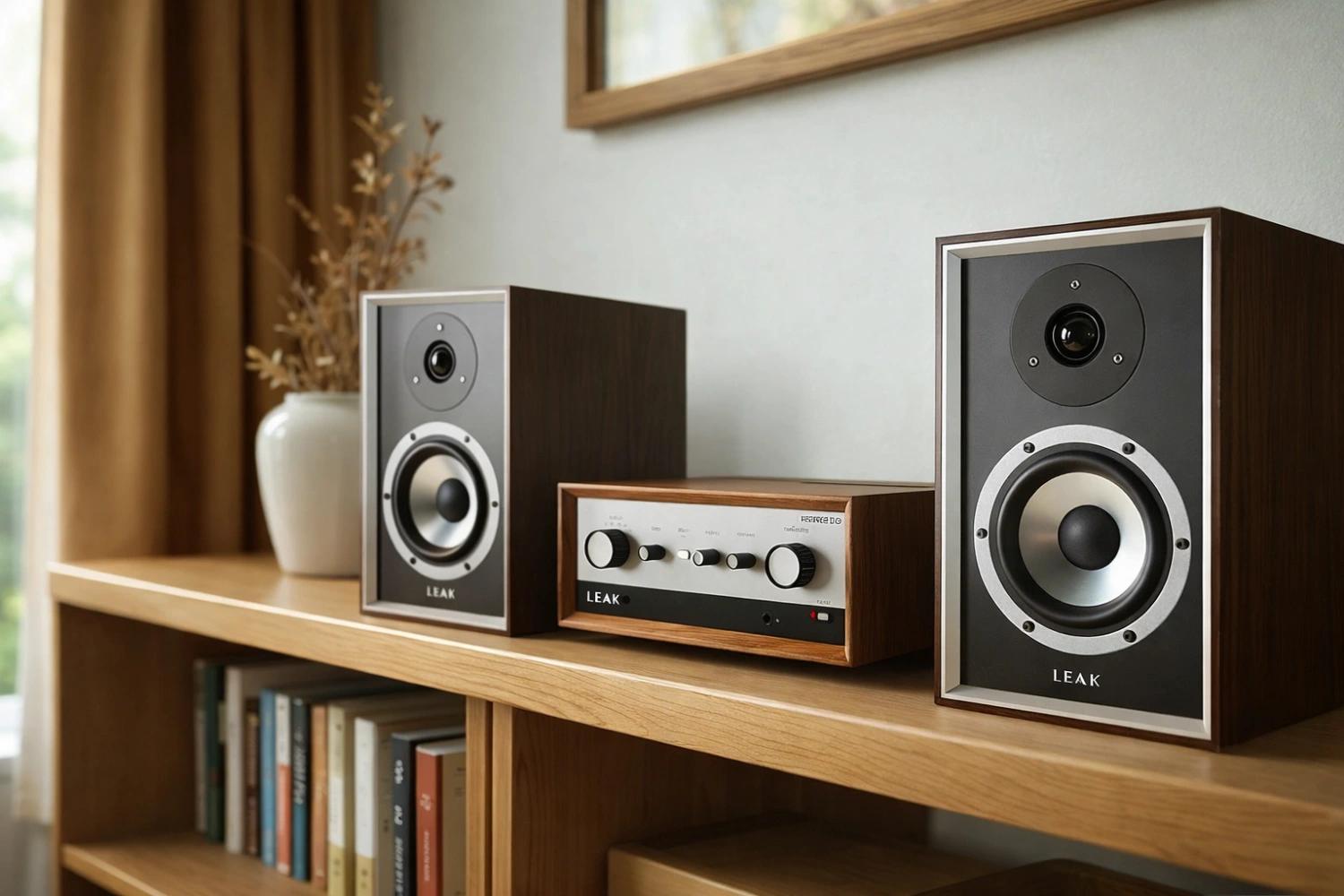
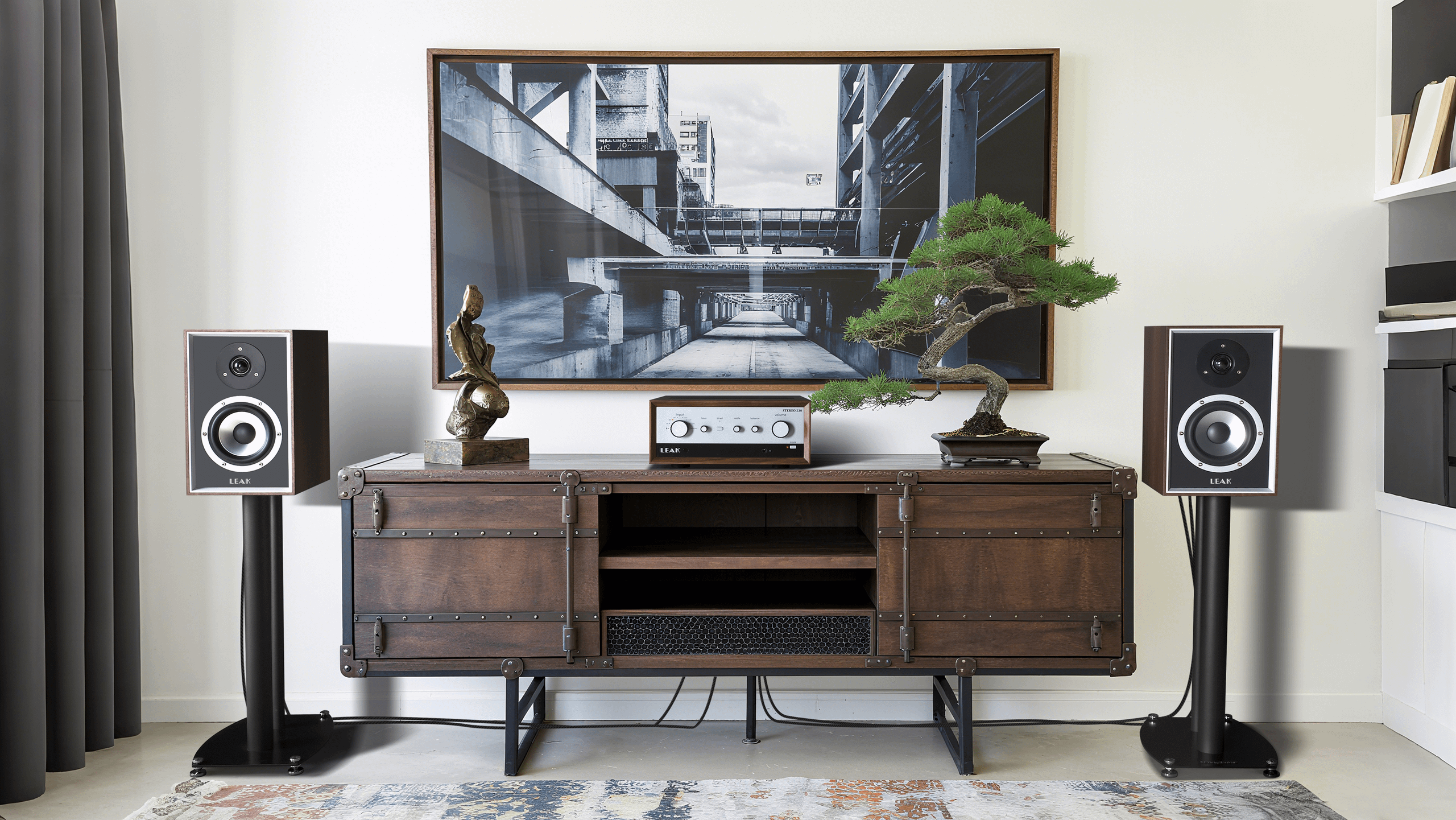
Leak clearly knows that buyers looking at these speakers are not just shopping with a spec sheet. The Sandwich 100 leans hard into a retro-modern appearance, with walnut veneer, aluminum driver trims, and a front baffle that gives it a distinctly vintage British hi-fi feel.
Unlike some heritage-inspired products that go all-in on nostalgia, this one seems to split the difference. It still looks old-school, but not so old-school that it feels like a museum piece. That could help it appeal to buyers who want something warmer and more characterful visually than the usual plain black box.
A few design details that stand out:
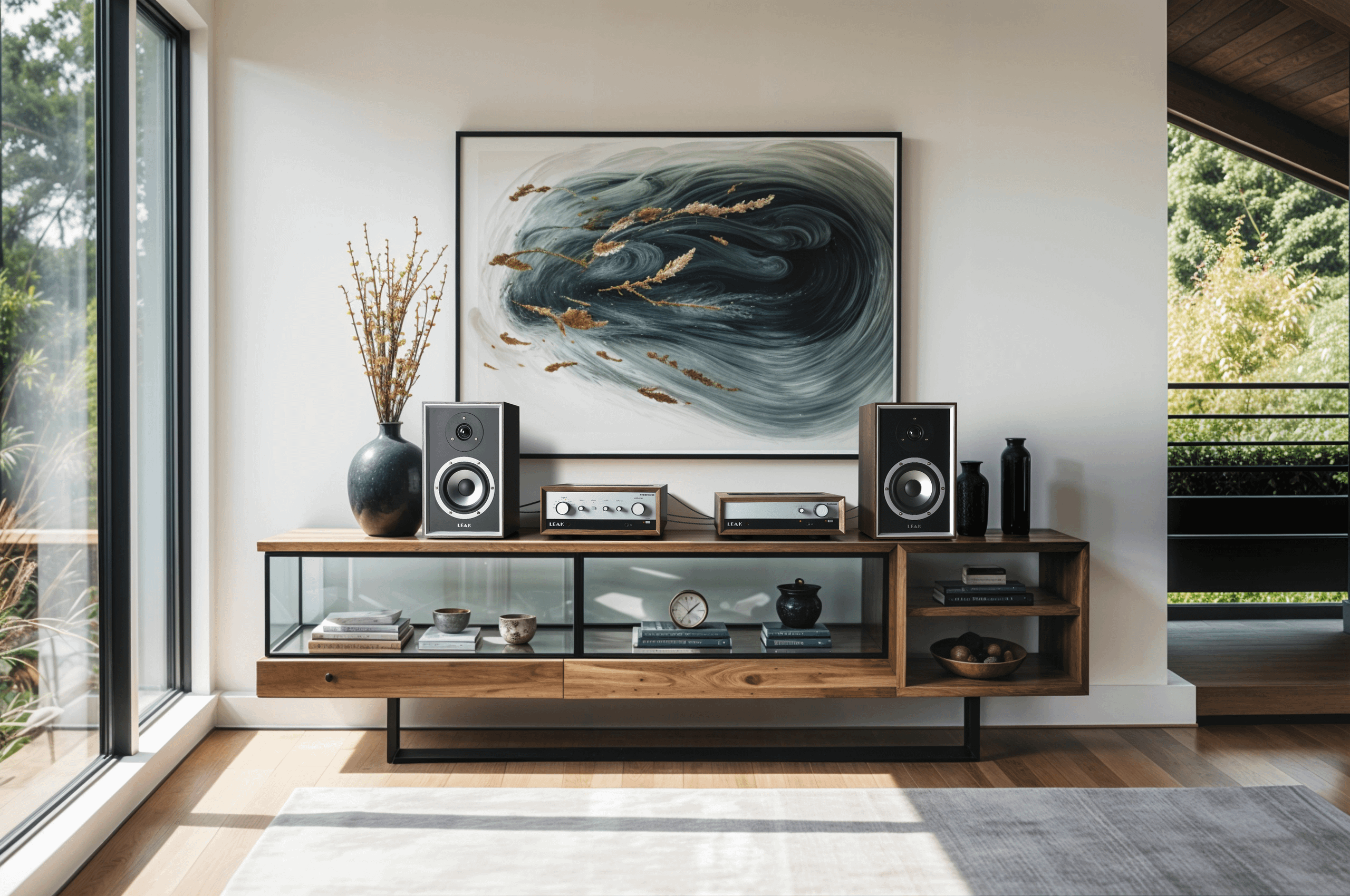
Leak says the Sandwich 100 will be available in mid-April, priced at $899 / £499 / €649 per pair. At that price, the Sandwich 100 is stepping into one of the most crowded and competitive segments in hi-fi, where it will go head-to-head with models like the DALI Kupid ($600), Kanto REN ($699), SVS Prime ($699), Polk Audio Reserve R200 ($799), and KEF Q3 Meta ($899), along with plenty of other bookshelf speakers fighting for attention.
That means Leak isn’t just competing on sound; it’s also up against brands offering strong value, modern features, and well-established reputations in this price bracket, making positioning just as important as performance.
The bigger question is whether the compact version can deliver enough of the line’s identity to stand out from the many bookshelf speakers already competing around this price. On paper, the mix of retro styling, unusual cone design, and modest amplifier demands gives it a decent shot. At the very least, Leak now has a more accessible way into one of the more distinctive speaker revivals in hi-fi.
Related Reading:





Privacy Policy
Terms and Conditions - Affiliate Policy
Home Security
© Copyright 2008-2026.
11816 Inwood Rd #1211, Dallas, TX 75244