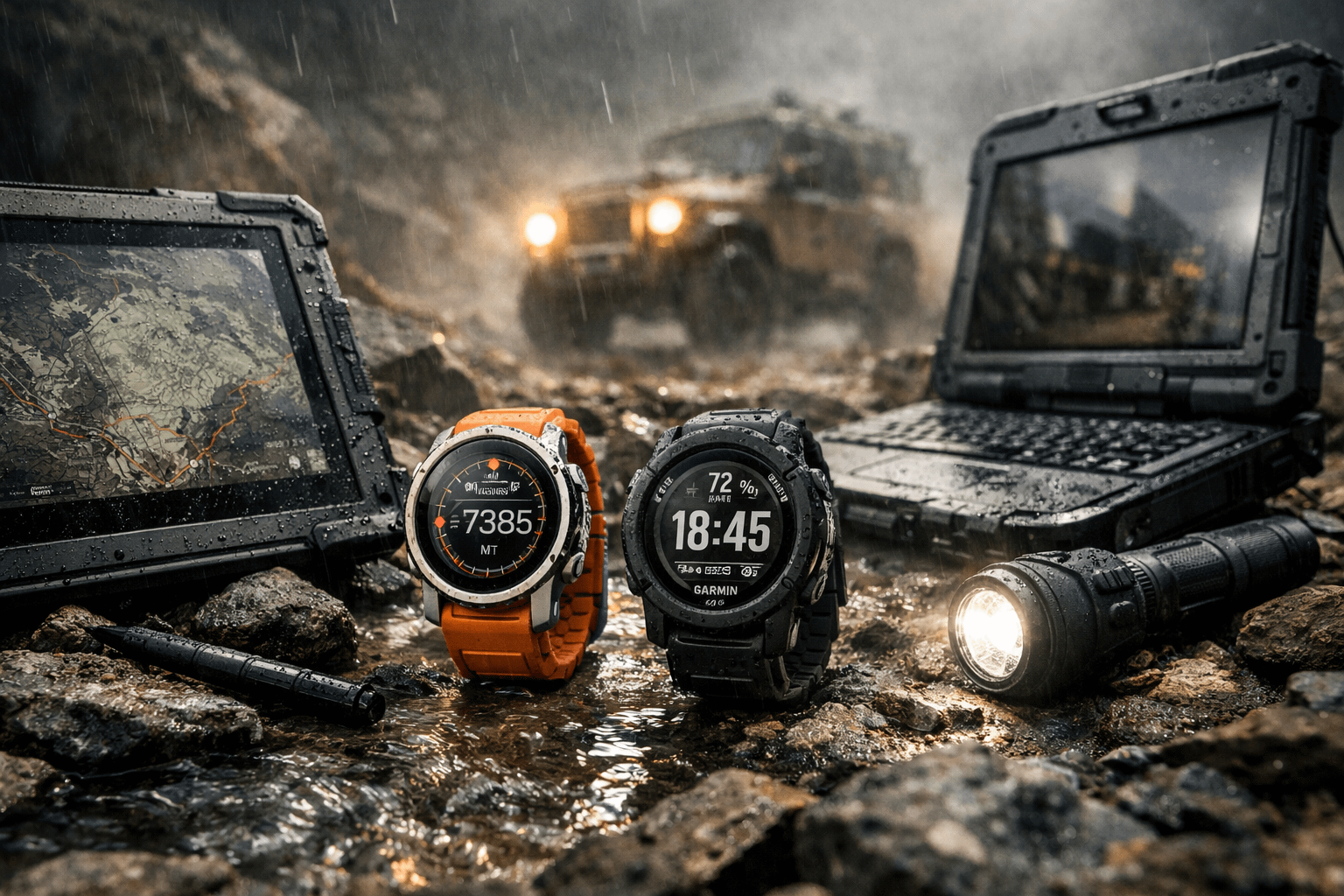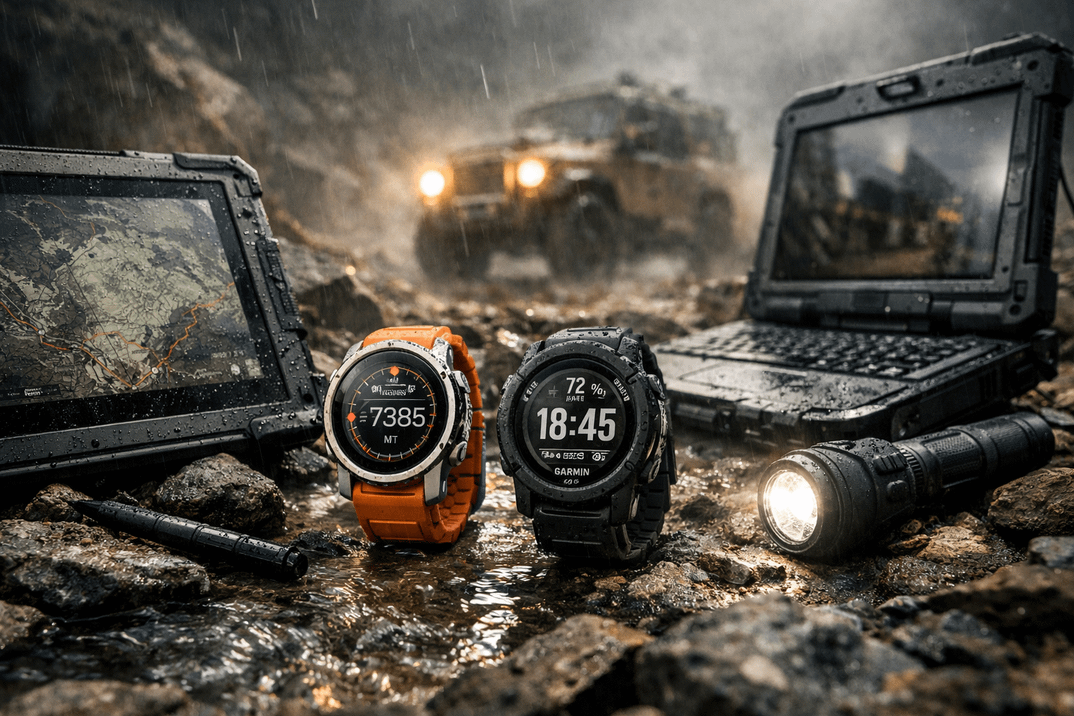
There was a time when “rugged electronics” meant buying something that looked like it came out of a Cold War bunker and performed accordingly. Slow, ugly, and with software so bad it made you sympathize with the warehouse workers forced to use it. You sacrificed everything that made tech enjoyable at the altar of durability. That era is dead, and it’s not coming back.
I work in low voltage. Stuff gets bumped, dropped, smashed, and wet—sometimes all in the same day. I don’t have the luxury of babying gear, and I don’t want to. If something is on me—watch, tablet, whatever—it needs to survive real use, not careful use. That’s why rugged electronics aren’t a niche for me—they’re a requirement.
The rugged smartwatch space has become genuinely fascinating, and it breaks into two very different religions.
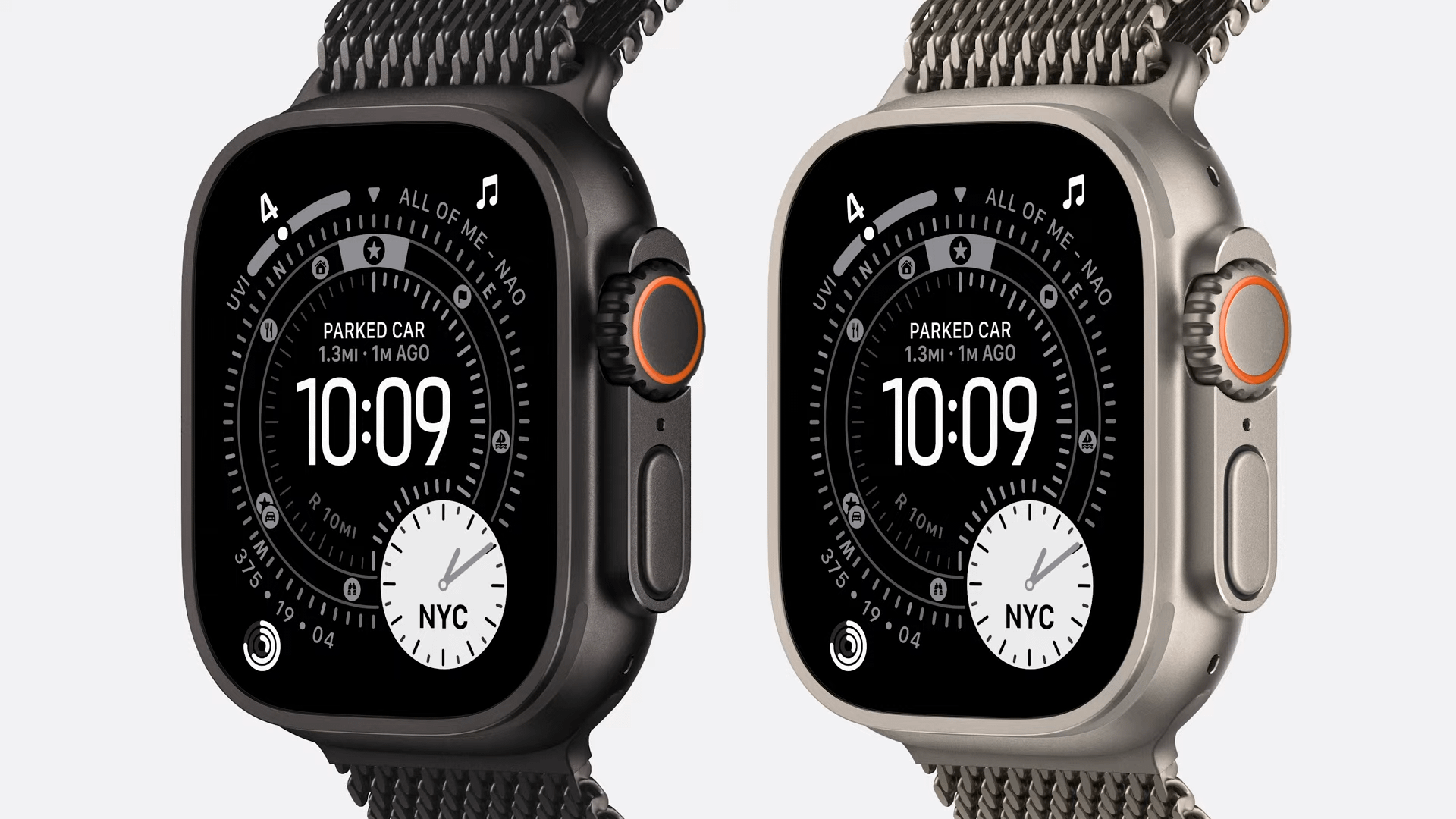
The Apple Watch Ultra 3 ($779 at Amazon) is the choice for people who want one device that does everything and doesn’t look embarrassing at dinner. Titanium case, sapphire glass, 100m water resistance, up to 72 hours in low-power mode, dual-frequency GPS, satellite messaging, and a siren loud enough to flag down a helicopter. It also leads the pack on health monitoring — sleep apnea detection and hypertension alerts that no competing smartwatch brand has matched.
The trade-off? iOS only, and you’re charging it every couple of days in normal use. For me, this is where reality kicks in. On paper, it’s perfect. In the field? It holds up better than anything Apple has ever made—but it’s still something you’re aware of. You notice it. You think about it. That’s not ideal.
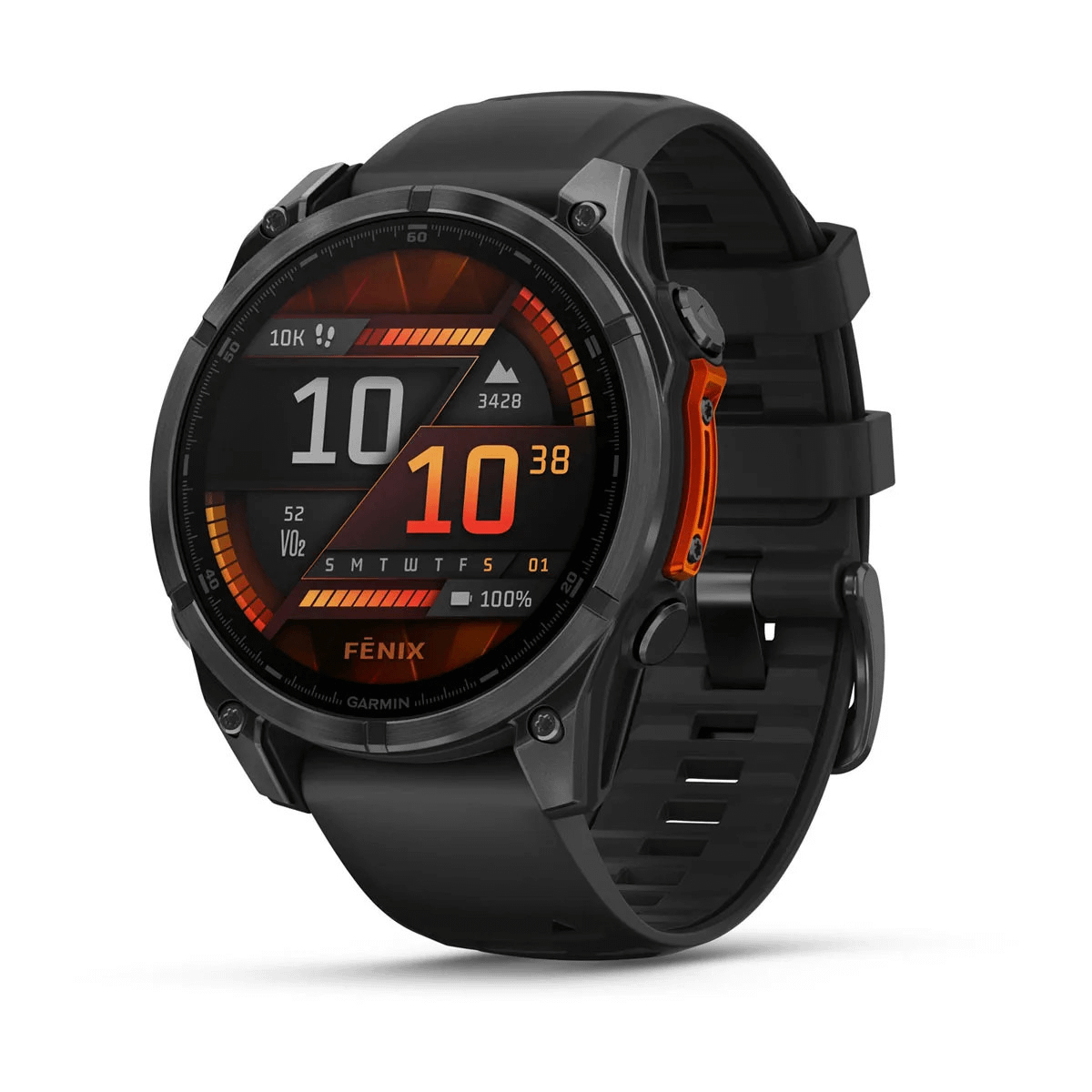
Then there’s Garmin, which doesn’t care about your dinner party. The Fenix 8 starts at $999 and climbs to $1,199 depending on size and display — it costs more than the Apple Watch Ultra 3, which should tell you something about where Garmin’s priorities sit.
MIL-STD-810 certified, tested from −20°C to 60°C, with a built-in flashlight, solar charging options, and weeks of battery life. It works with Android and iOS. This is closer to what I want: something I can slam into a rack, drag across a crawl space, or soak in sweat and not think twice about. Not “rugged for marketing”—actually rugged.
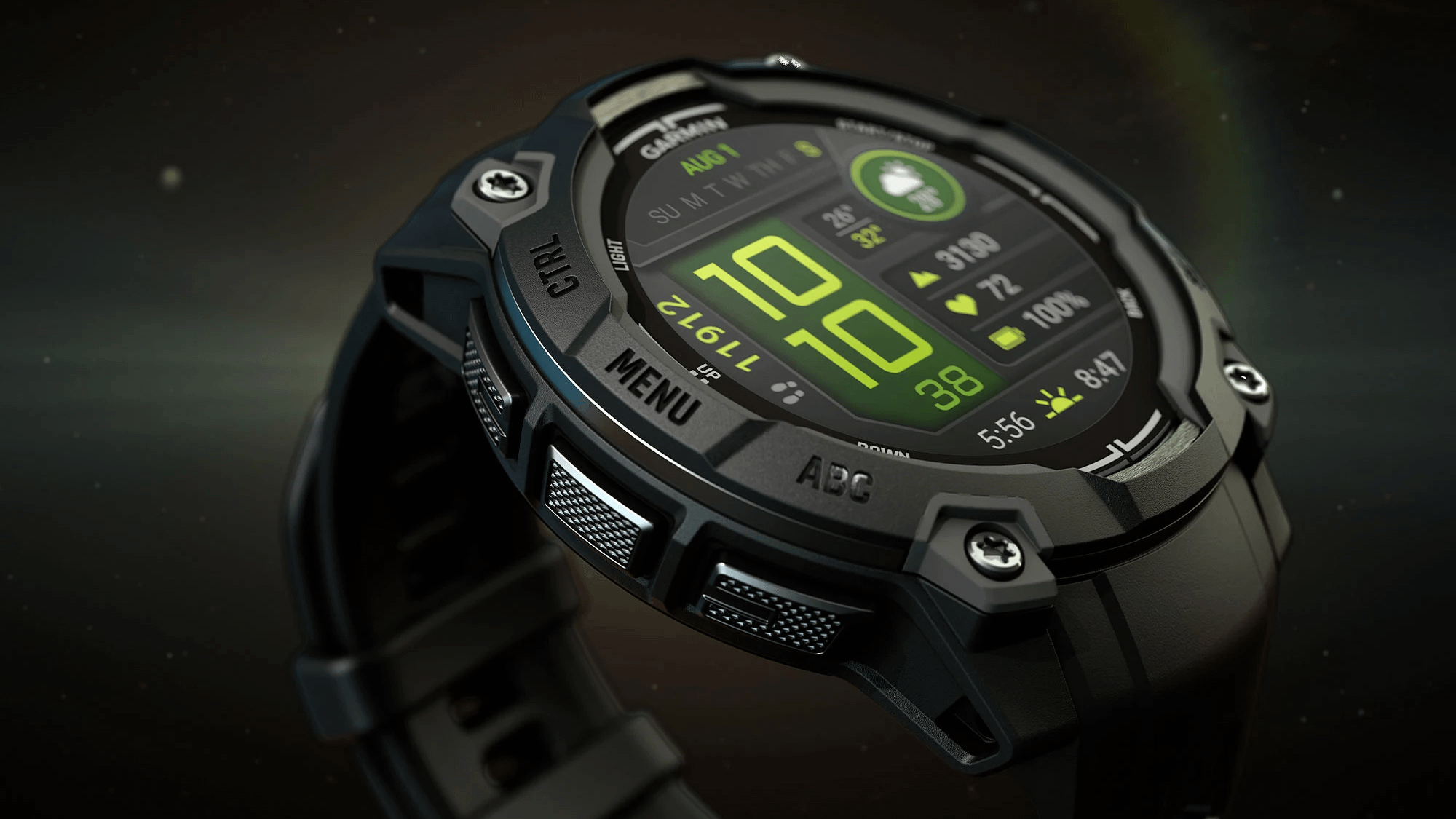
The Garmin Instinct 3 ($399) deserves a callout for anyone who doesn’t need the Fenix’s full feature set. Lighter, more aggressive-looking, available in colors the Fenix would never touch (Neotropic is a real option), and fully platform-agnostic. The AMOLED display isn’t in the same league as the Ultra’s, but if battery life and MIL-spec toughness are the priority, that’s a trade worth making.
Bottom line on smartwatches: Apple wins on smart features and health. Garmin wins on endurance and raw toughness. If your watch is going to get abused, that difference matters.
Tablets have the same problem smartwatches used to have—great in theory, fragile in practice.
I’ve killed enough “normal” tablets to stop pretending they belong anywhere near real work. One drop, one bad angle, one wet day—game over.
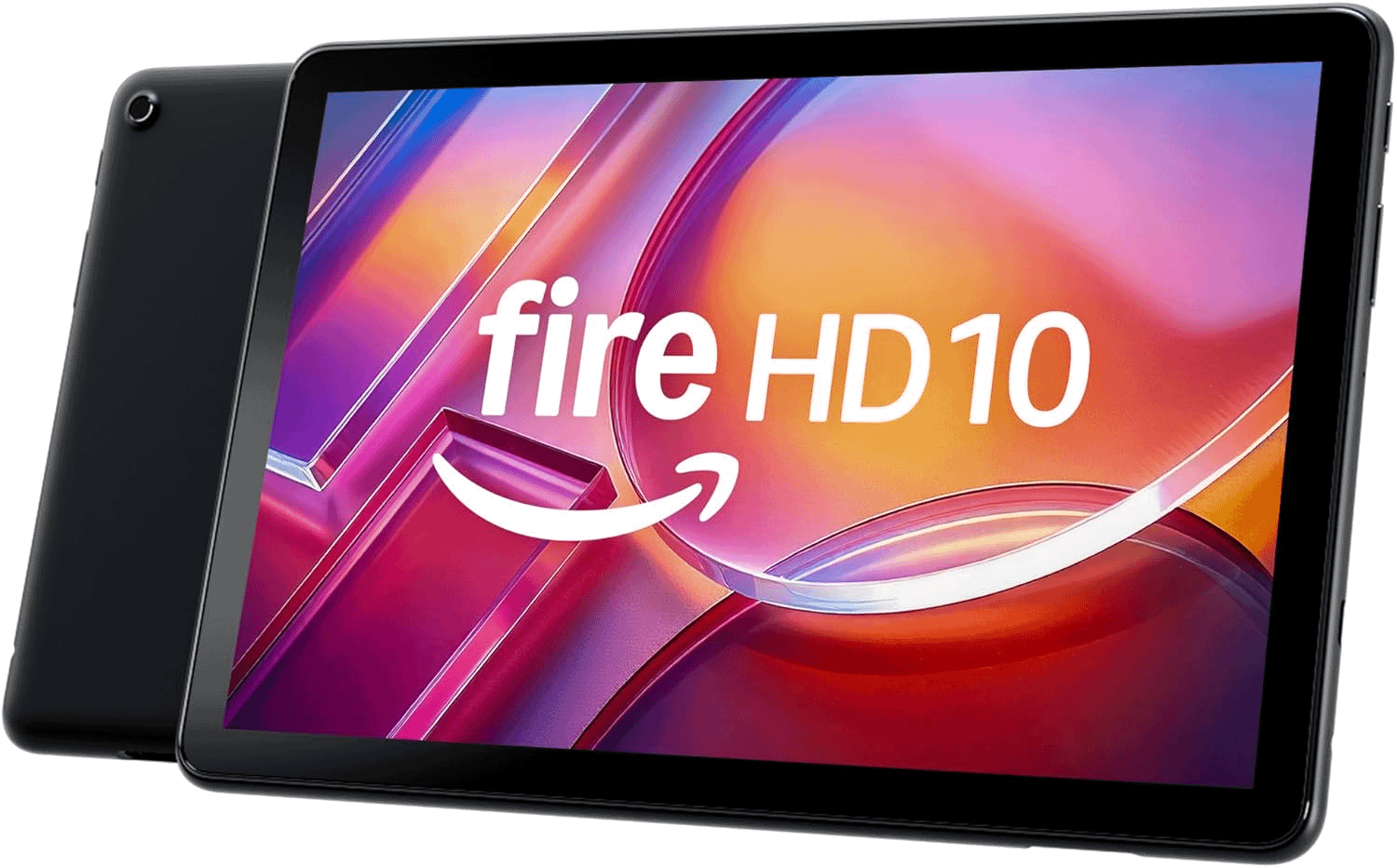
Amazon’s rugged story is mostly a case story. The Fire HD 10 ($179.99 at Amazon) is cheap, capable, and wildly popular—but it’s not purpose-built for punishment. What it has going for it is an ecosystem of genuinely good third-party armor: dual-layer TPU and polycarbonate shells with integrated screen protectors that run $20–$40 and transform a $150 tablet into something you can actually throw in a truck bed without anxiety. Not a real job site tablet. A “this might survive me” tablet.
The serious field tablet right now is the Samsung Galaxy Tab Active5 Pro ($575). IP68 rated, MIL-STD-810H certified, 600-nit display at 120Hz, Wi-Fi 6E, dual GPS, glove-compatible touchscreen, and a 4nm Snapdragon chip with up to 8GB RAM and 256GB storage expandable to 2TB.
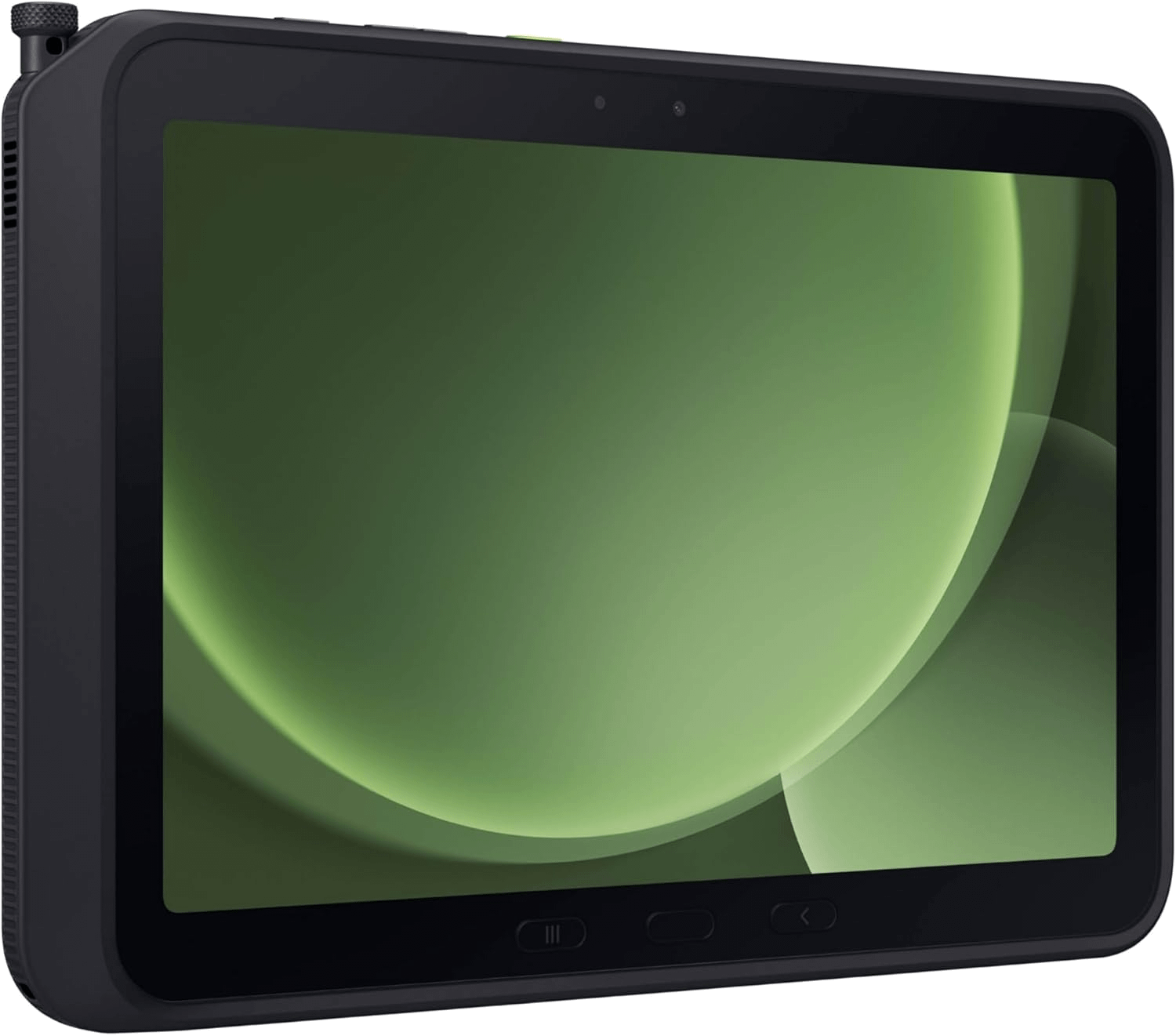
More importantly, it’s designed for abuse. You can swap the battery in the field, run it without a battery in a vehicle, use it with gloves, and clean it between jobs. That’s not spec-sheet fluff. That’s real-world usability.
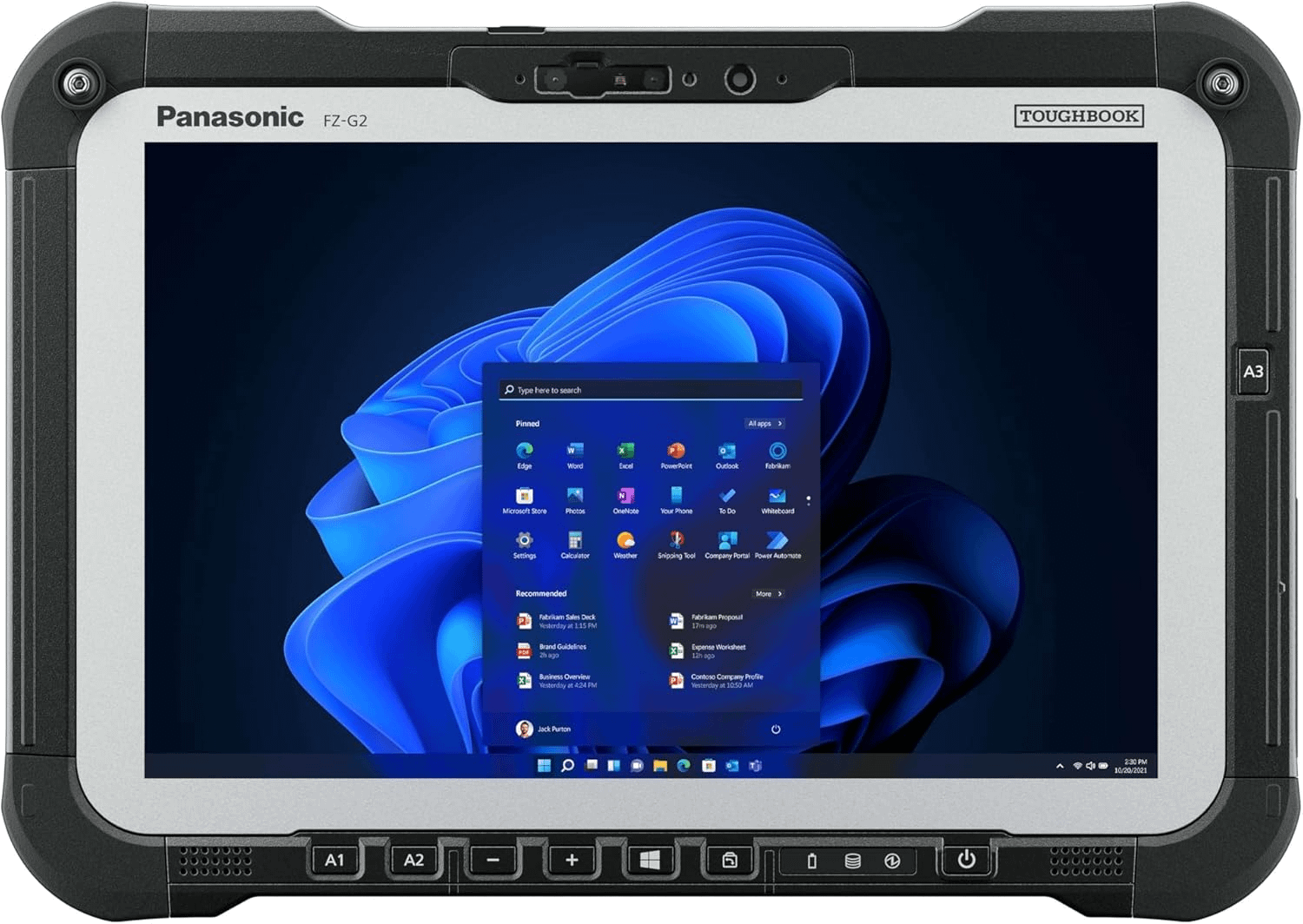
For Windows-dependent workflows, the Panasonic Toughbook G2 ($2,300) is still the benchmark. A 10.1-inch fully rugged tablet with a modular expansion system, hot-swappable batteries, optional 5G, and nearly 19 hours of battery life. It’s expensive. It’s bulky. It’s also the kind of device you stop worrying about completely—and that’s the whole point.
Rugged gear costs more. There’s no way around it.
But here’s the part people miss: fragile gear costs more over time. One cracked screen, one failed device, one replacement cycle—and you’ve already spent more than you would have just buying something built right from the start.
When your gear lives in the real world—not on a desk—that math flips fast.
Rugged used to mean compromise. Now it means freedom.
I don’t want to think about my gear. I don’t want to protect it, plan around it, or worry about it. I want to use it hard and move on.
For the first time, smartwatches and tablets are finally catching up to that reality. And honestly? It’s about time.
Related Reading:
For advertising please contact the editor at [email protected]






Privacy Policy
Terms and Conditions - Affiliate Policy
Home Security
© Copyright 2008-2026.
11816 Inwood Rd #1211, Dallas, TX 75244