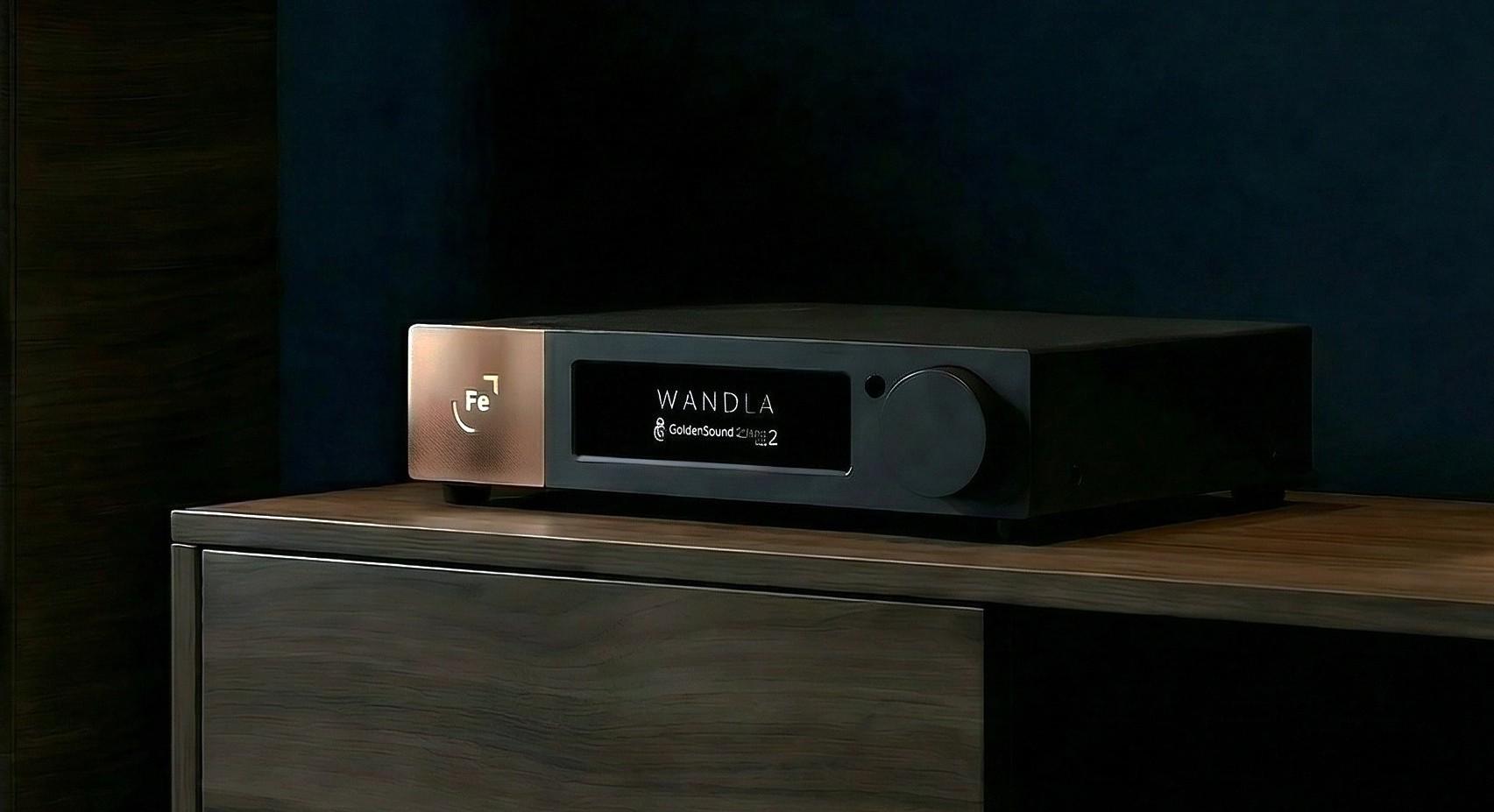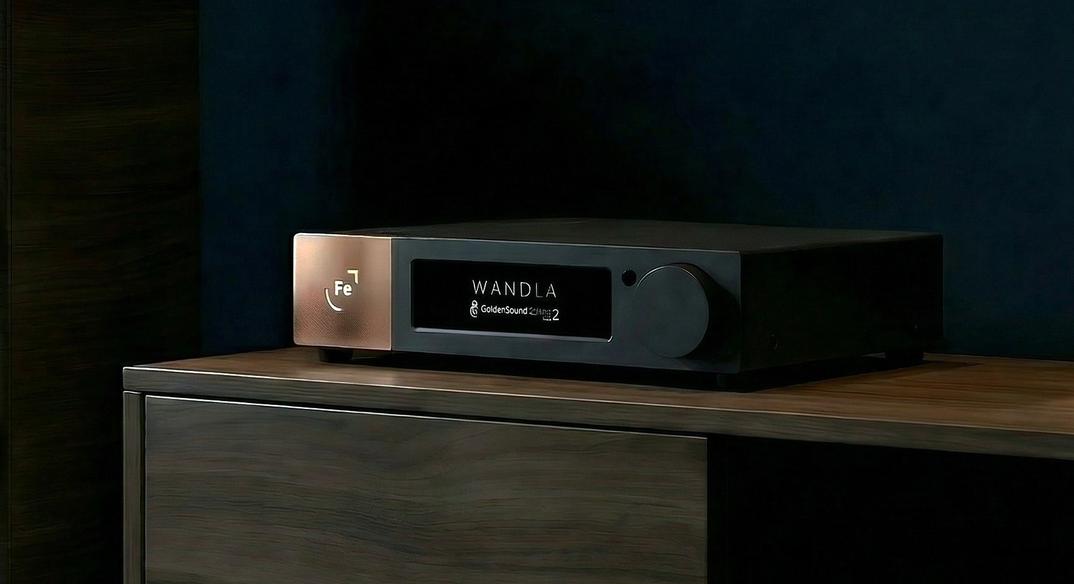
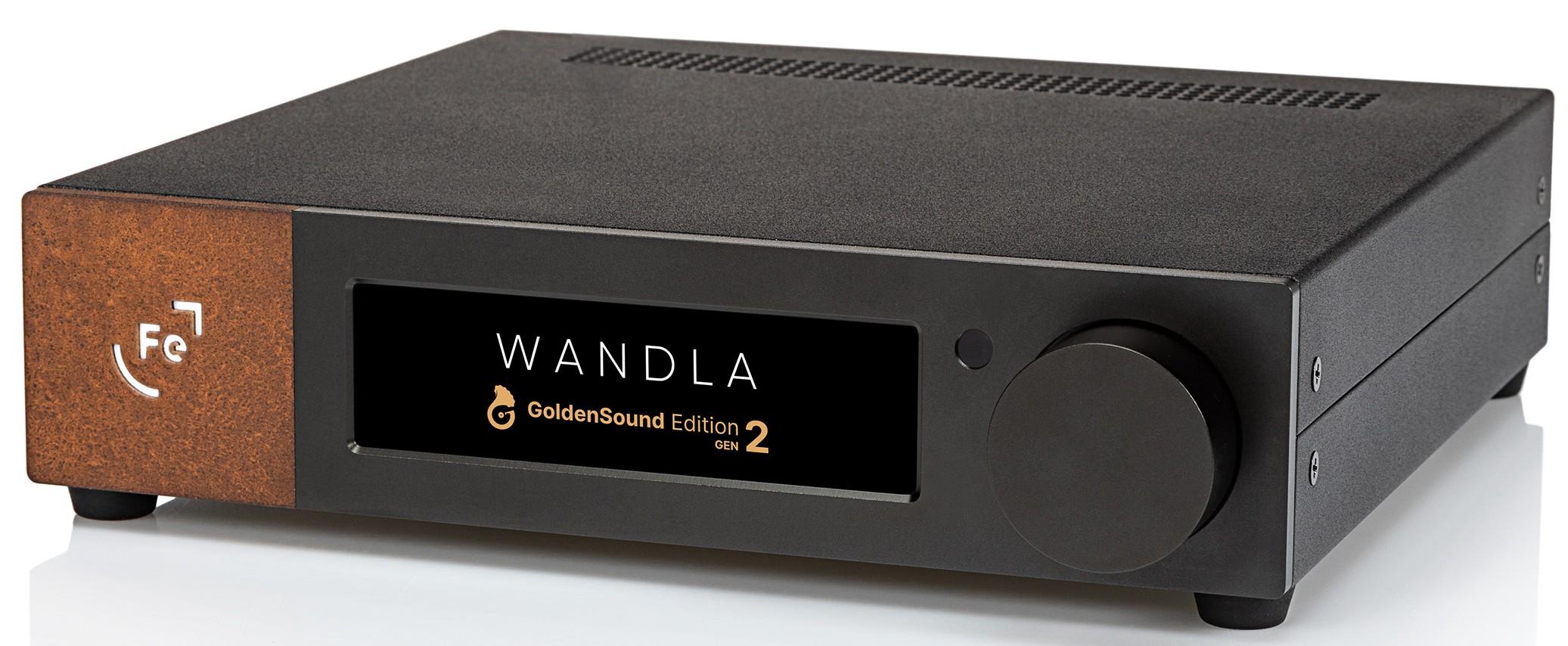
Ferrum has announced the WANDLA GoldenSound Edition Gen 2, a new version of its DAC/preamp platform that gives you more control over how your system sounds without changing the hardware around it.
At its core, this is still the same WANDLA idea: a high-end digital-to-analog converter and preamp designed to sit at the center of a modern hi-fi setup. What changes with the GoldenSound Edition Gen 2 is how far you can now go in tailoring the presentation. Ferrum has reworked three of the unit’s signature sound-shaping tools — Impact+, Tube Mode, and Spatial Enhancement — with the goal of making them more flexible and easier to adapt to different headphones, speakers, and listening preferences.
That matters because many DACs focus almost entirely on accuracy and leave it there. The WANDLA GoldenSound Edition Gen 2 takes a different approach. It still aims to preserve detail and clarity, but it also gives you more ways to fine-tune the result to suit your room, your gear, and the type of music you play most often.
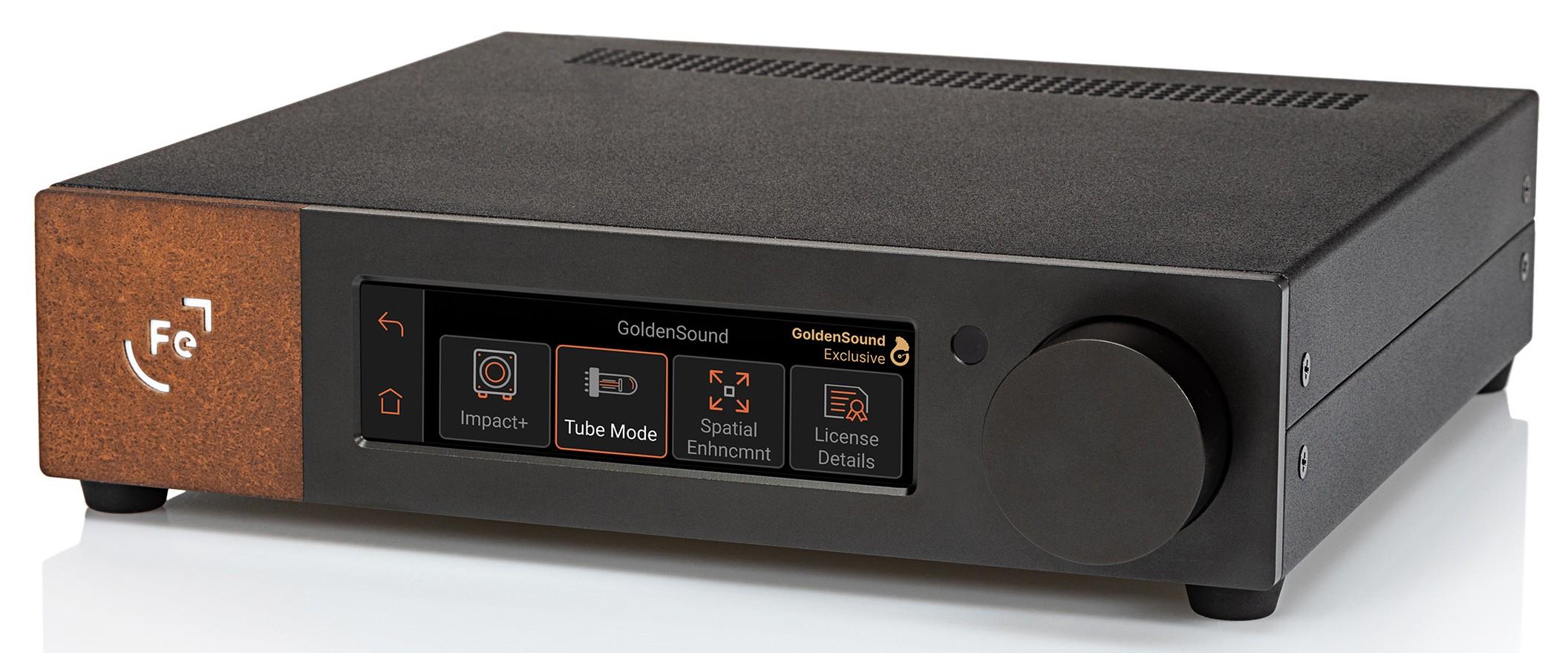
Ferrum says the new model builds on both the original WANDLA and the earlier GoldenSound Edition. The company’s focus this time is what it calls “Sweet Spot Tuning,” which is essentially a set of refinements meant to help listeners dial in a sound that feels right for their own setup.
For anyone not deep into hi-fi jargon, a DAC converts digital music files into an analog signal your amplifier and speakers or headphones can actually use. A preamp handles signal control, including volume and source management. Putting both functions in one box can simplify a system, especially if you stream music from several digital sources.
With the WANDLA GoldenSound Edition Gen 2, Ferrum is leaning into that all-in-one role by making the DAC/preamp not just a converter, but a tone-shaping and presentation tool as well.
One of the most noticeable upgrades is to Impact+, Ferrum’s low-frequency enhancement system.
In the earlier version, Impact+ applied a fixed tuning designed to make bass sound fuller and more realistic. Gen 2 expands that into seven selectable profiles: Reference, Ref+, Smooth, Kick+, DD-Comp, DD-Comp+, and Sub-Bass. Each one changes the low-end balance and dynamic character in a different way, which means you can adjust the result depending on whether your headphones sound lean, your speakers need a little more weight, or you simply want a different presentation for certain recordings.
Ferrum also lets you adjust the overall Impact+ strength from 10% to 130%. In practical terms, that means this is not just an on/off switch. You can apply a very subtle lift or push the effect further if your system benefits from it.
The company says all of this processing happens internally at 64-bit precision, which is meant to keep the adjustments smooth and controlled rather than sounding artificial or heavy-handed.
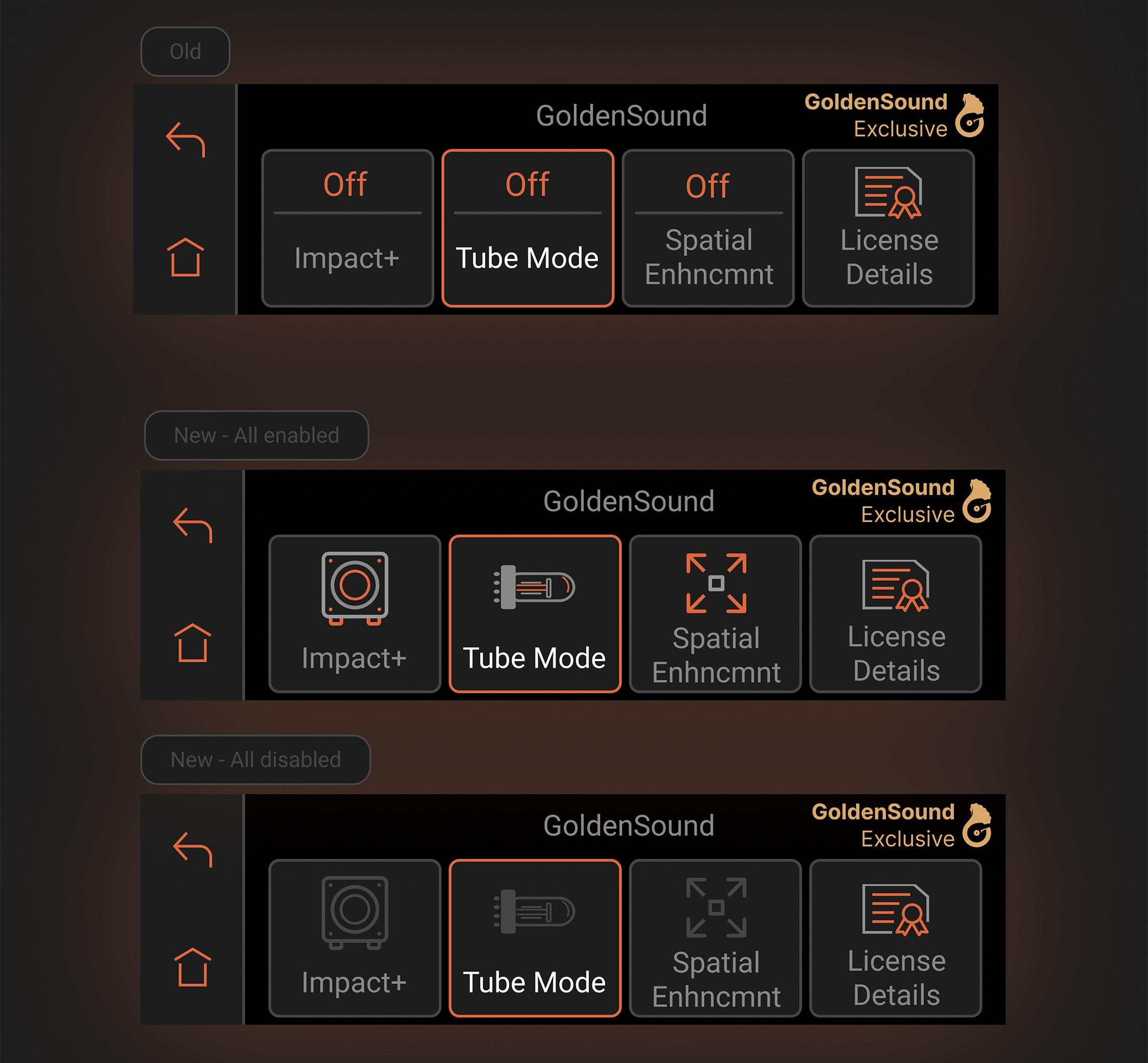
Ferrum has also redesigned Tube Mode, which is meant to introduce some of the tonal qualities listeners often associate with valve-based equipment.
On the previous version, Tube Mode focused mainly on adding second-harmonic richness, a common way of describing the sense of warmth or sweetness people often hear in tube gear. On the new model, Ferrum says it has gone further by modeling the sonic character of five classic valve types: EL34, KT88, 300B, 2A3, and 7062.
That is a more specific approach than simply offering a single tube-style flavor. These valve names will be familiar to many hi-fi enthusiasts, and each has its own reputation for tonal balance and texture. The idea here is that you can explore different tube-inspired signatures without introducing a separate tube amp or preamp into your system.
The strength of the effect is also adjustable, from 10% to 200%, so you are not locked into a heavy coloration. You can keep it subtle or make it more obvious depending on taste.
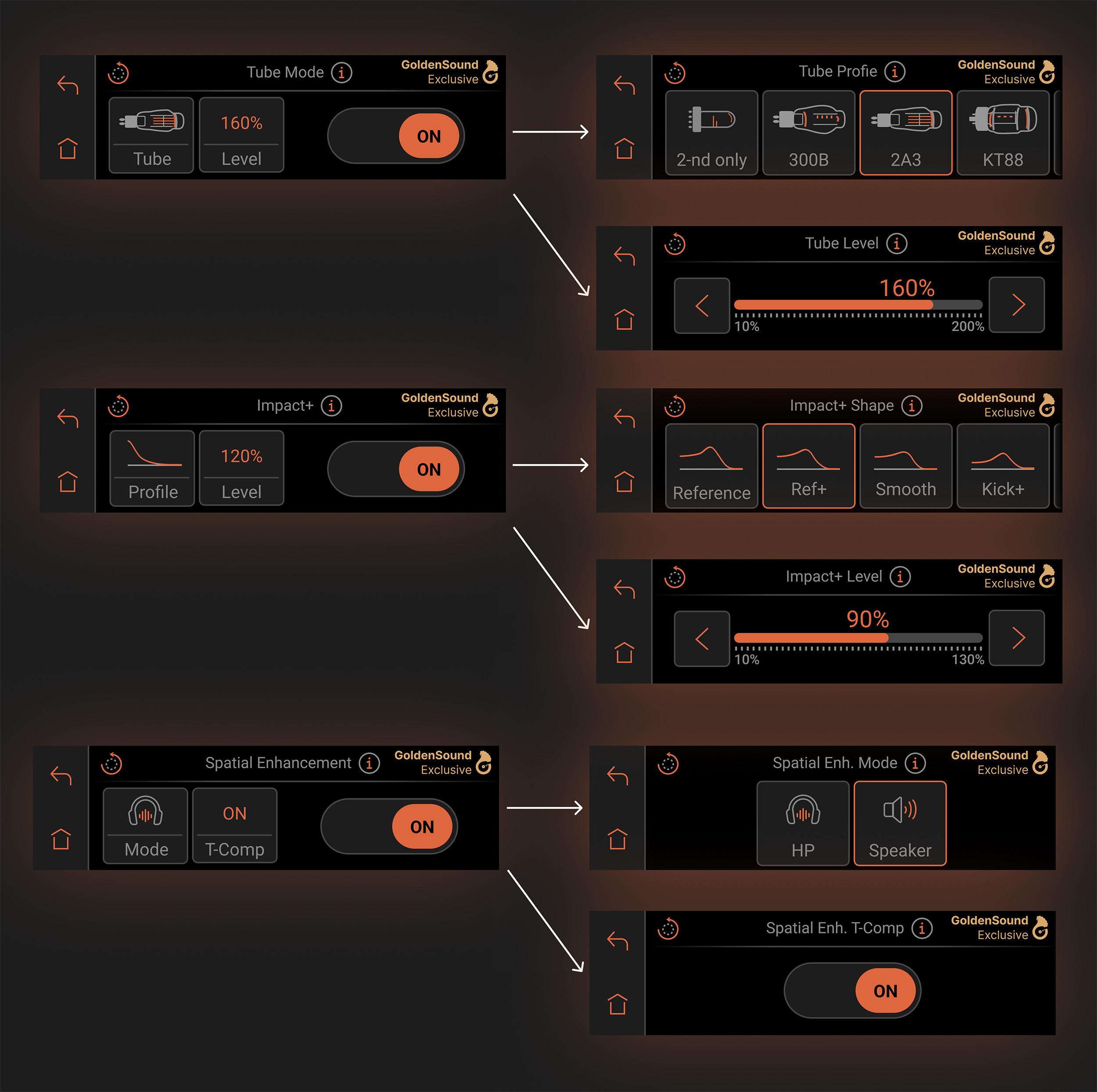
The third major update is Spatial Enhancement, Ferrum’s soundstage-expansion feature.
The original version already offered separate modes for headphones and loudspeakers. Gen 2 adds a new setting called Transient Compensation, or T-Comp, which is designed to better manage high-frequency transients during spatial processing.
In simpler terms, Ferrum is trying to improve the sense of depth and three-dimensional placement without introducing the odd imaging shifts that can sometimes happen with crossfeed-style processing. Users can switch the spatial effect on or off, choose whether they are listening on headphones or speakers, and then enable T-Comp to further refine the presentation.
For listeners who often find digital playback a bit flat or too locked between the ears on headphones, this may be one of the more interesting additions.
Technical Specifications:
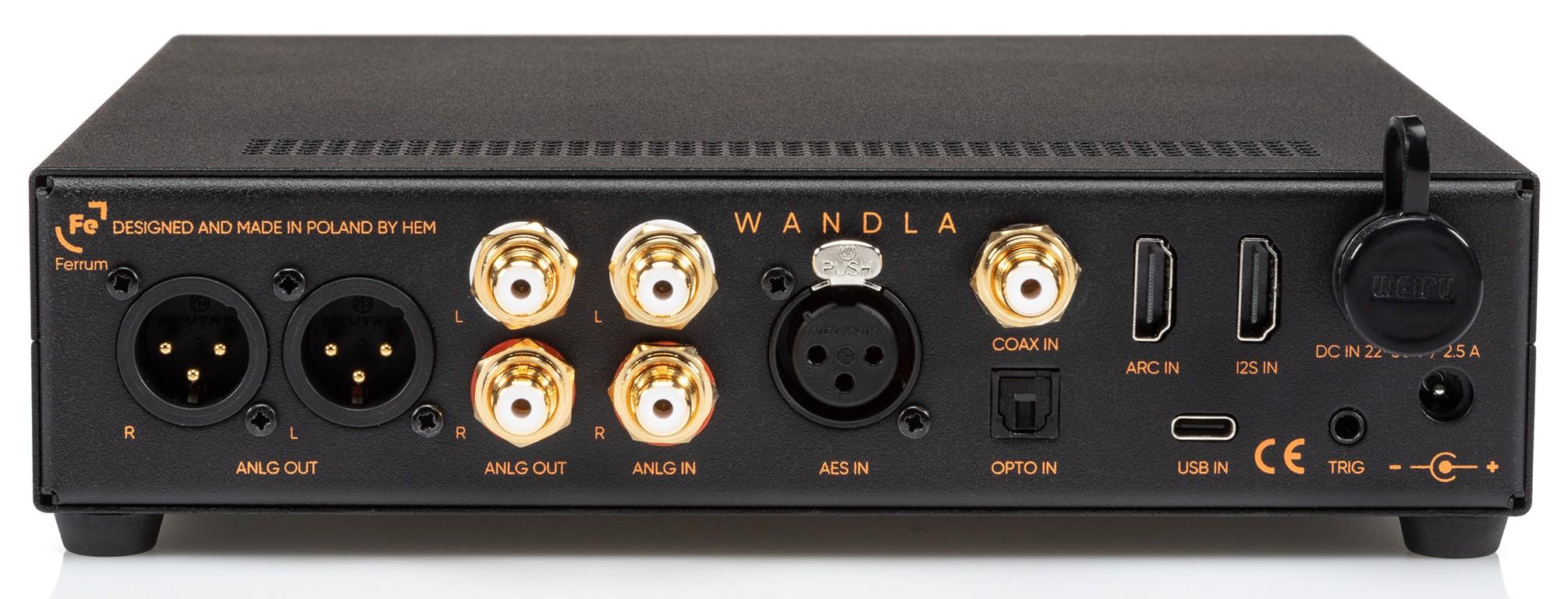
In the same general price bracket, the WANDLA GoldenSound Edition Gen 2 lands between more traditional high-end DACs and feature-heavy digital front ends. Two useful points of comparison are the McIntosh MDA200 and GUSTARD DAC-X30. Ferrum positions the WANDLA as a fully balanced DAC/preamp with tools such as Impact+, Tube Mode, and Spatial Enhancement, while the other two take a more conventional route.
The McIntosh MDA200 ($5,000 at Crutchfield) is the more traditional luxury option. It centers on McIntosh’s DA2 Digital Audio Module, includes seven digital inputs such as USB, coaxial, optical, MCT, and HDMI ARC, and can be switched from fixed to variable output mode. McIntosh also highlights its modular design, which allows the digital module to be replaced in the future. That makes the MDA200 a good contrast to Ferrum: McIntosh leans into long-term hardware upgradeability and classic system integration, while Ferrum focuses more on letting you actively shape bass response, valve-style character, and spatial presentation from within the DAC itself.
The GUSTARD DAC-X30 ($3,000 at Amazon) sits closer to the Ferrum on price, but its appeal is different. Gustard pitches it as a high-spec digital hub with LAN streaming support for Roon, AirPlay, UPnP, and NAA, along with a long list of digital inputs and published measurement-focused performance figures including dynamic range above 130dB. In other words, the DAC-X30 is aimed at buyers who want a feature-rich, measurement-driven DAC/streamer platform, whereas the WANDLA GoldenSound Edition Gen 2 is more about giving you direct control over the character of the sound through DSP-based tuning options.
All three DACs are designed to sit at the center of a modern digital hi-fi system, but they arrive there using different strategies. The McIntosh MDA200 emphasizes traditional DAC performance and connectivity, the GUSTARD DAC-X30 focuses on advanced DAC chip architecture and signal processing, while Ferrum’s WANDLA GoldenSound Edition Gen 2 stands out for its customizable tools that allow listeners to adjust bass response, tube-style harmonic character, and spatial presentation directly from the DAC itself.
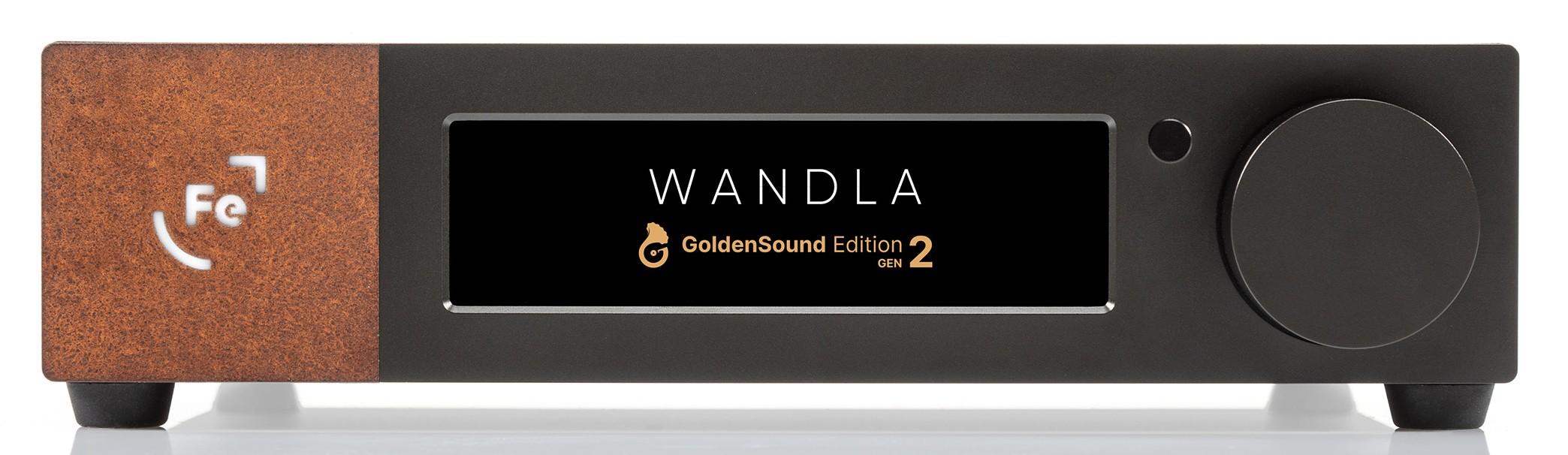
Ferrum says current owners of the original WANDLA GoldenSound Edition — along with users who already bought the GoldenSound Edition Converting Plugin — will receive a free firmware upgrade that brings their units up to Gen 2 specification.
For standard WANDLA owners, Ferrum also plans to release a WANDLA GoldenSound Edition Gen 2 Converting Plugin shortly after launch. That upgrade will cost $595 / €595.
The new WANDLA GoldenSound Edition Gen 2 itself is priced at £3,295 / $3,295 / €3,295. Ferrum says the unit retains the broader WANDLA feature set, including its SERCE DSP module, balanced architecture, touchscreen interface, Dynamic Digital Filtering, and compatibility with the company’s HYPSOS power supply.
Taken together, the Gen 2 update looks less like a ground-up redesign and more like a focused expansion of what made the original stand out: giving you more say in how your digital front end actually sounds.
Related Reading:





Privacy Policy
Terms and Conditions - Affiliate Policy
Home Security
© Copyright 2008-2026.
11816 Inwood Rd #1211, Dallas, TX 75244