

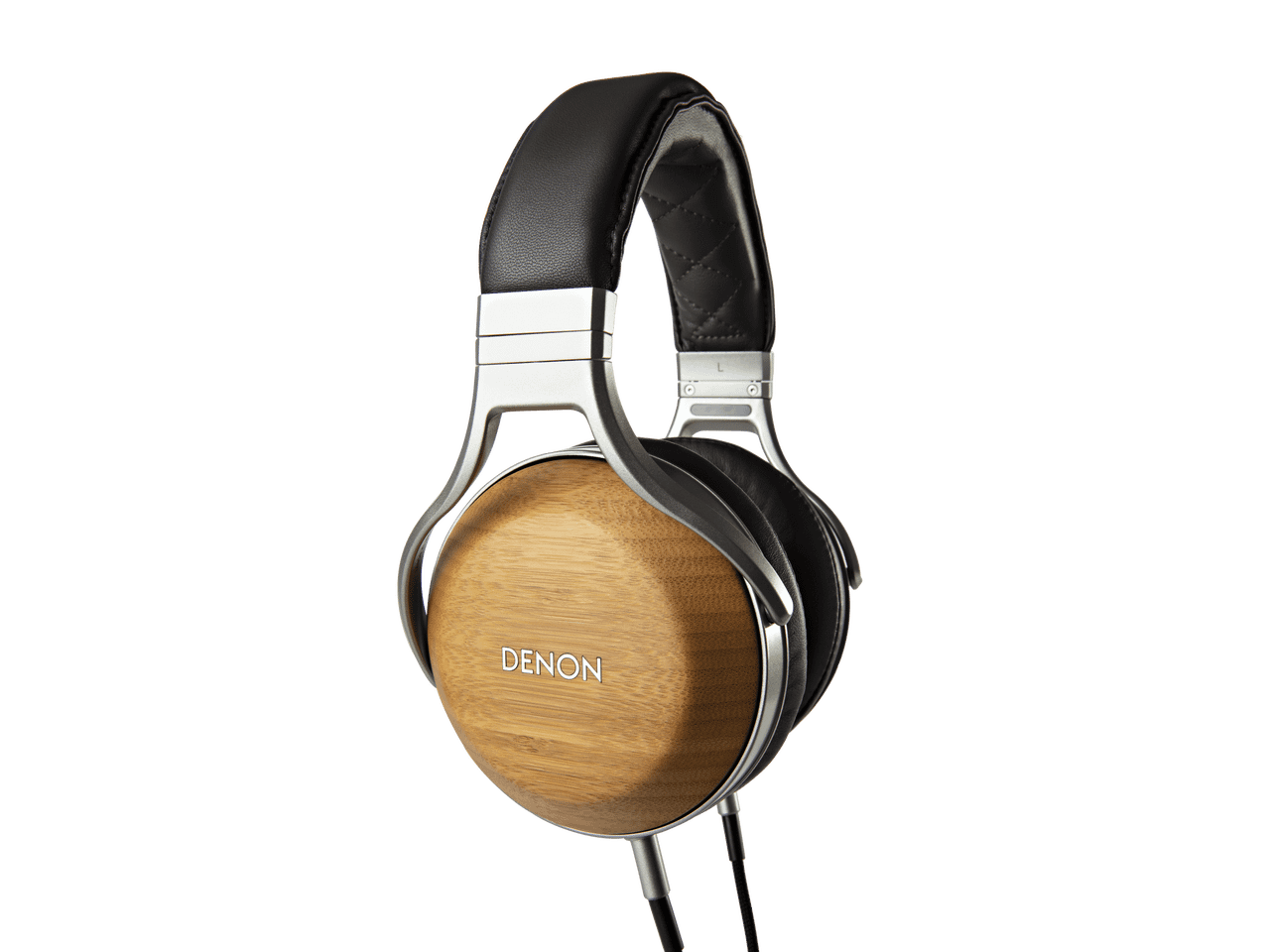

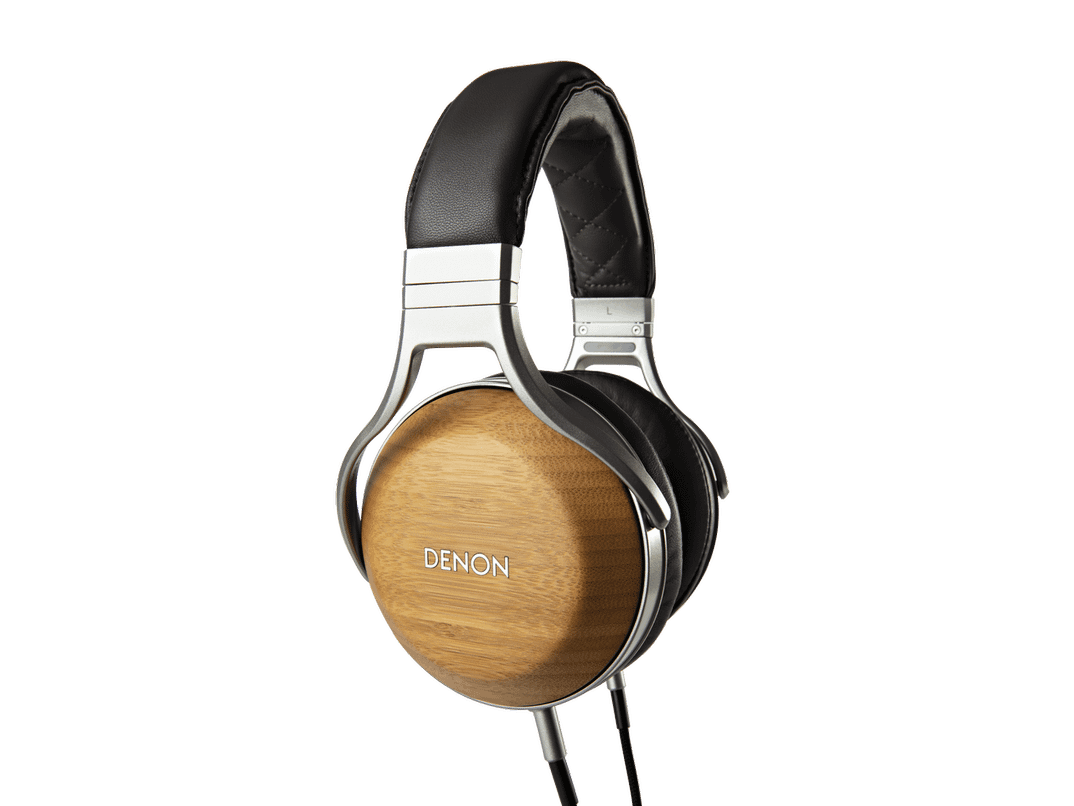
Some headphones try to wow you with spec sheets. Others lean on marketing hype. The Denon AH-D9200 takes a different approach—it just feels serious the second you pick it up, and sounds confident the moment you hit play.
This is Denon's flagship closed-back, and it doesn't pretend to be anything else.
The first thing that got me about the AH-D9200 is how complete it feels. We're in an era where even $500+ headphones will sneak in plastic bits, flimsy hinges, or some other cost-cutting move. I see it all the time, but Denon just... didn't.
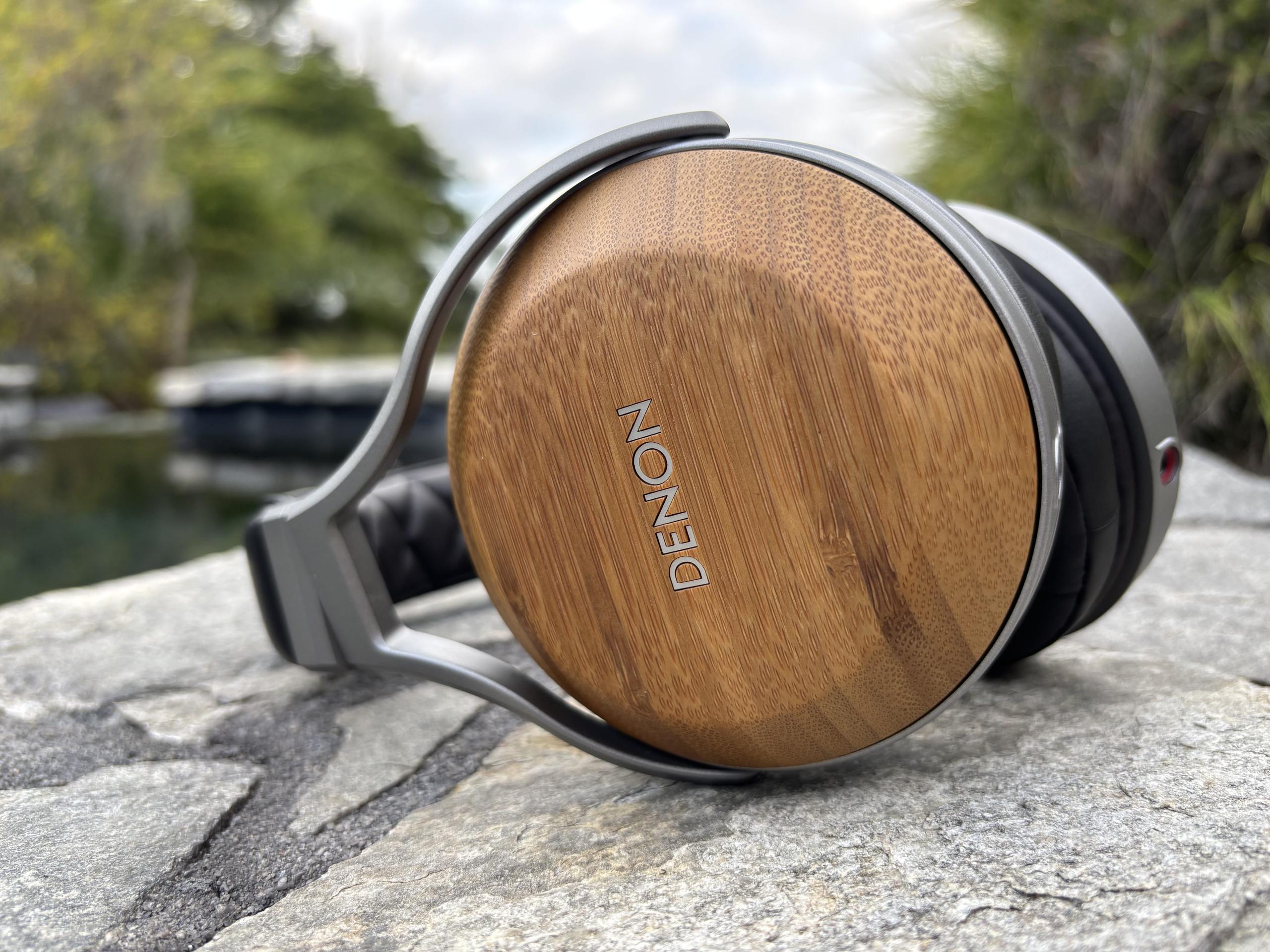
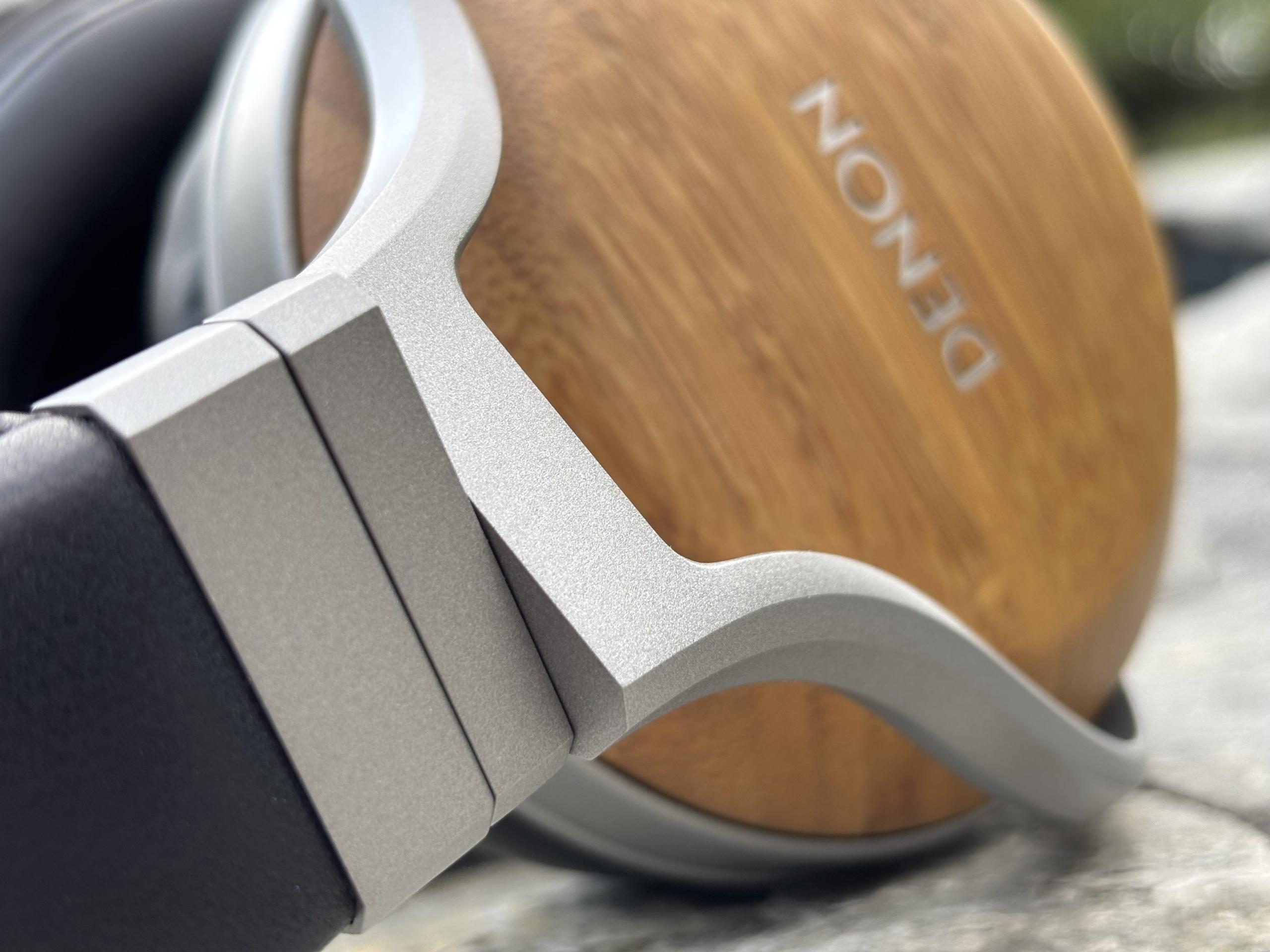
The bamboo earcups are the star of the show visually, and they should be. They're not some thin veneer slapped over plastic—these are solid, thick pieces of bamboo with a natural grain pattern that varies from pair to pair. The finish has this subtle sheen to it that catches light without looking glossy or cheap. It's restrained in a way that feels Japanese, if that makes sense. No gaudy logos, no unnecessary flourishes. Just really nice wood that happens to also dampen resonance better than most alternatives.
The metal hardware is where you really feel the substance. The yokes, adjustment sliders, and pivot points are all machined aluminum, and they have this satisfying heft when you handle them. When you adjust the headband, there's resistance—not the flimsy clicking of thin metal tabs, but the smooth, damped movement of something that's actually engineered. The adjustment mechanism locks firmly into place without any play or wobble. You get the sense that you could adjust these daily for a decade and they'd still feel tight.
Every hinge and swivel point has been clearly designed with longevity in mind. The earcups rotate and tilt on thick metal pins with zero slop. There's no creaking, no loose tolerances, no sense that anything's going to wear out after a year of regular use. I've handled a lot of headphones where you can immediately tell which parts will fail first—a plastic part here, a thin hinge there. With the AH-D9200, I genuinely couldn't identify a weak point. That's rare, even at this price.
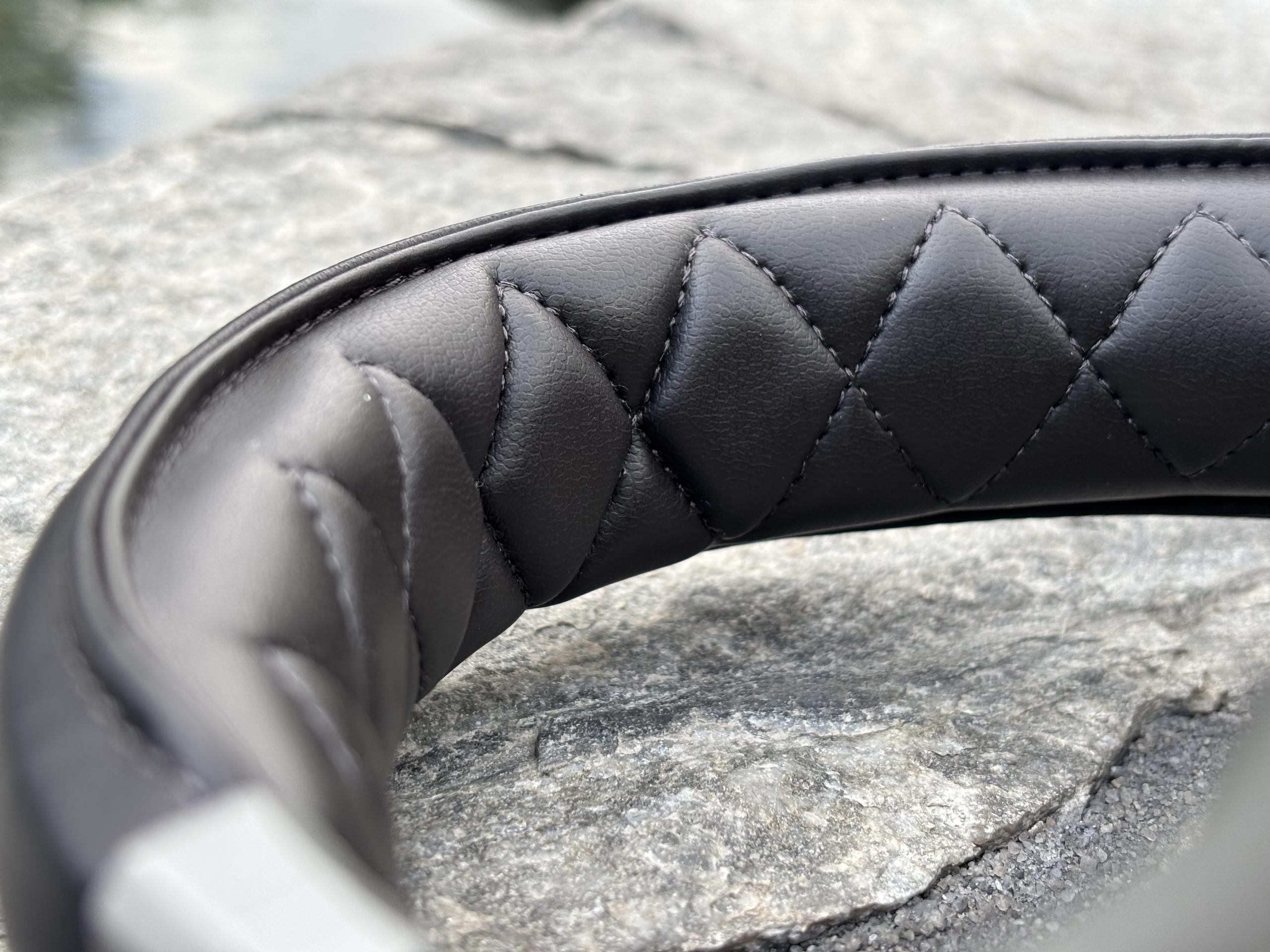
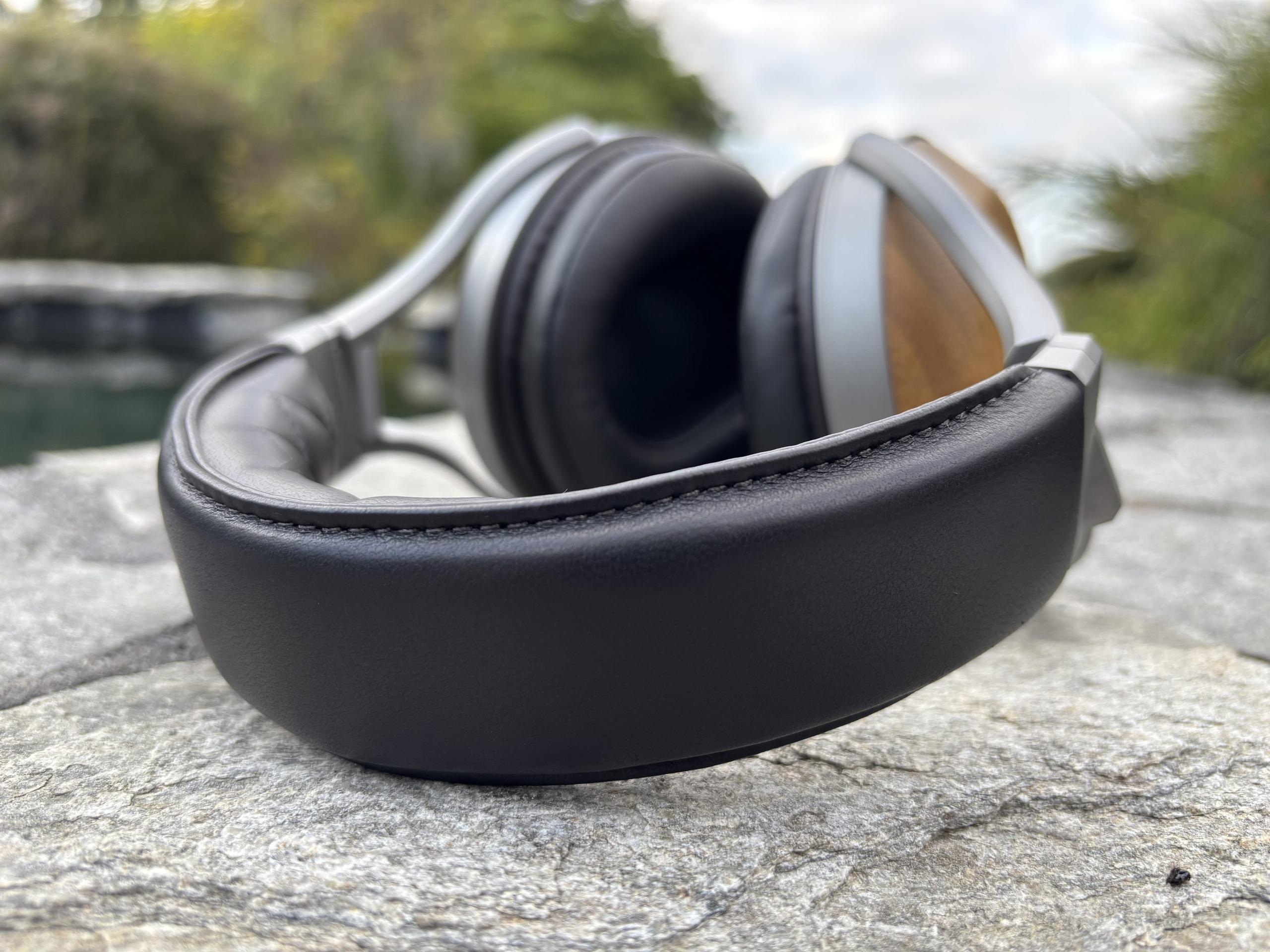
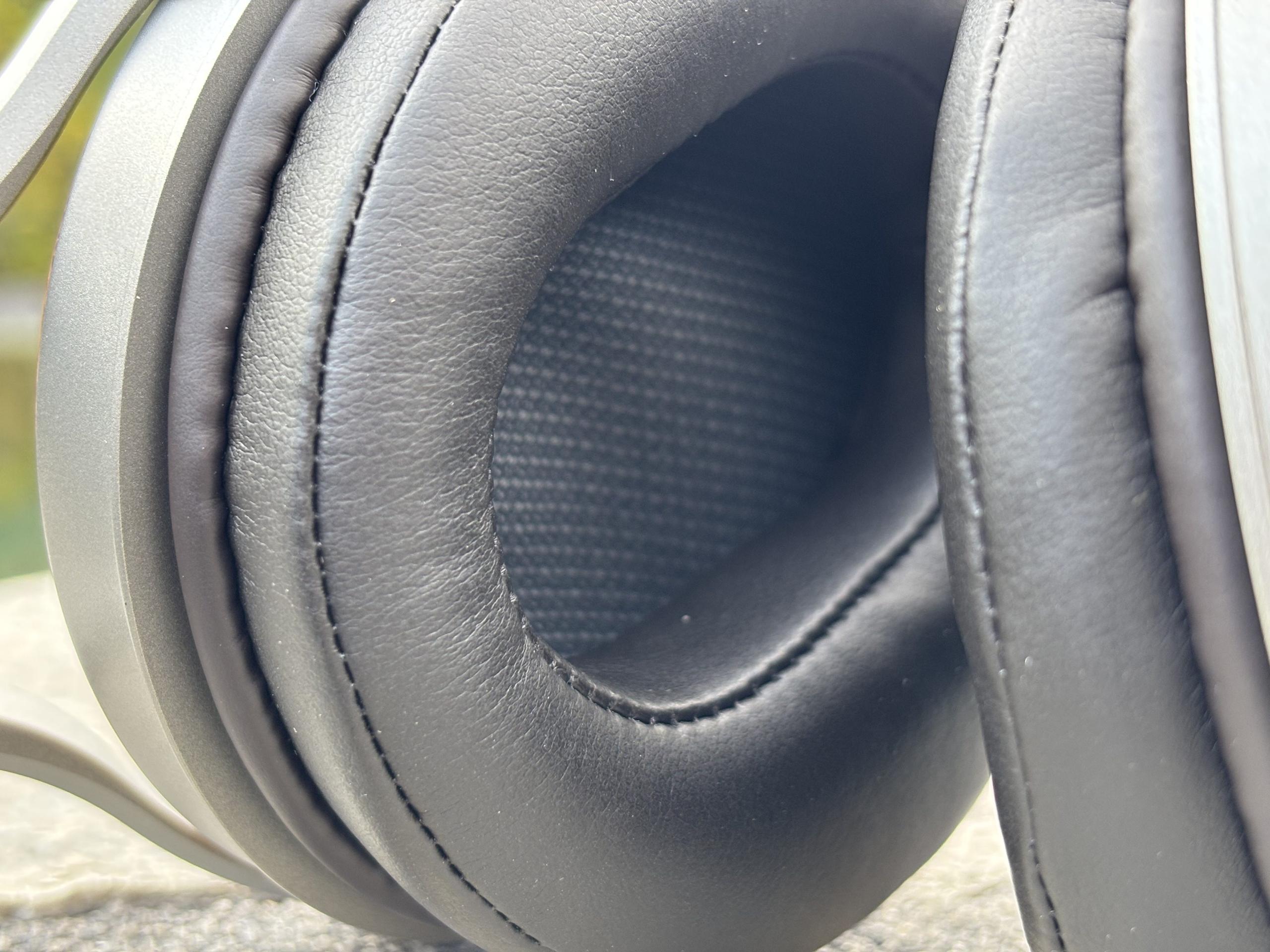
The headband padding is thick memory foam wrapped in soft leather, and it's stitched rather than glued. The cable connection uses a locking mechanism that's secure without being fussy. Even small details like the way the cable braiding terminates or how the included case is lined—it all points to someone actually caring about the full product, not just the parts customers see in photos.
If you're spending this kind of money, this is what "premium" should actually feel like. Not branding or fancy packaging, but the immediate tactile sense that every component was chosen for durability and quality rather than cost optimization. The AH-D9200 nails that in a way very few headphones do anymore.
Given how solid these are, I was half-expecting them to be a workout to wear. They're not. The clamp is firm but not aggressive, the pads are soft without being mushy, and the weight sits evenly enough that you don't get pressure points.
For a closed-back with this much heft, they're surprisingly easy to wear for hours and not too heavy. That might not sound exciting, but when you're deep into an album or a long work session, it matters more than you'd think.
Driver Type: 50mm dynamic driver with FreeEdge technology
Frequency Response: 5 Hz – 40 kHz
Impedance: 36 ohms
Sensitivity: 103 dB/mW
Weight: 385g (13.6 oz)
Cable: Detachable, dual 3.5mm connections with locking mechanism
Earcup Material: Bamboo
Headband/Hardware: Aluminum frame with leather-wrapped memory foam padding
Ear Pads: Memory foam with synthetic leather
Design: Closed-back, over-ear
Included Accessories:
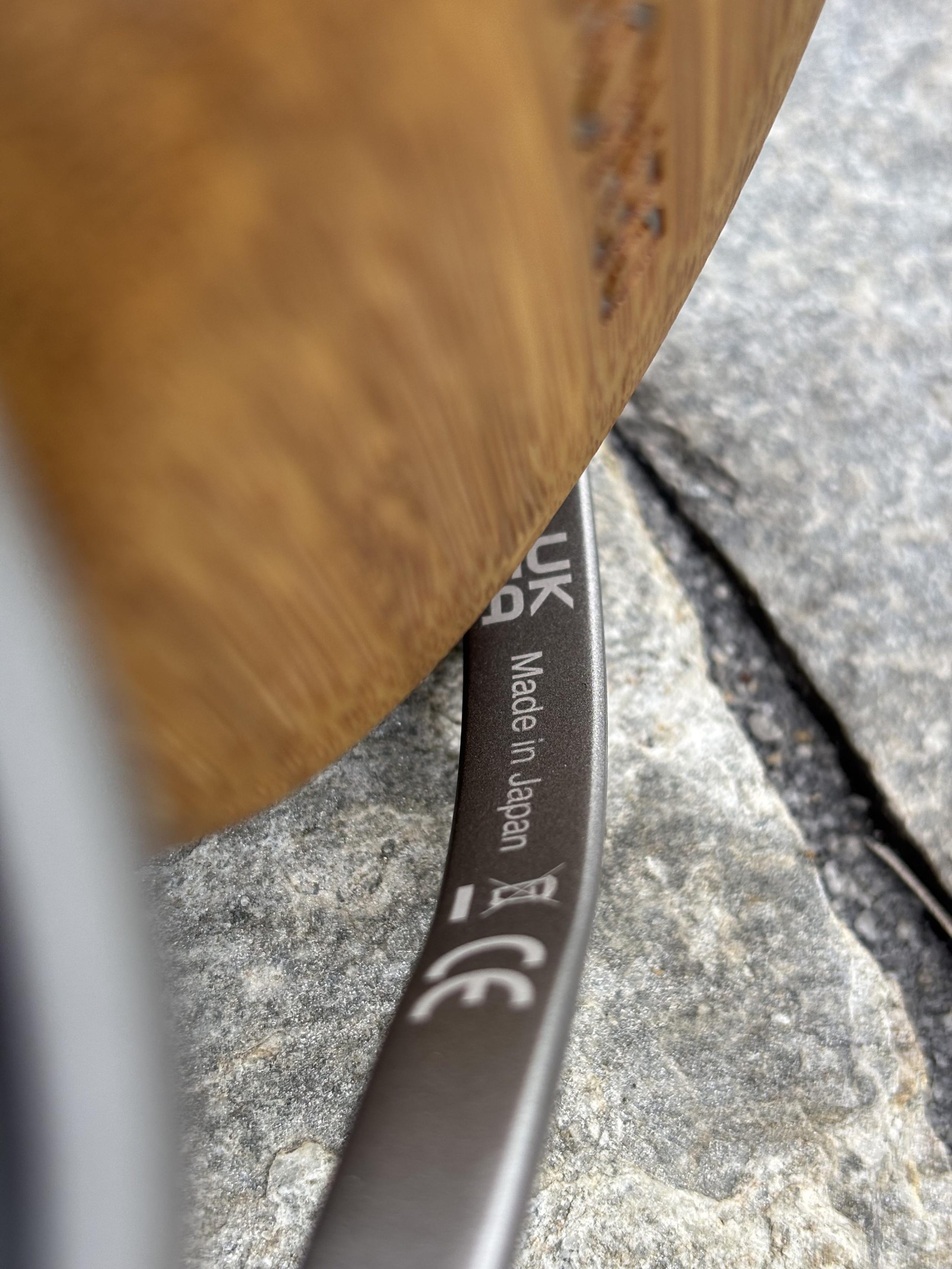
Made in: Japan
Here's where things get specific, because the tuning will make or break whether these are for you.
The AH-D9200s run a little bright, and it's clearly on purpose. If you've ever liked the way Bowers & Wilkins gear sounds—clear highs, strong detail, lots of air—you'll probably dig these. That's definitely my taste. If you're the type who gravitates toward warm, smooth, forgiving headphones, well... these are going to let you know real quick that they're not that.
Treble is open and energetic, with a good amount of sparkle and extension up top. Cymbals shimmer, hi-hats have texture, and there's this sense of air and space around instruments that makes everything feel lifted and present. It's definitely emphasized, but it's not piercing or metallic unless the recording itself is already harsh. Put on a well-mastered jazz record or something like Steely Dan, and the treble just brings out all these little details—brush strokes on snares, the decay of piano notes, the breathiness in vocals. It's really engaging.
But here's the thing: these headphones will absolutely expose a bad master. Bright, compressed pop tracks or poorly recorded live albums? They're going to sound thin and edgy. The AH-D9200 doesn't smooth over problems—it highlights them. That's either a feature or a dealbreaker depending on what you listen to and how much you care about recording quality. For me, it pushed me toward better recordings, which honestly wasn't a bad thing.
Mids are clear and present without crossing into that aggressive, shouty territory that some bright headphones fall into. Vocals sit nicely forward in the mix—not so far back that they feel distant, but not so upfront that they dominate everything else. Male vocals have good body and weight, while female vocals come through with clarity and detail without sounding thin or harsh. Guitars, strings, and brass all have good separation and texture. You can pick out individual instruments in dense mixes without them blurring together.
There's a slight upper-mid emphasis that gives everything a bit of extra articulation and bite, which works really well for rock, jazz, and acoustic music. Listening to something like Joni Mitchell or Nick Drake, you hear all the fingerpicking detail, the resonance of the guitar body, the subtle inflections in the vocals. It's the kind of presentation that makes you want to sit down and actually listen rather than just having music on in the background.
Bass is where these will divide people the most. It's tight, controlled, and disciplined—almost reference-like in how it behaves. There's extension down low, so you're not missing sub-bass when it's in the track, but it's not boosted or exaggerated in any way. If you're coming from something like Sony's bass-heavy consumer cans or even a lot of planar magnetics with that thick low-end, the AH-D9200 is going to feel light at first.
But give it time, and you start to appreciate what's actually there. Kick drums have impact and texture rather than just thump. Bass guitars have definition—you can hear the notes, the pluck of the strings, the way the line moves. Electronic music with tight, fast bass lines sounds incredibly clean and precise. It's bass that's about quality and speed rather than sheer quantity. If you want something that rumbles your skull or makes EDM feel physical, these aren't it. If you want bass that's accurate, textured, and doesn't bleed into the mids, this is some of the best I've heard in a closed-back.
The overall balance leans analytical without being clinical. There's still musicality here—it's not cold or lifeless—but the emphasis is clearly on resolution and clarity over warmth or smoothness. These headphones don't let you relax into the music; they pull you forward and make you pay attention to what's happening. Every detail is rendered clearly, every layer in the mix is separated and defined, and nothing is glossed over or softened.
For critical listening, this is fantastic. For casual background music while you work or wind down? Probably exhausting. The AH-D9200 demands engagement, and if you're not in the mood to actively listen, they can feel a bit relentless. But when you are in the mood—when you've got a great recording queued up and you want to hear everything—these deliver in a way that very few closed-backs can match.
One of the most impressive things about the AH-D9200 is how little it sounds like a closed-back. The soundstage isn't artificially stretched, but it's organized and three-dimensional. Imaging is sharp, separation is convincing, and you don't get that claustrophobic "listening inside a box" feeling.
You get real isolation without sacrificing the sense of space. For late-night listening or shared spaces where you need quiet, this is exactly what a closed-back should do.
The AH-D9200 isn't for everyone, and that's fine.
You'll probably love these if:
You might want to skip these if:
The Denon AH-D9200 feels like a statement, but not in a loud way. It's just confident. The build is legitimately luxurious, the comfort punches above what you'd expect, and the sound is deliberate and uncompromising.
Yeah, it's bright. Yeah, it prioritizes resolution and detail. But if that's your thing—and if you care as much about how something's made as how it sounds—the AH-D9200 is one of the best closed-back flagships you can get right now.
This is Denon firing on all cylinders.
For advertising please contact the editor at [email protected]




Privacy Policy
Terms and Conditions - Affiliate Policy
Home Security
© Copyright 2008-2026.
11816 Inwood Rd #1211, Dallas, TX 75244