

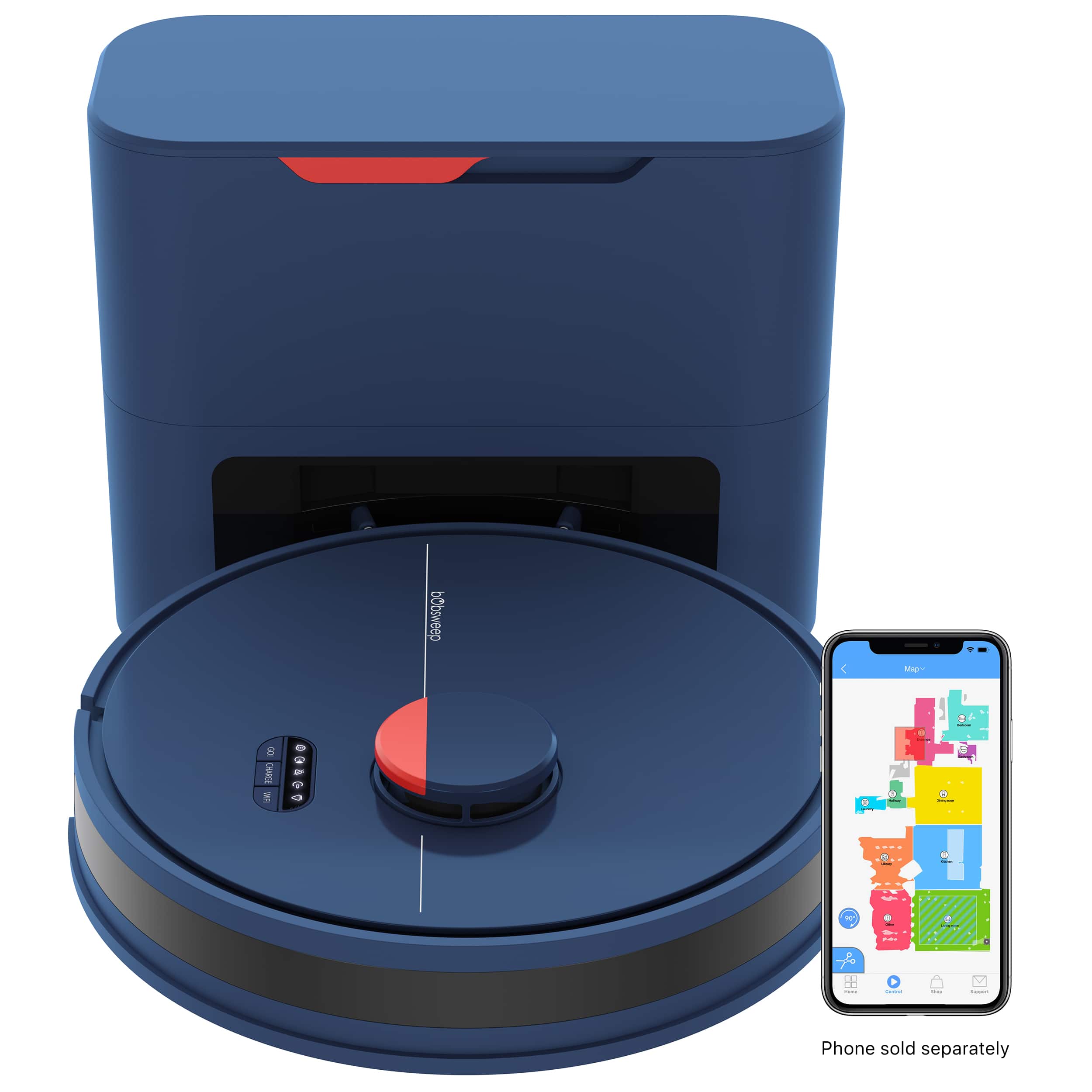
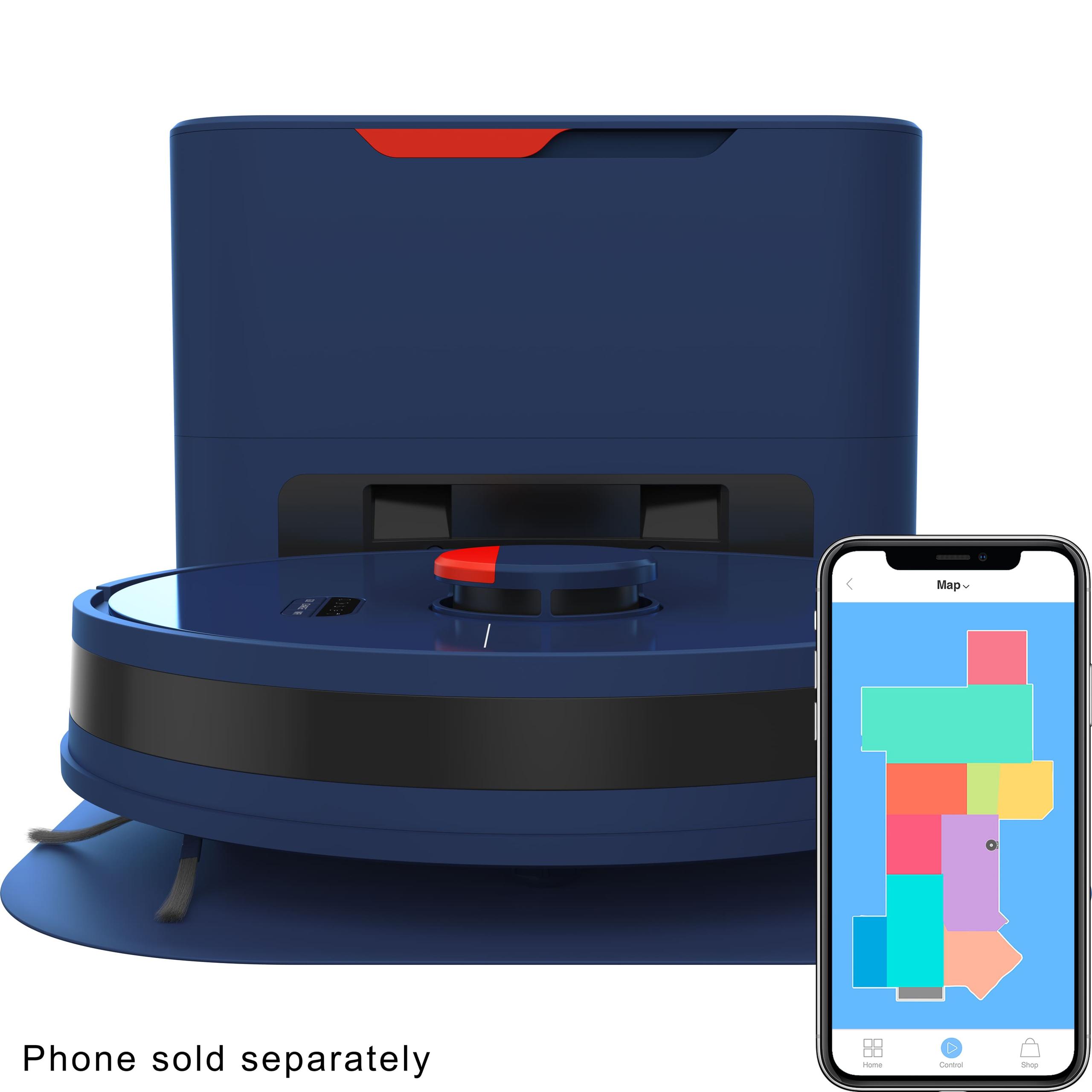
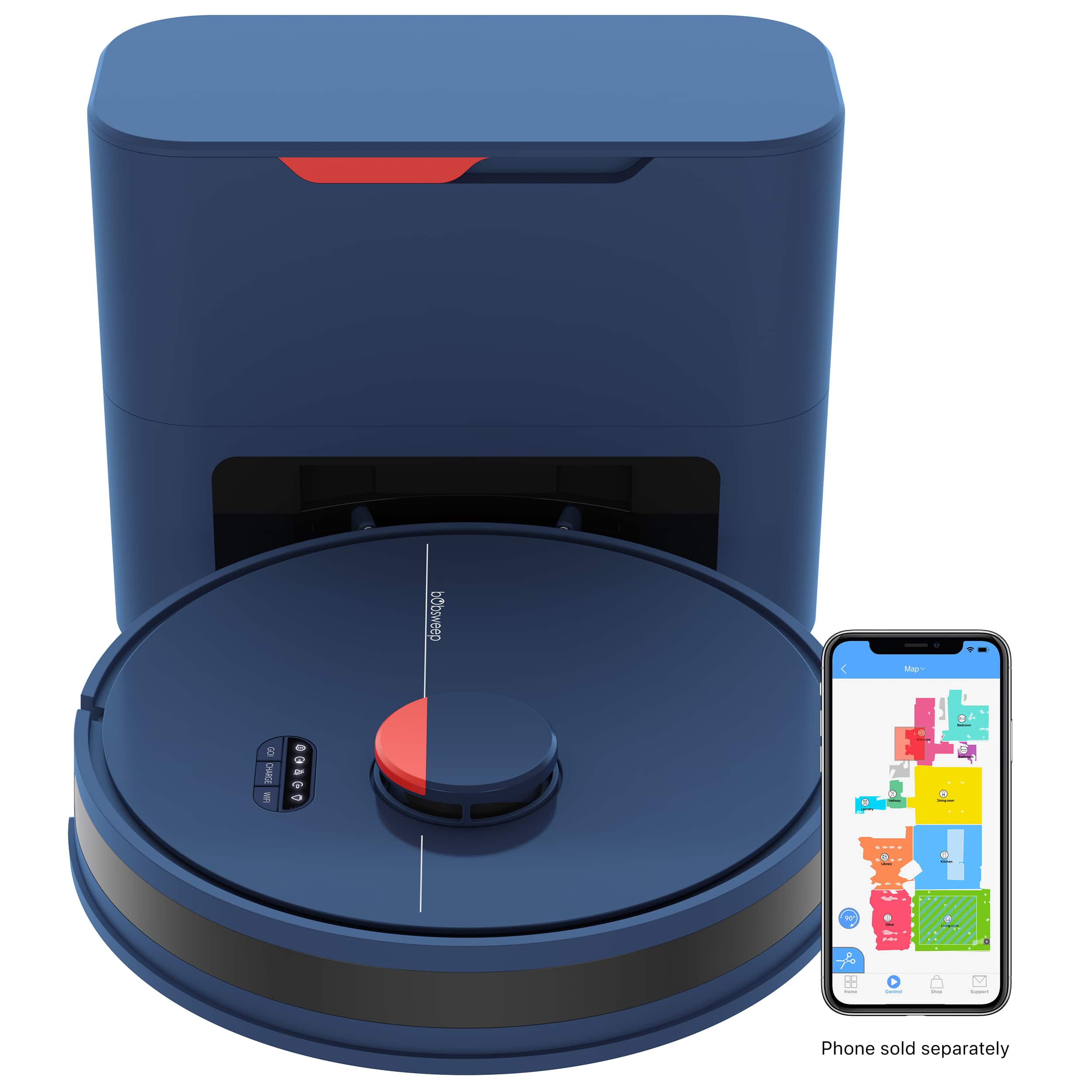
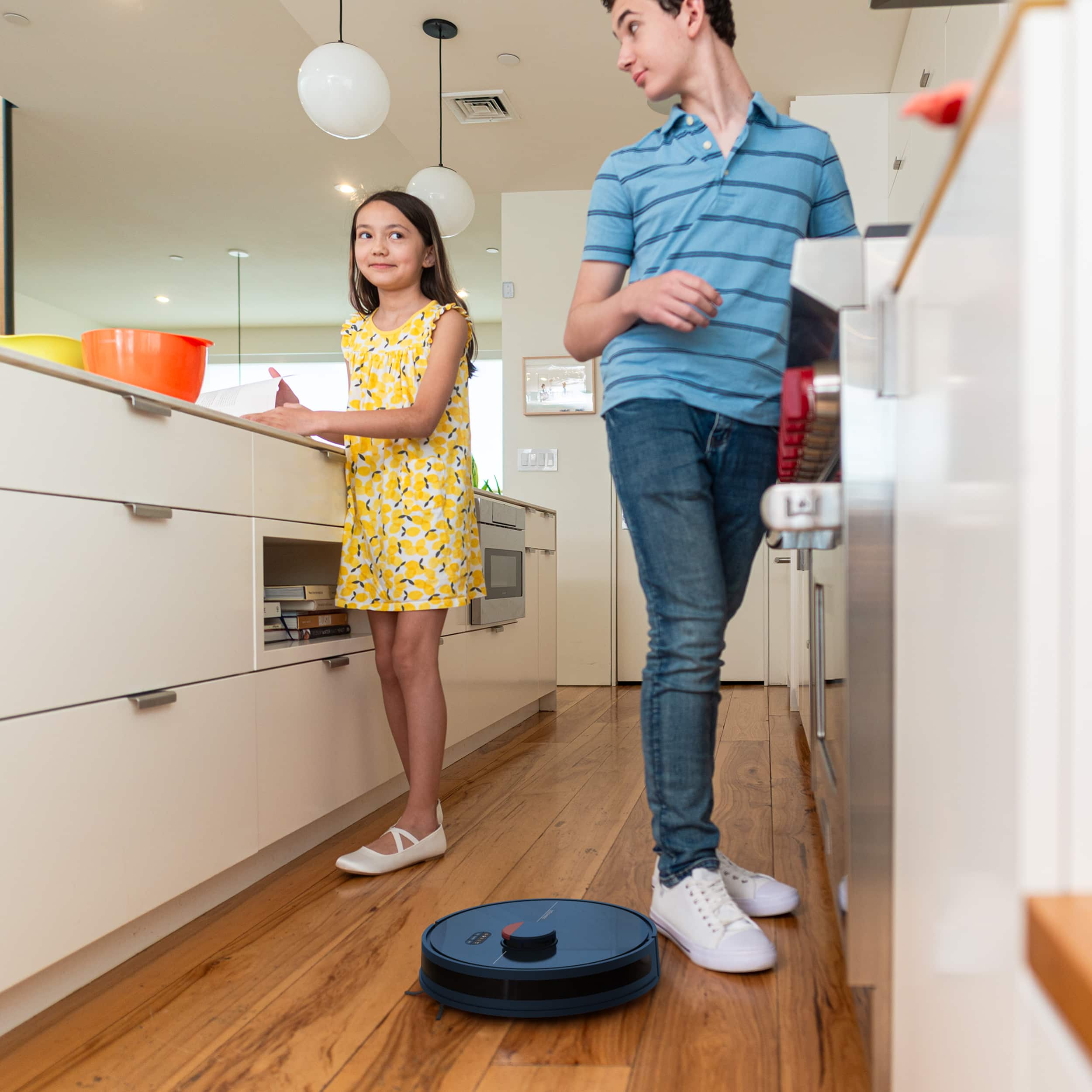

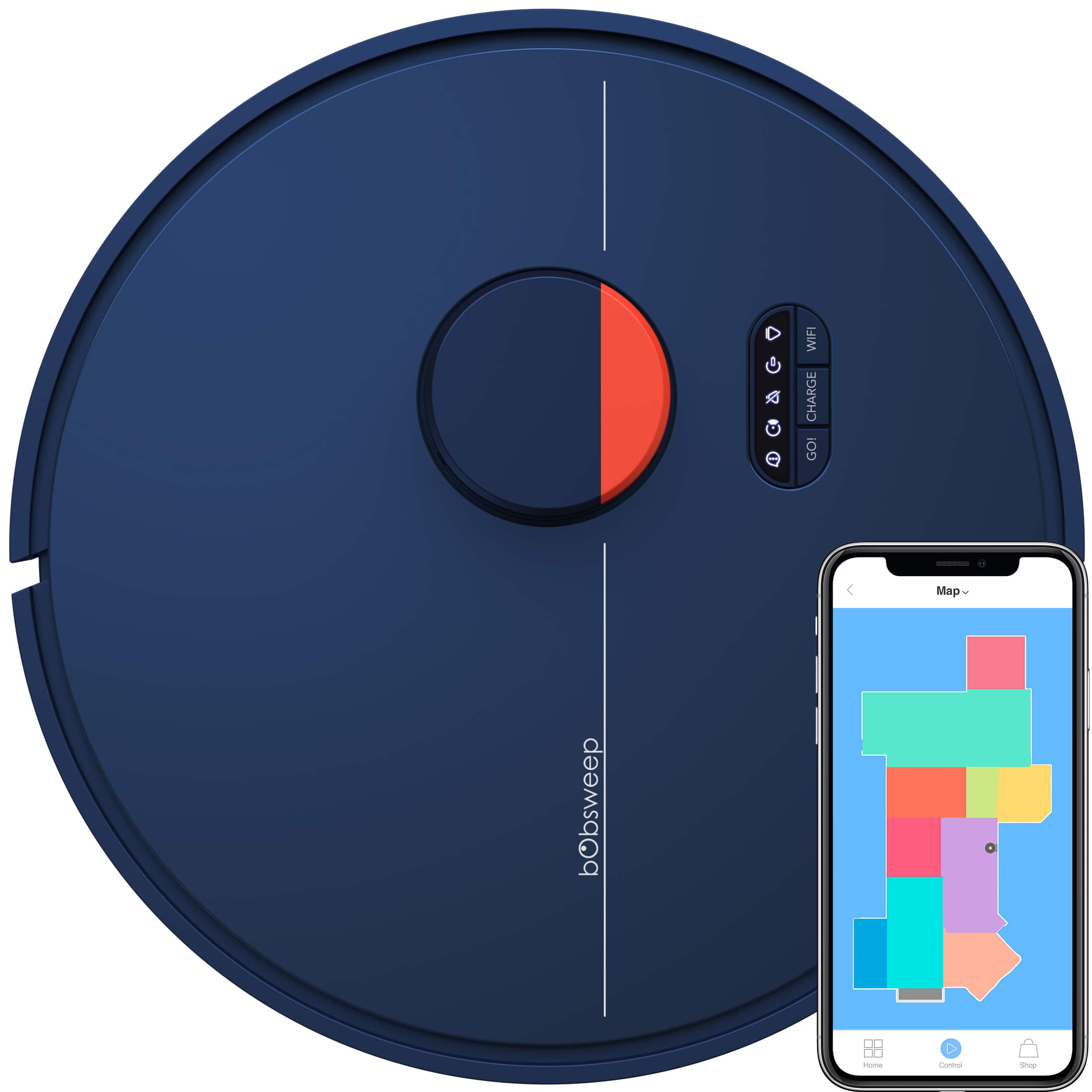
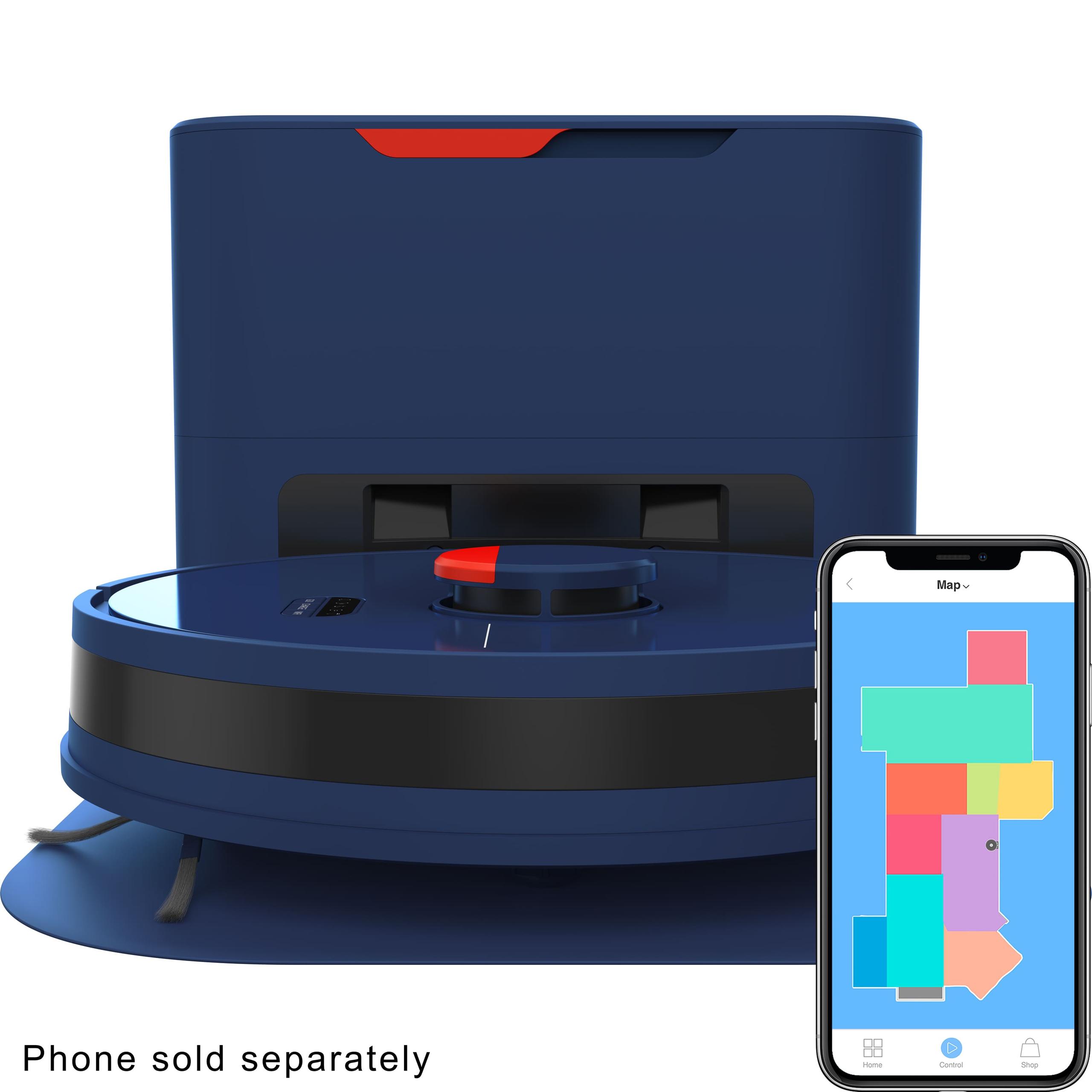

Robot vacuums have come a long way from the early days of random bumper cars that missed half your floor. Today's models are sophisticated cleaning machines that map your home, avoid obstacles with precision, and even empty themselves. But with so many options flooding the market, choosing the right one can feel overwhelming.
bObsweep, a Canadian robotics company that's been quietly innovating since 2011, offers two compelling options that showcase just how much the technology has evolved. The Dustin PET24-7-213 launched in 2023, while the newer UltraVision PET24-7-913 arrived in 2024 with significant technological improvements. Both promise to handle the daily grind of keeping your floors clean, but they take notably different approaches to get there.
Before diving into the specifics, it's worth understanding what separates exceptional robot vacuums from mediocre ones. The most critical factors aren't always obvious from spec sheets.
Suction power gets the headlines, but it's really about consistent debris pickup across different surfaces. A robot that excels on hardwood but struggles with carpet transitions isn't doing its job. Navigation intelligence determines whether your robot efficiently cleans every corner or gets lost under your dining table for an hour. Maintenance requirements can make or break the ownership experience – nobody wants to empty a tiny dustbin every other day.
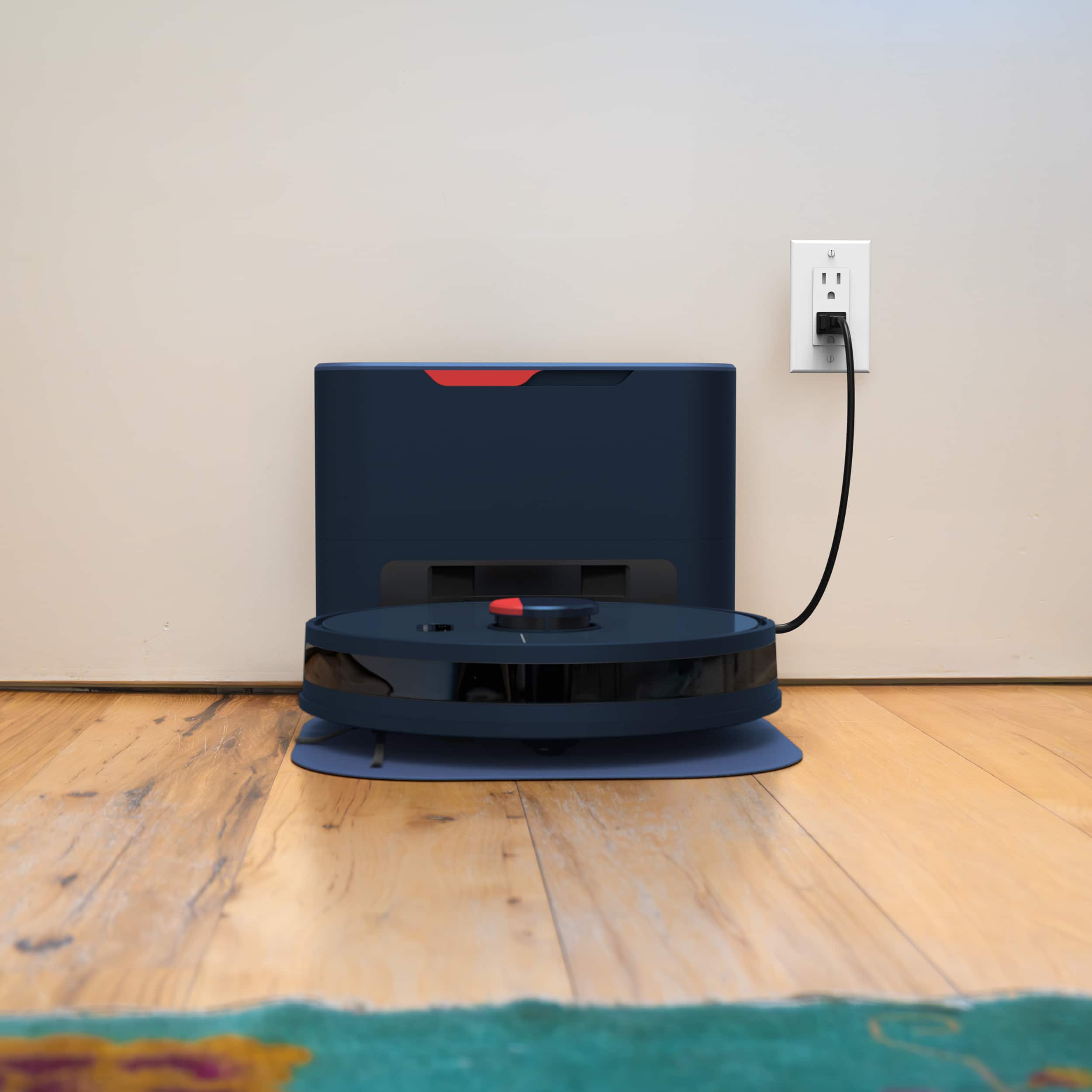
The self-emptying base has become the feature that separates premium robots from basic models. These charging stations automatically suck debris from the robot's internal bin into a larger bag, extending hands-off operation from days to months. It's particularly crucial for pet owners dealing with constant hair and dander.
Modern robots also need smart features that actually work. App control should be intuitive, not a frustrating exercise in connectivity troubleshooting. Voice assistant integration should respond reliably, and scheduled cleaning should happen without fail.
The bObsweep Dustin and UltraVision represent different philosophies in robot vacuum design. At the time of writing, the Dustin positioned itself as a premium option at a more accessible price point, while the UltraVision aimed for top-tier performance regardless of cost.
Both robots share bObsweep's focus on privacy – they don't send images of your home to external servers, a refreshing approach when many competitors upload your floor plans to the cloud. Both also target pet owners specifically, with features designed to handle hair, dander, and the inevitable messes that come with furry family members.
However, their execution differs significantly. The Dustin prioritizes quiet operation and solid all-around performance. The UltraVision goes all-in on maximum suction power and advanced obstacle detection, accepting higher complexity and cost for superior cleaning capability.
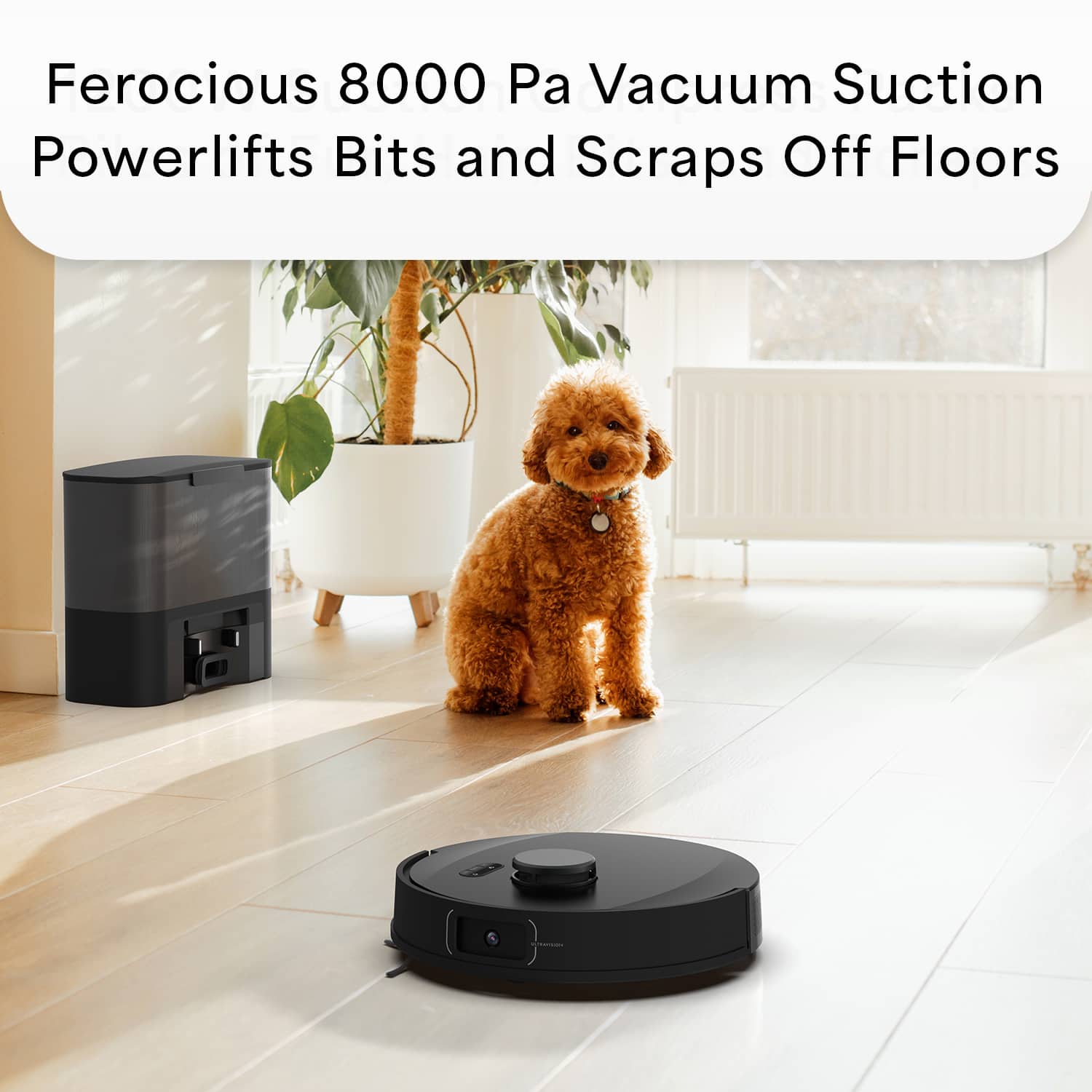
The most dramatic difference between these robots is suction power, and it matters more than you might expect. The UltraVision delivers 8000 Pa of suction – nearly double the Dustin's 4100-5000 Pa. Pa, or pascals, measures the vacuum pressure these machines generate. Higher numbers generally mean better debris pickup, especially on carpets where particles embed deeply in fibers.
From our research into user experiences and expert testing, this difference translates to noticeably better performance in challenging situations. The UltraVision handles fine debris like sand, flour, or litter with authority, while multiple sources indicate the Dustin sometimes struggles with these materials, particularly on carpets where its side brush can scatter debris rather than collect it.
Pet hair pickup tells a similar story. Both robots market themselves as pet-friendly, but the UltraVision's superior suction proves more effective at extracting embedded hair from carpets and area rugs. The Dustin performs adequately on hard floors but can struggle with hair that's worked its way into carpet fibers.
This performance gap becomes most apparent with challenging debris. Cereal crumbs, tracked-in sand, and pet litter – the everyday messes that reveal a robot's true capabilities – favor the more powerful machine. If you're dealing with these scenarios regularly, the suction difference isn't academic; it's the difference between actual cleaning and just moving dirt around.
Both robots use LiDAR (Light Detection and Ranging) sensors to map your home, but their approaches differ meaningfully. LiDAR works like radar but with lasers, creating detailed 3D maps by measuring how long light takes to bounce back from surfaces.
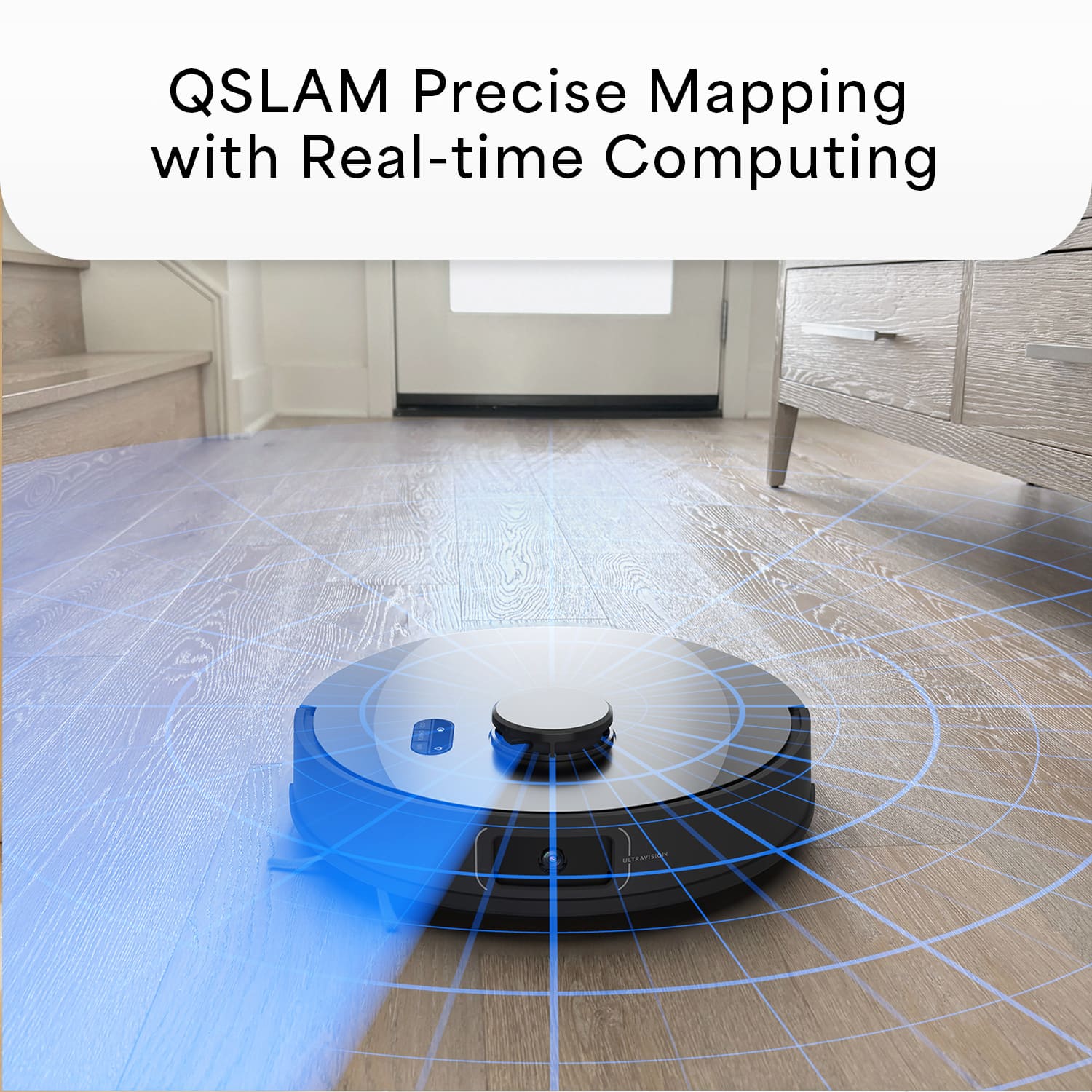
The Dustin employs what bObsweep calls Quantum SLAM (Simultaneous Localization and Mapping). SLAM is the technology that lets robots figure out where they are while simultaneously mapping their environment – think of it as drawing a map while navigating with that same incomplete map. The Dustin's implementation works reliably for most homes, creating accurate maps and planning efficient cleaning paths.
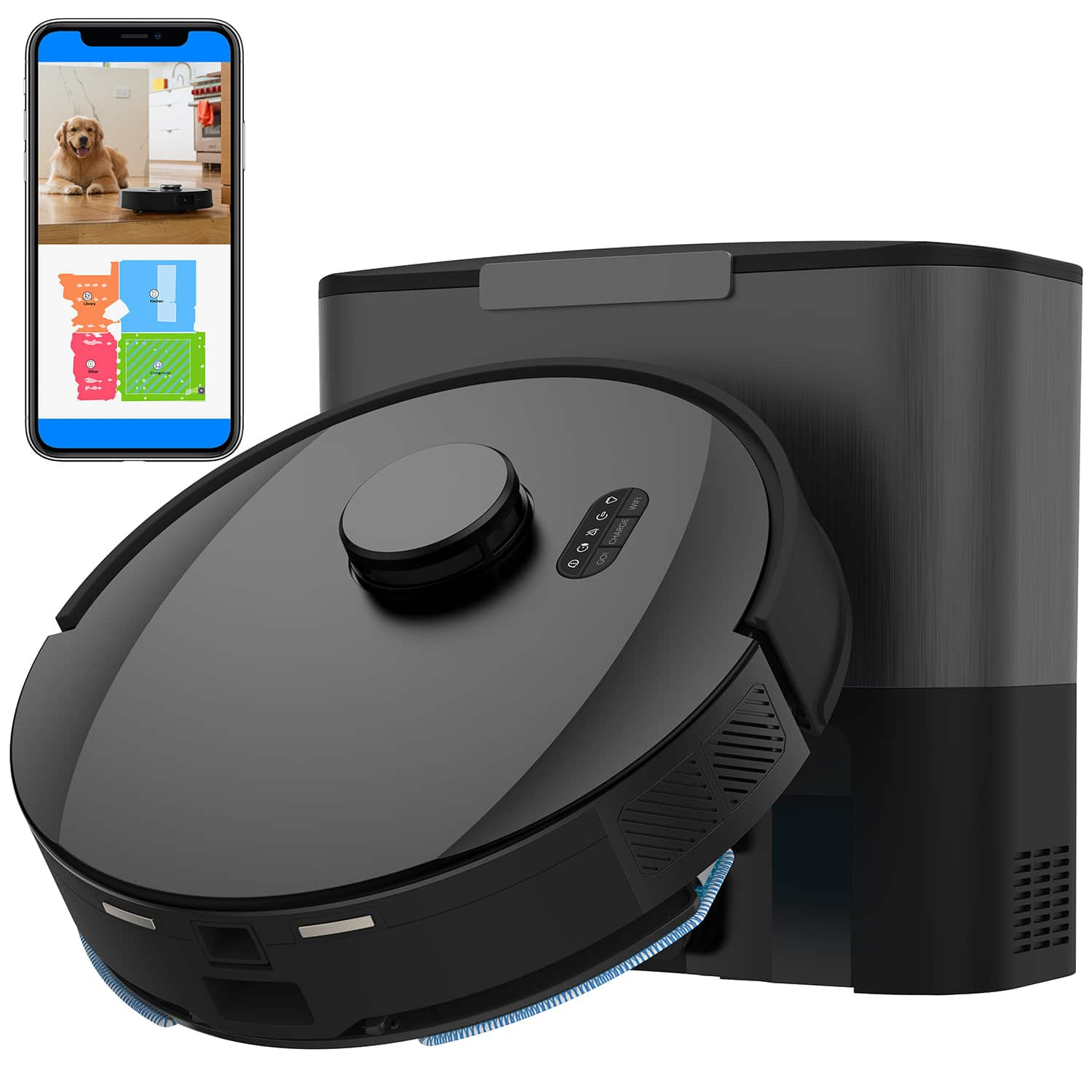
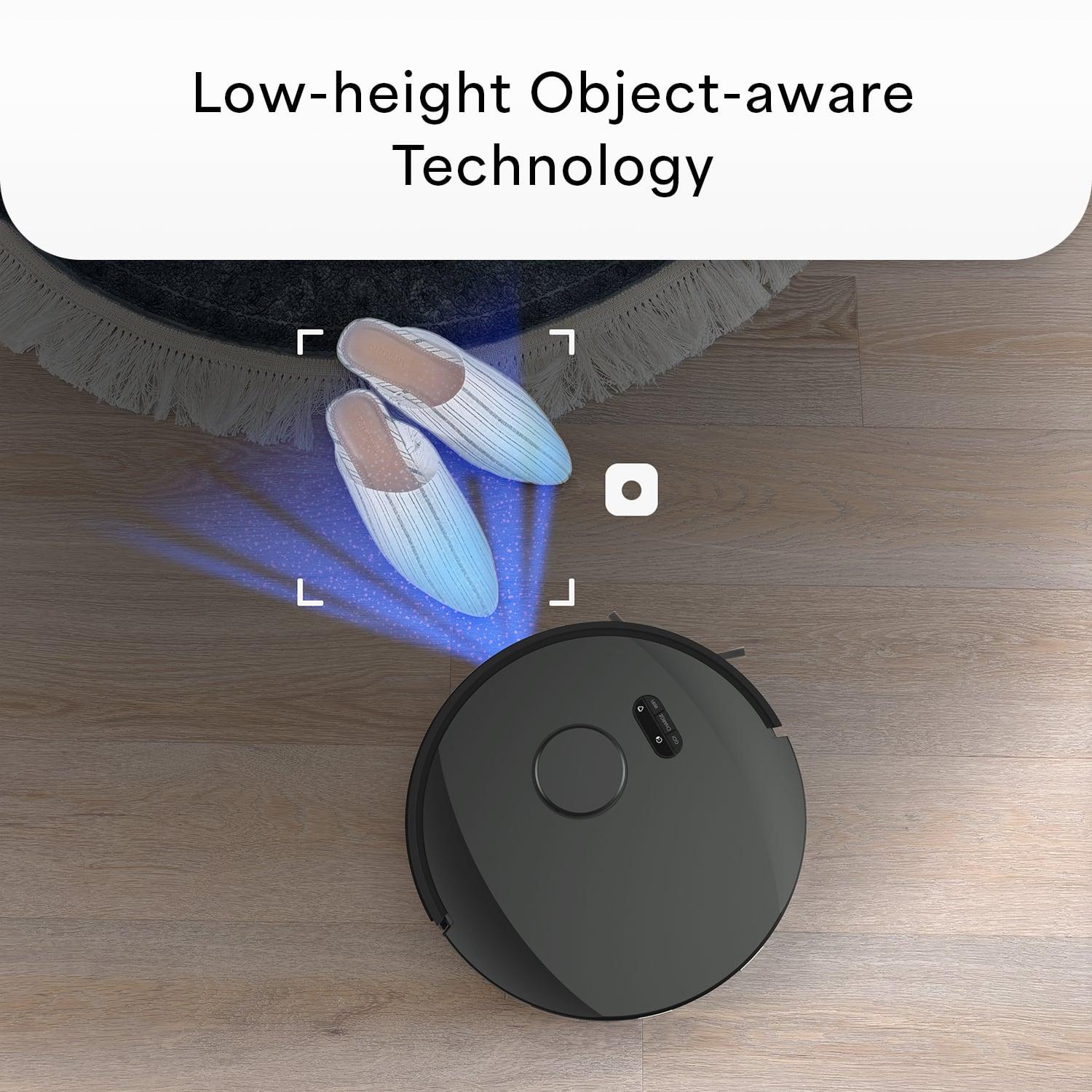
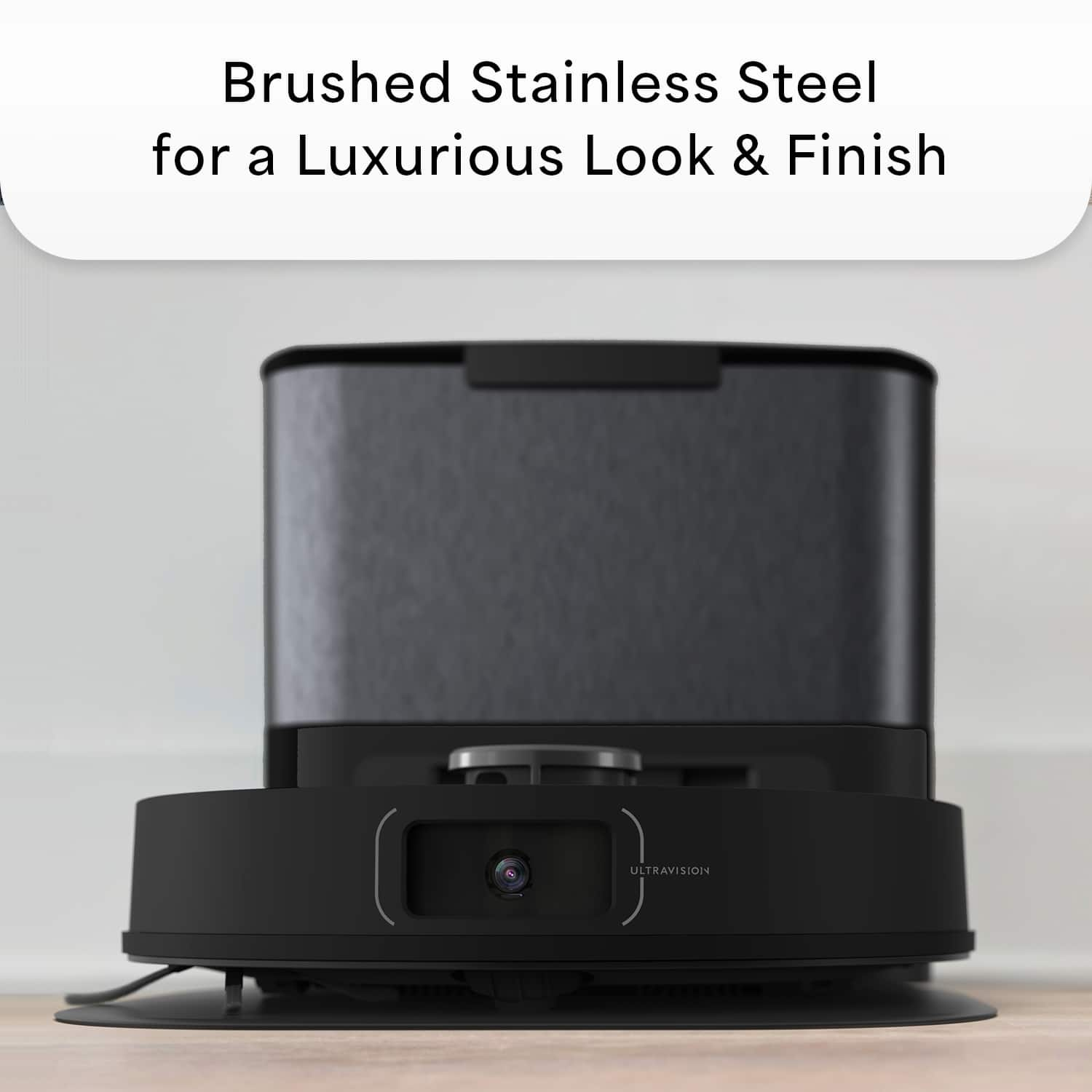
The UltraVision takes this further with enhanced QSLAM (Quantum SLAM) plus Low-height Object-aware Technology (LOT). This system adds camera-based detection to identify small obstacles that might trip up other robots. Pet toys, loose socks, and power cords – the household items that typically cause robots to get stuck or call for help – become visible threats the UltraVision can navigate around.
User reports consistently highlight this difference. The Dustin occasionally gets stuck or tangled, requiring human intervention. The UltraVision demonstrates notably better obstacle avoidance, completing cleaning cycles more consistently without assistance.
For home theater enthusiasts, this reliability matters significantly. Media rooms often have complex cable runs, speaker wires, and equipment on the floor. A robot that can navigate these obstacles autonomously, rather than getting tangled in expensive cables, provides genuine peace of mind.
Runtime directly affects how much area a robot can clean before returning to recharge. The UltraVision offers 170-180 minutes of operation compared to the Dustin's 120-150 minutes. While this might seem like a minor difference, it significantly impacts usability in larger homes.
Modern robots typically pause to recharge when their battery runs low, then resume cleaning where they left off. However, this process adds time and complexity to cleaning cycles. Longer runtime means more areas cleaned in a single session and fewer interruptions.
The UltraVision's extended battery life becomes particularly valuable in homes over 2000 square feet or those with multiple levels. The robot can tackle comprehensive cleaning without the stop-and-start pattern that interrupts the process and extends total cleaning time.
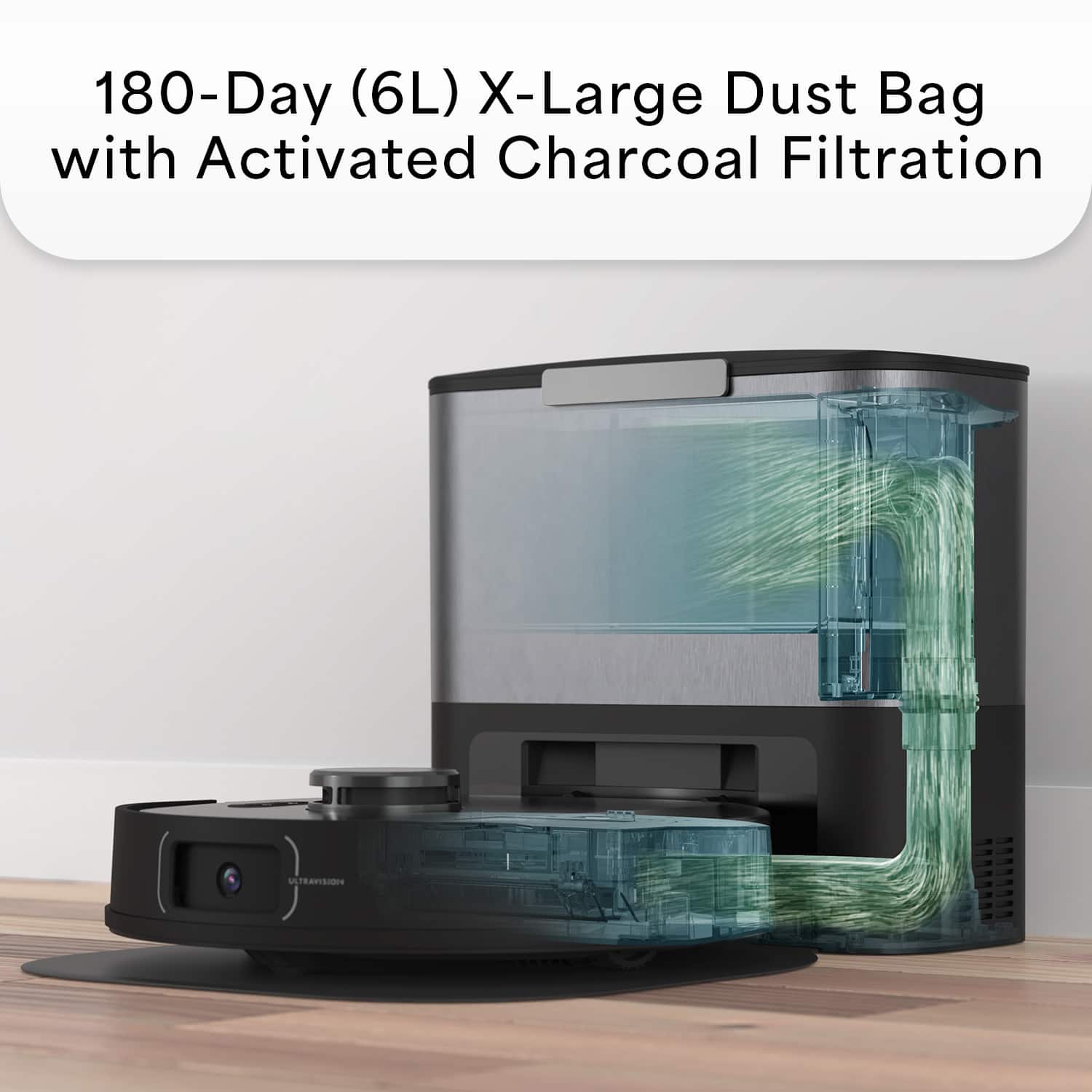
Both robots include self-emptying charging bases, but their capacities differ substantially. The UltraVision features a massive 6-liter dust collector – among the largest available in consumer robot vacuums. The Dustin offers a smaller 4.6-liter capacity.
This difference translates to dramatically different maintenance schedules. The UltraVision can operate for up to 180 days between bag changes in typical households, while the Dustin requires attention every 70-100 days. For pet owners dealing with constant hair and dander, this extended capacity proves invaluable.
The UltraVision also includes activated charcoal in its dust bags for odor filtration. Pet owners know that vacuum bags can develop unpleasant smells, particularly with hair and organic debris. This feature helps maintain a fresher environment during the extended periods between bag changes.
Here's where the Dustin shines. Operating at under 60 decibels, it's exceptionally quiet for a robot vacuum. Many users describe being able to run it during phone calls or while watching television without significant distraction.
The UltraVision, with its powerful motor, generates more noise during operation. While not excessively loud, it's noticeable enough that you might prefer to schedule cleaning when you're away from home.
For home theater environments, this distinction matters considerably. Running a robot vacuum during movie nights isn't ideal regardless, but the Dustin's quieter operation makes it less disruptive if cleaning cycles overlap with entertainment time. The subtle operation also makes it suitable for daytime cleaning without disturbing Zoom calls or other activities requiring audio clarity.
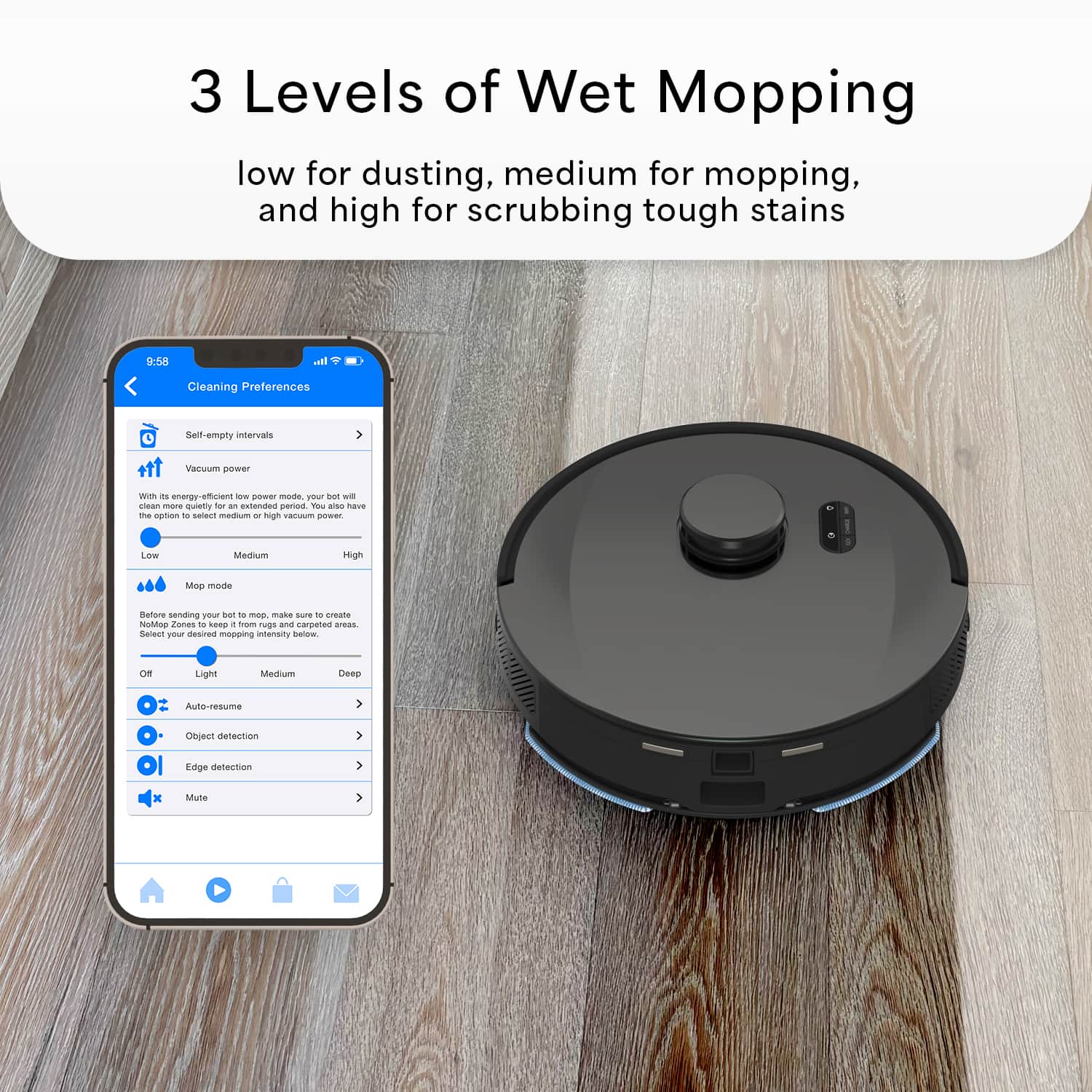
Both robots offer wet mopping capabilities, but it's important to understand the limitations. These aren't replacement for traditional mopping – they're maintenance tools that add a light polish to hard floors.
The mopping systems are passive, using microfiber pads dampened from onboard water reservoirs. They don't scrub or agitate stains; they simply drag damp cloths across the floor. This approach works well for dust pickup and light polishing but won't remove sticky spills or ground-in dirt.
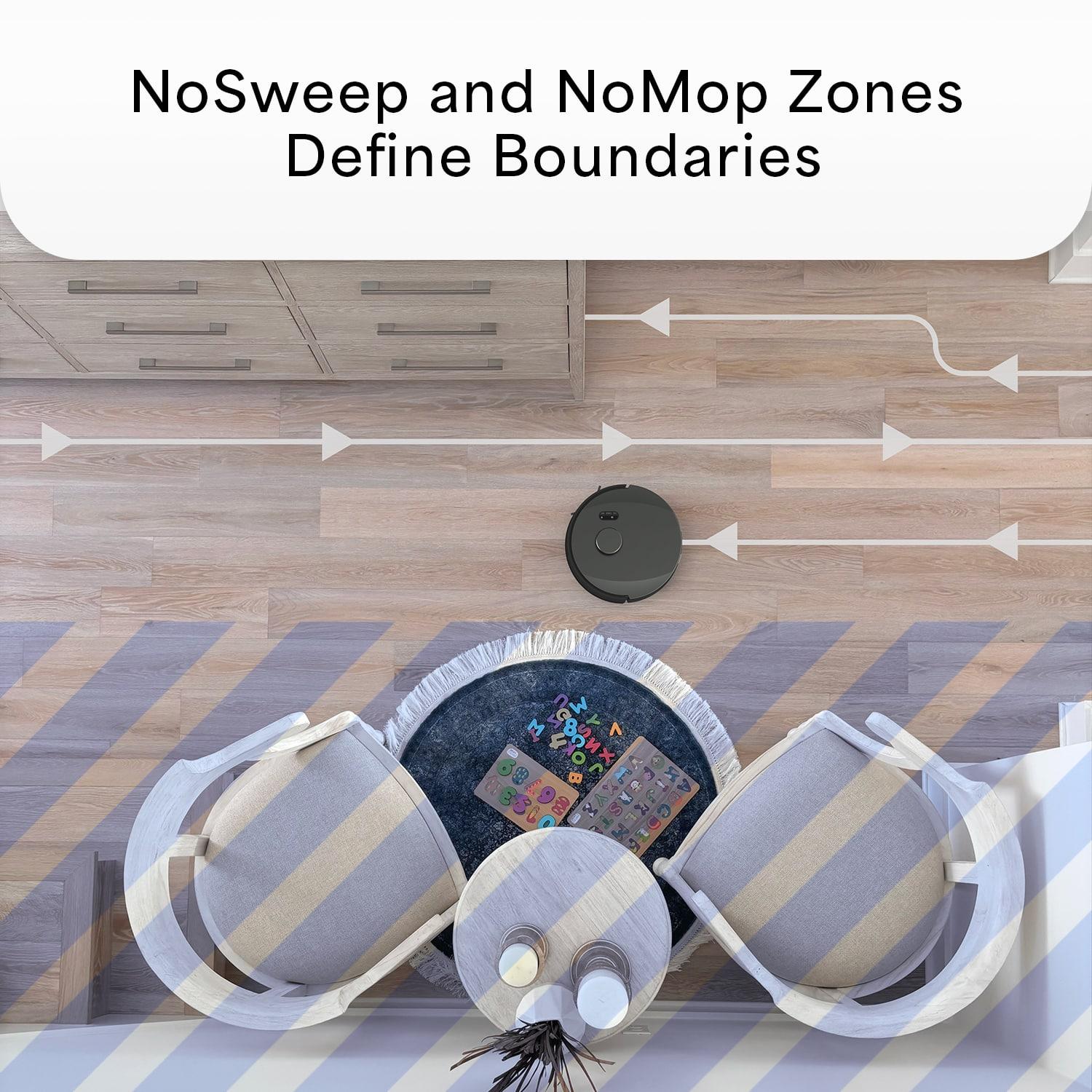
Neither robot offers automatic mop lifting, so users must manually designate no-mop zones to protect carpets and rugs. This represents a step backward compared to some premium competitors that automatically lift mopping pads when transitioning to carpeted areas.
For most users, the mopping function serves as a nice bonus rather than a primary feature. It's effective for maintaining the appearance of hard floors between deeper cleaning sessions but shouldn't be expected to handle serious messes.
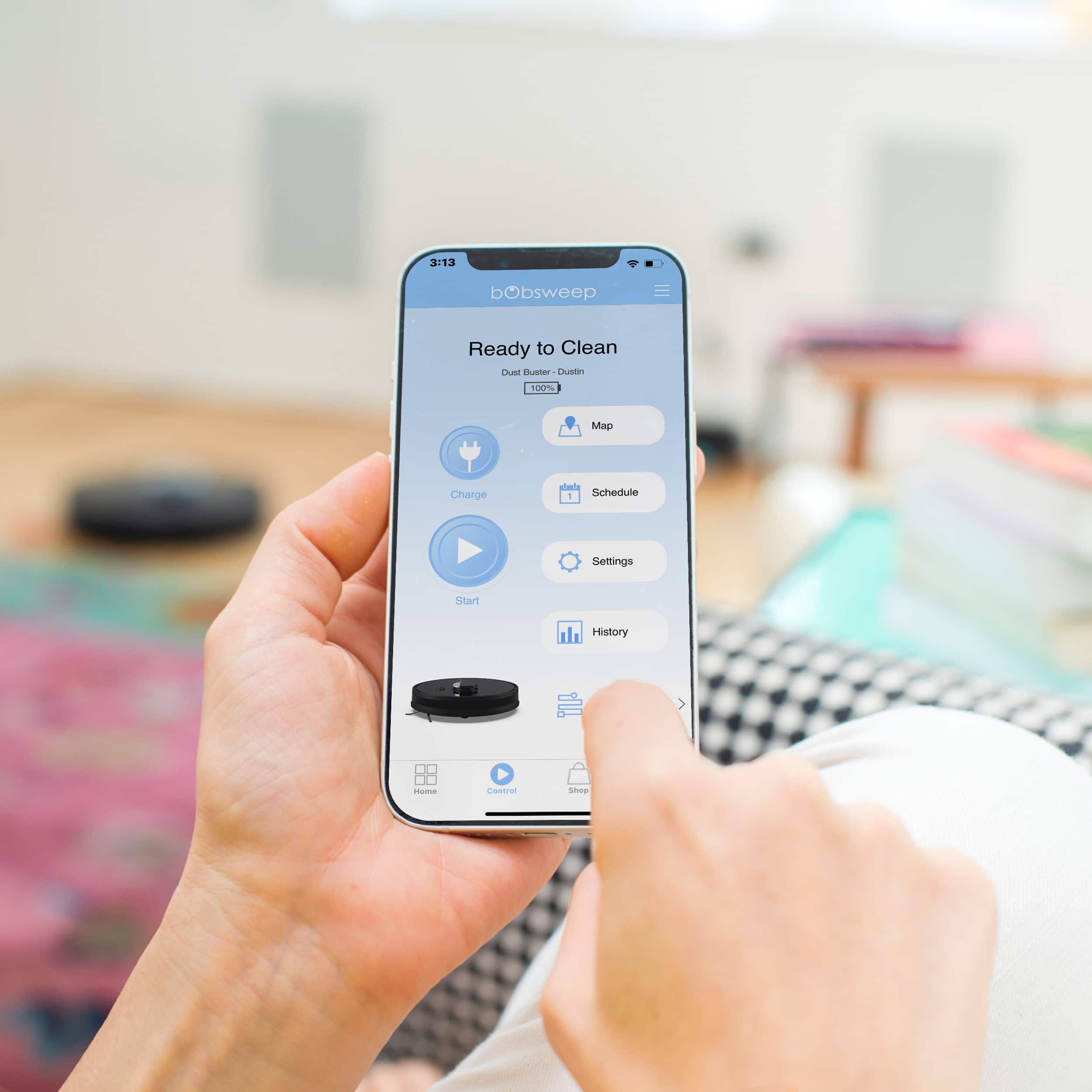
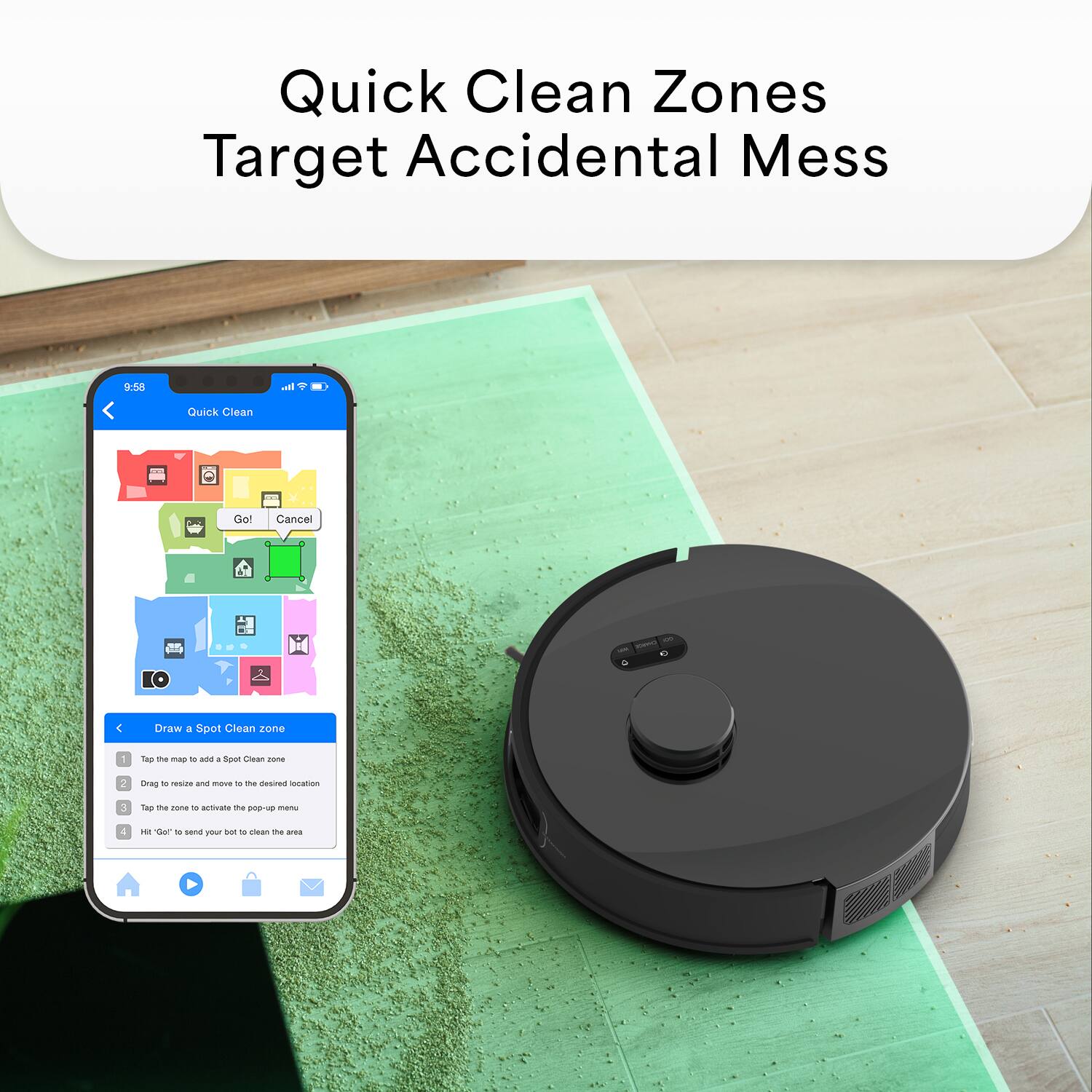
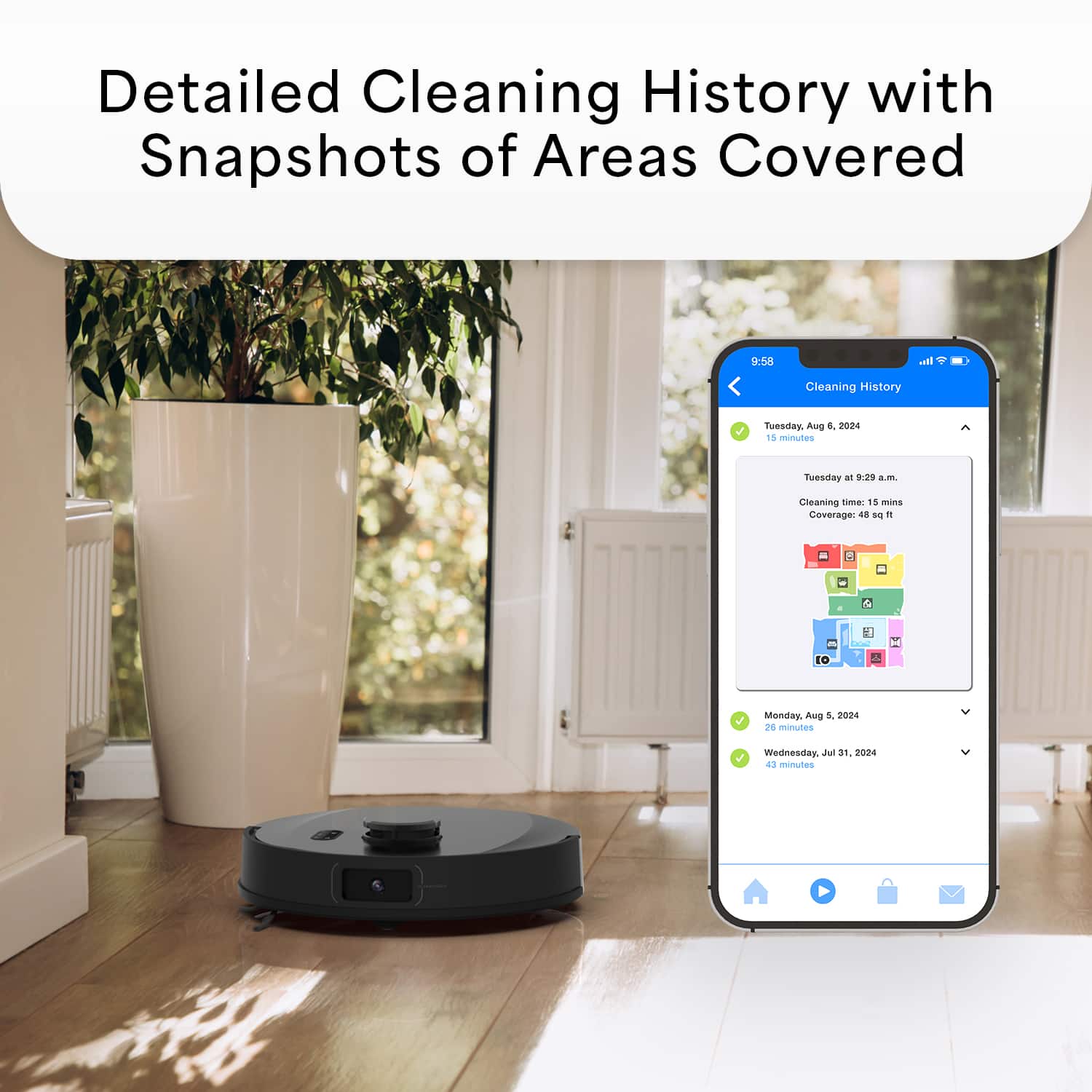
Both robots offer comprehensive app control with scheduling, zone management, and real-time tracking. The apps allow users to designate specific rooms for cleaning, set no-go zones, and monitor cleaning progress remotely.
Voice assistant integration works with both Alexa and Google Assistant, though some users report occasional connectivity hiccups. The integration allows basic commands like starting, stopping, and returning to dock, but more complex functions typically require the app.
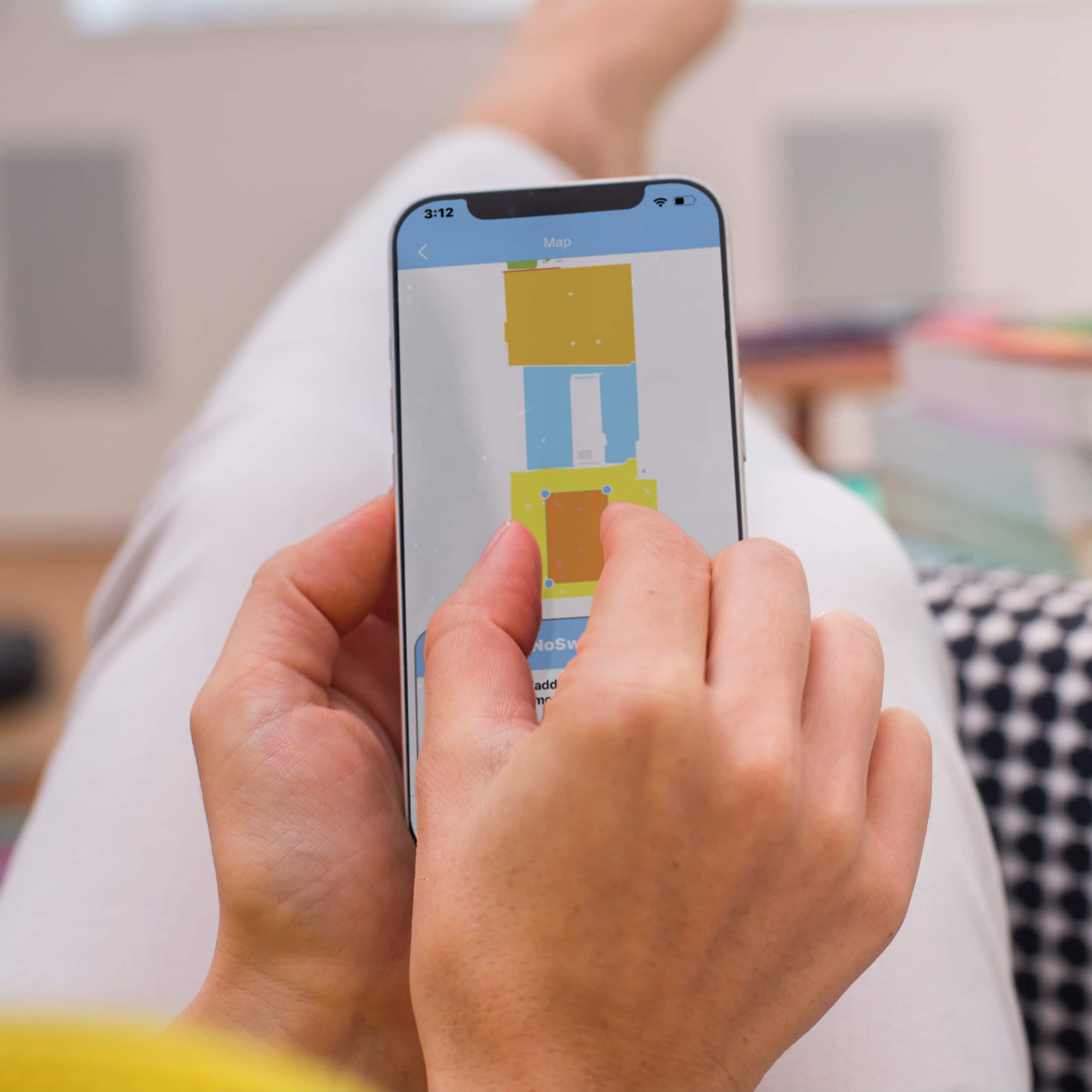
The mapping capabilities deserve particular mention. Both robots create detailed, color-coded maps that users can edit and customize. Room labeling, zone creation, and cleaning schedule management all work through intuitive app interfaces.
However, the UltraVision's superior navigation translates to more accurate maps and more reliable zone cleaning. Users report fewer instances of the robot missing designated areas or failing to complete scheduled tasks.
At the time of writing, the UltraVision commanded a premium of roughly $170 over the Dustin. This price difference reflects significant technological improvements rather than minor feature additions.
The Dustin offers excellent value for users seeking premium robot vacuum features at a more accessible price point. Self-emptying convenience, smart app control, and reliable cleaning performance come at a cost that's competitive with mainstream options from larger brands.
The UltraVision justifies its premium through measurably superior performance. The doubled suction power, extended battery life, larger dust capacity, and advanced obstacle avoidance represent genuine technological improvements rather than marketing flourishes.
For context, both robots include comprehensive warranty coverage – 2-year limited warranties, 2-year battery coverage, and 5-year subsidized repair plans. This level of support exceeds many competitors and adds value to the ownership experience.
The Dustin makes sense for users who prioritize value and quiet operation. If your home is primarily hard floors with light carpeting, if pet hair levels are moderate, or if noise sensitivity is a concern, the Dustin delivers premium features at a reasonable cost. It's also ideal for apartments and smaller homes where the runtime and capacity differences matter less.
The UltraVision targets users with more demanding cleaning needs. Multiple pets with heavy shedding, homes with significant carpeted areas, or situations requiring maximum hands-off operation favor the more powerful machine. The extended dust capacity particularly benefits busy households or those who travel frequently.
For home theater environments specifically, the choice depends on priorities. The Dustin's quiet operation makes it less disruptive during use, while the UltraVision's superior navigation better handles the complex cable management typical in media rooms.
Choose the Dustin if budget consciousness drives your decision, if quiet operation matters more than maximum suction, or if your cleaning challenges are relatively straightforward. It's an excellent introduction to premium robot vacuum features without the premium price.
Choose the UltraVision if you're dealing with challenging debris, heavy pet hair, or want maximum hands-off operation. The performance improvements justify the additional cost for households with demanding cleaning needs.
Both robots represent solid choices within their respective tiers. The Dustin proves that premium features don't require premium prices, while the UltraVision demonstrates that sometimes paying more actually gets you meaningfully better performance. Your specific cleaning challenges, home layout, and budget constraints should guide the final decision.
The robot vacuum market continues evolving rapidly, but both of these machines offer the core technologies and features that define modern automated cleaning. Whichever you choose, you're getting a capable cleaning partner that can handle the daily maintenance that keeps your floors looking their best.
| bObsweep Dustin PET24-7-213 | bObsweep UltraVision PET24-7-913 |
|---|---|
| Suction Power - Most important for deep cleaning carpets and pet hair | |
| 4100-5000 Pa with TurboLift technology (adequate for most homes) | 8000 Pa (nearly double the power, superior for embedded debris) |
| Self-Emptying Dust Capacity - Determines how long between bag changes | |
| 4.6L capacity, up to 70-100 days between changes | 6L capacity with activated charcoal, up to 180 days between changes |
| Battery Runtime - Critical for larger homes and thorough cleaning | |
| 120-150 minutes (sufficient for medium homes) | 170-180 minutes (ideal for large homes and deep cleaning cycles) |
| Navigation Technology - Affects cleaning efficiency and getting stuck | |
| Quantum SLAM with basic obstacle avoidance | Enhanced QSLAM with Low-height Object-aware Technology (LOT) for superior obstacle detection |
| Noise Level - Important for daytime use and noise-sensitive households | |
| Under 60 decibels (exceptionally quiet, described as "pet whisperer") | Standard noise levels for high-suction robots (more noticeable during operation) |
| Self-Emptying Station Power - Affects emptying thoroughness and speed | |
| Standard self-emptying system | 1200W high-powered station for more complete debris removal |
| Object Detection Capabilities - Prevents getting stuck on small items | |
| Basic sensor-based obstacle avoidance | Camera-enabled LOT system detects pet toys, socks, and cables |
| Dust Bag Features - Important for pet owners dealing with odors | |
| Standard dust collection bags | Activated charcoal-lined bags for odor filtration and better sealing |
| Release Date - Indicates latest technology and features | |
| July 2023 (established technology, proven reliability) | September 2024 (latest innovations and improvements) |
| Mopping System - Both offer basic wet mopping for maintenance cleaning | |
| 350ml reservoir with passive mopping pad | 350ml reservoir with even liquid distribution technology |
| Privacy Protection - Both models keep your data secure | |
| No images sent to servers, US-based data storage only | No images sent to servers, US-based data storage only |
| Warranty Coverage - Comprehensive support for both models | |
| 2-year limited warranty, 5-year subsidized repair, lifetime service | 2-year limited warranty, 5-year subsidized repair, lifetime service |
The bObsweep UltraVision PET24-7-913 has significantly stronger suction at 8000 Pa compared to the bObsweep Dustin PET24-7-213 at 4100-5000 Pa. This means the UltraVision is nearly twice as powerful and performs much better on carpets, embedded pet hair, and fine debris like sand or cereal crumbs.
The UltraVision offers longer runtime at 170-180 minutes per charge, while the Dustin runs for 120-150 minutes. For larger homes or thorough cleaning sessions, the UltraVision's extended battery life means fewer interruptions and more complete cleaning in a single cycle.
The bObsweep Dustin is exceptionally quiet at under 60 decibels, making it ideal for daytime use without disturbing phone calls or activities. The UltraVision generates more noise due to its powerful motor, though it's still within reasonable levels for most users.
The UltraVision has a larger 6L dust collector that can go up to 180 days between bag changes, while the Dustin with its 4.6L capacity needs emptying every 70-100 days. For pet owners or busy households, the UltraVision's extended capacity means much less maintenance.
Both are designed for pet owners, but the UltraVision performs significantly better due to its 8000 Pa suction power. It excels at removing embedded pet hair from carpets and area rugs, while the Dustin handles pet hair adequately on hard floors but struggles more with carpet-embedded hair.
Yes, both the Dustin and UltraVision include self-emptying charging stations that automatically empty the robot's internal dustbin. However, the UltraVision features a more powerful 1200W emptying system and larger dust capacity for extended hands-off operation.
The UltraVision has superior navigation with enhanced Quantum SLAM plus Low-height Object-aware Technology (LOT) that uses cameras to detect small obstacles like pet toys and cables. The Dustin uses standard Quantum SLAM mapping, which works well but lacks the advanced obstacle detection of the UltraVision.
Both robots offer basic wet mopping with 350ml water reservoirs, but neither provides deep cleaning capabilities. The mopping function on both the Dustin and UltraVision is designed for light maintenance and polishing rather than removing sticky spills or ground-in stains.
The Dustin provides excellent value by offering premium features like self-emptying and smart mapping at a more accessible price point. The UltraVision costs more but justifies the premium with significantly superior suction power, longer battery life, and advanced obstacle avoidance for demanding cleaning needs.
Yes, both the Dustin and UltraVision work on hardwood, tile, laminate, and carpet. However, the UltraVision's higher suction power makes it more effective on thick carpets and area rugs, while the Dustin performs best on hard floors and low-pile carpeting.
For home theaters with complex cable management, the UltraVision's superior obstacle detection makes it better at avoiding speaker wires and equipment cables. However, the Dustin's exceptionally quiet operation is less disruptive during movie watching, making either suitable depending on your priorities.
The UltraVision gets stuck significantly less due to its camera-enabled Low-height Object-aware Technology that actively detects and avoids small obstacles. While the Dustin has reliable navigation, it occasionally requires human intervention when encountering complex obstacles or getting tangled in cords.
We've done our best to create useful and informative comparisons to help you decide what product to buy. Our research uses advanced automated methods to create this comparison and perfection is not possible - please contact us for corrections or questions. These are the sites we've researched in the creation of this article: walmart.com - manuals.plus - rtings.com - bobsweep.com - bestbuy.com - bestbuy.com - bestbuy.com - owners.bobsweep.com - homedepot.com - homedepot.com - youtube.com - ebay.com - samsclub.com - homedepot.com - youtube.com - youtube.com - bobsweep.com - target.com - bobsweep.com - bobsweep.com - youtube.com - bestbuy.com - bobsweep.com - bestbuy.com - bobsweep.com - bobsweep.com - youtube.com - bestbuy.com - youtube.com - samsclub.com - bobsweep.com - accio.com - homedepot.com - ebay.com - bobsweep.com - walmart.com - youtube.com - target.com - walmart.com - consumerreports.org - homedepot.com - layawayland.com - ebay.com - manuals.plus - ebay.com - business.walmart.com

Privacy Policy
Terms and Conditions - Affiliate Policy
Home Security
© Copyright 2008-2026.
11816 Inwood Rd #1211, Dallas, TX 75244