


Robot vacuums have evolved dramatically since their introduction in the early 2000s. What started as simple disc-shaped machines that bumped around randomly have transformed into sophisticated cleaning systems that can map your home, avoid obstacles, and even wash their own mop pads. Today's premium models like the Shark PowerDetect RV2805ZE and bObsweep UltraVision PET24-7-913 represent the cutting edge of this technology, combining powerful suction with intelligent mopping capabilities.
Both products launched in 2024, bringing fresh innovations to an increasingly competitive market. The Shark PowerDetect focuses on automation and adaptive cleaning, while the bObsweep UltraVision emphasizes raw cleaning power and extended operation. Understanding their different approaches will help you choose the right cleaning companion for your home.
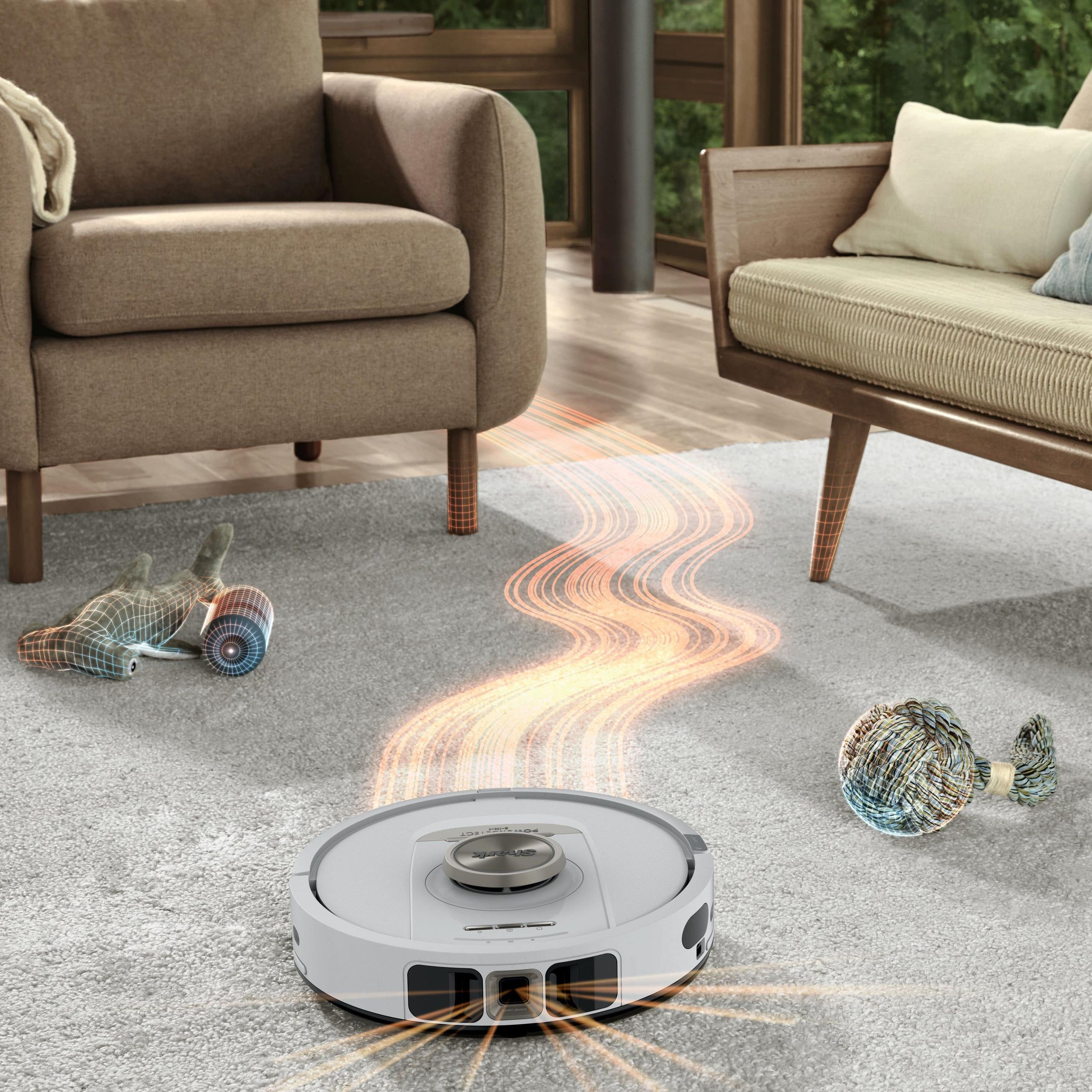
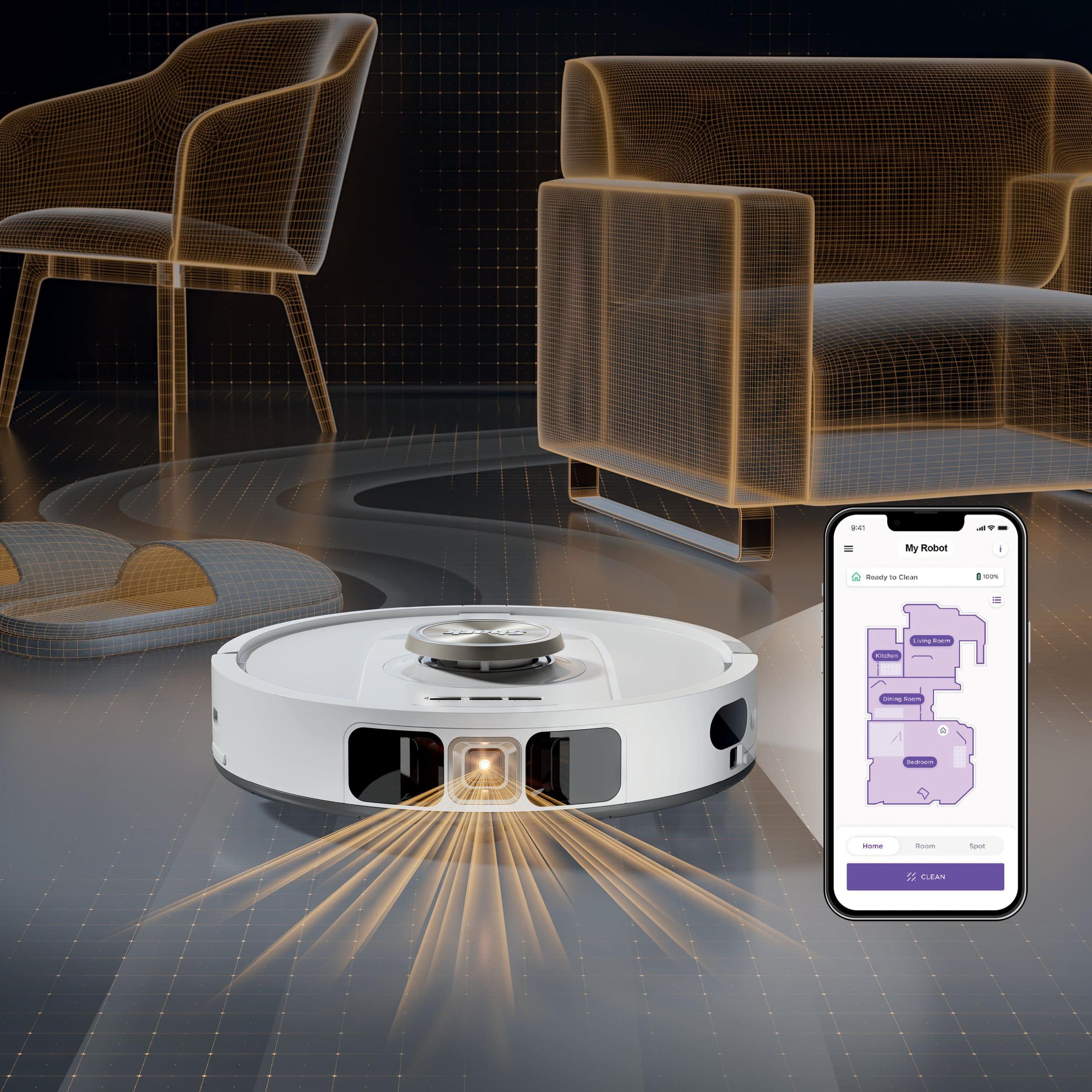
Before diving into specifics, it's worth understanding what makes today's robot vacuums so much better than earlier generations. Modern units use LiDAR (Light Detection and Ranging) – the same technology found in self-driving cars – to create accurate maps of your home. This laser-based system allows them to navigate in straight lines rather than the random bouncing patterns of older models.
The addition of mopping capabilities transforms these devices from simple vacuums into comprehensive floor care systems. However, not all mopping implementations are equal. Some robots drag a damp cloth across the floor (passive mopping), while others incorporate scrubbing motions or specialized cleaning solutions (active mopping).
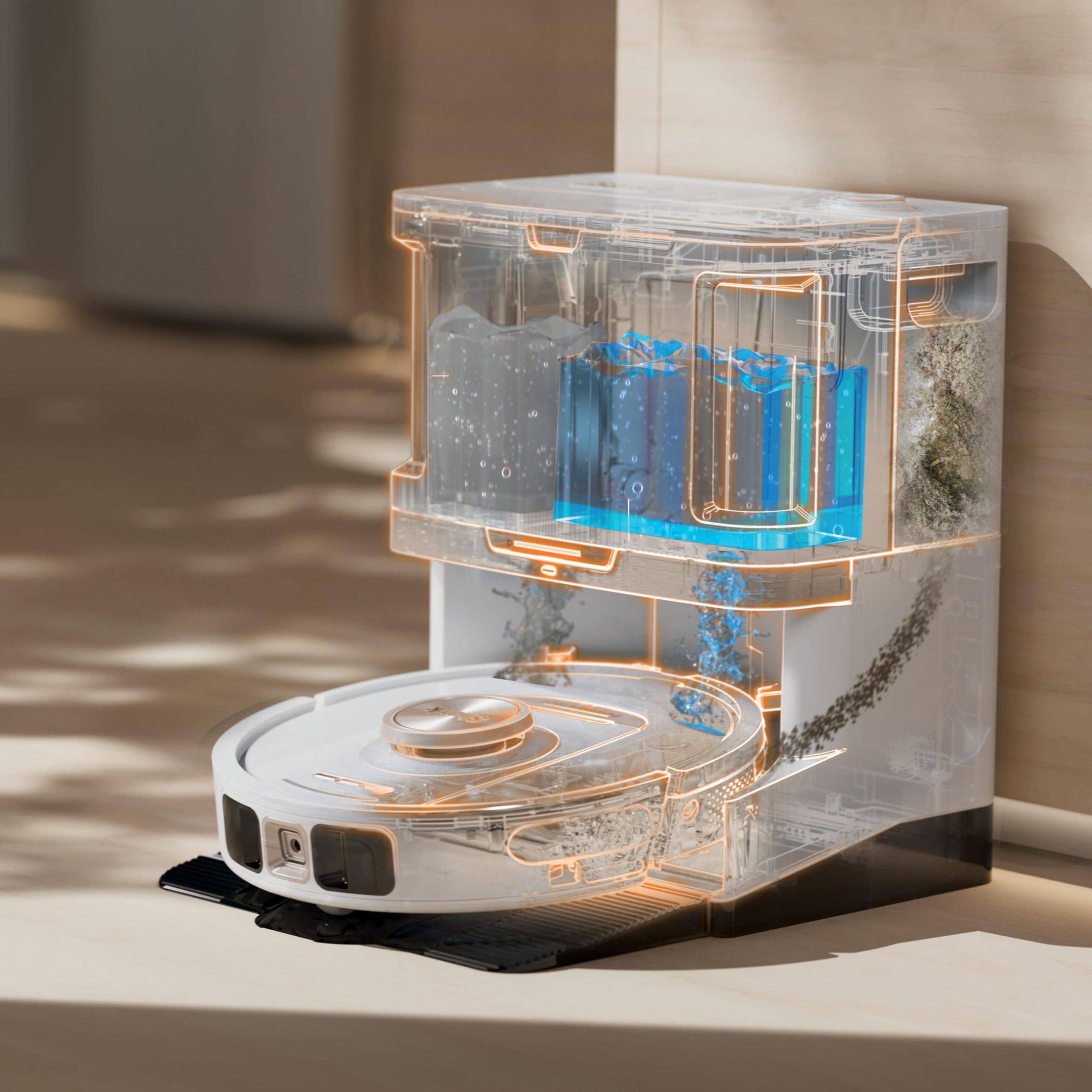
Self-emptying base stations represent another major advancement. These charging docks automatically suck debris from the robot's small dustbin into a much larger container, reducing maintenance from daily to monthly or even less frequent intervals. The most advanced bases also handle mop pad cleaning and water refilling, creating truly hands-off operation.
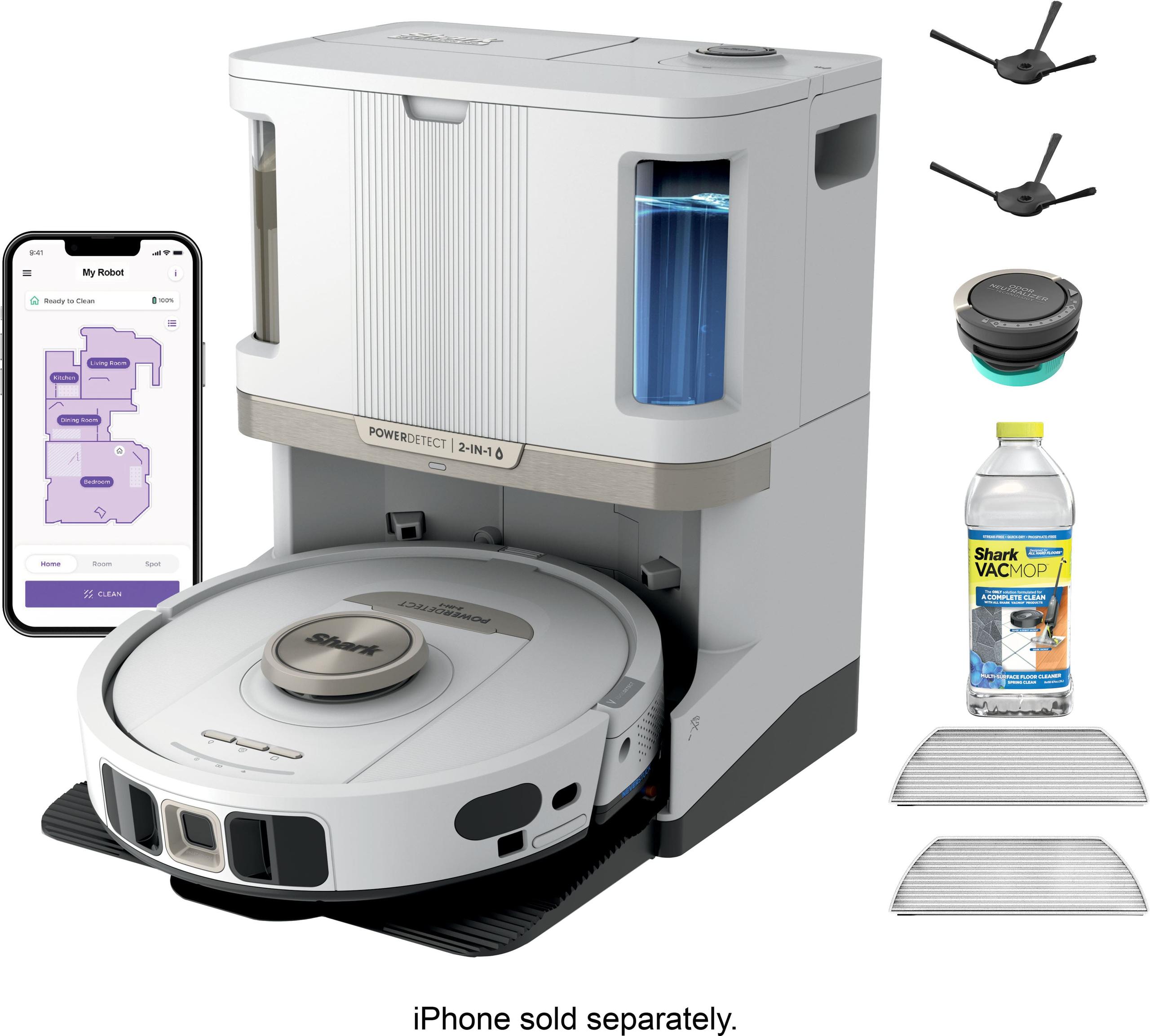
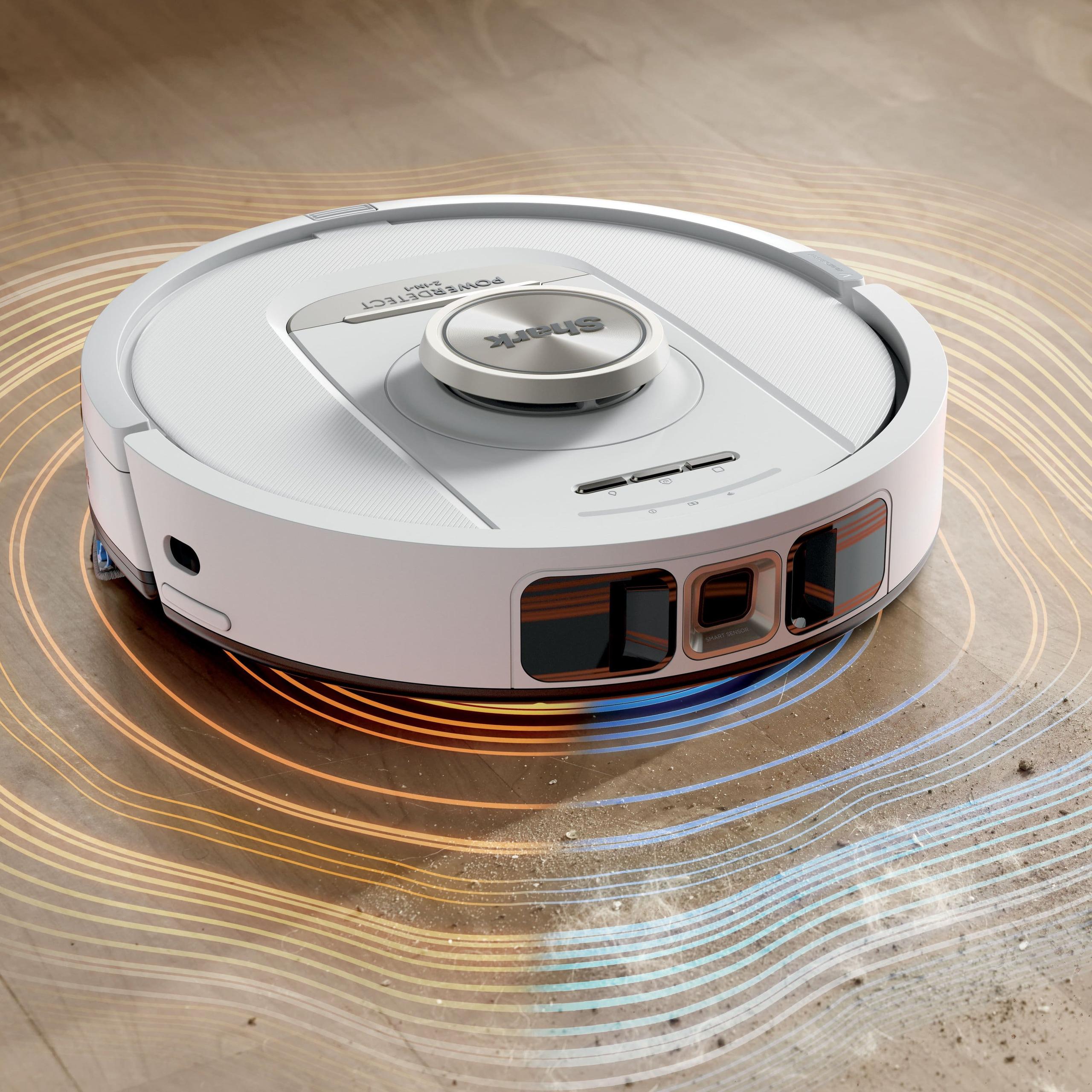
The Shark PowerDetect RV2805ZE represents Shark's philosophy that smart adaptation beats brute force. Released in late 2024, it introduces several proprietary "Detect" technologies that automatically adjust cleaning parameters based on real-time conditions.
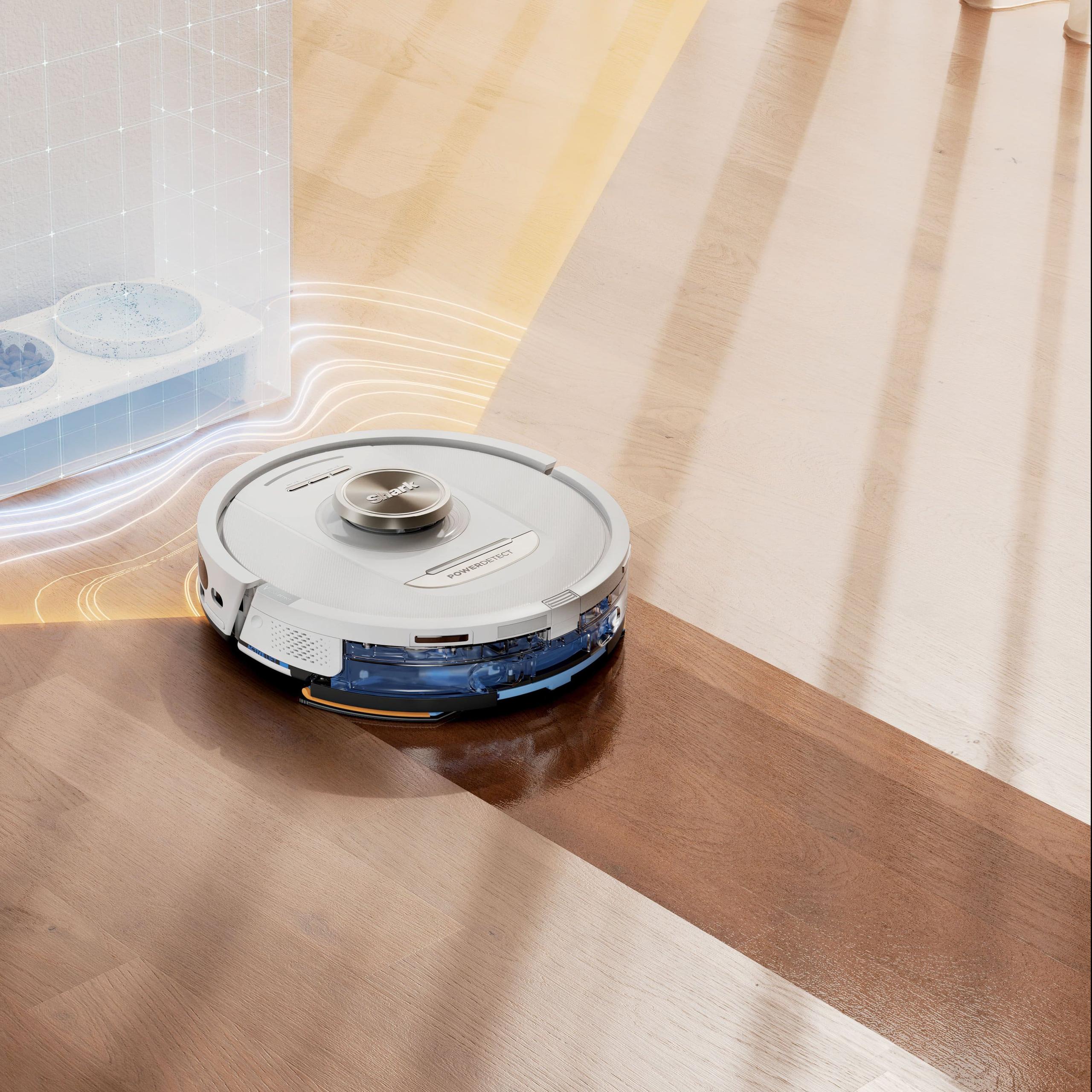
The PowerDetect™ system uses multiple sensors to continuously analyze floor type, debris concentration, and proximity to walls and corners. When it encounters a particularly dirty area, DirtDetect™ automatically increases suction power and makes additional cleaning passes. This intelligent response means heavily trafficked areas like entryways and pet feeding zones get extra attention without requiring manual intervention.
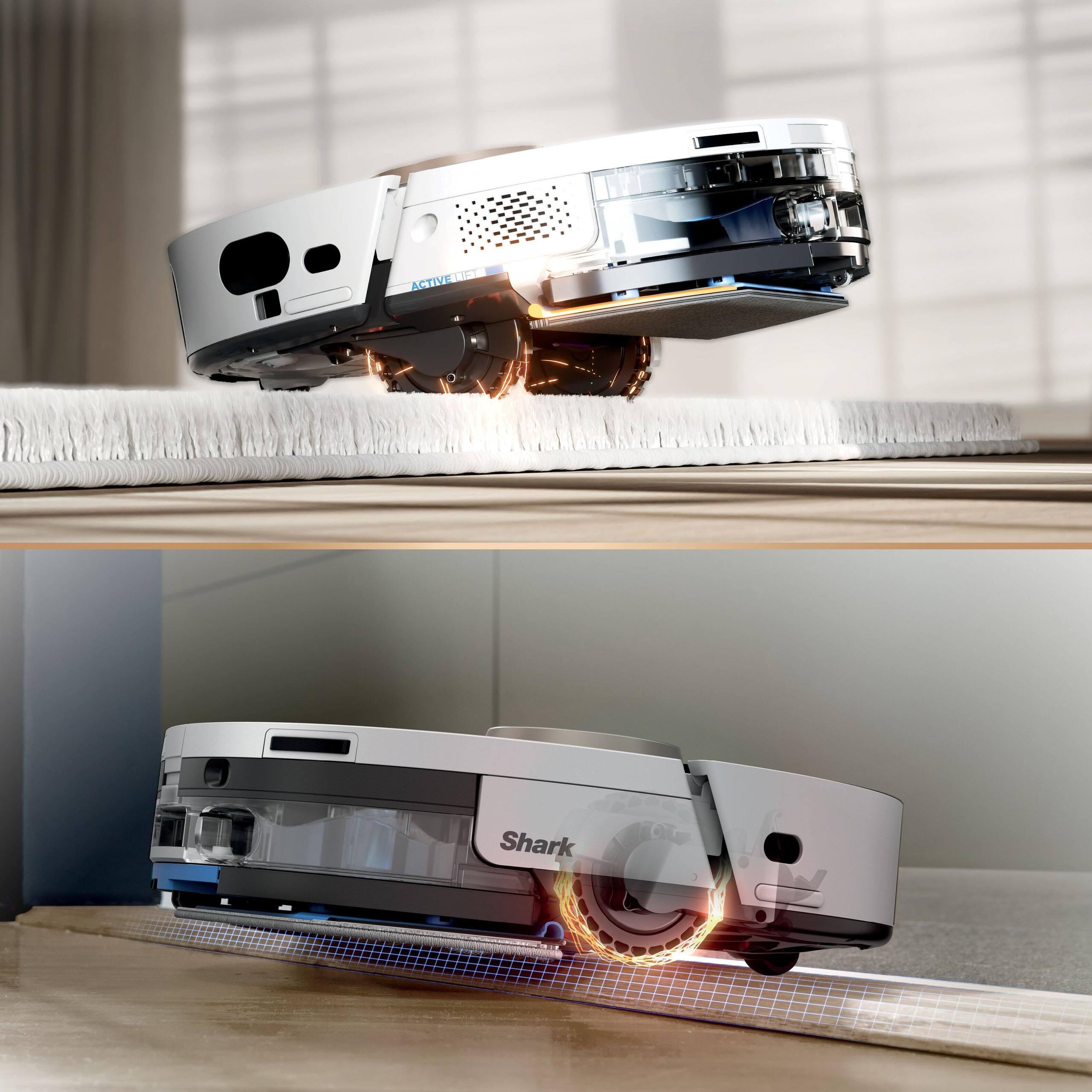
FloorDetect™ technology identifies whether the robot is on carpet or hard flooring and adjusts the brush roll accordingly. On carpets, the brushes engage more aggressively to dig deep into fibers. On hard floors, they optimize for debris pickup without scratching delicate surfaces. This automatic adjustment prevents the common problem of reduced cleaning effectiveness when robots move between different floor types.
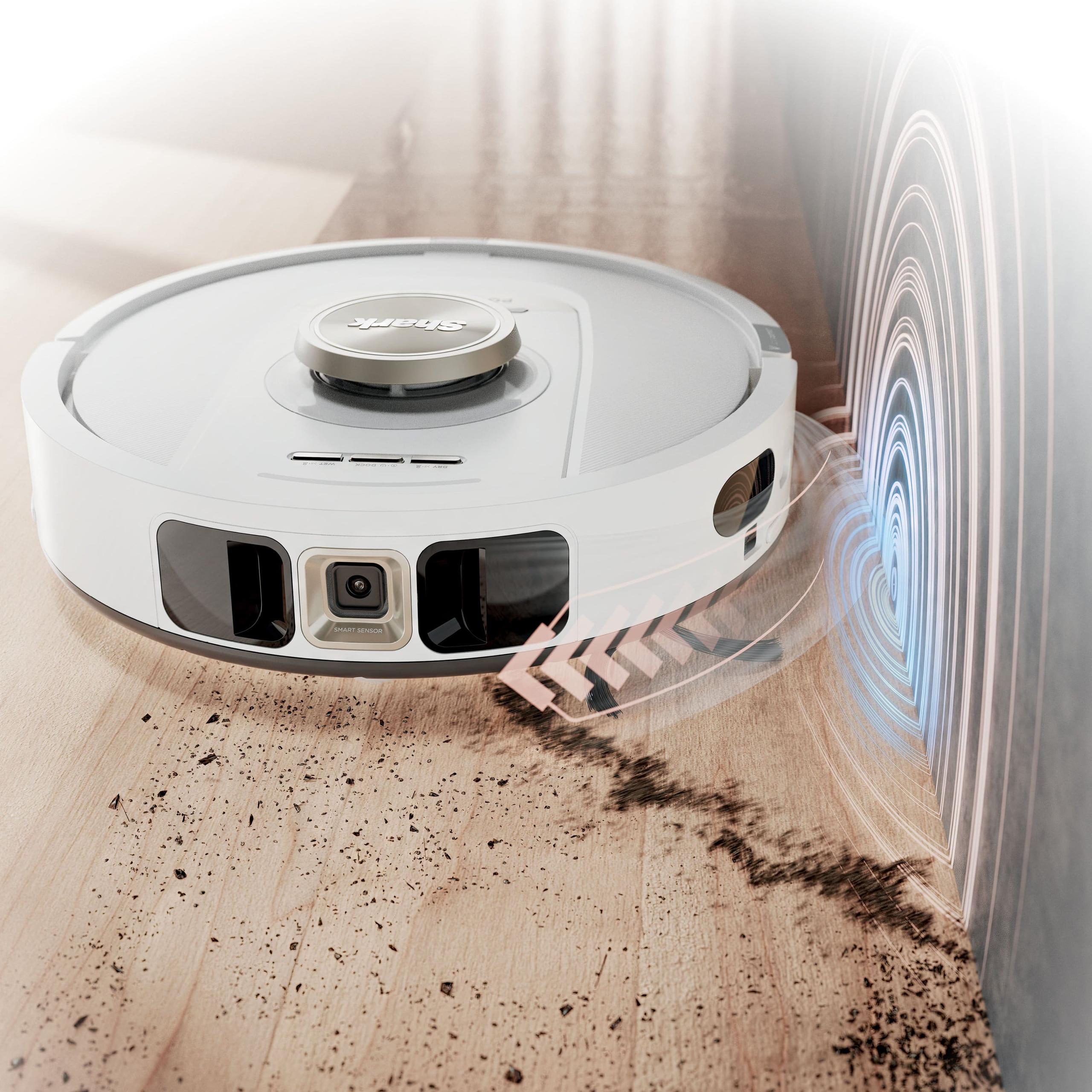
One persistent challenge for robot vacuums is cleaning along walls and in corners where debris tends to accumulate. The Shark PowerDetect addresses this with EdgeDetect™ technology, which uses targeted air blasts to push debris from edges into the vacuum's cleaning path. Additionally, the mop pad can extend beyond the robot's circular footprint to reach closer to walls – a clever mechanical solution to a geometry problem.
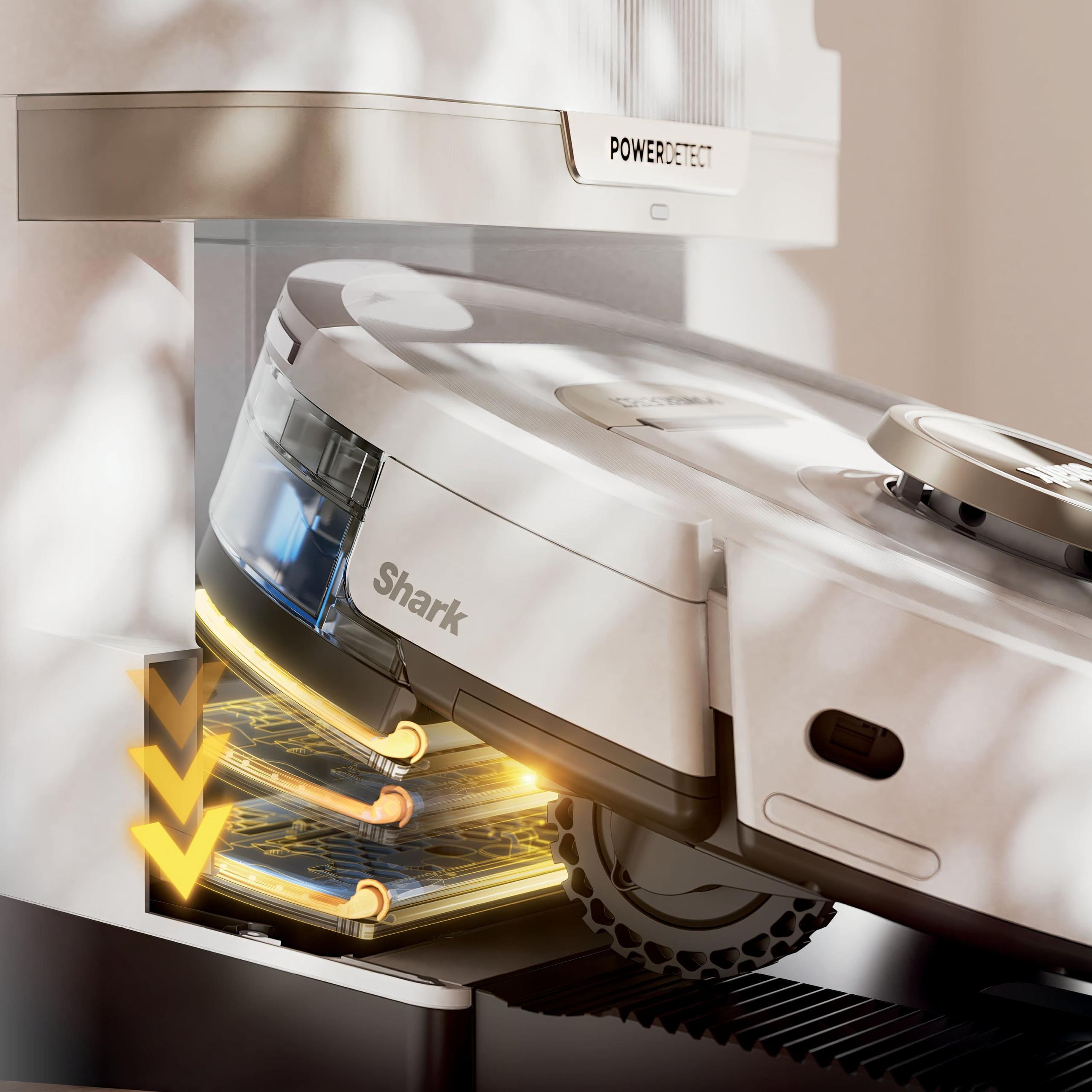
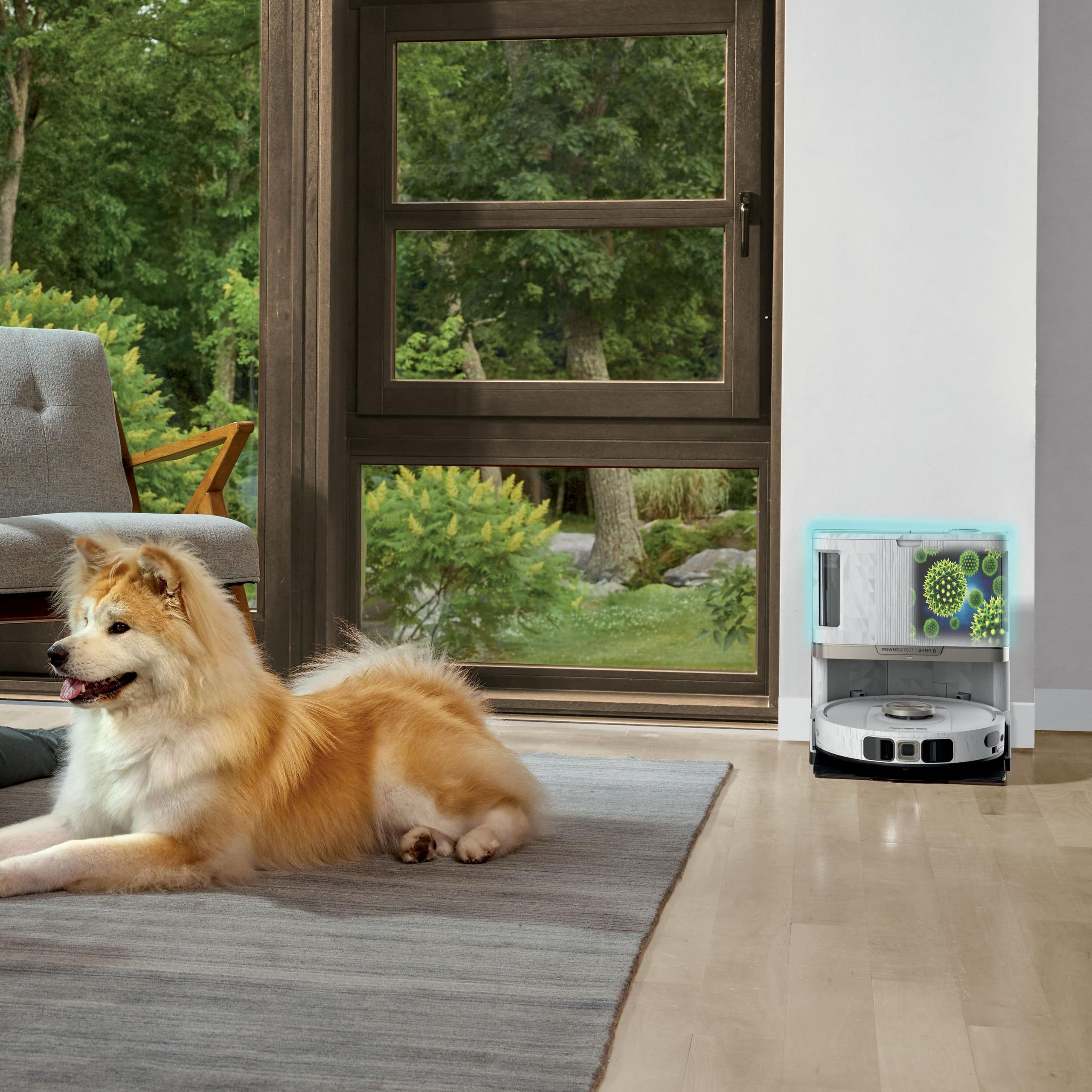
The NeverTouch™ Pro Base Station represents perhaps the most comprehensive automation system available at the time of writing. After each cleaning cycle, the robot returns to the base, which performs several functions automatically:
This level of automation means users can potentially go weeks without any maintenance beyond occasionally emptying the base station's dust container. For busy households, this hands-off approach represents significant value.
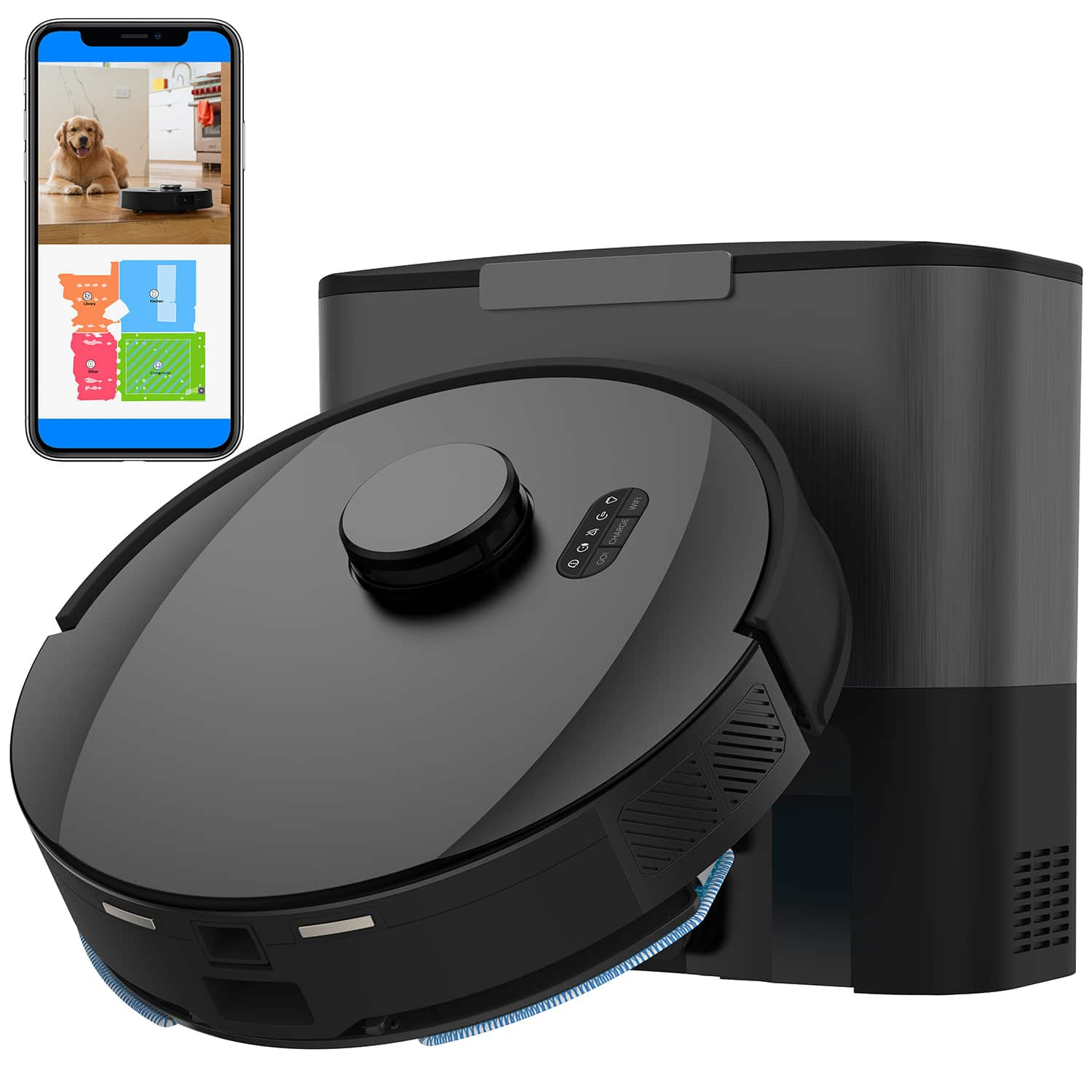
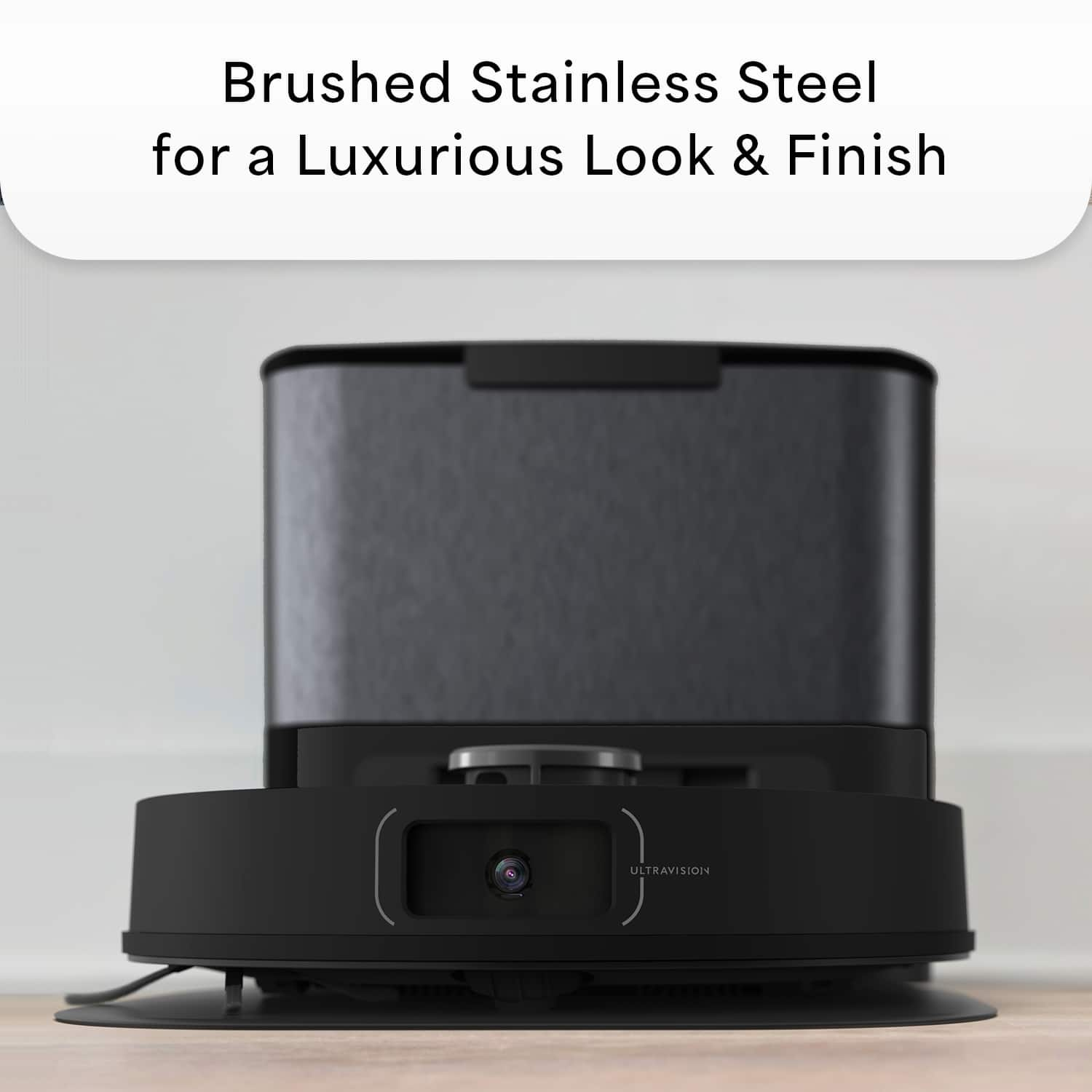
The bObsweep UltraVision PET24-7-913, also launched in 2024, takes a different approach focused on maximum cleaning power and extended operation. This Canadian company has built a reputation for robust, pet-focused cleaning solutions, and the UltraVision represents their flagship model.
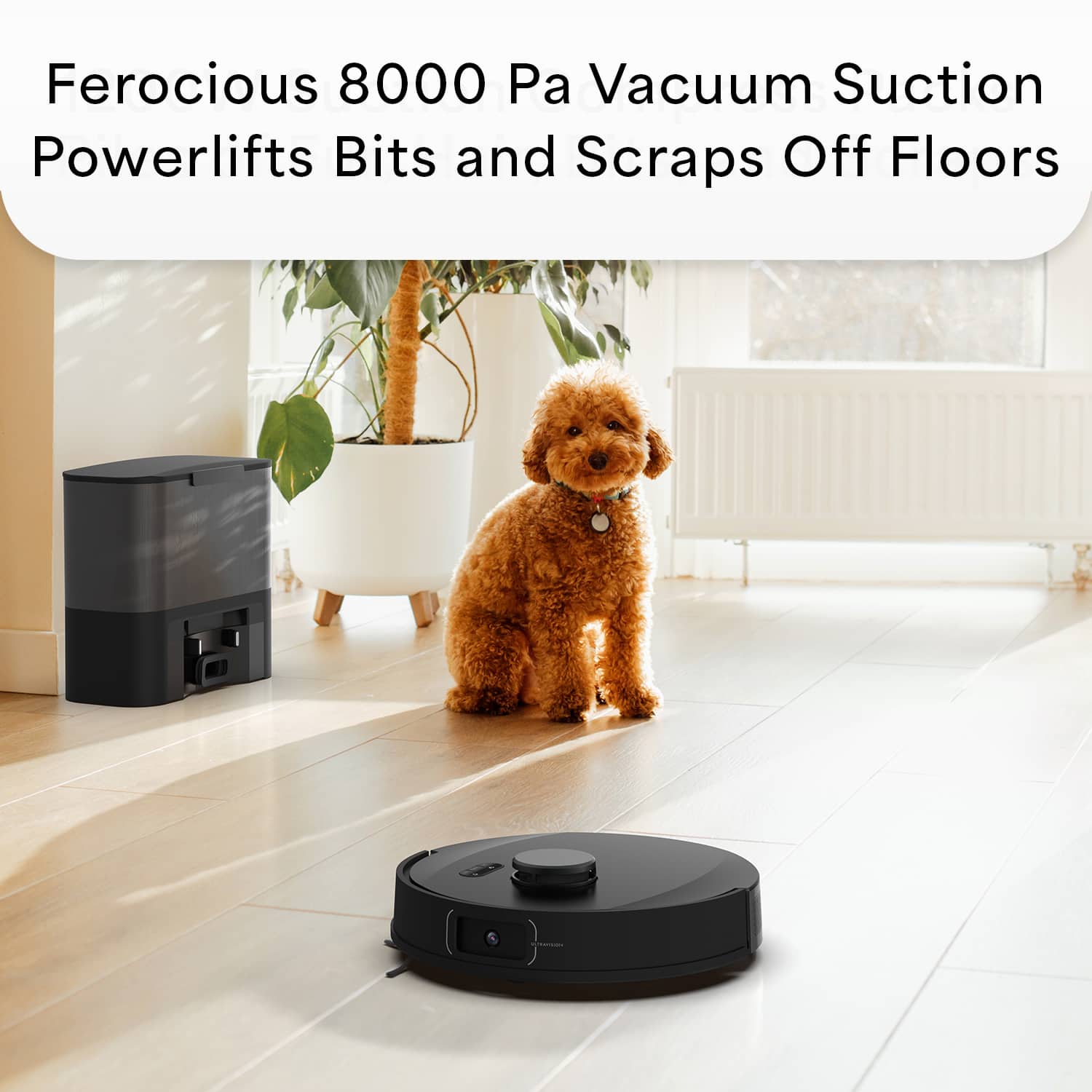
The most striking specification of the bObsweep UltraVision is its 8000 Pa suction power – roughly double what most competitors offer. To put this in perspective, typical robot vacuums provide 2500-4000 Pa, making the UltraVision's suction exceptionally powerful for a residential robot vacuum.
This extra power translates into superior performance on carpets and exceptional pet hair pickup. Pet owners consistently struggle with embedded fur and dander, and the UltraVision's high suction provides the deep-cleaning capability needed to extract this material effectively. The powerful motor also maintains strong suction as the dustbin fills, preventing the performance degradation common in lower-powered units.
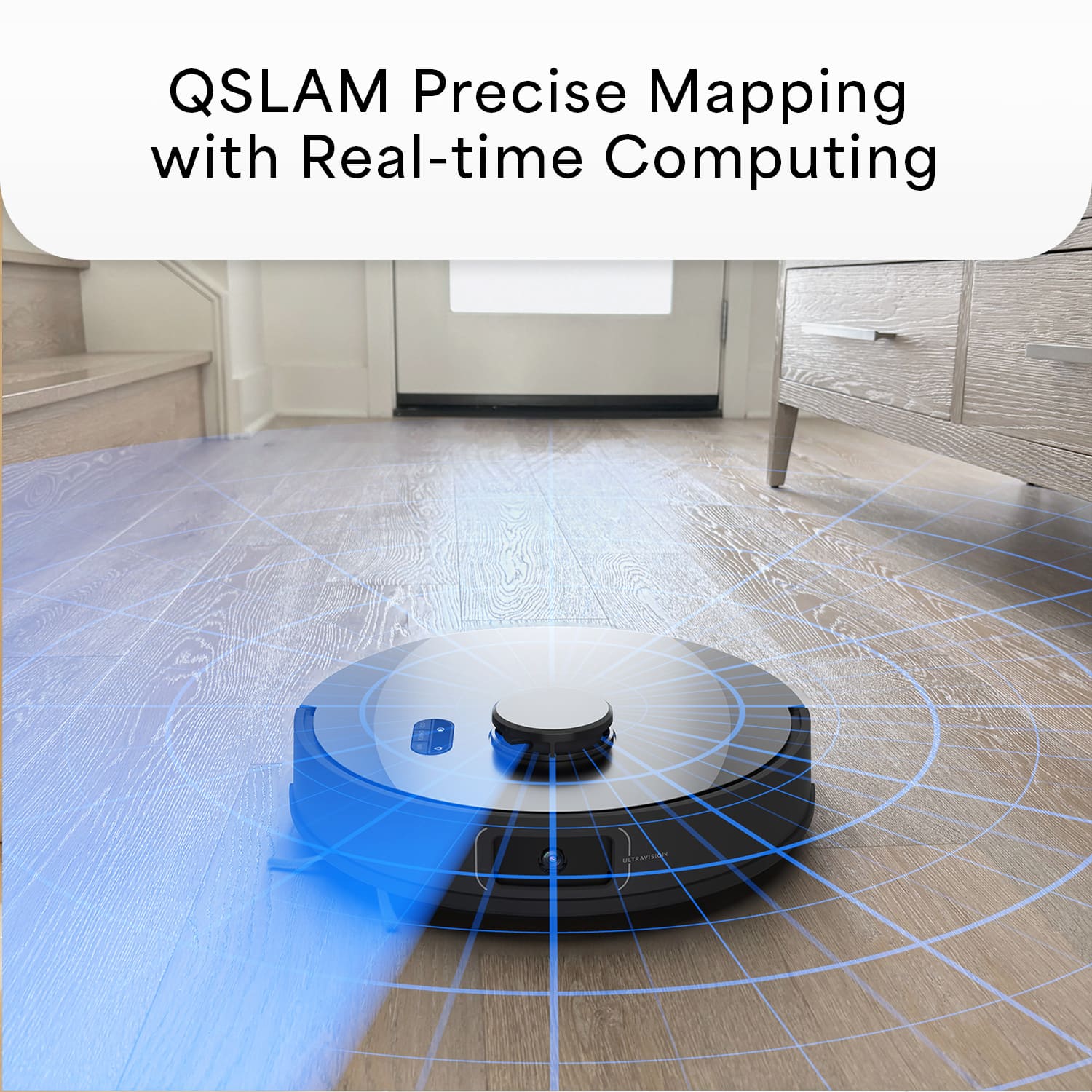
The UltraVision employs Quantum Simultaneous Localization and Mapping (QSLAM), an advanced navigation system that creates highly accurate real-time maps. Unlike basic LiDAR systems that simply avoid obstacles, QSLAM enables the robot to understand spatial relationships and plan optimal cleaning paths.
This sophisticated navigation allows the robot to move in efficient straight lines rather than random patterns, reducing cleaning time and ensuring complete coverage. The system supports multi-floor mapping, automatically recognizing when it's moved between levels without requiring lengthy remapping sessions.
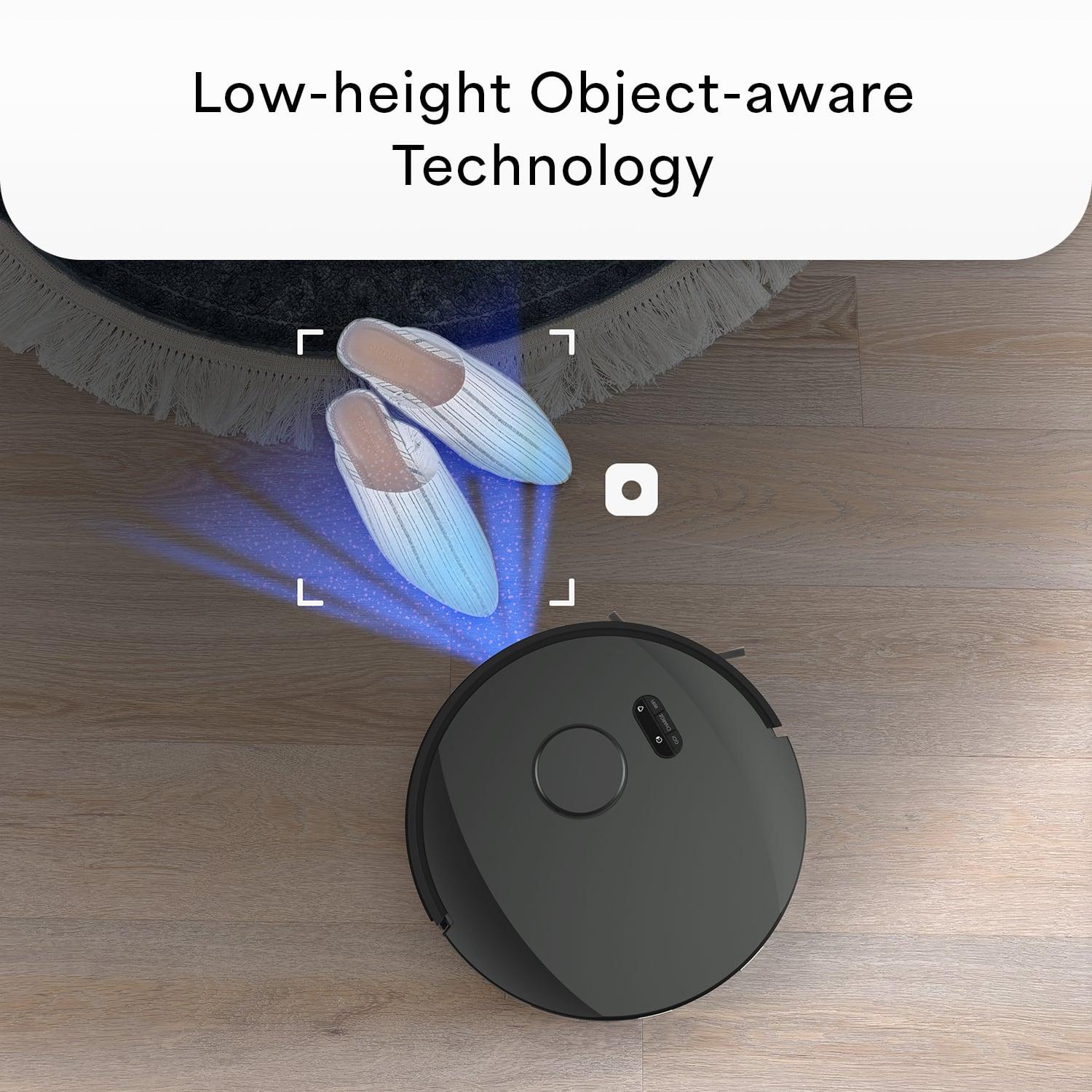
Beyond basic obstacle avoidance, LOT technology enables the bObsweep UltraVision to identify and navigate around small objects like pet toys, shoes, and cables. This reduces the risk of getting stuck and eliminates the need to "robot-proof" rooms before cleaning – a common frustration with less sophisticated models.
With 180 minutes of runtime, the UltraVision can clean most homes in a single session. This extended operation is particularly valuable for larger homes where shorter-battery robots require multiple recharge cycles to complete cleaning. Fewer interruptions mean more consistent cleaning patterns and reduced total cleaning time.
When evaluating vacuuming performance, several metrics matter: debris pickup on hard floors, deep cleaning on carpets, pet hair removal, and edge cleaning effectiveness.
The Shark PowerDetect excels in adaptive cleaning scenarios. Its carpet performance ranks significantly above average thanks to intelligent suction adjustment and optimized brush engagement. The system's ability to detect dirty areas and automatically increase cleaning intensity means it performs exceptionally well in real-world conditions where debris distribution is uneven.
Edge cleaning represents a particular strength for the Shark, with its EdgeDetect™ air blasts proving effective at dislodging debris from corners and baseboards. This addresses a common weakness in robot vacuum design where circular cleaning heads struggle to reach tight spaces.
The bObsweep UltraVision dominates in raw cleaning power scenarios. Its 8000 Pa suction provides superior performance on all surface types, but the advantage is most pronounced with embedded debris and pet hair. For households with multiple pets or high-traffic areas that accumulate significant debris, the UltraVision's brute force approach often proves more effective than adaptive systems.
However, the UltraVision's side brush design sometimes sweeps debris away from the main vacuum path, requiring multiple passes for optimal cleaning. This represents a trade-off between powerful suction and mechanical design optimization.
Mopping represents the newest frontier in robot vacuum technology, and these two models take distinctly different approaches.
The Shark PowerDetect treats mopping as an integrated, automated function. The robot can vacuum and mop simultaneously, with the base station handling all mop maintenance automatically. This seamless integration makes mopping as hands-off as vacuuming, which represents a significant convenience advantage.
However, the Shark's mopping is designed for maintenance cleaning rather than deep scrubbing. It's effective for daily dust and light stains but won't replace occasional manual mopping for heavily soiled floors.
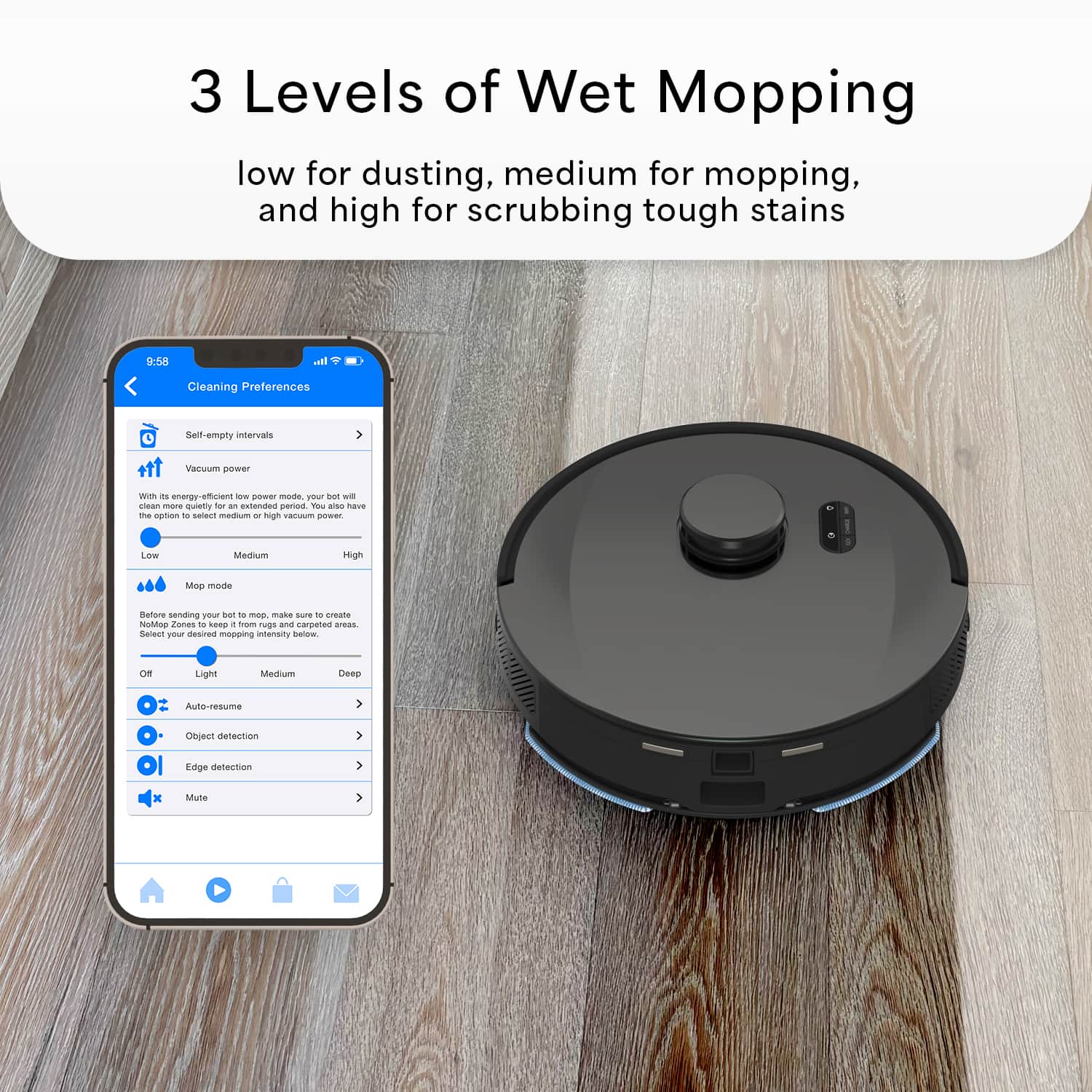
The bObsweep UltraVision offers more control over mopping intensity and duration, with separate wet and dry mopping modes. Its larger 350ml water tank enables longer mopping sessions without refilling. However, users must manually wash mop pads and monitor water levels, requiring more hands-on maintenance.
For most users, the key question is whether they prefer automated maintenance cleaning (Shark) or more flexible but manual-intensive deep cleaning (bObsweep).
Both robots use LiDAR navigation, but their implementation differs significantly. The Shark PowerDetect reportedly creates the most accurate initial maps according to professional reviewers, with exceptional precision in room layouts and furniture positioning. However, its navigation efficiency ranks slightly below average, sometimes taking longer paths to complete cleaning cycles.
The bObsweep UltraVision optimizes for navigation efficiency, moving in straight lines and covering areas more quickly. Its multi-floor mapping capability automatically adapts when moved between levels – a significant convenience for multi-story homes.
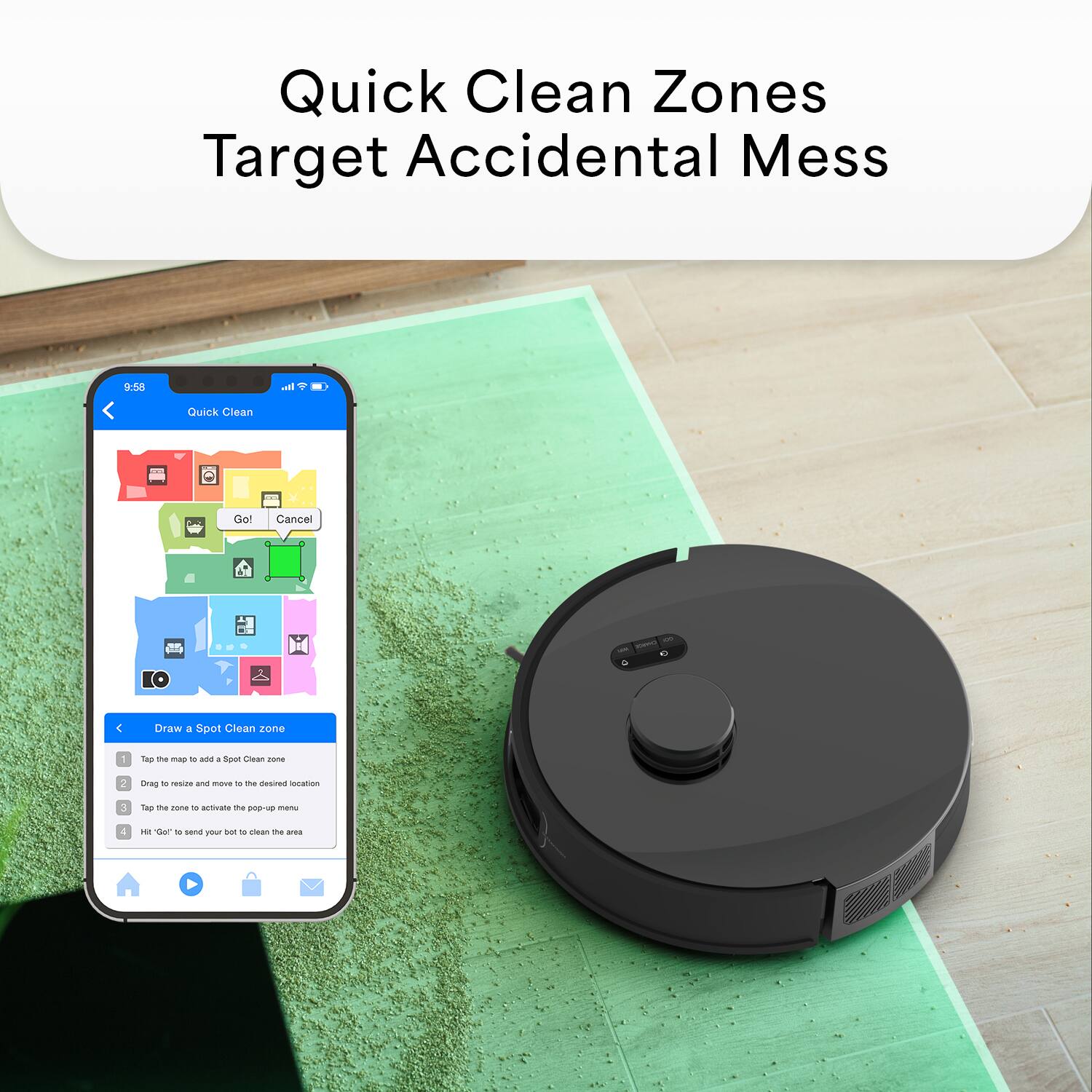
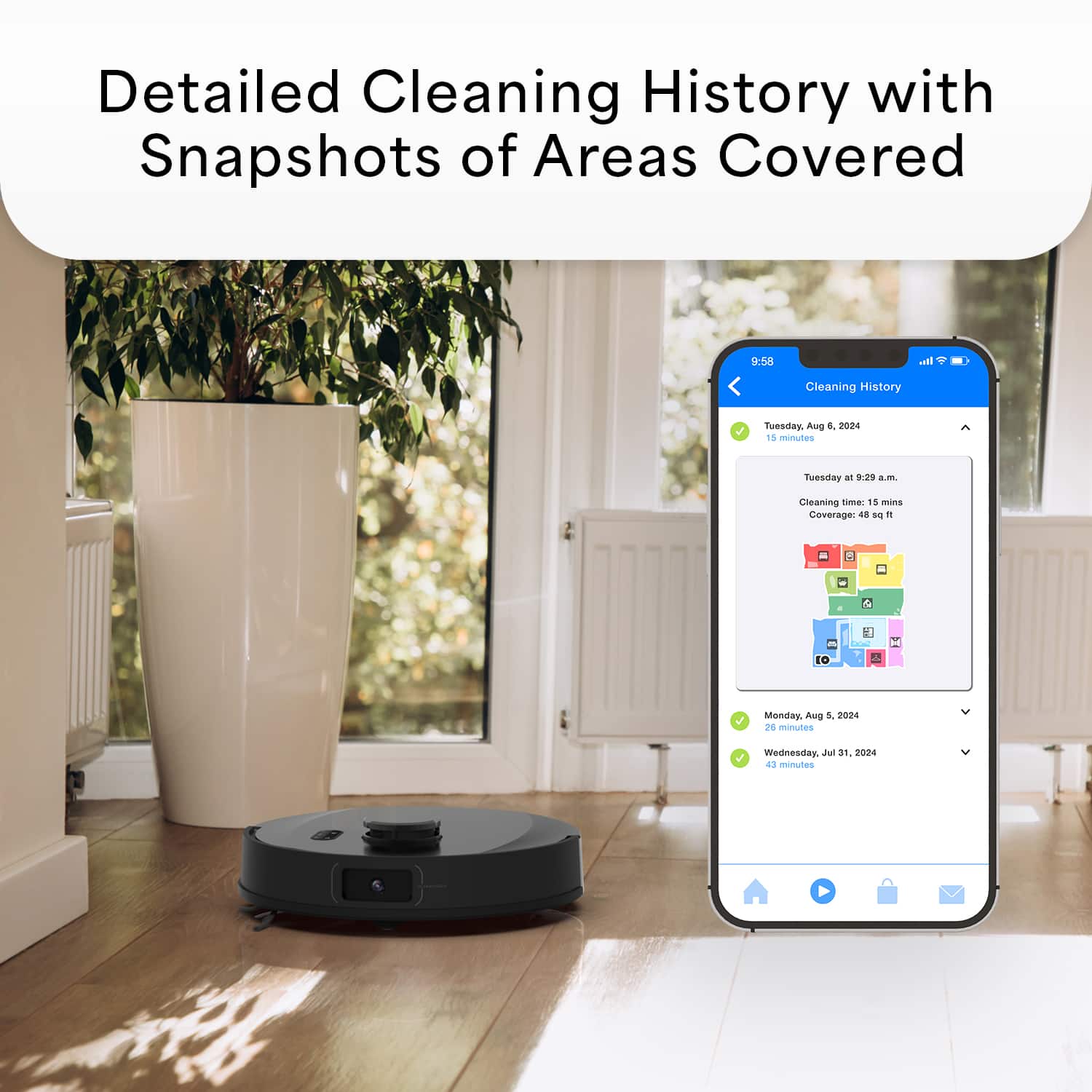
App functionality represents another differentiation point. The Shark's app is functional but basic, offering essential features like scheduling and no-go zones but lacking advanced customization options. The bObsweep app provides more sophisticated controls, including real-time tracking, custom cleaning zones, and voice assistant integration.
For privacy-conscious users, the bObsweep UltraVision offers superior data protection, storing no images on external servers and keeping user data on US-based servers only. This represents an important consideration as smart home devices increasingly raise privacy concerns.
The maintenance philosophies of these robots reflect their overall design approaches. The Shark PowerDetect minimizes user intervention through comprehensive base station automation. Beyond occasional brush cleaning and periodic base station emptying, the robot requires minimal ongoing maintenance.
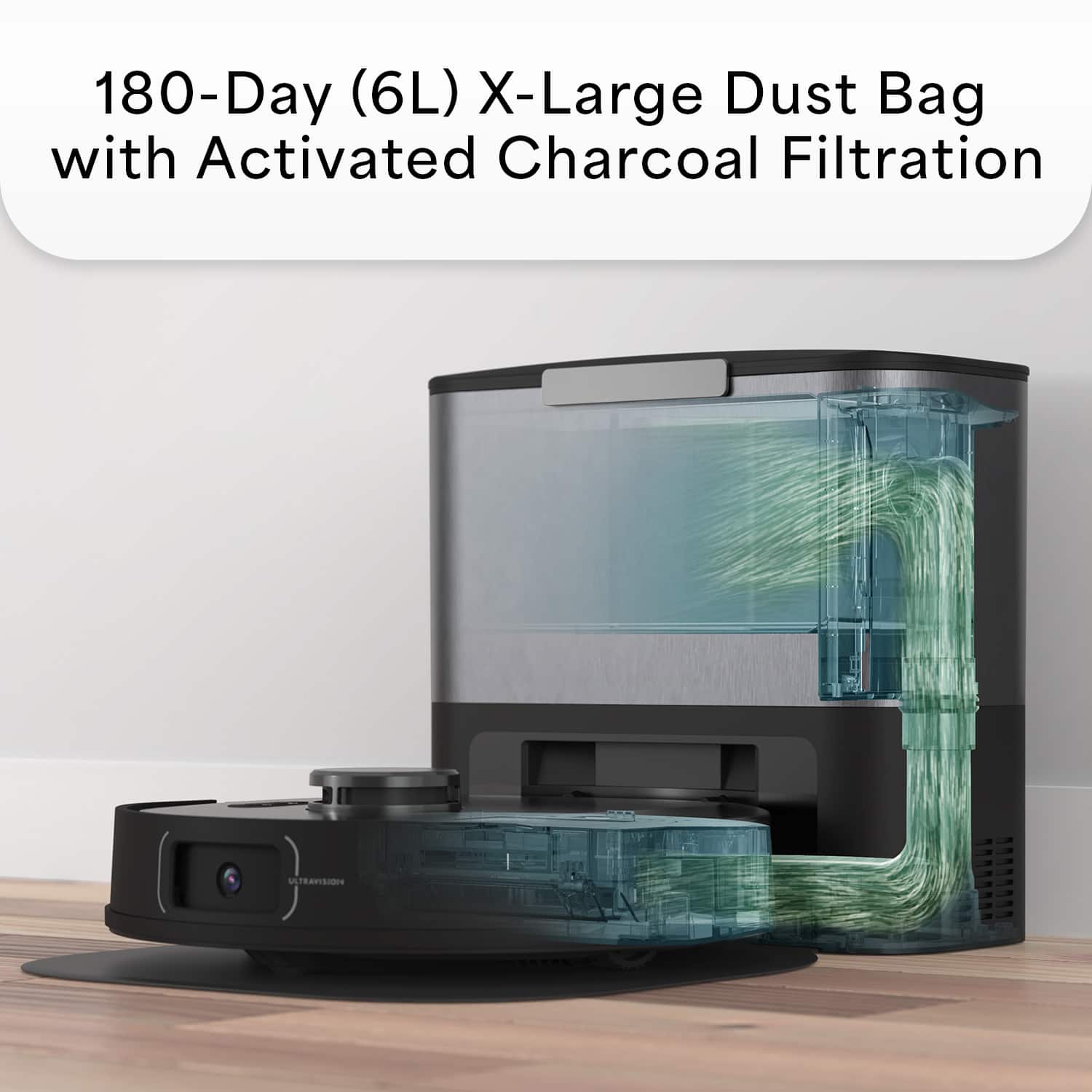
The bObsweep UltraVision requires more hands-on maintenance, particularly for mopping functions, but compensates with extended intervals between major maintenance tasks. Its massive 6-liter dust collector can operate for up to 180 days before requiring attention – exceptional even by premium robot vacuum standards.
Long-term costs favor different models depending on usage patterns. The Shark's bagless system eliminates ongoing bag costs, while its automated mop maintenance reduces pad replacement frequency. The bObsweep uses replacement dust bags but offers them at reasonable prices, and its robust construction suggests lower repair costs over time.
Warranty coverage strongly favors the bObsweep UltraVision, with a 2-year limited warranty, 2-year battery warranty, 5-year subsidized repair plan, and lifetime customer service. This comprehensive coverage reflects confidence in the product's durability and provides peace of mind for long-term ownership.
In home theater environments, noise levels and cleaning scheduling become crucial factors. Both robots operate relatively quietly, but their cleaning patterns differ significantly.
The Shark PowerDetect adapts its cleaning intensity based on detected conditions, potentially running longer in heavily soiled areas. For home theaters where consistent low noise levels matter, this variability could be problematic during movie viewing.
The bObsweep UltraVision offers more predictable operation with consistent suction levels, making it easier to schedule around entertainment activities. Its extended battery life also means fewer interruptions for recharging during long cleaning sessions.
Both robots support scheduling, allowing them to clean during non-viewing hours. However, the Shark's automated maintenance might occasionally run during unexpected times, while the bObsweep's more predictable operation patterns make it easier to coordinate with home theater usage.
At the time of writing, both robots occupy premium price segments but offer different value propositions. The Shark PowerDetect provides exceptional value for users prioritizing automation and convenience. Its comprehensive base station functionality and adaptive cleaning intelligence justify its price point for busy households seeking hands-off operation.
The bObsweep UltraVision delivers superior value for performance-focused users. Its exceptional suction power, extended battery life, and comprehensive warranty coverage appeal to users willing to accept higher maintenance requirements in exchange for superior cleaning capability.
Consider long-term ownership costs when evaluating value. The Shark's bagless system and automated maintenance reduce ongoing expenses but require a higher initial investment in base station technology. The bObsweep's replacement bags and manual maintenance create ongoing costs but potentially lower repair expenses due to its robust construction.
Choose the Shark PowerDetect if you prioritize convenience and automation above all else. Its comprehensive base station handles virtually all maintenance tasks, making it ideal for busy households, elderly users, or anyone who wants truly hands-off floor cleaning. The adaptive cleaning system works particularly well in homes with varying debris levels and mixed flooring types.
The Shark also suits households where consistent, predictable cleaning is more important than maximum power. Its intelligent adaptation ensures thorough cleaning without the occasional over-aggressive behavior that high-powered robots sometimes exhibit.
Choose the bObsweep UltraVision if cleaning performance is your primary concern. Pet owners, in particular, will appreciate its exceptional suction power and pet hair removal capabilities. The extended battery life makes it ideal for large homes, while the comprehensive warranty coverage provides long-term peace of mind.
The bObsweep also appeals to privacy-conscious users and those who prefer manual control over automated systems. If you enjoy optimizing cleaning patterns and don't mind occasional maintenance tasks, the UltraVision's superior raw performance justifies its more hands-on operation.
Both robots represent significant achievements in automated floor care, but they serve different priorities and lifestyles. The Shark PowerDetect perfects the art of automated convenience, while the bObsweep UltraVision maximizes cleaning performance and durability.
For most households, the decision comes down to whether you value automation convenience or cleaning power more highly. Both will clean your floors effectively, but the Shark will do it with minimal effort on your part, while the bObsweep will do it with maximum thoroughness. Choose based on your priorities, home size, and tolerance for maintenance tasks – both represent excellent investments in modern floor care technology.
| Shark PowerDetect RV2805ZE | bObsweep UltraVision PET24-7-913 |
|---|---|
| Suction Power - Higher Pa means better debris pickup, especially on carpets and pet hair | |
| 650 Watts (industry standard, relies on intelligent adaptation) | 8000 Pa (exceptionally high, double most competitors) |
| Battery Runtime - Longer runtime means fewer charging interruptions for large homes | |
| 3,200 mAh battery (requires recharge cycles for homes over 2,000 sq ft) | 180 minutes runtime (handles most homes in single session) |
| Self-Emptying Capacity - Larger capacity means less frequent maintenance | |
| 60-day bagless container with HEPA filtration | 6L dust collector (180-day capacity with activated charcoal) |
| Mop Maintenance - Determines how hands-off the mopping experience is | |
| Fully automated: base washes, dries, and refills water automatically | Manual: requires hand-washing mop pads and monitoring water levels |
| Navigation Technology - Advanced systems clean more efficiently and avoid obstacles better | |
| 360° LiDAR + 3D sensors with PowerDetect™ adaptive cleaning | LiDAR with Quantum SLAM (QSLAM) and Low-height Object-aware Technology |
| Carpet Performance - Critical for homes with mixed flooring | |
| Above-average deep cleaning with adaptive brush engagement | Superior raw power but may require multiple passes due to side brush design |
| Edge Cleaning - Important for thorough wall and corner cleaning | |
| EdgeDetect™ air blasts push debris into cleaning path | Standard edge cleaning without specialized air blast technology |
| App Features - More features mean better control and customization | |
| Basic but functional with scheduling and no-go zones | Advanced with multi-map support, real-time tracking, voice assistant integration |
| Privacy Protection - Important for users concerned about data security | |
| Standard cloud-based operation | Superior: no images sent to servers, US-based data storage only |
| Warranty Coverage - Longer coverage protects your investment | |
| 1-year limited warranty | 2-year warranty + 5-year subsidized repair + lifetime customer service |
| Weight and Portability - Lighter units are easier to move between floors | |
| 25 pounds (heavier due to comprehensive base station) | 6-8 pounds robot (much lighter for multi-floor use) |
| Obstacle Avoidance - Better avoidance means less getting stuck and fewer interruptions | |
| Above average with 3D detection, but sometimes over-sensitive | Excellent with LOT technology for small object detection |
The bObsweep UltraVision has significantly better suction power at 8000 Pa, which is roughly double what most robot vacuums offer. This makes it exceptionally effective at removing pet hair from carpets and upholstery. The Shark PowerDetect uses intelligent suction adjustment rather than raw power, automatically increasing suction when it detects pet hair or debris, but it won't match the bObsweep UltraVision's brute force approach for heavy pet hair removal.
Both the Shark PowerDetect and bObsweep UltraVision work effectively on mixed flooring. The Shark PowerDetect uses FloorDetect technology to automatically adjust brush engagement based on surface type, optimizing performance as it moves between carpet and hardwood. The bObsweep UltraVision relies on its powerful 8000 Pa suction to handle all surfaces effectively, though it performs exceptionally well on carpets due to its high suction power.
The Shark PowerDetect requires significantly less maintenance thanks to its NeverTouch Pro Base Station, which automatically empties the dustbin, washes and dries mop pads, and refills the water tank. Users can go weeks without any maintenance. The bObsweep UltraVision requires manual mop pad washing and water tank monitoring, but its massive 6L dust collector only needs emptying every 180 days, making it less frequent but more hands-on when maintenance is needed.
The bObsweep UltraVision offers superior battery life with 180 minutes of runtime, allowing it to clean most homes in a single session. The Shark PowerDetect has a smaller 3,200 mAh battery that requires recharge cycles for larger homes over 2,000 square feet. For smaller homes, both provide adequate runtime, but the bObsweep UltraVision is better for large spaces.
The bObsweep UltraVision is better suited for large homes due to its 180-minute battery life and efficient navigation system that covers areas quickly in straight lines. The Shark PowerDetect may require multiple recharge cycles in larger homes, though it does have recharge-and-resume functionality to complete the job eventually.
Both robots have good obstacle avoidance, but with different strengths. The bObsweep UltraVision features Low-height Object-aware Technology (LOT) that excels at detecting small items like pet toys and cables. The Shark PowerDetect uses 3D sensors and dual lasers for obstacle detection but can be over-sensitive, sometimes preventing it from getting close enough to walls for optimal edge cleaning.
The Shark PowerDetect has superior edge cleaning thanks to its EdgeDetect technology, which uses targeted air blasts to push debris from corners and walls into the cleaning path. It can also extend its mop pad for edge-to-edge cleaning. The bObsweep UltraVision uses standard edge cleaning methods without specialized air blast technology.
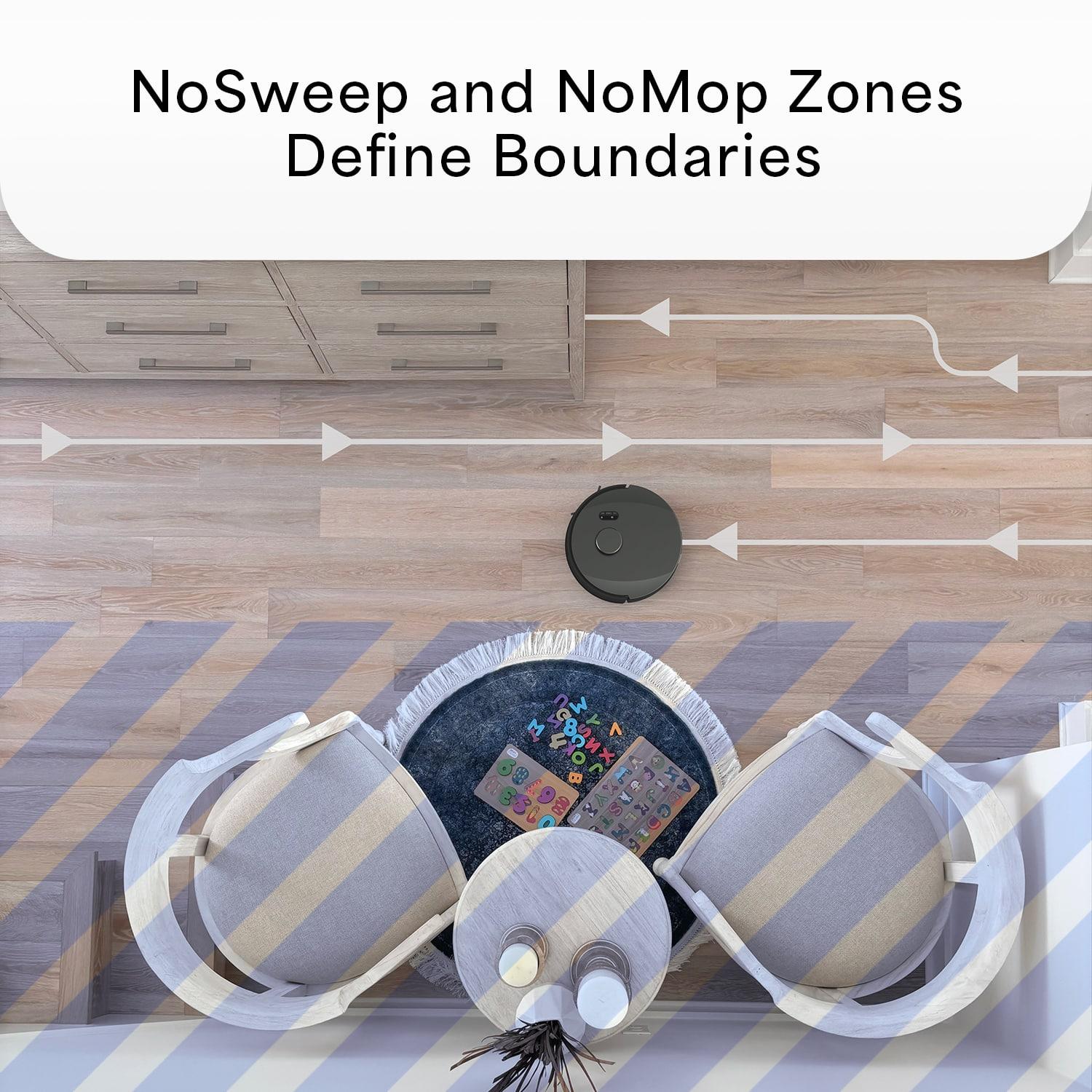
The Shark PowerDetect offers fully automated mopping with simultaneous vacuum and mop operation, plus automatic mop pad washing and drying at the base station. The bObsweep UltraVision has a larger 350ml water tank and offers wet/dry mopping modes with more manual control, but requires hand-washing the mop pads and monitoring water levels.
The bObsweep UltraVision has more advanced app features including multi-map support, real-time tracking, custom cleaning zones, and voice assistant integration with Alexa and Google Assistant. The Shark PowerDetect offers basic but functional app controls with scheduling and no-go zones, but lacks the advanced customization options of the bObsweep UltraVision.
Both robots operate relatively quietly, with the bObsweep UltraVision running at about 60 dB noise level. The Shark PowerDetect varies its noise level based on cleaning conditions - it's quieter during normal operation but gets louder when it detects heavy debris and increases suction power automatically.
The bObsweep UltraVision provides significantly better warranty coverage with a 2-year limited warranty, 2-year battery warranty, 5-year subsidized repair plan, and lifetime customer service. The Shark PowerDetect comes with a standard 1-year limited warranty, which is typical for the industry but less comprehensive than the bObsweep UltraVision's coverage.
The bObsweep UltraVision is much better for privacy-conscious users, as it doesn't send any images or mapping data to external servers and stores user data only on US-based servers. The Shark PowerDetect operates with standard cloud-based functionality, which may involve more data sharing with external servers for mapping and app features.
We've done our best to create useful and informative comparisons to help you decide what product to buy. Our research uses advanced automated methods to create this comparison and perfection is not possible - please contact us for corrections or questions. These are the sites we've researched in the creation of this article: vacuumwars.com - youtube.com - vacuumwars.com - youtube.com - techradar.com - youtube.com - youtube.com - techradar.com - youtube.com - youtube.com - homedepot.com - moderncastle.com - youtube.com - rtings.com - youtube.com - target.com - sharkninja.com - sharkninja.com - sharkninja.com - sharkninja.com - bestbuy.com - bestbuy.com - youtube.com - homedepot.com - ebay.com - homedepot.com - brickseek.com - vacuumwars.com - techradar.com - nfm.com - bestbuy.com - walmart.com - businessinsider.com - bestbuy.com - bobsweep.com - rtings.com - bestbuy.com - bobsweep.com - bobsweep.com - youtube.com - bestbuy.com - youtube.com - samsclub.com - bobsweep.com - accio.com - homedepot.com - ebay.com - bobsweep.com - walmart.com - youtube.com - target.com - walmart.com - consumerreports.org - homedepot.com - layawayland.com - ebay.com - manuals.plus - ebay.com - business.walmart.com

Privacy Policy
Terms and Conditions - Affiliate Policy
Home Security
© Copyright 2008-2026.
11816 Inwood Rd #1211, Dallas, TX 75244