

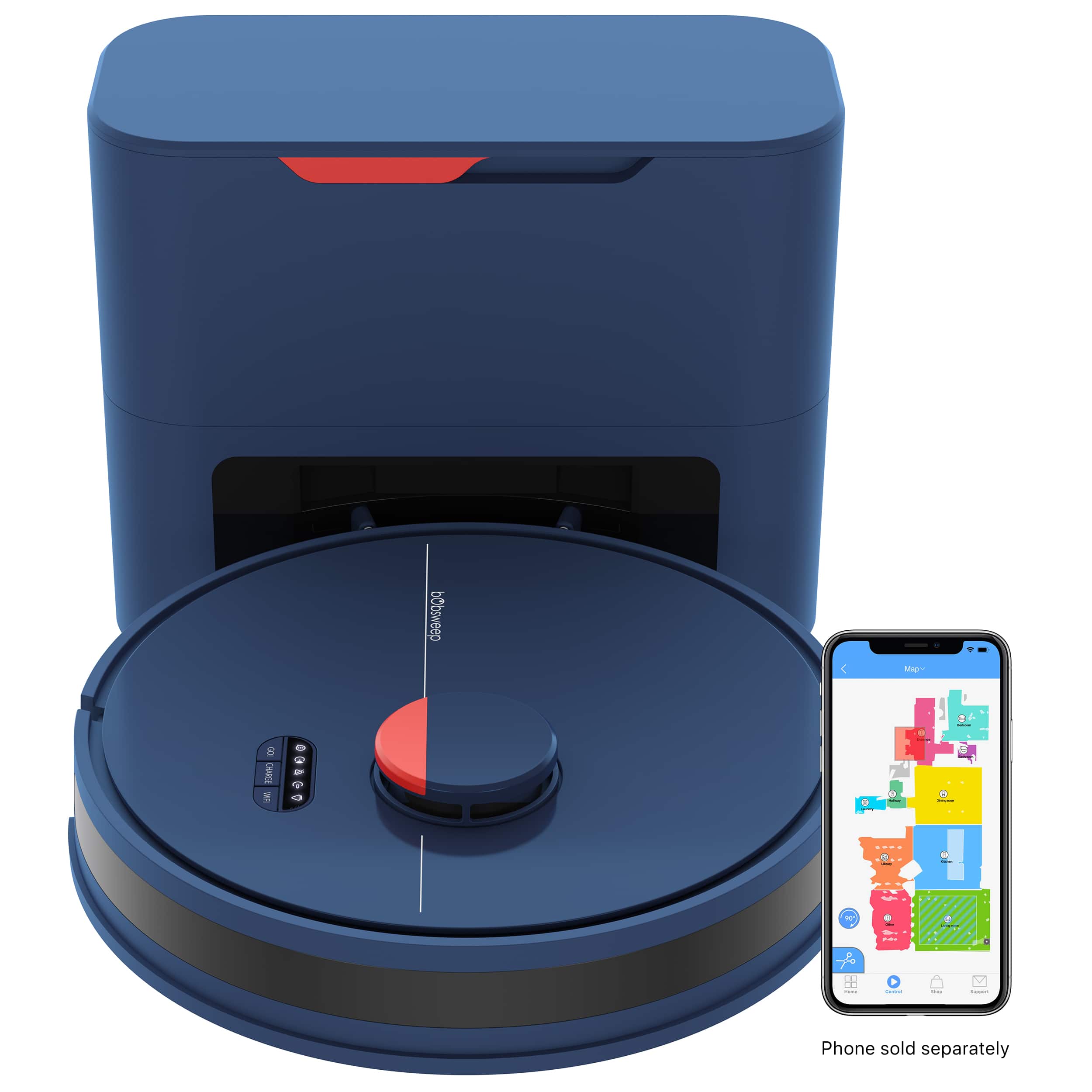
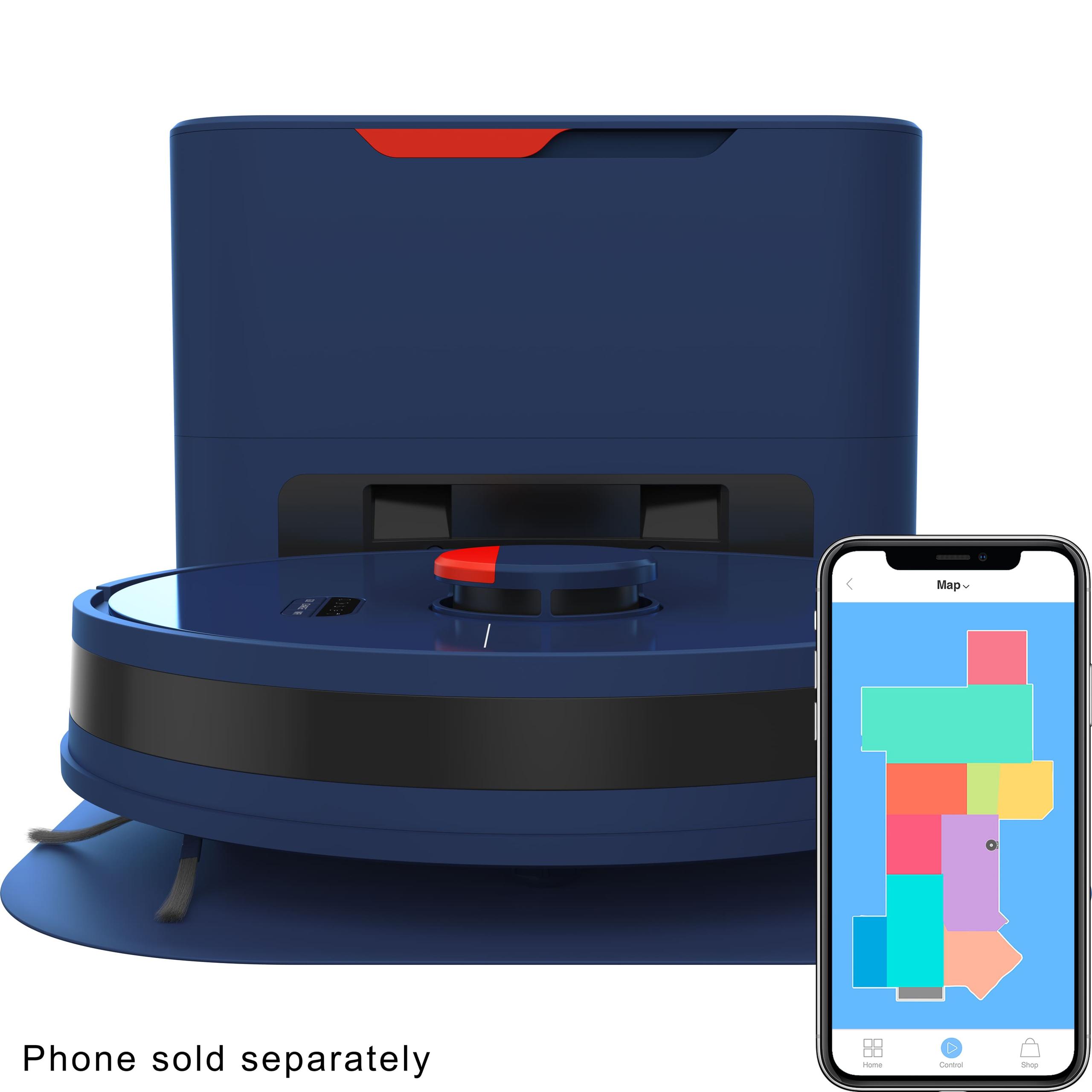
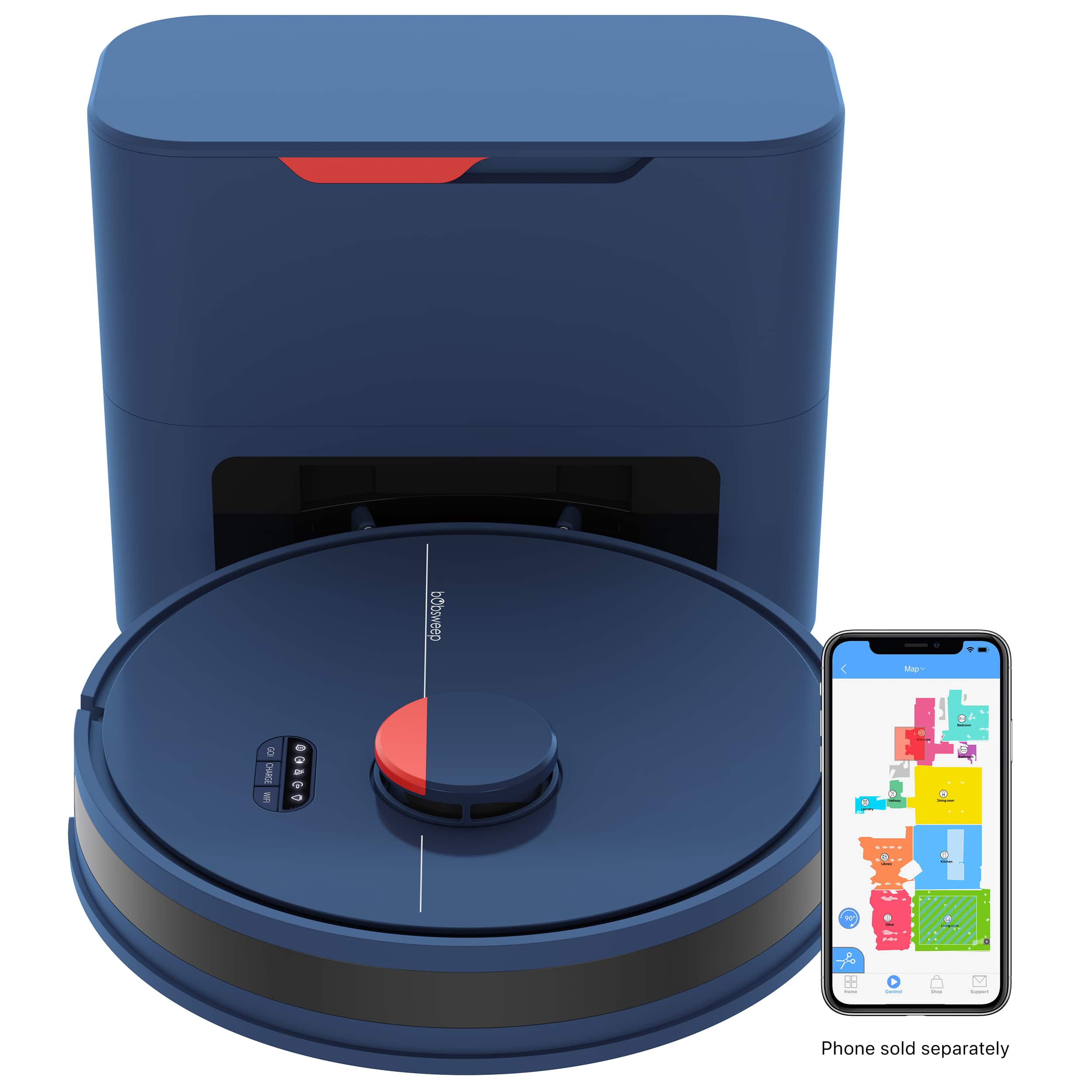
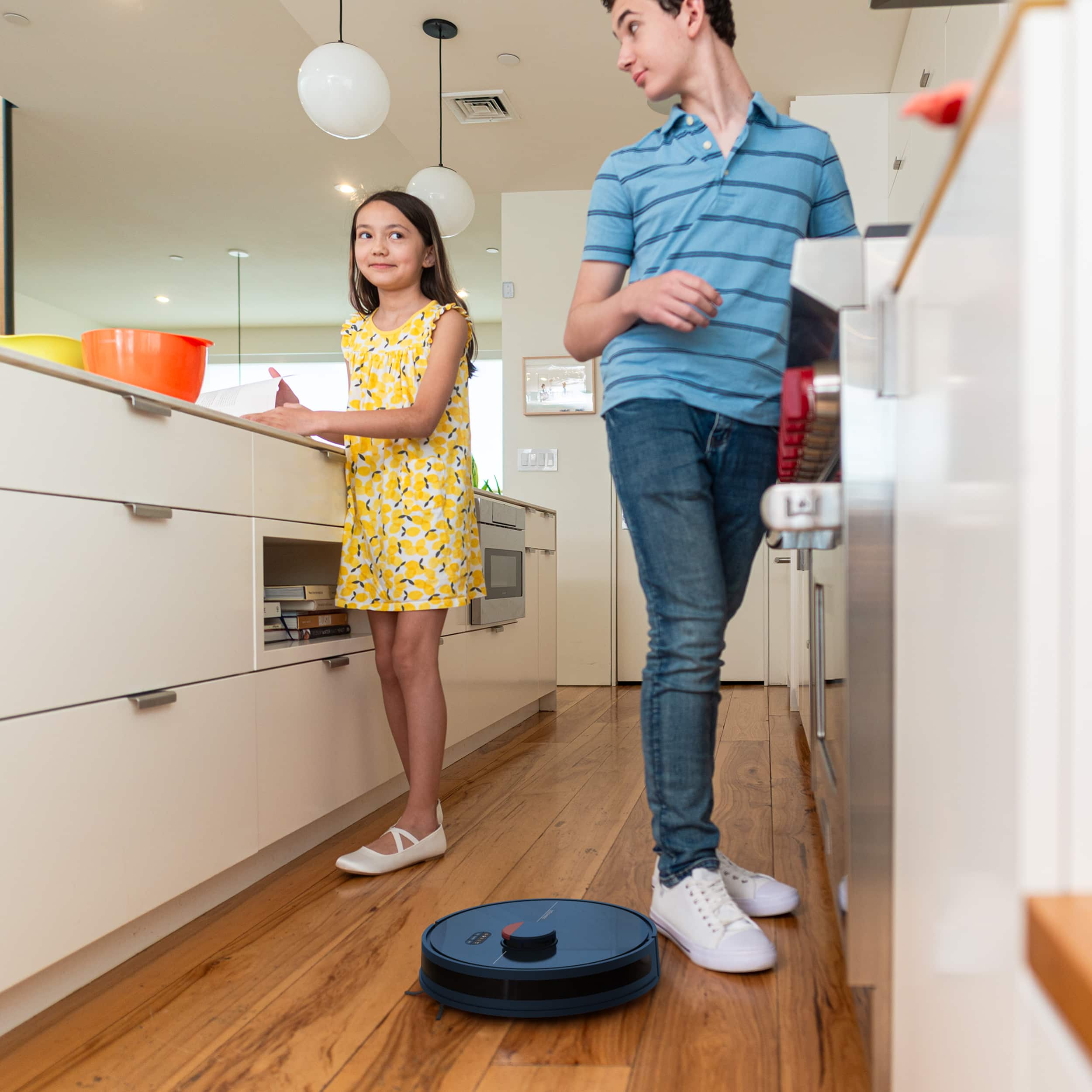


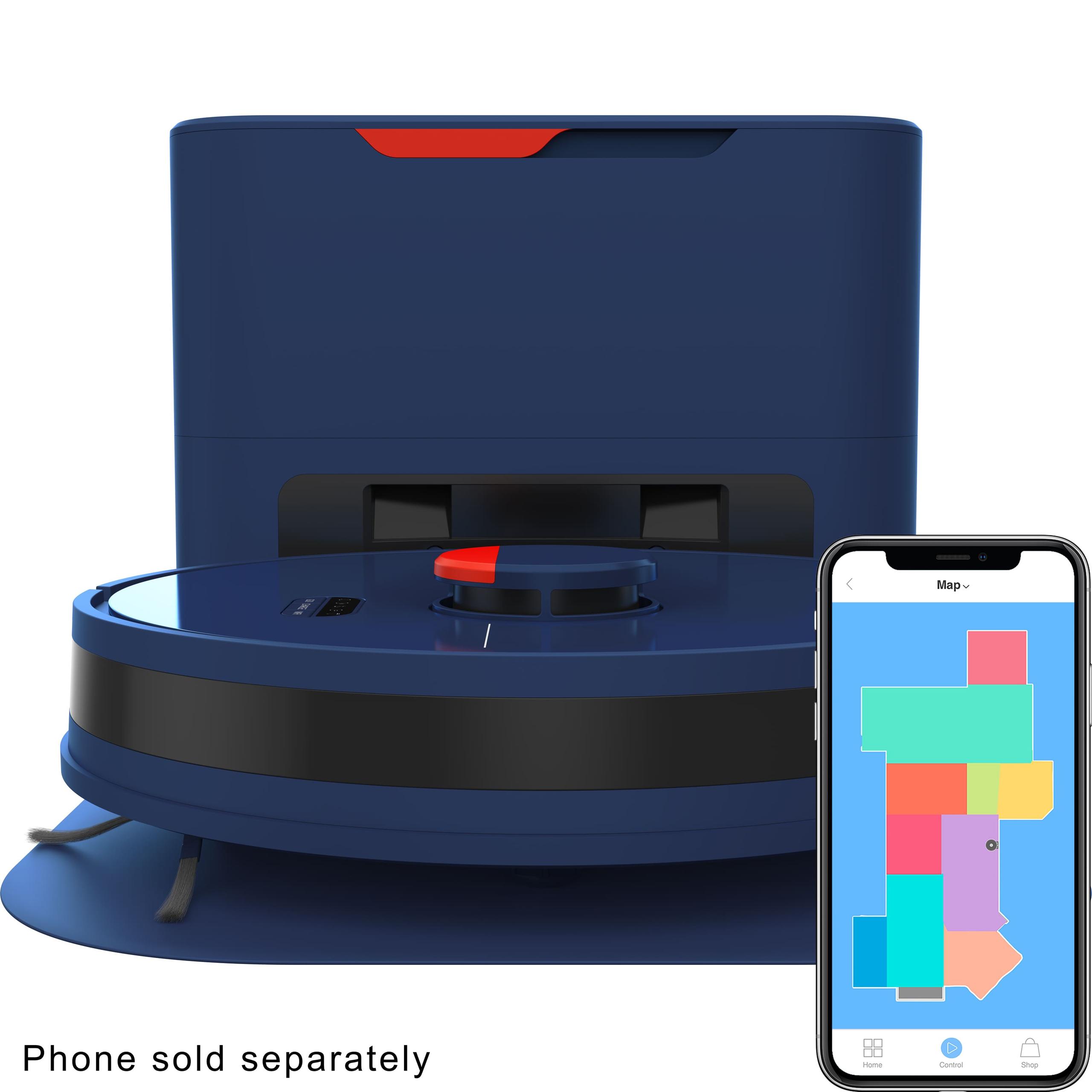

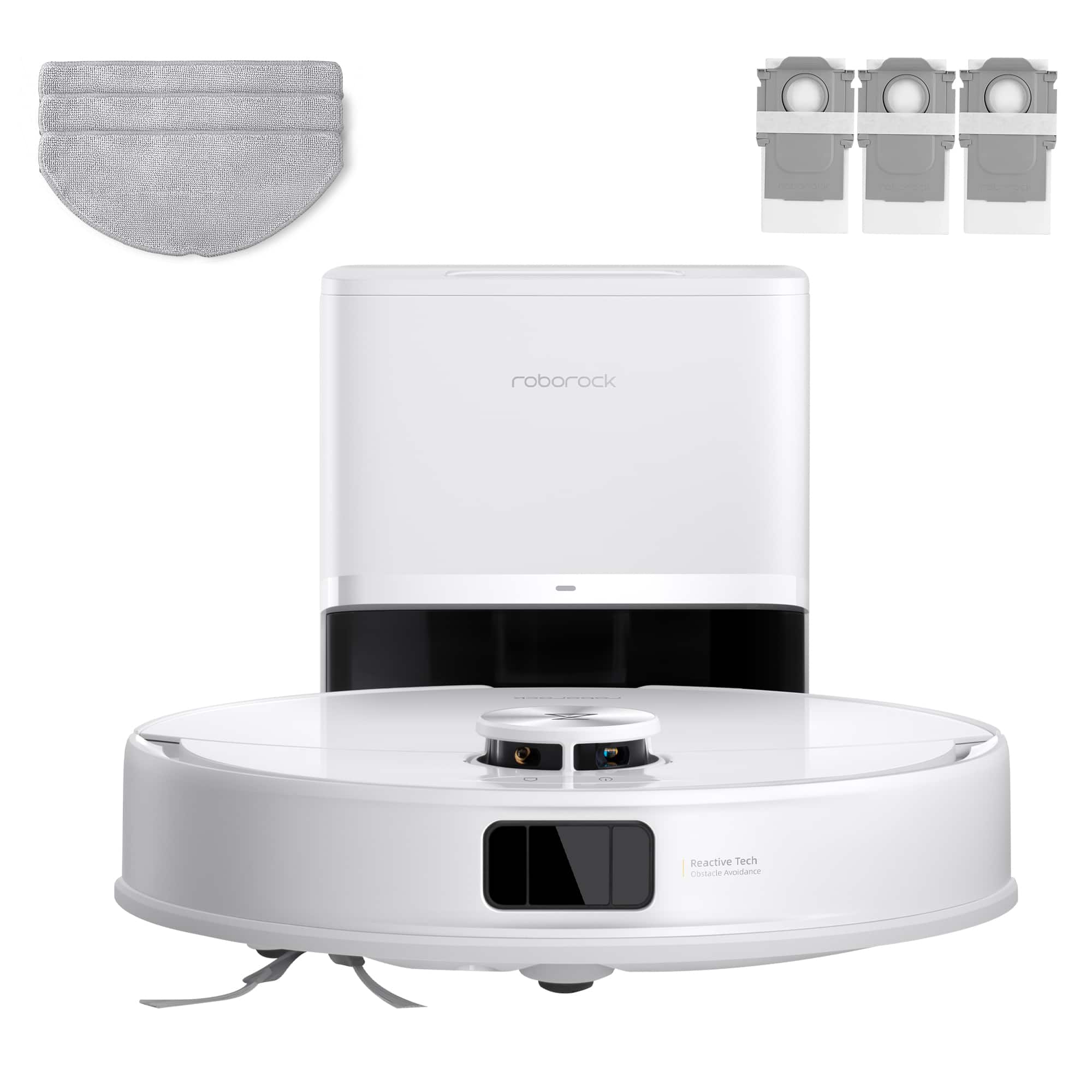
The robot vacuum market has exploded over the past few years, with manufacturers racing to pack more features into increasingly affordable packages. Two models that represent different approaches to the "smart cleaning" challenge are the bObsweep Dustin PET24-7-213 and the Roborock Q10 VF+. Both promise to vacuum and mop your floors automatically, but they take distinctly different paths to get there.
Released in 2023, the bObsweep Dustin positions itself as a budget-friendly option with premium features like self-emptying capability. The Roborock Q10 VF+, also from 2023, represents the mid-tier segment where performance meets reasonable pricing. At the time of writing, there's a significant price gap between these two models, making this comparison particularly interesting for anyone trying to balance features against budget.
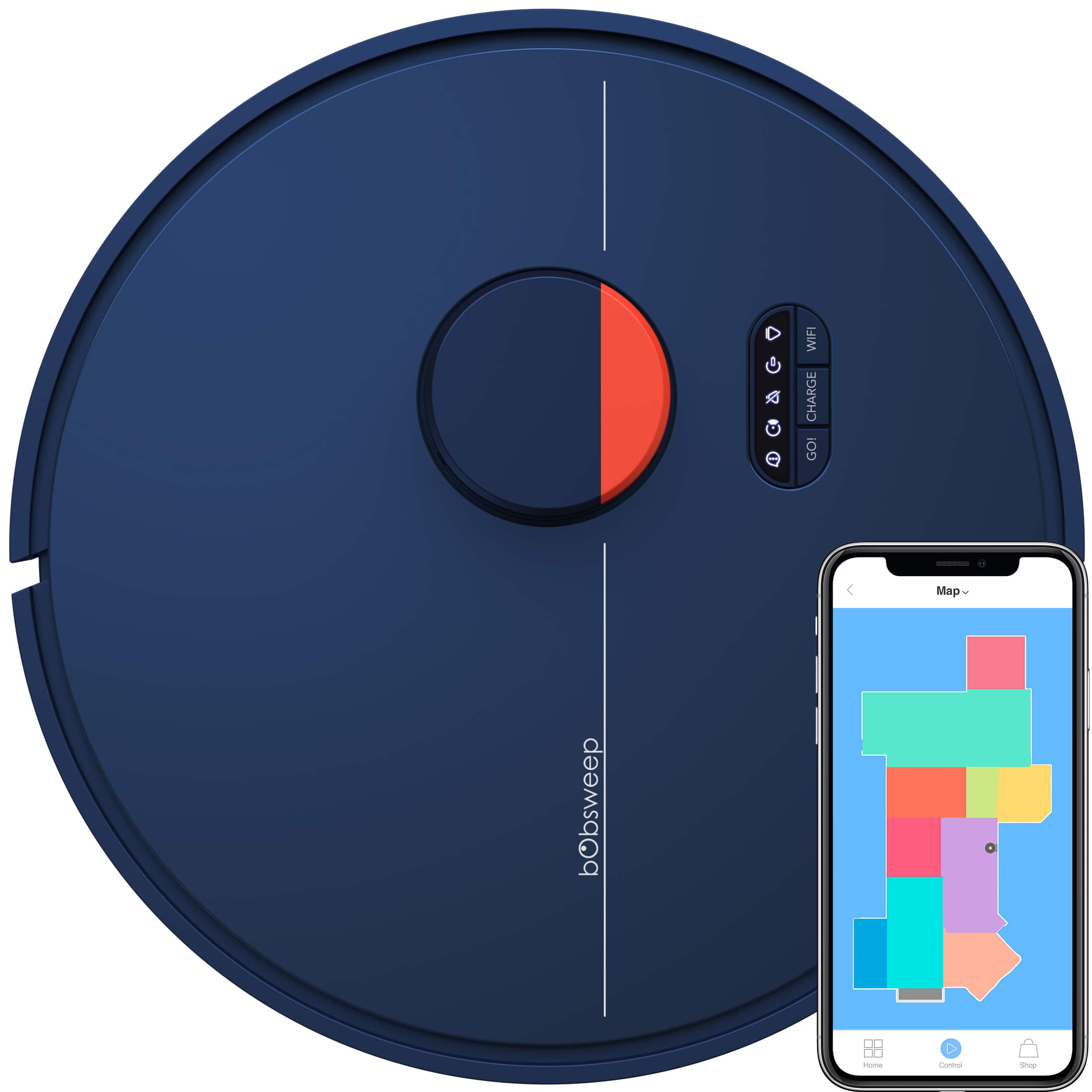
Before diving into specifics, it's worth understanding what makes a robot vacuum effective in 2024. These aren't the random-bouncing robots from a decade ago. Modern units use sophisticated mapping technology, typically LiDAR (Light Detection and Ranging), which spins a laser sensor to create detailed floor plans of your home. This allows them to clean methodically rather than randomly bumping around.
The addition of mopping capability has become increasingly common, though the execution varies wildly between manufacturers. Some simply drag a damp cloth behind the vacuum, while others use vibrating or oscillating systems that actually scrub the floor. The difference in cleaning results is substantial.
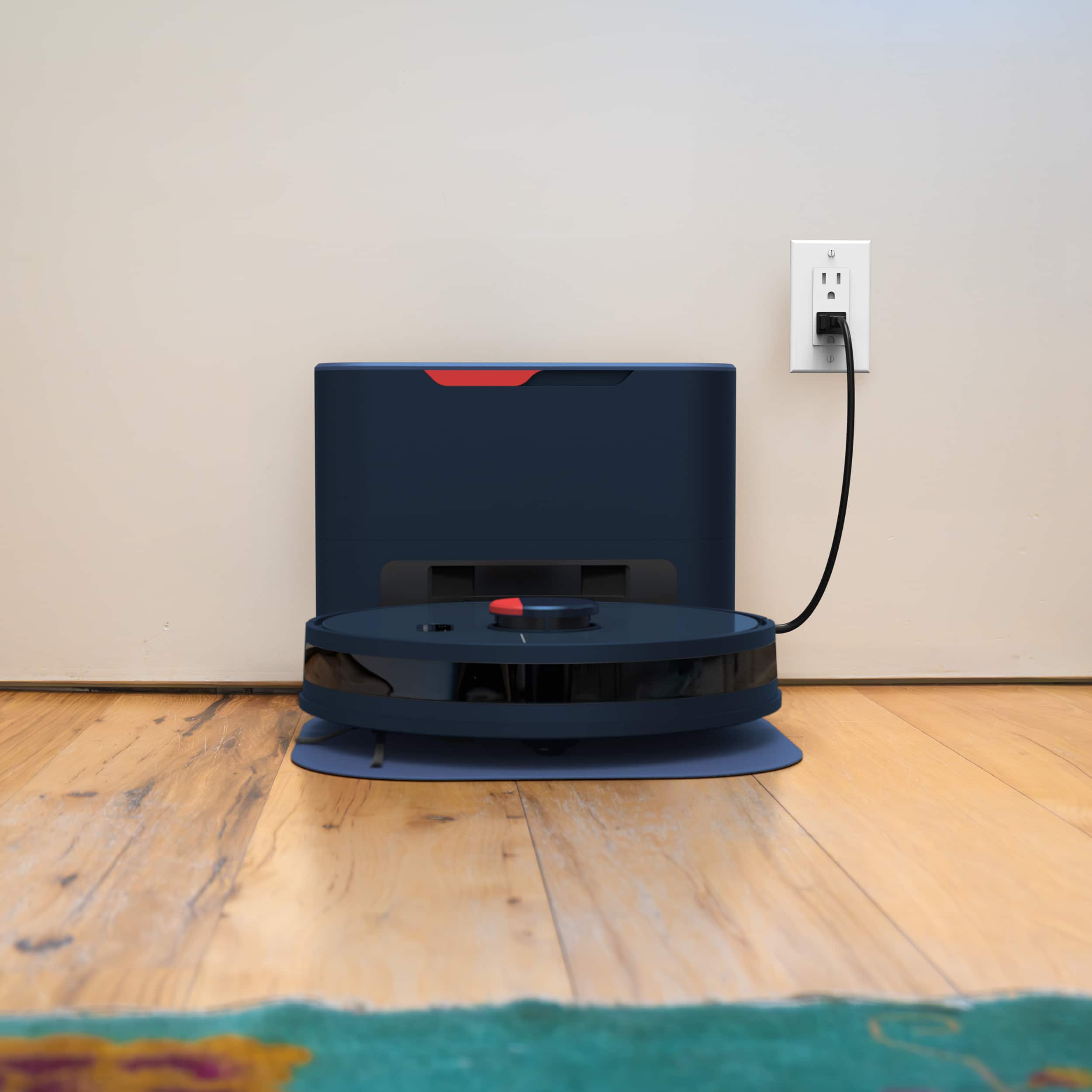
Self-emptying docks have become the holy grail of convenience features. These charging stations contain large dust bags and powerful vacuums that suck debris from the robot's small internal bin. Done right, this means you might only need to think about maintenance every month or two rather than after every cleaning cycle.
The most fundamental job of any vacuum is picking up dirt, and here we see the first major difference between these models. The Roborock Q10 VF+ delivers 10,000 Pa of suction through its HyperForce system, while the bObsweep Dustin provides 4,100-5,000 Pa via TurboLift technology.
Pa (Pascal) is the standard unit for measuring suction pressure – think of it as how hard the vacuum can pull air through its system. While raw suction numbers don't tell the complete story, they're a good starting point. Based on our research of professional testing, the Roborock's higher suction translates to measurably better performance, especially on carpets where debris gets embedded deep in fibers.
What's particularly interesting is how these robots handle different types of debris. Professional reviews consistently show the Q10 VF+ excelling at picking up both large debris like cereal and fine particles like flour or sand. The Dustin, despite its pet-focused marketing, struggles with fine debris due to its side brush design that tends to scatter lightweight particles rather than collect them.
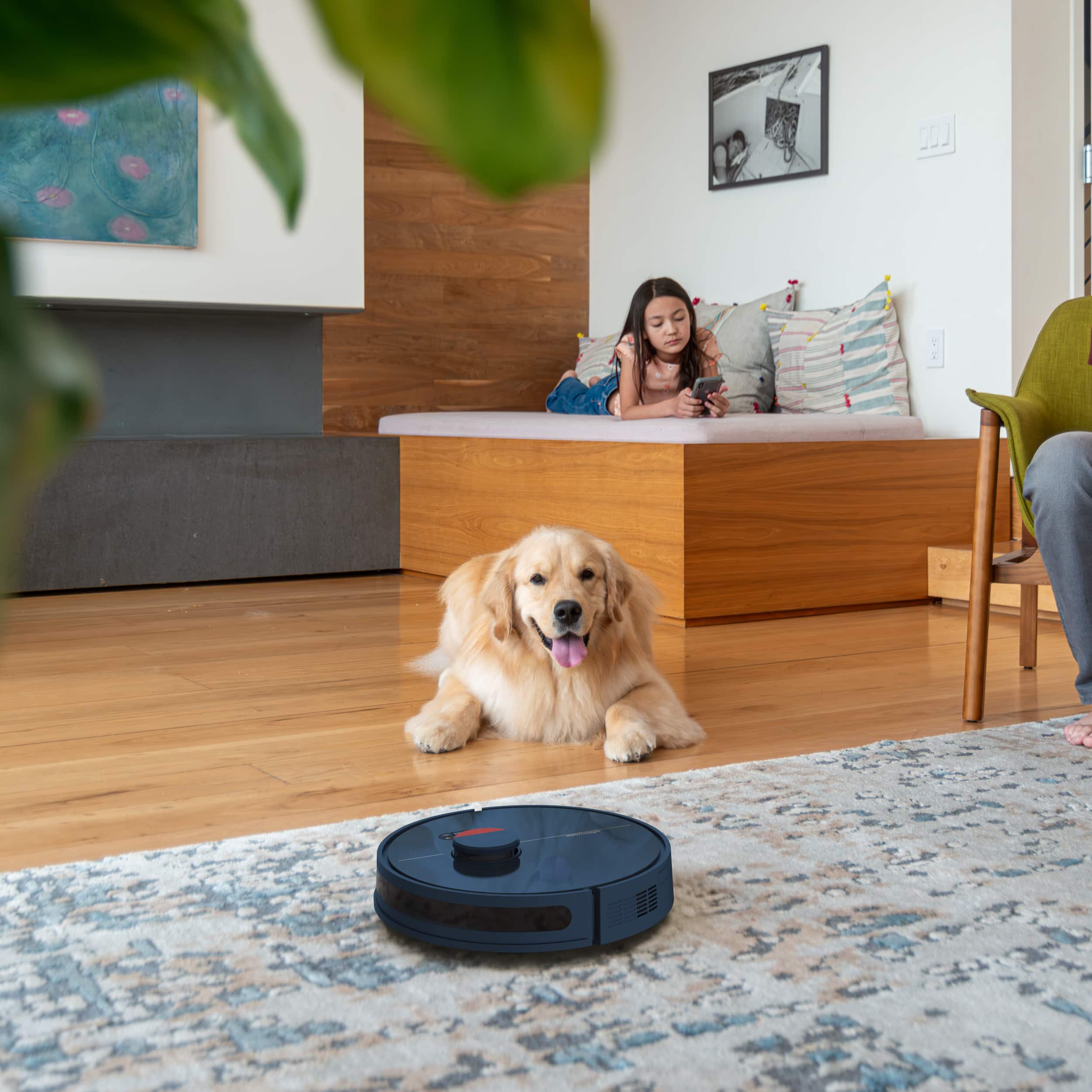
For pet owners – arguably the target market for both devices – this difference becomes crucial. Pet hair, especially the fine undercoat that cats and dogs shed constantly, requires consistent suction and brush design that prevents tangling. The Roborock achieved a 96% pet hair pickup rate in standardized testing, significantly above the industry average of 75%. The Dustin, despite its "PET" branding, performed poorly in similar tests, often leaving hair scattered or even redepositing it during cleaning cycles.
Both robots use LiDAR mapping, but their intelligence in navigating obstacles differs dramatically. The Q10 VF+ incorporates ReactiveTech obstacle avoidance, which combines structured light sensors with infrared detection to identify and navigate around common household hazards like cables, shoes, and pet toys.
The Dustin relies primarily on its LiDAR for navigation but lacks advanced obstacle detection. In practice, this means it frequently gets stuck on items that the Roborock would navigate around. Tasseled rugs, chair legs, and even pet food bowls can trap the Dustin for extended periods, requiring manual intervention.
This navigation difference becomes particularly relevant if you're considering using either robot in a home theater setup. Media rooms often have complex cable management, speaker placement, and furniture arrangements that challenge robot navigation. The Roborock's superior obstacle avoidance makes it much more suitable for cleaning around entertainment centers and theater seating without constant supervision.
From a practical standpoint, poor navigation doesn't just mean more maintenance – it means unpredictable cleaning results. A robot that gets stuck halfway through a cycle leaves your floors partially cleaned and your schedule disrupted.
The mopping capabilities of these robots represent perhaps their biggest functional difference. The Dustin uses a basic drag-mop system with microfiber pads and a 350ml water reservoir. Essentially, it dampens a cloth and drags it behind the vacuum as it moves. This approach provides minimal actual cleaning power and can't distinguish between carpet and hard floors automatically.
The Roborock Q10 VF+ takes a more sophisticated approach with its VibraRise 2.0 system. This technology uses dual-zone sonic vibration operating at 3,000 scrubs per minute to actively work against stains and dried-on debris. More importantly, it automatically lifts the mop pad 8mm when it detects carpet, preventing wet pads from soaking your rugs.
Based on professional stain-removal testing, the difference is substantial. The Q10 VF+ scored 103 points in standardized dried-stain removal tests, above the industry average of 93. The Dustin's mopping system scored significantly lower, with some reviewers describing it as "completely ineffective" beyond basic dampening.
For homes with mixed flooring – hardwood in living areas, tile in kitchens, and carpet in bedrooms – this automatic mop lifting becomes essential. Without it, you're either manually removing the mop attachment before each cleaning cycle or risking water damage to carpeted areas.
Both robots feature self-emptying docks, but with different approaches to capacity and reliability. The Dustin boasts a larger 3.5-liter dust bag capacity, marketed as lasting up to 100 days between changes. The Q10 VF+ uses a 2.7-liter capacity rated for approximately 7 weeks of typical debris.
However, capacity numbers don't tell the complete story. The Dustin's larger bag is partly necessary because its less efficient cleaning means more passes are required to achieve the same results. Additionally, user reports suggest the Dustin's self-emptying mechanism is more prone to jamming, particularly when dealing with long hair or larger debris pieces.
The Roborock's smaller but more reliable system often provides better practical convenience. Its more efficient cleaning reduces the total debris volume, and the mechanism itself appears more robust based on user feedback patterns.
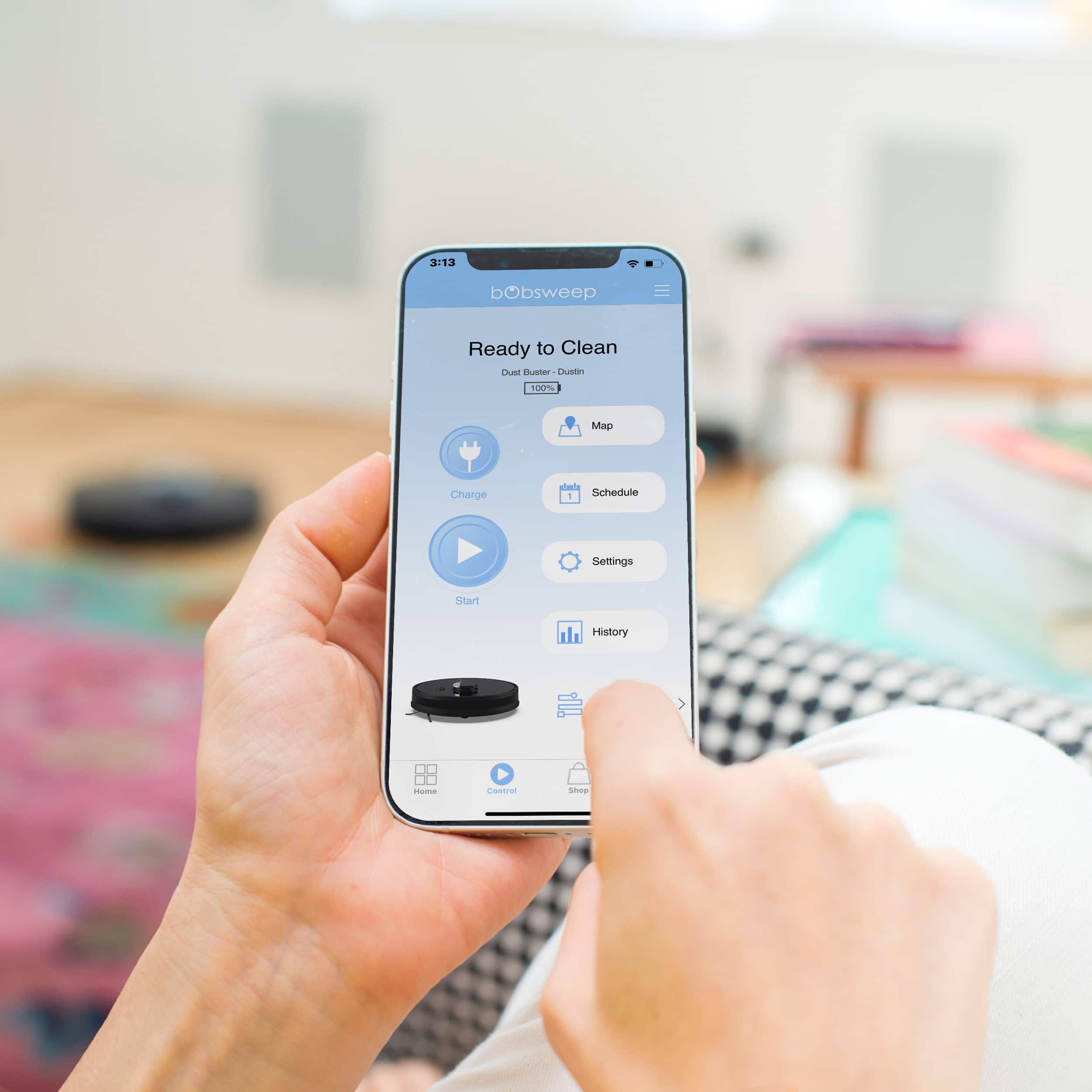
Modern robot vacuums succeed or fail partly on their software experience. Both models offer smartphone apps, scheduling capabilities, and voice assistant integration through Alexa and Google Assistant.
The Q10 VF+ provides more sophisticated mapping features, including multi-level mapping for homes with multiple floors, precise no-go zones, and room-specific cleaning preferences. Its app interface receives consistently positive feedback for reliability and ease of use.
The Dustin offers similar basic features but with less polished execution. Users report more frequent connectivity issues, mapping glitches that require manual reset, and inconsistent voice assistant integration. While the features exist on paper, their real-world reliability appears lacking compared to Roborock's more mature software ecosystem.
At the time of writing, these robots occupy different price segments, which significantly impacts their value proposition. The Dustin positions itself as an entry point to premium features like self-emptying, while the Q10 VF+ represents the sweet spot where performance meets reasonable pricing.
For budget-conscious buyers, the Dustin's lower price point makes self-emptying functionality accessible. However, our research suggests that poor cleaning performance and frequent navigation issues may create false economy – you might save money upfront but spend more time managing the device and potentially need earlier replacement.
The Roborock commands a premium but delivers measurably better results across every performance metric that matters. For most households, this translates to genuinely autonomous cleaning rather than a semi-automated system requiring regular intervention.
You're working with a strict budget but want self-emptying capability, and you primarily have hard floors with minimal carpeting. The Dustin makes sense for apartments or smaller homes where navigation complexity is limited and you don't mind occasional manual intervention. Its quieter operation (under 60 decibels) also makes it suitable for noise-sensitive environments.
However, I'd recommend managing expectations carefully. Based on our research, this is more of a "cleaning assistant" than a fully autonomous solution. You'll likely need to pre-clean obstacles, manually remove the mop for carpeted areas, and occasionally rescue the robot when it gets stuck.
You prioritize actual cleaning performance and reliability over initial cost savings. This robot makes particular sense for pet owners, homes with mixed flooring types, and anyone who values "set and forget" operation. The superior navigation and obstacle avoidance make it especially suitable for complex layouts, including home theaters with extensive cable management.
The Q10 VF+ represents what I consider the current sweet spot in robot vacuum technology – sophisticated enough to handle real-world cleaning challenges without the premium pricing of flagship models. If you can manage the higher initial cost, the improved cleaning results and reduced maintenance requirements typically justify the investment.
Both robots represent 2023 technology, benefiting from several years of rapid advancement in robot vacuum capabilities. Compared to models from even 2020, both feature more accurate LiDAR mapping, improved battery management, and more sophisticated obstacle handling. The integration of effective self-emptying docks at these price points represents a particularly significant advancement.
Looking at the trajectory of robot vacuum development, the gap between budget and premium models has narrowed considerably in terms of basic features, but performance differences remain substantial. The Q10 VF+ demonstrates how mid-tier products can now deliver cleaning performance that rivals expensive flagship models from just a few years ago.
After extensive research into professional testing, user feedback, and real-world performance data, I lean strongly toward the Roborock Q10 VF+ for most buyers. While the bObsweep Dustin offers self-emptying functionality at a lower price point, the significant performance compromises make it difficult to recommend except for very budget-constrained situations.
The cleaning performance gap is substantial enough that the Q10 VF+ often completes tasks in fewer passes, reducing overall energy consumption and wear. Its superior navigation means less time spent managing the device and more confidence that your floors will actually be clean when you return home.
For homes with pets, mixed flooring, or complex layouts, the choice becomes even clearer. The Roborock handles these challenges competently, while the Dustin struggles with basic functionality in these scenarios.
Consider the Dustin only if budget constraints are absolute and you understand its limitations. For everyone else, the Q10 VF+ represents better long-term value through superior performance, reliability, and user experience. In the robot vacuum category, paying a bit more upfront for genuine autonomous cleaning capability typically proves worthwhile compared to managing a high-maintenance budget option.
| bObsweep Dustin PET24-7-213 | Roborock Q10 VF+ |
|---|---|
| Suction Power - Higher Pa means better debris pickup, especially on carpets | |
| 4,100-5,000 Pa TurboLift (adequate for basic cleaning) | 10,000 Pa HyperForce (excellent for deep carpet cleaning) |
| Navigation & Obstacle Avoidance - Prevents getting stuck and ensures complete cleaning | |
| LiDAR mapping only, frequently gets stuck on obstacles | PreciSense LiDAR + ReactiveTech obstacle avoidance, rarely gets stuck |
| Mopping System - Active scrubbing removes stains, passive dragging just dampens floors | |
| Basic drag-mop with microfiber pad (minimal cleaning effect) | VibraRise 2.0 with 3,000 scrubs/min sonic vibration (effective stain removal) |
| Carpet Detection - Automatic adjustment saves manual intervention and prevents wet carpets | |
| No automatic detection, requires manual mop removal | Automatic 8mm mop lifting when carpets detected |
| Pet Hair Performance - Critical for pet owners despite marketing claims | |
| Poor performance despite "PET" branding, often scatters hair | 96% pickup rate, excellent hair removal without tangling |
| Self-Emptying Capacity - Larger bags mean less frequent maintenance | |
| 3.5L dust bag (up to 100 days between changes) | 2.7L dust bag (approximately 7 weeks between changes) |
| Battery Runtime - Longer runtime covers larger homes in single session | |
| 150 minutes (requires multiple passes for thorough cleaning) | 250 minutes (efficient cleaning reduces actual time needed) |
| App & Smart Features - Reliable connectivity ensures consistent automation | |
| Basic app with frequent connectivity issues and mapping glitches | Advanced app with multi-level mapping, reliable voice control |
| Noise Level - Important for homes with sleeping schedules or noise sensitivity | |
| Under 60 decibels (quieter operation) | Approximately 65 decibels (slightly louder but still reasonable) |
| Fine Debris Performance - Flour, sand, and pet dander pickup quality | |
| Poor, side brush scatters lightweight debris outward | Excellent, consistently picks up fine particles on first pass |
The Roborock Q10 VF+ delivers significantly stronger suction at 10,000 Pa compared to the bObsweep Dustin PET24-7-213 at 4,100-5,000 Pa. This translates to better debris pickup, especially on carpets where dirt gets embedded deep in fibers. For most cleaning tasks, the Roborock Q10 VF+ will require fewer passes to achieve thorough results.
Yes, both the bObsweep Dustin PET24-7-213 and Roborock Q10 VF+ include self-emptying docks. The Dustin offers a larger 3.5L dust bag capacity for up to 100 days between changes, while the Q10 VF+ has a 2.7L capacity lasting approximately 7 weeks. However, the Roborock's more reliable emptying mechanism experiences fewer jams.
Despite its "PET" branding, the bObsweep Dustin actually performs poorly with pet hair, often scattering or redepositing it. The Roborock Q10 VF+ achieves a 96% pet hair pickup rate in professional testing and includes a dual anti-tangle system that prevents hair from wrapping around brushes, making it the clear winner for pet owners.
The Roborock Q10 VF+ features an advanced VibraRise 2.0 system with sonic vibrations at 3,000 scrubs per minute, effectively removing dried stains. The bObsweep Dustin uses a basic drag-mop system that simply dampens floors without actual scrubbing action. For homes needing effective mopping, the Q10 VF+ delivers significantly better results.
The Roborock Q10 VF+ combines LiDAR mapping with ReactiveTech obstacle avoidance, allowing it to navigate around furniture, cables, and household items effectively. The bObsweep Dustin relies only on LiDAR mapping and frequently gets stuck on obstacles like chair legs, rugs, and pet toys, requiring manual intervention.
The Roborock Q10 VF+ automatically detects carpets and increases suction while lifting its mop pad 8mm to prevent wetting. The bObsweep Dustin lacks automatic carpet detection, requiring users to manually remove the mop attachment before cleaning carpeted areas or risk water damage.
For home theater cleaning, the Roborock Q10 VF+ is superior due to its advanced obstacle avoidance that navigates around speaker cables, equipment stands, and theater seating without getting stuck. The bObsweep Dustin frequently gets tangled in cables and requires pre-cleaning of obstacles, making it less suitable for complex entertainment room layouts.
The Roborock Q10 VF+ offers approximately 250 minutes of runtime, while the bObsweep Dustin provides 150 minutes. However, the Q10 VF+ cleans more efficiently, often completing tasks faster than the Dustin which may require multiple passes for thorough cleaning.
The Roborock Q10 VF+ offers a more polished app experience with multi-level mapping, reliable voice control, and precise no-go zones. The bObsweep Dustin provides basic smart features but users report frequent connectivity issues, mapping glitches, and inconsistent voice assistant integration.
Both models work on hardwood floors, but with different effectiveness. The Roborock Q10 VF+ picks up debris consistently on the first pass and provides effective mopping with its vibrating system. The bObsweep Dustin struggles with fine debris due to its side brush design that scatters particles, and its basic mopping only dampens floors.
The bObsweep Dustin operates at under 60 decibels, making it the quieter option. The Roborock Q10 VF+ runs at approximately 65 decibels, which is still reasonable but slightly louder. For noise-sensitive environments, the Dustin has a slight advantage in this area.
While the bObsweep Dustin costs less upfront, the Roborock Q10 VF+ delivers significantly better cleaning performance, navigation reliability, and mopping effectiveness. For most buyers, the Q10 VF+ represents better long-term value through superior results and reduced maintenance requirements, despite the higher initial investment.
We've done our best to create useful and informative comparisons to help you decide what product to buy. Our research uses advanced automated methods to create this comparison and perfection is not possible - please contact us for corrections or questions. These are the sites we've researched in the creation of this article: walmart.com - manuals.plus - rtings.com - bobsweep.com - bestbuy.com - bestbuy.com - bestbuy.com - owners.bobsweep.com - homedepot.com - homedepot.com - youtube.com - ebay.com - samsclub.com - homedepot.com - youtube.com - youtube.com - bobsweep.com - target.com - bobsweep.com - bobsweep.com - youtube.com - vacuumwars.com - youtube.com - bestbuy.com - youtube.com - eftm.com - vacuumwars.com - youtube.com - my.roborock.com - youtube.com - youtube.com - youtube.com - us.roborock.com - homedepot.com - youtube.com - roborockstore.com.au - youtube.com - us.roborock.com - youtube.com - global.roborock.com - us.roborock.com - youtube.com - bestbuy.com - coolblue.de - manuals.plus - roborock.sg - multitronic.fi - homedepot.com

Privacy Policy
Terms and Conditions - Affiliate Policy
Home Security
© Copyright 2008-2026.
11816 Inwood Rd #1211, Dallas, TX 75244