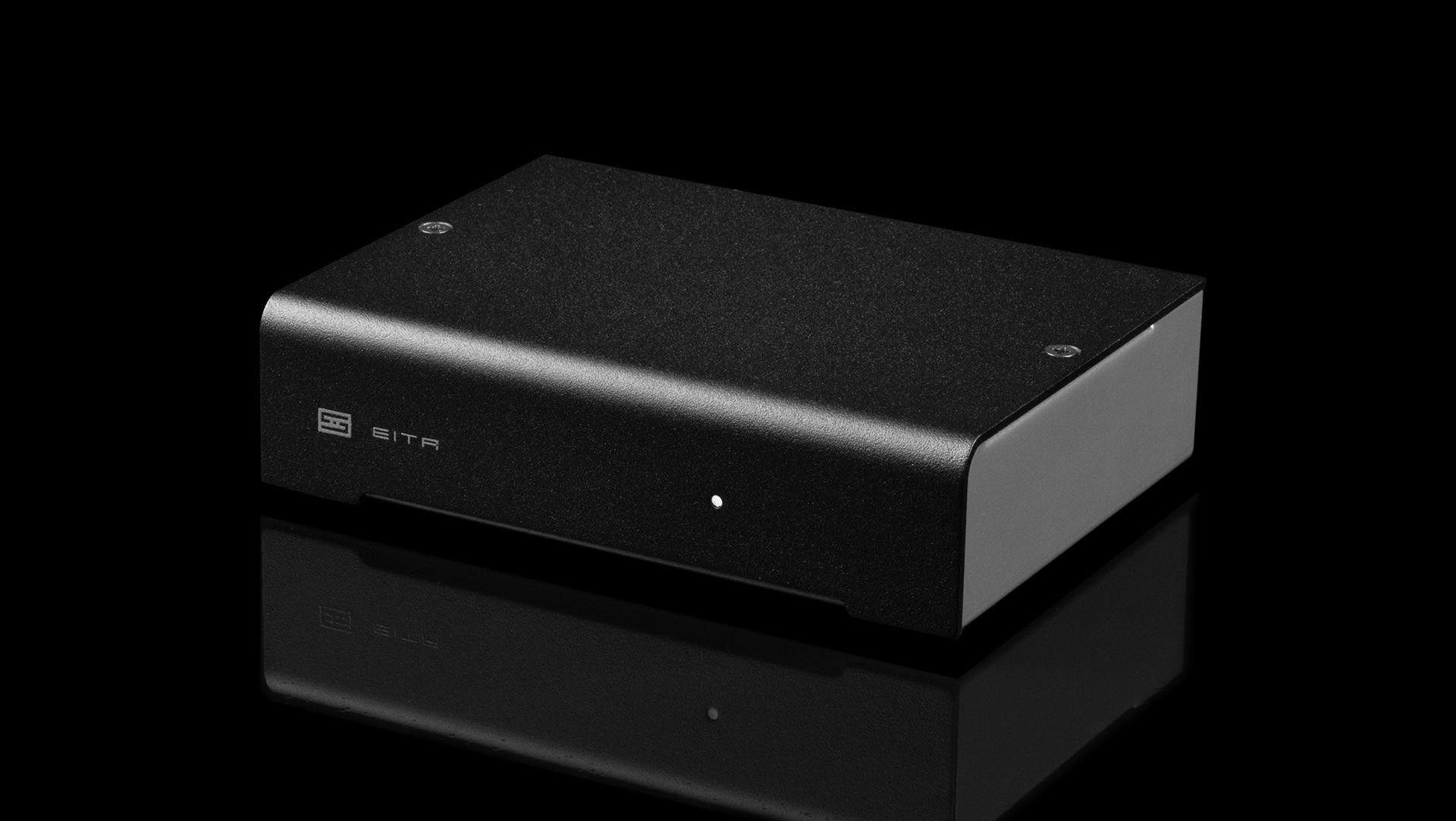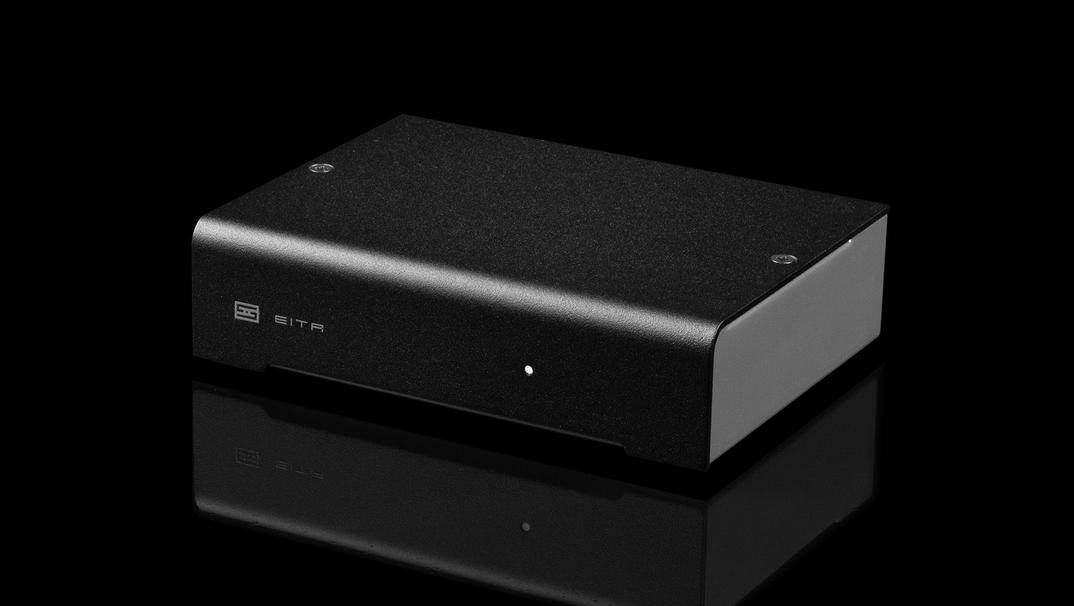
Schiit Audio has been busy lately. Just weeks after rolling out the Lyr 5, a new $799 hybrid headphone amplifier that mixes tube and solid-state modes in one desktop box, the Texas-based company is back with something smaller, cheaper, and arguably a bit more niche. The new Schiit Eitr 2 is a digital-to-digital converter, or DDC, designed to take a USB signal from a computer, tablet, or smartphone and send it out in formats that many DACs still rely on.
That may not sound especially exciting at first glance. A lot of modern DACs already accept USB directly, so the obvious question is: why put another box in the chain? The answer is that Eitr 2 is not really for everyone. It looks more like a problem-solver for people using older DACs, pro-audio gear, or systems that need more flexible digital connections than a laptop’s USB port can provide.
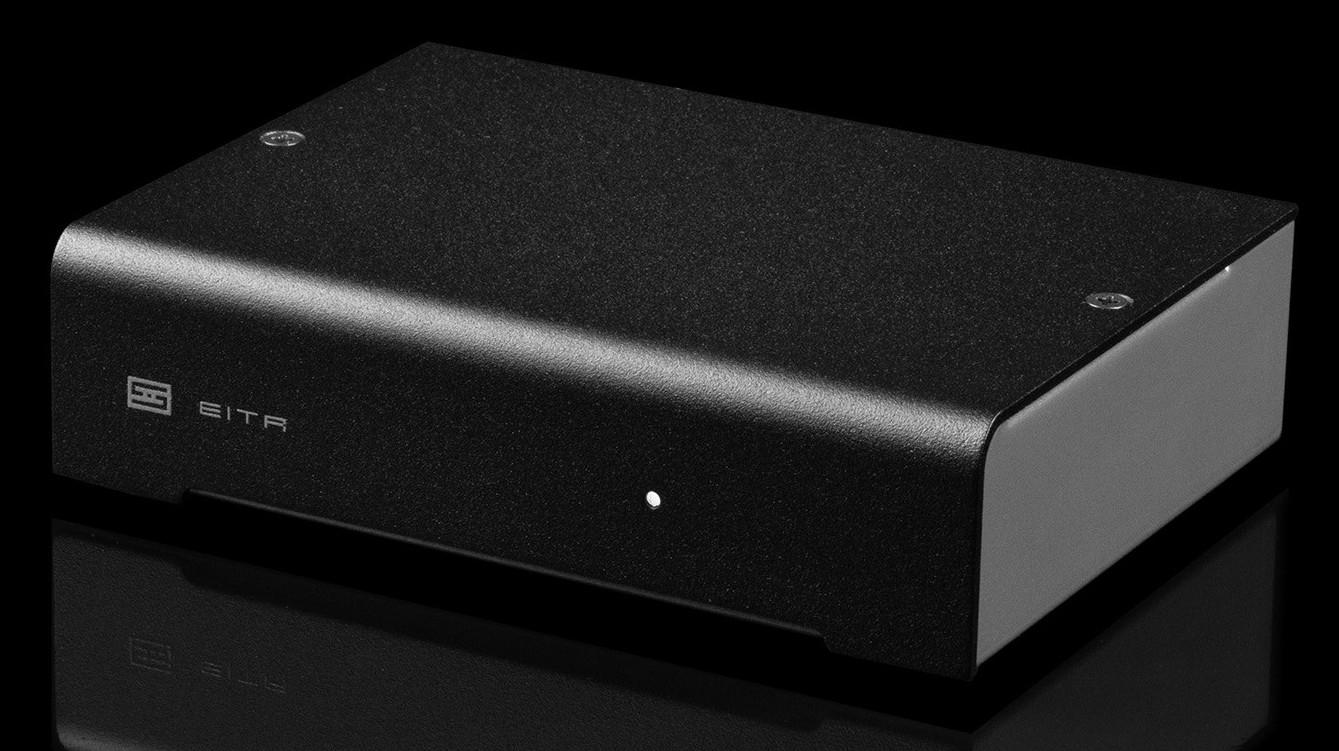
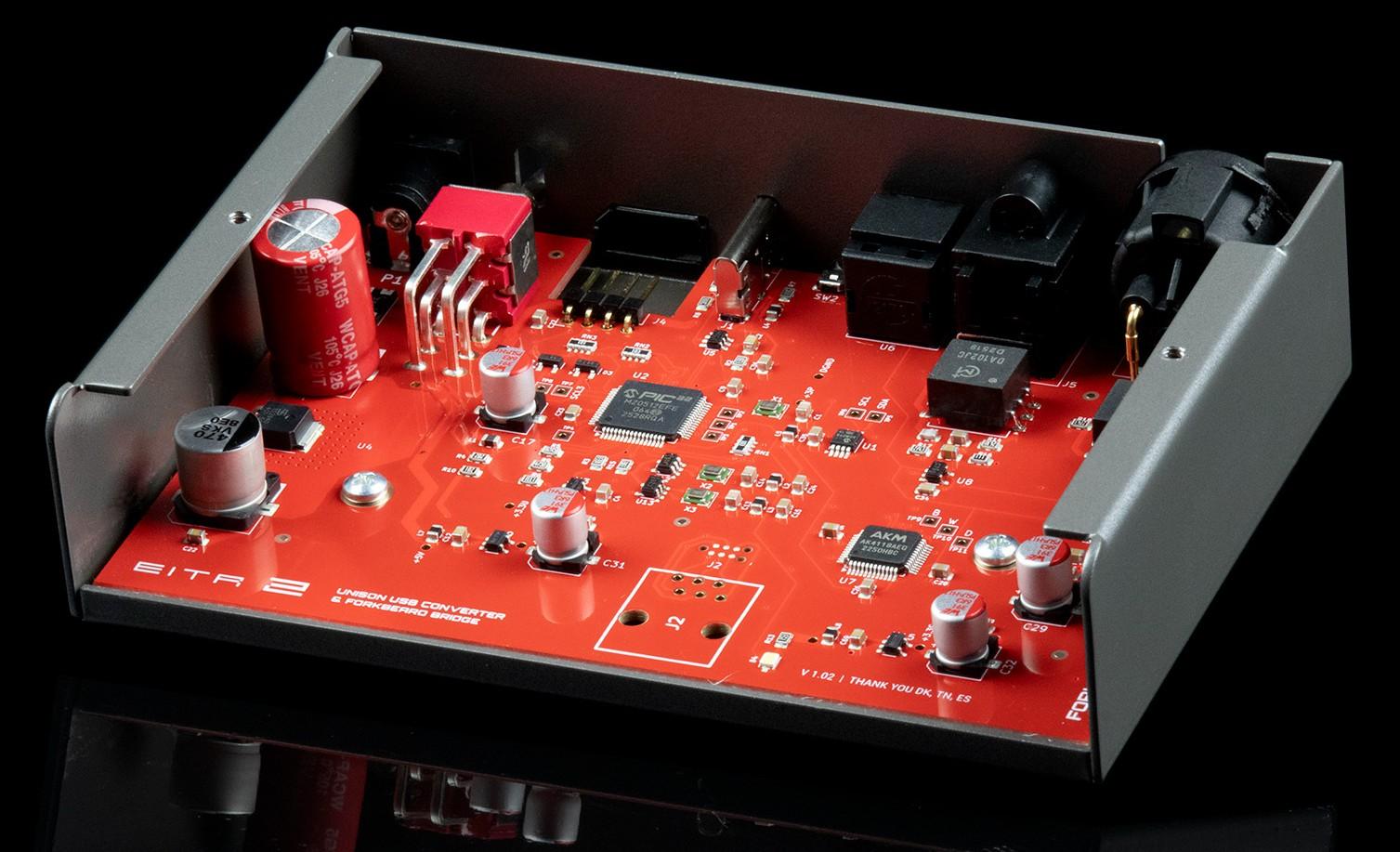
The basic idea is simple. Eitr 2 takes USB-C input, reclocks the digital signal, and then sends it out through one of three digital outputs:
That alone is a noticeable upgrade from the original Eitr from 2017, which only offered coaxial output. The addition of AES/EBU is especially interesting here, because that connection is more commonly found on professional gear and higher-end DACs, not on a $99 desktop accessory.
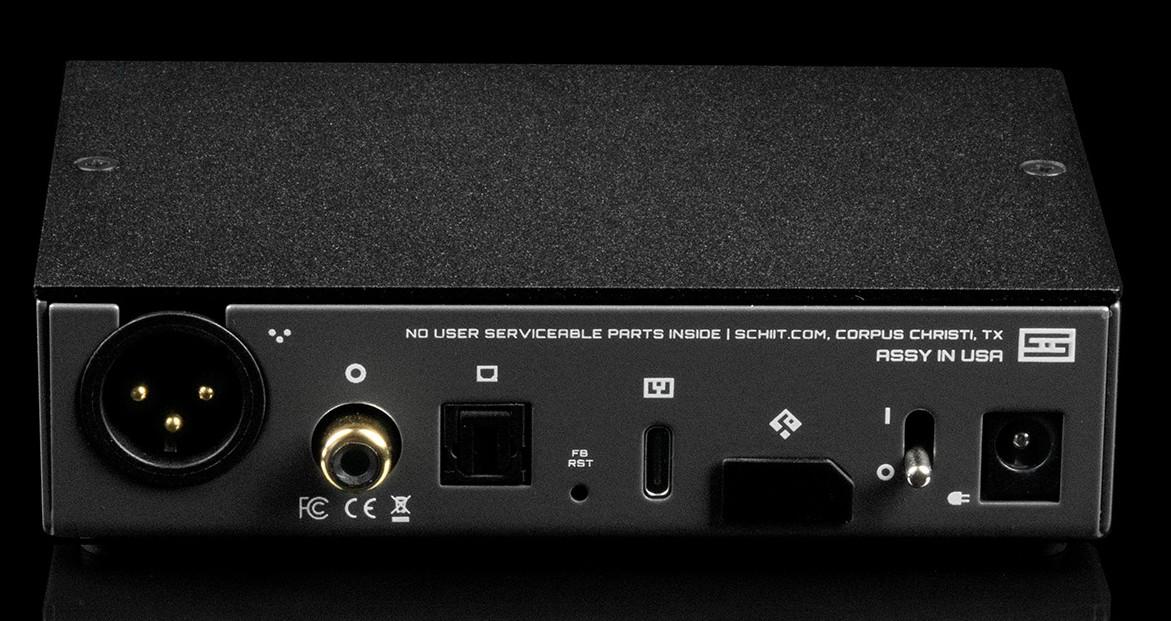
Schiit says both the AES/EBU and coaxial outputs are transformer-coupled, while the Toslink output supports up to 24-bit/192kHz, though the company also notes that higher rates over optical can depend heavily on the cable and connected device.
Put simply, Eitr 2 is built for people who have a DAC they still like, but that DAC may not have the digital input options they want in 2026.
The more unusual part of the Eitr 2 story is not the signal conversion. It is Schiit’s Forkbeard platform.
Forkbeard is the company’s app-based control system, introduced in late 2024, and so far it has appeared mostly in newer or more expensive Schiit gear. Products like the Mimir DAC, Gungnir 2, Wotan, and now the Lyr 5 already support it. With Eitr 2, Schiit is using a removable Forkbeard module to bring those same app controls to a much wider range of systems.
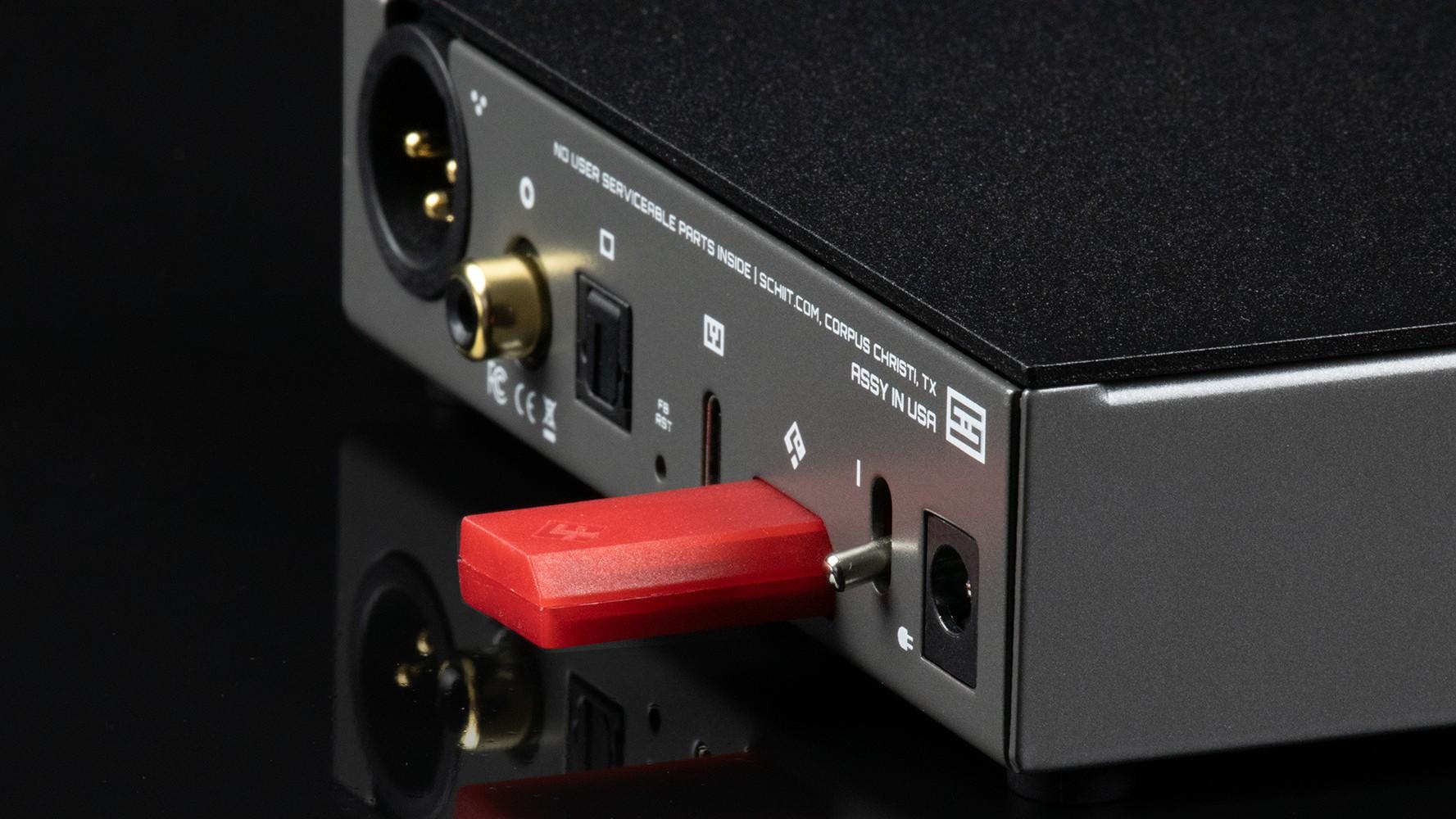
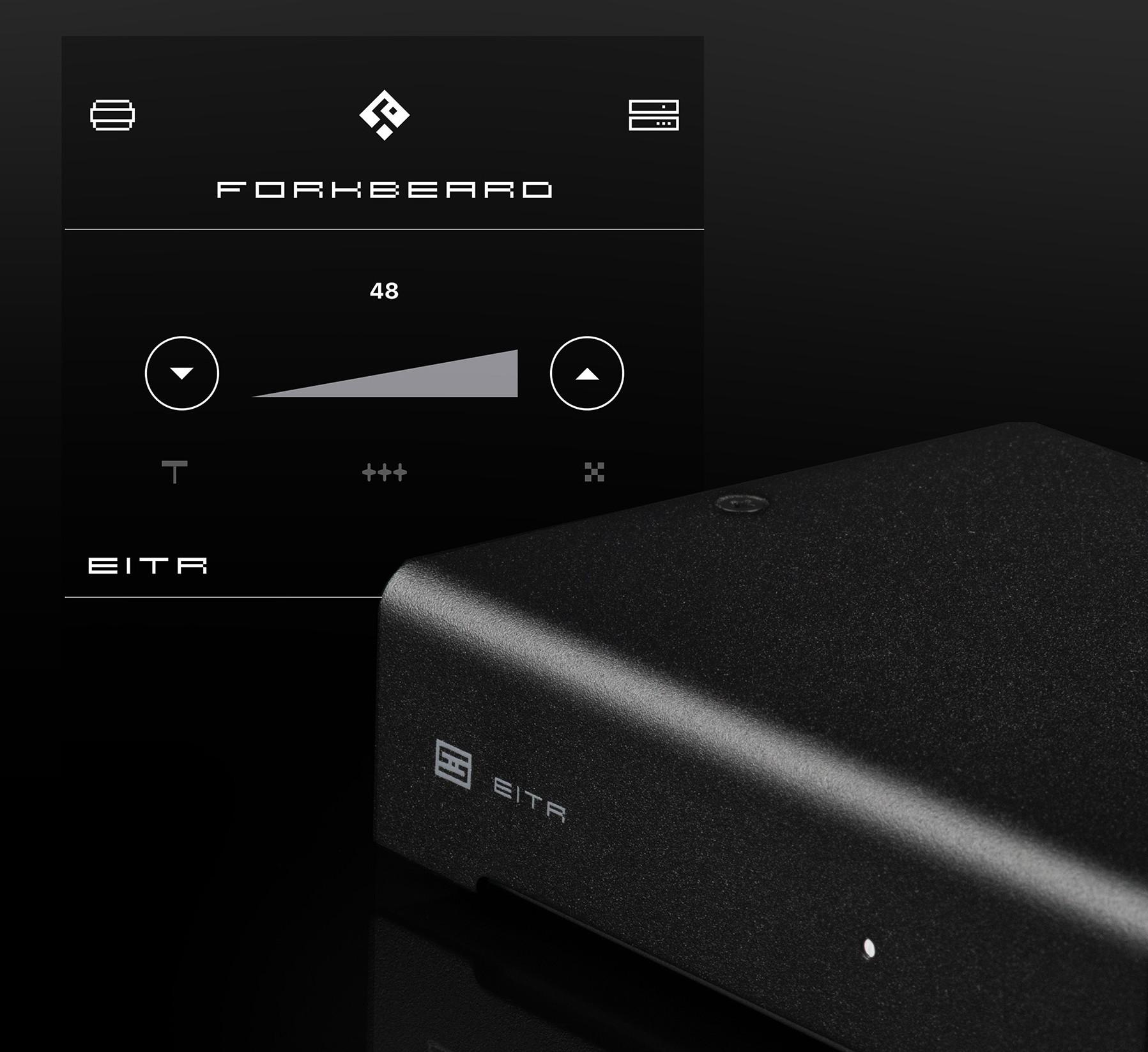
Once installed, the module connects over Bluetooth and gives users access to functions like:
That changes what Eitr 2 actually is. Without Forkbeard, it is a $99 USB-to-digital interface box. With Forkbeard, it becomes something closer to a digital control hub that can sit in front of almost any DAC with coaxial, AES/EBU, or optical inputs. Schiit is even framing it as a way to turn “any DAC” into a digital preamp.
That could be the more practical selling point. Not because it magically improves every digital source, but because it adds modern control features to gear that may not have them built in.
So, who is this really for? Well, if you already own a modern DAC with a good USB input, Eitr 2 may not be essential. Anyone buying it solely because they expect a dramatic sound-quality jump from USB conversion alone should probably keep expectations in check.
Where it makes more sense is for listeners who want to:
That last point is a little unusual. Schiit says Eitr 2 can run from USB bus power alone, but if the optional wall-wart is connected, it presents as drawing 0mA from the host device instead of 500mA. For smartphone and tablet users, that could matter.
Schiit says Eitr 2 is available now for $99 without Forkbeard, or $149 with the module included. For Schiit fans, it is another example of the company making slightly odd but targeted desktop products. For everyone else, it is a reminder that not every useful hi-fi upgrade is a DAC or amplifier. Sometimes it is the little box that makes older gear fit a newer system.
Related Reading:




Privacy Policy
Terms and Conditions - Affiliate Policy
Home Security
© Copyright 2008-2026.
11816 Inwood Rd #1211, Dallas, TX 75244