

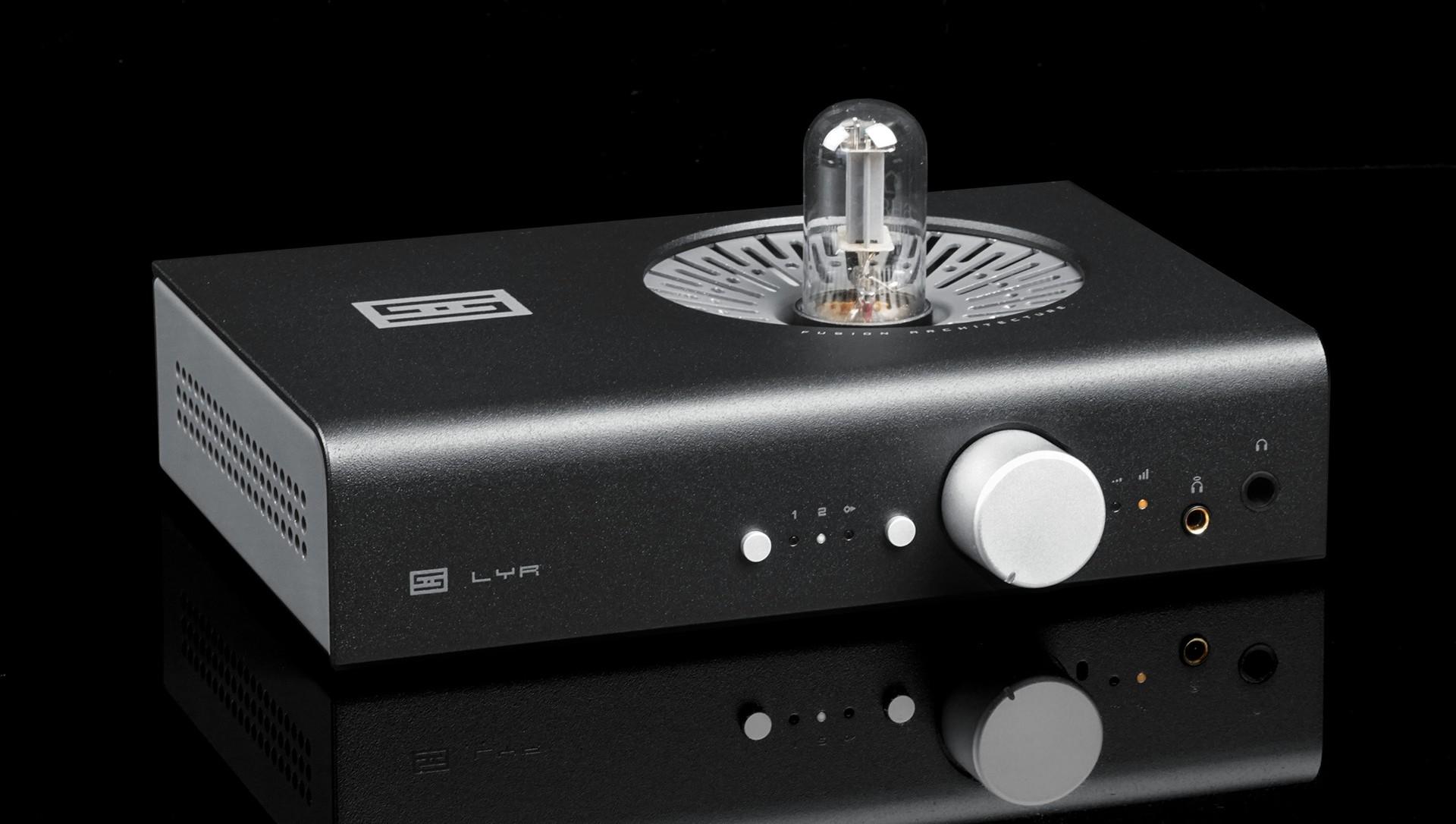
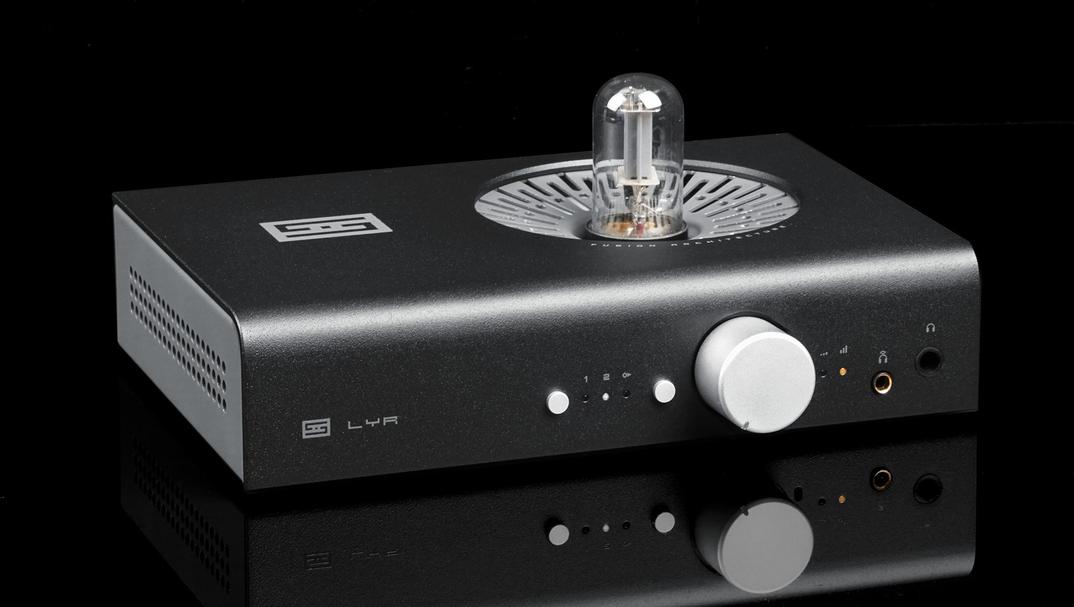
Schiit Audio has introduced the Lyr 5, a desktop headphone amplifier that gives you two different ways to run your headphones: with a vacuum tube in the gain stage or with solid-state MOSFETs instead. Starting at $799, the new model builds on Schiit’s long-running Lyr lineup while adding a fresh layer of app-based monitoring through the company’s Forkbeard control platform.
That mix of old-school and modern is really the story here. The Lyr 5 is still aimed at headphone listeners who want serious power and some flexibility in how their system sounds, but now it also gives you a better look at what the amplifier is actually doing in real time.
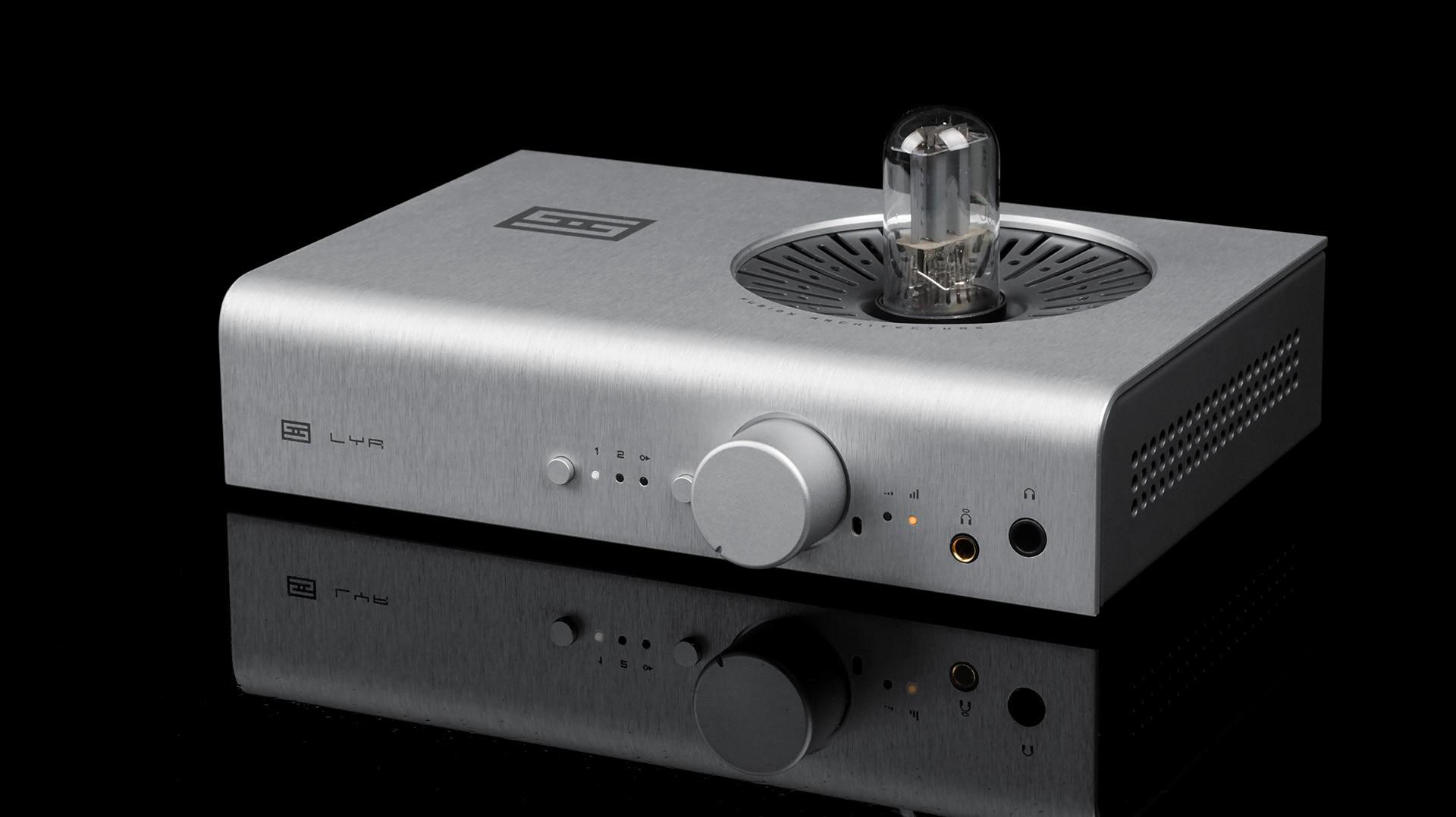
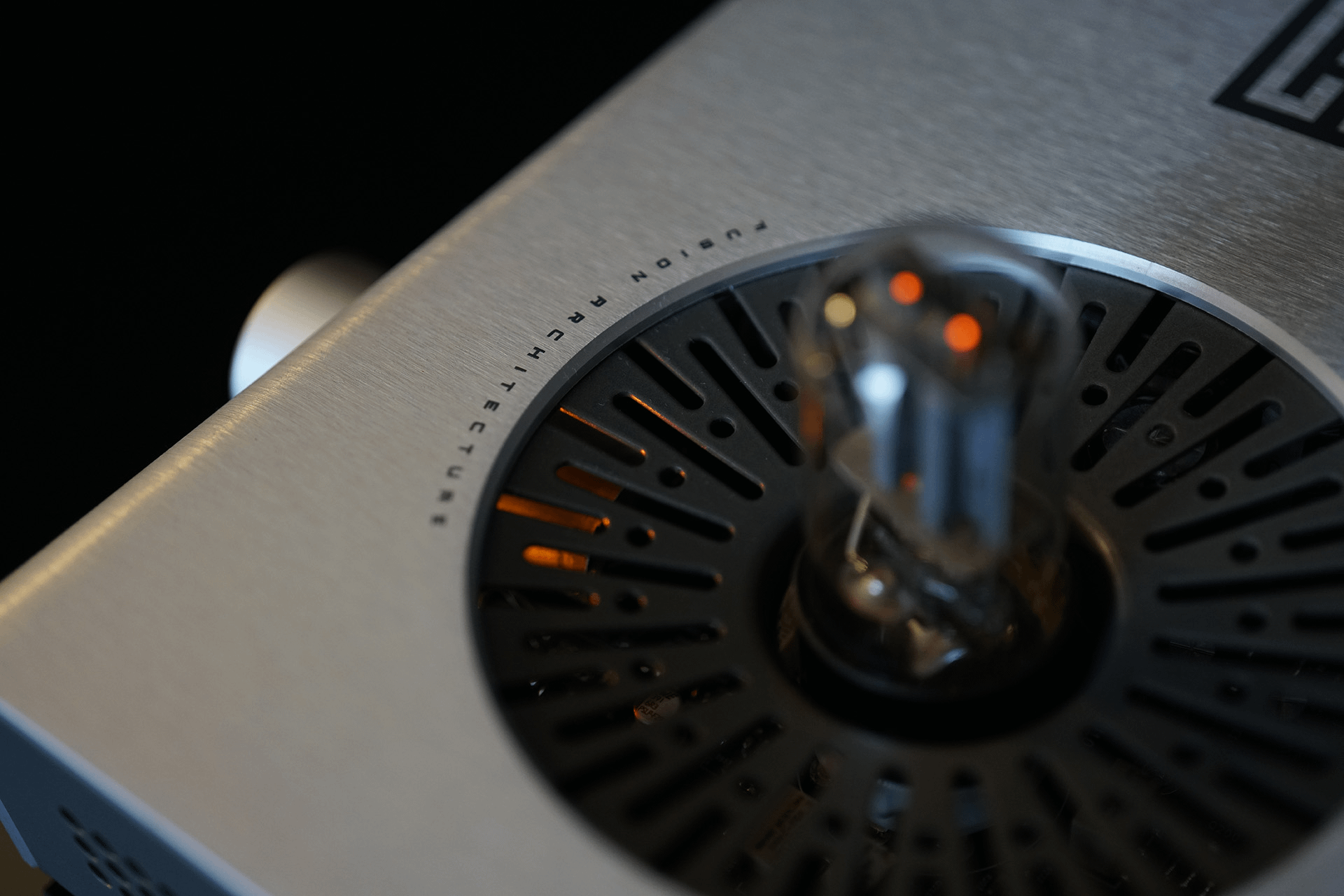
Rather than using completely separate circuits for tube and solid-state playback, Schiit says the Lyr 5 keeps the same overall topology and simply swaps the gain device. In tube mode, it uses a 6SN7 tube. In solid-state mode, it switches over to depletion-mode MOSFETs that are designed to behave more like tubes than a typical transistor setup. Schiit says the tube is fully powered down when solid-state mode is selected, which should help preserve tube life.
If you're trying to understand why that matters, the short version is simple: tube mode is often associated with a little more texture or warmth, while solid-state mode is usually seen as cleaner and more direct. The Lyr 5 is designed to let you move between those two styles without changing amps or rebuilding their setup.
The headline features are fairly easy to sum up:
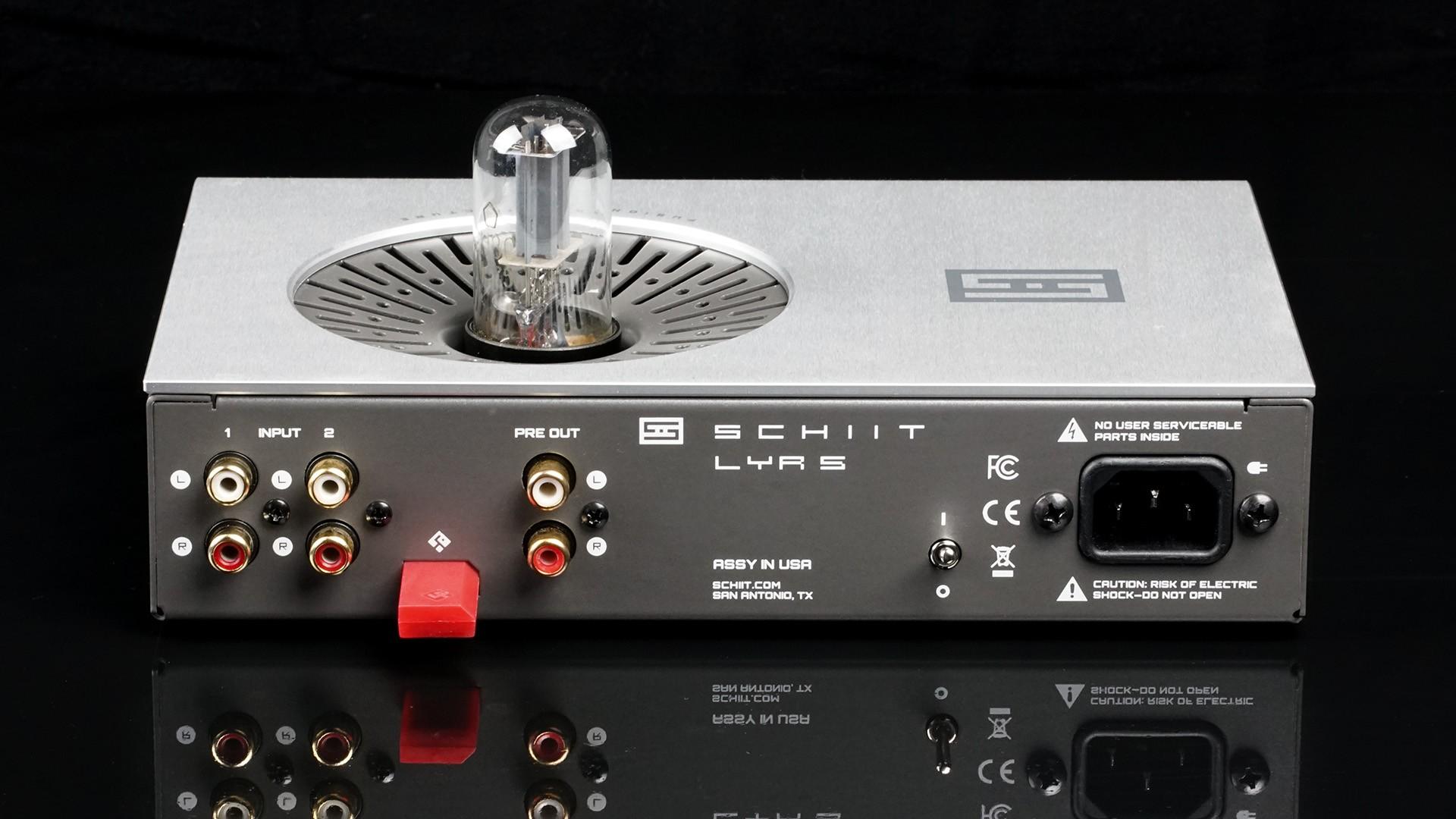
Schiit also includes a 64-step relay-based volume control, built-in protection for temperature, current, and DC issues, and a fully linear dual-transformer power supply. Those details may not be the flashy part of the launch, but they matter because they shape how the amp behaves day to day, especially with a wide range of headphones.
Power is one area where the Lyr 5 should have little trouble. According to the published specs, it can deliver up to 6 watts into 32-ohm headphones, along with lower but still healthy output into higher-impedance models. That means it should be able to handle everything from many planar magnetic headphones to traditional high-impedance dynamic designs.
The feature that separates the Lyr 5 from earlier Schiit headphone amps is Forkbeard. This is Schiit’s control and monitoring platform for iOS and Android, and the Lyr 5 is the company’s first headphone amp to support it.
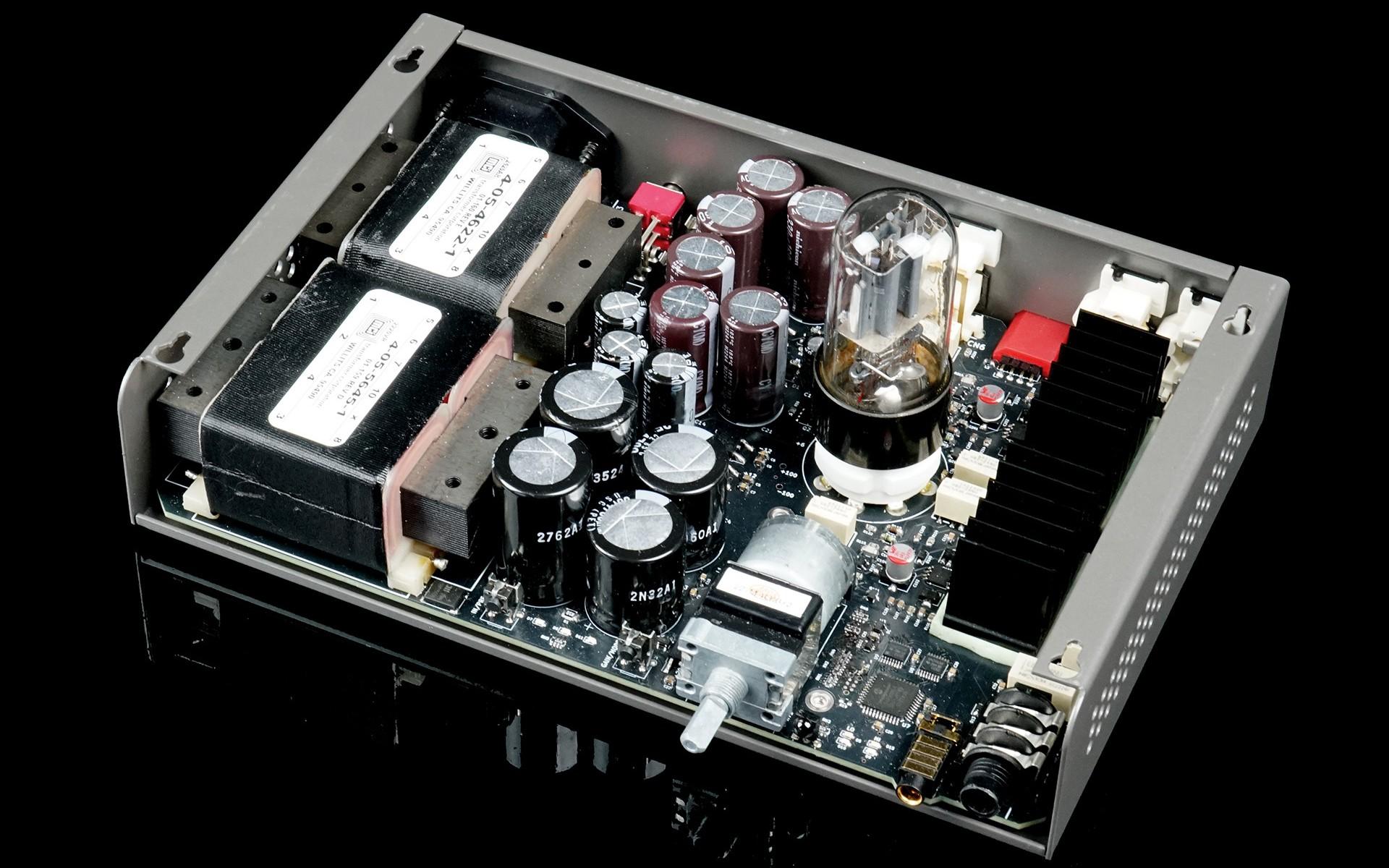
Through the app, you can monitor things like:
That last point matters. When the Lyr 5 is paired with a compatible Schiit DAC, you can also access features such as Visual Volume, which is meant to show where clipping may occur as volume rises. That may sound niche, but it could be useful for headphone users who swap gear often and want a clearer picture of safe operating range.
Not everyone will care about app integration on a headphone amp, of course. Schiit still includes physical controls and an IR remote, so the Lyr 5 can be used like a normal desktop component without living inside your phone.
The Lyr 5 is not trying to be an all-in-one solution. It does not include a built-in DAC, and it also skips balanced analog inputs. So while it offers a balanced 4.4mm headphone output, it is not a fully balanced desktop hub in the way some buyers might expect at this price.
That means the Lyr 5 makes the most sense for listeners who already have a source they like and want a dedicated headphone amp with more power and more flexibility than a basic desktop unit.
Available now, the Schiit Lyr 5 is priced at $799 in black and $829 in silver. If you like the idea of tube and solid-state sound in one box, this looks like a practical update to Schiit’s hybrid amp formula rather than a radical reinvention.
Related Reading:





Privacy Policy
Terms and Conditions - Affiliate Policy
Home Security
© Copyright 2008-2026.
11816 Inwood Rd #1211, Dallas, TX 75244