

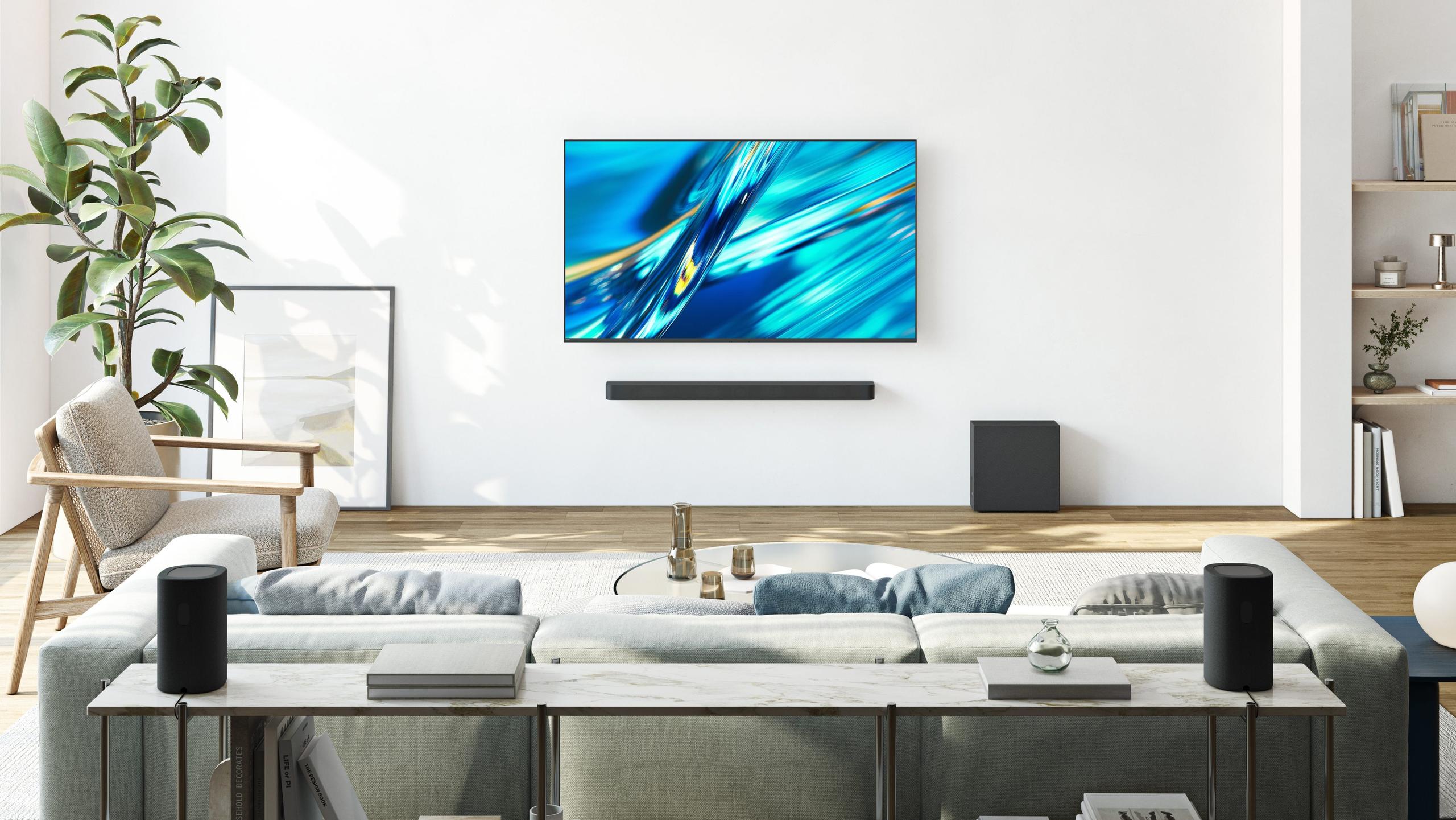
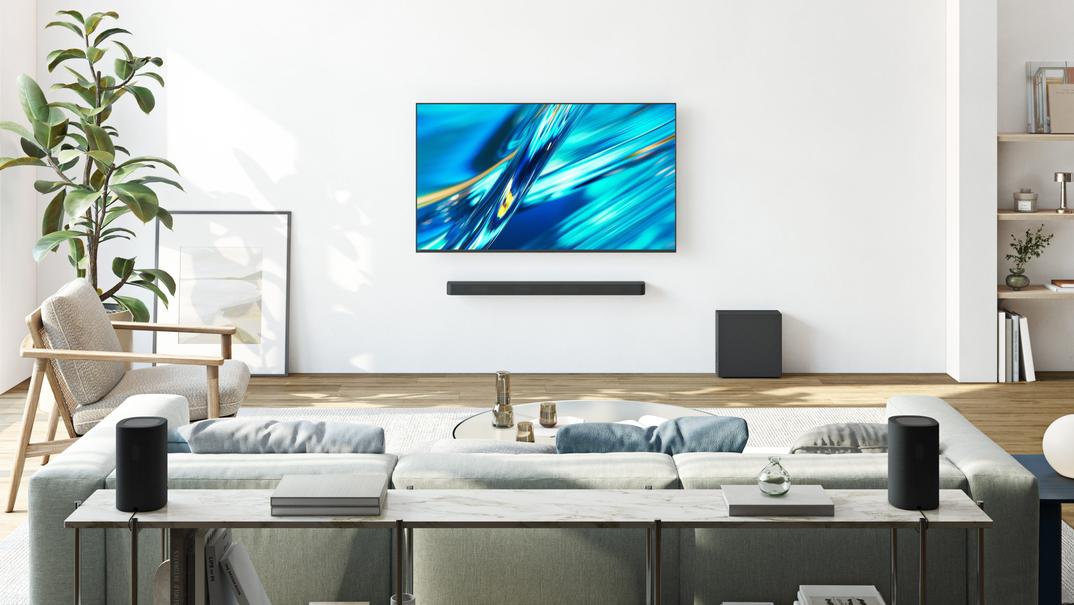
Sony is rolling out a new wave of home theater gear for 2026, including updated BRAVIA Theater soundbars, wireless speakers, and a mid-range BRAVIA 3 II LED TV designed to bring some of its premium tech to a more accessible price tier.
The announcement bundles together audio and video in a way that feels intentional. Rather than treating TVs and sound systems as separate purchases, Sony is continuing to push a more unified “Cinema is Coming Home” approach, where everything is designed to work together out of the box.
At a glance, this launch covers a lot of ground: two new soundbars, multiple optional subwoofers and rear speakers, and a TV lineup that stretches all the way up to 100 inches.
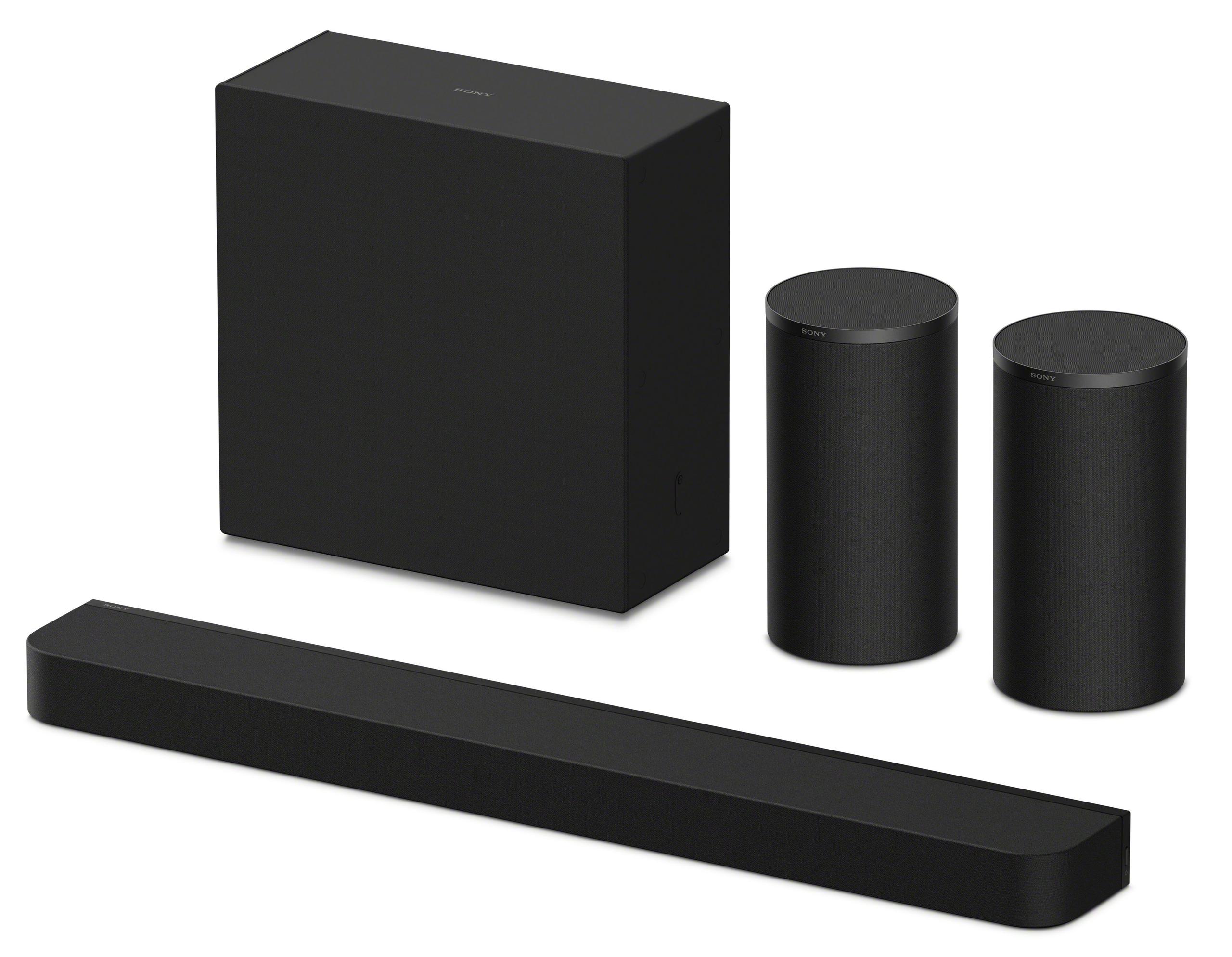
The core of Sony’s new audio push centers around two soundbars: the BRAVIA Theater Bar 7 and BRAVIA Theater Bar 5.
The Bar 7 is positioned as the more capable option, with a nine-speaker design that includes up-firing drivers for height effects. Sony is leaning heavily on its 360 Spatial Sound Mapping technology here, which is meant to simulate a wider, more immersive soundstage from a single bar.
The Bar 5, on the other hand, is a simpler 3.1-channel setup that includes a wireless subwoofer. It’s aimed more at buyers who want a straightforward upgrade over TV speakers without getting too deep into multi-speaker configurations.
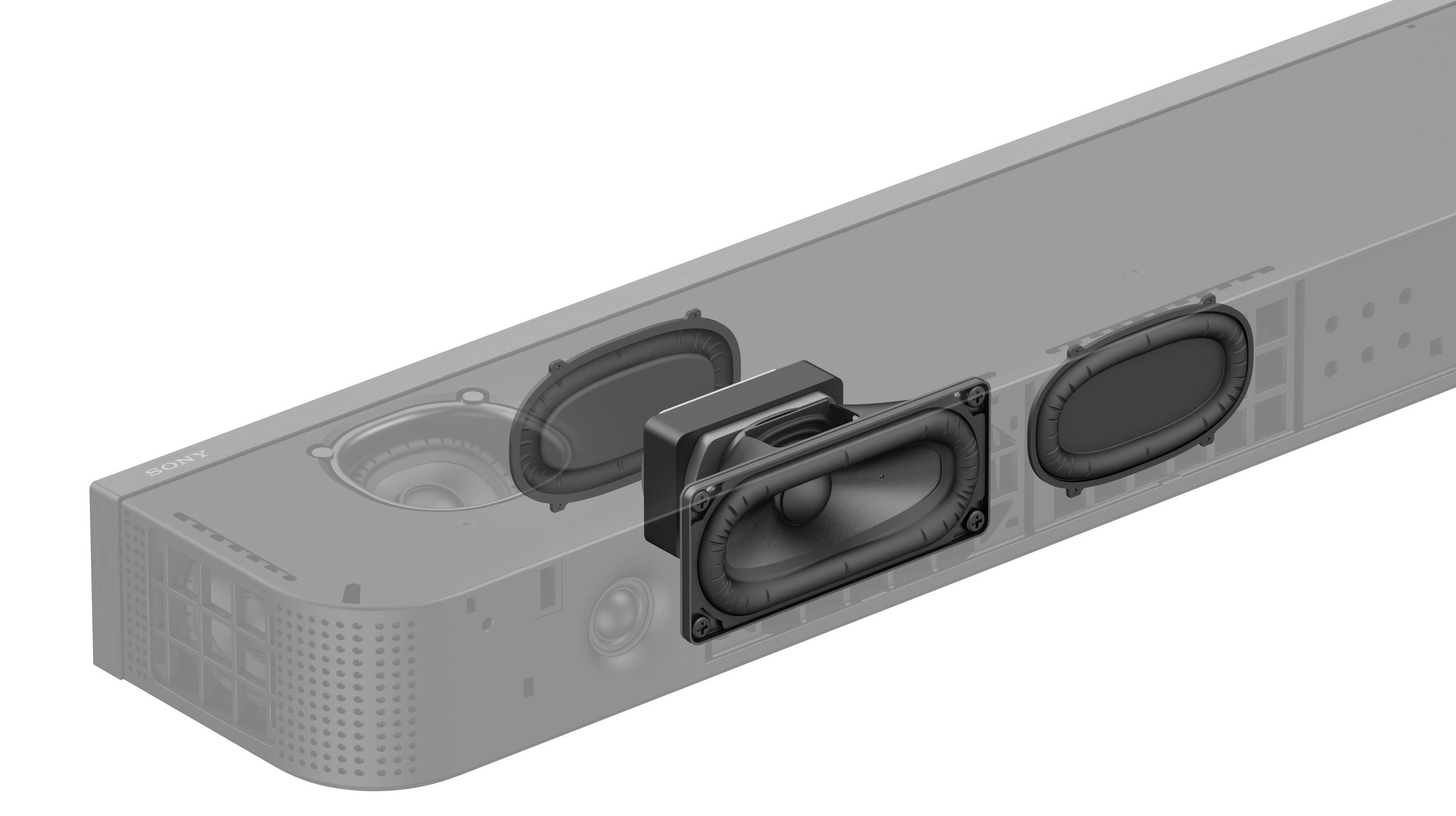
Here’s how the two break down:
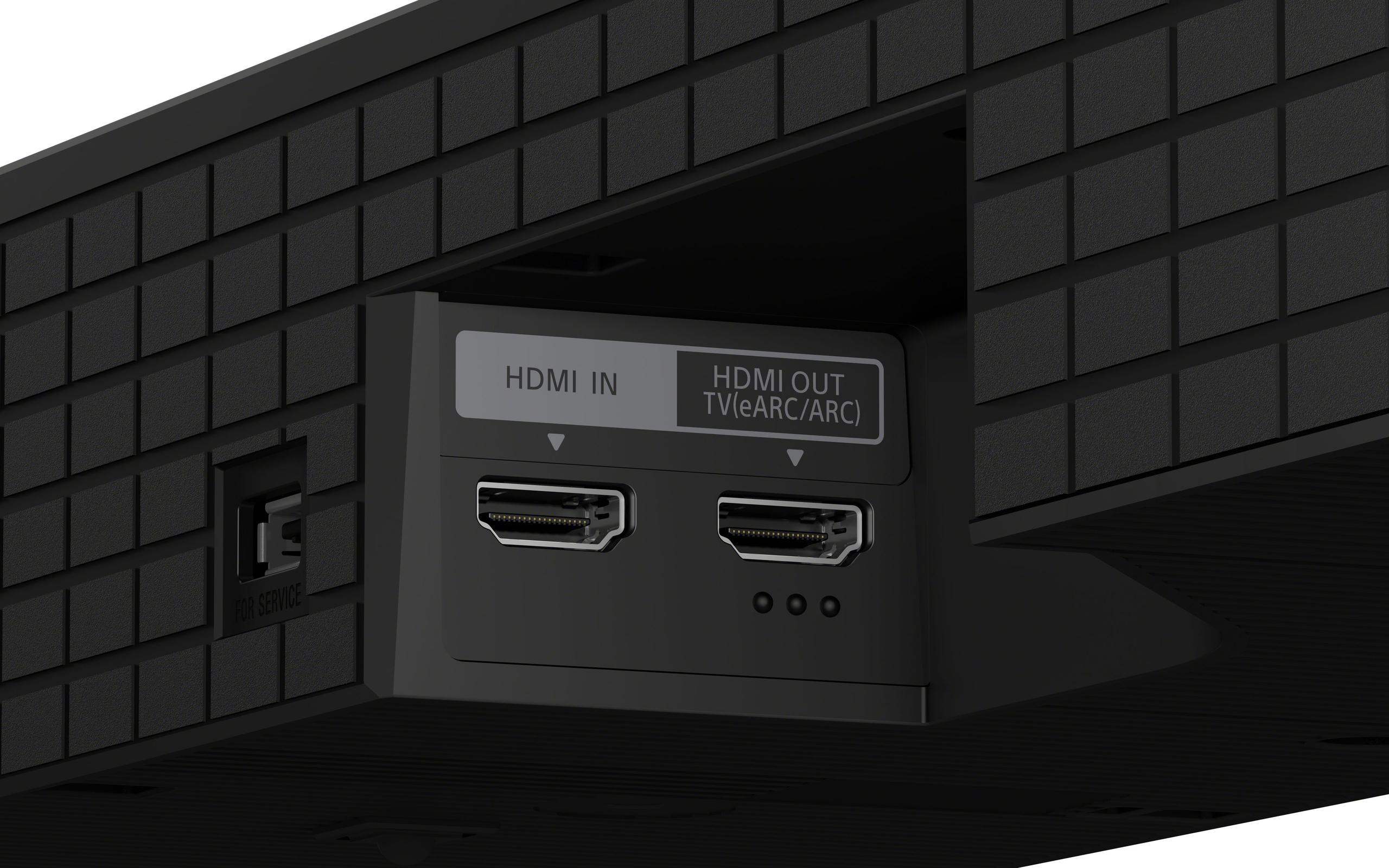
Both models share a few practical features that make them easier to live with day to day. You can control them directly through a compatible BRAVIA TV interface, adjust settings through Sony’s BRAVIA Connect app, and use Voice Zoom 3 to boost dialogue clarity.
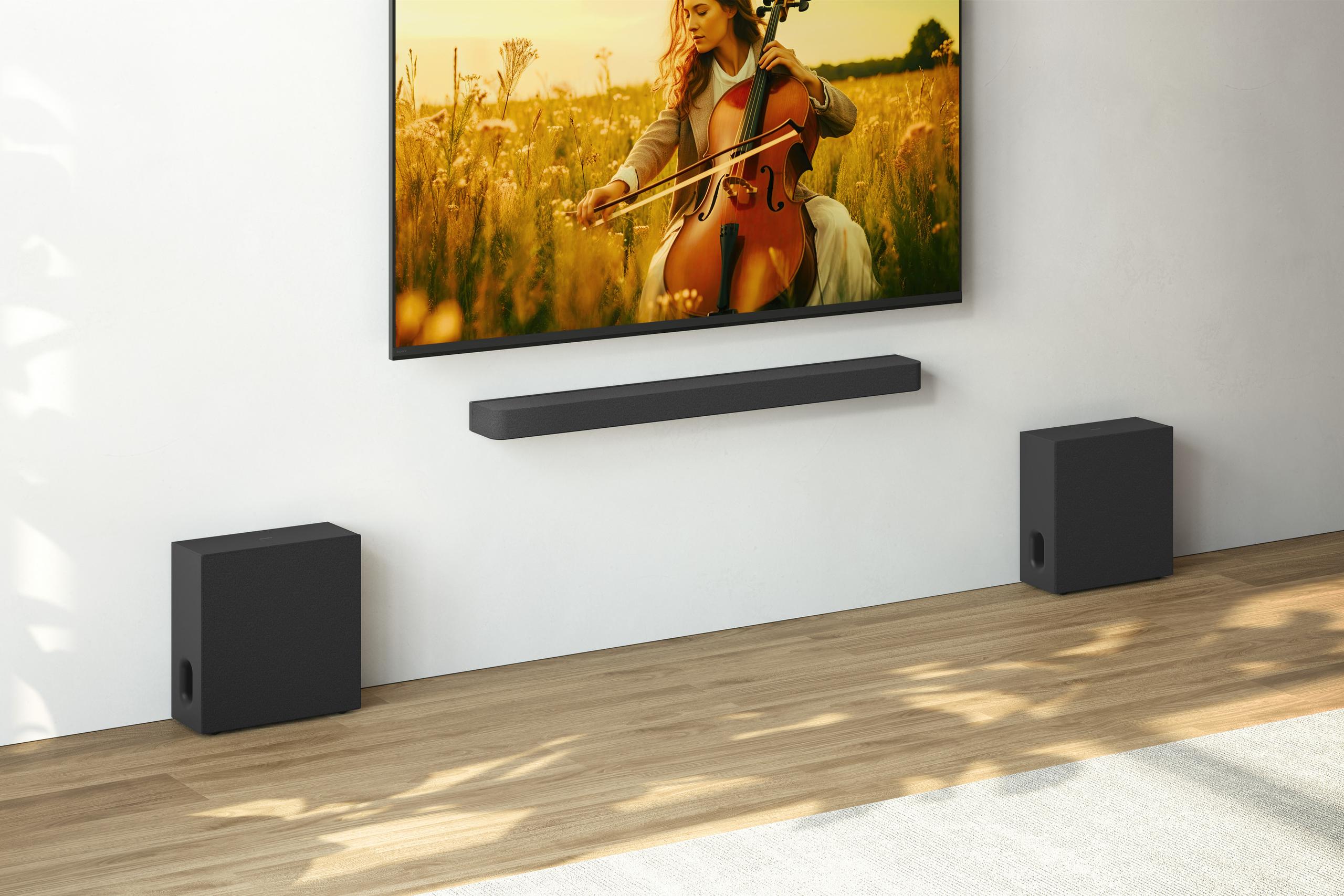
Sony is also expanding the modular side of its home theater ecosystem. If a soundbar alone isn’t enough, you can build out a more traditional surround setup with dedicated subwoofers and rear speakers.
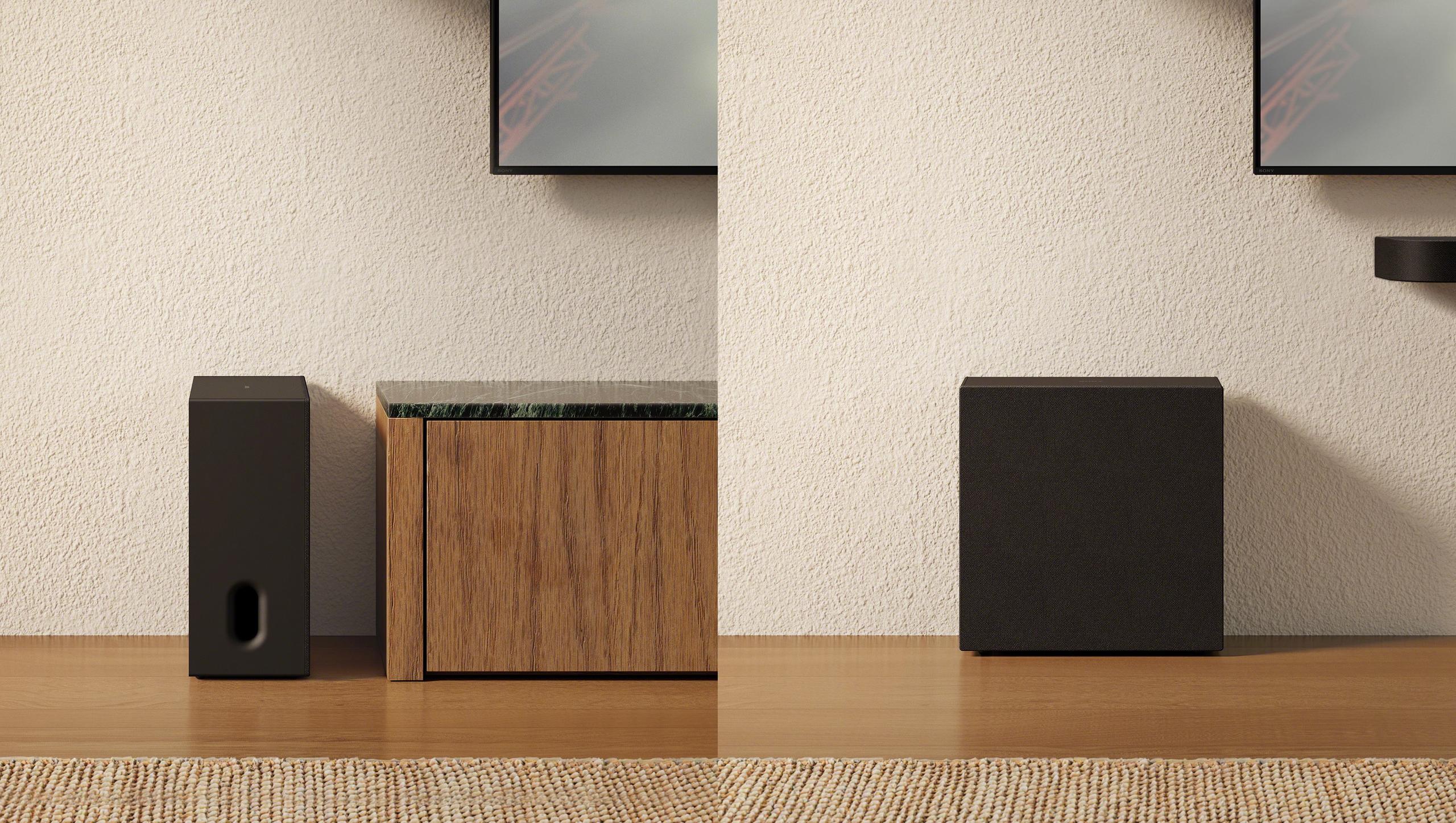
The lineup includes:
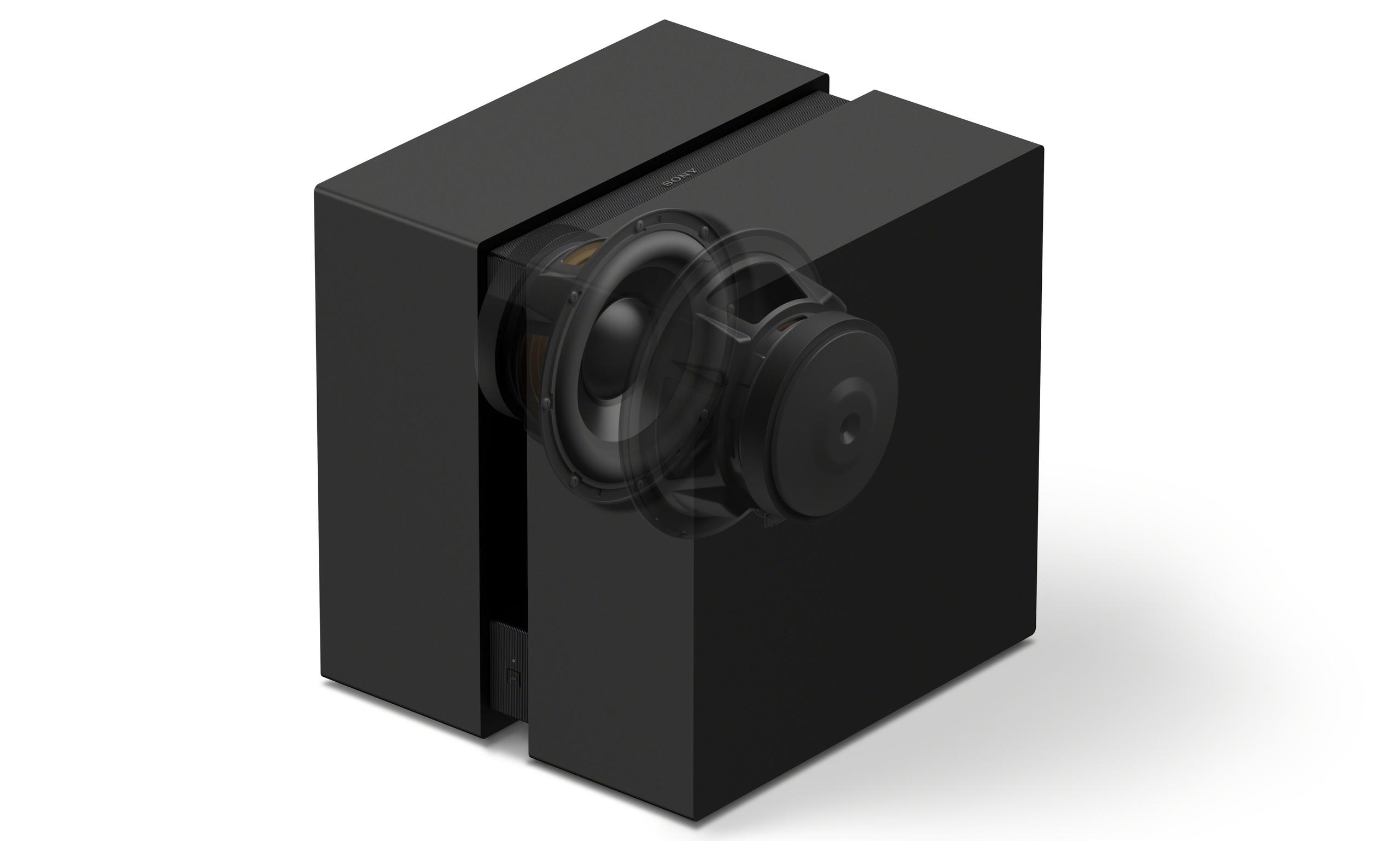
One notable addition this year is support for dual subwoofers within the BRAVIA Theater ecosystem, which is something typically reserved for more traditional AV receiver setups.
Alongside the audio gear, Sony is introducing the BRAVIA 3 II LED TV, which sits below its flagship models but borrows some of their underlying tech.
The BRAVIA 3 II uses Sony’s XR Processor and XR Triluminos Pro, both of which are typically found in higher-end models. The goal here is to deliver more accurate color and improved detail without pushing the price into premium territory.
Key features include:
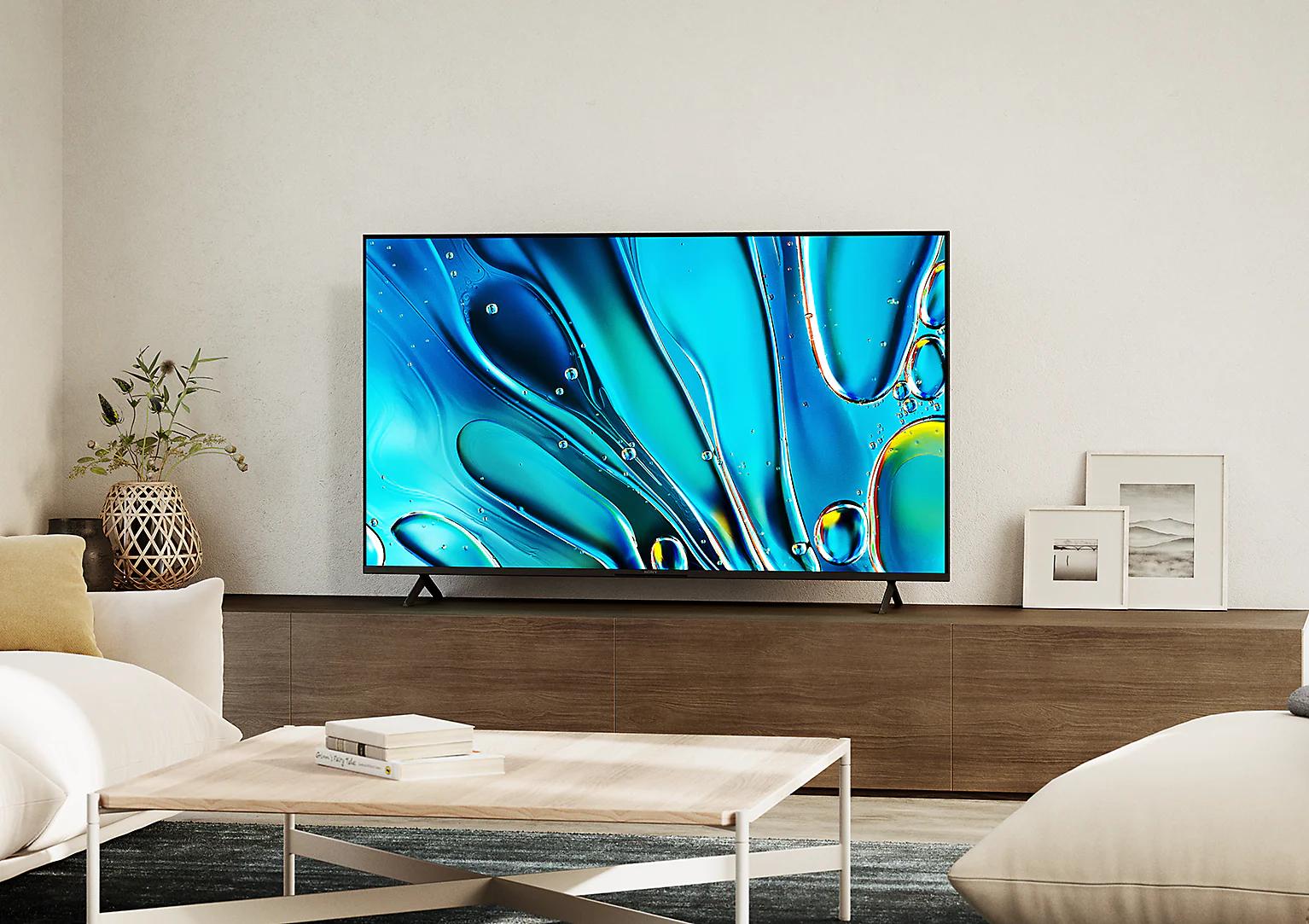
Sony is also working with MediaTek on the processing side, combining its own image tuning with a widely used smart TV platform to handle things like noise reduction and motion clarity.
The TV will be available in a wide range of sizes, from 43 inches all the way up to 100 inches, which makes it one of the more flexible options in Sony’s lineup this year.
One area Sony is putting more emphasis on this year is usability.
The BRAVIA 3 II includes a redesigned remote with larger, more distinct buttons and a Remote Finder feature that helps locate it if it goes missing. These might sound like small updates, but they’re practical improvements, especially in shared living spaces.
On the software side, Google TV remains the backbone of the experience, but Sony is layering in Gemini AI features that allow for more conversational voice control. Instead of navigating menus, users can ask for content recommendations, control smart home devices, or search across apps in a more natural way.
Sony’s new lineup is set to arrive in Spring 2026, with pricing that spans entry-level to more premium territory depending on how far you build out the system.
Here’s a quick breakdown:
Soundbars and speakers:
BRAVIA 3 II LED TV:
Sony’s 2026 lineup doesn’t introduce a radically new category, but it does continue a trend that’s becoming more common: building systems that are easier to expand over time.
You can start with a soundbar, add a subwoofer later, then bring in rear speakers if you want a fuller surround setup. Pair that with a TV that shares the same ecosystem, and the setup process becomes more straightforward than traditional home theater builds.
For buyers who want something more flexible than a single soundbar, but less complicated than a full AV receiver system, this kind of modular approach is likely where the market continues to head.
Related Reading:






Privacy Policy
Terms and Conditions - Affiliate Policy
Home Security
© Copyright 2008-2026.
11816 Inwood Rd #1211, Dallas, TX 75244