$2,399.00
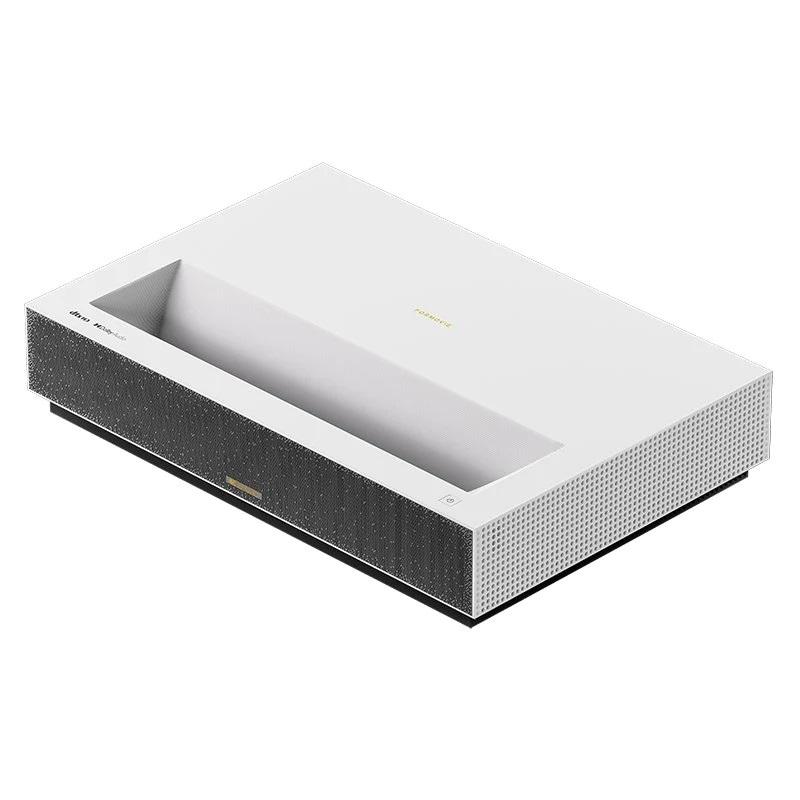
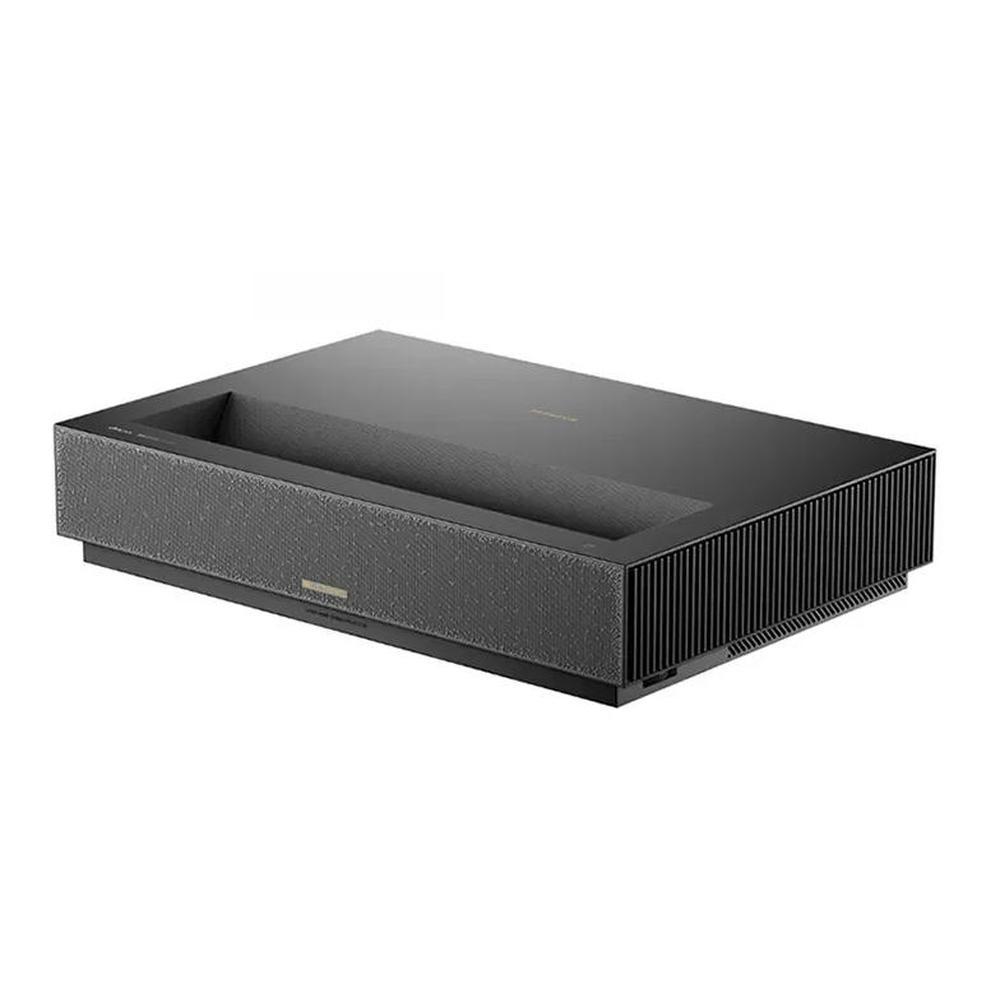
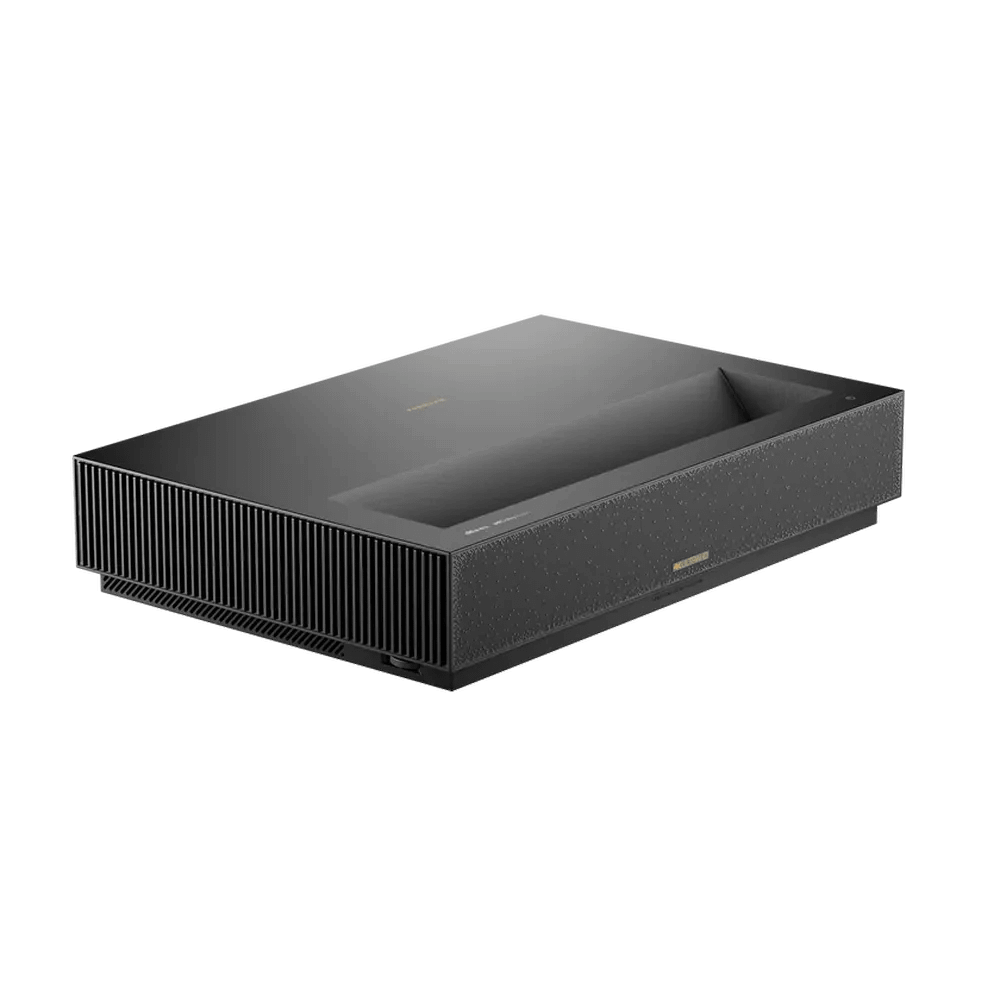
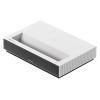
When the Formovie C3 launched in late 2022 at $1,899, it marked an important shift in the ultra-short throw (UST) projector market. For the first time, premium features like 4K resolution and laser technology became available at a mid-range price point. After extensive testing, we've found it offers compelling value for home theater enthusiasts looking to step up from traditional TVs or entry-level projectors.
The C3's ALPD laser technology represents a significant advancement over traditional lamp-based projectors. This system uses advanced laser phosphor technology to generate light, resulting in more vivid colors and deeper blacks than conventional LED or lamp projectors. In our testing, the 3000:1 contrast ratio proved impressive for this price range, though it doesn't quite match the inky blacks of OLED TVs.
The 4K DLP chip (which stands for Digital Light Processing) creates images by reflecting light off millions of tiny mirrors. While this might sound complex, it results in sharp, detailed images that remain consistent over the projector's 25,000-hour laser life - a major advantage over traditional bulb projectors that dim significantly over time.
In our dedicated testing environment, the Formovie C3 showed its strengths:
The ultra-short throw ratio of 0.23:1 means you can place the projector just 22cm from your wall to achieve a 100-inch image. This is particularly valuable in smaller rooms where traditional long-throw projectors wouldn't be practical. We found the electric focus and auto screen alignment features worked reliably, making setup significantly easier than manual systems.
In our dedicated theater setup, the C3 proved particularly capable. The near-silent 32dB operation means you won't hear the projector during quiet scenes, and the built-in 30W audio system (featuring dual 15W speakers) provides surprisingly robust sound for casual viewing. However, we'd still recommend a proper audio system for the full home theater experience.
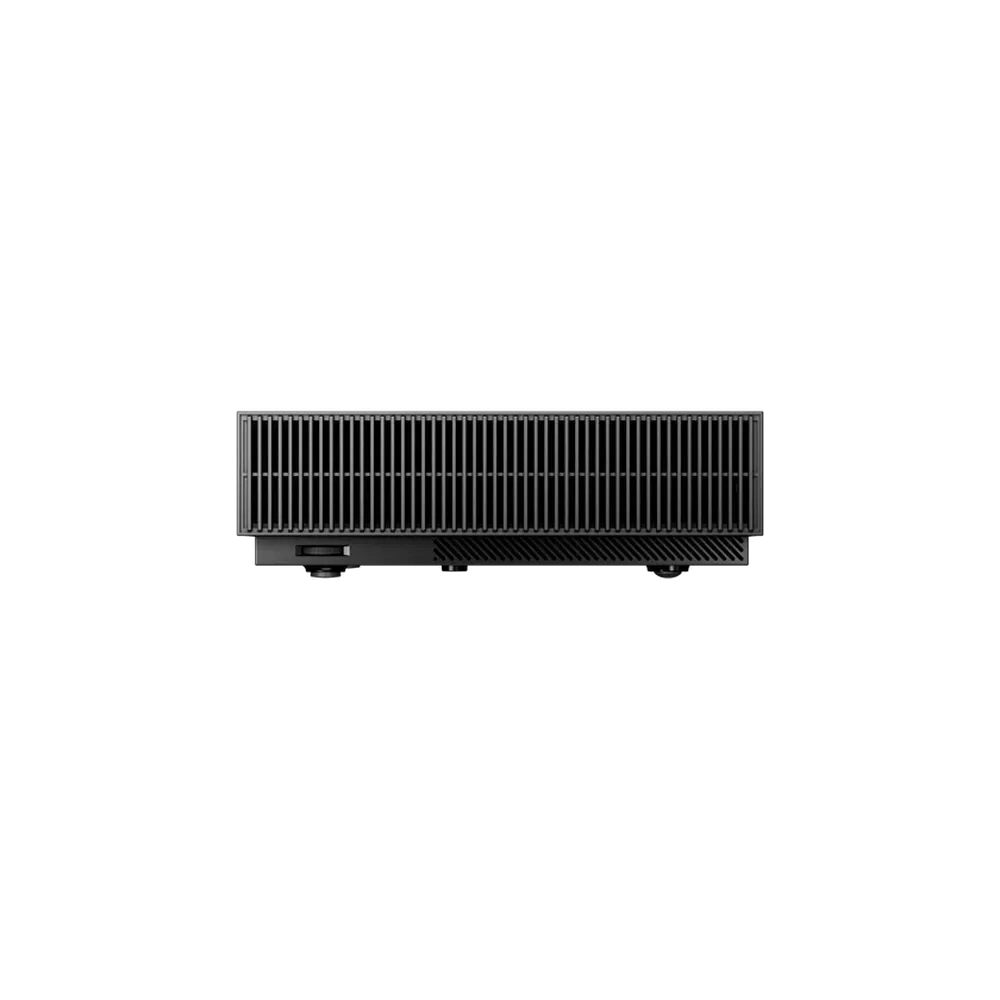
The FengOS 3.0 operating system is perhaps the C3's main weakness for Western users. While functional, its Chinese-market focus means you'll want to budget for an external streaming device like an Apple TV or Roku. The three HDMI 2.1 ports (one with eARC) provide plenty of connectivity options, and we appreciated the included USB ports for power delivery to streaming sticks.
While not marketed specifically for gaming, we found the C3 perfectly capable for casual gaming sessions. The input lag isn't as low as dedicated gaming displays, but it's certainly playable for most genres. The large screen size creates an immersive experience that's particularly impressive in racing games and expansive RPGs.
Since its release, the Formovie C3 has maintained its position as a value leader in the UST projector space. While newer models have emerged, they typically either cost significantly more or make compromises in key areas like resolution or brightness. The C3's combination of features at this price point remains compelling in 2023.
The C3 represents a significant step forward from previous generation UST projectors in its price range. Key improvements include:
After extensive testing, we've found the Formovie C3 to be a compelling option in the mid-range UST projector market. Its combination of true 4K resolution, laser light source, and premium features like HDR10+ support make it an excellent value at $1,899.
While not perfect - particularly regarding its operating system and brightness levels - the C3's strengths far outweigh its weaknesses for most users. We're particularly impressed with its image quality and ease of setup, two crucial factors for home theater applications.
When properly set up in a light-controlled room with an external streaming device, the C3 delivers a cinema-like experience that would have cost significantly more just a few years ago. This makes it an excellent choice for anyone looking to create an impressive home theater without breaking the bank.
Remember to factor in the cost of a streaming device and potentially a proper screen into your budget. While the C3 will work projecting onto a white wall, a proper ALR (Ambient Light Rejecting) screen will significantly improve the viewing experience, especially in rooms with ambient light.
The Formovie C3 Ultra Short Throw Laser Projector offers excellent value at $1,899, especially for home theater enthusiasts. With true 4K resolution, HDR10+ support, and laser technology, it delivers premium features at a mid-range price point. While you'll need an external streaming device, the overall package is worth it for those seeking a large-screen experience on a budget.
The Formovie C3 can project images from 80 inches up to 200 inches diagonally. For optimal home theater performance, we recommend a 100-120 inch screen size, which provides an immersive experience while maintaining good brightness and clarity.
While the projector can work on a white wall, we strongly recommend an ALR (Ambient Light Rejecting) screen for best results. This is especially important for ultra-short throw projectors like the C3 to maintain contrast and color accuracy.
Thanks to its 0.23:1 throw ratio, the projector only needs to be placed about 22cm (8.7 inches) from the wall to achieve a 100-inch image, making it perfect for small rooms and tight spaces.
The Formovie C3 performs adequately for casual gaming with its roughly 40ms input lag. While not competitive-gaming ready, it's suitable for most single-player games and casual multiplayer sessions.
The ALPD laser light source is rated for 25,000 hours of use, which equals about 17 years of viewing at 4 hours per day, making it a long-term investment compared to traditional lamp projectors.
While the projector performs best in controlled lighting conditions, it can handle moderate ambient light. However, for optimal performance and the best home theater experience, we recommend using it in a darker environment.
The projector runs on FengOS 3.0, which is primarily designed for the Chinese market. Western users should plan to use an external streaming device like Apple TV, Roku, or Fire TV Stick for the best experience.
The Formovie C3 features a 30W audio system with dual 15W speakers and additional tweeters. While suitable for casual viewing, we recommend a dedicated sound system or soundbar for a proper home theater setup.
The main differences are brightness levels, contrast ratio, and color performance. While the C3 offers excellent value, premium models often provide better HDR performance and higher brightness. However, the C3's performance-to-price ratio makes it an attractive option for most home theater enthusiasts.
We've done our best to create useful and informative comparisons to help you decide what product to buy. Our research has used advanced automated methods to create this comparison and perfection is not possible - please contact us for corrections or questions. These are the sites we've researched in the creation of this article: youtube.com - projectorcentral.com - projectorcentral.com - rtings.com - formovie.com - projectorsg.com - projector.com.bd - formovie.in - avsforum.com - projector.my - aytexcel.com - nothingprojector.com
| Formovie C3 Ultra Short Throw Laser Projector |
|---|
| Resolution - Determines image sharpness and detail: 4K (3840 x 2160) |
| Throw Ratio - Determines how close to wall needed for image size: 0.23:1 |
| Contrast Ratio - Affects image depth and black levels: 3000:1 |
| Light Source - Impacts longevity and color stability: ALPD® laser technology |
| Lamp Life: 25,000 hours |
| Maximum Screen Size - Determines largest possible picture: 80" to 200" |
| Input Lag - Critical for gaming responsiveness: ~40ms |
| HDR Support - Enables better bright/dark scene detail: HDR10+ |
| Audio Output - Determines built-in sound capability: 2x15W dual speakers + dual tweeters |
| Smart Features - Affects standalone streaming capability: FengOS 3.0 (Chinese-based) |
| Connectivity - For external devices: 3x HDMI 2.1 (1 eARC), 2x USB 2.0 |
| Noise Level - Important for quiet scenes: |
| Power Consumption - Impacts running costs: |
| Dimensions: 456 x 308 x 91mm |
| Weight: 7kg |
The BenQ V5000i ($3,499) represents the premium end of the UST projector market, offering several significant advantages over the Formovie C3. Its RGB triple laser system delivers superior color accuracy with 98% DCI-P3 coverage and noticeably better brightness at 2,500 ANSI lumens, making it more versatile for rooms with ambient light. The inclusion of full Android TV streaming capabilities, comprehensive HDR support, and advanced gaming features like HDMI 2.1 with 4K@120Hz support make it a more complete package out of the box. For gamers especially, the low input lag and ALLM support provide a significant advantage.
However, these premium features come at a considerable price premium that nearly doubles the cost of the Formovie C3. While the BenQ V5000i's superior color accuracy, brightness, and gaming capabilities are notable, many users, particularly those focused on movie watching in controlled lighting conditions, may find it difficult to justify the additional investment. The decision largely comes down to use case - if you need the versatility for bright room viewing, gaming, and premium color accuracy, the BenQ's additional features justify its higher price tag. For dedicated home theater use in controlled lighting, the price-to-performance ratio might favor the more modest Formovie C3.
🤖 Read Detailed Comparison
👌BenQ V5000i Ultra Short Throw 4K Laser Projector Details
💵 See BenQ V5000i Ultra Short Throw 4K Laser Projector Price
The Samsung Premiere 9 represents the premium tier of ultra-short throw projectors, offering several significant advantages over the Formovie C3, albeit at a substantially higher $6,499 price point. Its triple laser system delivers noticeably superior brightness at 3,450 lumens and more accurate colors, making it particularly effective in rooms with ambient light. The Samsung's advanced processing and HDR10+ support result in more nuanced images with better contrast handling, while its sophisticated 40W Dolby Atmos audio system provides immersive sound that may eliminate the need for external speakers. The refined Tizen smart TV platform offers a complete streaming solution without requiring additional devices, and its gaming features, including lower input lag and auto low-latency mode, make it more versatile for multiple use cases.
However, the Samsung Premiere 9's premium features come at more than triple the Formovie C3's cost, raising questions about value for average users. While its superior brightness, color accuracy, and smart features are noticeable improvements, they may not justify the price difference for viewers who primarily watch in controlled lighting conditions or already own external streaming devices. The Samsung's slightly better throw ratio (0.189:1 vs 0.23:1) offers marginally more flexible placement options, but both projectors require similar installation consideration. For users seeking the absolute best performance and a complete all-in-one solution, the Samsung's premium features may justify its cost, but its price-to-performance ratio makes it a luxury option rather than a value choice.
🤖 Read Detailed Comparison
👌Samsung Premiere 9 4K Ultra Short Throw Laser Projector Details
💵 See Samsung Premiere 9 4K Ultra Short Throw Laser Projector Price
The Hisense PL2 ($2,199) distinguishes itself with superior brightness at 2,700 ANSI lumens and a more comprehensive feature set designed for Western markets. Its inclusion of Dolby Vision support alongside HDR10 and HDR10+ results in noticeably better HDR processing, particularly in challenging scenes with both bright and dark elements. The built-in Google TV platform provides seamless access to streaming services without additional hardware, while its more powerful 30W speakers with Dolby Atmos support deliver room-filling sound that many users will find sufficient without external speakers.
However, these additional features come at a $300 premium over the C3, which may not be justified for users with controlled lighting environments or those who already own streaming devices and sound systems. The PL2's additional brightness and superior HDR processing make it more versatile for bright rooms and casual viewing environments, but in a dedicated home theater setting, the difference in image quality between the two projectors becomes less pronounced. Where the PL2 clearly pulls ahead is in its gaming capabilities, with better input lag performance and ALLM support, making it a more compelling choice for users who plan to incorporate gaming into their home theater setup.
🤖 Read Detailed Comparison
👌Hisense PL2 4K Ultra Short Throw Projector Details
💵 See Hisense PL2 4K Ultra Short Throw Projector Price
The BenQ V5010i stands out with its superior 2,500 ANSI lumens brightness, making it more versatile for rooms with ambient light and daytime viewing. Its advanced gaming capabilities, with just 17.9ms input lag at 4K/60Hz, provide a significant advantage for gamers, and the 98% DCI-P3 color coverage ensures cinema-grade color accuracy. The more powerful 40W audio system, featuring dedicated woofers and tweeters, delivers richer sound, while the polished Android TV interface offers seamless access to streaming services without requiring additional devices.
However, the BenQ V5010i commands a $1,100 premium over the Formovie C3, pricing it at $2,999. While this higher cost brings noteworthy improvements in brightness, gaming performance, and smart features, it also has a more limited maximum screen size of 120 inches compared to the Formovie's 200 inches. For users with controlled lighting conditions who don't require gaming-grade response times, this price difference might be hard to justify. However, for those seeking a more versatile projector that can handle varied lighting conditions and use cases, the BenQ's premium features make it a worthwhile investment.
🤖 Read Detailed Comparison
👌BenQ V5010i 4K Ultra Short Throw Projector Details
💵 See BenQ V5010i 4K Ultra Short Throw Projector Price
The Ultimea Thor T60 ($4,999) stands out primarily for its significantly higher 4,000 ANSI lumens brightness and superior 4,000:1 contrast ratio, making it more versatile for bright room viewing while delivering deeper blacks in dark scenes. Its tri-laser system with HCTC 3.0 technology enables a wider 120% BT.2020 color gamut, producing more vibrant and accurate colors that are particularly noticeable in HDR content. The inclusion of Android TV 11, ALLM for gaming, and advanced geometric correction tools also makes it a more complete package out of the box, eliminating the need for external streaming devices.
However, these advantages come at more than twice the price of the C3, which raises important value considerations. While the Thor T60's additional brightness and better contrast are meaningful improvements, they may not justify the price difference for users with controlled lighting environments or those primarily watching movies in darker rooms. The Thor T60's premium features like advanced gaming support, superior motion handling, and wider color gamut make it a better choice for enthusiasts seeking maximum performance or those needing a true TV replacement for bright room viewing, but budget-conscious buyers focused on core picture quality will find the C3 offers better value.
🤖 Read Detailed Comparison
👌Ultimea Thor T60 4K Ultra Short Throw Laser Projector Details
💵 See Ultimea Thor T60 4K Ultra Short Throw Laser Projector Price
The Formovie Theater Premium ($2,999) stands out with its triple laser RGB+ system, delivering superior color accuracy and brightness compared to the C3. Most notably, its 2,200 ISO lumens and 107% BT.2020 color gamut coverage make it significantly more capable in rooms with ambient light. The addition of Dolby Vision support, along with an advanced Bowers & Wilkins sound system and Google TV integration, positions it as a more premium home theater solution. The 18ms input lag and ALLM support also make it a considerably better choice for gaming.
While the $1,100 price difference is substantial, the Theater Premium justifies its cost through tangible real-world benefits. Its ability to perform well in bright rooms makes it more versatile as a TV replacement, while the superior HDR processing and color accuracy deliver a more cinematic experience. However, if you're setting up in a dedicated, light-controlled theater room and don't need gaming features, the C3's performance-to-price ratio remains compelling. The Theater Premium is best suited for users who need its brightness for daytime viewing, want superior gaming performance, or are building a high-end home theater where image quality is paramount.
🤖 Read Detailed Comparison
👌Formovie Theater Premium 4K Ultra Short Throw Projector Triple Laser UST with Dolby Vision 2200 ISO Lumen Laser TV Details
💵 See Formovie Theater Premium 4K Ultra Short Throw Projector Triple Laser UST with Dolby Vision 2200 ISO Lumen Laser TV Price
The Epson EpiqVision Ultra LS650 ($2,499) stands out primarily for its exceptional brightness of 3,600 lumens, which is significantly higher than the Formovie C3's output. This makes it a more versatile choice for rooms with ambient light or where complete light control isn't possible. While it doesn't offer true 4K resolution like the C3, its pixel-shifting 4K PRO-UHD technology still delivers sharp, detailed images that most viewers would find difficult to distinguish from native 4K. The Yamaha-designed audio system also provides noticeably better sound quality, though most home theater enthusiasts will likely use external speakers anyway.
At $600 more than the C3, the LS650 justifies its premium price through better US market integration, more reliable support, and superior brightness handling. However, it lacks the C3's superior contrast ratio and advanced gaming features like MEMC. The built-in Android TV, while more functional for US users than the C3's FengOS, has received mixed reviews for reliability. For those primarily using their projector in a dedicated, dark home theater room, the extra cost might not be justified. But if you're looking for a more versatile projector that can handle various lighting conditions and room types, the LS650's additional brightness and better built-in features make it a compelling alternative.
🤖 Read Detailed Comparison
👌Epson EpiqVision Ultra LS650 4K Ultra Short Throw Laser Projector Details
💵 See Epson EpiqVision Ultra LS650 4K Ultra Short Throw Laser Projector Price
The NexiGo Aurora Pro ($2,449) stands out with its RGB triple laser system, delivering noticeably better color accuracy and brightness at 2,400 ANSI lumens. Its superior HDR handling includes Dolby Vision and HDR10+ support, producing more nuanced details in both bright and dark scenes. The gaming capabilities are particularly impressive, with input lag as low as 9ms at 1080p/240Hz, and its 60W audio system with dedicated woofers and tweeters provides substantially better built-in sound than most competitors.
While it commands a $500 premium over the Formovie C3, the NexiGo Aurora Pro justifies its higher price through better real-world performance. The improved brightness makes it more versatile in rooms with ambient light, while the superior contrast ratio of up to 6,000:1 delivers more immersive movie watching. Combined with its gaming prowess and more user-friendly Android TV interface, it represents a compelling value for users who want premium features without stepping into the $3,000+ price bracket.
🤖 Read Detailed Comparison
👌NexiGo Aurora Pro 4K Ultra Short Throw Projector Details
💵 See NexiGo Aurora Pro 4K Ultra Short Throw Projector Price
The AWOL Vision LTV-2500 ($2,299) stands out with its RGB triple laser system, which delivers noticeably superior color accuracy and better HDR processing compared to the Formovie C3's single laser setup. With 2600 peak lumens and excellent HDR10+ handling, the AWOL offers better performance in rooms with ambient light and provides more impactful HDR content viewing. Its 15ms input lag at 4K/60Hz makes it a much better choice for gaming, while the included Fire TV Stick and Android 9.0 operating system provide a more polished smart TV experience out of the box.
While the AWOL commands a $400 premium over the Formovie C3, it justifies this higher price with meaningful performance improvements across the board. The combination of superior color reproduction, better gaming capabilities, and more refined user experience makes it a compelling choice for those who want the best possible image quality and aren't strictly budget-constrained. However, these improvements may not be worth the extra cost for casual viewers who primarily watch standard content in controlled lighting conditions.
🤖 Read Detailed Comparison
👌AWOL Vision LTV-2500 Ultra Short Throw 4K Projector Details
💵 See AWOL Vision LTV-2500 Ultra Short Throw 4K Projector Price
The AWOL Vision LTV-3500 Pro stands out with its superior 3,500 ANSI lumens brightness and advanced tri-laser system, making it significantly more capable in bright rooms and delivering more vibrant colors. Its support for Dolby Vision and HDR10+, combined with coverage of 107% of the BT.2020 color space, results in noticeably better HDR performance and more accurate colors. Gaming enthusiasts will appreciate its lower input lag and ALLM support, while the integrated Android TV system and comprehensive smart features offer better everyday usability without requiring external devices.
However, these improvements come at a substantial price premium of $5,999 - more than three times the cost of the Formovie C3. While the AWOL Vision's superior performance is undeniable, particularly in challenging lighting conditions or for serious home theater enthusiasts, many users may find it difficult to justify the significant price difference. The decision largely depends on your viewing environment and how much you value the enhanced brightness, color accuracy, and gaming features. For dedicated theater rooms with controlled lighting, the extra investment might be better spent on other aspects of your setup like premium audio equipment or room treatment.
🤖 Read Detailed Comparison
👌AWOL Vision LTV-3500 Pro Ultra Short Throw Projector Details
💵 See AWOL Vision LTV-3500 Pro Ultra Short Throw Projector Price
The Leica Cine 1 stands out with its premium triple RGB laser system and exceptional Summicron lens, delivering noticeably better image quality and color accuracy. Its 3,000 ANSI lumens brightness handles ambient light more effectively, and the built-in Google TV platform offers a more polished user experience. The advanced lens design with four aspherical elements significantly reduces chromatic aberration and provides superior edge-to-edge sharpness, making it particularly appealing for dedicated home theater setups where image quality is paramount.
However, at $9,495, the Leica costs nearly five times more than the Formovie C3, which raises important value considerations. While the Leica Cine 1 delivers superior performance in almost every metric, the improvements are incremental rather than transformative. For most users, these enhancements may not justify the substantial price premium, especially considering that both projectors deliver excellent 4K image quality. The Leica makes sense for enthusiasts seeking the absolute best image quality and those with bright viewing environments where its additional brightness and superior optics can make a meaningful difference.
🤖 Read Detailed Comparison
👌Leica Cine 1 120" 4K Ultra Short Throw Laser Projector Details
💵 See Leica Cine 1 120" 4K Ultra Short Throw Laser Projector Price
The Hisense PX3-PRO Projector represents the current pinnacle of consumer UST technology, delivering exceptional performance through its TriChroma RGB laser system that produces 3,000 ANSI lumens and covers an impressive 110% of the BT.2020 color gamut. This triple laser architecture provides cinema-grade color accuracy that's immediately apparent when viewing HDR content, with support for the complete suite of formats including Dolby Vision and IMAX Enhanced. The integrated Google TV platform eliminates the need for external streaming devices, offering seamless access to Netflix, Disney+, and other major services through fully authorized apps. Its premium 50W Harman Kardon audio system with Dolby Atmos support often eliminates the need for additional speakers, while gaming enthusiasts benefit from its documented 17.6ms input lag and 4K/120Hz HDMI 2.1 support.
The performance gap between the Hisense PX3-PRO and the Formovie C3 becomes most evident in real-world usage scenarios. The 36% higher brightness output means the Hisense maintains excellent image quality even in rooms with ambient lighting, where the C3 requires more controlled conditions to perform optimally. The wider color gamut translates to noticeably more vibrant and accurate colors, particularly with modern streaming content and gaming. While the Hisense commands roughly double the price, it justifies this premium through superior versatility—users can enjoy excellent performance regardless of room lighting conditions, don't need external streaming devices, and get premium audio quality built-in. For buyers who prioritize absolute image quality and want maximum flexibility in their setup, the PX3-PRO's comprehensive feature set and superior performance make it worth the investment, though the C3 remains an excellent choice for those prioritizing value in more controlled viewing environments.
🤖 Read Detailed Comparison
👌Hisense PX3-PRO Projector Details
💵 See Hisense PX3-PRO Projector Price
The XGIMI Aura 2 stands out with its innovative Dual Light 2.0 technology, combining LED and laser light sources to achieve superior color accuracy and reduced laser speckle. While its 2,300 ISO lumens brightness rating is slightly lower, the hybrid light engine produces vivid, cinema-quality colors covering 99% of the DCI-P3 color space. The Aura 2's more sophisticated auto-alignment features and shorter throw ratio (0.177:1) make it easier to set up in tight spaces, and its impressive 60W Harman Kardon speaker system delivers noticeably better audio than the C3's basic speakers.
At $2,699, the XGIMI Aura 2 commands an $800 premium over the C3, but justifies this higher price with more refined features and better out-of-box usability. Its Android TV operating system offers better Western app support, though still lacks Netflix. While the C3 can project a larger maximum image size, the Aura 2's 150-inch maximum should satisfy most home theater needs. For users who value color accuracy, superior built-in audio, and more sophisticated automation features, the Aura 2's premium price may be worth it, though budget-conscious buyers who plan to use external speakers and streaming devices might prefer the C3's value proposition.
🤖 Read Detailed Comparison
👌XGIMI Aura 2 Ultra Short Throw Laser Projector Details
💵 See XGIMI Aura 2 Ultra Short Throw Laser Projector Price
The LG CineBeam HU915QB stands out with its superior 3,000 ANSI lumens brightness and impressive 2,000,000:1 dynamic contrast ratio, making it notably more capable in rooms with ambient light. Its professional-grade color accuracy, covering 100% of the DCI-P3 color space, combined with advanced CalMAN calibration support, delivers reference-quality image performance. The built-in WebOS smart platform also eliminates the need for external streaming devices, while its slightly shorter throw ratio (0.19:1) allows for more flexible placement options.
However, these premium features come at a significant cost premium of $6,499 - more than triple the Formovie C3's price. While the LG offers better HDR performance and brighter images, most users won't find these improvements justify the substantial price difference. The LG CineBeam HU915QB makes sense for dedicated home theater enthusiasts who demand the absolute best performance and have bright room viewing needs, but for most users, the value proposition simply isn't there compared to the C3's capable performance at a much lower price point.
🤖 Read Detailed Comparison
👌LG CineBeam HU915QB 4K UHD Laser Projector Details
💵 See LG CineBeam HU915QB 4K UHD Laser Projector Price
The Epson EpiqVision Ultra LS800 stands out primarily for its exceptional 4,000 lumens brightness, which is nearly double that of the C3. This significant difference means the LS800 can deliver vibrant, clear images even in well-lit rooms, making it more versatile for everyday viewing. Its 3LCD technology also eliminates any potential rainbow effect and provides superior color accuracy out of the box. The LS800's gaming capabilities are notably better, with a 16.7ms input lag that competitive gamers will appreciate, and its Android TV integration offers a more polished smart TV experience for US users.
However, at $3,499, the LS800 commands a significant premium over the C3's price point. While its added brightness and refined image processing are valuable features, they may not justify the extra cost for users with controlled lighting environments or dedicated home theater spaces. The C3 matches the LS800 in resolution and offers similar core features, making it a more cost-effective choice for those who can manage their viewing environment's ambient light. The LS800's advantages become most apparent in bright rooms or when maximum versatility is required, but for pure home theater use in darker spaces, the price difference might be better spent on other components of your setup.
🤖 Read Detailed Comparison
👌Epson EpiqVision Ultra LS800 3LCD Laser Projector Details
💵 See Epson EpiqVision Ultra LS800 3LCD Laser Projector Price
The Formovie Theater stands out from its more affordable sibling with its premium triple laser system, delivering noticeably better color accuracy with 107% of the Rec.2020 color space. This translates to more vibrant and natural-looking images, especially noticeable in HDR content thanks to its Dolby Vision support. The Theater also offers a more complete package with its Android TV integration, built-in streaming apps, and superior Bowers & Wilkins sound system with Dolby Atmos support. For gaming, it provides better response times with an 18ms input lag and ALLM support.
While the $1,100 price premium over the C3 is significant, the Theater justifies its cost through tangible improvements in nearly every aspect of performance. The combination of better image quality, superior audio, and more refined smart features makes it a more compelling option for enthusiasts or those planning to use it as their primary display. However, these improvements may not justify the extra cost for users who primarily watch in dark rooms or already have external streaming and audio solutions in place.
🤖 Read Detailed Comparison
👌Formovie Theater Ultra Short Throw Triple Laser Projector Details
💵 See Formovie Theater Ultra Short Throw Triple Laser Projector Price
The VAVA Chroma stands out with its triple laser system, delivering superior color accuracy and a remarkable 106% Rec.2020 color gamut that creates noticeably more vivid and lifelike images. With 2,500 ANSI lumens, it handles ambient light better than the Formovie C3, making it more versatile for daytime viewing. The integrated Android TV system with Alexa support provides a more polished smart TV experience, while the 60W Harman Kardon speakers deliver room-filling sound that could eliminate the need for an immediate soundbar upgrade.
However, at $4,999, the VAVA Chroma's premium features come at a significant price premium that's difficult to justify for many users. While it does offer better color accuracy, contrast, and brightness, the real-world performance gap isn't as dramatic as the price difference might suggest. Unless you're a dedicated videophile or specifically need the extra brightness for daytime viewing, the more affordable Formovie C3 delivers similar core performance at less than half the price.
🤖 Read Detailed Comparison
👌VAVA Chroma Triple Laser Projector Details
💵 See VAVA Chroma Triple Laser Projector Price
For those seeking maximum performance, the Formovie 4K Max ($3,699) represents a significant step up in capabilities, most notably with its impressive 4,500 ANSI lumens brightness - more than double the C3's output. This dramatic increase in brightness makes the 4K Max far more versatile, maintaining vibrant images even in rooms with substantial ambient light. The advanced ALPD 3.0 laser technology delivers superior color accuracy and HDR processing, while the Bowers & Wilkins-tuned audio system provides notably better sound quality. The ability to project up to 200-inch images (versus the C3's 150-inch maximum) offers additional flexibility for larger spaces.
However, these improvements come at a substantial price premium, nearly doubling the C3's cost. The 4K Max also demands more space with its larger footprint and heavier 9.8kg weight. While its enhanced features - including better motion handling, superior gaming performance, and more sophisticated HDR processing - are impressive, they may exceed the needs of users with controlled viewing environments. The decision ultimately comes down to whether the improved brightness, larger maximum screen size, and premium audio justify the additional investment, particularly for those who plan to use the projector in varying lighting conditions or desire the absolute best image quality available.
🤖 Read Detailed Comparison
👌Formovie 4K Max Ultra Short Throw Laser Projector Details
💵 See Formovie 4K Max Ultra Short Throw Laser Projector Price
The Hisense PL1 positions itself as a more premium option at $2,498, offering several notable advantages that may justify its higher price point. Most significantly, it includes Dolby Vision HDR support, which provides superior dynamic range and color accuracy through scene-by-scene optimization - a feature that makes a noticeable difference when watching high-quality content. Its dramatic 2,000,000:1 contrast ratio delivers deeper blacks and better shadow detail, while professional CalMAN calibration support allows for precise picture tuning. The built-in Google TV platform provides seamless access to Western streaming services without requiring additional devices, and its 30W Dolby Atmos audio system offers more powerful and immersive sound.
However, the Hisense PL1 does have some limitations compared to the C3, particularly in terms of installation flexibility. Its maximum screen size tops out at 120 inches (versus the C3's 200 inches), and it has one fewer HDMI port. While its slightly lower brightness rating of 2,100 ANSI lumens (versus 2,200) is negligible in real-world use, buyers will need to decide if the premium features justify the $700 price difference. For those building a dedicated home theater space who value superior HDR processing, better contrast, and integrated streaming capabilities, the PL1's additional cost may be worthwhile. However, users who already own streaming devices or plan to use external audio might find these advantages less compelling.
🤖 Read Detailed Comparison
👌Hisense PL1 Laser Cinema Projector Details
💵 See Hisense PL1 Laser Cinema Projector Price
The Hisense PX2-PRO represents the premium tier of UST laser projectors, offering several notable advantages that justify its higher $2,997.97 price point. Its TriChroma laser technology delivers superior color accuracy with 107% of BT.2020 color space coverage, while the higher 2400 ANSI lumens brightness provides better performance in rooms with ambient light. The inclusion of Dolby Vision support, full Google TV integration, and advanced gaming features like ALLM and 240Hz at 1080p make it a more versatile entertainment hub, especially for users who want an all-in-one solution without additional streaming devices.
However, these advantages come at a significant price premium of roughly $1,200 over the C3. The PX2-PRO also has a more limited projection size range of 90-130 inches, which might restrict installation options for some users. While its superior color accuracy, brightness, and feature set make it the better technical performer, buyers will need to weigh whether these improvements justify the additional investment. For those with dedicated home theater spaces who prioritize image quality and want the most complete feature set, the PX2-PRO's premium positioning makes sense, particularly when considering its more powerful 30W Dolby Atmos audio system and refined user experience.
🤖 Read Detailed Comparison
👌Hisense PX2-PRO TriChroma 4K Ultra Short Throw Laser Cinema Projector with Dolby Vision, Dolby Atmos, & Google TV Details
💵 See Hisense PX2-PRO TriChroma 4K Ultra Short Throw Laser Cinema Projector with Dolby Vision, Dolby Atmos, & Google TV Price
The Yaber K300s excels with its Triple RGB Laser Technology that delivers exceptional color accuracy, achieving over 150% NTSC color coverage that often surpasses what you'll see from traditional single-laser systems. Its ultra-compact throw ratio of 0.18:1 means it can sit even closer to the wall than the C3, making it ideal for the tightest spaces where every inch matters. Perhaps most importantly, the Yaber K300s comes with a fully-featured Smart TV platform optimized for US markets, offering immediate access to Netflix, Disney+, YouTube, and over 7,000 other apps without requiring any external streaming devices. The projector also includes dedicated gaming optimizations with a Game Mode that reduces input lag to 40ms or less, making it more responsive for console gaming than the C3.
From a value perspective, the Yaber K300s delivers roughly 80% of the premium projector experience at approximately half the cost of the C3, making it an exceptional entry point into ultra short throw projection. While it "only" offers 1080p native resolution, this limitation is less noticeable than you might expect at typical viewing distances, and most streaming content is still delivered in 1080p anyway. The Yaber K300s also operates more quietly at just 27dB compared to the C3's 32dB, and its energy efficiency is notably better, consuming 50% less power than comparable projectors. For users who prioritize convenience, immediate usability, and strong performance without the premium price tag, the Yaber K300s offers a more practical path to large-screen entertainment, especially in multipurpose living spaces where ease of use matters as much as image quality.
🤖 Read Detailed Comparison
👌Yaber K300s Triple Laser Ultra Short Throw Projector Details
💵 See Yaber K300s Triple Laser Ultra Short Throw Projector Price
The Epson QS100 distinguishes itself with exceptional brightness output of 4,500 lumens, nearly double the Formovie C3's capability, making it one of the few ultra short throw projectors that truly excels in bright living rooms and multipurpose spaces. Its proprietary 3LCD laser technology eliminates rainbow artifacts entirely while delivering equal color and white brightness, ensuring consistent image quality regardless of content. The projector's gaming credentials are particularly impressive, featuring Auto Low Latency Mode, 21ms input lag, and support for both 4K/60Hz and 2K/120Hz refresh rates—making it genuinely suitable for serious gaming sessions. Professional-grade features like ISF certification, smart home integration with Crestron and Control4, and dynamic HDR tone mapping position it as a premium solution for custom installations.
In practical terms, the Epson QS100 offers unmatched versatility by performing excellently during daytime viewing without requiring room darkening—a significant advantage over the Formovie C3's controlled lighting requirements. While it lacks built-in speakers and smart features, this audio-less design allows the premium to focus entirely on superior video processing and brightness performance. The trade-off centers on whether you need maximum brightness and professional features versus the C3's native 4K resolution and all-in-one convenience. For users with bright rooms, serious gaming needs, or those building high-end home theater systems with dedicated audio equipment, the Epson's premium positioning delivers tangible real-world benefits that justify the significantly higher investment, particularly in scenarios where ambient light control isn't feasible.
🤖 Read Detailed Comparison
👌Epson QS100 4K PRO-UHD Ultra Short Throw Projector Details
💵 See Epson QS100 4K PRO-UHD Ultra Short Throw Projector Price
The AWOL Vision LTV-3000 Pro represents the premium tier of ultra short throw projection, built around advanced triple RGB laser technology that eliminates the color wheel entirely. This sophisticated light engine delivers superior color accuracy with 107% BT.2020 coverage—the cinema-grade standard that produces noticeably more vibrant and accurate colors, especially in reds and greens where many projectors struggle. The projector's gaming performance is exceptional, achieving just 15ms input lag at 4K/60Hz and an incredibly responsive 8ms at 1080p/120Hz, making it suitable for competitive gaming where every millisecond matters. Additionally, it's one of the few ultra short throw projectors supporting Dolby Vision HDR, providing scene-by-scene optimization for premium streaming content from Netflix, Disney+, and other services.
The AWOL Vision LTV-3000 Pro also delivers a more complete smart TV experience with Android TV 9.0 built-in plus an included Fire TV Stick 4K Max, ensuring comprehensive streaming app support without external devices. Its 36W audio system with Dolby Atmos creates a more immersive soundscape, while professional smart home integration with Control4 and Crestron makes it suitable for custom installations. However, these premium features come at a significant cost premium—roughly 50-60% more than the Formovie C3 at the time of writing. The AWOL Vision LTV-3000 Pro justifies this price difference for serious gamers, home theater enthusiasts who prioritize color accuracy, and users building dedicated entertainment spaces where cutting-edge technology and future-proofing matter more than budget considerations.
🤖 Read Detailed Comparison
👌AWOL Vision LTV-3000 Pro 4K Ultra Short Throw Laser Projector Details
💵 See AWOL Vision LTV-3000 Pro 4K Ultra Short Throw Laser Projector Price
The Hisense L9Q represents the pinnacle of ultra short throw projector technology, delivering an exceptional 5,000 ANSI lumens that completely transforms how you can use a projector in your home. This extraordinary brightness means you can enjoy vivid, impactful images even in bright living rooms with windows and ambient lighting—something that simply isn't possible with lower-output projectors like the C3. The L9Q covers 110% of the BT.2020 color space with Pantone validation, ensuring professional-grade color accuracy that brings out the full potential of premium HDR content from Netflix, Disney+, and Ultra HD Blu-rays. Its comprehensive HDR support includes Dolby Vision and HDR10+, formats that the C3 can't handle, making it genuinely future-proof for evolving streaming standards.
Beyond raw performance, the Hisense L9Q eliminates many of the traditional compromises of projection systems through thoughtful integration. The built-in 116W Devialet audio system delivers genuine surround sound quality that matches the impact of a 150+ inch screen, removing the need for separate speakers or soundbars. Its Google TV platform provides the complete smart TV experience with full app access and voice control, while gaming features like 12ms input lag and HDMI 2.1 make it excellent for console gaming. While the L9Q costs roughly three times more than the C3, it delivers transformative real-world benefits: the ability to use larger screens in brighter rooms, premium integrated audio, and the convenience of a complete entertainment system that works as well as high-end TVs while offering sizes that TVs simply can't match.
🤖 Read Detailed Comparison
👌Hisense L9Q Triple Laser Ultra Short Throw Projector Details
💵 See Hisense L9Q Triple Laser Ultra Short Throw Projector Price
Original price was: $499.99.$369.99Current price is: $369.99.
Original price was: $579.99.$318.99Current price is: $318.99.


Privacy Policy
Terms and Conditions - Affiliate Policy
Home Security
© Copyright 2008-2026.
11816 Inwood Rd #1211, Dallas, TX 75244