

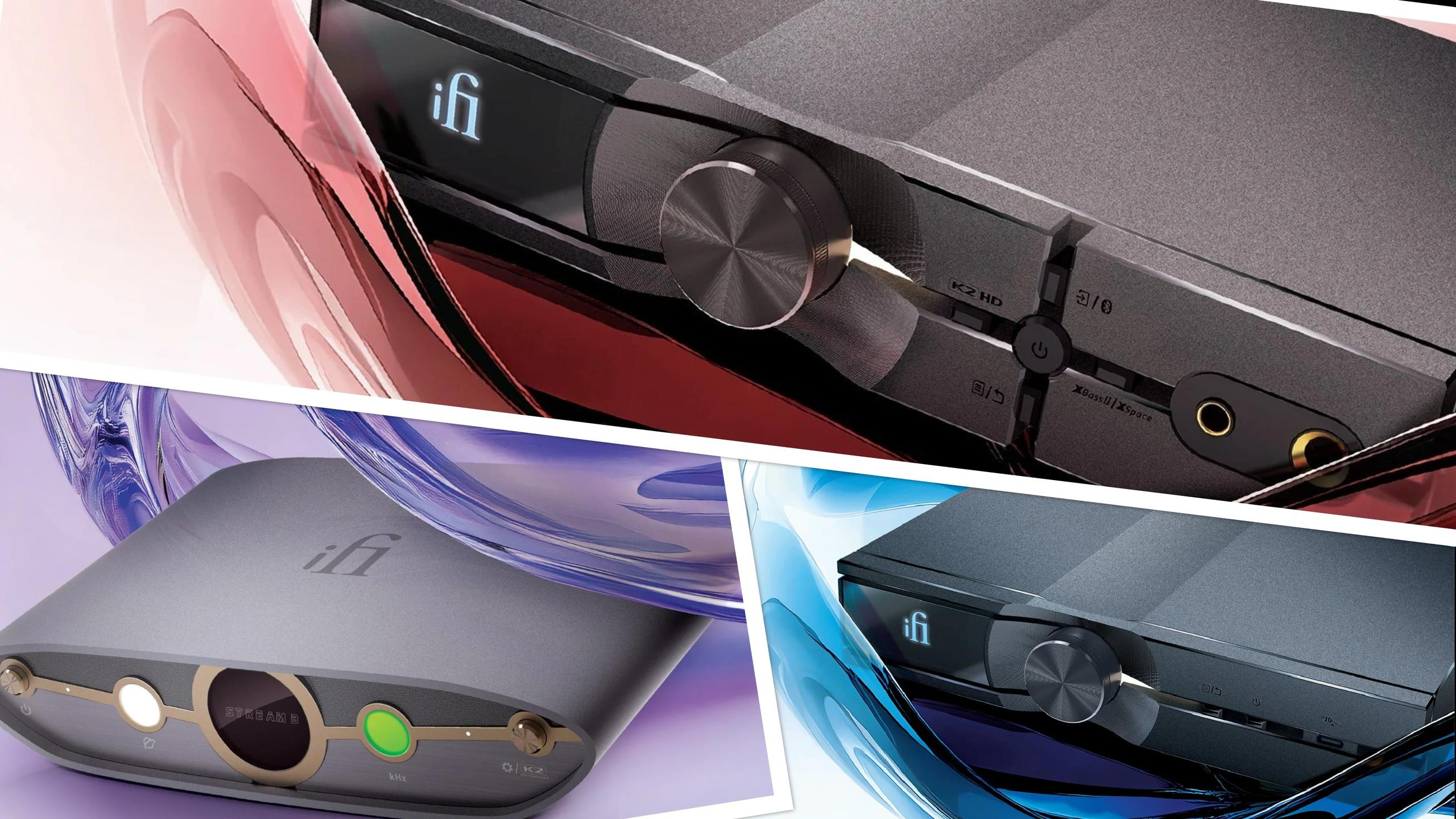
Digital audio systems don’t really age gracefully. Streaming formats change, Bluetooth standards evolve, and suddenly that amp or DAC you liked a few years ago feels a bit out of step with how you actually listen now. iFi’s latest trio, the NEO iDSD 3, NEO Stream 3, and ZEN Stream 3, are all aimed at that exact problem: giving you a way to update your system without throwing everything out and starting from scratch.
They tackle the job from three angles:
Let’s walk through what each one actually does, and who they’re really for.
The NEO iDSD 3 is a desktop DAC and headphone amplifier designed to sit at the center of a system that might include a laptop, a streamer, a TV, or even a turntable with a phono stage. The idea is fairly straightforward: one box that handles digital conversion, serious headphone power, wired connections, and modern Bluetooth.
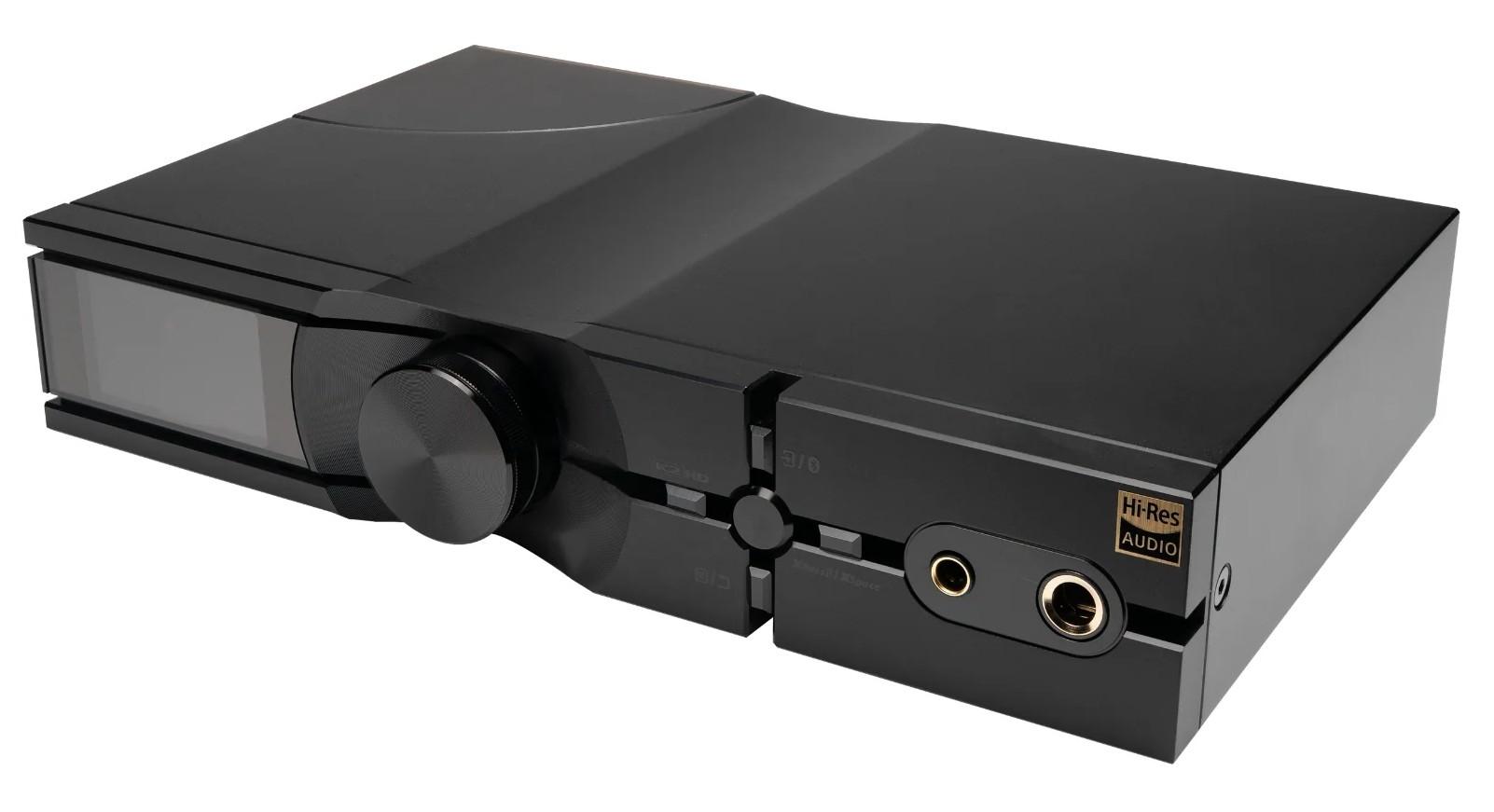
Inside, iFi sticks with its usual Burr-Brown DAC architecture, but with a twist: PCM support up to 768 kHz and DSD512, handled via separate paths for PCM and DSD to keep the signal “bit-perfect” from input to analog output. The company also leans on JVCKENWOOD’s K2 and K2HD processing, which are designed to restore some of the harmonic information that can be lost when music is recorded, mastered, or encoded. Instead of just upsampling for the sake of it, these modes try to bring back a sense of high-frequency detail and depth that can go missing with some digital files.
On the headphone side, the numbers are not shy. The NEO iDSD 3 can output up to around 2,532 mW RMS (and over 5,500 mW peak) into 32 ohms from its balanced output. That’s enough to comfortably drive a wide range of over-ear headphones, including more demanding planar designs, while still offering iEMatch for sensitive in-ear monitors. Output impedance is kept low (≤1 ohm), which helps keep the sound consistent across different loads.
Wireless isn’t an afterthought. You get Bluetooth 5.4 with support for aptX Lossless, LDAC, and LHDC, so you can treat the NEO iDSD 3 as a wireless DAC, not just a wired USB box. With aptX Lossless and 16-bit/44.1 kHz content, the goal is to match CD-quality performance over Bluetooth instead of the more compressed sound many older codecs deliver.
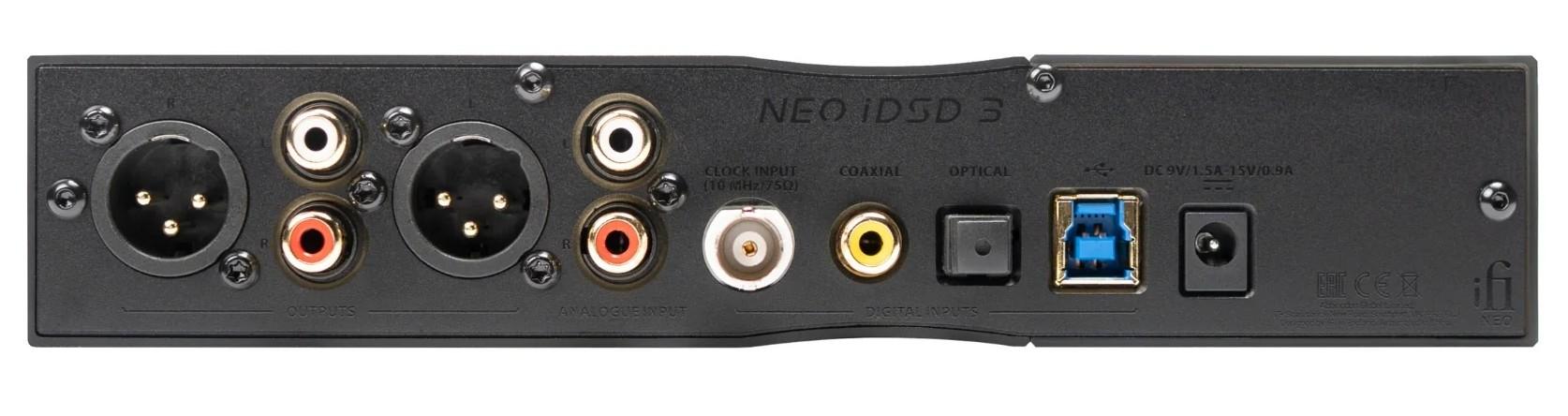
Connectivity is designed to slot into both modern and older systems:
That analog RCA input is a small but important change. It makes it much easier to plug in a turntable with a built-in phono preamp, an external phono stage, or older gear that doesn’t have digital outs. There’s also a BNC clock input for users running an external master clock, something more likely to appeal to tinkerers in the Head-Fi and hi-fi communities than casual listeners, but it’s there if you want the option.
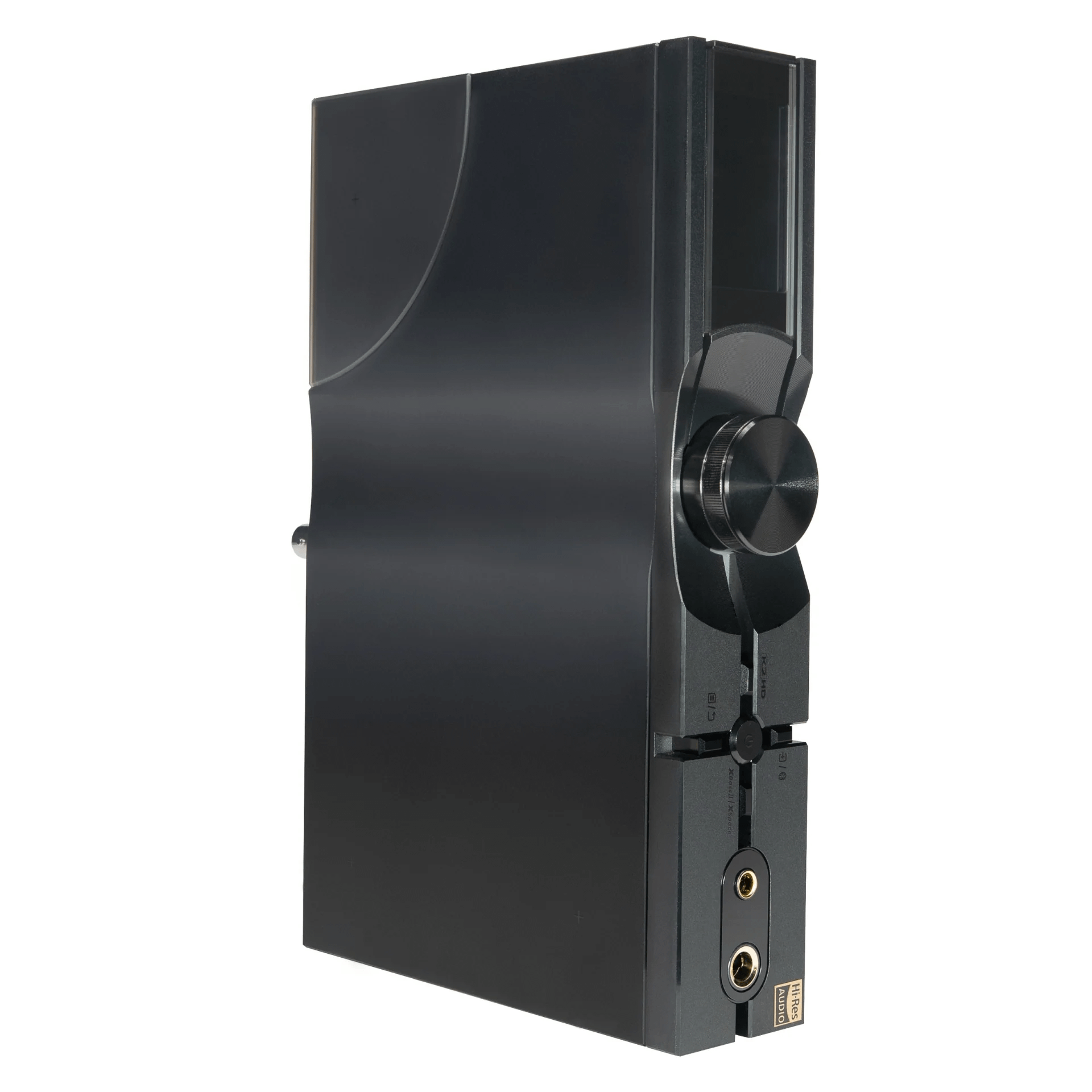
Quality-of-life details include a rotating color display (so you can use it horizontally or vertically on a desk), adjustable LED brightness for late-night listening, and the iFi Nexis app, which handles firmware updates and basic remote control.
The NEO iDSD 3 doesn’t try to be an all-in-one streamer–DAC–amp. Instead, it’s the DAC/amp piece of the puzzle. If you want network streaming, that’s where the other two boxes come in.
Think of the NEO Stream 3 as the digital front end for a traditional stereo system. It combines network streaming and high-resolution DAC functions in a single chassis, so you can bring streaming services and local files into an older amp or powered speakers without adding multiple boxes.
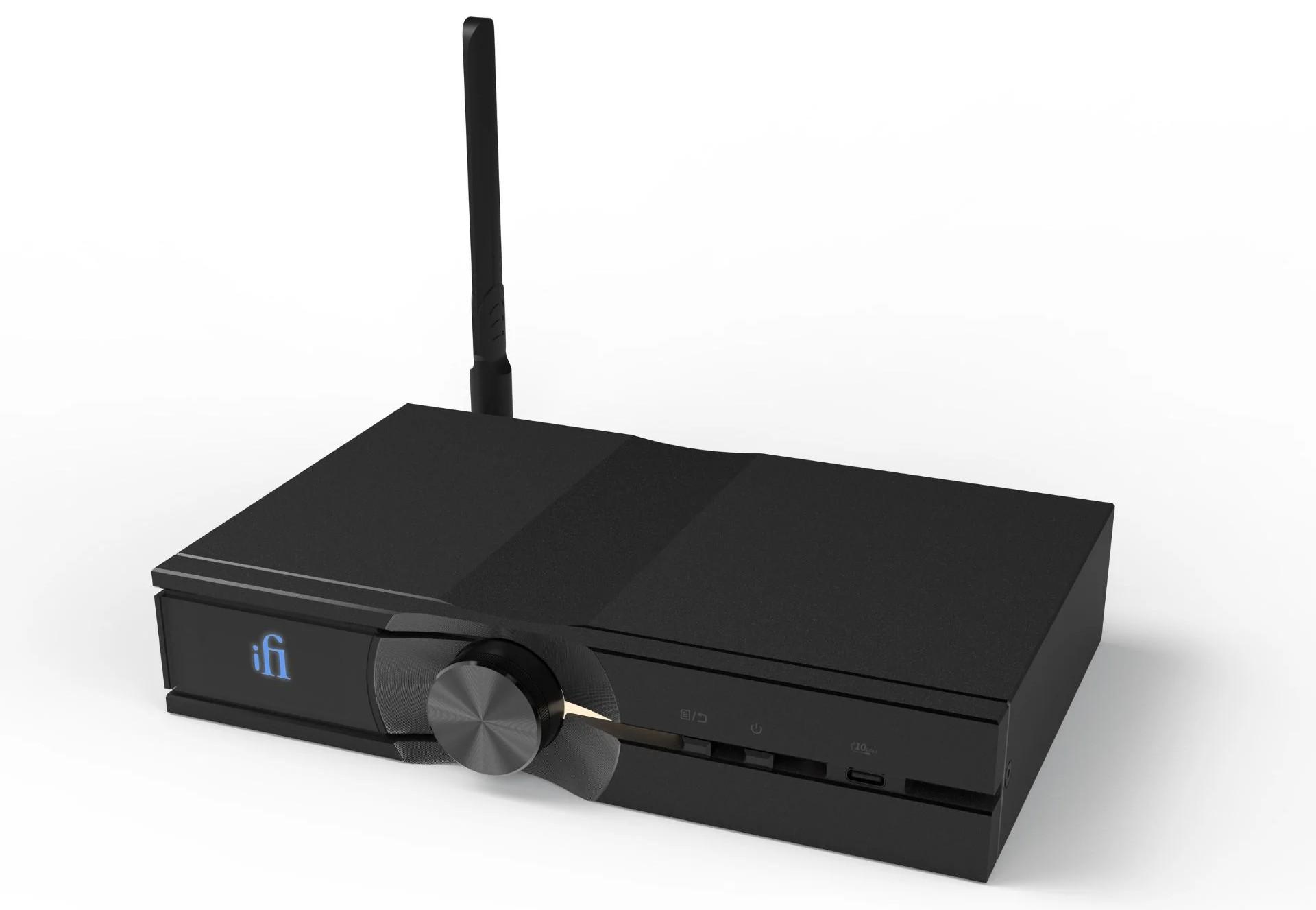
On the streaming side, it uses iFi’s latest ultra-resolution streaming engine and supports:
That means you can usually control playback directly from the native apps you already use, rather than being locked into a proprietary control app. Setup and updates run through iFi’s newer IoT hardware platform and the Nexis app, which is meant to simplify configuration and keep firmware management from becoming a chore.
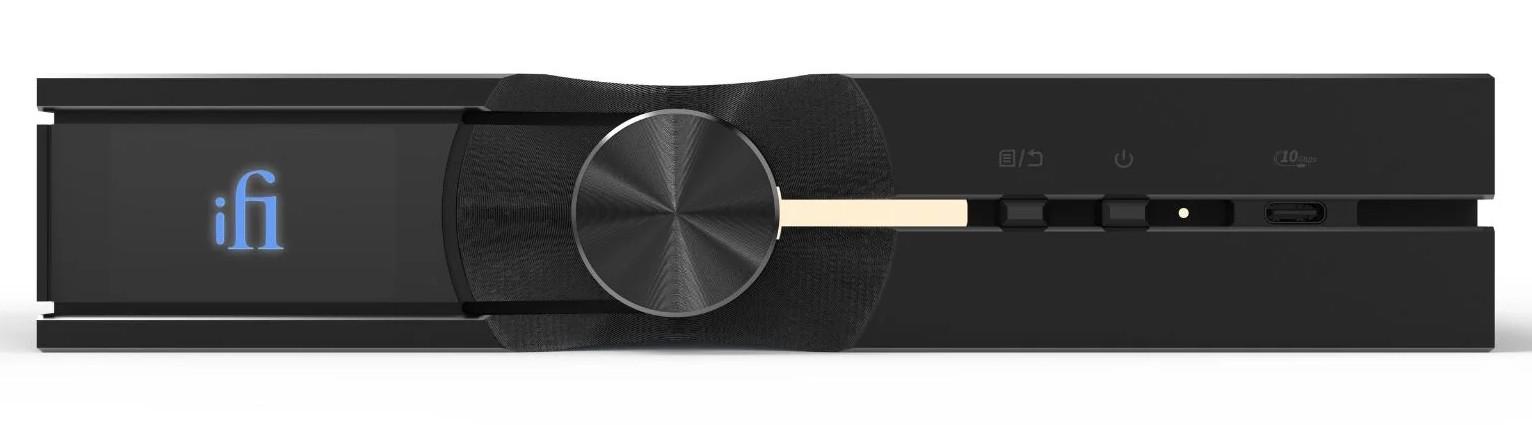
Where the NEO Stream 3 tries to differentiate itself is noise control and connectivity. It inherits iFi’s focus on power supply design, including upgraded polymer capacitors and ELNA Silmic II capacitors in key positions to deliver cleaner, more stable power. On the output side, you get:
Internally, the DAC stage is derived from the previous NEO iDSD 2, again centered on a Burr-Brown chipset. It supports up to 768 kHz PCM and DSD512, with a rated 4 V RMS from the balanced output and 2 V RMS from the RCA outs.
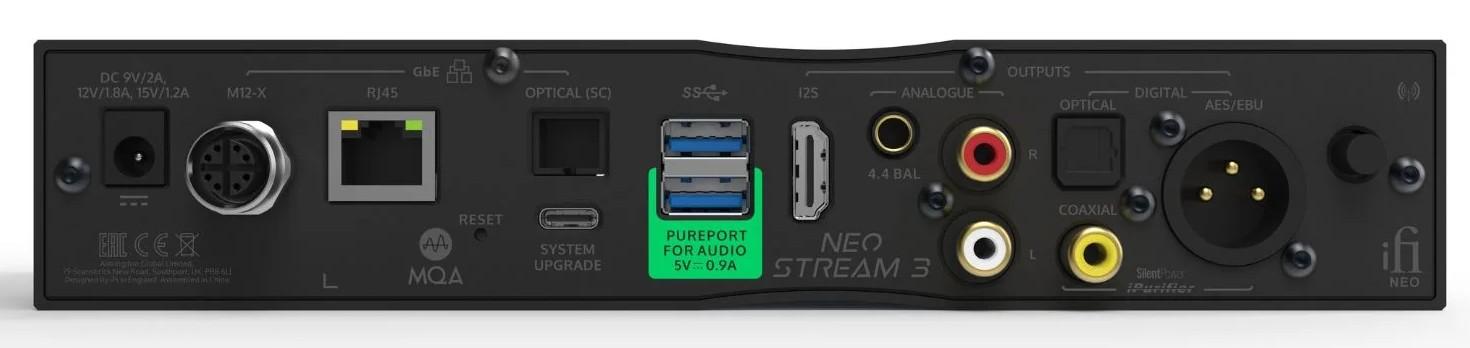
Noise reduction is handled on several fronts:
Like the NEO iDSD 3, the NEO Stream 3 uses K2 and K2HD processing from JVCKENWOOD, so you can apply harmonic restoration and optional 192 kHz upsampling to digital material. Here, K2 processing takes place before the DAC stage, and K2HD upsampling can be applied to PCM material below 192 kHz.
Put simply, the NEO Stream 3 is aimed at listeners who want a single component that handles both streaming and digital conversion, offers the flexibility of analog and digital outputs, and includes built-in noise-reduction features designed to keep the signal path clean—especially when using wired network connections or USB storage devices.
The ZEN Stream 3 takes a different angle. Instead of duplicating DAC functions you might already own, it focuses on being a network transport, a streamer that outputs only digital, handing the actual conversion over to your existing DAC.
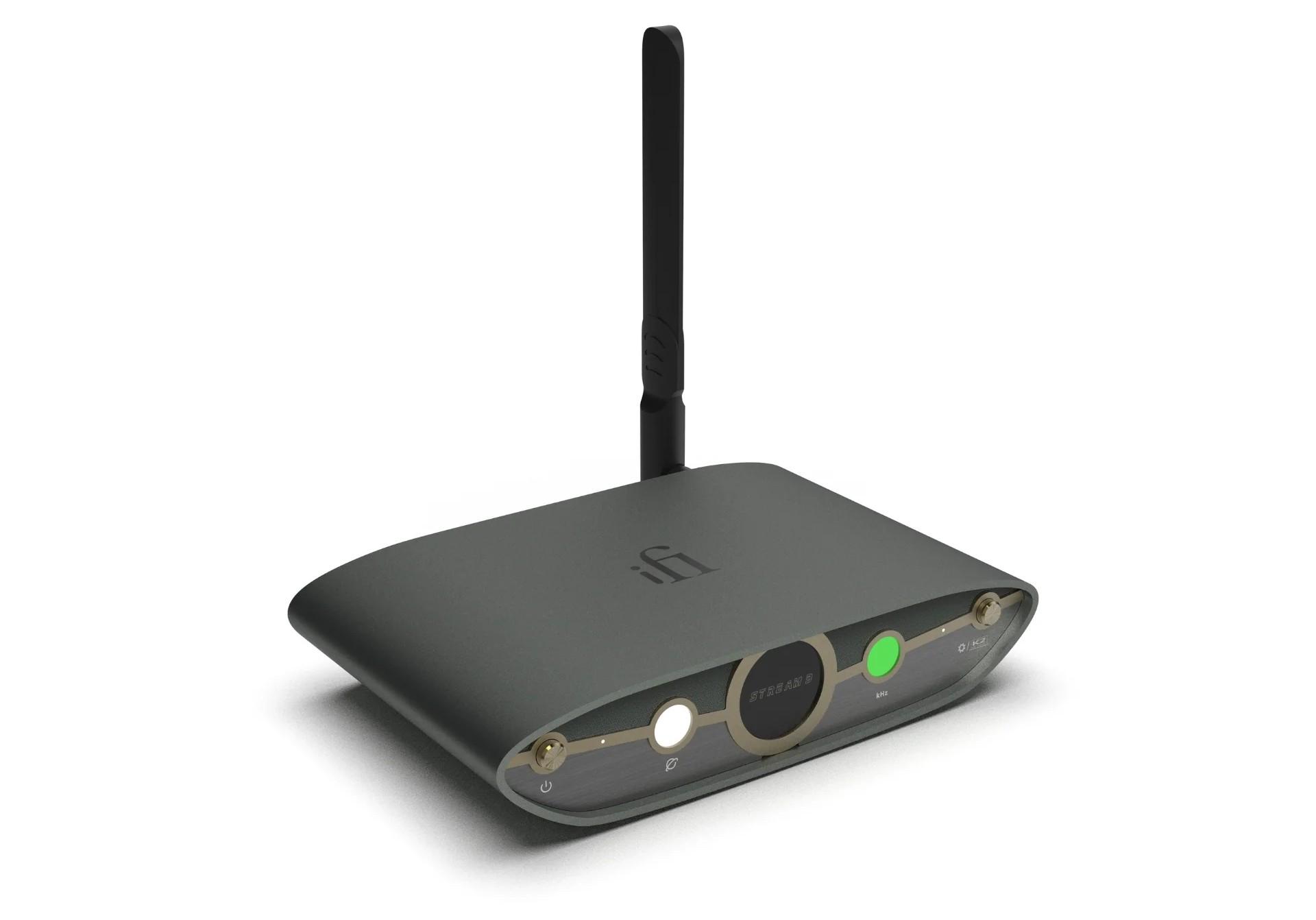
It uses the same streaming engine and IoT platform as the NEO Stream 3, with support for Qobuz Connect, TIDAL Connect, Spotify Connect, and AirPlay 2, plus the same Nexis-based update and control options. High-resolution support goes up to 384 kHz PCM and DSD256, which is still more than enough for most real-world listening libraries.
Connections are simpler and more focused:
There are no analog outputs and no internal DAC, which keeps the box physically compact and the signal path lean. Like its bigger sibling, the ZEN Stream 3 includes iPurifier and Active Noise Cancellation on its outputs to help control electrical noise before the signal reaches your DAC.
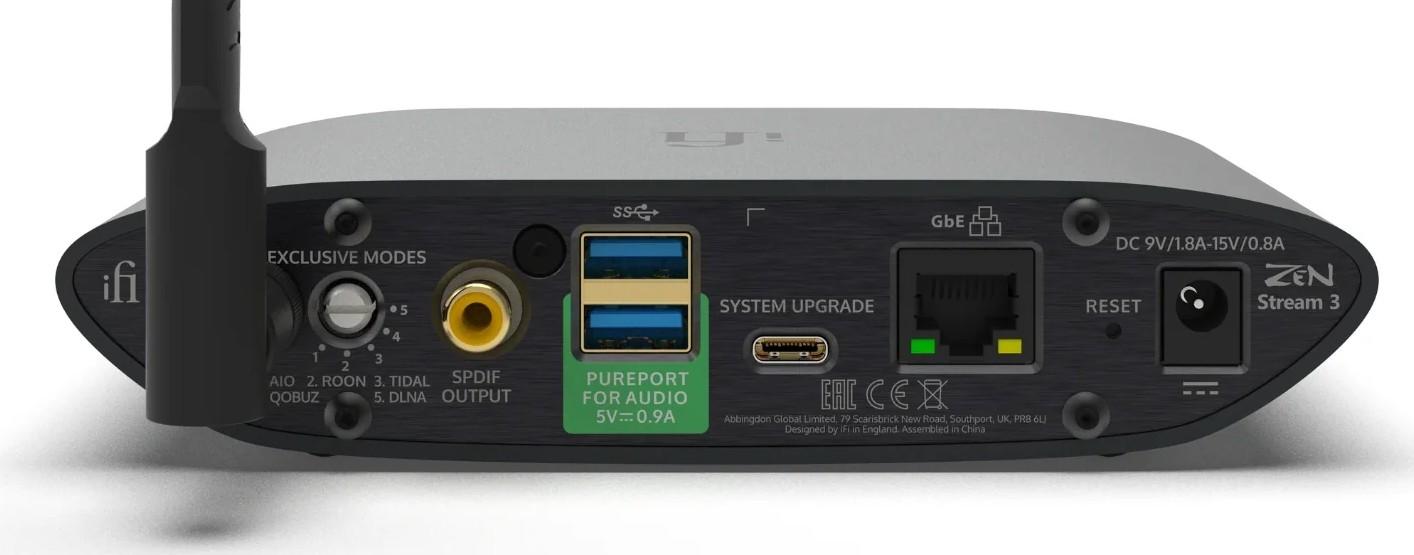
Power design again uses upgraded polymer capacitors and ELNA Silmic II parts, with modest power draw (under 6 watts at idle and around 10 watts at max). Physically, it’s smaller and lighter than the NEO boxes, which makes it easy to tuck beside an existing DAC on a shelf or desk.
The target listener here is pretty clear: someone who already has a DAC they’re happy with but wants a reliable, quiet network source that integrates smoothly with mainstream streaming platforms.
Across all three products, there are a few common threads:
In the streaming space, they’re entering a crowded field. Brands like Bluesound, WiiM, and Eversolo already offer capable streamers under $1,000. Many of those options emphasize their operating systems, multi-room integration, or room correction features as a key selling point.
iFi’s angle is slightly different. Rather than trying to build a giant streaming ecosystem, these products lean into three things: clearly defined roles (DAC/amp vs streamer-DAC vs transport), power and connection flexibility where relevant, and noise-focused engineering in the digital chain.
Pricing lines up like this:
From there, it’s really about what problem you’re trying to solve. Need a single DAC/amp box for headphones, active speakers, and Bluetooth? That’s the NEO iDSD 3. Want to modernize a traditional hi-fi stack with streaming and DAC in one component? That’s the NEO Stream 3. Already own a DAC you like and just want a quiet, flexible network front end? That’s the ZEN Stream 3.
The interesting part isn’t whether any one of these is “best,” but which one actually fits the system you already have, and how much you value cleaner power, simplified wiring, and day-to-day usability over simply adding yet another box to the chain.
Related Reading:




Privacy Policy
Terms and Conditions - Affiliate Policy
Home Security
© Copyright 2008-2026.
11816 Inwood Rd #1211, Dallas, TX 75244