


Last week was one of those weeks where the tech news pile got crowded fast. We had everything from ultra-premium speakers and big-screen projectors to CD players, studio headphones, wireless headphones, IEMs, a moving AI robot, and even an absurdly bright flashlight that looks like it could double as emergency gear for a small expedition.
What stood out to me wasn’t just the number of launches, but how spread out they were. Some products were clearly aimed at traditional home theater buyers. Others leaned into hi-fi nostalgia, modern convenience, or the increasingly blurry line between smart home gadget and personal robot. So instead of treating each launch like it exists in a vacuum, here’s a weekly roundup of the new gear worth keeping on your radar.

Noble Audio’s Lu Ban is a $1,399 wired in-ear monitor that takes a different route from the usual “stuff as many drivers as possible inside the shell” formula. Instead, Noble is using a three-driver setup: one 10mm wood-composite dynamic driver and two planar magnetic drivers. The dynamic driver handles the body and low-end weight, while the planar drivers are there for speed, separation, and upper-range detail.
The design is also part of the story. The Lu Ban uses Cocobolo wood faceplates with a 3D-printed resin inner shell, so each pair should look a little different. It ships with a 4-core silver-plated OCC cable, 4.4mm balanced termination, multiple ear tips, and the kind of accessory package you’d expect from a premium wired IEM.
This is not an AirPods alternative. It’s for people already using DAPs, portable DAC/amps, or desktop headphone setups. In other words, it’s for the listener who still enjoys the little rituals of wired audio. Read more.

The Wuben X1Pro is one of those products where the headline number grabs you immediately: 12,300 lumens. But the more interesting part is how Wuben is trying to make that output more usable. The X1Pro uses five Cree XHP50.3 LEDs, with one spotlight emitter and four floodlight emitters, plus a physical slider to switch between beam types.
It also has active cooling, which matters because high-output flashlights often throttle down quickly once heat builds up. Wuben’s built-in fan is meant to keep brightness more consistent during extended use.
The flat rectangular shape is also practical. It won’t roll off a table, it sits flatter in a pocket or bag, and it gives the light a more tool-like feel than a typical tube flashlight. At $139.99, this feels aimed at people who want something more serious than a casual drawer flashlight. Read more.

Wilson Audio’s Autobiography is the kind of speaker launch that makes every other “high-end” product suddenly look modest. The price is $788,000 per pair, which puts it at the very top of Wilson’s lineup, above the WAMM Master Chronosonic and Chronosonic XVX.
Technically, this is a five-way floorstanding speaker with a mirrored M(MTM)M driver layout. It uses two 7-inch PentaMag midrange drivers, two 2-inch midrange drivers, a front-firing CSLS tweeter, a rear-firing ambient tweeter, and a bass section built around 12-inch and 15-inch woofers.
The rear ambient tweeter is adjustable, and Wilson has also built in a more advanced module alignment system to fine-tune timing between drivers. None of this is casual living room gear. This is for dedicated rooms, professional setup, and buyers whose speaker budget looks like a real estate transaction. Read more.
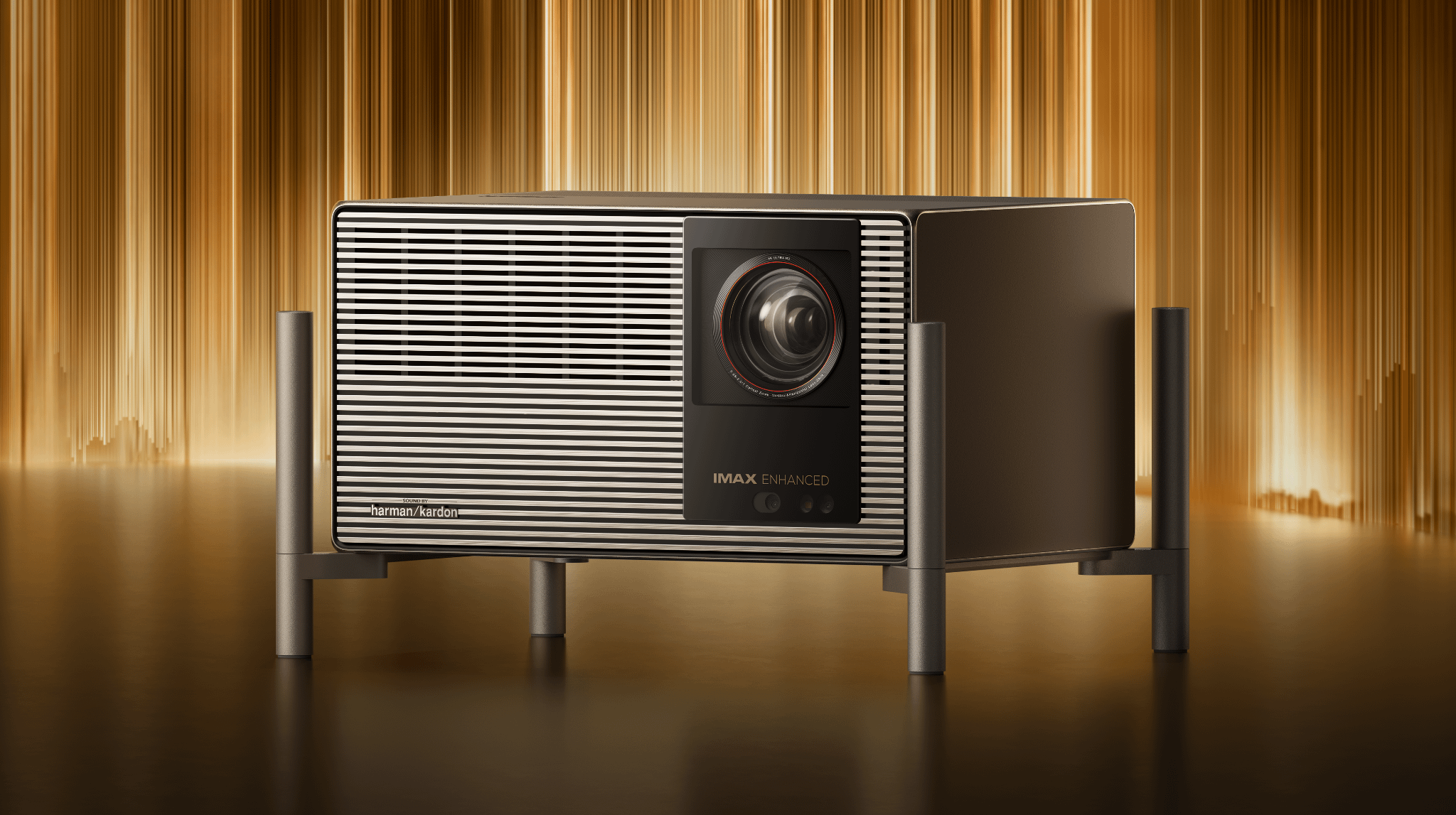
The XGIMI TITAN Noir Max is trying to make the case that a projector can be your main screen, not just something you bring out for movie night. It can project a 4K image up to 300 inches and is rated at up to 7,000 ISO lumens, with a triple-laser RGB light engine and support for Dolby Vision, HDR10+, and IMAX Enhanced.
The big technical focus is contrast. XGIMI is using a Dual Intelligent Iris System with up to 10,000:1 native contrast and up to 100,000:1 dynamic contrast. That matters because projectors often struggle with dark scenes, especially outside perfectly treated rooms.
Setup flexibility also looks strong, with optical zoom, lens shift, and features meant to make installation less painful. We’ll know more about how close it gets to the “TV replacement” claim when we review it, but the direction is clear: projectors are getting more serious about everyday use. Read more.
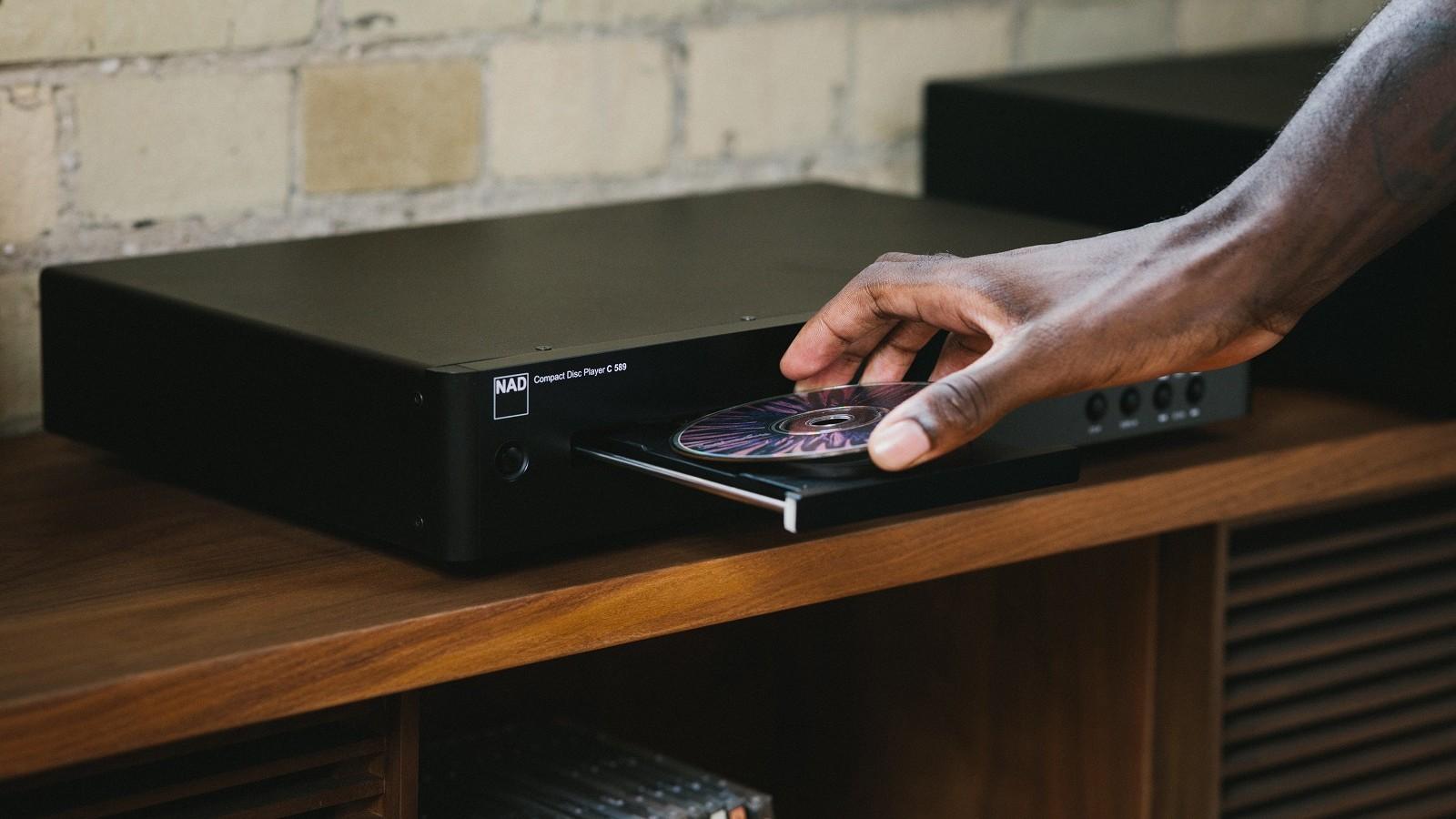
NAD’s C 589 is refreshingly straightforward. It is a $1,399 CD player with no streaming, no app, and no attempt to become a do-it-all digital hub. It sits above the C 538 in NAD’s Classic Series and is aimed at listeners who still have a serious CD collection.
The C 589 uses QRONO d2a digital processing from MQA Labs, along with a precision transport, built-in DAC, and a useful spread of outputs. Around back, you get balanced XLR, RCA, AES/EBU, coaxial, and optical connections.
That makes it more flexible than a basic disc spinner. You can use it as a complete CD player into an amp or preamp, or run it as a transport into an external DAC. It’s a very “load disc, press play, listen” product, and honestly, there’s something appealing about that. Read more.
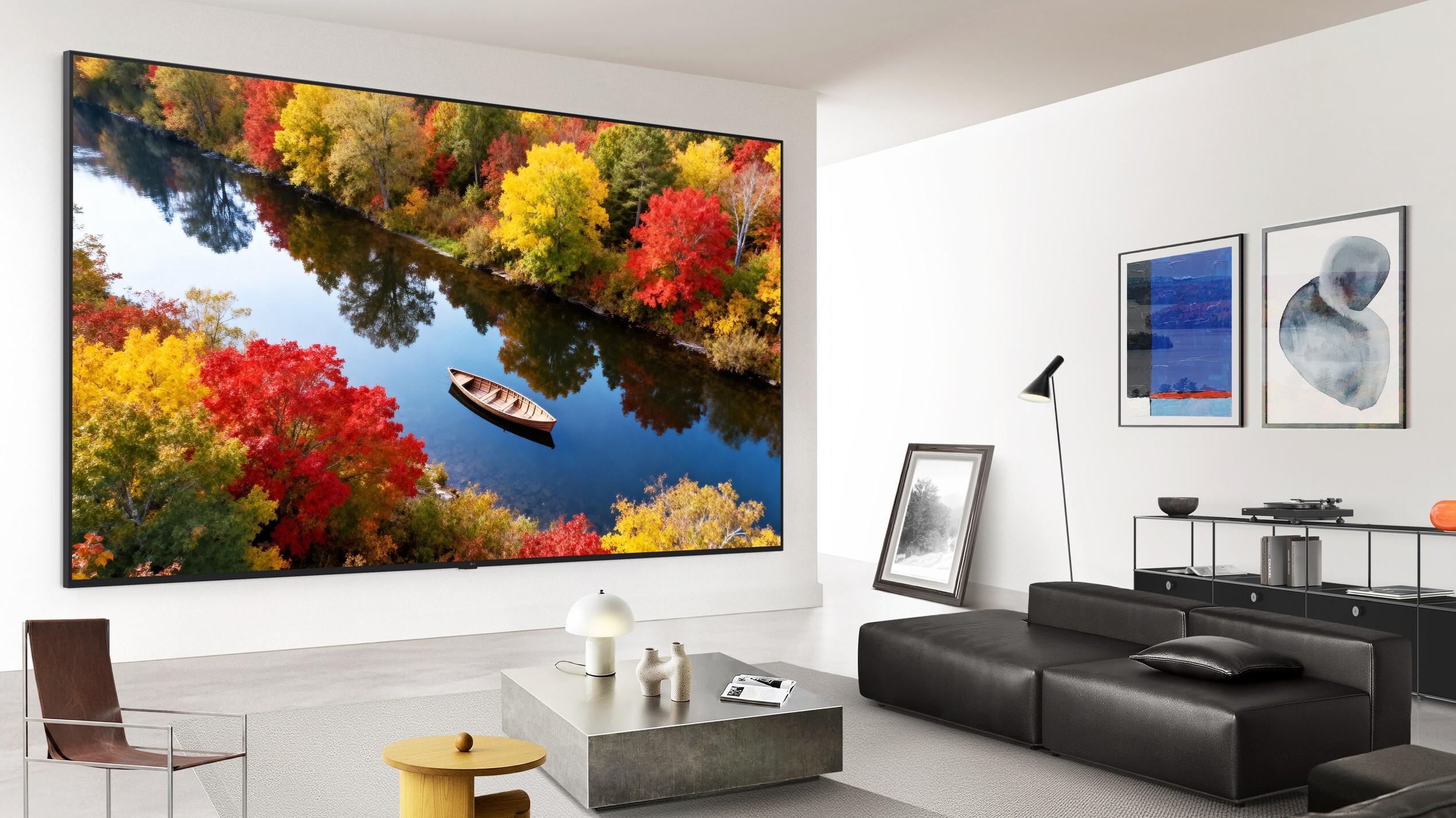
LG’s Micro RGB evo TV series is one of the more interesting TV launches of the week because it is not another OLED. This is an LCD-based flagship line using separate red, green, and blue lighting elements behind the panel, with pricing starting at $4,999.99 for the 75-inch model.
The lineup includes 75-, 86-, and 100-inch sizes, which tells you exactly where LG is aiming: big screens, bright rooms, and buyers who want premium performance beyond traditional LCD.
Micro RGB is meant to improve color range, color brightness, and overall efficiency compared with more conventional backlighting. It does not replace OLED in LG’s lineup, but it gives LG another flagship-style option for people who want huge screen sizes where OLED can get very expensive very quickly. Read more.
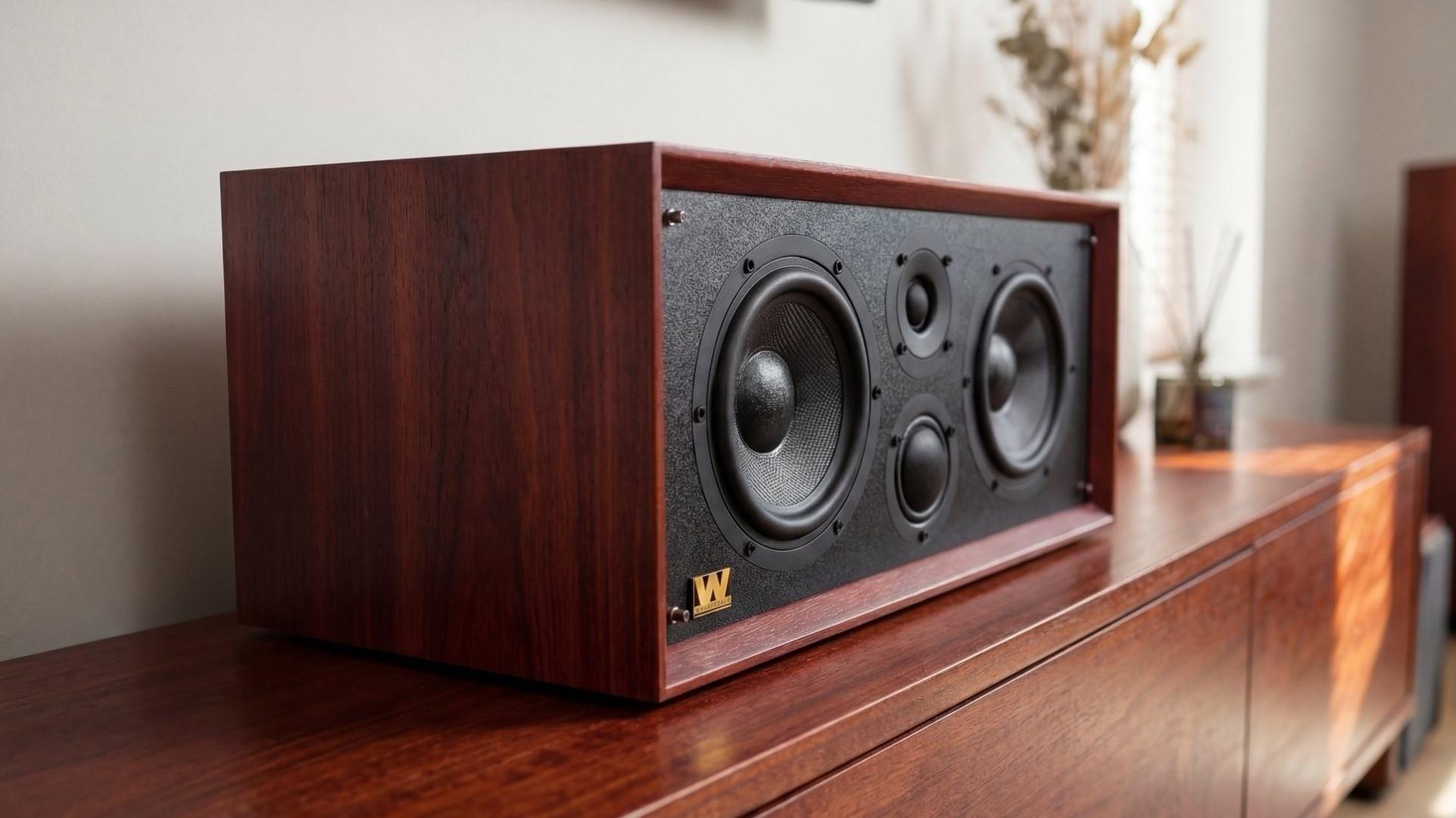
Wharfedale’s Heritage Centre ($999 at Crutchfield) fills a gap that probably annoyed more than a few Linton and Denton owners. The Heritage Series has been strong on stereo charm, but not as complete for home theater. This new center-channel speaker is designed to match models like the Linton, Super Linton, Denton, Super Denton, and Dovedale.
It uses a three-way design with a 25mm soft dome tweeter, 50mm soft dome midrange, and twin 165mm Kevlar woofers. The idea is to give dialogue more clarity and projection without breaking the visual style of a Heritage-based system.
Finishes include walnut, mahogany, and black oak, so it should blend into the furniture-friendly look Wharfedale has been leaning into. For anyone trying to build a vintage-style 3.1 or 5.1 system, this is the missing piece. Read more.

Bowers & Wilkins did not change the hardware of the award-winning Px8 S2, but it did add two new finishes: Midnight Blue and Pearl Blue. They join Onyx Black, Warm Stone, and the McLaren Edition, bringing the Px8 S2 lineup to five variants. Pricing stays at $799.
This is a cosmetic update, but that matters more in premium wireless headphones than some people admit. When you’re spending this much, design, materials, and wearability are part of the buying decision.
Underneath, it is still the same flagship model with 40mm Carbon Cone drivers, adaptive noise canceling, transparency mode, aptX Adaptive, aptX Lossless, and up to 30 hours of battery life. Read more.
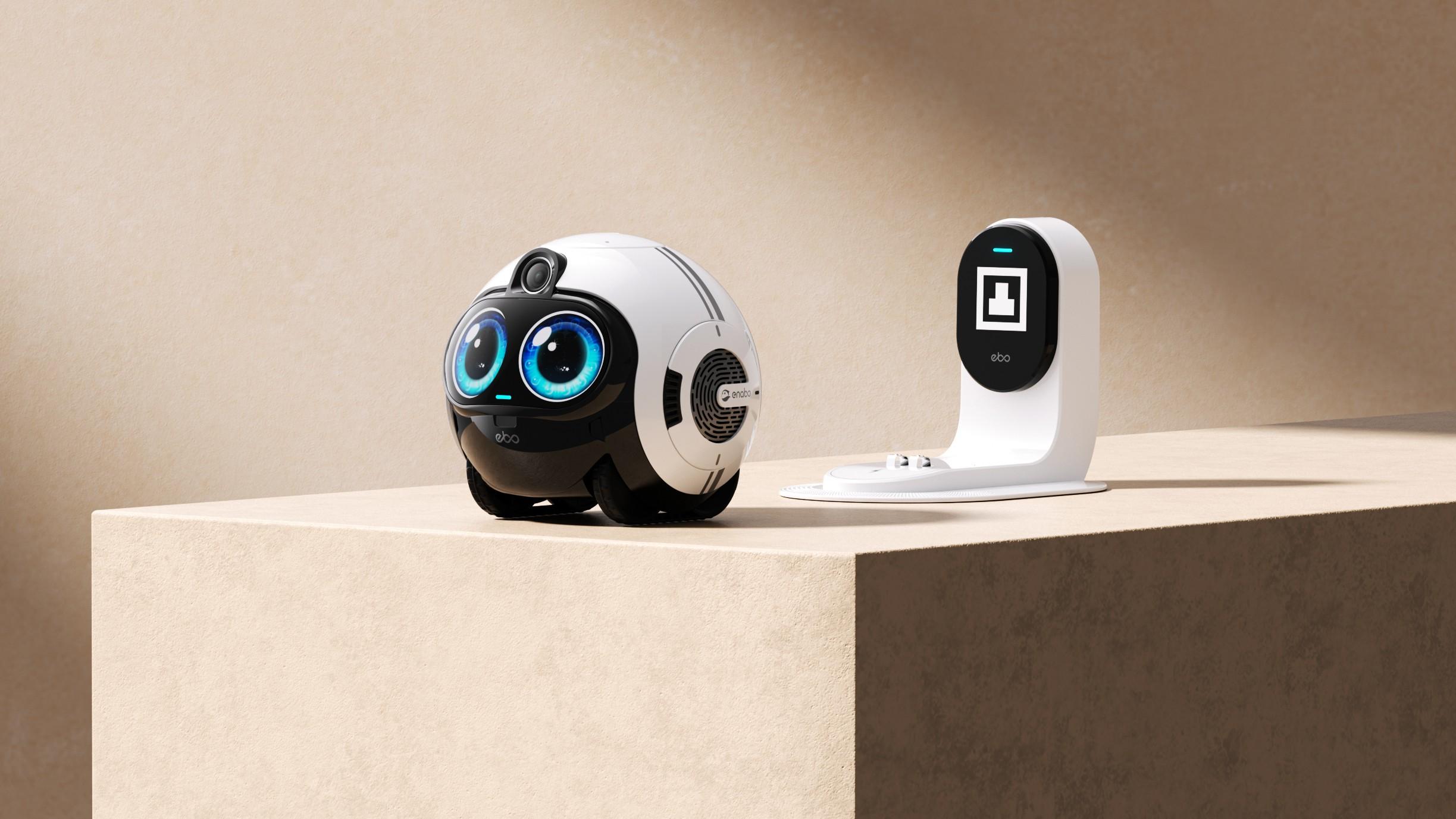
The Enabot EBO Max is a home robot that moves beyond the idea of a simple rolling camera. It has a 4K camera, two-way audio and video, autonomous navigation, AI-powered patrols, facial recognition, and long-term memory features.
At $549.99 during pre-order, it sits above Enabot’s cheaper EBO Air models but below the $999 EBO X. That makes it a middle-ground option for people who want something smarter than a static camera but don’t want to spend flagship robot money.
The real question is how well it handles actual homes. Pets, furniture, cables, rugs, and random clutter are usually where robot promises meet reality. Still, EBO Max shows where this category is heading: less passive monitoring, more active home interaction. Read more.
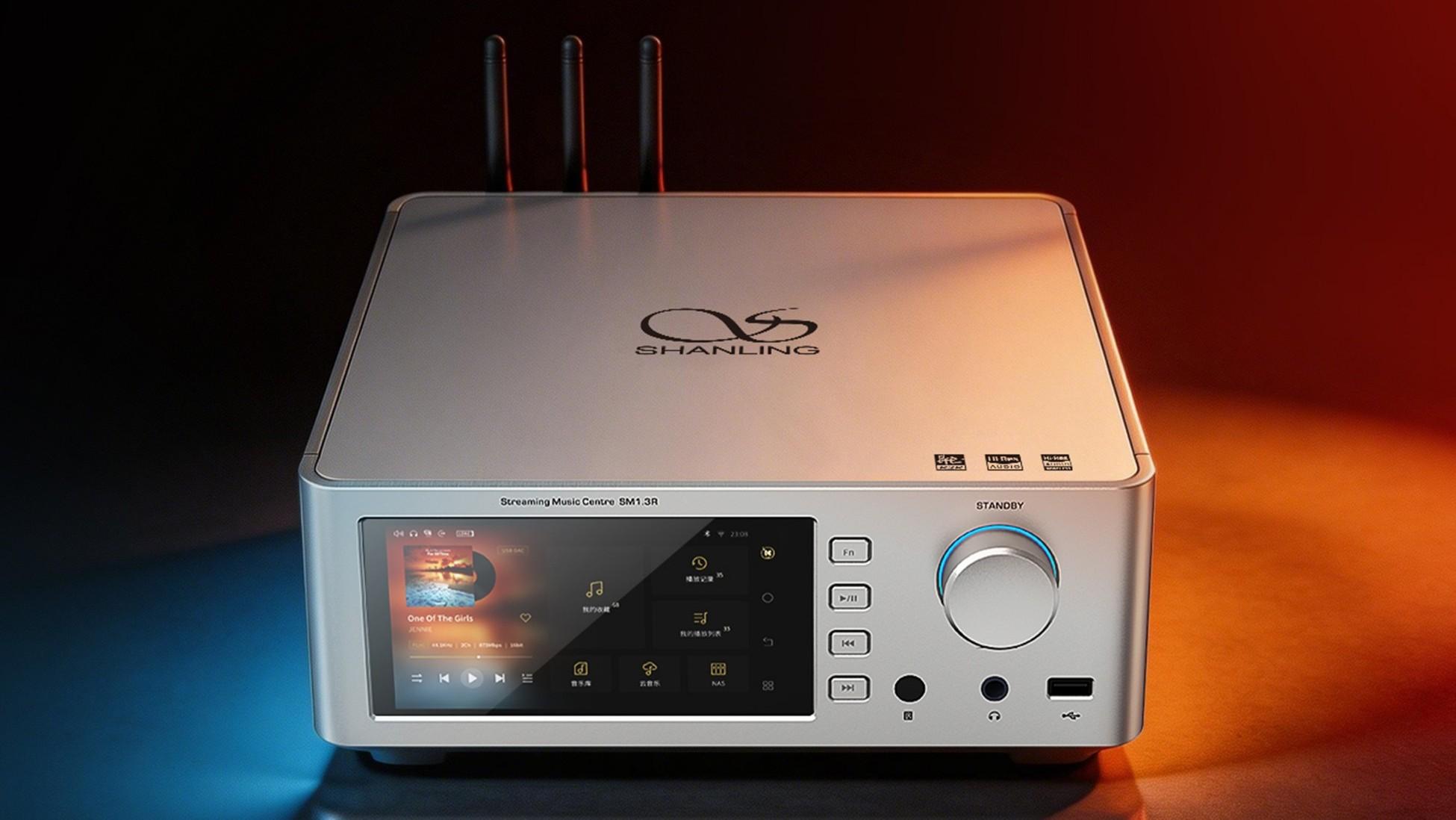
Shanling’s SM1.3R takes the company’s existing SM1.3 streamer/DAC platform and swaps the chip-based DAC for an in-house 24-bit R2R ladder design. It keeps the same compact chassis, 5.8-inch touchscreen, and Android-based interface, so this is more of a targeted audio update than a full redesign.
The streamer supports Roon Ready, Tidal Connect, Qobuz Connect, Spotify Connect, Apple Music, and Amazon Music. It also includes 64GB of internal storage, an M.2 SSD slot, NAS playback, balanced XLR and RCA outputs, and multiple digital inputs.
The appeal here is simple: modern streaming convenience with a DAC topology often associated with a different, more “analog-like” presentation. Read more.

The Sennheiser HD 480 PRO ($399 at Amazon) is a closed-back studio headphone built around two practical goals: tighter low-end accuracy and better long-session comfort. It is aimed at engineers, producers, musicians, and live sound pros rather than casual listeners.
Sennheiser uses 38mm dynamic drivers with neodymium magnets, multi-stage passive isolation, a Vibration Attenuation System, and a coiled section near the earcup to reduce cable-borne noise.
There are also smart studio touches, including a detachable cable that can connect to either earcup, braille markings for left and right, and angled earcups for more consistent positioning. Not flashy, but very work-focused. Read more.
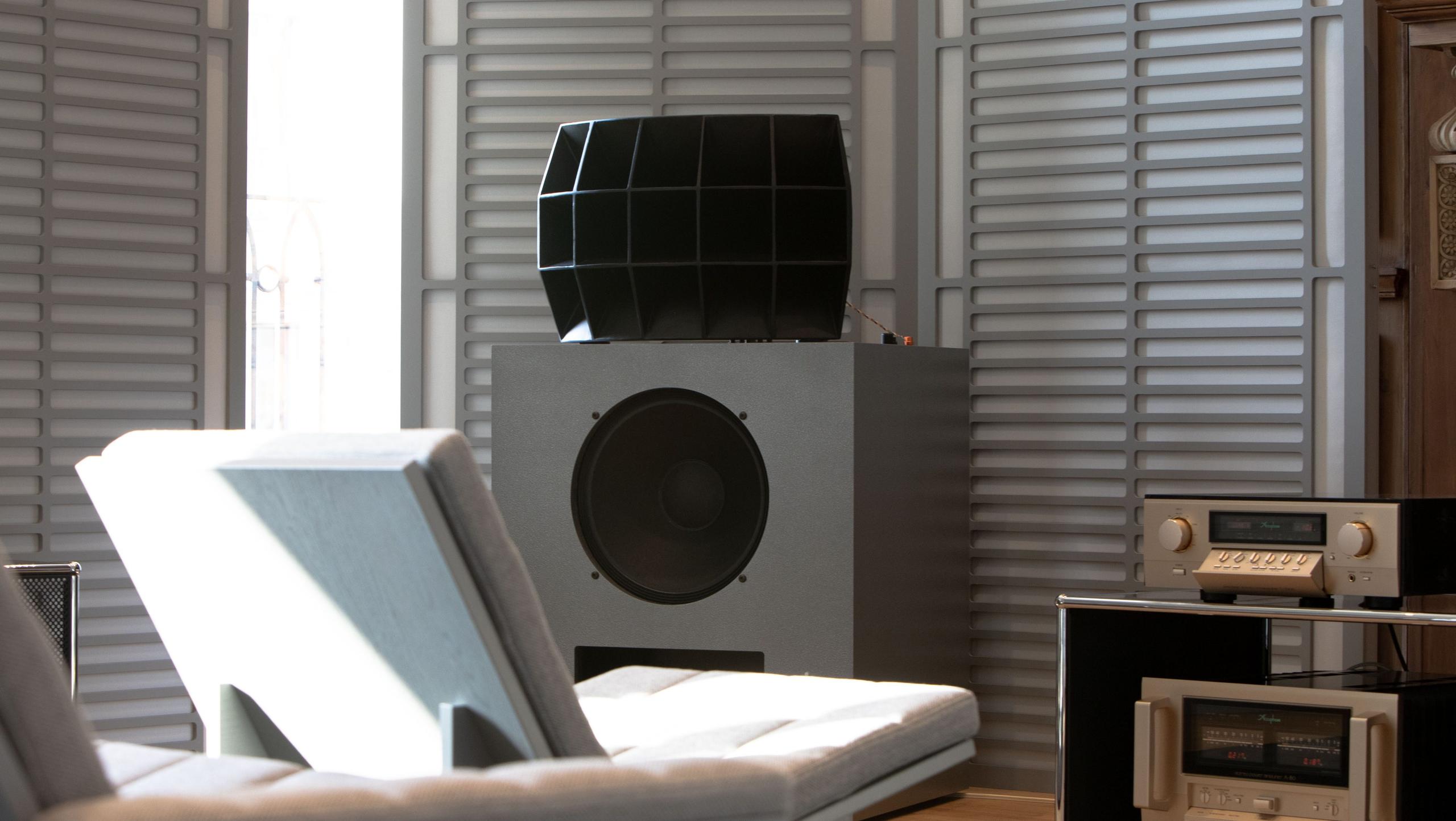
The Klipsch OJAS kO-R2 is not a typical hi-fi launch. It debuted at Milan Design Week 2026 and continues Klipsch’s collaboration with Devon Turnbull of OJAS. A wider release is expected in June 2026.
This is a two-way horn-loaded loudspeaker handcrafted in Hope, Arkansas. It uses an Ojas 1506 multisectoral horn made from heavy cast aluminum, a Baltic birch cabinet, a compression driver, a five-step high-frequency attenuator, and anti-vibration rubber feet.
It feels more like an audio object than a standard speaker release. That may not appeal to everyone, but it is exactly why this collaboration is interesting. Read more.
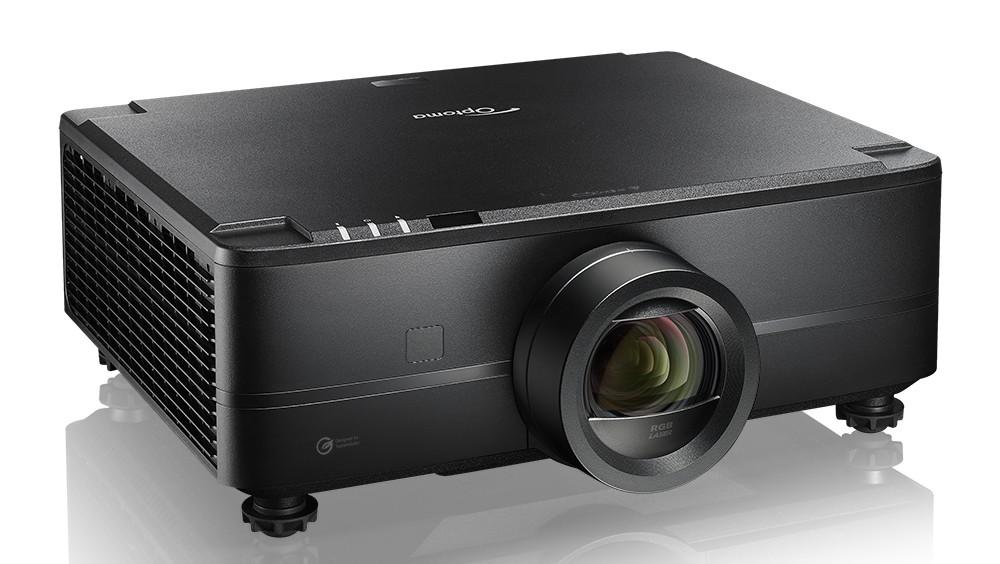
The Optoma HCPro-5400 ($7,999 at ProjectorScreen) is another projector going after serious big-screen setups. It combines 4K UHD resolution, a triple RGB laser light source, 5,000 ISO lumens, and support for Dolby Vision, HDR10+, IMAX Enhanced, and FILMMAKER MODE. It can also scale up to a claimed 300-inch image.
Optoma lists 96% BT.2020 and up to 98% DCI-P3 color coverage, which should help with HDR content. Installation features include powered zoom and focus, lens memory, horizontal and vertical lens shift, and a 1.25:1 to 2.0:1 throw ratio.
Compared with more casual projectors, this one feels aimed at people planning a proper room, or at least a very serious big-screen setup. Read more.






Privacy Policy
Terms and Conditions - Affiliate Policy
Home Security
© Copyright 2008-2026.
11816 Inwood Rd #1211, Dallas, TX 75244