

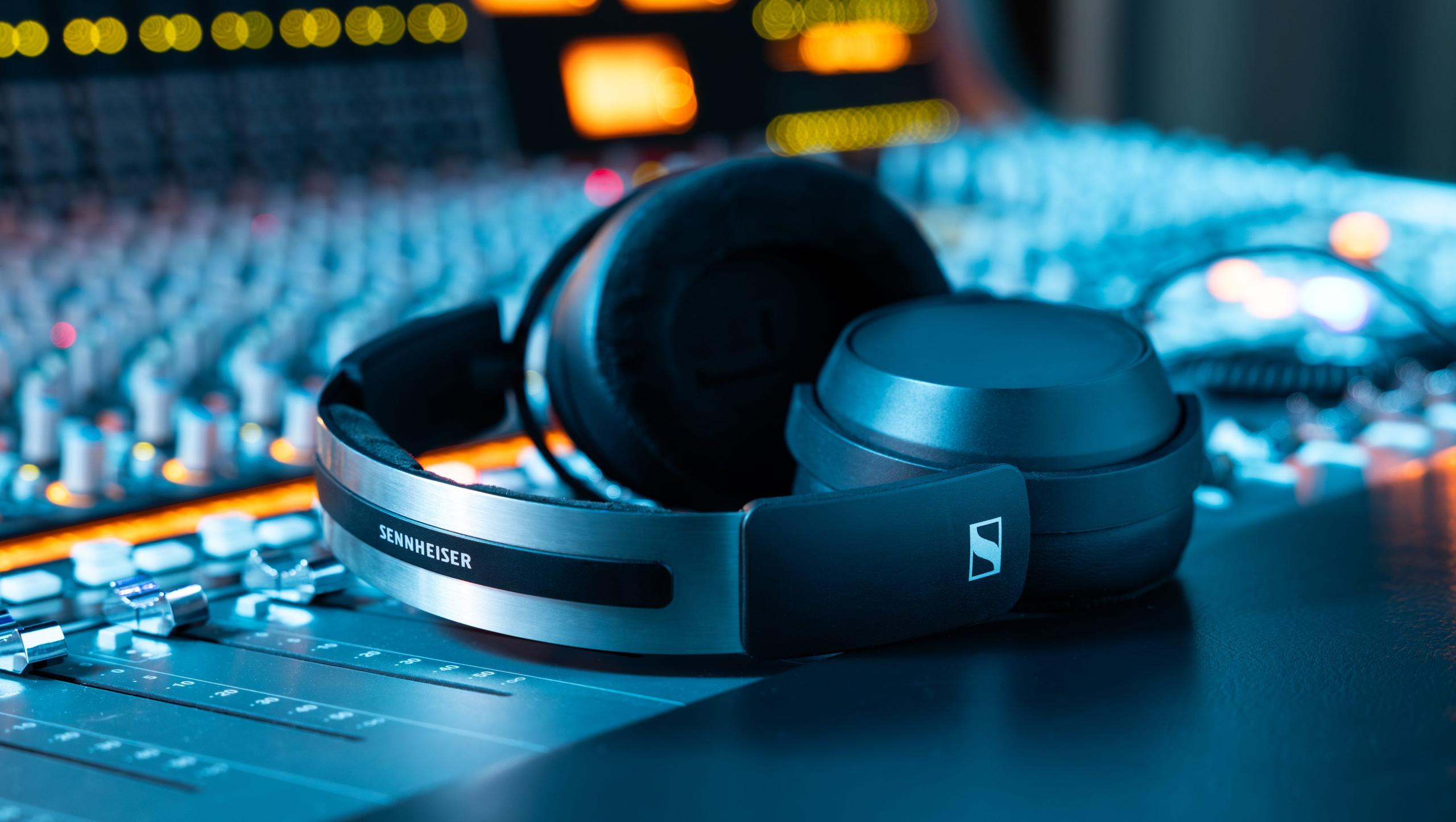
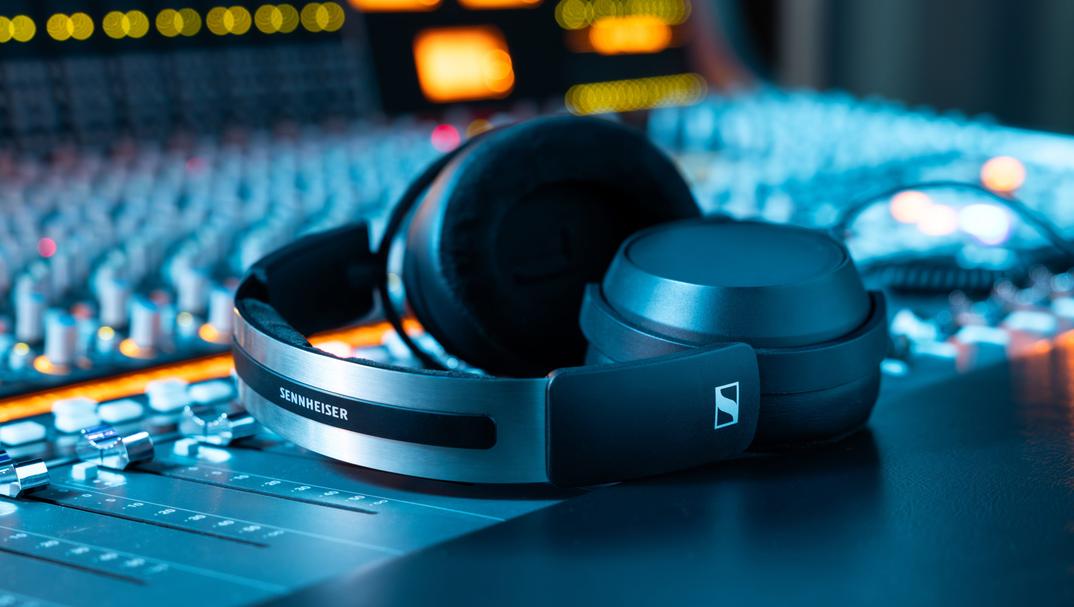
Sennheiser has a new set of studio headphones, and this one zeroes in on a familiar issue: getting reliable bass from a closed-back design without sacrificing comfort. The new HD 480 PRO is built for people who actually work in headphones: recording engineers, producers, musicians, and live sound pros—where isolation is necessary, but accuracy still matters.
Closed-back headphones are often the go-to for tracking and monitoring because they block outside noise and reduce bleed. The tradeoff is that they can make the low end harder to trust. That’s the gap Sennheiser is trying to close here, positioning the HD 480 PRO as a more dependable reference across different listening environments.
This isn’t a lifestyle headphone trying to do everything. The HD 480 PRO is clearly designed as a work tool, and that shapes how it’s built and tuned.
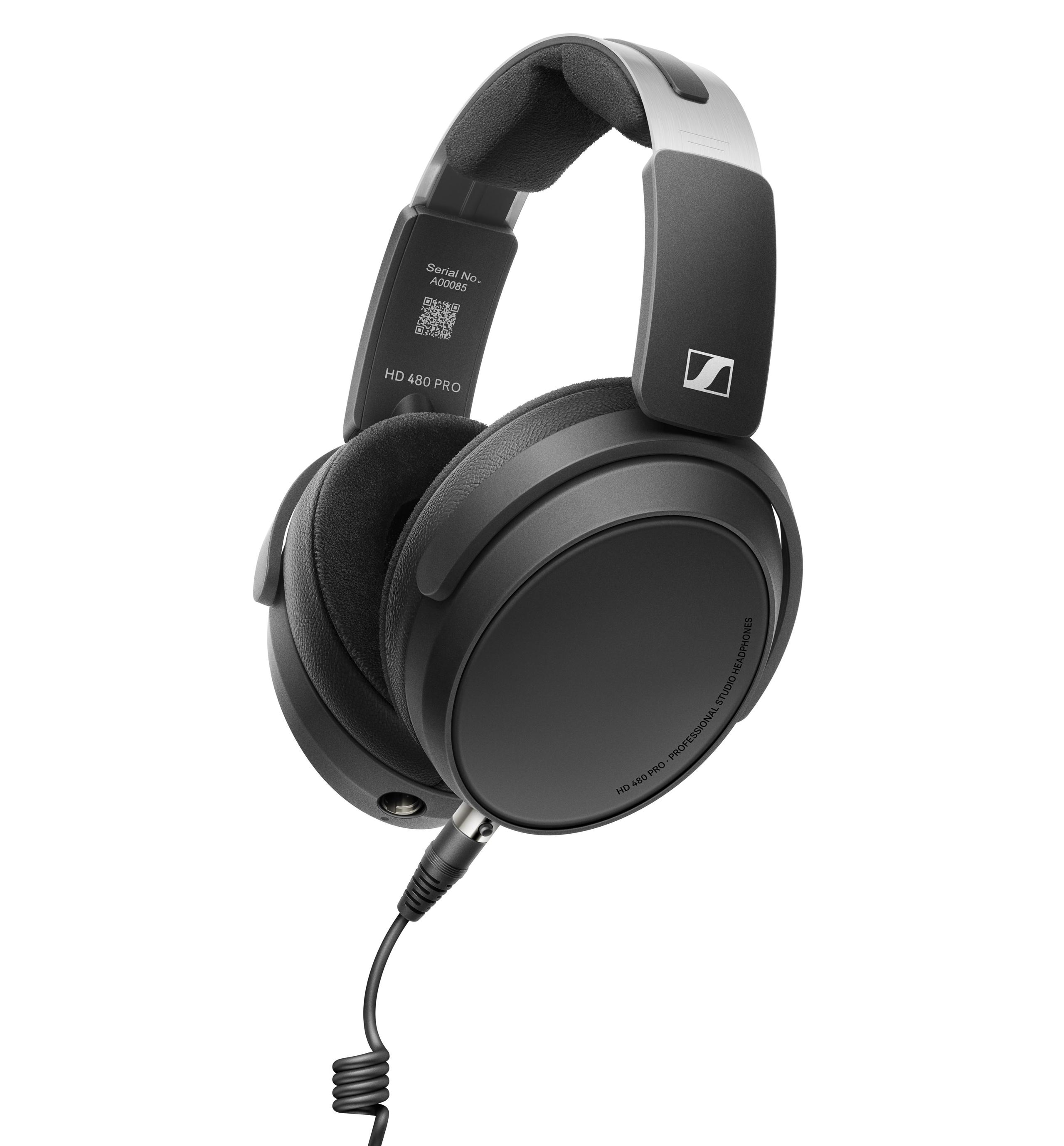
Sennheiser says it focused on two key things:
Those priorities make sense in real-world use. Engineers and musicians often wear headphones for hours at a time, and small comfort issues tend to become big ones pretty quickly. At the same time, inaccurate low-end can lead to mixes that don’t translate well outside the studio.
The idea here is simple: give users something they can wear all day and trust when making decisions.
“This is where the HD 480 PRO excel. Compared to other closed-back headphones, they are a lot tighter on the bass, their low-end is super-accurate and realistic,” notes Jimmy R. Landry, Category Market Manager, Music Industry at Sennheiser.
“Comfort is of paramount importance when headphones are a work tool,” adds Gunnar Dirks, Senior Product Manager for professional headphones. “Engineers often spend hours on end in their sessions. They need a lightweight, ergonomically designed pair of headphones to keep focus and concentration up. The HD 480 PRO eliminate any pressure points and fit every head precisely and comfortably – even if you’re wearing glasses.”
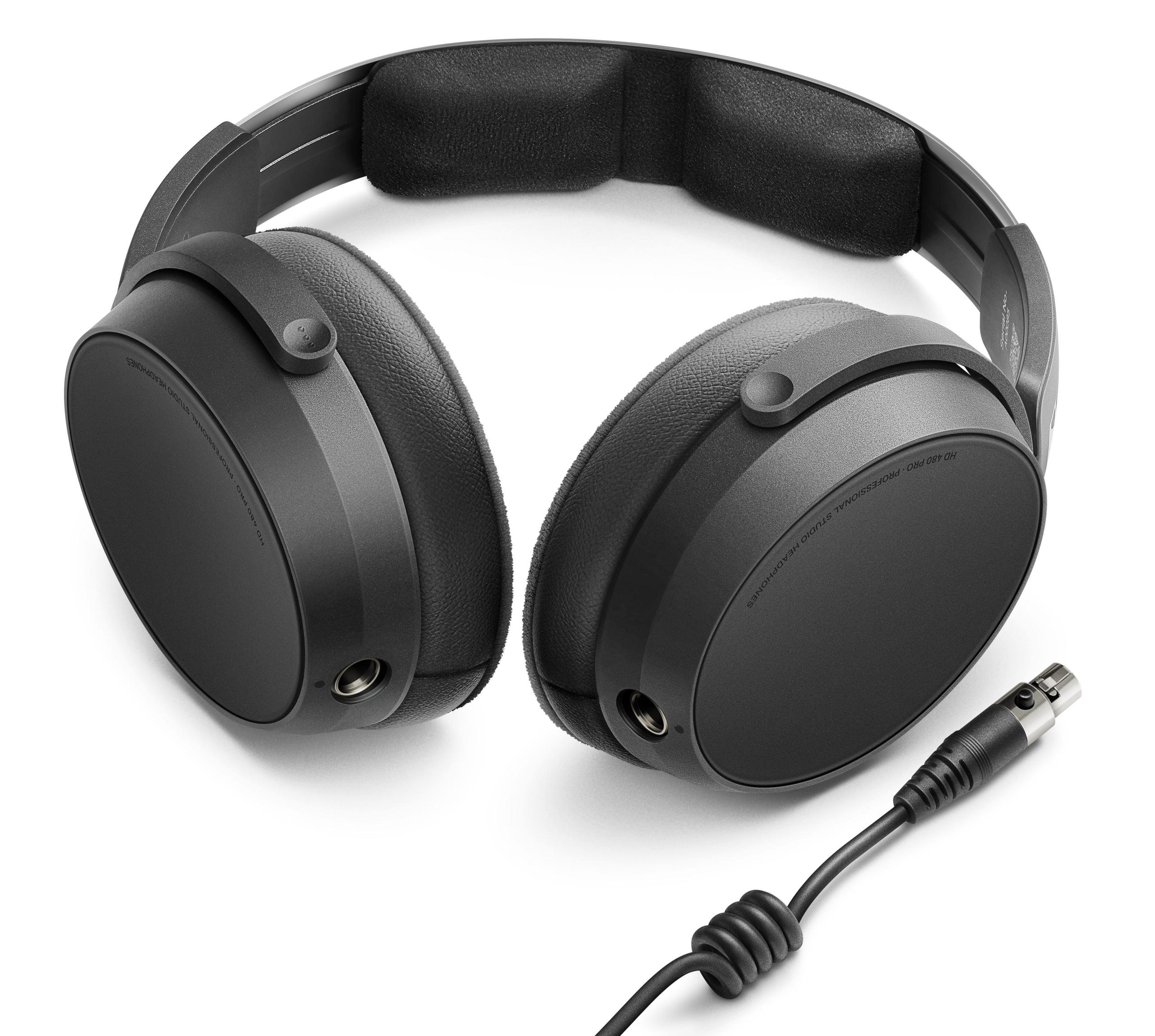
The HD 480 PRO uses 38mm dynamic drivers with neodymium magnets and lightweight voice coils. That’s fairly standard on paper, but the bigger focus is on controlling unwanted noise and vibration.
Sennheiser is using a few different approaches to get there:
That last one is more useful than it might sound. In a studio, cables brushing against a desk or gear can send vibrations straight into your ears. Sennheiser’s design tries to cut that off before it becomes a distraction.
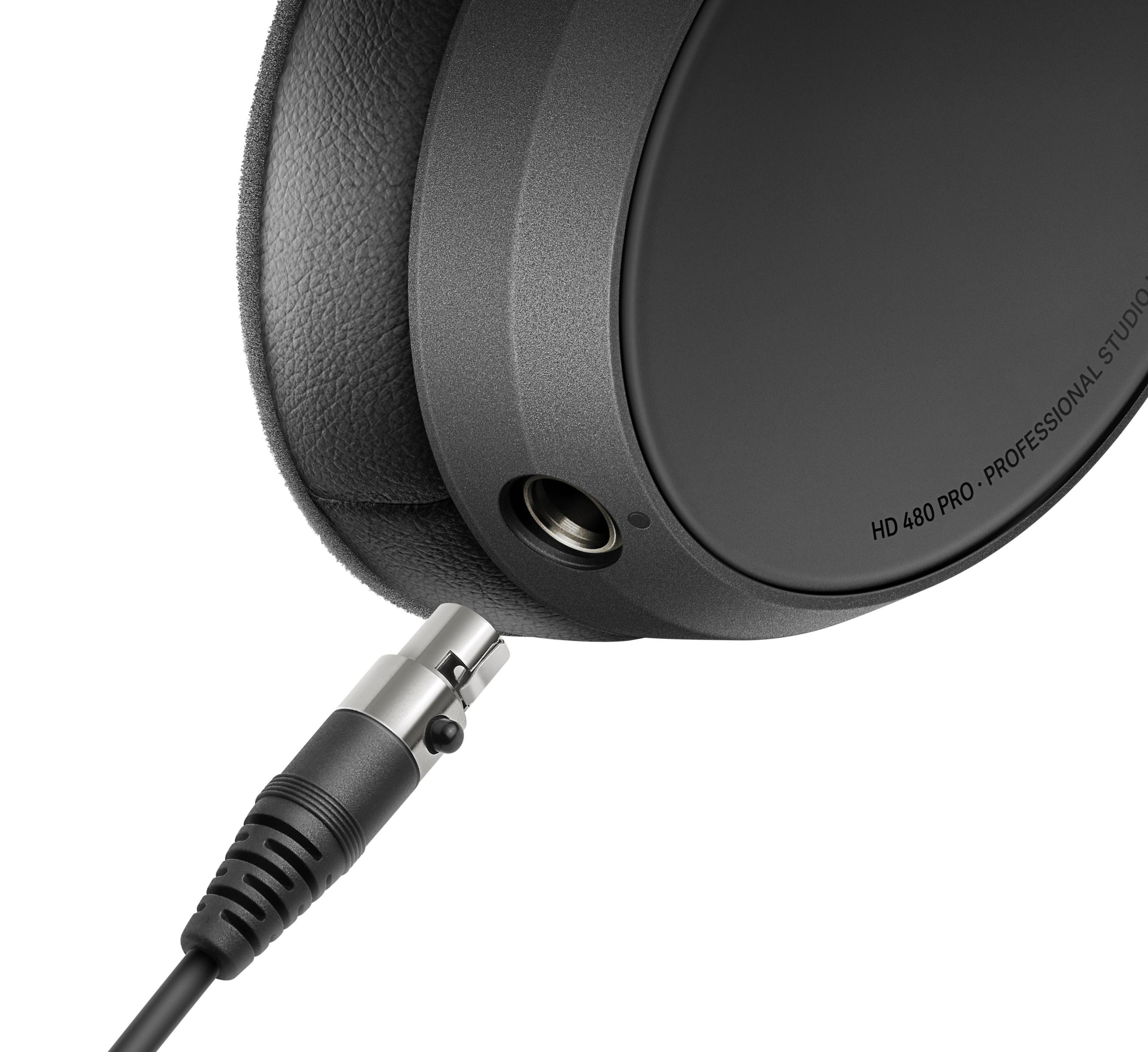
There are also some practical touches that make more sense in a studio than in everyday use:
Nothing flashy, but all of it feels intentional.
Sennheiser is clearly leaning into comfort here, and for good reason. A headphone that sounds right but feels wrong doesn’t last long in a real workflow.
The HD 480 PRO uses a design that aims to keep pressure more evenly distributed across different head shapes. The goal isn’t just comfort, but also consistency. A stable fit helps maintain a proper seal, which directly affects bass response.
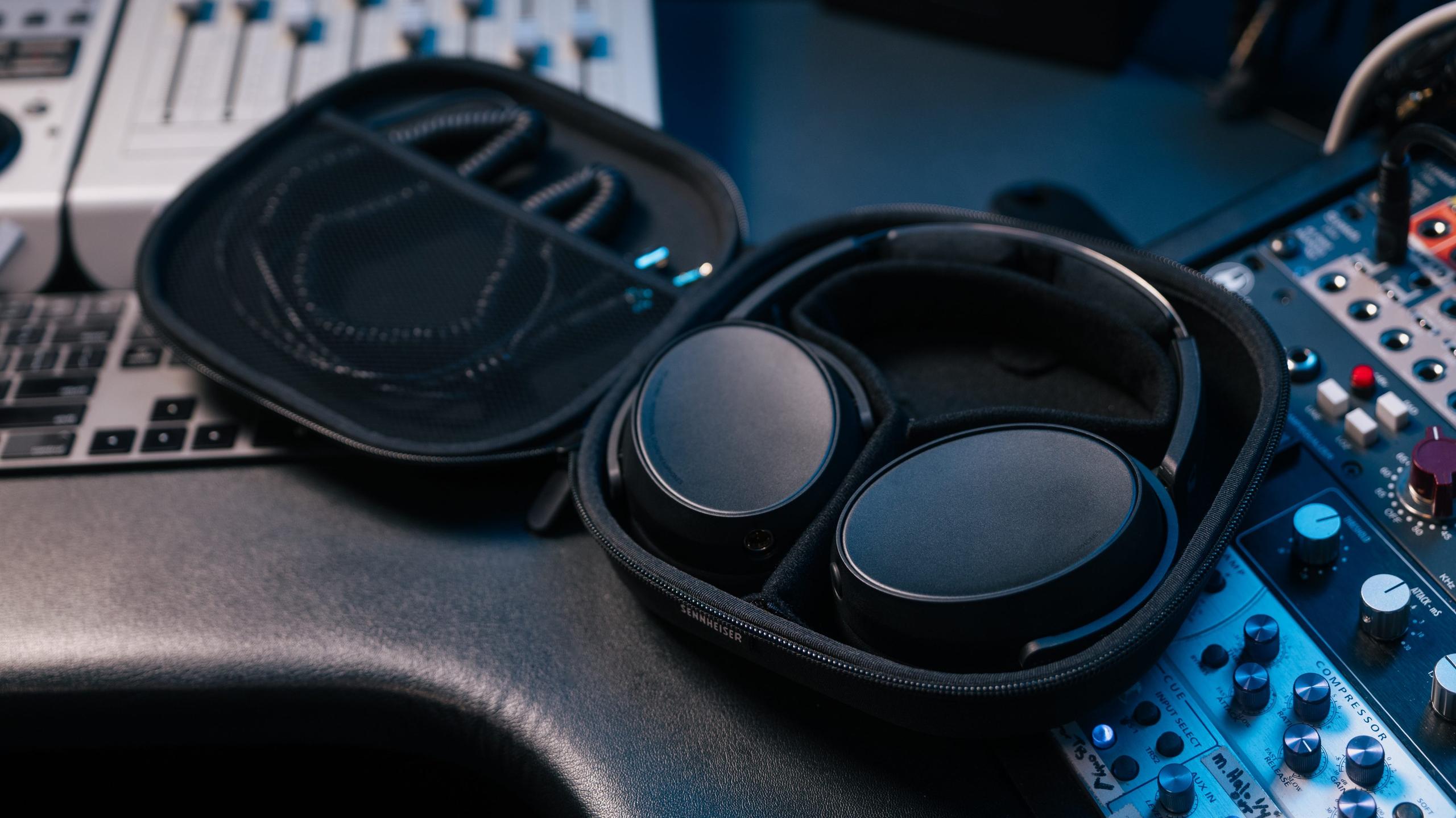
There’s also a small but important detail for glasses wearers. The ear pads include a soft groove around the temple area, which helps maintain that seal without adding pressure. That’s one of those features that sounds minor until you’ve dealt with the alternative.
The closest comparison is Sennheiser’s own Sennheiser HD 490 PRO ($429 at Amazon), which uses an open-back design.
The difference comes down to how and where you work:

Sennheiser is also positioning the HD 480 PRO as flexible enough to handle some mixing duties, which isn’t always the case for closed-back models. The goal seems to be one headphone that can cover more situations, especially when isolation is required.
“Our developers have been working painstakingly to bring the sound of the closed HD 480 PRO as closely as possible to that of the open HD 490 PRO. Which model is the better choice for you really depends on how you work,” explains Gunnar Dirks. “The open HD 490 PRO will be ideal for mixing in quiet environments, while I would recommend the closed HD 480 PRO for applications where you need isolation, for example when you’re tracking vocals in the room, when monitoring or using them as an FoH reference, or simply when you’re working in the same space as others.”
Technical Specifications:

The HD 480 PRO is priced at $479, and there’s also an HD 480 PRO Plus version at $519 that swaps the carrying bag for a travel case.
In the box, you get:
Additional accessories like replacement pads and different cable options are expected to be available separately.
There’s no wireless mode here, no app, and no extra features aimed at casual listeners. That’s intentional. The HD 480 PRO sticks to a wired-only design and keeps the focus on core performance.
That also means it’s not trying to appeal to everyone. This is a headphone built for people who need isolation, consistency, and long-term comfort in a working environment.
For that audience, the question isn’t whether it has the latest features, but whether it helps you make better decisions and stay comfortable while doing it.
Related Reading:




Privacy Policy
Terms and Conditions - Affiliate Policy
Home Security
© Copyright 2008-2026.
11816 Inwood Rd #1211, Dallas, TX 75244