



If you’ve been trying to keep up with the latest AV gear releases, last week added several new entries to the growing list of “things I suddenly want to audition.” Manufacturers rolled out everything from high-end separates and advanced AV electronics to updated headphones and experimental audio concepts that are hard to ignore.
Below is a curated roundup of the most notable launches, offering a snapshot of the newest products that are likely to shape conversations among enthusiasts in the weeks ahead.
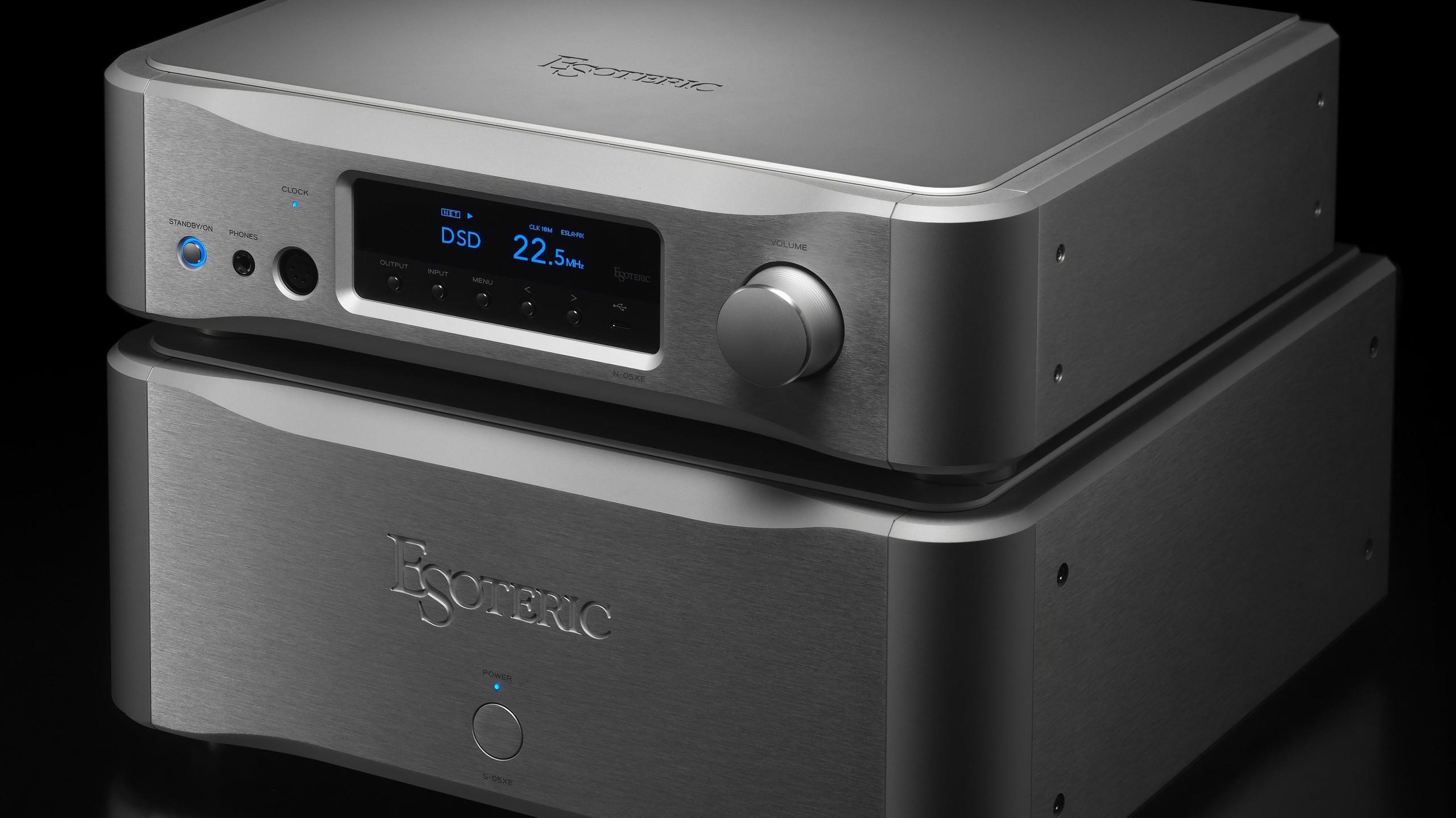
If you’ve ever looked at a giant rack of separates and wished you could get that level of performance without building a small data center in your living room, the new N-05XE and S-05XE from Esoteric will speak your language.
The N-05XE is the “everything front-end” box: it’s a network streamer, discrete DAC, fully balanced preamp, and a high-quality headphone amp all in one chassis. The idea is simple: one box handles all of your digital sources and control, and it does it with the kind of engineering you normally see spread across three or four components.
On the power side, the S-05XE is a pure Class A stereo amplifier designed to partner perfectly with the N-05XE. You get that smooth, controlled Class A presentation, but in a relatively compact, visually matched stack. For listeners who want high-end two-channel without drowning in gear, this duo looks like a very deliberate “buy these two, and you’re done” option. Read more.

The SV021 has been one of those sleeper closed-back recommendations for a while, especially if you like a warmer, more relaxed tuning and classic wooden cups. With the SV021 Pro ($179 at Amazon), SIVGA didn’t throw out what people liked; it refined it.
You’re still getting that unmistakable wood aesthetic and easygoing fit, but the Pro version brings a new 50mm aluminum diaphragm driver and a retuned sound profile aimed at adding more detail and control. This is the kind of change that doesn’t sound dramatic on a spec sheet but can make all the difference in day-to-day listening.
If you loved the idea of the original SV021 but wanted a slightly cleaner, more resolving take on the same vibe, something that moves a bit closer to “do-it-all daily driver,” the SV021 Pro looks like exactly that evolution. Read more.

The JLab Blue XL might be the most ridiculous thing launched last week, and I say that with affection. These are “headphones” the way a monster truck is a “car.” They look like over-ear cans that’ve been hit with an enlarge tool, but in practice they’re more like a pair of Bluetooth speakers you wear or prop up.
Each side houses a big driver and passive radiator, and instead of aiming for isolation, the Blue XL is basically designed to blast sound outward. Think dorm rooms, tailgates, park hangs, anywhere you want music but don’t necessarily want to pass a speaker around. Battery life and power output are surprisingly legit for something this goofy, and the price is down in fun-impulse territory rather than “serious investment.”
Are they for critical listening? Absolutely not. Are they a conversation starter that also happens to play music loudly? Very much yes. This is joyfully unnecessary hardware, and that’s half the fun. Read more.
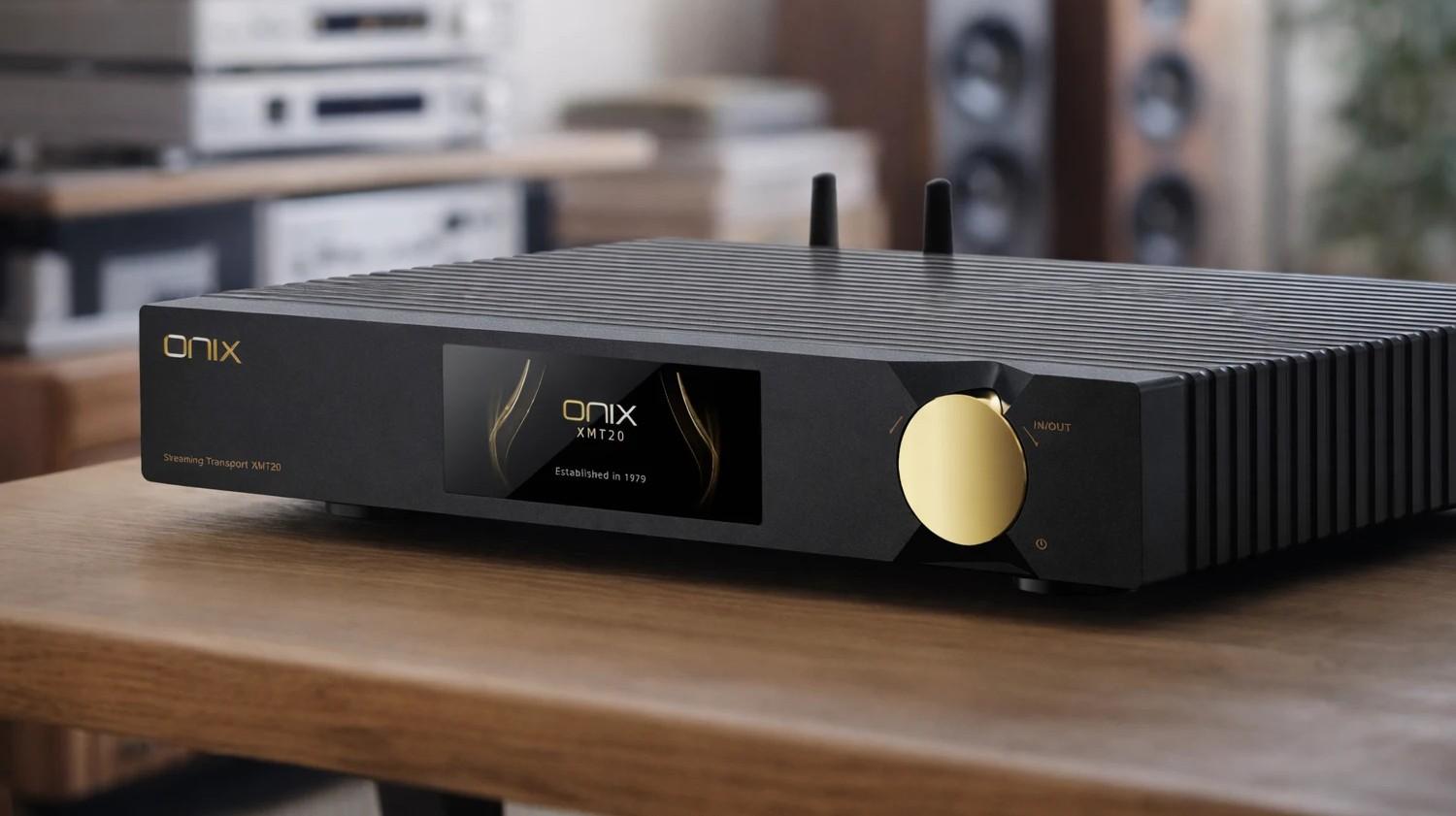
On the more nerdy, system-builder side of things, the ONIX Zenith XMT20 is a streamer transport for people who already own a DAC they’re committed to and don’t want an all-in-one box to replace it.
It handles a bit of everything: Roon Ready, TIDAL Connect, Qobuz Connect, DLNA, AirPlay 2, and network playback from NAS. On top of that, it supports local files via USB storage and an internal M.2 NVMe slot, plus CD playback and ripping when you hook up a compatible USB disc drive. That’s a lot of consolidation in a single digital front-end.
The output options are just as flexible: you get the usual optical and coaxial plus BNC, AES/EBU, USB, and I²S over HDMI, with high-res PCM and DSD support on the more advanced paths. If your ideal setup is “one digital brain feeding the DAC of my choice,” the XMT20 is exactly that brain. Read more.

On the gaming side, the ROG Kithara ($299 at Amazon) might be the first product from ASUS Republic of Gamers that makes me think, “Yeah, that’s not just ‘good for a gaming headset’, that might just be good, period.”
Instead of the usual closed-back, bass-boosted approach, the Kithara goes open-back and leans on big planar magnetic drivers developed with HIFIMAN. That alone tells you this is aimed at people who care about imaging, detail, and actual fidelity, not just rumble and explosions.
The frequency response runs crazy wide on paper, and you get a proper boom mic with full-band coverage for voice, plus a cable system that includes balanced 4.4mm and standard 3.5/6.3mm plugs. At its price, it’s positioned right between enthusiast gaming headsets and entry-level audiophile planars, which is exactly the overlap it’s trying to serve.
If you game in a quiet room and want one headset that can do “serious listening” and “ranked sweaty FPS,” this is one of the more convincing attempts I’ve seen. Read more.
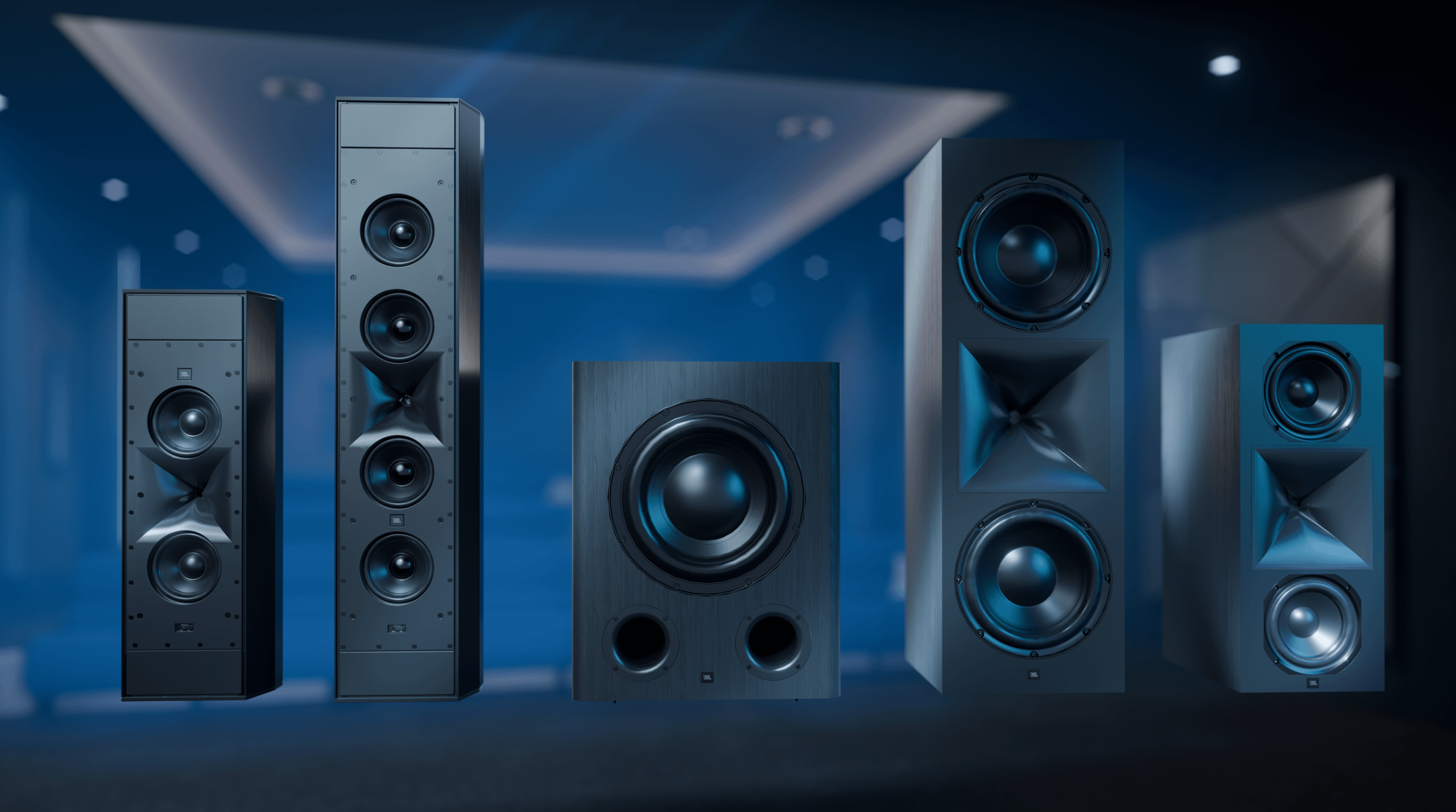
On the home theater side, JBL Synthesis basically said, “What if we updated the whole ecosystem at once?” The result: nine new SCL-series speakers plus three electronics components designed to work together as a coherent system.
On the speaker front, there are new in-wall heavy-hitters, more compact in-room/on-wall options, and a powered subwoofer that’s clearly built to anchor serious home cinema rooms. On the electronics side, you get a high-channel-count processor with all the modern immersive formats and Dirac room correction, a slightly scaled-back sibling processor, and a receiver with built-in Class G amplification.
None of this is aimed at the casual soundbar crowd. This is custom-install and dedicated-room territory, systems where someone is actually counting channels, running multiple subs, and chasing seamless bed and height layers. If you’ve been dreaming about a fully integrated, top-to-bottom theater system, this launch is the kind of thing you build a room around. Read more.
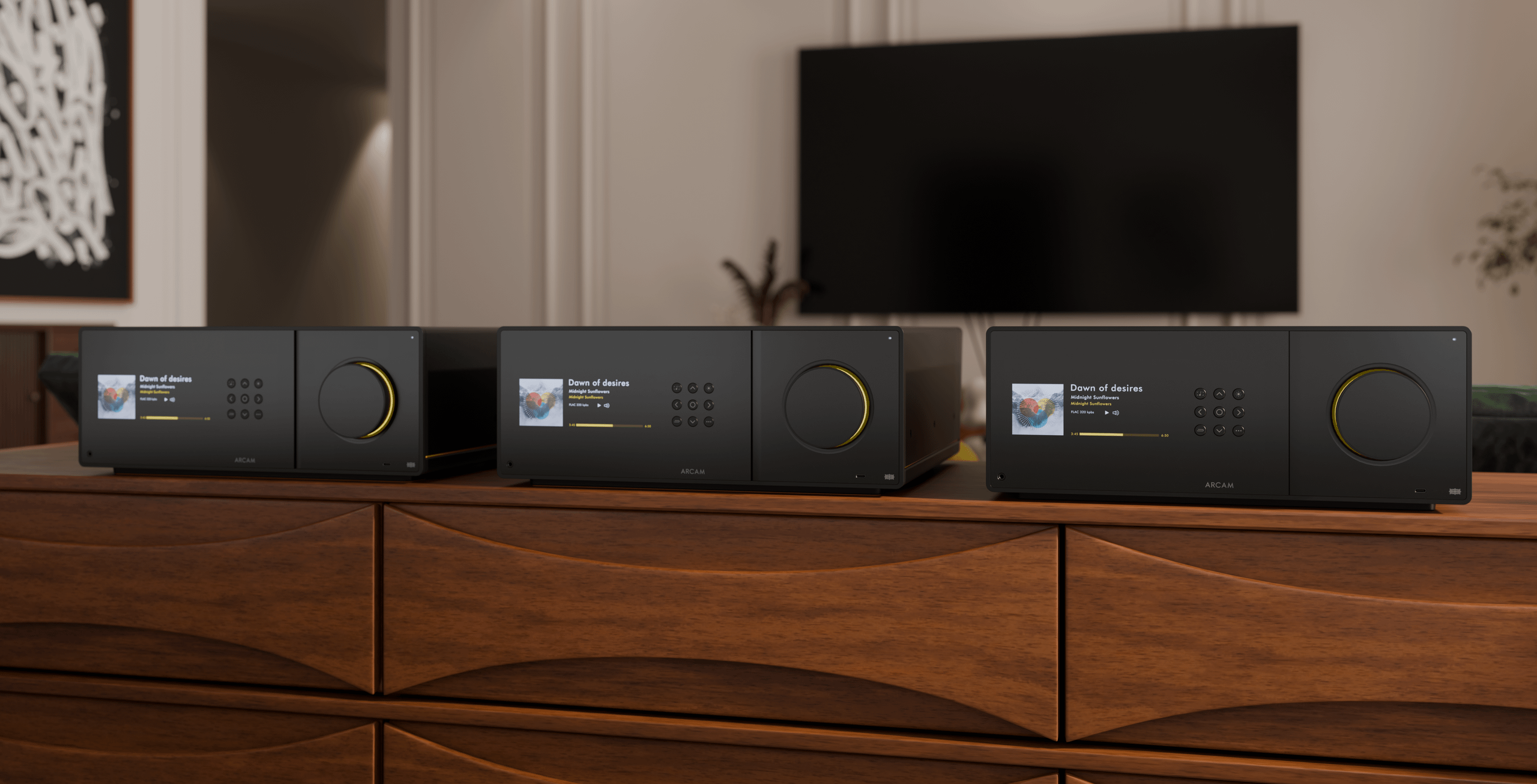
If JBL’s news was all about speakers plus brains, Arcam’s big AV announcement was very much about the “brains” side. The new Radia AV line brings three AV receivers, a 16-channel processor, and two power amps into the same family.
All the current buzzwords are there: 8K HDMI support, modern immersive formats, and Dirac ART for room correction. But what I like is the way the range is structured. You can start with an AV receiver if you want a clean, all-in-one box, or go processor + dedicated amps if you’re chasing more channels, more power, or both.
It feels like a lineup designed to let you scale up over time. Start with a receiver, add an external power amp for the front stage later, and eventually graduate to a full separates system without leaving the ecosystem. For upgraders who don’t want to start from scratch every time, that matters. Read more.
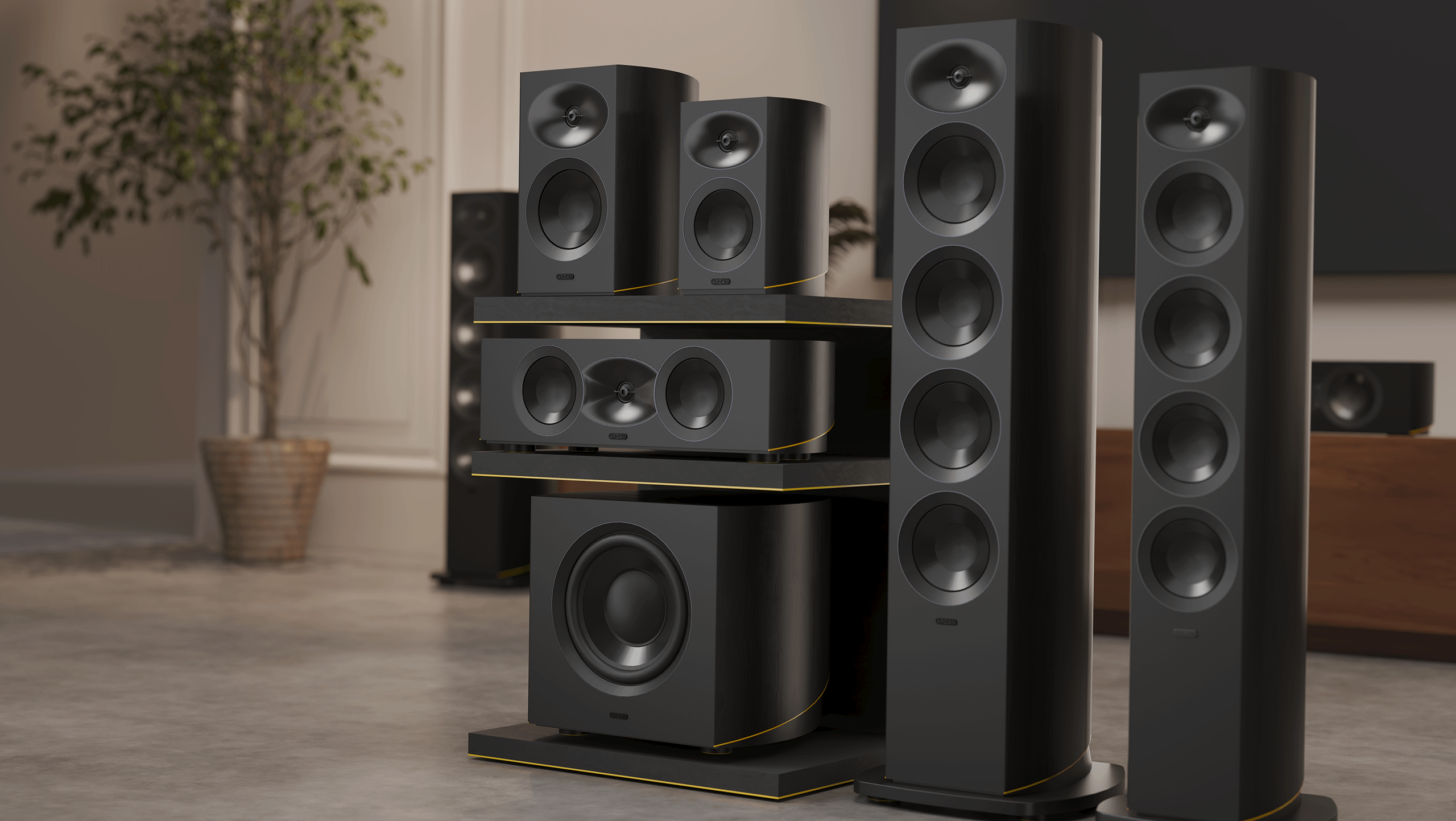
To go with those AV electronics, Arcam also rolled out a complete Radia speaker family: compact bookshelves, a center channel, two sizes of floorstanders, and a powered subwoofer. The goal is obvious—give people a one-brand path from electronics to speakers that’s voiced to work together.
The speakers share a common design language and driver tech: aluminum dome tweeters with special coatings and waveguides, plus Micro Ceramic Composite mid/bass drivers sized appropriately for each model. The subwoofer brings real power to the party, with a beefy driver and serious onboard amplification to keep up with the larger Radia towers and home theater use.
If you like the idea of picking an ecosystem and sticking with it, one look, one tuning philosophy, one upgrade path, this Radia speaker lineup finally gives Arcam’s electronics a natural speaker partner. Read more.
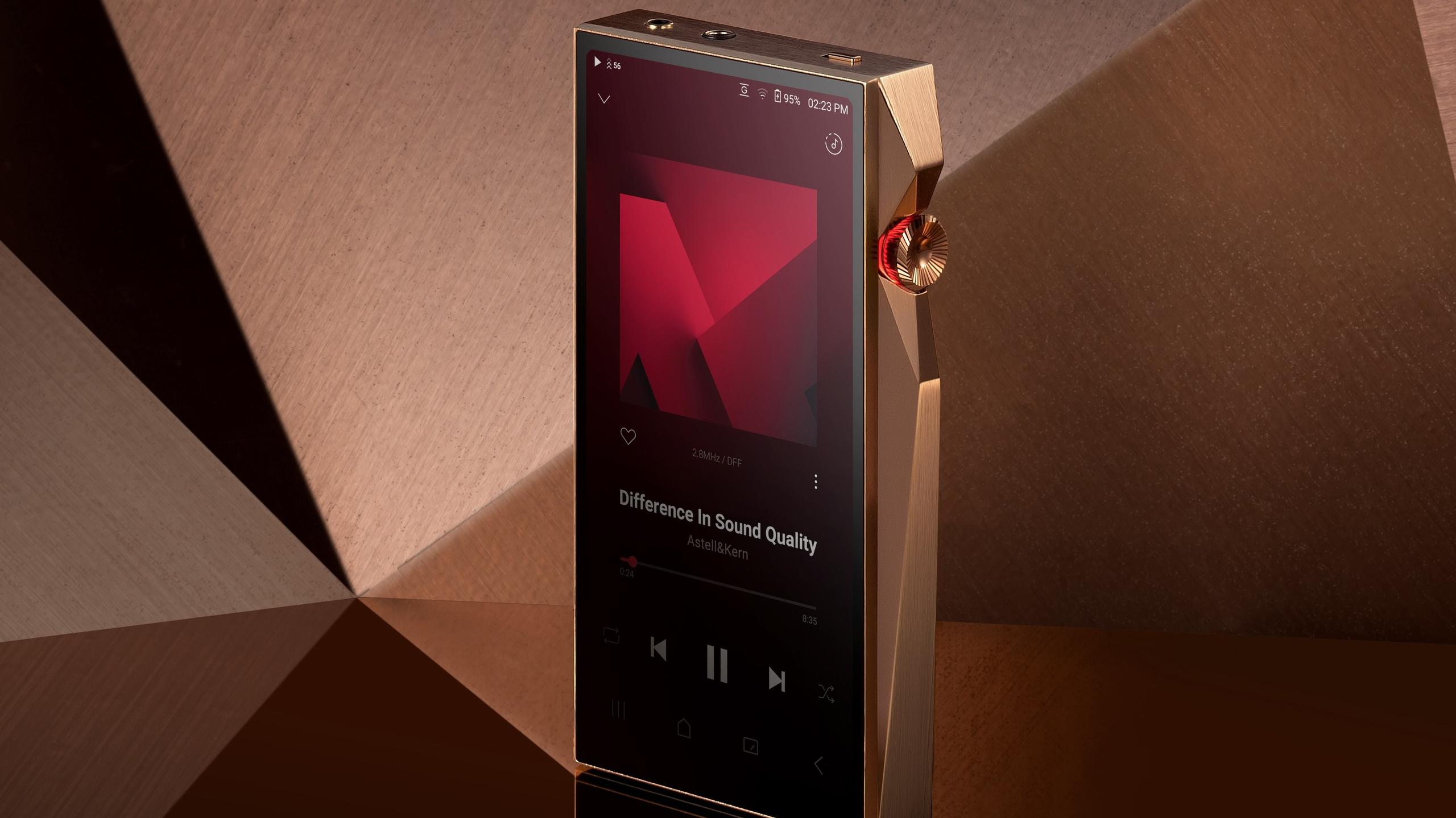
On the portable front, Astell&Kern dropped a new version of its flagship A&ultima SP4000, this time wrapped in 99.98% pure copper. Under the hood, it’s the same top-of-the-line player: quad-DAC architecture, support for ultra-high-res PCM and DSD, and the usual roster of wired and wireless output options.
The copper body is doing a few things at once, changing the aesthetics, adding weight and heft in the hand, and (depending on where you land on the materials-matter debate) potentially influencing vibration and shielding characteristics. It also leans hard into the “luxury object” side of portable audio, especially when you pair it with the matching leather valet case A&K announced alongside it.
Is it going to make sense for most people? Of course not. But as a statement piece for enthusiasts who treat their portable rigs like jewelry they also listen to, this Copper edition is exactly the kind of thing that keeps that segment of the hobby interesting. Read more.





Privacy Policy
Terms and Conditions - Affiliate Policy
Home Security
© Copyright 2008-2026.
11816 Inwood Rd #1211, Dallas, TX 75244