

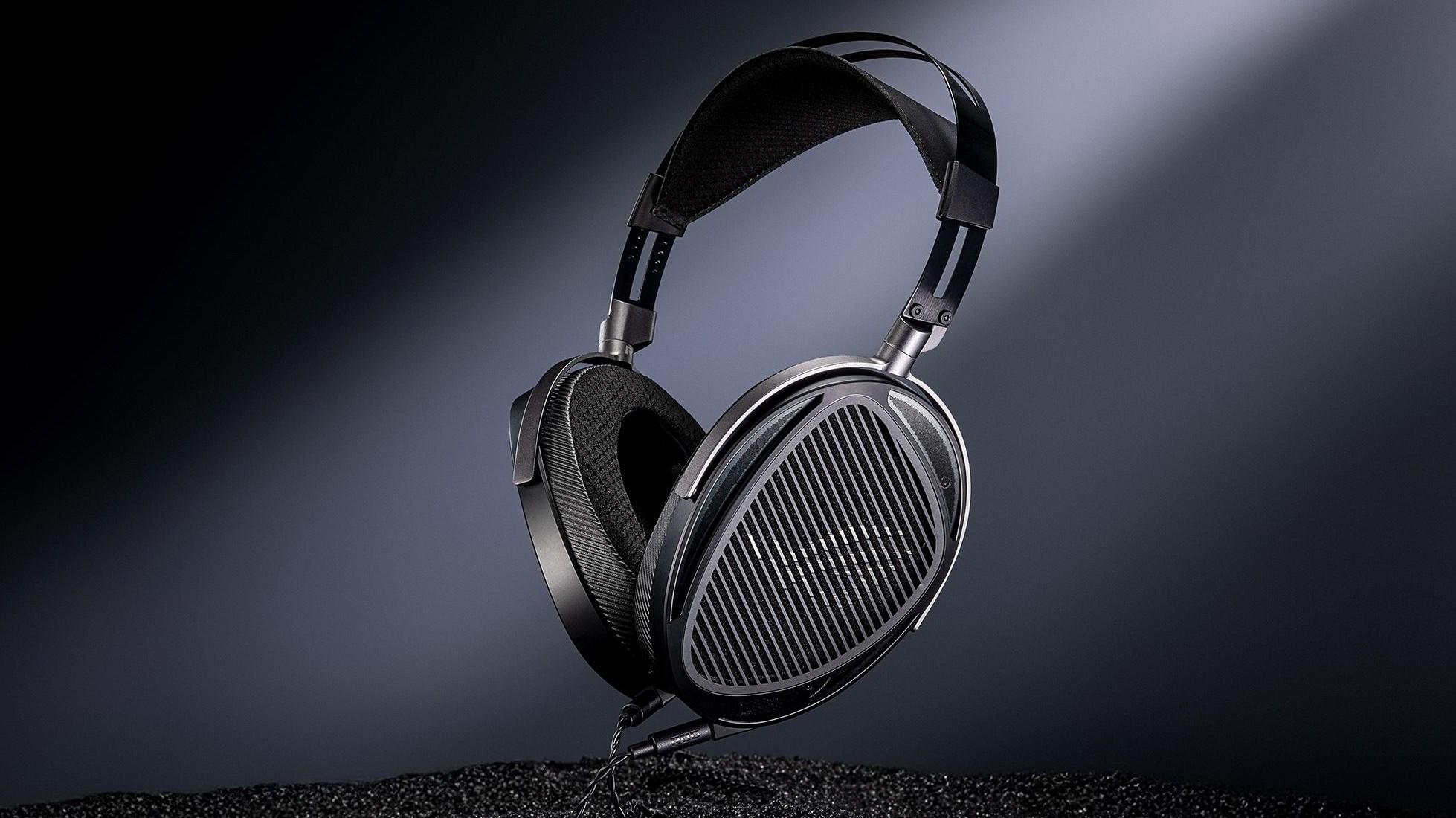
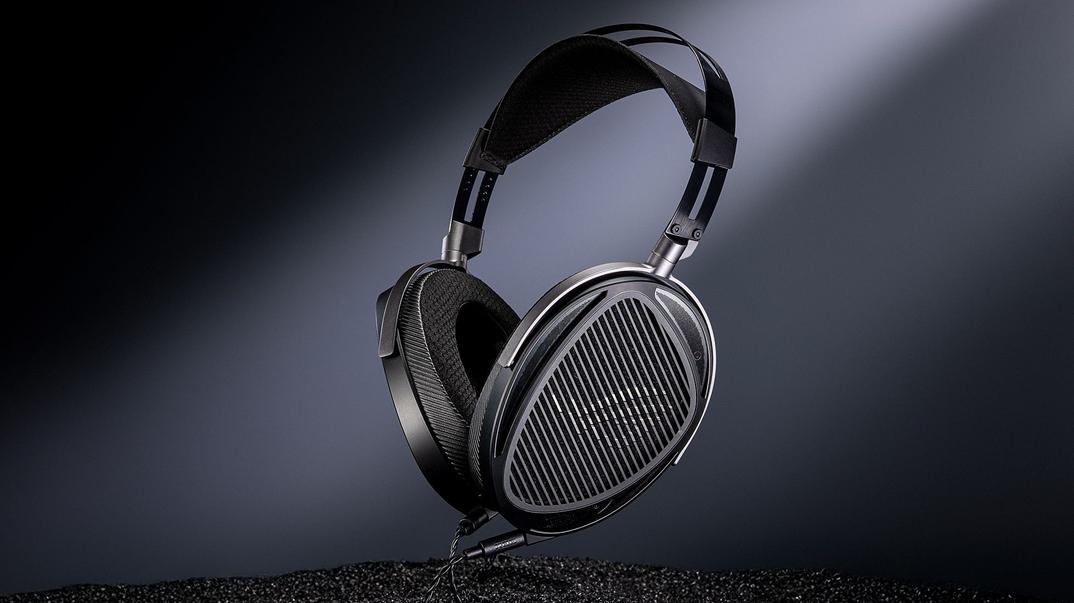
ASUS Republic of Gamers is jumping into new territory with the ROG Kithara, a gaming headset that blends audiophile-style sound with competitive gaming needs. It’s the first ROG headset to feature planar magnetic drivers, and it’s designed in collaboration with HIFIMAN, a name that’ll be familiar to anyone who’s ever shopped for high-end headphones.
So, what’s the big deal here? In short, the Kithara aims to give you a more detailed, spacious, and accurate sound experience while you game. Whether you're hunting footsteps in a competitive shooter or just vibing to your favorite game soundtrack, this headset is built to give you more than the usual thump and boom.
Most gaming headsets use dynamic drivers, which get the job done, but they’re not always precise. Planar magnetic drivers, like the custom 100mm ones inside the Kithara, work differently. Instead of pushing sound from a single point, they move a large, flat diaphragm evenly across the surface. That translates into clearer, more accurate sound with much lower distortion, especially when it comes to picking out fine details.
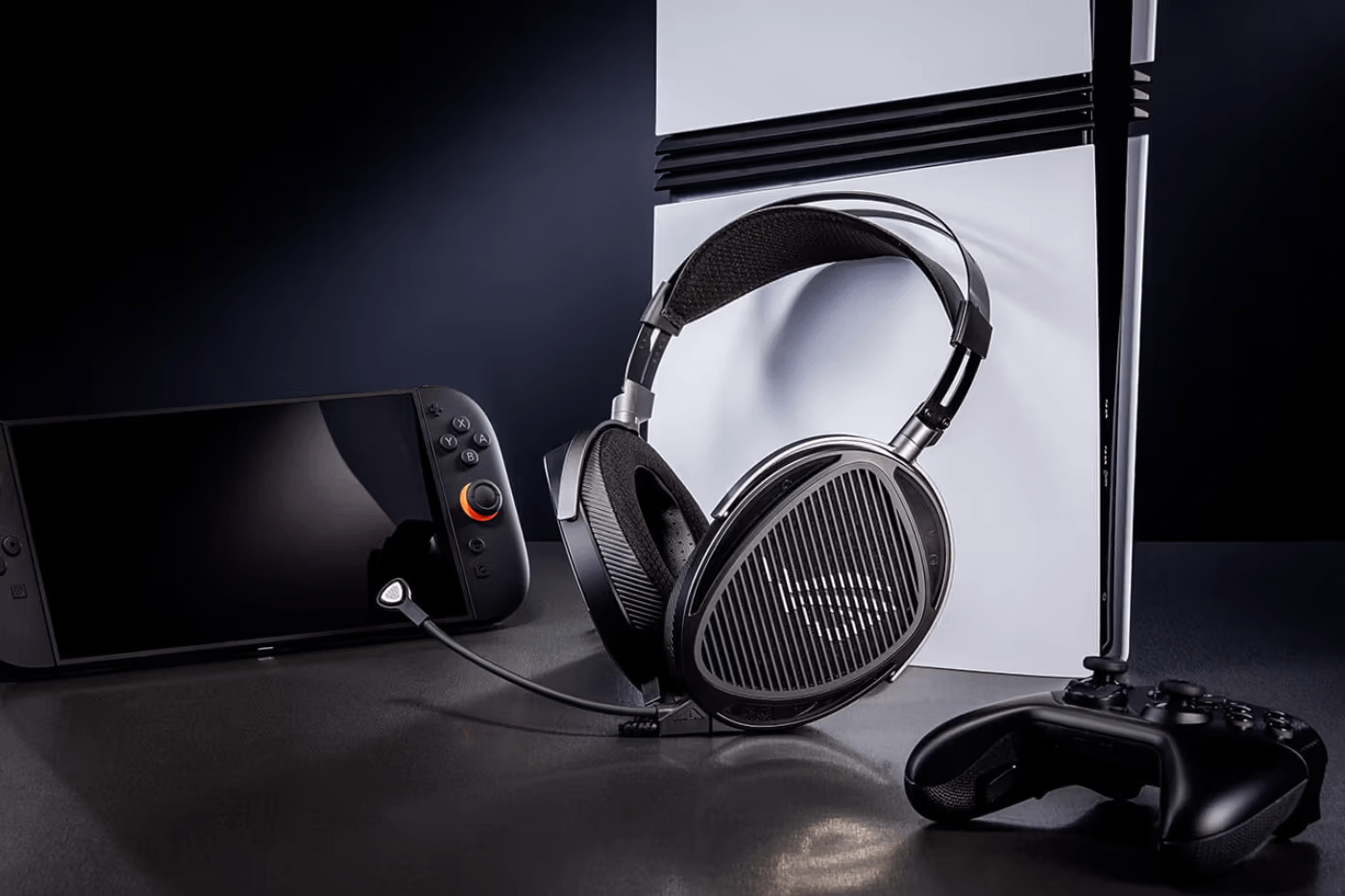
You’re also getting a massive frequency range here, 8Hz to 55kHz. That’s way beyond what human ears can hear, but the idea is to capture the subtleties in games that most headsets might miss. Tiny cues like distant reloads, the rustle of movement, or the direction of approaching footsteps come through more clearly, something that’s especially useful in competitive play.
Here’s where things get interesting. Instead of the usual closed-back design that most gaming headsets use, the ROG Kithara is open-back. That means sound flows more freely in and out of the earcups, which creates a much wider and more natural soundstage. It's the kind of setup you usually find in high-end home audio gear.
In practice, this makes the game world sound bigger and more immersive. You’ll be able to pinpoint sounds more precisely and enjoy a more “open” feel, like sitting in a room with real speakers instead of having sound pumped straight into your ears.
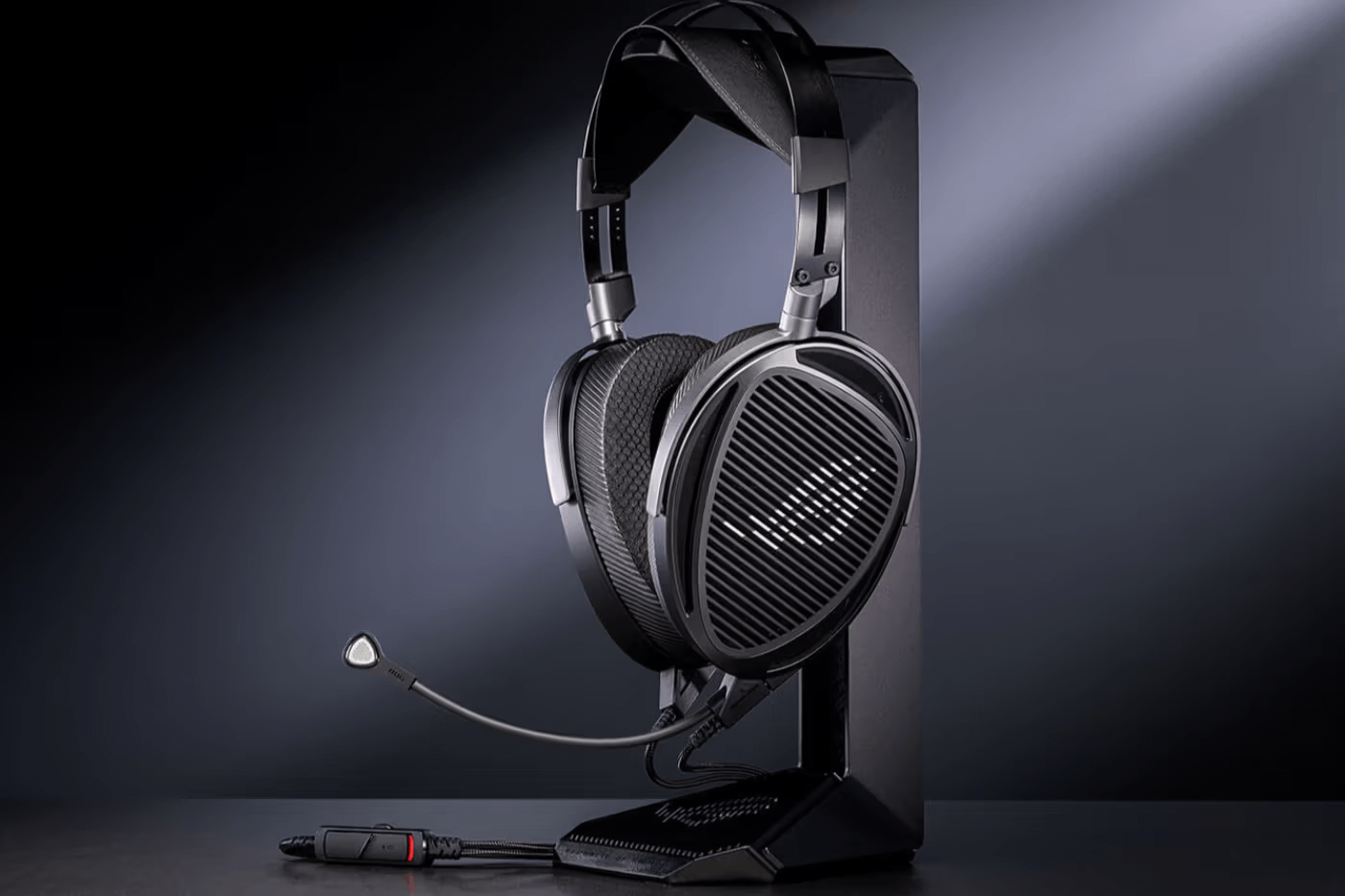
The trade-off? Open-back headsets leak sound both in and out. If you’re gaming in a quiet room and want the most realistic audio possible, this is great. But if you’re in a noisy environment or need to keep your sound to yourself, it might not be the best fit.
The Kithara doesn’t skimp on voice chat. It includes an on-cable MEMS boom microphone, which covers the full 20Hz–20kHz frequency range and uses separate signal paths for mic and audio to cut down on crosstalk. Translation: your teammates will hear you clearly, even when the game gets chaotic.
MEMS mics are smaller and often more reliable than traditional condenser mics, and ASUS says the one on the Kithara keeps distortion low and voice quality high. If you spend a lot of time in multiplayer matches or Discord calls, this is a meaningful upgrade from the usual gaming mic.
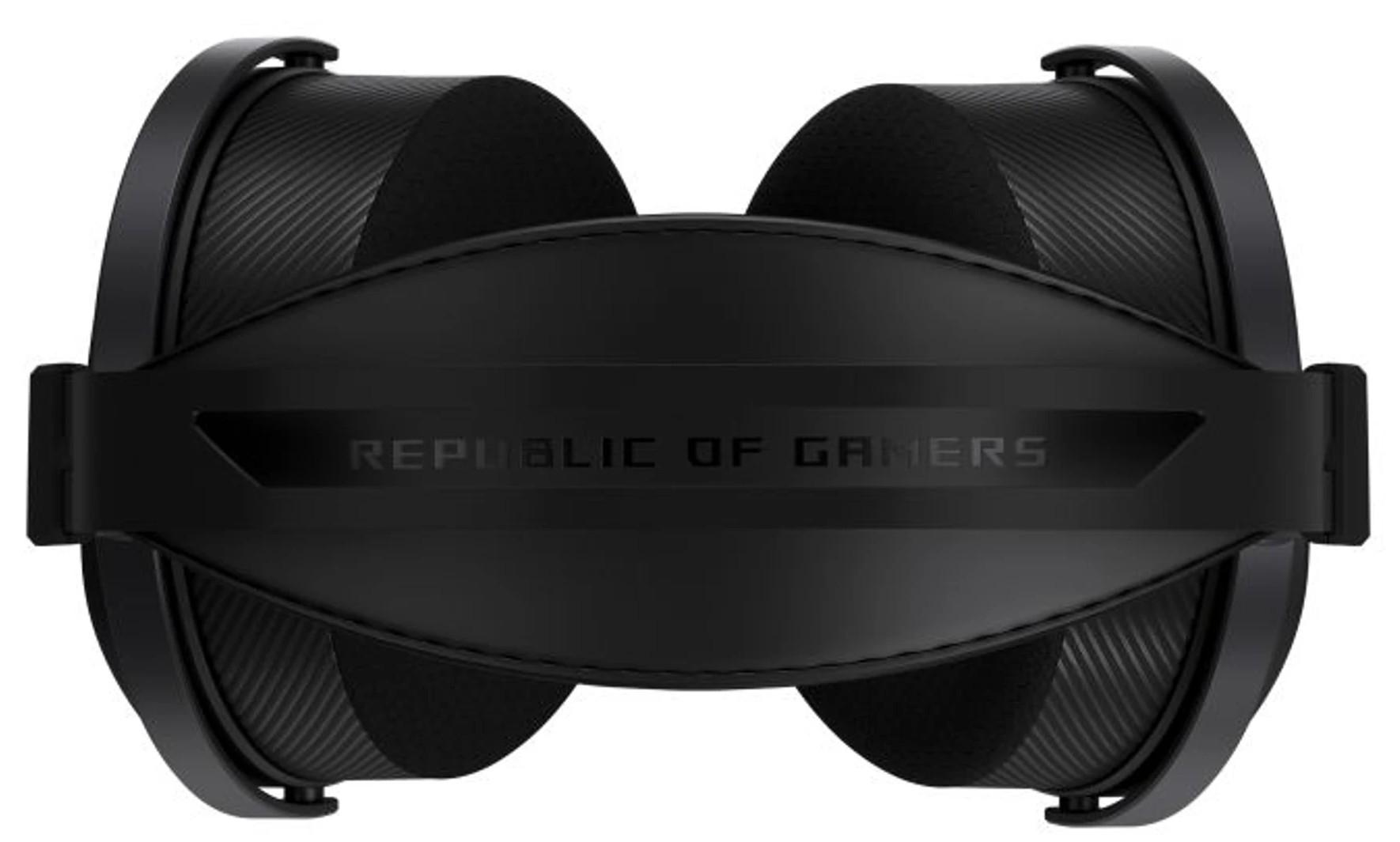
One cool feature is the swappable cable system. The Kithara ships with a balanced 4.4mm cable (great for hi-fi gear), plus 3.5mm and 6.3mm plugs that work with just about anything, PCs, consoles, DACs, amps, even phones and tablets. A USB-C to dual 3.5mm adapter is also in the box for newer laptops and mobile setups.
And with a low 16-ohm impedance, you don’t need a powerful headphone amp to get good sound. You can plug the Kithara into a standard gaming rig or console and still enjoy its full potential.
Comfort matters, especially when you’re wearing a headset for hours. The Kithara has a metal frame with eight levels of adjustment, a cushioned headband, and two sets of ear pads (leatherette with fabric or velour) so you can choose the fit and feel that works best for you.
The open-back design also helps keep your ears cool by allowing airflow, a nice bonus if you’re gaming during long sessions or in a warm room.
Technical Specifications:
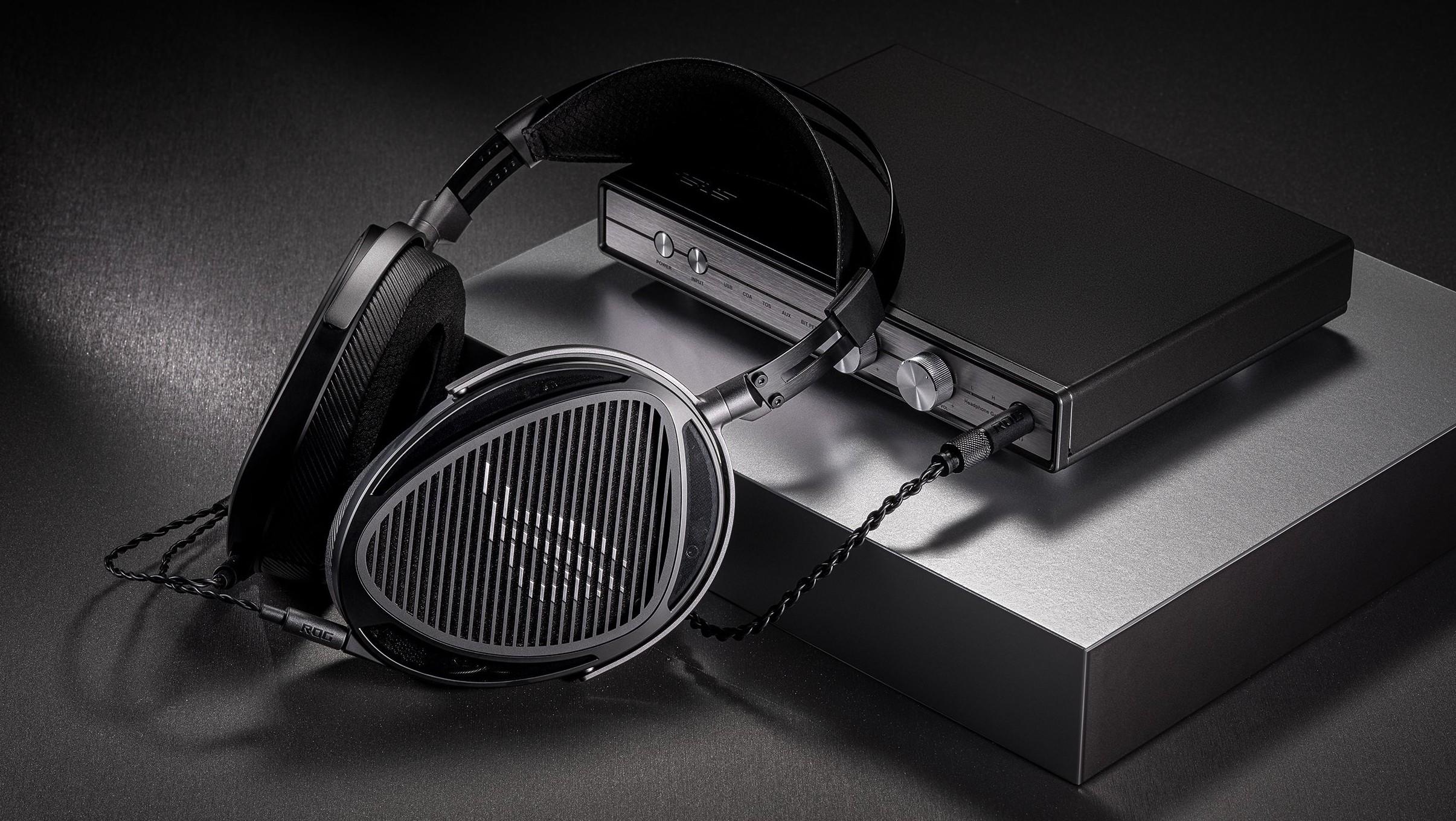
At $299.99 at Amazon, the Kithara sits in a space that’s above most mainstream gaming headsets but below flagship audiophile gear. Its most direct competition probably comes from the likes of Audeze’s Maxwell 2, which also features planar magnetic tech. But what ASUS is offering here is a little more tailored to gamers, especially those who want great audio without going full audiophile.
It’s also flexible enough to double as a music and media headset. The neutral tuning and wide soundstage make it just as suitable for movies and playlists as it is for boss fights.
The ROG Kithara is for gamers who care about sound quality, not just loud explosions and bass drops, but detail, realism, and accuracy. If you’ve been tempted by planar magnetic headphones before but didn’t want to give up your mic or gaming functionality, this headset strikes a smart balance.
It’s not ideal if you game in loud environments or share space with others who don’t want to hear your game audio. But if you’ve got a quiet setup and want to level up your audio without diving into the deep end of hi-fi gear, the Kithara brings something genuinely different to the table.
Related Reading:




Privacy Policy
Terms and Conditions - Affiliate Policy
Home Security
© Copyright 2008-2026.
11816 Inwood Rd #1211, Dallas, TX 75244