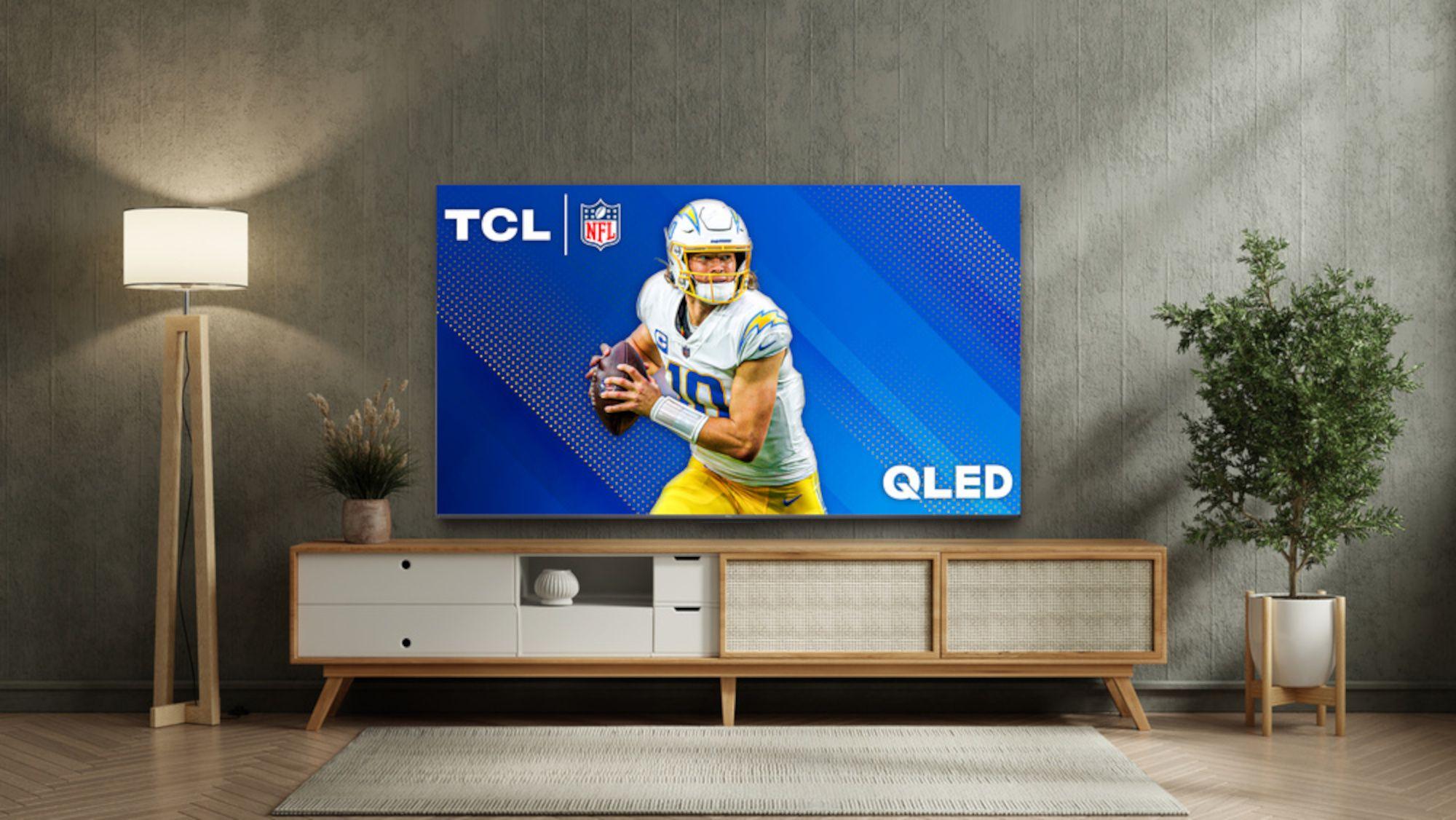
TCL has been told by a German court to stop advertising some of its TVs as QLED models, after Samsung argued that the company’s marketing overstated what those sets were actually doing. The ruling, handed down by the District Court of Munich I, centers on a pretty simple question that turns out to be surprisingly messy in practice: when can a TV legitimately be called “QLED”?
According to Korea Times, the court found that TCL’s German subsidiary violated the country’s unfair competition law by marketing certain TVs — including models in the QLED870 series — as QLED sets even though they did not deliver the kind of color performance consumers would reasonably expect from that label.
That matters because “QLED” is not just a random bit of branding. For many shoppers, it suggests a TV that uses quantum dot technology to improve color reproduction and brightness over a standard LED set. Simply said, when people see that label, they expect richer, more accurate color.
The court’s issue with TCL appears to be the way the company implemented that technology. TCL reportedly argued that these TVs qualified as QLED because they used quantum dot particles on diffusion plates. But the court said that setup did not provide the expected color improvement, making the advertising misleading.
As a result, TCL’s German arm can no longer advertise or sell those models, and potentially other TVs using the same approach, as QLED in Germany.
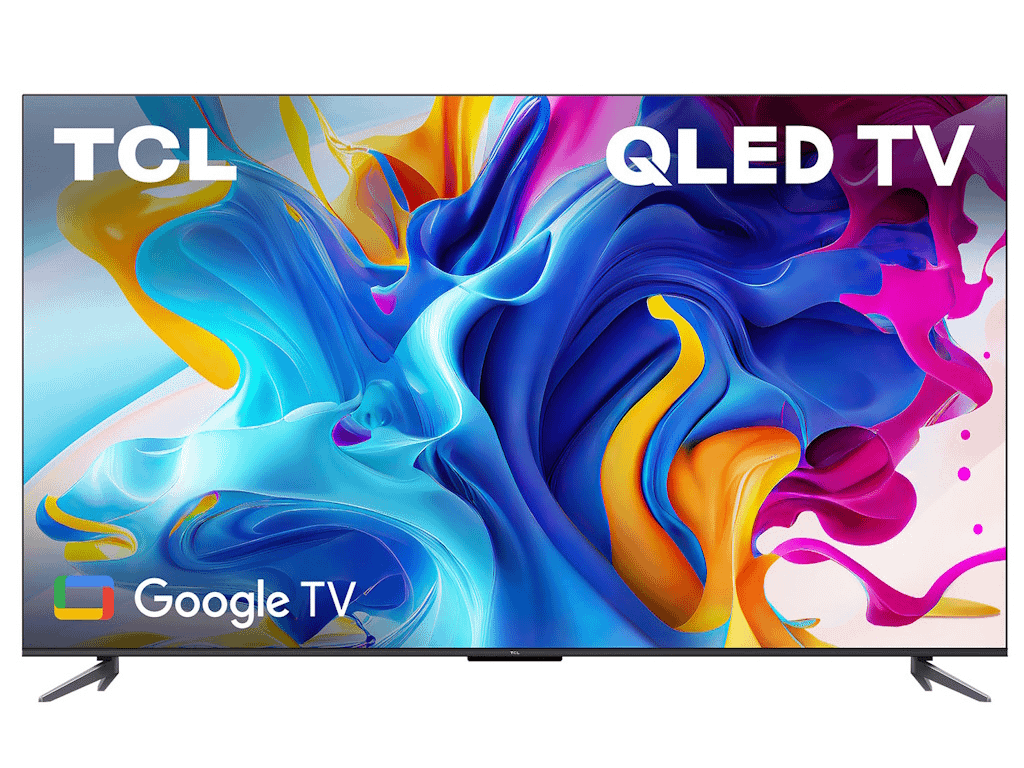
For Samsung, this is a meaningful win in a market where TV makers lean heavily on technical buzzwords to stand out on crowded store shelves. And for TCL, it is more than just a one-country legal headache. Germany is the current battleground, but it likely will not be the last.
This case is part of a broader dispute over how TCL has described some of its TV tech. Back in late 2024, Hansol Chemical, a Korean supplier of materials used in quantum dot displays, raised similar concerns. The company filed a complaint alleging that TCL had marketed certain TVs as QLED despite allegedly lacking materials widely seen as essential to genuine quantum dot implementation.
That claim fed into a larger debate over testing and definitions. Some third-party tests reportedly failed to detect key materials associated with quantum dot displays in finished TCL TVs. TCL pushed back, disputed those findings, and pointed to its own testing. So this has not been a case of one side making a claim and the other quietly accepting it. The whole thing has turned into a technical and legal tug-of-war.
And that’s where this story gets especially relevant for regular TV buyers. Most people are not standing in Best Buy asking whether a diffusion plate counts the same as a quantum dot film placed between the backlight and panel. They are looking at labels, specs, price tags, and maybe a demo loop playing a nature documentary.
That is why naming matters. Terms like LED, Mini-LED, OLED, and QLED are supposed to help shoppers understand what they are buying. But when the marketing gets ahead of the actual performance or construction, the whole thing becomes harder to trust.
This ruling also adds pressure as TCL faces more legal scrutiny elsewhere. The company is already dealing with class action lawsuits in several U.S. states over similar alleged false advertising tied to QLED TVs. Hisense has faced similar complaints as well, which suggests this may be a wider industry problem rather than a TCL-only issue.
The bigger takeaway here is not that every TCL TV is suddenly suspect or that every QLED label is meaningless. It is that courts and regulators are starting to look more closely at whether TV marketing language matches the technology inside the box.
For now, the ruling only applies in Germany. But with more cases already in motion, TCL’s fight over the QLED name may be far from over.
Related Reading:




Privacy Policy
Terms and Conditions - Affiliate Policy
Home Security
© Copyright 2008-2026.
11816 Inwood Rd #1211, Dallas, TX 75244