If CES 2026 proved anything, it's that the technology industry remains exceptionally talented at mistaking motion for momentum.
Every January, Las Vegas transforms into a cathedral of revolution—AI this, smart that, "first-ever" everything. Strip away the stage lighting and press releases, though, and you're left with something more honest: some categories are genuinely evolving, others are just loudly treading water, and a few are still hawking ideas that stopped making sense around 2015.
This year's show had plenty of ambition. What it often lacked—sometimes deliberately—was any sense of restraint.
Start with the loudest arms race on the floor: AI.
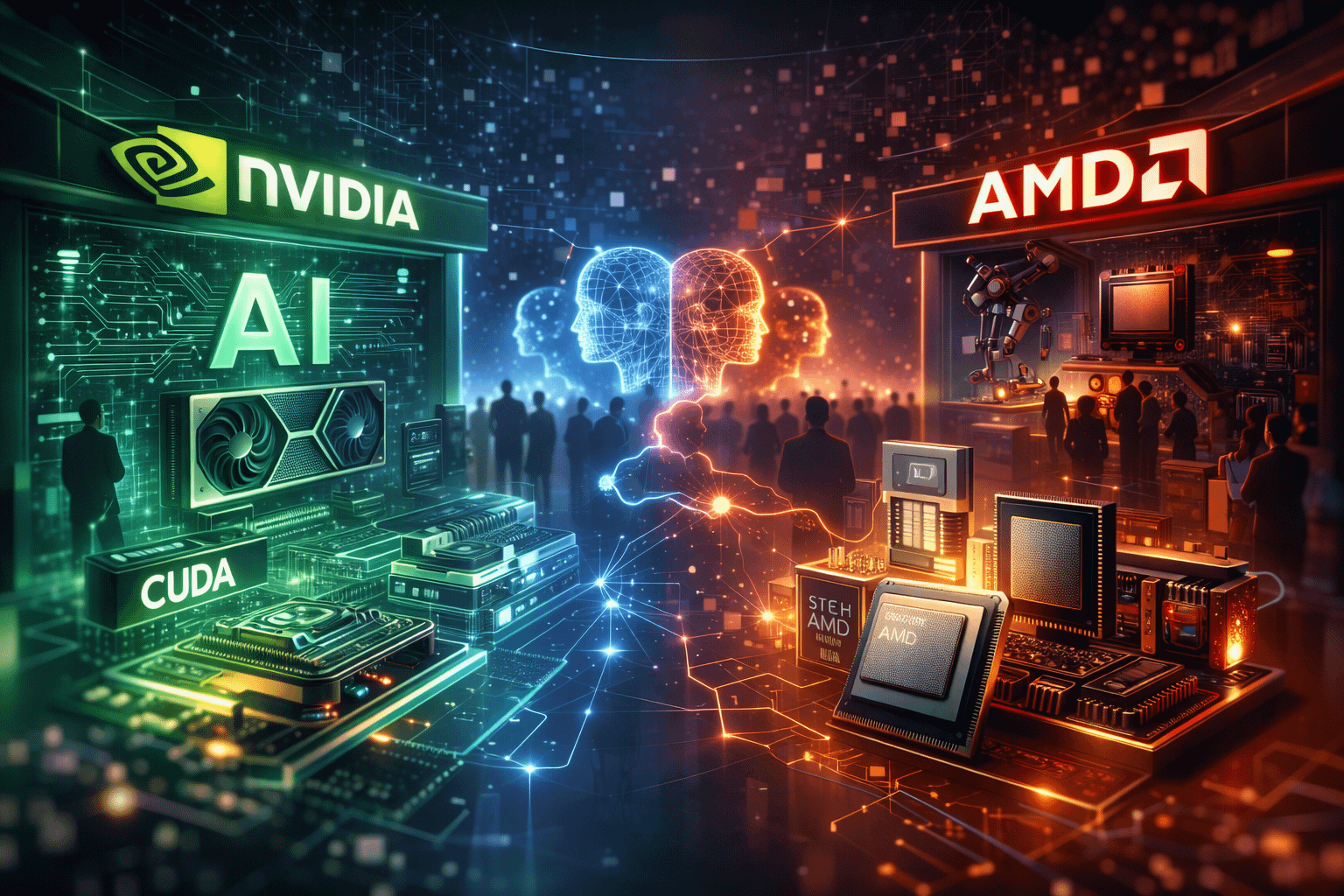
Nvidia keeps pushing its full-court press, framing AI not as a feature but as the foundation for absolutely everything—graphics, gaming, content creation, automotive, even your home entertainment workflow. Nvidia's real strength isn't the silicon, it's the gravity well they've built around it. CUDA, software tooling, partnerships—this is AI as infrastructure, not marketing.
AMD, meanwhile, is playing a cannier game than most people realize. Instead of trying to out-spectacle Nvidia, they're focusing on practical AI acceleration baked into the CPUs, GPUs, and APUs that people actually purchase and use. Less theater, more deployment.
Here's the part that matters: most consumers don't give a damn about "AI-powered" anything. They want faster, cleaner, more reliable experiences. AI only earns its keep when it vanishes into the background—noise reduction that just works, upscaling that doesn't look like garbage, automation that saves time instead of demanding a PhD to configure.
At CES 2026, Nvidia looked dominant. AMD looked sustainable. Both looked aware that AI hype without tangible payoff has already started to smell stale.
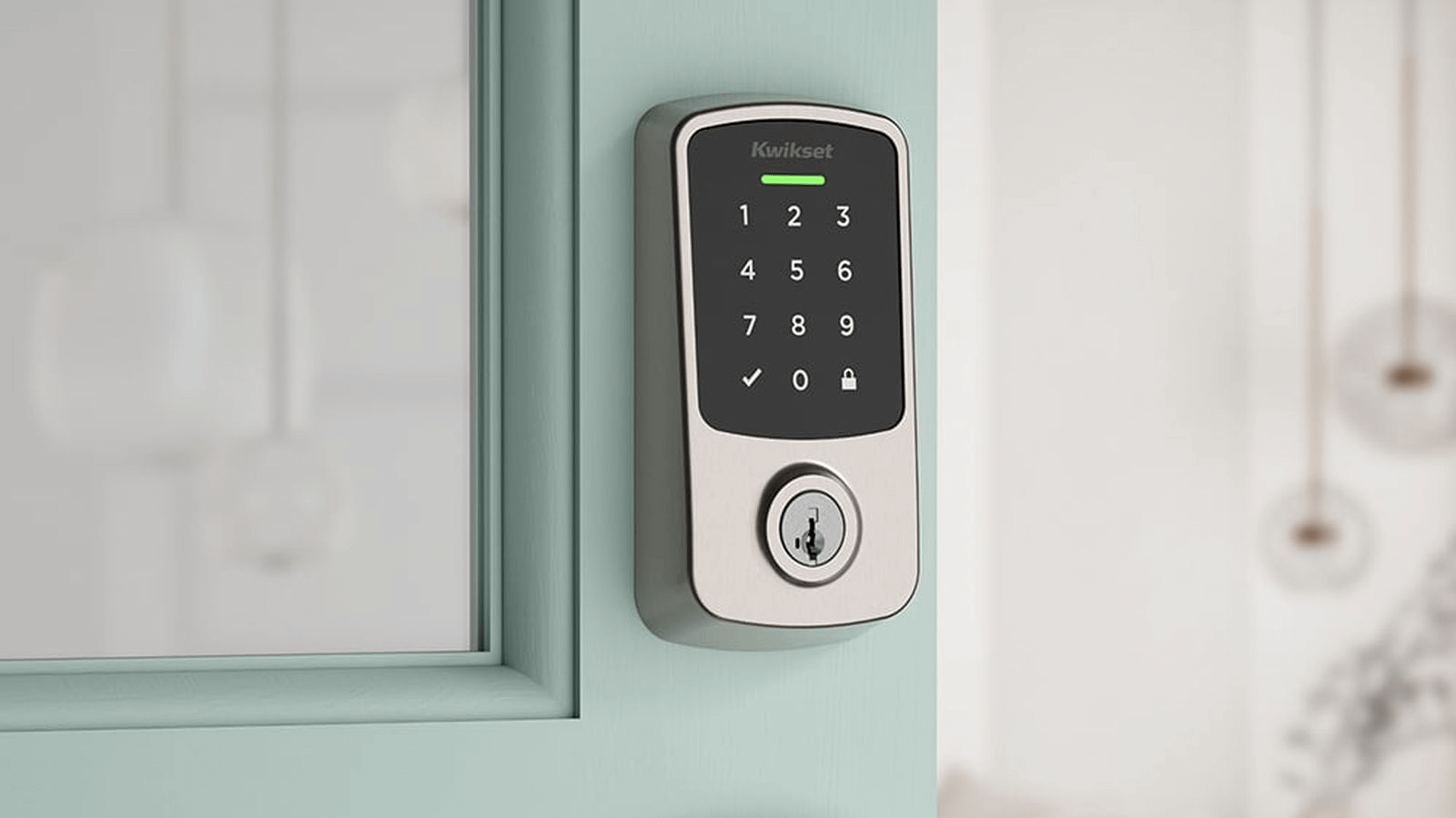
If one category felt aggressively over-engineered this year, it was smart locks.
Touchscreens everywhere. Fingerprint scanners. Facial recognition. Apps stacked on apps stacked on more apps.
And yet the smartest idea in the entire space remains the most obvious: a lock that works every single time without making you think about it. I love smart locks, but hate them.
The future of smart home technology isn't more interaction—it's less visibility. The best smart lock is the one you completely forget exists. It unlocks when it should, locks when it should, and never forces you to troubleshoot Bluetooth connectivity while you're standing on your own front porch holding groceries.
CES 2026 treated smart locks like jewelry. The real winners will be whoever treats them like plumbing.
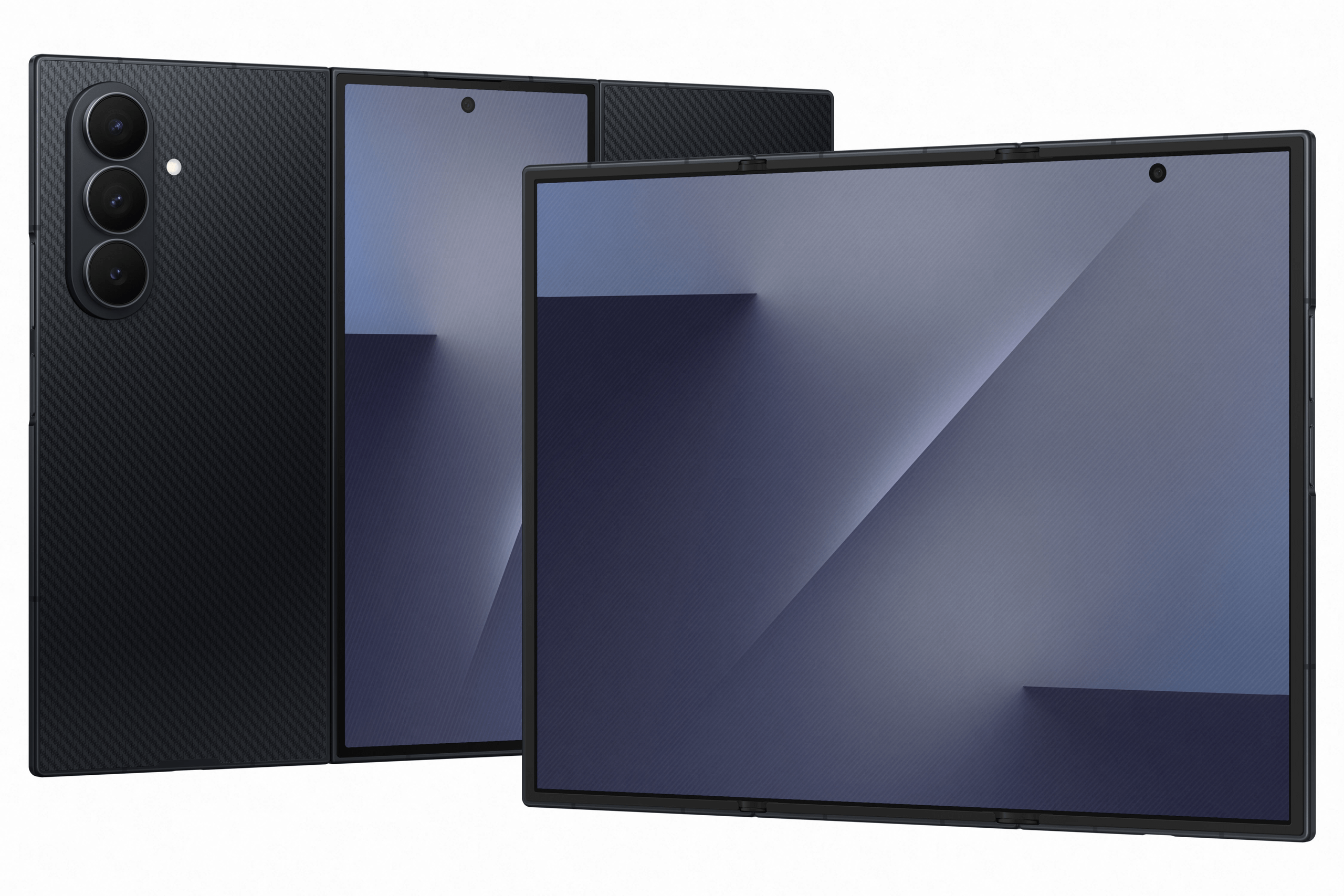
Foldable phones remain divisive, and honestly, for good reason. Durability questions, weird aspect ratios, absurd prices—none of that has exactly pushed them into the mainstream.
Still, Samsung's Galaxy Z Trifold is one of the first designs that reads less like a flex and more like a pragmatic compromise with reality.
Here's the uncomfortable part: roll-out screens never showed up. Tablets still aren't phones. And that "one device to rule them all" fantasy remains firmly in fantasy territory.
So foldables will have to do.
The trifold approach isn't elegant, but it works. It accepts that people want more screen when they need it and something pocketable when they don't. Is this the future? Maybe not. But it's a more honest bridge than pretending glass can magically ignore physics.
Mixed feelings persist—but for the first time in years, foldables didn't feel like a tech demo desperately hunting for a reason to exist.
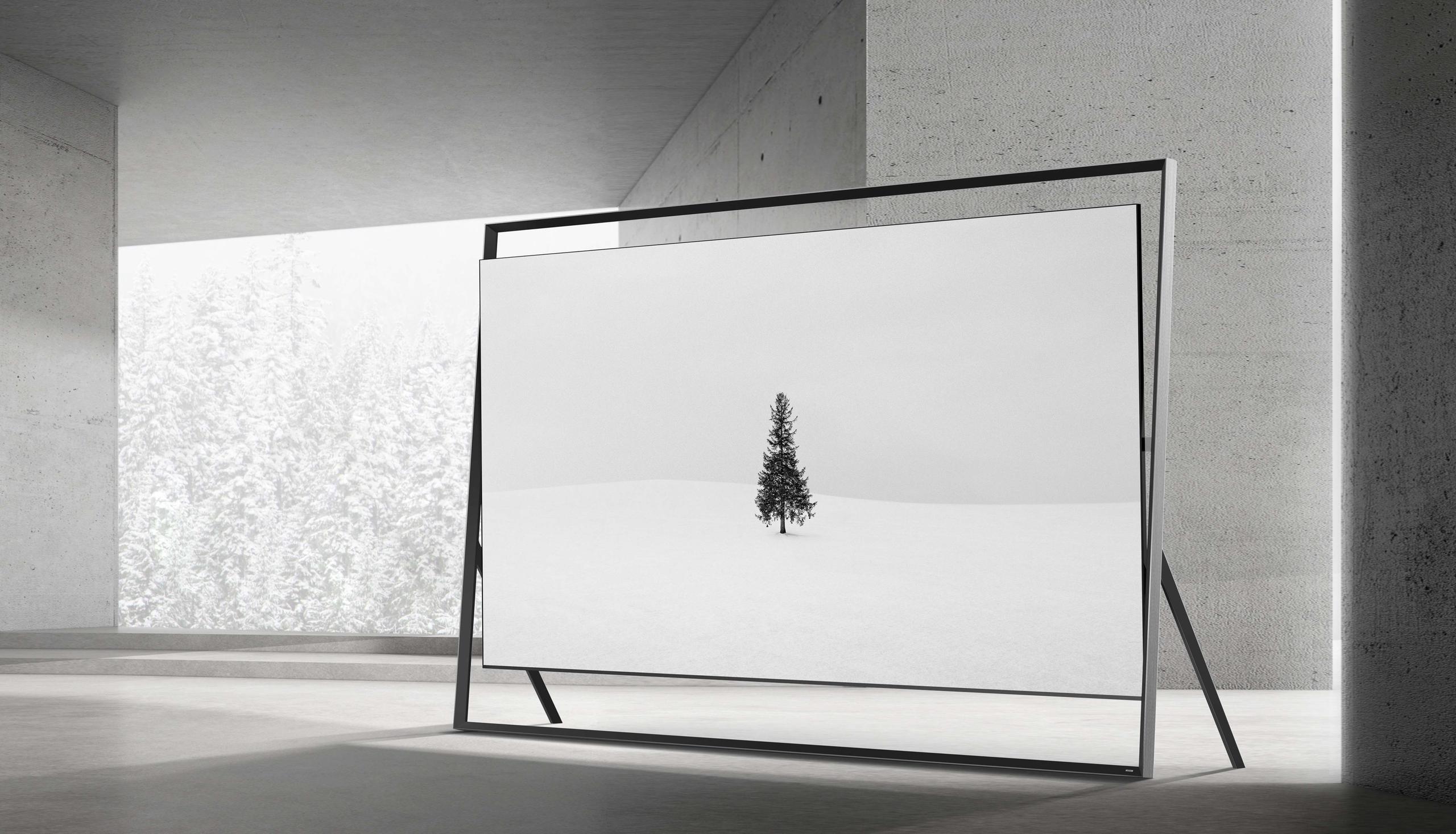
Television technology at CES exists in its own strange temporal bubble.
Every year delivers a new resolution, a new panel technology, a new acronym engineered to make last year's flagship feel ancient. And every year, the actual market just kind of shrugs.
I watched 16K demos at trade shows in the early 2010s. Fifteen years later, you still can't buy a 16K TV at Walmart. That should tell you everything about how predictive CES TV demos actually are and that has stuck with me my entire career.
Does innovation matter? Absolutely. But history keeps teaching us to approach TV announcements with skepticism and a very long calendar.
Brightness improvements matter. Better processing matters. Reliability matters. Most of what dominates headlines at CES won't matter until it's cheaper, smaller, and completely invisible to the person buying it.
CES is where TV manufacturers demonstrate what's possible. The market decides what's practical—usually years later.
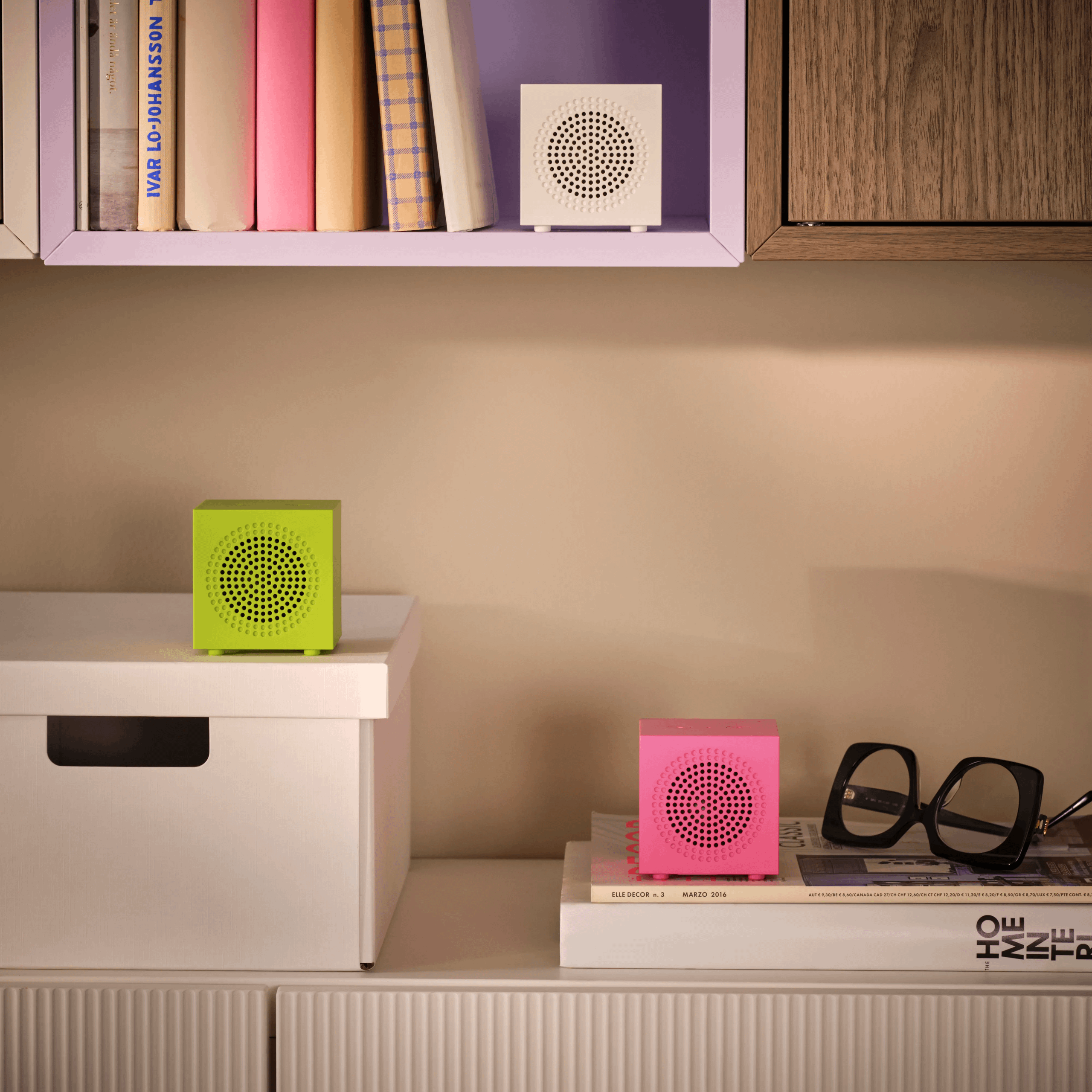
One of the most significant audio products at CES 2026 wasn't displayed in some velvet-roped listening room. No brand ambassador. No six-figure price tag.
It was IKEA's new $10 speaker.
No, it won't sound incredible.
Yes, it will sell more units than those $100,000 speakers people fantasize about.
And yes—it'll probably generate more profit, too.
This is the part of CES the industry hates discussing: accessibility wins. Good enough sound, at the right price, in the right place, beats aspirational luxury almost every single time.
High-end audio absolutely needs to exist. But pretending it defines the market is exactly how brands become irrelevant while budget products quietly colonize every household.
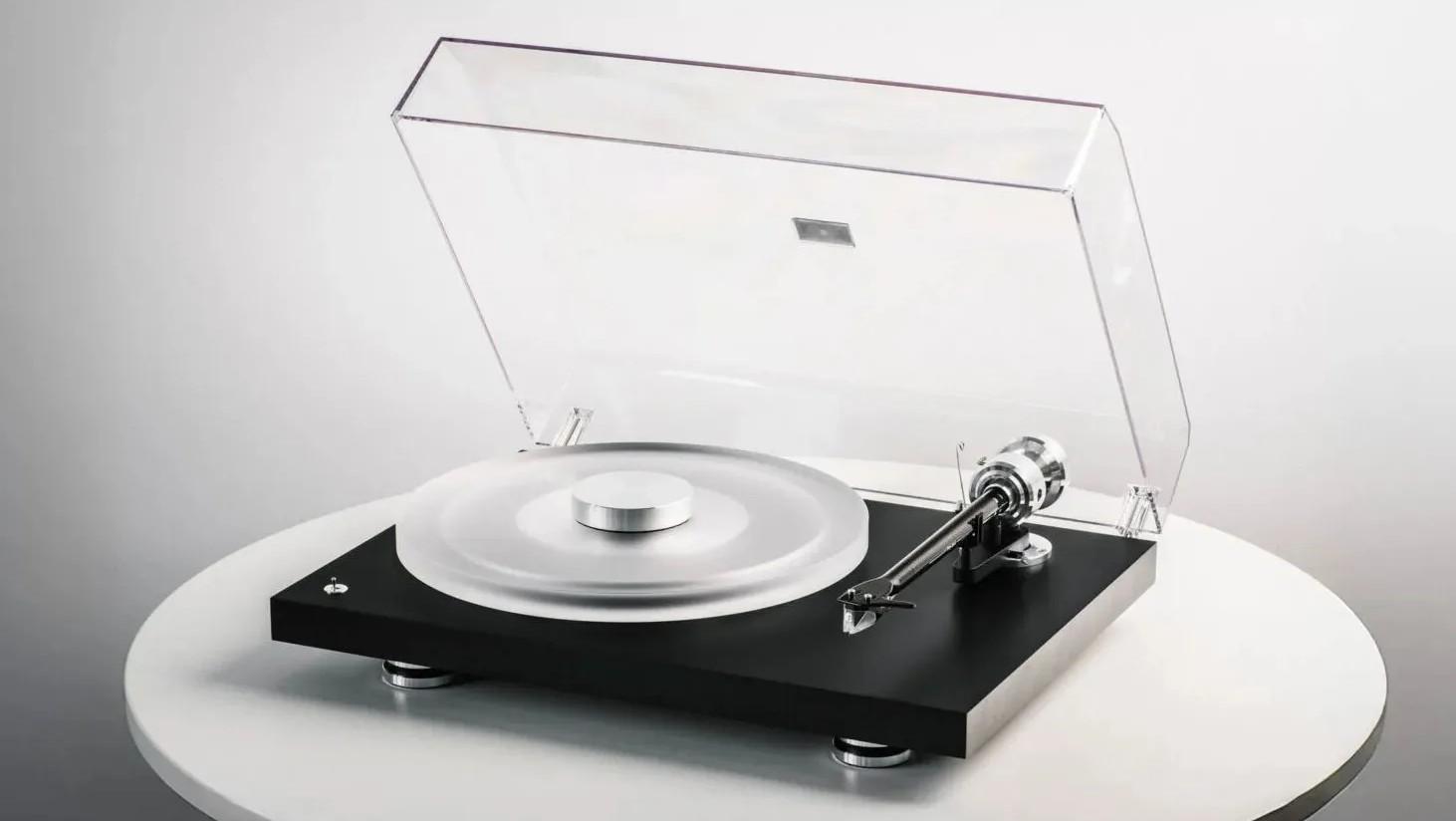
Then there's Pro-Ject Audio Systems, doing what they've done for years—making everyone else uncomfortable by delivering genuine performance without the usual audiophile theater.
The new Debut Reference 10 lands around $1,500 and broadcasts a pretty clear message: good vinyl doesn't require ritual, gatekeeping, or cables that cost more than rent.
This isn't anti-high-end. It's anti-bullshit.
Pro-Ject keeps demonstrating that you can respect analog playback without drowning it in elitism. For a hobby desperately in need of new participants, that matters infinitely more than another turntable priced like a sedan.
CES 2026 wasn't lacking ideas. It was lacking humility.
The technologies that will actually win aren't the ones demanding your attention. They're the ones that disappear into the background, solve problems elegantly, and stop requiring users to appreciate how clever they are.
AI should vanish into performance.
Smart homes should stop announcing themselves.
Audio should welcome people in, not intimidate them away.
And TVs should improve where it actually matters—not just where it generates headlines.
CES still matters. But only if we're honest about what survives past January and what actually ends up in people's homes.
And if history serves as any guide, the quiet products will outlast the loudest booths.
Related Reading:
For advertising please contact the editor at [email protected]



Privacy Policy
Terms and Conditions - Affiliate Policy
Home Security
© Copyright 2008-2026.
11816 Inwood Rd #1211, Dallas, TX 75244