

Pro-Ject just rolled out the Debut Reference 10, the most advanced model in its long-running Debut series — and at $1,499, it’s also the priciest one yet. But it’s not trying to compete with ultra-luxury turntables. Instead, it’s designed for people who are getting deeper into vinyl and want more control over how their system sounds, without stepping into the complexity or cost of Pro-Ject’s higher-end Xtension or RPM models.
The Debut line has been around since 1999, and it’s built a reputation for making quality analog gear that doesn’t require a second mortgage. This new model keeps that spirit but adds more advanced features for people who want to tinker, tweak, and dial in their setup to match their listening space or cartridge preferences.
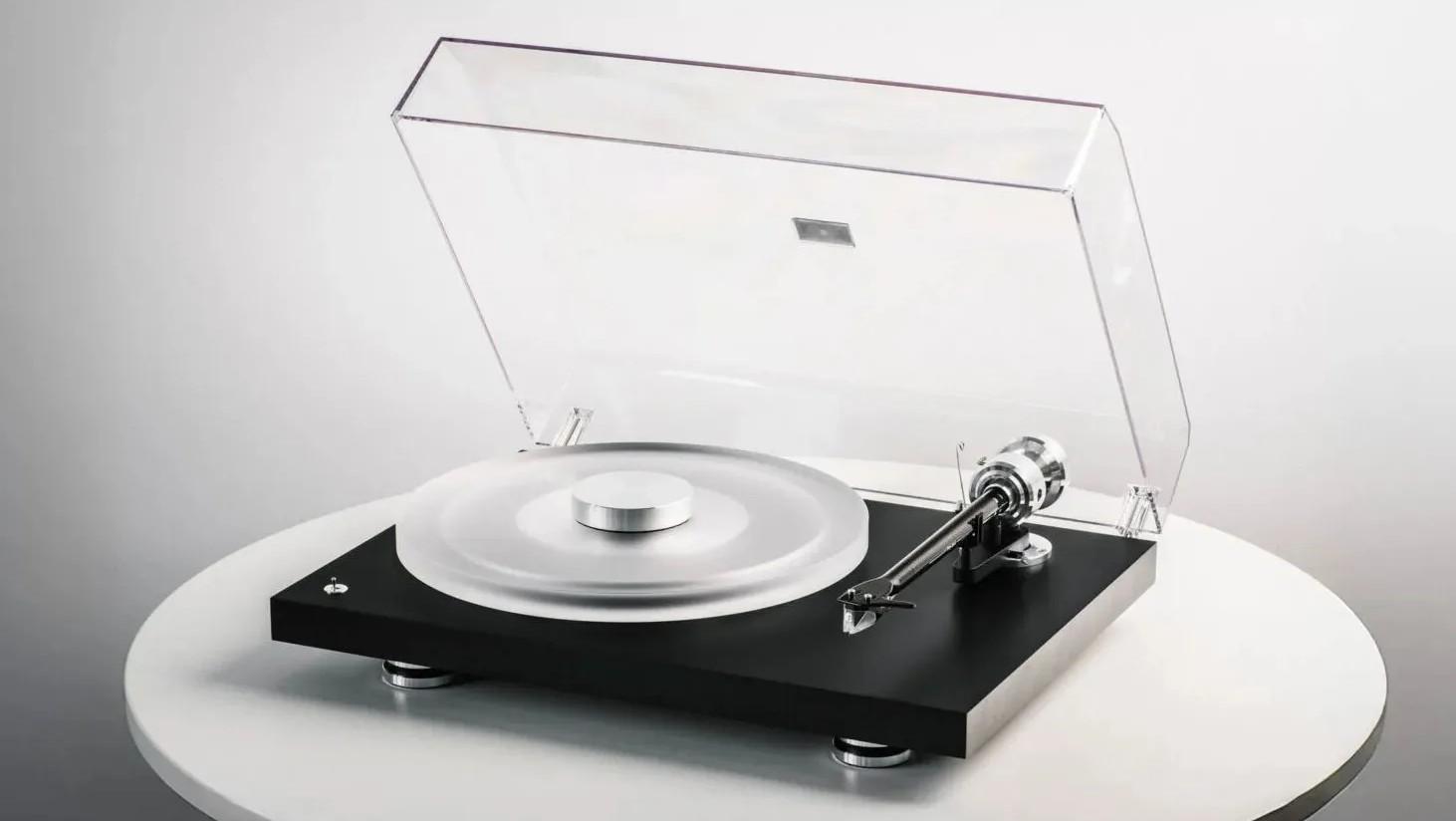
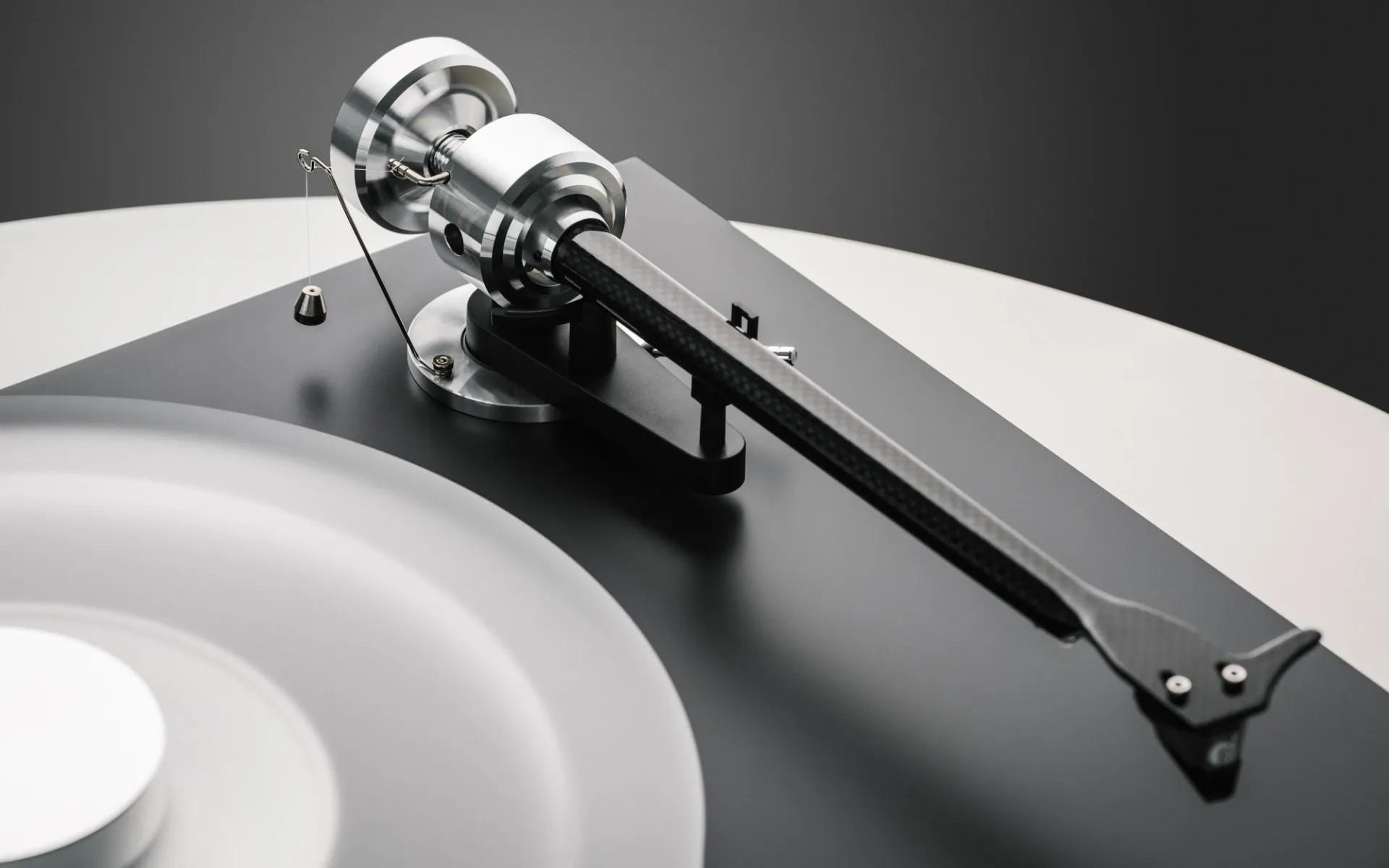
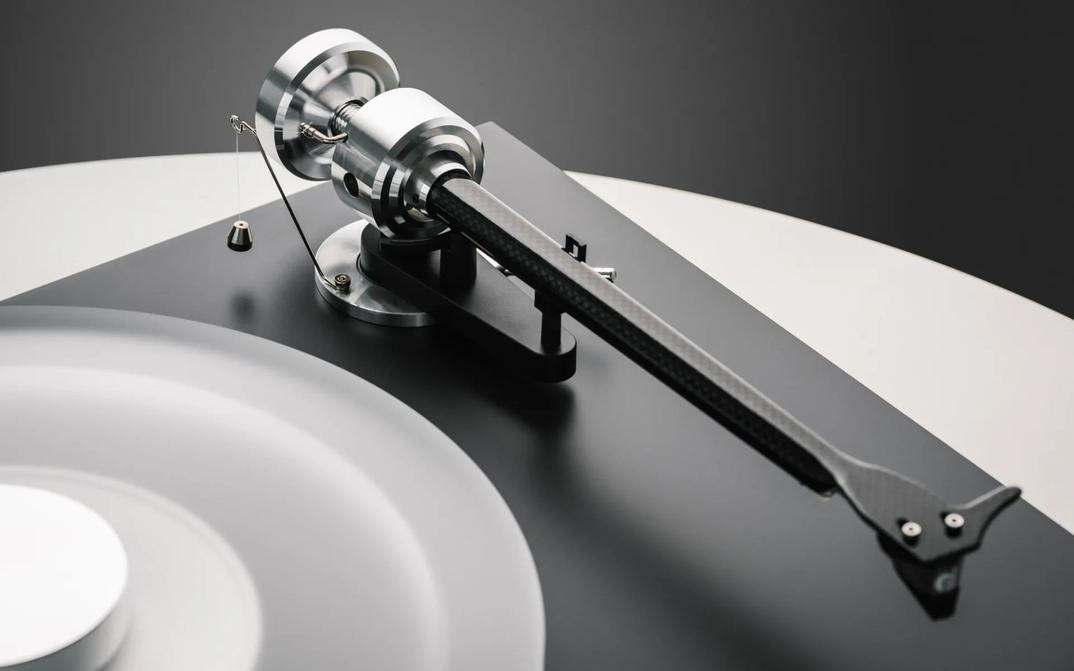
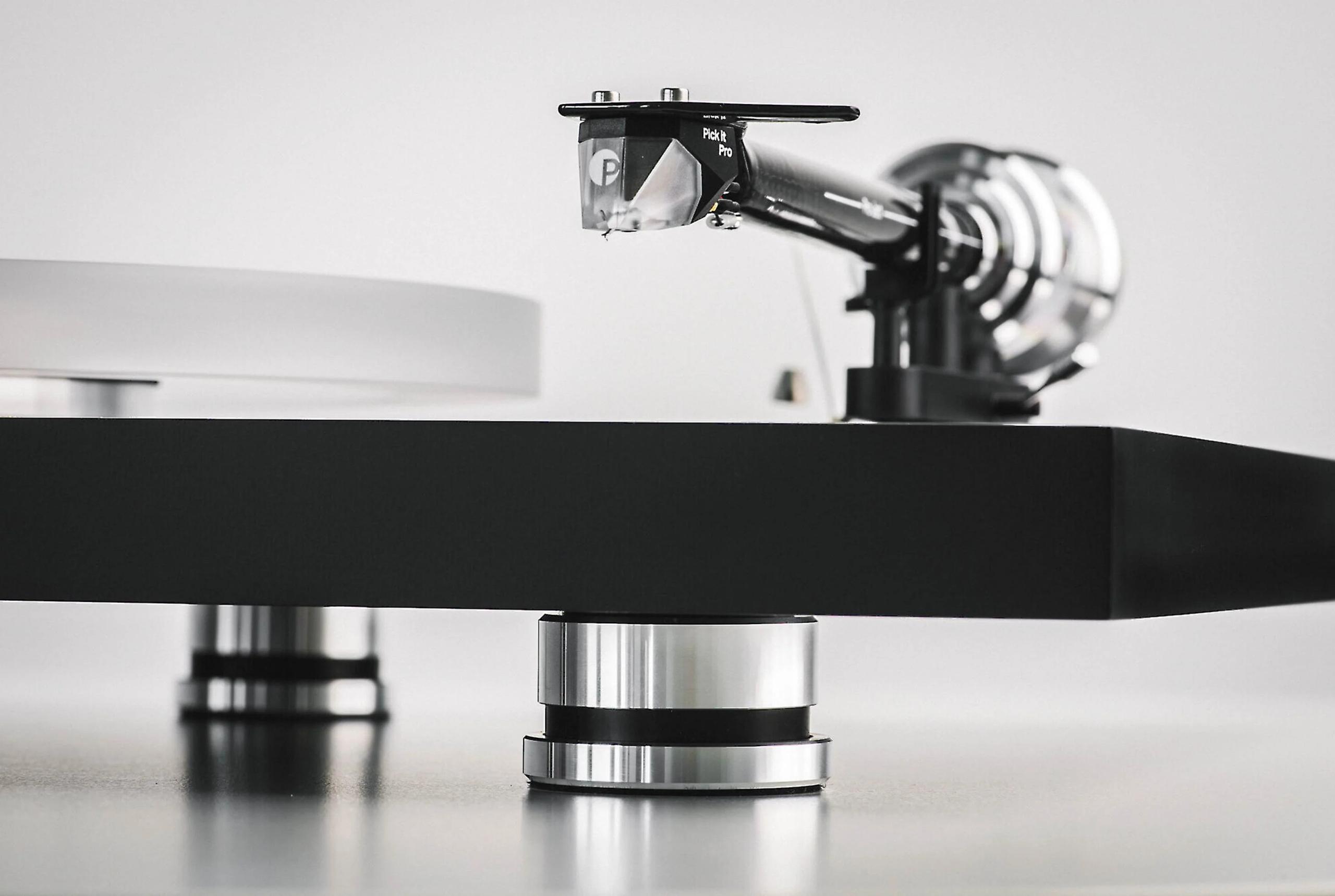
One of the most noticeable upgrades here is the ten-inch hybrid tonearm — the first of its kind in the Debut family. It combines a carbon fiber outer layer with an aluminum core, which is all about finding a balance between stiffness and internal damping.
But more importantly, it’s fully adjustable. You can tweak the azimuth (the side-to-side angle of the cartridge) and the vertical tracking angle (VTA), which affects how the needle sits in the groove. Want to swap in a different cartridge or a thicker platter mat? You can adjust the tonearm height to match. For people who like experimenting, this kind of flexibility is a big plus — and it’s something you don’t always get at this price point.
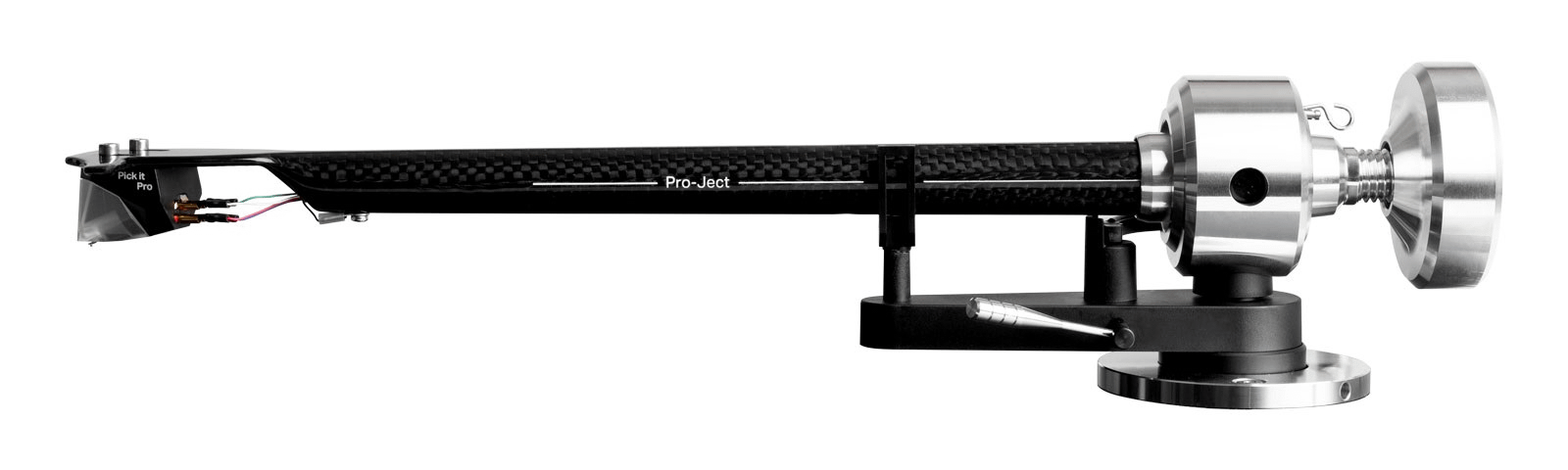
The Debut Reference 10 includes Pro-Ject’s Pick it PRO Balanced moving magnet (MM) cartridge, which normally sells on its own for about $299. It’s made to work with Pro-Ject’s True Balanced signal design. If your system supports it — with one of Pro-Ject’s balanced phono preamps like the Phono Box S3 B ($499.00 at Crutchfield) or Tube Box DS3 B ($1,099.00 at Crutchfield) — you can run a balanced connection all the way from the turntable to your amp.
Why go balanced? It can help reduce noise and interference, especially if your gear is spread out or you’re in an environment with a lot of electrical clutter. It’s not required, but it’s a nice option to have if you’re planning to upgrade your system later on.
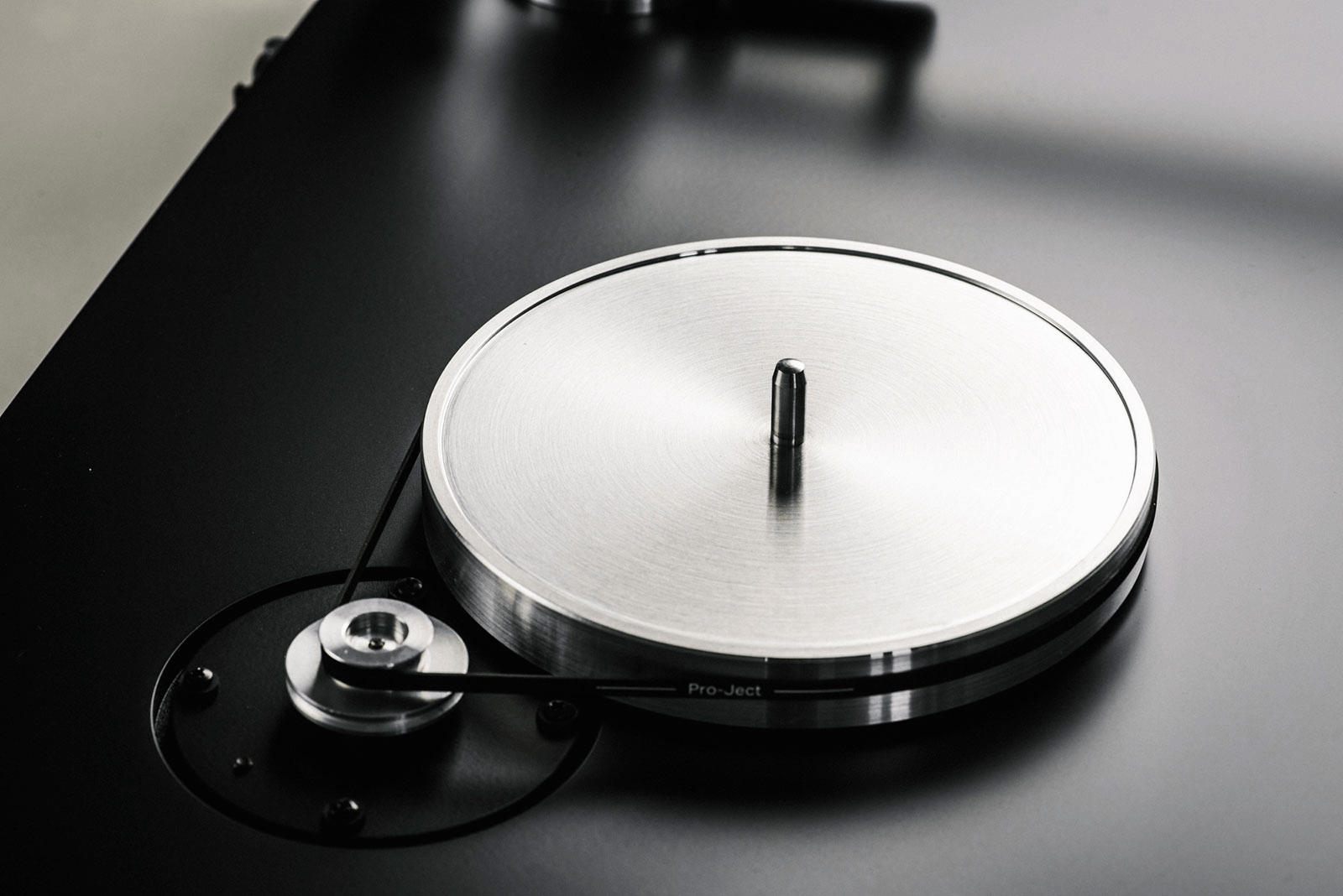
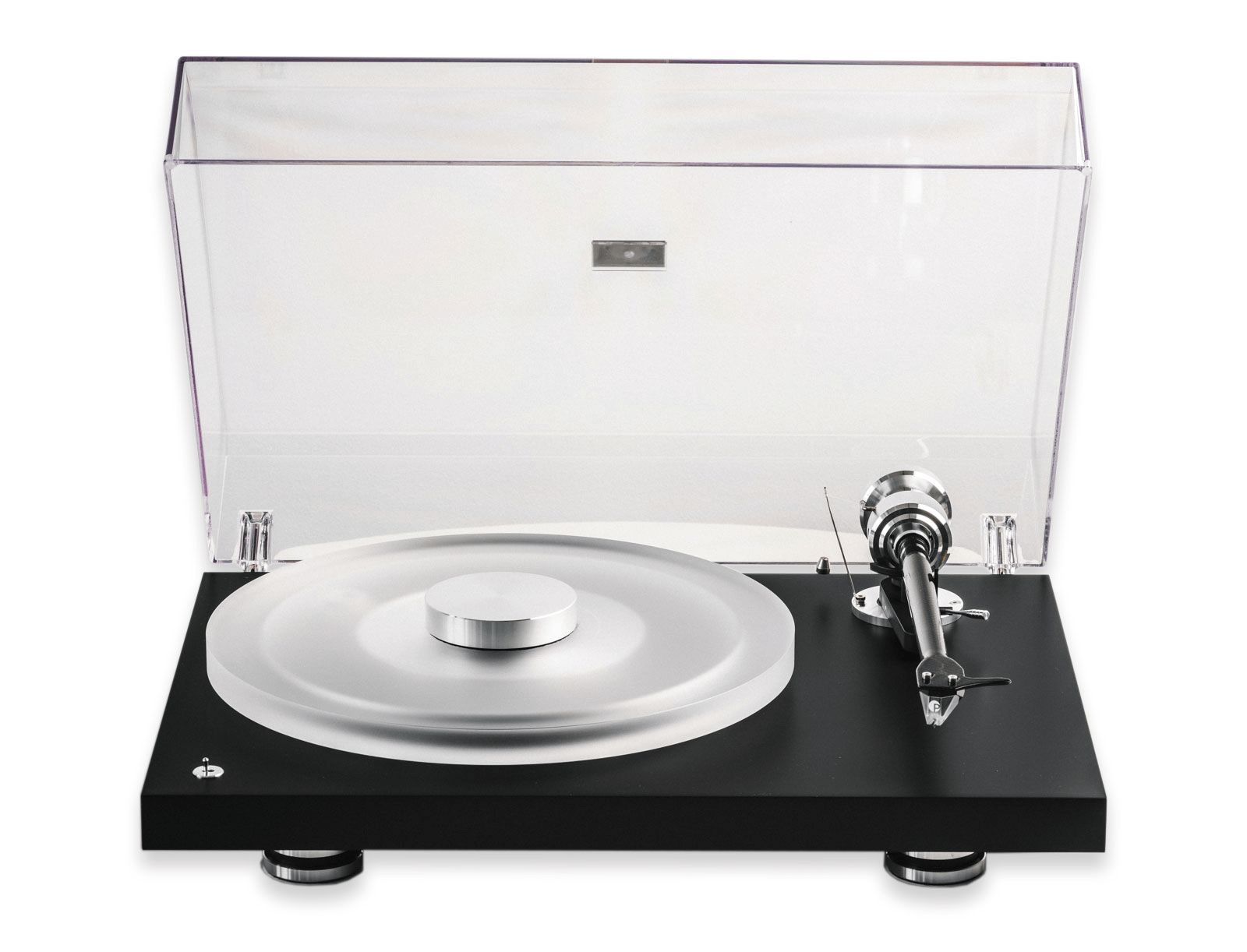
Instead of a felt mat on an aluminum platter, the Reference 10 comes with a semi-transparent acrylic platter that you can use as-is. Acrylic is sonically closer to vinyl, which can help with resonance control — and it looks pretty sleek too. Underneath that is a diamond-cut aluminum sub-platter that replaces the plastic ones used in earlier Debut models. The added mass helps with rotational stability and cuts down on unwanted speed fluctuations.
The motor system is new as well. It uses a DC-powered alternator with a sine wave generator that feeds clean, consistent power to the motor. That matters for speed accuracy — especially on long sides where wow and flutter become more noticeable. And to keep vibrations from creeping into your music, the motor is mounted with improved isolation.
There’s also a switch for toggling between 33 and 45 RPM, so you don’t need to lift the platter or move the belt manually. If you’re into 78s, there’s support for that too — but you’ll need a different belt and stylus to make it work.
Like other Debut models, the Reference 10 keeps things minimalist, but it’s clearly been dressed up. The chassis is made from MDF with eight layers of lacquer, giving it a polished look that’s still pretty understated. The top plate has a satin acrylic finish, and all the metal parts — like the tonearm, feet, and speed switch — are diamond-cut aluminum, giving everything a clean, modern edge.
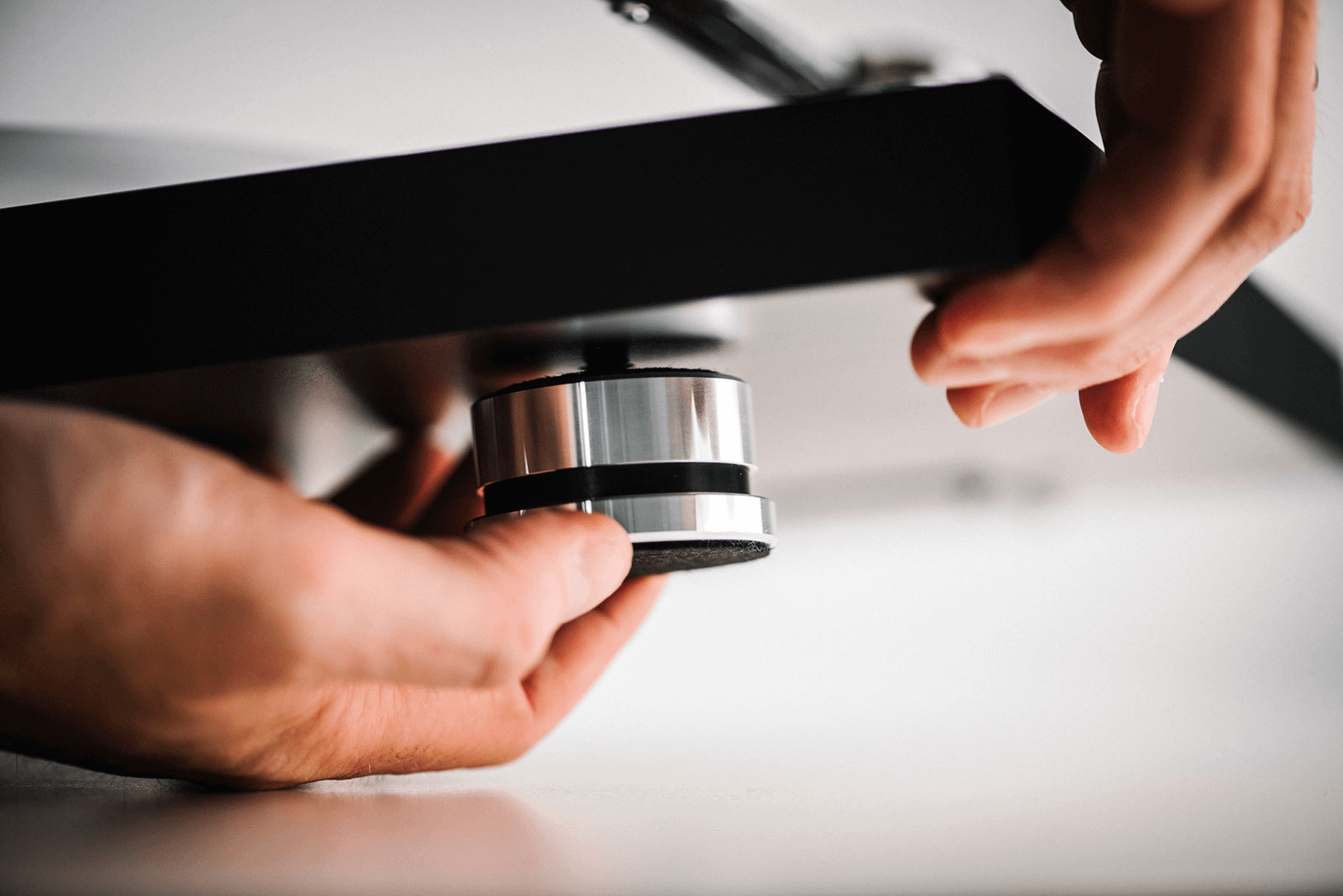
The turntable stands on three feet instead of four. That’s intentional. A three-point system is often easier to level, especially if your furniture or shelf isn’t perfectly flat. The feet are TPE-damped and height-adjustable, so you can dial in a stable setup without much hassle.
If you’re happy with a basic plug-and-play turntable, the Reference 10 might be overkill. But if you’ve already been into vinyl for a while and want more room to experiment — whether that’s adjusting your tracking angle, swapping cartridges, or trying a balanced signal chain — this turntable gives you that flexibility without getting overly technical.
At $1,499, it lands in an interesting spot. It’s more expensive than Pro-Ject’s other Debut turntables, like the Debut Evo 2 ($799 at Crutchfield) or Debut Pro S Balanced, but it’s still more accessible than their more elaborate audiophile offerings. And for anyone who started with an older Debut Carbon and is ready for an upgrade, this could be a natural next step.
Quick Spec Breakdown:
| Feature | What You Get |
|---|---|
| Tonearm | 10-inch hybrid carbon-aluminum; fully adjustable VTA and azimuth |
| Cartridge | Pick it PRO Balanced MM |
| Platter | Acrylic (no mat required) |
| Sub-platter | Diamond-cut aluminum |
| Motor | DC-powered with sine wave generator |
| Speed Control | Electronic: 33, 45 RPM (78 with optional upgrade) |
| Feet | 3-point, height-adjustable, TPE-damped |
| Build | MDF with 8-layer lacquer and satin acrylic finish |
| Price | $1,499 |
The Pro-Ject Debut Reference 10 is available now through Crutchfield and other Pro-Ject retailers. It’s not trying to change the formula, but it gives you more control over your analog playback setup — and that’s the kind of flexibility many vinyl fans eventually look for.
Related Reading:




Privacy Policy
Terms and Conditions - Affiliate Policy
Home Security
© Copyright 2008-2026.
11816 Inwood Rd #1211, Dallas, TX 75244