

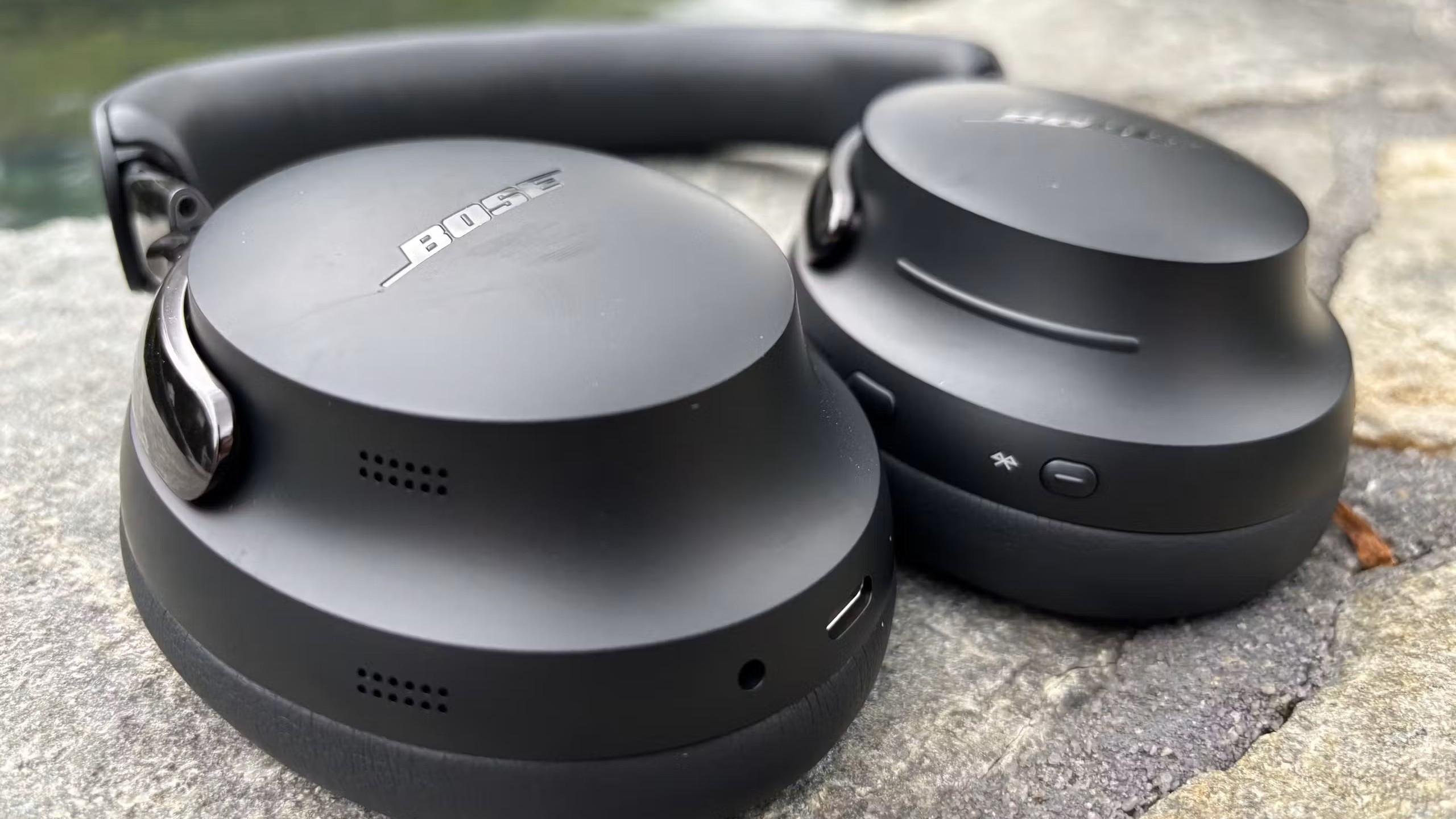
If you’re the kind of person who wears headphones half the day: on your commute, at your desk, at the gym, maybe even in bed, this one is going to hit close to home.
A new laboratory investigation from the ToxFree LIFE for All project, a coalition of civil society groups in Central Europe, has found that every single one of the 81 headphones they tested contained hazardous chemicals, The Guardian reports. That includes products from big-name brands like Bose, Samsung, Sennheiser, Panasonic, Apple and Sony, along with cheaper models bought from online marketplaces such as Shein and Temu.
The concern isn’t that one pair of headphones will poison you overnight. Instead, the study highlights something more subtle and harder to see: slow, ongoing exposure to chemicals in plastics that sit directly on your skin for hours at a time.
Let’s unpack what the researchers actually found, what it might mean for your health, and what you can realistically do about it.

The ToxFree team bought 81 pairs of headphones, both in-ear and over-ear models, from stores in Austria, the Czech Republic, Hungary, Slovakia and Slovenia, plus devices ordered from Shein and Temu. The goal was simple: check whether the plastics and other synthetic parts that touch your skin contain known problem chemicals.
The short answer: yes, in every case.
Laboratory analysis found a mix of substances that have already been under scrutiny in other consumer products:
The numbers for bisphenols are especially striking: BPA showed up in 98% of samples, and BPS in more than three-quarters of them. These chemicals are widely used to stiffen plastics and give them the right shape and durability.
So why does that matter?

Bisphenols and several of the other chemicals detected are part of a group known as endocrine disruptors. Put simply, they can interfere with your body’s hormone system.
Hormones act as the body’s internal messaging network, influencing growth, sexual development, fertility, metabolism, mood and more. Endocrine-disrupting chemicals can imitate or block these signals, sometimes at very low doses over long periods.
In the case of BPA and BPS, research has linked exposure to:
Phthalates, another class found in the headphone plastics, are often associated with reduced fertility and other reproductive issues. Chlorinated paraffins and some flame retardants have been tied to liver and kidney damage, and concerns around cancer risk and developmental effects.
It’s important to underline: the headphone study did not measure actual health outcomes. It measured the presence of these substances in products that sit on your skin.
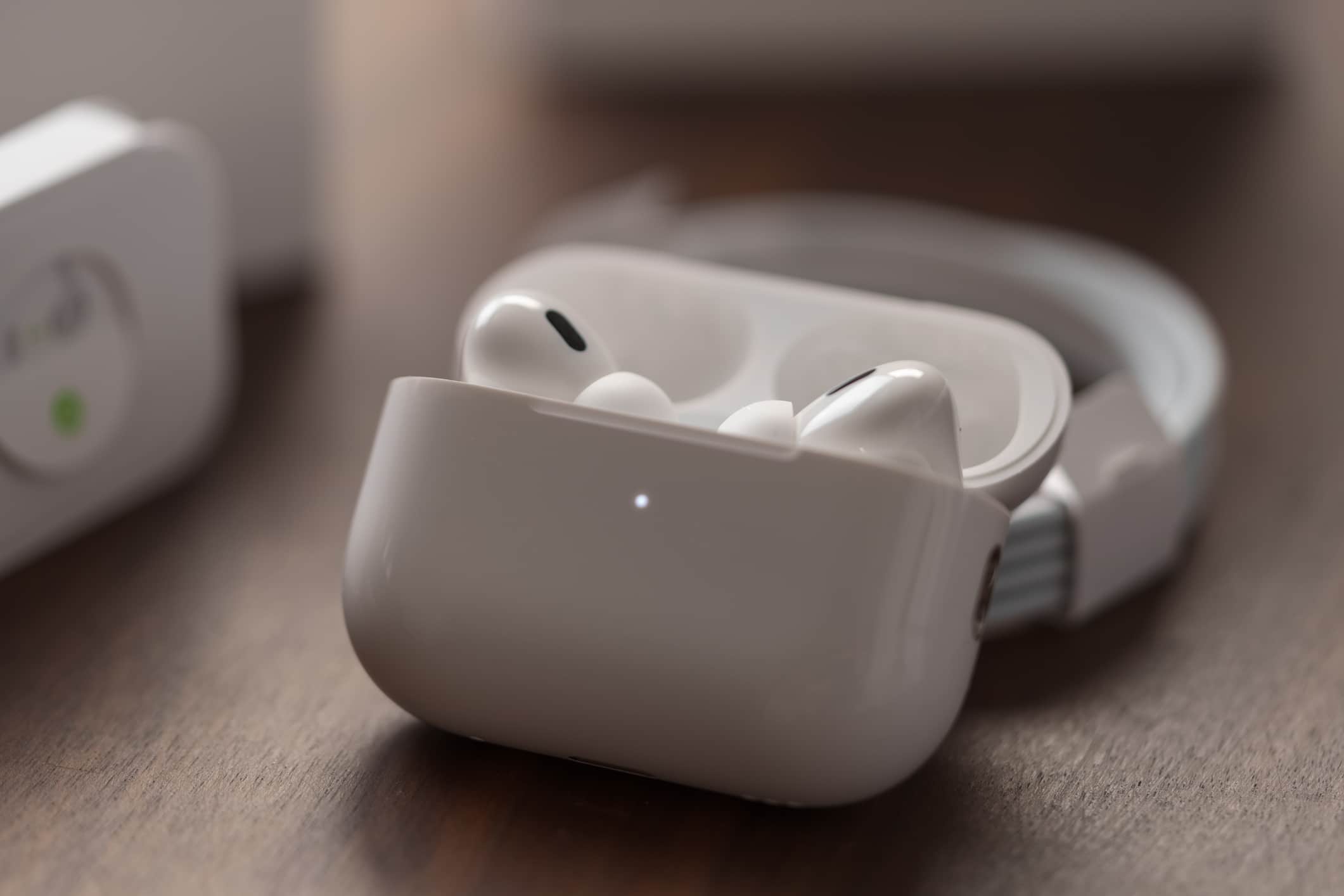
One of the key points made by the researchers is about migration, the idea that these chemicals don’t just sit in the plastic forever. Under certain conditions, they can move out of the material and onto (or into) your body.
Several previous studies with other products have shown that bisphenols can:
Headphones create a pretty good setup for that:
ToxFree notes that the highest concentrations of harmful substances were found in hard plastic parts. Those are the exact pieces most likely to be pressed against your skin (earbuds, housings, headband frames) or handled frequently. Heat, friction and sweat all increase the likelihood of substances migrating out of the plastic and onto your skin.
What the study doesn’t yet do is tell us how much exposure this creates in real-world use, or exactly what that means in terms of risk.
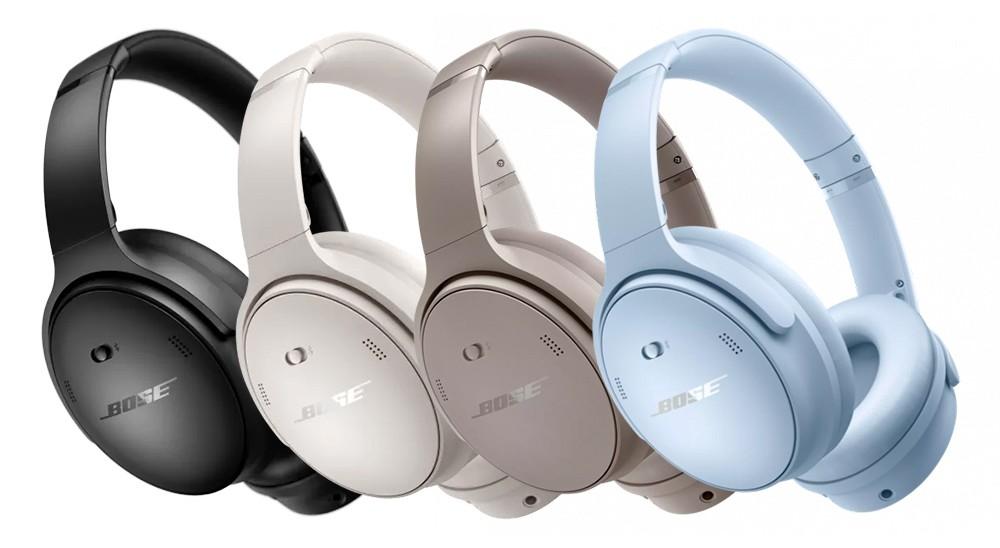
Even the scientists behind the project stop short of saying “throw out all your headphones today.”
Karolína Brabcová, a chemical expert involved in the research, makes two crucial points:
Another piece of context: headphones are not your only source of these substances. BPA and related chemicals also show up in things like:
That means headphones are part of a broader “cocktail” of exposures from multiple products. Each one may contribute a small dose, but taken together, they create a long-term background level in your body.
So the honest answer is:

Until regulators catch up and manufacturers start changing materials, you’re left making practical decisions with incomplete information. The good news is that you don’t need to panic or completely change how you listen, a few small adjustments can help reduce potential exposure.
If and when manufacturers start talking more openly about materials and testing, that transparency will make it easier for you to compare products and make informed choices.

This isn’t the first time the ToxFree project has surfaced issues like this. Earlier investigations found:
Headphones join that growing list of everyday items that quietly carry substances we’d never knowingly choose to smear on our skin.
For regulators, the takeaway is bigger than any single product category. It raises the question of whether it’s enough to regulate one chemical at a time, in one product at a time, when people are exposed to whole groups of similar substances across dozens of items they use every day.
For you as a listener, the message is more practical:
Headphones are not going away. But as we learn more about what they’re made of, it’s fair to expect safer materials and better information from the companies that make the gear we wear so close to our bodies, for so much of our lives.
Related Reading:






Privacy Policy
Terms and Conditions - Affiliate Policy
Home Security
© Copyright 2008-2026.
11816 Inwood Rd #1211, Dallas, TX 75244