

When you're shopping for powered speakers to upgrade your desktop audio, you'll quickly discover two distinct approaches to sound reproduction. Some speakers prioritize excitement and engagement, while others aim for clinical accuracy. The Klipsch Reference R-41PM and PreSonus Eris 3.5 represent these different philosophies perfectly, though as we'll explore, one executes its vision far better than the other.
The powered speaker market has evolved dramatically since both products launched around 2018-2019. What started as simple computer speakers has grown into a sophisticated category where users expect wireless connectivity, high-resolution audio support, and the ability to handle everything from gaming to music production. Both the Klipsch R-41PM and PreSonus Eris 3.5 emerged during this transition period, but they've aged very differently.
Desktop speakers occupy a unique space in the audio world. Unlike traditional stereo systems that rely on separate amplifiers and receivers, powered speakers (also called active speakers) include built-in amplification. This means you plug them directly into your audio source without needing additional equipment, making them incredibly convenient for modern setups.
The key consideration is understanding what type of sound signature you want. Consumer-oriented speakers like the Klipsch R-41PM typically enhance certain frequencies to make music more exciting and engaging. They might boost the bass for more impact or brighten the highs for added sparkle. Studio monitors like the PreSonus Eris 3.5, on the other hand, aim for flat frequency response—meaning they reproduce audio exactly as it was recorded without adding their own coloration.
This distinction matters more than you might think. If you're listening to music for enjoyment, watching movies, or gaming, you probably want speakers that make everything sound a bit more exciting. But if you're editing videos, producing music, or doing any kind of audio work, you need speakers that tell you the truth about your recordings, even if that truth isn't always flattering.
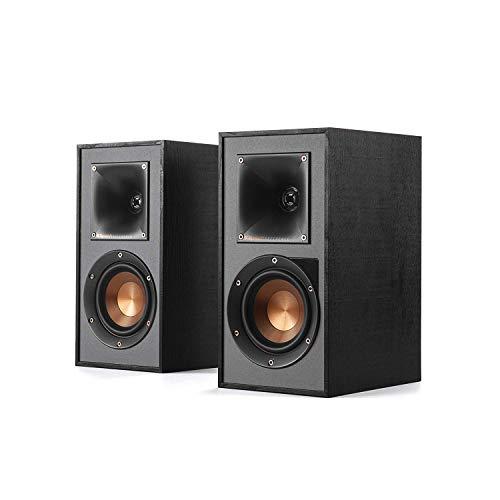
The Klipsch R-41PM uses Klipsch's signature horn-loaded tweeter technology, which is genuinely impressive engineering. Instead of a simple dome tweeter that radiates sound in all directions, Klipsch mounts their 1-inch aluminum tweeter in a specially shaped horn (called a Tractrix horn). This horn acts like a funnel, focusing and directing the high-frequency sound waves more efficiently toward your ears.
Why does this matter? Horn loading makes speakers much more efficient, meaning they can produce the same volume with less power, and they tend to have better clarity and detail in the high frequencies. When you're listening to vocals or instruments with lots of high-frequency content like cymbals or acoustic guitars, this technology really shines.
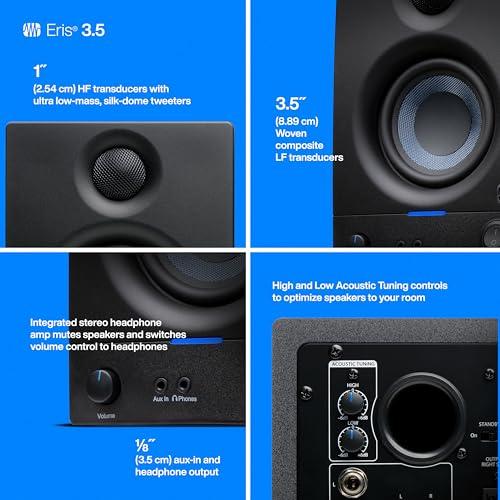
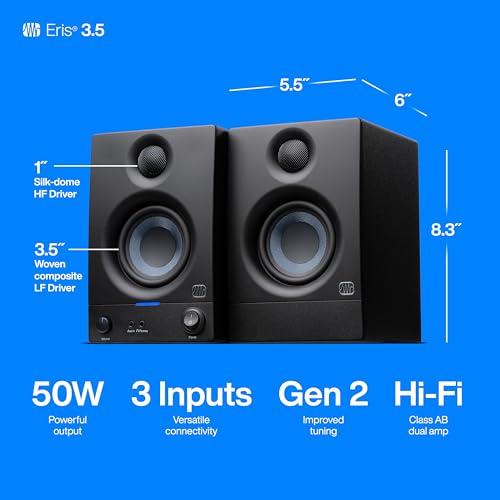
The PreSonus Eris 3.5, meanwhile, uses a conventional 1-inch silk dome tweeter. Silk domes are known for smooth, natural-sounding highs without harshness, which sounds great in theory. However, our research into professional measurements reveals a significant problem: the midrange frequencies (where most vocals and instruments live) are severely recessed—meaning they're 7-10 decibels quieter than they should be.
To put that in perspective, a 10dB difference is roughly equivalent to halving the perceived volume. This means vocals, guitars, and other midrange-heavy content will sound distant and buried in the mix, no matter how you adjust the volume. It's a fundamental flaw that makes the Eris 3.5 unsuitable for any critical listening, despite being marketed as a "studio monitor."
The Klipsch R-41PM delivers 35 watts per channel (70 watts total RMS, 140 watts peak), while the PreSonus Eris 3.5 provides 25 watts per speaker (50 watts total). But raw wattage numbers don't tell the whole story—efficiency matters just as much.
Thanks to that horn-loaded tweeter, the Klipsch speakers can achieve higher volumes with less strain. In practical terms, this means they can fill a medium-sized room with ease and maintain clarity even at party volumes. The larger 4-inch woofer also helps here, moving more air than the Eris 3.5's 3.5-inch driver.
The Eris 3.5 speakers are more suited to nearfield desktop use. Push them too hard, and you'll start hearing distortion and compression—that unpleasant squashed sound that happens when speakers are asked to do more than they can handle.
Bass reproduction is where physics becomes unforgiving. Larger drivers move more air, and moving air is how you create low-frequency sound waves. The Klipsch R-41PM uses 4-inch spun-copper woofers in a bass reflex cabinet design. Bass reflex means there's a carefully tuned port (hole) in the back of the cabinet that allows some of the rear-facing sound waves to emerge and reinforce the front-facing ones, extending bass response.
The copper cone material isn't just for looks—it's lightweight yet rigid, which helps the driver respond quickly and accurately to the audio signal. The R-41PM also includes Dynamic Bass EQ, a clever feature that automatically adjusts bass levels based on volume. At low volumes, human ears become less sensitive to bass frequencies, so this feature compensates by boosting low-end response when you're listening quietly.
The PreSonus Eris 3.5 uses a 3.5-inch Kevlar woofer. Kevlar (the same material used in bulletproof vests) is an excellent choice for speaker cones because it's incredibly stiff and light. However, the small size fundamentally limits how much bass these speakers can produce. While they're adequate for voice content and music without heavy bass, they'll leave you wanting more when listening to hip-hop, electronic music, or movie soundtracks.
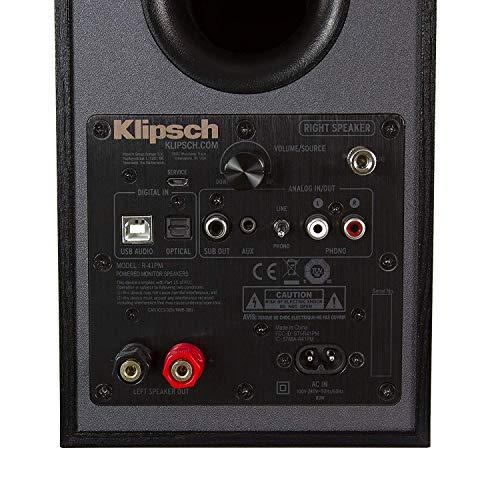
This is where the Klipsch R-41PM truly shines and demonstrates why it was designed for real-world versatility. It includes:
This connectivity suite makes the Klipsch speakers incredibly flexible. Want to stream from your phone? Use Bluetooth. Need to connect your record player? The phono preamp handles the signal conversion automatically. Planning a home theater setup? The optical input connects directly to your TV.
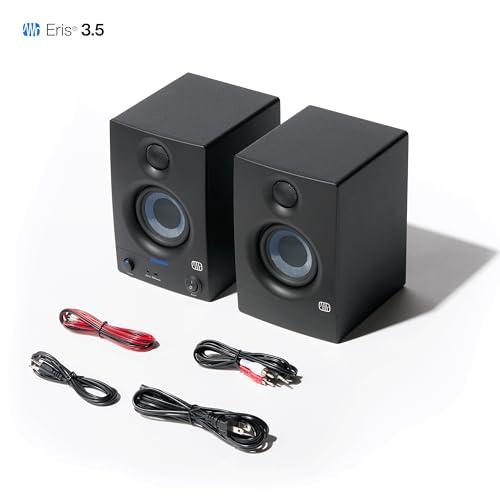
The PreSonus Eris 3.5 takes a more studio-focused approach with balanced 1/4-inch TRS inputs (the kind of connections used in professional audio gear), unbalanced RCA inputs, and a front-panel 3.5mm input. There's also a headphone output that automatically mutes the speakers when you plug in headphones. However, there's no Bluetooth, no optical input, and no USB connectivity—significant limitations in 2024.
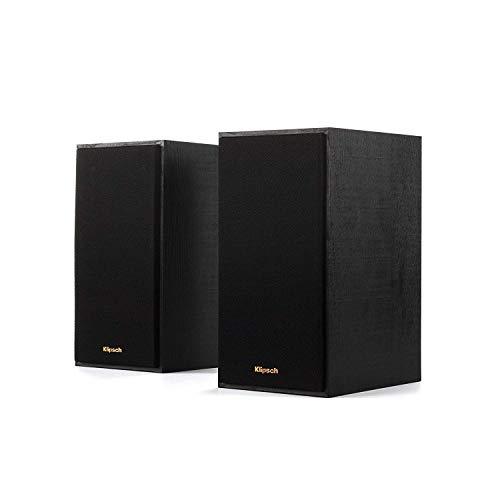
The Klipsch R-41PM feels substantial in a way that inspires confidence. The MDF (Medium Density Fiberboard) cabinets are well-braced internally to minimize vibrations that could color the sound. The textured wood grain vinyl finish looks attractive and feels durable, while the removable magnetic grilles give you the option to show off those distinctive copper-colored drivers or keep them protected.
At roughly twice the size and weight of the Eris 3.5, the Klipsch speakers require more desk space but provide better internal volume for the drivers to work properly. Good speaker design is often about managing compromises, and Klipsch chose to prioritize performance over ultra-compact size.
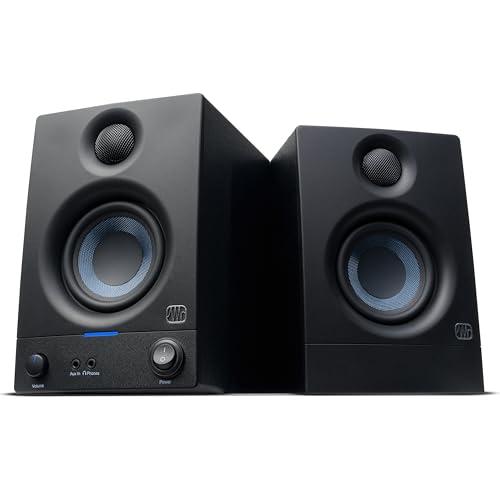
The PreSonus Eris 3.5 prioritizes desktop-friendly dimensions above all else. They're genuinely tiny, which makes them easy to fit into cramped setups. The build quality is decent for the price point (at time of writing), with vinyl-laminated MDF construction that feels solid enough. However, the small cabinet size inherently limits what these drivers can accomplish.
The Klipsch R-41PM incorporates Linear Travel Suspension (LTS) technology in its tweeter. This uses a Kapton suspension material (a space-grade polymer) that's lighter and more flexible than traditional materials, allowing the tweeter diaphragm to move more freely and accurately. The result is better detail retrieval and less distortion in the high frequencies.
The Dynamic Bass EQ deserves special mention because it addresses a real-world problem. Fletcher-Munson curves (named after the researchers who discovered them) show that human hearing becomes less sensitive to bass frequencies at lower volumes. Most speakers ignore this, but the R-41PM compensates automatically, maintaining fuller sound even during quiet late-night listening sessions.
The PreSonus Eris 3.5 includes front-panel acoustic tuning controls for both high and low frequencies. These ±6dB adjustments can help somewhat with room placement issues, and they're more convenient than rear-panel controls. However, no amount of adjustment can fix the fundamental midrange recession problem revealed in professional measurements.
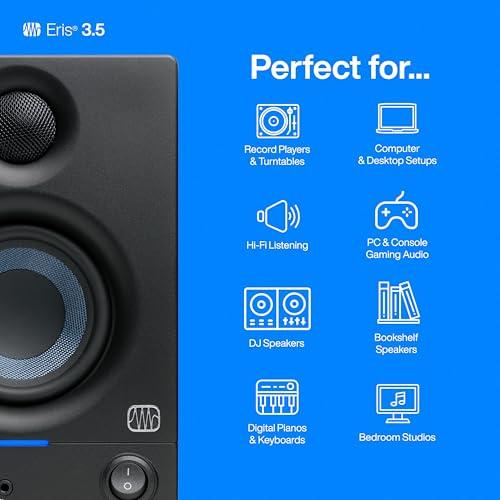
While neither speaker is specifically designed for home theater use, the Klipsch R-41PM works surprisingly well in this role. The optical digital input connects directly to most TVs, and the horn-loaded tweeter provides excellent dialogue clarity—crucial for understanding speech in movies and TV shows.
The Dynamic Bass EQ helps maintain impact during quieter dialogue scenes, while the ability to add a subwoofer later gives you an upgrade path. The R-41PM can handle the dynamic range of movie soundtracks much better than typical computer speakers, making them a solid choice for desk-based entertainment setups.
The Eris 3.5 struggles in home theater applications due to limited bass response and that problematic midrange recession. Dialogue will often sound distant or unclear, and action sequences won't have the impact you'd expect.
At the time of writing, the Klipsch R-41PM commands a premium over the PreSonus Eris 3.5, but the performance and feature gap justifies this difference for most users. The extensive connectivity options alone add significant value—you're essentially getting a wireless receiver, USB DAC (Digital-to-Analog Converter), and phono preamp built into your speakers.
The Eris 3.5 might seem like better value based on price alone, but professional measurements reveal technical flaws that seriously compromise their usefulness. Spending less money on speakers that can't accurately reproduce midrange frequencies isn't really saving money—it's limiting your enjoyment and potentially hampering any audio work you might want to do.
Since their launch, both products have seen periodic updates and revisions, but the fundamental designs remain the same. However, the market around them has evolved significantly. Bluetooth codecs have improved, high-resolution streaming has become more common, and user expectations for wireless connectivity have increased dramatically.
The Klipsch R-41PM makes sense for the majority of users looking to upgrade their desktop audio. If you want speakers that make music more engaging, handle multiple input sources effortlessly, and have room to grow as your needs change, they're an excellent choice. They're particularly well-suited for:
The PreSonus Eris 3.5 makes sense only in very specific circumstances:
However, I'd strongly recommend considering whether those constraints are truly immovable. The performance difference is substantial enough that finding space for the Klipsch speakers or stretching the budget to accommodate them will pay dividends in long-term satisfaction.
After researching extensive user feedback and professional measurements, the Klipsch Reference R-41PM emerges as the clear winner for most applications. While it costs more initially, it delivers significantly better sound quality, vastly superior connectivity, and the flexibility to grow with your needs.
The PreSonus Eris 3.5 represents a missed opportunity—the "studio monitor" branding creates expectations that the actual performance can't meet. The severe midrange recession makes them unsuitable for any serious audio work, while the limited connectivity reduces their versatility compared to modern alternatives.
Unless desktop space is absolutely critical and you're comfortable with the sonic compromises, the Klipsch R-41PM offers substantially better value and performance. In the world of desktop speakers, this is one case where paying a bit more upfront delivers dramatically better results for years to come.
| Klipsch Reference R-41PM | PreSonus Eris 3.5 |
|---|---|
| Power Output - Determines maximum volume and headroom for dynamic music | |
| 35W per channel (70W total RMS, 140W peak) | 25W per speaker (50W total RMS) |
| Driver Configuration - Affects sound quality and frequency response | |
| 1" aluminum horn-loaded tweeter + 4" copper IMG woofer | 1" silk dome tweeter + 3.5" Kevlar woofer |
| Frequency Response - Range of sounds the speakers can reproduce | |
| 76Hz - 21kHz (wider range, better bass extension) | 80Hz - 20kHz (limited bass, problematic midrange recession) |
| Connectivity Options - How many devices you can connect | |
| Bluetooth, USB-B, Optical, RCA w/phono preamp, 3.5mm, sub out | Balanced TRS, RCA, 3.5mm, headphone out (no wireless options) |
| Cabinet Design - Impacts sound quality and desk space requirements | |
| Larger MDF bass reflex design (11" × 5.9" × 7.5") | Compact desktop form factor (8.3" × 5.6" × 6.5") |
| Target Use Case - What each product does best | |
| Versatile music/entertainment speakers with room-filling sound | Compact desktop monitors (despite significant frequency response flaws) |
| Special Features - Unique technologies that add value | |
| Dynamic Bass EQ, built-in phono preamp, horn-loaded tweeter efficiency | Front-panel EQ controls, balanced professional inputs |
| Maximum SPL - How loud they can play without distortion | |
| Higher output capability for larger rooms | 98dB peak (suitable for nearfield desktop use only) |
| Wireless Capability - Modern convenience factor | |
| Full Bluetooth streaming with high-quality codec support | None (wired connections only) |
| Expandability - Future upgrade options | |
| Dedicated subwoofer output for easy bass expansion | Limited expansion options |
| Professional Assessment - Expert consensus on performance | |
| Generally positive reviews for sound quality and versatility | Criticized for severe midrange recession unsuitable for monitoring |
The Klipsch Reference R-41PM are significantly better for music listening. They deliver a more engaging, dynamic sound with better bass response and clearer highs thanks to their horn-loaded tweeter technology. The PreSonus Eris 3.5 suffer from a severely recessed midrange that makes vocals and instruments sound distant and muffled, which is problematic for music enjoyment.
The Klipsch R-41PM offer superior sound quality with balanced frequency response, impactful bass from their 4-inch woofers, and crystal-clear highs from horn-loaded tweeters. The PreSonus Eris 3.5 have significant technical flaws, particularly a 7-10dB midrange recession that makes them unsuitable for critical listening despite being marketed as studio monitors.
The PreSonus Eris 3.5 are more compact and take up less desk space, measuring 8.3" × 5.6" × 6.5" each. However, the Klipsch R-41PM provide much better sound quality despite being larger at 11" × 5.9" × 7.5". Unless space is absolutely critical, the performance advantage of the Klipsch speakers makes them worth the extra desk real estate.
The Klipsch R-41PM are excellent for home theater use with their optical digital input that connects directly to TVs, plus their horn-loaded tweeters provide exceptional dialogue clarity. The PreSonus Eris 3.5 lack optical inputs and their midrange issues make dialogue sound distant and unclear, making them poor choices for home theater applications.
The Klipsch Reference R-41PM offer vastly superior connectivity with Bluetooth wireless, USB-B, optical digital, RCA with built-in phono preamp, 3.5mm input, and subwoofer output. The PreSonus Eris 3.5 only provide basic wired connections including balanced TRS, RCA, and 3.5mm inputs with no wireless capabilities or modern digital inputs.
The Klipsch R-41PM are excellent for gaming, offering dynamic sound, clear dialogue, and impactful effects with multiple connection options including USB for direct PC connection. The PreSonus Eris 3.5 are less suitable for gaming due to their limited bass response and midrange issues that can make in-game audio and voice chat less clear.
The Klipsch R-41PM are far better for phone streaming thanks to built-in Bluetooth connectivity with high-quality codec support. The PreSonus Eris 3.5 require a wired connection to your phone via the 3.5mm input, which is less convenient and limits placement options.
Neither speaker is ideal for professional audio work, but for very different reasons. The PreSonus Eris 3.5 have severe midrange recession that makes them unsuitable for mixing despite the "studio monitor" branding. The Klipsch Reference R-41PM have a consumer-oriented sound signature that, while more balanced than the Eris 3.5, still isn't neutral enough for critical audio production work.
The Klipsch R-41PM can play significantly louder with their 70W total power output and efficient horn-loaded design. They can fill medium-sized rooms without strain. The PreSonus Eris 3.5 with 50W total power are better suited for nearfield desktop use and will start distorting at higher volumes due to their smaller drivers.
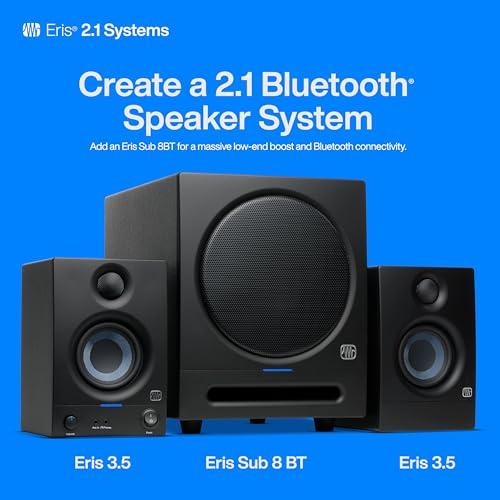
The Klipsch Reference R-41PM provide decent bass response for their size and include a subwoofer output for easy expansion if desired. The PreSonus Eris 3.5 definitely need a subwoofer for any meaningful bass response due to their small 3.5-inch woofers, but they lack a dedicated subwoofer output making expansion more complicated.
The Klipsch R-41PM offer significantly better value despite their higher price, providing superior sound quality, extensive connectivity options, and versatile performance across different use cases. The PreSonus Eris 3.5 may cost less initially, but their technical limitations and lack of modern features make them poor value for most users.
Yes, the Klipsch Reference R-41PM include a built-in phono preamp with a switchable phono/line input, allowing direct connection of turntables without additional equipment. The PreSonus Eris 3.5 lack a phono preamp, so you'd need a separate phono stage or a turntable with built-in preamp to connect vinyl sources.
We've done our best to create useful and informative comparisons to help you decide what product to buy. Our research uses advanced automated methods to create this comparison and perfection is not possible - please contact us for corrections or questions. These are the sites we've researched in the creation of this article: crutchfield.com - theaudiophileman.com - audioadvice.com - klipsch.com - youtube.com - crutchfield.com - youtube.com - newegg.com - speakerdecision.com - klipsch.com - speakerdecision.com - richersounds.com - soundref.com - presonus.com - musicradar.com - presonus.com - higherhertz.com - sweetwater.com - erinsaudiocorner.com - gzhls.at - homestudiobasics.com - presonus.com - audiosciencereview.com - youtube.com - audiosciencereview.com - thomannmusic.com - georgesmusic.com - musicalgarage.com - soundonsound.com

Privacy Policy
Terms and Conditions - Affiliate Policy
Home Security
© Copyright 2008-2026.
11816 Inwood Rd #1211, Dallas, TX 75244