

I’ve been a fan of Valve’s hardware ever since the Steam Deck proved that PC gaming could go portable and couch-friendly. So when Valve announced yesterday that a new Steam Machine is coming in early 2026, I was immediately excited. This compact living-room PC could be a game-changer for people like me who want the vast library of PC games in a console-like package. But as thrilled as I am at the idea of the Steam Machine, I have one major reservation: price. If Valve doesn’t price this thing aggressively, it might end up a niche gadget rather than the huge hit it could be.
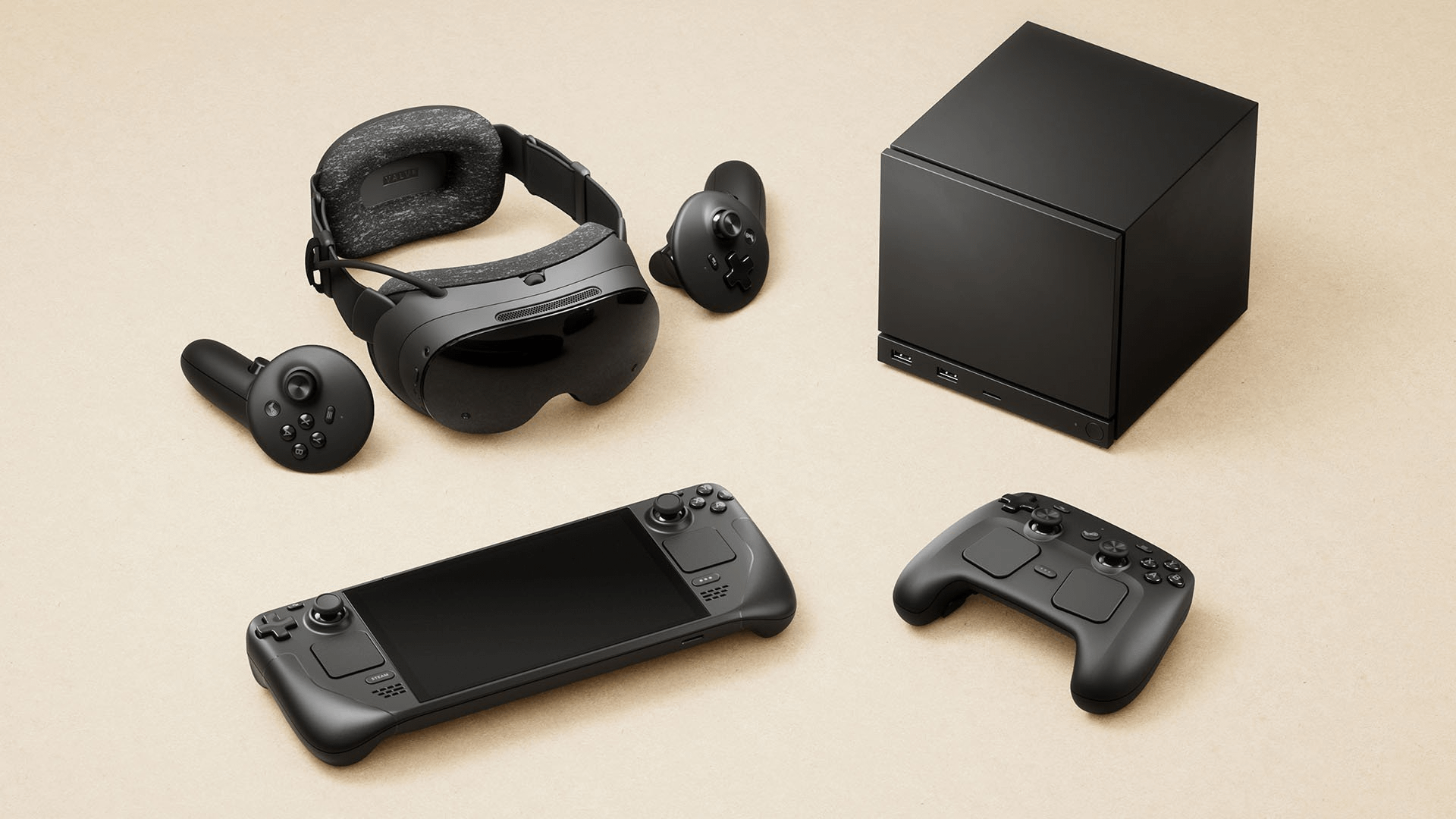
I want the Steam Machine to succeed – badly. Valve’s first attempt at “Steam Machines” back in the mid-2010s fizzled out, but this time feels different. With the success of the Steam Deck laying the groundwork for SteamOS and portable PC gaming, Valve is bringing that momentum back to the living room. They’re even launching an entire hardware ecosystem alongside it (including a new Steam Controller and a VR headset called the Steam Frame).
It’s an ambitious play, yet it all hinges on whether the Steam Machine can deliver enough performance at a price that makes gamers say “take my money” instead of “I’ll pass.” From what we know so far, the new Steam Machine has the makings of a great product, if the price is right.
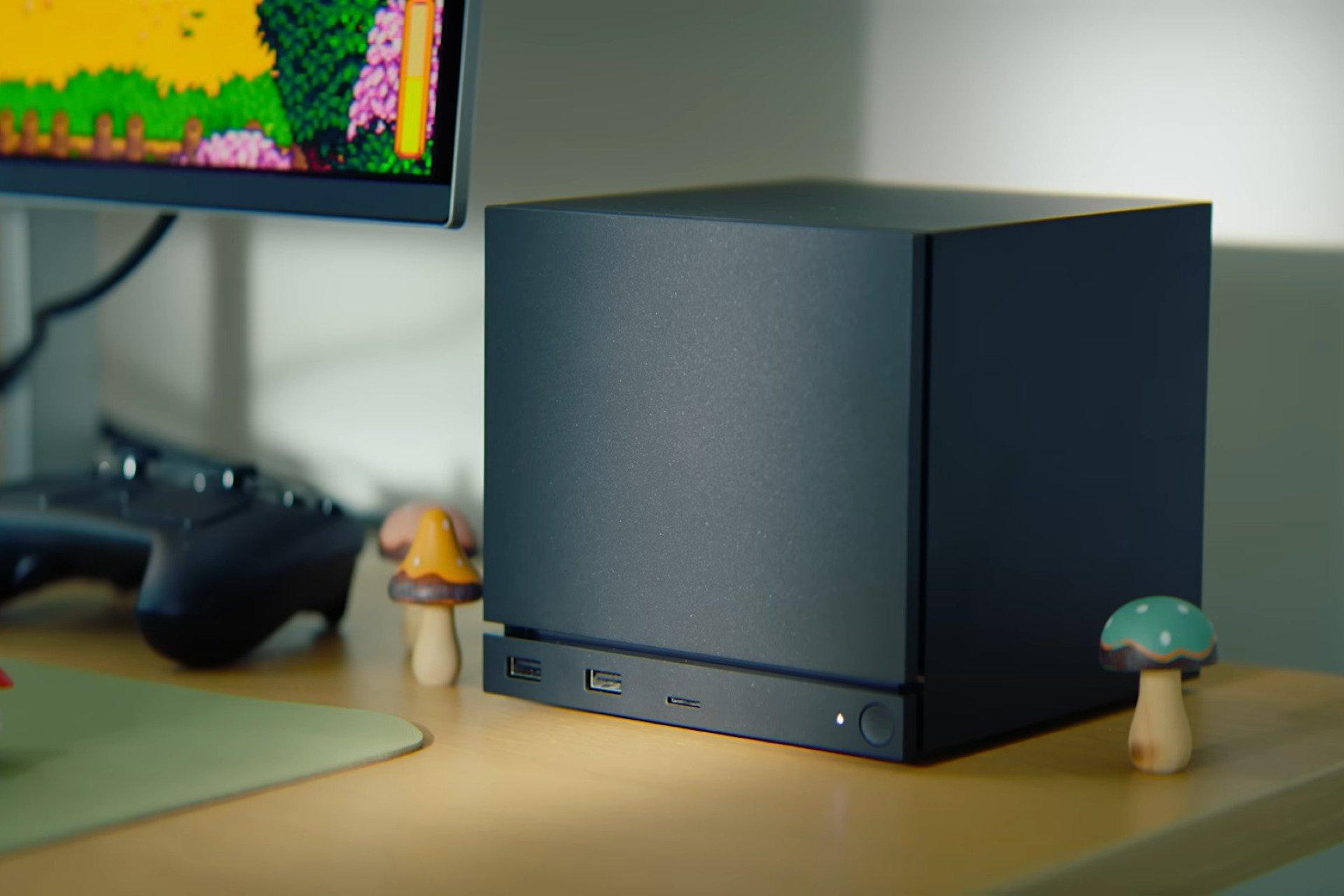
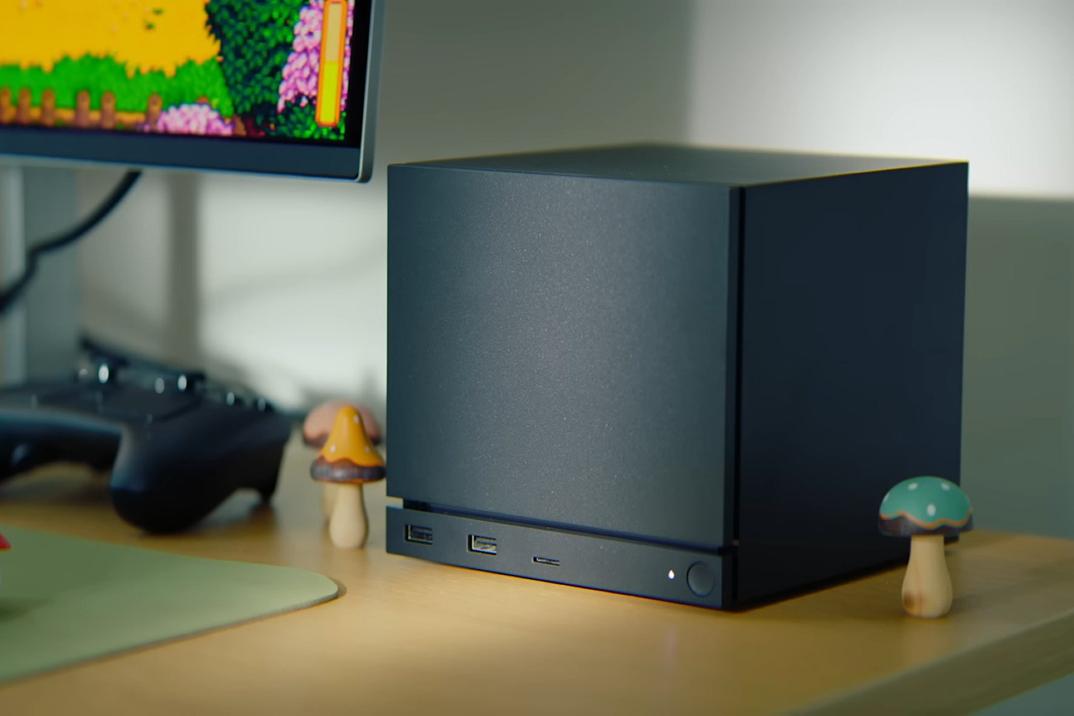
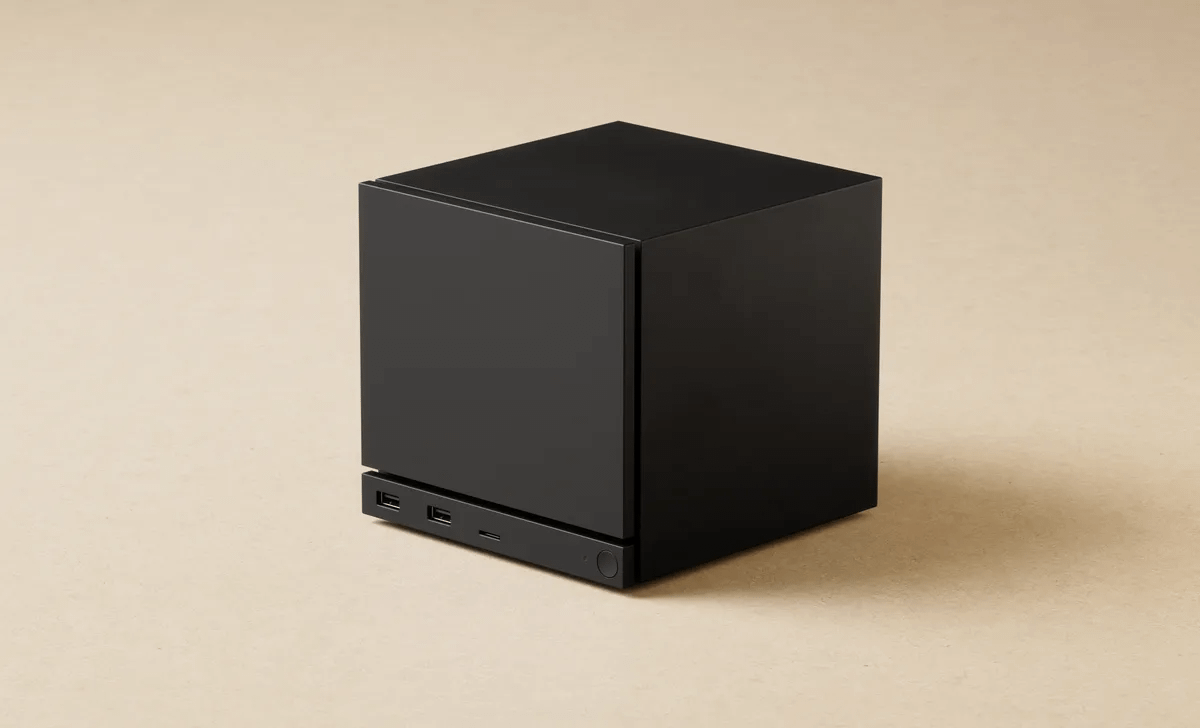
Valve's new Steam Machine is a sleek 6-inch cube that packs PC power into a console-sized box. This compact gaming PC is designed to blend into your entertainment center, but inside it’s all custom PC hardware. Valve says the Steam Machine is over six times more powerful than the Steam Deck, which is impressive considering the Deck itself runs many games quite well at 800p.
To achieve that leap, the Steam Machine is built around a semi-custom AMD chipset featuring a 6-core Zen 4 CPU and an RDNA 3 GPU (with 28 compute units and 8 GB of VRAM). In plain English, that means it’s packing roughly the graphics horsepower of a mid-range gaming PC – comparable to an AMD Radeon RX 7600-class card, along with a modern processor. Valve claims this combo can handle 4K gaming at 60 FPS when using AMD’s FidelityFX Super Resolution (FSR) upscaling technology.
In early tests, it seems plausible: The crew at the Verge saw the Steam Machine run Cyberpunk 2077’s benchmark at an average 65 FPS on a 4K TV using a 1080p render (medium settings + ray tracing, upscaled via FSR 3). That’s console-quality performance, delivered in a palm-sized PC. At native 4K without upscaling, the same test only hit ~24 FPS, a reminder that even powerful hardware needs upscaling to hit high resolutions, much like the PS5 and Series X do. Elsewhere, IGN also got their hands on the Steam Machine, and they agree that Cyberpunk 2077 runs well; however, they did experience some issues with the recently released Silent Hill F.
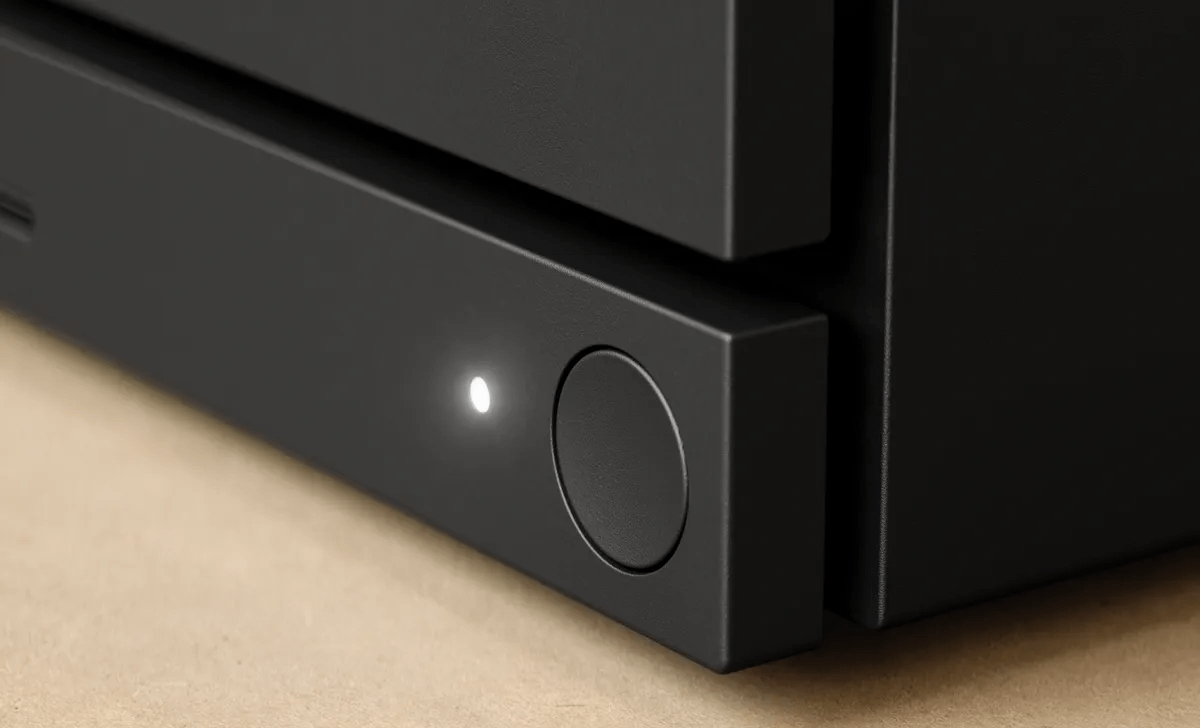
Of course, raw numbers only tell part of the story. The Steam Machine’s form factor is what makes it special. Valve managed to fit PlayStation 5-level power into a box that’s about half the size of a PS5, roughly a 6×6×6 inch cube. I love that it has an internal power supply (no bulky power brick) and a carefully engineered cooling system with a single 120mm whisper-quiet fan. During hands-on previews, Valve engineers showed off how densely packed the internals are, with a massive heatsink filling much of the space and vents on multiple sides to ensure good airflow.
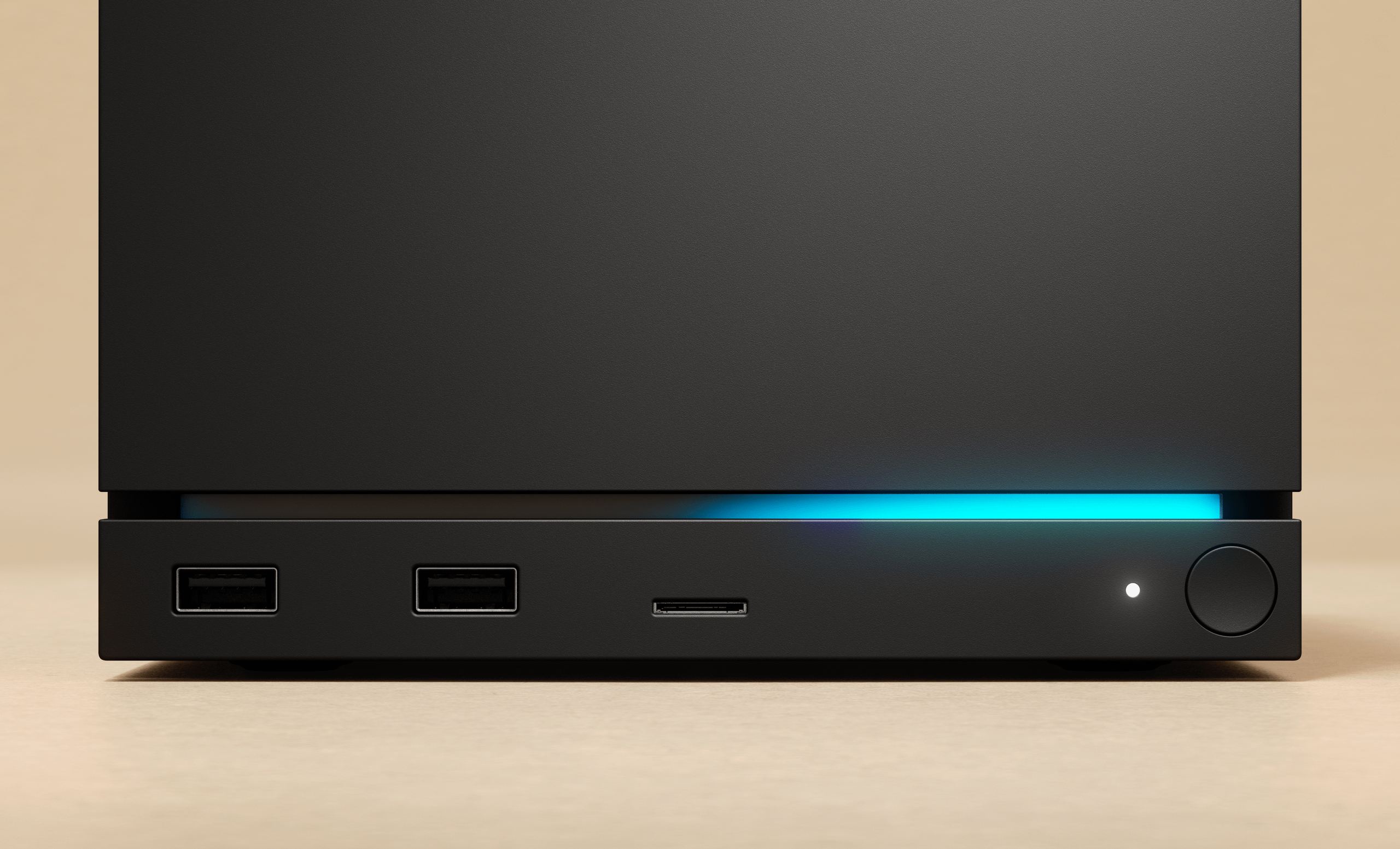
The design is sleek and minimalist — a matte black cube with an understated LED light strip along the bottom front. (That light bar isn’t just for looks; it can display system status like download progress and can be customized with different colors and patterns.) It’s clear a lot of thought went into making this little box both functional and living-room-friendly.
In terms of connectivity, the Steam Machine has all the essential ports to double as a full PC. On the back, it offers HDMI 2.0 and DisplayPort 1.4 for video output (capable of up to 4K@120Hz), plus a Gigabit Ethernet jack for wired networking. There’s also built-in Wi-Fi 6E and Bluetooth 5.3 wireless with dedicated antennas for strong signal.
For peripherals, you get a USB-C (USB 3.2 Gen2) and four USB-A ports (two USB3, two USB2) spread across the front and back – plenty for plugging in controllers, keyboards, external drives, or VR accessories. Impressively, Valve even integrated a wireless receiver for the new Steam Controllers directly into the Steam Machine’s chassis, meaning you won’t need a dongle taking up a USB port to use its gamepad.
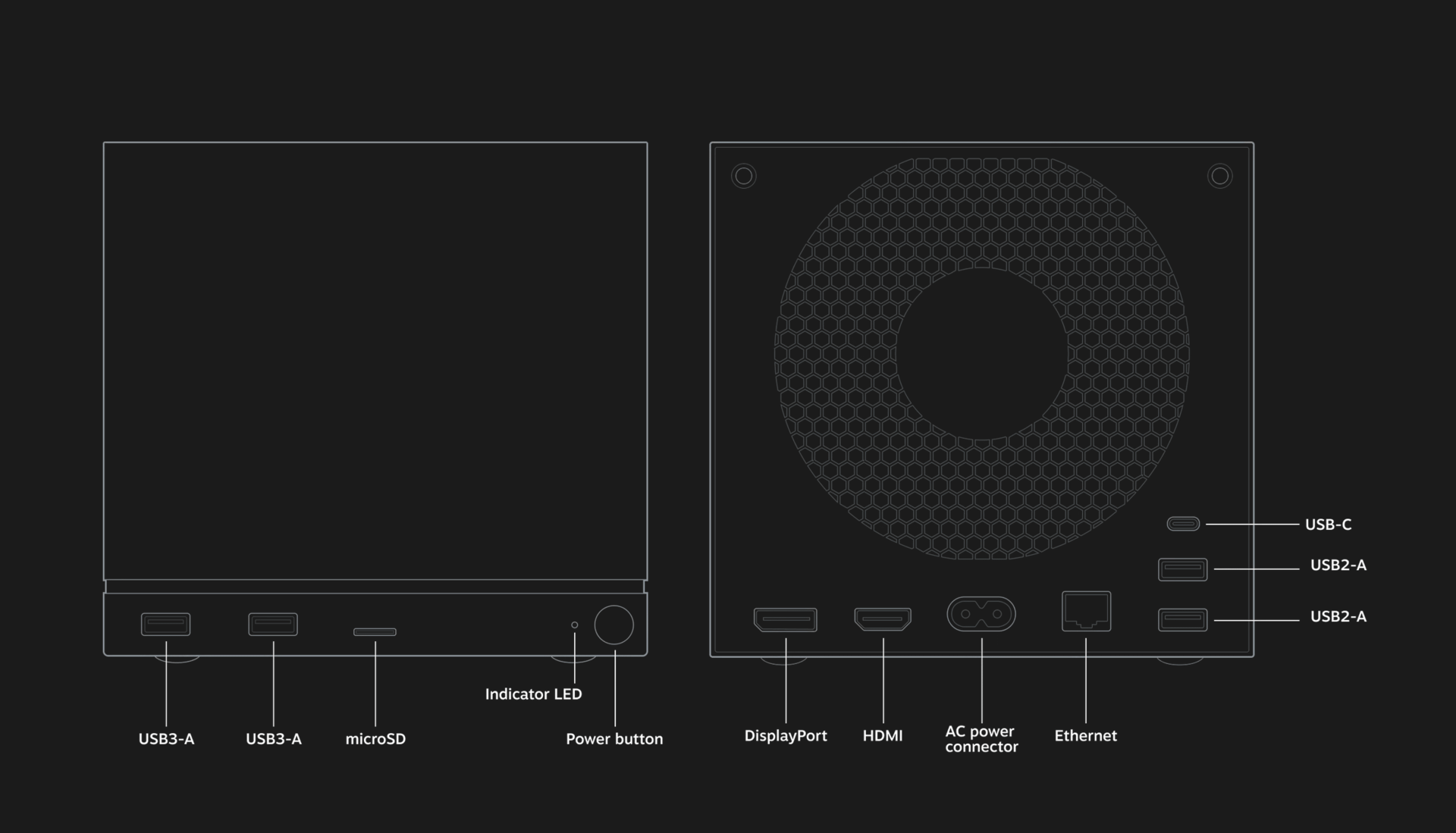
And yes, it has a microSD card slot as well, conveniently allowing you to expand storage or transfer games between your Steam Deck, Steam Machine, and the Steam Frame VR headset if you have multiple devices.
Speaking of storage, Valve plans to offer two variants: one with 512 GB and one with 2 TB of fast SSD storage. Both are expandable via that microSD slot, though personally I’d likely opt for the larger model if the price gap isn’t too steep – modern AAA games are huge, and 512 GB can fill up fast. It’s not yet confirmed if the internal SSD is user-upgradeable; given the small form factor, it might be difficult or limited.
Valve did mention the SSD and even the 16 GB RAM might technically be replaceable, but it’s not a machine built for easy tinkering. The good news is, whether you get 512 GB or 2 TB, you’re getting the same performance – the CPU/GPU/RAM are identical in both models, so it’s only storage capacity that differs.
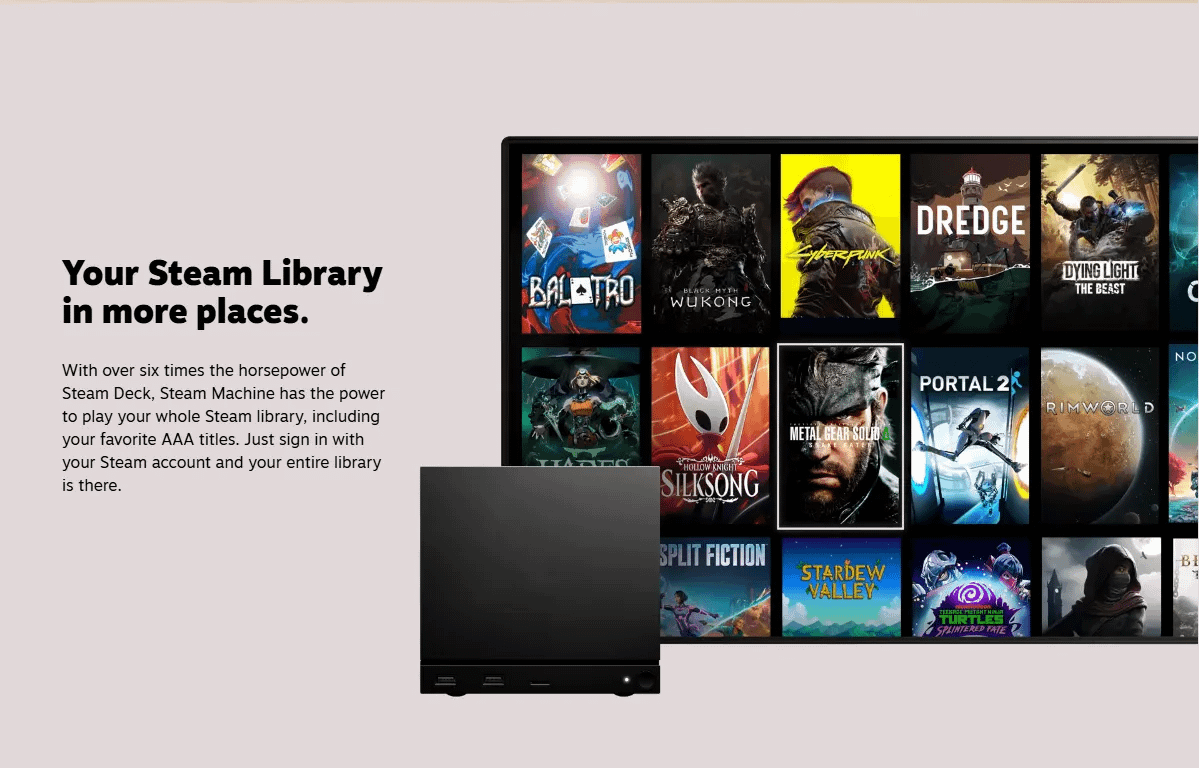
Like the Steam Deck, the Steam Machine runs Valve’s SteamOS – a Linux-based, gaming-focused operating system. It boots straight into a console-friendly Steam interface (Big Picture mode), and is designed for instant suspend-and-resume gameplay, cloud saves, and all the conveniences console players expect. You can basically hit the power button to pause your game and put the system to sleep, then resume later in seconds – something PC gamers on Windows have only dreamt of until now.
One of my favorite tidbits: Valve is extending the Steam “Deck Verified” program to include the Steam Machine. That means games on Steam will have a badge indicating how well they run on Steam Machine hardware (similar to how they’ve been rating games for Steam Deck compatibility). This is great for transparency – before buying or installing a game, you’ll know if it runs flawlessly or if it might need some tweaking. It shows Valve learned from the Deck’s launch, where the Verified badges helped users navigate which games played nicely with the custom hardware and Proton (the compatibility layer for Windows games on Linux).
Despite being as plug-and-play as a console, the Steam Machine still has PC gaming DNA. Valve emphasized that it’s still a PC at heart – you can install other software on it or even wipe SteamOS and install Windows if you really want to. Personally, I love that flexibility (I might dual-boot into Windows for certain games or emulators if needed), but I suspect many owners will be perfectly happy sticking with the streamlined SteamOS experience.
The bottom line is that Valve’s little black box aims to give us the best of both worlds: the simplicity of a console with the vast library and openness of a PC. As someone who has juggled both gaming PCs and consoles, that proposition is incredibly enticing.
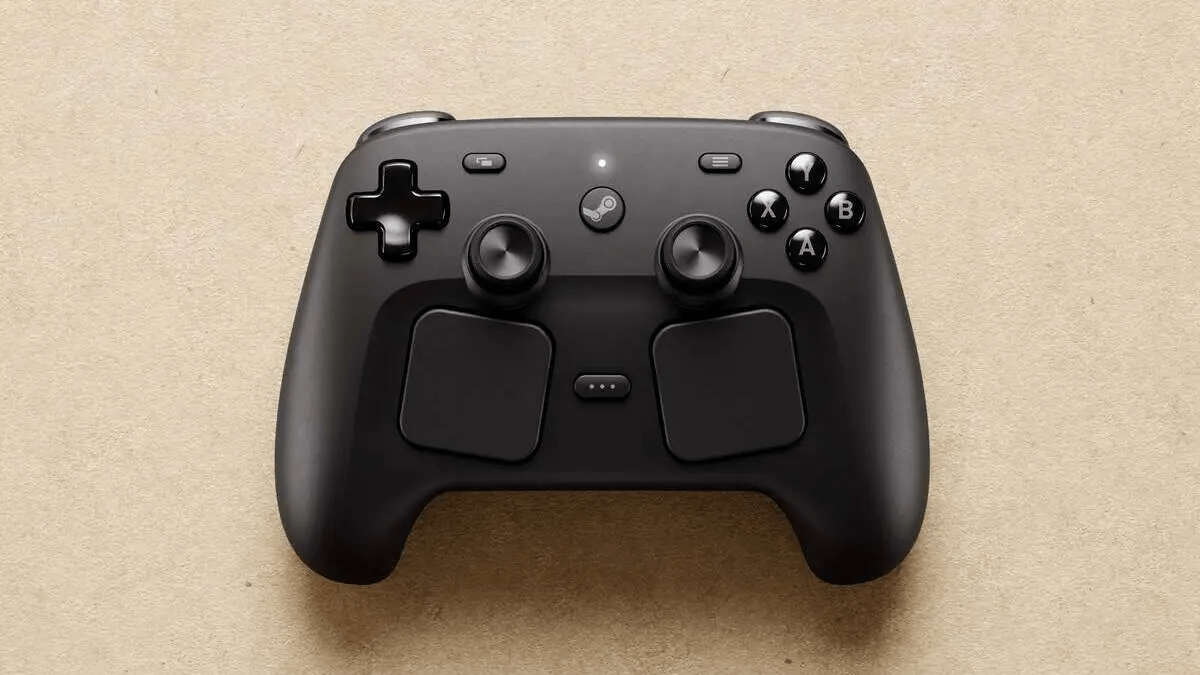
Valve’s new Steam Controller combines a familiar dual-analog gamepad layout with innovative trackpads for added precision. Alongside the Steam Machine, Valve is launching an updated Steam Controller – and it’s a big improvement over their first attempt in 2015. I was one of those who bought the original Steam Controller, and while I appreciated its ambition, it always felt a bit awkward. This new version looks far more conventional at first glance: it has two analog thumbsticks (finally!), a proper D-pad and ABXY buttons, and triggers and bumpers like any standard Xbox or PlayStation controller.
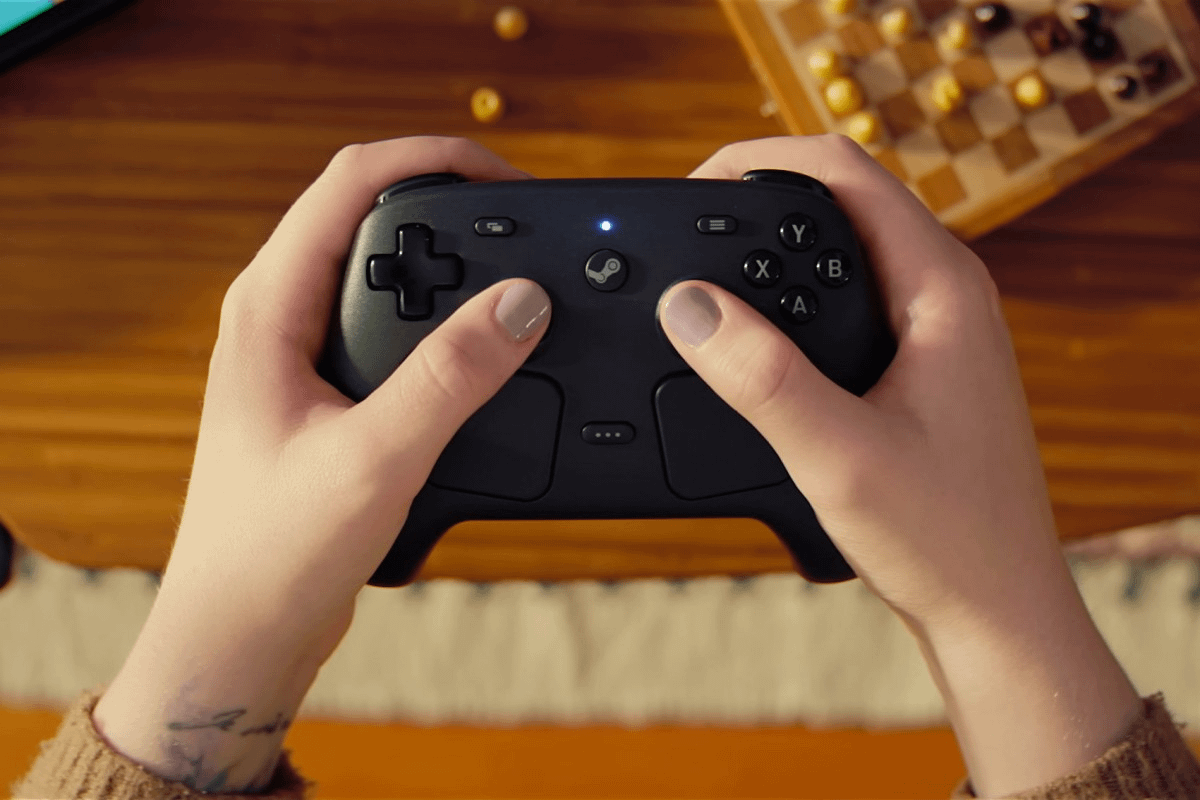
In fact, some have noted it resembles the Nintendo Switch 2 Pro controller with Steam Deck-style touchpads grafted on. Those twin trackpads are the killer feature that set the Steam Controller apart – they sit just below the sticks and effectively stand in for mouse input. That means when I’m browsing the desktop mode of SteamOS or playing a strategy game or shooter that benefits from mouse-like precision, I can slide my thumb on a trackpad and even use gyroscopic aiming to fine-tune my shots.
The inclusion of two trackpads (one under each thumb) is clearly inspired by the Steam Deck’s control scheme, and I’m glad Valve stuck with it. On the Deck, the trackpads have been a godsend for playing genres that don’t traditionally map well to controllers — think RTS games, sims, or anything with lots of tiny UI elements. Now that experience comes to the couch via the Steam Controller.
And unlike the first-gen controller, this time we don’t lose a stick to get trackpads – we have both sticks and pads. Valve also upgraded the tech in the sticks: they’re using magnetic Hall Effect sensors (Tunnel Magnetoresistance or TMR) that should be far more resistant to stick drift over time. As someone who’s had to replace drifting sticks on my Xbox and Switch controllers, that’s very reassuring news.
Comfort and battery life are also supposedly better. Valve says the controller can last 35+ hours on a charge, and it now has an internal rechargeable battery (the old one relied on AAs unless you modded it). It connects wirelessly either via Bluetooth or a dedicated 2.4 GHz wireless “puck” that comes in the box.
That puck serves dual purposes: it provides a low-latency connection (likely more reliable than Bluetooth) and it acts as a magnetic charging dock for the controller when you’re not using it. Neat! However, if you have the Steam Machine, you might not even need the USB puck – as mentioned earlier, the Steam Machine has the controller receiver built-in. Up to four controllers can connect to one Steam Machine that way, which is perfect for some sofa co-op or multiplayer action.
Using the new controller in person, PC Gamer's Jacob Ridley noted it feels much more natural than the old one. The ergonomics have been refined (the trackpads are slightly angled for comfort), and it has all the extra features you’d expect in a modern gamepad: gyro sensors for motion input, HD haptic feedback, and even grip buttons on the back for extra functions.
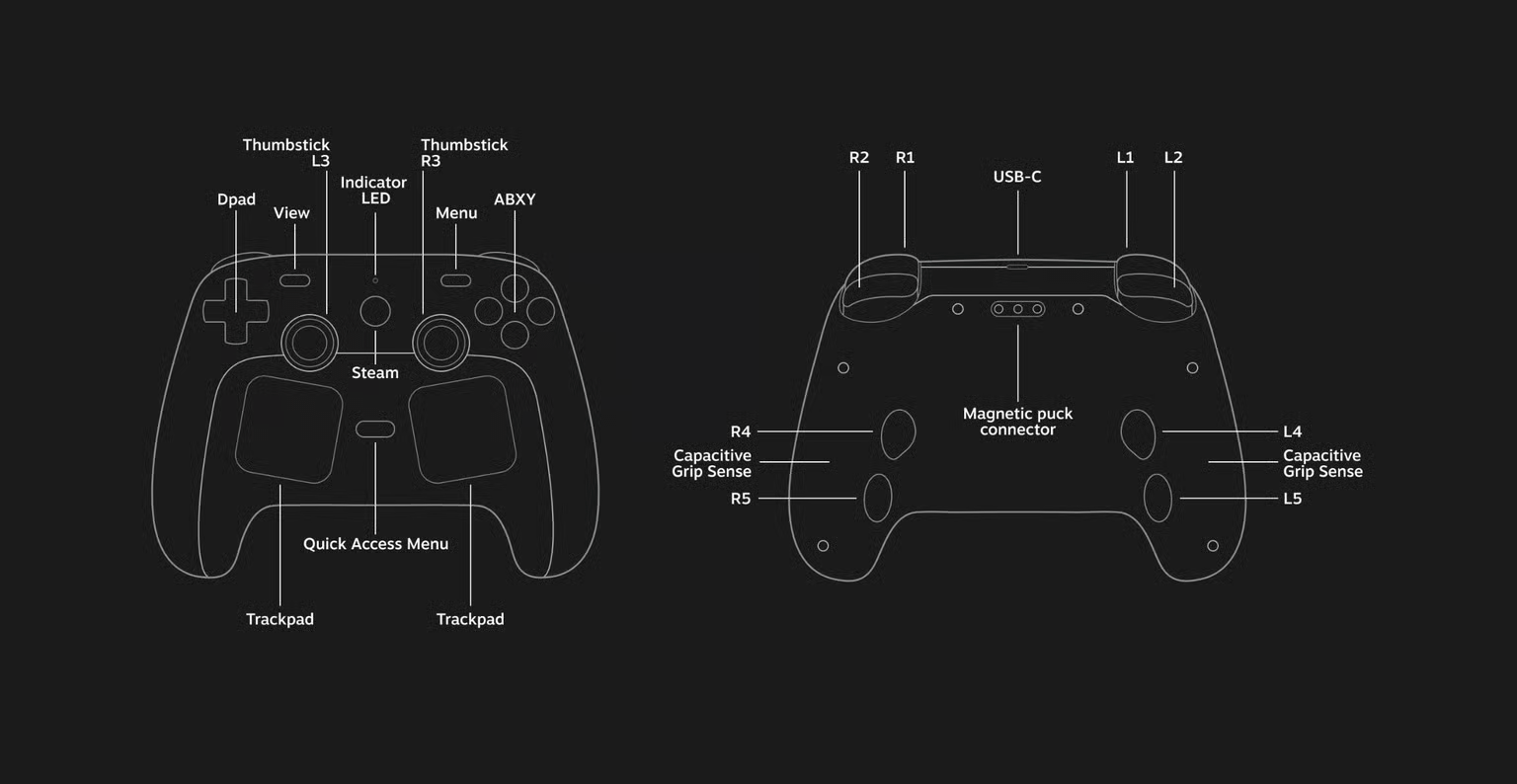
Basically, Valve is trying to give us a controller that can do everything: play console-style games normally, but also handle mouse-heavy PC games, all without needing a keyboard and mouse on the couch. If it delivers on that promise, it’ll be the perfect companion for the Steam Machine. I’m already imagining kicking back on the sofa, Steam Machine hooked to the TV, playing everything from Elden Ring to Civilization with a single flexible controller.
One thing to keep in mind: the Steam Controller will be sold separately (since you can also use it with a PC, Steam Deck, or Steam Frame), though Valve may offer bundles. No price has been announced yet, but speculation puts it around the $100 range, if not a bit more. If it’s on the higher side, I hope Valve offers a discount when buying it alongside a Steam Machine.
Valve didn’t stop at the console and controller — they also unveiled the Steam Frame, a new VR headset for 2026. I’m not as much of a VR buff, but it’s still worth mentioning because it rounds out Valve’s ecosystem.
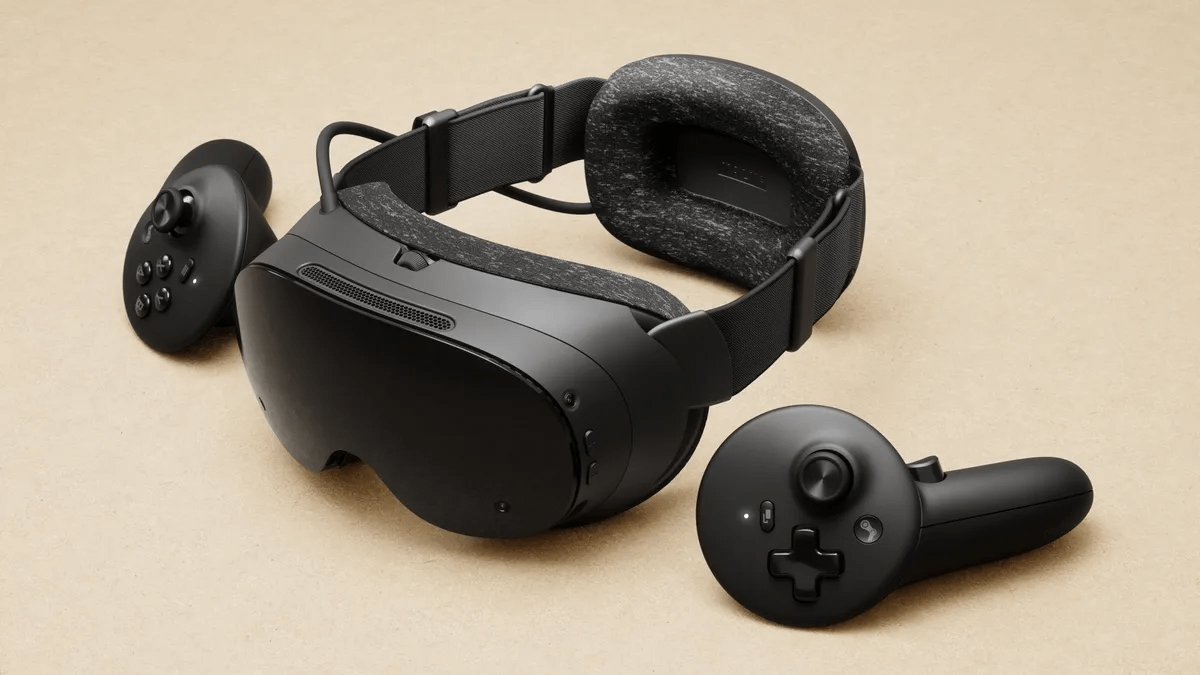
The Steam Frame is a wireless, standalone VR headset (like an Oculus Quest) running SteamOS on a built-in Snapdragon XR chip – meaning it can play some VR games untethered, no PC required. You can also link it to a PC (or the Steam Machine) via a special 6 GHz wireless adapter for high-fidelity PC VR streaming. And here’s a twist: Valve says you can even play your regular non-VR games inside the headset on a giant virtual screen.
In short, Steam Frame is Valve’s bid to cover VR gaming in the Steam ecosystem. It’s cool tech, though for me the Steam Machine itself is the bigger deal. Still, it shows Valve’s commitment to an interconnected platform — you could play on your TV one minute, then jump into VR the next, all within the Steam universe.
Whenever a new gaming system comes out, the first question everyone asks is “how does it compare to what I already have?” In this case, Valve is essentially putting out a mini PC that goes up against the current consoles – the PlayStation 5 and the Xbox Series X. t also competes in a sense with traditional gaming PCs, especially small form factor ones. Here’s my take on how the Steam Machine measures up:
The Steam Machine’s capabilities are roughly on par with a PS5. It has a newer 6-core CPU (vs the PS5’s older 8-core) and a custom AMD graphics chip in the same class as the PS5’s GPU, so real-world performance should be very similar. Like modern consoles, it often relies on upscaling (FSR) to hit smooth frame rates at 4K.
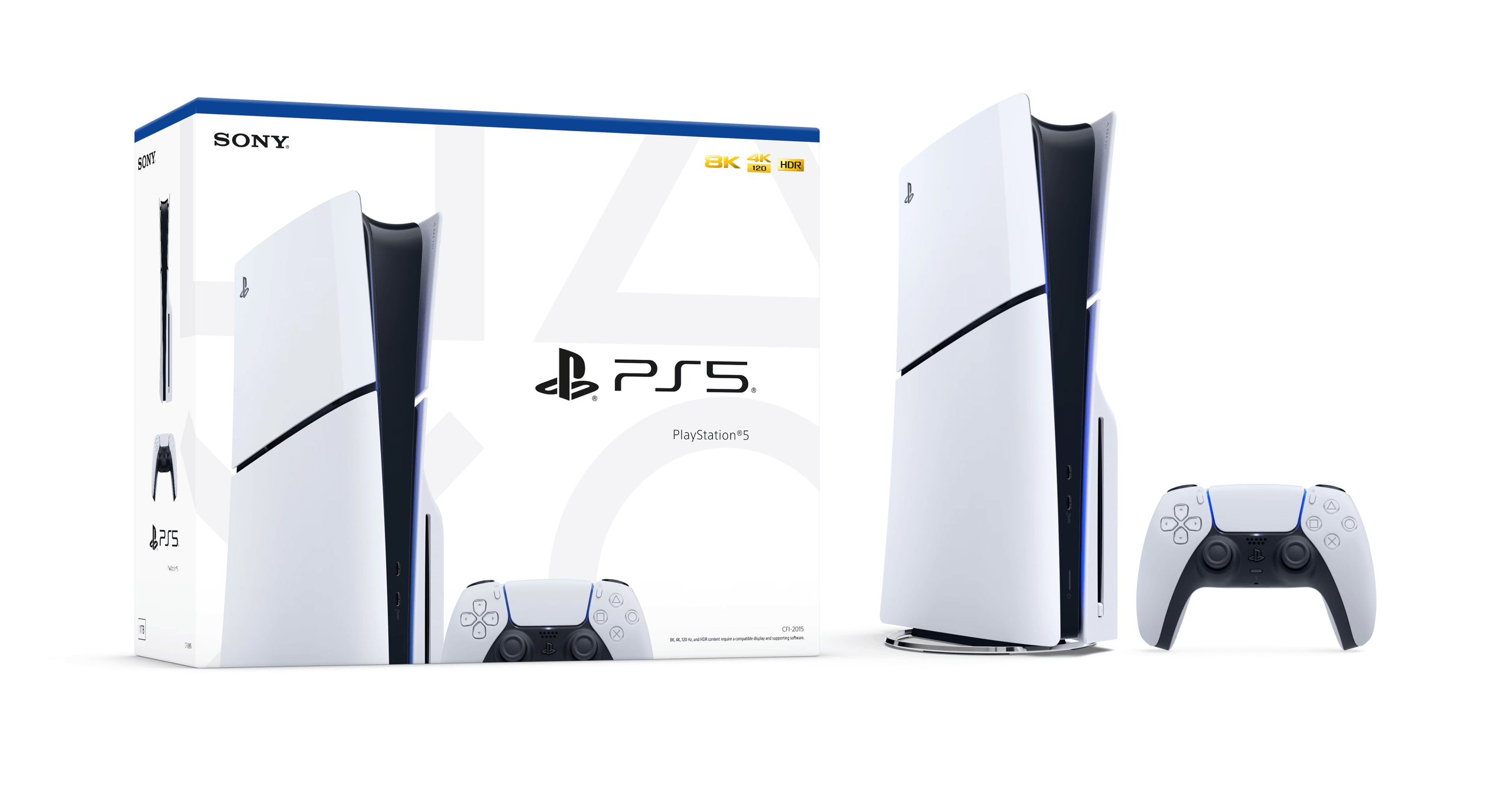
In the Verge's test, for example, it ran Cyberpunk 2077 at about 60 FPS on a 4K TV using a 1080p render with ray tracing enabled. Native 4K was much lower (~24 FPS) without upscaling – but consoles don’t run the most demanding games at native 4K either. All told, the Steam Machine should deliver a gaming experience in the same ballpark as a PS5.
The story is similar to the PS5 comparison. The Steam Machine’s hardware is in the same league as the Series X, so it can handle the same games at comparable settings. The big differences come down to ecosystem and value: Xbox offers Game Pass and Microsoft exclusives, while the Steam Machine gives you the huge Steam library.
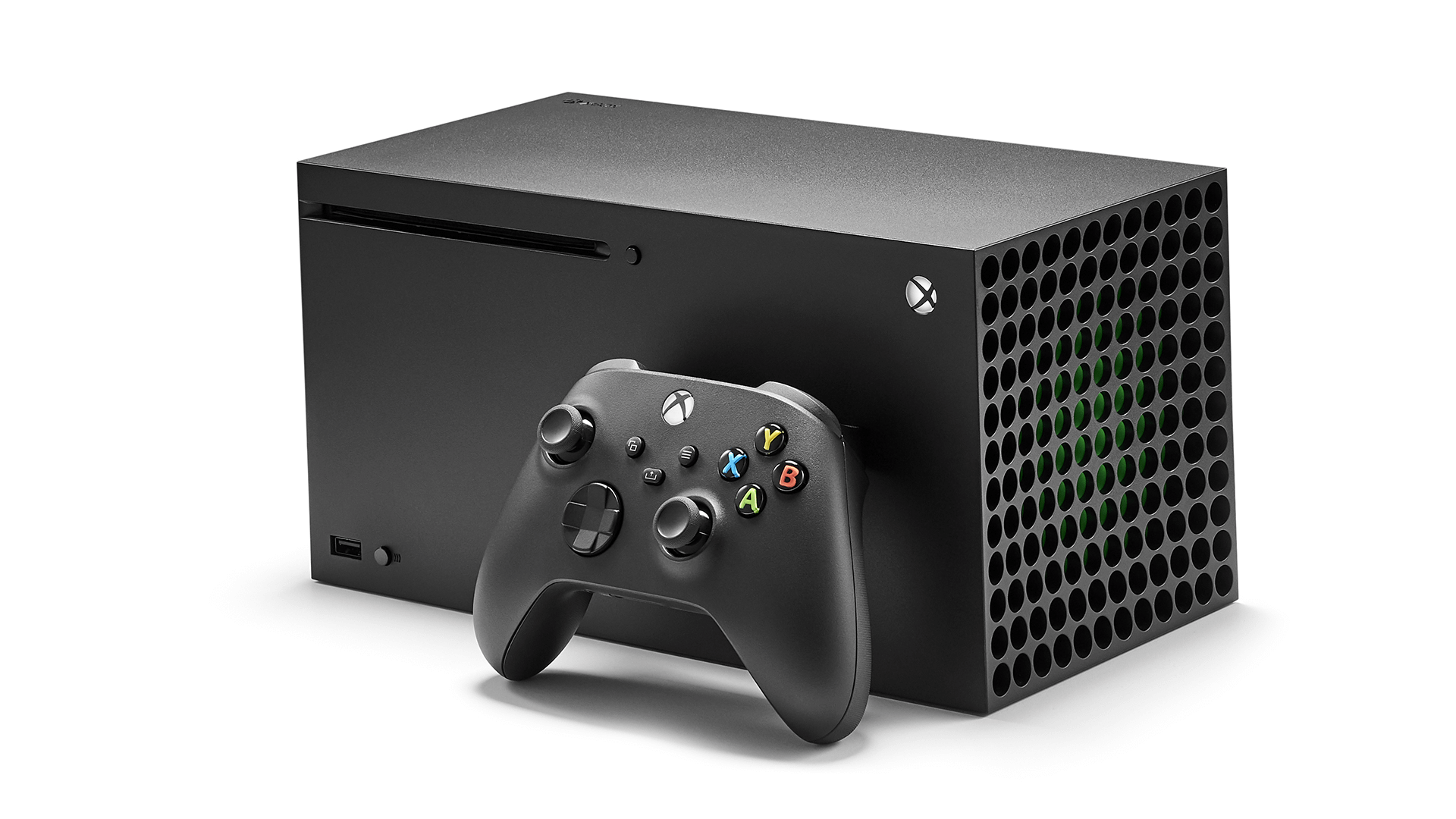
Also, playing online is free on Steam – no subscription needed – whereas Xbox (and PlayStation) charge for multiplayer. That’s a key long-term saving for Steam Machine owners. If Valve prices the Steam Machine right, it could even undercut the latest Xbox models on price-to-performance, making it a very enticing alternative.
Couldn’t you just use a regular PC? Sure, in fact, the Steam Machine is essentially a PC, just shrunken and tuned by Valve. Building a similar ultra-compact gaming PC yourself wouldn’t be easy or cheap. It is estimated that parts for a comparable build could run about $800, and you’d likely end up with a larger box (and have to set up the OS and drivers yourself).
The Steam Machine comes ready-to-go with SteamOS and is engineered to be small, quiet, and hassle-free. Unlike a custom PC, you can’t really upgrade the Steam Machine’s core components (CPU/GPU) – it’s a fixed platform, more like a console. But I’m fine with that. I’d just treat it like a console that lasts for 5+ years. Not having to worry about swapping parts or troubleshooting drivers is actually a relief!
Now we get to the elephant in the room: how much will the Steam Machine cost? As of the announcement, Valve hasn’t given a concrete price – and that makes me anxious. My gut as a consumer says: keep the 512GB model at $400-$450 ($500 max) and the 2TB model no higher than $650-$700, and this thing will fly off shelves. But is that realistic? Some analysts are predicting a higher price. For instance, Windows Central's analysis guessed the Steam Machine might debut at around $650 to $750, given the hardware inside. If that turns out true, I’ll be honest: I’m going to hesitate, and I bet I won’t be the only one.
Consider this: a brand new PlayStation 5 Slim with a disc drive is about $540 now, and the PS5 Pro is $749. If Valve tries to sell the base Steam Machine for $650+, they’re essentially saying “pay more than a PS5 for this PC console.” That’s a tough ask for the average gamer, even if the Steam Machine is more versatile. Console players might just stick with what they know (and what their friends have) if the cost is that high. And PC enthusiasts will do the math and realize they could build a similar PC or buy a different mini PC for maybe the same or less money. Like I mentioned earlier, if it’s not a clear value proposition, those folks might either build their own or simply wait for the next-gen consoles rather than jumping into Valve’s ecosystem.
Valve has a history of pricing hardware aggressively (the Steam Deck’s $399 starting price for the 256GB SSD version shocked everyone in a good way). The Deck was arguably sold at a slim profit or maybe even a loss on the base model, banking on software sales and volume. I’m hoping Valve does something similar here. There are reasons it could be cheaper than a typical PC: there’s no Windows license fee, no expensive high-end components (they opted for slightly older-gen CPU/GPU tech), no built-in display or battery, and they likely will manufacture at scale to get bulk discounts.
All that could help keep costs down. In fact, Valve’s Pierre-Loup Griffais (one of the Steam Deck designers) hinted in an interview with The Verge that the Steam Machine would be positioned at the entry-level of the PC market and competitive with DIY PC prices. To me, “entry-level PC” suggests something in the $400-$600 range, not $800. So there is hope that Valve knows they need to hit a sweet spot.
From my perspective, the sweet spot is $500 (I'm not gonna write $499) for the 512GB model. At $500, the Steam Machine would undercut the current high-end consoles (especially given their recent price bumps). If they could manage $450 or $400, it would be a slam dunk. For the 2TB model, if it’s $600 or $700 max, that could be acceptable, since high-capacity SSDs add cost. But any more than that and it starts to feel extravagant.
The reality is, Valve doesn’t need to make a huge profit on hardware. Their goal is to get us into the Steam ecosystem (where we’ll buy games, maybe a controller, maybe VR down the line). They’ve said in the past they prefer a larger user base with lower margins over a small user base with high margins. So I’m crossing my fingers that come launch day, we’ll be pleasantly surprised by the price. If not… well, as much as I want the Steam Machine, I’m prepared to stick with my current setup. I suspect many gamers will take a wait-and-see attitude if the price doesn’t clearly beat the alternatives.
In the end, I’m rooting for the Steam Machine to be the next big thing. Valve is essentially offering a bridge between two worlds: the openness, huge library, and bargains of PC gaming, and the ease-of-use and form factor of consoles. That’s exactly what I’ve wanted for years. No offense to my PS5 and gaming PC – they’re great – but the idea of a device that lets me access my entire Steam library from the couch, without the tinkering and headache of a full desktop, is incredibly appealing. Add in the new Steam Controller for comfy couch play, and I’m daydreaming of winter weekends lost in epic strategy games or split-screen co-op sessions with friends.
However, my enthusiasm is tempered by practicality. We’ve seen great hardware falter on pricing before (including Valve’s own earlier Steam Machine attempt). Valve has learned a lot since then, and the Steam Deck’s success shows they can deliver on both hardware and an ecosystem. If they get the price right – making the Steam Machine an impulse buy for enthusiasts and an attractive option versus a console – I truly think it can be a huge hit. If not, it may end up being more of a niche “for the hardcore only” box, which would be a shame given its potential.
As of now, all eyes are on that early 2026 launch. I’ll be eagerly awaiting the pre-order details, credit card in hand – but with one eyebrow raised, checking that price tag. Come on, Valve, surprise us (in a good way)! Give us a Steam Machine that delivers on its promise without breaking the bank, and you’ll have my money and probably a lot of others’ as well. Until then, I’m staying cautiously optimistic about this little PC console that just might change the game.






Privacy Policy
Terms and Conditions - Affiliate Policy
Home Security
© Copyright 2008-2026.
11816 Inwood Rd #1211, Dallas, TX 75244
