



Sony’s latest flagship earbuds are here, and if you’ve been following the 1000X series over the years, the new WF-1000XM6 marks one of the biggest updates the line has seen. The company is leaning heavily into noise canceling upgrades, revamped sound processing, improved call clarity, and a more ergonomic design. And while the headline feature is definitely noise reduction, the XM6 refresh touches almost every part of the experience, from fit to connectivity.
Alongside the earbud launch, Sony is also expanding its over-ear headphone lineup by introducing a new Sand Pink color option for the WH-1000XM6. The timing makes sense, both products share similar processing hardware and software features, so Sony is clearly trying to keep the range visually and technically aligned.
Let’s walk through what’s new and what these changes mean if you’re considering upgrading.
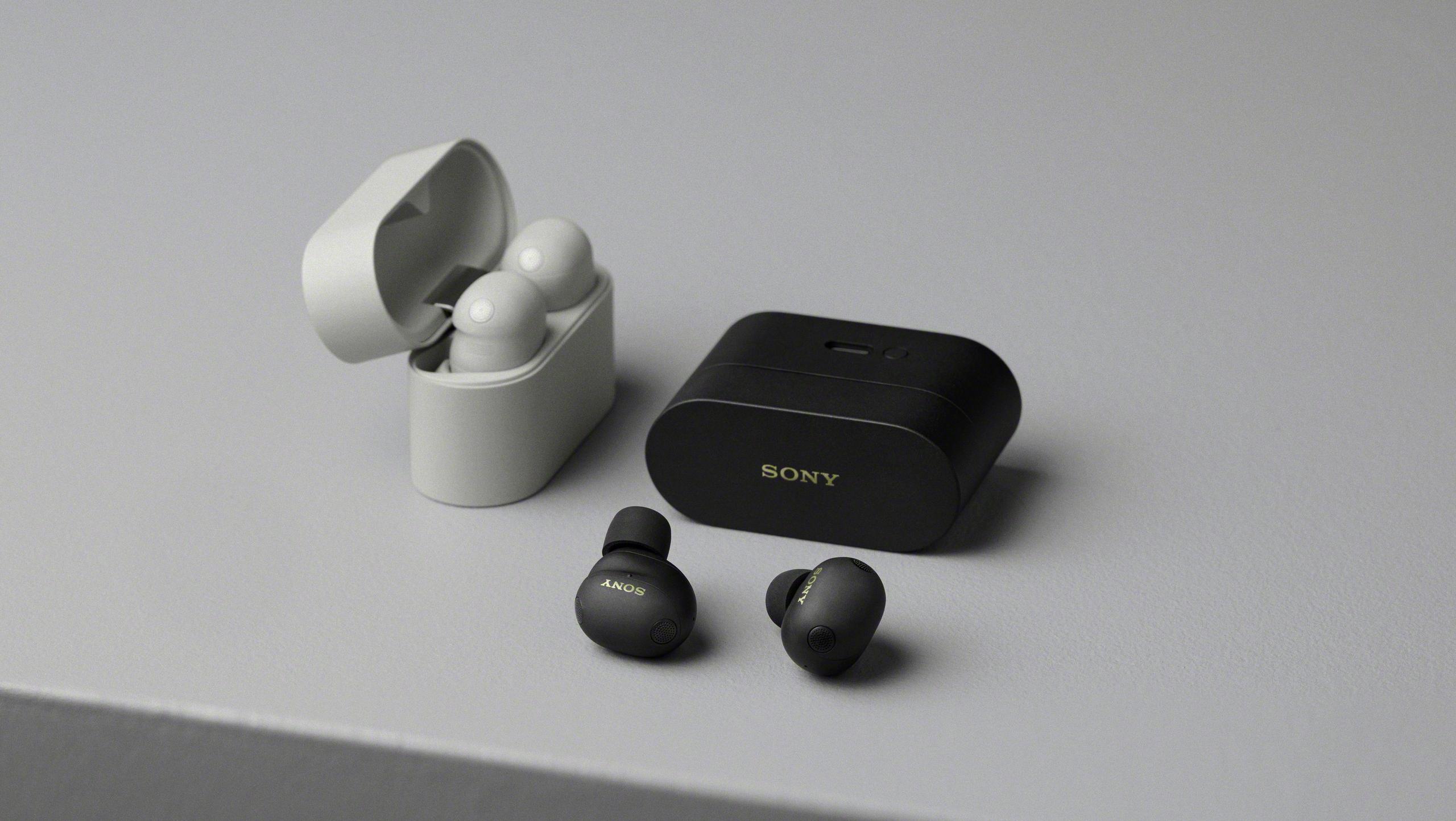
Sony is claiming a 25% improvement in noise reduction compared to the previous WF-1000XM5 model. If you’ve used the XM5 before, you know the bar for ANC was already high, so an increase of this size is worth paying attention to.
The improvement comes from a few major changes working together:
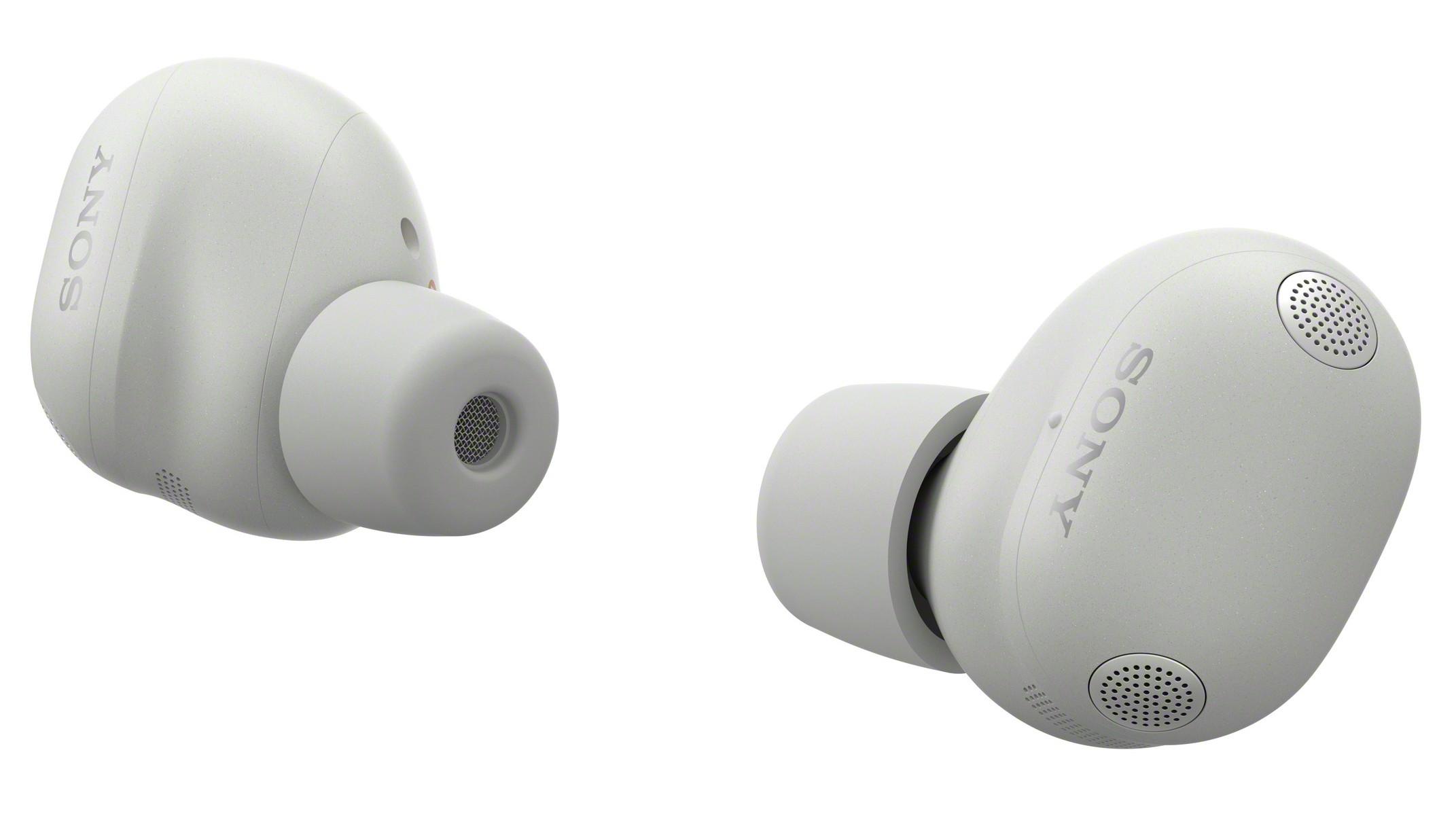
Sony also redesigned the earbuds themselves to help block noise before any processing happens. The Noise Isolation Earbud Tips, available in four sizes, seal gaps more effectively, and the ANC algorithm adapts to the listener’s ear shape in real time. The combination of physical isolation and software-based analysis is a recurring theme in this generation.
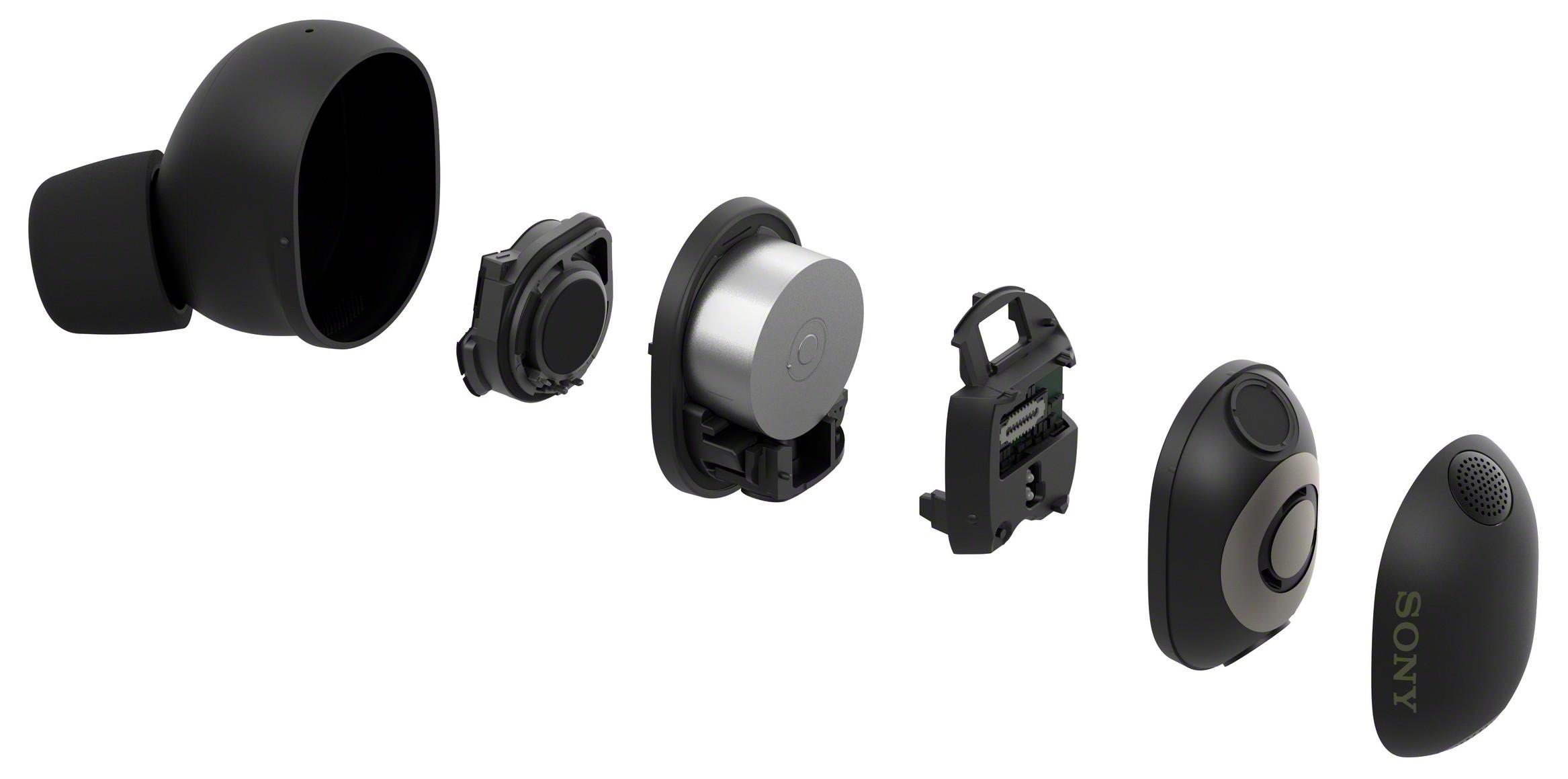
The WF-1000XM6 continues Sony’s trend of using dedicated chips for different parts of the audio chain. You have:
Together, these chips aim to produce cleaner, more detailed audio with better handling of dynamic range. But Sony didn’t stop at processing power, as the earbuds also use a newly developed driver built around a hybrid diaphragm design. A soft edge helps with low-frequency response, while a lightweight and rigid dome is tuned for high-frequency clarity.
Special notches built into the edge of the diaphragm help smooth out transitions across the frequency spectrum, reducing distortion and improving tonal consistency. On paper, the design seems intended to give the earbuds better control across the entire range rather than simply boosting one area.
Hi-Res Audio Wireless support, DSEE Extreme processing, a 10-band EQ, 360 Reality Audio, and head tracking return from the previous generation. If you like to tweak your sound profile, Sony’s app still gives you plenty of flexibility.
And for this generation, Sony says it consulted with several respected mastering engineers, including Grammy-winning professionals, to help refine the sound profile. Their feedback contributed to how the XM6 handles bass, vocal clarity, and transient detail.
Each earbud includes two microphones and a bone conduction sensor, which feed into Sony’s AI-driven beamforming noise-reduction algorithm. The goal is simple: better separation between your voice and the environment around you.

Bone conduction sensing is becoming more common because it gives the earbuds a second reference point for detecting when you’re speaking. This helps them maintain clarity when you’re outdoors, surrounded by traffic, or in a crowded indoor space.
Early hands-on reports across the industry suggest the system works well in noisy conditions, and the upgrade should be particularly noticeable if you often take calls outside or in transit.
Sony redesigned the WF-1000XM6 housing, making it about 11% slimmer than the XM5 and reshaping it to match the natural curves of the ear. The idea is to reduce pressure points while improving stability, especially for long sessions.
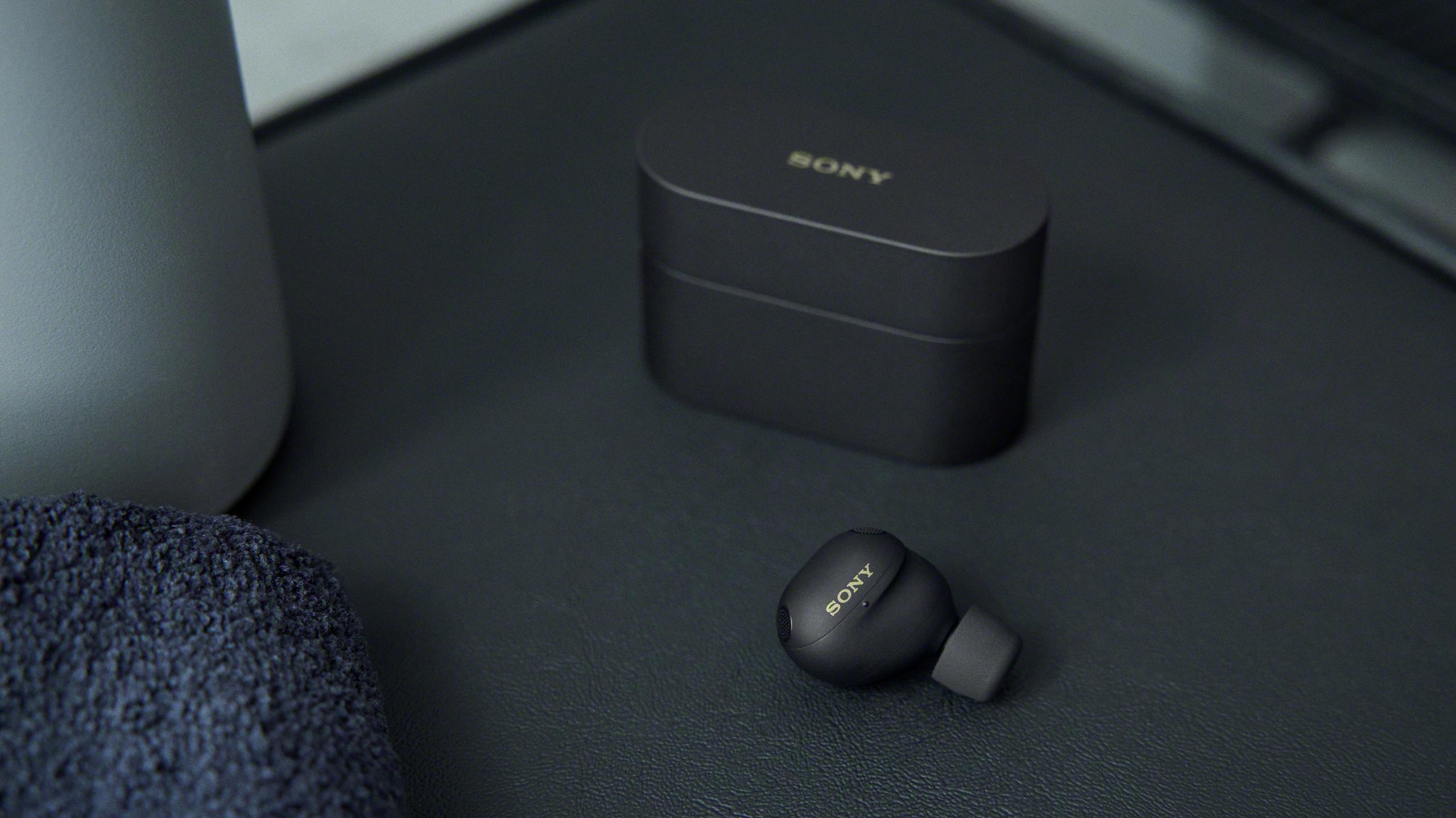
A new ventilation structure also helps reduce internal noises, things like footsteps transmitted through bone conduction or the sound of chewing, both of which can sometimes become distracting with closed-fit earbud designs.
The charging case has also been tweaked. It opens more easily with one hand and the earbuds sit in a layout that makes them easier to grab. Wireless charging via Qi is supported, and battery life remains the same as the previous model: up to 8 hours per charge, with up to 24 hours total when using the case.
Bluetooth reliability is another major area of improvement. The XM6 uses an antenna that’s 1.5 times larger than the XM5’s, and Sony says it redesigned its algorithms to strengthen connection stability, something many earbud manufacturers are focusing on as wireless congestion continues to grow.
The earbuds also support LE Audio, which lowers latency and will be useful for gaming and real-time applications once wider device support becomes available. Google Gemini integration allows hands-free assistance with tasks like scheduling, messaging, and getting directions.

If you're weighing the WF-1000XM6 against other top earbuds, the usual alternatives are Bose’s QuietComfort Ultra Earbuds (2nd Gen), Apple’s AirPods Pro 3, and Technics’ EAH-AZ100. They all sit in the same general price range, but each one leans into a different strength.
Here’s a quick snapshot to set the stage:
| Model | Price | Strengths | Ideal For |
|---|---|---|---|
| Sony WF-1000XM6 | $329 | Strong ANC jump, hi-res support, detailed app control, LE Audio | Android users, commuters, audio tweakers |
| Bose QC Ultra (2nd Gen) | $299 | Very strong ANC, very comfortable, simple setup | Anyone who wants maximum noise reduction |
| Apple AirPods Pro 3 | $249 | Deep iOS integration, great Transparency mode, heart-rate sensing | iPhone users who want a seamless ecosystem fit |
| Technics EAH-AZ100 | $299 | Magnetic fluid drivers, long battery life, Dolby Atmos | Listeners who prioritize battery and sound quality |
Sony, Bose, and Apple all sit near the top when it comes to ANC, but they get there differently:
Each model emphasizes a different priority regarding sound and features:
As for comfort and battery life, day-to-day use:
Android users who care about hi-res audio and customization will get the most out of the WF-1000XM6 or Technics AZ100. iPhone users are better served by AirPods Pro 3, and anyone who wants the strongest overall noise reduction should still consider Bose’s QC Ultra (2nd Gen).
The WF-1000XM6 earbuds are available in Black and Platinum Silver for $329.99 at Sony, Amazon, and Crutchfield, while the WH-1000XM6 in the new Sand Pink finish is available for $449 at Sony and Amazon.
Related Reading:






Privacy Policy
Terms and Conditions - Affiliate Policy
Home Security
© Copyright 2008-2026.
11816 Inwood Rd #1211, Dallas, TX 75244
