Published On: February 6, 2026

The Sonos Comeback Plan: 6 Products I Hope We See in 2026

Published On: February 6, 2026
We May Earn From Purchases Via Links

The Sonos Comeback Plan: 6 Products I Hope We See in 2026

After a quiet year and a rocky app rollout, 2026 feels like Sonos’ chance to reset and here’s the new gear I’m hoping shows up.

The Sonos Comeback Plan: 6 Products I Hope We See in 2026

  • Nemanja Grbic is a tech writer with over a decade of journalism experience, covering everything from AV gear and smart home tech to the latest gadgets and trends. Before jumping into the world of consumer electronics, Nema was an award-winning sports writer, and he still brings that same storytelling energy to every article. At HomeTheaterReview, he breaks down the latest gear and keeps readers up to speed on all things tech.

Sonos and I are in a bit of a “prove it” phase right now.

After the 2024 app disaster, a very quiet 2025, and a change at the top with Tom Conrad stepping in as CEO, it feels like Sonos has been in repair mode more than innovation mode. For a company that built its reputation on “it just works,” that’s a weird place to be.

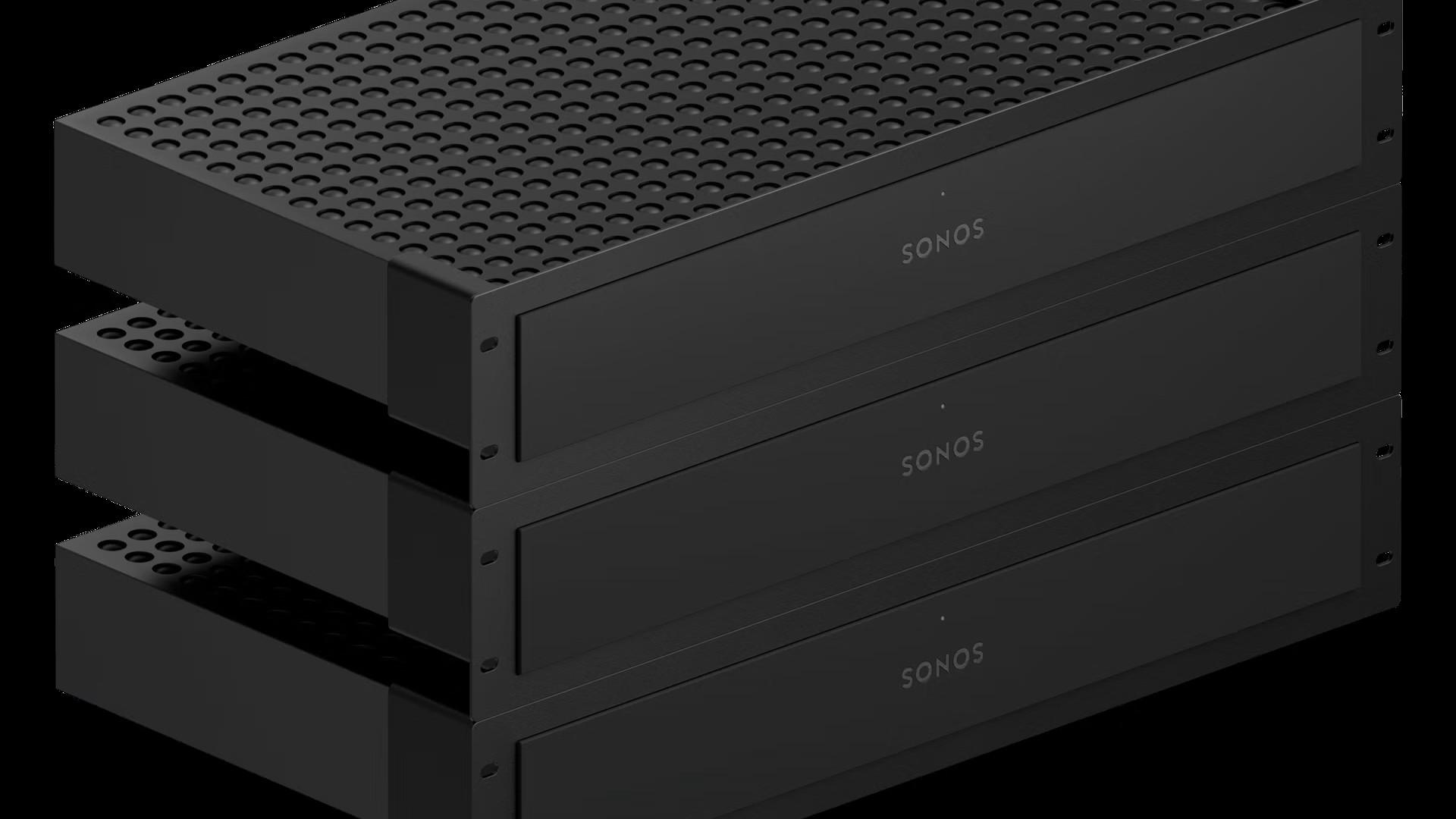
Then, on January 27, 2026, Sonos finally broke the silence with Amp Multi, a professional-grade multi-channel streaming amp aimed squarely at installers, not everyday buyers browsing the Sonos website. It’s not something you or I are going to casually add to our cart; it’s designed to live in racks and equipment rooms, powering four zones in big custom systems.

Still, it’s significant for one reason: it’s the first new Sonos product since late 2024, when the company launched the Arc Ultra soundbar.

Even more interesting is what Sonos is saying now. According to Bloomberg, the company expects hardware launches to ramp up in the second half of its fiscal 2026, and it now “believes the majority of bugs and issues that once plagued its mobile app have been resolved.”

After a year of quiet and a lot of mea culpas, that sounds like the beginning of a comeback phase.

So the big question, at least for those of us invested in the Sonos ecosystem, is simple: What does Sonos actually launch next?

Below is my personal list of new Sonos products I expect (and hope) to see in 2026.

How Sonos Got Here (and Why 2026 Really Matters)

To understand why these next products are so important, you have to rewind a bit.
  • In 2024, Sonos pushed a redesigned app that landed like a brick. Features disappeared, long-time users with large systems felt ignored, and “it just works” suddenly became “why doesn’t this work anymore?”
  • The backlash didn’t go away. Eventually, in early 2025, Sonos’ CEO stepped down, and Tom Conrad took over. His early moves focused on stabilizing the company: fixing the app, reorganizing teams, and, importantly, canceling or delaying hardware projects that no longer made sense in the short term.
  • That’s how we ended up with an unusually quiet 2025 from Sonos. No new soundbars. No new speakers. No flashy consumer hardware at all.
Sonos Amp Multi professional multi-channel amplifiers

Amp Multi changes that, but only a little. It’s aimed at integrators, not regular Sonos owners who just want better sound in the living room.

The real turning point will be when Sonos starts releasing mainstream gear again, the stuff you see in big box stores and on front pages of tech sites. And Sonos is now on record saying those launches should ramp up in the second half of fiscal 2026, which roughly lines up with mid-to-late calendar 2026.

So, if I were running Sonos, what would I prioritize?

Let’s start with the most obvious candidate.

Sonos Ace 2: Round Two in the Headphone Wars

Sonos stepped into the over-ear ANC headphone space in 2024 with the Sonos Ace (currently $319 at Amazon), and the general reaction was… lukewarm.
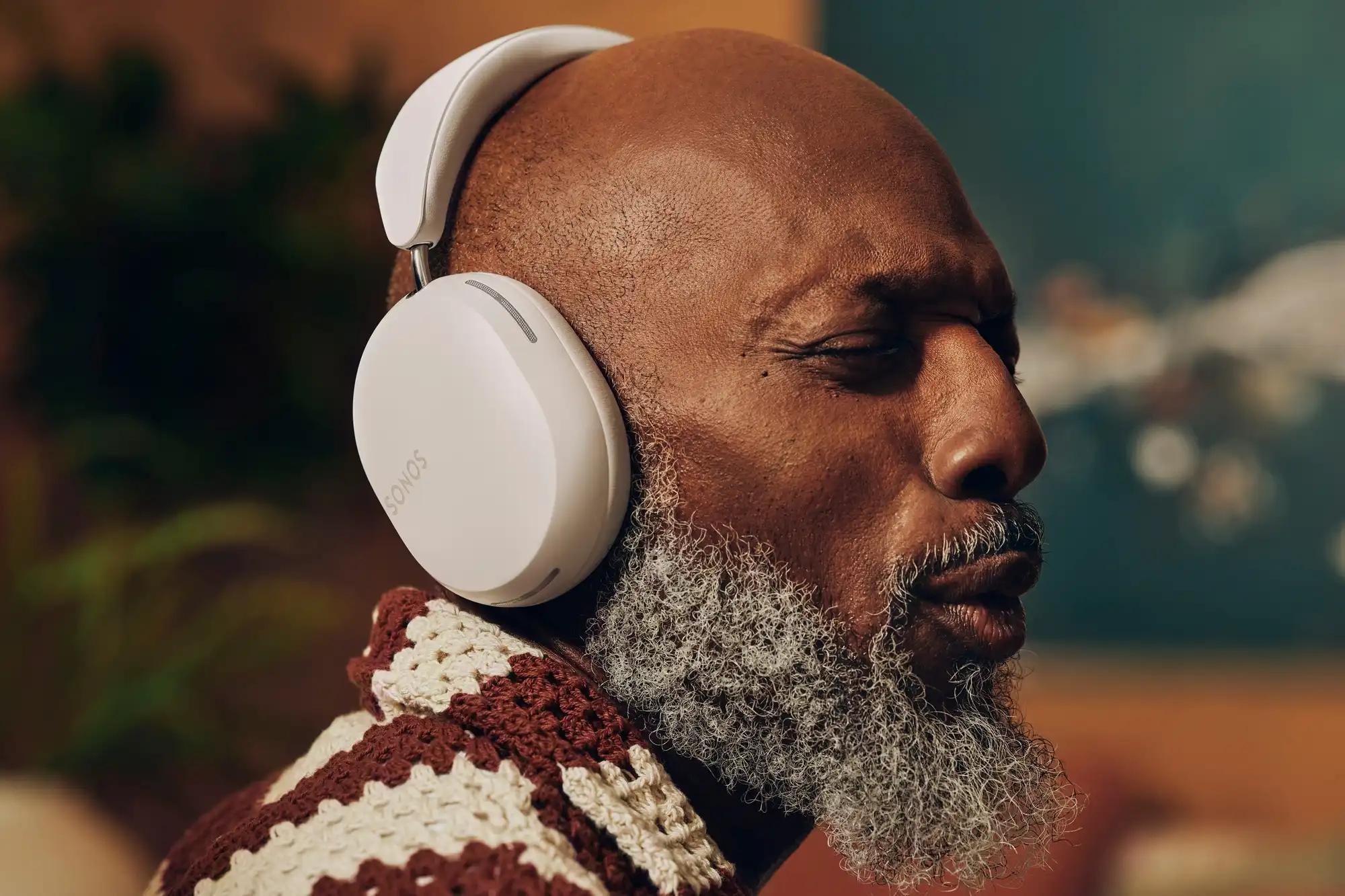
Man wearing Sonos Ace headphones in white color.

They weren’t bad headphones by any means. The first Ace had:

  • A clean, slightly warm tuning
  • Good comfort and build quality
  • Decent battery life
  • The standout feature: TV Audio Swap, which let you move audio from your Sonos soundbar to the headphones

Later on, Sonos rolled out a big software update that added:

  • TrueCinema – using your room and soundbar as a reference to map your space and recreate a surround sound field in the headphones
  • Improved ANC and smart features
  • Better integration for watching TV at night without waking up the whole house

On paper, that all sounds promising, and in practice, it definitely improved the Ace story.

But even after those updates, the Ace were still playing catch-up with heavyweights like Sony and Bose. In the same price range, Sony’s WH-1000XM series and Bose’s QuietComfort Ultra lines still had the edge in noise cancelling, overall refinement, and “automatic buy” reputation.

Now we’re in 2026, and if Sonos does launch an Ace 2, it won’t be stepping into last year’s market. It’ll be going up against things like the Sony WH-1000XM6 ($398 at Amazon) and the Bose QuietComfort Ultra 2nd Gen (currently $399 at Amazon). In other words, the bar is only getting higher.

Sonos Earbuds: Late to the Party, but Maybe with a Unique Twist

If there’s one market that’s absolutely stuffed, it’s true wireless earbuds.

We have AirPods, AirPods Pro, Samsung Galaxy Buds, Sony LinkBuds and WF-series, Bose QuietComfort Earbuds, Jabra, Nothing, Sennheiser, countless budget brands… it’s a wall of options at every price point.

So why on earth would Sonos jump into this mess?

Because once you’ve launched your first over-ear headphones (Ace), earbuds are the natural next step. And as risky as the earbud market is, there is a world where Sonos makes something genuinely interesting.
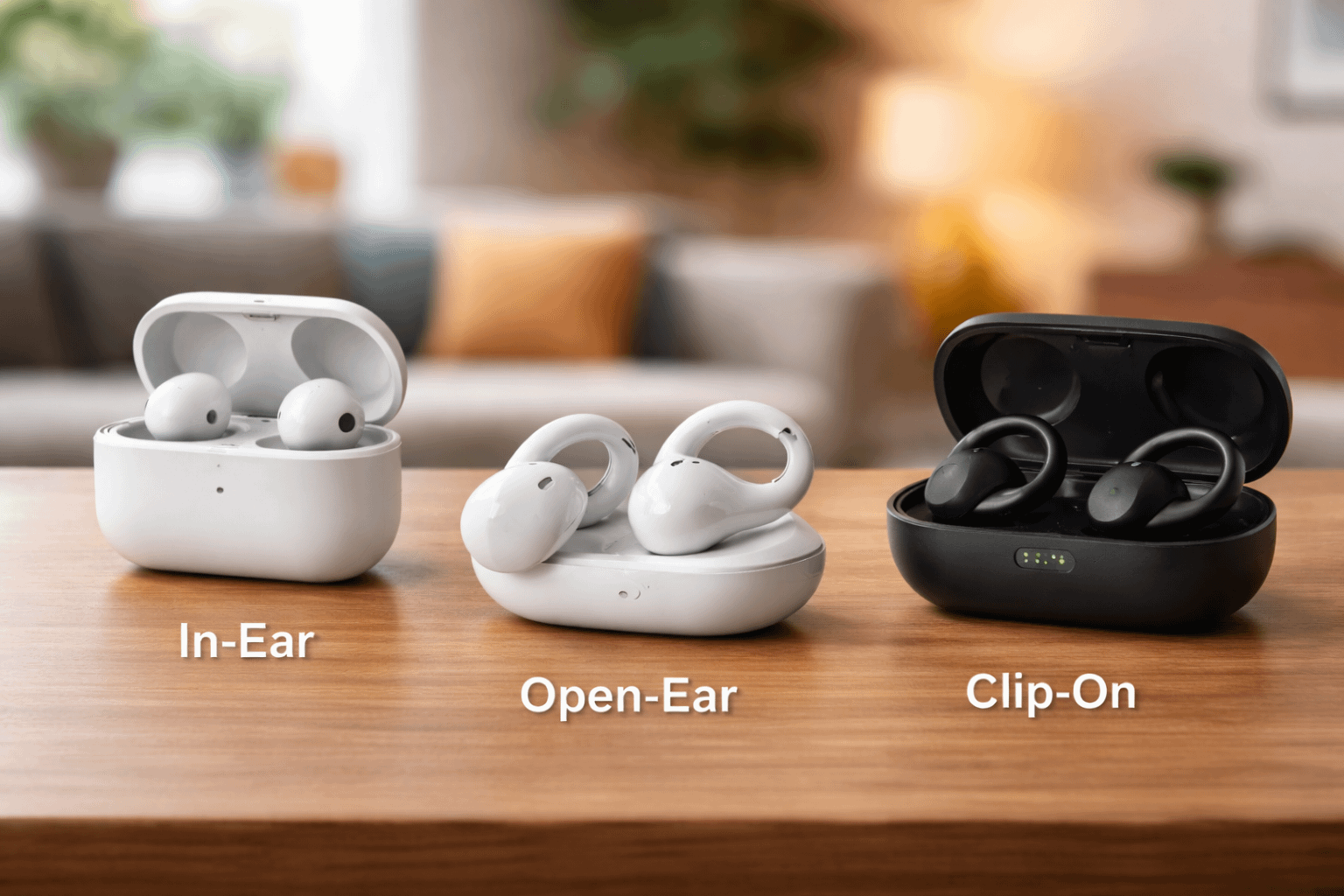
In-ear, open-ear, and clip-on wireless earbud designs side by side.

What “Sonos Buds” could look like

If Sonos does enter this space, I’m very curious about the form factor they’d choose:

  • In-ear ANC buds
    The AirPods Pro / Bose QC Earbuds style: deep seal, strong noise cancelling, everyday carry.
  • Open-ear buds
    Something more like AirPods or open-fit designs that rest in the ear without sealing. Less isolation, more comfort, better awareness.
  • Clip-on / earhook buds
    A sport-focused design for running, hiking, and gym – secure fit above all.

Honestly, any of these could work, but the design alone won’t be enough. Sonos has to play to its strengths.

Where Sonos can actually stand out

Here’s what would make Sonos earbuds more than just “another pair of buds”:

  • True Sonos app integration
    Not just basic Bluetooth pairing, but a real presence in the Sonos app as a “room” or destination. Quick handoff from soundbar or speakers to buds.
  • TV Audio Swap on the go
    A “mini Ace” feature: move TV audio to your earbuds for late-night watching, or use a low-latency mode when connected to a Sonos soundbar.
  • Smart multiroom transitions
    Imagine walking in the door while listening to music on your earbuds, and a prompt pops up: “Move this to the living room?” One tap and you’re done.

The problem, of course, is that earbuds are more disposable than speakers. They get lost, they break, battery life degrades. Sonos will need to either accept the “premium niche” route or price them aggressively enough to compete with the giants.

Still, after releasing Ace, it would not surprise me at all if 2026 brings Sonos’ first-ever earbuds. And if they’re smart about ecosystem features, they could carve out a nice little corner of the market.

A New Sonos Soundbar: Beam Gen 3 or a Smarter Ray

Let’s talk soundbars, because this is where Sonos is strongest.

The Sonos Arc Ultra (currently $899 at Amazon) is still pretty fresh and absolutely doesn’t need a replacement yet. It’s one of the best premium Atmos soundbars out there and sits comfortably at the high end of the lineup.
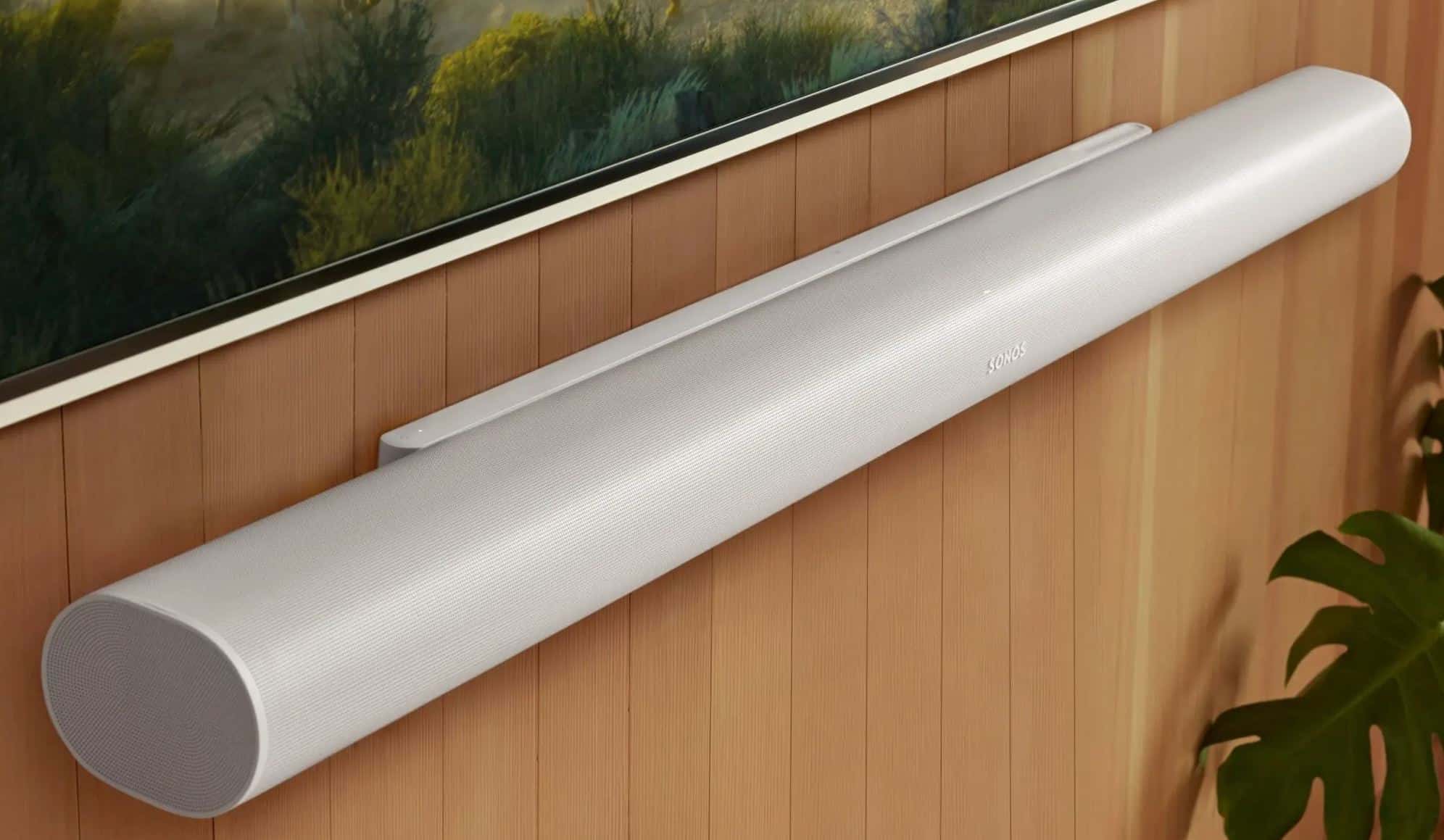
Sonos Arc Ultra Soundbar.
Sonos Arc Ultra

The weak spot is clearly the middle tier.

  • Sonos Beam Gen 2 launched back in 2021 at $499. It’s still a very good compact bar, but by 2026 standards, it’s overdue for a serious refresh.
  • Sonos Ray ($219 at Amazon) is the budget option: no HDMI, just optical, designed as a simple TV upgrade for smaller rooms and casual users.

Meanwhile, the rest of the soundbar market hasn’t exactly slowed down. We’re seeing more bars with up-firing Atmos drivers, wireless surround options, HDMI switching, and even wireless TV audio dongles that cut down on cable clutter.
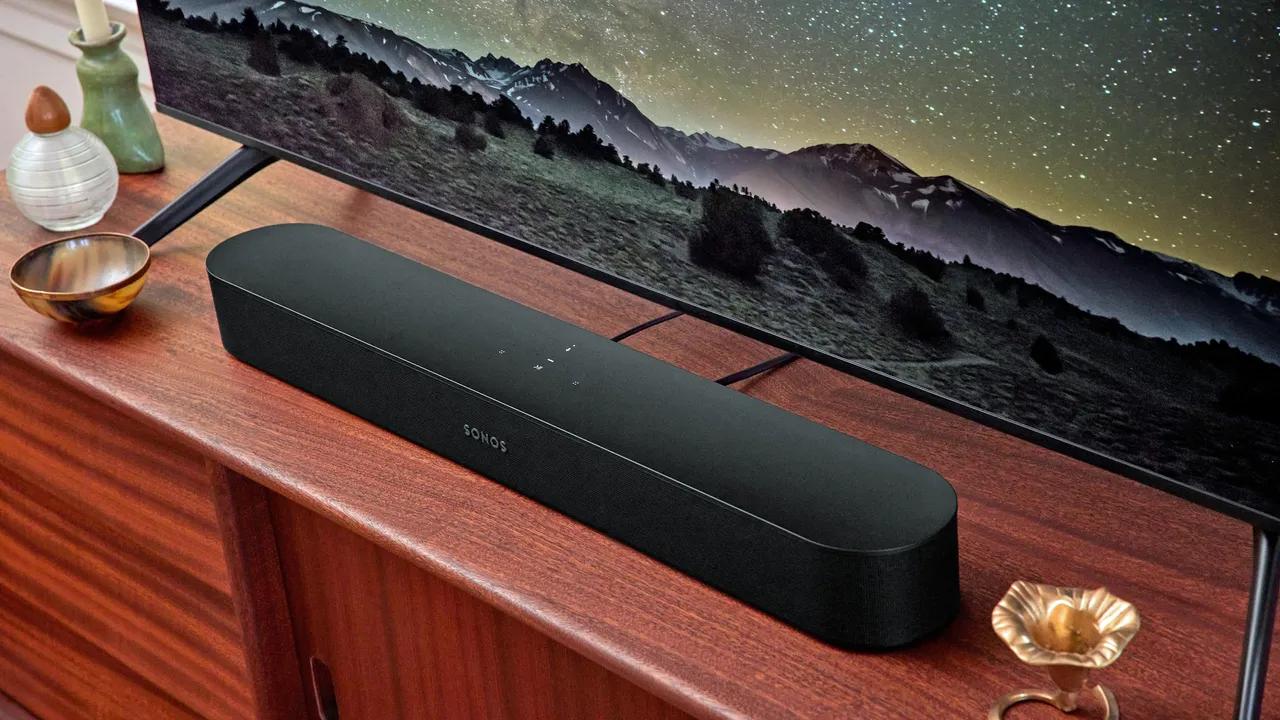
Sonos Beam Gen 2 soundbar.
Sonos Beam Gen 2

What I want from a Beam Gen 3

If Sonos introduces a Beam Gen 3 in 2026, I’d love it to:

  • Add real up-firing drivers
    Beam Gen 2 uses clever processing to simulate Atmos height effects. A Beam Gen 3 with actual up-firing hardware would be a big upgrade and a clear selling point.
  • Offer a bit more connectivity
    I don’t need a full-blown HDMI matrix, but one extra HDMI input or a wireless TV audio puck would make setup easier, especially on older TVs with limited ports.
  • Integrate more smoothly with Era surrounds
    Sonos already supports surrounds, but there’s room for smarter auto-tuning, better “out of the box” performance, and fewer app tweaks.
  • Improve dialogue and night modes
    A lot of people buy Beam for clear dialogue. More flexible per-input/per-app profiles could make those features feel smarter instead of just “on/off” toggles.

As for Ray, a Ray Gen 2 that finally adds HDMI eARC, while staying affordable and simple, would make a ton of sense. There’s a huge audience for “I just want my TV to sound better” without getting into full Atmos or multiple speakers.

New Portable Speakers: Filling the Gap Between Roam 2 and Move 2

Right now, Sonos has two portable speakers:
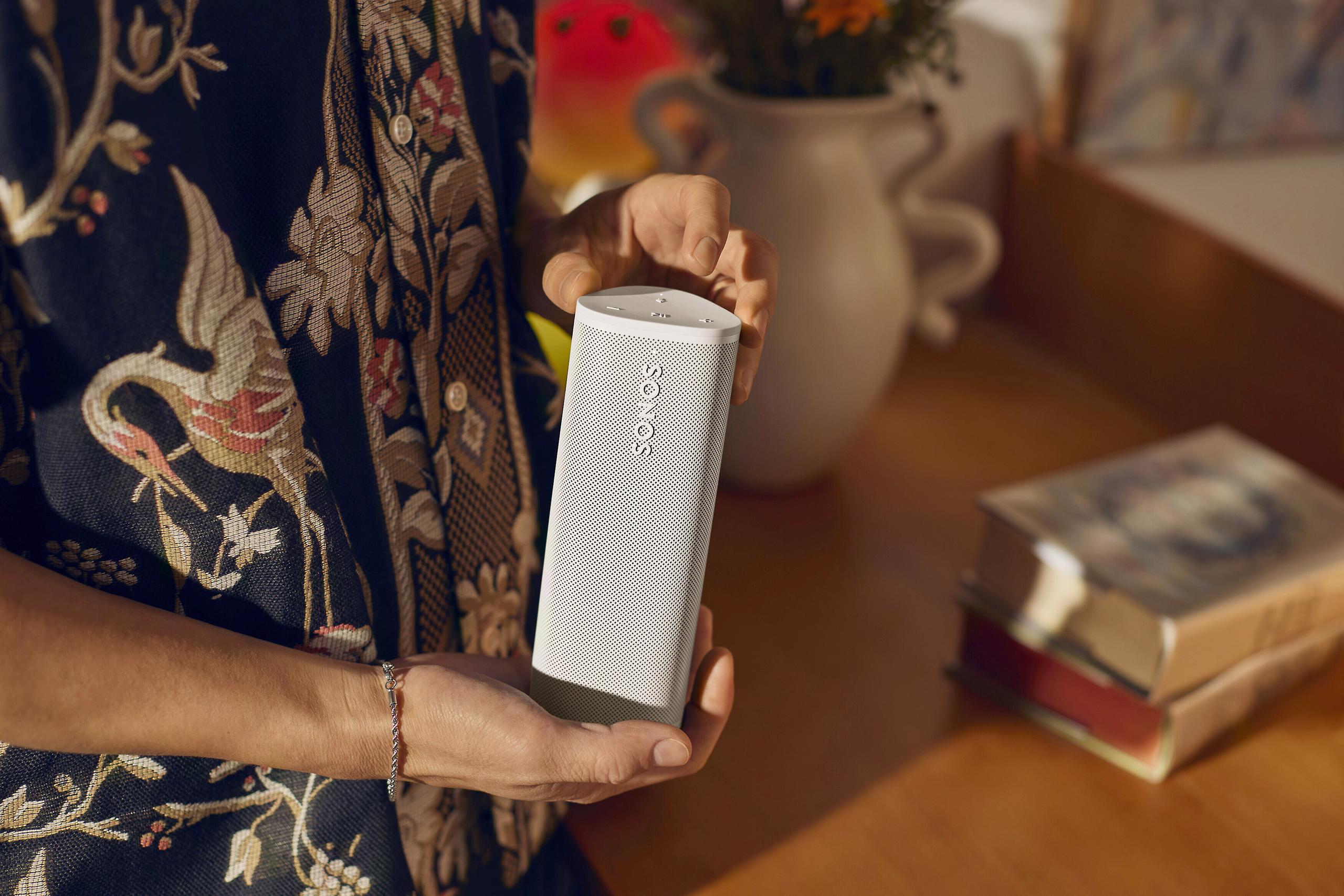
  • Sonos Roam 2 ($179 at Amazon) – tiny, rugged, fully portable, great for travel and small spaces.
  • Sonos Move 2 ($499 at Amazon) – large, powerful, with big sound and long battery life, but heavier and more of a “carry it to the patio” speaker than a true travel companion.
Sonos Roam 2 Portable Speaker
Sonos Roam 2

The gap between them, in both size and price, is huge.

Roam 2 is easy to toss in a backpack, but limited in output and battery life. Move 2 sounds fantastic, but it’s chunky, relatively expensive, and not something you’re casually bringing on a hike.

This screams for a mid-sized, mid-priced portable speaker:

  • Louder and fuller than Roam 2
  • Smaller and lighter than Move 2
  • Enough battery for a full day out (12–16 hours)
  • Still fully integrated into the Sonos ecosystem at home

Call it a “Move Mini,” call it a “Roam Max,” I don’t care—the idea basically sells itself.
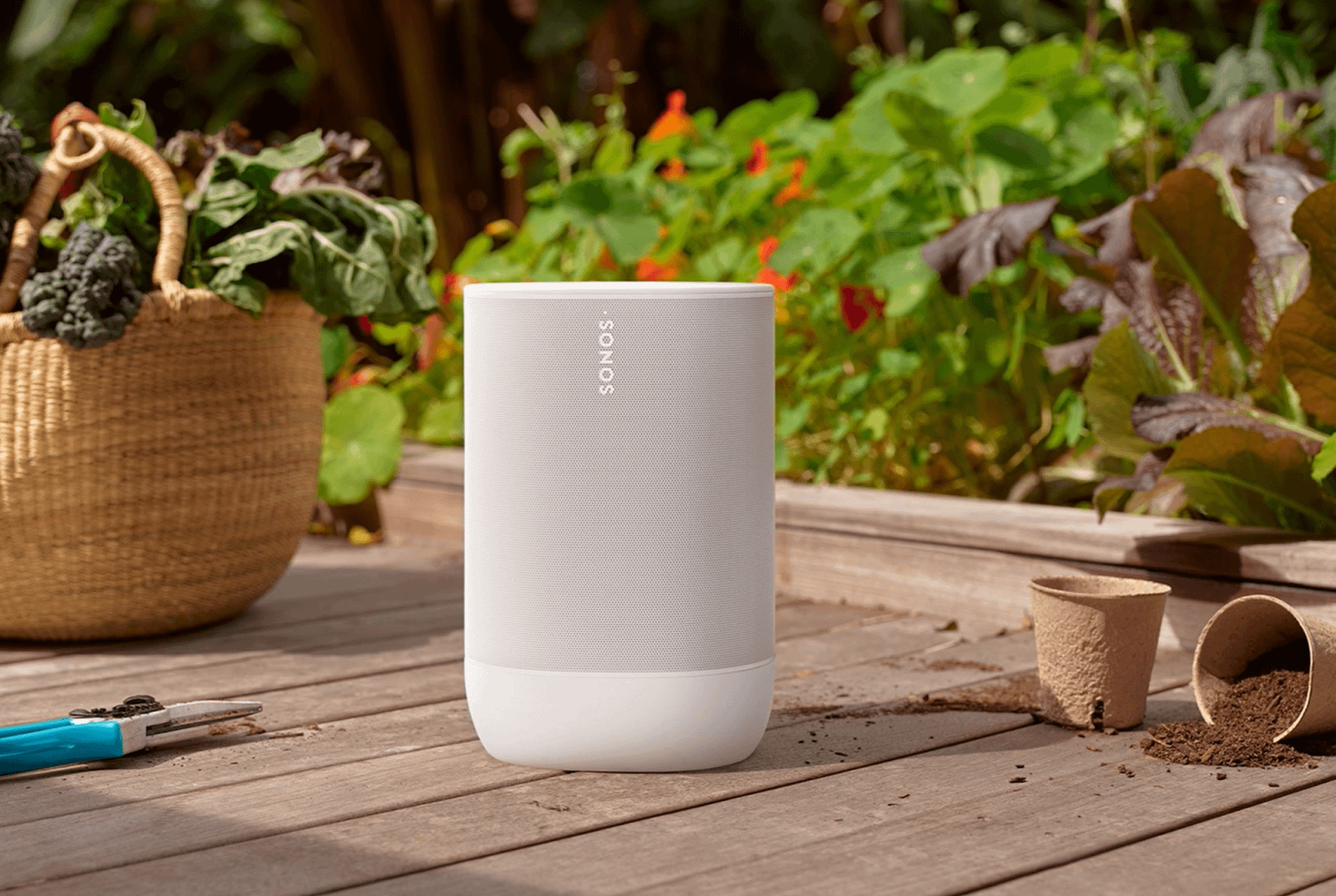
Sonos Move 2 wireless Bluetooth speaker in white color.
Sonos Move 2

It could be:

  • The perfect backyard/patio speaker for people who don’t need Move-level volume
  • A great travel speaker for road trips, cabins, and hotel rooms
  • A kitchen/office speaker that lives on a charging dock when it’s not roaming around

A mid-tier portable would also help Sonos compete more directly with brands like JBL, Bose, and UE in the “take-me-everywhere” speaker category, without forcing people to jump straight from Roam to the much pricier Move.

Sonos Five Gen 2: Time to Update the Most Underrated Sonos Speaker

The Sonos Five ($584 at Amazon) is, in my opinion, the most underrated product in the entire Sonos lineup.

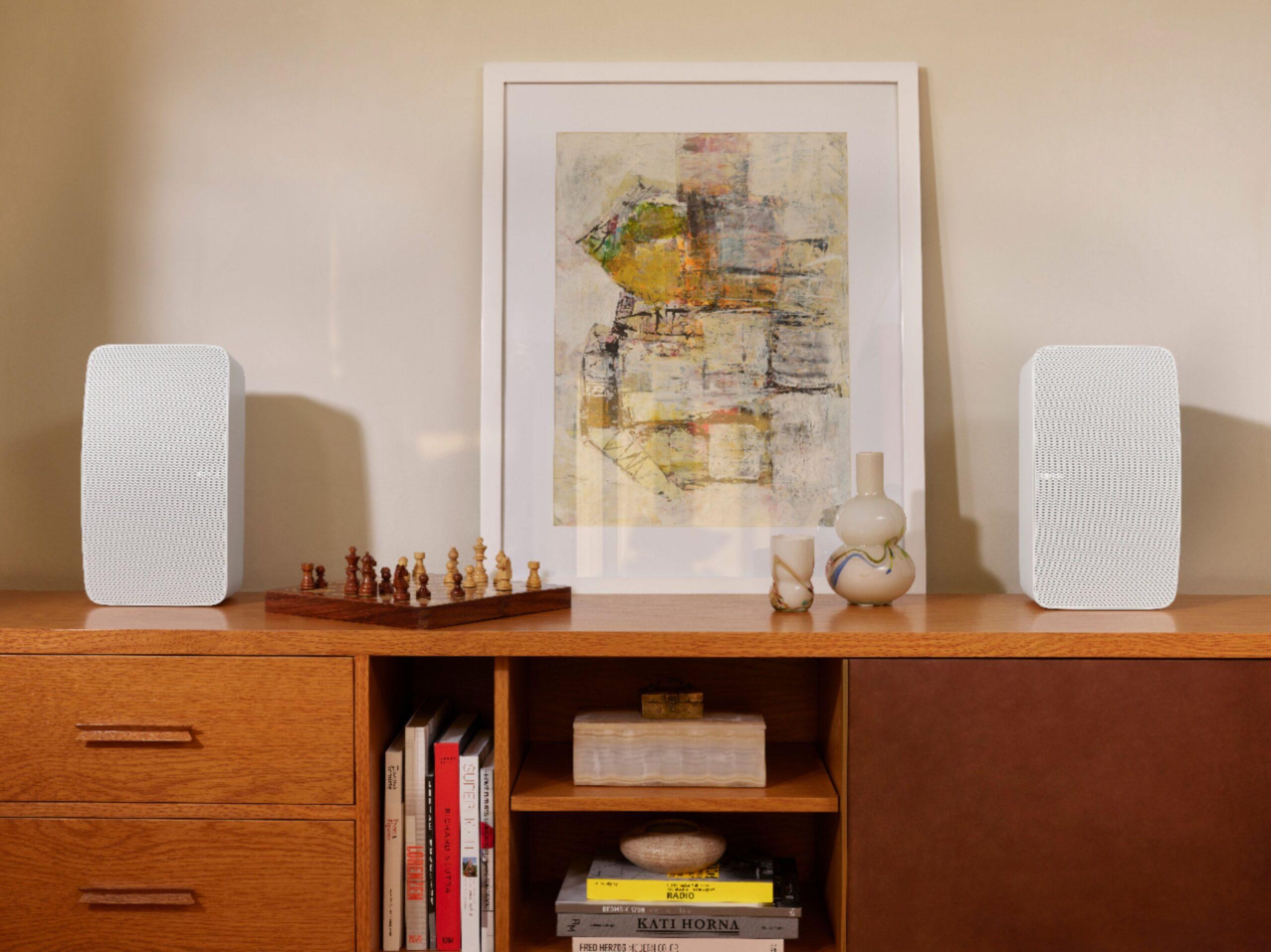
It launched back in 2020 as the successor to the Play:5 and remains the most powerful music-first single speaker they make. If you want serious stereo separation, you pair two Fives, and suddenly you’re in “modern hi-fi without a rack full of gear” territory.
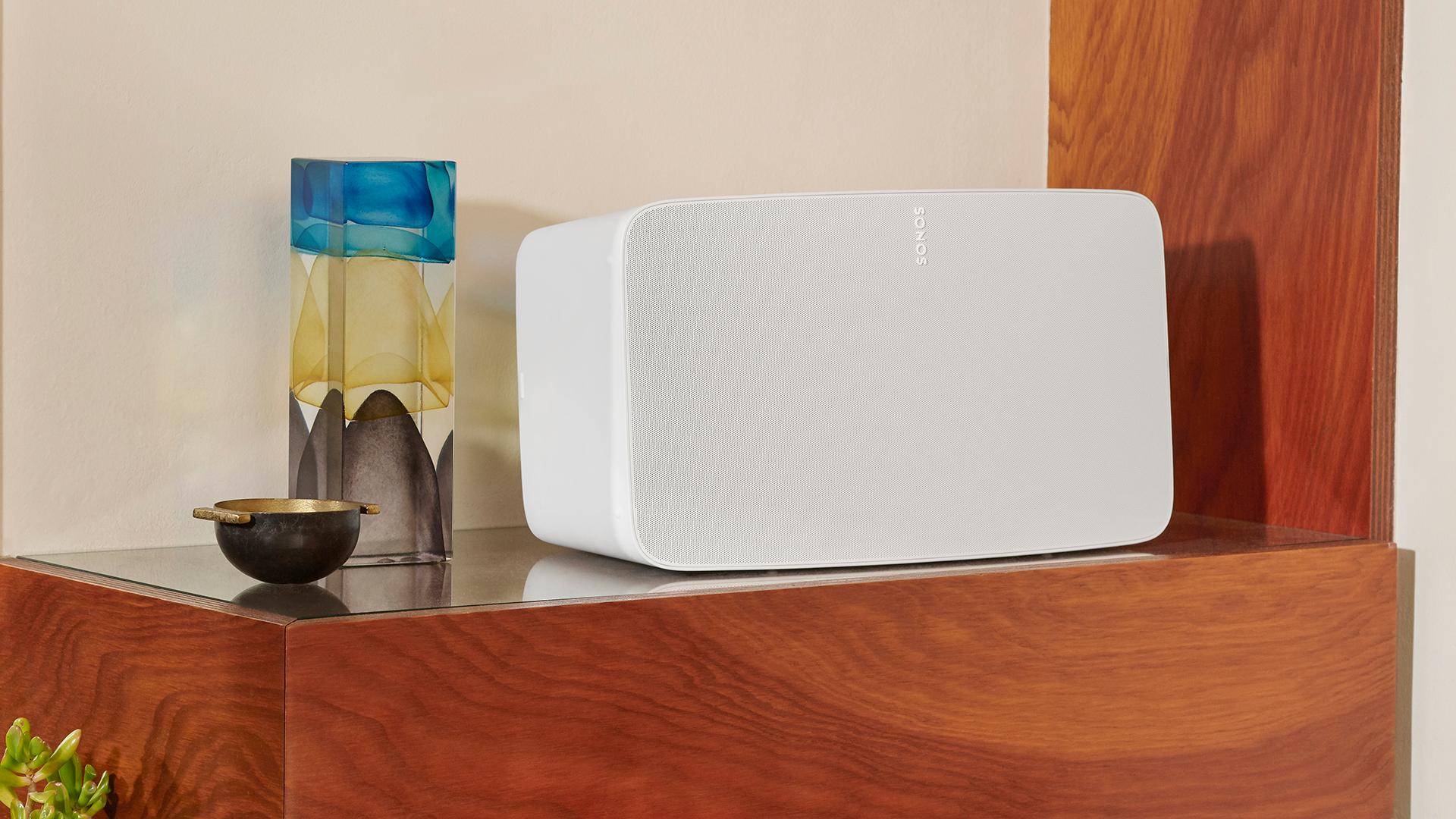
Sonos Five wireless speaker on shelf.

The problem is simply age. Four-plus years is a long time in this space. Since 2020 we’ve seen:

  • The Era 100 (currently $179 at Amazon) and Era 300 (currently $379 at Amazon) introduce new design, new drivers, and new acoustic tricks.
  • The soundbar lineup evolve at the high end with Arc Ultra.
  • Competitors push out more audiophile-leaning streaming speakers with hi-res support, better DACs, and upgraded wireless features.

A Sonos Five Gen 2 feels overdue.

What a Five refresh should look like

Here’s how I’d love to see Sonos modernize it:
  • Updated connectivity
    At minimum, add USB-C line-in. Even better, add Bluetooth as a convenience layer. Sonos will always be strongest over Wi-Fi, but people now expect basic Bluetooth as a backup.
  • Improved drivers and DSP
    Deeper, more controlled bass, cleaner midrange, and maybe some trickle-down processing from Arc Ultra. The Five already sounds great; there’s no reason a Gen 2 couldn’t push that even further.
  • Stronger TV integration story
    A pair of Fives can already be used with a TV via line-in, but it’s not as clean as a dedicated soundbar. A Five Gen 2 with optional eARC support or a tighter TV pairing experience would make it a compelling “TV + music” solution for people who don’t want a soundbar at all.
  • Better marketing as a true hi-fi alternative
    The current Five quietly does this job; a Gen 2 could be positioned more clearly as “your first real hi-fi system, minus the amp and receiver.”
Sonos Five amplified wireless music player (white)

Sonos talks a lot about “for music lovers,” but the Five doesn’t get the spotlight it deserves anymore. A refreshed version could change that.

Sonos Streaming Box: The Return of the Canceled Project

Okay, now we’re firmly in speculative territory.

We know a few things from reporting over the last couple of years:

  • Sonos was working on a streaming set-top box codenamed Pinewood, positioned as a high-end rival to devices like Apple TV and Roku, with universal search and deep integration with Sonos speakers.
  • It was reportedly quite far along, close to launch, before being canceled in early 2025 as part of Tom Conrad’s “do fewer things, do them better” reset.
  • The rumored price was between $200 and $400, which would have put it above many mainstream streamers.

Given everything that happened with the app and the headphones, shelving Pinewood was probably the right call at the time. Launching a whole new platform while your core app is on fire would’ve been… bold, let’s say.

But now, with the app allegedly stable and Sonos talking openly about ramping up hardware launches, I can’t help wondering if a rebooted streaming box might sneak back onto the roadmap later in 2026.
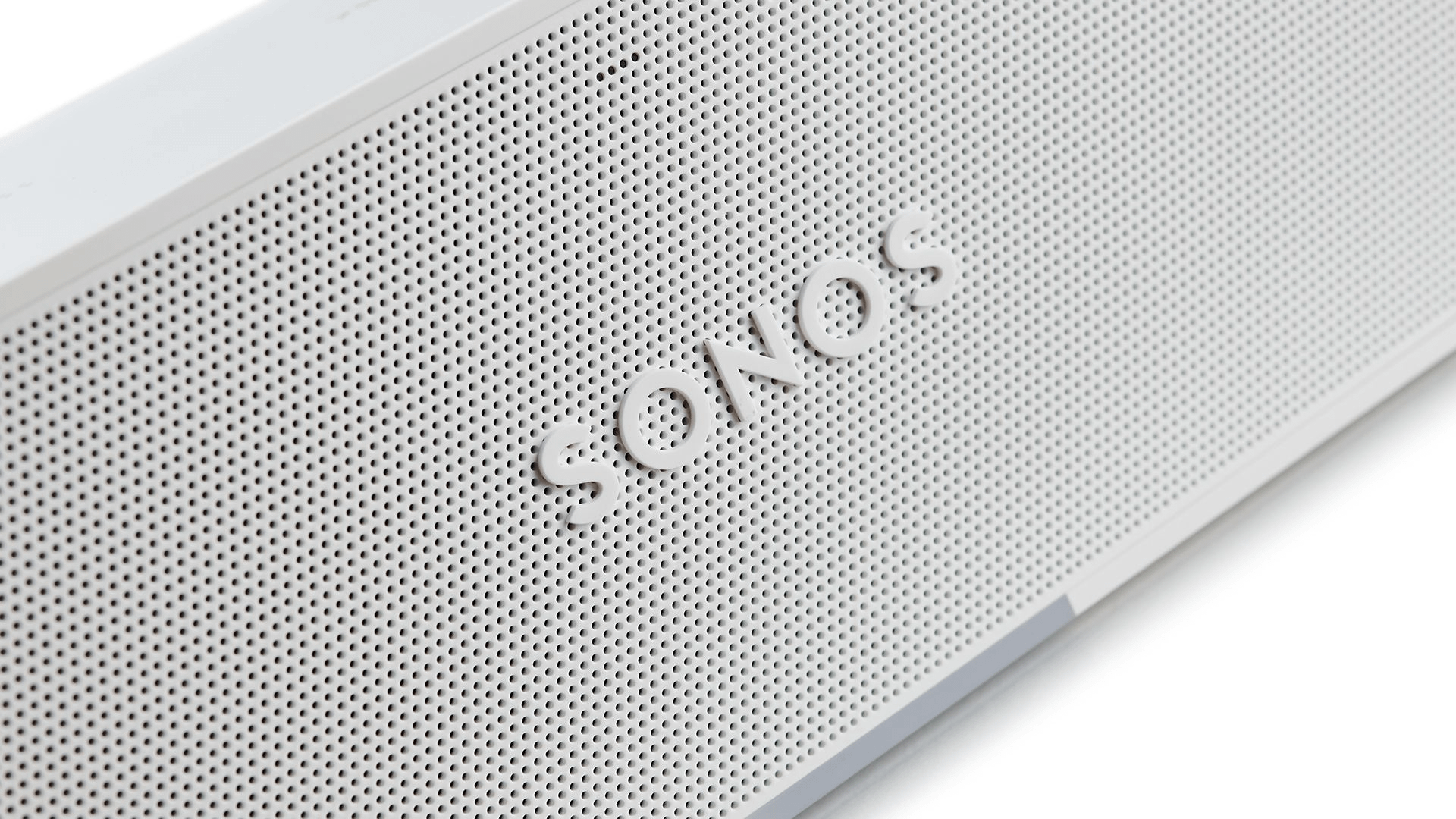
Close-up of Sonos soundbar grille with Sonos logo.

What would justify its existence?

  • Flawless audio integration – bit-perfect, low-latency, easy routing of TV audio to Sonos bars and speakers without weird lip-sync issues.
  • HDMI hub functionality – a few HDMI inputs with simple switching, consolidating game consoles and streaming sticks into one clean interface.
  • Universal search done right – every TV platform promises this; almost none nail it. Sonos could lean into its role as a “neutral party” and build something that actually respects all the services you use.
  • Smart scenes – imagine a “Movie Night” scene that dims smart lights, sets your preferred picture mode via HDMI-CEC, adjusts sub level, and loads a specific sound mode across your system.

The risk is huge: competing with Roku, Amazon, Apple, and Google is a blood sport. The TV platform graveyard is full of good ideas with bad timing.

Still, if Sonos wants to fully own the “home entertainment” experience, not just the audio slice, a streaming box (or at least a wireless HDMI transmitter) feels like a natural extension.

Why These Products Matter More Than Just “New Toys”

On the surface, all of this is just fun speculation. New headphones, new bars, new speakers, it’s the usual gadget enthusiasm.

But under the surface, 2026 is a trust test for Sonos.

  • They pushed an app redesign that broke things.
  • They lost a CEO in the fallout.
  • They shipped their first headphones in a way that felt a bit rushed.
  • They scrapped a nearly finished streaming box.
  • And they went a full year without releasing major mainstream hardware.

Now they’re telling us the app is mostly fixed, that Amp Multi is the first sign of life, and that hardware launches will ramp up again.

If we get to the end of 2026 and all we’ve seen is one installer amp and a minor refresh or two, that’s going to feel like a missed opportunity, and it’ll make long-time Sonos users legitimately wonder where the brand is heading.

On the other hand, if 2026 brings (at least some of these):

  • A genuinely improved Ace 2
  • A thoughtful, Sonos-specific take on earbuds
  • A refreshed Beam Gen 3 (and maybe Ray Gen 2)
  • A mid-tier portable speaker to bridge Roam 2 and Move 2
  • A long-overdue Sonos Five Gen 2
  • And maybe a reimagined streaming box or some other clever TV-audio solution

…then 2026 could be the year we look back on as Sonos’ comeback, when the company finally moved past the app fiasco and got back to doing what it does best: making it simple to get great sound all over your home.

As a Sonos user, that’s what I’m hoping for this year, cautiously, this time.

Related Reading:

Subscribe To Home Technology Review

Get the latest weekly technology news, sweepstakes and special offers delivered right to your inbox
Email Subscribe
© JRW Publishing Company, 2026
As an Amazon Associate we may earn from qualifying purchases.

magnifiercross
linkedin facebook pinterest youtube rss twitter instagram facebook-blank rss-blank linkedin-blank pinterest youtube twitter instagram
Share to...