



Buying a soundbar in 2026 should be simple, but it isn’t. The category has exploded, and almost every brand now promises cinematic Dolby Atmos, smarter streaming, and room-filling sound from a single enclosure. On paper, they all sound similar. In practice, they couldn’t be more different.
Some of these soundbars are genuine replacements for full home theater systems. Others are sleek, lifestyle-first upgrades designed to make your TV sound decent without taking over your living room. And a few blur the line entirely, leaning closer to traditional hi-fi than what most people expect from a soundbar.
So instead of chasing a single “best” option, this guide focuses on the soundbars that actually stand out, whether it’s for performance, design, ecosystem, or just making your TV sound dramatically better without overcomplicating things.
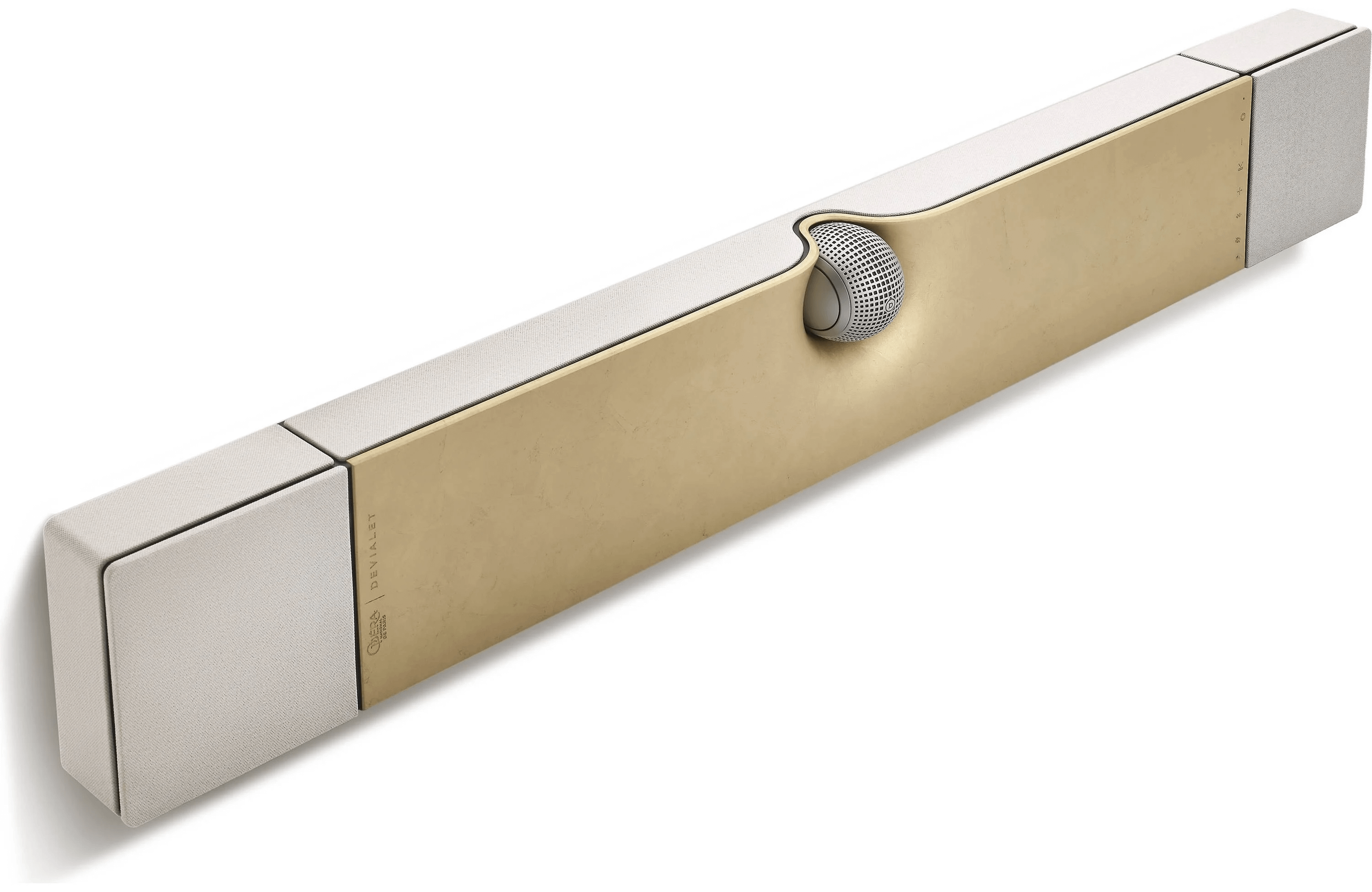
The Devialet Dione Opéra is less a soundbar and more a design statement that happens to deliver serious audio performance. This limited-edition version elevates the already ambitious Dione with a 22-carat gold central plate inspired by the Opéra de Paris, making it one of the few soundbars that feels genuinely luxurious rather than just expensive.
Underneath that styling, the Dione is built to replace an entire system. You get a 5.1.2-channel configuration, Dolby Atmos support, and eight built-in subwoofers, all housed in a single enclosure that intelligently adapts whether it’s wall-mounted or sitting on a console. The appeal is obvious: no extra boxes, no clutter, no compromises on aesthetics. If you want a high-end, all-in-one solution that looks as impressive as it sounds, this is about as bold as it gets.
Specs at a glance:
Reasons to buy:
Reasons to avoid:
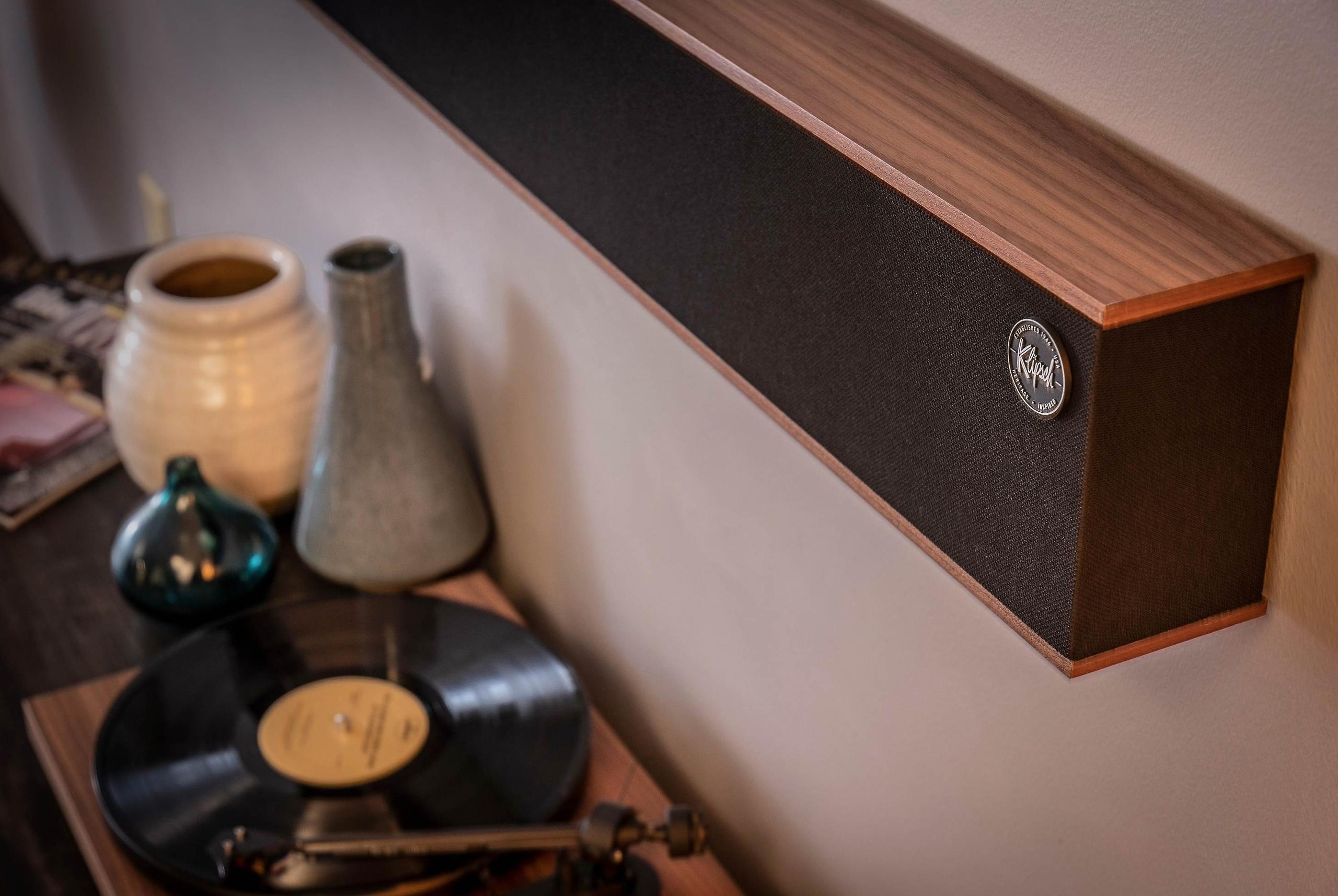
The Klipsch Heritage Theater Bar takes a completely different approach. This isn’t a powered, app-driven soundbar, but a passive LCR (left-center-right) speaker designed for use with an AVR. Think of it as three traditional speakers wrapped into one beautifully finished cabinet.
That makes it a niche product, but also one of the most compelling options here for the right setup. If you already have a receiver and want a cleaner front stage without sacrificing dynamics, scale, or that signature Klipsch punch, this delivers. It’s less about convenience and more about preserving a proper home theater experience while simplifying the physical footprint.
Specs at a glance:
Reasons to buy:
Reasons to avoid:
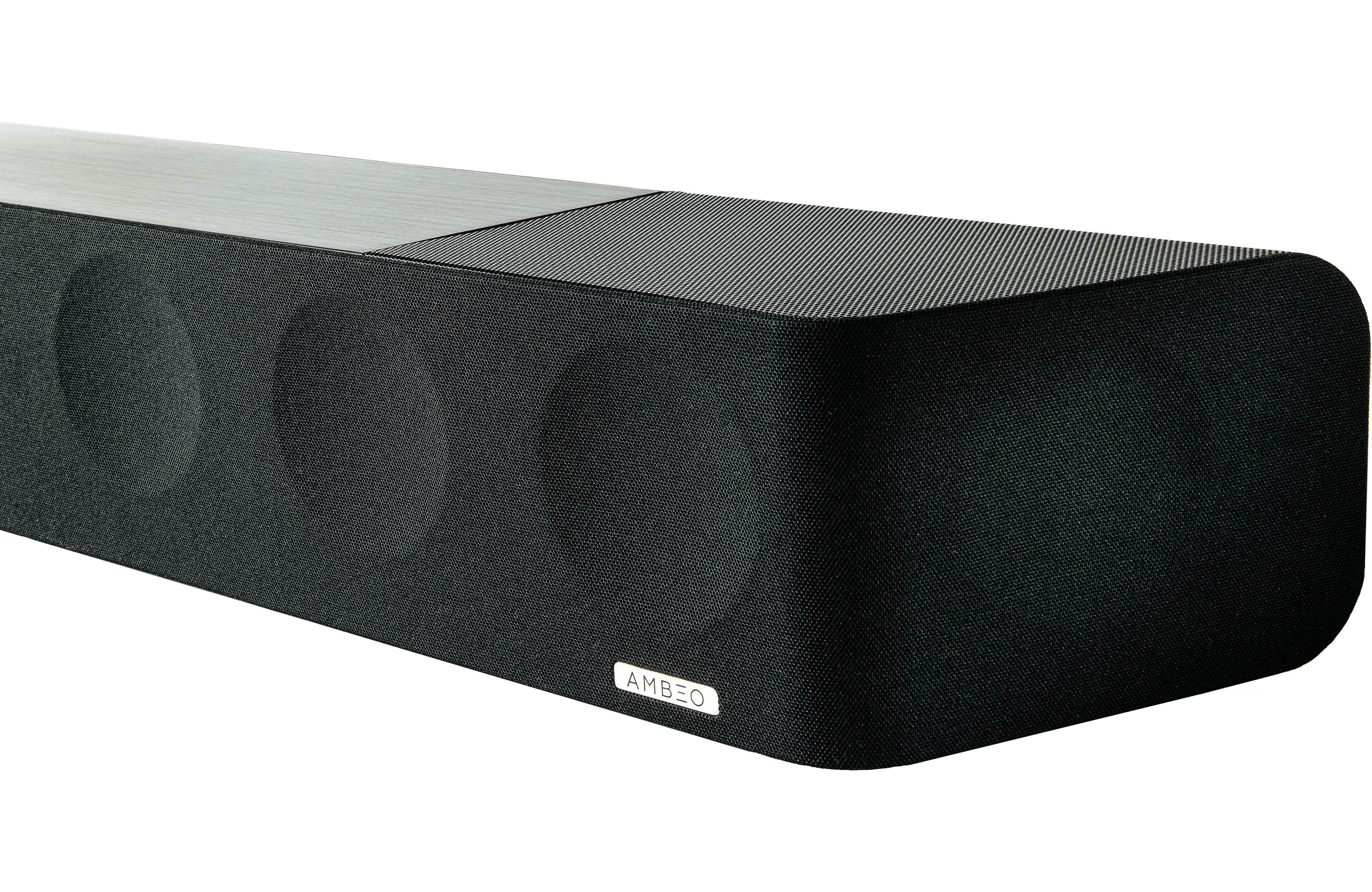
The Sennheiser AMBEO Soundbar Max might not be new, but it’s still here for a reason—it works. Sennheiser built this thing like a tank, packing 13 drivers into a massive chassis designed to create a convincing 3D soundstage without relying on external speakers.
It supports both Dolby Atmos and DTS:X, and its room calibration system remains one of the better implementations in this category. More importantly, it still hits harder than most soundbars when it comes to sheer scale and bass response. It’s big, heavy, and unapologetically dominant, and in 2026, that still counts for something.
Specs at a glance:
Reasons to buy:
Reasons to avoid:

KEF stepping into the soundbar space is interesting on its own, but the XIO feels like a serious attempt to bridge home theater and hi-fi. This is a 5.1.2 Dolby Atmos soundbar powered by 12 amplifiers, with KEF’s Music Integrity Engine doing the heavy lifting behind the scenes.
Where it stands out is versatility. Streaming support is extensive, including AirPlay, Google Cast, Spotify Connect, TIDAL Connect, Qobuz Connect, and it’s clearly designed for people who care about music as much as movies. If you’re coming from a two-channel background and want something cleaner without giving up clarity and balance, the XIO is one of the more thoughtful entries on this list.
Specs at a glance:
Reasons to buy:
Reasons to avoid:
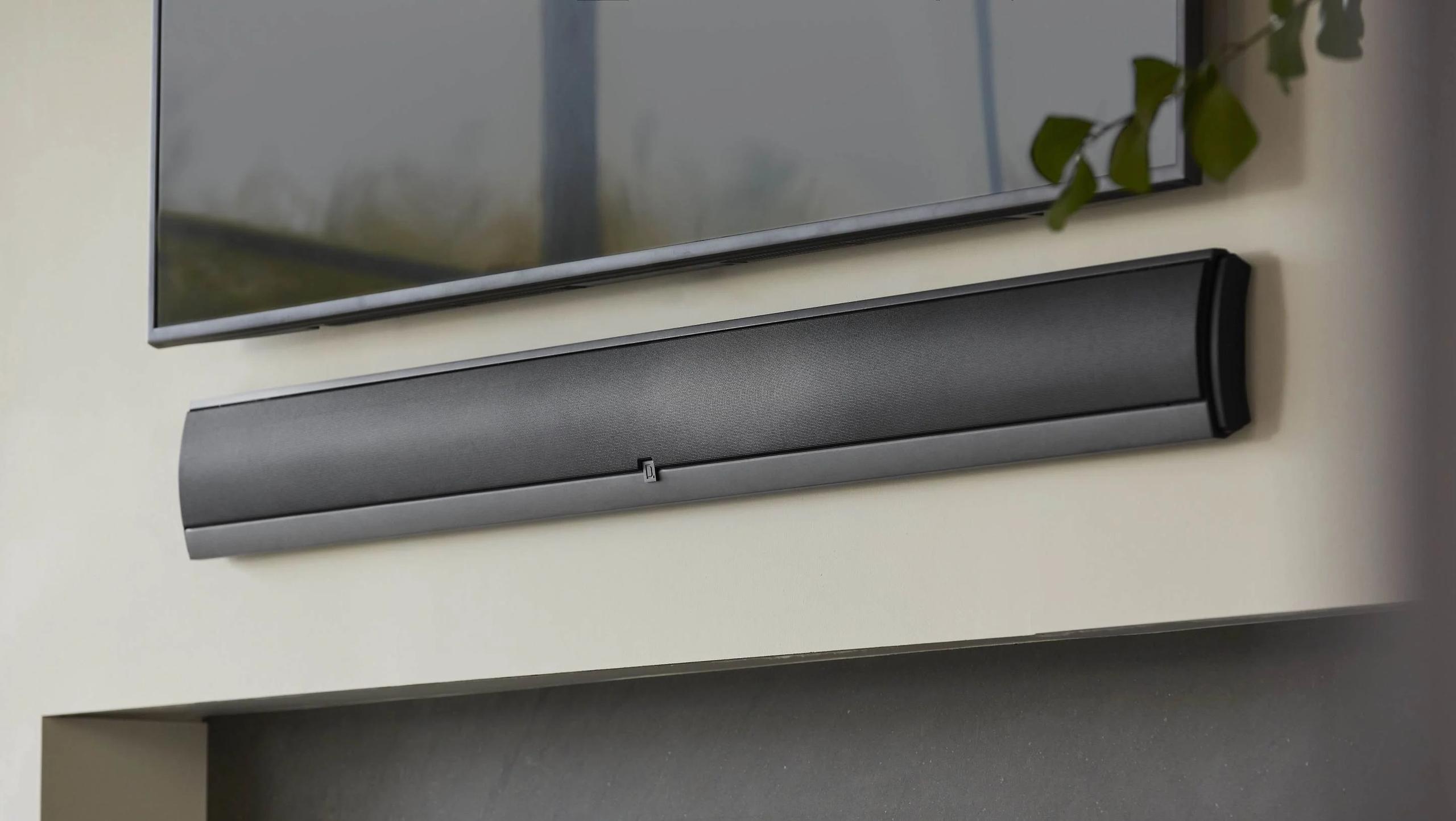
The Mythos 3C-75 is another product that challenges what a soundbar is supposed to be. Like the Klipsch, it’s a passive LCR solution, but with a slimmer, more install-friendly design tailored for modern TVs.
It’s built around a three-way, 13-driver array and even offers adjustable width to better match larger displays. There’s also an IP66 rating, which is unusual here and hints at more flexible installation options. This is not for someone looking for plug-and-play simplicity, but for buyers who want a cleaner front wall without giving up the structure of a traditional system.
The Mythos 3C-75 is another product that bends the definition of a soundbar, because like the Klipsch, it is a passive LCR solution meant to be part of a larger system. Still, it earns its place here because a lot of buyers do want the visual simplicity of a soundbar without giving up the flexibility of an AVR-based setup. That is exactly what this is for.
Definitive Technology also gives it a more install-friendly feel than many passive bars. It is ultra-slim, adjustable to better match a 75-inch-class TV, and packed with a 13-driver array. It is clearly not intended for someone who wants a one-cable setup, but for a cleaner front wall with traditional amplification, it makes a lot of sense.
Specs at a glance:
Reasons to buy:
Reasons to avoid:
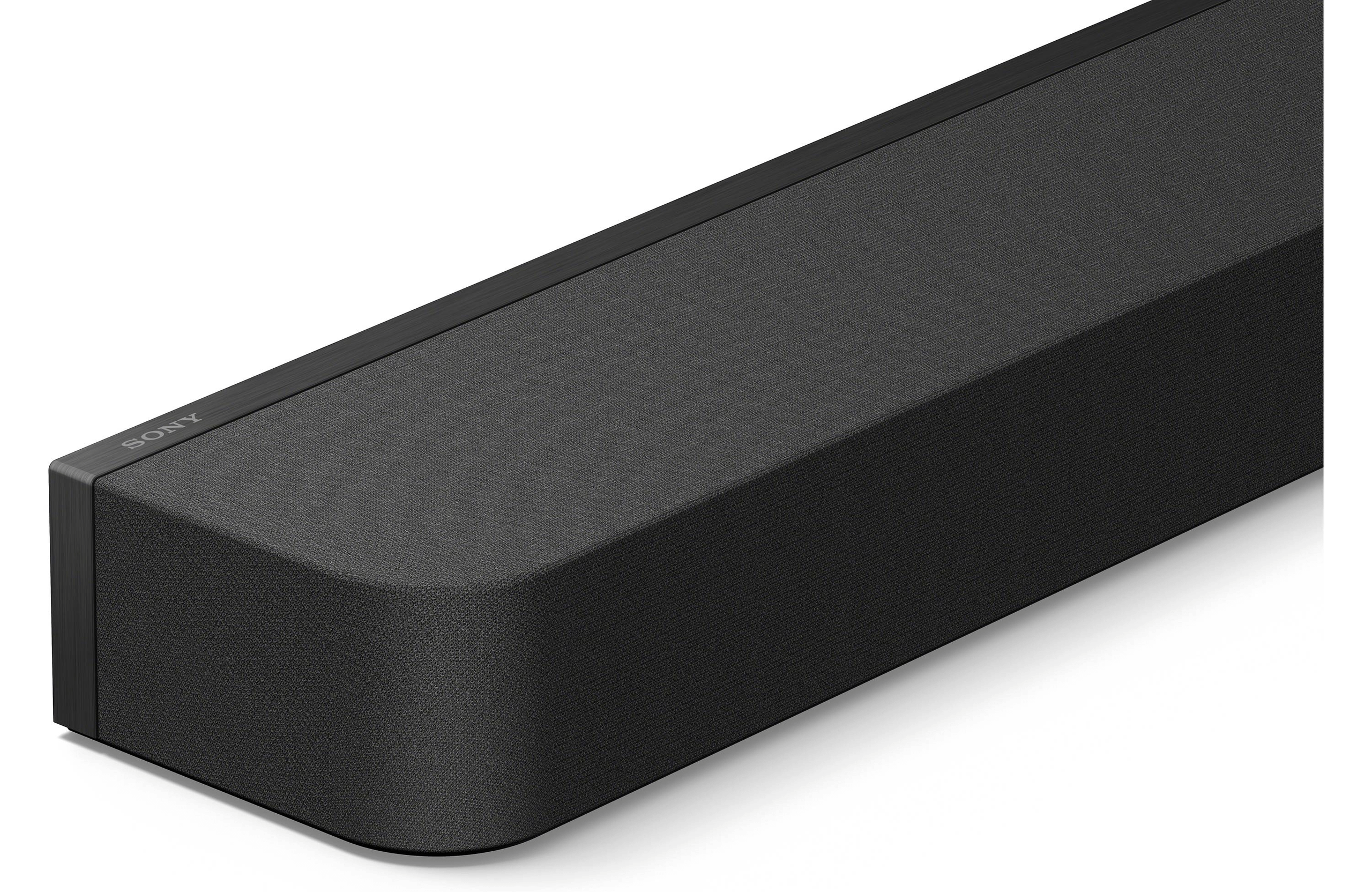
Sony’s BRAVIA Theater Bar 9 is a flagship in every sense. With 13 speaker units, Dolby Atmos, DTS:X, and 360 Spatial Sound Mapping, it’s designed to create a large, immersive soundfield from a single bar.
Where Sony really stands out is ecosystem integration. If you already own a BRAVIA TV, this bar fits seamlessly into that environment, and Sony’s optional wireless rears and subs make it easy to expand later. It’s a great middle ground between simplicity and scalability, powerful on its own, but flexible enough to grow into something bigger.
Specs at a glance:
Reasons to buy:
Reasons to avoid:
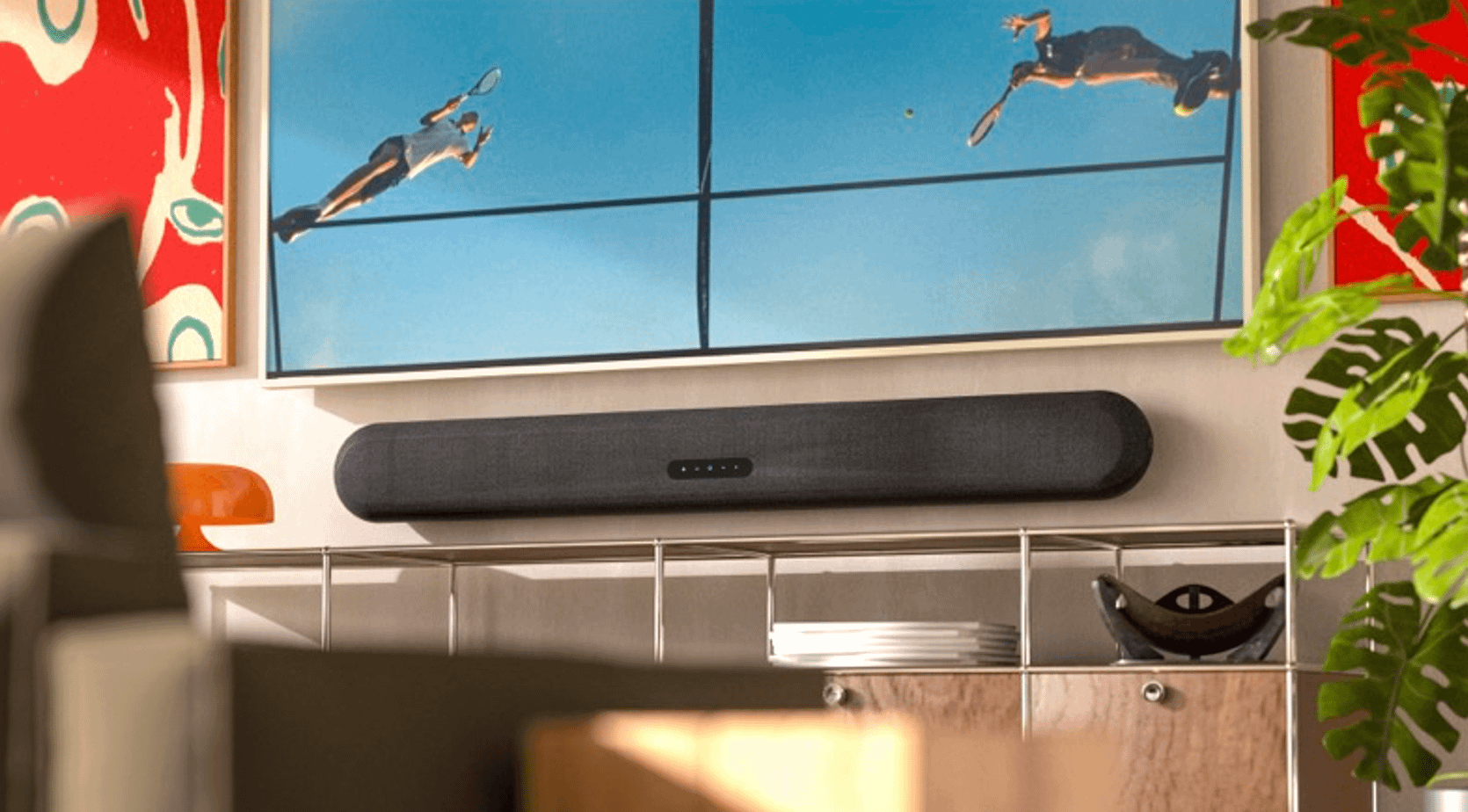
The Bluesound Pulse Cinema is one of the few soundbars here that feels equally at home in a hi-fi system and a home theater setup. It supports Dolby Atmos, but the real story is BluOS, Bluesound’s multi-room platform that’s built around high-resolution streaming.
That makes this an easy recommendation for anyone already invested in BluOS or anyone who prioritizes music as much as movies. It’s not just a TV upgrade—it’s a legitimate part of a whole-home audio system, which gives it a different kind of long-term value compared to more TV-focused competitors.
Specs at a glance:
Reasons to buy:
Reasons to avoid:
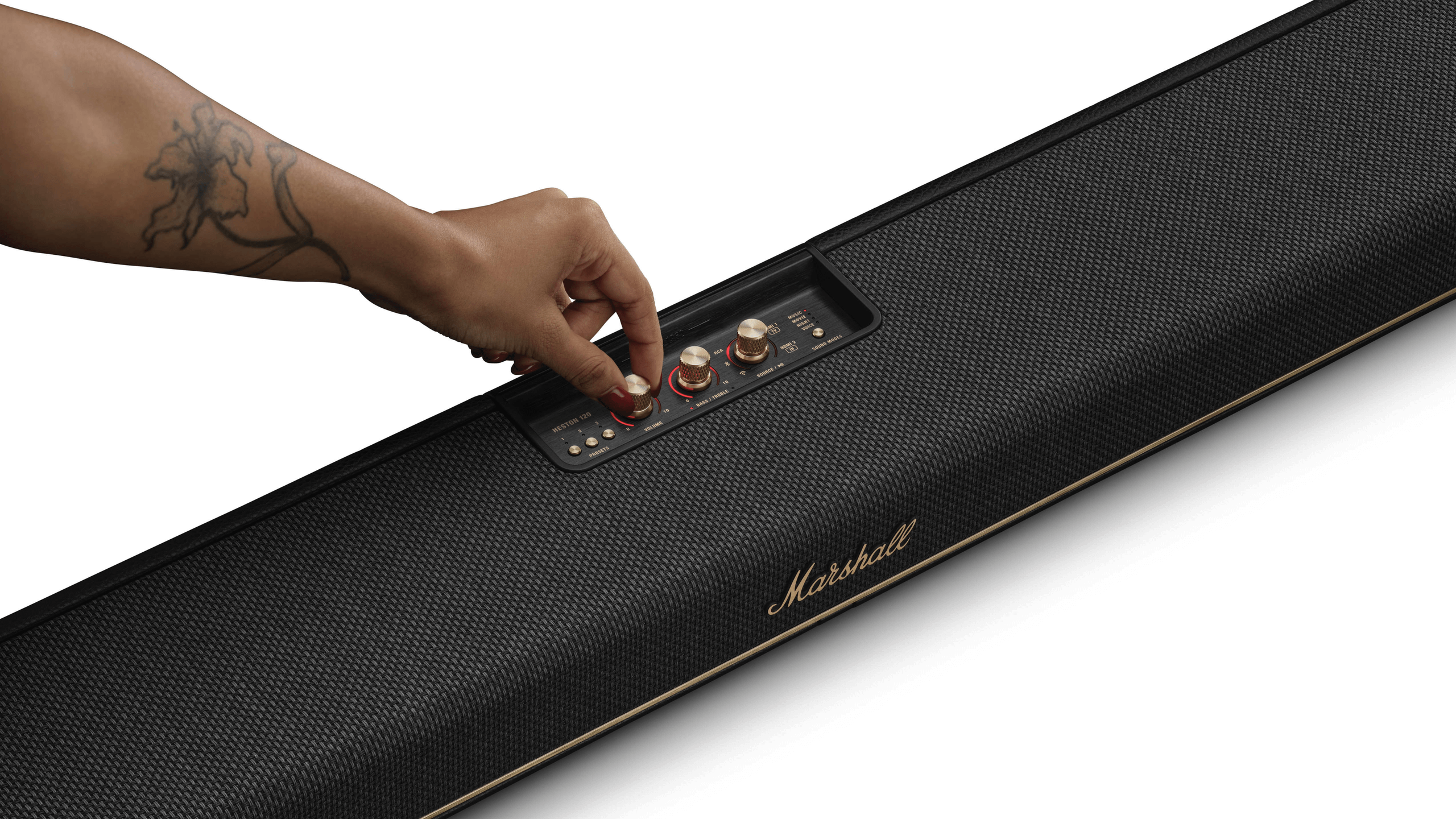
The Marshall Heston 120 is what happens when a brand known for guitar amps decides your soundbar shouldn’t disappear into the background. It leans hard into Marshall’s signature design language, and unlike most soundbars, it actually wants to be seen.
But it’s not just about looks. With Dolby Atmos, solid connectivity, and a feature set that leans into both TV and music use, it’s a legitimate all-in-one option. The appeal here is personality, something that’s often missing in this category. If you want your audio gear to feel a bit more expressive, this stands out immediately.
Specs at a glance:
Reasons to buy:
Reasons to avoid:
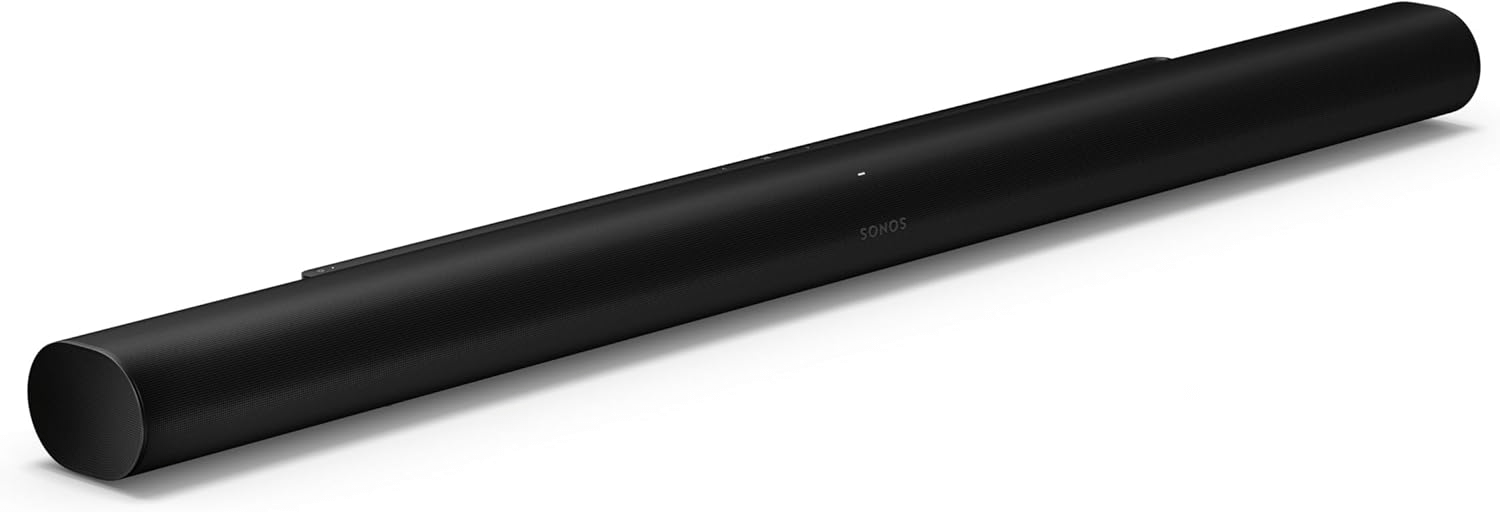
The Sonos Arc Ultra is exactly what you’d expect from Sonos: refined, easy to use, and quietly powerful. With 14 drivers and a redesigned acoustic architecture, it pushes further into room-filling sound while maintaining the simplicity that made Sonos popular in the first place.
What really matters here is the experience. Setup is effortless, the app is still one of the best, and multi-room audio just works. There are more aggressive, more powerful options on this list, but very few are as easy to live with long-term. For a lot of people, that’s the deciding factor.
Specs at a glance:
Reasons to buy:
Reasons to avoid:
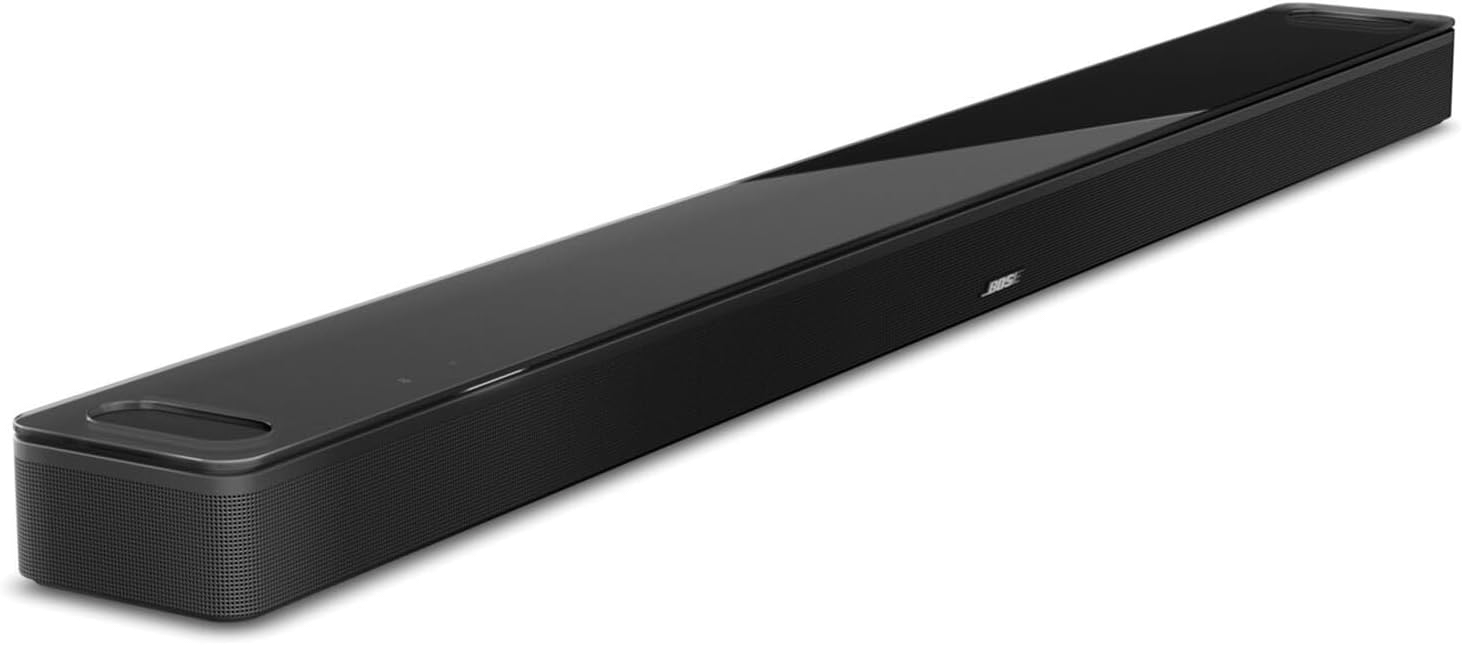
The Bose Smart Ultra focuses on something a lot of soundbars overlook: making everyday TV watching better. Yes, it supports Dolby Atmos, but features like A.I. Dialogue Mode and TrueSpace processing are really about clarity and consistency.
That makes it a strong choice for people who don’t want to constantly tweak settings or struggle with muddy dialogue. It’s less about creating the biggest soundstage possible and more about making everything sound clean, balanced, and easy to follow, which, for many buyers, is exactly the point.
Specs at a glance:
Reasons to buy:
Reasons to avoid:

The Pulse Cinema Mini takes the Bluesound formula and scales it down for smaller spaces. It’s a compact 2.1-channel bar with Dolby Atmos processing, strong amplification, and full BluOS support.
What’s impressive is that it doesn’t feel like a compromise. You still get the same ecosystem advantages and upgrade path, just in a more manageable size. For apartments, bedrooms, or secondary setups, this is one of the more thoughtful compact options available. Read our full Bluesound Pulse Cinema Mini review.
Specs at a glance:
Reasons to buy:
Reasons to avoid:
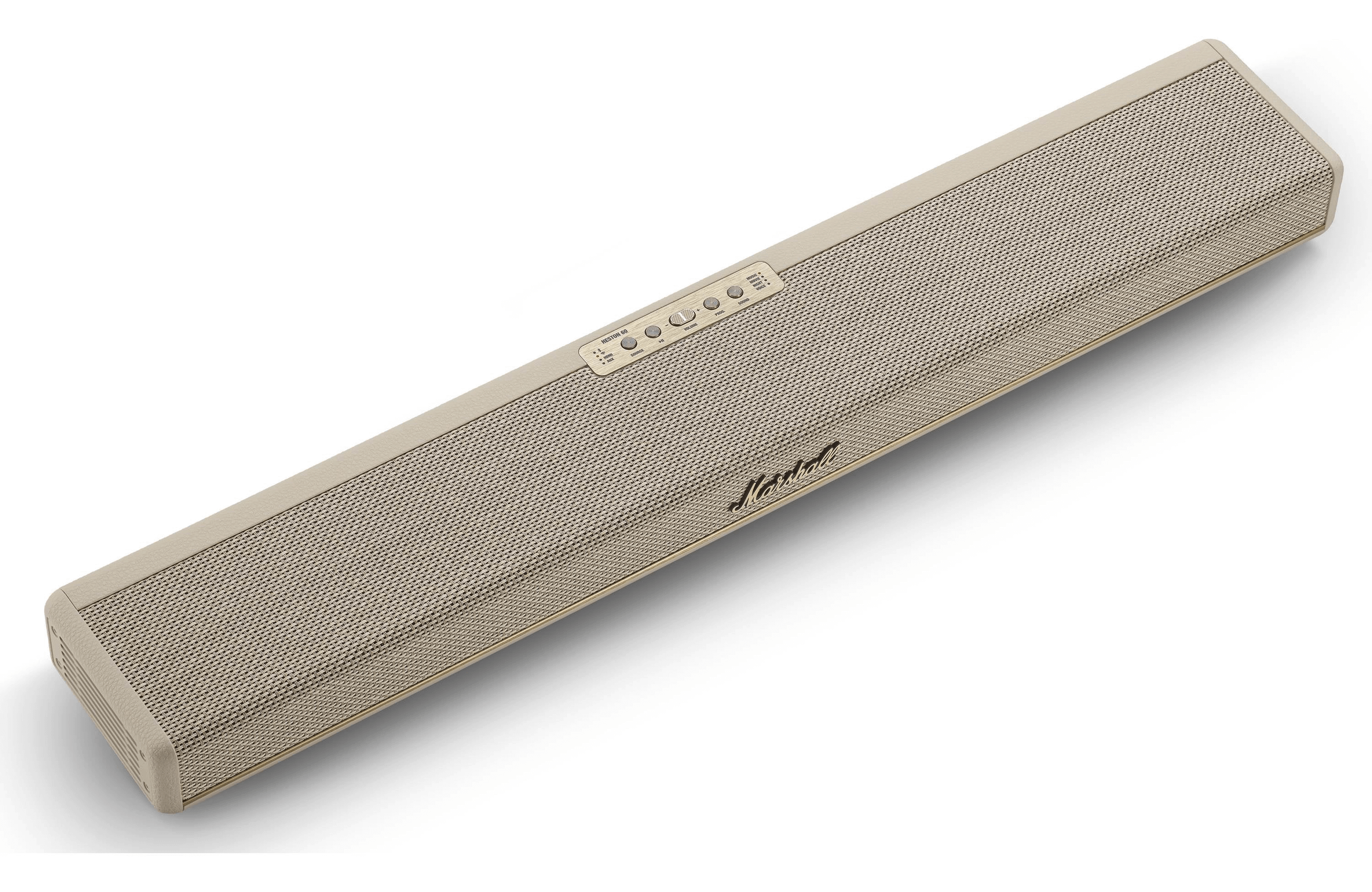
The Heston 60 is the more approachable version of Marshall’s soundbar idea. It keeps the brand’s distinctive design but trims things down into a more practical size and price point.
It still supports Dolby Atmos and modern streaming features, but the focus here is balance. It’s a lifestyle product that looks good, sounds solid, and doesn’t overwhelm your space. For buyers who like the Marshall aesthetic but don’t need the flagship experience, this is the easier entry point.
Specs at a glance:
Reasons to buy:
Reasons to avoid:
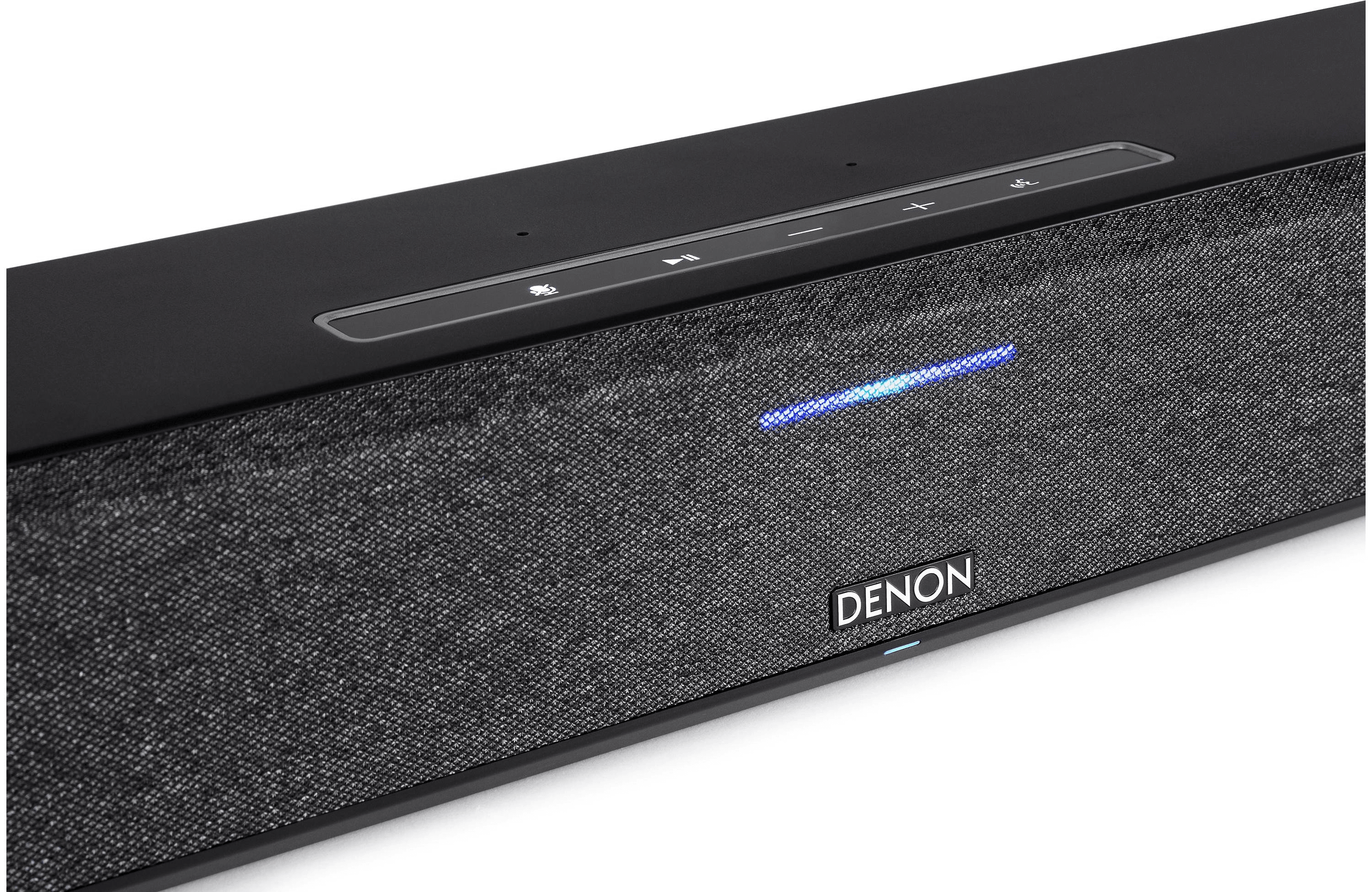
The Denon Home Sound Bar 550 remains one of the better compact premium options, especially if you want strong format support without stepping up to a massive bar.
With Dolby Atmos, DTS:X, HEOS multi-room streaming, and optional wireless expansion, it offers a surprising amount of flexibility in a smaller footprint. It’s a smart pick for smaller rooms where a larger soundbar would feel excessive, but you still want something that behaves like a proper home theater product.
Specs at a glance:
Reasons to buy:
Reasons to avoid:
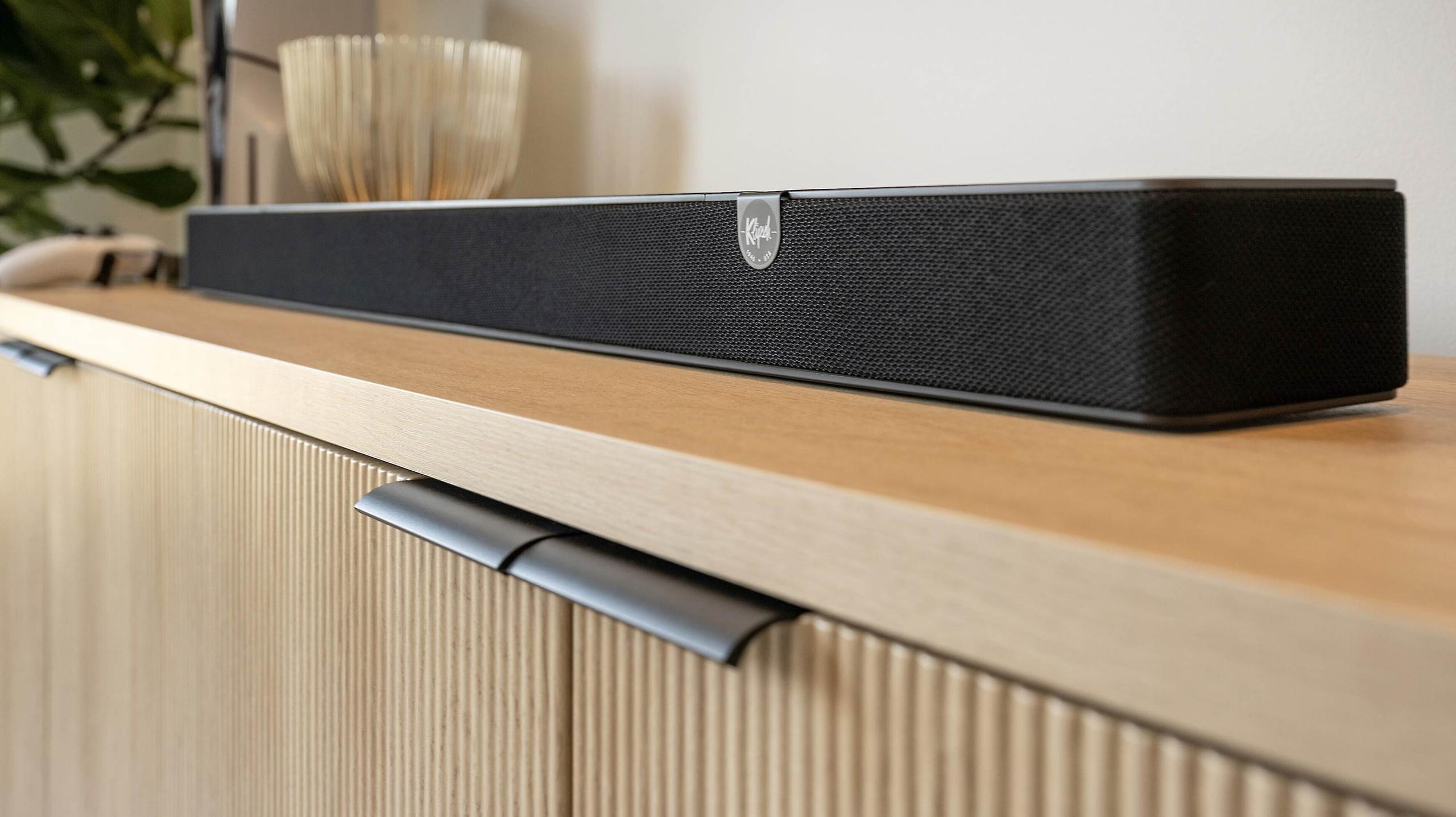
The Klipsch Flexus CORE 200 is all about value. It’s a 3.1.2-channel Dolby Atmos soundbar with built-in subwoofers, elevation drivers, and a dedicated center channel for clearer dialogue.
It doesn’t try to compete with the premium models on design or ecosystem features—instead, it focuses on delivering a strong, cinematic upgrade for the money. If you want something that immediately improves your TV experience without stretching your budget too far, this is one of the more straightforward recommendations here.
Specs at a glance:
Reasons to buy:
Reasons to avoid:
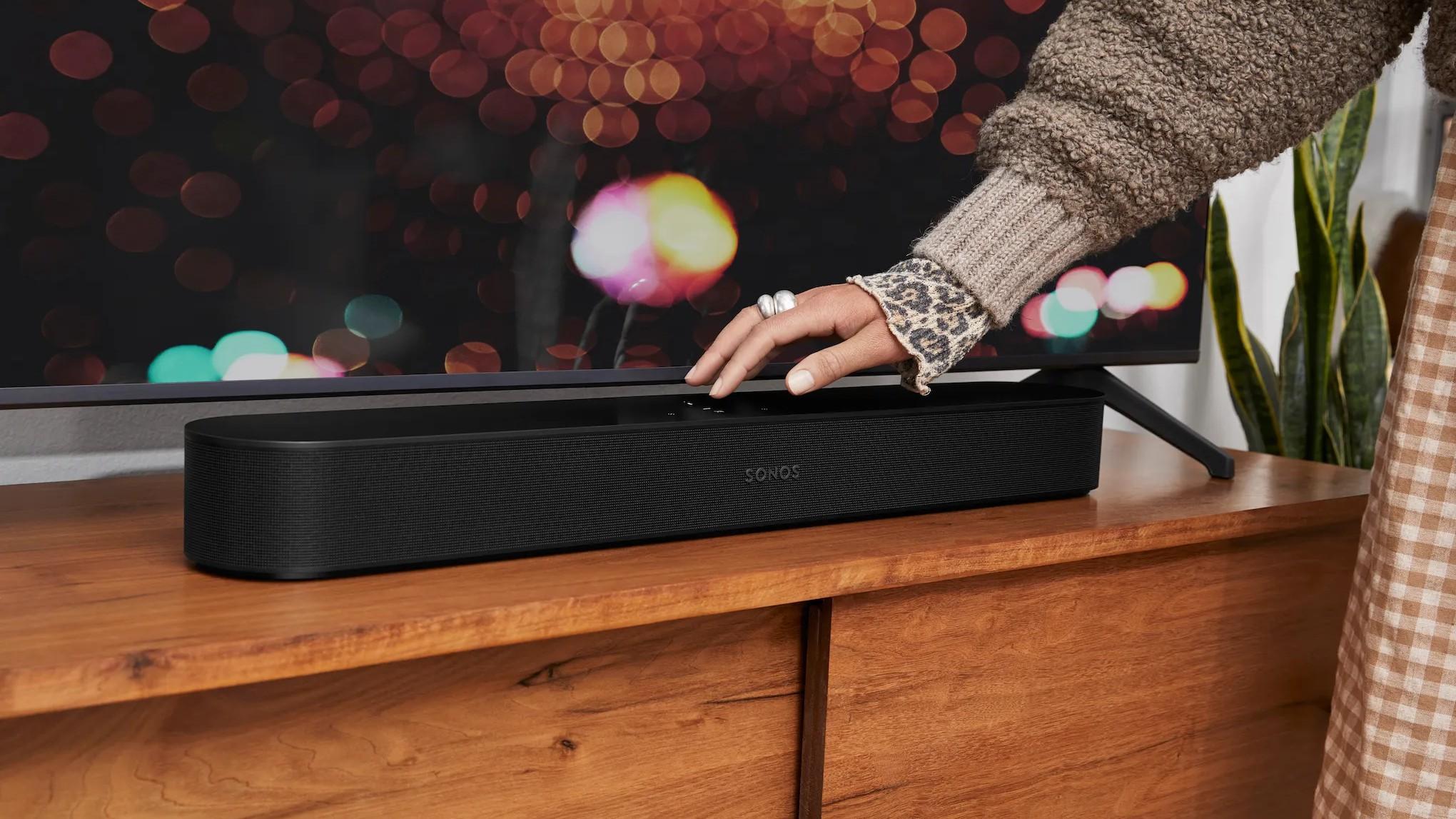
The Sonos Beam (Gen 2) is the dependable choice. It’s compact, easy to use, and still one of the best-balanced soundbars in its price range.
It won’t match the scale or impact of larger models, but it gets the fundamentals right: clear dialogue, solid Atmos virtualization, and seamless integration into the Sonos ecosystem. For smaller to mid-sized rooms, it remains one of the safest picks you can make.
Specs at a glance:
Reasons to buy:
Reasons to avoid:



Privacy Policy
Terms and Conditions - Affiliate Policy
Home Security
© Copyright 2008-2026.
11816 Inwood Rd #1211, Dallas, TX 75244